Braces
4,868 words · 16 min read
Quick Definition
Orthodontic devices consisting of brackets bonded to teeth and connected by archwires, used to gradually move teeth into proper alignment and correct bite problems.
Braces: Your Comprehensive Guide to Orthodontic Treatment
Braces are sophisticated orthodontic devices consisting of brackets bonded to teeth and connected by archwires, used to gradually move teeth into proper alignment and correct bite problems. Far more than just a cosmetic fix, braces play a crucial role in improving overall dental health, enhancing chewing function, and preventing a host of long-term issues. Understanding what braces are, how they work, and what to expect from treatment is essential for anyone considering orthodontic care.
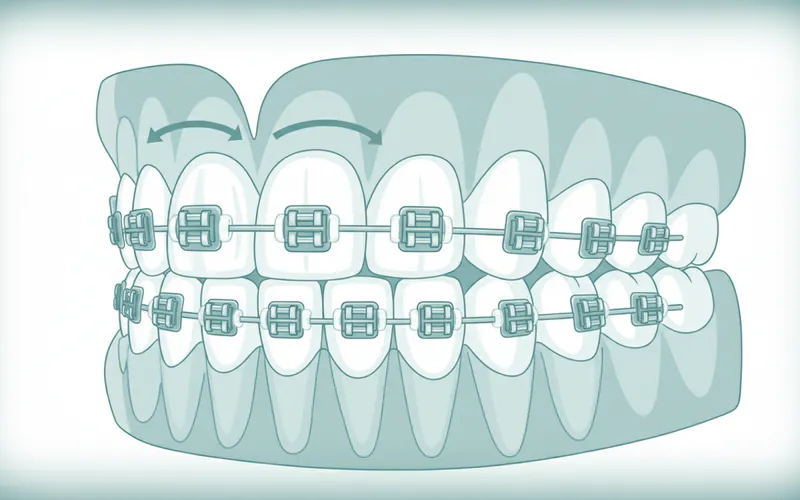
In the United States, a significant portion of the population will undergo orthodontic treatment at some point. It's estimated that 3-4 million people in the US wear braces or other orthodontic appliances annually, with nearly 75% of children needing some form of orthodontic treatment. Adults also increasingly seek orthodontic solutions, accounting for about 1 in 4 orthodontic patients today. This widespread use underscores the importance of braces in achieving healthy, functional, and aesthetically pleasing smiles.
Key Takeaways:
- Braces are orthodontic devices that use gentle, continuous pressure to gradually move teeth.
- They correct malocclusion (improper bite) and improve tooth alignment, enhancing both aesthetics and function.
- Treatment can last from 1 to 3 years, followed by crucial retainer wear.
- Multiple types exist, including traditional metal, ceramic, lingual, and self-ligating braces, each with unique pros and cons.
- Early orthodontic evaluation around age 7 is recommended for children.
- Costs typically range from $3,000 to $7,500 in the US, varying by type and complexity, with insurance often covering a portion.
Types and Classifications of Braces
Modern orthodontics offers a variety of braces, each designed to meet different patient needs, aesthetic preferences, and clinical requirements. All types generally function on the same principle: applying consistent pressure to move teeth into their ideal positions over time.
-
Traditional Metal Braces: These are the most common and recognizable type of braces. They consist of high-grade stainless steel brackets, which are bonded to the front surface of each tooth. A thin, flexible archwire threads through these brackets, and small elastic bands called ligatures (or o-rings) hold the wire in place.
- Pros: Highly effective for complex cases, very durable, typically the most cost-effective option. Today's metal braces are smaller and less noticeable than in previous generations.
- Cons: Most visible type of braces.
- Components:
- Brackets: Small, square-shaped pieces of metal or ceramic bonded directly to the tooth surface. They have a slot through which the archwire passes.
- Archwire: A thin, metal wire that connects all the brackets. It applies the gentle, continuous pressure needed to move teeth. Orthodontists change the archwire regularly throughout treatment to guide teeth into new positions.
- Ligatures/Elastics: Small rubber bands or thin wires that hold the archwire into the bracket slot. They come in various colors, allowing for personalization.
- Bands (Orthodontic): Metal rings that are cemented to back molars, providing an anchor for the archwire. Not always necessary for all patients.
- Spacers/Separators: Small elastic rings placed between teeth before bands are applied, creating space.
- Power Chains: A continuous chain of ligatures used to close spaces between teeth.
-
Ceramic Braces: These function similarly to traditional metal braces but use clear or tooth-colored ceramic brackets instead of metal. They are less noticeable and a popular choice for adults and older teenagers seeking a more discreet option.
- Pros: Much less visible than metal braces, blending in with the teeth.
- Cons: More fragile and prone to staining (especially from coffee, tea, red wine, curry, and smoking) than metal braces. Can be slightly larger than metal brackets and typically cost more. The material can also be abrasive against opposing teeth if not carefully monitored.
-
Lingual Braces: Unlike other types, lingual braces are custom-made and bonded to the inside (lingual side) of the teeth, making them virtually invisible from the outside. This option is ideal for patients who want maximum discretion.
- Pros: Completely hidden from view.
- Cons: Significantly more expensive due to customization and specialized placement. Can be uncomfortable initially, affecting speech and tongue movement. Cleaning can be more challenging. Not all orthodontists offer lingual braces due to the specialized training required.
-
Self-Ligating Braces: These braces, which can be metal or ceramic, differ from traditional braces in how the archwire is held. Instead of ligatures, self-ligating brackets have a built-in clip or door that holds the archwire in place. Brands like Damon System and Speed System are well-known examples.
- Pros: Potentially faster and fewer adjustment appointments because there are no elastic ligatures to change. Some patients report less friction and discomfort, and improved hygiene due to the absence of elastics, which can harbor plaque.
- Cons: Can be more expensive than traditional metal braces.
-
Invisalign (Clear Aligners): While not technically "braces" in the traditional sense, Invisalign is a popular alternative orthodontic treatment. It uses a series of custom-made, clear, removable plastic aligners to gradually shift teeth into position. Each aligner is worn for about 1-2 weeks before moving to the next in the series.
- Pros: Nearly invisible, removable for eating and cleaning, generally more comfortable than traditional braces (no wires or brackets to irritate cheeks/gums).
- Cons: Requires strong patient compliance (must be worn 20-22 hours a day). Not suitable for all complex cases. Can be similar in cost or slightly more expensive than traditional braces. The patient must remember to remove them for eating and drinking anything other than water, and brush their teeth before putting them back in.
Causes and Risk Factors for Needing Braces
The need for braces primarily stems from malocclusion, a dental condition where the teeth are not properly aligned when the jaws are closed. Malocclusion can be influenced by a combination of genetic and environmental factors.
-
Genetics: This is a primary factor. Heredity can dictate jaw size, tooth size, and the overall alignment of the teeth. If parents had crooked teeth or bite problems, their children are more likely to inherit similar issues.
- Discrepancy in Jaw Size: Small jaws with large teeth, or large jaws with small teeth, can lead to crowding or spacing.
- Inherited Bite Problems: Overbites (upper front teeth significantly overlap lower front teeth), underbites (lower front teeth extend beyond upper front teeth), crossbites (some upper teeth sit inside lower teeth), and open bites (front teeth don't meet when back teeth are closed) are often inherited.
-
Oral Habits: Certain childhood habits can significantly impact dental development and lead to the need for orthodontic intervention.
- Thumb Sucking/Finger Sucking: Prolonged habits past the age of 4-5 can push front teeth forward, creating an open bite or overbite.
- Tongue Thrusting: The tongue pushes against the front teeth during swallowing, which can cause an open bite.
- Mouth Breathing: Chronic mouth breathing can alter facial development and lead to narrow arches and crooked teeth.
- Nail Biting/Pencil Chewing: These habits can put undue stress on teeth and shift their positions over time.
-
Early or Late Tooth Loss:
- Premature Loss of Primary (Baby) Teeth: If a baby tooth is lost too early due to decay or trauma, adjacent teeth can drift into the empty space, preventing the permanent tooth from erupting properly. This often necessitates space maintainers or early orthodontic intervention.
- Late Loss of Primary Teeth: If baby teeth are retained too long, they can block the eruption path of permanent teeth, causing them to erupt out of alignment.
-
Dental Trauma: Injuries to the face or mouth can shift teeth out of position, damage developing permanent teeth, or affect jaw growth, requiring orthodontic correction.
-
Impacted or Missing Teeth:
- Impacted Teeth: Teeth that fail to erupt through the gum line, often due to obstruction or lack of space (e.g., impacted canines or wisdom teeth). Braces can help create space or guide impacted teeth into place.
- Congenitally Missing Teeth: Some individuals are born without certain permanent teeth, leading to gaps or shifting of existing teeth.
-
Poor Dental Hygiene/Gum Disease: While not a direct cause of needing braces, untreated gum disease can damage the bone supporting teeth, making orthodontic treatment more complex or risky, or even leading to tooth movement if supporting structures are compromised.
Signs and Symptoms to Watch For
Recognizing the signs that braces might be necessary is the first step toward correcting dental alignment and bite problems.
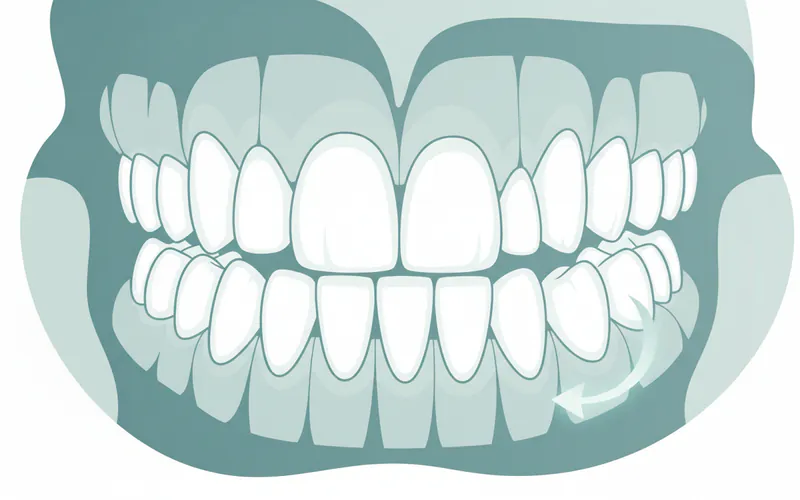
- Visible Crooked, Crowded, or Gapped Teeth: This is the most obvious sign. Teeth that overlap, are twisted, or have noticeable spaces between them.
- Difficulty Chewing or Biting: A misaligned bite can make it hard to chew food properly, leading to digestive issues or excessive wear on certain teeth.
- Speech Impediments: Lisping or other speech difficulties can sometimes be caused by dental alignment issues.
- Jaw Pain or Discomfort (TMJ issues): An improper bite can place undue stress on the temporomandibular joints (TMJ), leading to pain, clicking, or difficulty opening and closing the mouth.
- Mouth Breathing: Chronic mouth breathing, especially during sleep, can indicate underlying orthodontic issues that affect jaw development.
- Grinding or Clenching (Bruxism): Malocclusion can contribute to bruxism, leading to tooth wear, sensitivity, and jaw pain.
- Uneven Wear of Tooth Enamel: Certain teeth bearing the brunt of the biting force can show excessive wear, risking cavities and sensitivity.
- Biting the Inside of Your Cheeks or Tongue: This is a clear indicator of a misaligned bite where teeth are not meeting properly.
- Protruding or Receding Jaws: A noticeable overbite or underbite due to jaw discrepancies.
Diagnosis Process — What Your Dentist Does
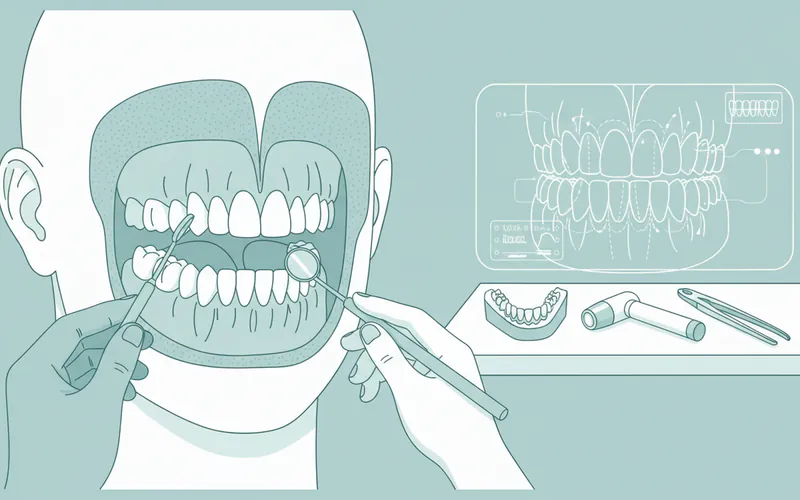
The journey to a straighter smile begins with a thorough diagnostic process, typically conducted by an orthodontist—a dentist who has completed an additional 2-3 years of specialized training beyond dental school.
-
Initial Consultation:
- The orthodontist will discuss your concerns, medical history, and dental history.
- They will perform a visual examination of your teeth, gums, and bite.
- They will also assess your facial profile and jaw alignment.
-
Clinical Examination:
- A detailed examination of your teeth, checking for malocclusion, crowding, spacing, missing teeth, and oral hygiene.
- Assessment of jaw function and how your upper and lower teeth meet.
-
Diagnostic Records: To create a precise treatment plan, the orthodontist will gather comprehensive records:
- Dental X-rays:
- Panoramic X-ray: Provides a full view of all teeth (erupted and unerupted), jawbones, and temporomandibular joints. It helps identify impacted teeth, missing teeth, and other bone abnormalities.
- Cephalometric X-ray (Ceph): A side profile X-ray of the head, showing the relationship of the teeth to the jaws and the jaws to the rest of the facial structure. This is crucial for assessing growth patterns and planning jaw movements.
- Periapical/Bitewing X-rays: May be taken to check for cavities or bone levels around specific teeth.
- Dental Impressions/Digital Scans:
- Traditional Impressions: A soft, putty-like material is used to create molds of your teeth, which are then used to pour plaster models.
- Digital Scans: Many modern orthodontists use intraoral scanners (e.g., iTero) to create highly accurate 3D digital models of your teeth and bite. These are faster, more comfortable, and provide instant results.
- Photographs: Extraoral (facial profile, front view, smile) and intraoral (photos of your teeth from different angles) photographs are taken to document your initial condition and monitor progress.
- Dental X-rays:
-
Treatment Plan Discussion:
- Based on all the diagnostic records, the orthodontist will formulate a customized treatment plan.
- They will explain the recommended type of braces (or alternative like Invisalign), the expected duration of treatment, and the anticipated outcome.
- This is the time to ask questions about the process, costs, and any necessary pre-orthodontic procedures (like extractions).
Treatment Options with Pros, Cons, and Costs
When considering braces, patients have several options, each with distinct advantages and disadvantages, and varying costs.
| Type of Braces | Visibility | Comfort Level | Average US Cost (Range) | Pros | Cons |
|---|---|---|---|---|---|
| Traditional Metal | High (very visible) | Moderate (initial discomfort) | $3,000 - $7,500 | Most durable, highly effective for complex cases, most affordable. | Most visible, potential for irritation (cheeks/gums), dietary restrictions. |
| Ceramic Braces | Low (tooth-colored) | Moderate | $4,000 - $8,000 | Less noticeable than metal, aesthetically pleasing. | More fragile, prone to staining, slightly larger than metal brackets, higher cost, can cause wear on opposing teeth. |
| Lingual Braces | None (invisible) | Low (initially uncomfortable) | $8,000 - $12,000+ | Completely hidden from view, great for highly aesthetic-conscious. | Most expensive, significant initial discomfort (speech/tongue), longer appointment times, harder to clean. |
| Self-Ligating | Medium (metal/clear) | High (less friction) | $4,000 - $8,000 | Potentially fewer appointments, faster treatment, easier to clean. | Can be more expensive than traditional metal, aesthetic benefits vary (metal vs. ceramic self-ligating). |
| Invisalign (Clear Aligners) | Very Low (nearly invisible) | High (smooth plastic) | $3,500 - $8,500 | Removable for eating/cleaning, almost invisible, generally comfortable. | Requires strict compliance (20-22 hrs/day), not suitable for all complex cases, can be misplaced, often similar or higher cost than traditional, can affect speech temporarily. |
- Costs are highly variable and depend on factors such as:
- Complexity of the case: More severe malocclusion or longer treatment times increase costs.
- Duration of treatment: Longer treatment plans generally cost more.
- Geographic location: Orthodontic fees vary by city and region in the US.
- Orthodontist's experience: Highly experienced or specialized orthodontists may charge more.
- Inclusions: Some quotes include retainers, initial records, and follow-up appointments, while others may charge separately.
Step-by-Step: What to Expect During Treatment
Undergoing orthodontic treatment is a journey that involves several distinct phases. Knowing what to expect can help ease any anxieties.
-
Initial Consultation and Records: (As detailed above) This phase focuses on diagnosis and treatment planning.
-
Pre-Treatment Procedures (If Necessary):
- Extractions: If severe crowding is present, one or more teeth may need to be extracted to create space for alignment.
- Spacers/Separators: Small elastic rings are often placed between back molars for about a week before bonding, creating enough space for orthodontic bands.
- Dental Work: Any necessary fillings or cleanings should be completed before braces are placed.
-
Bonding Day (Braces Placement):
- The teeth are thoroughly cleaned and conditioned.
- A special dental adhesive is applied to the front of each tooth, and the brackets are carefully positioned and bonded with a curing light.
- The archwire is then threaded through the brackets, and ligatures (for traditional braces) are applied to hold the wire in place.
- This appointment typically takes 1-2 hours. You may experience some initial pressure or discomfort.
-
Adjustment Appointments:
- These are scheduled every 4-8 weeks.
- During adjustments, the orthodontist will evaluate progress, remove and replace the archwire (often with a thicker or different shaped wire), and change ligatures. They may also add or adjust other components like springs or power chains.
- These adjustments apply new forces to continue moving the teeth. You might feel soreness or pressure for a few days after each adjustment.
-
Managing Discomfort:
- Initial soreness: Expect mild to moderate discomfort for a few days after bonding and adjustments. Over-the-counter pain relievers (like ibuprofen or acetaminophen) can help.
- Oral irritations: Brackets and wires can rub against the inside of your cheeks, lips, and tongue. Orthodontic wax (provided by your orthodontist) can be applied to cover irritating parts.
- Dietary adjustments: Stick to soft foods for the first few days after placement and adjustments.
-
Oral Hygiene Challenges:
- Braces create many new nooks and crannies where food particles and plaque can accumulate.
- Thorough brushing after every meal is crucial. Use a soft-bristled toothbrush, and specialized orthodontic toothbrushes or interdental brushes can be helpful.
- Flossing with braces requires special tools like floss threaders or orthodontic floss, which can be time-consuming but essential to prevent cavities and gum disease. A water flosser (e.g., Waterpik) is also highly recommended.
-
Dietary Restrictions: To prevent damage to brackets and wires, certain foods must be avoided:
- Hard foods: Nuts, hard candies, popcorn (unpopped kernels), ice.
- Sticky foods: Caramel, taffy, chewing gum.
- Chewy foods: Hard rolls, bagels, tough meats.
- Crunchy foods: Potato chips (can break brackets).
- Foods that require biting into: Whole apples, carrots (cut into small pieces instead).
-
Debonding Day (Braces Removal):
- After the teeth have reached their ideal positions, the orthodontist will carefully remove the brackets and clean any remaining adhesive from the teeth. This process is usually quick and painless.
- You'll finally see your new, straight smile!
-
Retainer Phase:
- This is arguably the most critical phase. Without a retainer, teeth will inevitably shift back towards their original positions (a phenomenon called "relapse").
- Retainers (removable or fixed) are custom-made appliances designed to hold the teeth in their new positions while the bone and ligaments around them stabilize.
- Initial wear typically involves full-time use for several months, gradually transitioning to nighttime wear, often for life.
Recovery Timeline and Aftercare
The "recovery" from braces is not a single event but an ongoing process of adjustment and maintenance.
-
Initial Adjustment (First Few Days to Week):
- Discomfort: Expect soreness, tenderness of teeth, and potential irritation from brackets/wires. Manage with soft foods, OTC pain relievers, and orthodontic wax.
- Speech: Some temporary changes to speech may occur, especially with lingual braces, as your mouth adapts.
- Eating: Stick to soft, easy-to-chew foods.
-
Ongoing Oral Hygiene:
- Commitment is key: Meticulous brushing after every meal and daily flossing (using floss threaders or a water flosser) are non-negotiable to prevent decalcification (white spots), cavities, and gum inflammation.
- Regular professional cleanings: Continue routine dental check-ups and cleanings every 6 months with your general dentist.
-
Post-Treatment Retainer Wear:
- Lifelong commitment: Your orthodontist will prescribe a retainer schedule. It's crucial to follow this religiously. Many orthodontists recommend indefinite nighttime wear to maintain alignment.
- Types of Retainers:
- Hawley Retainers: Removable, made of acrylic and a metal wire.
- Essix Retainers: Removable, clear plastic aligner-like retainers (similar to Invisalign).
- Fixed/Bonded Retainers: A thin wire permanently bonded to the back of the front teeth (usually canine to canine) on either the upper or lower arch, or both. These are not visible and are very effective but require diligent cleaning around them.
-
Diet After Braces: Once braces are removed, you can typically return to a normal diet, but continued caution with very hard or sticky foods is wise to protect your teeth and any dental work.
Prevention Strategies
While genetics play a significant role, some preventive measures can help minimize the need for extensive orthodontic treatment or address issues early.
- Early Orthodontic Evaluation (Age 7): The American Association of Orthodontists (AAO) recommends a child's first orthodontic visit by age 7. At this age, the orthodontist can identify potential problems with jaw growth and erupting permanent teeth. Early intervention (Phase 1 orthodontics) can sometimes simplify or even eliminate the need for full braces later.
- Breaking Harmful Oral Habits: Addressing thumb sucking, finger sucking, pacifier use, and tongue thrusting habits before the permanent teeth fully erupt can prevent many common malocclusion issues. Your dentist or orthodontist can offer guidance and appliances (like habit breakers) to help.
- Good Oral Hygiene from Childhood: Regular brushing, flossing, and dental check-ups prevent cavities and premature loss of baby teeth. Keeping baby teeth healthy until they naturally fall out helps maintain space for the permanent teeth.
- Monitoring Tooth Eruption: Your general dentist will monitor the eruption sequence of permanent teeth. If a tooth is delayed or seems to be erupting out of position, an orthodontic referral may be made.
- Addressing Premature Tooth Loss: If a baby tooth is lost too early due to trauma or decay, a space maintainer can be placed to prevent adjacent teeth from drifting into the empty space, thus preserving the necessary room for the permanent tooth.
Cost Ranges in the US
The cost of braces in the United States can vary widely based on the type of braces, the complexity and duration of treatment, and geographic location.
- Traditional Metal Braces: Typically the most affordable option, ranging from $3,000 to $7,500.
- Ceramic Braces: Generally slightly more expensive than metal, costing between $4,000 and $8,000.
- Self-Ligating Braces: Often fall within the $4,000 to $8,000 range, depending on whether they are metal or clear.
- Invisalign/Clear Aligners: Costs are often comparable to ceramic or self-ligating braces, usually between $3,500 and $8,500.
- Lingual Braces: Due to their custom nature and specialized placement, these are the most expensive, often ranging from $8,000 to $12,000 or more.
Factors Influencing Cost:
- Case Complexity: Simple cases of minor crowding or spacing will cost less than complex cases involving significant bite correction, extractions, or jaw surgery.
- Treatment Duration: Longer treatment plans generally incur higher costs.
- Geographic Location: Orthodontic fees are often higher in major metropolitan areas compared to rural areas.
- Orthodontist's Experience: Highly experienced or renowned orthodontists may have higher fees.
- Included Services: Some quotes are all-inclusive (initial records, adjustments, retainers), while others might charge separately for certain items.
With/Without Insurance:
- Dental Insurance: Many dental insurance plans offer some coverage for orthodontics, especially for children.
- Coverage typically ranges from 25% to 50% of the total cost, up to a lifetime maximum benefit (e.g., $1,000 to $3,000).
- It's crucial to check your specific plan's orthodontic benefits, waiting periods, and whether there's an age limit for coverage.
- PPO plans often allow you to choose any orthodontist, while HMO plans might require you to use an in-network provider.
- Medicaid and CHIP: In some states, Medicaid or the Children's Health Insurance Program (CHIP) may cover orthodontic treatment for children if it's deemed medically necessary (i.e., severe malocclusion affecting health or function, not purely cosmetic).
- Without Insurance/Out-of-Pocket: For those without insurance or whose insurance doesn't cover orthodontics, many orthodontists offer:
- Payment Plans: Interest-free monthly installment plans spread over the course of treatment.
- Discounts: Some offices offer discounts for paying in full upfront.
- Flexible Spending Accounts (FSAs) and Health Savings Accounts (HSAs): These tax-advantaged accounts allow you to set aside pre-tax money for healthcare expenses, including orthodontic treatment.
For Parents / Pediatric Considerations
Orthodontic care for children is a specialized area, and early assessment is paramount.
- First Orthodontic Visit by Age 7: As recommended by the AAO, around age 7, a child's permanent molars and incisors have usually erupted, allowing an orthodontist to evaluate the developing bite and jaw relationships. This visit is primarily for observation; treatment is not always immediately necessary.
- Two-Phase Orthodontics: If significant problems are detected early, an orthodontist might recommend a two-phase treatment approach:
- Phase 1 (Early Intervention): Typically occurs between ages 7-10, before all permanent teeth have erupted. It aims to correct significant jaw discrepancies, create space for permanent teeth, reduce the severity of developing malocclusion, or eliminate harmful oral habits. This phase might involve appliances like palatal expanders, partial braces, or habit breakers.
- Resting Period: After Phase 1, there's a period where permanent teeth are allowed to erupt.
- Phase 2 (Comprehensive Treatment): Usually involves full braces (or Invisalign) once most or all permanent teeth have erupted, typically around ages 11-14, to finalize tooth alignment and bite correction.
- Benefits of Early Intervention: Early treatment can prevent more severe problems from developing, simplify later treatment, shorten the time in full braces, and potentially avoid the need for extractions or jaw surgery.
- Addressing Childhood Habits: Parents should be proactive in discouraging prolonged thumb/finger sucking, pacifier use, and identifying mouth breathing early on. Intervention can often prevent or minimize the need for orthodontic correction due to these habits.
- Monitoring Dental Development: Regular dental check-ups allow your general dentist to monitor your child's dental development and refer to an orthodontist if concerns arise.
Frequently Asked Questions
How much do braces cost?
The cost of braces in the US generally ranges from $3,000 to $7,500 for traditional metal braces, and up to $8,000 - $12,000+ for more specialized options like lingual braces. Factors like the type of braces, complexity of the case, treatment duration, and geographic location all influence the final price.
How long do you wear braces?
The average treatment time for braces is typically 1 to 3 years. Simpler cases may be completed in as little as 6 months, while very complex cases requiring extensive jaw correction can sometimes take 3 years or more. After active treatment, wearing a retainer as prescribed by your orthodontist is crucial, often for life, to maintain the results.
Do braces hurt?
While braces don't "hurt" constantly, you will experience periods of discomfort and soreness. The initial placement of braces, and particularly after each adjustment appointment, can cause pressure and tenderness for a few days. This can usually be managed with over-the-counter pain relievers and a soft diet. Brackets and wires can also cause temporary irritation to the inside of your cheeks, lips, and tongue, for which orthodontic wax can provide relief.
Can adults get braces?
Absolutely! A significant number of orthodontic patients today are adults, accounting for approximately 25%. Thanks to advancements in orthodontics, options like ceramic braces, lingual braces, and Invisalign make treatment more discreet and appealing for adults. While adult bone structure is no longer growing, teeth can still be moved effectively, though treatment might sometimes take slightly longer than for adolescents.
What are the alternatives to traditional braces?
The primary alternative to traditional fixed braces is Invisalign or other brands of clear aligners. These use a series of custom-made, clear, removable plastic trays to gradually move teeth. For very minor cosmetic adjustments, sometimes retainers alone or minor dental procedures like bonding or veneers might be considered, but these do not correct malocclusion or underlying bite issues.
Does insurance cover braces?
Many dental insurance plans offer some coverage for orthodontics, typically covering 25% to 50% of the cost up to a lifetime maximum benefit (e.g., $1,000 to $3,000). Coverage often differs for children versus adults. It's essential to contact your insurance provider directly to understand your specific benefits, including any age limits, waiting periods, or requirements for medical necessity.
What foods should I avoid with braces?
To protect your brackets and wires, it's crucial to avoid hard, sticky, and chewy foods. This includes popcorn (especially unpopped kernels), nuts, hard candies, chewing gum, caramel, taffy, sticky chocolate, bagels, hard rolls, and whole apples or raw carrots (cut them into small pieces instead). Ice should also never be chewed.
How do I clean my teeth with braces?
Maintaining excellent oral hygiene with braces is critical. You should brush after every meal and snack using a soft-bristled toothbrush. An orthodontic toothbrush with a V-shaped trim can be helpful, or an electric toothbrush. Flossing requires special tools like floss threaders or super floss to get under the archwire, or using a water flosser (Waterpik is a popular brand) which effectively removes food particles and plaque around brackets and wires. Regular dental check-ups and cleanings with your general dentist are also vital.
When to See a Dentist
Knowing when to seek professional dental advice for braces-related concerns is important for ensuring effective treatment and addressing potential issues promptly.
- Routine Orthodontic Appointments: Adhere strictly to your orthodontist's schedule for adjustment appointments (typically every 4-8 weeks). These visits are crucial for monitoring progress, making necessary adjustments, and ensuring treatment stays on track.
- General Dental Check-ups: Continue to see your general dentist for routine check-ups and cleanings every 6 months even while wearing braces. They will monitor your overall oral health, check for cavities, and provide thorough cleanings in areas that might be difficult to reach with braces.
- Early Orthodontic Evaluation (for children): If you are a parent, schedule your child's first orthodontic consultation by age 7, or earlier if you notice obvious signs of malocclusion or harmful oral habits like prolonged thumb sucking.
- Signs of Malocclusion (for adults): If you notice adult-onset crooked teeth, gaps developing, difficulty chewing, jaw pain, or uneven tooth wear, consult your general dentist or an orthodontist to discuss potential orthodontic solutions.
- Emergency Signs with Braces: Contact your orthodontist immediately if you experience:
- Severe, persistent pain that doesn't subside with OTC pain relievers.
- A broken bracket that is causing irritation or pain.
- A poking or broken archwire that cannot be managed with orthodontic wax and is causing significant discomfort.
- Loose bands on molars.
- Any severe injury to the mouth, teeth, or jaw while wearing braces.
Medical Disclaimer
This article is for informational purposes only and does not constitute medical advice. Always consult with a qualified dental professional for diagnosis and treatment. Do not delay seeking professional advice because of something you read on this website.