Zirconia
4,181 words · 14 min read
Quick Definition
A strong, tooth-colored ceramic material (zirconium dioxide) used to fabricate dental crowns, bridges, implants, and abutments. Zirconia is known for exceptional strength and biocompatibility.
Zirconia: The Definitive Guide to This Revolutionary Dental Material
Introduction
In the ever-evolving landscape of modern dentistry, zirconia stands out as a groundbreaking material that has transformed how dental professionals restore smiles. At its core, zirconia is a robust, tooth-colored ceramic material, chemically known as zirconium dioxide (ZrO2). It's not a metal, but a ceramic derived from zirconium, a lustrous, silvery-white metal that's also found in earth's crust. Its unique properties — exceptional strength, natural aesthetics, and remarkable biocompatibility — make it a preferred choice for a wide array of dental restorations, including crowns, bridges, dental implants, and abutments.
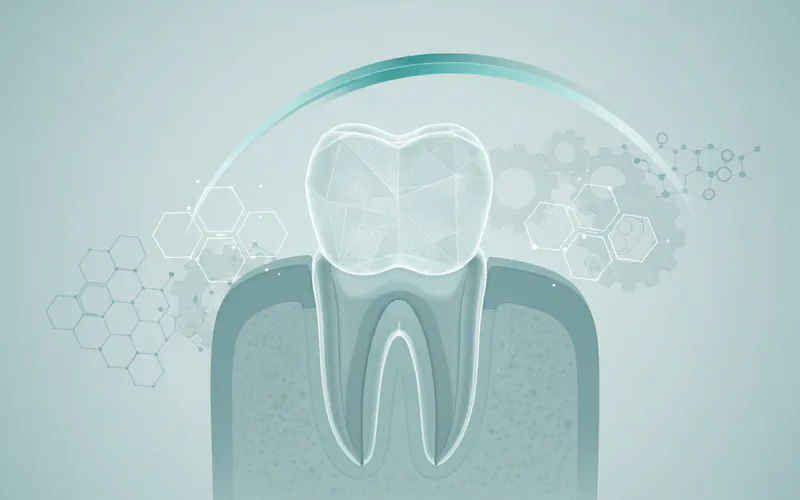
Why does zirconia matter for your dental health? For decades, metal alloys, often fused with porcelain (porcelain-fused-to-metal or PFM), were the standard for strength in restorations. While effective, PFM restorations could sometimes show a dark line at the gumline or cause allergic reactions in sensitive individuals. Zirconia offers a completely metal-free alternative that addresses these concerns while providing superior durability and a more natural appearance. It’s revolutionizing patient outcomes by combining the best of both worlds: the resilience needed for chewing and the aesthetic quality desired for a confident smile.
The adoption of zirconia in dentistry has surged dramatically. Today, it's estimated that over 70% of all new dental crowns are fabricated using zirconia or other all-ceramic materials, a significant shift from the dominance of PFM crowns just a decade ago. This widespread acceptance reflects its proven track record and the growing demand from patients for highly aesthetic and durable solutions. If you're considering a dental restoration, understanding zirconia is key to making an informed decision about your oral health.
Key Takeaways:
- What Zirconia Is: A high-strength, tooth-colored ceramic (zirconium dioxide) used in various dental restorations.
- Unmatched Strength: Exceptionally durable, making it ideal for both front and back teeth.
- Natural Aesthetics: Available in multiple shades to perfectly match surrounding teeth, providing a seamless look.
- Biocompatibility: Highly compatible with the human body, reducing the risk of allergic reactions or tissue irritation.
- Versatile Applications: Used for crowns, bridges, dental implants, abutments, and even certain denture frameworks.
- Metal-Free: Offers a fantastic alternative for patients with metal allergies or those seeking mercury-free options.
Detailed Explanation
Types and Classifications of Zirconia in Dentistry
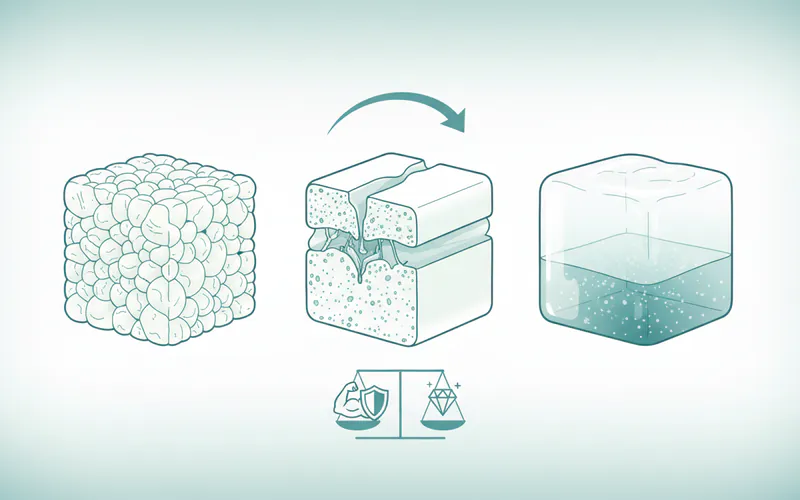
Not all zirconia is created equal. Dental zirconia has evolved significantly, with different formulations designed to balance strength and aesthetics for various applications. Understanding these types can help you grasp why your dentist might recommend a specific kind.
-
Solid Zirconia (Monolithic Zirconia):
- Characteristics: This is the strongest form of dental zirconia, known for its exceptional fracture resistance. It is often more opaque than other types.
- Application: Primarily used for posterior (back) crowns and bridges where maximum strength is paramount, especially for patients who grind their teeth (bruxism) or have heavy bites. It's also frequently used for implant abutments.
- Pros: Incredible durability, virtually chip-proof, excellent for load-bearing areas.
- Cons: Can sometimes appear less translucent and therefore less natural than natural tooth enamel, making it less ideal for highly visible front teeth unless aesthetics are not the primary concern.
-
High Translucent Zirconia:
- Characteristics: Developed to address the aesthetic limitations of solid zirconia, this type incorporates a higher content of yttria (a stabilizing agent), allowing for increased light transmission, making it more translucent and natural-looking.
- Application: Ideal for anterior (front) crowns and bridges where aesthetics are crucial, but still offers significantly greater strength than traditional porcelain or lithium disilicate (e.g., Emax). Can also be used for posterior restorations where a balance of strength and beauty is desired.
- Pros: Excellent aesthetics, good strength, metal-free.
- Cons: Slightly less strong than solid zirconia, but still superior to many other ceramic options.
-
Layered Zirconia:
- Characteristics: This type involves a zirconia coping (framework) that is layered with a feldspathic porcelain veneer. The zirconia provides the underlying strength, while the porcelain provides the highly aesthetic, natural-looking outer surface.
- Application: Primarily used for highly aesthetic anterior crowns and bridges where a precise match to natural teeth is critical.
- Pros: Combines the strength of zirconia with the superior aesthetics and vitality of layered porcelain.
- Cons: The porcelain layer can be prone to chipping or fracturing, similar to traditional PFM restorations, diminishing its overall durability compared to monolithic zirconia.
-
Full-Contour Zirconia (FCZ):
- Characteristics: Often synonymous with monolithic zirconia, but specifically refers to restorations that are made entirely from a single block of zirconia, without any porcelain layering. Modern FCZ materials are increasingly aesthetic, blurring the lines between solid and high translucent zirconia.
- Application: Wide-ranging, from single crowns to long-span bridges, both anterior and posterior.
- Pros: Eliminates the risk of porcelain chipping, excellent strength and durability, and increasingly good aesthetics.
- Cons: Older generations of FCZ could be less aesthetic; newer generations are significantly improved.
Why Zirconia Is Chosen for Dental Restorations
Zirconia has become a material of choice for dentists and patients for several compelling reasons, effectively replacing or surpassing traditional materials in many applications.
- Exceptional Strength and Durability: Zirconia is renowned for its incredible toughness. It can withstand the intense chewing forces in your mouth without fracturing or chipping, offering a long-lasting solution. This makes it particularly suitable for posterior teeth and for patients with bruxism (teeth grinding).
- Superior Aesthetics: With the advent of high translucent zirconia, restorations can be precisely color-matched to your natural teeth, providing a seamless and indistinguishable appearance. Unlike PFM crowns, zirconia eliminates the visible gray line at the gumline, common with metal-based restorations.
- Outstanding Biocompatibility: Zirconia is highly biocompatible, meaning it's well-tolerated by the body and poses a very low risk of allergic reactions or gum irritation. This makes it an excellent option for patients with metal sensitivities or those seeking a truly inert material.
- Longevity: Due to its strength and resistance to wear, zirconia restorations can last for 10 to 15 years or even longer with proper care, often outperforming other restorative materials.
- Conservative Tooth Preparation: While still requiring tooth reduction, advancements in zirconia fabrication allow for thinner crowns in some cases, potentially preserving more of your natural tooth structure.
- Metal-Free Solution: For patients concerned about metal content in their restorations or potential interactions (e.g., galvanic reactions), zirconia provides a completely metal-free alternative.
- Precision Fit (CAD/CAM Technology): Zirconia restorations are typically fabricated using advanced Computer-Aided Design/Computer-Aided Manufacturing (CAD/CAM) technology. This ensures an extremely precise fit, minimizing gaps where bacteria could accumulate and reducing the risk of secondary decay.
Diagnosis Process — What Your Dentist Does
The decision to use a zirconia restoration is part of a comprehensive diagnostic process tailored to your individual needs:
- Comprehensive Dental Examination: Your dentist will conduct a thorough visual examination of your teeth, gums, and overall oral health. They will look for signs of decay, fractures, worn-down enamel, or failing existing restorations.
- X-rays and Imaging: Dental X-rays (including periapical, bitewing, or panoramic X-rays) are crucial to assess the root structure, bone health, and extent of any decay or infection that isn't visible externally. In some cases, a 3D CBCT scan might be used for complex cases like implant planning.
- Bite Assessment: Your dentist will evaluate your bite (occlusion) to understand the forces exerted on your teeth and identify any issues like bruxism that could impact the choice of restorative material.
- Discussion of Symptoms and Goals: You'll discuss any pain, sensitivity, or aesthetic concerns you have. Your dentist will also inquire about your preferences for material aesthetics, durability, and budget.
- Treatment Planning: Based on all gathered information, your dentist will present a range of treatment options, explaining the pros and cons of each. If a crown, bridge, or implant is indicated, the suitability of zirconia will be discussed, taking into account the location in your mouth, your bite forces, and aesthetic requirements. They will determine if solid, high-translucent, or layered zirconia is the best fit for your specific case.
Treatment Options with Zirconia: Pros, Cons, and Costs
Zirconia's versatility makes it suitable for various dental applications.
1. Zirconia Crowns
- Application: Capping a single tooth that is severely decayed, fractured, worn down, or has undergone root canal therapy.
- Pros: Exceptional strength and durability, highly aesthetic (especially high-translucent zirconia), biocompatible, long-lasting.
- Cons: Can be more abrasive to opposing natural teeth if not polished perfectly, cost can be higher than some alternatives.
- Cost Range (US): Typically $1,000 to $2,500+ per crown.
2. Zirconia Bridges
- Application: Replacing one or more missing teeth by anchoring a prosthetic tooth (or pontic) to natural teeth or dental implants on either side of the gap.
- Pros: Provides a strong, aesthetic, and durable solution for missing teeth, restores chewing function and speech.
- Cons: Requires significant preparation of adjacent healthy teeth (for traditional fixed bridges), cost.
- Cost Range (US): $800 to $2,000+ per unit. A typical 3-unit bridge could range from $2,400 to $6,000+.
3. Zirconia Dental Implants
- Application: Replacing the root of a missing tooth, serving as a stable foundation for a crown, bridge, or denture. Zirconia implants are a metal-free alternative to traditional titanium implants.
- Pros: Biocompatible, aesthetic (no grey show-through at the gumline), strong, excellent osseointegration (integration with bone). Ideal for patients with metal allergies or those who prefer metal-free solutions.
- Cons: Newer technology than titanium, may have fewer long-term studies compared to titanium (though growing rapidly), potentially more costly, and limited availability from some specialists.
- Cost Range (US): The cost for a single zirconia implant, including the implant body, abutment, and crown, typically ranges from $3,000 to $6,000+, with some complex cases reaching $8,000 or more.
4. Zirconia Abutments
- Application: The connector piece that sits on top of a dental implant and holds the prosthetic crown. Zirconia abutments are often used with titanium implants in aesthetic zones.
- Pros: Highly aesthetic, especially for front teeth, preventing any grey shade from showing through the gum tissue or crown.
- Cons: Can be more brittle than titanium abutments in some designs.
- Cost Range (US): Included in the overall implant cost, but if chosen over a standard titanium abutment, it might add $300 to $800 to the cost of the abutment.
5. Zirconia Denture Frameworks
- Application: Used as a strong, lightweight, and biocompatible framework for implant-supported dentures or partial dentures.
- Pros: Strength, aesthetics, and metal-free.
- Cons: Can be more expensive than traditional acrylic or metal frameworks.
- Cost Range (US): Highly variable depending on the complexity, often part of a larger denture solution.
Step-by-Step: What to Expect During Treatment (Focusing on a Crown)
The process of getting a zirconia crown typically involves two visits, though some offices with in-house CAD/CAM technology may complete it in a single visit.
Visit 1: Preparation and Impressions
- Anesthesia: Your dentist will administer a local anesthetic to numb the tooth and surrounding gum tissue, ensuring a pain-free procedure.
- Tooth Preparation: The tooth receiving the crown will be carefully reshaped. This involves removing a small amount of enamel from all sides and the top to create space for the zirconia crown to fit over it. The amount removed depends on the type of zirconia and the specific clinical situation.
- Impressions/Digital Scan: Once the tooth is prepared, an impression of your teeth will be taken. This can be done using traditional putty-like material or, more commonly, with a digital scanner that creates a highly accurate 3D model of your mouth. An impression of your opposing teeth and your bite will also be taken to ensure the new crown fits perfectly with your bite.
- Shade Selection: Your dentist will work with you to select the appropriate shade of zirconia to match your natural teeth, especially for visible restorations.
- Temporary Crown: A temporary crown, usually made of acrylic, will be placed over your prepared tooth to protect it while your permanent zirconia crown is being fabricated by a dental lab. ``
Lab Fabrication (typically 1-2 weeks)
- The digital impressions or models are sent to a specialized dental lab. Using CAD/CAM technology, the zirconia crown is meticulously designed and milled from a solid block of zirconia. It then undergoes stages of sintering (heating to high temperatures to achieve strength) and glazing/polishing to achieve its final color and luster.
Visit 2: Placement of Permanent Zirconia Crown
- Removal of Temporary Crown: The temporary crown is gently removed, and your tooth is thoroughly cleaned.
- Try-In: Your dentist will carefully try on the permanent zirconia crown to check its fit, bite, and aesthetics. Adjustments may be made at this stage to ensure it's comfortable and perfectly aligned.
- Bonding/Cementation: Once you and your dentist are satisfied with the fit and appearance, the zirconia crown is permanently bonded or cemented onto your prepared tooth using a strong dental adhesive.
- Final Polish and Bite Check: Any excess cement is removed, and the crown is given a final polish. Your bite will be checked one last time to ensure optimal comfort and function.
Recovery Timeline and Aftercare
- Immediate Recovery (First Few Days): You may experience some mild sensitivity to hot and cold, or slight soreness in your gums around the crowned tooth. This is normal and usually subsides within a few days. Over-the-counter pain relievers can help manage any discomfort.
- Adjusting to Your New Crown: It might take a day or two to fully adjust to the feel of your new crown in your bite. If you notice any persistent high spots or discomfort, contact your dentist for an adjustment.
- Long-Term Aftercare: Zirconia restorations are incredibly durable, but their longevity depends on good oral hygiene and regular dental check-ups.
- Brush and Floss Regularly: Treat your zirconia crown or bridge just like your natural teeth. Brush at least twice a day and floss daily to prevent plaque buildup and gum disease.
- Avoid Hard Foods: While zirconia is strong, avoid habitually chewing on extremely hard foods (e.g., ice, hard candy) or using your teeth as tools, as this can potentially chip or damage any restoration, and even natural teeth.
- Wear a Nightguard: If you grind or clench your teeth (bruxism), your dentist may recommend a custom nightguard to protect your zirconia restoration and natural teeth from excessive force.
- Regular Dental Check-ups: Continue with your routine dental exams and cleanings (typically every six months). Your dentist will monitor the health of your restoration and surrounding teeth.
Prevention Strategies
While zirconia is used to restore damaged teeth, preventing the need for such restorations is always the best approach. Once you have a zirconia restoration, maintaining its longevity is key.
Preventing the Need for Zirconia Restorations:
- Excellent Oral Hygiene: Brush twice daily with fluoride toothpaste and floss daily to remove plaque and food debris, preventing cavities and gum disease.
- Balanced Diet: Limit sugary and acidic foods and drinks, which can erode enamel and contribute to decay.
- Regular Dental Check-ups and Cleanings: Professional cleanings remove tartar buildup, and regular exams allow your dentist to detect and address issues early, before they require extensive restorations.
- Protect Your Teeth: If you play contact sports, wear a custom mouthguard. If you clench or grind your teeth, discuss a nightguard with your dentist.
Maintaining Existing Zirconia Restorations:
- Follow all the general oral hygiene practices mentioned above.
- Avoid using abrasive toothpastes, which could potentially scratch the surface of your zirconia crown over many years.
- Address any issues promptly: If you notice any chipping, looseness, or sensitivity around your zirconia restoration, contact your dentist immediately.
Cost Ranges in the US (with/without insurance)
The cost of zirconia dental restorations in the United States can vary significantly based on several factors, including:
- Geographic location: Costs are often higher in major metropolitan areas.
- Dentist's fees: The experience and specialization of the dentist.
- Laboratory fees: The quality and technology used by the dental lab.
- Complexity of the case: More extensive preparation or challenging cases may incur higher costs.
- Type of zirconia: High-translucent or aesthetic layered zirconia might be slightly more expensive.
Here are general cost ranges:
| Restoration Type | Average Cost Range (Without Insurance, US) | With Dental Insurance (Typical Coverage) |
|---|---|---|
| Zirconia Crown | $1,000 - $2,500+ | $500 - $1,250+ (after 50% coverage) |
| Zirconia Bridge (per unit) | $800 - $2,000+ | $400 - $1,000+ (after 50% coverage) |
| Zirconia Dental Implant (full procedure) | $3,000 - $6,000+ | $1,500 - $3,000+ (variable; often less coverage than crowns) |
| Zirconia Abutment | Included in implant cost / $300-$800 | Variable, often covered as part of implant |
Dental Insurance Coverage: Most standard dental insurance plans will cover a portion of the cost of zirconia crowns and bridges, typically treating them similarly to porcelain-fused-to-metal (PFM) restorations. This usually means a 50% coverage rate, after you've met your deductible, up to your annual maximum. However, coverage for dental implants can be more variable, with some plans offering limited or no coverage, while others may cover a percentage (e.g., 20-50%) for the surgical placement or the crown portion. It is crucial to check with your specific insurance provider regarding their policies on zirconia restorations and implants to understand your out-of-pocket expenses.
Comparison Table: Zirconia vs. Other Common Restorative Materials
Understanding how zirconia compares to alternatives can help you and your dentist choose the best material for your situation.
| Feature | Zirconia | PFM (Porcelain-Fused-to-Metal) | Emax (Lithium Disilicate) | Gold |
|---|---|---|---|---|
| Aesthetics | Excellent (tooth-colored, various translucencies) | Good (tooth-colored, but can show dark gum line) | Excellent (highly translucent, very natural) | Poor (metallic, not tooth-colored) |
| Strength | Excellent (highest fracture resistance) | Very Good (strong, but porcelain can chip) | Good (stronger than conventional porcelain) | Excellent (ductile, doesn't fracture) |
| Biocompatibility | Excellent (metal-free, inert) | Good (metal alloy may cause allergies/sensitivity) | Excellent (metal-free, inert) | Excellent (inert, very tissue-friendly) |
| Longevity | Excellent (10-15+ years) | Very Good (10-15 years, but porcelain can chip) | Good (10-15 years) | Excellent (15-20+ years, wears well) |
| Indications | Crowns, bridges, implants, abutments (anterior & posterior) | Crowns, bridges (anterior & posterior), good for heavy bites | Crowns, veneers, inlays/onlays (primarily anterior/premolars) | Crowns (posterior, limited aesthetic zones) |
| Cost Range (US) | $1,000 - $2,500+ | $800 - $1,800+ | $900 - $2,200+ | $900 - $2,500+ |
``
For Parents / Pediatric Considerations
Zirconia is increasingly used in pediatric dentistry, particularly for restoring primary (baby) teeth. While stainless steel crowns (SSCs) have traditionally been the standard for heavily decayed or fractured primary molars, zirconia offers a highly aesthetic and durable alternative.
Why Zirconia for Children?
- Aesthetics: Zirconia crowns are tooth-colored, providing a much more natural and pleasing appearance compared to silver-colored stainless steel crowns, which is often a significant factor for both children and parents.
- Durability: They are very strong and can withstand the chewing forces until the primary tooth naturally exfoliates, typically lasting for 5-10 years.
- Biocompatibility: Being metal-free and highly biocompatible, zirconia is an excellent choice for children, minimizing any concerns about metal exposure or allergies.
- Single-Visit Option: Many zirconia pediatric crowns are prefabricated, meaning they come in various sizes and can often be placed in a single visit, reducing chair time and stress for the child.
- Indications: Zirconia crowns are recommended for primary teeth with extensive decay that cannot be restored with a filling, teeth that have undergone pulpotomy (nerve treatment), or teeth with developmental defects (e.g., hypoplasia) or fractures.
Cost Considerations for Pediatric Zirconia Crowns: The cost for a pediatric zirconia crown typically ranges from $500 to $1,000+ per tooth in the US. This is generally higher than stainless steel crowns (which are usually $150-$400), but many dental insurance plans offer coverage for pediatric crowns, often covering a significant portion of the cost, making them a more accessible option for families.
Frequently Asked Questions
Q1: Is zirconia safe for long-term use in the mouth?
A: Yes, absolutely. Zirconia is highly biocompatible, meaning it's extremely well-tolerated by the human body. It's often used in medical implants (like hip replacements) due to its inert nature and low risk of allergic reactions or adverse tissue responses. This makes it an excellent and safe choice for long-term dental restorations.

Q2: Does a zirconia crown look natural?
A: Yes, modern zirconia crowns, especially high-translucent varieties, are designed to mimic the appearance of natural teeth. They come in various shades to match your existing teeth, and their translucency allows them to blend seamlessly, preventing the opaque, unnatural look sometimes associated with older ceramic materials.
Q3: Is a zirconia crown stronger than a natural tooth?
A: Zirconia is significantly stronger and more fracture-resistant than natural tooth enamel. While this is a major advantage for durability, modern zirconia is designed to be highly polished and smooth to minimize wear on opposing natural teeth.
Q4: How long do zirconia crowns typically last?
A: With proper oral hygiene and regular dental check-ups, zirconia crowns can last a very long time, often 10 to 15 years or even more. Their exceptional strength and resistance to wear contribute to their longevity.
Q5: Is the procedure for getting a zirconia crown painful?
A: No, the procedure itself is not painful. Your dentist will use a local anesthetic to thoroughly numb the tooth and surrounding area during tooth preparation. You may experience some mild pressure or vibration. After the procedure, it's normal to have some temporary sensitivity or soreness, which can usually be managed with over-the-counter pain relievers.
Q6: What are the main alternatives to zirconia for dental crowns?
A: The main alternatives include:
- Porcelain-Fused-to-Metal (PFM) Crowns: Strong and aesthetic, but can show a dark line at the gumline and may cause metal allergies.
- Emax (Lithium Disilicate) Crowns: Highly aesthetic and strong, often preferred for front teeth, but slightly less strong than zirconia for posterior teeth with heavy bite forces.
- Gold Crowns: Very durable and tissue-friendly, but not aesthetically pleasing for most patients and costly.
- Composite Crowns: Less durable, typically used for temporary restorations or smaller repairs.
Q7: Does dental insurance cover zirconia crowns or implants?
A: Most dental insurance plans provide coverage for zirconia crowns, often at the same rate as porcelain-fused-to-metal (PFM) crowns, typically covering 50% of the cost after your deductible. Coverage for dental implants can be more variable; some plans offer limited coverage for the implant components or crown, while others may not cover implants at all. It's essential to contact your insurance provider directly to understand your specific benefits and out-of-pocket costs.
Q8: Can zirconia crowns cause damage to opposing teeth?
A: Early generations of solid zirconia were sometimes associated with wear on opposing natural teeth due to their hardness and a rougher surface. However, modern zirconia formulations, combined with advanced polishing and glazing techniques, have significantly reduced this concern. Dentists take care to ensure the crown's surface is smooth and highly polished, and your bite is meticulously adjusted to prevent issues.
When to See a Dentist
While zirconia restorations are designed for longevity and durability, it's important to know when to seek professional dental care.
Routine Care:
- Regular Check-ups (Every 6 Months): Even with zirconia restorations, routine dental exams and cleanings are crucial. Your dentist will monitor the health of your crown, bridge, or implant, check for gum health, and ensure your overall oral hygiene is effective.
Emergency Signs (See a Dentist Promptly):
- Persistent Pain or Sensitivity: While some initial sensitivity is normal after placement, persistent or severe pain around your zirconia restoration could indicate an underlying issue, such as a problem with the tooth nerve or surrounding gum tissue.
- Chipped, Cracked, or Fractured Restoration: Although zirconia is incredibly strong, extreme forces or accidents can potentially damage it. Any visible chips or cracks warrant immediate attention.
- Loose Crown or Restoration: If your zirconia crown or bridge feels loose, or if it has completely come off, contact your dentist right away. Re-cementation or replacement may be needed.
- Swelling, Redness, or Bleeding Gums: These symptoms around a zirconia restoration (especially an implant) could indicate gum disease (gingivitis or peri-implantitis) or an infection, requiring prompt professional evaluation and treatment.
- Changes in Bite: If your bite feels "off" or uncomfortable after the initial adjustment period, it could put undue stress on your restoration and jaw joints. Your dentist can adjust the crown to ensure proper occlusion.
Don't hesitate to reach out to your dental professional if you have any concerns about your zirconia restoration or oral health. Early intervention can often prevent more serious complications.
Medical Disclaimer
This article is for informational purposes only and does not constitute medical advice. Always consult with a qualified dental professional for diagnosis and treatment. Do not delay seeking professional advice because of something you read on this website.