Can Oil Pulling Reverse Cavities
Key Takeaways
- Can a traditional Ayurvedic practice hold the key to reversing one of modern dentistry's most common ailments? The question "can oil pulling reverse cavities" often arises in discussions about natural health and holistic dental care. Cavities, or dental caries, affect an astonishing **9 out of 10 ad
Can a traditional Ayurvedic practice hold the key to reversing one of modern dentistry's most common ailments? The question "can oil pulling reverse cavities" often arises in discussions about natural health and holistic dental care. Cavities, or dental caries, affect an astonishing 9 out of 10 adults over the age of 20 in the United States, making them a pervasive public health concern. While conventional dentistry offers well-established treatments for tooth decay, the allure of a simple, natural remedy like oil pulling is understandable. This comprehensive guide from SmilePedia.net will delve deep into the science, claims, and realities of oil pulling, comparing its potential benefits with the proven methods for preventing and treating cavities, and exploring its place within a holistic view of oral health. We will examine what oil pulling is, how cavities form, the current scientific evidence surrounding oil pulling's efficacy, and provide a detailed overview of conventional dental treatments, costs, and preventive strategies.
Key Takeaways:
- Oil Pulling's Primary Role: Primarily helps improve general oral hygiene by reducing plaque, gingivitis, and bad breath through its antimicrobial properties.
- Cavity Reversal: Oil pulling cannot reverse existing cavities (actual holes in teeth). It may, however, support remineralization of very early-stage demineralization (white spots) by improving the oral environment, but this is not a substitute for fluoride.
- Scientific Consensus: The American Dental Association (ADA) does not endorse oil pulling as a standalone treatment for any dental condition, including cavities, due to insufficient scientific evidence for its claimed benefits.
- Conventional Treatment Costs: Treating a small cavity with a composite filling typically ranges from $90 to $250 per tooth, while crowns can cost $800 to $2,500+ and root canals $700 to $2,000+ without insurance. Insurance often covers 50-80% of filling costs and 50% of major procedures after deductibles.
- Safety & Method: When performed correctly (15-20 minutes daily with 1 tablespoon of oil, swished, then spit out), oil pulling is generally safe for adults. Aspiration or ingestion of oil should be avoided.
- Prevention is Key: The most effective ways to prevent cavities remain consistent: brushing twice daily with fluoride toothpaste, flossing daily, limiting sugar intake, and regular dental check-ups and professional cleanings.
- Meridian Tooth Chart: An alternative health concept linking teeth to specific organs, lacking scientific validation in conventional dentistry. It does not provide diagnostic or treatment guidance for cavities.
What is Oil Pulling and How Does It Work?
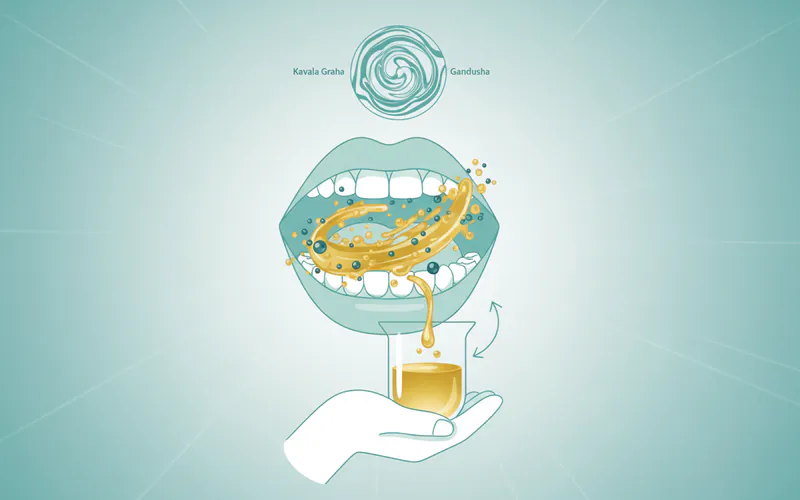
Oil pulling, known as "Kavala Graha" or "Gandusha" in Ayurveda, is an ancient Indian folk remedy dating back thousands of years. The practice involves swishing a tablespoon of oil (typically sesame, coconut, or sunflower oil) in the mouth for an extended period, usually 15 to 20 minutes, then spitting it out. Proponents claim that the oil "pulls" toxins, bacteria, and other harmful microorganisms from the mouth, leading to various health benefits.
Proposed Mechanisms of Action
While the exact mechanisms are not fully understood or scientifically proven for all claims, several theories explain how oil pulling might work:
- Saponification: The fats in the oil are believed to interact with saliva, creating a soap-like, alkaline substance. This "soap" can help dislodge plaque and food debris from the teeth and gums.
- Emulsification: The oil emulsifies with saliva, creating a thin, soapy mixture that coats the oral surfaces. This coating can trap bacteria and other microorganisms.
- Bacterial Adhesion: Specific oils, particularly coconut oil due to its lauric acid content, are thought to have antimicrobial properties that directly attack certain bacteria, including Streptococcus mutans, a primary culprit in cavity formation. The oil acts as a solvent, attracting and dissolving the lipid outer layers of bacterial cells, effectively "pulling" them into the oil.
- Biofilm Disruption: Oil pulling may help disrupt the dental biofilm (plaque) that adheres to tooth surfaces, making it easier to remove mechanically through subsequent brushing.
- pH Balance: By reducing the bacterial load and potentially neutralizing acids, oil pulling might contribute to a healthier oral pH, which is crucial for preventing demineralization.
Types of Oils Used
While traditional Ayurveda primarily used sesame oil, modern practitioners often recommend other options:
- Sesame Oil: Rich in antioxidants (sesamol, sesamin) and anti-inflammatory properties.
- Coconut Oil: Contains lauric acid, a fatty acid with known antimicrobial properties, making it a popular choice. It also has a pleasant taste for many.
- Sunflower Oil: Contains polyunsaturated fatty acids. Some studies have looked at its effect on plaque and gingivitis.
- Other Oils: Olive oil, extra virgin olive oil, and various nut oils are sometimes used, though less common.
Pro Tip: Choose a high-quality, organic, cold-pressed oil for oil pulling to ensure purity and maximize potential benefits.

Understanding Cavities: The Dental Caries Process
To understand if oil pulling can reverse cavities, we must first understand what a cavity is and how it forms.
What is a Cavity?
A cavity, also known as dental caries or tooth decay, is permanently damaged areas in the hard surface of your teeth that develop into tiny holes or openings. It's one of the most common chronic diseases globally, preventable yet widespread.
Causes of Cavities
Cavities are not a sudden occurrence but rather the result of a prolonged process involving several key factors:
- Bacteria: Your mouth is home to hundreds of types of bacteria, some of which are beneficial, while others are harmful. Streptococcus mutans and Lactobacillus are the primary culprits in cavity formation. These bacteria reside in dental plaque, a sticky, colorless film that constantly forms on your teeth.
- Sugars and Starches: When you consume foods and drinks high in sugars and starches, these bacteria feed on them.
- Acid Production: As bacteria metabolize sugars, they produce acids (lactic acid, acetic acid, etc.) as a byproduct.
- Demineralization: These acids attack the tooth enamel, the hard, outermost protective layer of the tooth. The acids dissolve the minerals (calcium and phosphate) that make up the enamel, a process called demineralization.
- Cavity Formation: Over time, if demineralization outweighs remineralization (the natural repair process where minerals are redeposited), the enamel weakens and eventually breaks down, forming a visible hole or cavity.
Contributing Factors:
- Poor Oral Hygiene: Inadequate brushing and flossing allow plaque to build up.
- Frequent Snacking/Sugar Consumption: Constant exposure to sugars fuels acid production.
- Dry Mouth (Xerostomia): Saliva helps wash away food particles, neutralize acids, and provides minerals for remineralization. Reduced saliva flow (due to medications, medical conditions, or aging) increases cavity risk.
- Lack of Fluoride: Fluoride strengthens enamel and helps reverse early demineralization.
- Deep Pits and Fissures: The chewing surfaces of molars have natural grooves where food particles and bacteria can hide and are difficult to clean.
- Genetics: Some people may have enamel that is naturally more susceptible to decay.
Stages of Cavity Formation
Cavities progress through several stages:
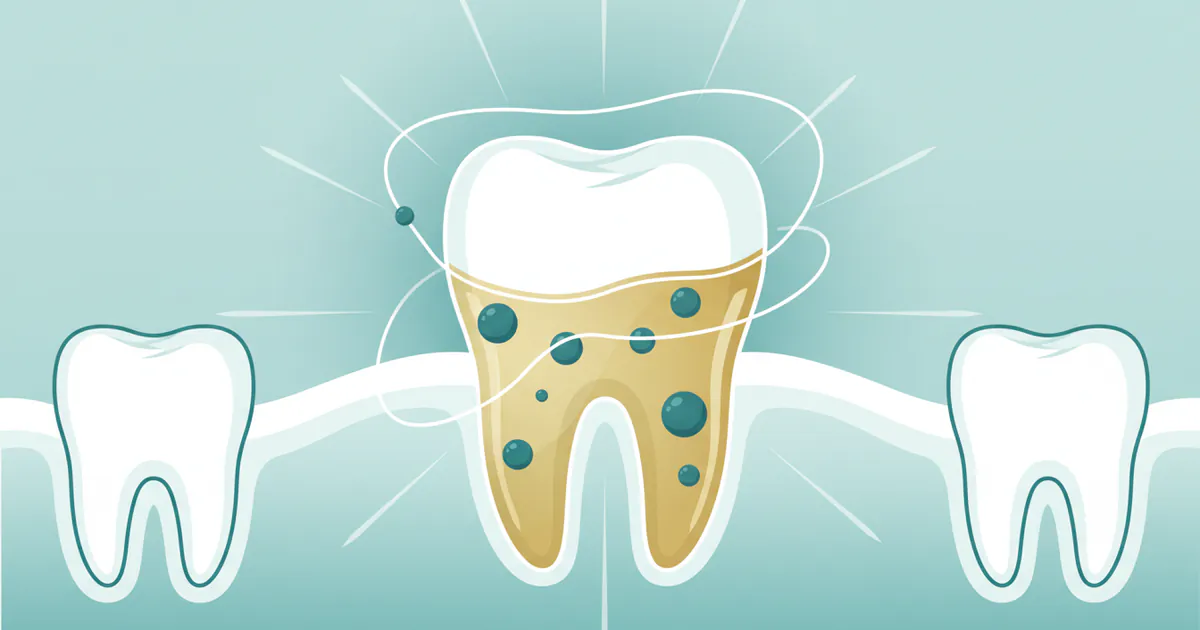
- Initial Demineralization (White Spot Lesion): This is the earliest stage, where enamel begins to lose minerals. It appears as a dull, opaque white spot on the tooth surface. At this stage, there's no actual hole, and the process can often be reversed with fluoride and improved oral hygiene.
- Enamel Decay: If demineralization continues, the enamel weakens further and eventually breaks down, forming a small hole. At this point, the cavity has passed the point of natural reversal and requires a dental filling.
- Dentin Decay: Below the enamel is the dentin, a softer layer of the tooth. Once decay reaches the dentin, it progresses more rapidly, and sensitivity or pain may begin.
- Pulp Involvement: The innermost part of the tooth is the pulp, containing nerves and blood vessels. If decay reaches the pulp, it can cause severe pain, infection, and potentially lead to a dental abscess. This stage often requires a root canal.
- Abscess Formation: An abscess is a pocket of pus caused by bacterial infection, forming at the tip of the tooth root. This is a serious condition that can spread infection to other parts of the body if not treated.
Signs and Symptoms of Cavities
In their earliest stages, cavities often present no symptoms. This is why regular dental check-ups are crucial. As decay progresses, symptoms may include:
- Toothache, spontaneous pain, or pain without any apparent cause.
- Tooth sensitivity to sweet, hot, or cold foods and drinks.
- Mild to sharp pain when eating or drinking.
- Visible holes or pits in your teeth.
- Brown, black, or white staining on any surface of a tooth.
- Pain when biting down.
The Claim: Can Oil Pulling Really Reverse Cavities?
This is the central question, and it requires a nuanced answer based on scientific evidence. The short answer is: No, oil pulling cannot reverse established cavities (actual holes in your teeth). However, it might play a supporting role in managing very early-stage demineralization, though not as effectively or reliably as fluoride.
Scientific Evidence for Oil Pulling and Oral Health
Numerous studies have investigated oil pulling's effects on various aspects of oral health, primarily focusing on its antimicrobial and anti-inflammatory properties.
- Plaque and Gingivitis: Several studies suggest that regular oil pulling can significantly reduce plaque accumulation and improve gingival (gum) health, similar to or comparable with the effects of some mouthwashes. This is attributed to its ability to disrupt bacterial biofilms.
- Bad Breath (Halitosis): By reducing the bacterial load in the mouth, oil pulling has been shown to decrease volatile sulfur compounds, which are a major cause of bad breath.
- Microbial Count: Research indicates that oil pulling can reduce the number of Streptococcus mutans (a primary cavity-causing bacterium) in saliva and plaque.
While these findings suggest oil pulling can be a beneficial adjunct to an existing oral hygiene routine, they do not directly support its ability to reverse existing structural tooth damage.
The Limitations Regarding Cavity Reversal
The critical distinction lies between demineralization and cavitation:
- Demineralization (White Spot Lesions): In the very early stages of cavity formation, the enamel begins to lose minerals. This appears as a white, opaque spot on the tooth surface, but there is no actual hole. At this stage, the tooth structure is still largely intact, and remineralization is possible. Fluoride, present in toothpaste and tap water, is scientifically proven to promote remineralization by attracting minerals like calcium and phosphate back into the enamel, making it stronger and more resistant to acid attacks.
- Cavitation (Actual Cavity): Once demineralization has progressed to the point where the enamel has a physical hole or break in its structure, it is considered an established cavity. At this stage, the tooth has lost significant mineral content and structural integrity. No natural remedy, including oil pulling, can regrow lost tooth structure or fill an actual hole. This requires mechanical intervention by a dentist.
The ADA Stance: The American Dental Association (ADA) states that "oil pulling has not been shown to have any oral health benefits in independently reviewed, peer-reviewed studies." They specifically mention that there is "no reliable scientific evidence that oil pulling reduces cavities, whitens teeth, or improves oral health." The ADA emphasizes the importance of fluoride, proper brushing and flossing, and regular dental visits for maintaining oral health and preventing cavities.
Differentiating Demineralization from Cavitation
Think of a tooth as a wall. Demineralization is like the paint starting to chip or the plaster thinning in a small area – it's superficial damage that can be repaired. Cavitation is like a hole punched clean through the wall – that requires filling material to fix.
While oil pulling might contribute to a healthier oral environment that theoretically supports natural remineralization (by reducing harmful bacteria and acid production), it is not a direct remineralizing agent like fluoride. It simply cannot restore lost tooth structure. Relying on oil pulling to reverse a cavity can lead to further decay, pain, infection, and more extensive, costly dental treatments.
When Oil Pulling Might Play a Supporting Role
Given its limitations, oil pulling should be viewed as a complementary oral hygiene practice, not a substitute for conventional dentistry.
It might be considered as a supporting role for:
- Reducing plaque and gingivitis: If you're looking for an additional step beyond brushing and flossing to improve gum health.
- Freshening breath: As an aid for chronic halitosis caused by oral bacteria.
- Improving general oral health: Some users report a feeling of cleaner teeth and reduced morning breath.
Crucially, it should always be used in addition to and never instead of your regular routine of brushing with fluoride toothpaste, flossing, and visiting your dentist regularly.
Conventional Cavity Treatment Options (The Gold Standard)
When an actual cavity forms, professional dental treatment is essential to prevent further damage, pain, and infection. The treatment chosen depends on the severity and depth of the decay.
Fluoride Treatments
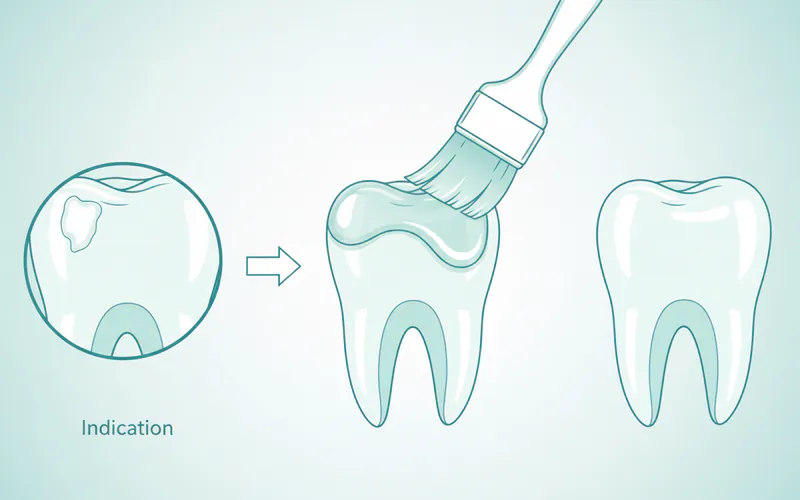
- Indication: For very early demineralization (white spot lesions) where no actual hole has formed.
- Process: Applied topically as a varnish, gel, or foam during a dental visit. Concentrated fluoride helps rebuild the enamel and makes it more resistant to acid.
- Pros: Non-invasive, effective at reversing early decay, strengthens enamel.
- Cons: Not effective for established cavities, requires professional application.
- Cost: Often covered by insurance, or $20 - $50 out-of-pocket per treatment.
Dental Fillings
- Indication: For small to medium-sized cavities that have penetrated the enamel and/or dentin. This is the most common cavity treatment.
- Process: The dentist removes the decayed tooth material, cleans the area, and then fills the prepared space with a filling material.
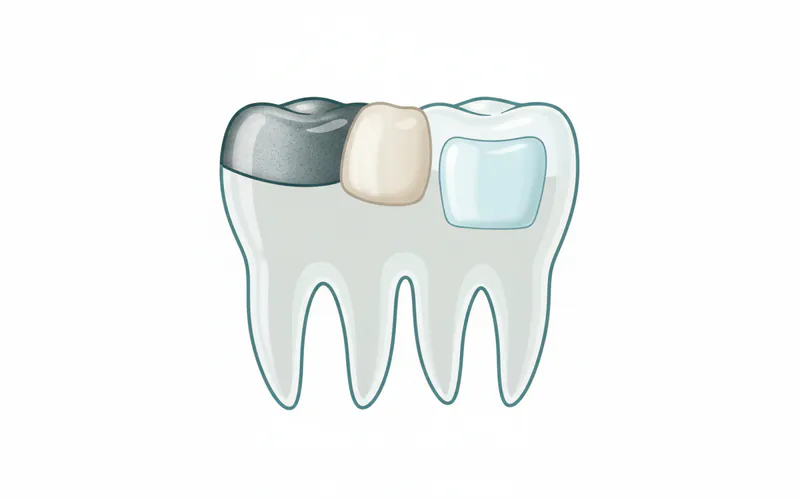
- Types of Filling Materials:
- Amalgam (Silver) Fillings:
- Pros: Durable, strong, relatively inexpensive, long-lasting (10-15+ years).
- Cons: Silver color is noticeable, mercury content (though proven safe by ADA for dental use), can expand/contract with temperature changes, requires more tooth structure removal.
- Cost: $50 - $150 per surface for a small filling, $120 - $300 for multiple surfaces.
- Composite (Tooth-Colored) Fillings:
- Pros: Aesthetically pleasing (matches natural tooth color), bonds directly to tooth structure, requires less tooth removal than amalgam.
- Cons: Less durable than amalgam for large fillings, can stain over time, slightly more expensive, typically lasts 5-10 years.
- Cost: $90 - $250 per surface for a small filling, $150 - $450 for multiple surfaces.
- Glass Ionomer Fillings:
- Pros: Releases fluoride (beneficial for preventing secondary decay), good for primary teeth and non-load-bearing areas.
- Cons: Weaker than composite or amalgam, less durable, prone to wear.
- Cost: Similar to composite, $100 - $300.
- Ceramic (Porcelain) Fillings / Inlays/Onlays:
- Pros: Very aesthetic, durable, resistant to staining, biocompatible.
- Cons: More expensive, requires multiple appointments (often fabricated in a lab), can be brittle.
- Cost: $500 - $1,500 per tooth.
- Amalgam (Silver) Fillings:
Dental Crowns
- Indication: For cavities that are too large for a filling, extensively fractured teeth, or teeth weakened by previous large fillings or root canal treatment. A crown covers the entire visible portion of the tooth.
- Process: The tooth is prepared by shaping it to accommodate the crown. An impression is taken, and a custom crown is fabricated (either in the dental office or a lab). A temporary crown is placed, and the permanent one is cemented during a second visit.
- Pros: Restores strength and aesthetics, protects weakened teeth, can last 10-15+ years.
- Cons: More expensive, requires significant tooth reduction, can sometimes chip or become loose.
- Cost: $800 - $2,500+ depending on material (porcelain, ceramic, gold, PFM).
Root Canals (Endodontic Treatment)
- Indication: When decay reaches the pulp chamber, causing infection, inflammation, or nerve damage.
- Process: The infected or inflamed pulp (nerve tissue) is removed, the inside of the tooth is cleaned and disinfected, and then filled and sealed. A crown is typically placed afterward to protect the weakened tooth.
- Pros: Saves the natural tooth, relieves pain and infection, prevents extraction.
- Cons: Can be perceived as painful (though modern root canals are no more uncomfortable than a filling), additional cost for the crown, requires multiple appointments.
- Cost: $700 - $1,200 for front teeth, $1,000 - $2,000 for molars (does not include crown cost).
Extractions
- Indication: When a tooth is so severely decayed, fractured, or infected that it cannot be saved with other treatments.
- Process: The tooth is carefully removed from its socket.
- Pros: Eliminates source of infection/pain.
- Cons: Loss of natural tooth, can lead to shifting of adjacent teeth, difficulty chewing, requires replacement options (bridge, implant) which add significant cost.
- Cost: $75 - $300 for a simple extraction, $150 - $600+ for a surgical extraction (e.g., impacted wisdom tooth).
Comparison Table: Cavity Treatment Options
| Treatment Option | Indication | Average US Cost Range (No Insurance) | Pros | Cons | Durability |
|---|---|---|---|---|---|
| Fluoride Treatment | Early demineralization (white spots) | $20 - $50 | Non-invasive, reverses early decay, strengthens enamel. | Not for established cavities, requires professional application. | Ongoing benefit |
| Amalgam Filling | Small-medium cavities, back teeth | $50 - $300 | Durable, strong, cost-effective. | Silver color, mercury concern (though safe), more tooth removal, expansion/contraction. | 10-15+ years |
| Composite Filling | Small-medium cavities, visible teeth | $90 - $450 | Aesthetic (tooth-colored), bonds to tooth, less tooth removal. | Less durable than amalgam for large fillings, can stain, higher cost. | 5-10 years |
| Ceramic Inlay/Onlay | Medium-large cavities, cusps intact | $500 - $1,500 | Highly aesthetic, durable, stain-resistant, conservative of tooth structure than crown. | Higher cost, multiple appointments, can be brittle. | 10-20 years |
| Dental Crown | Large cavities, fractured teeth, post-root canal | $800 - $2,500+ | Restores strength & aesthetics, protects weakened teeth. | High cost, significant tooth reduction, can chip/loosen. | 10-15+ years |
| Root Canal Therapy | Pulp infection/damage | $700 - $2,000+ | Saves natural tooth, relieves pain, prevents extraction. | Cost (plus crown), multiple appointments, can be uncomfortable. | Lifelong (with crown) |
| Tooth Extraction | Unrestorable tooth | $75 - $600+ | Eliminates source of infection/pain. | Loss of natural tooth, chewing issues, need for replacement (additional cost), bone loss. | N/A |
Step-by-Step Oil Pulling Process (If used as an adjunct)
If you choose to incorporate oil pulling into your routine as a general oral hygiene enhancer, here's how to do it correctly:
- Choose Your Oil: Select a high-quality, organic, cold-pressed oil like coconut, sesame, or sunflower oil. Many prefer coconut oil for its taste and purported antimicrobial properties.
- Measure: Pour about one tablespoon (15 ml) of oil into your mouth.
- Swish: Gently swish the oil around your mouth. Do not gargle or swallow the oil, as it contains bacteria and toxins. Allow the oil to reach all areas of your mouth, between your teeth, and around your gums.
- Duration: Continue swishing for 15 to 20 minutes. For beginners, start with 5 minutes and gradually increase the duration. The oil will thicken and turn milky white as it mixes with saliva and pulls debris.
- Spit It Out: When finished, spit the oil into a trash can. Do NOT spit it into a sink or toilet, as it can solidify and clog pipes over time.
- Rinse: Rinse your mouth thoroughly with warm water, preferably salt water, to further cleanse and remove any residual oil or toxins.
- Brush: Follow with your regular oral hygiene routine: brush your teeth with a fluoride toothpaste and floss.
Pro Tip: The best time to oil pull is first thing in the morning on an empty stomach, before eating or drinking anything, and before brushing your teeth. Consistency is key for any potential benefits.
Risks and Complications of Oil Pulling
While generally considered safe for healthy adults when performed correctly, oil pulling does carry some potential risks and considerations:
- Aspiration: If oil is accidentally inhaled into the lungs, especially during sleep or if done by children, it can lead to lipoid pneumonia, a serious lung condition.
- Upset Stomach/Diarrhea: Swallowing the oil, even small amounts, can sometimes cause digestive upset.
- Allergic Reactions: Rare, but possible, especially with nut-based oils if you have allergies.
- Jaw Soreness: Swishing for 15-20 minutes can cause jaw fatigue, especially for those with temporomandibular joint (TMJ) disorders.
- Delayed Conventional Treatment: The most significant risk is relying on oil pulling as a treatment for serious dental issues like cavities or gum disease, thereby delaying professional dental care. This can lead to the progression of conditions, requiring more invasive and costly treatments down the line.
- Clogged Drains: As mentioned, spitting oil down the drain can cause plumbing issues over time.
Preventing Cavities: The Proven Methods
Prevention is always better than cure, and this is especially true for cavities. The following methods are scientifically proven and endorsed by major dental organizations like the ADA:
- Brush Twice Daily with Fluoride Toothpaste:
- Use a soft-bristled toothbrush and brush for at least two minutes.
- Fluoride toothpaste strengthens enamel and helps remineralize early demineralization.
- Floss Daily:
- Removes plaque and food particles from between teeth and under the gumline, where toothbrushes can't reach.
- Limit Sugar and Acidic Foods/Drinks:
- Reduce consumption of sugary snacks, candies, sodas, and acidic juices.
- If consumed, do so with meals to minimize tooth exposure, and rinse with water afterward.
- Regular Dental Check-ups and Cleanings:
- Visit your dentist every six months for a professional cleaning and examination. Dentists can detect early signs of decay and gum disease, often before symptoms appear.
- Professional Fluoride Treatments:
- Your dentist may recommend in-office fluoride applications, especially if you're at high risk for cavities.
- Dental Sealants:
- Thin, protective coatings applied to the chewing surfaces of back teeth (molars and premolars). They effectively seal off the deep grooves and fissures where food particles and bacteria often get trapped, preventing decay. Highly recommended for children and teenagers.
- Drink Fluoridated Water:
- Community water fluoridation is considered one of the most effective public health measures for preventing tooth decay.
- Avoid Tobacco Products:
- Smoking and smokeless tobacco increase the risk of gum disease and cavities.
Pro Tip: Consider chewing sugar-free gum containing Xylitol after meals. Xylitol is a natural sweetener that can inhibit the growth of cavity-causing bacteria.
The Meridian Tooth Chart: An Alternative Perspective
The "meridian tooth chart" is a concept primarily rooted in Traditional Chinese Medicine (TCM) and Ayurveda, which posits a holistic connection between specific teeth and different organs, glands, and systems in the body. According to this alternative view, each tooth is part of an energetic meridian (pathway) that links it to distant parts of the body. For example, issues with a specific tooth might indicate an imbalance or problem in its corresponding organ, and vice versa.
- Concept: For instance, an upper first molar might be linked to the large intestine, while an incisor could relate to the kidneys or bladder.
- Application: In holistic or biological dentistry, practitioners who subscribe to this theory might consider a patient's systemic health when diagnosing a tooth problem, or conversely, look for dental issues when a patient presents with seemingly unrelated systemic symptoms.
- Scientific Basis: It is crucial to understand that the meridian tooth chart concept lacks scientific validation in conventional Western dentistry. There is no evidence-based research to support these specific anatomical and energetic connections from a biomedical perspective. Mainstream dental practice relies on evidence-based diagnosis and treatment focused directly on the oral cavity.
While an interesting perspective for those interested in alternative health, the meridian tooth chart should never be used as a diagnostic tool for cavities or other dental diseases, nor should it influence treatment decisions for dental caries. Conventional dentists rely on X-rays, clinical examinations, and established scientific principles to diagnose and treat cavities effectively.
Pro Tip: If you're exploring holistic approaches to health, ensure that any alternative therapies complement, rather than replace, evidence-based conventional medical and dental care.
Cost and Insurance Considerations for Cavity Treatment
Understanding the financial aspect of dental care is crucial for US consumers. Costs for cavity treatment vary widely based on the type of procedure, the dentist's location, the severity of the decay, and the materials used.
Average US Costs for Common Cavity Treatments (Without Insurance)
- Basic Exam & X-rays: $100 - $300 (often covered by insurance at 100% for preventive care)
- Fluoride Treatment: $20 - $50
- Small Amalgam Filling (1 surface): $50 - $150
- Medium Amalgam Filling (2 surfaces): $120 - $250
- Large Amalgam Filling (3+ surfaces): $180 - $300
- Small Composite Filling (1 surface): $90 - $250
- Medium Composite Filling (2 surfaces): $150 - $350
- Large Composite Filling (3+ surfaces): $250 - $450
- Ceramic Inlay/Onlay: $500 - $1,500
- Dental Crown: $800 - $2,500+ (material dependent: porcelain, zirconia, PFM)
- Root Canal (Front Tooth): $700 - $1,200
- Root Canal (Molar): $1,000 - $2,000
- Simple Extraction: $75 - $300
- Surgical Extraction: $150 - $600+
With Insurance Coverage
Dental insurance plans vary significantly, but here's a general overview:
- Preventive Care (Exams, X-rays, Cleanings): Often covered at 100% or with a small co-pay, usually up to two visits per year.
- Basic Restorative Care (Fillings, Simple Extractions): Typically covered at 80% after you meet your deductible. You pay the remaining 20% (co-insurance).
- Major Restorative Care (Crowns, Root Canals, Bridges): Usually covered at 50% after your deductible. You pay the remaining 50%.
- Deductibles: An amount you must pay out-of-pocket before your insurance begins to cover costs (e.g., $50 - $150 per year).
- Annual Maximums: Most dental insurance plans have an annual limit on how much they will pay in a calendar year (e.g., $1,000 - $2,000). Once you hit this maximum, you pay 100% of subsequent costs.
- Waiting Periods: Many plans have waiting periods (e.g., 6 months for fillings, 12 months for crowns/root canals) before they will cover certain procedures.
Payment Plans and Financing Options
If you don't have insurance or need help with out-of-pocket costs, consider these options:
- Payment Plans: Many dental offices offer in-house payment plans or allow you to pay in installments.
- Third-Party Financing: Companies like CareCredit or LendingClub offer specialized healthcare credit cards with deferred interest options if paid within a certain period.
- Dental Schools: University dental schools often provide high-quality care at reduced costs, as procedures are performed by students under the supervision of experienced faculty.
- Community Dental Clinics: Federally Qualified Health Centers (FQHCs) and other community clinics offer services on a sliding scale based on income.
- Dental Discount Plans: These are not insurance but membership programs where you pay an annual fee and receive discounted rates on dental services from participating providers.
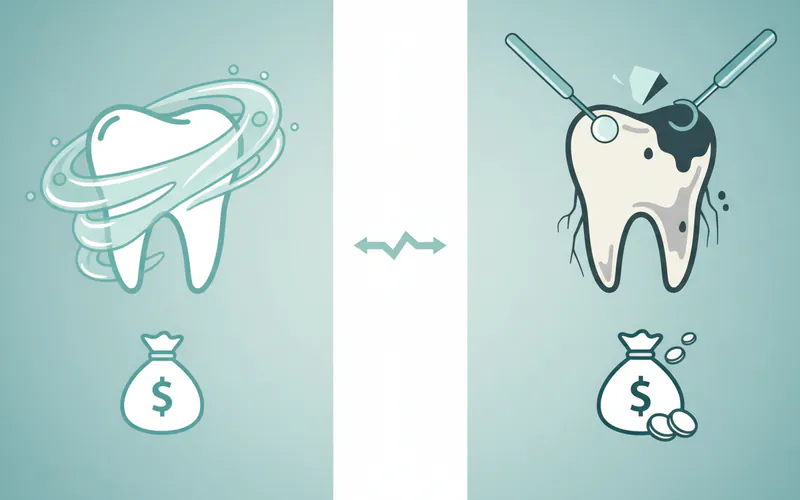
Comparison Table: Estimated US Cavity Treatment Costs (With/Without Insurance)
| Procedure | Average Cost (No Insurance) | Average Cost (With Insurance, after deductible) | Typical Insurance Coverage |
|---|---|---|---|
| Composite Filling | $90 - $450 | $20 - $90 (assuming 80% coverage) | Usually 80% for basic restorative. |
| Amalgam Filling | $50 - $300 | $10 - $60 (assuming 80% coverage) | Usually 80% for basic restorative. |
| Dental Crown | $800 - $2,500+ | $400 - $1,250+ (assuming 50% coverage) | Usually 50% for major restorative, subject to annual maximum. |
| Root Canal Therapy | $700 - $2,000+ | $350 - $1,000+ (assuming 50% coverage) | Usually 50% for major restorative, subject to annual maximum. |
| Simple Extraction | $75 - $300 | $15 - $60 (assuming 80% coverage) | Usually 80% for basic restorative. |
| Fluoride Treatment | $20 - $50 | $0 - $10 (assuming 100% or small co-pay) | Often 100% for preventive care. |
Cost-Saving Tips:
- Prevention: The best way to save money is to prevent cavities in the first place through excellent oral hygiene and regular check-ups.
- Utilize Preventive Benefits: Take advantage of 100% coverage for cleanings and exams.
- Early Treatment: Treat cavities when they are small. A small filling is significantly cheaper than a root canal and crown for an advanced cavity.
- Shop Around: Get quotes from multiple dentists, especially for major procedures.
- Negotiate: Some dentists may offer a discount for cash payments or prepayment.
Children / Pediatric Considerations
Cavities are a significant concern for children, affecting both primary (baby) teeth and permanent teeth. According to the CDC, 1 in 5 children aged 5-11 years has at least one untreated decayed tooth.
- Cavities in Baby Teeth: While baby teeth are temporary, they are crucial for chewing, speech development, and holding space for permanent teeth. Cavities in baby teeth can cause pain, infection, and impact the development and alignment of permanent teeth. Early detection and treatment are vital.
- Oil Pulling for Children: Oil pulling is generally not recommended for young children due to the risk of aspiration (inhaling the oil into the lungs). Most dentists would advise against it for children under 8-10 years old, or until a child can reliably follow instructions to swish without swallowing.
- Pediatric Preventive Care:
- Early Dental Visits: The ADA recommends a child's first dental visit by their first birthday or when the first tooth erupts.
- Fluoride: Ensure children use fluoride toothpaste (rice-grain size for ages 0-3, pea-size for ages 3-6) and drink fluoridated water. Dentists may recommend professional fluoride varnishes.
- Dental Sealants: Highly effective for preventing decay on the chewing surfaces of children's molars and premolars.
- Diet: Limit sugary drinks and snacks, especially between meals. Avoid putting babies to sleep with bottles containing milk or juice.
- Brushing/Flossing: Parents should assist young children with brushing and flossing until they develop the dexterity to do it effectively themselves (typically around age 7-8).
Frequently Asked Questions
### Can oil pulling heal a deep cavity?
No, oil pulling cannot heal a deep cavity. Once a cavity has formed a physical hole in the tooth enamel or dentin, that tooth structure is permanently lost and requires professional dental intervention, such as a filling, crown, or root canal, to restore it. Relying on oil pulling for deep cavities can lead to pain, infection, and more extensive, costly treatments.
### How long does it take for oil pulling to show results for oral health?
For general oral health benefits like reduced plaque, gingivitis, or bad breath, some users report noticing improvements within a few weeks to a month of consistent daily oil pulling. However, these are subjective observations, and scientific studies often involve several weeks or months to show measurable changes in bacterial counts or gum inflammation.
### What type of oil is best for oil pulling?
Coconut oil is often preferred due to its pleasant taste and the presence of lauric acid, which has known antimicrobial properties that can help reduce cavity-causing bacteria. Sesame oil, traditionally used in Ayurveda, and sunflower oil are also common choices. The key is to use a high-quality, organic, cold-pressed oil.
### Is oil pulling safe for everyone?
Oil pulling is generally considered safe for healthy adults when performed correctly. However, it is not recommended for young children due to the risk of aspiration. Individuals with sensitive gag reflexes, swallowing difficulties, or TMJ disorders might find it uncomfortable. Always consult your dentist, especially if you have underlying health conditions or are pregnant.
### ### Can I use oil pulling if I have dental fillings or crowns?
Yes, oil pulling is generally safe if you have dental fillings, crowns, veneers, or other dental restorations. The oil should not damage these materials. However, if you experience any discomfort or notice issues with your restorations after oil pulling, discontinue the practice and consult your dentist.
### What are the main benefits of oil pulling, according to science?
Scientific research suggests that oil pulling can help reduce plaque accumulation, decrease gingivitis (gum inflammation), and lower the number of harmful bacteria (like Streptococcus mutans) in the mouth, which can contribute to better breath. These benefits are primarily related to its antimicrobial and mechanical cleansing effects, making it a potential adjunct to regular oral hygiene.
### How often should I do oil pulling?
For potential benefits, oil pulling is typically recommended once a day, usually in the morning on an empty stomach. Consistency is more important than frequency. Swishing for 15-20 minutes is generally advised, but beginners can start with 5 minutes and gradually increase the duration.
### What are the alternatives to oil pulling for improving oral hygiene?
Effective and scientifically proven alternatives for improving oral hygiene include brushing twice daily with fluoride toothpaste, flossing daily, using an ADA-accepted antiseptic mouthwash, and regular dental cleanings. Maintaining a healthy diet low in sugar and acidic foods is also crucial.
### Does oil pulling replace brushing and flossing?
Absolutely not. Oil pulling is a complementary practice and should never replace essential oral hygiene routines like brushing twice daily with fluoride toothpaste and daily flossing. These are the foundational practices for preventing plaque buildup, gum disease, and cavities.
### How much does it cost to treat a cavity traditionally?
The cost to treat a cavity varies significantly based on its size and location, and the material used. A small composite (tooth-colored) filling typically ranges from $90 to $250 per surface, while a small amalgam (silver) filling might be $50 to $150. More extensive decay requiring a crown can cost $800 to $2,500+, and a root canal can range from $700 to $2,000+ (not including the crown).
When to See a Dentist
It is crucial to recognize when professional dental attention is necessary. Delaying treatment for dental problems can lead to more severe conditions, increased pain, and higher costs.
See a dentist immediately if you experience:
- Severe or persistent toothache: Especially if it wakes you up at night or interferes with daily activities.
- Sharp pain when biting down: Could indicate a crack, fracture, or deep cavity.
- Prolonged sensitivity to hot or cold: If sensitivity lingers for more than a few seconds after the stimulus is removed.
- Visible holes or pits in your teeth: This is a clear sign of an established cavity that requires filling.
- Swelling in your gums, face, or jaw: This could indicate an infection or abscess requiring urgent attention.
- Pus around a tooth: A sign of a serious infection.
- Fever accompanied by tooth pain: Suggests a spreading infection.
- A broken or chipped tooth: Even if it's not painful, sharp edges can cause soft tissue damage and may indicate underlying decay.
- A lost filling or crown: Leaving a tooth exposed can lead to rapid decay or fracture.
Schedule a routine appointment if you experience:
- Mild sensitivity to hot, cold, or sweets: Could be an early sign of demineralization or a small cavity.
- Tooth discoloration or dark spots: Could indicate surface stains or early decay.
- Food getting caught persistently between certain teeth: May suggest a cavity or a gap forming.
- Routine check-up and cleaning: The ADA recommends these every six months to detect problems early and maintain optimal oral health.
Never substitute self-treatment or unproven remedies like oil pulling for professional dental care when you suspect a cavity or experience any concerning dental symptoms. Your dentist is the only qualified professional to accurately diagnose and effectively treat dental diseases.
Frequently Asked Questions
Medically Reviewed Content
This article was written by our dental health editorial team and reviewed for medical accuracy. Our content follows strict editorial guidelines for reliability and trustworthiness.
Medical Disclaimer
This article is for informational purposes only and does not constitute medical advice. Always consult with a qualified dental professional for diagnosis and treatment. Do not delay seeking professional advice because of something you read on this website.
Related Articles
What Coconut Oil to Use for Oil Pulling
For centuries, across various cultures, people have sought natural remedies to maintain oral health and enhance their smiles. One practice that has gained significant traction in the modern wellness landscape is oil pulling. While many are curious about its potential benefits, a common question aris
February 23, 2026

What Are the Benefits of Oil Pulling
More than 80% of American adults experience some form of periodontal (gum) disease, and a significant number struggle with issues like chronic bad breath or sensitivity. In the pursuit of optimal oral health, many people explore various practices beyond routine brushing and flossing. One such an
February 23, 2026

How Long to Do Oil Pulling
More than half of all American adults suffer from some form of periodontal disease, a condition that can lead to tooth loss and impact overall health. For those seeking complementary approaches to traditional oral care, ancient practices like oil pulling have garnered significant attention. But
February 23, 2026

Does Oil Pulling Actually Work
Imagine a simple, ancient practice capable of transforming your oral health – reducing bad breath, whitening teeth, and even preventing cavities, all with a spoonful of oil. This is the promise of oil pulling, an age-old tradition that has seen a significant resurgence in popularity across the Unite
February 23, 2026