Coconut Oil Pulling Benefits: Complete Guide
Key Takeaways
- In a world increasingly seeking natural pathways to wellness, ancient remedies are experiencing a remarkable resurgence, particularly in areas like oral health. Imagine a simple, daily ritual, passed down through generations, that could enhance your dental hygiene, contribute to a brighter smile, an
In a world increasingly seeking natural pathways to wellness, ancient remedies are experiencing a remarkable resurgence, particularly in areas like oral health. Imagine a simple, daily ritual, passed down through generations, that could enhance your dental hygiene, contribute to a brighter smile, and potentially alleviate common oral discomforts. This isn't a fantasy, but the promise of oil pulling, a practice deeply rooted in Ayurvedic medicine. With an estimated 80% of American adults experiencing some form of gum disease and concerns about chemical additives in conventional oral care products on the rise, many are exploring holistic alternatives. Among these, the practice of using coconut oil stands out, captivating attention for its purported coconut oil pulling benefits that extend beyond just a clean mouth.
This comprehensive guide will delve deep into the world of coconut oil pulling, exploring its historical origins, the science behind its effectiveness, and a step-by-step approach to incorporating it into your routine. We will uncover what does oil pulling do for teeth, discuss its potential to support natural teeth color, and clarify common misconceptions. Whether you're curious about enhancing your oral microbiome, battling bad breath, or simply seeking a natural complement to your dental care regimen, prepare to unlock the full potential of this age-old practice.
Key Takeaways:
- What It Is: Coconut oil pulling is an ancient Ayurvedic practice involving swishing a tablespoon of virgin coconut oil in the mouth for 10-20 minutes, primarily to draw out toxins and bacteria.
- Primary Benefits: It's believed to reduce harmful oral bacteria, potentially leading to fresher breath, reduced plaque, and healthier gums. Some users report an improvement in natural teeth color over time due to surface stain removal.
- Cost: Extremely low-cost. A large jar of organic virgin coconut oil typically costs $10-$25 and can last for months, making it one of the most affordable holistic oral health practices.
- Timeline for Results: While some users report fresher breath immediately, visible changes like reduced plaque or improved natural teeth color typically take 2-4 weeks of consistent daily practice. Significant gum health improvements may take 1-3 months.
- How to Do It: Use 1 tablespoon of unrefined virgin coconut oil on an empty stomach, swish gently without gargling for 10-20 minutes, then spit into the trash (to avoid plumbing clogs) and rinse thoroughly with warm water before brushing.
- Limitations: Oil pulling is a complementary practice and does not replace regular brushing, flossing, or professional dental cleanings. It cannot cure cavities or reverse severe gum disease.
- Safety: Generally safe for most adults. Not recommended for children under 7 due to choking risk. Avoid swallowing the oil after pulling, as it contains bacteria and toxins.
What Is Coconut Oil Pulling? An Overview
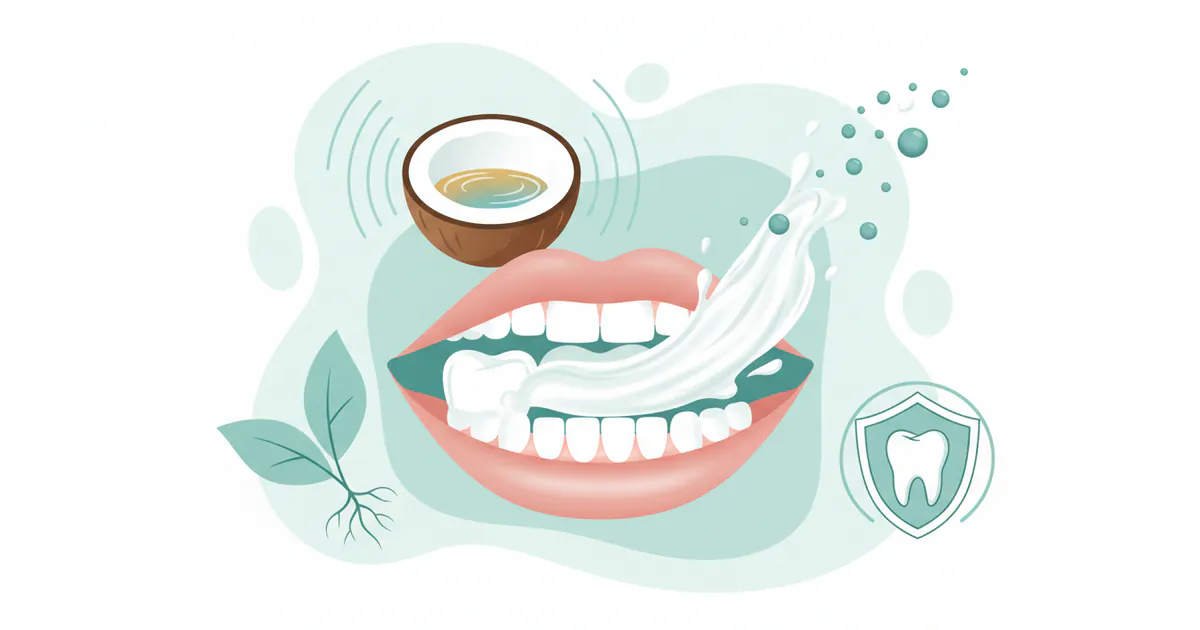
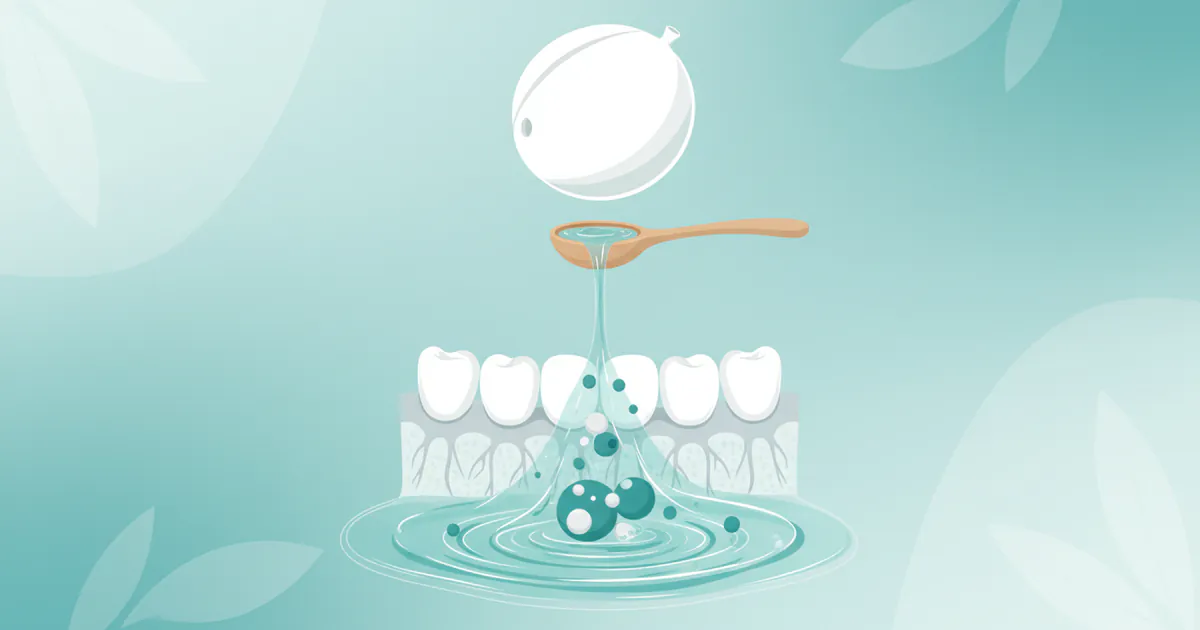
Coconut oil pulling, also known as Kavala Graha or Gandusha in Ayurvedic medicine, is an ancient Indian folk remedy dating back over 3,000 years. The practice involves placing a tablespoon of edible oil, most commonly virgin coconut oil, into the mouth and swishing it around for 10 to 20 minutes. The underlying principle is that the oil "pulls" out bacteria, toxins, and other debris from the oral cavity, much like a magnet attracts metal shavings.
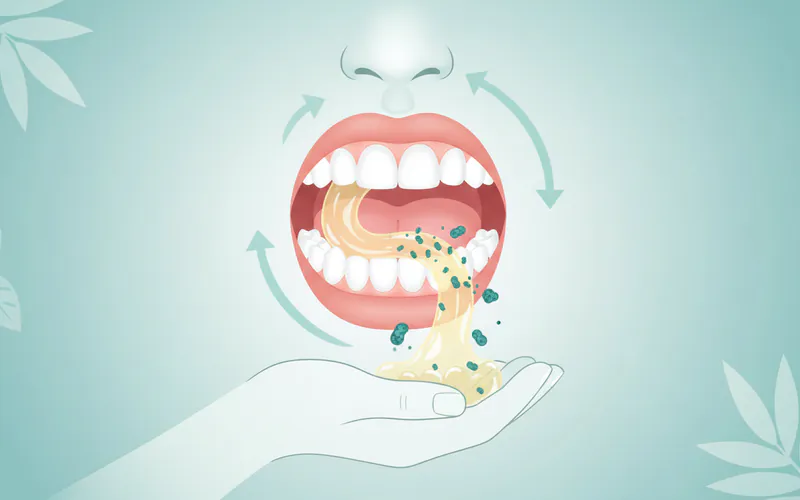
From a scientific perspective, the primary mechanism attributed to coconut oil's efficacy lies in its rich composition of medium-chain triglycerides (MCTs), particularly lauric acid. Lauric acid constitutes about 50% of coconut oil and is known for its potent antimicrobial, anti-inflammatory, and antifungal properties. When swished in the mouth, this lauric acid transforms into monolaurin, which has been shown in laboratory studies to attack the lipid membrane of bacteria, effectively dissolving their outer layer and leading to their destruction. This action helps to disrupt bacterial biofilms, the sticky matrices where oral bacteria thrive and form plaque.
The practice aims to cleanse the mouth, detoxify the oral cavity, and ultimately contribute to overall systemic health, as the mouth is often considered a gateway to the rest of the body. Proponents believe that by reducing the bacterial load in the mouth, oil pulling can mitigate issues such as bad breath, gingivitis, and even contribute to a brighter, more natural teeth color by lifting surface stains. It's a simple, natural, and cost-effective method gaining traction as a supplementary oral hygiene practice in the US market.
Types and Variations of Oil Pulling
While the core practice of oil pulling remains consistent, there are variations primarily concerning the type of oil used and the frequency/duration of the pulling process.
Types of Oil Used
Historically, sesame oil was the most common oil used in Ayurveda due to its warming properties and ability to penetrate tissues. However, in modern times, coconut oil has emerged as the favored choice, especially in Western markets, largely due to its distinct benefits:
- Coconut Oil: As mentioned, its high concentration of lauric acid (around 50%) is the key differentiator. This fatty acid is a powerful antimicrobial agent against common oral pathogens like Streptococcus mutans, a primary contributor to tooth decay, and Candida albicans, a yeast implicated in oral thrush. Its pleasant taste and widely recognized health benefits also make it popular. For best results, organic, virgin, unrefined coconut oil is recommended, as it retains the most beneficial compounds.
- Sesame Oil: Traditional and still widely used, particularly in Ayurvedic circles. It contains sesamol, which has antioxidant properties, and is rich in Vitamin E. Studies on sesame oil pulling have also shown reductions in S. mutans and plaque.
- Sunflower Oil: Contains polyunsaturated fatty acids. Some studies have indicated its potential to reduce plaque and gingivitis, though research is less extensive than for coconut or sesame oil.
- Olive Oil: Known for its anti-inflammatory properties and antioxidants. While less commonly used for pulling, its health benefits are well-established.
Pro Tip: While other oils can be used, virgin coconut oil is generally considered the most effective for oral health due to its potent lauric acid content. Always choose food-grade, unrefined oils.
Variations in Method
- Duration: The traditional recommendation is 15-20 minutes. Some people start with 5 minutes and gradually increase the duration. Less than 10 minutes may not be sufficient for optimal bacterial "pulling."
- Frequency: Most practitioners recommend daily oil pulling, typically first thing in the morning on an empty stomach. Some may choose to do it 3-4 times a week, but consistency is often linked to better results.
- Technique: The goal is to gently swish and "pull" the oil through your teeth. It should not be a vigorous gargle, which can strain jaw muscles or cause discomfort.
Causes: Addressing Oral Health Issues Oil Pulling Aims to Mitigate
Oil pulling isn't a treatment for a single "cause" but rather a complementary practice that aims to mitigate several common oral health issues by addressing their root causes – primarily harmful bacteria and inflammation.
The Role of Oral Bacteria
Our mouths are teeming with hundreds of species of bacteria, some beneficial, some detrimental. Problems arise when harmful bacteria, such as Streptococcus mutans (linked to cavities) and various anaerobic bacteria (linked to gum disease and bad breath), proliferate. These bacteria:
- Form Plaque: They adhere to tooth surfaces, forming a sticky biofilm called plaque. If not regularly removed, plaque hardens into tartar, which can only be removed by a dental professional.
- Produce Acids: When these bacteria metabolize sugars from our diet, they produce acids that erode tooth enamel, leading to cavities.
- Cause Inflammation: They can trigger an inflammatory response in the gums, leading to gingivitis (red, swollen, bleeding gums) and, if left untreated, periodontitis (severe gum disease leading to bone loss and tooth loss).
- Generate Volatile Sulfur Compounds (VSCs): Certain anaerobic bacteria in the mouth and on the tongue produce VSCs, which are the primary culprits behind bad breath (halitosis).
How Oil Pulling Intervenes
By swishing oil, particularly coconut oil, the aim is to:
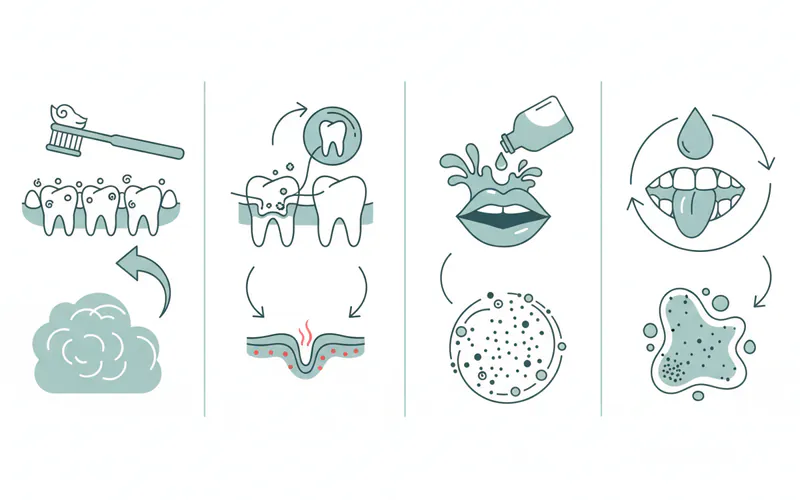
- Reduce Bacterial Load: The fat in the oil acts as a solvent, attracting and dissolving the lipid outer membranes of bacterial cells, effectively "pulling" them out of the mouth. Lauric acid's specific antimicrobial action further enhances this. This directly impacts the formation of plaque and the proliferation of cavity-causing bacteria.
- Disrupt Biofilms: The mechanical action of swishing helps disrupt bacterial biofilms on teeth and gums, preventing them from hardening into tartar.
- Reduce Inflammation: By reducing the overall bacterial burden and possibly through the oil's inherent anti-inflammatory properties, oil pulling can help calm inflamed gum tissues, easing symptoms of gingivitis.
- Neutralize Odor-Producing Bacteria: Targeting the bacteria responsible for VSCs can significantly improve halitosis.
It's crucial to understand that oil pulling is not a magic bullet. It supports the existing oral microbiome by reducing the harmful population, allowing beneficial bacteria to thrive, but it does not eliminate the need for diligent conventional oral hygiene practices.
Signs and Symptoms Oil Pulling May Address
Many individuals turn to oil pulling seeking relief or improvement for common oral health signs and symptoms. While it’s not a cure, it can be a supportive measure.
- Halitosis (Bad Breath): This is one of the most common complaints people hope to alleviate with oil pulling. Persistent bad breath is often caused by the accumulation of bacteria on the tongue and around teeth, producing volatile sulfur compounds (VSCs). Oil pulling aims to reduce these odor-causing bacteria.
- Gingivitis (Early Gum Disease): Symptoms include red, swollen, or tender gums that may bleed easily, especially during brushing or flossing. Oil pulling's ability to reduce plaque and bacterial load can help calm gum inflammation.
- Plaque Buildup: A fuzzy or sticky feeling on the teeth, especially towards the end of the day or upon waking, indicates plaque. While brushing and flossing are primary, oil pulling can aid in disrupting this biofilm.
- **Surface Stains / Dull Natural Teeth Color: Over time, food, drinks (like coffee, tea, red wine), and tobacco can leave extrinsic stains on the tooth surface, making teeth appear less bright. While oil pulling doesn't chemically whiten teeth, its ability to lift these surface stains can contribute to a brighter, more natural teeth color.
- Dry Mouth (Xerostomia): Although not a direct treatment, the act of swishing oil can stimulate salivary glands and provide temporary lubrication, which may offer some comfort to those experiencing dry mouth.
- General Oral Discomfort/Inflammation: Some individuals report a general feeling of oral cleanliness and reduced inflammation in the mouth.
It’s important to remember that if you experience persistent or worsening symptoms, especially severe pain, bleeding, or swelling, you should consult a dentist immediately. Oil pulling is a complementary practice, not a substitute for professional diagnosis and treatment.
Treatment Options: Oil Pulling vs. Conventional Care
When discussing what does oil pulling do for teeth, it's essential to compare its role to established conventional dental care. Oil pulling should be viewed as a supplemental practice, not a replacement.
Oil Pulling: Holistic & Complementary Approach
Pros:
- Natural & Chemical-Free: Uses a natural product (coconut oil) free from artificial chemicals often found in some mouthwashes.
- Antimicrobial: Lauric acid directly targets harmful oral bacteria, reducing plaque and improving gum health.
- Freshens Breath: Effectively reduces odor-causing bacteria, leading to fresher breath.
- Supports Natural Teeth Color: Can help remove extrinsic surface stains, contributing to a brighter appearance.
- Low Cost: Very inexpensive to practice, typically costing less than $0.50 per day.
- Gentle: Non-abrasive, suitable for individuals with sensitive teeth or gums (though caution is advised for children due to choking risk).
Cons:
- Time-Consuming: Requires a daily commitment of 10-20 minutes, which can be challenging for some schedules.
- Not a Substitute: Does not remove hardened plaque (tartar) or cure cavities, severe gum disease, or other significant dental problems.
- Limited Scientific Evidence (vs. Conventional): While promising, large-scale, long-term clinical trials comparing oil pulling to conventional methods are still evolving, leading the ADA to state insufficient evidence to recommend it as a primary oral hygiene method.
- Potential for Misconceptions: Some exaggerated claims exist, which can lead individuals to neglect professional care.
Conventional Oral Hygiene: The Foundation of Dental Health
1. Brushing with Fluoride Toothpaste:
- Pros: Mechanically removes plaque and food debris. Fluoride strengthens enamel and prevents cavities. ADA-recommended.
- Cons: Requires proper technique. Can be abrasive if brushed too hard.
- Effectiveness: Highly effective and essential for preventing cavities and gum disease.
2. Flossing/Interdental Cleaners:
- Pros: Removes plaque and food particles from between teeth and below the gumline, areas brushing cannot reach. Essential for preventing interproximal cavities and gum disease. ADA-recommended.
- Cons: Can be difficult for some individuals to master.
- Effectiveness: Crucial for comprehensive oral hygiene.
3. Antimicrobial Mouthwashes (Therapeutic):
- Pros: Reduces bacterial load, freshens breath, some contain fluoride. Can be beneficial for specific conditions like gingivitis or after oral surgery.
- Cons: Can mask underlying issues. Some contain alcohol, which can cause dry mouth. Can stain teeth (e.g., chlorhexidine).
- Effectiveness: Supplemental, but not a replacement for brushing and flossing.
4. Professional Dental Cleanings (Prophylaxis):
- Pros: Removes hardened plaque (tartar) and stubborn stains that cannot be removed at home. Crucial for preventing and managing gum disease. Allows for early detection of problems. ADA-recommended every 6-12 months.
- Cons: Requires professional visits. Cost can be a factor without insurance.
- Effectiveness: Absolutely essential for optimal long-term oral health. Costs typically range from $75 to $200 per visit without insurance, varying by region (e.g., higher in major metropolitan areas like New York or California).
5. Teeth Whitening Treatments:
- Pros: Effectively removes intrinsic and extrinsic stains, significantly brightening teeth. Options range from over-the-counter strips/gels to professional in-office treatments.
- Cons: Can cause temporary tooth sensitivity. Professional treatments can be costly.
- Effectiveness: Highly effective for cosmetic whitening. Over-the-counter kits cost $20-$60, while professional in-office whitening can range from $300-$800.
Comparison Table: Oral Care Methods
| Feature/Method | Primary Benefit | Targets | Cost (Typical) | Replaces Brushing/Flossing? | ADA Stance |
|---|---|---|---|---|---|
| Brushing | Removes plaque, prevents cavities | Plaque, Food Debris | Low (toothpaste) | No | Recommended Primary Care |
| Flossing | Removes interdental plaque & food | Interdental Plaque | Low (floss) | No | Recommended Primary Care |
| Antimicrobial Mouthwash | Reduces bacteria, freshens breath | Oral Bacteria | Low ($5-$15/bottle) | No | Supplemental |
| Coconut Oil Pulling | Reduces oral bacteria, freshens breath, removes surface stains | Oral Bacteria, Surface Stains | Very Low ($10-$25/jar) | No | Insufficient Evidence (Complementary) |
| Professional Cleaning | Removes tartar, deep cleaning | Tartar, Deep Stains | $75-$200 (without ins.) | No | Recommended Bi-Annually |
Conclusion on Treatment Options: While coconut oil pulling benefits include improved oral hygiene and a boost to natural teeth color by reducing surface stains, it is unequivocally a complementary practice. It enhances, but does not replace, the fundamental pillars of oral health: regular brushing with fluoride toothpaste, daily flossing, and routine professional dental check-ups and cleanings. The American Dental Association (ADA) continues to recommend these evidence-based practices as the gold standard for maintaining optimal oral health.
Step-by-Step Process for Coconut Oil Pulling
For those looking to try coconut oil pulling, following a consistent and correct technique is crucial for maximizing its potential coconut oil pulling benefits.
Preparing for Your Pull
- Choose Your Oil: Select organic, unrefined, virgin coconut oil. This ensures you're getting the purest form with the highest concentration of beneficial lauric acid. Look for food-grade quality.
- Best Time: The most common recommendation is to perform oil pulling first thing in the morning, on an empty stomach, before eating, drinking, or even brushing your teeth. This is when the bacterial load in your mouth is generally highest after sleeping.
- Amount: Scoop out approximately one tablespoon (15 ml) of solid coconut oil. If it's liquid, use the same amount. The oil will liquefy quickly in your mouth.
The Pulling Process
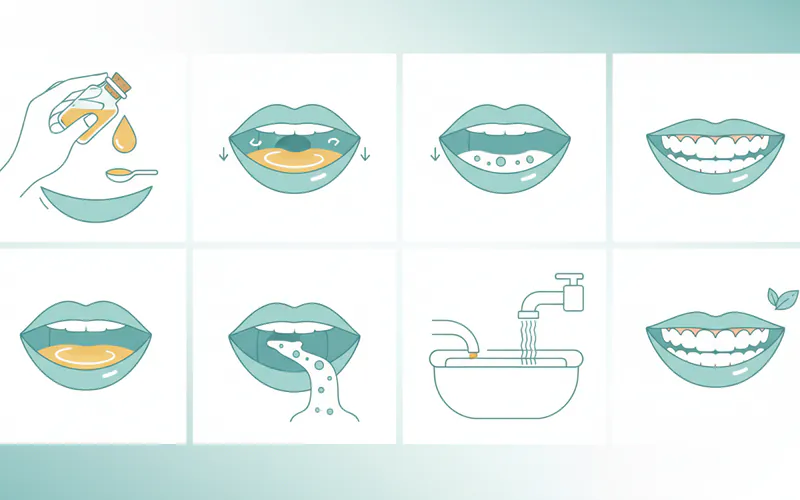
- Place in Mouth: Put the tablespoon of coconut oil into your mouth.
- Swish Gently: Begin to swish the oil around your mouth. The goal is to gently "pull" and push the oil through your teeth, around your gums, and over your tongue. It's not a vigorous gargle; keep your jaw relaxed. The oil will emulsify and thicken as it mixes with saliva and absorbs bacteria.
- Pro Tip: Do not gargle or swallow the oil. Swallowing the oil after pulling means ingesting the bacteria and toxins that the oil has "pulled" from your mouth, which defeats the purpose.
- Duration: Continue swishing for 10 to 20 minutes. If you're new to oil pulling, start with 5 minutes and gradually increase the duration as you become comfortable. The longer duration allows more time for the oil to interact with and collect bacteria.
- Listen to Your Body: If your jaw starts to ache, you're likely swishing too vigorously. Slow down and relax. If you feel the urge to swallow, just spit out the oil and start again with a fresh spoonful, or simply finish the session.
After the Pull
- Spit Out the Oil: When you've finished, or if your mouth feels full, spit the oil into a trash can. Do NOT spit it into the sink or toilet, especially if it's solidified, as coconut oil can harden and clog pipes over time. The expelled oil should look milky or frothy, indicating it has absorbed bacteria.
- Rinse Thoroughly: Rinse your mouth thoroughly with warm water, preferably saltwater, several times to help clear any residual oil and bacteria.
- Brush Your Teeth: Follow up by brushing your teeth as usual with your regular toothpaste. This removes any remaining oil, bacteria, or toxins and ensures complete oral hygiene.
- Pro Tip: Some people prefer to brush their teeth before oil pulling, especially if they have morning breath they want to address immediately. However, the traditional and often recommended method is to pull first, then brush, to allow the oil to work on the accumulated bacteria.
Cost and Insurance Considerations
One of the most appealing aspects of coconut oil pulling is its incredibly low cost, especially when compared to traditional dental treatments or even some premium oral care products.
Cost of Coconut Oil
- Initial Purchase: A large, 16-ounce (473 ml) jar of organic, unrefined, virgin coconut oil typically costs between $10 and $25 at most grocery stores, health food stores, or online retailers in the US.
- Daily Cost: Since you use roughly one tablespoon (15 ml) per session, a 16-ounce jar contains approximately 31 servings. This means each session costs between $0.32 and $0.80.
- Monthly Cost: For daily use, your monthly expenditure on coconut oil will be approximately $10 to $25, depending on the brand and size purchased. This makes it one of the most budget-friendly complementary health practices available.
Insurance Coverage
- No Coverage: As an alternative, holistic, and self-administered practice, coconut oil pulling is not covered by dental or medical insurance plans in the United States. This is consistent with most over-the-counter oral hygiene products (like toothpaste, floss, or even non-prescription mouthwash).
- Comparison to Insured Services: This contrasts sharply with routine dental cleanings (often covered 80-100% by PPO plans, costing you $0-$40 out-of-pocket for a $75-$200 service), fillings (20-80% coverage, costing you $50-$500+), or professional teeth whitening (usually cosmetic, often not covered, costing $300-$800).

Cost-Effectiveness and Value
While oil pulling costs are out-of-pocket, its affordability is a significant draw. For a minimal investment, individuals can supplement their oral hygiene routine with a natural product. Some proponents argue that by promoting better oral health, oil pulling could potentially lead to fewer dental issues over time, thus indirectly saving on future dental treatment costs. However, this is a speculative benefit and should not be relied upon to replace preventive professional care, which remains the most proven cost-saving strategy for dental health. Regular check-ups and cleanings, even with out-of-pocket costs, are crucial investments in preventing expensive restorative procedures down the line.
Recovery and Aftercare for Oil Pulling
Recovery and aftercare for coconut oil pulling are straightforward, primarily focusing on proper disposal and maintaining overall oral hygiene.
Immediate Aftercare
- Thorough Rinsing: As detailed in the step-by-step process, immediately after spitting out the oil, rinse your mouth thoroughly with warm water. Many find a saltwater rinse particularly effective. This helps remove any residual oil, bacteria, and toxins that may still be clinging to your oral tissues.
- Brushing: Always follow oil pulling with your regular brushing routine. This ensures that any remaining bacteria or film is completely removed. Use a fluoride toothpaste and brush for two minutes, paying attention to all surfaces of your teeth and your tongue.
Long-Term Aftercare and Consistency
- Daily Practice: For optimal coconut oil pulling benefits, consistency is key. Incorporate it into your daily morning routine, much like brushing or flossing. Regular practice is believed to yield better and more sustained results regarding plaque reduction, gum health, and natural teeth color enhancement.
- Maintain Conventional Hygiene: Oil pulling is a supplement, not a replacement. Continue your standard oral hygiene practices diligently:
- Brush twice a day for two minutes with fluoride toothpaste.
- Floss daily.
- Use an ADA-accepted mouthwash if desired.
- Regular Dental Check-ups: Continue to visit your dentist for routine check-ups and professional cleanings every six months (or as recommended by your dentist). These visits are crucial for detecting and addressing issues that oil pulling cannot, such as cavities, severe gum disease, and impacted wisdom teeth.
Expected "Recovery" / Results
- Fresher Breath: Many users report experiencing fresher breath almost immediately or within a few days of consistent practice.
- Cleaner Mouth Feel: A noticeable difference in the cleanliness of the mouth, especially on the tongue and around the gums.
- Reduced Gum Sensitivity/Bleeding: Improvements in gingivitis symptoms, such as less bleeding during brushing, may become apparent within 2-4 weeks.
- Brighter Natural Teeth Color: While not a bleaching agent, the removal of extrinsic surface stains over time can lead to a subtle but noticeable brightening of the natural teeth color. This is typically observed after several weeks to a few months of regular use.
- Reduced Plaque Buildup: Less plaque accumulation might be felt on the tooth surfaces, potentially visible during dental check-ups after consistent practice over months.
Remember that individual results can vary, and patience and consistency are essential when incorporating any new health practice.
Prevention: How Oil Pulling Supports Oral Health Prevention
In the realm of oral health, prevention is paramount. Oil pulling, when integrated thoughtfully, can play a supportive role in preventing common dental issues, complementing the established preventive measures recommended by the American Dental Association (ADA).
Preventing Plaque Buildup
- Mechanism: The primary mechanism of oil pulling, especially with coconut oil, is its ability to reduce the bacterial load in the mouth. Pathogenic bacteria, particularly Streptococcus mutans, are the main culprits behind plaque formation. By mechanically swishing and chemically interacting with bacterial cell walls (due to lauric acid), oil pulling helps to dislodge and reduce these plaque-forming organisms.
- Impact: Consistent oil pulling can help keep plaque levels lower between brushings, making it easier for your toothbrush and floss to do their job effectively. This disruption of the bacterial biofilm is a key aspect of preventing hardened plaque (tartar) and subsequent issues.
Combating Gingivitis and Early Gum Disease
- Mechanism: Gingivitis, the earliest stage of gum disease, is caused by plaque accumulation along the gumline, leading to inflammation. By reducing plaque and the bacteria that trigger this inflammation, oil pulling can help soothe and protect gum tissues. The anti-inflammatory properties of coconut oil itself may also contribute.
- Impact: Regular oil pulling may help prevent the progression of gingivitis to more severe forms of gum disease (periodontitis), although it cannot reverse existing periodontitis or repair bone loss.
Maintaining Fresher Breath (Preventing Halitosis)
- Mechanism: Bad breath is predominantly caused by anaerobic bacteria on the tongue and in periodontal pockets, which produce volatile sulfur compounds (VSCs). Oil pulling helps physically remove these bacteria and their byproducts.
- Impact: Daily oil pulling can significantly reduce the bacterial population responsible for VSCs, leading to consistently fresher breath throughout the day.
Supporting Natural Teeth Color and Reducing Surface Stains
- Mechanism: External stains on teeth are caused by chromogens (color-producing compounds) found in foods and drinks (coffee, tea, red wine, berries) that adhere to the enamel surface, often within the sticky pellicle layer formed by saliva and proteins. The oil, being lipophilic (fat-loving), is believed to attract and dissolve these lipid-soluble stains and particles that contribute to a dull or yellowish appearance.
- Impact: While it won't bleach intrinsic stains or change the inherent shade of your teeth, consistent oil pulling can gently lift and remove these extrinsic surface stains, contributing to a brighter, more vibrant natural teeth color over time.
Pro Tip: Think of oil pulling as an advanced form of mouthwash, but with the added benefit of potentially disrupting bacterial biofilms more effectively due to its oil base. It's a powerful adjunct to your established preventive dental care routine.
Risks and Complications
While coconut oil pulling is generally considered safe for most healthy adults, it's important to be aware of potential risks and complications, as well as clear misconceptions.
1. Aspiration/Choking Hazard
- Risk: The most significant risk, especially for children or individuals with compromised swallowing reflexes, is accidentally aspirating (inhaling) the oil into the lungs. This could lead to lipoid pneumonia, a serious lung condition.
- Prevention: Do not recommend oil pulling for young children (generally under 7 years old) or anyone who cannot reliably control their swallowing reflex. Swish gently, do not gargle, and be mindful of the oil in your mouth.
2. Swallowing the Oil
- Risk: After swishing, the oil contains bacteria, toxins, and food debris that have been "pulled" from your mouth. Swallowing this oil means re-ingesting these substances, which defeats the purpose of the practice and could lead to digestive upset, nausea, or diarrhea.
- Prevention: Be diligent about spitting out all the oil into a trash can (not the drain to prevent clogs). If you accidentally swallow a small amount, it's usually not harmful, but try to avoid it.
3. Allergic Reactions
- Risk: Although rare, individuals with a known allergy to coconut or other tree nuts (as coconuts are technically fruits, but allergies can cross-react) could experience an allergic reaction, such as itching, swelling, or rash.
- Prevention: If you have known allergies, consult with a healthcare provider before starting. Discontinue use immediately if any allergic symptoms occur.
4. Temporary Jaw Pain or Discomfort
- Risk: Vigorously swishing for an extended period can lead to jaw fatigue or temporary temporomandibular joint (TMJ) discomfort, especially if you have pre-existing TMJ issues.
- Prevention: Swish gently and relax your jaw. If discomfort occurs, reduce the duration or frequency of oil pulling, or take a break.
5. Not a Substitute for Professional Dental Care
- Risk: Over-reliance on oil pulling can lead individuals to neglect proven dental hygiene practices (brushing, flossing) and professional dental care (check-ups, cleanings). This is perhaps the most dangerous "complication" as it can lead to untreated cavities, advanced gum disease, and other serious oral health problems.
- Prevention: Understand that oil pulling is a complementary practice. The ADA explicitly states that there is "insufficient scientific evidence" to support claims that oil pulling provides any oral health benefit and advises patients to continue with proven oral hygiene practices. It cannot cure existing cavities, reverse gum disease, or remove hardened plaque (tartar).
6. Misconceptions and Exaggerated Claims
- Risk: Some online sources make unverified claims that oil pulling can cure systemic diseases, whiten teeth dramatically (beyond surface stain removal), or even detoxify the entire body. These claims lack scientific backing and can mislead individuals.
- Prevention: Be critical of information sources. Focus on evidence-based benefits like reducing oral bacteria and surface stains, rather than unsubstantiated claims.
By understanding these risks and keeping oil pulling in its proper context as a complementary practice, you can enjoy its potential coconut oil pulling benefits safely and effectively.
Children / Pediatric Considerations
Oil pulling is generally not recommended for young children. The primary concern is the risk of aspiration or swallowing the oil.

- Choking/Aspiration Risk: Young children, especially those under the age of 7, have not yet fully developed the control over their swallowing reflexes necessary to safely swish oil in their mouths for an extended period without accidentally swallowing or inhaling it. Swallowing the oil would mean ingesting the toxins and bacteria it has "pulled" from the mouth, which could lead to digestive upset. Aspiration into the lungs is a more severe risk.
- Age Appropriateness: Most dental and health professionals suggest that oil pulling should only be considered for children who are mature enough to understand the concept of not swallowing the oil and who can consistently and safely perform the swishing action. This developmental stage typically occurs around 7 years of age or older, similar to when children are taught to properly rinse with mouthwash without swallowing.
- Parental Guidance: If considering oil pulling for an older child (e.g., 7-12 years old), close parental supervision is essential. Start with a very small amount of oil (e.g., half a teaspoon) and a very short duration (1-2 minutes), gradually increasing as the child demonstrates proficiency and comfort.
- Focus on Fundamentals: For children, the absolute priority for oral health should remain the fundamentals:
- Brushing: Brushing twice daily with fluoride toothpaste (pea-sized amount for children over 3, smear for under 3).
- Flossing: Daily flossing once interdental spaces are closed.
- Diet: Limiting sugary foods and drinks.
- Dental Visits: Regular dental check-ups and cleanings, including fluoride treatments and sealants as recommended.
The potential coconut oil pulling benefits for children, while perhaps similar to adults, do not outweigh the risks, especially given the established and highly effective conventional methods for pediatric oral care. Always consult with your child's pediatric dentist before introducing any new oral health regimen.
Cost Breakdown of Coconut Oil Pulling
The cost of coconut oil pulling is remarkably low, making it an accessible option for almost anyone interested in natural oral health support. Unlike many dental treatments which can incur significant expenses, oil pulling requires minimal financial outlay.
Average US Costs
- Low Range: A basic, non-organic virgin coconut oil can be found for as little as $8-$12 for a 16-ounce jar.
- Mid Range: Most organic, unrefined virgin coconut oils fall into the $12-$20 range for a 16-ounce jar. This is the most common and recommended choice for quality and purity.
- High Range: Specialty brands, larger quantities (e.g., 32oz+), or those marketing specific "oral health" blends might reach $20-$30 or more per jar, though the core ingredient (virgin coconut oil) remains the same.
Cost Per Session
Given that a 16-ounce jar (approximately 473 ml) yields about 31 tablespoons (15 ml each):
- At $12/jar, each pulling session costs about $0.39.
- At $20/jar, each pulling session costs about $0.65.
This translates to a monthly cost of roughly $12-$20 for daily oil pulling, making it significantly more affordable than most therapeutic mouthwashes, which can cost $5-$10 per bottle and last for a shorter period.
With vs. Without Insurance
- Without Insurance: As an over-the-counter product and alternative health practice, coconut oil is never covered by dental or medical insurance. You will pay 100% out-of-pocket for the oil.
- With Insurance: Your dental insurance will not provide any reimbursement for coconut oil purchases. Insurance benefits are reserved for ADA-approved diagnostic, preventive, and restorative dental services (e.g., exams, X-rays, cleanings, fillings, crowns).
Payment Plans and Financing Options
- Since oil pulling involves only the purchase of coconut oil, which is a small, recurring expense, payment plans or financing options are not applicable. You simply buy the jar of oil as you would any grocery item.
Cost-Saving Tips
- Buy in Bulk: If you are committed to daily oil pulling, purchasing larger jars (e.g., 32-ounce or 54-ounce tubs) often results in a lower price per ounce, offering better long-term savings.
- Look for Sales: Keep an eye out for sales at grocery stores, health food stores, or online retailers. Stocking up when prices are low can save money.
- Generic/Store Brands: Many grocery store chains offer their own organic virgin coconut oil at a slightly lower price point than national brands, often with comparable quality.
- Avoid "Oral Pulling Specific" Products: Some brands market coconut oil specifically for "oil pulling," sometimes at a premium price. As long as it's organic, unrefined, virgin coconut oil, a standard cooking grade will serve the purpose effectively and affordably.
The low cost makes coconut oil pulling an accessible and appealing option for individuals seeking to enhance their oral hygiene without incurring significant financial burdens.
Frequently Asked Questions
Does coconut oil pulling whiten teeth?
Coconut oil pulling can subtly contribute to a brighter, more natural teeth color by effectively removing extrinsic surface stains caused by foods, drinks, and tobacco. However, it does not act as a bleaching agent and cannot change the inherent color of your teeth or remove intrinsic (internal) stains, unlike professional whitening treatments.
How long does it take to see results from oil pulling?
While some individuals report fresher breath and a cleaner mouthfeel within a few days, more noticeable coconut oil pulling benefits such as reduced plaque or improved natural teeth color typically become apparent after 2-4 weeks of consistent daily practice. Significant improvements in gum health may take 1-3 months.
Is oil pulling safe to do every day?
Yes, for most healthy adults, oil pulling is considered safe to perform daily. In fact, consistency is often cited as a key factor in achieving the best results. The primary precautions are to avoid swallowing the oil and to ensure you can safely control the swishing action without choking.
What happens if I accidentally swallow some oil while pulling?
Accidentally swallowing a small amount of oil during pulling is generally not harmful, but it's best to avoid it. The oil you're swishing contains bacteria and toxins from your mouth, so ingesting a significant amount could lead to mild digestive upset, nausea, or diarrhea. If you do swallow some, simply spit out the rest and rinse your mouth thoroughly.
Can oil pulling cure cavities?
No, oil pulling cannot cure cavities. Once tooth decay has started and a cavity has formed, it requires professional dental treatment (a filling) to remove the decayed portion and prevent further damage. While oil pulling can help reduce bacteria that contribute to decay, it cannot reverse existing structural damage to teeth.
What kind of coconut oil should I use for pulling?
It is recommended to use organic, unrefined, virgin coconut oil. This type retains the highest concentration of beneficial compounds like lauric acid, which is crucial for its antimicrobial properties. Avoid highly processed or refined coconut oils, as they may lack these key elements.
Does oil pulling replace brushing and flossing?
Absolutely not. Oil pulling is a complementary practice and does not replace the fundamental and proven methods of oral hygiene: brushing your teeth twice a day with fluoride toothpaste and flossing daily. These practices are essential for mechanically removing plaque and food debris and are strongly recommended by the American Dental Association (ADA).
Can oil pulling cause any side effects?
Most people tolerate oil pulling well. Potential mild side effects include temporary jaw soreness if you swish too vigorously, or an allergic reaction (rare) if you are sensitive to coconut. The most significant risk, especially for young children, is choking or aspirating the oil into the lungs. Always spit the oil into a trash can, not a sink, to prevent plumbing clogs.
Can pregnant women do oil pulling?
Generally, oil pulling is considered safe during pregnancy as it is a natural, non-ingested product. In fact, some pregnant women seek natural remedies for oral health issues like pregnancy gingivitis. However, always consult with your obstetrician or dentist before starting any new health regimen during pregnancy to ensure it is appropriate for your individual circumstances.
Is oil pulling recognized by the American Dental Association (ADA)?
The American Dental Association (ADA) currently states that there is "insufficient scientific evidence" to support the claims of oral health benefits beyond anecdotal reports. While they acknowledge it is generally not harmful if done correctly, they do not endorse it as a primary oral hygiene method and emphasize the continued importance of brushing, flossing, and professional dental care.
When to See a Dentist
While embracing holistic practices like coconut oil pulling can enhance your oral hygiene, it is critically important to understand its limitations and know when professional dental care is absolutely necessary. Oil pulling is a supplement, not a substitute, for your dentist.
You should make an appointment to see your dentist immediately if you experience any of the following warning signs:
- Persistent Toothache or Oral Pain: Any pain that lasts for more than a day or two, whether it's dull, sharp, throbbing, or intermittent, could indicate a cavity, gum infection, abscess, or other serious issue. Oil pulling cannot treat the source of this pain.
- Bleeding, Red, or Swollen Gums: While oil pulling may help with mild gingivitis, persistent or severe bleeding, redness, tenderness, or swelling of the gums could signify advanced gum disease (periodontitis), which requires professional intervention to prevent bone loss and tooth loss.
- Loose Teeth or Changes in Bite: These are serious indicators of advanced gum disease or other structural dental problems that require urgent dental assessment.
- Increased Tooth Sensitivity: Sudden or severe sensitivity to hot, cold, sweet, or pressure could be a sign of a cavity, cracked tooth, exposed root, or gum recession.
- Sores, Lumps, or Bumps in Your Mouth: Any unhealing sores, white or red patches, lumps, or changes in the texture of your oral tissues that persist for more than two weeks should be examined by a dentist to rule out oral cancer or other serious conditions.
- Persistent Bad Breath (Halitosis) Despite Oil Pulling: If bad breath doesn't improve with consistent oil pulling and good oral hygiene, it might stem from an underlying infection, a systemic health issue, or a specific oral problem that needs professional diagnosis.
- Difficulty Swallowing or Chewing: These symptoms can indicate a range of issues from severe infections to TMJ disorders or even neurological problems.
- Signs of an Abscess: A pimple-like bump on the gums, severe pain, facial swelling, or fever points to an infection that needs immediate dental care and possibly antibiotics.
Regular, routine dental care is paramount: Even if you don't experience any alarming symptoms, it is crucial to maintain your scheduled dental check-ups and professional cleanings every six months, or as often as your dentist recommends based on your oral health needs. These visits allow your dentist to:
- Identify and address issues like cavities or gum disease early, before they become more serious and costly.
- Remove hardened plaque (tartar) that cannot be removed at home.
- Screen for oral cancer and other health conditions.
- Provide personalized advice on your oral hygiene routine, including whether oil pulling is a suitable complementary practice for you.
Think of your dentist as your primary partner in maintaining lifelong oral health. Oil pulling can be a valuable assistant, but it never replaces the expertise and vital services provided by a dental professional.
Frequently Asked Questions
Medically Reviewed Content
This article was written by our dental health editorial team and reviewed for medical accuracy. Our content follows strict editorial guidelines for reliability and trustworthiness.
Medical Disclaimer
This article is for informational purposes only and does not constitute medical advice. Always consult with a qualified dental professional for diagnosis and treatment. Do not delay seeking professional advice because of something you read on this website.
Related Articles
What Coconut Oil to Use for Oil Pulling
For centuries, across various cultures, people have sought natural remedies to maintain oral health and enhance their smiles. One practice that has gained significant traction in the modern wellness landscape is oil pulling. While many are curious about its potential benefits, a common question aris
February 23, 2026

What Are the Benefits of Oil Pulling
More than 80% of American adults experience some form of periodontal (gum) disease, and a significant number struggle with issues like chronic bad breath or sensitivity. In the pursuit of optimal oral health, many people explore various practices beyond routine brushing and flossing. One such an
February 23, 2026

How Long to Do Oil Pulling
More than half of all American adults suffer from some form of periodontal disease, a condition that can lead to tooth loss and impact overall health. For those seeking complementary approaches to traditional oral care, ancient practices like oil pulling have garnered significant attention. But
February 23, 2026

Does Oil Pulling Actually Work
Imagine a simple, ancient practice capable of transforming your oral health – reducing bad breath, whitening teeth, and even preventing cavities, all with a spoonful of oil. This is the promise of oil pulling, an age-old tradition that has seen a significant resurgence in popularity across the Unite
February 23, 2026