Coconut Oil Pulling for Teeth: Complete Guide
Key Takeaways
- Have you ever considered a centuries-old tradition to boost your oral health? In an age where natural remedies are gaining renewed attention, coconut oil pulling for teeth has emerged as a popular topic, intriguing millions seeking alternative approaches to dental hygiene. This ancient Ayurvedic
Coconut Oil Pulling for Teeth: Complete Guide
Have you ever considered a centuries-old tradition to boost your oral health? In an age where natural remedies are gaining renewed attention, coconut oil pulling for teeth has emerged as a popular topic, intriguing millions seeking alternative approaches to dental hygiene. This ancient Ayurvedic practice, dating back thousands of years, involves swishing a tablespoon of oil in your mouth for an extended period, much like a mouthwash. Proponents claim it can detoxify the mouth, reduce harmful bacteria, and contribute to fresher breath and whiter teeth. But what exactly is it, and does it genuinely stand up to scientific scrutiny?

In the United States, consumers are increasingly exploring holistic dental solutions, often driven by a desire for natural alternatives to conventional products or simply seeking additional ways to support their oral well-being. This article will serve as your definitive guide to understanding coconut oil pulling, exploring its purported benefits, the scientific perspectives, and a detailed step-by-step process. We'll delve into its history, current usage, potential risks, and what the American Dental Association (ADA) has to say, ensuring you have all the information needed to make an informed decision about integrating this practice into your dental care routine.
Key Takeaways:
- What it is: A traditional Ayurvedic practice of swishing edible oil (typically coconut oil) in the mouth for 10-20 minutes to improve oral hygiene.
- Primary Mechanism: Proponents suggest it "pulls" bacteria, toxins, and debris from the mouth through saponification and emulsification.
- Effectiveness: While anecdotal evidence is strong, robust scientific evidence supporting its superiority over or as a replacement for conventional oral hygiene (brushing, flossing, dentist visits) is limited. The ADA does not endorse it as a primary oral hygiene method.
- Cost: Extremely low. A large jar of organic, cold-pressed coconut oil typically costs $10-$25 and can last for months. Timeline: Most practitioners recommend 10-20 minutes of swishing, 3-5 times per week, often in the morning. Noticeable "benefits" (e.g., fresher breath) might be perceived within a few days to weeks.
- Risks: Generally considered safe when done correctly, but improper technique can lead to digestive upset if swallowed, or in rare cases, lipoid pneumonia if aspirated. It should not replace regular brushing and flossing.
- Actionable Advice: If considering oil pulling, use virgin or cold-pressed coconut oil, swish without swallowing, and follow up with thorough rinsing and conventional brushing. Consult your dentist before incorporating new practices.

What It Is: Understanding the Ancient Practice of Oil Pulling
Oil pulling, known as "Kavala Graha" or "Gandusha" in Ayurveda, is a traditional Indian folk remedy that involves swishing a small amount of edible oil in the mouth for an extended period. The idea is that the oil "pulls" out bacteria, toxins, and other debris from the oral cavity. While various oils have been traditionally used, oil pulling with coconut oil has become particularly popular in Western markets due to coconut oil's pleasant taste, widely perceived health benefits, and specific antimicrobial properties.
The practice originated in ancient India thousands of years ago, documented in Ayurvedic texts like the Charaka Samhita and Sushruta Samhita, where it was described as a daily ritual for maintaining oral hygiene and overall systemic health. Traditional uses ranged from preventing tooth decay and bad breath to alleviating systemic conditions like headaches and diabetes, although modern science primarily focuses on its oral health implications.
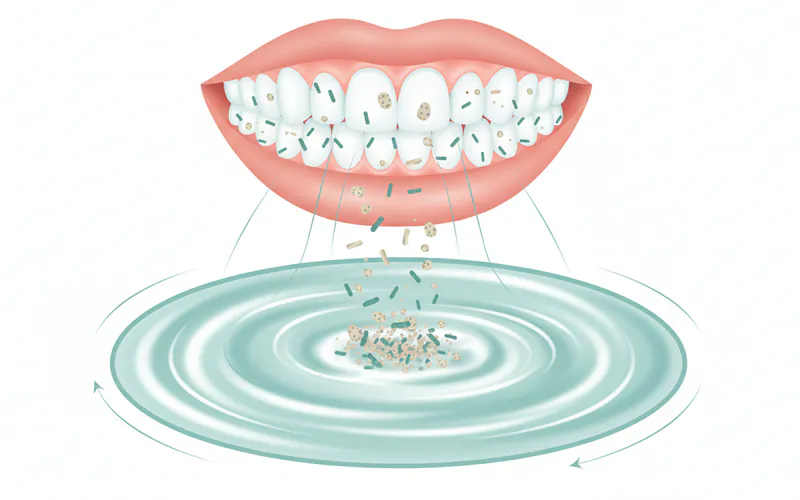
At its core, oil pulling involves coating the teeth, gums, and tongue with oil. The theory is that as the oil is swished around, bacteria and other microorganisms in the mouth, which are fat-soluble, get entrapped in the oil. This mechanical action, combined with the oil's properties, supposedly reduces the microbial load in the mouth.
Types and Variations of Oil Pulling
While the fundamental concept of swishing oil remains the same, there are variations in the type of oil used, the duration, and frequency.
Oil Types
Historically, sesame oil was the most commonly used oil in Ayurveda due to its warming properties and perceived ability to penetrate tissues deeply. However, today, coconut oil has largely overtaken sesame oil in popularity, especially in Western countries, for several reasons:
- Coconut Oil: The most popular choice for coconut oil pulling for teeth. It contains lauric acid, a medium-chain triglyceride (MCT) known for its antimicrobial, anti-inflammatory, and antifungal properties. When lauric acid interacts with saliva, it forms a soap-like substance that emulsifies, helping to clean the mouth. It also has a relatively pleasant, mild taste. Virgin or cold-pressed coconut oil is often preferred as it retains more beneficial compounds.
- Sesame Oil: Traditional Ayurvedic choice. Rich in antioxidants (sesamol, sesamolin, sesamin) and fatty acids. It's believed to strengthen teeth and gums. Some studies on sesame oil pulling have shown promise in reducing plaque and gingivitis.
- Sunflower Oil: Another option, also containing beneficial fatty acids. Some European studies have explored its efficacy.
- Other Oils: Olive oil, grape seed oil, or other food-grade vegetable oils can technically be used, but they are less commonly cited for specific oral health benefits compared to coconut or sesame oil.
Methods and Approaches
The primary variation in method involves the duration and frequency of swishing:
- Duration: The most commonly recommended duration is 15-20 minutes. Some practitioners suggest starting with 5 minutes and gradually increasing. Shorter durations (under 10 minutes) may not allow enough time for the oil to effectively bind to bacteria and toxins. Longer durations (over 20 minutes) are generally not recommended as the oil may become saturated with toxins and risks reabsorption or swallowing.
- Frequency: Most proponents suggest performing oil pulling daily, typically first thing in the morning before eating or drinking anything. Others recommend 3-5 times per week. Consistency is often emphasized for any perceived benefits.
- "Dry" vs. "Wet" Pulling: Some sources distinguish between "dry" pulling (without water, just oil) and "wet" pulling (sometimes involving a preliminary rinse with water or using an herbal concoction). For coconut oil pulling, it's typically a "dry" process, meaning just the oil.
Causes / How It Works (Proposed Mechanisms)
Understanding is oil pulling good for your teeth requires delving into the proposed mechanisms, which combine traditional wisdom with emerging scientific inquiry. It's important to note that while anecdotal evidence is plentiful, the robust, large-scale clinical trials required to unequivocally prove these mechanisms and outcomes are still relatively limited.
1. Saponification and Emulsification
Coconut oil contains a high concentration of lauric acid (around 50%). When lauric acid comes into contact with saliva, it reacts with the alkaline substances in saliva to form a soap-like compound. This process is called saponification. This soap, along with other fatty acids in the oil, emulsifies, creating a cleansing action. The oil essentially acts as a solvent, helping to dissolve and "pull" lipid-soluble toxins, bacteria, and debris from the mouth.
2. Mechanical Cleansing
The act of swishing the oil vigorously around the mouth physically dislodges food particles, plaque, and bacteria from the surfaces of teeth, gums, and tongue, similar to how a mouthwash works, but with the added property of the oil's viscosity. This physical agitation is thought to contribute significantly to the cleansing effect.
3. Antimicrobial Properties
Many proponents believe that the specific components of coconut oil possess antimicrobial properties:
- Lauric Acid: As mentioned, lauric acid is well-known for its ability to target various microorganisms, including bacteria (like Streptococcus mutans, a primary culprit in tooth decay), fungi, and viruses. It's thought to disrupt bacterial cell walls and membranes.
- Monolaurin: Lauric acid is metabolized into monolaurin in the body, which is also a potent antimicrobial agent.
- Anti-inflammatory Effects: Some fatty acids in coconut oil may help reduce inflammation in the gums, potentially aiding in the management of gingivitis.
4. Detoxification (Traditional View)
From an Ayurvedic perspective, the mouth is considered a mirror of the body's overall health. Oil pulling is traditionally believed to draw out toxins (known as ama) not just from the mouth but from the entire system. While modern science has yet to validate systemic detoxification through oral oil pulling, the reduction of oral microbial load and inflammation could indirectly support overall health by lessening the burden on the immune system.
5. Plaque Reduction
Plaque is a sticky film of bacteria that constantly forms on teeth. If not removed, it can lead to cavities and gum disease. Studies, though often small, suggest that oil pulling might reduce plaque formation by disrupting the bacterial biofilm and mechanically removing it.
6. Reducing Bad Breath (Halitosis)
Bad breath is often caused by volatile sulfur compounds (VSCs) produced by bacteria in the mouth. By reducing the overall bacterial load, especially on the tongue and around the gums, oil pulling may help decrease the production of these compounds, leading to fresher breath.
Signs and Symptoms People Look for (Purported Benefits)
Individuals who engage in oil pulling with coconut oil often report experiencing a range of benefits, which they consider signs of the practice's effectiveness. It's crucial to remember that while these are commonly reported, scientific evidence supporting all of these claims varies.
- Fresher Breath: One of the most frequently cited benefits. By reducing the population of odor-producing bacteria in the mouth, oil pulling is thought to combat halitosis.
- Whiter Teeth: Many users claim their teeth appear whiter and brighter after consistent oil pulling. This is theorized to occur due to the removal of extrinsic stains (surface stains from food, coffee, tea) and plaque buildup on the enamel.
- Reduced Gum Inflammation (Gingivitis): The antimicrobial properties of coconut oil, combined with the mechanical cleansing, may help decrease the bacteria that cause gum inflammation, leading to healthier, less swollen, and less bleeding gums.
- Less Plaque Buildup: Regular oil pulling is reported to help reduce the accumulation of dental plaque, the sticky bacterial film that contributes to cavities and gum disease.
- Stronger Teeth and Gums: Some believe oil pulling contributes to overall oral tissue health, making teeth feel stronger and gums firmer, possibly by reducing inflammation and supporting a healthier oral microbiome.
- Improved Oral Hygiene: General feeling of a cleaner mouth, similar to using an effective mouthwash, but often described as a deeper clean.
- Reduced Dry Mouth: The oil can provide a temporary coating and lubrication, which may be soothing for individuals experiencing xerostomia (dry mouth).
- Relief from Jaw Pain (Temporomandibular Joint Disorder - TMJ): While less common and largely anecdotal, some individuals report that the jaw exercise involved in swishing the oil helps to alleviate tension and discomfort associated with TMJ disorders. This specific benefit lacks any scientific backing.
Pro Tip: While these benefits are often reported, it's important to set realistic expectations. Oil pulling is not a magic bullet and should be considered a complementary practice, not a substitute for professional dental care.
Treatment Options (Usage Approaches)
When considering is oil pulling good for your teeth, it’s not about "treatment options" in the conventional sense of fixing a disease, but rather different approaches to incorporating the practice into your routine. The "treatment" is the practice itself, and the variations lie mainly in the type of oil and consistency.
Choosing Your Oil
The primary "treatment option" choice is the type of oil.
- Virgin/Cold-Pressed Coconut Oil:
- Pros: High in lauric acid; pleasant taste; widely available; many perceived benefits are linked to this specific oil. Retains more beneficial compounds due to minimal processing.
- Cons: Can solidify at cooler room temperatures, making it a bit harder to scoop.
- Cost: Approximately $12-$25 for a 16 oz jar, which can last for several months.
- Refined Coconut Oil:
- Pros: More neutral taste if you dislike the coconut flavor; typically liquid at warmer room temperatures.
- Cons: Processing can remove some beneficial compounds.
- Cost: Slightly cheaper, often $10-$18 for a 16 oz jar.
- Organic Sesame Oil:
- Pros: Traditional Ayurvedic choice; studies have also shown benefits for plaque and gingivitis.
- Cons: Stronger, more distinctive taste that some may find less palatable.
- Cost: Similar to coconut oil, around $10-$20 for a 16 oz bottle.
Comparison of Common Oil Pulling Oils
| Feature | Virgin Coconut Oil | Refined Coconut Oil | Sesame Oil |
|---|---|---|---|
| Primary Active Compound | Lauric Acid (Antimicrobial) | Lauric Acid (lesser concentration) | Sesamol, Sesamin, Sesamolyn (Antioxidants) |
| Taste/Flavor | Mild, distinct coconut flavor | Neutral, minimal coconut flavor | Nutty, strong, distinct |
| Texture/Consistency | Solid below ~76°F (24°C), liquid above | Often liquid at warmer room temperatures | Liquid at room temperature |
| Cost (16oz jar/bottle) | $12 - $25 | $10 - $18 | $10 - $20 |
| Processing | Minimal, extracted from fresh coconut meat | More processed, often deodorized/bleached | Cold-pressed or toasted for flavor |
| Traditional Use | Widely adopted for modern oil pulling | Less common for dedicated oil pulling | Traditional Ayurvedic choice |
| Perceived Benefits | Antimicrobial, plaque reduction, whitening, fresh breath | Similar to virgin, but potentially less potent | Anti-inflammatory, gum health, strengthens teeth |
Consistency and Duration
The main variation in approach is how consistently you perform oil pulling:
- Daily Practice: Many users commit to daily oil pulling, often for 15-20 minutes, believing this consistency yields the best results.
- 3-5 Times a Week: Some prefer to integrate it less frequently, perhaps a few times a week, as a supplemental oral hygiene practice.
- As Needed: Some might use it occasionally for a quick freshen-up or when they feel their mouth needs extra cleansing.
Pro Tip: Start slow if you're new to oil pulling. Begin with 5 minutes of swishing and gradually increase to 15-20 minutes as your jaw muscles get accustomed to the exercise. Consistency, rather than intensity, is often highlighted as key by practitioners.
Step-by-Step Process: How to Perform Coconut Oil Pulling
Performing coconut oil pulling for teeth correctly is crucial to maximize its purported benefits and minimize any potential risks. Here's a detailed, medically accurate guide:
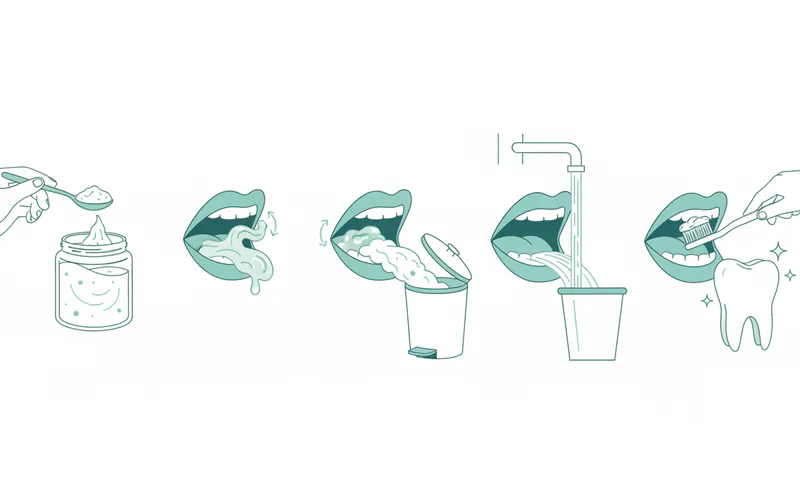
- Choose the Right Oil: Opt for high-quality, organic, virgin, or cold-pressed coconut oil. These varieties retain the most beneficial compounds like lauric acid.
- Timing is Key: The best time to oil pull is first thing in the morning, on an empty stomach, before you've eaten, drunk anything (even water), or brushed your teeth. This is when bacterial load in the mouth is typically at its highest after sleep.
- Measure the Oil: Take about 1 tablespoon (15 ml) of coconut oil. If the oil is solid (which it often is at room temperature below 76°F or 24°C), you can scoop it out. It will quickly melt in your mouth. For children or those new to the practice, start with 1 teaspoon (5 ml).
- Swish, Don't Gargle: Place the oil in your mouth. Begin to gently swish it around, pushing and pulling it through your teeth and gums. Don't gargle or swallow the oil. The motion should be gentle, not aggressive, to avoid jaw fatigue.
- Duration: Continue swishing for 10-20 minutes. If you're new, start with 5 minutes and gradually increase the duration over several days or weeks. The oil will likely turn milky white and thinner in consistency as it mixes with saliva and "pulls" out impurities.
- Do NOT Swallow: It's critical not to swallow the oil after swishing. By the end of the process, the oil is believed to be full of bacteria, toxins, and food particles. Swallowing it could reintroduce these substances into your system or cause digestive upset.
- Discard Properly: When you're done, spit the oil into a trash can. Do NOT spit it into the sink or toilet. Coconut oil solidifies at cooler temperatures and can clog pipes over time, leading to expensive plumbing issues.
- Rinse Thoroughly: After spitting, rinse your mouth thoroughly with warm water. Many suggest using warm salt water for an added antimicrobial effect and to soothe gums, but plain warm water is sufficient. Rinse several times to ensure all oil residue is removed.
- Brush and Floss: Follow up immediately with your regular oral hygiene routine: brush your teeth thoroughly with toothpaste and floss. This ensures any remaining oil, bacteria, or loosened plaque is completely removed.
Pro Tip: While oil pulling is generally safe, avoid trying to talk while swishing to prevent accidentally swallowing or aspirating the oil. If your jaw starts to ache, you're swishing too vigorously; ease up on the intensity.
Cost and Insurance for Oil Pulling
One of the appealing aspects of coconut oil pulling for teeth is its remarkably low cost compared to many other dental products or procedures. It is a self-administered practice and therefore involves no dental insurance coverage.
Cost of Coconut Oil
The primary and only direct cost associated with oil pulling is the coconut oil itself. Prices can vary based on brand, quality (organic, virgin, cold-pressed), and store location.
- Low End: A basic 16 oz (approximately 473 ml) jar of refined coconut oil might cost $8 - $12 at a discount or bulk store.
- Mid-Range: A 16 oz jar of organic, virgin, or cold-pressed coconut oil typically falls in the $12 - $20 range at most grocery stores or health food markets.
- High End: Larger jars (e.g., 32 oz or more) or specialty brands might cost $25 - $40, but these offer better per-ounce value for frequent users.
Usage and Durability: A 16 oz jar contains approximately 32 tablespoons. If you use 1 tablespoon daily, a jar would last about a month. If you use it 3-5 times a week, it would last significantly longer, potentially 1.5 to 2 months. This translates to a monthly cost of roughly $5 - $15, making it an incredibly inexpensive addition to an oral hygiene routine.
Related Costs (Optional)
While not directly part of oil pulling, some might incur additional costs for related items:
- Salt for Saltwater Rinse: A large container of sea salt or Himalayan pink salt costs $5-$10 and lasts for many months.
- Replacement Toothbrushes/Toothpaste: Regular brushing and flossing remain essential. These costs are part of standard oral hygiene, not directly attributable to oil pulling.
Insurance Coverage
No dental insurance plan, whether private or public (e.g., Medicaid, Medicare Advantage dental plans), covers oil pulling. This is because it is not a recognized dental procedure or treatment by the American Dental Association (ADA) or other major dental organizations. It's considered an alternative personal care practice. Any costs associated with it are entirely out-of-pocket.
Cost Comparison of Oral Hygiene Supplements
| Item / Practice | Typical Monthly Cost (US $) | Insurance Coverage | Notes |
|---|---|---|---|
| Coconut Oil Pulling | $5 - $15 | None | Low cost, self-administered. Does not replace professional care. |
| Antiseptic Mouthwash | $5 - $15 | None | Often OTC. Some prescription ones might be partially covered. |
| Electric Toothbrush | $5 - $10 (amortized) | None | Initial cost $30-$200, brush heads $5-$10/3 months. |
| Water Flosser | $5 - $10 (amortized) | None | Initial cost $40-$100. |
| Prescription Fluoride Gel | $10 - $30 | Sometimes (partial) | Used for high cavity risk. |
| Dental Prophylaxis (Cleaning) | $0 - $150 | Often (100%) | Typically covered 1-2 times/year by most insurance plans. |
Recovery and Aftercare
Since coconut oil pulling for teeth is a non-invasive, self-care practice, there's no formal "recovery" period in the way there is for dental procedures. However, proper aftercare is crucial to ensure the benefits are maximized and any potential risks are mitigated.
Immediate Aftercare (Post-Pulling)
- Thorough Rinsing: As detailed in the step-by-step guide, rinse your mouth thoroughly with warm water immediately after spitting out the oil. This helps remove any lingering oil residue and ensures you're not leaving any of the supposedly "pulled" toxins or bacteria behind. Warm salt water is often recommended for its soothing and mild antiseptic properties.
- Brush and Floss: This step is non-negotiable. Oil pulling is a complementary practice, not a replacement for conventional oral hygiene. Brushing with a fluoride toothpaste and flossing after rinsing ensures that any dislodged plaque, food particles, and bacteria are physically removed from the tooth surfaces and interdental spaces.
Ongoing Aftercare (Long-Term)
- Maintain Regular Oral Hygiene: Continue your routine of brushing twice a day for two minutes with fluoride toothpaste and flossing daily.
- Regular Dental Check-ups: Do not skip your routine dental check-ups and professional cleanings (typically every six months). A dentist can assess your oral health, identify any issues, and perform deep cleaning that oil pulling cannot replicate.
- Monitor for Changes: Pay attention to how your mouth feels. If you experience any new discomfort, sensitivity, gum irritation, or other unusual symptoms, discontinue oil pulling and consult your dentist.
- Listen to Your Body: If the practice causes jaw fatigue, nausea, or any other unpleasant symptoms, adjust the duration or frequency, or stop altogether.
Pro Tip: Some individuals report a "detox reaction" feeling slightly unwell in the initial days of oil pulling. While this is anecdotal and lacks scientific explanation, it's a good reminder to start slowly and consult a healthcare professional if you experience persistent or concerning symptoms.
Prevention: How Oil Pulling Aims to Support Oral Health
The primary aim of incorporating oil pulling with coconut oil into an oral hygiene routine is preventative. Proponents suggest it can help prevent common dental issues by addressing underlying factors.
1. Preventing Plaque and Tartar Buildup
By mechanically removing bacteria and food particles and potentially disrupting bacterial biofilms, oil pulling aims to reduce the formation of plaque. Less plaque means less risk of it hardening into tartar (calculus), which requires professional removal.
2. Preventing Cavities (Dental Caries)
Cavities are caused by acids produced by bacteria (primarily Streptococcus mutans) that metabolize sugars. If oil pulling effectively reduces the population of these bacteria and the plaque they reside in, it could theoretically lower the risk of tooth decay. The antimicrobial properties of lauric acid are particularly cited for this.
3. Preventing Gum Disease (Gingivitis and Periodontitis)
Gingivitis, the early stage of gum disease, is characterized by inflamed, bleeding gums, primarily caused by bacterial plaque accumulation. By reducing bacteria and inflammation, oil pulling may help prevent gingivitis from developing or progressing. If gingivitis is left untreated, it can advance to periodontitis, a more severe form of gum disease that damages bone and can lead to tooth loss. While oil pulling might aid in gingivitis, it is not a treatment for established periodontitis.
4. Preventing Halitosis (Bad Breath)
As discussed, bad breath often stems from bacteria producing volatile sulfur compounds. By reducing the overall bacterial load, especially on the tongue and around the gums, oil pulling can contribute to the prevention of chronic bad breath.
5. Supporting a Healthy Oral Microbiome
The human mouth contains a complex ecosystem of bacteria. While some bacteria are harmful, many are beneficial. Some proponents suggest that oil pulling might help to balance the oral microbiome by selectively reducing harmful bacteria without excessively disturbing beneficial ones, although this area requires much more research.
ADA Stance: It is important to reiterate that while these preventative aspects are often cited by users, the American Dental Association (ADA) states that "oil pulling has not been shown to have any oral health benefits" and does not recommend it as a primary method of oral hygiene. They emphasize that there is a lack of reliable scientific evidence to support the claims of oil pulling as an effective cavity preventative or treatment for oral diseases. Therefore, while it can be used as a supplemental practice, it should never replace brushing with fluoride toothpaste, daily flossing, and regular dental visits.
Risks and Complications of Oil Pulling
While generally considered safe when performed correctly, coconut oil pulling for teeth is not without potential risks or complications. Being aware of these is crucial for safe practice.
1. Digestive Issues (If Swallowed)
The most common risk is accidentally swallowing the oil after it has been swished. If the oil has effectively "pulled" bacteria and toxins from your mouth, ingesting it could lead to:
- Stomach upset: Nausea, diarrhea, or indigestion.
- Reabsorption of toxins: While largely theoretical, if the oil is saturated with microorganisms and their metabolic byproducts, swallowing it could potentially reintroduce these into the digestive system.
2. Lipoid Pneumonia (Rare but Serious)
This is a very rare but severe complication. It occurs if oil is accidentally inhaled or aspirated into the lungs. Symptoms include chronic cough, shortness of breath, and chest pain. This risk is higher for individuals with impaired gag reflexes or swallowing difficulties. It underscores the importance of gentle swishing and avoiding gargling.
3. Allergic Reactions
While rare, some individuals may have an allergic reaction to coconut oil. Symptoms could include itching, swelling, rash, or mouth irritation. If you experience any of these, discontinue use immediately.
4. Jaw Strain or Discomfort (TMJ Aggravation)
Vigorous or prolonged swishing can put strain on the temporomandibular joint (TMJ) and surrounding muscles. Individuals with pre-existing TMJ disorders might experience increased pain or discomfort. It's essential to keep the swishing gentle and not to clench your jaw.
5. Delayed Professional Dental Care
Perhaps one of the most significant risks is that individuals might perceive oil pulling as a complete solution for their oral health issues, leading them to delay or forgo essential professional dental care. Oil pulling cannot:
- Remove hardened plaque (tartar).
- Fill cavities.
- Treat advanced gum disease (periodontitis).
- Diagnose underlying dental problems like cracked teeth, abscesses, or oral cancers.
- Replace the fluoride needed to remineralize enamel and protect against decay, as fluoride toothpaste and treatments do.
Pro Tip: Never use oil pulling as a replacement for brushing with fluoride toothpaste, daily flossing, and regular dental check-ups. It should only ever be considered a complementary practice. The ADA explicitly states that there's no scientific evidence to support its use as a therapeutic oral health treatment or as a substitute for conventional hygiene.
6. Oil Clogging Drains
While not a health risk, disposing of coconut oil down drains (sink or toilet) can cause significant plumbing issues. Coconut oil solidifies at typical room temperatures and can accumulate in pipes, leading to blockages and costly repairs. Always spit the used oil into a trash can.
Comparative Risks: Oil Pulling vs. Conventional Oral Hygiene
| Aspect | Coconut Oil Pulling | Brushing & Flossing | Antiseptic Mouthwash |
|---|---|---|---|
| Primary Risks | Swallowing oil (GI upset), aspiration (lipoid pneumonia), jaw strain, delayed professional care, drain clogging. | Gum irritation from aggressive brushing, improper flossing can cause nicks. | Mouth irritation, staining (chlorhexidine), temporary taste alteration, alcohol content. |
| Effectiveness | Limited scientific evidence for efficacy as primary method. | Scientifically proven for plaque removal, cavity prevention, gum health. | Scientifically proven for reducing bacteria, bad breath. Adjunct to brushing/flossing. |
| ADA Stance | Not endorsed as a primary or effective oral hygiene method. | Strongly recommended as foundational oral care. | Recommended as an adjunct to brushing/flossing (non-alcoholic, fluoride if needed). |
| Cost | Very low (cost of oil). | Low (toothbrush, toothpaste, floss). | Moderate (cost of mouthwash). |
| Requires Skill | Proper swishing technique, duration, disposal. | Proper brushing/flossing technique. | Correct dosage, duration. |
Children / Pediatric Considerations
The practice of coconut oil pulling for teeth generally carries specific considerations when it comes to children. The American Dental Association (ADA) and most pediatric dentists do not recommend oil pulling for young children due to several factors.
Age Recommendations
- Generally Not Recommended for Young Children: Most experts advise against oil pulling for children under the age of 5-7 years old. The primary concern is the risk of accidentally swallowing the oil, which could lead to digestive upset or, in rare cases, aspiration into the lungs (lipoid pneumonia). Young children typically lack the muscle control and understanding to reliably swish without swallowing.
- Older Children (7+): For older children, especially those nearing or past elementary school age, if they express interest and can demonstrate the ability to swish without swallowing, oil pulling might be considered under parental supervision and dental guidance. However, it is never a substitute for conventional brushing with fluoride toothpaste and flossing.
Important Considerations for Children
- Swallowing Risk: This remains the biggest concern. Emphasize repeatedly to older children that the oil must never be swallowed.
- Duration and Volume: If an older child does try oil pulling, start with a very small amount of oil (e.g., 1/2 to 1 teaspoon) and a very short duration (e.g., 2-5 minutes), gradually increasing as tolerated and only if they master the no-swallowing rule.
- Taste Acceptance: Some children may find the taste or texture of coconut oil unpleasant, making the practice difficult to sustain.
- No Replacement for Basics: Parents must understand that oil pulling does not replace the critical role of fluoride in strengthening tooth enamel and preventing cavities in children. Brushing twice daily with an ADA-accepted fluoride toothpaste, flossing, and regular dental check-ups with fluoride treatments are paramount for pediatric oral health.
- Consult a Pediatric Dentist: Before introducing any new oral hygiene practice, including oil pulling, always consult your child's pediatric dentist. They can provide personalized advice based on your child's age, oral health, and developmental stage.
Pro Tip for Parents: Focus on establishing excellent foundational oral hygiene habits for your children: proper brushing technique, daily flossing, limiting sugary snacks and drinks, and consistent visits to the pediatric dentist. These are the scientifically proven methods for ensuring healthy smiles in children.
Frequently Asked Questions
Is oil pulling good for your teeth according to dentists?
The American Dental Association (ADA) currently states that there is no reliable scientific evidence to support the claims that oil pulling offers any oral health benefits or acts as a therapeutic treatment for oral diseases. Therefore, the ADA does not recommend it as a primary method of oral hygiene or as a substitute for scientifically proven methods like brushing with fluoride toothpaste and flossing.
How often should I do coconut oil pulling for teeth?
Most proponents of oil pulling suggest performing it daily, typically first thing in the morning on an empty stomach. Others recommend 3-5 times per week. Consistency is generally emphasized to potentially experience its purported benefits.
How long does it take to see results from oil pulling coconut oil?
Anecdotal reports vary widely. Some individuals claim to notice effects like fresher breath or a cleaner feeling mouth within a few days or weeks. Other perceived benefits, such as whiter teeth or reduced gum inflammation, might take several weeks to months of consistent practice to observe, if at all.
Can oil pulling whiten teeth permanently?
Oil pulling is not known to permanently whiten teeth. Any perceived whitening effect is likely due to the removal of extrinsic stains (surface stains from food and drink) and plaque buildup. It does not alter the intrinsic color of the teeth or bleach them in the way professional whitening treatments do.
What are the main risks if I try coconut oil pulling?
The primary risks include accidentally swallowing the oil (which can cause digestive upset) and, very rarely, aspirating the oil into the lungs (leading to lipoid pneumonia). There's also a risk of jaw strain if swished too vigorously, and the significant risk of delaying necessary professional dental care by relying on oil pulling as a sole solution.
Does oil pulling replace brushing and flossing?
Absolutely not. Oil pulling should never replace brushing with an ADA-accepted fluoride toothpaste twice a day and daily flossing. These are the foundational and scientifically proven methods for removing plaque, preventing cavities, and maintaining gum health. Oil pulling is considered a complementary, not a substitute, practice.
What if I accidentally swallow some of the oil?
If you accidentally swallow a small amount of the oil, it is generally not harmful, but it's best to avoid it. If you swallow a larger amount, you might experience some digestive upset like an upset stomach or diarrhea. It's crucial to spit the oil out if you feel you might swallow it.
Can I oil pull if I have braces or dental fillings?
Yes, oil pulling is generally considered safe for individuals with braces, fillings, crowns, or other dental work. The oil does not typically interact negatively with these materials. However, if you experience any discomfort or dislodgement, discontinue the practice and consult your dentist.
Which type of coconut oil is best for oil pulling?
Organic, virgin, or cold-pressed coconut oil is generally recommended. These types are minimally processed and retain the highest concentration of beneficial compounds like lauric acid, which is believed to contribute to many of the purported antimicrobial effects.
What should I do after spitting out the oil?
After spitting the used oil into a trash can (never a sink or toilet), rinse your mouth thoroughly with warm water, preferably warm salt water, to remove any oil residue and any "pulled" bacteria. Immediately follow this with your regular brushing and flossing routine.
When to See a Dentist
While coconut oil pulling for teeth is a self-care practice, it's vital to know when to seek professional dental attention. Oil pulling should never delay or replace routine dental visits or treatment for existing conditions.
Routine Dental Care
- Regular Check-ups and Cleanings: Schedule dental check-ups and professional cleanings every six months, or as recommended by your dentist. These visits are crucial for early detection of issues, professional plaque and tartar removal, and overall oral health assessment. Even if you practice oil pulling, these appointments are non-negotiable.
Red Flags Requiring Immediate Attention
You should see a dentist immediately if you experience any of the following, as these could indicate serious oral health problems that oil pulling cannot address:
- Persistent Toothache or Pain: Any severe, throbbing, or persistent tooth pain that lasts more than a day could indicate a cavity, infection, or other serious issue.
- Swelling in the Mouth or Face: Swelling of the gums, face, or jaw can be a sign of infection (abscess), which requires urgent dental intervention.
- Bleeding Gums that Don't Stop: While mild bleeding during brushing can indicate gingivitis, persistent or excessive bleeding, especially spontaneously, warrants a dental visit.
- Loose Teeth: Adult teeth should not be loose. This is a sign of advanced gum disease (periodontitis) or trauma and needs immediate assessment.
- White Patches or Sores: Any persistent white, red, or discolored patches or sores in the mouth, on the tongue, or lips that don't heal within two weeks could be a sign of oral cancer or other serious conditions.
- Difficulty Swallowing or Opening Mouth: These symptoms can indicate a severe infection, TMJ issues, or other problems that need professional diagnosis.
- Increased Sensitivity: Sudden or severe sensitivity to hot, cold, or sweets could point to a new cavity, gum recession, or enamel erosion.
- Signs of Infection: Fever, pus around a tooth or gum, or a foul taste in your mouth accompanying other symptoms.
- Concerns about Oil Pulling: If you experience any adverse effects from oil pulling, such as persistent nausea, jaw pain, or unusual mouth irritation, stop the practice and consult your dentist.
Emergency vs. Scheduled Appointment:
- Emergency: Severe pain, uncontrolled bleeding, facial swelling, trauma (knocked-out tooth), or signs of a serious infection warrant an immediate emergency dental visit.
- Scheduled Appointment: Routine check-ups, ongoing mild sensitivity, general questions about oral hygiene practices (like oil pulling), or non-urgent concerns can be addressed during a scheduled appointment.
Always err on the side of caution. Your dental professional is the best resource for maintaining your oral health.
Frequently Asked Questions
Medically Reviewed Content
This article was written by our dental health editorial team and reviewed for medical accuracy. Our content follows strict editorial guidelines for reliability and trustworthiness.
Medical Disclaimer
This article is for informational purposes only and does not constitute medical advice. Always consult with a qualified dental professional for diagnosis and treatment. Do not delay seeking professional advice because of something you read on this website.
Related Articles
What Coconut Oil to Use for Oil Pulling
For centuries, across various cultures, people have sought natural remedies to maintain oral health and enhance their smiles. One practice that has gained significant traction in the modern wellness landscape is oil pulling. While many are curious about its potential benefits, a common question aris
February 23, 2026

What Are the Benefits of Oil Pulling
More than 80% of American adults experience some form of periodontal (gum) disease, and a significant number struggle with issues like chronic bad breath or sensitivity. In the pursuit of optimal oral health, many people explore various practices beyond routine brushing and flossing. One such an
February 23, 2026

How Long to Do Oil Pulling
More than half of all American adults suffer from some form of periodontal disease, a condition that can lead to tooth loss and impact overall health. For those seeking complementary approaches to traditional oral care, ancient practices like oil pulling have garnered significant attention. But
February 23, 2026

Does Oil Pulling Actually Work
Imagine a simple, ancient practice capable of transforming your oral health – reducing bad breath, whitening teeth, and even preventing cavities, all with a spoonful of oil. This is the promise of oil pulling, an age-old tradition that has seen a significant resurgence in popularity across the Unite
February 23, 2026