Guru Nanda Oil Pulling: Complete Guide

Key Takeaways
- Oral health is a cornerstone of overall well-being, yet nearly 47% of American adults aged 30 and older suffer from some form of periodontal disease. While conventional dentistry offers robust solutions, many individuals are exploring complementary practices to enhance their oral hygiene routine and
Oral health is a cornerstone of overall well-being, yet nearly 47% of American adults aged 30 and older suffer from some form of periodontal disease. While conventional dentistry offers robust solutions, many individuals are exploring complementary practices to enhance their oral hygiene routine and achieve a healthier smile. Among these, guru nanda oil pulling has emerged as a popular topic, promising benefits ranging from improved gum health to natural teeth whitening. But what exactly is oil pulling, and how does the Guru Nanda approach differ? This comprehensive guide will delve into the science (and skepticism) behind oil Pulling, specifically focusing on the Guru Nanda brand's unique blend and methodology. We'll explore its purported benefits, how to perform it, potential risks, and crucially, how it fits into a complete oral care regimen, helping you understand if this ancient practice has a place in your modern dental health strategy.
Key Takeaways:
- Guru Nanda Oil Pulling is a traditional Ayurvedic practice involving swishing an oil blend (often coconut, sesame, sunflower with essential oils) in the mouth for several minutes to purportedly draw out toxins and bacteria.
- Primary Claims: Users report benefits like fresher breath, improved gum health, and natural teeth whitening, though scientific evidence is limited for many claims.
- Cost: A 2-pack of Guru Nanda Pulling Oil typically ranges from $15-$25, lasting 1-2 months with daily use.
- Process: Swish 1 tablespoon of oil for 5-10 minutes (initially) up to 15-20 minutes daily, then spit into trash. Do not swallow.
- Effectiveness for Whitening: While some users experience mild surface stain removal due to the oil's abrasive action and antimicrobial properties, oil pulling does not chemically whiten teeth like peroxide-based treatments. Expect minimal to moderate cosmetic improvement over several weeks.
- ADA Stance: The American Dental Association (ADA) states that oil pulling is not a substitute for conventional oral hygiene (brushing, flossing, regular dental check-ups) and recommends against using it as the sole method of oral care.
- Timeline for Results: Noticeable improvements in breath freshness or gum sensation may occur within 1-2 weeks; any perceived whitening might take 3-4 weeks or longer.
What It Is / Overview
Oil pulling is an ancient Ayurvedic practice that dates back thousands of years, originating in India. The basic premise involves swishing a tablespoon of edible oil in the mouth for a period, typically 10 to 20 minutes, then spitting it out. Proponents believe that the oil "pulls" out toxins, bacteria, and other harmful microorganisms from the mouth, leading to various health benefits.

The traditional oils used for oil pulling were often sesame oil or sunflower oil. However, in recent years, coconut oil has gained immense popularity due to its pleasant taste and documented antimicrobial properties, primarily attributed to lauric acid.
Guru Nanda Oil Pulling takes this ancient practice and modernizes it with a proprietary blend designed for enhanced efficacy and user experience. Unlike simple virgin coconut oil, Guru Nanda's pulling oil typically combines several ingredients:
- Fractionated Coconut Oil (MCT): A common base due to its light texture and antimicrobial properties. It's less likely to solidify than virgin coconut oil, making it easier to swish.
- Sesame Oil: A traditional oil pulling oil, believed to help remove plaque and reduce gingivitis.
- Sunflower Oil: Another traditional choice, often included for its emollient properties and ability to carry other ingredients.
- Essential Oils: This is where Guru Nanda often distinguishes itself. Common additions include peppermint oil (for freshness), clove oil (analgesic, antimicrobial), oregano oil (potent antimicrobial), and tea tree oil (antiseptic). These essential oils are highly concentrated and contribute to the product's flavor profile and purported benefits.
- Vitamins: Some Guru Nanda formulations include vitamins like Vitamin D, E, and K2, which are sometimes linked to oral health support, though their direct efficacy through oil pulling is not well-established.
The goal of Guru Nanda's blend is to provide a more comprehensive approach, combining the traditional benefits of oil pulling with specific essential oils and vitamins known for their antimicrobial, anti-inflammatory, or refreshing properties. Users are instructed to swish this blend daily as a complement to their regular brushing and flossing routine.
Types / Variations
While the core concept of oil pulling remains consistent, there are variations primarily based on the type of oil used and the specific formulations, such as the Guru Nanda blend. Understanding these differences can help you choose the best approach for your needs.
Traditional Oil Pulling
-
Coconut Oil:
- Description: Virgin or unrefined coconut oil is one of the most popular choices due to its pleasant taste and high concentration of lauric acid, a medium-chain fatty acid with proven antimicrobial properties.
- Pros: Readily available, affordable, natural antimicrobial. Many find the taste appealing.
- Cons: Solidifies at room temperature below 76°F (24°C), which can make swishing less comfortable for some and can clog drains if spit into the sink.
- Target: General oral hygiene, bad breath, mild gum inflammation.
-
Sesame Oil:
- Description: A classic Ayurvedic choice, often cold-pressed and unrefined.
- Pros: Contains antioxidants (sesamol, sesamin) and is traditionally believed to strengthen teeth and gums. Doesn't solidify at room temperature.
- Cons: Stronger, nuttier taste that some find less appealing.
- Target: Gum health, reducing plaque, traditional detoxification.
-
Sunflower Oil:
- Description: Another traditional Ayurvedic option, often used in conjunction with sesame oil.
- Pros: High in linoleic acid, can be a good alternative for those who don't like sesame or coconut oil.
- Cons: Less research specifically on its oral health benefits compared to coconut oil.
- Target: General oral hygiene.
Modern & Blended Oil Pulling (e.g., Guru Nanda)
Guru Nanda's Oil Pulling Blend:
- Description: As detailed above, Guru Nanda typically uses a base of fractionated coconut oil (MCT oil) to prevent solidification, combined with sesame oil and sunflower oil. Key differentiating factors are the addition of specific essential oils and vitamins.
- Key Ingredients & Their Role:
- MCT Coconut Oil: Provides a stable, liquid base, antimicrobial properties.
- Sesame Oil & Sunflower Oil: Traditional base oils, contributing to plaque reduction and gum health.
- Peppermint Essential Oil: Offers a refreshing taste and scent, known for its antiseptic properties and breath-freshening effects.
- Clove Essential Oil: Historically used for toothaches, it possesses analgesic and potent antimicrobial properties.
- Oregano Essential Oil: A very strong antimicrobial and antifungal agent, often included for its broad-spectrum action.
- Tea Tree Essential Oil: Known for its antiseptic and anti-inflammatory properties, useful for gum health.
- Vitamin D, E, K2: Included for general health support; direct oral efficacy via oil pulling is less clear, but they are often promoted for bone and soft tissue health.
- Pros:
- Enhanced Antimicrobial Action: The blend of essential oils can provide a broader spectrum of antimicrobial activity compared to a single oil.
- Improved Flavor Profile: Peppermint and other essential oils make the experience more palatable and leave a fresh feeling.
- Convenience: Fractionated coconut oil ensures the product remains liquid, preventing drainage issues.
- Targeted Benefits: The inclusion of specific essential oils aims to address issues like bad breath, gum inflammation, and microbial balance more directly.
- Cons:
- Higher Cost: Blended products are generally more expensive than plain coconut or sesame oil.
- Potential for Sensitivity: Essential oils are potent and some individuals might be sensitive or allergic to specific ones.
- Limited Research on Blends: While individual components have some research, the specific synergistic effects of commercial blends like Guru Nanda's are not extensively studied in independent clinical trials.

Causes / Why It Happens (Why People Choose Oil Pulling)
People turn to oil pulling, including the Guru Nanda method, for a variety of reasons, often stemming from dissatisfaction with conventional methods or a desire for more "natural" or "holistic" solutions to common oral health concerns. The underlying "causes" for adopting oil pulling are typically related to a perceived need for:
-
Improved Oral Hygiene & Reduced Bacterial Load:
- The primary mechanism proposed for oil pulling is its ability to physically "pull" or dissolve bacteria and other microorganisms present in the mouth. Many oral health issues, such as bad breath, gingivitis, and cavities, are directly linked to bacterial overgrowth and plaque biofilm formation.
- Proponents believe: The oil's lipophilic (fat-attracting) nature allows it to attract and dissolve lipids in bacterial cell membranes, effectively removing them from the oral cavity.
- Guru Nanda's Approach: The essential oils like peppermint, clove, and tea tree are specifically chosen for their known antimicrobial properties, aiming to enhance this bacterial reduction effect beyond what a single oil might achieve.
-
Addressing Bad Breath (Halitosis):
- One of the most common reasons people try oil pulling. Bad breath is often caused by volatile sulfur compounds (VSCs) produced by anaerobic bacteria in the mouth, especially on the tongue and between teeth.
- Proponents believe: Oil pulling helps remove these bacteria and the VSCs they produce, leading to fresher breath.
- Guru Nanda's Approach: Peppermint and other refreshing essential oils not only combat odor-causing bacteria but also provide an immediate sensation of freshness.
-
Reducing Gum Inflammation (Gingivitis):
- Gingivitis, the early stage of gum disease, is characterized by red, swollen, and bleeding gums, primarily caused by plaque buildup along the gumline.
- Proponents believe: By reducing the bacterial load and plaque, oil pulling can mitigate gum inflammation.
- Guru Nanda's Approach: Essential oils like clove and tea tree have anti-inflammatory properties, which may contribute to soothing irritated gums.
-
- This is a highly debated claim. Many users report whiter teeth after consistent oil pulling. Tooth discoloration can be extrinsic (surface stains from food, drink, tobacco) or intrinsic (internal changes in tooth structure).
- Proponents believe: Oil pulling can lift extrinsic stains by mechanically removing plaque and biofilm where stains adhere, and potentially by acting as a mild abrasive.
- Guru Nanda's Approach: The mechanical action of swishing, combined with potentially stain-lifting properties of certain oils or additives, is thought to contribute to this. It's important to note that oil pulling does not chemically whiten teeth by altering the intrinsic color of the dentin. Any whitening effect is typically mild and due to the removal of surface stains.
-
Holistic Wellness and Detoxification:
- Drawing from its Ayurvedic roots, some users embrace oil pulling as part of a broader holistic health regimen, believing it contributes to overall detoxification and balance within the body. While direct scientific evidence for systemic detoxification via oral oil pulling is lacking, the appeal of a "natural" method is strong for many.
It's crucial to understand that while anecdotal evidence and traditional wisdom abound, the scientific community, particularly organizations like the American Dental Association (ADA), maintains a cautious stance. They acknowledge some studies showing a reduction in plaque and gingivitis comparable to chlorhexidine rinses (a strong antiseptic mouthwash), but emphasize that oil pulling should not replace conventional oral hygiene. The ADA has not given its seal of acceptance to oil pulling products.
Signs and Symptoms (What Oil Pulling is Claimed to Address)
While oil pulling isn't a diagnostic tool, its proponents suggest it can mitigate or improve symptoms associated with several common oral health issues. Understanding these can help individuals decide if oil pulling might be a suitable complementary practice for their specific concerns.
-
Bad Breath (Halitosis):
- Symptoms: Persistent unpleasant odor from the mouth, often worse in the morning or after certain foods. Can be a significant social and personal concern.
- How Oil Pulling Might Help: As mentioned, halitosis is frequently caused by volatile sulfur compounds produced by bacteria. Oil pulling is claimed to reduce these bacteria and physically remove food debris, leading to fresher breath.
- Guru Nanda Specifics: The inclusion of peppermint, clove, and oregano essential oils provides both immediate refreshing effects and sustained antimicrobial action against odor-causing microbes.
-
Gingivitis (Early Gum Disease):
- Symptoms: Red, swollen, tender gums that may bleed easily, especially during brushing or flossing. Mild discomfort or sensitivity.
- How Oil Pulling Might Help: Gingivitis is primarily caused by plaque buildup irritating the gum tissue. By reducing the overall bacterial load and disrupting plaque, oil pulling may help decrease inflammation and improve gum health.
- Guru Nanda Specifics: Essential oils like tea tree and clove have documented anti-inflammatory and antiseptic properties that could contribute to gum soothing and healing.
-
Plaque Buildup:
- Symptoms: A sticky, colorless film of bacteria that constantly forms on teeth. If not removed, it hardens into tartar, which can lead to cavities and gum disease. A fuzzy feeling on teeth, especially after waking.
- How Oil Pulling Might Help: The mechanical action of swishing, combined with the oil's ability to attract and encapsulate bacteria, is believed to help dislodge and reduce plaque formation.
- ADA Perspective: While some studies show oil pulling can reduce plaque, the ADA emphasizes that it's not as effective as proper brushing and flossing.
-
Tooth Discoloration (Extrinsic Stains):
- Symptoms: Yellowish or brownish tint on the tooth surface, often due to consumption of coffee, tea, red wine, or tobacco.
- How Oil Pulling Might Help: Oil pulling is thought to remove surface stains by mechanically lifting plaque and biofilm, which can trap chromogens (stain-causing molecules).
- Important Distinction: This is a physical removal of surface stains, not a chemical bleaching of the tooth enamel or dentin. It will not change the inherent shade of your teeth.
-
Dry Mouth (Xerostomia):
- Symptoms: A feeling of dryness in the mouth, difficulty swallowing, speaking, or tasting. Can lead to increased risk of cavities and gum disease.
- How Oil Pulling Might Help (Anecdotal): While not a primary claim, some users report a sensation of increased moisture or lubrication in the mouth after oil pulling, potentially due to the oil coating oral tissues. However, it does not address the underlying causes of dry mouth related to salivary gland function.
It is crucial to reiterate that oil pulling, including the Guru Nanda method, should be viewed as a complementary practice. If you experience persistent or severe symptoms like significant gum bleeding, severe tooth pain, or rapidly worsening bad breath, these are red flags that warrant immediate attention from a dental professional. Oil pulling is not a substitute for professional diagnosis, treatment, or standard oral hygiene.
Treatment Options (Applications and Claimed Benefits)
Instead of "treatment options" in the traditional sense, oil pulling functions as a complementary oral hygiene practice with several claimed benefits. It's not a cure for dental diseases but rather a method proponents believe can support overall oral health.
Claimed Benefits and How Guru Nanda Addresses Them:
-
Reduction of Harmful Oral Bacteria:
- Mechanism: The oil is believed to encapsulate and bind to bacteria, fungi, and other microorganisms in the mouth during swishing. When spit out, these microorganisms are removed. The lipophilic nature of oils allows them to attract the lipid membranes of bacteria.
- Guru Nanda Advantage: The blend of fractionated coconut oil, sesame oil, and sunflower oil provides a robust base for bacterial adhesion. Furthermore, the inclusion of essential oils like oregano, clove, and tea tree significantly enhances the antimicrobial spectrum, targeting a wider range of oral pathogens than a single oil might.
- Scientific Backing: Some studies have shown that oil pulling, particularly with coconut oil, can be effective in reducing Streptococcus mutans (a primary contributor to tooth decay) and Candida albicans (a common oral yeast). These effects are sometimes compared to standard mouthwashes like chlorhexidine.
-
Fresher Breath (Halitosis Management):
- Mechanism: By reducing the population of odor-producing bacteria and removing food debris, oil pulling can mitigate the source of bad breath.
- Guru Nanda Advantage: The strong, refreshing scent and taste of peppermint essential oil immediately mask odors and contribute to a feeling of cleanliness, while the antimicrobial oils work on the root cause.
-
Improved Gum Health (Gingivitis Reduction):
- Mechanism: Reducing plaque and bacterial load at the gumline can decrease inflammation and bleeding associated with gingivitis.
- Guru Nanda Advantage: Clove and tea tree oils are known for their anti-inflammatory and antiseptic properties, which can directly benefit irritated gum tissues. Sesame oil also has traditional uses in supporting gum health.
- Scientific Backing: Research has indicated that oil pulling can reduce plaque index and modified gingival index scores in individuals with gingivitis.
-
Natural Teeth Whitening (Surface Stain Removal):
- Mechanism: This benefit is primarily attributed to the mechanical removal of extrinsic stains that adhere to plaque and biofilm on the tooth surface. The gentle abrasive action of swishing can help lift these superficial discolorations.
- Guru Nanda Advantage: While Guru Nanda doesn't have specific "whitening agents" in the chemical sense, its robust cleaning action and effectiveness in disrupting biofilm contribute to removing surface stains more effectively than plain water.
- Important Note: This is NOT a chemical whitening process. It will not change the intrinsic color of your teeth. Results are typically subtle and variable.
-
Moisturizing Oral Tissues & Soothing Dry Mouth:
- Mechanism: The oil can provide a lubricating coating to the oral mucosa, which might offer temporary relief for individuals with dry mouth symptoms.
- Guru Nanda Advantage: The oil blend's smooth consistency and essential oil additions can contribute to this soothing effect.
Pros and Cons of Guru Nanda Oil Pulling:
Pros:
- Enhanced Efficacy (Claimed): The blend of multiple oils and essential oils is designed to offer broader antimicrobial and anti-inflammatory benefits than single oils.
- Pleasant Experience: Peppermint and other essential oils provide a refreshing taste and leave the mouth feeling clean.
- Convenience: The liquid consistency (due to fractionated coconut oil) is easier to use and prevents drain clogging.
- Natural Approach: Appeals to those seeking holistic or natural adjuncts to their oral care.
- Accessibility: Widely available online and in many retail stores across the US.
Cons:
- Not a Substitute for Conventional Care: The most critical point. The ADA and dental professionals stress that oil pulling does not replace brushing, flossing, or regular dental check-ups.
- Limited Hard Scientific Evidence: While some studies show promise, large-scale, placebo-controlled, peer-reviewed clinical trials are still limited, especially for specific commercial blends like Guru Nanda. More research is needed to definitively prove all claimed benefits.
- Potential for Allergic Reactions/Sensitivity: Essential oils are potent and can cause allergic reactions in some individuals, or be too strong for sensitive oral tissues.
- Time Commitment: Requires 10-20 minutes daily, which may be a deterrent for some.
- Cost: More expensive than purchasing bulk virgin coconut oil.
Pro Tip: If you decide to incorporate Guru Nanda oil pulling into your routine, monitor your oral health closely. If you experience any adverse reactions, or if existing dental issues worsen or do not improve, discontinue use and consult your dentist immediately.
Step-by-Step Process: How to Use Guru Nanda Oil Pulling Oil
Incorporating Guru Nanda oil pulling into your daily routine is relatively simple, but proper technique is key to maximizing its potential benefits and avoiding common pitfalls.
Timing: The traditional recommendation for oil pulling is to do it first thing in the morning, before eating, drinking, or even brushing your teeth. This is when your mouth typically has the highest concentration of bacteria and toxins accumulated overnight.
Materials Needed:
- 1 tablespoon of Guru Nanda Pulling Oil
- A wastebasket or trash can (do NOT spit in the sink or toilet)
The Guru Nanda Oil Pulling Process:
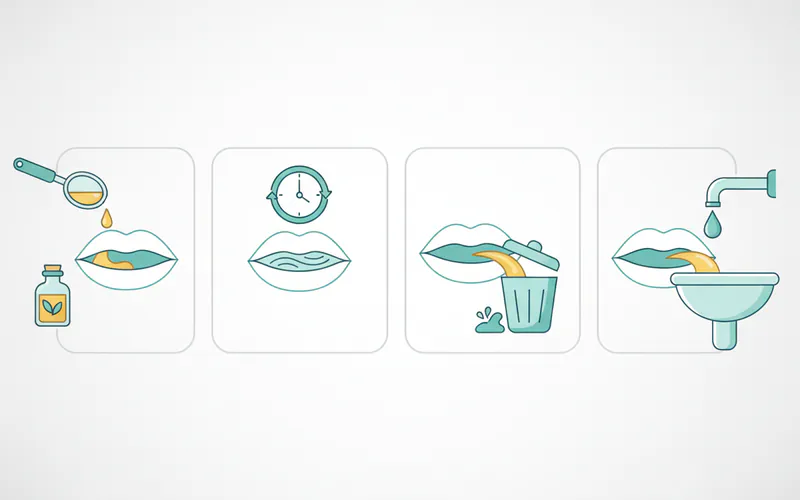
- Measure the Oil: Take approximately one tablespoon (or 15ml) of Guru Nanda Pulling Oil. For beginners, you might start with a smaller amount, like a teaspoon, and gradually increase as you get used to the sensation.
- Pour into Mouth: Pour the oil directly into your mouth. Do not swallow it. The oil should be comfortable and liquid at room temperature due to its fractionated coconut oil base.
- Swish Gently: Begin to gently swish the oil around your mouth. Do not gargle or swish vigorously. The goal is to allow the oil to wash over and between your teeth, gums, and tongue. Imagine it emulsifying and picking up debris.
- Focus on pulling, pushing, and sucking the oil through your teeth.
- Do not strain your jaw or cheeks. The movement should be relaxed and natural.
- Initial Sensation: The oil will initially feel thick, but as it mixes with your saliva, it will thin out and become milky. This change in consistency is normal.
- Duration:
- Beginners: Start with 5 minutes to get accustomed to the sensation.
- Gradual Increase: Gradually work your way up to 10-15 minutes.
- Optimal Time: Many proponents recommend 15-20 minutes for maximum benefit. Avoid going beyond 20 minutes as the oil may become saturated with toxins.
- Resist Swallowing: It's crucial not to swallow the oil, as it is believed to contain bacteria and toxins "pulled" from your mouth. If you accidentally swallow a small amount, don't panic, but try to avoid it. If you feel a strong urge to swallow, spit it out and try again later with a smaller amount of oil.
- Spit It Out: Once your chosen duration is complete (or if your jaw gets tired), spit the oil into a wastebasket or trash can. Do NOT spit the oil into a sink or toilet. While Guru Nanda uses fractionated coconut oil which is less likely to solidify, prolonged daily spitting can still lead to oil buildup and potential clogs over time, especially with any residual traditional oils in the blend.
- Rinse Thoroughly: After spitting, rinse your mouth thoroughly with warm water several times. You can also use a saltwater rinse. This helps remove any residual oil and bacteria.
- Brush and Floss: Proceed with your regular oral hygiene routine: brush your teeth thoroughly with a fluoride toothpaste and floss. This is essential to physically remove any remaining bacteria and ensure optimal oral cleanliness.
Pro Tip: If you find the taste or texture overwhelming initially, try adding a drop of your favorite food-grade essential oil (like orange or lemon) to a plain coconut oil for a milder introduction before trying the full Guru Nanda blend, or simply start with a smaller quantity of the Guru Nanda blend. Consistency is more important than initial duration.
Cost and Insurance
Understanding the financial aspect of Guru Nanda oil pulling is straightforward, as it falls outside typical dental insurance coverage.
Cost of Guru Nanda Pulling Oil Products:
Guru Nanda oil pulling products are generally affordable, especially when compared to professional dental treatments. The cost can vary based on the size of the bottle, the specific blend (e.g., standard vs. "Advanced Whitening" blends), and the retailer.
- Average Price Range:
- A single 8-10 fl oz bottle (approximately 236-295 ml) typically costs between $8 to $15 USD.
- Multi-packs (e.g., a 2-pack) can offer better value, usually ranging from $15 to $25 USD.
- Usage Duration: A single bottle typically contains enough oil for 15-20 uses (assuming 1 tablespoon per use). If used daily, an 8-10 fl oz bottle will last roughly 2-3 weeks. A 2-pack might last 1-2 months.
- Where to Buy: Guru Nanda products are widely available at major retailers like Walmart, Target, CVS, Walgreens, and online marketplaces such as Amazon and the official Guru Nanda website. Prices generally remain consistent across these platforms, but sales and promotions can occur.
Comparison Table: Guru Nanda vs. Traditional Oils
| Feature | Guru Nanda Pulling Oil Blend | Traditional Coconut Oil (Virgin/Unrefined) | Traditional Sesame Oil (Cold-Pressed) |
|---|---|---|---|
| Base Oil(s) | Fractionated Coconut (MCT), Sesame, Sunflower | Virgin Coconut Oil | Sesame Oil |
| Key Additives | Essential oils (peppermint, clove, oregano, tea tree), Vitamins D, E, K2 | None (pure coconut oil) | None (pure sesame oil) |
| Consistency | Liquid at most room temperatures (due to MCT) | Solidifies below ~76°F (24°C), liquid above | Liquid at all room temperatures |
| Flavor/Scent | Strong, refreshing (minty, herbaceous) | Mild, pleasant coconut | Nutty, distinct |
| Antimicrobial | Strong (due to blend of oils & essential oils) | Moderate (due to lauric acid) | Moderate (due to sesamol/sesamin) |
| Cost (per 8-10 oz) | $8 - $15 USD (higher upfront, but offers specific blend benefits) | $5 - $10 USD (often found in larger quantities for cooking, making it cheaper per oz) | $7 - $12 USD (can be more expensive if organic/cold-pressed) |
| Drain Clogging Risk | Low (designed to be liquid, but spitting into trash is still recommended to prevent gradual buildup) | High (if spit into sink/toilet when solidifying) | Low |
| Primary Claims | Enhanced antimicrobial, fresh breath, gum health, natural whitening | General oral hygiene, bad breath, plaque reduction | Gum health, plaque reduction, traditional detox |
| ADA Stance | Not evaluated for Seal of Acceptance; not a substitute for conventional care. | Not evaluated for Seal of Acceptance; not a substitute for conventional care. | Not evaluated for Seal of Acceptance; not a substitute for conventional care. |

Insurance Coverage Details:
Dental insurance in the United States generally does not cover holistic or alternative oral health products like Guru Nanda oil pulling oil.
- Why it's not covered: Dental insurance plans typically focus on covering:
- Preventive Care: (e.g., exams, cleanings, X-rays)
- Basic Restorative Care: (e.g., fillings, simple extractions)
- Major Restorative Care: (e.g., crowns, bridges, dentures)
- Orthodontics: (sometimes covered for children)
- Medically Necessary Procedures: (e.g., some oral surgeries)
- Oil pulling products are classified as over-the-counter health or wellness supplements/products, not as medically necessary treatments or prescription items. They are considered a personal choice for oral hygiene enhancement, similar to special mouthwashes or toothpastes that aren't typically reimbursed by insurance.
- HSA/FSA Eligibility: It is highly unlikely that Guru Nanda oil pulling products would be eligible for reimbursement through Health Savings Accounts (HSAs) or Flexible Spending Accounts (FSAs), as these typically require a medical necessity or a prescription for non-standard items. Always check with your HSA/FSA administrator for definitive guidance.
In summary, budgeting for Guru Nanda oil pulling should be considered an out-of-pocket personal wellness expense, rather than something that dental insurance will subsidize.
Recovery and Aftercare
The concept of "recovery" isn't directly applicable to oil pulling, as it's a non-invasive daily practice rather than a procedure. However, "aftercare" in this context refers to the post-swishing routine and how to best integrate oil pulling into a comprehensive oral hygiene regimen.
Immediate Aftercare Steps (Post-Swishing):
- Spit into Trash Can: As reiterated earlier, always spit the used oil into a wastebasket or trash can. This prevents potential drain clogs from oil residue, especially if any portion of the blend can solidify, or from the accumulated gunk over time.
- Rinse Thoroughly with Water: Immediately after spitting, rinse your mouth several times with warm water. This helps remove any oily residue and loose bacteria that might still be clinging to your oral tissues. A saltwater rinse can also be beneficial, as salt water has mild antiseptic properties and can help soothe gums.
- Brush and Floss (Crucial Step): This is perhaps the most important aftercare step. Oil pulling is not a substitute for mechanical cleaning. You must follow up by brushing your teeth thoroughly for two minutes with a fluoride toothpaste and flossing between all your teeth. This ensures that any plaque loosened by the oil is physically removed, and that your teeth receive the benefits of fluoride for cavity protection.
Long-Term Integration and Aftercare Philosophy:
- Consistency is Key: For any purported benefits of oil pulling to materialize, consistency is paramount. Daily use (or at least 3-5 times a week) is typically recommended. Irregular use is unlikely to yield significant results.
- Monitor for Sensitivity: Especially with Guru Nanda's essential oil blend, pay attention to any signs of oral irritation, burning, redness, or increased sensitivity. If you experience these, discontinue use or reduce frequency/duration. Some individuals may be sensitive to potent essential oils like oregano or clove.
- Maintain Regular Dental Check-ups: This cannot be stressed enough. Oil pulling is a complementary practice. It does not replace professional dental cleanings, examinations, or treatments for existing conditions. Continue to see your dentist every six months (or as recommended) for comprehensive oral health care. Your dentist can monitor your overall oral health, assess the condition of your gums and teeth, and address any issues that oil pulling cannot.
- Healthy Lifestyle: Remember that oral health is deeply intertwined with overall health. A balanced diet, adequate hydration, limiting sugary foods and drinks, and avoiding tobacco products are all crucial components of comprehensive oral care that complement any oral hygiene routine, including oil pulling.
- Educate Yourself: Stay informed about the latest scientific research regarding oil pulling. While traditional practices offer valuable insights, a balanced perspective incorporating evidence-based dentistry is always best.
Pro Tip: Consider keeping a small, lined wastebasket specifically for spitting oil pulling oil next to your bathroom sink to ensure you always have a convenient and drain-safe disposal option.
Prevention (How Oil Pulling Might Contribute)
When discussing "prevention" in the context of oil pulling, it refers to how this practice might contribute to preventing common oral health issues, rather than being a standalone preventative measure. It's an adjunct to established dental hygiene.
Oil pulling, especially the Guru Nanda blend with its active ingredients, aims to bolster your defenses against several primary oral health concerns:
-
Prevention of Plaque and Tartar Buildup:
- Mechanism: Plaque is a sticky biofilm of bacteria. By routinely swishing oil, the goal is to disrupt this biofilm, reduce the bacterial load, and physically remove some of the initial sticky film before it hardens into tartar (calculus).
- Guru Nanda Contribution: The blend of oils, combined with the antimicrobial properties of essential oils like tea tree and oregano, is designed to be particularly effective at dislodging and neutralizing plaque-forming bacteria.
- Important Caveat: While it may reduce plaque, it does not prevent its formation entirely, nor does it remove existing tartar. Only professional dental cleanings can remove tartar.
-
Prevention of Gingivitis (Early Gum Disease):
- Mechanism: Gingivitis is inflammation of the gums caused by plaque accumulation along the gumline. By keeping plaque levels low and reducing oral bacteria, oil pulling aims to reduce the inflammatory response in the gums.
- Guru Nanda Contribution: Essential oils such as clove and tea tree are known for their anti-inflammatory properties, which can help soothe and protect gum tissues from irritation.
- ADA Perspective: The ADA states that while oil pulling may have some benefits for gum health, it's not a primary preventive measure and doesn't replace regular brushing and flossing.
-
Prevention of Bad Breath (Halitosis):
- Mechanism: Halitosis is often a symptom of bacterial overgrowth, particularly on the tongue and in interdental spaces. Regular oil pulling targets these bacteria and their volatile sulfur compound byproducts.
- Guru Nanda Contribution: The strong antimicrobial action of its essential oil blend, combined with the refreshing effects of peppermint, directly combats the root causes of bad breath, leading to long-term freshness beyond temporary masking.
-
Support for Oral Microbiome Balance:
- Mechanism: The oral cavity hosts a complex ecosystem of bacteria, some beneficial, some harmful. While oil pulling reduces overall bacterial load, some holistic proponents believe it can help rebalance the oral microbiome, fostering a healthier environment where beneficial bacteria can thrive.
- Guru Nanda Contribution: While direct evidence is still emerging, the broad-spectrum action of its essential oils might help suppress pathogenic bacteria without completely sterilizing the mouth.
Oil Pulling as a Complementary Strategy: It is absolutely vital to emphasize that Guru Nanda oil pulling, or any form of oil pulling, acts as a complementary preventive measure. It enhances, rather than replaces, the foundational elements of oral disease prevention recommended by the American Dental Association:
- Brushing: Brushing twice a day with a fluoride toothpaste for two minutes.
- Flossing: Flossing daily to remove plaque and food particles from between teeth and under the gumline.
- Regular Dental Check-ups: Visiting your dentist for professional cleanings and examinations every six months.
Think of Guru Nanda oil pulling as an additional tool in your oral health toolkit, not the entire toolkit itself. Its role is to support and augment your existing prevention efforts, potentially offering an extra layer of defense against common oral issues.
Risks and Complications
While Guru Nanda oil pulling is generally considered safe for most individuals when performed correctly, it's not entirely without potential risks or complications. Understanding these is important for making an informed decision.
-
Aspiration Pneumonia:
- Risk: This is perhaps the most serious, albeit rare, complication. If oil is accidentally inhaled into the lungs, especially in individuals with compromised gag reflexes, swallowing difficulties, or certain medical conditions (e.g., stroke, Parkinson's disease), it can lead to a serious lung infection called aspiration pneumonia.
- Mitigation: Always swish gently and never gargle. If you have swallowing difficulties, consult your doctor or dentist before attempting oil pulling.
-
Digestive Upset/Nausea:
- Risk: Swallowing the oil, even small amounts, can sometimes lead to an upset stomach, nausea, or diarrhea. This is particularly true if the oil has absorbed a significant amount of bacteria and toxins.
- Mitigation: The primary rule of oil pulling is "do not swallow." If you find yourself consistently swallowing the oil, try using a smaller amount or reducing the swishing duration until you become more comfortable.
-
Allergic Reactions/Sensitivity:
- Risk: The Guru Nanda blend contains several essential oils (peppermint, clove, oregano, tea tree). While beneficial for many, essential oils are potent and can trigger allergic reactions or sensitivities in some individuals. Symptoms might include:
- Oral irritation, burning sensation, or stinging
- Redness or swelling of the gums, tongue, or lips
- Hives or rash around the mouth
- Difficulty breathing (in severe allergic reactions, though rare from topical oral application)
- Mitigation: If you have known allergies to any of the ingredients, avoid Guru Nanda oil pulling. If you're unsure, perform a patch test on a small area of your inner cheek for a short duration before a full session. Discontinue use immediately if any adverse reaction occurs.
- Risk: The Guru Nanda blend contains several essential oils (peppermint, clove, oregano, tea tree). While beneficial for many, essential oils are potent and can trigger allergic reactions or sensitivities in some individuals. Symptoms might include:
-
Lipoid Pneumonia (Extremely Rare):
- Risk: This is a distinct type of pneumonia caused by the inhalation of fatty substances (like mineral oil or petroleum jelly). While aspiration of edible oils during oil pulling is generally thought to be less likely to cause lipoid pneumonia than mineral oil, the theoretical risk exists with repeated, significant aspiration.
- Mitigation: Emphasizes the importance of gentle swishing and not swallowing.
-
Temporomandibular Joint (TMJ) Strain:
- Risk: Prolonged or overly vigorous swishing can potentially strain the jaw muscles and the temporomandibular joints, leading to discomfort, pain, or even exacerbating existing TMJ disorders.
- Mitigation: Swish gently and relax your jaw muscles. If you experience any jaw pain, reduce the duration or discontinue use.
-
Delaying Necessary Dental Treatment:
- Risk: This is a significant concern for dental professionals. If individuals rely solely on oil pulling as a "cure" for serious oral health issues (e.g., severe gum disease, persistent toothache, active cavities), they may delay seeking professional dental care. This delay can lead to the worsening of conditions, making them more difficult, painful, and expensive to treat later.
- Mitigation: Understand that oil pulling is a complementary practice. It does not treat cavities, advanced periodontal disease, dental infections, or cracked teeth. Regular dental check-ups are non-negotiable for diagnosing and treating these issues.
-
Clogged Drains:
- Risk: While Guru Nanda uses fractionated coconut oil, which is less prone to solidifying than virgin coconut oil, consistently spitting any oil down a sink or toilet drain can still contribute to a gradual buildup of grease and potential clogs over time.
- Mitigation: Always spit the used oil into a wastebasket or trash can.
Pro Tip: Always prioritize professional dental advice. If you have any pre-existing medical conditions, are pregnant or breastfeeding, or are taking medications, consult with your healthcare provider or dentist before starting any new health regimen, including oil pulling.
Children / Pediatric Considerations
Oil pulling, including the Guru Nanda method, generally is not recommended for young children. The primary concern is the risk of accidental swallowing or aspiration.
Age-Specific Guidance:
- Children Under 5-6 Years Old: Absolutely not recommended. Young children do not have the fine motor control or understanding to reliably swish and spit without swallowing. The risk of aspiration (inhaling the oil into the lungs) or swallowing the oil (and its absorbed bacteria/toxins) is too high.
- Children Aged 6-12 Years Old: Generally not recommended. While some older children might be able to swish and spit, it requires maturity and consistent effort. The duration of 10-20 minutes is also difficult for most children to sustain. The risk of swallowing or aspiration, though reduced compared to younger children, is still present. Furthermore, the strong taste of essential oils in the Guru Nanda blend might be off-putting or too intense for a child's palate.
- Adolescents (12+ Years Old): If an adolescent expresses interest and has a demonstrated ability to swish thoroughly and spit reliably (similar to using a mouthwash), they might be able to try oil pulling under strict parental supervision. However, parents should still be cautious and start with very short durations (e.g., 2-3 minutes) and small amounts of oil. It's advisable to discuss this with their pediatric dentist first.
Key Concerns for Pediatric Use:
- Risk of Swallowing: Children are much more likely to swallow the oil, which could lead to digestive upset (nausea, diarrhea) or, more concerningly, internalize the bacteria and toxins the oil is meant to remove.
- Risk of Aspiration: Accidental inhalation of the oil into the lungs is a serious concern, potentially leading to aspiration pneumonia, especially in children whose gag reflexes are not fully developed or who struggle with breath control.
- Potency of Essential Oils: The Guru Nanda blend contains potent essential oils (oregano, clove, tea tree, peppermint). While generally safe for adult topical oral use in diluted forms, children can be more sensitive to these ingredients. High concentrations could cause irritation or other adverse reactions.
- Lack of Scientific Evidence for Pediatric Benefits: There is very limited to no scientific research supporting the safety or efficacy of oil pulling in children.
- Focus on Foundational Oral Hygiene: For children, the absolute priority should be establishing excellent foundational oral hygiene habits:
- Brushing twice daily for two minutes with a fluoride toothpaste (age-appropriate amount, typically a smear for toddlers, pea-sized for 3+).
- Flossing daily once teeth are touching.
- Regular dental check-ups starting from their first tooth (around 6 months old).
- A healthy diet low in sugar.
Recommendation: For children and adolescents, focus on the ADA-recommended practices of brushing, flossing, and regular dental visits. There are no demonstrated benefits of oil pulling that outweigh the potential risks for children. If you have concerns about your child's oral health, consult with a pediatric dentist who can provide age-appropriate, evidence-based guidance.
Cost Breakdown (for US Market)
As established, Guru Nanda oil pulling is an out-of-pocket expense. Here's a more detailed breakdown of typical costs and potential "cost-saving tips," even though the product itself is relatively inexpensive.
Average US Costs for Guru Nanda Pulling Oil:
The cost primarily depends on the product size and whether it's part of a multi-pack.
- Low End (Per Bottle): $8 - $10 for a single 8-10 fl oz bottle (approx. 2-3 weeks supply).
- Mid-Range (Per Bottle): $10 - $15 for a single bottle, especially if purchased at smaller health food stores or if it's a newer, specialized blend.
- High End (Multi-Packs/Bundles): While multi-packs offer a lower per-bottle cost, the initial outlay is higher. A 2-pack might be $15 - $25, effectively making each bottle $7.50 - $12.50. This would last 1-2 months.
Summary of Monthly Cost: If used daily, the monthly cost for Guru Nanda oil pulling would typically range from $15 to $25, depending on where you purchase it and if you buy in bulk.
With vs. Without Insurance:
- With Insurance: As previously mentioned, Guru Nanda oil pulling is not covered by dental insurance. Your insurance plan will have no bearing on the cost of these products.
- Without Insurance: The cost is the same whether you have dental insurance or not, as it's an out-of-pocket purchase.
Payment Plans and Financing Options:
Since Guru Nanda oil pulling is an over-the-counter product, payment plans or financing options (like CareCredit) are not applicable. These options are generally reserved for more substantial dental procedures (e.g., braces, implants, crowns) that incur significant costs and may be partially covered by insurance. You will pay for Guru Nanda oil pulling upfront at the point of sale.

Cost-Saving Tips:
While Guru Nanda oil is already affordable, here are a few ways to manage costs:
- Buy in Bulk/Multi-Packs: Purchasing larger bottles or multi-packs (e.g., a 2-pack or 3-pack) often provides a lower per-ounce or per-bottle cost compared to buying single small bottles.
- Look for Sales and Coupons: Keep an eye out for sales at major retailers (Walmart, Target, CVS, Walgreens) or online (Amazon, official Guru Nanda website). Guru Nanda occasionally offers promotions or digital coupons.
- Consider Subscriptions: Some online retailers or the Guru Nanda website might offer subscription services with a small discount for regular deliveries.
- Compare Retailers: Prices can fluctuate slightly between different stores. Check a few options before making a purchase.
- Evaluate Need vs. Want: While potentially beneficial, oil pulling is a complementary practice. If budget is a major concern, prioritize brushing, flossing, and regular dental check-ups, which are the most evidence-based and critical components of oral health. You can always start with plain virgin coconut oil, which is even more affordable, before investing in the blended Guru Nanda product.
Pro Tip: If you're new to oil pulling and unsure if it's for you, start with a smaller, single bottle of Guru Nanda oil. If you enjoy the experience and notice benefits, then consider buying a larger pack to save money in the long run.
Frequently Asked Questions
Does Guru Nanda oil pulling whiten teeth?
Guru Nanda oil pulling may help in naturally removing extrinsic (surface) stains on your teeth, leading to a brighter appearance over time. This effect is due to the oil's ability to help dislodge plaque and biofilm where stains accumulate. However, it does not chemically whiten teeth by changing the intrinsic color of the tooth enamel or dentin, like peroxide-based whitening treatments do. Any whitening effect is typically subtle.
How long does it take to see results from Guru Nanda oil pulling?
Results vary by individual. Some users report feeling fresher breath or improved gum sensation within 1-2 weeks. Noticeable reductions in plaque or perceived whitening might take 3-4 weeks or longer of consistent daily use. For optimal results, commitment to the recommended 15-20 minute daily swishing is often cited.
Can I swallow Guru Nanda oil pulling oil?
No, you should never swallow oil pulling oil. The oil is meant to absorb bacteria, toxins, and food debris from your mouth. Swallowing it would mean reintroducing these potentially harmful substances into your body, which could lead to digestive upset, nausea, or other issues. Always spit the used oil into a trash can.
Is Guru Nanda oil pulling safe?
When performed correctly and not swallowed, Guru Nanda oil pulling is generally considered safe for most healthy adults. However, risks include accidental aspiration into the lungs, digestive upset if swallowed, and potential allergic reactions or sensitivities to the essential oils in the blend. It is not recommended for children or individuals with swallowing difficulties.
What are the side effects of Guru Nanda oil pulling?
Common minor side effects can include temporary jaw soreness if swishing too vigorously, or a mild gag reflex. More serious, though rare, side effects can include digestive upset if swallowed, or allergic reactions to essential oils (e.g., oral irritation, burning, swelling). Discontinue use if you experience persistent discomfort or adverse reactions.
How often should I do Guru Nanda oil pulling?
For best results, it is typically recommended to do Guru Nanda oil pulling daily, ideally first thing in the morning before eating, drinking, or brushing. Some individuals may choose to do it 3-5 times a week, but consistency is key for any purported benefits.
Does Guru Nanda oil pulling replace brushing and flossing?
Absolutely not. The American Dental Association (ADA) clearly states that oil pulling is not a substitute for conventional oral hygiene. You must continue to brush your teeth twice daily with fluoride toothpaste and floss daily, in addition to regular dental check-ups, even if you incorporate oil pulling into your routine.
Where can I buy Guru Nanda oil pulling oil?
Guru Nanda oil pulling products are widely available at major retail stores across the US, including Walmart, Target, CVS, and Walgreens. You can also purchase them online through marketplaces like Amazon and the official Guru Nanda website.
Is Guru Nanda oil pulling covered by dental insurance?
No, Guru Nanda oil pulling products are not covered by dental insurance. They are considered over-the-counter health and wellness supplements, similar to specialized mouthwashes or toothpastes, and are not deemed medically necessary dental treatments by insurance providers.
What's the difference between Guru Nanda oil pulling and regular coconut oil pulling?
Guru Nanda oil pulling uses a proprietary blend of fractionated coconut oil (MCT), sesame oil, and sunflower oil, which ensures it remains liquid at room temperature and prevents drain clogging. Crucially, it's infused with specific essential oils (like peppermint, clove, oregano, tea tree) and vitamins (D, E, K2) to enhance antimicrobial action, provide a refreshing taste, and offer broader purported benefits compared to plain virgin coconut oil alone.
When to See a Dentist
While Guru Nanda oil pulling can be a complementary practice for enhancing oral hygiene, it is never a substitute for professional dental care. Knowing when to see a dentist is crucial for preventing minor issues from becoming major problems.
You should always see a dentist for:
- Persistent or Severe Tooth Pain: Any sharp, throbbing, or persistent pain in a tooth or jaw is a clear indicator of a potential underlying issue like a cavity, abscess, cracked tooth, or gum infection. Oil pulling cannot treat these conditions.
- Swollen or Bleeding Gums That Don't Improve: While oil pulling may help reduce mild gingivitis, significant or persistent gum swelling, redness, tenderness, or bleeding (especially with pus) could indicate advanced gum disease (periodontitis) or an infection that requires professional cleaning, antibiotics, or other treatments.
- Sensitivity to Hot or Cold: Lingering sensitivity after consuming hot or cold foods/drinks can be a sign of tooth decay, exposed tooth roots, or a damaged filling.
- Loose Teeth: Adult teeth should be firm. Any looseness is a serious sign of advanced gum disease or trauma and needs immediate dental attention.
- Bad Breath That Persists: If, despite consistent oil pulling and thorough brushing/flossing, you continue to experience chronic bad breath, it could indicate an underlying dental problem (like gum disease or a cavity) or even a systemic health issue (e.g., sinus infection, gastrointestinal issues) that needs diagnosis by a professional.
- Sores, Lumps, or Bumps in Your Mouth: Any unexplained sores, white or red patches, lumps, or bumps on your gums, tongue, cheeks, or lips that don't heal within two weeks should be examined by a dentist to rule out oral cancer or other serious conditions.
- Difficulty Chewing or Swallowing: These symptoms can indicate a range of issues from dental infections to more serious medical conditions.
- Broken, Chipped, or Cracked Teeth: These require professional repair to prevent further damage, infection, and pain.
- Regular Dental Check-ups and Cleanings: Even if you feel your oral health is excellent, routine check-ups (typically every six months) are essential. Dentists can identify problems early, remove hardened plaque (tartar) that brushing and flossing cannot, and provide preventive treatments.
Red Flags vs. Routine Care:
- Red Flags (See a dentist immediately or as soon as possible): Severe pain, significant swelling (especially facial swelling), signs of infection (pus, fever), difficulty breathing or swallowing, trauma (knocked-out tooth). These warrant an emergency dental appointment.
- Routine Care (Schedule a regular appointment): Annual check-ups, mild persistent sensitivity, concerns about cosmetic issues (like persistent staining that oil pulling isn't addressing), or any questions about integrating oil pulling into your routine.
Remember, oil pulling can be a helpful addition to your daily routine, but it should never replace the expertise and care provided by a qualified dental professional. Your dentist is your primary partner in maintaining optimal oral health.
Frequently Asked Questions
Medically Reviewed Content
This article was written by our dental health editorial team and reviewed for medical accuracy. Our content follows strict editorial guidelines for reliability and trustworthiness.
Medical Disclaimer
This article is for informational purposes only and does not constitute medical advice. Always consult with a qualified dental professional for diagnosis and treatment. Do not delay seeking professional advice because of something you read on this website.
Related Articles
What Coconut Oil to Use for Oil Pulling
For centuries, across various cultures, people have sought natural remedies to maintain oral health and enhance their smiles. One practice that has gained significant traction in the modern wellness landscape is oil pulling. While many are curious about its potential benefits, a common question aris
February 23, 2026

What Are the Benefits of Oil Pulling
More than 80% of American adults experience some form of periodontal (gum) disease, and a significant number struggle with issues like chronic bad breath or sensitivity. In the pursuit of optimal oral health, many people explore various practices beyond routine brushing and flossing. One such an
February 23, 2026

How Long to Do Oil Pulling
More than half of all American adults suffer from some form of periodontal disease, a condition that can lead to tooth loss and impact overall health. For those seeking complementary approaches to traditional oral care, ancient practices like oil pulling have garnered significant attention. But
February 23, 2026

Does Oil Pulling Actually Work
Imagine a simple, ancient practice capable of transforming your oral health – reducing bad breath, whitening teeth, and even preventing cavities, all with a spoonful of oil. This is the promise of oil pulling, an age-old tradition that has seen a significant resurgence in popularity across the Unite
February 23, 2026