How to Do Oil Pulling

Key Takeaways
- In the pursuit of optimal oral health, many individuals explore a spectrum of practices, from conventional dentistry to ancient holistic remedies. Did you know that the average American spends over $1,000 annually on dental care, yet preventable issues like cavities and gum disease remain widesp
In the pursuit of optimal oral health, many individuals explore a spectrum of practices, from conventional dentistry to ancient holistic remedies. Did you know that the average American spends over $1,000 annually on dental care, yet preventable issues like cavities and gum disease remain widespread? This often leads people to seek complementary methods to bolster their oral hygiene. Among these, oil pulling stands out as a time-honored Ayurvedic tradition gaining significant traction in modern wellness circles. But what exactly is this practice, and more importantly, how to do oil pulling effectively and safely? This comprehensive guide from SmilePedia.net will demystify the process, exploring its history, reported benefits, scientific backing, and practical steps to integrate it into your daily routine. We'll delve into the various oils you can use, potential risks, and how it aligns with—or differs from—mainstream dental recommendations, providing you with all the information you need to make an informed decision about this intriguing oral health practice.
Key Takeaways:
- What It Is: Oil pulling is an ancient Ayurvedic practice involving swishing a tablespoon of oil (typically coconut, sesame, or sunflower) in your mouth for 10-20 minutes.
- How to Do It: Swish gently, don't gargle or swallow. Spit into a trash can, not the sink, to avoid plumbing issues.
- Frequency: Most practitioners recommend daily oil pulling, ideally in the morning on an empty stomach, for optimal results.
- Reported Benefits: Advocates claim benefits like reduced plaque, improved gum health, fresher breath, and teeth whitening, though scientific evidence is still emerging and often limited.
- Cost: Minimal, typically $5-$15 for a jar of organic virgin coconut oil, lasting several weeks to months.
- Duration: A single session lasts 10-20 minutes. Consistent practice for at least 2-4 weeks is often suggested before noticeable changes are reported.
- Safety: Generally considered safe when done correctly; however, it should not replace regular brushing, flossing, and professional dental check-ups.
What Is Oil Pulling? An Overview of this Ancient Practice
Oil pulling, known as "Kavala" or "Gandusha" in Ayurvedic medicine, is a traditional Indian folk remedy that dates back thousands of years. The practice involves placing a tablespoon of edible oil into the mouth and swishing it around for 10 to 20 minutes before spitting it out. The fundamental concept behind oil pulling is that the oil acts as a cleanser, "pulling" bacteria, toxins, and debris from the oral cavity.

Historically, sesame oil was the primary choice due to its purported medicinal properties in Ayurvedic texts. However, in contemporary practice, virgin coconut oil has become exceedingly popular, largely due to its pleasant taste and scientific studies highlighting its antimicrobial properties, particularly its high lauric acid content. Sunflower oil is another common alternative.
The proponents of oil pulling suggest that the action of swishing the oil creates a saponification effect, where fats react with alkaline saliva to form a soap-like substance. This substance is believed to then bind to bacteria, fungi, and viruses present in the mouth, effectively removing them. While it's important to note that the American Dental Association (ADA) does not endorse oil pulling as a standalone dental hygiene practice, recognizing it as a complementary therapy, many individuals report significant improvements in their oral health and overall well-being. Understanding how does oil pulling work on a cellular level is a subject of ongoing research, but the experiential benefits reported by consistent users are a powerful motivator for its continued popularity.
Types and Variations of Oil Pulling
While the core principle of oil pulling remains consistent—swishing oil in the mouth—there are several variations concerning the type of oil used, the duration of the pull, and the frequency. Each variation is chosen based on personal preference, availability, and specific desired outcomes.
Different Types of Oils Used
The choice of oil is perhaps the most significant variation in oil pulling practices. Each oil comes with its unique composition and purported benefits:
- Coconut Oil: This is by far the most popular choice today, especially virgin coconut oil. It contains a high concentration of lauric acid, a medium-chain fatty acid known for its antimicrobial, antifungal, and antiviral properties. Studies have shown lauric acid can effectively destroy various pathogens, including Streptococcus mutans, a primary bacterium responsible for tooth decay. Its pleasant taste is also a major draw for many users.
- Sesame Oil: Traditionally, cold-pressed sesame oil was the oil of choice in Ayurvedic medicine. It's rich in antioxidants like sesamol, sesamin, and sesamolin, which are believed to help neutralize free radicals and contribute to overall oral health. Some proponents suggest sesame oil has anti-inflammatory properties that can soothe gums.
- Sunflower Oil: This oil is also frequently used, particularly in some European countries. Like sesame oil, it is thought to draw out toxins and bacteria. It's often chosen for its neutral taste and widespread availability.
- Olive Oil: Less common than the others, olive oil is occasionally used. It is rich in monounsaturated fatty acids and antioxidants. While it may not possess the same potent antimicrobial properties as coconut oil, its anti-inflammatory benefits could be appealing to some.
- Other Oils: Some individuals experiment with other edible oils like mustard oil or avocado oil, but these are far less common and have less traditional or anecdotal support compared to coconut, sesame, and sunflower oils.
Duration and Frequency
Beyond the oil type, the length and regularity of the practice can also vary:
- Duration: The recommended duration for a single oil pulling session typically ranges from 10 to 20 minutes. Beginners might start with 5 minutes and gradually increase the time as their mouth muscles adapt. Swishing for less than 10 minutes might not be sufficient for the oil to adequately bind to bacteria, while exceeding 20 minutes could potentially lead to the reabsorption of toxins, though this claim lacks scientific consensus.
- Frequency: Most proponents suggest daily oil pulling for optimal results. It is commonly recommended to perform it first thing in the morning, on an empty stomach, before brushing your teeth or drinking any liquids. Some individuals might practice it less frequently, perhaps 3-4 times a week, as a maintenance routine. The key is consistency for any noticeable effect.
The variations allow individuals to personalize their oil pulling experience, finding the oil and routine that best suits their body and lifestyle.
How Oil Pulling Works: Understanding the Proposed Mechanisms
The intriguing question of how does oil pulling work has been a subject of both traditional understanding and modern scientific inquiry. While comprehensive, large-scale clinical trials are still needed to fully elucidate all mechanisms, several theories attempt to explain its purported benefits.
The Saponification Effect and Emulsification
One primary theory revolves around the concept of saponification and emulsification. When oil is vigorously swished in the mouth, it mixes with saliva. Saliva contains enzymes and bile, which are natural emulsifiers. This process transforms the oil into a thin, white, foamy solution, akin to a soap.
- Saponification: It's believed that the fatty acids in the oil react with the alkaline components in saliva to form a soap-like substance. This "soap" then has the ability to effectively "pull" or bind to various impurities in the oral cavity.
- Emulsification: The emulsified oil has a larger surface area, allowing it to thoroughly coat the mucous membranes, teeth, and gums. This expanded contact facilitates the absorption and binding of oil-soluble toxins and microorganisms.
Microbial Adhesion and Detoxification
Another key mechanism proposed for whyte oil pulling (referring to the traditional white, foamy expulsion) is its ability to attract and bind to microorganisms. The cell membranes of many bacteria are composed of fatty lipids. As such, when the oil is swished, it acts like a magnet, attracting and dissolving these lipid-coated bacterial cells.
- Binding to Bacteria: The oil, particularly oils rich in medium-chain triglycerides (like coconut oil's lauric acid), has a strong affinity for the lipid outer layer of bacterial cell walls. This allows bacteria, along with other oral debris, to get trapped within the oil.
- Biofilm Disruption: Oral bacteria often organize into biofilms, sticky communities that adhere to tooth surfaces and contribute to plaque and tartar formation. The mechanical action of swishing, combined with the oil's properties, can help disrupt these biofilms, making it easier to remove the bacteria.
- Toxin Removal: Beyond bacteria, it's suggested that oil pulling helps remove other fat-soluble toxins and metabolic waste products that can accumulate in the mouth and potentially contribute to bad breath and other oral issues.
Anti-inflammatory and Antioxidant Properties
Many of the oils used in oil pulling, especially sesame and coconut oil, possess natural anti-inflammatory and antioxidant compounds.
- Anti-inflammatory: Components like sesamol in sesame oil or the medium-chain fatty acids in coconut oil can help reduce inflammation in the gums, potentially alleviating symptoms of gingivitis.
- Antioxidant Action: Antioxidants combat oxidative stress, which can contribute to various oral diseases. By neutralizing free radicals, these oils may help protect oral tissues.
Salivary Gland Stimulation
The act of swishing oil also stimulates salivary glands, leading to increased saliva production. Saliva plays a crucial role in oral health, including:
- Neutralizing Acids: Saliva helps buffer acids produced by bacteria, which can erode tooth enamel.
- Rinsing Away Food Debris: It naturally cleanses the mouth.
- Remineralization: Saliva contains minerals like calcium and phosphate that help repair early enamel lesions.
While the exact extent of each mechanism is still under investigation, the cumulative effect of these proposed actions explains why many individuals experience improvements in their oral hygiene with consistent oil pulling.
Reported Benefits and Emerging Evidence
While not yet recognized as a primary oral hygiene technique by the ADA, oil pulling has garnered significant anecdotal support and is increasingly the subject of scientific scrutiny. Users report a range of benefits, and preliminary studies are beginning to shed light on some of these claims.
Key Reported Benefits
- Reduced Plaque and Gingivitis: This is one of the most frequently cited benefits. Several studies, though often small-scale, suggest that oil pulling can significantly reduce plaque accumulation and improve the symptoms of gingivitis (gum inflammation) by decreasing the bacterial load in the mouth. Coconut oil, in particular, is noted for its ability to target Streptococcus mutans, a major contributor to plaque and cavities.
- Fresher Breath (Halitosis Reduction): Bad breath is often caused by volatile sulfur compounds (VSCs) produced by bacteria in the mouth. By reducing the overall bacterial population, especially those residing on the tongue and around the gums, oil pulling can lead to a noticeable improvement in breath freshness.
- Teeth Whitening: Many enthusiasts claim that consistent oil pulling leads to naturally whiter teeth. While there's no direct bleaching action like that of peroxide-based whiteners, the removal of surface stains and plaque buildup can make teeth appear brighter and cleaner.
- Improved Gum Health: Beyond reducing gingivitis, some users report firmer, healthier gums and less bleeding. This is attributed to the anti-inflammatory properties of certain oils and the reduction of pathogenic bacteria that irritate gum tissue.
- Moisturizes Mouth and Lips: For individuals suffering from dry mouth (xerostomia), oil pulling can provide temporary relief by moisturizing the oral tissues and stimulating saliva production.
- Overall Oral Hygiene Enhancement: As a complementary practice, oil pulling can contribute to a cleaner feeling mouth and a reduction in oral pathogens, thereby enhancing the effects of brushing and flossing.
The Science Behind the Claims
It's crucial to differentiate between anecdotal evidence and scientifically robust findings. While many studies on oil pulling are promising, most are relatively small, short-term, or lack the rigorous methodology of large clinical trials.
- Antimicrobial Action: Several studies have demonstrated the antimicrobial efficacy of coconut oil against various oral pathogens, including S. mutans, Candida albicans (a fungus causing oral thrush), and other bacteria implicated in periodontitis. The lauric acid in coconut oil is believed to be the primary active component responsible for these effects.
- Anti-inflammatory Effects: Research has shown that sesame oil and coconut oil possess anti-inflammatory properties which may contribute to their benefits in managing gingivitis. These oils can reduce pro-inflammatory cytokines, pathways, and mediators within oral tissues.
- Comparison to Chlorhexidine: Some studies have compared oil pulling to chlorhexidine, a prescription antimicrobial mouthwash often used to treat gum disease. While chlorhexidine is highly effective, it can have side effects like tooth staining and altered taste. Some research indicates that oil pulling, particularly with sesame oil, can be as effective as chlorhexidine in reducing S. mutans counts and improving gingival indices, albeit without the side effects. This suggests oil pulling could be a gentler, natural alternative for some.
Pro Tip: While these reported benefits are encouraging, oil pulling should be viewed as a supplementary practice. It cannot remove hardened plaque (calculus) or repair existing cavities, which require professional dental intervention. Always maintain your regular brushing, flossing, and dental check-ups.
Step-by-Step Process: How to Do Oil Pulling
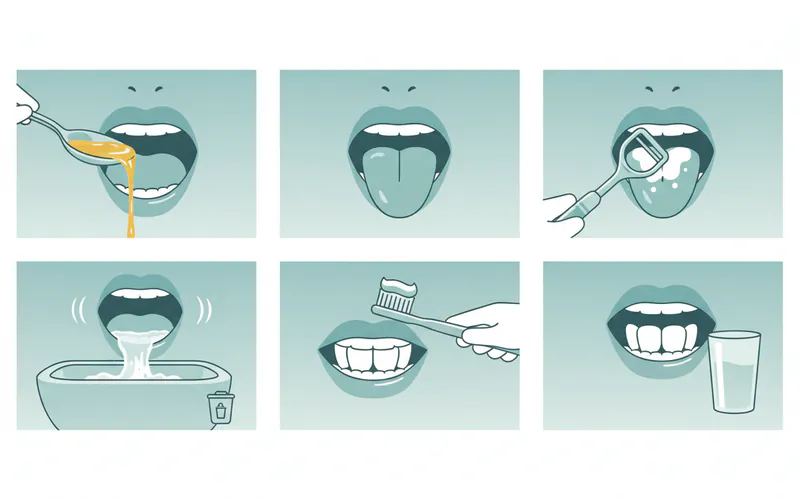
Mastering how to do oil pulling is straightforward, but adherence to the correct technique is crucial for safety and efficacy. Here’s a detailed, step-by-step guide to integrate this ancient practice into your routine.
Preparation
- Choose Your Oil: Select a high-quality, organic, cold-pressed oil. Virgin coconut oil is highly recommended for its antimicrobial properties and pleasant taste. Alternatively, organic sesame oil or sunflower oil are traditional choices.
- Best Time: The most common recommendation is to perform oil pulling first thing in the morning, on an empty stomach, before you've brushed your teeth, eaten, or even had a glass of water. This ensures the oil can interact with the maximum amount of oral bacteria and toxins accumulated overnight.
- Measure the Oil: Use approximately 1 tablespoon (15 ml) of oil. If you're new to oil pulling or have a small mouth, start with 1 teaspoon (5 ml) and gradually increase the amount.
- If using coconut oil, it may be solid at room temperature. Simply scoop a tablespoon into your mouth; it will quickly liquefy with your body heat.
The Pulling Process
-
Place Oil in Mouth: Place the measured oil directly into your mouth. Do not swallow it.
-
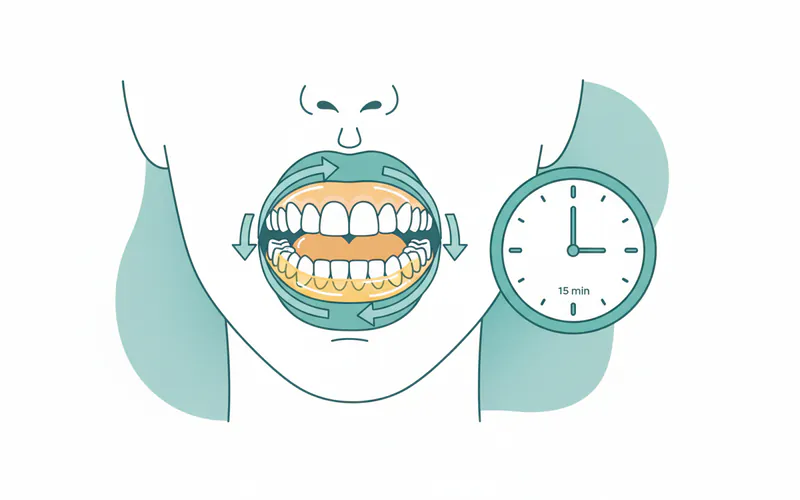
Gentle Swishing: Begin to gently swish the oil around your mouth. Push and pull it through your teeth, across your gums, and around your tongue.
- Important: Do not gargle the oil in your throat. This is a common mistake and can lead to accidentally swallowing the oil, which is not recommended as it will contain toxins.
- Pace: The swishing should be gentle and relaxed, not vigorous like mouthwash. You shouldn't strain your jaw muscles. If your jaw starts to ache, you're swishing too hard or for too long.
-
Duration: Continue swishing for 10 to 20 minutes.
- For beginners, aim for 5 minutes and gradually increase the time by a minute or two each day until you can comfortably reach 15-20 minutes.
- The oil will become thinner and milky white during this time, indicating it has emulsified and absorbed toxins.
Aftercare
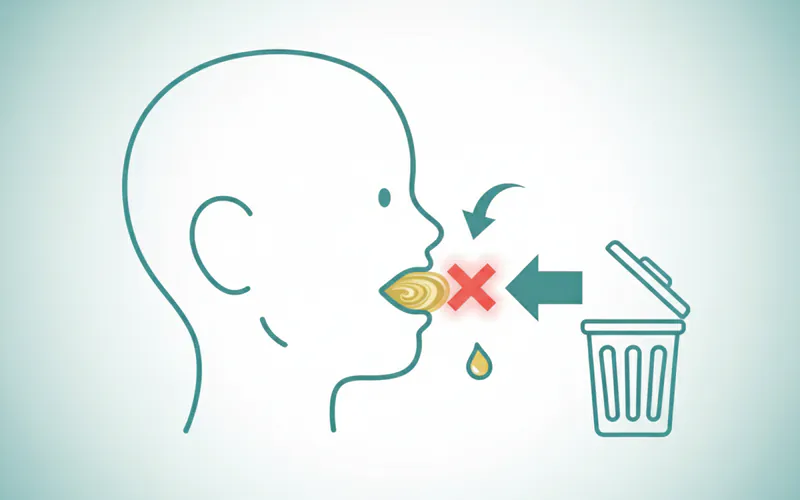
- Spit It Out: Once you've completed the swishing, spit the oil into a trash can or compost bin, not down the sink or toilet. The oil will contain bacteria and potentially solidified fats (especially coconut oil), which can clog plumbing over time.
- The color of the expelled oil should ideally be milky white. If it's still yellow or clear, you may not have swished long enough.
- Rinse Thoroughly: Immediately after spitting, rinse your mouth thoroughly with warm water. This helps remove any residual oil and toxins. Some people prefer warm salt water for added antimicrobial benefits. Rinse at least 2-3 times.
- Brush Your Teeth: After rinsing, proceed with your regular oral hygiene routine: brush your teeth thoroughly with toothpaste and floss. This ensures any remaining bacteria or oil residue is completely removed.
Pro Tip: Incorporate oil pulling into your morning routine while you're showering, preparing breakfast, or getting dressed. This makes the 10-20 minute duration feel less daunting. Consistency is key to experiencing the purported benefits.
Costs Associated with Oil Pulling
Unlike many dental treatments, oil pulling is an incredibly affordable practice. The only significant cost is the oil itself, which is readily available and budget-friendly. There are no consultation fees, specialized equipment, or insurance considerations.
Cost of Oils
The cost of oil for pulling will vary based on the type, brand, and size of the container, but generally falls into a very accessible range.
- Virgin Coconut Oil: This is often slightly more expensive than refined oils but is highly recommended for its beneficial properties. A 16-ounce (about 470 ml) jar of organic virgin coconut oil typically costs between $8 and $15. Since a tablespoon is about 15 ml, a 16-ounce jar provides roughly 30-31 sessions. If you pull daily, one jar could last for about a month, meaning a monthly cost of $8-$15.
- Organic Sesame Oil (Cold-Pressed): Similar in price to coconut oil, a 16-ounce bottle of organic, cold-pressed sesame oil might range from $7 to $14.
- Organic Sunflower Oil (Cold-Pressed): This can sometimes be a slightly more economical option, with a 16-ounce bottle ranging from $6 to $12.
- Olive Oil: A large bottle of extra virgin olive oil can be found for $10-$25, but it's less commonly used for oil pulling.
Cost Comparison Table
| Oil Type | Average 16oz (470ml) Price Range (USD) | Number of Sessions per 16oz (1 tbsp/session) | Approximate Monthly Cost (Daily Use) |
|---|---|---|---|
| Organic Virgin Coconut Oil | $8 - $15 | 31 | $8 - $15 |
| Organic Cold-Pressed Sesame Oil | $7 - $14 | 31 | $7 - $14 |
| Organic Cold-Pressed Sunflower Oil | $6 - $12 | 31 | $6 - $12 |
Insurance and Payment Plans
As oil pulling is a holistic, at-home practice, it is not covered by dental or medical insurance. There are no payment plans or financing options associated with oil pulling, as the expense is negligible and paid upfront at the grocery store or online retailer.
Cost-Saving Tips
- Buy in Bulk: If you're committed to oil pulling, purchasing larger containers of your chosen oil (e.g., 32-ounce or 64-ounce jars) can often result in a lower cost per ounce.
- Look for Sales: Keep an eye out for sales at grocery stores, health food stores, or online retailers.
- Generic/Store Brands: Some organic store brands offer competitive pricing for quality oils.
In essence, the financial barrier to entry for oil pulling is extremely low, making it an accessible practice for nearly everyone interested in exploring complementary oral health remedies.
Recovery and Aftercare for Oil Pulling
Since oil pulling is a non-invasive, daily practice rather than a medical procedure, there is no formal "recovery" period. However, proper aftercare is essential to ensure the practice is effective and hygienic.
Immediate Aftercare (Post-Swishing)
- Do Not Swallow: The most critical aftercare instruction is to ensure you absolutely do not swallow the oil after swishing. By the end of your session, the oil is hypothesized to be laden with bacteria, toxins, and metabolic waste from your mouth. Swallowing it would defeat the purpose and could potentially reintroduce these unwanted substances into your system. If you accidentally swallow a tiny amount, don't panic, but make a conscious effort to avoid it in future sessions.
- Spit into a Trash Can: Always spit the used oil into a waste receptacle, such as a trash can lined with a bag. Avoid spitting it into sinks, toilets, or drains. While it might seem harmless, especially with liquid oils, certain oils (like coconut oil) solidify at cooler temperatures. Over time, this can lead to significant plumbing clogs and expensive repairs. Even liquid oils can contribute to grease buildup in pipes.
- Rinse Thoroughly with Warm Water: Immediately after spitting, rinse your mouth several times with warm water. Warm water helps to dissolve and wash away any residual oil coating your mouth and any remaining bacteria that might still be present. A thorough rinse ensures a clean feeling.
- Pro Tip: Some practitioners recommend rinsing with warm salt water. Dissolve about half a teaspoon of sea salt in a glass of warm water. Saltwater rinsing can have additional antiseptic properties and soothe oral tissues.
- Brush and Floss: After rinsing, it is imperative to proceed with your standard oral hygiene routine. Brush your teeth thoroughly for two minutes with fluoride toothpaste and floss between all your teeth. Oil pulling is a complementary practice, not a replacement for brushing and flossing. These steps mechanically remove plaque and food particles, which oil pulling cannot fully accomplish.
Long-Term Aftercare / Integration
- Maintain Consistency: For optimal results, consistent daily oil pulling is often recommended. Missing a day here and there won't negate the benefits, but regularity is key to observing any potential improvements in oral health.
- Monitor for Changes: Pay attention to how your mouth feels. Do you notice fresher breath? Less gum bleeding? Brighter teeth? Track these observations.
- Listen to Your Body: If you experience any discomfort, jaw pain, or adverse reactions, adjust your duration, oil type, or frequency, or discontinue the practice and consult with a dental professional.
- Continue Professional Dental Care: Oil pulling is not a substitute for regular dental check-ups and professional cleanings. The ADA emphasizes that oil pulling has not been shown to be effective for treating or preventing cavities, gum disease, or other serious oral conditions. Continue to visit your dentist every six months for comprehensive examinations and scaling/polishing. Your dentist can remove hardened plaque (calculus) that oil pulling cannot.
Proper aftercare ensures that oil pulling contributes positively to your oral health regimen without creating new issues, like clogged drains or a false sense of security regarding comprehensive dental care.
Integrating Oil Pulling into a Comprehensive Oral Hygiene Routine
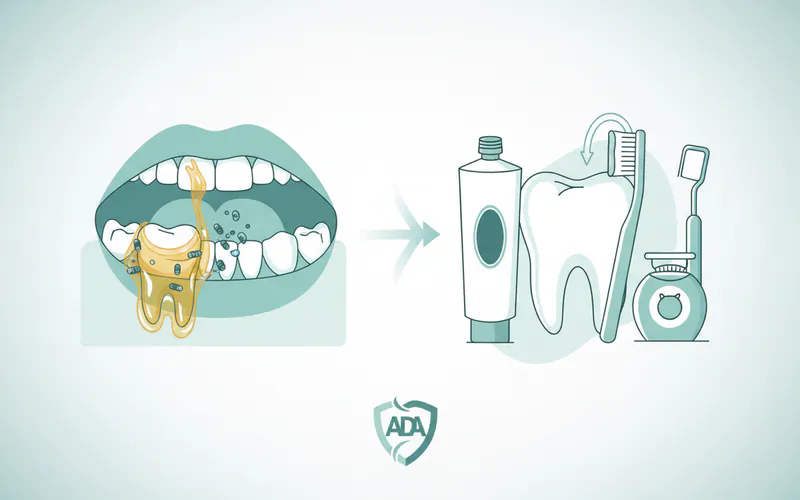
Oil pulling is best viewed as a complementary therapy, not a standalone solution for oral health. The American Dental Association (ADA) continues to recommend brushing twice daily with fluoride toothpaste and flossing once a day as the foundational pillars of good oral hygiene. Integrating oil pulling effectively means understanding how it can enhance, rather than replace, these established practices.
Why It's Complementary, Not a Replacement
- Plaque Removal: Brushing and flossing mechanically remove plaque biofilm from tooth surfaces and between teeth. While oil pulling can help disrupt biofilms and reduce bacterial load, it does not physically scrub away plaque in the same way.
- Fluoride Protection: Fluoride toothpaste is crucial for strengthening tooth enamel and preventing cavities by remineralizing weak spots. Oil pulling does not provide fluoride.
- Hardened Plaque (Calculus): Oil pulling cannot remove hardened plaque (calculus or tartar), which requires professional scaling by a dental hygienist.
- Cavity Treatment: Once a cavity forms, only a dental filling or other restorative procedure can treat it. Oil pulling has no proven ability to reverse or heal existing cavities.
How to Integrate Oil Pulling Effectively
- Morning Ritual: The ideal time for oil pulling is first thing in the morning, before consuming anything and before your regular brushing routine. This allows the oil to interact with bacteria that have accumulated overnight.
- Order of Operations:
- Step 1: Oil Pull. Swish for 10-20 minutes.
- Step 2: Spit and Rinse. Spit the oil into the trash and rinse your mouth thoroughly with warm water.
- Step 3: Brush. Brush your teeth for two minutes with fluoride toothpaste.
- Step 4: Floss. Floss meticulously to clean between your teeth and below the gumline.
- Step 5 (Optional): Mouthwash. If you use an antimicrobial or fluoride mouthwash, use it after brushing and flossing.
- Consistency: Like any oral hygiene practice, consistency is key. Daily oil pulling is recommended for those seeking its purported benefits.
- Pair with Healthy Diet: A diet low in sugar and refined carbohydrates is fundamental for preventing cavities and gum disease. Oil pulling cannot compensate for a poor diet.
- Regular Dental Check-ups: Continue to visit your dentist for routine check-ups and professional cleanings every six months, or as recommended. Your dental professional is your primary resource for comprehensive oral health care and can advise on how complementary practices fit into your overall plan.
By understanding oil pulling's role as a supportive practice, you can harness its potential benefits while ensuring you maintain the evidence-based core of excellent oral hygiene recommended by dental health experts.
Risks and Complications of Oil Pulling
While generally considered safe when performed correctly, oil pulling is not without potential risks or complications. Being aware of these ensures a safer practice and helps you make informed decisions.
1. Accidental Swallowing
- Risk: This is the most significant concern. The purpose of oil pulling is to draw out toxins and bacteria from the mouth. Swallowing the oil, especially after a prolonged pull, means reintroducing these substances into your digestive system.
- Consequences: While typically not severe, swallowing a large amount of bacteria-laden oil could potentially cause an upset stomach, nausea, diarrhea, or in rare cases, aspiration pneumonia if the oil enters the lungs, particularly for individuals with compromised swallowing reflexes.
- Prevention: Always swish gently and ensure the oil remains in your oral cavity. If you find it difficult not to swallow, reduce the amount of oil or the duration of your pull. Avoid gargling.
2. Jaw Strain or Temporomandibular Joint (TMJ) Issues
- Risk: Prolonged or overly vigorous swishing can strain the jaw muscles and potentially exacerbate or contribute to temporomandibular joint (TMJ) disorders.
- Consequences: Pain, clicking, or discomfort in the jaw joint, headaches, or muscle fatigue.
- Prevention: Swish gently and relax your jaw. If you experience any discomfort, reduce the duration or intensity. If symptoms persist, discontinue oil pulling and consult a dentist.
3. Allergic Reactions
- Risk: While rare, some individuals may have allergies to specific oils (e.g., coconut, sesame).
- Consequences: Allergic reactions can manifest as rashes, itching, swelling of the lips or tongue, or digestive upset.
- Prevention: If you have known food allergies, choose an oil you know you are not allergic to. If you experience any allergic symptoms, discontinue use immediately.
4. Plumbing Clogs
- Risk: Oils, particularly coconut oil, solidify at cooler temperatures. Spitting used oil down a sink or toilet repeatedly can lead to significant blockages and expensive plumbing repairs over time.
- Consequences: Clogged drains, pipes, and potential sewage backup.
- Prevention: Always spit used oil into a trash can or compost bin.
5. Delayed Professional Dental Care
- Risk: A false sense of security or belief that oil pulling can replace professional dental care might lead individuals to delay necessary dental check-ups and treatments.
- Consequences: Undetected or untreated cavities, progression of gum disease, and other serious oral health issues that require professional intervention. Oil pulling cannot remove hardened calculus or repair cavities.
- Prevention: Understand that oil pulling is a complementary practice. Continue regular dental check-ups, cleanings, brushing, and flossing as recommended by the American Dental Association.
6. Side Effects (Less Common)
Some individuals report temporary side effects when first starting oil pulling, such as:
- Increased Mucus/Phlegm: This is sometimes interpreted as the body "detoxing," but could also be a natural response to the oil.
- Dry Mouth/Thirst: While some report improved moisture, others might experience temporary dryness.
- Sore Jaw/Throat: Often due to vigorous or prolonged swishing.
These side effects usually subside as the body adjusts, but if they persist or are bothersome, consider reducing the duration or frequency.
It's essential to approach oil pulling with a balanced perspective, acknowledging its potential benefits while being mindful of its limitations and potential risks. When in doubt, always consult with your dental professional.
Children and Pediatric Considerations for Oil Pulling
Introducing any new oral hygiene practice to children requires careful consideration, and oil pulling is no exception. While some proponents advocate for oil pulling in children, dental professionals generally advise caution due to specific developmental and safety concerns.
Age-Specific Guidance
- Under 5-6 Years Old: Oil pulling is not recommended for children in this age group. Young children lack the muscular control and understanding necessary to effectively swish oil without accidentally swallowing it. Accidental swallowing poses a risk of aspiration, and the ingested oil (potentially laden with bacteria) could cause gastrointestinal upset.
- Ages 6-12 Years Old: For children in this age range, oil pulling might be considered, but only under strict parental supervision. The child must demonstrate the ability to swish water in their mouth without swallowing for an extended period. Start with a very small amount of oil (e.g., ½ to 1 teaspoon) and a very short duration (e.g., 2-3 minutes), gradually increasing as tolerated. Always emphasize spitting into the trash. Coconut oil is usually preferred for its mild taste.
- Adolescents (13+ Years Old): Adolescents who have developed full control over their swallowing reflexes and understand the instructions can typically perform oil pulling safely, following the same guidelines as adults. However, parental guidance on hygiene and consistency is still valuable.
Key Considerations for Parents
- Risk of Swallowing: This is the primary concern. Explain clearly that the oil must be spit out and why. Make it a rule that if they can't avoid swallowing, they shouldn't do it.
- Taste and Texture: Some children may find the taste or oily texture unpleasant, leading to resistance or difficulty in maintaining the practice. Coconut oil is generally better tolerated due to its sweeter, milder flavor.
- Duration: Expect shorter sessions for children. Even 5-10 minutes could be a significant achievement for a younger child. Forcing them to continue for 20 minutes could lead to jaw strain or frustration.
- Not a Replacement for Core Hygiene: Reiterate that oil pulling is a supplement, never a substitute, for brushing twice daily with fluoride toothpaste and flossing once a day. These foundational practices are even more critical for children with developing teeth.
- Professional Dental Guidance: Always discuss any alternative oral health practices, including oil pulling, with your child's pediatric dentist. They can provide personalized advice based on your child's specific oral health needs and development. The ADA does not endorse oil pulling for children or adults.
- Allergies: Ensure the child is not allergic to the chosen oil.
Pro Tip: Make it a game! If your child is mature enough to try, you could try swishing alongside them, making it a shared, quiet activity. However, if there's any hesitation or difficulty, it's best to stick to traditional, proven methods of oral hygiene.
Frequently Asked Questions
What is the best oil for oil pulling?
While traditional Ayurvedic practices often used sesame oil, virgin coconut oil is widely considered the best choice today due to its high concentration of lauric acid, which has proven antimicrobial properties against common oral bacteria like Streptococcus mutans. Its pleasant taste is also a significant advantage for many users.
How long should I do oil pulling each day?
Most recommendations suggest swishing for 10 to 20 minutes per session. Beginners can start with 5 minutes and gradually increase the duration as they get comfortable. Swishing for less than 10 minutes might not be as effective, while exceeding 20 minutes is not typically necessary.
Can oil pulling whiten teeth?
Many users report brighter teeth after consistent oil pulling. This is primarily attributed to the removal of surface stains and plaque buildup, which can make teeth appear cleaner and whiter. However, it does not have a bleaching effect on intrinsic tooth color like professional whitening treatments.
Will oil pulling cure cavities or gum disease?
No, oil pulling cannot cure existing cavities or severe gum disease (periodontitis). It may help reduce bacteria associated with plaque and gingivitis (early gum inflammation), but it cannot remove hardened plaque (calculus) or repair tooth decay. These conditions require professional dental treatment from a dentist.
Should I brush my teeth before or after oil pulling?
It is generally recommended to oil pull before brushing your teeth and even before drinking water or eating, ideally first thing in the morning on an empty stomach. After spitting out the oil and rinsing your mouth thoroughly with water, you should then proceed with your regular brushing and flossing routine.
Is it safe to swallow oil pulling oil?
No, it is not safe or recommended to swallow the oil after pulling. The oil is intended to bind with bacteria, toxins, and debris from your mouth, and swallowing it would reintroduce these substances into your system. Always spit the used oil into a trash can.
How often should I do oil pulling for results?
For optimal and noticeable results, most proponents recommend practicing oil pulling daily. Consistency is key for any potential benefits, such as reduced plaque, fresher breath, and healthier gums, to become apparent.
What are the risks of oil pulling?
Potential risks include accidental swallowing of bacteria-laden oil (which can cause upset stomach), jaw strain or TMJ discomfort from vigorous swishing, allergic reactions to specific oils, and plumbing clogs if the oil is spit down the drain. It should also not replace professional dental care.
Does the American Dental Association (ADA) recommend oil pulling?
No, the American Dental Association (ADA) does not recommend oil pulling as a primary dental hygiene practice. While they acknowledge its popularity, the ADA states there isn't enough reliable scientific evidence to support its claims for benefits like preventing cavities or treating gum disease, and it should not be used as a substitute for brushing, flossing, or professional dental care.
Can pregnant women do oil pulling?
Generally, oil pulling is considered safe during pregnancy, and some pregnant women use it to manage gum inflammation (pregnancy gingivitis). However, it's always best to consult with your obstetrician or dentist before starting any new health regimen during pregnancy to ensure it's appropriate for your specific circumstances.
When to See a Dentist
While oil pulling can be a beneficial complementary practice for some, it is crucial to understand its limitations and recognize when professional dental intervention is absolutely necessary. Oil pulling is not a substitute for regular dental care, and delaying professional treatment can lead to serious and irreversible oral health problems.
You should see a dentist for routine care if:
- It's been more than six months since your last check-up: Regular dental examinations and professional cleanings (scaling and polishing) are vital for maintaining oral health. Your dentist can detect issues early, remove hardened plaque (calculus) that brushing, flossing, or oil pulling cannot, and provide preventive care.
- You're due for X-rays: Dental X-rays help detect cavities between teeth, bone loss due to gum disease, and other underlying issues not visible during a visual exam.
You should see a dentist immediately if you experience any of the following warning signs (red flags):
- Persistent Toothache: A toothache that doesn't go away could indicate a cavity, infection, cracked tooth, or other serious problem requiring immediate attention. Oil pulling cannot fix a cavity.
- Bleeding Gums That Persist: While some occasional bleeding during brushing/flossing can occur with mild gingivitis, persistent and heavy bleeding, especially if accompanied by redness or swelling, could be a sign of advanced gum disease (periodontitis) which can lead to tooth loss if untreated.
- Swelling in the Gums, Face, or Jaw: Swelling, especially if painful, can indicate a dental abscess or a severe infection that requires urgent medical attention. Untreated oral infections can spread to other parts of the body.
- Loose Teeth: Adult teeth should not be loose. This is a critical sign of severe gum disease, bone loss, or trauma, and requires immediate evaluation to prevent tooth loss.
- Sensitivity to Hot or Cold that Lingers: Lingering sensitivity could point to a cavity, exposed tooth roots, cracked enamel, or other dental issues.
- Foul Odor or Taste in Your Mouth (beyond bad breath): A persistent bad taste or odor that doesn't resolve with brushing might indicate an infection, abscess, or severe gum disease.
- Difficulty Chewing or Biting: Any pain or discomfort when biting down could signify a cracked tooth, cavity, or TMJ issue.
- Visible Cavities or Dark Spots on Teeth: If you can see holes or dark areas on your teeth, these are likely cavities that need to be filled by a dentist.
- Jaw Pain or Clicking: If oil pulling causes or exacerbates jaw pain, or if you have persistent jaw discomfort, consult your dentist to rule out TMJ disorders.
Remember, oil pulling can be a supplementary tool for oral hygiene, but it should never replace the expert diagnosis, preventive care, and restorative treatments that only a qualified dental professional can provide. Prioritize your dental health by staying vigilant for any concerning symptoms and adhering to a consistent schedule of professional dental care.
Frequently Asked Questions
Medically Reviewed Content
This article was written by our dental health editorial team and reviewed for medical accuracy. Our content follows strict editorial guidelines for reliability and trustworthiness.
Medical Disclaimer
This article is for informational purposes only and does not constitute medical advice. Always consult with a qualified dental professional for diagnosis and treatment. Do not delay seeking professional advice because of something you read on this website.
Related Articles
What Coconut Oil to Use for Oil Pulling
For centuries, across various cultures, people have sought natural remedies to maintain oral health and enhance their smiles. One practice that has gained significant traction in the modern wellness landscape is oil pulling. While many are curious about its potential benefits, a common question aris
February 23, 2026

What Are the Benefits of Oil Pulling
More than 80% of American adults experience some form of periodontal (gum) disease, and a significant number struggle with issues like chronic bad breath or sensitivity. In the pursuit of optimal oral health, many people explore various practices beyond routine brushing and flossing. One such an
February 23, 2026
How Long to Do Oil Pulling
More than half of all American adults suffer from some form of periodontal disease, a condition that can lead to tooth loss and impact overall health. For those seeking complementary approaches to traditional oral care, ancient practices like oil pulling have garnered significant attention. But
February 23, 2026

Does Oil Pulling Actually Work
Imagine a simple, ancient practice capable of transforming your oral health – reducing bad breath, whitening teeth, and even preventing cavities, all with a spoonful of oil. This is the promise of oil pulling, an age-old tradition that has seen a significant resurgence in popularity across the Unite
February 23, 2026