Dog Mouth Cancer: Complete Guide
Key Takeaways
- A devastating diagnosis for any pet owner, dog mouth cancer represents a significant health challenge that demands prompt attention and informed decision-making. Affecting thousands of canine companions across the United States annually, oral cancer in dogs can manifest in various aggressive for
A devastating diagnosis for any pet owner, dog mouth cancer represents a significant health challenge that demands prompt attention and informed decision-making. Affecting thousands of canine companions across the United States annually, oral cancer in dogs can manifest in various aggressive forms, often presenting subtly in its early stages before progressing to more advanced and complex conditions. Understanding the intricacies of this disease, from its underlying causes and telltale signs to comprehensive treatment options and post-operative care, is crucial for pet owners to advocate effectively for their beloved animals. This guide from SmilePedia.net aims to provide a definitive, medically accurate resource that empowers you with the knowledge needed to recognize, address, and potentially prevent canine oral cancer, ensuring the best possible quality of life for your dog. We will explore the different types of oral tumors, delve into diagnostic pathways, examine various therapeutic interventions, and discuss long-term management strategies.
Key Takeaways:
- Prevalence: Oral tumors account for roughly 6-7% of all cancers in dogs, making early detection vital for improved prognosis.
- Common Types: Malignant melanoma, squamous cell carcinoma, and fibrosarcoma are the most prevalent and aggressive forms of dog mouth cancer.
- Early Detection is Key: Look for persistent bad breath, difficulty eating, drooling, oral bleeding, or visible lumps. Regular at-home oral exams are critical.
- Diagnostic Costs: Initial diagnostics, including veterinary consultation, sedation, oral examination, biopsies, and pathology reports, can range from $500 to $2,500. Advanced imaging (CT/MRI) may add $1,500 to $4,000.
- Treatment Expenses: Surgical removal, the primary treatment, typically costs $2,000 to $8,000, depending on tumor size and complexity. Radiation therapy can range from $4,000 to $10,000, while chemotherapy costs are $200-$1,000 per session.
- Prognosis Varies: Survival rates depend heavily on tumor type, size, location, and stage at diagnosis. Melanoma often carries a guarded to poor prognosis, while early-stage squamous cell carcinoma can have a better outlook with aggressive treatment.
- Prevention: Regular professional veterinary dental cleanings (under anesthesia) and daily at-home oral hygiene (brushing) can help detect issues early and promote overall oral health.

What It Is / Overview
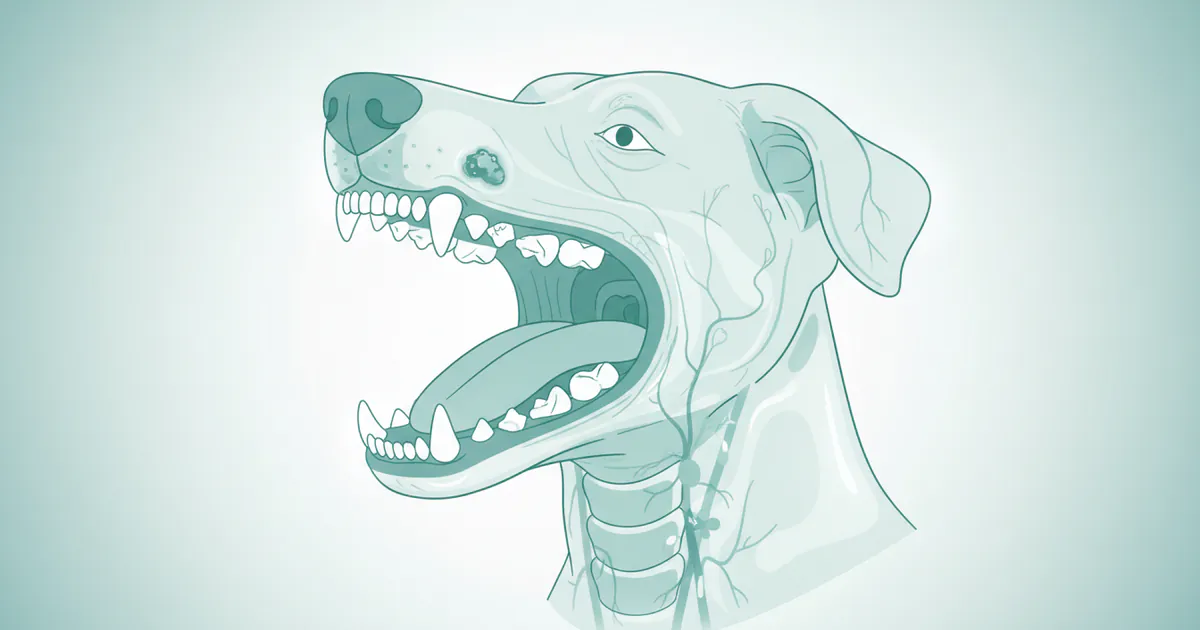
Dog mouth cancer, medically termed canine oral neoplasia, refers to the uncontrolled growth of abnormal cells in the tissues of a dog's mouth. These growths, or tumors, can be benign (non-cancerous) or malignant (cancerous). While benign tumors may still cause problems due to their size or location, malignant tumors are aggressive, can invade surrounding tissues, and have the potential to metastasize (spread) to other parts of the body, such as the lymph nodes and lungs.
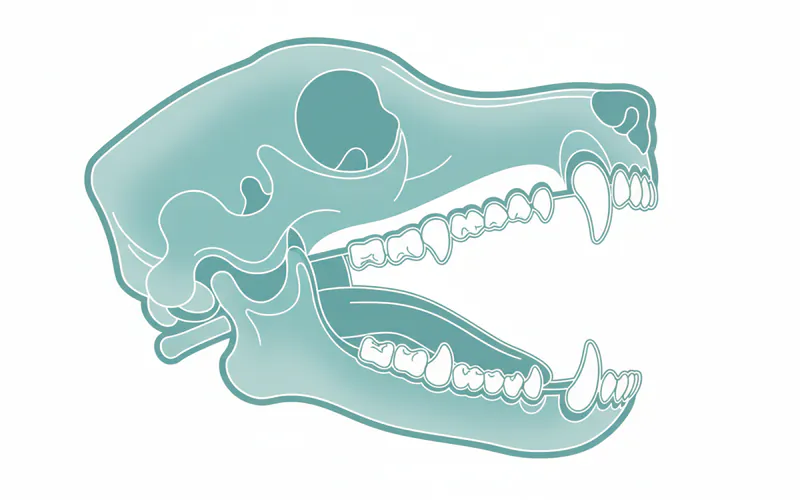
Oral cancer in dogs is a significant concern for pet owners, as it can severely impact a dog's ability to eat, drink, and maintain a good quality of life. The oral cavity is a complex environment, comprising various tissues including the gums (gingiva), tongue, hard and soft palate, tonsils, inner cheeks, and bones of the jaw. Tumors can arise from any of these tissues, leading to a wide range of clinical presentations and varying prognoses.
Early detection is paramount because oral cancers in dogs tend to be locally invasive, meaning they aggressively grow into the surrounding bone and soft tissues. Unfortunately, these tumors often go unnoticed by owners until they reach a considerable size or cause noticeable symptoms, making treatment more challenging. Regular oral examinations, both at home by the owner and professionally by a veterinarian, are the most effective way to identify potential issues at an early, more treatable stage.
The Role of Veterinary Dentistry
Just as human oral health falls under the purview of dentistry, canine oral health is a specialized field within veterinary medicine. A board-certified veterinary dentist or a veterinarian with a strong interest in dentistry will be your primary resource for diagnosing and treating dog mouth cancer. They possess the specific expertise and equipment to perform thorough oral examinations, take biopsies, and execute complex surgical procedures within the oral cavity.
![A diagram showing the different parts of a dog's oral cavity(/dental-conditions/complete-guide-to-dental-conditions-diseases-everything-you-need-to-know) (gums, tongue, palate, jaw bone) with common tumor locations highlighted.]
Types / Variations of Dog Mouth Cancer
Several types of malignant tumors can affect a dog's mouth, each with unique characteristics, prognoses, and treatment approaches. Understanding these distinctions is crucial for pet owners seeking information about their dog's specific diagnosis.
1. Malignant Melanoma
- Description: This is the most common and often the most aggressive oral tumor in dogs, accounting for up to 40% of all oral cancers. Despite the name, it can present as non-pigmented (amelanotic) as well as pigmented (dark) masses. It originates from melanocytes, the cells responsible for producing pigment.
- Characteristics: Melanomas grow rapidly, are highly invasive to local tissues (especially bone), and have a high metastatic rate, meaning they frequently spread to regional lymph nodes and distant organs like the lungs within a short period.
- Location: Commonly found on the gums, lips, palate, and sometimes on the tongue.
- Prognosis: Generally guarded to poor due to its aggressive nature and high metastatic potential. Median survival times without treatment are typically 2-3 months. With aggressive treatment, survival can extend to 6-12 months, but recurrence is common.
- Breeds at Risk: Scottish Terriers, Boston Terriers, Boxers, Golden Retrievers, Dachshunds, and Poodles are predisposed.
2. Squamous Cell Carcinoma (SCC)
- Description: The second most common oral tumor in dogs, SCC arises from the squamous epithelial cells that line the mouth. It is similar to SCC found in humans.
- Characteristics: These tumors are locally invasive, particularly to underlying bone. While they are aggressive locally, their metastatic rate to regional lymph nodes and distant sites is lower than melanoma, especially for tumors on the gums or palate. SCC on the tonsils, however, is much more aggressive and highly metastatic.
- Location: Frequently found on the gums (gingiva), tonsils, tongue, and lips.
- Prognosis: Varies significantly with location and stage. Gum-based SCC often has a better prognosis with early, aggressive surgical removal (median survival of 12-36 months). Tonsillar SCC has a poor prognosis (median survival typically 3-6 months) due to its high metastatic potential.
- Breeds at Risk: Shetland Sheepdogs, Basset Hounds, and Scottish Terriers are noted.
3. Fibrosarcoma (FSA)
- Description: This malignant tumor originates from the fibrous connective tissue found in the oral cavity. It is the third most common oral cancer in dogs.
- Characteristics: Fibrosarcomas are notorious for their aggressive local invasion and destruction of surrounding tissues, including bone. While locally very aggressive, their metastatic rate to distant sites is relatively lower than melanoma, but still a concern. These tumors can be deceiving, sometimes appearing benign under a microscope but behaving aggressively in the body.
- Location: Often found on the gums or palate.
- Prognosis: Guarded due to local invasiveness. With aggressive surgery, median survival times can range from 6-12 months. Local recurrence is a common problem.
- Breeds at Risk: Golden Retrievers, Labrador Retrievers, and Doberman Pinschers may be predisposed.
4. Acanthomatous Ameloblastoma (formerly Acanthomatous Epulis)
- Description: While technically considered a benign tumor that originates from the periodontal ligament, this growth behaves aggressively locally, often invading and destroying adjacent bone. It does not metastasize.
- Characteristics: These tumors are challenging because they can destroy significant portions of the jawbone. If left untreated, they can cause severe pain, difficulty eating, and facial deformity.
- Location: Exclusively found on the gums, often appearing as a firm, irregular mass.
- Prognosis: Excellent with complete surgical removal, as they do not spread. However, extensive surgery, sometimes requiring partial jaw removal (mandibulectomy or maxillectomy), may be necessary.
5. Other Less Common Oral Tumors
- Osteosarcoma: A highly aggressive bone cancer that can originate in the jawbone.
- Lymphoma: Can affect the oral cavity, often as part of systemic disease, sometimes appearing as a swollen tonsil or gum mass.
- Mast Cell Tumors: Can occur orally and vary significantly in their aggressiveness.
Pro Tip: Always pursue a biopsy and histopathology for any suspicious oral mass. A definitive diagnosis is the only way to determine the type of tumor and guide appropriate treatment.
Comparison Table: Common Dog Oral Cancers
| Feature | Malignant Melanoma | Squamous Cell Carcinoma (SCC) | Fibrosarcoma (FSA) | Acanthomatous Ameloblastoma (AA) |
|---|---|---|---|---|
| Prevalence | Most common (30-40%) | Second most common (15-25%) | Third most common (10-15%) | Locally aggressive (benign), common |
| Local Invasiveness | High, rapidly invades bone | High, invades bone (especially gum SCC) | Very High, significant bone destruction | Very High, significant bone destruction |
| Metastatic Potential | Very High (lymph nodes, lungs) | Moderate (tonsillar SCC high, gum SCC low) | Moderate (lungs, regional lymph nodes) | None |
| Growth Rate | Rapid | Moderate to Rapid | Moderate to Rapid | Slow to Moderate |
| Appearance | Often dark/pigmented, can be pink | Red, ulcerated, cauliflower-like, firm | Firm, fleshy, often infiltrates widely | Firm, often on gums, can look like an epulis |
| Prognosis | Guarded to Poor | Varies (Gum SCC better, Tonsillar SCC poor) | Guarded | Excellent with complete removal |
Causes / Why It Happens: What Causes Oral Cancer?
Understanding what causes oral cancer in dogs is complex, as it is often multifactorial, involving a combination of genetic predispositions, environmental factors, and potentially other influences. While a definitive "cause" for every case remains elusive, research has identified several contributing factors.
1. Genetic Predisposition and Breed Susceptibility
Genetics play a significant role in a dog's risk of developing oral cancer. Certain breeds have a documented higher incidence of specific oral tumors, suggesting an underlying genetic susceptibility.
- Malignant Melanoma: Scottish Terriers, Boston Terriers, Boxers, Golden Retrievers, Dachshunds, and Poodles.
- Squamous Cell Carcinoma: Shetland Sheepdogs, Basset Hounds, and Scottish Terriers.
- Fibrosarcoma: Golden Retrievers, Labrador Retrievers, and Doberman Pinschers. While not a direct cause, these genetic factors make individuals within these breeds more vulnerable.
2. Environmental Factors and Carcinogens
Exposure to certain environmental factors, particularly carcinogens (cancer-causing substances), can contribute to the development of oral cancer.
- Tobacco Smoke: Second-hand smoke (passive smoking) is a known carcinogen in humans and is suspected to increase the risk of oral cancers, including squamous cell carcinoma, in dogs living in smoking households. The toxins from smoke can settle on the dog's fur and be ingested during grooming or inhaled directly.
- Pesticides/Herbicides: Exposure to lawn and garden chemicals is another area of concern. Dogs often walk on treated lawns and then lick their paws, potentially ingesting harmful chemicals that could contribute to cellular damage and mutations.
- Chronic Irritation/Inflammation: While not a direct cause, chronic inflammation or irritation within the oral cavity (e.g., from broken teeth, persistent foreign bodies, or severe periodontal disease) might create an environment conducive to cellular changes over time, potentially leading to malignant transformation. This is a hypothesis and requires more definitive research.
3. Diet and Nutrition
The role of diet is less clear-cut. Some theories suggest that certain processed foods or additives might contribute to overall inflammation or oxidative stress, potentially increasing cancer risk over time. However, there is no strong scientific evidence directly linking specific dog food brands or ingredients to oral cancer development in dogs. A balanced, high-quality diet that supports overall health and a strong immune system is always recommended.
4. Viral Agents
While certain viruses (like papillomaviruses) can cause benign warts in the mouth, their direct link to malignant oral cancers in dogs is not as well-established as in some human cancers (e.g., HPV and oral SCC in humans). Research in this area is ongoing.
5. Age
While not a cause in itself, age is a significant risk factor. Most oral cancers are diagnosed in middle-aged to older dogs, typically over 7 years old. As dogs age, their cells accumulate more genetic mutations over time, increasing the likelihood of cancerous transformations.
Pro Tip: While you can't change your dog's genetics, you can minimize environmental risks. Consider a smoke-free home and be mindful of chemical use in your yard. Regular veterinary check-ups are also crucial for early detection.
Signs and Symptoms
Recognizing the early signs of dog mouth cancer is critical for improving your dog's prognosis. Unfortunately, many symptoms are subtle and can be mistaken for other common dental problems, such as periodontal disease or abscesses. Regular at-home oral examinations are vital for noticing changes quickly.
Here's what to look for:
1. Visible Lumps or Swellings in the Mouth
- Description: This is often the most obvious sign. You might notice a new growth on the gums, under the tongue, on the palate, or on the inside of the cheeks. These can vary in appearance – from small, firm nodules to larger, irregular masses. They might be pink, red, black (especially for melanoma), or even ulcerated.
- Action: Any new lump, regardless of size or color, warrants immediate veterinary attention.
2. Bad Breath (Halitosis)
- Description: While bad breath is common in dogs due to dental disease, a sudden onset of unusually foul, often metallic or sickly-sweet, odor that doesn't improve with brushing or dental cleanings can be a red flag. This can indicate necrotic (dying) tissue or infection associated with a tumor.
3. Difficulty Eating or Dropping Food
- Description: Tumors can make chewing and swallowing painful or physically difficult. Your dog might show reluctance to eat hard food, prefer softer food, chew only on one side of their mouth, drop food from their mouth, or suddenly stop eating altogether. This is also called dysphagia.
- Observation: Pay attention to how your dog eats. Is there any hesitation, discomfort, or unusual movements?
4. Excessive Drooling (Ptyalism), Sometimes Bloody
- Description: Increased salivation can occur if a tumor irritates the mouth or interferes with the normal swallowing reflex. If the tumor is ulcerated or bleeding, the saliva might be tinged with blood.
5. Oral Bleeding
- Description: Spontaneous bleeding from the mouth, especially when not associated with obvious trauma, is a serious sign. You might notice blood on toys, in the water bowl, or on your dog's bedding.
6. Facial Swelling or Deformity
- Description: As tumors grow, they can invade the jawbone, leading to noticeable swelling on one side of the face or an asymmetry of the muzzle. This can also cause bulging of an eye if the tumor is located behind the eye.
7. Loose Teeth or Tooth Loss
- Description: If a tumor is growing into the jawbone or periodontal ligaments, it can destabilize teeth, leading to unusual looseness or even spontaneous tooth loss, even in areas without significant dental disease.
8. Pain in the Mouth
- Description: Your dog might vocalize when yawning or eating, resist having their mouth examined, or shy away when you try to touch their face or mouth. They might also paw at their mouth frequently.
9. Weight Loss and Lethargy
- Description: These are non-specific signs that can accompany any serious illness, including advanced cancer. Difficulty eating can lead to malnutrition and subsequent weight loss, which in turn causes reduced energy levels.

10. Swollen Lymph Nodes
- Description: Tumors, particularly aggressive ones like melanoma or tonsillar SCC, can spread to the regional lymph nodes (under the jaw and in the neck). Palpate these areas gently to check for any unusual swelling.
Pro Tip: Get into the habit of performing a brief oral check on your dog weekly. Lift their lips, look at their gums, and gently feel around their jaw. Early detection can literally save their life. If you notice ANY of these signs, even if subtle, schedule an appointment with your veterinarian immediately.
Treatment Options
The treatment for dog mouth cancer is highly individualized, depending on the type of tumor, its size, location, stage (whether it has spread), and your dog's overall health. A multimodal approach, often combining several therapies, yields the best outcomes.
1. Surgery (Surgical Resection)
- Description: This is often the primary and most effective treatment for most oral cancers. The goal is to remove the entire tumor with wide, clean margins (a border of healthy tissue around the tumor) to prevent recurrence.
- Types of Surgery:
- Local Excision: For small, superficial tumors where removal of surrounding soft tissue is sufficient.
- Partial Mandibulectomy/Maxillectomy: This involves removing a portion of the jawbone (mandible for lower jaw, maxilla for upper jaw). While this sounds radical, dogs typically recover very well and adapt remarkably, often resuming normal eating habits. This aggressive approach is crucial for achieving clean margins with invasive tumors like SCC, FSA, and AA.
- Lymph Node Dissection: If regional lymph nodes are enlarged or suspected of metastasis, they may be removed and biopsied.
- Pros: Can be curative for certain tumor types (e.g., AA) and early-stage, non-metastatic cancers. Provides immediate tumor removal.
- Cons: Can be extensive, require specialized surgical skills, and may lead to post-operative discomfort, changes in facial appearance, or difficulty eating temporarily. Anesthesia risks are always present.
- Cost: $2,000 - $8,000+ depending on complexity, location, and whether jaw reconstruction is needed.
2. Radiation Therapy
- Description: Radiation therapy uses high-energy radiation to damage and kill cancer cells. It can be used as a primary treatment, following incomplete surgical removal (adjuvant therapy), or for palliative care (to reduce pain and improve quality of life).
- Types of Radiation:
- External Beam Radiation Therapy (EBRT): The most common type, delivered by a machine outside the body. Dogs typically undergo multiple short sessions (fractions) over several weeks, requiring daily anesthesia.
- Stereotactic Radiosurgery (SRS) / Stereotactic Radiation Therapy (SRT): A newer, highly precise form that delivers very high doses of radiation in fewer fractions (1-5 treatments). Requires specialized equipment and expertise.
- Pros: Effective for locally invasive tumors, can achieve local control, and can be used when surgery is not feasible or complete.
- Cons: Requires multiple anesthesia events, potential side effects include skin irritation, mucositis (inflammation of mucous membranes), dry mouth, and bone damage. High cost.
- Cost: $4,000 - $10,000+ depending on the number of fractions and type of radiation.
3. Chemotherapy
- Description: Chemotherapy uses anti-cancer drugs, typically administered intravenously or orally, to kill cancer cells throughout the body. It is generally not curative for oral cancers but is used to treat metastatic disease, reduce tumor size before surgery, or as an adjuvant therapy to prevent recurrence or metastasis.
- When Used: Commonly used for malignant melanoma (e.g., carboplatin, lomustine) or for systemic cancers like lymphoma that manifest orally. Less effective for SCC and FSA as a sole treatment.
- Pros: Addresses potential metastatic spread.
- Cons: Systemic side effects (nausea, vomiting, diarrhea, bone marrow suppression), requires multiple veterinary visits, does not cure most solid oral tumors.
- Cost: $200 - $1,000+ per session, with a course often involving several sessions.
4. Immunotherapy
- Description: This innovative approach stimulates the dog's immune system to recognize and attack cancer cells.
- Melanoma Vaccine: A specific canine melanoma vaccine (Oncept®) is available for dogs with malignant melanoma. It is designed to extend survival times in dogs that have already undergone surgical removal of the tumor, particularly for Stage II or III oral melanomas. It is a therapeutic vaccine, not a preventative one.
- Pros: Can improve survival for specific cancers with fewer systemic side effects than chemotherapy.
- Cons: Specific to melanoma, not a standalone cure, can be expensive.
- Cost: $500 - $1,500+ for a course (typically 4 initial doses, then boosters).
5. Palliative Care
- Description: When a cure is not possible or desired, palliative care focuses on managing pain, improving comfort, and maintaining the best possible quality of life for as long as possible. This can include pain medication, anti-inflammatory drugs, antibiotics for secondary infections, soft diets, and sometimes low-dose radiation.
- Pros: Improves the dog's comfort and dignity in the face of incurable disease.
- Cons: Does not stop tumor progression.
Comparison Table: Oral Cancer Treatment Options
| Treatment Type | Primary Use | Pros | Cons | Estimated Cost Range (US) |
|---|---|---|---|---|
| Surgery | Primary treatment, local tumor removal | Can be curative; immediate tumor removal | Invasive; potential for disfigurement; anesthesia risks; recurrence if margins incomplete | $2,000 - $8,000+ |
| Radiation Therapy | Post-surgery (incomplete margins), primary for inoperable tumors, palliation | Effective for local control; non-invasive (external) | Multiple anesthesia events; localized side effects (mucositis, skin); high cost | $4,000 - $10,000+ |
| Chemotherapy | Systemic disease, metastatic control, adjuvant | Addresses spread throughout the body | Systemic side effects (GI upset, bone marrow suppression); generally not curative for solid tumors | $200 - $1,000 per session |
| Immunotherapy | Adjuvant for melanoma (Oncept® vaccine) | Boosts immune response; generally well-tolerated | Specific to melanoma; not a standalone cure; requires multiple doses | $500 - $1,500 for a course |
| Palliative Care | Symptom management, quality of life | Focuses on comfort; avoids aggressive treatments | Does not address underlying cancer progression | $50 - $500 per month (medications) |
Step-by-Step Process: What to Expect During Treatment
The journey through dog mouth cancer treatment can be daunting, but understanding the general process can help you prepare.
1. Initial Veterinary Examination and Suspected Diagnosis
- Visit: Your first step is a thorough examination by your general veterinarian. They will visually inspect your dog's mouth, palpate any masses, and check regional lymph nodes.
- Initial Assessment: Based on findings, they may suspect an oral tumor and recommend further diagnostics.
2. Diagnostic Workup (Staging)
This phase is critical for confirming the diagnosis, determining the type of cancer, and assessing its extent (staging).
- Sedated Oral Exam: Often, a full oral exam requires sedation to allow for a thorough inspection, probing, and digital X-rays of the teeth and jaws.
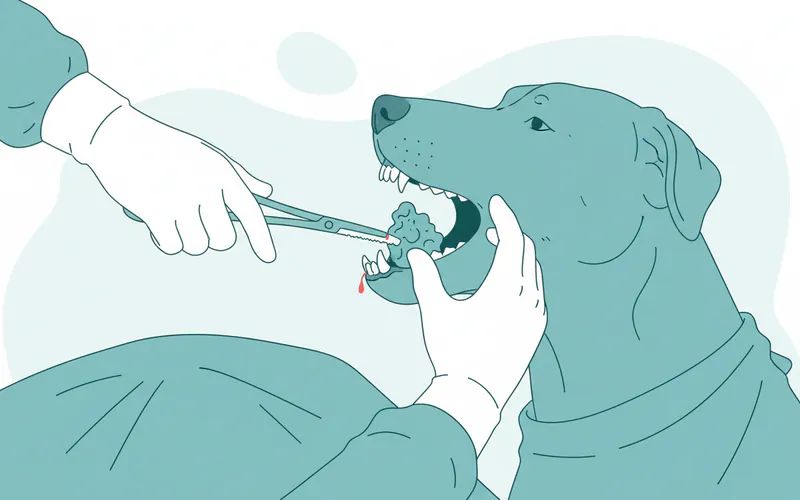
- Biopsy: This is the most crucial step. A small piece of the tumor is removed (incisional biopsy) and sent to a veterinary pathologist for histopathology. This definitively identifies the type of cancer and its malignancy.
- Imaging:
- Dental X-rays: Assess bone involvement around the tumor.
- Chest X-rays (Thoracic Radiographs): To check for metastatic spread to the lungs, especially important for melanoma and tonsillar SCC.
- Computed Tomography (CT Scan) or Magnetic Resonance Imaging (MRI): Recommended for precise staging of the tumor, evaluating local bone invasion, and planning complex surgery or radiation therapy. These provide detailed 3D images.
- Bloodwork & Urinalysis: To assess overall health, kidney/liver function, and suitability for anesthesia and treatment.
- Lymph Node Aspiration/Biopsy: Fine needle aspirates (FNAs) or biopsies of enlarged regional lymph nodes are performed to check for metastasis.
3. Consultation with an Oncology Specialist (Optional but Recommended)
- Referral: Your general vet may refer you to a board-certified veterinary oncologist (cancer specialist) or a veterinary dental specialist. These experts will review all diagnostic results, discuss treatment options, prognosis, and potential side effects specific to your dog's case.
4. Treatment Planning
- Multimodal Approach: The oncologist/veterinary dentist will develop a comprehensive treatment plan, often combining surgery, radiation, and/or chemotherapy, based on the specific tumor type, stage, and your dog's health.
- Discussion: You will discuss the pros, cons, costs, and expected outcomes of each option.
5. Executing Treatment
- Surgery: If surgery is chosen, your dog will undergo pre-anesthetic blood work, be sedated, and undergo the surgical procedure, which can range from a simple excision to extensive jaw removal. Hospitalization for a few days post-op is common.
- Radiation Therapy: If recommended, your dog will typically receive several fractions of radiation (daily or weekly) under general anesthesia. This usually involves multiple trips to a specialized radiation facility.
- Chemotherapy/Immunotherapy: These treatments involve scheduled visits for drug administration, typically at a veterinary oncology center.
6. Post-Treatment Recovery and Aftercare
- Pain Management: Your dog will receive pain medication to manage discomfort, especially after surgery.
- Wound Care: Instructions for incision care, feeding soft food, and activity restrictions will be provided.
- Nutritional Support: Ensuring your dog maintains adequate nutrition is vital for recovery.
- Monitoring: Close monitoring for side effects from chemotherapy or radiation.
7. Follow-up and Monitoring
- Regular Check-ups: Frequent follow-up appointments with your veterinary team are crucial to monitor for recurrence, assess healing, manage any long-term side effects, and recheck for metastasis.
- Imaging: Periodic X-rays or CT scans may be recommended to check for tumor recurrence or spread.
Pro Tip: This is an emotionally taxing process. Don't hesitate to ask your veterinary team for support, resources, and clarity on any part of the treatment plan. They are there to guide you.
Cost and Insurance
The financial aspect of treating dog mouth cancer can be substantial, often representing a significant unexpected expense for pet owners. Understanding the potential costs and insurance options is vital.
Average US Price Ranges by Region (Estimated)
Costs can vary widely based on the specific veterinary facility (general practice vs. specialty/referral hospital), the experience of the veterinary team, the complexity of the case, and geographic location (urban centers typically have higher costs).
| Service/Procedure | Low Range (Rural/General Practice) | Mid Range (Suburban/Specialty) | High Range (Major Urban/University) |
|---|---|---|---|
| Initial Vet Visit & Consultation | $80 - $150 | $100 - $200 | $150 - $300 |
| Sedated Oral Exam & Dental X-rays | $300 - $700 | $500 - $1,200 | $800 - $1,500 |
| Biopsy & Histopathology | $200 - $500 | $300 - $700 | $400 - $800 |
| Pre-Anesthetic Bloodwork | $150 - $300 | $200 - $400 | $250 - $500 |
| Chest X-rays (Staging) | $150 - $300 | $200 - $450 | $300 - $600 |
| CT Scan / MRI (Staging) | $1,500 - $2,500 | $2,000 - $3,500 | $3,000 - $4,500 |
| Surgical Removal (Local Excision) | $1,000 - $3,000 | $1,500 - $4,000 | $2,500 - $5,000 |
| Surgical Removal (Partial Jaw Resection) | $2,500 - $5,000 | $4,000 - $8,000 | $6,000 - $10,000+ |
| Radiation Therapy (Course) | $4,000 - $7,000 | $6,000 - $9,000 | $8,000 - $12,000+ |
| Chemotherapy (Per Session) | $200 - $500 | $300 - $800 | $500 - $1,200+ |
| Melanoma Vaccine (Full Course) | $500 - $1,000 | $800 - $1,500 | $1,200 - $2,000 |
| Post-Op Medications (Pain, Antibiotics) | $50 - $200 | $100 - $300 | $150 - $400 |
| Follow-up Exams | $60 - $120 | $80 - $180 | $100 - $250 |
Total Estimated Costs: A full diagnostic workup, aggressive surgery, and potential follow-up radiation/chemotherapy can easily range from $5,000 to $20,000 or more.
Pet Insurance Coverage Details
Pet insurance can significantly offset the costs of dog mouth cancer treatment, but it's crucial to understand how it works:
- Enrollment: Most pet insurance plans operate on a reimbursement model. You pay the vet bill upfront, then submit a claim for reimbursement.
- Deductibles: You'll typically have an annual deductible (e.g., $250, $500, $1,000) that you must meet before the insurance starts paying.
- Reimbursement Level: Plans usually cover 70%, 80%, or 90% of eligible veterinary costs after the deductible.
- Waiting Periods: All pet insurance plans have waiting periods before coverage begins for accidents, illnesses, and often, orthopedic conditions. For illnesses like cancer, this is typically 14-30 days.
- Pre-Existing Conditions: Crucially, pet insurance generally does NOT cover pre-existing conditions. If your dog shows any signs of oral cancer before or during the waiting period, any related treatment will likely be excluded. This emphasizes the importance of enrolling in pet insurance before any health issues arise.
- Wellness Plans vs. Accident/Illness Plans: Wellness plans cover routine care (vaccines, dental cleanings) but typically not cancer treatment. You need an accident and illness plan for cancer coverage.
- Cancer Riders: Some plans offer specific cancer riders or higher limits for cancer treatment.
Pro Tip: If you have pet insurance, contact your provider immediately upon diagnosis to understand your coverage, deductible status, and what documentation they require. Keep detailed records of all veterinary visits and costs.
Payment Plans and Financing Options
If you don't have pet insurance or if the costs exceed your coverage, several options can help manage the financial burden:
- CareCredit: A healthcare credit card that offers promotional financing options, often with 0% interest for a set period, for veterinary expenses.
- ScratchPay: Similar to CareCredit, offering simple payment plans for pet care.
- Veterinary School Teaching Hospitals: These institutions often provide advanced care at slightly lower costs than private specialty practices, and may have payment plan options or participate in clinical trials.
- Financial Aid Programs: Numerous non-profit organizations offer financial assistance for pet owners struggling with veterinary bills, such as The Pet Fund, RedRover, and Frankie's Friends. Eligibility requirements vary.
- Personal Savings/Credit Cards: Using personal savings or credit cards are common options, though high-interest credit cards should be a last resort.
- Crowdfunding: Platforms like GoFundMe can help raise funds from friends, family, and compassionate strangers.
Recovery and Aftercare
Recovery from dog mouth cancer treatment, especially surgery involving jaw resection or extensive radiation, requires diligent care and patience. The goal is to minimize discomfort, promote healing, and ensure your dog maintains a good quality of life.
1. Pain Management
- Medication: Your veterinarian will prescribe a multimodal pain management plan, often including NSAIDs (non-steroidal anti-inflammatory drugs), gabapentin, and sometimes opioid pain relievers. Administer these strictly as directed.
- Comfort: Provide a soft, comfortable resting area away from noise and activity.
2. Nutritional Support
- Soft Diet: Immediately post-op, your dog will need a soft, palatable diet. This might include canned food, softened kibble, prescription recovery diets, or homemade blends (cooked, pureed chicken, rice, sweet potato – discuss with your vet).
- Feeding Method: Food and water bowls might need to be elevated or placed in a way that minimizes strain on their jaw. Some dogs adapt to eating from the side of their mouth.
- Hydration: Ensure constant access to fresh water. In some cases, a feeding tube (e.g., esophagostomy tube) might be temporarily placed during extensive recovery, particularly after certain radiation protocols or severe oral surgeries, to ensure adequate nutrition and hydration.
3. Wound Care and Oral Hygiene
- Incision Monitoring: Regularly inspect the surgical site (if visible and your dog allows) for swelling, redness, discharge, or separation. Report any concerns to your vet.
- E-collar: Your dog will likely need an Elizabethan collar (E-collar) to prevent them from pawing at their mouth or scratching the surgical site, which could cause infection or dehiscence (wound opening).
- Gentle Oral Care: Your vet will advise on when and how to resume oral hygiene. Initially, this might involve rinsing with an antiseptic oral solution (e.g., chlorhexidine) rather than brushing. Once healed, your vet will guide you on resuming gentle brushing to maintain dental health around the remaining teeth.
4. Activity Restriction
- Limited Exercise: Rest is crucial for healing. Restrict strenuous activity, jumping, and rough play for several weeks as advised by your vet. Leashed walks for bathroom breaks are usually fine.
- Chew Toys: Avoid hard chew toys, bones, or anything that could traumatize the healing mouth. Soft toys may be acceptable if your dog can manage them without discomfort.

5. Managing Radiation Side Effects
- Mucositis: Inflammation of the oral lining is common after radiation, causing pain and difficulty eating. Your vet will prescribe pain relievers, anti-inflammatories, and potentially topical oral gels.
- Skin Reactions: The skin around the treated area may become red, flaky, or crusted. Your vet will recommend creams or washes to soothe and protect the skin.
- Dry Mouth: Radiation can damage salivary glands. Your vet might suggest artificial saliva products or other interventions.
6. Monitoring for Recurrence or Metastasis
- Regular Follow-ups: Adhere strictly to your vet's schedule for follow-up appointments. These typically involve oral examinations, palpation of lymph nodes, and potentially imaging (X-rays, CT scans) to check for local recurrence or distant metastasis.
- Owner Vigilance: Continue to regularly examine your dog's mouth at home and report any new lumps, changes in eating habits, or other concerning symptoms immediately.
Pro Tip: Your dog's ability to adapt and recover is often remarkable. Provide a calm, supportive environment, follow all veterinary instructions, and communicate openly with your vet about any challenges or concerns.
Prevention
While not all dog mouth cancers are preventable, particularly those with a strong genetic component, there are crucial steps you can take to significantly reduce risk and, more importantly, enable early detection, which drastically improves prognosis.
1. Regular At-Home Oral Examinations
- Frequency: Make it a habit to examine your dog's mouth at least once a week, ideally daily if possible. This is the single most effective "prevention" strategy in terms of early detection.
- What to Look For:
- Any new lumps, bumps, or swellings on the gums, tongue, palate, or lips.
- Changes in color (dark spots, unusual redness).
- Bleeding or excessive drooling.
- Bad breath that is sudden or unusual.
- Loose teeth or areas of missing teeth.
- Difficulty opening the mouth, chewing, or reluctance to eat.
- Technique: Gently lift your dog's lips, check the outer surfaces of the teeth and gums, then carefully open their mouth to inspect the inner surfaces, tongue, and roof of the mouth. Reward your dog for cooperation.
2. Routine Professional Veterinary Dental Care
- Anesthetized Cleanings: Regular professional dental cleanings under general anesthesia, as recommended by your veterinarian, are essential. During these procedures, the vet can perform a thorough oral exam, dental X-rays, and scale/polish teeth, all of which facilitate the identification of subtle lesions or abnormalities that might be missed in an awake exam.
- Frequency: Depending on your dog's breed, age, and existing dental health, cleanings may be recommended annually or every 1-3 years.
3. Maintain Excellent Oral Hygiene
- Daily Brushing: Brushing your dog's teeth daily with a dog-specific toothbrush and toothpaste is the gold standard for preventing periodontal disease. While not directly preventing cancer, a healthy oral environment is less likely to harbor chronic inflammation that might contribute to cellular changes.
- Dental Chews/Diets: Use dental-specific chews, treats, or diets that carry the Veterinary Oral Health Council (VOHC) seal of acceptance. These products are scientifically proven to reduce plaque and tartar accumulation.
4. Minimize Environmental Carcinogen Exposure
- Smoke-Free Environment: Do not smoke in your home or car if you have pets. Second-hand smoke is a known carcinogen for dogs.
- Chemicals: Be cautious with pesticides, herbicides, and other harsh chemicals in your yard. Ensure your dog doesn't have access to freshly treated areas. Always follow product instructions for pet safety.
- Avoid Unknown Substances: Prevent your dog from licking or ingesting unknown substances, especially outdoors.
5. Healthy Diet and Weight Management
- Balanced Nutrition: Provide a high-quality, nutritionally balanced diet appropriate for your dog's age, breed, and activity level.
- Maintain Healthy Weight: Obesity can contribute to overall inflammation and increase the risk of various health problems, including some cancers.
6. Prompt Attention to Oral Injuries or Illnesses
- Broken Teeth: Address broken or fractured teeth promptly, as sharp edges can cause chronic irritation.
- Gum Inflammation: Treat any persistent gum inflammation or infections immediately.
Pro Tip: Early detection is truly the best defense. Even if you practice impeccable prevention, oral cancer can still occur. Your vigilance in checking your dog's mouth regularly is the most powerful tool you possess.
Risks and Complications
Despite advancements in veterinary medicine, treating dog mouth cancer carries inherent risks and potential complications, both from the disease itself and from its aggressive therapies.
1. Risks Associated with the Disease
- Local Recurrence: Even after aggressive treatment, oral cancers, particularly melanoma and fibrosarcoma, have a high tendency to recur locally at the original site. This is often due to microscopic cancer cells that were not completely removed during surgery.
- Metastasis: The spread of cancer cells to other parts of the body, most commonly regional lymph nodes and lungs. Melanoma and tonsillar squamous cell carcinoma have very high metastatic rates, significantly worsening the prognosis.
- Pain and Discomfort: Untreated or progressive tumors can cause severe pain, making it difficult for the dog to eat, drink, or even open its mouth.
- Infection: Open sores or ulcerated tumors in the mouth are prone to secondary bacterial infections, which can lead to bad breath, inflammation, and systemic illness.
- Cachexia (Wasting Syndrome): Difficulty eating due to oral pain or mechanical obstruction can lead to severe weight loss and muscle wasting, significantly impacting the dog's strength and overall health.
- Bone Destruction: Many oral tumors are highly invasive and destroy jawbone, leading to pathological fractures (breaks without significant trauma), facial deformities, and tooth loss.
- Hemorrhage: Tumors can bleed spontaneously, leading to blood loss.
2. Risks Associated with Treatment
A. Surgical Complications
- Anesthetic Risk: All general anesthesia carries a small risk, especially in older or compromised patients.
- Infection: Surgical sites in the mouth are always at risk of infection due to the presence of oral bacteria.
- Hemorrhage: Bleeding during or after surgery.
- Wound Dehiscence: The surgical wound opening up, which can be particularly problematic in the oral cavity due to constant movement and moisture.
- Difficulty Eating/Drinking: Post-operative swelling or changes in jaw anatomy after partial mandibulectomy/maxillectomy can temporarily or permanently alter eating habits. Most dogs adapt well, but some require significant dietary adjustments or even temporary feeding tubes.
- Facial Alteration: Jaw resections can cause changes in facial symmetry, which is usually cosmetic but can be a concern for owners.
- Nerve Damage: Potential for damage to nerves in the jaw or face, leading to sensory deficits or motor dysfunction (e.g., lip droop).
B. Radiation Therapy Complications
- Acute Side Effects (during/immediately after treatment):
- Mucositis: Severe inflammation, redness, and ulceration of the oral lining, causing significant pain and difficulty eating.
- Dermatitis: Redness, scaling, hair loss, and sometimes blistering of the skin in the radiation field.
- Dry Mouth: Damage to salivary glands, leading to reduced saliva production.
- Late Side Effects (months to years after treatment):
- Bone Necrosis: Death of bone tissue (osteoradionecrosis) in the treated area, which can be very painful and difficult to manage.
- Jaw Fractures: Weakening of the jawbone, leading to pathological fractures.
- Tooth Damage: Damage to healthy teeth in the radiation field.
- Fibrosis: Scarring of soft tissues, leading to reduced flexibility.
C. Chemotherapy Complications
- Gastrointestinal Upset: Nausea, vomiting, diarrhea are common side effects, though typically less severe in dogs than in humans.
- Bone Marrow Suppression: Reduced production of white blood cells (leading to increased infection risk), red blood cells (anemia), and platelets (bleeding risk). Regular blood counts are essential.
- Organ Toxicity: Some chemotherapy drugs can affect specific organs (e.g., kidneys, heart).
- Allergic Reactions: Rare, but possible.
Pro Tip: Your veterinary oncology team will thoroughly discuss these risks and complications with you, helping you weigh the potential benefits against the possible downsides for your dog's specific situation. Close monitoring during and after treatment can help manage many of these issues.
Frequently Asked Questions
What are the earliest signs of dog mouth cancer?
The earliest signs of dog mouth cancer are often subtle and can include persistent bad breath that doesn't resolve with dental care, a new or changing lump or swelling in the mouth (on gums, tongue, or palate), difficulty eating, excessive drooling, or small amounts of blood in the saliva. Regular at-home oral exams are crucial for detecting these subtle changes quickly.
How is dog mouth cancer diagnosed?
Diagnosis begins with a thorough oral examination, often under sedation, followed by a biopsy of the suspicious mass. The tissue sample is then sent to a veterinary pathologist for microscopic examination (histopathology) to determine the specific type of cancer. Further staging tests, such as dental X-rays, chest X-rays, and potentially a CT scan or MRI, are performed to assess the tumor's size, local invasion, and whether it has spread to other parts of the body.
Is dog mouth cancer painful for my pet?
Yes, dog mouth cancer can be very painful, especially as the tumor grows and invades surrounding tissues like bone. Tumors can cause discomfort when eating, opening the mouth, or even resting. Ulcerated tumors can also lead to secondary infections, exacerbating pain. Pain management is a critical component of treatment and palliative care.
What is the average life expectancy for a dog with oral cancer?
The life expectancy varies significantly depending on the type of cancer, its stage (size, location, and spread), and the chosen treatment plan. For highly aggressive cancers like malignant melanoma, median survival can be 6-12 months with aggressive treatment, but significantly shorter without it. For early-stage squamous cell carcinoma on the gums, survival can extend to 1-3 years with radical surgery. Acanthomatous ameloblastoma, while locally aggressive, is often curable with complete removal.
Can dog mouth cancer spread to humans or other pets?
No, dog mouth cancer is not contagious and cannot spread from a dog to humans or other pets. Cancer arises from uncontrolled cell growth within an individual's own body and is not an infectious disease.
What if my dog is too old or sick for surgery?
If your dog is too old or has significant concurrent health issues that make surgery or aggressive treatments risky, palliative care is often recommended. This focuses on managing pain, controlling secondary infections, and improving comfort and quality of life through medications, soft diets, and sometimes low-dose radiation therapy. Your veterinary oncologist will help you make the best decision for your individual dog.
Are there any natural or alternative treatments for dog mouth cancer?
While some complementary therapies (e.g., certain supplements, acupuncture) might be used to support general well-being and manage side effects alongside conventional treatments, there is no scientific evidence that natural or alternative treatments alone can cure dog mouth cancer. It is crucial to discuss any alternative therapies with your veterinary oncologist to ensure they do not interfere with conventional treatment or cause harm.
How much does dog mouth cancer treatment typically cost?
The total cost of dog mouth cancer treatment can range from $5,000 to $20,000 or more, depending on the diagnostic tests required, the specific type and extent of surgery (e.g., simple excision vs. jaw resection), the need for radiation therapy (which can be $4,000-$12,000+ per course), and any chemotherapy or immunotherapy (hundreds to thousands per course). Pet insurance can help offset these significant expenses.
How often should my dog have oral exams to prevent cancer?
You should perform a quick, at-home oral check on your dog at least once a week. Additionally, your dog should have a professional veterinary oral exam at least annually as part of their routine wellness check-up, or more frequently if they have pre-existing dental disease or are a breed prone to oral tumors.
What are the main challenges during recovery from oral cancer surgery?
The main challenges during recovery include pain management, ensuring adequate nutrition and hydration (often requiring a soft diet), wound care and preventing self-trauma to the surgical site (e.g., with an E-collar), and managing potential swelling or changes in facial appearance. Most dogs adapt remarkably well to jaw resections, but patience and diligent owner care are essential.
When to See a Veterinarian
Recognizing when to seek immediate veterinary attention versus scheduling a routine appointment can be critical for the outcome of dog mouth cancer.
Red Flags for Immediate Attention (Emergency / Urgent Care):
- Sudden, profuse oral bleeding: If your dog's mouth is actively bleeding heavily, especially if they are lethargic or weak, this is an emergency.
- Acute inability to eat or drink: If your dog suddenly refuses all food and water, especially if accompanied by pain or severe lethargy, they could quickly become dehydrated or malnourished.
- Rapidly growing or ulcerated mass: A mass that appears to be growing very quickly, is bleeding, or has open sores should be seen urgently.
- Signs of severe pain: Persistent crying, yelping when touching their mouth, extreme head sensitivity, or refusal to allow mouth examination due to pain.
- Difficulty breathing: Although less common with oral tumors directly, a large tumor or severe swelling could potentially interfere with the airway.
Signs Warranting a Prompt (Scheduled) Appointment:
- Any new lump or swelling in the mouth: Even small, non-painful lumps should be examined by a veterinarian as soon as possible, ideally within a few days. Do not wait for it to grow.
- Persistent bad breath (halitosis): Especially if it's new, unusually foul, or doesn't improve with regular dental care, it warrants investigation.
- Difficulty chewing or dropping food: If your dog is consistently struggling with food, chewing on one side, or reluctant to eat certain foods.
- Excessive drooling: If your dog starts drooling more than usual, particularly if the saliva is bloody or tinged.
- Loose teeth or unexplained tooth loss: Even if there isn't an obvious mass, this could indicate underlying bone pathology.
- Facial asymmetry or swelling: A noticeable bulge on one side of the face or jaw.
- Swollen lymph nodes: Enlarged glands under the jaw or in the neck that feel firm or fixed.
- Unexplained weight loss or lethargy: These are general signs of illness that should always prompt a veterinary visit.
Pro Tip: When in doubt, always err on the side of caution and contact your veterinarian. Describing the symptoms accurately over the phone can help them prioritize the urgency of your visit. Early detection offers the best chance for successful treatment and a longer, healthier life for your canine companion.
Frequently Asked Questions
Medically Reviewed Content
This article was written by our dental health editorial team and reviewed for medical accuracy. Our content follows strict editorial guidelines for reliability and trustworthiness.
Medical Disclaimer
This article is for informational purposes only and does not constitute medical advice. Always consult with a qualified dental professional for diagnosis and treatment. Do not delay seeking professional advice because of something you read on this website.
Related Articles
Floor of Mouth Cancer: Complete Guide
Each year, over 54,000 Americans are diagnosed with oral cavity or oropharyngeal cancer, making it a significant public health concern. While often overlooked, floor of mouth cancer is a particularly aggressive and common form of oral cancer, accounting for a substantial percentage of all oral c
February 23, 2026
Oral Cancer Stages Pictures: Complete Guide
Oral cancer, a serious and potentially life-threatening disease, affects thousands of Americans each year. According to the American Cancer Society, approximately 54,000 new cases of oral cavity or oropharyngeal cancer are diagnosed annually in the United States. While these numbers can be daunt
February 23, 2026
Can You Die From Mouth Cancer
Oral cancer is a formidable disease, often striking with insidious subtlety before revealing its devastating potential. It's a question that weighs heavily on the minds of those who receive a diagnosis or even those simply concerned about unusual oral symptoms: can you die from mouth cancer? The
February 23, 2026
Mouth Cancer Photos: Complete Guide
Oral cancer is a formidable disease that affects tens of thousands of Americans each year, often with devastating consequences if not detected early. According to the Oral Cancer Foundation, approximately 54,000 Americans are diagnosed with oral or oropharyngeal cancer annually, and nearly 11,23
February 23, 2026