Oral Cancer Tongue: Complete Guide
Key Takeaways
- Oral cancer, particularly when it affects the tongue, represents a significant health concern, impacting thousands of lives annually across the United States. According to the American Cancer Society, oral and oropharyngeal cancers are projected to affect over 54,000 Americans this year alone, with
Oral Cancer Tongue: Complete Guide
Oral cancer, particularly when it affects the tongue, represents a significant health concern, impacting thousands of lives annually across the United States. According to the American Cancer Society, oral and oropharyngeal cancers are projected to affect over 54,000 Americans this year alone, with a substantial portion of these cases involving the tongue. Understanding the nuances of oral cancer tongue is not just an academic exercise; it is crucial for early detection, effective treatment, and ultimately, improving survival rates. This comprehensive guide will delve into every aspect of tongue cancer, from its fundamental nature and various types to its underlying causes, tell-tale signs, diverse treatment options, financial implications, recovery processes, and vital prevention strategies. By equipping yourself with this knowledge, you can become a proactive participant in your own oral health, recognizing warning signs and seeking timely professional care.
Key Takeaways:
- Prevalence: Oral cancer of the tongue primarily affects adults, with over 54,000 new oral and oropharyngeal cancer cases projected annually in the U.S.
- Early Detection is Key: The 5-year survival rate dramatically improves from approximately 50% for late-stage diagnoses to over 80% when detected in early, localized stages.
- Major Risk Factors: Tobacco and heavy alcohol use are primary culprits, alongside Human Papillomavirus (HPV) infection, particularly for cancers at the base of the tongue.
- Common Symptoms: Persistent sores, red or white patches, lumps, numbness, difficulty swallowing or speaking, and unexplained pain lasting more than two weeks warrant immediate dental or medical evaluation.
- Treatment Modalities: Treatment typically involves a combination of surgery (glossectomy), radiation therapy, and/or chemotherapy, often tailored to the cancer's stage and location.
- Cost Implications: Oral cancer treatment costs can range from $5,000 to over $150,000 without insurance, varying significantly based on stage, treatment complexity, and duration. Most insurance plans cover a portion of these costs.
- Prevention: Quitting tobacco and alcohol, HPV vaccination, and regular dental check-ups (including oral cancer screenings) are the most effective preventive measures.
What It Is / Overview
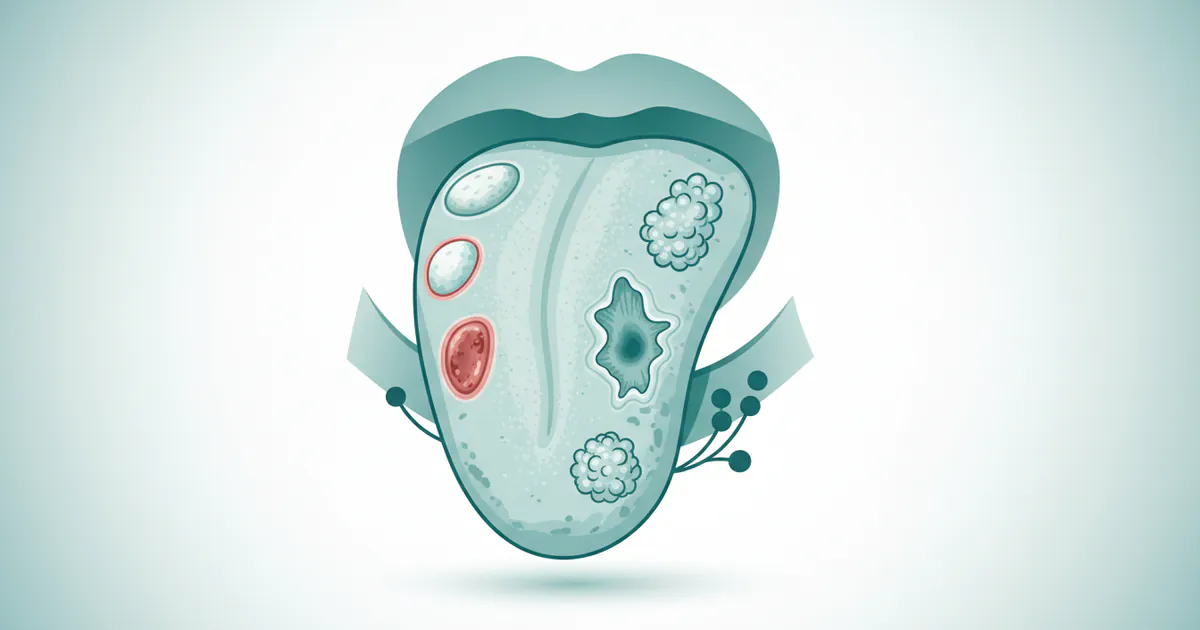
Oral cancer of the tongue refers to the uncontrolled growth of abnormal cells that originate in the tissues of the tongue. The tongue is a muscular organ vital for speaking, chewing, and swallowing, making cancer in this area particularly impactful on a patient's quality of life. The vast majority of oral cancers, including those on the tongue, are squamous cell carcinomas (SCCs), which develop from the flat, thin cells (squamous cells) lining the moist surfaces inside the mouth.
These cancers can develop on any part of the tongue, but they are often categorized into two main types based on their location:
- Oral Tongue Cancer: This refers to cancer affecting the front two-thirds of the tongue, the part you can see and move. This is the most common type of tongue cancer and is typically associated with traditional risk factors like tobacco and alcohol use.
- Base of Tongue Cancer (Oropharyngeal Cancer): This occurs at the back one-third of the tongue, near the throat. Cancers in this area are increasingly linked to Human Papillomavirus (HPV) infection, specifically HPV-16.
The incidence of oral tongue cancer has seen a slight decline in recent decades due to reduced tobacco use, while base of tongue cancer, particularly HPV-related, has been on the rise. Early detection is paramount because oral cancer, if caught early and localized, boasts an impressive 5-year survival rate of over 80%. However, if the cancer has spread to nearby tissues, lymph nodes, or distant parts of the body, the survival rate drops significantly, underscoring the urgency of timely diagnosis and intervention.
Types / Variations
While squamous cell carcinoma (SCC) accounts for over 90% of all oral cancers on the tongue, it's important to understand there are other, rarer types, and SCC itself can present with variations.
Squamous Cell Carcinoma (SCC)
As mentioned, this is by far the most prevalent form. SCC starts in the squamous cells that form the lining of the tongue. It can appear as:
- Exophytic (outward-growing) lesions: These might look like a lump, a wart-like growth, or an ulcer with raised, rolled borders.
- Endophytic (inward-growing) lesions: These are often deeper, causing induration (hardening) of the tongue tissue without a prominent surface lesion initially.
- Erythroplakia: A vivid red patch that cannot be scraped off. These are considered highly dysplastic and have a very high malignant transformation rate (up to 90%).
- Leukoplakia: A white patch that cannot be scraped off. While many leukoplakias are benign, a significant percentage, especially those that are non-homogeneous or speckled, can be dysplastic or cancerous.
- Ulcerative lesions: A persistent sore that doesn't heal, often with a firm base.
Verrucous Carcinoma
This is a specific, slow-growing subtype of SCC, typically low-grade. It presents as a large, warty, cauliflower-like growth with a white or pink appearance. While it can be locally aggressive, invading surrounding tissues, it rarely metastasizes (spreads) to distant sites. It's often associated with long-term tobacco and alcohol use.
Minor Salivary Gland Cancers
The tongue contains numerous minor salivary glands. Cancers can originate from these glands, such as:
- Mucoepidermoid Carcinoma: The most common minor salivary gland cancer, characterized by a mix of mucus-producing and epidermoid cells.
- Adenoid Cystic Carcinoma: Known for its propensity to spread along nerves (perineural invasion), making it challenging to treat and prone to recurrence.
- Polymorphous Adenocarcinoma: A slow-growing tumor that can also exhibit perineural invasion.
These types typically present as a firm, non-tender mass within the tongue tissue.
Oral Melanoma
Though rare on the tongue, melanoma is a highly aggressive cancer of the pigment-producing cells (melanocytes). It can appear as a dark brown, black, or even bluish spot or mass. The term "oral cancer black spot on gums photos" often refers to concerns about melanoma, although other benign conditions can cause dark spots. Any new or changing dark spot on the tongue or gums should be professionally evaluated immediately.
Lymphoma
Extremely rare, but lymphoma can sometimes affect the oral cavity, including the tongue. It originates from lymphocytes and might present as a swelling or mass.
The specific type of cancer influences the prognosis and dictates the most appropriate treatment strategy. A biopsy is essential for accurate diagnosis and classification.
Causes / Why It Happens
Understanding the causes and risk factors associated with oral cancer on the tongue is crucial for prevention and early intervention. While some individuals develop oral cancer without clear risk factors, the vast majority of cases are linked to identifiable behaviors and exposures.
Primary Risk Factors:
- Tobacco Use: This is the single largest risk factor for oral tongue cancer. All forms of tobacco are harmful, including:
- Cigarettes, cigars, pipes: Smoking exposes the oral tissues to a multitude of carcinogens.
- Smokeless tobacco (chewing tobacco, snuff): Directly exposes the tongue and gums to cancer-causing chemicals.
- Secondhand smoke: While less potent than direct use, prolonged exposure can still increase risk.
- Pro Tip: Quitting tobacco, even after years of use, significantly reduces your risk of developing oral cancer and can improve treatment outcomes.
- Alcohol Consumption: Heavy and chronic alcohol consumption is another major risk factor. The risk dramatically increases when alcohol use is combined with tobacco use, as they have a synergistic effect, meaning they multiply each other's damaging impact.
- Human Papillomavirus (HPV) Infection: Increasingly recognized as a significant cause, particularly for base of tongue cancers and other oropharyngeal cancers. HPV-16 is the strain most commonly associated with these cancers. Oral HPV infection is primarily transmitted through oral sexual contact.
- Pro Tip: HPV vaccination is a powerful tool for preventing HPV-related cancers, including those of the tongue. The CDC recommends vaccination for adolescents, but it can be beneficial for adults up to age 45 who were not adequately vaccinated earlier.
- Betel Quid Chewing: Common in Southeast Asia, betel quid (a combination of areca nut, betel leaf, and often tobacco and slaked lime) is a potent oral carcinogen and a significant cause of oral cancer globally.
- Ultraviolet (UV) Light Exposure: While primarily a risk factor for lip cancer, excessive sun exposure can contribute to oral cancers on the lips and, rarely, the anterior tongue if directly exposed.
Other Contributing Factors:
- Poor Nutrition: Diets low in fruits and vegetables, and particularly lacking in vitamins A, C, and E, have been associated with an increased risk of oral cancer.
- Weakened Immune System: Individuals with compromised immune systems (e.g., organ transplant recipients, HIV/AIDS patients) may have a higher risk.
- Chronic Irritation: While less evidence-based as a direct cause, persistent irritation from ill-fitting dentures, jagged teeth, or dental fillings might, in rare cases, contribute to the development of lesions, though its role in initiating cancer is controversial. It can, however, mask early cancer symptoms.
- Genetic Predisposition: A family history of head and neck cancers might indicate a slightly increased risk, although most oral cancers are not strongly hereditary.
- Age: The risk of oral cancer increases with age, with most diagnoses occurring in people over 55, though HPV-related cancers are increasingly seen in younger individuals.
- Gender: Historically, men have been more commonly affected by oral cancer, largely due to higher rates of tobacco and alcohol use. However, the gap is narrowing due to changing lifestyle habits and the rise of HPV-related cancers.
Understanding these causes emphasizes the importance of lifestyle modifications and preventive health measures.
Signs and Symptoms
Recognizing the early signs and symptoms of oral cancer tongue is critical for improving prognosis. Unfortunately, early-stage oral cancer often presents with subtle or non-specific symptoms, which can lead to delayed diagnosis. Any of the following signs lasting more than two weeks warrants immediate evaluation by a dentist or oral surgeon.
Common Early Warning Signs:
- Persistent Sore or Ulcer: This is one of the most common signs. A sore on the tongue that doesn't heal within two weeks, especially if it has a firm or raised border, is a red flag. Unlike benign canker sores, cancerous ulcers typically don't resolve.
- Red or White Patches (Erythroplakia and Leukoplakia):
- Erythroplakia: A flat or slightly raised bright red patch on the tongue that cannot be scraped off. These are highly suspicious for dysplasia or carcinoma.
- Leukoplakia: A white or grayish patch on the tongue that cannot be scraped off. While many are benign, some can be precancerous or cancerous, especially if they are speckled (erythroleukoplakia) or firm.
- ``
- Lump, Swelling, or Thickened Area: A palpable lump, persistent swelling, or a feeling of thickening in any part of the tongue. This may or may not be painful.
- Numbness or Tingling: Unexplained numbness or a persistent tingling sensation in the tongue or other areas of the mouth. This can indicate nerve involvement.
Later-Stage Symptoms (when the cancer has advanced):
- Difficulty Chewing, Swallowing (Dysphagia), or Speaking (Dysphonia): As the tumor grows, it can interfere with the tongue's normal functions. Swallowing might feel painful or restricted.
- Persistent Sore Throat or Feeling of Something Caught in the Throat: Especially for base of tongue cancers.
- Chronic Hoarseness or Change in Voice: If the cancer affects the vocal cords or nerves associated with them.
- Unexplained Bleeding: Spontaneous bleeding from the tongue or mouth that is not due to trauma.
- Pain: While often a late symptom, persistent pain in the tongue, jaw, or neck that doesn't resolve.
- Ear Pain (referred otalgia): Pain that radiates to the ear, particularly on one side, can be a symptom of advanced oral cancer.
- Weight Loss: Unexplained and significant weight loss can occur as the disease progresses or due to difficulty eating.
- Enlarged Lymph Nodes: A persistent lump or swelling in the neck (cervical lymphadenopathy) often indicates that the cancer has spread to the lymph nodes.
Specific Considerations for "Oral Cancer Black Spot on Gums Photos"
While the request mentions gums, it's important to address black spots on the tongue as well, as they raise similar concerns.
- A black spot on the tongue or gums is a significant finding that requires immediate dental evaluation. While many dark spots are benign (e.g., amalgam tattoos, melanin pigmentation, benign nevi), a new or changing black lesion could indicate oral melanoma, a rare but aggressive form of oral cancer.
- Other causes of dark spots can include:
- Trauma: Blood blisters from biting the tongue.
- Medication-induced pigmentation: Certain drugs can cause oral pigmentation.
- Vascular lesions: Benign blood vessel growths.
- Physiological pigmentation: More common in individuals with darker skin tones.
Pro Tip: If you notice any unusual changes on your tongue or in your mouth that persist for more than two weeks, do not delay in scheduling an appointment with your dentist or an oral surgeon. Early diagnosis dramatically increases the chances of successful treatment.
Diagnosis and Staging
When a suspicious lesion is identified, a thorough diagnostic process is initiated to confirm the presence of cancer, determine its type, and establish its stage.
Diagnostic Steps:
- Clinical Examination: The dentist or oral surgeon will perform a comprehensive visual and tactile examination of the entire oral cavity, throat, and neck. They will look for abnormalities, feel for lumps, and check lymph nodes.
- Biopsy: This is the definitive diagnostic test. A small tissue sample from the suspicious area is removed and sent to a pathologist for microscopic examination.
- Incisional Biopsy: Removal of a small piece of tissue from the lesion.
- Excisional Biopsy: Removal of the entire lesion, if small enough.
- Brush Biopsy (Oral Cytology): A less invasive method where cells are scraped from the lesion using a brush. While useful for initial screening, it's not as definitive as an incisional or excisional biopsy and usually requires a follow-up surgical biopsy if abnormal cells are found.
- Imaging Tests: Once cancer is confirmed, imaging helps determine the extent of the cancer and if it has spread.
- CT (Computed Tomography) Scan: Provides detailed cross-sectional images of the head and neck, showing tumor size, invasion into surrounding tissues, and lymph node involvement.
- MRI (Magnetic Resonance Imaging): Excellent for visualizing soft tissues like the tongue and nerves, assessing the depth of tumor invasion.
- PET (Positron Emission Tomography) Scan: Often combined with CT (PET-CT), it helps identify metabolically active cancer cells throughout the body, useful for detecting spread to distant sites (metastasis) and recurrence.
- Chest X-ray: To check for lung metastasis, especially in advanced cases.
- Endoscopy: For base of tongue cancers, an endoscopist (ENT specialist) may perform a direct visualization of the throat, larynx, and esophagus under anesthesia to check for other primary cancers or spread.
Cancer Staging (TNM System):
Cancer staging is a critical process that determines the extent of the cancer's spread. The most widely used system is the TNM Classification, developed by the American Joint Committee on Cancer (AJCC):
- T (Tumor): Describes the size and extent of the primary tumor.
- Tis: Carcinoma in situ (very early, localized to the surface cells).
- T1: Tumor ≤ 2 cm.
- T2: Tumor > 2 cm but ≤ 4 cm.
- T3: Tumor > 4 cm or invades deep into the tongue.
- T4a: Moderately advanced local disease (e.g., invades bone, deep muscle of tongue).
- T4b: Very advanced local disease (e.g., invades skull base, carotid artery).
- N (Nodes): Indicates whether the cancer has spread to nearby lymph nodes in the neck.
- N0: No regional lymph node metastasis.
- N1: Metastasis in a single lymph node, ≤ 3 cm.
- N2: Metastasis in single node > 3 cm to 6 cm, or multiple nodes ≤ 6 cm.
- N3: Metastasis in lymph node > 6 cm.
- M (Metastasis): Indicates whether the cancer has spread to distant parts of the body.
- M0: No distant metastasis.
- M1: Distant metastasis present.
Based on the T, N, and M categories, an overall stage (Stage 0 to Stage IV) is assigned. This staging helps guide treatment decisions and predict prognosis.
Treatment Options
Treating oral cancer tongue typically involves a multidisciplinary approach, with a team of specialists including oral surgeons, oncologists, radiation oncologists, dentists, speech pathologists, and nutritionists. The choice of treatment depends heavily on the cancer's stage, location, the patient's overall health, and personal preferences.
1. Surgery
Surgery is often the primary treatment for oral tongue cancer, especially in early stages.
- Glossectomy (Partial or Total):
- Partial Glossectomy: Removal of a portion of the tongue. For smaller tumors, this might involve removing only a small wedge. The goal is to remove the tumor with clear margins (a rim of healthy tissue).
- Total Glossectomy: Removal of the entire tongue. This is reserved for very large or diffuse tumors and has significant functional implications.
- Pros: Can be curative for early-stage cancers; immediate removal of the tumor.
- Cons: Potential for significant impact on speech, swallowing, and appearance; may require reconstructive surgery.
- Neck Dissection: If there's evidence or high suspicion of cancer spread to the lymph nodes in the neck, these nodes are surgically removed. This can range from a selective neck dissection (removing only certain lymph node groups) to a modified radical neck dissection (removing more extensive lymph nodes and sometimes adjacent muscle/nerve tissue).
- Pros: Removes potentially cancerous lymph nodes, reducing recurrence risk.
- Cons: Potential for shoulder weakness, numbness, and scarring.
- Reconstructive Surgery: After extensive glossectomy, reconstructive surgery (using tissue grafts from other parts of the body, like the forearm or thigh) may be necessary to rebuild the tongue and oral structures, improving function and aesthetics.
2. Radiation Therapy
Radiation therapy uses high-energy X-rays or other particles to kill cancer cells or inhibit their growth. It can be used:
-
Primary Treatment: For small tumors, especially if surgery is not feasible or desired.
-
Adjuvant Therapy: After surgery, to kill any remaining cancer cells and reduce recurrence risk (e.g., if margins were not clear, or if lymph nodes were involved).
-
Neoadjuvant Therapy: Before surgery, to shrink a large tumor and make it easier to remove.
-
Palliative Care: To relieve symptoms like pain or bleeding in advanced cancer.
-
External Beam Radiation Therapy (EBRT): The most common type, where radiation is delivered from a machine outside the body. Often administered daily, five days a week, for several weeks.
-
Brachytherapy: Radioactive seeds or ribbons are placed directly into or near the tumor. This delivers a high dose of radiation directly to the cancer while minimizing exposure to healthy tissues.
- Pros: Non-invasive (EBRT), preserves organs, effective.
- Cons: Side effects include mucositis (sore mouth), xerostomia (dry mouth), difficulty swallowing, altered taste, fatigue, and potential for osteoradionecrosis (bone death) of the jaw in the long term.
3. Chemotherapy
Chemotherapy uses anti-cancer drugs, typically administered intravenously or orally, to kill cancer cells throughout the body.
-
Adjuvant/Neoadjuvant Therapy: Often used in combination with radiation or surgery, especially for more advanced cancers or when there's a high risk of spread.
-
Concurrent Chemoradiation: Chemotherapy given at the same time as radiation therapy, which can enhance the effectiveness of radiation. This is a common strategy for advanced head and neck cancers.
-
Palliative Care: Used to control symptoms and improve quality of life for advanced, metastatic cancers.
-
Pros: Systemic treatment, can reach cancer cells that have spread.
-
Cons: Significant side effects, including nausea, vomiting, hair loss, fatigue, mouth sores, weakened immune system, and neuropathy.
4. Targeted Therapy
These drugs target specific molecules involved in cancer cell growth and survival, often with fewer side effects than traditional chemotherapy. For oral cancer, drugs that target the epidermal growth factor receptor (EGFR), such as Cetuximab, may be used, sometimes in combination with radiation or chemotherapy.

5. Immunotherapy
Immunotherapy drugs (e.g., checkpoint inhibitors like pembrolizumab, nivolumab) harness the body's own immune system to fight cancer. These are typically used for recurrent or metastatic oral cancers, especially those that have progressed after standard treatments.
Step-by-Step Process: What to Expect During Treatment
The journey through oral cancer treatment is often complex and multi-phased. Here's a general overview of what a patient might expect:
Phase 1: Diagnosis and Treatment Planning
- Initial Symptoms & Dentist Visit: You notice a persistent sore or lump on your tongue and visit your dentist.
- Referral: Your dentist refers you to an oral surgeon, ENT specialist, or head and neck oncologist.
- Clinical Exam & Biopsy: The specialist performs a thorough examination and takes a biopsy of the suspicious lesion.
- Pathology Report: The biopsy confirms oral cancer of the tongue and identifies its type.
- Staging Scans: CT, MRI, and/or PET scans are performed to determine the cancer's stage and any spread.
- Multidisciplinary Team Meeting: Your case is discussed by a team of specialists (surgeons, oncologists, radiation oncologists) to develop a personalized treatment plan.
- Discussion with Patient: The treatment options, their pros and cons, potential side effects, and expected outcomes are thoroughly explained to you. You provide informed consent.
Phase 2: Active Treatment
- Pre-Treatment Preparations:
- Dental Clearance: A thorough dental exam and any necessary dental work (e.g., extractions) are completed before radiation therapy to minimize future complications like osteoradionecrosis.
- Nutritional Counseling: A dietitian may be involved to ensure you maintain adequate nutrition during and after treatment, potentially suggesting a feeding tube (nasogastric or gastrostomy) if severe swallowing difficulties are anticipated.
- Speech and Swallowing Assessment: A speech-language pathologist assesses your current function and plans for rehabilitation.
- Surgery (if indicated):
- Operation: The glossectomy and/or neck dissection is performed, usually under general anesthesia.
- Reconstruction: If extensive, reconstructive surgery using tissue grafts follows the tumor removal.
- Hospital Stay: Varies from a few days to several weeks, depending on the extent of surgery and reconstruction.
- Pathology Review: The removed tumor and lymph nodes are analyzed to confirm clear margins and extent of spread, guiding further treatment.
- Radiation Therapy (if indicated):
- Simulation & Planning: You undergo a "simulation" session where imaging (CT scan) is used to precisely map the treatment area. Custom immobilization devices are created to ensure consistent positioning.
- Daily Treatments: You receive daily radiation treatments (Monday-Friday) for 5-7 weeks. Each session is short (15-30 minutes).
- Chemotherapy (if indicated):
- Treatment Cycles: Chemotherapy drugs are administered in cycles (e.g., every 3 weeks) over several months. This may be concurrent with radiation.
- Side Effect Management: Your medical oncologist manages potential side effects with supportive medications.

Phase 3: Recovery and Rehabilitation
- Immediate Post-Treatment: Management of pain, nausea, and other acute side effects.
- Nutritional Support: Continued use of feeding tubes if necessary, transitioning back to oral intake as tolerated.
- Speech and Swallowing Therapy: Intensive rehabilitation to regain function, starting as soon as medically appropriate.
- Physical Therapy: To address any neck or shoulder stiffness from surgery or radiation.
- Psychological Support: Access to counseling or support groups to cope with the emotional and psychological impact of cancer and its treatment.
Phase 4: Follow-up and Surveillance
- Regular Check-ups: Frequent follow-up appointments with your oncology team (initially every 1-3 months, gradually extending to annually).
- Oral Cancer Screenings: Continued vigilance for recurrence or new primary cancers.
- Imaging: Periodic scans to monitor for recurrence.
This structured approach ensures comprehensive care and optimizes outcomes for patients with oral cancer of the tongue.
Cost and Insurance
The financial burden of oral cancer treatment can be substantial, with costs varying widely based on the stage of cancer, chosen treatments, duration, and geographic location within the US.
Average US Price Ranges (Without Insurance):
| Treatment Phase | Low Range | Mid Range | High Range |
|---|---|---|---|
| Diagnosis | |||
| Dentist/Specialist Consultation | $150-$500 | $300-$700 | $500-$1,000 |
| Biopsy (Oral) | $500-$1,500 | $1,000-$3,000 | $2,500-$5,000 |
| Pathology Lab | $200-$800 | $400-$1,200 | $800-$2,000 |
| CT/MRI/PET Scans | $1,000-$5,000 | $3,000-$10,000 | $7,000-$15,000 |
| Surgery | |||
| Partial Glossectomy & Neck Dissection | $15,000-$40,000 | $30,000-$80,000 | $70,000-$150,000+ |
| Reconstructive Surgery | $10,000-$50,000+ | $30,000-$100,000+ | $80,000-$200,000+ |
| Hospital Stay (per day) | $2,000-$5,000 | $3,000-$8,000 | $6,000-$12,000+ |
| Radiation Therapy | |||
| External Beam (full course) | $15,000-$30,000 | $25,000-$60,000 | $50,000-$100,000+ |
| Brachytherapy | $10,000-$25,000 | $20,000-$50,000 | $40,000-$80,000+ |
| Chemotherapy / Targeted / Immunotherapy | |||
| Per Cycle (drugs & administration) | $5,000-$20,000+ | $10,000-$50,000+ | $30,000-$100,000+ |
| Rehabilitation | |||
| Speech/Swallowing Therapy (per session) | $100-$300 | $150-$400 | $250-$600 |
| Total Estimated Cost (Full Course) | $50,000-$150,000 | $100,000-$300,000 | $250,000-$500,000+ |
Note: These are rough estimates and can fluctuate significantly based on hospital, doctors' fees, specific drugs, and regional cost of living.
Insurance Coverage Details:
Most major health insurance plans in the US (e.g., PPOs, HMOs, EPOs, POS plans) provide coverage for oral cancer diagnosis and treatment, as cancer care is considered medically necessary.
- Private Insurance:
- Typically covers a significant portion of costs after deductibles are met and co-insurance percentages are applied.
- Deductibles: Can range from $500 to $10,000+ per year before insurance starts paying.
- Co-insurance: Often 10-30% of covered services, meaning you'll pay that percentage, and the insurer pays the rest, up to your out-of-pocket maximum.
- Out-of-Pocket Maximum: A cap on the total amount you'll pay in a policy year, typically ranging from $3,000 to $15,000+ for individual plans. Once this is met, insurance covers 100% of covered services.
- Medicare:
- Medicare Part A (Hospital Insurance): Covers inpatient hospital stays, skilled nursing facility care, hospice care, and some home health care.
- Medicare Part B (Medical Insurance): Covers doctors' services, outpatient care (e.g., clinic visits, chemotherapy administered in an outpatient setting, radiation therapy, durable medical equipment, and some preventative services).
- Medicare Part D (Prescription Drug Coverage): Covers oral cancer medications (chemotherapy pills, targeted therapies) and other prescriptions.
- Medicare Advantage (Part C): Offers alternative plans from private companies that combine Part A, Part B, and often Part D. Costs and coverage can vary.
- Medicaid:
- A state and federal program that provides health coverage to low-income individuals and families.
- Coverage for cancer treatment is generally comprehensive, with very low or no out-of-pocket costs, depending on the state and specific program.
- TRICARE (Military Healthcare): Provides comprehensive coverage for active duty and retired military personnel and their families.
Pro Tip: Always contact your insurance provider directly to understand your specific benefits, deductibles, co-pays, co-insurance, and out-of-pocket maximums before treatment begins. Have your medical team get pre-authorizations for major procedures and expensive medications.
Recovery and Aftercare
Recovery from oral cancer of the tongue treatment is a multifaceted journey that extends far beyond the hospital stay. It often involves intensive rehabilitation and ongoing support to manage side effects, regain function, and maintain overall well-being.
Immediate Post-Treatment Care:
- Pain Management: Patients will experience pain from surgery, radiation, or chemotherapy. A pain management plan using prescription medications (opioids, NSAIDs) and over-the-counter options is crucial.
- Wound Care: For surgical sites, careful wound care is essential to prevent infection and promote healing. This may involve specific cleaning instructions and dressing changes.
- Nutritional Support: Many patients will have difficulty eating and swallowing immediately after treatment.
- Feeding Tubes: A nasogastric (NG) tube or gastrostomy (G-tube) may be placed to ensure adequate nutrition and hydration.
- Diet Modification: Transitioning from liquid to soft foods, then gradually to a more regular diet, will be guided by dietitians and speech therapists. Nutritional supplements are often recommended.
- Oral Hygiene: Meticulous oral hygiene is critical to prevent infections, especially for patients who have undergone radiation therapy, which can cause severe dry mouth (xerostomia) and make teeth more prone to decay. Special fluoride rinses, saliva substitutes, and frequent dental cleanings are often prescribed.
Rehabilitation and Long-Term Care:
- Speech and Swallowing Therapy: This is a cornerstone of rehabilitation for tongue cancer patients.
- Goals: To improve articulation, voice quality, and the ability to chew and swallow safely and efficiently.
- Techniques: May include exercises to strengthen tongue muscles, compensatory strategies for swallowing, and biofeedback. This can last for months or even years.
- Physical Therapy:
- For patients who underwent neck dissection, physical therapy helps regain range of motion in the neck and shoulder, reduce stiffness, and strengthen muscles.
- Dental Care:
- Regular dental check-ups are even more important after oral cancer treatment. Radiation can damage salivary glands, leading to severe dry mouth (xerostomia) and increased risk of tooth decay, gum disease, and fungal infections.
- Patients may need special fluoride treatments, prescription toothpastes, and ongoing professional cleanings. Dental prosthetics may be required if teeth were extracted or jawbone was affected.
- Psychological and Emotional Support:
- Living with and recovering from cancer can be emotionally challenging. Depression, anxiety, and body image issues are common.
- Support groups, counseling, and psychological therapy can provide vital coping mechanisms.
- Addressing Side Effects of Radiation Therapy:
- Xerostomia (Dry Mouth): Persistent dry mouth can be a long-term side effect. Strategies include increased fluid intake, saliva substitutes, sugar-free candies, and prescription medications (e.g., pilocarpine).
- Mucositis: Inflammation and sores in the mouth and throat can persist for weeks after radiation. Pain control and specialized rinses are used.
- Osteoradionecrosis: In rare cases, radiation can damage jawbone, leading to necrosis (bone death). This is a serious complication requiring specialized care, sometimes including hyperbaric oxygen therapy.
- Taste Changes: Altered or loss of taste is common and may take months to improve, if at all.
- Addressing Side Effects of Chemotherapy:
- Fatigue, neuropathy (numbness/tingling), and cognitive changes ("chemo brain") can linger.
- Follow-up and Surveillance:
- Regular check-ups with the oncology team are crucial to monitor for recurrence or the development of new primary cancers. These typically involve physical exams and periodic imaging. The frequency decreases over time but remains lifelong.
Pro Tip: Establish a strong support network of family, friends, and healthcare professionals. Proactively engage in all recommended rehabilitation therapies, as they are critical for optimizing your long-term quality of life.
Prevention
Preventing oral cancer of the tongue focuses primarily on modifying controllable risk factors and engaging in proactive health behaviors. While not all oral cancers are preventable, a significant number can be avoided by adopting a healthy lifestyle.
- Eliminate Tobacco Use:
- Quit Smoking and Smokeless Tobacco: This is the single most impactful step you can take. Quitting tobacco reduces your risk of oral cancer dramatically over time, even after years of use.
- Avoid Secondhand Smoke: Minimize exposure to environments where others are smoking.
- Pro Tip: Seek support from cessation programs, nicotine replacement therapy (NRT), or prescription medications if you struggle to quit. Your dentist or physician can provide resources.
- Moderate Alcohol Consumption:
- Limit alcohol intake to recommended guidelines (up to one drink per day for women, up to two for men). Heavy and chronic alcohol use significantly increases risk, especially when combined with tobacco.
- HPV Vaccination:
- Gardasil 9: This vaccine protects against the HPV strains most commonly associated with oral and oropharyngeal cancers (especially HPV-16).
- Recommendation: The CDC recommends HPV vaccination for children and adolescents aged 11-12, but it is approved for individuals up to age 45 who were not adequately vaccinated earlier.
- Pro Tip: Discuss HPV vaccination with your doctor, even if you are an adult, to see if it's right for you.
- Regular Dental Check-ups and Oral Cancer Screenings:
- Annual Screenings: The American Dental Association (ADA) recommends regular dental check-ups that include an oral cancer screening. Your dentist is often the first healthcare professional to spot suspicious lesions.
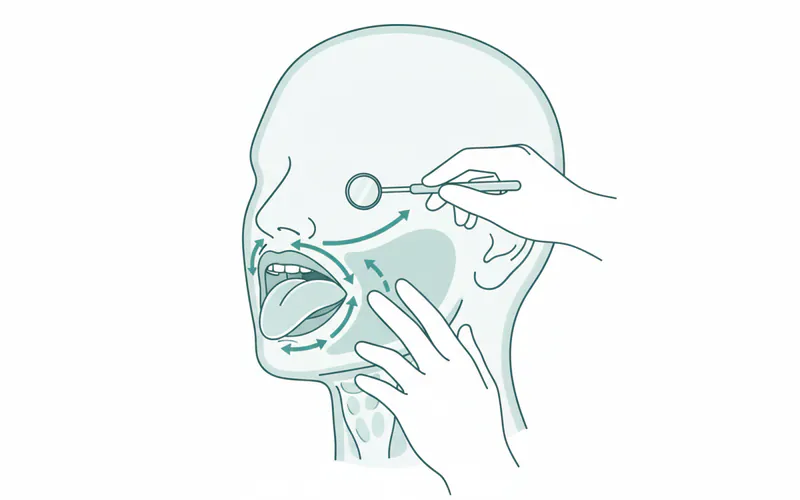
- Self-Exams: Periodically examine your own mouth (tongue, cheeks, gums, roof of mouth, floor of mouth) for any persistent sores, lumps, or discolorations.
- Maintain a Healthy Diet:
- Fruits and Vegetables: Consume a diet rich in fruits, vegetables, and whole grains. Antioxidants found in these foods may help protect against cell damage that can lead to cancer.
- Limit Processed Foods: Reduce intake of processed meats and foods high in sugar and unhealthy fats.
- Sun Protection (for related lip cancer):
- While not directly for tongue cancer, protecting your lips from excessive sun exposure with SPF lip balm and wide-brimmed hats can prevent lip cancer, which is also a type of oral cancer.
- Address Chronic Irritation (if applicable):
- Ensure dentures fit properly and address any sharp teeth or fillings that might cause chronic irritation. While not a direct cause, removing potential irritants is good oral health practice.
By integrating these preventive measures into your lifestyle, you can significantly reduce your risk of developing oral cancer on the tongue and other parts of the mouth.
Risks and Complications
The treatment for oral cancer of the tongue, while life-saving, can unfortunately lead to various risks and complications, both short-term and long-term. These can significantly impact a patient's quality of life.
Surgical Complications:
- Infection: Risk at the surgical site in the mouth or neck.
- Bleeding: Post-operative bleeding.
- Nerve Damage: Damage to nerves can lead to:
- Tongue Numbness or Weakness: Affecting speech and swallowing.
- Shoulder Weakness: If the accessory nerve is affected during neck dissection.
- Facial Numbness: If sensory nerves are involved.
- Fistula Formation: An abnormal connection between the surgical site and the skin, leading to leakage of saliva.
- Difficulty with Speech (Dysarthria): Removal of part of the tongue can severely impact articulation.
- Difficulty Swallowing (Dysphagia): Especially if a significant portion of the tongue is removed, requiring a feeding tube.
- Altered Appearance: Extensive surgery can cause disfigurement, impacting self-esteem.
Radiation Therapy Complications:
- Acute Side Effects (during and immediately after treatment):
- Mucositis: Painful inflammation and sores in the mouth and throat, making eating and swallowing extremely difficult.
- Xerostomia (Dry Mouth): Damage to salivary glands, leading to chronic dry mouth. This increases the risk of tooth decay, gum disease, and oral infections.
- Dysgeusia (Altered Taste): Loss or distortion of taste.
- Skin Reactions: Redness, peeling, blistering of the skin in the treated area.
- Fatigue: Common systemic side effect.
- Trismus: Stiffness and limited opening of the jaw due to fibrosis of jaw muscles.
- Long-Term/Chronic Side Effects:
- Osteoradionecrosis (ORN): Damage and death of jawbone tissue, a serious complication that can be very painful and difficult to treat. Risk increases with dental extractions after radiation.
- Dental Caries: Increased risk of severe tooth decay due to dry mouth.
- Fibrosis: Hardening and scarring of soft tissues, leading to reduced flexibility and function.
- Hypothyroidism: If the thyroid gland is in the radiation field.
- Lymphedema: Swelling in the face or neck due to damage to lymph vessels.
Chemotherapy/Targeted Therapy/Immunotherapy Complications:
- Systemic Side Effects: Nausea, vomiting, hair loss, fatigue, bone marrow suppression (leading to weakened immune system and increased infection risk, anemia, easy bruising/bleeding).
- Neuropathy: Numbness, tingling, pain in hands and feet.
- Kidney or Liver Damage: Depending on the specific drugs used.
- Cardiac Issues: Some drugs can affect heart function.
- Oral Complications: Mouth sores (stomatitis), taste changes.
Disease-Related Complications:
- Recurrence: The cancer can return, either at the original site (local recurrence) or in the lymph nodes.
- Metastasis: The cancer can spread to distant organs, most commonly the lungs, liver, or bones.
- Second Primary Cancer: Patients treated for head and neck cancer have an increased risk of developing a new, unrelated cancer in the head and neck region, or in other areas like the lungs or esophagus, often due to continued exposure to risk factors.
- Nutritional Deficiencies: Due to difficulty eating, swallowing, and altered metabolism, leading to weight loss and malnourishment.
- Psychological Impact: Depression, anxiety, fear of recurrence, body image issues, and social isolation.
Pro Tip: Open communication with your medical team is crucial. Report any new or worsening symptoms promptly. Engaging in rehabilitation therapies and adhering to follow-up schedules are vital for managing complications and detecting recurrence early.
Comparison Tables
To provide a clearer understanding of treatment options and their characteristics, here are two comparison tables.
Table 1: Comparison of Primary Treatment Modalities for Oral Cancer of the Tongue
| Feature | Surgery (Glossectomy + Neck Dissection) | Radiation Therapy (EBRT/Brachytherapy) | Chemotherapy (Adjuvant/Concurrent) | Targeted/Immunotherapy |
|---|---|---|---|---|
| Primary Use | Early-stage, resectable tumors | Early-stage (if surgery not ideal), adjuvant/neoadjuvant, palliative | Adjuvant/neoadjuvant, concurrent with radiation, metastatic | Recurrent/metastatic disease, specific molecular targets |
| Mechanism | Physical removal of tumor | High-energy rays kill cancer cells | Drugs kill rapidly dividing cells | Block specific pathways, activate immune system |
| Duration | Single event (hospital stay ~1-3 weeks) | 5-7 weeks (daily sessions) | Cycles over several months | Ongoing, potentially long-term |
| Invasiveness | Highly invasive | Non-invasive (EBRT), minimally (Brachy) | Systemic (IV/Oral) | Systemic (IV/Oral) |
| Common Side Effects | Pain, swelling, bleeding, speech/swallowing difficulties, nerve damage, disfigurement | Mucositis, xerostomia, skin reactions, fatigue, taste changes, ORN (long-term) | Nausea, fatigue, hair loss, weakened immunity, mouth sores | Rash, fatigue, diarrhea, immune-related adverse events |
| Typical Cost Range (US, without insurance) | $15,000 - $200,000+ | $25,000 - $100,000+ | $5,000 - $100,000+ per cycle | $10,000 - $30,000+ per month |
| Recovery Time | Weeks to months | Weeks to months | Months (during and post-treatment) | Varies greatly |
| Functional Impact | Potentially significant on speech/swallowing | Often significant on swallowing, salivary function | Systemic but generally less direct functional impact on tongue | Systemic but generally less direct functional impact on tongue |
Table 2: Prognosis Comparison by Stage for Oral Tongue Cancer (General 5-Year Survival Rates)
| AJCC Stage | Description (Simplified) | 5-Year Survival Rate (Approximate) | Key Implications for Treatment & Outcome |
|---|---|---|---|
| Stage 0 | Carcinoma in situ (Tis) | 95%+ | Very early, localized. Usually surgery (excision) is curative. |
| Stage I | Small tumor (T1), no lymph node involvement (N0), no distant spread (M0) | 80-85% | Highly curable with surgery or radiation alone. |
| Stage II | Larger tumor (T2), no lymph node involvement (N0), no distant spread (M0) | 60-70% | Surgery or radiation, sometimes combined for higher risk. |
| Stage III | Larger tumor (T3) OR any tumor size with spread to one lymph node (N1), no distant spread (M0) | 45-55% | Often requires combination therapy (surgery + radiation +/- chemotherapy). |
| Stage IVa | Very large tumor (T4a) OR spread to more extensive lymph nodes (N2), no distant spread (M0) | 30-40% | Aggressive combination therapy. Focus on cure and functional preservation. |
| Stage IVb | Tumor invades major structures (T4b) OR spread to very large lymph nodes (N3), no distant spread (M0) | 10-20% | Highly advanced local disease. Intensive combination therapy. |
| Stage IVc | Any tumor size with distant metastasis (M1) | <10% | Palliative care is often the focus, to control symptoms and improve quality of life. |
Note: These survival rates are averages and can vary based on individual factors such as age, overall health, specific cancer characteristics (e.g., HPV status for base of tongue), and response to treatment.
Children / Pediatric Considerations
Oral cancer of the tongue is exceedingly rare in children and adolescents, but it is not entirely unheard of. When it does occur, it often presents differently than in adults and may be linked to specific genetic syndromes or different etiological factors.

Unique Aspects in Children:
- Rarity: Head and neck cancers account for less than 1% of all pediatric cancers, and oral cavity cancers are even rarer within that group. When they do occur, they are often different histological types than the squamous cell carcinomas common in adults.
- Types: While SCC can occur, other types like rhabdomyosarcoma (a soft tissue sarcoma), lymphoma, or minor salivary gland cancers might be more prevalent in the pediatric population. Oral melanoma is exceptionally rare.
- Symptoms: Symptoms can be subtle and easily mistaken for common childhood ailments. A persistent, non-healing sore, a rapidly growing mass, or unexplained pain should raise suspicion. Unlike adults, risk factors like tobacco and alcohol are usually not relevant.
- Genetic Predisposition: Some genetic syndromes (e.g., Fanconi anemia, Dyskeratosis Congenita, Li-Fraumeni syndrome) significantly increase a child's risk of developing various cancers, including oral cancers.
- Diagnosis Challenges: Due to its rarity, diagnosis can be delayed as healthcare providers may not initially suspect cancer. A biopsy remains the gold standard.
Age-Specific Guidance for Parents:
- Be Vigilant but Not Overly Anxious: While extremely rare, parents should be aware of persistent, unexplained oral lesions in their child. Any lump, sore, or discoloration on the tongue or elsewhere in the mouth that doesn't resolve within 1-2 weeks should be examined by a pediatrician or pediatric dentist.
- Regular Pediatric Dental Check-ups: Ensure your child has regular dental examinations from an early age. Pediatric dentists are trained to identify abnormalities in the oral cavity.
- Report Unusual Symptoms: Pay attention to your child's complaints. Persistent difficulty chewing or swallowing, unexplained pain in the mouth or throat, or chronic hoarseness should prompt a medical evaluation.
- Family History: Inform your child's doctor about any family history of genetic syndromes or early-onset cancers.
- Treatment Considerations: If a child is diagnosed with oral cancer, treatment planning is highly specialized. It requires a multidisciplinary team experienced in pediatric oncology, surgery, and radiation, with a strong focus on minimizing long-term side effects that could impact growth, development, speech, and swallowing. The goal is cure while preserving maximal function and quality of life.
Pro Tip: While it's important to be aware, remember that common oral lesions in children (like canker sores or traumatic injuries) are far more frequent. However, any persistent or concerning symptom should always be investigated by a healthcare professional.
Cost Breakdown
While individual components of cost were discussed earlier, here's a consolidated view of potential costs and strategies for managing the financial burden of oral cancer treatment.
Average US Costs (Low, Mid, High Estimates for an entire treatment course without insurance):
| Category | Low Estimate | Mid Estimate | High Estimate |
|---|---|---|---|
| Diagnostic Phase | $2,000 | $6,000 | $15,000 |
| Surgery (incl. hospital) | $15,000 | $75,000 | $150,000+ |
| Radiation Therapy | $25,000 | $50,000 | $100,000+ |
| Chemotherapy / Targeted (per course) | $20,000 | $80,000 | $250,000+ |
| Rehabilitation & Aftercare | $5,000 | $20,000 | $50,000+ |
| Total Estimated Treatment Cost | $67,000 | $231,000 | $565,000+ |
These totals represent a comprehensive treatment plan that might involve a combination of therapies, extended hospital stays, and ongoing rehabilitation. Costs can escalate rapidly with advanced stages requiring multiple modalities, newer targeted or immunotherapies, and complex reconstructive surgeries.
With vs. Without Insurance:
- Without Insurance: As seen above, the total cost can be astronomical, potentially leading to financial ruin. Hospitals may offer uninsured discounts, but the remaining balance is usually substantial.
- With Insurance: While insurance significantly reduces out-of-pocket expenses, patients will still be responsible for:
- Deductibles: The amount you must pay before your insurance starts to cover costs (e.g., $500-$10,000+).
- Co-insurance: A percentage of the cost of covered services you pay after meeting your deductible (e.g., 10-30%).
- Co-payments: Fixed amounts you pay for certain services (e.g., $20-$50 for a doctor's visit, $100-$300 for emergency care).
- Out-of-Pocket Maximum: The most you will pay for covered health care services in a policy year. Once you reach this limit (e.g., $3,000-$15,000+), your health plan pays 100% of the costs of covered benefits. For a major illness like cancer, patients often hit their out-of-pocket maximum early in the treatment year.
Payment Plans and Financing Options:
- Hospital Financial Assistance Programs: Many hospitals have financial counselors who can help you apply for assistance, charity care, or discounted rates.
- Patient Assistance Programs (PAPs): Pharmaceutical companies often offer programs to help cover the cost of expensive cancer drugs, especially for uninsured or underinsured patients.
- Non-Profit Organizations: Organizations like the American Cancer Society, CancerCare, and Leukemia & Lymphoma Society provide financial assistance, resources, and support.
- Medical Credit Cards: Options like CareCredit offer special financing for healthcare expenses, often with deferred interest periods.
- Personal Loans: Banks and credit unions offer personal loans, but these should be considered carefully due to interest rates.
- Crowdfunding: Platforms like GoFundMe are used by many to raise funds for medical expenses.
Cost-Saving Tips:
- Understand Your Insurance: Know your plan's specifics (deductibles, co-insurance, out-of-pocket max) before treatment.
- Seek In-Network Providers: Using doctors and facilities within your insurance network will significantly reduce costs.
- Ask for Itemized Bills: Review all bills for accuracy and question any unfamiliar charges.
- Negotiate Cash Prices: If uninsured, negotiate directly with providers for lower cash prices.
- Generic Medications: Ask your doctor if generic versions of prescribed drugs are available.
- Utilize Social Workers/Patient Navigators: These professionals can help you navigate the healthcare system and find financial resources.
Frequently Asked Questions
What are the earliest signs of oral cancer on the tongue?
The earliest signs of oral cancer on the tongue often include a persistent sore, ulcer, or lump that doesn't heal within two weeks. You might also notice red (erythroplakia) or white (leukoplakia) patches that can't be scraped away. Any unusual changes in texture, color, or a sensation of numbness should prompt a dental visit.
Is oral cancer of the tongue painful in its early stages?
Not usually. Unfortunately, early-stage oral cancer of the tongue often presents without significant pain, which can lead to delayed diagnosis. Pain is typically a symptom of more advanced disease, where the tumor has grown larger or invaded nerves. This is why regular self-checks and professional screenings are so vital.
How long does treatment for oral cancer tongue typically last?
The duration of treatment varies greatly depending on the stage and type of cancer. Surgery might involve a few weeks of hospital stay and initial recovery. Radiation therapy typically lasts 5-7 weeks, administered daily. Chemotherapy can involve several cycles over a few months. Overall, the active treatment phase can range from a few weeks to several months, followed by a long period of rehabilitation and follow-up surveillance.
What are the chances of recurrence for oral cancer of the tongue?
The risk of recurrence depends heavily on the initial stage of cancer, whether clear margins were achieved during surgery, and if lymph nodes were involved. Early-stage cancers have a lower recurrence rate, while advanced stages (Stage III and IV) have a higher risk. Regular follow-up appointments and surveillance are crucial for early detection of recurrence, which can occur locally, regionally, or distantly.
Can HPV cause oral cancer on the front of the tongue?
While HPV is a well-established cause of base of tongue (oropharyngeal) cancers, its role in oral cancer on the front two-thirds of the tongue (oral tongue cancer) is less clear and generally considered less significant than traditional risk factors like tobacco and alcohol. Most oral tongue cancers are still primarily linked to these lifestyle factors, though research continues to explore HPV's broader impact.
What is the survival rate for oral cancer of the tongue?
The 5-year survival rate for oral cancer of the tongue varies dramatically by stage. For localized cancer (Stage I), the 5-year survival rate is over 80%. If the cancer has spread to regional lymph nodes, it drops to around 50-60%. For distant metastasis (Stage IVc), the survival rate is less than 10%. Early detection is the most significant factor in improving survival outcomes.
Will I lose my ability to speak or swallow after treatment?
The impact on speech and swallowing depends on the extent of the cancer and the treatment. For small tumors requiring partial glossectomy, rehabilitation can often restore near-normal function. More extensive surgeries or high-dose radiation can cause significant, sometimes permanent, difficulties, requiring intensive speech and swallowing therapy, and potentially a feeding tube. The multidisciplinary team works to minimize these impacts and maximize rehabilitation.
Are there any alternative treatments for oral cancer tongue?
No scientifically proven alternative treatments can cure oral cancer of the tongue. While some complementary therapies (e.g., acupuncture for pain/dry mouth, nutritional supplements) can help manage symptoms and improve quality of life when used alongside conventional medical treatment, they should never replace standard medical care. Always discuss any complementary therapies with your oncology team.
What does "oral cancer black spot on gums photos" imply for the tongue?
A black spot on the tongue, similar to the gums, can be concerning. While many dark spots are benign (e.g., natural pigmentation, amalgam tattoo, blood blister), a new or changing black spot could indicate oral melanoma, a rare but aggressive form of cancer. Any such lesion requires immediate evaluation by a dental professional or oral surgeon to rule out malignancy.
How much do oral cancer medications cost without insurance?
Oral cancer medications, including chemotherapy, targeted therapies, and immunotherapies, can be extremely expensive. A single cycle of medication can range from $5,000 to over $100,000 without insurance, depending on the specific drug. A full course of treatment can easily exceed $100,000 to $500,000+. Patient assistance programs from pharmaceutical companies and non-profits are crucial resources for managing these costs.
When to See a Dentist
Given the critical importance of early detection for oral cancer tongue, knowing when to seek professional dental or medical advice is paramount. Do not delay if you experience any of the following:
Clear Warning Signs That Need Immediate Attention (Within 1-2 Weeks):
- Any Sore, Ulcer, or Lump on Your Tongue That Does Not Heal: If it persists for more than two weeks, especially if it's firm, painful, or has raised borders, it's a red flag. Unlike a canker sore, a cancerous lesion usually doesn't resolve on its own.
- Red or White Patches (Erythroplakia or Leukoplakia): Any new or existing red or white patch on your tongue or other oral tissues that cannot be wiped away and persists for over two weeks warrants immediate investigation. Erythroplakia, in particular, has a high potential for malignancy.
- A Black Spot on Your Tongue or Gums: Any new, changing, or unexplained dark spot. While often benign, it could be a sign of oral melanoma.
- Persistent Pain or Numbness: Unexplained, ongoing pain in your tongue, mouth, ear, or throat, or a persistent tingling or numb sensation in your tongue.
- Difficulty Chewing, Swallowing, or Speaking: If these vital functions suddenly become difficult, painful, or feel restricted.
- Unexplained Bleeding: Any bleeding from the mouth or tongue that is not due to trauma.
- A Lump in Your Neck: A persistent, unexplained lump or swelling in your neck, which could indicate spread to lymph nodes.
Red Flags vs. Routine Care Guidance:
- Red Flags: The symptoms listed above are serious and require an urgent appointment. Do not wait for your next routine check-up.
- Routine Care: Regular dental check-ups, ideally every six months, are crucial for early detection. Your dentist performs an oral cancer screening at every comprehensive exam. These routine visits are where many early-stage cancers or precancerous lesions are first identified, often before you notice any symptoms yourself.
Emergency vs. Scheduled Appointment Guidance:
- Emergency: While oral cancer symptoms typically don't require an emergency room visit unless there's severe uncontrolled bleeding, acute obstruction of the airway, or extreme unbearable pain, an immediate scheduled appointment with a dentist or an oral surgeon/ENT specialist is necessary for any of the persistent warning signs.
- Scheduled Appointment: For routine oral cancer screenings, follow your dentist's recommended schedule. However, if you develop any of the red flag symptoms, call your dentist's office immediately and explain your concerns clearly to get an expedited appointment.
Pro Tip: Be proactive with your oral health. Regular self-examinations, avoiding tobacco and excessive alcohol, considering the HPV vaccine, and maintaining routine dental check-ups are your best defenses against oral cancer. If in doubt, always err on the side of caution and consult a healthcare professional.
Frequently Asked Questions
Medically Reviewed Content
This article was written by our dental health editorial team and reviewed for medical accuracy. Our content follows strict editorial guidelines for reliability and trustworthiness.
Medical Disclaimer
This article is for informational purposes only and does not constitute medical advice. Always consult with a qualified dental professional for diagnosis and treatment. Do not delay seeking professional advice because of something you read on this website.
Related Articles
Floor of Mouth Cancer: Complete Guide
Each year, over 54,000 Americans are diagnosed with oral cavity or oropharyngeal cancer, making it a significant public health concern. While often overlooked, floor of mouth cancer is a particularly aggressive and common form of oral cancer, accounting for a substantial percentage of all oral c
February 23, 2026
Oral Cancer Stages Pictures: Complete Guide
Oral cancer, a serious and potentially life-threatening disease, affects thousands of Americans each year. According to the American Cancer Society, approximately 54,000 new cases of oral cavity or oropharyngeal cancer are diagnosed annually in the United States. While these numbers can be daunt
February 23, 2026
Can You Die From Mouth Cancer
Oral cancer is a formidable disease, often striking with insidious subtlety before revealing its devastating potential. It's a question that weighs heavily on the minds of those who receive a diagnosis or even those simply concerned about unusual oral symptoms: can you die from mouth cancer? The
February 23, 2026
Mouth Cancer Photos: Complete Guide
Oral cancer is a formidable disease that affects tens of thousands of Americans each year, often with devastating consequences if not detected early. According to the Oral Cancer Foundation, approximately 54,000 Americans are diagnosed with oral or oropharyngeal cancer annually, and nearly 11,23
February 23, 2026