How to Remove Tonsil Stones
Key Takeaways
- Tonsil stones, medically known as tonsilloliths or tonsillar calculi, are surprisingly common and can be a significant source of discomfort and embarrassment for many individuals. While often small and asymptomatic, these calcified deposits can grow, leading to persistent bad breath, a sore throat,
Tonsil stones, medically known as tonsilloliths or tonsillar calculi, are surprisingly common and can be a significant source of discomfort and embarrassment for many individuals. While often small and asymptomatic, these calcified deposits can grow, leading to persistent bad breath, a sore throat, and a feeling of something stuck in the back of your throat. If you've ever wondered how to remove tonsil stones safely and effectively, you're not alone. This comprehensive guide from SmilePedia.net will demystify tonsil stones, explore their causes, outline the various removal methods from home remedies to professional interventions, and provide actionable advice on prevention. Understanding these often-overlooked intruders is the first step towards better oral health and renewed confidence. We'll delve into what tonsil stones are, why they form, their symptoms, and the best approaches to manage and eliminate them, ensuring you have all the information needed to make informed decisions about your dental health.
Key Takeaways:
- Tonsil stones (tonsilloliths) are calcified deposits of bacteria, food debris, and mucus that form in the tonsil crypts.
- Common symptoms include chronic bad breath (halitosis), sore throat, difficulty swallowing, and a sensation of a foreign object in the throat.
- Home remedies like vigorous gargling with salt water (cost: virtually free), manual removal with a cotton swab (cost: ~$5 for supplies, use with extreme caution), or an oral irrigator (cost: $30-$100) can dislodge smaller stones.
- Professional treatments include laser cryptolysis (cost: $1,500-$3,000 per session, often not covered by insurance), coblation cryptolysis (cost: $1,000-$2,500 per session), or tonsillectomy (cost: $4,000-$8,000, usually covered by insurance if medically indicated).
- Recovery from cryptolysis is typically a few days, while tonsillectomy recovery can take 1-2 weeks for adults.
- Prevention focuses on excellent oral hygiene, regular gargling, staying hydrated, and potentially addressing underlying conditions like chronic tonsillitis or acid reflux.
- Always consult a dental or medical professional before attempting any invasive removal technique at home due to risks of injury or infection.
What It Is / Overview
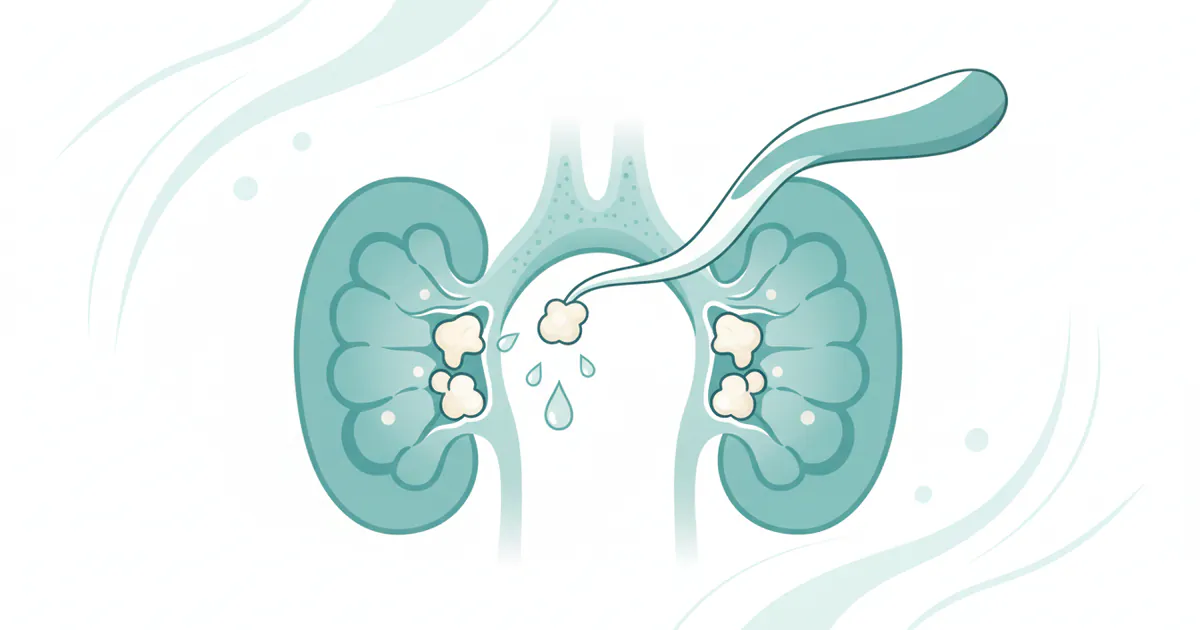
Tonsil stones, scientifically known as tonsilloliths, are small, hard, and often foul-smelling calcifications that form in the crevices of your tonsils. Your tonsils, located at the back of your throat, are part of your immune system. They are characterized by an irregular surface featuring numerous pits and crypts – small pockets or tunnels. These crypts can trap various materials, including bacteria, dead cells, mucus, and food particles.

Over time, if these trapped materials are not naturally flushed out, they can accumulate. The bacteria present in the oral cavity thrive on this debris, leading to its decomposition. As the process continues, calcium and other minerals from your saliva begin to harden the trapped material, much like plaque hardens on teeth. The result is a tonsil stone, which can range in size from a tiny grain of rice to, in rare cases, a large grape. Their color can vary from off-white or yellowish to gray, depending on their composition and age.
While tonsil stones are generally benign and not considered a serious health threat, they can lead to uncomfortable and socially embarrassing symptoms. The decaying organic matter and the presence of anaerobic bacteria within the stones are the primary culprits behind the notoriously bad breath (halitosis) they often cause. Understanding the structure of the tonsils and the process of accumulation and calcification is crucial to comprehending why these stones form and how best to address them.
Causes / Why It Happens
The formation of tonsil stones is a multifactorial process, rooted in the anatomy of the tonsils and various oral hygiene and lifestyle factors. While anyone can develop tonsil stones, certain conditions and habits increase susceptibility.
The Role of Tonsil Anatomy
The primary anatomical factor is the presence of tonsillar crypts. These deep, irregular crevices on the surface of your tonsils are natural traps for debris. Some individuals have deeper or more numerous crypts, making them more prone to stone formation. These crypts are essentially blind-ended sacs that are difficult for saliva and gargling to effectively clean out.
Accumulation of Debris
Tonsil stones begin when various substances become lodged in these crypts:
- Bacteria: The oral cavity is teeming with bacteria. Anaerobic bacteria, which thrive in oxygen-poor environments, are particularly adept at colonizing the tonsil crypts and metabolizing trapped organic matter, producing sulfur compounds responsible for foul odors.
- Dead Cells: The lining of the throat and tonsils regularly sheds dead cells, which can accumulate.
- Mucus: Post-nasal drip, often associated with allergies, sinus infections, or colds, can lead to excess mucus dripping down the back of the throat and into the tonsil crypts.
- Food Particles: Small food particles, especially after meals, can easily get caught in the tonsillar crevices.
Calcification
Once trapped, this mixture of organic matter becomes a breeding ground for bacteria. The bacteria break down the debris, which, combined with the continuous flow of mineral-rich saliva, leads to calcification. Calcium salts, along with magnesium and phosphate, deposit onto the organic matrix, gradually hardening it into a stone. This process is similar to how tartar forms on teeth or kidney stones develop.
Contributing Factors
Several other factors can increase the likelihood of tonsil stone formation:
- Poor Oral Hygiene: Inadequate brushing, flossing, and tongue cleaning can lead to an overload of bacteria and food debris in the mouth, increasing the chances of it accumulating in the tonsils.
- Chronic Tonsillitis: Frequent inflammation or infection of the tonsils (tonsillitis) can cause the tonsil crypts to become larger and more inflamed, creating more hospitable environments for stone formation.
- Dry Mouth (Xerostomia): Reduced saliva flow can make it harder for the mouth to naturally rinse away debris, promoting accumulation. This can be caused by medications, certain medical conditions, or dehydration.
- Acid Reflux (GERD): Stomach acid refluxing into the throat can irritate the tonsils and potentially contribute to the accumulation of debris and inflammation, though this link is still being researched.
- Smoking and Alcohol Consumption: These habits can irritate the throat lining, potentially altering the tonsil environment and promoting debris accumulation.
- Genetics: Some individuals may simply be genetically predisposed to having deeper tonsil crypts or a particular oral microbiome composition that favors stone formation.
Understanding these underlying causes is essential for effective prevention and long-term management of tonsil stones.
Signs and Symptoms
Tonsil stones can manifest through a variety of signs and symptoms, ranging from mild and barely noticeable to quite bothersome. The presence and severity of symptoms often depend on the size and location of the stones. Many small tonsil stones may go undetected, only being discovered during a dental exam or when they are accidentally dislodged. However, larger or more persistent stones commonly lead to the following:
- Bad Breath (Halitosis): This is by far the most common and often the most distressing symptom. The anaerobic bacteria trapped within the stones produce sulfur compounds (volatile sulfur compounds or VSCs) as they break down organic matter. These compounds are responsible for the pungent, often "rotten egg" smell that can be difficult to eliminate even with regular brushing.
- Sore Throat: Tonsil stones can irritate the surrounding tonsil tissue, leading to localized pain or discomfort in the throat. This pain might be mild and constant or sharper, especially when swallowing.
- Difficulty Swallowing (Dysphagia): Larger tonsil stones can create a physical obstruction, making swallowing food or even liquids feel uncomfortable or difficult. You might feel a lump in your throat.
- Ear Pain: Due to shared nerve pathways (the glossopharyngeal nerve), pain originating in the tonsils can sometimes be referred to the ear, even if there's no problem with the ear itself. This is known as referred pain.
- White or Yellowish Debris on Tonsils: Visible stones are a clear sign. You might notice small, irregular white or yellowish bumps or flecks on or within your tonsils when you examine your throat in a mirror.
- Chronic Cough: The irritation caused by tonsil stones can sometimes trigger a persistent cough, as your body attempts to dislodge the foreign object or clear the irritated throat.
- Tonsil Swelling: The tonsils themselves may appear swollen or inflamed, particularly if the stones are large or causing significant irritation.
- A Feeling of Something Stuck in the Throat: Many individuals describe a persistent sensation of a foreign body or a lump in the back of their throat that doesn't go away, even after swallowing.
- Metallic Taste in the Mouth: The decaying debris and bacterial activity can alter your taste perception, leading to an unpleasant metallic taste.
It's important to differentiate tonsil stone symptoms from other conditions. For example, while a sore throat is common with tonsil stones, if it's accompanied by fever, body aches, and significantly swollen tonsils with pus, it could indicate strep throat or another bacterial/viral infection, requiring immediate medical attention. Always consult a healthcare professional if you are unsure about your symptoms.
Treatment Options
The approach to treating tonsil stones varies widely, from simple home remedies for mild cases to professional medical procedures for more severe or recurrent issues. The best method depends on the size of the stones, the severity of symptoms, and individual patient factors.
Home Remedies (Conservative Management)
For smaller, superficial tonsil stones, home remedies are often the first line of defense. These methods aim to dislodge the stones or reduce the bacterial load that contributes to their formation.
-
Vigorous Gargling:
- Description: Gargling with a strong stream of liquid can help dislodge loose stones and rinse out tonsil crypts.
- Types:
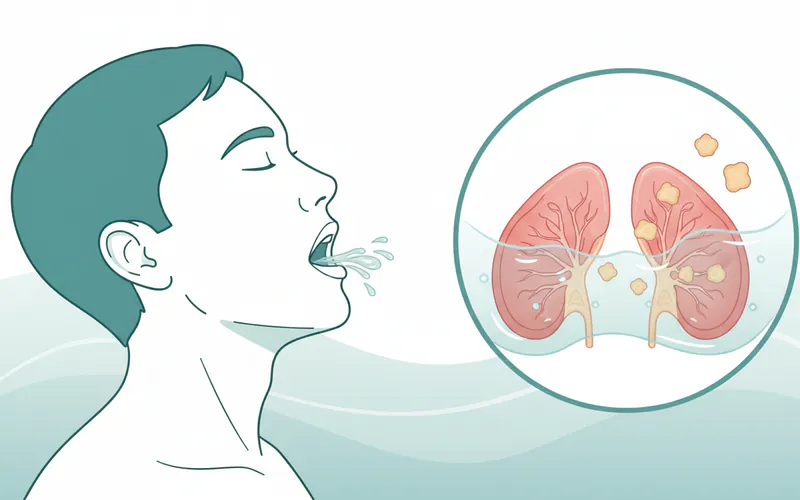
- Saltwater Gargle: Dissolve 1/2 teaspoon of salt in 8 ounces of warm water. Salt acts as a natural antiseptic and helps draw out fluids, potentially reducing inflammation.
- Non-alcoholic Mouthwash: Some antiseptic mouthwashes can help reduce oral bacteria. Avoid alcohol-based mouthwashes as they can be drying and irritating.
- Apple Cider Vinegar (diluted): Some individuals report success with a diluted solution (1 part ACV to 5-10 parts water), believed to dissolve stones due to its acidity. Use sparingly and rinse well to protect tooth enamel.
- Pros: Inexpensive, non-invasive, accessible, helps improve overall oral hygiene and reduce bad breath.
- Cons: Not effective for deeply embedded or large stones, can irritate the throat if done too aggressively or with strong solutions.
- Cost: Virtually free to a few dollars for mouthwash.
-
Manual Removal (with Extreme Caution):
- Description: Gently probing the tonsils to dislodge visible stones. This method should only be attempted for easily accessible stones and with utmost care to avoid injury or infection.
- Tools:
- Cotton Swab or Q-tip: Moisten and gently press around the visible stone.
- Oral Irrigator (Water Flosser): A low-pressure setting can be used to spray water into tonsil crypts from a safe distance. Never use high pressure directly on tonsils.
- Pros: Can be effective for visible, loose stones.
- Cons: Significant risks include gagging, bleeding, infection if instruments aren't sterile, pushing stones deeper, damaging delicate tonsil tissue, and aspiration (inhaling a dislodged stone). This method is generally NOT recommended by dental professionals due to the high risk of complications.
- Cost: ~$5-$10 for cotton swabs; $30-$100 for an oral irrigator.
-
Coughing:
- Description: A strong cough can sometimes naturally dislodge tonsil stones.
- Pros: Natural, no cost, no tools.
- Cons: Unpredictable, not effective for all stones.
Pro Tip: If attempting any form of home removal, always ensure your hands are clean, use a mirror and good lighting, and stop immediately if you feel pain or notice bleeding. Gargling regularly is a safer and often more effective preventive measure than direct manual removal.
Medical Treatments (Professional Intervention)
When home remedies are insufficient, or if stones are large, recurrent, or causing significant symptoms, professional medical intervention may be necessary.
-
Antibiotics:
- Description: Prescribed by a doctor to reduce the bacterial count and inflammation associated with tonsil stones, particularly if an infection is present or suspected.
- Pros: Can reduce stone size and symptoms by targeting bacteria.
- Cons: Does not remove the stones physically, not a permanent solution, potential for antibiotic resistance with overuse, side effects.
- Cost: $10-$50 (with insurance), $20-$100+ (without insurance) for the prescription.
-
Tonsil Cryptolysis (Laser or Coblation):
- Description: These minimally invasive procedures aim to smooth out the tonsil surface and reduce the depth of the tonsil crypts, making them less likely to trap debris.
- Laser Tonsil Cryptolysis (LTC): Uses a CO2 laser to vaporize and flatten the edges of the tonsil crypts under local anesthesia.
- Coblation Cryptolysis: Uses radiofrequency energy to gently ablate (remove) tissue at a lower temperature than a laser, often resulting in less discomfort and faster recovery.
- Pros: Reduces recurrence rates significantly, less invasive than full tonsillectomy, outpatient procedure, relatively quick recovery.
- Cons: May require multiple sessions, can be costly and often not covered by insurance, potential for pain, swelling, and scarring. Not always effective for very deep or extensive crypts.
- Cost: $1,500-$3,000 per session for Laser Cryptolysis; $1,000-$2,500 per session for Coblation Cryptolysis. Insurance coverage is highly variable; many consider it elective.
- Description: These minimally invasive procedures aim to smooth out the tonsil surface and reduce the depth of the tonsil crypts, making them less likely to trap debris.
-
Tonsillectomy:
- Description: Surgical removal of the tonsils. This is considered the definitive treatment for chronic, recurrent, or very large tonsil stones that do not respond to other treatments, especially if they are causing significant quality-of-life issues like chronic bad breath, dysphagia, or recurrent tonsillitis.
- Types: Traditional cold knife dissection, electrocautery, radiofrequency ablation, microdebrider.
- Pros: Permanent solution for tonsil stones, also eliminates recurrent tonsillitis.
- Cons: Invasive surgery, requires general anesthesia, significant pain and recovery period (especially in adults, 1-2 weeks or more), risks of bleeding, infection, and other surgical complications.
- Cost: $4,000-$8,000 or more in the US. Often covered by insurance if deemed medically necessary (e.g., severe recurrent tonsil stones, recurrent tonsillitis, airway obstruction).
Comparison of Treatment Options
Here's a comparison table to help understand the different approaches:
| Treatment Method | Efficacy for Tonsil Stones | Invasiveness | Recovery Time | Typical Cost (US) | Insurance Coverage | Primary Benefit | Primary Drawback |
|---|---|---|---|---|---|---|---|
| Saltwater Gargle | Low-Medium | Non-invasive | Immediate | $0 - $5 | N/A | Simple, low risk, temporary relief | Not curative for persistent stones |
| Manual Removal (Swab/Irrigator) | Medium | Minimally Invasive | Immediate | $5 - $100 | N/A | Can dislodge visible stones | High risk of injury/infection, not recommended |
| Antibiotics | Low-Medium | Non-invasive | Days to Weeks | $10 - $100 | Usually (with prescription) | Reduces bacterial load, inflammation | Not a physical removal, recurrence likely |
| Cryptolysis (Laser/Coblation) | High | Minimally Invasive | 1-3 Days | $1,000 - $3,000 per session | Variable (often not) | Reduces crypts, lowers recurrence | Multiple sessions, cost, potential for pain |
| Tonsillectomy | Very High (Curative) | Invasive | 1-2 Weeks (Adults) | $4,000 - $8,000+ | Often (if medically necessary) | Permanent removal of tonsils and stones | Significant pain, longer recovery, surgical risks |
Step-by-Step Process
Understanding what to expect during different treatment approaches can help you prepare and make informed decisions.
At-Home Management (e.g., Gargling)
- Prepare Solution: For saltwater gargle, mix 1/2 teaspoon of table salt with 8 ounces (240 ml) of warm water until dissolved. For mouthwash, use as directed.
- Take a Sip: Take a comfortable amount of the solution into your mouth.
- Gargle Vigorously: Tilt your head back and gargle for at least 30 seconds, allowing the liquid to swish around the back of your throat and over your tonsils. Try to make an "ahhh" sound to ensure the liquid reaches the tonsil area.
- Expel: Spit the solution out. Do not swallow it.
- Repeat: Repeat the process 2-3 times, 2-3 times a day, especially after meals.
- Inspection (Optional): After gargling, you may be able to see if any stones have dislodged and spit them out.

Professional Removal Procedures
For Cryptolysis (Laser or Coblation):
- Consultation: You'll have an initial consultation with an ENT (Ear, Nose, and Throat) specialist to determine if you're a good candidate, discuss expectations, risks, and costs.
- Anesthesia: The procedure is typically performed in an outpatient setting under local anesthesia (topical numbing spray and/or injected anesthetic into the tonsils). Some patients may opt for light sedation.
- Procedure:
- Your mouth will be held open with a retractor.
- The ENT specialist will use a specialized laser or coblation wand to carefully reshape and smooth the tonsil crypts. The goal is to reduce the depth and number of crypts without removing the entire tonsil.
- This usually takes 15-30 minutes per session.
- Post-Procedure: You will typically be able to go home shortly after the procedure. You'll receive post-operative instructions for pain management and recovery.
- Follow-up: A follow-up appointment is usually scheduled to assess healing and determine if additional sessions are needed.
For Tonsillectomy:
- Pre-operative Assessment: Before surgery, you'll undergo a physical examination, blood tests, and a discussion of your medical history to ensure you're fit for general anesthesia.
- Anesthesia: The procedure is performed under general anesthesia, meaning you will be completely asleep.
- Procedure:
- Once you are asleep, a device will be placed in your mouth to keep it open.
- The surgeon will use one of several techniques (e.g., cold knife, electrocautery, laser, microdebrider) to carefully remove both tonsils from their beds in the throat.
- Any bleeding points will be cauterized.
- The procedure typically takes 30-60 minutes.
- Recovery Room: You'll wake up in a recovery room, where nurses will monitor you as you come out of anesthesia.
- Discharge: Most tonsillectomies are outpatient procedures, meaning you go home the same day, though some may require an overnight stay, especially for children or those with complications.
- Post-operative Care: You will receive detailed instructions on pain management (critical for adults), diet (soft foods, plenty of fluids), and activity restrictions.
Cost and Insurance
The financial aspect of tonsil stone removal can vary significantly based on the chosen treatment method, geographic location, the healthcare provider, and insurance coverage. It's crucial to understand these factors when planning treatment.
Home Remedies Costs
- Saltwater: Virtually free (a box of salt costs a few dollars and lasts a long time).
- Non-alcoholic Mouthwash: $5-$15 per bottle.
- Cotton Swabs/Picks: $5-$10 for a pack.
- Oral Irrigator (Water Flosser): $30-$100 (one-time purchase).
- Overall: These methods are the most economical, costing very little or involving a modest one-time investment.
Professional Treatment Costs (US Estimates)
Costs for medical procedures can fluctuate widely. The following are average ranges, and it's always best to get a specific quote from your provider.
| Procedure | Average Low Cost (US) | Average Mid Cost (US) | Average High Cost (US) |
|---|---|---|---|
| Doctor Consultation | $100 | $200 | $400 |
| Antibiotics (prescription) | $10 | $30 | $100 |
| Laser Tonsil Cryptolysis (per session) | $1,500 | $2,250 | $3,000 |
| Coblation Tonsil Cryptolysis (per session) | $1,000 | $1,750 | $2,500 |
| Tonsillectomy | $4,000 | $6,000 | $8,000+ |
- Doctor Consultation: An initial visit to an ENT specialist to diagnose and discuss treatment options.
- Antibiotics: The cost of the medication itself.
- Cryptolysis: These are outpatient procedures. The cost typically includes the surgeon's fee, facility fee, and anesthesia if used. Keep in mind multiple sessions might be needed.
- Tonsillectomy: This is a more complex surgical procedure. The cost generally covers the surgeon's fee, anesthesiologist's fee, hospital/facility charges (which are often the largest component), and pre/post-operative care.
Insurance Coverage Details
Insurance coverage for tonsil stone removal is a critical factor.
- Home Remedies & Over-the-Counter: Not covered by insurance.
- Doctor Consultations: Generally covered by most health insurance plans, subject to your co-pay or deductible.
- Antibiotics: Usually covered by prescription drug plans, subject to co-pay.
- Tonsil Cryptolysis (Laser/Coblation): This is where coverage becomes highly variable.
- Many insurance companies consider cryptolysis an elective cosmetic procedure for tonsil stones, particularly if the primary complaint is bad breath. In these cases, it is often NOT covered.
- If the tonsil stones are causing significant, recurrent infections or other medically recognized complications (which would normally lead to tonsillectomy), some plans might offer partial coverage, but this is rare.
- It is imperative to contact your insurance provider directly and obtain pre-authorization for cryptolysis to understand your exact coverage and out-of-pocket expenses.
- Tonsillectomy: This procedure is much more likely to be covered by health insurance, especially if it's deemed "medically necessary." Criteria for medical necessity typically include:
- Recurrent tonsillitis (e.g., 7 episodes in the last year, 5 per year for 2 years, or 3 per year for 3 years, following ADA guidelines for recurrent tonsillitis).
- Chronic tonsillitis unresponsive to antibiotics.
- Tonsillar hypertrophy causing airway obstruction (e.g., sleep apnea).
- Asymmetrical tonsils concerning for malignancy.
- Persistent, severe tonsil stones causing significant dysphagia, chronic infection, or intractable bad breath that profoundly impacts quality of life and has failed other treatments.
- Even with coverage, you will be responsible for your deductible, co-insurance (a percentage of the total cost), and co-pays.
Pro Tip: Always get a detailed estimate from your provider for any procedure, including all potential fees (surgeon, anesthesia, facility). Then, contact your insurance company with the specific CPT codes provided by your doctor to verify coverage and understand your out-of-pocket maximums.
Recovery and Aftercare
The recovery process varies significantly depending on the treatment method used to address tonsil stones.
After Home Removal / Gargling
- Immediate: You may experience a slight gag reflex or mild throat irritation.
- Aftercare: Continue with good oral hygiene practices:
- Brush your teeth and tongue twice daily.
- Floss daily.
- Regularly gargle with salt water, especially after meals, to help prevent new stones from forming and flush out debris.
- Stay well-hydrated.
- Timeline: No downtime is required. You can resume normal activities immediately.
- Potential Issues: If you attempted manual removal, watch for signs of bleeding, increased pain, or infection (fever, worsening sore throat, pus). If any of these occur, consult a doctor.
After Tonsil Cryptolysis (Laser or Coblation)
- Immediate Post-Procedure: You will likely feel some soreness in your throat, similar to a mild sore throat.
- Pain Management: Over-the-counter pain relievers (acetaminophen or ibuprofen) are usually sufficient. Your doctor might prescribe stronger medication if needed.
- Diet: Stick to soft, cool foods and liquids for the first 24-48 hours. Avoid hot, spicy, acidic, or crunchy foods that could irritate the healing tissue. Hydration is key.
- Activity: Rest is recommended for the first day. You can typically return to light activities and work within 1-3 days. Avoid strenuous exercise for about a week.
- Appearance: Your tonsils may appear slightly swollen or have a white/yellowish coating (fibrin) as they heal. This is normal.
- Timeline: Full recovery typically takes 3-7 days.
- Follow-up: Attend all scheduled follow-up appointments to ensure proper healing and discuss any concerns or the need for additional sessions.
After Tonsillectomy
Tonsillectomy recovery, especially for adults, is generally more prolonged and painful than cryptolysis.
- Immediate Post-Op: You will experience moderate to severe throat pain, difficulty swallowing, and potentially ear pain (referred pain). Nausea and vomiting from anesthesia are possible.
- Pain Management: This is crucial. Your surgeon will prescribe strong pain medication, which should be taken as directed. Over-the-counter options can supplement if needed. Pain often peaks around days 3-7.
- Diet:
- Liquids First: Start with clear liquids, then progress to full liquids (broth, juice, popsicles, gelatin, ice cream) for the first few days.
- Soft Foods: Gradually introduce soft, bland foods like mashed potatoes, scrambled eggs, yogurt, soft pasta, and pureed soups. Avoid anything hard, crunchy, spicy, acidic, or very hot for at least 1-2 weeks.
- Hydration: Drink plenty of fluids to prevent dehydration, which can worsen pain and delay healing.
- Activity: Strict rest is essential for at least the first week. Avoid strenuous activity, heavy lifting, or anything that increases blood pressure for 2 weeks. Children should stay home from school for 7-10 days.
- Appearance: A white or grayish coating will form where the tonsils were removed; this is a normal part of healing and will flake off over time. Bad breath can be common during this stage due to the healing tissue.
- Timeline:
- Children: Typically 7-10 days for full recovery.
- Adults: Can take 2 weeks or even longer for complete recovery, with lingering discomfort for several weeks.
- Potential Complications to Watch For:
- Bleeding: Any significant fresh blood (more than streaks in saliva) requires immediate medical attention. Minor oozing is common.
- Fever: A low-grade fever is normal, but a high fever (above 101°F or 38.3°C) could indicate infection.
- Dehydration: Signs include reduced urination, lethargy, lightheadedness.
- Severe Pain: Unmanageable pain despite medication.
- Follow-up: You will have a post-operative check-up to ensure healing is progressing well.
Pro Tip: For tonsillectomy recovery, a humidifier in your room can help keep your throat moist, and chewing gum (if comfortable) might help reduce muscle spasms and promote saliva flow.
Prevention
Preventing tonsil stones primarily involves meticulous oral hygiene and addressing factors that contribute to their formation. While complete prevention may not be possible for everyone, especially those with naturally deep tonsil crypts, these steps can significantly reduce their occurrence and severity.
-
Maintain Excellent Oral Hygiene:
- Brush Regularly: Brush your teeth at least twice a day for two minutes each time, using fluoride toothpaste.
- Floss Daily: Flossing removes food particles and plaque from between teeth, preventing debris from migrating to the tonsils.
- Scrape Your Tongue: Use a tongue scraper or your toothbrush to clean your tongue daily. This removes bacteria and dead cells that contribute to bad breath and can get trapped in tonsil crypts.
- Pro Tip: The ADA (American Dental Association) emphasizes thorough oral hygiene as foundational for overall oral health, which directly impacts tonsil stone prevention.
-
Gargle Frequently:
- Saltwater Gargle: Make it a habit to gargle with warm salt water daily, especially after meals and before bed. This helps dislodge food particles, flush out bacteria from tonsil crypts, and reduce inflammation.
- Non-alcoholic Mouthwash: Consider using a non-alcoholic, antiseptic mouthwash (e.g., those containing cetylpyridinium chloride) to reduce the bacterial load in your mouth. Avoid alcohol-based mouthwashes as they can cause dry mouth.
-
Stay Hydrated:
- Drink plenty of water throughout the day. Good hydration promotes saliva production, which naturally helps wash away food debris and bacteria. Dehydration can lead to dry mouth, a risk factor for tonsil stones.
-
Avoid Certain Foods and Habits:
- Sugary and Dairy Products: Some individuals find that consuming large amounts of dairy or sugary foods increases mucus production and provides more food for bacteria, potentially contributing to stone formation. Monitor your own response.
- Tobacco and Alcohol: These irritate the throat and can alter the oral environment, making it more conducive to tonsil stone development. Quitting or reducing their use can be beneficial.
-
Address Underlying Conditions:
- Chronic Tonsillitis: If you suffer from recurrent tonsillitis, discuss treatment options with an ENT. Managing this can reduce the inflammation and crypt enlargement that contributes to stone formation.
- Post-Nasal Drip: If allergies or sinus issues cause chronic post-nasal drip, treating these conditions can reduce the amount of mucus accumulating in the throat.
- Acid Reflux (GERD): If you experience acid reflux, managing it through diet, lifestyle changes, or medication can reduce irritation to the tonsils.
-
Regular Dental Check-ups:
- Regular visits to your dentist allow for professional cleaning and early detection of any oral health issues that could contribute to tonsil stone formation. Your dentist can also provide personalized advice on oral hygiene.
By consistently implementing these preventive measures, you can significantly reduce your chances of developing tonsil stones and enjoy better oral comfort and fresher breath.
Risks and Complications
While tonsil stones are generally benign, attempts at removal and the presence of stones themselves carry certain risks and potential complications. Awareness of these is crucial for safe management.
Risks Associated with Tonsil Stones
- Bad Breath (Halitosis): The most common and impactful complication, leading to social embarrassment and reduced quality of life.
- Sore Throat and Discomfort: Stones can cause chronic irritation, leading to persistent throat pain or a feeling of something being stuck.
- Difficulty Swallowing (Dysphagia): Large stones can physically obstruct the throat, making swallowing difficult or painful.
- Ear Pain: Referred pain from the tonsils can cause discomfort in the ears.
- Tonsil Swelling and Inflammation: Stones can contribute to or exacerbate chronic tonsillitis.
- Abscess Formation: Rarely, a very large or deeply embedded stone can lead to an infection and abscess in the tonsil.
- Psychological Impact: The chronic bad breath and discomfort can lead to anxiety, self-consciousness, and avoidance of social situations.

Risks of Home Removal
This section highlights why manual home removal (especially with tools) is strongly discouraged by dental professionals.
- Injury to Tonsils: The tonsils are delicate tissues. Using fingers, cotton swabs, or other objects can easily scratch, poke, or tear the tonsil surface, leading to bleeding and pain.
- Infection: Introducing unsterile objects into the mouth can transfer bacteria, leading to a secondary infection of the tonsils or surrounding tissues.
- Pushing Stones Deeper: Incorrect technique can inadvertently push tonsil stones deeper into the crypts, making them harder to remove and potentially increasing irritation.
- Aspiration: If a stone is dislodged and accidentally inhaled (aspirated) into the lungs, it can cause choking or a lung infection (aspiration pneumonia).
- Gag Reflex: Attempting to reach the tonsils often triggers a strong gag reflex, which can be uncomfortable and lead to vomiting.
- Exacerbated Inflammation: Aggressive prodding can irritate already sensitive tonsil tissue, worsening inflammation and discomfort.
Risks of Professional Treatments
1. Antibiotics: * Side Effects: Nausea, diarrhea, allergic reactions, yeast infections. * Antibiotic Resistance: Overuse can contribute to the development of antibiotic-resistant bacteria.
2. Tonsil Cryptolysis (Laser or Coblation): * Pain and Swelling: Common post-procedure, though generally less severe than tonsillectomy. * Bleeding: While rare, some bleeding can occur during or after the procedure. * Infection: Risk of infection exists with any invasive procedure. * Scarring: Scar tissue can form, potentially altering the tonsil's appearance or function. * Incomplete Removal/Recurrence: Cryptolysis reduces the chance of recurrence but doesn't guarantee complete elimination, especially if crypts are very deep or extensive. Multiple sessions may be needed. * Voice Change: Extremely rare, but potential for temporary voice alteration due to swelling.
3. Tonsillectomy: * Pain: Significant post-operative pain is almost universal, especially in adults, often lasting 1-2 weeks. * Bleeding (Post-operative Hemorrhage): The most serious complication. Can occur in the first 24 hours (primary hemorrhage) or up to 10-14 days later (secondary hemorrhage) when the scab dislodges. This can be life-threatening and requires immediate medical attention. * Infection: Risk of infection at the surgical site. * Dehydration: Due to pain making swallowing difficult, patients (especially children) are at risk of dehydration. * Anesthesia Risks: Risks associated with general anesthesia, including nausea, vomiting, adverse reactions, and very rarely, serious complications. * Damage to Adjacent Structures: Rare, but damage to the palate, tongue, or pharyngeal wall can occur. * Voice Change: Temporary voice changes are common due to swelling; permanent changes are rare but possible. * Taste Alteration: Temporary or, rarely, permanent changes in taste sensation.
It is crucial to have an open discussion with your dentist or ENT specialist about the specific risks and benefits of any treatment option before proceeding, ensuring you make a fully informed decision.
Children / Pediatric Considerations
Tonsil stones can affect children, though they are often smaller and may go unnoticed compared to adults. The presence of tonsil stones in children raises specific considerations for diagnosis, treatment, and parental guidance.
Prevalence and Causes in Children
- Tonsil stones are common in children, particularly those with a history of recurrent tonsillitis. The tonsil crypts can enlarge after repeated infections, creating ideal pockets for debris accumulation.
- Poor oral hygiene, chronic post-nasal drip from allergies, and even habits like mouth breathing can contribute to their formation in younger individuals.
- Because children's tonsils are generally larger relative to their throat size than adults', they might experience symptoms like difficulty swallowing or snoring more readily from tonsil stones or general tonsil enlargement.
Signs and Symptoms in Children
Parents might notice:
- Persistent Bad Breath: This is often the most noticeable sign. Children may be unaware they have bad breath.
- Sore Throat: A child might complain of a "scratchy" or "sore" throat, especially when swallowing.
- Difficulty Swallowing or Eating: Refusal to eat certain foods or complaints of pain when swallowing.
- Visible White or Yellow Spots: When looking at the child's throat with a flashlight, parents might see small white or yellow specks on the tonsils.
- Chronic Cough: An unexplained persistent cough.
- Ear Pain: The child may complain of an earache without any signs of an ear infection.
Diagnosis and Treatment Approach
- Parental Observation: Often, parents are the first to notice symptoms or the stones themselves.
- Pediatrician or ENT Consultation: If you suspect tonsil stones, it's best to consult a pediatrician or a pediatric ENT specialist. They can differentiate tonsil stones from other conditions like strep throat, viral tonsillitis, or other oral lesions.
- Conservative Management First: For children, the approach is almost always conservative initially.
- Improved Oral Hygiene: Emphasize regular brushing, flossing, and tongue cleaning. Supervise brushing to ensure thoroughness.
- Saltwater Gargling: Encourage daily gargling with warm salt water. Make it a routine, perhaps with a fun timer or reward. Ensure the child is old enough to gargle and spit effectively without swallowing the solution.
- Hydration: Ensure the child drinks plenty of water throughout the day.
- Address Underlying Conditions: Treat allergies, post-nasal drip, or chronic tonsillitis as advised by the doctor.
- Avoid Manual Removal: NEVER attempt manual removal of tonsil stones in children with cotton swabs or other instruments. The risks of injury, gagging, choking, or pushing stones deeper are significantly higher and more dangerous for children.
- Antibiotics: May be prescribed if there is an associated bacterial infection or if the stones are contributing to recurrent tonsillitis.
- Tonsillectomy: This is considered only for severe, chronic, or recurrent cases that significantly impact the child's health or quality of life, similar to criteria for recurrent tonsillitis or obstructive sleep apnea. It's a last resort after conservative measures have failed. The decision for tonsillectomy in children is carefully weighed due to the surgery's invasive nature and recovery challenges.
Pro Tip for Parents: Make oral hygiene a fun, engaging routine. Use flavored toothpastes, colorful toothbrushes, and positive reinforcement. If your child is resistant to gargling, start with plain water and gradually introduce a very mild salt solution.
Cost Breakdown
As discussed in the "Cost and Insurance" section, the expenses for managing tonsil stones vary from virtually nothing for home remedies to thousands of dollars for surgical interventions. This section provides a summarized breakdown and addresses payment options and cost-saving tips.
Summary of Average US Costs
| Treatment Type | Low Range (USD) | Mid Range (USD) | High Range (USD) |
|---|---|---|---|
| Home Remedies (initial setup) | $0 | $50 | $100 |
| Doctor's Consultation | $100 | $200 | $400 |
| Antibiotics (course) | $10 | $30 | $100 |
| Tonsil Cryptolysis (per session) | $1,000 | $2,000 | $3,000 |
| Tonsillectomy (total) | $4,000 | $6,000 | $8,000+ |
With vs. Without Insurance
- Without Insurance (Self-Pay): You will be responsible for 100% of the listed costs. Hospitals and clinics may offer a discount for upfront cash payments.
- With Insurance:
- Consultations/Antibiotics: Usually covered after co-pay ($15-$75) and meeting your deductible.
- Tonsil Cryptolysis: Often considered elective and not covered. If it is, you'll pay co-pay, co-insurance (e.g., 10-30% of total cost after deductible), and any remaining deductible. This can still amount to thousands of dollars out-of-pocket.
- Tonsillectomy: If medically necessary, coverage is generally robust, but you will still be responsible for your deductible (which can be $1,000-$10,000+), co-insurance, and any co-pays. Even with insurance, a medically necessary tonsillectomy could incur out-of-pocket costs ranging from a few hundred to several thousand dollars, depending on your plan.
Payment Plans and Financing Options
For more expensive procedures, particularly those not fully covered by insurance, several options exist:
- Provider Payment Plans: Many dental and ENT offices offer in-house payment plans, allowing you to pay the balance in interest-free monthly installments.
- Medical Credit Cards: Cards like CareCredit are specifically designed for healthcare expenses. They often offer promotional periods with deferred interest, but if the balance isn't paid within that time, high interest rates can apply.
- Personal Loans: You can explore personal loans from banks or credit unions, though these will accrue interest.
- Health Savings Accounts (HSAs) or Flexible Spending Accounts (FSAs): If you have these employer-sponsored accounts, you can use pre-tax dollars to pay for qualified medical expenses, including tonsil stone treatments, reducing your taxable income.
Cost-Saving Tips
- Ask for Itemized Bills: Request a detailed bill with CPT (Current Procedural Terminology) codes to understand exactly what you're being charged for and to verify with your insurance.
- Shop Around: For elective procedures like cryptolysis, costs can vary significantly between providers and facilities. Get quotes from multiple ENT specialists.
- Negotiate Cash Prices: If you're paying out-of-pocket, ask if there's a discount for cash payments or paying in full upfront.
- In-Network Providers: Always ensure your chosen doctor and facility are in your insurance network to avoid higher out-of-network costs.
- Verify Medical Necessity: For tonsillectomy, work closely with your ENT to ensure thorough documentation of medical necessity to maximize your insurance coverage.
- Preventive Care: The cheapest "treatment" is always prevention. Consistent oral hygiene and home remedies can often avoid the need for costly professional interventions.
Frequently Asked Questions
What are tonsil stones, and why do I get them?
Tonsil stones, or tonsilloliths, are hardened deposits of bacteria, food particles, dead cells, and mucus that accumulate in the small crevices (crypts) of your tonsils. Over time, these materials calcify, forming a small, often foul-smelling stone. You get them due to the anatomy of your tonsils trapping debris, combined with bacterial activity and mineral buildup.

Are tonsil stones contagious?
No, tonsil stones are not contagious. They are a result of debris and bacterial activity within an individual's own tonsils and cannot be spread from person to person through kissing, sharing food, or other close contact.
Can tonsil stones go away on their own?
Small tonsil stones can sometimes dislodge and go away on their own through normal swallowing, coughing, or vigorous gargling. However, larger or more deeply embedded stones often persist and may require intervention to remove or prevent their recurrence.
Are tonsil stones dangerous?
Tonsil stones are generally not dangerous or life-threatening. Their primary impact is on quality of life, causing bad breath, discomfort, and a foreign body sensation. In rare cases, very large stones can lead to complications like tonsil swelling, infection, or difficulty swallowing, which may require medical attention.
What's the best way to remove tonsil stones at home?
The safest and most recommended home method is vigorous gargling with warm salt water, especially after meals. This can help dislodge loose stones and flush out crypts. Using an oral irrigator on a low pressure setting, aimed indirectly at the tonsils, can also be helpful. Manual removal with cotton swabs or other instruments is strongly discouraged due to high risks of injury and infection.
How much does it cost to have tonsil stones professionally removed?
The cost varies significantly. Professional removal using laser or coblation cryptolysis can range from $1,000 to $3,000 per session and is often not covered by insurance. A tonsillectomy, which permanently removes the tonsils, can cost $4,000 to $8,000 or more, but is typically covered by insurance if deemed medically necessary.
Is tonsil stone removal painful?
Home remedies like gargling are generally painless, though aggressive manual removal can be painful and risky. Minimally invasive procedures like cryptolysis involve some post-procedure discomfort, usually managed with over-the-counter pain relievers. Tonsillectomy is a surgical procedure with significant post-operative pain, especially for adults, requiring prescription pain medication for 1-2 weeks.
How long does recovery take after professional tonsil stone removal?
Recovery from cryptolysis is typically short, lasting 1-3 days of mild soreness. For a tonsillectomy, recovery is much longer: 7-10 days for children and 1-2 weeks (or more) for adults, involving significant pain and dietary restrictions.
Can tonsil stones cause chronic bad breath even after removal?
While tonsil stones are a common cause of chronic bad breath (halitosis), other factors can also contribute, such as poor oral hygiene, gum disease, dry mouth, or certain medical conditions. If bad breath persists after tonsil stone removal, consult your dentist to investigate other potential causes.
What are the alternatives to surgery for recurrent tonsil stones?
Alternatives to a full tonsillectomy for recurrent tonsil stones primarily include antibiotic treatment (to reduce bacterial load and inflammation) and tonsil cryptolysis (laser or coblation). Cryptolysis aims to reduce the size and depth of tonsil crypts, thereby decreasing the likelihood of stone formation without completely removing the tonsils.
When to See a Dentist
While many tonsil stone issues can be managed at home, there are specific situations where seeking professional dental or medical attention is warranted. Ignoring certain symptoms or attempting inappropriate self-treatment can lead to complications.
Red Flags Requiring Immediate Attention:
- Severe or Worsening Pain: If you experience intense throat pain that interferes with eating, drinking, or sleeping, or if pain rapidly worsens, it could indicate a more serious infection or complication.
- Difficulty Swallowing or Breathing: Any significant difficulty swallowing liquids or solids, or any feeling of airway obstruction, requires immediate medical evaluation. This could signal a very large stone, an abscess, or another serious throat condition.
- Significant Bleeding: While minor irritation might cause a tiny streak of blood, any noticeable or persistent bleeding from your tonsils or throat, especially after attempting home removal, is a medical emergency.
- High Fever and Chills: If your sore throat or tonsil stone symptoms are accompanied by a high fever (above 101°F or 38.3°C) and chills, it suggests a bacterial infection (like strep throat or a tonsil abscess) that needs urgent medical diagnosis and treatment.
- Unilateral Swelling: If only one tonsil is significantly swollen, especially with accompanying pain or difficulty swallowing, it warrants prompt evaluation by an ENT specialist to rule out serious conditions.
When to Schedule a Routine Appointment:
- Persistent Bad Breath: If you have chronic bad breath that doesn't improve with regular brushing, flossing, tongue scraping, and gargling, tonsil stones might be the culprit. A dentist can help diagnose and suggest solutions.
- Recurrent Sore Throats: If you frequently experience sore throats, and especially if you notice white or yellow debris on your tonsils, it's time to consult your dentist or an ENT specialist.
- Visible Tonsil Stones: If you can see tonsil stones and they are bothering you (causing discomfort, bad breath, or a feeling of something in your throat), but are not causing severe symptoms, schedule a non-emergency appointment to discuss safe removal and prevention strategies.
- Unsuccessful Home Remedies: If you've consistently tried home remedies for several weeks without improvement in your symptoms or reduction in stone size/frequency, professional guidance is needed.
- Concerns About Self-Removal: If you're considering trying to remove stones at home and have concerns about safety, or if you've tried and experienced minor irritation, consult a professional first.
Your dentist is often the first point of contact for oral health concerns, including tonsil stones. They can help diagnose the issue and, if necessary, refer you to an ENT (Ear, Nose, and Throat) specialist for further evaluation and treatment. Early intervention can prevent minor issues from becoming more significant problems.
Frequently Asked Questions
Medically Reviewed Content
This article was written by our dental health editorial team and reviewed for medical accuracy. Our content follows strict editorial guidelines for reliability and trustworthiness.
Medical Disclaimer
This article is for informational purposes only and does not constitute medical advice. Always consult with a qualified dental professional for diagnosis and treatment. Do not delay seeking professional advice because of something you read on this website.
Related Articles
Oral Candidiasis Symptoms: Complete Guide
Oral candidiasis, commonly known as oral thrush, is a fungal infection of the mouth caused by an overgrowth of Candida yeast, most often Candida albicans. While Candida is a normal inhabitant of the human mouth in small amounts, an imbalance can lead to uncomfortable and sometimes painful symptoms
February 23, 2026
Are Cold Sores Contagious
In the United States, an estimated 67% of the population under age 50 carries the herpes simplex virus type 1 (HSV-1), the primary cause of cold sores. This means millions of Americans are susceptible to these often painful and highly visible oral lesions. Beyond the discomfort and cosmetic conc
February 23, 2026
How Long Does Hand Foot and Mouth Last
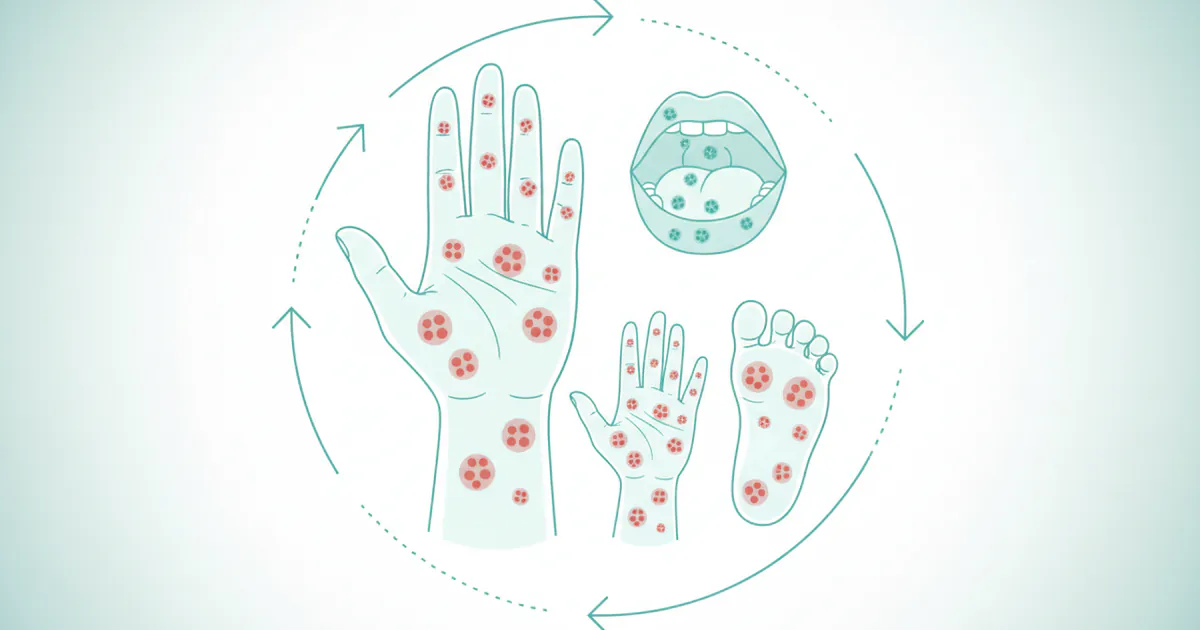
Hand, Foot, and Mouth Disease (HFMD) is a common, often uncomfortable, viral illness that can affect anyone but is particularly prevalent among young children. If you or a loved one has ever experienced the tell-tale rash or painful mouth sores, you've likely wondered: **how long does Hand Foot and
February 23, 2026
Cold Sore vs Pimple on Lip: Complete Comparison Guide
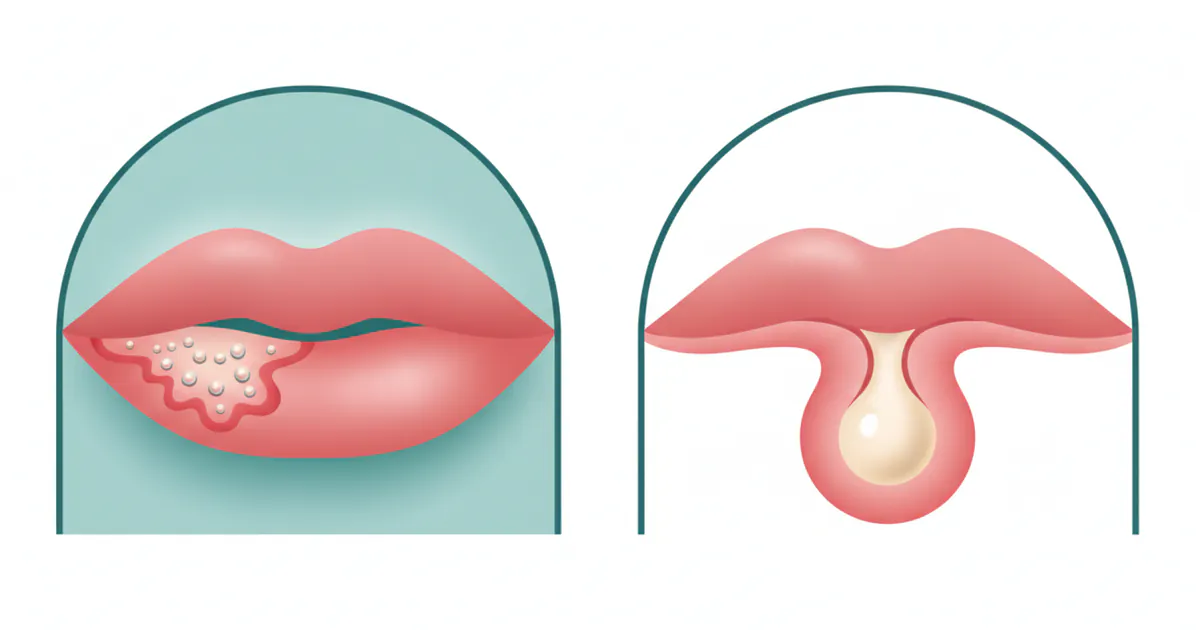
When you notice an unexpected bump or lesion on your lip, your mind might immediately jump to questions of what it is, how long it will last, and most importantly, if it's contagious. The confusion between a cold sore vs pimple on lip is incredibly common, yet the distinction is crucial for prop
February 23, 2026