Pregnancy and Bad Breath: Complete Guide
Key Takeaways
- Pregnancy is a remarkable journey, often accompanied by a host of physiological changes within a woman's body. While many expecting mothers anticipate symptoms like morning sickness, fatigue, or swollen ankles, one less discussed, yet common, concern is pregnancy and bad breath, medically known
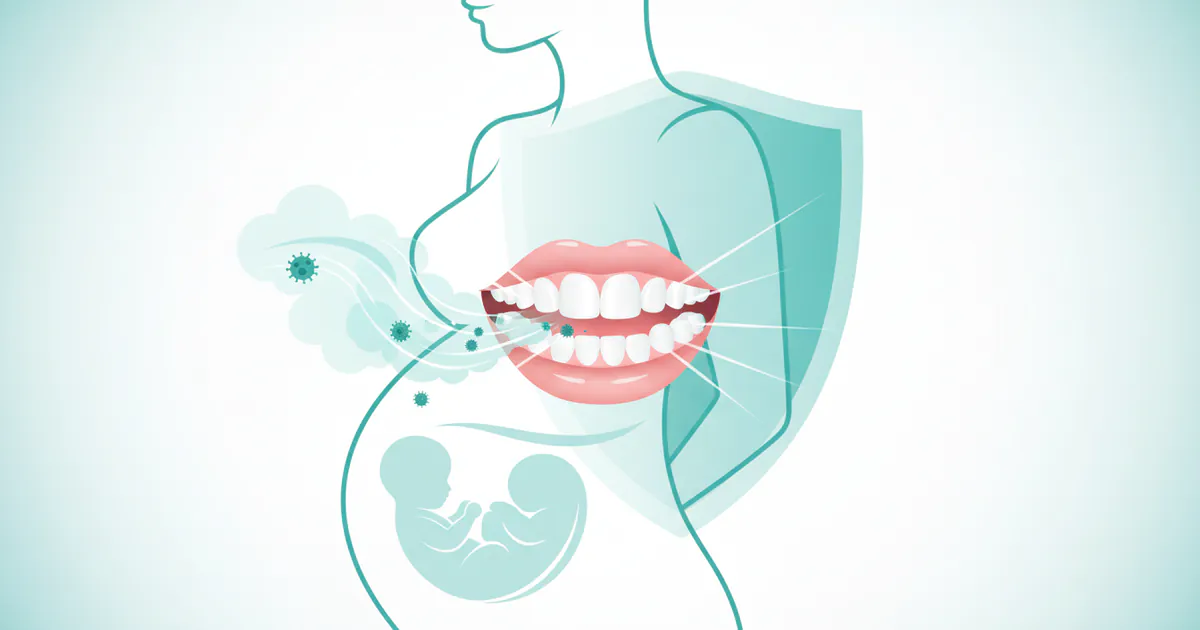
Pregnancy is a remarkable journey, often accompanied by a host of physiological changes within a woman's body. While many expecting mothers anticipate symptoms like morning sickness, fatigue, or swollen ankles, one less discussed, yet common, concern is pregnancy and bad breath, medically known as halitosis. Studies suggest that a significant percentage of pregnant women experience changes in their oral health, including heightened sensitivity and increased risk of gum issues, which can directly contribute to persistent bad breath. This article from SmilePedia.net aims to provide a comprehensive guide, exploring the root causes of bad breath during pregnancy, its potential implications, and effective, safe strategies for prevention and treatment, ensuring you can maintain optimal oral health for both yourself and your developing baby. We'll delve into everything from hormonal shifts to dietary influences, and even touch upon broader systemic connections like whether can bad gut health cause bad breath or, in rare cases, if does kidney disease cause bad breath, giving you a complete picture of this often-overlooked pregnancy symptom.
Key Takeaways:
- Prevalence: Up to 75% of pregnant women experience some form of gum inflammation, a primary cause of bad breath.
- Primary Cause: Hormonal fluctuations (estrogen and progesterone) during pregnancy increase gum sensitivity and inflammation, leading to "pregnancy gingivitis" and heightened bacterial activity.
- Other Contributors: Morning sickness (acid reflux), dietary changes, dry mouth, and dehydration significantly exacerbate bad breath.
- Safety First: Most dental treatments, including cleanings and fillings, are safe during pregnancy, especially in the second trimester. Always inform your dentist about your pregnancy status.
- Cost of Care: Routine dental cleanings typically cost $75-$200 without insurance, often covered by most dental plans. Treatments for gum disease can range from $200-$1,000+ per quadrant.
- Prevention is Key: Consistent and thorough oral hygiene (brushing twice daily, flossing daily, tongue scraping), adequate hydration, and managing morning sickness are vital preventive measures.
- Systemic Link: Untreated oral infections during pregnancy are linked to adverse outcomes like preterm birth and low birth weight, highlighting the importance of addressing bad breath promptly.
What It Is / Overview
Bad breath, or halitosis, refers to an unpleasant odor emanating from the mouth. During pregnancy, this condition can become more pronounced and persistent for many women. While occasional bad breath can affect anyone, pregnancy-related halitosis is often a direct consequence of the profound physiological changes occurring in the expectant mother's body. It's not just a social inconvenience; it can indicate underlying oral health issues that warrant attention.
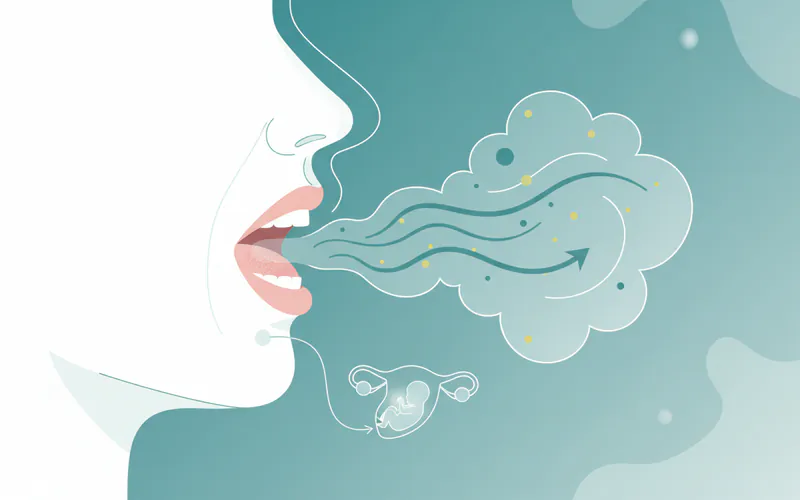
The primary culprits behind bad breath are volatile sulfur compounds (VSCs), which are gases produced by anaerobic bacteria residing in the mouth, particularly on the back of the tongue, between teeth, and under the gum line. These bacteria thrive on food debris and dead cells. In pregnancy, several factors create an environment conducive to increased bacterial growth and VSC production, leading to more noticeable and often frustrating bad breath. Understanding these mechanisms is the first step toward effective management and ensuring both maternal and fetal well-being.
Causes / Why It Happens
The causes of bad breath during pregnancy are multi-faceted, stemming from hormonal shifts, dietary changes, and increased susceptibility to oral health issues.
Hormonal Changes
The dramatic increase in hormones like estrogen and progesterone is arguably the most significant contributor to oral changes during pregnancy.
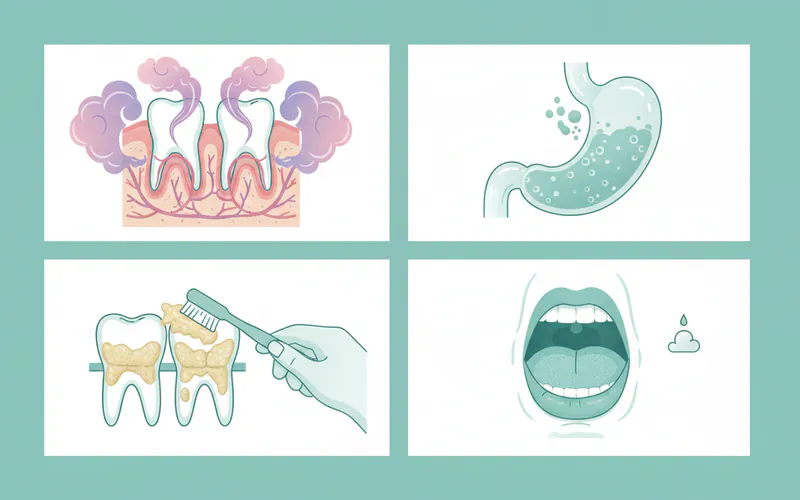
- Increased Blood Flow to Gums: These hormones cause the blood vessels in the gums to dilate, leading to increased blood flow. This makes the gums more sensitive, prone to inflammation, swelling, and bleeding, a condition known as pregnancy gingivitis. Studies show that up to 75% of pregnant women develop gingivitis. Inflamed gums create deeper pockets where food particles and bacteria can accumulate, leading to increased production of volatile sulfur compounds (VSCs) and, consequently, bad breath.
- Changes in Saliva Composition: Hormonal fluctuations can also alter the composition and flow of saliva. While some women experience increased salivation (ptyalism), others may suffer from dry mouth (xerostomia), both of which can impact oral hygiene and contribute to halitosis.
Morning Sickness and Acid Reflux
- Vomiting: The frequent episodes of morning sickness, characterized by nausea and vomiting, expose the mouth to stomach acids. These acids not only erode tooth enamel over time but also leave a sour or metallic taste and odor in the mouth. Even if vomiting doesn't occur, the lingering taste and odor from stomach acid can contribute to bad breath.
- Acid Reflux (GERD): Many pregnant women experience gastroesophageal reflux disease (GERD) or heartburn due to the relaxation of the esophageal sphincter by progesterone and the pressure of the growing uterus on the stomach. The regurgitation of stomach contents and gases into the esophagus and mouth can directly cause a sour taste and foul odor.
Dietary Changes and Cravings
Pregnancy often brings about shifts in dietary habits, including increased snacking, cravings for sugary or acidic foods, and changes in appetite.
- Frequent Snacking: Eating more often, especially without immediate brushing, leaves more food particles in the mouth for bacteria to feast on.
- Sugary and Acidic Foods: Cravings for sweets can fuel oral bacteria, while acidic foods can alter the mouth's pH, creating a more favorable environment for odor-producing microbes.
- Dehydration: Some pregnant women may unintentionally reduce fluid intake, leading to dehydration. This, in turn, can decrease saliva production, which is crucial for rinsing away food particles and neutralizing acids.
Dry Mouth (Xerostomia)
Dry mouth is a common complaint during pregnancy, exacerbated by hormonal changes, increased fluid needs, and sometimes by medications. Saliva acts as a natural cleanser, washing away food debris and bacteria, and helping to neutralize acids. A reduction in saliva flow means bacteria can proliferate unchecked, leading to a build-in of odor-causing compounds.
Poor Oral Hygiene
While seemingly obvious, the discomforts of pregnancy, such as fatigue, morning sickness, and sensitive gums, can sometimes lead to a lapse in diligent oral hygiene. Skipping brushing, flossing, or neglecting tongue cleaning allows plaque and bacteria to accumulate, intensifying bad breath.
Oral Infections and Dental Issues
- Periodontal Disease: Untreated pregnancy gingivitis can progress to periodontitis, a more severe gum infection that damages the soft tissue and bone supporting the teeth. Periodontitis is characterized by deeper gum pockets, bleeding, and significant bacterial accumulation, leading to severe halitosis.
- Dental Caries (Cavities): Increased sugar intake and acid exposure from morning sickness can heighten the risk of cavities. Decaying teeth can harbor bacteria and food particles, contributing to bad breath.
- Oral Thrush (Candidiasis): While less common, hormonal changes can sometimes alter the oral microbiome, making some pregnant women more susceptible to oral yeast infections (thrush), which can also cause an unpleasant taste and odor.
Systemic Connections: Can Bad Gut Health Cause Bad Breath?
This is a pertinent question, especially during pregnancy when gastrointestinal changes are common. The answer is yes, bad gut health can cause bad breath, particularly through mechanisms exacerbated during pregnancy:
- GERD/Acid Reflux: As discussed, stomach acids and gases can travel up the esophagus, causing a distinct sour or foul odor. This is a direct link between gut (stomach) health and breath.
- Dysbiosis: An imbalance of bacteria in the gut (dysbiosis) can sometimes produce volatile compounds that are absorbed into the bloodstream, transported to the lungs, and exhaled through the breath. While this is a less common direct cause than oral bacteria, severe gut issues could potentially contribute.
- Constipation: Some theories suggest severe constipation can lead to the absorption of toxins into the bloodstream, which are then expelled through the lungs, contributing to bad breath. Pregnancy often brings constipation, so this could be a minor contributing factor.
Systemic Connections: Does Kidney Disease Cause Bad Breath?
While does kidney disease cause bad breath is an important question, it's crucial to understand it's generally not a primary cause of bad breath in healthy pregnant women. However, it's a critical differential diagnosis for unexplained, severe, and persistent bad breath, especially if accompanied by other systemic symptoms.
- Uremic Fetor: In advanced kidney disease (renal failure), the kidneys cannot efficiently filter waste products from the blood. Urea, a waste product, accumulates in the body and is broken down into ammonia by bacteria in the mouth. This results in a distinctive ammonia-like or urine-like odor on the breath, known as "uremic fetor."
- Implication for Pregnancy: While not a common cause of bad breath in typical pregnancy, it's essential for healthcare providers to consider systemic conditions if a pregnant woman presents with severe, unusual halitosis that doesn't respond to standard oral hygiene measures, especially if there are other signs of kidney dysfunction. This highlights the importance of thorough medical evaluation during pregnancy.
Signs and Symptoms
Beyond the obvious unpleasant odor, bad breath during pregnancy can be accompanied by several other signs and symptoms:
- Persistent Unpleasant Taste: Many women report a sour, metallic, or generally foul taste that doesn't go away, even after brushing.
- Dry Mouth: A feeling of stickiness or dryness in the mouth, often worse upon waking.
- Bleeding Gums: Gums that appear swollen, red, and bleed easily during brushing or flossing are classic signs of pregnancy gingivitis.
- Visible Plaque Buildup: A fuzzy or rough feeling on the teeth, especially at the gum line.
- White Coating on the Tongue: A film of bacteria and dead cells often found on the back of the tongue.
- Increased Tooth Sensitivity: Due to gum recession or enamel erosion from acid exposure.
Treatment Options
Effectively treating bad breath during pregnancy involves a multi-pronged approach that addresses the underlying causes while ensuring the safety of both mother and baby.
1. Enhanced Oral Hygiene Practices
- Pros: Safe, effective, and fundamental for preventing and treating most cases of halitosis. Improves overall oral health.
- Cons: Requires consistency and diligent effort.
- Details:
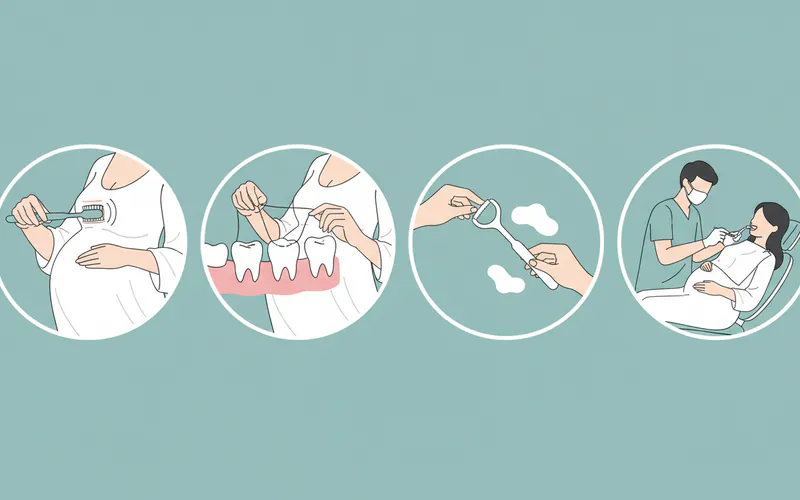
- Brushing: Brush teeth twice daily for at least two minutes each time, using a soft-bristled toothbrush and fluoride toothpaste. Consider an electric toothbrush for more effective plaque removal. Pay extra attention to the gum line.
- Flossing: Floss daily to remove food particles and plaque from between teeth and under the gum line, where brushes cannot reach. If gums are sensitive, choose a soft, waxed floss.
- Tongue Scraping: Use a tongue scraper or the back of your toothbrush to gently scrape the tongue daily, from back to front. This removes a significant amount of odor-causing bacteria.
- Rinsing: After vomiting from morning sickness, rinse your mouth with water or a fluoride mouthwash (non-alcoholic) instead of brushing immediately. Brushing after acid exposure can further erode softened enamel.
2. Professional Dental Care
- Pros: Essential for addressing underlying gum disease, plaque buildup, and cavities. Safe and recommended during pregnancy.
- Cons: Involves cost and requires scheduling.
- Details:
- Routine Cleanings: Schedule regular dental check-ups and professional cleanings (prophylaxis) at least once during your pregnancy, ideally in the second trimester. Your dentist can remove hardened plaque (calculus) that cannot be removed by brushing and flossing alone.
- Treatment for Gingivitis/Periodontitis: If pregnancy gingivitis is present, your dentist may recommend more frequent cleanings or a deep cleaning (scaling and root planing) to remove plaque and tartar below the gum line. Local anesthesia, if needed, is generally safe during pregnancy in appropriate doses.
- Cavity Treatment: Dental fillings are safe during pregnancy. Amalgam fillings can generally be replaced with composite (tooth-colored) fillings if necessary, though extensive replacements are often postponed until after birth unless urgent.
3. Dietary and Hydration Adjustments
- Pros: Natural, addresses root causes, and benefits overall health.
- Cons: Requires dietary discipline.
- Details:
- Stay Hydrated: Drink plenty of water throughout the day. This helps produce adequate saliva to cleanse the mouth. Aim for 8-10 glasses (approximately 2-2.5 liters) daily.
- Limit Sugary and Acidic Foods: Reduce intake of candies, sodas, and highly acidic fruits and juices, which can fuel bacteria and erode enamel.
- Balanced Diet: Incorporate plenty of fresh fruits and vegetables. Crunchy foods like apples and carrots can act as natural tooth scrubbers.
- Manage Morning Sickness: Eat small, frequent meals to help prevent an empty stomach, which can trigger nausea. Keep crackers or dry toast by your bed. Talk to your doctor about safe anti-nausea remedies.
4. Mouthwashes and Oral Rinses
- Pros: Provides immediate relief from bad breath and can help manage bacteria.
- Cons: Some ingredients may not be suitable for pregnancy; does not treat underlying causes.
- Details:
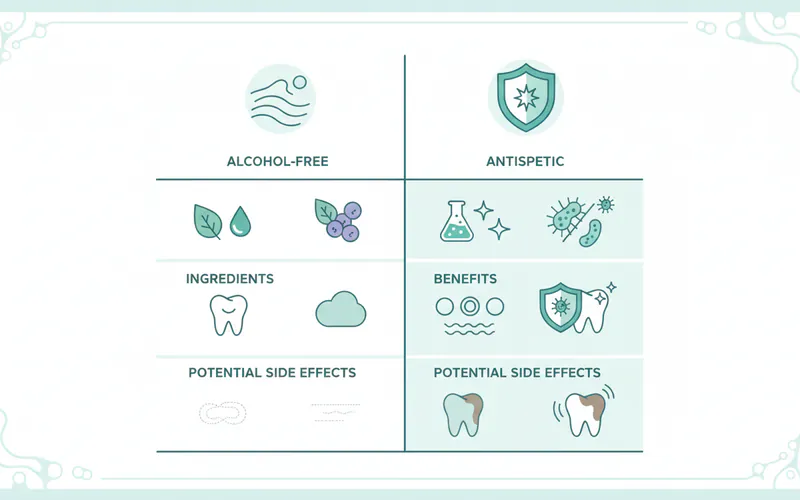
- Alcohol-Free Antiseptic Mouthwash: Choose mouthwashes that are alcohol-free to avoid drying out your mouth. Look for those containing chlorhexidine (prescription only for specific conditions) or essential oils like menthol or eucalyptol, always consulting your dentist or doctor first.
- Fluoride Rinse: Can help strengthen enamel, especially if you're experiencing acid exposure from morning sickness.
- Saline Rinse: A simple homemade saline rinse (1/2 teaspoon salt in 8 ounces of warm water) can soothe inflamed gums and help wash away bacteria.
5. Managing Dry Mouth
- Pros: Improves comfort and reduces bacterial overgrowth.
- Cons: Temporary solutions, may require consistent application.
- Details:
- Sugar-Free Gum/Mints: Chewing sugar-free gum (especially those with xylitol) or sucking on sugar-free candies can stimulate saliva flow. Xylitol also has anti-cavity properties.
- Saliva Substitutes: Over-the-counter artificial saliva sprays or gels can provide relief for severe dry mouth.
Pro Tip:
Always inform your dentist that you are pregnant. They can adjust treatments and product recommendations to ensure they are safe for both you and your baby. The American Dental Association (ADA) strongly recommends that pregnant women receive dental care, including restorative treatments, as needed.
Step-by-Step Process: What to Expect
1. At Home: Daily Oral Hygiene Routine for Pregnant Women
- Morning:
- If Nauseated/Vomiting: Immediately after vomiting, rinse your mouth thoroughly with plain water or a non-alcoholic mouthwash. Wait at least 30-60 minutes before brushing to allow enamel to re-harden, preventing acid erosion.
- Otherwise: Brush your teeth for two minutes with a soft-bristled toothbrush and fluoride toothpaste. Gently brush all surfaces of your teeth and along the gum line.
- Tongue Scrape: Gently scrape your tongue from back to front 2-3 times.
- Floss: Use dental floss to clean between all teeth and under the gum line.
- Hydrate: Drink a glass of water.
- Throughout the Day:
- Snacks: If you snack, try to rinse your mouth with water afterward.
- Hydration: Sip water frequently throughout the day.
- Sugar-Free Gum/Mints: Chew sugar-free gum with xylitol after meals to stimulate saliva.
- Evening (Before Bed):
- Brush: Repeat the two-minute brushing routine.
- Floss: Repeat flossing.
- Tongue Scrape: Repeat tongue scraping.
- Mouthwash (Optional): Use an alcohol-free antimicrobial or fluoride mouthwash if recommended by your dentist.
- Avoid: Eating or drinking anything other than water after your evening oral hygiene routine.
2. At the Dentist: What to Expect During Pregnancy
- Initial Consultation:
- Disclose Pregnancy: Inform the dental office about your pregnancy status and gestation period immediately upon arrival or when scheduling.
- Medical History: Your dentist will review your complete medical history, including any medications you're taking and pregnancy-related complications.
- Examination:
- Oral Assessment: The dentist will perform a thorough examination of your teeth, gums, and oral tissues, checking for signs of gingivitis, periodontitis, cavities, or other issues contributing to bad breath.
- X-rays (If Necessary): Dental X-rays are generally considered safe during pregnancy with appropriate shielding (lead apron), especially if essential for diagnosis (e.g., severe pain, infection). However, elective X-rays are usually postponed until after birth.
- Professional Cleaning (Prophylaxis):
- Scaling: The dental hygienist will use specialized tools to remove plaque and tartar from above and below the gum line.
- Polishing: Teeth will be polished to remove surface stains and smooth the enamel.
- Fluoride Treatment: A fluoride varnish may be applied to help strengthen enamel and prevent cavities, especially if you have increased acid exposure from morning sickness.
- Treatment Plan Discussion:
- Based on findings, your dentist will discuss a personalized treatment plan.
- Gingivitis: May recommend more frequent cleanings (e.g., every 3-4 months instead of 6 months).
- Periodontitis: Deep cleaning (scaling and root planing) might be recommended. Local anesthesia is typically safe.
- Cavities: Fillings can be safely performed.
- Emergencies: Dental emergencies (e.g., severe infections, abscesses) are always treated promptly, as untreated infections can pose risks to both mother and baby.
- Home Care Instructions:
- The dental team will provide detailed instructions on optimal oral hygiene practices specific to your needs during pregnancy.
Cost and Insurance
The cost of dental care during pregnancy can vary widely based on your location, the specific procedures needed, and your insurance coverage. Most routine dental care is covered by standard dental insurance plans.
Average US Price Ranges (Without Insurance):
- Routine Dental Check-up & Cleaning (Prophylaxis):
- Low: $75 - $120
- Mid: $120 - $200
- High: $200 - $300 (for more extensive cleanings or specialist clinics)
- Dental X-rays (Full Mouth/Panoramic):
- Often included in check-up, but if separate: $25 - $150
- Dental Filling (Composite, single surface):
- Low: $90 - $250
- Mid: $250 - $400
- High: $400 - $600+
- Deep Cleaning (Scaling & Root Planing, per quadrant):
- Low: $200 - $400
- Mid: $400 - $700
- High: $700 - $1,000+ (Note: A full mouth deep cleaning usually involves 4 quadrants, so costs can multiply.)
- Emergency Visit (for pain/infection):
- Examination only: $75 - $150
- With minor treatment (e.g., antibiotics, temporary filling): $200 - $500+
Insurance Coverage:
- Most Dental Insurance Plans: Typically cover 100% of preventive care (check-ups, cleanings, X-rays) with no or minimal co-pay. Basic restorative procedures (fillings) are often covered at 70-80% after a deductible. Major procedures (deep cleanings, crowns) might be covered at 50%.
- Medicaid/CHIP: In many states, Medicaid provides dental benefits for pregnant women, often covering preventive and basic restorative services. Coverage varies by state, so it's essential to check your specific state's program.
- Affordable Care Act (ACA) Plans: While pediatric dental is an essential health benefit, adult dental coverage varies significantly. Many plans offer "embedded" adult dental (covered by the medical plan) or "stand-alone" dental plans.
- HSA/FSA: Health Savings Accounts (HSAs) and Flexible Spending Accounts (FSAs) can be used to pay for qualified dental expenses pre-tax, reducing your out-of-pocket costs.
Cost-Saving Tips:
- Preventive Care: The best way to save money is to prevent major issues. Regular cleanings are far less expensive than treating advanced gum disease or multiple cavities.
- Check Your Benefits: Contact your insurance provider before your appointment to understand your specific coverage for pregnancy-related dental care.
- Negotiate with Dentists: Some dentists offer discounts for uninsured patients or payment plans. Don't hesitate to ask.
- Dental Schools: Dental schools often offer reduced-cost services performed by students under the supervision of experienced faculty.
- Community Clinics: Local health departments or community dental clinics may provide low-cost or sliding-scale services.
Recovery and Aftercare
Recovery from routine dental cleanings is minimal, with most pregnant women feeling normal immediately afterward. If you've had a deep cleaning or a filling, you might experience some temporary gum sensitivity or soreness.
- Mild Discomfort: Over-the-counter pain relievers like acetaminophen (Tylenol) are generally considered safe during pregnancy for mild pain. Always consult your doctor before taking any medication.
- Gum Sensitivity: Gums might be slightly sensitive for a day or two, especially after a deep cleaning. Continue gentle brushing and flossing.
- Swelling: Minor swelling is rare but can be managed with a cold compress if needed.
- Ongoing Oral Hygiene: The most critical aspect of aftercare is maintaining the enhanced oral hygiene routine recommended by your dentist. This includes diligent brushing, flossing, and tongue scraping.
- Dietary Vigilance: Continue to manage sugary and acidic food intake and stay well-hydrated.
- Follow-up Appointments: Attend any follow-up appointments scheduled by your dentist, especially if you were treated for gum disease.
Prevention
Preventing bad breath during pregnancy is largely about proactive and consistent oral health management.
- Maintain Excellent Oral Hygiene: This is paramount.
- Brush twice daily with fluoride toothpaste for two minutes.
- Floss daily.
- Scrape your tongue daily.
- Consider an antiseptic, alcohol-free mouthwash if recommended by your dentist.
- Regular Dental Check-ups: Schedule at least one, preferably two, dental visits during your pregnancy for cleanings and examinations. Early detection and treatment of gingivitis are crucial.
- Stay Hydrated: Drink plenty of water throughout the day to encourage saliva flow and rinse away food particles.
- Manage Morning Sickness:
- Eat small, frequent meals to minimize nausea.
- Keep dry crackers or toast by your bedside.
- Rinse your mouth with water or a fluoride mouthwash immediately after vomiting, waiting 30-60 minutes before brushing.
- Balanced Diet: Limit sugary and acidic foods. Opt for nutrient-rich fruits, vegetables, and lean proteins.
- Avoid Dry Mouth Triggers: Limit caffeine intake, and consider sugar-free gum with xylitol to stimulate saliva.
- Quit Smoking: Smoking significantly worsens bad breath and severely compromises oral health, increasing the risk of gum disease and other complications for both mother and baby. If you smoke, seek support to quit.
Risks and Complications
While bad breath itself is generally not harmful, the underlying causes, especially untreated gum disease, can pose significant risks during pregnancy.
- Progression of Gum Disease: Untreated pregnancy gingivitis can progress to periodontitis, a serious infection that destroys the bone and tissues supporting teeth. This can lead to tooth loosening or even loss.
- Adverse Pregnancy Outcomes: This is the most concerning complication. A strong body of evidence suggests a link between severe periodontal disease in pregnant women and increased risks of:
- Preterm Birth: Delivering before 37 weeks of gestation.
- Low Birth Weight: Babies born weighing less than 5.5 pounds.
- Preeclampsia: A serious pregnancy complication characterized by high blood pressure and organ damage. The theory is that the inflammation and bacteria from the infected gums can enter the bloodstream, triggering a systemic inflammatory response that can affect the uterus and placenta.
- Increased Cavity Risk: Poor oral hygiene and frequent exposure to acids from morning sickness or sugary cravings can lead to a higher incidence of dental caries, which, if untreated, can cause pain, infection, and necessitate more complex dental procedures.
- Impact on Quality of Life: Persistent bad breath can cause significant self-consciousness, anxiety, and social discomfort for the expectant mother.
Comparison Tables
Comparison of Bad Breath Causes in Pregnancy
| Cause | Primary Mechanism | Relative Contribution to Halitosis | Management Strategy |
|---|---|---|---|
| Hormonal Changes | Increased gum inflammation (gingivitis), altered saliva | High | Enhanced oral hygiene, professional cleanings |
| Morning Sickness | Exposure to stomach acids, food debris | High | Rinse after vomiting, eat small meals, anti-nausea meds |
| Poor Oral Hygiene | Accumulation of plaque, bacteria on teeth and tongue | High | Diligent brushing, flossing, tongue scraping |
| Dry Mouth | Reduced saliva flow, less cleansing action | Medium-High | Hydration, sugar-free gum, saliva substitutes |
| Dietary Habits | Frequent sugary/acidic foods, dehydration | Medium | Balanced diet, limit sugars, adequate water intake |
| Gut Health (GERD) | Acid reflux, regurgitation of stomach contents | Medium (can be high for some) | Dietary modification, medical consultation for GERD |
| Kidney Disease | Accumulation of ammonia (uremic fetor) | Low (rare in healthy pregnancy) | Medical consultation, kidney function assessment |
Comparison of Oral Hygiene Products for Pregnant Women
| Product Type | Benefits | Considerations for Pregnancy | Average Cost (US) |
|---|---|---|---|
| Soft-Bristled Toothbrush | Gentle on sensitive gums, effective plaque removal | Replace every 3 months or after illness, electric brushes are often more effective | $3 - $20 |
| Fluoride Toothpaste | Strengthens enamel, fights cavities | ADA-approved, ensure it contains fluoride | $3 - $10 |
| Dental Floss | Removes interdental plaque and food debris, prevents gum disease | Waxed floss can be easier for tight contacts, daily use is key | $2 - $7 |
| Tongue Scraper | Removes odor-causing bacteria from the tongue surface | Gentle scraping is important to avoid gagging | $5 - $15 |
| Alcohol-Free Mouthwash | Reduces oral bacteria, freshens breath, soothes gums | Avoid alcohol to prevent dry mouth; consult dentist for antiseptic options | $5 - $15 |
| Sugar-Free Gum (with Xylitol) | Stimulates saliva, neutralizes acids, freshens breath | Xylitol can have mild laxative effect in large quantities; chew after meals for best effect | $2 - $5 |
| Saliva Substitutes | Relieves dry mouth symptoms | Temporary relief, good for severe xerostomia | $10 - $25 |
Cost Breakdown for Dental Care in Pregnancy
Understanding the financial aspect of dental care is crucial. While preventive care is generally affordable, neglecting issues can lead to more costly treatments.
Average US Costs (Low, Mid, High Estimates)
- Initial Exam and Cleaning:
- Low: $75 (Basic cleaning at a general practice)
- Mid: $150 (Standard cleaning, possibly with fluoride application)
- High: $300 (Comprehensive exam, full set of X-rays, extensive cleaning at a specialized clinic)
- Treatment for Pregnancy Gingivitis:
- Often covered by standard cleanings and improved home care, but may require more frequent cleanings.
- Additional cleaning visits: $75 - $200 per visit
- Treatment for Periodontitis (Deep Cleaning):
- Per quadrant: $200 - $1,000+
- A full mouth deep cleaning (4 quadrants) can therefore range from $800 - $4,000+.
- Dental Fillings:
- Small composite filling: $90 - $250
- Medium composite filling: $250 - $400
- Large/complex composite filling: $400 - $600+
- Emergency Care:
- Emergency exam only: $75 - $150
- With necessary procedure (e.g., temporary filling, drain abscess): $200 - $500+
With vs. Without Insurance
- With Insurance: Most dental insurance plans cover 100% of preventive services (exams, cleanings) with no or minimal out-of-pocket cost. Basic procedures like fillings are often covered at 70-80% after a deductible (typically $50 - $100). Major procedures might be covered at 50%. Annual maximums for dental insurance often range from $1,000 - $2,500.
- Without Insurance: You will be responsible for 100% of the costs. This is where preventive care becomes even more critical to avoid expensive treatments.
Payment Plans and Financing Options
- In-Office Payment Plans: Many dental offices offer interest-free payment plans, allowing you to pay for treatment over several months.
- Third-Party Financing: Services like CareCredit offer credit lines specifically for healthcare expenses, often with promotional periods of interest-free financing.
- Dental Discount Plans: These are not insurance but offer a percentage discount on dental services from participating providers for an annual fee. Discounts typically range from 10-60%.
- Community and Non-Profit Clinics: These often provide services at a reduced cost based on a sliding scale according to income.
- Dental Schools: As mentioned, dental schools provide high-quality care at a lower cost, supervised by licensed professionals.
Cost-Saving Tips
- Prioritize Prevention: Regular brushing, flossing, and professional cleanings are the most cost-effective ways to avoid expensive treatments like root canals or extractions.
- Utilize Insurance Benefits: Understand your plan's coverage and annual maximums. Schedule necessary treatments before your benefits reset each year.
- Ask About Cash Discounts: Many dental offices offer a discount (e.g., 5-10%) for patients who pay in full at the time of service, especially if they are uninsured.
- Shop Around: Get quotes from a few different dentists for major procedures, but ensure they are reputable and experienced.
Frequently Asked Questions
Is bad breath normal during pregnancy?
Yes, experiencing some degree of bad breath or changes in oral taste is quite common during pregnancy. This is primarily due to hormonal fluctuations that increase gum sensitivity, the effects of morning sickness, and changes in dietary habits. It's often manageable with enhanced oral hygiene and lifestyle adjustments.
When does pregnancy bad breath usually start, and when does it go away?
Pregnancy-related bad breath can start as early as the first trimester, often coinciding with the onset of morning sickness and early hormonal shifts. For many, it may persist throughout pregnancy as long as these contributing factors are present. It typically resolves or significantly improves after delivery as hormone levels return to normal and morning sickness subsides.
Can bad breath harm my baby during pregnancy?
Directly, bad breath itself does not harm your baby. However, the underlying causes of persistent bad breath, particularly untreated gum disease (periodontitis), have been linked to an increased risk of adverse pregnancy outcomes such as preterm birth and low birth weight. This highlights the importance of addressing the cause of bad breath.
What over-the-counter remedies can I use for bad breath when pregnant?
You can safely use alcohol-free mouthwashes, sugar-free gum with xylitol, and a tongue scraper. For dry mouth, over-the-counter saliva substitutes are also generally safe. Always ensure fluoride toothpaste is used for brushing. Consult your dentist or OB-GYN before using any new product.
Are dental treatments like fillings or deep cleanings safe during pregnancy?
Yes, most dental treatments, including routine cleanings, fillings, and even deep cleanings (scaling and root planing), are safe and recommended during pregnancy. The second trimester is generally considered the safest period for elective procedures. Local anesthesia, if needed, is also safe in appropriate doses. Always inform your dentist about your pregnancy status.
How much does a dental cleaning typically cost during pregnancy without insurance?
A routine dental cleaning (prophylaxis) in the US typically costs between $75 and $200 without insurance. The price can vary based on location and the extent of cleaning required. If you have significant plaque or tartar buildup, it might cost more.
Can dietary changes help reduce bad breath during pregnancy?
Absolutely. Staying well-hydrated by drinking plenty of water, limiting sugary and acidic foods, and eating small, frequent meals to manage morning sickness can significantly reduce bad breath. Crunchy fruits and vegetables can also help naturally cleanse your mouth.
Is it normal to have a metallic taste along with bad breath?
Yes, a metallic or sour taste is a very common complaint during pregnancy, often alongside bad breath. This is primarily attributed to hormonal changes and can also be exacerbated by morning sickness and acid reflux. This taste often diminishes as pregnancy progresses or after delivery.
What are the warning signs that I need to see a dentist urgently for bad breath?
You should see a dentist urgently if your bad breath is accompanied by severe toothache, persistent bleeding or swollen gums that don't improve with regular brushing, signs of infection like pus or fever, or if the bad breath is extremely severe and doesn't respond to any home remedies.
Does bad breath always mean I have gum disease?
Not always. While gum disease (gingivitis or periodontitis) is a very common cause of bad breath in pregnancy due to hormonal changes, other factors like morning sickness, dry mouth, dehydration, and certain foods can also cause it. However, persistent bad breath is a strong indicator that you should have your gums checked by a dentist.
When to See a Dentist
While some degree of bad breath can be a normal part of pregnancy, there are clear signs that warrant a professional dental evaluation. Don't delay seeing your dentist, as oral health during pregnancy is intrinsically linked to your overall health and the well-being of your baby.
Routine Care Guidance:
- First Trimester: Schedule an initial check-up to assess your oral health baseline and address any immediate concerns.
- Second Trimester: This is generally the safest time for routine cleanings and any necessary restorative treatments like fillings or deep cleanings.
- Third Trimester: Continue with good home care. Elective procedures are often postponed due to comfort issues in the dental chair, but urgent treatments can still be safely performed.
Red Flags / When to Seek Immediate Attention:
- Persistent, Severe Bad Breath: If your bad breath is overwhelming, doesn't improve with diligent brushing, flossing, and tongue scraping, and is a significant concern, it's time to see a dentist.
- Bleeding, Swollen, or Tender Gums: While some gum sensitivity is common, excessive bleeding, noticeably swollen or red gums, or constant tenderness are classic signs of advanced gingivitis or periodontitis that require professional treatment.
- Pus Around Your Teeth or Gums: This is a definitive sign of infection (abscess) and requires immediate dental attention.
- Severe Toothache: Any sharp, throbbing, or persistent tooth pain could indicate a cavity, infection, or cracked tooth, which needs prompt treatment to prevent it from worsening.
- Loose Teeth: While rare, if you notice any teeth feeling loose, it's an urgent sign of advanced gum disease.
- Metallic Taste Accompanied by Unexplained Symptoms: If your metallic taste and bad breath are accompanied by other unusual systemic symptoms (e.g., unexplained fatigue, swelling, changes in urination), consult your medical doctor immediately, as this could indicate a more serious underlying health issue, though rare.
- Pain or Difficulty Chewing: If oral issues are making it difficult to eat, leading to nutritional concerns, see your dentist promptly.
Remember, your dental team is trained to provide safe and effective care throughout your pregnancy. Don't let myths or fears prevent you from seeking necessary dental treatment. Maintaining excellent oral health is a crucial component of a healthy pregnancy journey.
Frequently Asked Questions
Medically Reviewed Content
This article was written by our dental health editorial team and reviewed for medical accuracy. Our content follows strict editorial guidelines for reliability and trustworthiness.
Medical Disclaimer
This article is for informational purposes only and does not constitute medical advice. Always consult with a qualified dental professional for diagnosis and treatment. Do not delay seeking professional advice because of something you read on this website.
Related Articles
Does Oil Pulling Help Gut Health
The intricate connection between our oral health and overall well-being is a topic of growing fascination and scientific inquiry. Often, when we think of health, we focus on specific organs or systems, overlooking the crucial role of the mouth as a gateway to the rest of the body. One ancient practi
February 23, 2026
Does Oil Pulling Help With Inflammation
It's a question many health-conscious individuals ask as they explore natural remedies: does oil pulling help with inflammation? In an era where holistic approaches to wellness are gaining traction, the ancient practice of oil pulling has resurfaced, promising benefits that extend beyond oral hy
February 23, 2026
Oil Pulling for Kidney Disease: Complete Guide
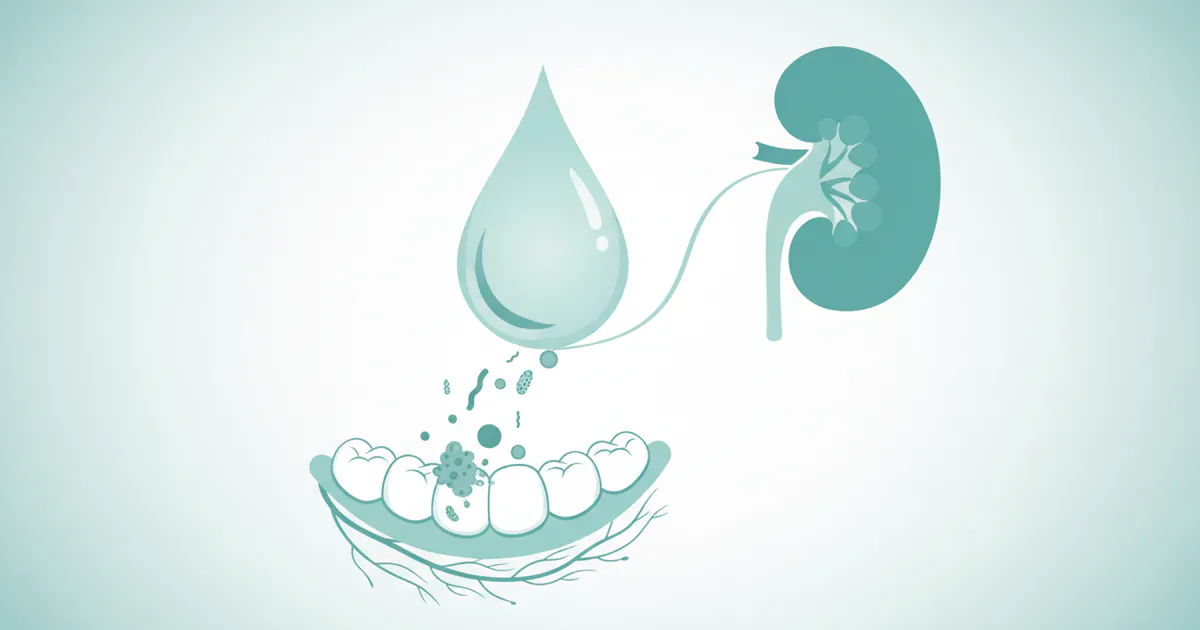
Chronic kidney disease (CKD) affects an estimated 37 million adults in the United States, often progressing silently until advanced stages. What many may not realize is the profound connection between the health of their mouth and the health of their kidneys. As a bridge between traditional wisd
February 23, 2026
Oil Pulling Oral Microbiome: Complete Guide
Have you ever considered the bustling universe thriving within your mouth? This intricate community, known as the oral microbiome, consists of billions of microorganisms – some beneficial, some harmful – all playing a critical role in your oral and overall systemic health. Maintaining a balanced
February 23, 2026