Overbite vs Normal: Complete Comparison Guide
Key Takeaways
- Did you know that up to 70% of children exhibit some form of malocclusion, or "bad bite," with an overbite being one of the most prevalent? For many, the concept of an overbite is simply about aesthetics – a smile that doesn't quite look "perfect." However, understanding the difference between a
Overbite vs Normal: Complete Comparison Guide
Did you know that up to 70% of children exhibit some form of malocclusion, or "bad bite," with an overbite being one of the most prevalent? For many, the concept of an overbite is simply about aesthetics – a smile that doesn't quite look "perfect." However, understanding the difference between an overbite vs normal bite goes far beyond cosmetic concerns. An overbite, characterized by an excessive vertical overlap of the upper front teeth over the lower front teeth, can significantly impact your oral health, jaw function, and overall well-being.
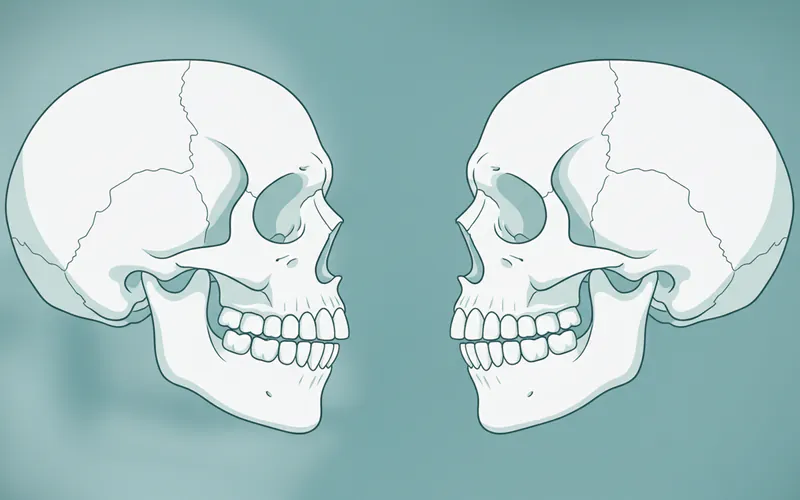
Ignoring an overbite can lead to a cascade of problems, from difficulty chewing and speaking to chronic jaw pain and premature wear of your teeth. Conversely, a normal bite ensures optimal functionality, preserves tooth structure, and contributes to a balanced facial appearance. This comprehensive guide from SmilePedia.net will delve deep into what defines a normal bite versus an overbite, explore the various types, causes, and symptoms, and outline the full spectrum of modern treatment options available. We'll cover everything from traditional braces – including why red braces might be a fun choice – to advanced aligner therapy, discuss costs, insurance, and recovery, empowering you with the knowledge to make informed decisions about your dental health.
Key Takeaways:
- Normal Occlusion (Ideal Bite): Features a slight overlap of upper front teeth (2-4 mm or 20-30%) over lower teeth, ensuring optimal function and aesthetics.
- Overbite (Deep Bite): Occurs when upper front teeth excessively overlap lower teeth (greater than 4 mm or 30%), potentially covering them completely.
- Common Causes: A combination of genetics, childhood habits (like thumb-sucking past age 3-4), missing teeth, and jaw development issues.
- Treatment Costs: Range significantly, from $3,000 to $8,000 for common orthodontic treatments like braces or clear aligners, and potentially $20,000 to $40,000+ for severe cases requiring jaw surgery.
- Treatment Duration: Typically spans 1 to 3 years for active orthodontic treatment, followed by lifelong retainer wear.
- Untreated Risks: Can lead to chewing difficulties, speech impediments, jaw pain (TMJ disorders), accelerated tooth wear, and gum trauma.
- Early Intervention: The American Dental Association (ADA) recommends an orthodontic evaluation for children by age 7 to address potential overbites proactively.
What Is an Overbite?
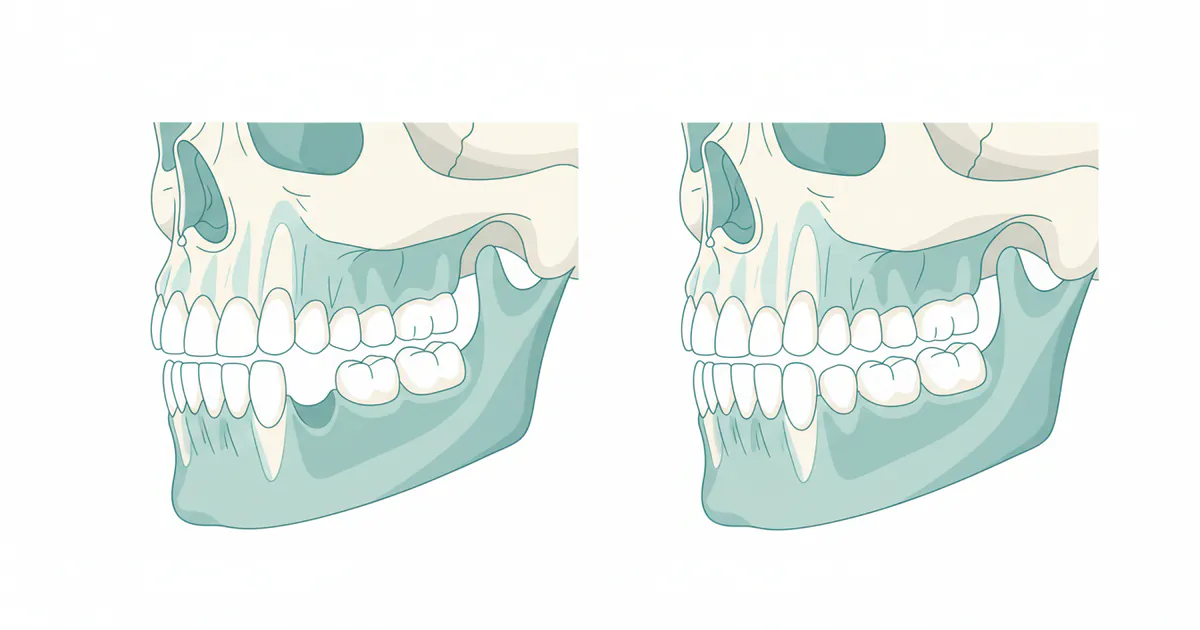
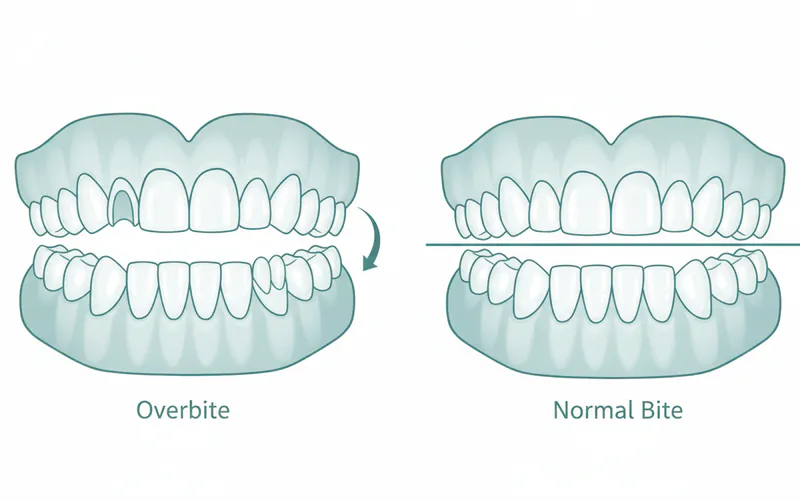
An overbite, also medically referred to as a "deep bite," is a common type of malocclusion where the upper front teeth overlap the lower front teeth excessively in a vertical direction. While a slight overlap is normal and healthy, an overbite becomes a concern when this overlap is too pronounced, often covering more than 30-50% of the lower incisors or even completely hiding them when the teeth are closed.
Imagine looking at your smile in the mirror: if your upper front teeth cover a significant portion, or even all, of your lower front teeth, you likely have an overbite. This condition isn't merely a cosmetic issue; it can lead to a range of functional problems impacting chewing, speech, and the longevity of your teeth and jaw joints. The severity can vary greatly, from mild cases that cause few problems to severe deep bites where the lower teeth bite into the gum tissue behind the upper teeth.
Normal Occlusion: The Ideal Bite
To truly understand an overbite, it's essential to define what constitutes a "normal bite" or "normal occlusion." In dentistry, a normal bite is considered the ideal arrangement of teeth and jaws, often classified as Angle's Class I occlusion. This means:
- Vertical Overlap: The upper front teeth slightly overlap the lower front teeth, typically by about 2-4 millimeters or approximately 20-30% of the lower incisor's height. This provides a clean, efficient biting edge.
- Horizontal Overlap (Overjet): The upper front teeth are slightly in front of the lower front teeth, usually by 1-2 millimeters.
- Molar Relationship: The mesial cusp of the upper first molar fits precisely into the buccal groove of the lower first molar.
- Symmetry and Alignment: All teeth are straight, without significant crowding or spacing, and the midlines of the upper and lower arches align.
A normal bite ensures that your teeth can efficiently cut and grind food, your speech is clear, and your jaw joints (temporomandibular joints, or TMJ) function without undue stress. It also contributes to a balanced facial profile and makes maintaining optimal oral hygiene easier, reducing the risk of decay and gum disease.
Types of Overbites
Overbites aren't a one-size-fits-all condition; they manifest in different ways, influenced by their underlying cause. Understanding these types is crucial for effective diagnosis and treatment planning.
Skeletal Overbite
A skeletal overbite originates from a discrepancy in the size or position of the jaw bones themselves. This typically means the upper jaw (maxilla) is too far forward or too large, or the lower jaw (mandible) is too far back or too small, or a combination of both.
- Characteristics: Often presents with a receding chin, giving the appearance that the lower jaw is "set back."
- Causes: Primarily genetic. If parents or close relatives have a skeletal overbite, there's a higher chance their children will too.
- Treatment: Can be more complex, often requiring a combination of orthodontics and, in severe adult cases, orthognathic (jaw) surgery.
Dental Overbite
A dental overbite, in contrast, primarily involves the positioning of the teeth within normally aligned jaws. The jaw bones themselves may be well-proportioned, but the teeth are tipped or misaligned, leading to the excessive overlap.
- Characteristics: The issue lies more with the angulation of the upper front teeth (tipped inward or outward) rather than the entire jaw structure.
- Causes: Can result from habits like prolonged thumb-sucking, tongue thrusting, or even poorly restored teeth.
- Treatment: Generally more straightforward to correct with orthodontic appliances like braces or clear aligners, as skeletal correction is not required.
Deep Bite
While often used interchangeably with overbite, a deep bite specifically refers to a severe vertical overlap where the upper front teeth completely cover the lower front teeth when the mouth is closed. In extreme cases, the lower front teeth can bite directly into the gum tissue behind the upper front teeth, leading to pain, gum recession, and even bone loss over time.
- Characteristics: Lower teeth are often completely hidden, and there may be visible signs of gum irritation or indentation on the palate.
- Complications: High risk of excessive wear on the chewing surfaces of the back teeth, TMJ problems, and damage to gum tissue.
- Treatment: Requires comprehensive orthodontic intervention, potentially involving various techniques to extrude (move down) the posterior teeth and intrude (move up) the anterior teeth.
Causes of Overbites
Overbites develop from a complex interplay of genetic, developmental, and environmental factors. It's rarely a single cause but rather a combination of influences.
Genetic Factors
Genetics play a significant role in determining the size and shape of your jaws and teeth. If one or both parents have an overbite, their children are more likely to inherit similar jaw structures or tooth alignment issues that can lead to an overbite. Inherited traits such as a smaller lower jaw or a larger upper jaw can directly contribute to a skeletal overbite.
Childhood Habits
Certain habits during childhood, especially those that persist beyond the typical age of cessation, can profoundly influence jaw and tooth development, leading to an overbite.
- Thumb-Sucking and Pacifier Use: Prolonged and vigorous thumb-sucking or pacifier use past the age of 3 or 4 can push the upper front teeth forward and inhibit the proper growth of the lower jaw, contributing to an overbite. The constant pressure can reshape the palate and dental arches.
- Tongue Thrusting: This habit involves the tongue pressing forward against the front teeth, rather than resting against the roof of the mouth, when swallowing. Over time, this repeated pressure can cause the upper front teeth to protrude and lead to an overbite or open bite.
- Nail Biting: Chronic nail biting can place excessive and unusual forces on the front teeth, potentially causing them to shift or contribute to an overbite.
Missing Teeth or Extra Teeth
The absence of certain teeth (hypodontia) or the presence of extra teeth (supernumerary teeth) can disrupt the natural balance of the dental arch.
- Missing Lower Teeth: If lower molars or premolars are missing, the upper teeth may over-erupt or shift, exacerbating an overbite.
- Impacted or Extra Teeth: These can cause crowding or displace other teeth, leading to misalignments that contribute to an overbite.
Jaw Trauma
Injuries or trauma to the jaw during critical growth periods, particularly in childhood, can interfere with normal jaw development, leading to skeletal discrepancies and an overbite. Falls, accidents, or sports injuries that affect the facial bones can alter the growth pattern.
Other Factors
- Mouth Breathing: Chronic mouth breathing, often due to allergies or enlarged tonsils/adenoids, can affect jaw development. When the mouth is consistently open, the tongue rests lower in the mouth, which can narrow the upper jaw and contribute to an overbite.
- Premature Loss of Baby Teeth: If baby teeth are lost too early, permanent teeth may erupt incorrectly or other teeth may drift, creating space issues that contribute to an overbite.
Signs and Symptoms of an Overbite
Recognizing the signs and symptoms of an overbite is the first step toward seeking appropriate treatment. These indicators can range from easily visible dental misalignments to more subtle functional issues that affect your daily life.
Visible Indicators
The most obvious signs of an overbite are visual:
- Excessive Vertical Overlap: When you bite down, your upper front teeth cover a large portion or even completely hide your lower front teeth. This is the hallmark characteristic.
- Hidden Lower Front Teeth: In severe deep bite cases, the lower front teeth may be almost or entirely invisible when your mouth is closed.
- Receding Chin: For skeletal overbites, the lower jaw might appear underdeveloped or set back, leading to a less prominent chin or a "weak chin" profile. This can affect overall facial harmony.
- Protruding Upper Front Teeth: In some cases, the upper front teeth may stick out noticeably, a condition often called "buck teeth." While overjet (horizontal protrusion) is distinct from overbite (vertical overlap), they can often coexist.
- Crowding or Spacing: Overbites can sometimes be accompanied by crowded teeth (not enough space) or widely spaced teeth, as the bite discrepancy affects the entire dental arch.
Functional Issues
Beyond aesthetics, an overbite can significantly impair oral function:
- Difficulty Chewing and Biting: An improper bite can make it hard to efficiently chew certain foods, leading to digestive issues or avoidance of healthy, harder foods. Biting into things like apples or corn on the cob can be challenging.
- Speech Impediments: The position of the front teeth and jaw greatly influences speech. An overbite can lead to lisps, whistling sounds, or other difficulties in pronouncing certain words or sounds clearly.
- Jaw Pain and TMJ Disorders: The misalignment of the bite can place undue stress on the temporomandibular joints (TMJ), which connect your jaw to your skull. This can result in chronic jaw pain, headaches, earaches, facial pain, clicking or popping sounds in the jaw, and difficulty opening or closing your mouth.
- Excessive Tooth Wear: When teeth don't meet correctly, certain teeth can experience abnormal friction and pressure. This can lead to the premature wearing down of enamel, chipping of teeth, or even loosening of teeth over time. The biting surfaces of both upper and lower teeth may show signs of attrition.
- Gum Irritation or Trauma: In severe deep bites, the lower front teeth can repeatedly bite into the gum tissue behind the upper front teeth, causing inflammation, soreness, and even gum recession or lesions.
- Headaches and Neck Pain: Chronic jaw muscle strain and TMJ issues stemming from an overbite can refer pain to other areas, commonly manifesting as tension headaches or neck pain.
Treatment Options for Overbites
Correcting an overbite involves orthodontic intervention tailored to the specific type and severity of the malocclusion. The goal is to achieve a balanced, functional, and aesthetically pleasing bite. Here are the primary treatment options:
Traditional Braces
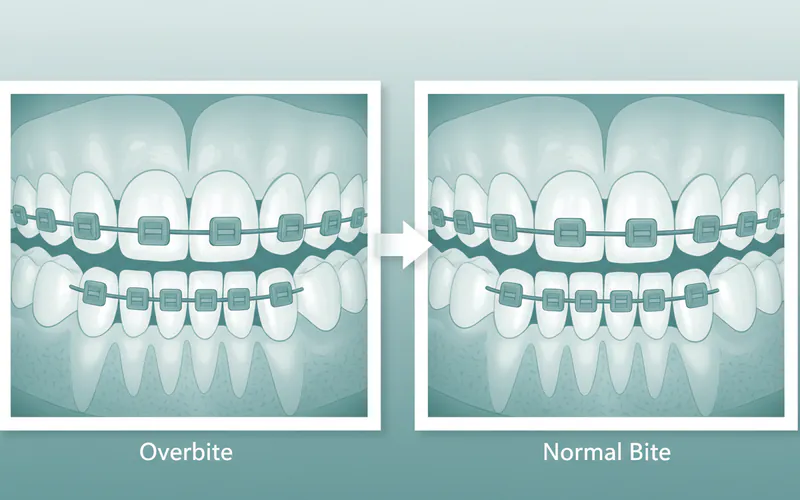
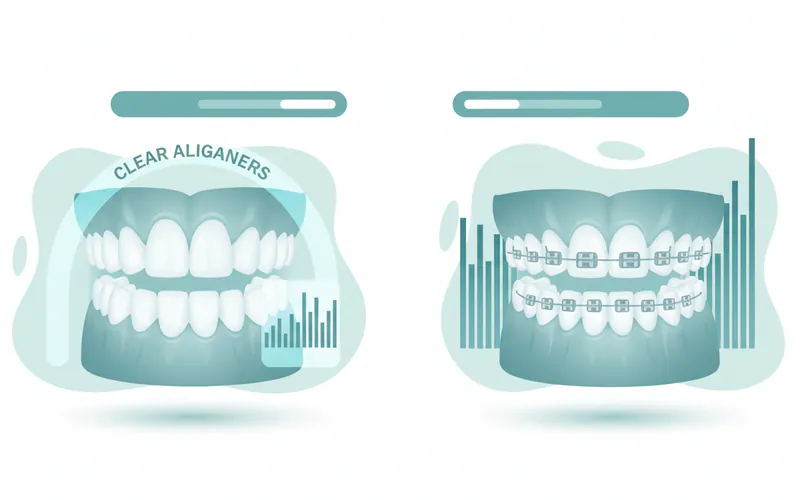
Description: Traditional metal braces consist of stainless steel brackets bonded to each tooth, connected by archwires, and secured with elastic bands (ligatures). They are the most common and often the most cost-effective method for correcting a wide range of orthodontic issues, including overbites.
- Pros: Highly effective for severe and complex overbites, durable, can precisely move teeth into desired positions, and often the most affordable option.
- Cons: Clearly visible, can cause initial discomfort and mouth sores, requires careful oral hygiene, and involves dietary restrictions (avoiding sticky, hard, or crunchy foods).
- Cost: Average cost in the US ranges from $3,000 to $7,000.
- Pro Tip: For those looking to express their personality, talk to your orthodontist about colored elastic bands. Red braces are a popular choice for adding a vibrant, bold touch to your smile throughout treatment!
Ceramic Braces
Description: Similar in structure to traditional metal braces, but the brackets are made from translucent ceramic material, which blends in more naturally with the color of your teeth.
- Pros: Much less noticeable than metal braces, offering a more aesthetic option for adult patients.
- Cons: More fragile and prone to chipping than metal brackets, can stain (especially the elastic ties) if not cared for properly, and slightly larger than metal brackets. May also be slightly more expensive.
- Cost: Average cost ranges from $4,000 to $8,000.
Lingual Braces
Description: Lingual braces are custom-made brackets and wires placed on the inside (tongue side) of your teeth, making them virtually invisible from the outside.
- Pros: Excellent aesthetic appeal as they are completely hidden.
- Cons: Significantly higher cost due to custom fabrication and specialized placement, can initially affect speech (lisp) and tongue comfort, and are generally harder to clean. Not all orthodontists offer lingual braces.
- Cost: Typically range from $8,000 to $10,000+.
Clear Aligners (e.g., Invisalign)
Description: Clear aligners are a series of custom-made, removable, transparent plastic trays that gradually shift your teeth into the desired position. Each set of aligners is worn for 1-2 weeks before moving to the next set.
- Pros: Nearly invisible, removable for eating and cleaning, fewer dietary restrictions, and generally more comfortable than traditional braces.
- Cons: Requires strict patient compliance (must be worn 20-22 hours a day), not suitable for all extremely severe or complex overbite cases, and can be easily misplaced.
- Cost: Average cost ranges from $3,000 to $8,000.
Expanders (Palatal Expanders)
Description: These orthodontic appliances are used primarily in children and adolescents to widen a narrow upper jaw. They are typically cemented to the upper molars and gradually widened with a small key by the patient or parent.
- Pros: Can prevent future crowding and correct crossbites or narrow arches that contribute to overbites, especially if there's a skeletal component. Addresses issues during growth, potentially reducing the need for more complex treatments later.
- Cons: Visible in the mouth, can cause initial discomfort and speech changes, requires consistent activation.
- Cost: Often integrated into comprehensive orthodontic treatment, with standalone costs ranging from $1,000 to $3,000.
Jaw Surgery (Orthognathic Surgery)
Description: For severe skeletal overbites where the jawbones themselves are misaligned and cannot be corrected by orthodontics alone, orthognathic surgery may be necessary. This involves surgically repositioning the upper jaw, lower jaw, or both. It is always performed in conjunction with orthodontic treatment (braces before and after surgery).
- Pros: Provides a permanent and dramatic correction of underlying skeletal discrepancies, improving both function and facial aesthetics. Can alleviate chronic jaw pain, breathing problems, and chewing difficulties.
- Cons: A major surgical procedure with associated risks (anesthesia, infection, nerve damage), requires a significant recovery period, and is considerably more expensive than orthodontic treatment alone.
- Cost: Including surgeon's fees, anesthesia, and hospital costs, orthognathic surgery can range from $20,000 to $40,000+. Medical insurance often covers a portion if deemed medically necessary.
Retainers
Description: After active orthodontic treatment, retainers are crucial to maintain the newly corrected position of your teeth and prevent them from shifting back (relapse). They can be fixed (a wire bonded to the back of your front teeth) or removable (clear plastic trays or Hawley retainers).
- Pros: Essential for long-term stability of results, prevents costly re-treatment.
- Cons: Requires consistent wear (often lifelong for removable retainers), can be lost or damaged (removable), and fixed retainers require meticulous cleaning.
- Cost: Often included in the total cost of orthodontic treatment. Replacement retainers typically cost $300 - $800 per arch.
The Overbite Correction Process: What to Expect
Embarking on the journey to correct an overbite typically follows a structured process designed to ensure the most effective and lasting results.
Step 1: Initial Consultation and Diagnosis
Your journey begins with a thorough evaluation by an orthodontist.
- Comprehensive Exam: The orthodontist will visually inspect your teeth, bite, and jaw alignment.
- Diagnostic Records: This typically includes:
- Digital X-rays: Panoramic and cephalometric X-rays provide detailed views of your teeth, roots, and jawbones.
- 3D Scans or Impressions: Digital scans or traditional molds are taken to create a precise 3D model of your teeth and bite.
- Photographs: Pictures of your face and teeth are taken from various angles to assess facial balance and monitor progress.
- Treatment Plan: Based on these records, the orthodontist will develop a customized treatment plan, discussing the recommended appliances, estimated duration, and associated costs. This is your opportunity to ask questions and understand the full scope of your treatment.
Step 2: Active Treatment Phase
This is where the actual tooth movement occurs.
- Appliance Placement: Depending on your chosen treatment, your braces will be bonded, or you'll receive your first set of clear aligners. This initial appointment usually takes 1-2 hours.
- Regular Adjustments/Aligner Changes:
- Braces: You'll have regular appointments, typically every 4-8 weeks, for your orthodontist to adjust wires, change elastic ties, and monitor progress.
- Clear Aligners: You'll change your aligners at home every 1-2 weeks as instructed and have periodic check-up appointments every 6-10 weeks to ensure treatment is on track.
- Duration: The active treatment phase for overbite correction usually lasts between 1 to 3 years, though simpler cases might be shorter and very complex cases (especially those involving surgery) can extend beyond three years. The specific duration depends on the severity of your overbite, the type of appliance used, and your individual response to treatment.
- Oral Hygiene Education: Throughout this phase, proper oral hygiene is paramount. Your dental team will provide detailed instructions on how to clean around your braces or aligners to prevent cavities and gum disease.
Step 3: Retention Phase
Once your teeth have moved into their desired positions, and your orthodontist confirms your bite is corrected, the active treatment appliances are removed.
- Retainer Delivery: You will be fitted for retainers, which are critical for maintaining your new smile. Without retainers, teeth tend to shift back towards their original positions, a phenomenon known as "relapse."
- Retainer Wear Schedule: Your orthodontist will provide a specific wearing schedule. Initially, removable retainers are often worn full-time (except for eating and cleaning) for several months, gradually transitioning to nighttime wear. Fixed retainers are permanently bonded to the back of your front teeth.
- Lifelong Commitment: For most patients, lifelong retainer wear (at least nightly) is recommended to ensure the stability of your results.
Costs of Overbite Correction and Insurance Coverage
The cost of correcting an overbite in the US can vary widely based on the severity of the condition, the chosen treatment method, the duration of treatment, the orthodontist's fees, and your geographic location.
Average US Costs (Ranges by Region and Complexity)
- Simple Dental Overbite (e.g., clear aligners for mild cases): $3,000 - $6,000
- Moderate to Severe Overbite (e.g., traditional metal braces): $5,000 - $7,000
- Ceramic Braces: $4,000 - $8,000
- Lingual Braces (completely hidden): $8,000 - $10,000+
- Jaw Surgery (Orthognathic Surgery): This is a significant expense, with total costs (including surgeon's fees, anesthesia, and hospital stays) ranging from $20,000 to $40,000+. This is typically in addition to the orthodontic treatment costs.
- Retainers: Often included in the overall treatment fee. However, replacement retainers can cost $300 - $800 per arch.
Regional Variation: Costs can be higher in major metropolitan areas (e.g., New York City, Los Angeles) compared to rural areas.
Insurance Coverage
Navigating insurance for orthodontic treatment can be complex:
- Orthodontic Insurance: Many dental insurance plans offer some coverage for orthodontics, especially for dependents under 18 years old.
- Coverage Amount: Typically, orthodontic insurance covers 20% to 50% of the treatment cost, up to a lifetime maximum. This lifetime maximum commonly ranges from $1,000 to $3,000.
- Adult Orthodontics: Coverage for adults (over 18) is less common, but some premium plans do include it.
- Waiting Periods: Be aware that many plans have waiting periods (e.g., 6-12 months) before orthodontic benefits become active.
- Medical Insurance (for Jaw Surgery): If your overbite is severe and leads to significant functional impairments (e.g., difficulty chewing, chronic TMJ pain, breathing issues), jaw surgery may be deemed "medically necessary." In such cases, your medical insurance plan may cover a substantial portion of the surgical fees, hospital costs, and anesthesia. It's crucial to obtain pre-authorization from your medical insurer well in advance. Orthodontic treatment (braces) before and after surgery is usually still covered under dental/orthodontic insurance or paid out-of-pocket.
Payment Plans and Financing Options
Most orthodontic practices understand the financial investment and offer solutions:
- In-House Payment Plans: Many orthodontists offer interest-free payment plans, allowing you to spread the total cost over the duration of your treatment (e.g., monthly payments). A down payment is often required.
- Third-Party Financing: Companies like CareCredit offer specialized healthcare financing with various interest-free or low-interest options for qualified applicants.
- Flexible Spending Accounts (FSAs) and Health Savings Accounts (HSAs): These employer-sponsored accounts allow you to set aside pre-tax dollars for eligible medical and dental expenses, including orthodontics. This can lead to significant tax savings.
Recovery and Aftercare
After your active overbite treatment concludes, the recovery and aftercare phase is critical for maintaining your newly aligned smile and ensuring long-term success.
- Initial Discomfort: Immediately after braces are removed or when transitioning to a new retainer, you might experience minor soreness or tenderness as your teeth and gums adjust. This is typically mild and can be managed with over-the-counter pain relievers like ibuprofen.
- Retainer Wear is Non-Negotiable: This is the most crucial aspect of aftercare. Your orthodontist will provide a specific schedule for wearing your retainers, which often starts with full-time wear (except when eating or brushing) for several months, gradually transitioning to nightly wear. Lifelong retainer use is widely recommended by the ADA to prevent relapse, as teeth can naturally shift over time.
- Pro Tip: Always store your removable retainers in their case when not wearing them. Leaving them out increases the risk of loss or damage, which can be costly to replace ($300-$800 per set).
- Oral Hygiene: Continue to practice excellent oral hygiene. If you have a fixed retainer, pay special attention to flossing around the wire to prevent plaque buildup. Regular brushing and flossing are essential to keep your teeth and gums healthy.
- Regular Dental Check-ups: Continue with your routine dental cleanings and check-ups with your general dentist at least every six months. They will monitor your overall oral health and the stability of your orthodontic results.
- Orthodontic Follow-ups: Your orthodontist will schedule follow-up appointments, typically for the first year after treatment, to ensure your retainers are fitting correctly and your bite remains stable.
Prevention
While genetic factors play a significant role in overbite development, especially skeletal overbites, certain preventive measures and early interventions can help reduce the severity of some overbites or mitigate their impact.
- Early Orthodontic Evaluation: The American Association of Orthodontists (AAO), aligning with the ADA, recommends that children have their first orthodontic check-up by age 7. At this age, a child's jaw and permanent teeth are developing, allowing an orthodontist to identify potential problems like an overbite early.
- Interceptive Orthodontics (Phase I Treatment): For children with developing overbites, early intervention can guide jaw growth, correct harmful habits, and create space for permanent teeth. This might involve palatal expanders, partial braces, or habit-breaking appliances. Addressing issues early can often prevent the need for more complex, lengthy, and expensive treatments later on, including jaw surgery.
- Address Harmful Childhood Habits:
- Thumb-Sucking and Pacifier Use: Discourage thumb-sucking and pacifier use beyond age 3-4. If your child struggles to stop, consult with your pediatrician or dentist for strategies or consider habit-breaking appliances if medically indicated.
- Tongue Thrusting: If persistent tongue thrusting is noted, myofunctional therapy (exercises to retrain tongue and facial muscles) can be beneficial.
- Nail Biting: Encourage children to stop nail biting as it can affect tooth position.
- Monitor Breathing Issues: Chronic mouth breathing, often linked to enlarged tonsils or adenoids, can impact jaw development. If you suspect your child is a habitual mouth breather, consult with their pediatrician or an ENT (ear, nose, throat) specialist. Addressing the underlying cause can promote healthier jaw growth.
- Maintain Baby Teeth: Ensure baby teeth are properly cared for. Their premature loss can disrupt the eruption of permanent teeth and contribute to alignment issues.
Risks and Complications of Untreated Overbites
Leaving an overbite untreated can lead to a variety of significant oral health problems, discomfort, and even impact your overall well-being. It's not just a cosmetic concern.
- Increased Risk of Tooth Decay and Gum Disease: Misaligned teeth, especially those involved in a severe overbite, can be difficult to clean effectively. This allows plaque and food particles to accumulate, increasing the risk of cavities (tooth decay) and gum inflammation (gingivitis), which can progress to periodontitis (severe gum disease).
- Excessive Wear of Tooth Enamel: When teeth don't meet correctly, certain teeth bear disproportionate force during chewing. This can lead to the premature wear and tear of tooth enamel, causing teeth to chip, flatten, or become hypersensitive to hot and cold temperatures. In severe cases, it can expose the inner dentin layer, increasing vulnerability to decay.
- TMJ Disorders (Temporomandibular Joint Disorders): An overbite can place abnormal stress on the jaw joints (TMJ), leading to chronic pain in the jaw, face, head, and neck. Symptoms can include clicking or popping sounds when opening or closing the mouth, limited jaw movement, and frequent headaches.
- Speech Difficulties: An improper bite can interfere with the tongue's ability to articulate sounds correctly, leading to speech impediments such as lisps, whistling, or difficulty pronouncing certain consonants.
- Damage to Soft Tissues: In severe deep bites, the lower front teeth can repeatedly hit the gum tissue behind the upper front teeth, causing chronic irritation, inflammation, bleeding, and potentially gum recession or sores on the palate.
- Trauma to Front Teeth: Protruding upper front teeth (often associated with overbites) are more susceptible to injury, chipping, or fracture during falls, sports activities, or accidents.
- Psychosocial Impact: For many, the aesthetic aspect of an overbite can lead to self-consciousness, reduced self-esteem, and social anxiety, affecting quality of life.
- Difficulty with Oral Appliance Use: An untreated overbite can make it challenging to fit and comfortably wear oral appliances like sports mouthguards or CPAP devices for sleep apnea.
Overbite vs. Normal Bite: Key Differences
Understanding the fundamental distinctions between an overbite and a normal bite is crucial for recognizing when professional intervention is needed.
| Feature | Normal Occlusion (Ideal Bite) | Overbite (Malocclusion) |
|---|---|---|
| Definition | Upper front teeth slightly overlap lower front teeth. | Upper front teeth excessively overlap lower front teeth. |
| Vertical Overlap | 2-4 mm or 20-30% of lower incisor height is typical. | Greater than 4 mm or 30% overlap, sometimes complete coverage. |
| Jaw Alignment | Upper and lower jaws are well-aligned (Angle's Class I). | Often involves a skeletal discrepancy (e.g., Class II where lower jaw is recessed). |
| Health Impact | Optimal chewing, clear speech, minimal tooth wear, healthy gums, balanced TMJ. | Difficulty chewing, speech issues, jaw pain (TMJ), accelerated tooth wear, gum trauma. |
| Aesthetic Impact | Balanced facial profile, harmonious and confident smile. | Can affect facial profile (e.g., receding chin), uneven smile, self-consciousness. |
| Treatment Needs | Generally no orthodontic treatment required. | Often requires orthodontic intervention; severe cases may need surgery. |
Treatment Cost & Duration Comparison
The cost and duration of overbite correction vary significantly based on the chosen method, the complexity of your case, and individual factors. This table provides average estimates for the US market.
| Treatment Type | Average Cost (US) | Average Duration | Key Considerations |
|---|---|---|---|
| Traditional Metal Braces | $3,000 - $7,000 | 18-36 months | Most effective for severe cases, visible, durable. |
| Ceramic Braces | $4,000 - $8,000 | 18-36 months | Less visible, can stain, slightly more fragile and costly. |
| Clear Aligners (Invisalign) | $3,000 - $8,000 | 12-24 months | Nearly invisible, removable, requires strict patient compliance. |
| Lingual Braces | $8,000 - $10,000+ | 18-36 months | Completely hidden, highest cost, potential speech issues. |
| Jaw Surgery | $20,000 - $40,000+ | Surgical recovery + 6-12 months post-op orthodontics | For severe skeletal discrepancies, often medically necessary, major procedure. |
| Palatal Expanders | $1,000 - $3,000 | 6-12 months (active) | Primarily for children, often combined with braces, addresses narrow jaws. |
Children / Pediatric Considerations
Addressing an overbite in children is often more straightforward and can yield more stable results than waiting until adulthood. The American Dental Association (ADA) and the American Association of Orthodontists (AAO) both recommend an initial orthodontic evaluation for children no later than age 7.
Why is this early assessment so crucial?
- Guiding Growth: At age 7, children typically have a mix of baby and permanent teeth, and their jaws are still actively growing. An orthodontist can identify developing overbites and intervene to guide jaw growth positively, potentially preventing the overbite from becoming more severe.
- Interceptive Orthodontics (Phase I Treatment): This early treatment, often called Phase I, focuses on addressing skeletal imbalances or harmful habits. It might involve:
- Palatal Expanders: To widen a narrow upper jaw, creating space and improving bite alignment.
- Partial Braces: To correct specific tooth misalignments.
- Habit Appliances: Devices to help children stop thumb-sucking or tongue thrusting.
- Reducing Future Complexity: Early intervention can often reduce the need for more extensive, prolonged, or complex orthodontic treatment in the teenage years, and in some cases, can even prevent the need for jaw surgery.
- Myofunctional Therapy: For younger children, exercises designed to retrain oral muscles, improve tongue posture, and correct swallowing patterns can be highly effective in preventing or reducing the severity of an overbite caused by habits like tongue thrusting.
- Psychological Benefits: Correcting an overbite early can boost a child's self-esteem and confidence, preventing potential psychosocial issues related to dental appearance.
If your child exhibits any signs of an overbite, or if you simply want a professional assessment, schedule an orthodontic consultation. It's often easier and more effective to correct these issues while a child's jaw is still developing.
Frequently Asked Questions
Is an overbite common?
Yes, overbites are among the most common types of malocclusion (bad bites). Many people have some degree of overbite, though its severity can range from mild to significant. Statistics suggest a high percentage of the population exhibits some form of vertical overlap beyond the ideal range.
Is an overbite considered a medical problem?
While often perceived as an aesthetic concern, a significant overbite is absolutely considered a medical problem. It can lead to functional issues like difficulty chewing, speech impediments, jaw pain (TMJ disorders), premature tooth wear, and gum damage. These issues can impact overall oral health and quality of life.
How painful is overbite correction?
The process of overbite correction involves some degree of discomfort, particularly after initial appliance placement or adjustments. Patients typically report a dull ache or pressure rather than sharp pain. This discomfort is usually manageable with over-the-counter pain relievers like ibuprofen and tends to subside within a few days of each adjustment.
Can I fix an overbite without braces?
For very mild dental overbites, clear aligners like Invisalign can be an effective alternative to traditional braces. However, for moderate to severe cases, especially those with skeletal discrepancies, braces are often the most effective solution. Jaw surgery is sometimes necessary for severe skeletal overbites, always in conjunction with orthodontic treatment.
How long does it take to fix an overbite?
The duration of overbite correction varies significantly based on its severity and the chosen treatment method. Generally, active orthodontic treatment can last anywhere from 1 to 3 years. Complex cases, particularly those requiring jaw surgery, may extend beyond this timeframe, followed by a lifelong commitment to retainer wear.
What is the average cost to fix an overbite?
The average cost to fix an overbite in the US typically ranges from $3,000 to $8,000 for common orthodontic treatments like traditional braces or clear aligners. More specialized options like lingual braces can exceed $10,000, and cases requiring jaw surgery can be $20,000 - $40,000+ (though medical insurance may cover a portion of surgery costs).
Can an overbite get worse with age?
Yes, an overbite can worsen with age if left untreated. Chronic habits, continuous forces from chewing, and general wear and tear can exacerbate tooth wear, jaw joint problems, and potential gum damage over time. The natural shifting of teeth can also contribute to a deepening overbite.
What happens if an overbite is left untreated?
If an overbite is left untreated, it can lead to various complications. These include increased risk of tooth decay and gum disease due to difficulty cleaning, accelerated tooth enamel wear, chronic jaw pain and headaches from TMJ disorders, speech problems, and soft tissue trauma from lower teeth biting into the gums.
Are red braces more expensive?
No, the color of your elastic bands on traditional metal braces does not affect the overall cost of your orthodontic treatment. The price is determined by the type of braces (metal, ceramic, lingual), the complexity of your case, and the duration of treatment, not the aesthetic choices like band color.
Can I play sports with braces?
Yes, you can absolutely play sports with braces. However, it is essential to wear a custom-fitted mouthguard to protect your teeth, braces, and soft tissues from injury. Your orthodontist can help you find or create a suitable mouthguard that fits comfortably over your braces.
When to See a Dentist
Recognizing the signs that warrant a visit to a dental professional is key to preventing minor issues from becoming major problems. Here’s when you should consider scheduling an appointment regarding an overbite:
- Noticeable Excessive Overlap: If you or your child exhibits a clear and excessive vertical overlap of the upper front teeth over the lower ones, beyond the slight overlap of a normal bite.
- Difficulty Chewing or Biting: Any persistent struggles with eating, especially when biting into hard foods, indicates a functional problem with your bite.
- Jaw Pain, Clicking, or Popping: If you experience frequent jaw pain, tenderness in your jaw joints, headaches, or hear clicking or popping sounds when opening or closing your mouth, these could be signs of a TMJ disorder exacerbated by an overbite.
- Speech Difficulties: If you or your child has a lisp, whistling sound, or other speech impediments that seem related to tooth or jaw position.
- Tooth Wear or Chipping: If you notice that your front teeth are prematurely wearing down, chipping, or showing signs of excessive flattening.
- Gum Irritation or Trauma: Any persistent soreness, redness, or lesions on the gum tissue behind your upper front teeth, caused by your lower teeth biting into them.
- Early Childhood Evaluation: The American Dental Association (ADA) recommends that all children have an orthodontic evaluation by age 7. This allows an orthodontist to assess jaw growth and tooth development, even if baby teeth are still present, and to intercept potential overbites before they become severe. This is a routine, scheduled appointment, not necessarily an emergency.
- Concerns About Facial Aesthetics: If an overbite is significantly impacting your self-confidence due to its effect on your smile or facial profile.
Don't wait for pain or severe complications to arise. An early assessment can lead to simpler, more effective treatment outcomes and preserve your long-term oral health. Schedule a consultation with an orthodontist or your general dentist if any of these signs apply to you or your family.
Frequently Asked Questions
Medically Reviewed Content
This article was written by our dental health editorial team and reviewed for medical accuracy. Our content follows strict editorial guidelines for reliability and trustworthiness.
Medical Disclaimer
This article is for informational purposes only and does not constitute medical advice. Always consult with a qualified dental professional for diagnosis and treatment. Do not delay seeking professional advice because of something you read on this website.
Related Articles
Retainer Fee: Complete Guide
The journey to a perfectly aligned smile doesn't end when your braces come off or your last clear aligner tray is discarded. In fact, a crucial phase, often overlooked but absolutely essential for maintaining your results, begins: retention. For many, the idea of a retainer fee can be an unexpec
February 22, 2026
Braces for Adults: Complete Guide
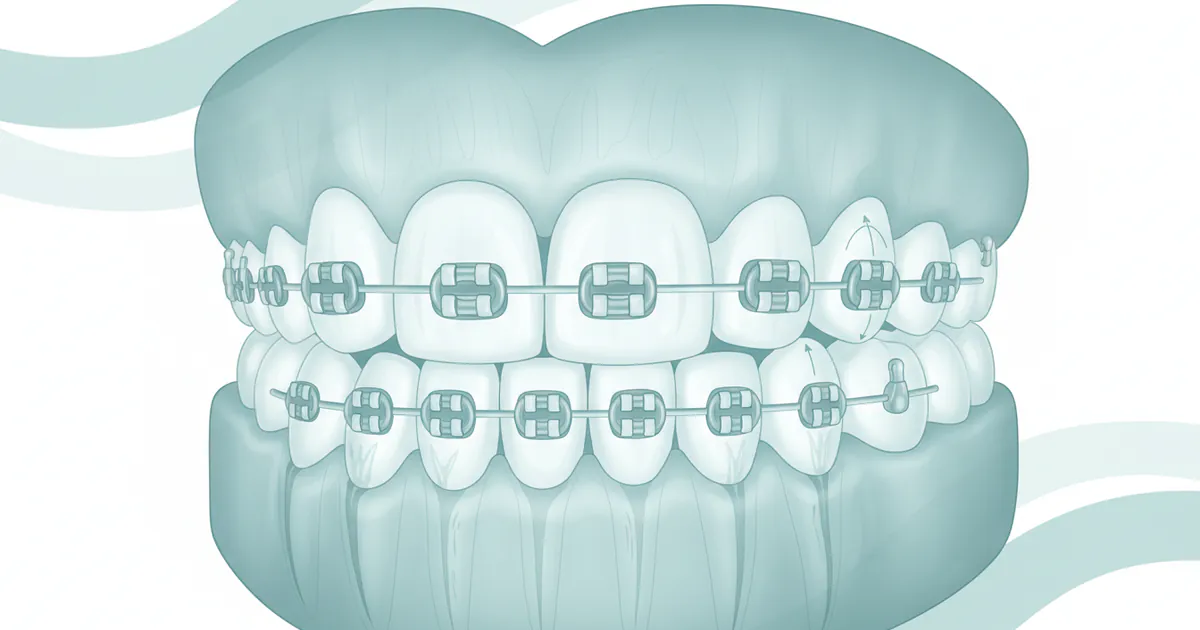
Braces for Adults: Complete Guide Category: Orthodontics
February 22, 2026
Invisalign Braces: Complete Guide
A radiant, perfectly aligned smile is more than just aesthetically pleasing; it's a gateway to improved oral health, enhanced confidence, and even better overall well-being. For millions of Americans seeking to correct misaligned teeth, the thought of traditional metal braces can be daunting, often
February 22, 2026
Adult Braces: Complete Guide
Adult Braces: Complete Guide
February 22, 2026