Best Mouth Tape for Snoring: Complete Guide

Key Takeaways
- Snoring is more than just an annoying nocturnal noise; it's a widespread health concern affecting millions of Americans. In fact, approximately 45% of normal adults snore occasionally, and 25% are habitual snorers, often disrupting not only their own sleep but also that of their partners. Beyond
Snoring is more than just an annoying nocturnal noise; it's a widespread health concern affecting millions of Americans. In fact, approximately 45% of normal adults snore occasionally, and 25% are habitual snorers, often disrupting not only their own sleep but also that of their partners. Beyond the immediate impact on sleep quality and relationship strain, persistent snoring can be a significant indicator of underlying health issues, including obstructive sleep apnea (OSA). For many seeking a simple, non-invasive solution to mitigate snoring caused by mouth breathing, exploring the best mouth tape for snoring has become a popular topic. This comprehensive guide will delve into what mouth taping entails, its potential benefits, who it’s for, and how it compares to other established treatments like mandibular advancement devices (MADs), providing you with the definitive resource to understand this emerging sleep aid and make informed decisions about your oral and overall health.
Key Takeaways:
- Mouth taping promotes nasal breathing during sleep, which can significantly reduce or eliminate snoring caused by mouth breathing.
- It is generally safe for most adults without diagnosed obstructive sleep apnea (OSA), but a dental or medical consultation is crucial if you suspect OSA.
- A 30-day supply of quality mouth tape typically costs between $10-$30, making it a highly affordable option compared to other treatments.
- Start with a gentle, hypoallergenic tape and gradually increase coverage if comfortable; always ensure easy removal.
- Mandibular Advancement Devices (MADs) and CPAP therapy are medically recognized and more effective treatments for moderate to severe snoring and OSA, with costs ranging from $500 to $3,000 for MADs and $800 to $3,000+ for CPAP machines, often covered by insurance for diagnosed conditions.
- Consult a dentist specializing in sleep medicine or a sleep physician if snoring persists, is loud, or is accompanied by daytime fatigue, gasping, or pauses in breathing.
What is Mouth Taping for Snoring? An Overview
Mouth taping is a straightforward technique that involves applying a small, specialized adhesive strip over the lips before sleep, with the intention of keeping the mouth closed throughout the night. The primary goal is to encourage and maintain nasal breathing, rather than mouth breathing, during sleep. While it might sound unconventional, the principle is rooted in promoting proper oral posture and leveraging the benefits of breathing through the nose.

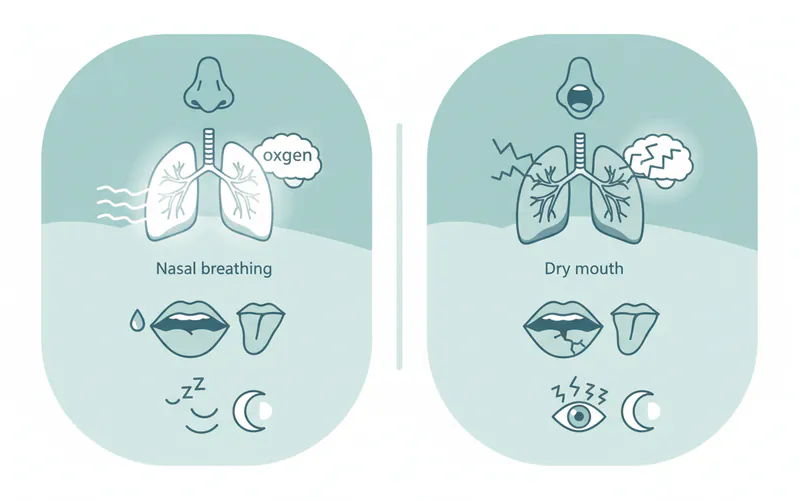
Humans are designed to breathe primarily through the nose. The nasal passages are equipped with intricate structures that filter, warm, and humidify inhaled air, preparing it for the lungs. Nasal breathing also stimulates the production of nitric oxide, a crucial molecule that improves blood flow, lung capacity, and oxygen absorption. When an individual breathes through their mouth, especially during sleep, these protective and beneficial functions are bypassed. Mouth breathing can lead to a dry mouth, bad breath, increased risk of dental issues like cavities and gum disease, and, notably, can contribute significantly to snoring and even exacerbate symptoms of sleep apnea.
The concept of mouth taping aims to counteract nocturnal mouth breathing, thereby reducing the likelihood of the soft tissues in the throat collapsing and vibrating, which is the physical mechanism behind snoring. By retraining the body to breathe nasally, individuals may experience improved sleep quality, reduced snoring, and better overall respiratory health.
Why Consider Mouth Taping? The Link Between Oral Posture and Snoring
Snoring occurs when air flows past relaxed soft tissues in your throat, causing them to vibrate as you breathe. This can be caused by various factors, but mouth breathing during sleep is a significant contributor. When your mouth is open, your jaw drops, and your tongue often falls back into your airway, narrowing the space and increasing the likelihood of vibrations.
Proper oral posture involves the tongue resting gently against the roof of the mouth, with lips sealed and teeth slightly apart. This position naturally keeps the airway open and facilitates nasal breathing. However, many individuals habitually breathe through their mouths, even unconsciously, especially when asleep. This can be due to:
- Chronic nasal congestion: Allergies, colds, or anatomical issues like a deviated septum can obstruct nasal passages, forcing mouth breathing.
- Relaxed oral and pharyngeal muscles: As we sleep, muscles relax, and if the jaw and tongue lack tone, they can contribute to airway collapse.
- Adenoid and tonsil enlargement: More common in children, but can affect adults, blocking nasal or throat passages.
- Incorrect tongue posture: If the tongue doesn't rest properly on the palate, it can obstruct the airway.
By promoting nasal breathing, mouth taping aims to keep the jaw in a more stable position and encourage the tongue to stay forward, away from the back of the throat. This can lead to:
- Reduced snoring: Less vibration of soft tissues.
- Improved sleep quality: Better oxygen saturation and less disturbed sleep.
- Decreased dry mouth: Saliva flow is maintained, protecting dental health.
- Better dental health: Reduced risk of gingivitis and cavities associated with dry mouth.
- Potential for improved focus and energy: Thanks to more restorative sleep.
However, it's crucial to understand that mouth taping primarily addresses snoring caused by simple mouth breathing. It is not a treatment for obstructive sleep apnea (OSA), which is a more severe condition involving repeated pauses in breathing and requires professional medical diagnosis and treatment. If you suspect you have OSA, consulting a sleep specialist or dentist trained in sleep medicine is paramount.
Types of Mouth Tape and Application Methods
The market for mouth tape for snoring has expanded significantly, offering various designs and materials to suit different preferences and skin sensitivities.
Types of Mouth Tape
- Standard Hypoallergenic Strips: These are the most common and often resemble medical-grade paper tape or gentle athletic tape. They are designed to be breathable, flexible, and minimize skin irritation.
- Pros: Affordable, widely available, generally gentle on skin.
- Cons: May not adhere well for heavy droolers or those with facial hair; can sometimes feel restrictive.
- Perforated or X-Shaped Tapes: These tapes feature small perforations or a unique "X" shape that covers less of the mouth while still prompting lip closure. The design aims to provide a sense of security without complete occlusion, potentially reducing anxiety for new users.
- Pros: Less restrictive feeling, allows for very minor mouth movements or emergency mouth opening, good for beginners.
- Cons: May be less effective for individuals who strongly mouth breathe, can be slightly more expensive.
- Hydrogel Tapes: Made from gel-like materials, these tapes are often transparent, highly flexible, and can be very gentle on sensitive skin. They tend to adhere well without leaving residue.
- Pros: Excellent for sensitive skin, highly comfortable, strong but gentle adhesion.
- Cons: Can be more expensive than standard strips.
- Adhesive Patches/Stickers for Perioral Muscles: Some products aren't strictly tape but small patches designed to stimulate or gently pull the muscles around the mouth to encourage lip seal.
- Pros: Very subtle, focuses on muscle training.
- Cons: May not be strong enough for significant mouth breathing issues.
Application Methods
Regardless of the type, the goal is to gently seal the lips without excessive force or discomfort.
- Single Horizontal Strip: The most common method. A single strip of tape (often 1-2 inches long) is placed horizontally across the center of the lips, covering the entire mouth opening.
- "X" Method: Two shorter strips are applied diagonally, crossing in the center of the lips to form an "X." This allows for slightly more airflow around the edges while still promoting lip closure.
- Small Central Strip: A very small piece of tape (e.g., half an inch) is placed vertically over the philtrum (the groove above the upper lip), just enough to gently hold the lips together at the center. This is the least restrictive and often recommended for initial trials.
- Peripheral Taping (for those who prefer to keep the very center open): Some tapes are designed to adhere around the outer edges of the lips, leaving a small central opening. This is often marketed for those with anxiety about full mouth closure but still aims to reduce broad mouth breathing.
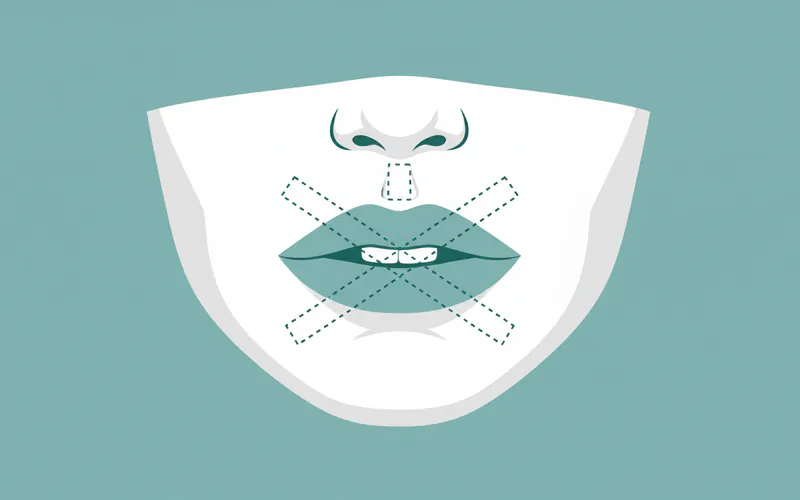
Pro Tip: Always apply mouth tape to clean, dry skin. Avoid using heavy night creams or oils around the mouth area, as they can interfere with adhesion. If you have a beard, trim the area around your mouth to ensure good contact.
The Science Behind Mouth Taping: What the Research Says
While mouth taping has gained significant traction through anecdotal evidence and social media, scientific research specifically on mouth taping as a direct treatment for snoring or sleep apnea is still emerging and somewhat limited. Most of the scientific understanding comes from the established benefits of nasal breathing over mouth breathing.
Key areas of scientific consensus that support the principle behind mouth taping:
-
Benefits of Nasal Breathing: Extensive medical literature confirms that nasal breathing is physiologically superior to mouth breathing.
- Air Filtration and Conditioning: The nasal passages filter out allergens and pathogens, warm cold air, and humidify dry air, protecting the delicate lung tissues.
- Nitric Oxide Production: Nasal breathing releases nitric oxide, a vasodilator that improves oxygen absorption in the lungs, enhances blood flow, and contributes to cardiovascular health. Mouth breathing bypasses this crucial mechanism.
- Optimal Jaw and Facial Development: In children, chronic mouth breathing can negatively impact facial growth, leading to conditions like long face syndrome and malocclusion. While less impactful on existing structures in adults, proper oral posture remains beneficial.
- Reduced Risk of Oral Health Issues: Mouth breathing leads to dry mouth, which reduces saliva's protective effects, increasing the risk of cavities, gum disease, and halitosis (bad breath).
-
Mouth Breathing and Snoring/OSA: When the mouth is open during sleep, the tongue tends to fall backward, narrowing the airway. This anatomical change increases resistance to airflow, causing soft tissues to vibrate (snoring) and can exacerbate or even trigger episodes of Obstructive Sleep Apnea (OSA). By encouraging lip seal, mouth taping aims to keep the tongue in a more forward, elevated position, thereby maintaining a more open airway.
Direct Research on Mouth Taping:
Some small studies and clinical observations have explored the effects of mouth taping:
- A study published in the Journal of Oral Rehabilitation (2022) investigating patients with mild OSA found that nasal breathing promoted by mouth taping significantly reduced snoring intensity and frequency and improved sleep quality in some participants, particularly those whose snoring was primarily related to mouth breathing. It was noted, however, that it did not eliminate OSA events.
- Other studies, often focusing on children, highlight the importance of nasal breathing for overall health and the negative impacts of chronic mouth breathing.
Limitations and Considerations:
- Not a Cure for OSA: It is critical to reiterate that mouth taping is not a recognized treatment for moderate to severe OSA. OSA involves complex airway collapse that may not be resolved by simply keeping the mouth closed. Relying solely on mouth taping for OSA can be dangerous, as it can mask symptoms while the underlying condition continues to cause health problems. The American Dental Association (ADA) and American Academy of Sleep Medicine (AASM) advocate for evidence-based treatments for OSA.
- Individual Variation: The effectiveness of mouth taping varies significantly among individuals. It is most likely to be effective for individuals whose snoring is primarily caused by simple mouth breathing, rather than anatomical obstructions, obesity, or moderate to severe sleep apnea.
- Comfort and Compliance: Some individuals may find mouth taping uncomfortable or anxiety-inducing, particularly if they are unaccustomed to nasal breathing or experience nasal congestion.
In summary, while direct, large-scale clinical trials on mouth taping are still needed, the physiological benefits of nasal breathing provide a strong theoretical basis for its use in reducing snoring related to mouth breathing. However, it should be approached with caution and ideally after ruling out more serious sleep disorders.
Potential Risks and Complications of Mouth Taping
While mouth taping is generally considered low-risk for most healthy adults, it's not without potential drawbacks or situations where it could be contraindicated. Awareness of these risks is crucial for safe practice.
- Skin Irritation and Allergic Reactions:
- Cause: The adhesive in the tape can irritate sensitive skin, leading to redness, itching, rashes, or minor swelling. Some individuals may have an allergic reaction to specific tape materials.
- Prevention: Always use hypoallergenic, medical-grade tape designed for skin. Perform a patch test on a small, inconspicuous area of skin (like the forearm) for a few hours before applying it to your lips overnight. Rotate the exact placement slightly each night to give skin a break.
- Anxiety and Claustrophobia:
- Cause: For some individuals, the sensation of having their mouth taped shut can induce feelings of panic, anxiety, or claustrophobia, especially when first trying it.
- Prevention: Start with a less restrictive method (e.g., a small vertical strip over the philtrum or an X-shaped tape). Practice during the day to get accustomed to the sensation. Ensure the tape is easy to remove. Do not use if it causes significant distress.
- Exacerbation of Untreated Obstructive Sleep Apnea (OSA):
- Cause: This is the most serious potential risk. If someone has undiagnosed or untreated OSA and attempts to mouth tape, they might struggle to breathe through their nose if their nasal passages are also partially obstructed, or if their OSA is severe. Forcing nasal breathing when the airway is significantly compromised can worsen oxygen deprivation during apneic events.
- Prevention: It is critical to consult a dentist specializing in sleep medicine or a sleep physician if you suspect you have OSA (e.g., loud snoring, witnessed breathing pauses, daytime fatigue) before attempting mouth taping. Mouth taping should never be used as a primary treatment for OSA.
- Difficulty Breathing Due to Nasal Congestion:
- Cause: If you have a cold, allergies, a deviated septum, or chronic nasal congestion, your nasal passages may be partially or completely blocked. Taping your mouth shut in this scenario can make it very difficult to breathe, leading to discomfort, panic, and disturbed sleep.
- Prevention: Do not use mouth tape if you are congested or have significant difficulty breathing through your nose. Address nasal congestion issues first (e.g., saline rinses, nasal strips, antihistamines, or consulting an ENT specialist).
- Chafing or Damage to Lips:
- Cause: Aggressive or repeated removal of strong adhesive tape can pull at the delicate skin of the lips, causing chafing, dryness, or even minor tears.
- Prevention: Choose tapes with gentle, skin-friendly adhesives. Remove the tape slowly and carefully, perhaps by pulling downward from one corner or using a warm, damp cloth to loosen the adhesive.
- Discomfort and Jaw Stiffness:
- Cause: While rare, some individuals might experience jaw tension or discomfort if their mouth is held unnaturally closed or if they clench their jaw in response to the tape.
- Prevention: Ensure the tape is applied gently without forcing the jaw into an uncomfortable position. If discomfort persists, discontinue use.
When to Immediately Discontinue Mouth Taping:
- Any significant discomfort or anxiety.
- Difficulty breathing.
- Skin rash or irritation that doesn't resolve.
- Worsening snoring or sleep quality.
- New or increased daytime fatigue or other symptoms suggestive of sleep apnea.
How to Choose the Best Mouth Tape for Snoring
Selecting the right mouth tape can significantly impact comfort, effectiveness, and overall experience. Here’s what to look for when choosing the best mouth tape for snoring:
- Material and Hypoallergenic Properties:
- Prioritize Medical-Grade & Hypoallergenic: Look for tapes explicitly labeled as medical-grade, hypoallergenic, and latex-free. Materials like porous paper tape, silicone, or hydrogel are generally well-tolerated.
- Avoid: Standard household tapes (e.g., scotch tape, duct tape) are not designed for skin and can cause severe irritation or damage.
- Adhesive Strength and Gentleness:
- Effective but Gentle: The adhesive needs to be strong enough to keep your lips sealed throughout the night, even if you move or drool slightly, but gentle enough to remove without pain or skin irritation.
- Residue-Free: A good tape should leave minimal to no residue on your skin after removal.
- Breathability:
- Porous Designs: Many mouth tapes are designed with perforations or porous materials to allow for some air exchange, which can enhance comfort and reduce the feeling of being completely sealed off.
- Shape and Size:
- Variety of Shapes: Tapes come in various shapes:
- Standard rectangular strips: Offer full lip coverage.
- X-shaped: Provide a central opening, less restrictive.
- Vertical strips (small): For minimal adhesion, ideal for beginners or light mouth breathers.
- Custom-cut patches: Some users cut larger rolls of medical tape to their preferred size.
- Consider Your Needs: If you're new to mouth taping, start with a smaller, less obtrusive shape like an X-tape or a small vertical strip.
- Variety of Shapes: Tapes come in various shapes:
- Comfort and Flexibility:
- Conforms to Your Face: The tape should be flexible enough to conform to the contours of your lips and face without feeling stiff or restrictive.
- Thin Profile: Thinner tapes often feel less noticeable.
- Brand Reputation and Reviews:
- Research Brands: Look for reputable brands that specialize in sleep aids or medical adhesives. Read user reviews to gauge common experiences regarding adhesion, comfort, and potential irritation.
Pro Tip: Always purchase a small pack initially to test different brands or types. What works well for one person might not be ideal for another due to individual skin sensitivities, facial hair, or the degree of mouth opening during sleep.
Step-by-Step Guide to Safely Using Mouth Tape
Once you've chosen a suitable mouth tape, following a proper application routine can enhance its effectiveness and minimize risks.
Before You Begin:
- Rule Out OSA: As repeatedly emphasized, ensure you do not have undiagnosed or untreated obstructive sleep apnea. Consult a sleep professional if you have concerns.
- Test Nasal Patency: Make sure your nasal passages are clear. If you are congested due to a cold, allergies, or other reasons, do NOT use mouth tape. Consider using saline nasal sprays or nasal strips (which expand nasal passages) in conjunction if you have mild habitual congestion.
- Patch Test: Before applying tape to your lips for a full night, apply a small piece of the chosen tape to a less sensitive area of your skin (e.g., inner forearm) for a few hours to check for any allergic reaction or irritation.
Application Process:
- Clean and Dry Your Face: Wash your face to remove any dirt, oils, or makeup. Gently pat the area around your mouth thoroughly dry. Moisture and oil can prevent the tape from adhering properly. Avoid applying heavy facial creams or balms directly before taping.
- Prepare the Tape:
- If using a pre-cut strip, simply peel it from its backing.
- If using a roll of medical tape, cut a piece approximately 1-2 inches long. You can also experiment with an X-shape by cutting two shorter pieces.
- Position Your Lips: Relax your facial muscles. Gently bring your lips together naturally, without puckering or stretching. Ensure your tongue is resting comfortably on the roof of your mouth, as this aids in nasal breathing.
- Apply the Tape:
- For a horizontal strip: Center the tape over your closed lips, gently pressing it down from one side to the other, ensuring good contact without pulling the skin taut.
- For an X-shape: Apply the first strip diagonally across your closed lips, then apply the second strip to form an 'X' over the first.
- For a small vertical strip: Place a small piece vertically over the philtrum, just enough to gently hold the upper and lower lips together at the center.
- Ensure Gentle Adhesion: The tape should feel secure but not uncomfortably tight or restrictive. You should still be able to slightly open your mouth against the tape if necessary (though this will break the seal). The goal is gentle encouragement, not forceful restraint.
During the Night:
- Initial Adjustment: It may take a few nights to get used to the sensation. Some people initially feel a slight anxiety, which usually subsides as they become accustomed to it.
- Monitor Your Sleep: If you wake up feeling more anxious, short of breath, or find that your tape has come off consistently, re-evaluate your method or tape choice.
Removal Process:
- Slow and Gentle: In the morning, slowly and carefully peel the tape off from one corner, pulling it towards the center of your mouth rather than straight out from your face.
- Moisten if Necessary: If the tape is particularly stubborn or your skin feels sensitive, you can gently dampen the tape with warm water or a damp cloth to loosen the adhesive before removal.
- Check for Irritation: Inspect your skin for any redness, irritation, or residue. If irritation occurs, consider switching to a different type of tape or taking a break.
Consistency and Monitoring:
- Daily Use: For best results, consistency is key. Incorporate mouth taping into your nightly routine.
- Track Progress: Monitor your snoring (e.g., using a snoring app) and how you feel upon waking (e.g., dry mouth, energy levels). This can help determine effectiveness.
- Consult a Professional: If you experience ongoing issues or suspect your snoring is due to more than just mouth breathing, consult a dental sleep medicine expert or a physician.
Beyond Mouth Taping: Other Snoring & Sleep Apnea Treatment Options
While mouth taping can be an effective and affordable solution for snoring caused by simple mouth breathing, it's essential to understand the broader landscape of treatments, especially for more significant snoring or diagnosed sleep apnea. Many professional interventions are proven and backed by medical and dental organizations like the ADA and AASM.
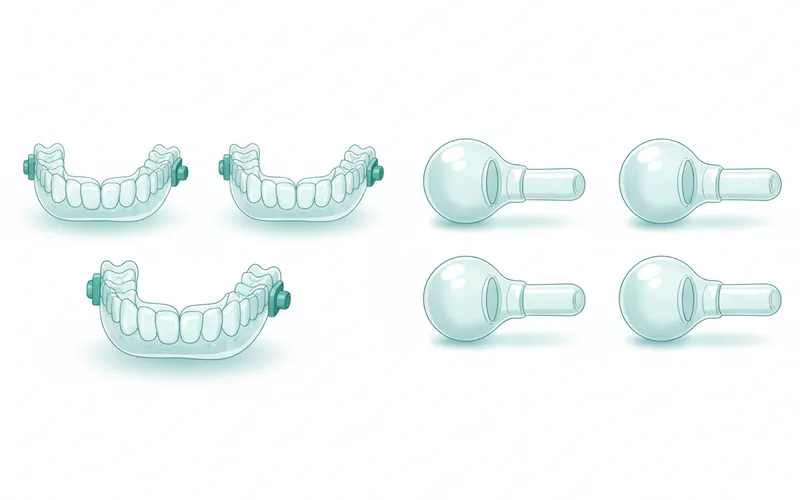
1. Oral Appliances (Mandibular Advancement Devices - MADs & Tongue Retaining Devices - TRDs)
These are custom-made devices worn in the mouth during sleep, similar to a mouthguard. They are a primary treatment option for mild to moderate OSA and habitual snoring.
- Mandibular Advancement Devices (MADs): These devices work by gently pushing the lower jaw (mandible) and tongue slightly forward, which helps to keep the airway open.
- Pros: Highly effective for snoring and mild to moderate OSA; custom-fit by a dentist; portable and non-invasive; well-tolerated by many.
- Cons: Can cause temporary jaw soreness, tooth movement, or excessive salivation; requires a prescription and fitting by a qualified dental professional.
- Cost: $500 - $3,000+ (often covered by medical insurance if prescribed for OSA).
- Tongue Retaining Devices (TRDs): These devices hold the tongue in a forward position using suction, preventing it from falling back and obstructing the airway.
- Pros: Good for individuals who can't tolerate MADs; can be effective for tongue-base snoring.
- Cons: Can cause tongue soreness or numbness; less commonly prescribed than MADs.
- Cost: $500 - $2,000+.
2. Continuous Positive Airway Pressure (CPAP) Therapy
CPAP is the gold standard treatment for moderate to severe OSA. A machine delivers a continuous stream of air through a mask worn over the nose or mouth (or both), creating positive pressure that keeps the airway open.
- Pros: Highly effective for all severities of OSA; improves oxygen levels and sleep quality dramatically.
- Cons: Requires wearing a mask, which some find uncomfortable or claustrophobic; machine noise; requires cleaning and maintenance; not typically for simple snoring without OSA.
- Cost: CPAP machine: $800 - $3,000+. Masks & supplies: $50 - $200+ per component annually. Often covered by medical insurance with a prescription for OSA.
3. Lifestyle Changes
These are often the first line of defense for snoring and can complement other treatments.
- Weight Loss: Excess weight, particularly around the neck, can narrow the airway. Even a modest weight loss can significantly reduce snoring.
- Avoid Alcohol and Sedatives: These substances relax throat muscles, making airway collapse more likely.
- Change Sleep Position: Sleeping on your back allows the tongue and soft palate to fall back into the airway. Sleeping on your side is often recommended. Positional therapy devices (e.g., vibrating alarms worn on the back) can help.
- Address Nasal Congestion: Treat allergies, colds, or use nasal strips/sprays to ensure clear nasal breathing.
- Quit Smoking: Smoking irritates the throat lining, contributing to swelling and congestion.
4. Surgical Options
Surgery is typically considered a last resort for severe snoring or OSA when other treatments have failed or are not tolerated.
- Uvulopalatopharyngoplasty (UPPP): Removes excess tissue from the back of the throat and palate.
- Adenoidectomy/Tonsillectomy: Removal of enlarged tonsils and adenoids, often effective in children.
- Maxillomandibular Advancement (MMA): A more complex surgery that moves the upper and lower jaws forward to enlarge the airway.
- Palatal Implants: Small implants are inserted into the soft palate to stiffen it and reduce vibration.
- Radiofrequency Ablation: Uses radiofrequency energy to reduce and stiffen excess tissue in the soft palate or tongue.
- Pros: Can provide long-term relief for carefully selected patients.
- Cons: Invasive, recovery time, potential risks (pain, bleeding, voice changes, scarring), not always effective.
- Cost: $2,000 - $15,000+, depending on the procedure (often covered by medical insurance for OSA).
5. Positional Therapy
Simple devices or techniques that encourage sleeping on one's side.
- Pros: Non-invasive, affordable.
- Cons: May not be effective for all types of snoring or OSA.
When Mouth Taping Isn't Enough: Recognizing Sleep Apnea
While mouth taping can be a helpful tool for simple snoring caused by mouth breathing, it's crucial to understand its limitations, particularly concerning Obstructive Sleep Apnea (OSA). Snoring is a symptom of OSA, but not all snorers have OSA, and not all people with OSA snore.

Signs and Symptoms of Obstructive Sleep Apnea:
OSA is a serious medical condition where breathing repeatedly stops and starts during sleep. These pauses, called apneas, can last from a few seconds to more than a minute, occurring dozens or even hundreds of times a night. This leads to fragmented sleep and reduced oxygen levels, impacting overall health.
Look out for these common signs and symptoms:
- Loud, chronic snoring: This is the most common symptom, often reported by a bed partner. It might be punctuated by periods of silence followed by gasps or choking sounds.
- Witnessed breathing pauses: A bed partner may observe you repeatedly stop breathing during sleep.
- Gasping or choking during sleep: You might wake up suddenly feeling short of breath.
- Excessive daytime sleepiness (EDS): Despite sleeping for what seems like enough hours, you feel very tired during the day, struggling to stay awake, or falling asleep unintentionally.
- Morning headaches: Frequent headaches upon waking.
- Irritability, mood swings, or depression.
- Difficulty concentrating or memory problems.
- High blood pressure (hypertension): OSA is a significant risk factor for cardiovascular disease.
- Dry mouth or sore throat upon waking: Can occur from mouth breathing during apneic events.
- Frequent nighttime urination (nocturia).
If you or your partner observe any of these symptoms, especially witnessed breathing pauses or severe daytime sleepiness, it is imperative to seek professional medical evaluation. A sleep study (polysomnography), either in a lab or at home, is required to diagnose OSA and determine its severity.
Why Mouth Taping Isn't a Solution for OSA:
Mouth taping aims to encourage nasal breathing and improve oral posture. In OSA, the airway collapse is often more complex, involving muscle relaxation, anatomical narrowness (e.g., enlarged tonsils, small jaw, large tongue), and sometimes central nervous system factors. Simply taping the mouth shut:
- Doesn't address the root cause: It doesn't physically expand a narrow airway or prevent the tongue from collapsing if it's already too large for the space.
- Can be dangerous: If a person with severe OSA struggles to breathe through their nose, taping the mouth shut can lead to increased struggle, heightened stress on the cardiovascular system, and potentially more dangerous drops in oxygen levels during apneic events.
- Masks symptoms: It can give a false sense of security, delaying proper diagnosis and treatment of a condition that has serious long-term health consequences (e.g., heart attack, stroke, diabetes).
For these reasons, the American Dental Association (ADA) and American Academy of Sleep Medicine (AASM) do not endorse mouth taping as a treatment for OSA. Instead, they recommend proven, evidence-based treatments such as CPAP therapy or custom-fitted oral appliances (like MADs) prescribed by a qualified sleep medicine dentist or physician.
Comparison Table 1: Mouth Taping vs. Oral Appliances (MADs) vs. CPAP for Snoring/Mild OSA
| Feature | Mouth Taping (for simple mouth breathing snoring) | Oral Appliance (MADs/TRDs) (for snoring & mild-moderate OSA) | CPAP Therapy (for moderate-severe OSA, some severe snoring) |
|---|---|---|---|
| Primary Goal | Promote nasal breathing, reduce mouth-breathing snoring | Advance jaw/tongue, open airway, reduce snoring & OSA events | Maintain open airway with positive air pressure, eliminate OSA |
| Effectiveness | Variable, best for simple mouth-breathing snoring | High for snoring & mild-moderate OSA (up to 80% success) | Very High for all severities of OSA (nearly 100% effective when used consistently) |
| Intervention Level | Self-administered, non-medical | Custom-fitted by dental professional, medical prescription | Prescribed by sleep physician, medical equipment |
| Cost (US) | $10-$30/month | $500-$3,000+ | Machine: $800-$3,000+; Supplies: $50-$200+/year |
| Insurance Coverage | Rarely (OTC product) | Often covered by medical insurance if prescribed for OSA | Often covered by medical insurance if prescribed for OSA |
| Comfort | Generally good, can cause anxiety for some | Generally good after adjustment, possible jaw soreness | Can be challenging for some due to mask/pressure |
| Key Advantage | Affordable, simple, promotes nasal breathing | Portable, non-invasive alternative to CPAP for many | Most effective for severe OSA, prevents health complications |
| Key Limitation | Not for OSA; requires clear nasal passages | May not be effective for severe OSA; requires dental care | Mask discomfort, noise, maintenance, not for simple snoring |
Prevention and Long-Term Strategies for Snoring
Addressing snoring effectively often involves a multi-faceted approach, combining immediate interventions with long-term lifestyle changes. While mouth taping can be a helpful tool for certain types of snoring, consider these strategies for sustained improvement:
- Maintain a Healthy Weight:
- Strategy: Excess weight, particularly around the neck, can contribute to snoring by increasing the amount of tissue that can collapse and vibrate in the airway. Even a modest amount of weight loss (5-10% of body weight) can significantly reduce or eliminate snoring in many individuals.
- Action: Focus on a balanced diet rich in fruits, vegetables, and lean proteins, combined with regular physical activity.
- Avoid Alcohol and Sedatives Before Bed:
- Strategy: Alcohol, tranquilizers, and certain sleeping pills relax the muscles in the throat and jaw, making the airway more prone to collapse and vibration.
- Action: Refrain from consuming alcohol at least 3-4 hours before bedtime. Discuss any sedative medications with your doctor to explore alternatives if they contribute to snoring.
- Change Your Sleep Position:
- Strategy: Sleeping on your back often causes the tongue and soft palate to fall to the back of the throat, narrowing the airway and increasing snoring.
- Action: Try sleeping on your side. You can use a body pillow, a specific "snore pillow" designed to keep you on your side, or even a tennis ball sewn into the back of your pajama top to discourage back sleeping.
- Practice Good Sleep Hygiene:
- Strategy: Consistent, adequate sleep helps maintain muscle tone and overall health, which can indirectly reduce snoring.
- Action: Establish a regular sleep schedule, create a relaxing bedtime routine, ensure your bedroom is dark, quiet, and cool, and avoid caffeine close to bedtime.
- Address Nasal Congestion and Allergies:
- Strategy: A blocked nose forces mouth breathing, a primary cause of snoring.
- Action:
- Nasal strips: Over-the-counter strips can physically open nasal passages.
- Saline nasal sprays: Can help clear congestion.
- Decongestants/Antihistamines: Use as directed by a healthcare professional for allergies or colds.
- Humidifier: Adding moisture to the air can prevent nasal dryness and congestion, especially in dry climates or during winter.
- Consult an ENT: If chronic nasal obstruction persists (e.g., deviated septum, polyps), an Ear, Nose, and Throat specialist can assess surgical or medical options.
- Quit Smoking:
- Strategy: Smoking irritates the throat and nasal passages, leading to inflammation and swelling, which can narrow the airway.
- Action: Seek support and resources to quit smoking.
- Elevate Your Head:
- Strategy: Raising the head of your bed (by a few inches, not just stacking pillows) can help keep airways open.
- Action: Use bed risers or an adjustable bed base. Avoid simply using more pillows, as this can crimp your neck and worsen the problem.
- Regular Dental Check-ups and Oral Health:
- Strategy: Good oral health and proper jaw alignment contribute to a healthier airway.
- Action: Regular visits to your dentist can help identify issues related to jaw position or bruxism (teeth grinding) that might influence your breathing. A dental sleep medicine professional can assess your oral and pharyngeal structures.
Combining these preventive measures with targeted treatments like mouth taping (if appropriate) or professional interventions (like MADs or CPAP for OSA) offers the most comprehensive approach to managing and eliminating snoring, leading to improved sleep and overall health.
Children / Pediatric Considerations
Snoring in children is a common concern that parents should take seriously, as it can be a sign of underlying health issues, including Pediatric Obstructive Sleep Apnea (POSA). Unlike adults, where OSA is often linked to obesity, in children, POSA is most frequently caused by enlarged tonsils and/or adenoids.
Signs and Symptoms of Snoring and Potential POSA in Children:
- Loud, persistent snoring (more than 3 nights a week): This is the most obvious sign.
- Pauses in breathing, gasping, or choking during sleep.
- Restless sleep: Frequent tossing and turning, sleeping in unusual positions (e.g., hyperextending the neck).
- Mouth breathing during sleep or while awake.
- Daytime symptoms:
- Hyperactivity or behavioral problems (often misdiagnosed as ADHD).
- Difficulty concentrating or learning issues at school.
- Irritability or moodiness.
- Excessive daytime sleepiness (though less common than in adults, can manifest as sluggishness).
- Chronic nasal congestion or runny nose.
- Bedwetting (enuresis) in older children.
- Growth delays or failure to thrive.
- Facial changes: Chronic mouth breathing can lead to a "long face syndrome" with a narrow palate, recessed chin, and open-mouth posture.
Mouth Taping in Children:
Generally, mouth taping is NOT recommended for children without strict medical supervision. Children have different airway dynamics, and the risks of taping a child's mouth shut without understanding the underlying cause of their snoring can be significant.
- Increased Risk of Suffocation/Distress: Children may not be able to communicate distress effectively or remove the tape themselves, especially if they experience breathing difficulties.
- Masking Serious Conditions: Using tape might mask symptoms of serious issues like POSA, delaying diagnosis and treatment.
- Anxiety: It can cause significant anxiety and fear in children.
When to See a Pediatrician or ENT:
If your child snores regularly, mouth breathes, or exhibits any symptoms of POSA, it is essential to consult their pediatrician. The pediatrician may recommend:
- Observation: For mild, occasional snoring.
- Referral to an Ear, Nose, and Throat (ENT) specialist: To assess for enlarged tonsils and adenoids, which are often surgically removed (tonsillectomy and adenoidectomy) as the primary treatment for POSA.
- Referral to a Pediatric Sleep Specialist: For a sleep study (polysomnography) to confirm a diagnosis of POSA and determine its severity.
- Orthodontic Evaluation: For children with chronic mouth breathing and developing facial or dental issues, an orthodontist specializing in airway-friendly orthodontics may be involved.
- Addressing Allergies: Managing allergies can reduce nasal congestion and encourage nasal breathing.
For children, the focus should always be on identifying and treating the root cause of snoring and mouth breathing, with professional medical guidance being paramount. Self-treating with mouth tape is generally discouraged for pediatric patients.
Cost Breakdown
Understanding the costs associated with snoring treatments is crucial, especially when comparing a simple, over-the-counter solution like mouth tape to professional medical and dental interventions.
1. Mouth Tape (Over-the-Counter)
- Average US Cost: $10 - $30 per month
- Low End: $8-$15 for a 30-day supply (basic hypoallergenic strips).
- Mid-Range: $15-$25 for specialized shapes (X-tape, perforated) or premium brands.
- High End: $25-$35 for hydrogel or very sensitive skin tapes.
- With vs. Without Insurance: Mouth tape is an over-the-counter product and is never covered by insurance. It's an out-of-pocket expense.
- Payment Plans/Financing: Not applicable. This is a recurring minor purchase.
- Cost-Saving Tips: Buy in bulk, look for subscription discounts, or consider cutting medical-grade paper tape to size (though specific mouth tape products are often more comfortable and skin-friendly).
2. Sleep Study (Polysomnography)
Before any professional treatment for significant snoring or suspected sleep apnea, a diagnostic sleep study is usually required.
- Average US Cost:
- Home Sleep Test (HST): $300 - $1,000+
- In-Lab Polysomnography: $1,500 - $5,000+ (can vary significantly by region and facility).
- With vs. Without Insurance:
- With Insurance: Often partially or fully covered if medically necessary and ordered by a physician. You will likely pay a co-pay, deductible, or co-insurance.
- Without Insurance: You will pay the full cash price. Hospitals and sleep centers may offer discounted cash rates.
- Payment Plans/Financing: Available through the sleep clinic or hospital.
3. Oral Appliances (Mandibular Advancement Devices - MADs & Tongue Retaining Devices - TRDs)
- Average US Cost: $500 - $3,000+
- This cost typically includes the custom impression, fitting, and follow-up adjustments.
- Low End: $500 - $1,500 for a less complex device or a dentist new to sleep medicine.
- Mid-High End: $1,500 - $3,000+ for highly customized devices from experienced dental sleep medicine specialists.
- With vs. Without Insurance:
- With Medical Insurance: Often covered by medical insurance (not dental insurance) if you have a diagnosis of OSA and a prescription from a sleep physician. Coverage can range from 50% to 80% after deductibles.
- Without Insurance: You pay the full amount. Some dental sleep specialists offer cash discounts.
- Payment Plans/Financing: Many dental offices offer in-house payment plans or work with third-party medical financing companies (e.g., CareCredit).
- Cost-Saving Tips: Verify insurance coverage before treatment. Ask your dentist if they offer a discount for upfront payment.
4. CPAP Therapy
- Average US Cost:
- CPAP Machine: $800 - $3,000+ (basic models vs. advanced auto-CPAP with humidifiers, data tracking).
- Masks: $50 - $200+ (need replacing every 3-6 months).
- Accessories (tubing, filters): $10 - $50+ (need replacing regularly).
- With vs. Without Insurance:
- With Insurance: Usually covered by medical insurance if prescribed for OSA, with patients typically paying co-pays, deductibles, and co-insurance for the machine and ongoing supplies. Many Durable Medical Equipment (DME) providers work directly with insurance.
- Without Insurance: You pay the full cost. Online retailers may offer competitive pricing for machines.
- Payment Plans/Financing: Available through DME providers or medical financing companies.
- Cost-Saving Tips: Ensure your prescription is current. Check for used or refurbished machines if paying out-of-pocket (with caution). Compare prices among DME providers.
Comparison Table 2: Treatment Cost and Insurance Coverage Summary
| Treatment Option | Average Cost (US) | Insurance Coverage (for OSA) | Typical Out-of-Pocket (with insurance, after deductible) |
|---|---|---|---|
| Mouth Tape | $10-$30/month | None | $10-$30/month |
| Home Sleep Test | $300-$1,000+ | Often covered by medical insurance (co-pay/deductible applies) | $100-$500+ |
| In-Lab Sleep Study | $1,500-$5,000+ | Often covered by medical insurance (co-pay/deductible applies) | $500-$2,000+ |
| Oral Appliance (MAD) | $500-$3,000+ | Often covered by medical insurance, not dental (co-pay/deductible applies, usually 50-80% covered after that) | $500-$2,000+ |
| CPAP Machine | $800-$3,000+ | Often covered by medical insurance (co-pay/deductible applies, often rented initially, then purchased) | $200-$1,000+ for machine, plus supplies |
| CPAP Supplies | $50-$200+/year (masks, tubing) | Often covered by medical insurance (co-pay/deductible applies, typically 80-100% after that) | $10-$50+/month |
| Snoring Surgery | $2,000-$15,000+ | Often covered by medical insurance if medically necessary for OSA (depends on procedure and severity, co-pay/deductible applies) | $1,000-$5,000+ |
(Note: These are average ranges and can vary significantly based on geographic location, provider, specific insurance plan, and individual needs. Always verify costs and coverage directly with your provider and insurance company.)
Frequently Asked Questions
Is mouth taping safe for everyone?
Mouth taping is generally considered safe for most healthy adults whose snoring is primarily caused by simple mouth breathing and who have clear nasal passages. However, it is not safe or recommended for individuals with undiagnosed or moderate to severe obstructive sleep apnea (OSA), severe nasal congestion, anxiety, or certain medical conditions without prior consultation with a dentist specializing in sleep medicine or a sleep physician.
How does mouth tape help with snoring?
Mouth tape works by gently keeping your lips sealed during sleep, encouraging you to breathe through your nose instead of your mouth. Nasal breathing helps maintain proper tongue posture, keeps the jaw stable, and reduces the vibration of soft tissues in the throat, which is the primary cause of snoring.
Can mouth tape help with sleep apnea?
No, mouth tape is not a treatment for sleep apnea. While it can help with snoring, it does not address the underlying causes of airway collapse characteristic of OSA. Using mouth tape for undiagnosed or untreated sleep apnea can be dangerous, potentially worsening oxygen deprivation. If you suspect sleep apnea, consult a medical professional immediately.
What if I can't breathe through my nose?
If you consistently struggle to breathe through your nose due to chronic congestion, allergies, a deviated septum, or a cold, mouth taping is not recommended. Forcing mouth closure when nasal passages are blocked can lead to discomfort, anxiety, and potentially dangerous breathing difficulties. Address your nasal congestion first.
How do I choose the best mouth tape?
Look for medical-grade, hypoallergenic, and latex-free tapes. Prioritize gentle but effective adhesion that won't irritate your skin. You can choose from various shapes (strips, X-shaped, small vertical) depending on your comfort level. Start with a smaller, less restrictive option if you're new to it.
Will mouth tape cause pain or discomfort?
Initially, you might feel a slight unfamiliar sensation or even mild anxiety, but it should not cause pain. If you experience significant discomfort, skin irritation, or difficulty breathing, remove the tape immediately. Ensure you're using a gentle, hypoallergenic tape and applying it correctly.
What are the alternatives to mouth tape for snoring?
Alternatives range from lifestyle changes (weight loss, avoiding alcohol, side sleeping) to professional medical and dental treatments. These include nasal strips, oral appliances (mandibular advancement devices - MADs), CPAP therapy for sleep apnea, and in some cases, surgical interventions.
How much does mouth tape cost compared to other treatments?
Mouth tape is very affordable, typically costing $10-$30 per month out-of-pocket. In contrast, custom oral appliances can range from $500-$3,000+, and CPAP therapy (machine plus supplies) can cost $800-$3,000+ annually. Professional treatments are often covered by medical insurance if prescribed for sleep apnea, unlike mouth tape.
How long does it take to get used to mouth taping?
Most people adjust to mouth taping within a few nights to a week. Starting with a smaller, less obtrusive piece of tape or practicing during the day can help ease the transition. Consistency is key to adapting.
Can I talk or open my mouth in an emergency with mouth tape on?
Yes, most mouth tapes are designed to allow you to open your mouth if absolutely necessary, breaking the seal. They are not meant to be a permanent, forceful restraint. However, if you feel anxious about this, consider tapes with perforations or an X-shaped design that allows for minimal airflow.
When to See a Dentist
While mouth taping can be a helpful step in managing simple snoring, it's crucial to know when to seek professional dental or medical advice. Snoring, especially loud or persistent snoring, can be a red flag for more serious underlying health conditions.
You should consult a dentist specializing in sleep medicine or your primary care physician in the following situations:
- Persistent, Loud Snoring: If your snoring is consistent, very loud, and affects your bed partner's sleep despite trying over-the-counter remedies like nasal strips or mouth taping.
- Symptoms of Sleep Apnea: If you or your partner notice any of the following signs, it's imperative to seek immediate medical attention:
- Witnessed breathing pauses during sleep.
- Gasping, choking, or snorting sounds that interrupt your sleep.
- Excessive daytime sleepiness, feeling tired even after a full night's sleep.
- Morning headaches, irritability, difficulty concentrating, or memory problems.
- High blood pressure or other cardiovascular concerns.
- Chronic Mouth Breathing: If you find yourself consistently breathing through your mouth, even during the day, this could indicate an underlying issue (like chronic nasal congestion, enlarged tonsils/adenoids, or incorrect tongue posture) that requires professional assessment.
- Failure of Mouth Taping or Other Home Remedies: If mouth taping or other non-prescription methods do not alleviate your snoring, or if you find them uncomfortable and cannot adapt.
- Concerns About Jaw Pain or Dental Issues: If you experience jaw pain, teeth clenching (bruxism), or other dental discomfort in conjunction with your snoring, a dentist can evaluate your oral health and jaw alignment.
- Children's Snoring: If a child snores regularly, mouth breathes, or exhibits any behavioral or developmental issues potentially linked to sleep, consult a pediatrician or pediatric ENT immediately.
A dentist specializing in dental sleep medicine can conduct an initial evaluation, assess your oral and pharyngeal anatomy, and often order a sleep study to diagnose or rule out conditions like obstructive sleep apnea. They can then recommend appropriate, evidence-based treatments such as custom-fitted oral appliances (like MADs), or refer you to a sleep physician for CPAP therapy or other medical interventions. Don't underestimate the impact of snoring and sleep-disordered breathing on your overall health and quality of life.
Frequently Asked Questions
Medically Reviewed Content
This article was written by our dental health editorial team and reviewed for medical accuracy. Our content follows strict editorial guidelines for reliability and trustworthiness.
Medical Disclaimer
This article is for informational purposes only and does not constitute medical advice. Always consult with a qualified dental professional for diagnosis and treatment. Do not delay seeking professional advice because of something you read on this website.
Related Articles
Difference Between Snoring and Sleep Apnea: Complete Guide
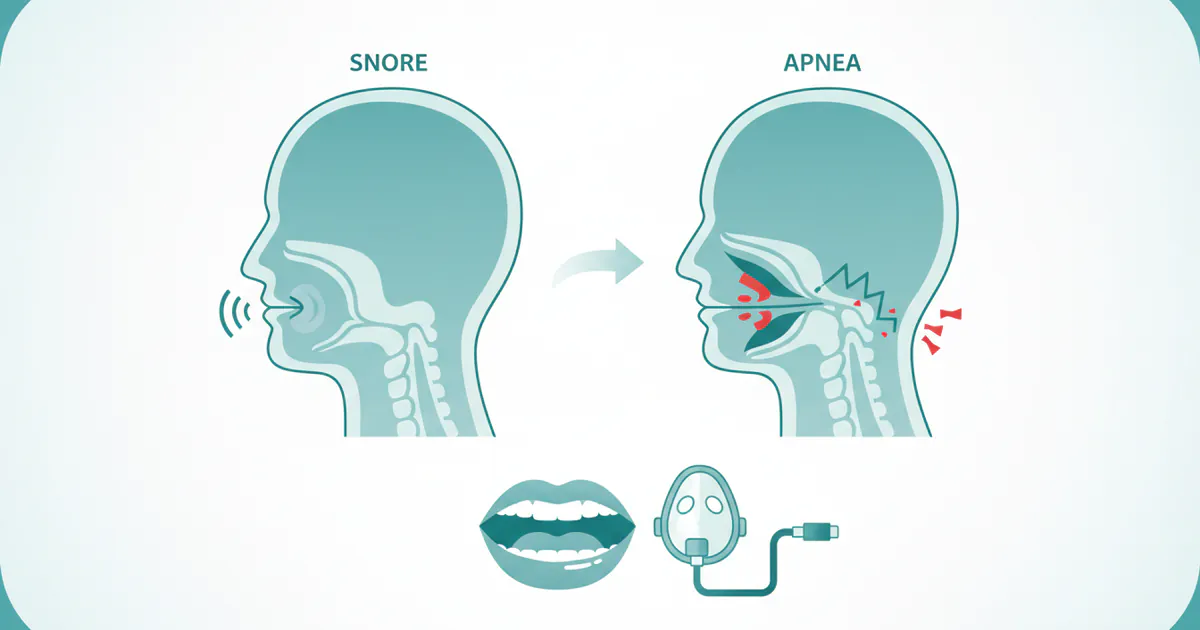
More than 80 million Americans regularly snore, and while often dismissed as a mere nuisance, loud and persistent snoring can be a critical indicator of a much more serious underlying health condition: sleep apnea. The difference between snoring and sleep apnea is profound, impacting not just yo
February 23, 2026
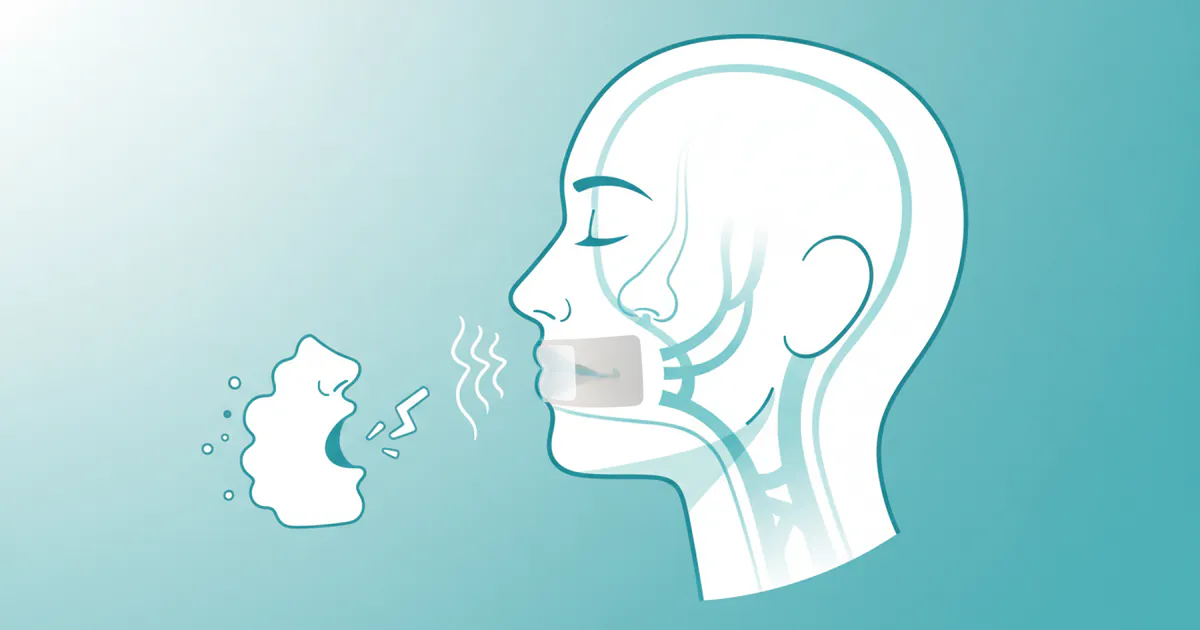
Mouth Taping for Snoring: Complete Guide
Snoring. It's the nocturnal soundtrack for millions of Americans, often a source of frustration for bed partners and a potential indicator of underlying health issues for the snorer themselves. Roughly 45% of adults snore occasionally, and 25% are habitual snorers, impacting sleep quality, relat
February 23, 2026
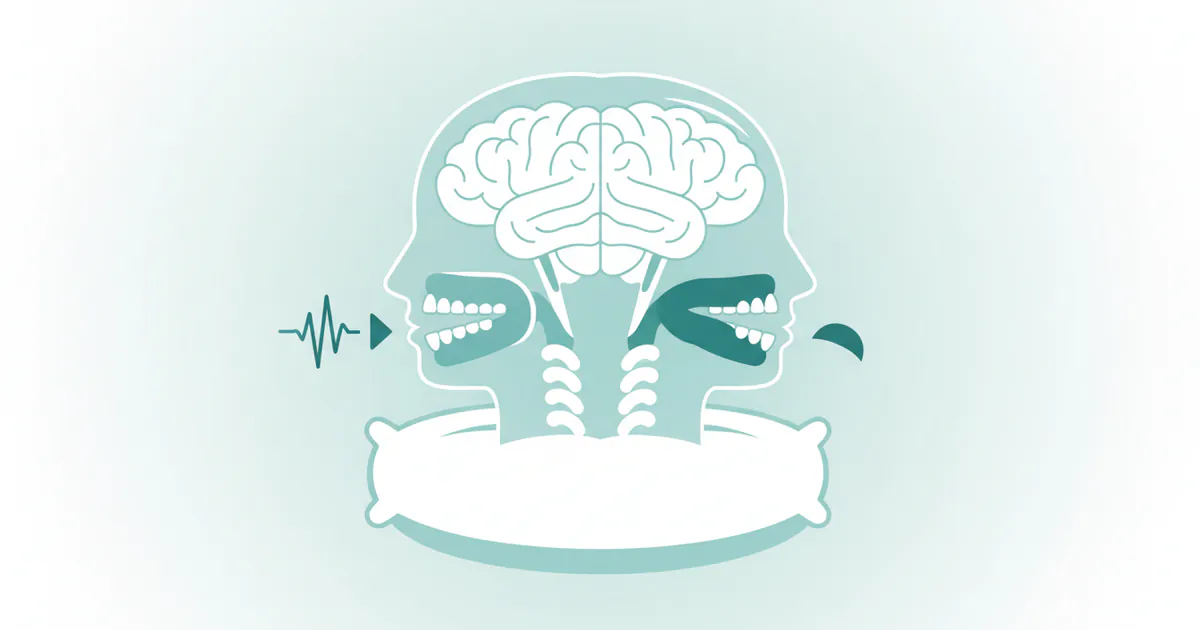
Is All Snoring Sleep Apnea
Many individuals, perhaps even you or a loved one, have been told they snore loudly. It's often dismissed as a harmless, albeit annoying, nocturnal habit. However, what if that nightly rumble is more than just noise? What if it's a critical indicator of an underlying health condition that significan
February 23, 2026
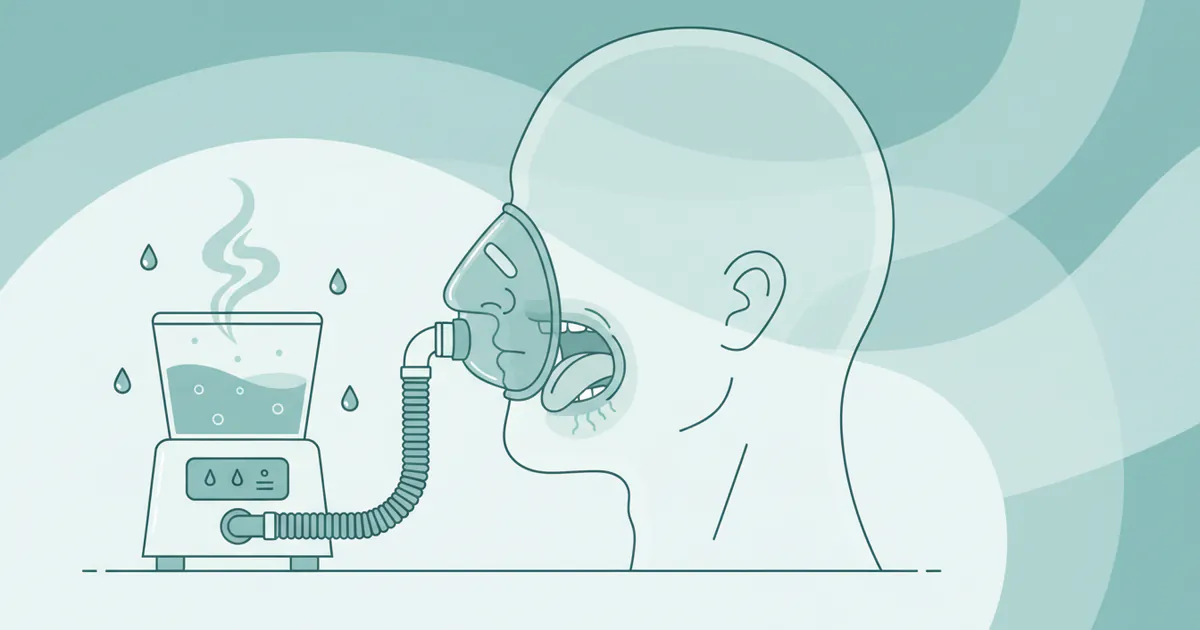
Cpap Dry Mouth Even With Humidifier: Complete Guide
Experiencing dry mouth while using a CPAP machine, even with a humidifier, is a common and incredibly frustrating issue for millions of Americans. It can disrupt sleep, diminish the effectiveness of your sleep apnea treatment, and significantly impact your oral health. Imagine waking up every mornin
February 23, 2026