Difference Between Snoring and Sleep Apnea: Complete Guide
Key Takeaways
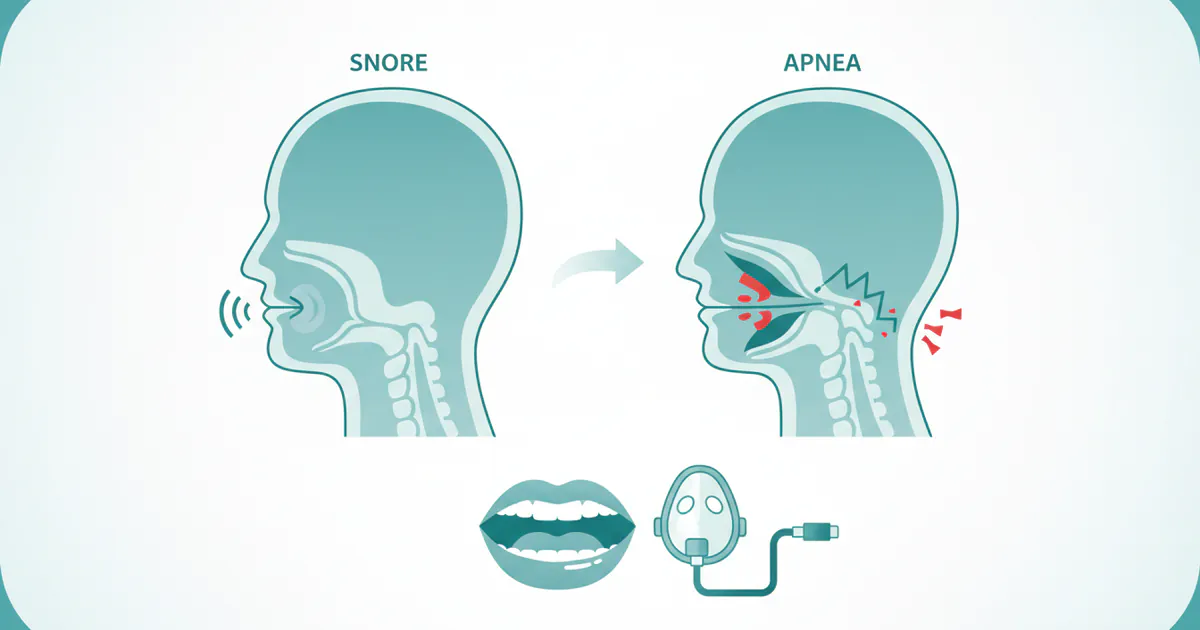
- More than 80 million Americans regularly snore, and while often dismissed as a mere nuisance, loud and persistent snoring can be a critical indicator of a much more serious underlying health condition: sleep apnea. The difference between snoring and sleep apnea is profound, impacting not just yo
More than 80 million Americans regularly snore, and while often dismissed as a mere nuisance, loud and persistent snoring can be a critical indicator of a much more serious underlying health condition: sleep apnea. The difference between snoring and sleep apnea is profound, impacting not just your sleep quality but your overall health and longevity. Many people are unaware that their nightly rumbles could be a sign of a disorder that silently increases their risk of heart disease, stroke, and diabetes. Understanding this distinction is vital for accurate diagnosis and effective treatment, ensuring you and your loved ones breathe easily and sleep safely.
This comprehensive guide from SmilePedia.net will delve deep into the mechanics of snoring and sleep apnea, clarifying their definitions, causes, symptoms, and the critical health implications of each. We’ll explore diagnostic methods, a full spectrum of treatment options—including whether do mouth guards help with sleep apnea—and address common concerns about cost, recovery, and prevention. By the end, you'll have a clear understanding of when snoring is just snoring, and when is snoring a sign of sleep apnea that requires professional medical attention.
Key Takeaways:
- Simple snoring is caused by vibration of relaxed tissues, while sleep apnea involves complete or partial airway obstruction leading to breathing pauses.
- Loud, chronic snoring accompanied by gasping, choking, or daytime fatigue is a strong indicator that snoring is a sign of sleep apnea, warranting medical evaluation.
- Untreated sleep apnea significantly increases risks of high blood pressure, heart attack, stroke, diabetes, and accidents.
- Oral appliance therapy (OAT) mouth guards can be highly effective for mild to moderate obstructive sleep apnea (OSA) and primary snoring, with costs typically ranging from $1,800 to $3,500 without insurance, often covered partially by medical insurance.
- Diagnosis involves a sleep study (polysomnography or home sleep apnea test), with initial costs between $300-$1,500 for HSAT and $1,500-$5,000 for in-lab PSG, varying by region and insurance.
- CPAP therapy remains the gold standard for moderate to severe OSA, with device costs ranging from $800-$3,000 plus ongoing supply costs.
- Lifestyle changes like weight loss, avoiding alcohol before bed, and sleeping on your side can significantly reduce snoring and mild apnea symptoms.
Understanding Snoring: More Than Just Noise
Snoring is a common phenomenon, affecting approximately 45% of adult men and 30% of adult women regularly. It’s the often-humorous soundtrack to sleep, but its underlying mechanisms can range from harmless to health-threatening.
What is Snoring?
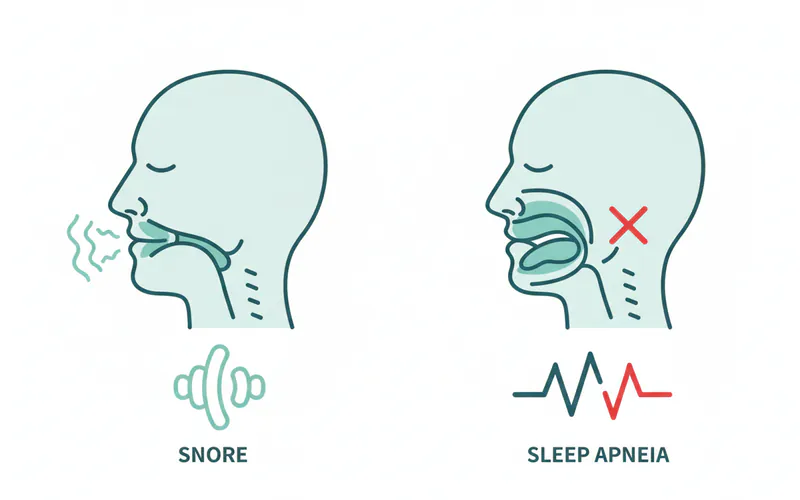
Snoring occurs when the flow of air through the mouth and nose is physically obstructed during sleep. As you breathe, the relaxed tissues in your throat vibrate, producing the characteristic rattling or rumbling sound. This vibration can happen anywhere from the soft palate and uvula to the tonsils, adenoids, and the base of the tongue. The narrower the airway, the more forceful the vibration, leading to louder snoring.
Causes of Snoring
Several factors contribute to the narrowing of the airway and the subsequent vibration of tissues:
- Relaxed Throat Muscles: During deep sleep, the muscles in the back of the throat, tongue, and soft palate relax. This relaxation can cause these tissues to sag and partially block the airway.
- Obstructed Nasal Passages: A blocked nose, whether from allergies, a cold, a deviated septum, or nasal polyps, forces you to breathe through your mouth, increasing the likelihood of snoring.
- Anatomical Factors: Some individuals naturally have a narrow throat, enlarged tonsils or adenoids, a long soft palate, or a large uvula (the dangling tissue at the back of the throat), which can predispose them to snoring.
- Alcohol and Sedatives: Consuming alcohol or taking sedatives before bed relaxes throat muscles excessively, making snoring more likely and often louder.
- Sleep Position: Sleeping on your back allows gravity to pull the tongue and soft palate to the back of the throat, narrowing the airway.
- Obesity: Excess fatty tissue around the neck can compress the airway, leading to snoring. Studies show a strong correlation between increased neck circumference and snoring severity.
- Aging: As we age, throat muscles tend to lose tone and become more relaxed, increasing the risk of snoring.
Common Signs of Simple Snoring
For many, snoring is an isolated event that causes no other symptoms beyond noise. Signs that your snoring might be "simple" and not indicative of sleep apnea include:
- Consistent, loud breathing sounds during sleep.
- No reported pauses in breathing or gasping/choking sounds.
- No significant daytime sleepiness or fatigue despite adequate sleep duration.
- No memory problems, difficulty concentrating, or mood disturbances.
- Snoring that lessens or disappears with changes in sleep position (e.g., sleeping on your side).
Understanding Sleep Apnea: A Serious Health Concern
While snoring is about noise, sleep apnea is about interrupted breathing. It’s a far more serious condition with significant long-term health consequences if left untreated.
What is Sleep Apnea?
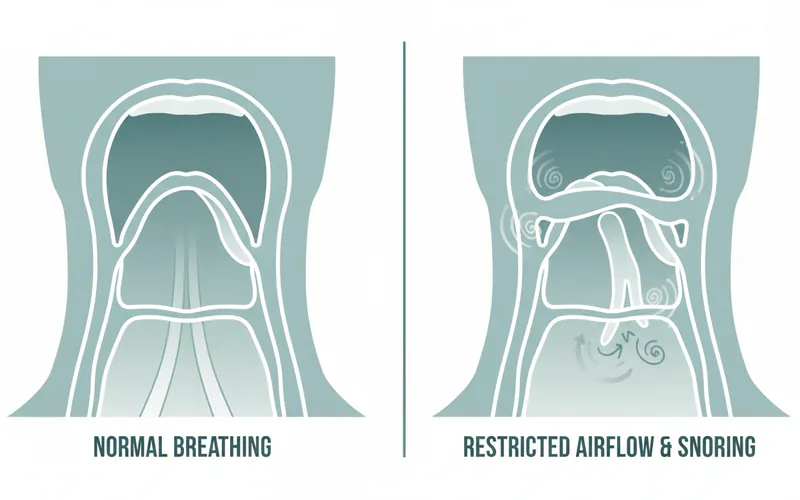
Sleep apnea is a potentially serious sleep disorder in which breathing repeatedly stops and starts during sleep. The term "apnea" means "without breath." These pauses in breathing, known as apneic events, can last from a few seconds to more than a minute and can occur dozens or even hundreds of times each night. Each time breathing stops, the brain briefly rouses the person from sleep to restart breathing, often with a loud gasp or snort. While the person may not remember these awakenings, they fragment sleep, preventing deep, restorative slumber.
Types of Sleep Apnea
There are three main types of sleep apnea:
- Obstructive Sleep Apnea (OSA): This is the most common type, accounting for 85-90% of all sleep apnea cases. OSA occurs when the muscles in the back of your throat relax excessively, causing the soft tissue to collapse and physically block the airway, despite efforts to breathe. This obstruction prevents air from reaching the lungs.
- Central Sleep Apnea (CSA): Far less common, CSA occurs when your brain fails to send proper signals to the muscles that control breathing. There is no physical obstruction; instead, the brain simply "forgets" to tell the body to breathe. This type is often associated with underlying medical conditions like heart failure, stroke, or certain medications.
- Mixed or Complex Sleep Apnea: This type occurs when a person has both obstructive and central sleep apnea simultaneously.
Causes and Risk Factors for Sleep Apnea
The causes and risk factors vary by type, but primarily focus on OSA due to its prevalence:
- Obesity: Excess weight, particularly around the neck, is the number one risk factor for OSA. Fat deposits can narrow the airway.
- Anatomical Factors: A narrow throat, a thick neck circumference (over 17 inches for men, 16 inches for women), a recessed chin, enlarged tonsils or adenoids, or a large tongue can all contribute to airway obstruction.
- Gender: Men are two to three times more likely to have sleep apnea than women. However, the risk increases for women after menopause.
- Age: The risk of sleep apnea increases with age, particularly in adults over 60.
- Family History: If family members have sleep apnea, you may be at higher risk.
- Alcohol and Sedatives: These substances relax throat muscles, exacerbating existing apnea or causing new episodes.
- Smoking: Smokers are three times more likely to have OSA than non-smokers. Smoking can increase inflammation and fluid retention in the upper airway.
- Nasal Congestion: Chronic nasal congestion, from allergies or anatomical issues, can make breathing difficult and contribute to OSA.
- Medical Conditions: Conditions like heart failure, high blood pressure, type 2 diabetes, asthma, thyroid disorders (hypothyroidism), and polycystic ovary syndrome (PCOS) are linked to a higher prevalence of sleep apnea.
Signs and Symptoms of Sleep Apnea
The symptoms of sleep apnea extend far beyond snoring and can significantly impact daily life:
- Loud, chronic snoring: This is the most common and often the first noticeable symptom, although not everyone with sleep apnea snores.
- Observed episodes of stopped breathing during sleep (reported by a bed partner).
- Gasping, choking, or snorting sounds during sleep as breathing restarts.
- Excessive daytime sleepiness (hypersomnia): Feeling tired even after a full night's sleep is a hallmark symptom.
- Morning headaches.
- Dry mouth or sore throat upon waking.
- Irritability, mood changes, or depression.
- Difficulty concentrating or memory problems.
- High blood pressure (hypertension).
- Reduced libido.
- Frequent nighttime urination (nocturia).
If you experience several of these symptoms, especially loud snoring combined with observed breathing pauses or significant daytime fatigue, it's crucial to seek medical evaluation. This is where the difference between snoring and sleep apnea becomes critical for your health.
The Critical Difference Between Snoring and Sleep Apnea
While both conditions involve disrupted airflow during sleep and often produce similar sounds, their fundamental differences lie in the cause and consequences of that disruption. Simple snoring is a noise problem; sleep apnea is a breathing problem that leads to fragmented sleep and systemic health issues.
Snoring vs. Sleep Apnea: A Comparative Look
Understanding these distinctions is the first step toward getting the right diagnosis and treatment.
| Feature | Simple Snoring | Obstructive Sleep Apnea (OSA) |
|---|---|---|
| Primary Issue | Vibration of relaxed tissues, creating noise | Repeated complete or partial collapse of the airway, stopping breathing |
| Airflow | Restricted but continuous | Interrupted; breathing pauses (apneas) or shallow breaths (hypopneas) |
| Observed Events | Loud, consistent snoring | Loud snoring, often punctuated by gasps, snorts, choking sounds, and silent breathing pauses |
| Oxygen Levels | Generally stable | Repeated drops in blood oxygen saturation |
| Sleep Quality | May disrupt bed partner's sleep; usually not the snorer's | Severely fragmented, non-restorative sleep for the individual |
| Daytime Symptoms | Typically none (beyond potential grogginess) | Excessive daytime sleepiness, fatigue, difficulty concentrating, irritability, morning headaches |
| Long-term Health Risks | Minimal, potentially high blood pressure in severe cases | High blood pressure, heart attack, stroke, diabetes, arrhythmias, obesity, depression, increased accident risk |
| Awakenings | Unlikely for the snorer | Brief, unconscious awakenings (arousals) to restart breathing |
When is Snoring a Sign of Sleep Apnea?
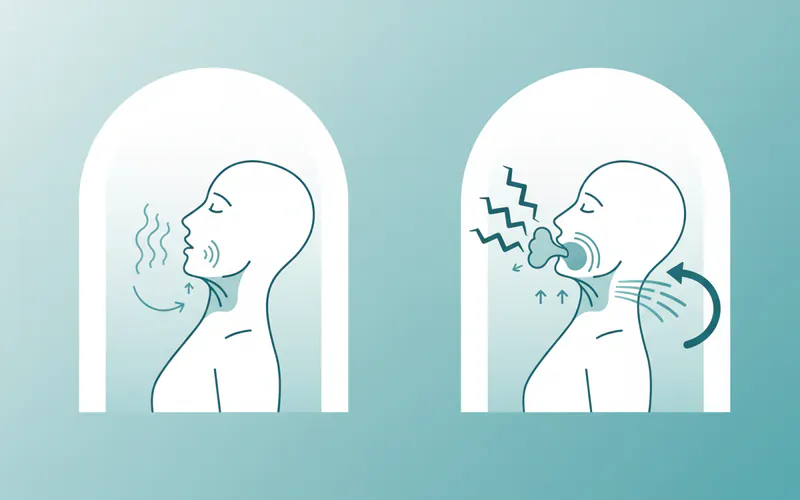
This is a key question that often leads individuals to seek professional help. While not all snorers have sleep apnea, almost all people with OSA snore. Here are the red flags indicating that is snoring a sign of sleep apnea:
- Loud, persistent snoring that is disruptive to others.
- Observed breathing pauses, gasps, or choking sounds during sleep.
- Waking up frequently with a dry mouth or sore throat.
- Significant daytime sleepiness, even after getting seemingly enough hours of sleep. This can manifest as falling asleep at work, while driving, or during conversations.
- Morning headaches.
- Difficulty concentrating, memory problems, or increased irritability.
- High blood pressure that is difficult to control.
- Frequent nighttime urination.
Pro Tip: If your bed partner consistently reports that you stop breathing, gasp, or choke in your sleep, or if you consistently wake up feeling unrefreshed and exhausted, it's time to talk to a healthcare professional about potential sleep apnea.
Diagnosing Sleep-Disordered Breathing
Accurate diagnosis is crucial for distinguishing between simple snoring and sleep apnea and for determining the appropriate course of treatment. The diagnostic process typically involves a combination of medical history, physical examination, and a specialized sleep study.
Initial Consultation
Your journey usually begins with a visit to your primary care physician or a dental professional specializing in sleep medicine. They will:
- Take a comprehensive medical history: Inquire about your symptoms, sleep habits, lifestyle, medications, and any existing health conditions. They will also ask if a bed partner has observed your sleeping patterns.
- Perform a physical examination: This may include examining your mouth, throat, and nasal passages for any anatomical obstructions, and measuring your neck circumference.
- Assess your risk factors: Discuss factors like weight, alcohol intake, and family history.
Sleep Studies
The definitive diagnosis of sleep apnea relies on a sleep study, which monitors various physiological parameters during sleep.
Polysomnography (PSG)
A PSG is an overnight study conducted in a specialized sleep lab. It's considered the gold standard for diagnosing sleep apnea and other sleep disorders. During a PSG, sensors are placed on your body to monitor:
- Brain waves (EEG): To determine sleep stages and arousals.
- Eye movements (EOG): Also for sleep staging.
- Muscle activity (EMG): To detect restless leg syndrome or teeth grinding.
- Heart rate (ECG): To monitor cardiac rhythm.
- Breathing effort: Sensors on the chest and abdomen.
- Airflow: Sensors near the nose and mouth.
- Blood oxygen saturation: Measured with a pulse oximeter on a finger.
- Body position.
A board-certified sleep physician interprets the data to identify apneas, hypopneas (shallow breathing), and oxygen desaturations, assigning an Apnea-Hypopnea Index (AHI) score to determine the severity of sleep apnea.
Home Sleep Apnea Testing (HSAT)
For many individuals with a high suspicion of OSA, a home sleep apnea test (HSAT) may be recommended as a more convenient and cost-effective alternative to an in-lab PSG. HSAT devices are portable and can be used in your own bed. They typically measure fewer parameters than a full PSG, often focusing on:
- Airflow.
- Breathing effort.
- Blood oxygen saturation.
- Heart rate.
While HSAT is effective for diagnosing moderate to severe OSA, it may not be suitable for all cases, particularly if other sleep disorders are suspected, or if the initial HSAT results are inconclusive. Your doctor will determine which type of sleep study is best for you.
Comprehensive Treatment Options for Snoring and Sleep Apnea
Treatment approaches for snoring and sleep apnea vary significantly based on severity, type, and individual patient preferences. What works for simple snoring may not be sufficient for sleep apnea, and vice-versa.
Lifestyle Modifications
Many individuals, whether they have simple snoring or mild to moderate sleep apnea, can benefit from lifestyle changes:
- Weight Loss: Losing even a small amount of weight can significantly reduce snoring and apnea severity, especially for those who are overweight or obese.
- Avoid Alcohol and Sedatives: Refrain from alcohol, muscle relaxants, and certain sedatives for several hours before bed, as they relax throat muscles.
- Change Sleep Position: Sleeping on your side can prevent the tongue and soft palate from collapsing into the airway. "Positional therapy" devices or even sewing a tennis ball into the back of your pajama top can help train you to stay on your side.
- Quit Smoking: Smoking irritates the airway, leading to inflammation and swelling, which can worsen snoring and apnea.
- Address Nasal Congestion: Use nasal strips, decongestant sprays (for short-term use), or allergy treatments to improve nasal breathing.
For Simple Snoring
If snoring is not linked to sleep apnea, these options can help:
- Nasal Strips or Dilators: These devices open nasal passages, making breathing easier.
- Anti-Snoring Mouthpieces: Over-the-counter mouthpieces that attempt to reposition the jaw or tongue. These are generally less effective and comfortable than custom oral appliances but can be a starting point.
- Throat Sprays/Pills: Some products claim to stiffen throat tissues, but their effectiveness is often limited and temporary.
For Obstructive Sleep Apnea (OSA)
Treatment for OSA aims to keep the airway open during sleep.
CPAP Therapy (Continuous Positive Airway Pressure)
CPAP is the most common and effective treatment for moderate to severe OSA and is often the first-line therapy.
- How it Works: A CPAP machine delivers a continuous stream of air through a mask worn over the nose or nose and mouth during sleep. The air pressure is calibrated to be just enough to keep the airway open, preventing collapses.
- Pros: Highly effective in eliminating apneas and restoring normal oxygen levels, significantly reducing health risks associated with OSA.
- Cons: Can be cumbersome, noisy (though modern machines are quiet), or uncomfortable for some users. Mask fit issues, dry mouth, or claustrophobia can lead to compliance problems. Regular cleaning and replacement of supplies are necessary.
Oral Appliance Therapy (OAT): Do Mouth Guards Help with Sleep Apnea?
Yes, mouth guards do help with sleep apnea, particularly for individuals with mild to moderate OSA or those who cannot tolerate CPAP. These custom-made devices are a core component of sleep dentistry.
Types of Mouth Guards/Oral Appliances
Most dental sleep appliances fall into two main categories:
- Mandibular Advancement Devices (MADs): These are the most common type. A MAD is a two-piece appliance, custom-fitted to your upper and lower teeth, that gently holds your lower jaw slightly forward and open. This forward position prevents the tongue and soft tissues from collapsing into the airway.
- Tongue Retaining Devices (TRDs): Less common, a TRD holds the tongue in a forward position using a suction bulb. This prevents the tongue from falling back and obstructing the airway.
How OAT Works
A qualified dentist specializing in sleep medicine designs and fits your custom oral appliance. The process involves taking impressions of your teeth, precisely calibrating the jaw position, and adjusting the device over several visits to ensure optimal effectiveness and comfort. The goal is to advance the jaw just enough to open the airway without causing jaw joint discomfort.
Pros and Cons of Oral Appliances
- Pros:
- Comfort and Portability: Smaller, less intrusive, and quieter than CPAP, making them easier to travel with.
- High Compliance Rates: Many patients find them easier to use consistently than CPAP.
- Effective: Can significantly reduce or eliminate snoring and reduce apneic events for eligible patients.
- Reversible: No permanent changes to your anatomy.
- Cons:
- Not for Severe Apnea: Generally less effective than CPAP for severe OSA.
- Jaw Discomfort: Some patients may experience temporary jaw soreness, teeth tenderness, or changes in bite, though these are often managed with adjustments.
- Salivation: Increased salivation can occur initially.
- Cost: Custom appliances can be expensive if not covered by insurance.
- Maintenance: Requires daily cleaning and regular dental check-ups.
Pro Tip: If you've been diagnosed with mild to moderate OSA or have severe OSA but can't tolerate CPAP, ask your dentist or sleep physician about oral appliance therapy. The American Academy of Dental Sleep Medicine (AADSM) and the American Academy of Sleep Medicine (AASM) recognize OAT as an effective treatment option.
Surgical Interventions
Various surgical procedures can address anatomical obstructions, but they are generally considered a last resort when other treatments fail or are not tolerated.
- Uvulopalatopharyngoplasty (UPPP): Removes excess tissue from the back of the throat and palate.
- Tonsillectomy and Adenoidectomy: Often effective in children with OSA, and sometimes considered for adults with enlarged tonsils/adenoids.
- Maxillomandibular Advancement (MMA): A more aggressive surgery that moves the jaw bones forward to enlarge the airway.
- Nasal Surgery: To correct deviated septums or remove polyps that impede nasal breathing.
Other Advanced Therapies
- Hypoglossal Nerve Stimulation (e.g., Inspire®): An implanted device that stimulates the nerve controlling tongue movement, keeping the airway open during sleep. It's an option for moderate to severe OSA patients who can't use CPAP and meet specific criteria.
For Central Sleep Apnea (CSA)
Treatment for CSA typically focuses on addressing the underlying medical condition. In some cases, adaptive servo-ventilation (ASV) devices, which deliver variable air pressure, may be used.
Comparison of Key Treatment Options and Costs
Choosing the right treatment involves weighing effectiveness, comfort, cost, and personal lifestyle.
| Treatment Option | Primary Use Case | Pros | Cons | Average US Cost (Without Insurance) | Recovery/Timeline |
|---|---|---|---|---|---|
| Lifestyle Changes | Mild Snoring/OSA, Adjunctive Therapy | No cost, holistic benefits | Requires discipline, may not be sufficient | $0 | Ongoing |
| CPAP Therapy | Moderate to Severe OSA | Highly effective, gold standard | Can be cumbersome, compliance issues, maintenance | Machine: $800-$3,000; Supplies: $100-$500/year | Immediate effectiveness, ongoing use |
| Oral Appliance Therapy (OAT) | Mild to Moderate OSA, Primary Snoring, CPAP Intolerance | Comfortable, portable, high compliance | Less effective for severe OSA, potential jaw discomfort | $1,800-$3,500 | 2-4 weeks for custom fitting, adjustments, ongoing use |
| Surgical Interventions (e.g., UPPP) | Specific anatomical obstructions, last resort | Can be curative for selected patients | Invasive, risks of surgery, variable success rates | $5,000-$15,000+ | Weeks to months, potential pain and swelling |
| Hypoglossal Nerve Stimulation | Moderate to Severe OSA, CPAP intolerant | No mask, discreet, high success rates | Surgical implantation, high cost, specific patient criteria | $25,000-$40,000+ (device + surgery) | Weeks for recovery, activation after healing |
The Process of Getting an Oral Appliance
If you're considering an oral appliance (mouth guard) for snoring or sleep apnea, here's what to expect in the step-by-step process:
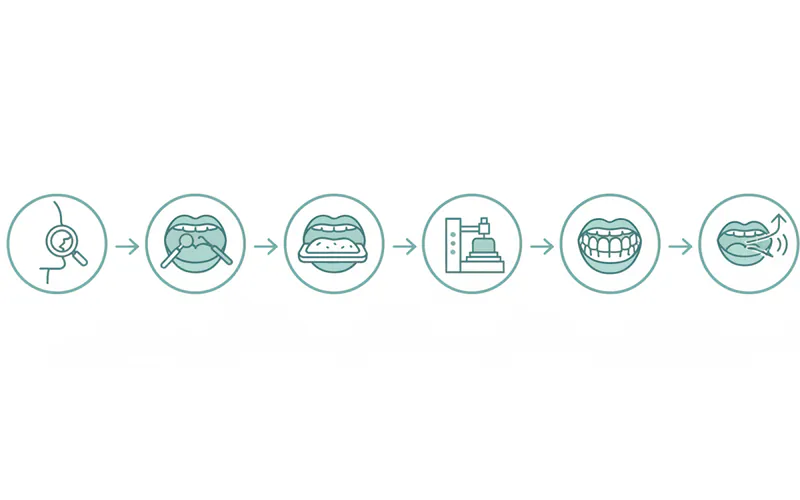
- Initial Consultation & Diagnosis: You'll start with a sleep physician for a definitive diagnosis of OSA and to rule out other sleep disorders. If mild to moderate OSA is confirmed, or if you have severe OSA but can't tolerate CPAP, a referral to a qualified dental sleep medicine practitioner is the next step.
- Dental Evaluation: The dentist will conduct a thorough examination of your teeth, gums, jaw, and temporomandibular joints (TMJ) to ensure you are a suitable candidate for an oral appliance. They will discuss your medical history and specific sleep concerns.
- Impressions and Measurements: Precise impressions of your upper and lower teeth will be taken, along with specialized measurements of your jaw position to determine the optimal forward position for your appliance. This ensures a custom fit that is both effective and comfortable.
- Appliance Fabrication: The impressions and measurements are sent to a dental lab where your custom-made oral appliance is fabricated. This usually takes a few weeks.
- Fitting and Adjustment: Once the appliance is ready, you'll return to the dentist for the initial fitting. The dentist will ensure a comfortable fit and instruct you on how to insert, remove, and care for your device. Most appliances have an adjustment mechanism that allows for gradual advancement of the lower jaw.
- Follow-up and Efficacy Testing: Over the next several weeks to months, you'll have follow-up appointments for adjustments to fine-tune the appliance’s position. Once the optimal position is found, a follow-up sleep study (either in-lab or at home) is often recommended to verify the appliance's effectiveness in reducing or eliminating your sleep apnea. Regular dental check-ups will also be scheduled to monitor your bite and jaw health.
Risks and Complications of Untreated Sleep Apnea
Ignoring the symptoms of sleep apnea can have severe and life-threatening consequences. The repeated drops in blood oxygen levels and fragmented sleep place significant stress on the body.
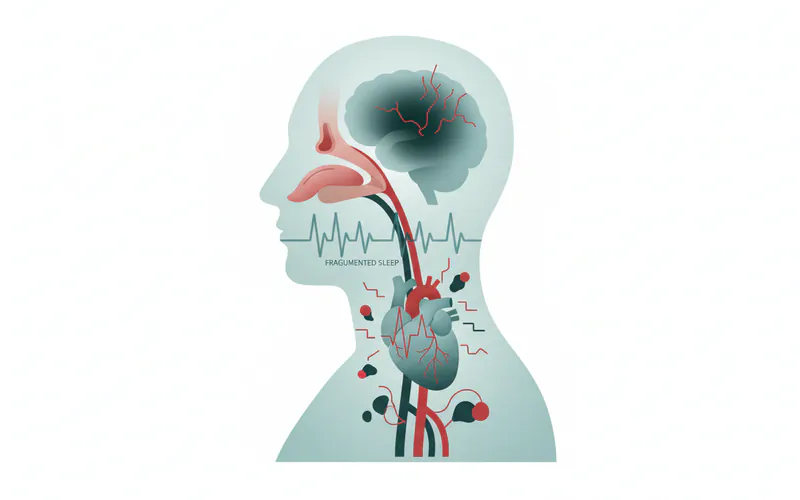
- Cardiovascular Problems: Untreated sleep apnea is a major risk factor for high blood pressure (hypertension), heart attack, stroke, irregular heartbeats (arrhythmias), and heart failure.
- Type 2 Diabetes: There is a strong link between sleep apnea and insulin resistance, increasing the risk of developing or worsening type 2 diabetes.
- Metabolic Syndrome: This cluster of conditions (high blood pressure, high blood sugar, excess body fat around the waist, and abnormal cholesterol levels) significantly raises the risk of heart disease and stroke.
- Daytime Fatigue and Accidents: Chronic sleep deprivation leads to excessive daytime sleepiness, increasing the risk of drowsy driving accidents and workplace errors.
- Mental Health Issues: Depression, anxiety, and irritability are common in individuals with untreated sleep apnea.
- Weight Gain: Sleep deprivation can disrupt hormones that regulate appetite, making weight gain more likely.
- Complications with Medications and Surgery: Patients with sleep apnea are at higher risk of complications with general anesthesia and certain medications that relax the airway.
Prevention Strategies for Snoring and Sleep Apnea
While not all cases are preventable, especially those due to anatomy or genetics, many can be mitigated or prevented through conscious lifestyle choices.
- Maintain a Healthy Weight: This is one of the most effective prevention strategies.
- Adopt a Side-Sleeping Position: Avoid sleeping on your back.
- Limit Alcohol and Sedatives: Especially before bedtime.
- Quit Smoking: Improve overall health and reduce airway inflammation.
- Address Nasal Issues: Treat allergies or seek medical advice for chronic nasal congestion.
- Regular Exercise: Tones muscles throughout the body, including the throat.
Children and Pediatric Sleep Apnea
Sleep apnea is not exclusive to adults; it can affect children too. Pediatric OSA affects 1-5% of children, often peaking between ages 2 and 8. The causes and symptoms can differ from adults, and early diagnosis and treatment are crucial for a child's development and well-being.
Specific Symptoms in Children
- Snoring: Often loud and persistent.
- Pauses in breathing: Observed by parents.
- Restless sleep: Tossing and turning, unusual sleep positions.
- Bedwetting: May reappear or worsen.
- Daytime symptoms: Unlike adults who often show sleepiness, children with OSA may exhibit hyperactivity, behavioral problems (e.g., ADHD-like symptoms), irritability, or difficulty concentrating in school.
- Mouth breathing: Chronic mouth breathing, even when awake.
- Failure to thrive: Poor growth or weight gain.
Causes and Treatment
In children, enlarged tonsils and adenoids are the most common cause of OSA. Other factors include obesity, craniofacial abnormalities (e.g., Down syndrome), and allergies.
- Tonsillectomy and Adenoidectomy: Surgical removal of enlarged tonsils and adenoids is often the first-line and highly effective treatment for most children with OSA.
- Weight Management: For obese children.
- CPAP: May be used in more severe cases or if surgery is not an option, but often challenging for children to tolerate.
- Oral Appliances: Custom oral appliances, similar to adult MADs, can be considered for older children and adolescents who don't have enlarged tonsils/adenoids or who can't tolerate other treatments. Pro Tip: If your child snores loudly, struggles to breathe at night, or shows daytime behavioral changes, consult their pediatrician. Early intervention can prevent long-term developmental, cognitive, and cardiovascular issues.
Cost Breakdown: Understanding the Financial Aspect
The financial aspect of diagnosing and treating snoring and sleep apnea can be a significant concern for many patients. Costs vary widely depending on the type of test, treatment chosen, geographical location in the US, and insurance coverage.
Diagnostic Costs
- Home Sleep Apnea Test (HSAT):
- Without insurance: Typically ranges from $300 to $1,500.
- With insurance: Often covered, with patient responsibility varying based on deductible and co-insurance (e.g., $50-$300 out-of-pocket).
- In-lab Polysomnography (PSG):
- Without insurance: Can range from $1,500 to $5,000, and even higher in some urban areas.
- With insurance: Usually covered, but may require a pre-authorization. Out-of-pocket costs can range from $200-$1,000+, depending on your plan.
Treatment Costs
Costs are highly variable and include device purchase, fitting, and ongoing maintenance.
- CPAP Therapy:
- CPAP Machine: $800-$3,000 for the device itself. Travel CPAP machines may be at the higher end.
- Masks and Supplies: $100-$500 per year for replacement masks, tubing, and filters.
- Without insurance: Full cost of device and supplies.
- With insurance: Often covered under durable medical equipment (DME), with patient responsibility varying by deductible and co-insurance (e.g., 20-50% of total cost).
- Oral Appliance Therapy (OAT):
- Custom Oral Appliance (Mandibular Advancement Device): $1,800-$3,500. This cost includes the initial consultation, impressions, device fabrication, fitting, and several adjustment appointments.
- Without insurance: Full cost.
- With insurance: OAT for OSA is often covered by medical insurance (not dental insurance), as it treats a medical condition. Coverage varies, with some plans covering 50-80% after deductible. Patient out-of-pocket costs might be $500-$1,500. Pro Tip: Always confirm coverage with your specific medical insurance plan before proceeding with OAT. Your dental sleep medicine provider can help with pre-authorization.
- Surgical Interventions (e.g., UPPP):
- Without insurance: $5,000-$15,000+, depending on complexity and facility fees.
- With insurance: Most often covered as a medical procedure, but requires pre-authorization and patient responsibility can still be substantial (e.g., $1,000-$5,000+ out-of-pocket).
- Hypoglossal Nerve Stimulation (Inspire):
- Without insurance: $25,000-$40,000+ (device plus surgery).
- With insurance: Typically covered by major medical insurance for eligible patients who have failed CPAP, but often requires significant pre-authorization and out-of-pocket maximums may apply.
Payment Plans and Financing Options
Many dental and medical offices offer payment plans or work with third-party financing companies (e.g., CareCredit) to help make treatments more affordable. Don't let cost deter you from seeking diagnosis and treatment; discuss financial options with your provider's administrative staff.
Cost-Saving Tips
- Verify Insurance Coverage: Always call your medical insurance provider directly to understand your benefits, deductibles, co-pays, and co-insurance for diagnostic tests and specific treatments (CPAP, OAT, surgery).
- Pre-authorization: Ensure your provider obtains pre-authorization for any major diagnostic test or treatment to avoid denied claims.
- Shop Around (for HSAT/CPAP): For home sleep apnea tests and CPAP supplies, compare prices from different DME (Durable Medical Equipment) providers, especially if paying out-of-pocket.
- Generic CPAP Masks/Parts: Consider generic or compatible parts for CPAP machines if your insurance doesn't fully cover brand-name options.
- Flexible Spending Accounts (FSAs) or Health Savings Accounts (HSAs): Utilize these tax-advantaged accounts to pay for qualified medical expenses, including sleep apnea diagnostics and treatments.
Frequently Asked Questions
Is loud snoring always a sign of sleep apnea?
No, loud snoring is not always a sign of sleep apnea, but it is one of the most common indicators. Simple snoring can be loud and disruptive without being medically serious. However, if your loud snoring is accompanied by gasping, choking, observed breathing pauses, or persistent daytime fatigue, it's highly advisable to get evaluated for sleep apnea.
Can I treat sleep apnea on my own without a doctor?
It is not recommended to treat sleep apnea on your own without professional medical guidance. Sleep apnea is a serious medical condition that requires proper diagnosis via a sleep study and a treatment plan prescribed by a doctor or sleep specialist. Self-treating can lead to ineffective management and leave you at risk for serious health complications.
How long does it take to get a diagnosis for sleep apnea?
The timeline for diagnosis can vary. After an initial consultation, scheduling a home sleep apnea test (HSAT) might take a few days to a few weeks. An in-lab polysomnography (PSG) might have a longer waiting list, from a few weeks to a couple of months. Once the test is completed, results are typically reviewed by a sleep physician within 1-2 weeks.
Are mouth guards for snoring the same as mouth guards for sleep apnea?
While some over-the-counter mouth guards claim to help with snoring, custom-fitted oral appliances for sleep apnea are medically prescribed devices. The latter are precision-engineered by a dental sleep medicine specialist to gently reposition the jaw or tongue, are FDA-approved for treating OSA, and require a prescription and follow-up adjustments for safety and effectiveness.
How effective are mouth guards (oral appliances) for sleep apnea?
Oral appliances are highly effective for mild to moderate obstructive sleep apnea (OSA) and primary snoring, with success rates often reported between 60-80% in reducing AHI (Apnea-Hypopnea Index) and significantly improving snoring. Their effectiveness depends on proper fit, regular use, and the individual's anatomy and severity of apnea. They are also a good alternative for patients with severe OSA who cannot tolerate CPAP.
Will my insurance cover sleep apnea treatment?
Most medical insurance plans, including Medicare, cover the diagnosis and treatment of sleep apnea, as it is a recognized medical condition. This typically includes sleep studies, CPAP machines, and custom oral appliances. However, coverage levels, deductibles, and co-pays vary greatly by plan, so it's essential to verify your specific benefits with your insurance provider.
Is sleep apnea surgery painful, and what is the recovery like?
Sleep apnea surgery can involve varying levels of pain and recovery time, depending on the procedure. For example, a uvulopalatopharyngoplasty (UPPP) involves significant throat soreness for 1-2 weeks, similar to a severe sore throat, with full recovery taking several weeks. More invasive surgeries like maxillomandibular advancement will have longer and more complex recovery periods. Pain management is typically prescribed during the recovery phase.
Can children have sleep apnea, and how is it treated?
Yes, children can and do get sleep apnea, often peaking in preschoolers. In children, enlarged tonsils and adenoids are the most common cause. Treatment often involves surgical removal of these tissues (tonsillectomy and adenoidectomy), which is highly effective. Other treatments may include weight management or, in rare cases, CPAP or oral appliances.
What happens if sleep apnea is left untreated?
Untreated sleep apnea significantly increases the risk of serious health problems, including high blood pressure, heart attack, stroke, irregular heartbeats, type 2 diabetes, and metabolic syndrome. It also causes chronic fatigue, which increases the risk of accidents and can lead to mood disorders like depression and anxiety.
How often do I need to follow up after starting sleep apnea treatment?
After starting treatment, initial follow-ups are crucial. For CPAP, you'll typically have several appointments within the first few months to ensure mask fit and pressure settings are optimal. For oral appliances, multiple adjustment appointments over several weeks are common, followed by annual check-ups. A follow-up sleep study might also be recommended to confirm treatment efficacy. Regular monitoring with your sleep physician is advised to track your overall health and treatment effectiveness.
When to See a Dentist or Doctor
Given the serious health implications of sleep apnea, knowing when to seek professional help is paramount. Do not delay if you experience any of the following:
- Your bed partner reports that you repeatedly stop breathing, gasp, or choke during sleep. This is a strong indicator of sleep apnea and requires immediate medical attention.
- You consistently wake up feeling unrefreshed, even after getting 7-8 hours of sleep, and experience excessive daytime sleepiness. This fragmented sleep is a key symptom of sleep apnea.
- You have loud, chronic snoring accompanied by morning headaches, difficulty concentrating, memory problems, or irritability. These are common symptoms associated with the sleep deprivation caused by apnea.
- You have high blood pressure, heart disease, type 2 diabetes, or have had a stroke and also experience snoring or daytime fatigue. Untreated sleep apnea can worsen these conditions or contribute to their development.
- Your child exhibits loud snoring, restless sleep, mouth breathing, or daytime behavioral problems. Pediatric sleep apnea should be evaluated promptly by a pediatrician or pediatric sleep specialist.
While a dentist specializing in sleep medicine can play a critical role in diagnosing and treating sleep apnea, particularly with oral appliance therapy, the initial consultation and diagnosis for suspected sleep apnea should always begin with your primary care physician or a board-certified sleep physician. They can order the necessary sleep studies and help coordinate your care with a qualified dental professional. Remember, addressing the difference between snoring and sleep apnea early can profoundly impact your long-term health and quality of life.
Frequently Asked Questions
Medically Reviewed Content
This article was written by our dental health editorial team and reviewed for medical accuracy. Our content follows strict editorial guidelines for reliability and trustworthiness.
Medical Disclaimer
This article is for informational purposes only and does not constitute medical advice. Always consult with a qualified dental professional for diagnosis and treatment. Do not delay seeking professional advice because of something you read on this website.
Related Articles
Mouth Taping for Snoring: Complete Guide
Snoring. It's the nocturnal soundtrack for millions of Americans, often a source of frustration for bed partners and a potential indicator of underlying health issues for the snorer themselves. Roughly 45% of adults snore occasionally, and 25% are habitual snorers, impacting sleep quality, relat
February 23, 2026
Is All Snoring Sleep Apnea
Many individuals, perhaps even you or a loved one, have been told they snore loudly. It's often dismissed as a harmless, albeit annoying, nocturnal habit. However, what if that nightly rumble is more than just noise? What if it's a critical indicator of an underlying health condition that significan
February 23, 2026
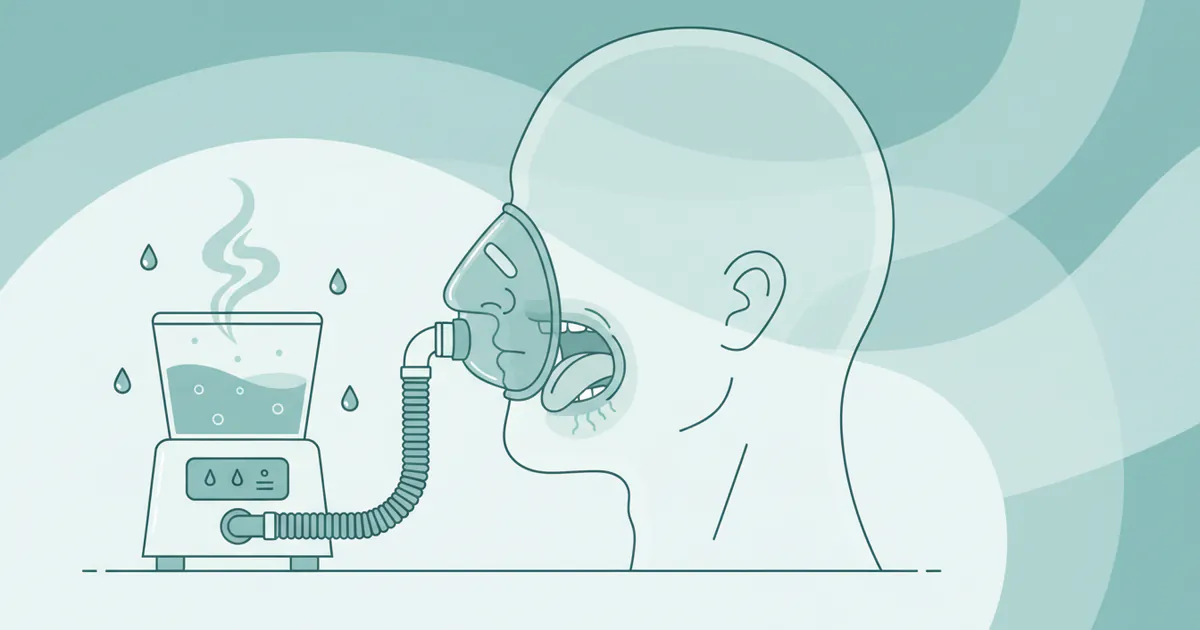
Cpap Dry Mouth Even With Humidifier: Complete Guide
Experiencing dry mouth while using a CPAP machine, even with a humidifier, is a common and incredibly frustrating issue for millions of Americans. It can disrupt sleep, diminish the effectiveness of your sleep apnea treatment, and significantly impact your oral health. Imagine waking up every mornin
February 23, 2026
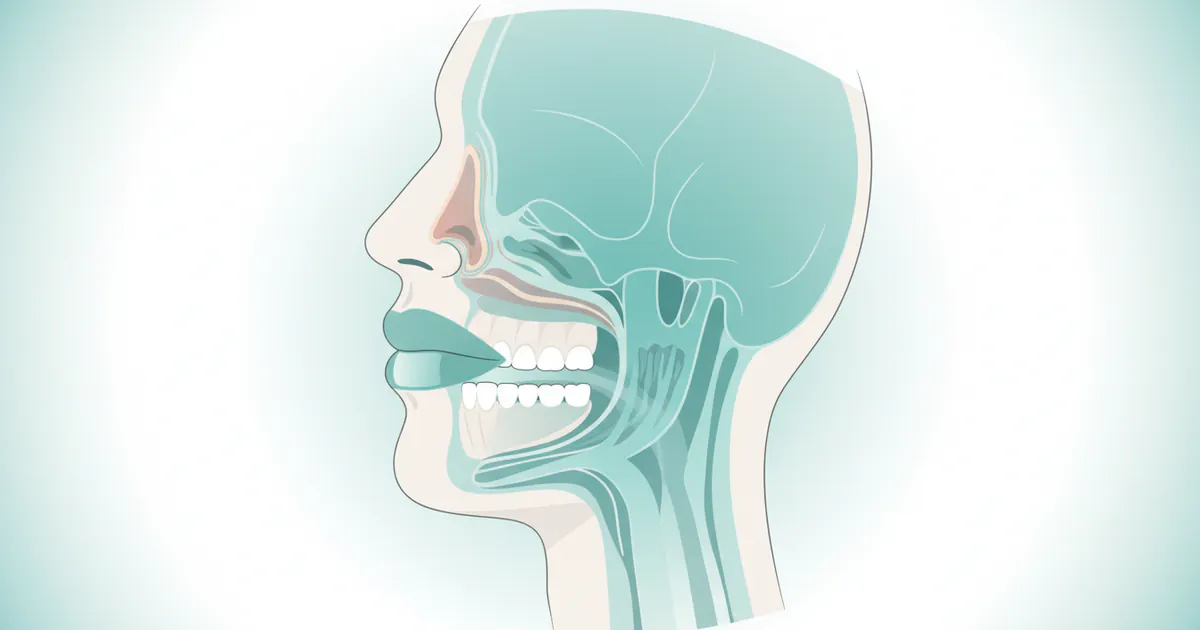
Sleep Apnea Mouth Tape: Complete Guide
You've likely heard the sound – the unmistakable rumble of snoring, echoing through the night. For many, snoring is more than just an annoyance; it's a potential warning sign of a serious underlying condition: sleep apnea. Affecting an estimated 30 million adults in the United States, sleep apne
February 23, 2026