Sleep Apnea Mouth Tape: Complete Guide
Key Takeaways
- You've likely heard the sound – the unmistakable rumble of snoring, echoing through the night. For many, snoring is more than just an annoyance; it's a potential warning sign of a serious underlying condition: sleep apnea. Affecting an estimated 30 million adults in the United States, sleep apne
You've likely heard the sound – the unmistakable rumble of snoring, echoing through the night. For many, snoring is more than just an annoyance; it's a potential warning sign of a serious underlying condition: sleep apnea. Affecting an estimated 30 million adults in the United States, sleep apnea can lead to a host of health problems, from chronic fatigue and irritability to increased risks of heart disease, stroke, and diabetes. In the quest for quieter nights and better health, people explore various solutions, and one increasingly discussed topic is sleep apnea mouth tape. But what exactly is it? How does it work? And is it a safe or effective option for managing snoring and sleep apnea?
This comprehensive guide from SmilePedia.net delves into the world of mouth taping, exploring its principles, potential benefits, and significant limitations. We'll examine its role as a potential aid for nasal breathing, differentiate it from medically proven treatments, and provide a clear perspective on when and why you should consult a dental professional or sleep specialist. By the end of this article, you'll have a clear understanding of mouth tape, its place in the broader landscape of sleep health, and the steps to take for a truly restorative night's sleep.
Key Takeaways:
- Sleep apnea mouth tape is a non-adhesive strip designed to keep the lips sealed during sleep, promoting nasal breathing.
- It is primarily considered for mild snoring and improving nasal breathing, not a treatment for moderate to severe obstructive sleep apnea (OSA).
- Typical cost for mouth tape ranges from $15 to $30 per roll (1-3 months supply), making it a low-cost intervention.
- Potential benefits include reduced dry mouth, improved nasal patency, and possibly decreased snoring volume in some individuals.
- Crucially, mouth taping is NOT a substitute for a professional diagnosis or treatment of sleep apnea. Untreated sleep apnea carries significant health risks.
- Always consult a dentist or sleep physician before trying mouth tape, especially if you suspect sleep apnea, to rule out underlying conditions.
- Mouth guards for snoring (oral appliances) are distinct, FDA-cleared devices prescribed by dentists for mild to moderate OSA and primary snoring, costing $500-$3,000 and often covered by medical insurance.
What is Sleep Apnea Mouth Tape? An Overview
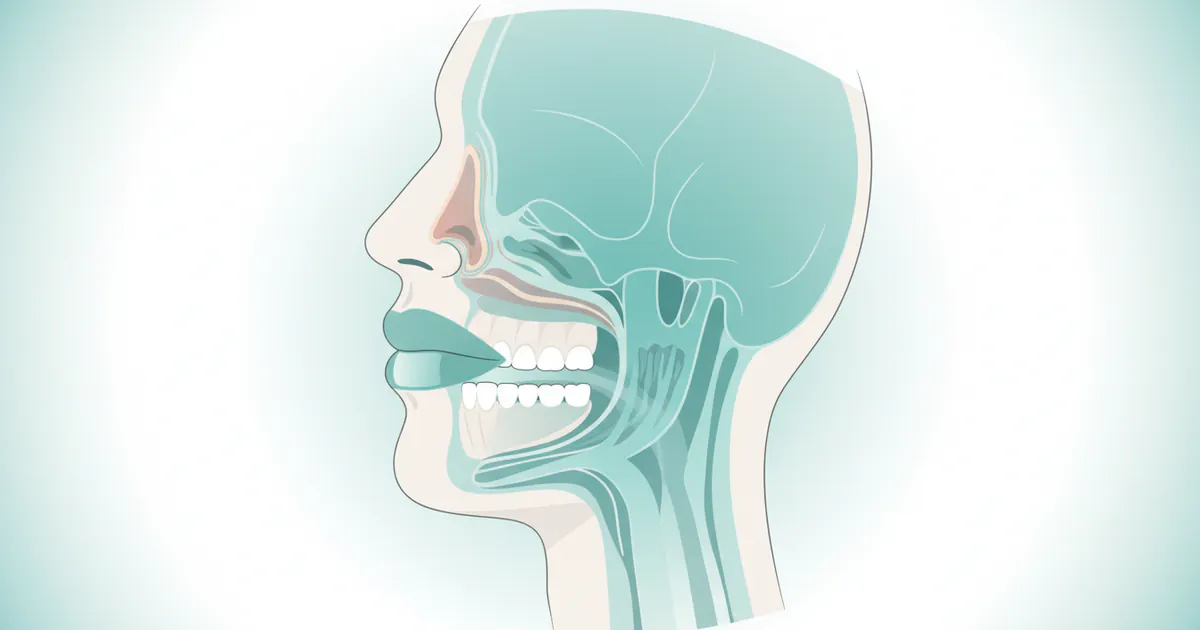
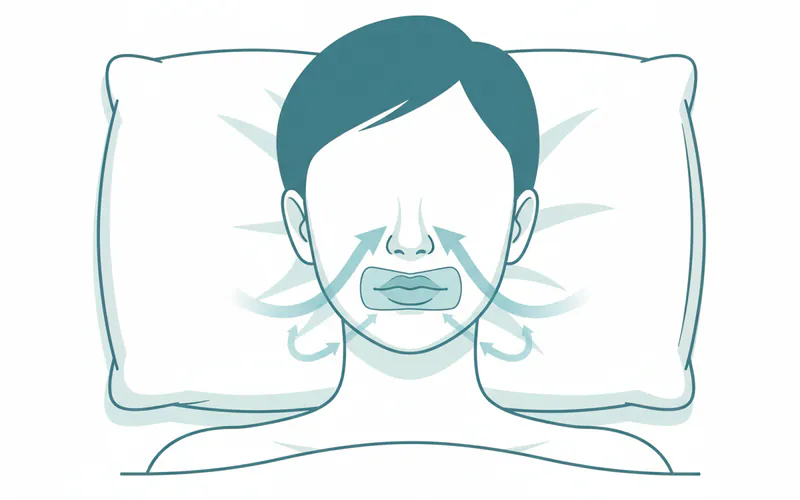
At its core, sleep apnea mouth tape is a simple yet often misunderstood tool designed to encourage nasal breathing during sleep. It involves placing a specialized adhesive strip over the lips, gently keeping them closed to prevent mouth breathing. The theory behind this practice is that by ensuring the mouth remains shut, individuals are compelled to breathe through their nose, which is considered the physiologically correct and healthier way to breathe.
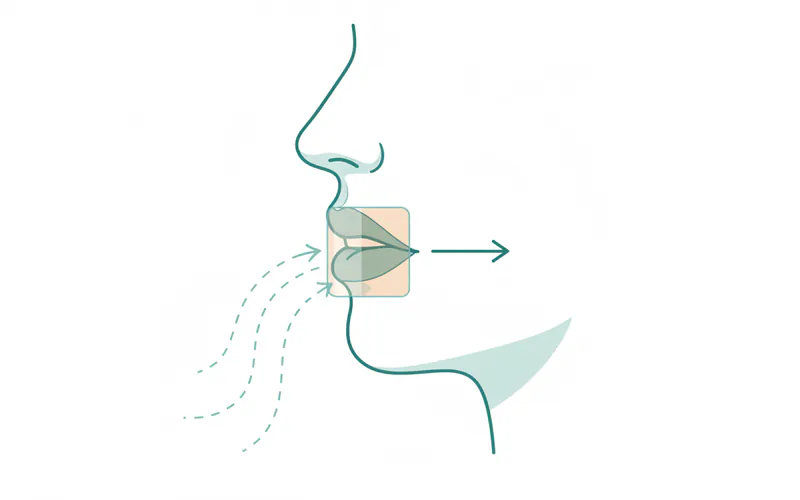
Mouth breathing during sleep can contribute to several issues, including dry mouth, poor oral hygiene, and exacerbated snoring. For those who habitually breathe through their mouth, this can bypass the natural filtration, humidification, and warming functions of the nose, potentially leading to more fragmented sleep and respiratory issues. While the term "sleep apnea mouth tape" is often used, it's important to clarify that this tape does not directly treat sleep apnea itself. Instead, it aims to address an associated symptom (mouth breathing) that might contribute to snoring or mild airway obstruction. It's an intervention focused on improving breathing mechanics rather than resolving the complex physiological causes of sleep apnea, which often involve airway collapse.
The Role of Nasal Breathing
Nasal breathing is paramount for optimal health. Your nose acts as a sophisticated air filter, humidifier, and temperature regulator. It filters out allergens, pathogens, and dust particles, warms and moistens the incoming air before it reaches your lungs, and releases nitric oxide, which helps to dilate blood vessels and improve oxygen absorption. When you breathe through your mouth, you bypass these vital functions, leading to:
- Dry Mouth (Xerostomia): A common side effect of mouth breathing, which increases the risk of tooth decay, gum disease, and bad breath.
- Increased Snoring: Mouth breathing can cause the soft tissues at the back of the throat to vibrate more readily, leading to louder and more frequent snoring.
- Poor Sleep Quality: Less efficient oxygen exchange and disrupted airflow can lead to more restless sleep and daytime fatigue.
- Facial and Jaw Development Issues: Particularly in children, chronic mouth breathing can negatively impact facial structure and dental alignment.
By promoting nasal breathing, mouth tape attempts to mitigate these issues, offering a potential pathway to a more restful night and improved oral health. However, its effectiveness and safety for sleep apnea patients are subjects requiring careful consideration and professional guidance.
Types and Variations of Mouth Taping
While the core concept remains the same – keeping the mouth closed – there are several variations in the types of products available and techniques used for mouth taping.
Commercial Mouth Tapes
The market offers a range of commercially produced mouth tapes, specifically designed for sleep. These products typically feature:
- Hypoallergenic Adhesives: Often made with medical-grade, gentle adhesives to minimize skin irritation, a common concern for long-term use.
- Breathable Materials: Designed to allow some skin ventilation and prevent excessive moisture buildup.
- Pre-cut Shapes: Many come in specific shapes (e.g., "H" shape, "X" shape, or simple strips) designed to cover just the lips or the central part of the mouth.
- Perforations/Easy Removal: Some are designed with perforations or release tabs for easy and safe removal, especially in case of waking up needing to speak or clear the airway.
- Lip Seal vs. Full Seal: Some tapes only create a gentle lip seal, while others offer a more complete closure.
Popular brands often emphasize comfort, ease of use, and skin-friendliness. The cost for these specialized tapes usually ranges from $15 to $30 for a 1-3 month supply, making them relatively inexpensive.
DIY and Alternative Methods
Some individuals, often before specialized products became widely available, resorted to DIY methods:
- Medical Tape: Using general medical paper tape or surgical tape. This is generally not recommended due to potential skin irritation, residue, and lack of specific design for lip closure during sleep.
- Bandages: Similar to medical tape, bandages are not designed for this purpose and can be problematic.
Pro Tip: Always opt for products specifically designed for mouth taping during sleep. Avoid using general household or medical tapes, as they may not be skin-safe for prolonged application to the sensitive lip area and can cause irritation or difficulty breathing.
Distinction from Oral Appliances (Mouth Guards for Snoring)
It's crucial to distinguish mouth tape from oral appliances, which are also often referred to as "mouth guards for snoring" or "dental devices for sleep apnea."
| Feature | Mouth Tape | Oral Appliance (Mouth Guard for Snoring/Sleep Apnea) |
|---|---|---|
| Purpose | Promotes nasal breathing by sealing lips; may reduce simple snoring. | Repositions jaw/tongue to open airway; treats snoring & mild-moderate OSA. |
| Mechanism | Physical barrier on lips to prevent mouth breathing. | Mechanical repositioning of mandibular (jaw) or tongue structures. |
| Effectiveness | Anecdotal for snoring/dry mouth; not a proven OSA treatment. | Clinically proven for primary snoring and mild-moderate OSA. |
| Regulation | Not regulated as a medical device; sold over-the-counter. | FDA-cleared medical device; custom-made. |
| Prescription | No prescription needed. | Requires prescription from a dentist (with sleep medicine training). |
| Cost (US) | $15 - $30 per supply. | $500 - $3,000+ (custom-fit); $50 - $200 (boil-and-bite, less effective). |
| Insurance | Not covered. | Often covered by medical insurance (as durable medical equipment). |
| Risks | Skin irritation, anxiety, potential for worsened breathing if nasal passages blocked. | Jaw discomfort, tooth movement (rare with custom fit), salivation. |
While both aim to improve sleep breathing, their mechanisms, efficacy, and medical standing are vastly different. Mouth tape is a low-tech aid, whereas custom oral appliances are FDA-approved medical devices prescribed by dentists specializing in sleep medicine.
Causes of Snoring and Mouth Breathing
Understanding why people snore and breathe through their mouths is essential to grasp where mouth tape might fit in.
Why We Snore
Snoring occurs when air flow through the mouth and nose is obstructed. During sleep, muscles in the throat and tongue relax. These relaxed tissues can vibrate as air passes over them, creating the characteristic snoring sound. Common factors contributing to snoring include:
- Relaxed Throat Muscles: As we sleep, the muscles supporting the soft palate, uvula, tonsils, and tongue relax.
- Obstructed Nasal Passages: A stuffy nose from allergies, a cold, or structural issues like a deviated septum can force mouth breathing, increasing vibrations.
- Excess Weight: Extra fatty tissue around the neck can narrow the airway.
- Alcohol and Sedatives: These substances further relax throat muscles.
- Sleep Position: Sleeping on your back can allow gravity to pull the tongue and soft palate backward, obstructing the airway.
- Enlarged Tonsils or Adenoids: More common in children, but can affect adults too.
- Jaw Structure: A smaller lower jaw or recessed chin can predispose individuals to airway narrowing.
Why We Breathe Through Our Mouth During Sleep
Mouth breathing during sleep can be a habit or a necessity:
- Nasal Obstruction: This is the most common reason. Chronic allergies, nasal polyps, a deviated septum, enlarged turbinates, or even a temporary cold can make nasal breathing difficult or impossible.
- Habit: Some individuals develop a habit of mouth breathing, even when their nasal passages are clear.
- Jaw Position: Certain jaw positions or malocclusions can make it easier or more natural to keep the mouth open during sleep.
- Sleep Apnea: In some cases, individuals with sleep apnea might unconsciously open their mouth in an attempt to get more air when their airway collapses, though mouth taping would not address the underlying collapse.
For mouth tape to be potentially beneficial, the primary reason for mouth breathing should be a habit rather than a severe physical obstruction in the nasal passages. If nasal breathing is already difficult due to underlying issues, mouth taping could be counterproductive or even dangerous.
Signs and Symptoms That Might Lead You to Consider Mouth Tape
While mouth tape is not a treatment for serious conditions, certain signs and symptoms might lead someone to explore it, often related to mild snoring or the effects of mouth breathing.
- Loud Snoring (without diagnosed sleep apnea): If you or your partner notice consistent, loud snoring, but a sleep study has ruled out moderate to severe sleep apnea.
- Chronic Dry Mouth: Waking up frequently with a very dry mouth, sore throat, or hoarseness, often due to breathing through the mouth all night.
- Bad Breath (Halitosis): Dry mouth significantly reduces saliva flow, which is crucial for washing away bacteria, leading to increased risk of halitosis.
- Morning Fatigue Despite "Enough" Sleep: While a major sign of sleep apnea, even habitual mouth breathing can lead to less restful sleep and daytime tiredness.
- Frequent Nasal Congestion: If you frequently wake up with stuffy sinuses or a blocked nose, but have not identified an underlying cause, mouth tape might encourage clearer nasal passages over time by promoting consistent nasal airflow.
- Oral Health Concerns: Increased rates of tooth decay and gum inflammation can be exacerbated by dry mouth from chronic mouth breathing.
Important: If you experience any of these symptoms, especially loud snoring accompanied by gasping, choking, or pauses in breathing, it is imperative to consult a healthcare professional for a proper diagnosis before attempting any self-treatment like mouth taping. These could be signs of obstructive sleep apnea, which requires professional medical management.
Treatment Options for Snoring and Sleep Apnea
While this article focuses on mouth tape, it's critical to understand its place within the broader spectrum of treatments for snoring and sleep apnea. Mouth tape is a very niche, largely unproven intervention compared to established medical therapies.
1. Sleep Apnea Mouth Tape
- Mechanism: Promotes nasal breathing by keeping lips sealed.
- Pros: Inexpensive, non-invasive, simple to use, may reduce dry mouth, and potentially mild snoring for some.
- Cons: Not a treatment for sleep apnea. Can cause skin irritation, anxiety, or feelings of claustrophobia. Potentially dangerous if nasal passages are severely blocked. Lack of scientific evidence for efficacy in OSA.
- Recommendation: Use with caution and only after consulting a healthcare professional, primarily for habitual mouth breathing or very mild, uncomplicated snoring.
2. Oral Appliances (Mouth Guards for Snoring & Sleep Apnea)
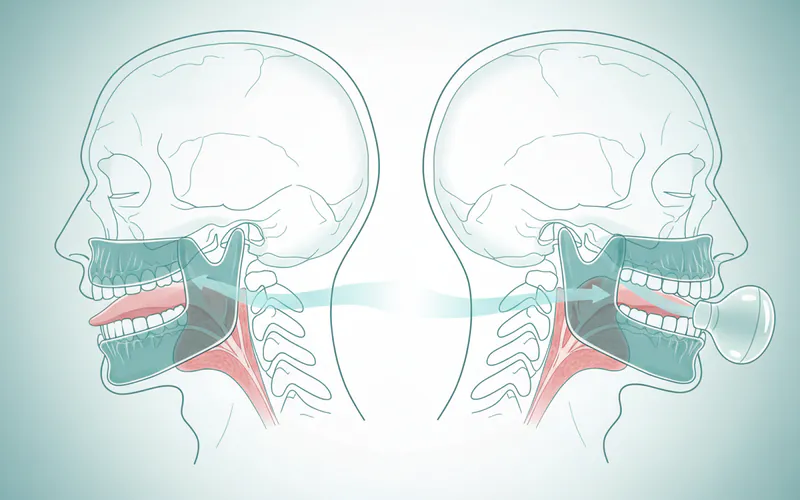
- Mechanism: Custom-fitted dental devices worn during sleep that reposition the lower jaw and/or tongue to keep the airway open. There are two main types: Mandibular Advancement Devices (MADs) and Tongue Retaining Devices (TRDs).
- Pros: FDA-cleared and clinically proven for primary snoring and mild to moderate OSA. Non-invasive alternative to CPAP. Portable and comfortable for many. Prescribed and fitted by a qualified dentist, often by an ADA-recognized prosthodontist or general dentist with specialized training in dental sleep medicine.
- Cons: Can cause temporary jaw discomfort, excess salivation, or minor tooth movement (rare with custom-fit). Requires professional fitting and follow-up. Cost can be significant (usually covered by medical insurance).
- Recommendation: The American Dental Association (ADA) supports the use of oral appliances for the treatment of primary snoring and mild to moderate obstructive sleep apnea when prescribed by a qualified dentist. They are a highly effective treatment.
- Internal Link: Learn more about "Oral Appliances for Sleep Apnea" on SmilePedia.net.
3. Continuous Positive Airway Pressure (CPAP) Therapy
- Mechanism: A machine delivers a continuous stream of air through a mask worn over the nose or nose and mouth, creating positive pressure that keeps the airway open.
- Pros: Most effective and gold standard treatment for moderate to severe OSA. Highly effective at eliminating apneas and hypopneas.
- Cons: Can be cumbersome, noisy, and uncomfortable for some. Mask fit issues, dry nose/throat, and claustrophobia are common complaints. Requires consistent use.
- Recommendation: First-line treatment for moderate to severe OSA.
4. Lifestyle Modifications
- Weight Loss: Even a modest amount of weight loss can significantly reduce snoring and sleep apnea severity.
- Avoid Alcohol and Sedatives: Especially before bed, as they relax throat muscles.
- Change Sleep Position: Sleeping on your side can prevent the tongue and soft palate from collapsing backward.
- Nasal Decongestants/Steroid Sprays: Can help with nasal congestion if used under medical guidance.
- Smoking Cessation: Smoking irritates the airways, leading to inflammation and increased risk of snoring and apnea.
- Regular Exercise: Improves overall muscle tone, including throat muscles.
- Elevation: Elevating the head of the bed by a few inches can sometimes help.
- Pro Tip: Combining lifestyle changes with other treatments often yields the best results.
5. Surgical Options
- Mechanism: Various surgical procedures aim to remove or stiffen excess tissue in the throat or reposition jaw structures to enlarge the airway. Examples include Uvulopalatopharyngoplasty (UPPP), genial advancement, maxillomandibular advancement (MMA), and nasal surgeries.
- Pros: Can be curative for some individuals, particularly those with specific anatomical obstructions.
- Cons: Invasive, carries surgical risks (pain, infection, bleeding). Success rates vary and are not always guaranteed. Recovery can be significant.
- Recommendation: Generally considered when other non-invasive treatments have failed or for specific anatomical issues.
Comparison of Key Sleep Apnea and Snoring Treatments
| Treatment Option | Target Condition | Mechanism | Efficacy for OSA | Average US Cost (Range) | Insurance Coverage |
|---|---|---|---|---|---|
| Sleep Apnea Mouth Tape | Mouth breathing, mild snoring | Seals lips to promote nasal breathing | None (Not a treatment) | $15 - $30 (supply) | No |
| Oral Appliance | Primary Snoring, Mild-Moderate OSA | Repositions jaw/tongue to open airway | High (Mild-Mod OSA) | $500 - $3,000+ (custom) | Often Medical (DME) |
| CPAP Therapy | Moderate-Severe OSA | Delivers positive air pressure to keep airway open | Very High (Gold Standard) | $800 - $3,000+ (device) | Medical (DME) |
| Lifestyle Changes | Snoring, All OSA severities (adjunctive) | Weight loss, position change, avoid alcohol, etc. | Varies (supportive) | $0 - $Depends on habits | No (indirect) |
| Surgical Interventions | Anatomical obstructions, Moderate-Severe OSA | Removes/modifies tissue or bone to enlarge airway | Varies (specific cases) | $5,000 - $50,000+ (procedure) | Often Medical |
Step-by-Step Process for Using Mouth Tape
If, after consulting with a healthcare professional, you decide to try mouth tape for habitual mouth breathing or very mild snoring, here's a general step-by-step guide.
- Consult Your Dentist or Doctor: This is the most crucial first step. Ensure there are no underlying medical conditions (like severe nasal obstruction or undiagnosed sleep apnea) that would make mouth taping unsafe or ineffective for you.
- Choose the Right Tape: Select a medical-grade, hypoallergenic mouth tape specifically designed for sleep. Avoid general tapes that can cause skin irritation.
- Prepare Your Skin: Wash and dry your lips and the surrounding skin thoroughly before bed. Avoid applying heavy moisturizers or lip balms in the area where the tape will be placed, as this can reduce adhesion.
- Apply the Tape:
- Gently bring your lips together.
- Center the tape over your lips, ensuring it covers them adequately without pulling too tightly or being uncomfortable.
- Press down firmly but gently to ensure good adhesion. Some tapes are designed to allow for emergency mouth opening if needed.
- Pro Tip: If you're nervous, try it during a short nap first to get used to the sensation.
- Focus on Nasal Breathing: Once the tape is on, consciously try to breathe through your nose for a few minutes before falling asleep. This helps establish the habit.
- Removal: In the morning, gently peel off the tape. If there's any residue, warm water and a gentle cleanser can help remove it.
- Monitor Your Experience: Pay attention to how you feel. Do you wake up with a less dry mouth? Has your snoring improved (if applicable)? Is your sleep quality better? Note any discomfort, skin irritation, or difficulty breathing.
What to Expect
- Initial Discomfort: It may feel strange or slightly claustrophobic at first. This usually diminishes with consistent use.
- Skin Irritation: Some individuals might experience redness or irritation. If this happens, try a different brand or discontinue use.
- Improved Morning Symptoms: If successful, you might wake up with less dry mouth, a fresher feeling, and potentially reduced snoring (as reported by a bed partner).
- No Change to Sleep Apnea: If you have undiagnosed sleep apnea, mouth tape will likely not improve your primary symptoms of disrupted breathing and daytime fatigue.
Cost and Insurance Considerations
The financial aspects of managing sleep-related breathing issues vary significantly depending on the chosen treatment.
Cost of Sleep Apnea Mouth Tape
- Low Cost: Mouth tape is one of the least expensive interventions available.
- Average Cost: A roll or pack of specialized mouth tape typically costs $15 to $30.
- Duration: One package often provides a 1-3 month supply, making the monthly cost minimal, usually less than $10.
- Insurance: Mouth tape is considered an over-the-counter wellness product and is not covered by medical or dental insurance.
Cost of Other Treatments
Understanding these costs provides context for mouth tape's niche position:
- Oral Appliances (Mouth Guards for Snoring/Sleep Apnea):
- Custom-Fitted: Ranges from $500 to $3,000+ depending on the specific device, dentist's fees, and geographic location. This includes consultations, impressions, fabrication, adjustments, and follow-up care.
- Over-the-Counter (Boil-and-Bite): $50 to $200. These are generally less effective, less comfortable, and not recommended for true sleep apnea treatment by the ADA.
- Insurance Coverage: Most custom oral appliances are considered durable medical equipment (DME) and are often covered by medical insurance (not dental insurance, as it treats a medical condition). Coverage can range from 50% to 80% after deductibles, though policies vary. A prescription from a sleep physician confirming OSA diagnosis is typically required.
- CPAP Therapy:
- Machine: $800 to $3,000+ for the device itself (CPAP, APAP, BiPAP).
- Masks and Supplies: $100 to $300+ annually for replacement masks, tubing, filters.
- Insurance Coverage: Highly covered by medical insurance as DME, usually 80% or more, often after meeting deductibles. Many providers offer rental-to-own programs.
- Sleep Study (Polysomnography):
- In-Lab: $1,500 to $5,000+.
- Home Sleep Test (HST): $200 to $500+.
- Insurance Coverage: Almost always covered by medical insurance when prescribed by a physician due to suspected sleep apnea.
Payment Plans and Financing Options
For higher-cost treatments like oral appliances or CPAP, several options exist:
- Dental/Medical Insurance: As detailed above, these are often the primary source of coverage.
- Flexible Spending Accounts (FSAs) and Health Savings Accounts (HSAs): These tax-advantaged accounts can be used for qualified medical expenses, including prescribed sleep apnea treatments.
- Payment Plans: Many dental and sleep clinics offer in-house payment plans.
- Third-Party Financing: Companies like CareCredit provide specialized healthcare financing options.
Pro Tip: Always verify your specific insurance benefits and coverage with your provider before starting any expensive treatment. Ask for a pre-authorization if possible.
Recovery and Aftercare for Mouth Taping
Since mouth taping is a relatively simple, non-invasive practice, "recovery" mostly refers to managing any immediate effects and ensuring continued comfort.
Immediate Aftercare
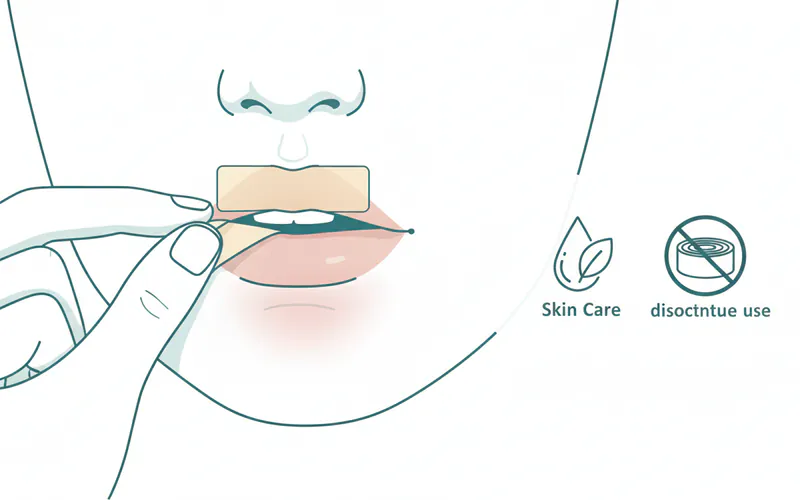
- Skin Care: Upon removal, inspect your skin for any redness, irritation, or adhesive residue. If irritation occurs, discontinue use or try a different brand. Gentle cleansing and a mild, non-comedogenic moisturizer can help.
- Oral Hygiene: Continue your regular oral hygiene routine, brushing twice a day and flossing daily. Mouth taping doesn't replace these essential practices.
- Hydration: Drink plenty of water throughout the day to support overall hydration, especially if you were experiencing dry mouth.
Long-Term Considerations
- Monitor for Effectiveness: Continuously assess if mouth taping is providing the desired benefits (e.g., less dry mouth, reduced snoring). If symptoms persist or worsen, it's a sign to stop and revisit your healthcare provider.
- Listen to Your Body: If you experience discomfort, anxiety, difficulty breathing, or any new symptoms, discontinue use immediately.
- Re-evaluate Periodically: If you use mouth tape for an extended period, periodically check in with your dentist or doctor to ensure it's still appropriate and that no underlying issues have developed or worsened.
It's crucial to remember that mouth taping is not a "fix-all" and requires consistent self-monitoring.
Prevention of Snoring and Mouth Breathing
Many strategies that treat snoring can also prevent it, and focusing on nasal health can help prevent mouth breathing.
For Snoring
- Maintain a Healthy Weight: Losing even a small amount of weight can reduce the amount of tissue in the throat that might obstruct the airway.
- Avoid Alcohol and Sedatives Before Bed: These substances relax throat muscles, increasing the likelihood of snoring. Aim to avoid them several hours before sleep.
- Sleep on Your Side: Using a body pillow can help maintain a side-sleeping position, preventing the tongue and soft palate from collapsing backward.
- Elevate Your Head: Using a wedge pillow or raising the head of your bed by a few inches can help keep the airway more open.
- Clear Nasal Passages: Treat allergies with antihistamines or nasal sprays (under medical guidance). Use saline nasal rinses to keep passages clear.
- Quit Smoking: Smoking irritates and inflames the airways, contributing to snoring.
- Address Nasal Obstructions: Consult an ENT (Ear, Nose, and Throat) specialist for structural issues like a deviated septum or nasal polyps.
- Stay Hydrated: Dehydration can make nasal secretions thicker and contribute to congestion.
For Mouth Breathing
- Address Nasal Congestion: The most common cause. Treat allergies, colds, or sinus infections promptly. Consider seeing an ENT for chronic blockages.
- Practice Conscious Nasal Breathing: During the day, make an effort to breathe through your nose. This can help retrain your body for nighttime.
- Myofunctional Therapy: This involves exercises designed to strengthen oral and facial muscles and improve tongue posture, which can promote nasal breathing. A speech-language pathologist or specially trained dentist can guide you.
- Tongue Position: Aim to rest your tongue gently against the roof of your mouth, which naturally encourages nasal breathing.
Prevention often involves a holistic approach, addressing lifestyle and underlying health issues.
Risks and Complications of Sleep Apnea Mouth Tape
While mouth tape seems innocuous, it's not without potential risks, especially if used improperly or by individuals with contraindications.
Direct Risks of Mouth Taping
- Skin Irritation: The adhesive can cause redness, itching, rashes, or allergic reactions on the sensitive skin around the lips. This is the most common complaint.
- Anxiety/Claustrophobia: Some individuals may feel panicky or anxious with their mouth taped shut, especially if they are used to mouth breathing or have any level of nasal congestion.
- Difficulty Breathing: This is the most serious risk. If nasal passages become blocked during the night (e.g., due to allergies, a cold, or underlying structural issues), and the mouth is taped shut, it can lead to significant breathing difficulty, waking up in distress, or even oxygen deprivation. This is why it's absolutely critical to ensure clear nasal passages before using mouth tape.
- Choking Hazard: Though rare, if the tape comes loose, it could potentially be inhaled or ingested.
- Exacerbated Snoring/Apnea (Paradoxical Effect): In some cases, forcibly closing the mouth without addressing underlying airway issues might paradoxically worsen breathing resistance, leading to more effortful breathing, fragmented sleep, or even worsening sleep apnea if present.
Risks of Untreated Sleep Apnea (if Mouth Tape is Used as a Substitute)
This is the most significant danger associated with relying on mouth tape without a proper diagnosis. If you have obstructive sleep apnea (OSA) and use mouth tape thinking it's a treatment, you are leaving a serious medical condition untreated, leading to:
- Cardiovascular Disease: Increased risk of high blood pressure, heart attack, stroke, and irregular heart rhythms (arrhythmias).
- Metabolic Issues: Higher risk of developing insulin resistance and type 2 diabetes.
- Cognitive Impairment: Poor concentration, memory problems, and reduced cognitive function.
- Daytime Fatigue: Excessive sleepiness, leading to impaired performance at work or school, and increased risk of accidents (e.g., drowsy driving).
- Mood Disorders: Increased risk of depression and anxiety.
- Weakened Immune System: Chronic sleep deprivation negatively impacts immune function.
- Oral Health Issues: While mouth taping aims to help with dry mouth, untreated sleep apnea itself can contribute to severe dry mouth, bruxism (teeth grinding), and temporomandibular joint (TMJ) disorders due to airway struggles.
The ADA recommends that all patients with symptoms suggestive of sleep-disordered breathing be referred to a physician for a comprehensive sleep evaluation. Do not self-diagnose or attempt to treat sleep apnea with mouth tape.
Children / Pediatric Considerations
Mouth breathing and snoring in children are serious concerns that require immediate medical attention, and mouth taping is generally NOT recommended for children.
Why Pediatric Snoring and Mouth Breathing are Critical
- Impact on Development: Chronic mouth breathing in children can lead to significant dental and facial development issues, including a long, narrow face, crowded teeth, and malocclusion (improper bite).
- Neurocognitive Issues: Sleep-disordered breathing in children is linked to ADHD-like symptoms, learning difficulties, and behavioral problems.
- Growth Problems: Poor sleep quality can affect growth hormone release.
- Underlying Causes: Common causes include enlarged tonsils and adenoids, allergies, and structural nasal obstructions.
Why Mouth Taping is NOT Recommended for Children
- Safety Risks: Children may not be able to remove the tape themselves if they experience difficulty breathing or discomfort, posing a choking hazard or risk of suffocation.
- Lack of Control: Children may not understand the purpose and might pull the tape off, or conversely, be too fearful to remove it.
- Hides Underlying Issues: Using tape could mask serious underlying conditions like severe nasal obstruction or pediatric sleep apnea, delaying proper diagnosis and treatment.
- No Scientific Basis: There is no scientific evidence supporting the use of mouth tape for children.
What Parents Should Do
If you observe your child consistently mouth breathing during the day or night, snoring, gasping, or pausing their breathing during sleep, immediately consult your pediatrician or a pediatric dentist. They can assess for:
- Enlarged tonsils and adenoids
- Allergies
- Deviated septum or other nasal obstructions
- Orthodontic issues
- Referral for a pediatric sleep study
Early intervention is key to preventing long-term health and developmental consequences in children.
Frequently Asked Questions
H3: Is sleep apnea mouth tape a proven treatment for sleep apnea?
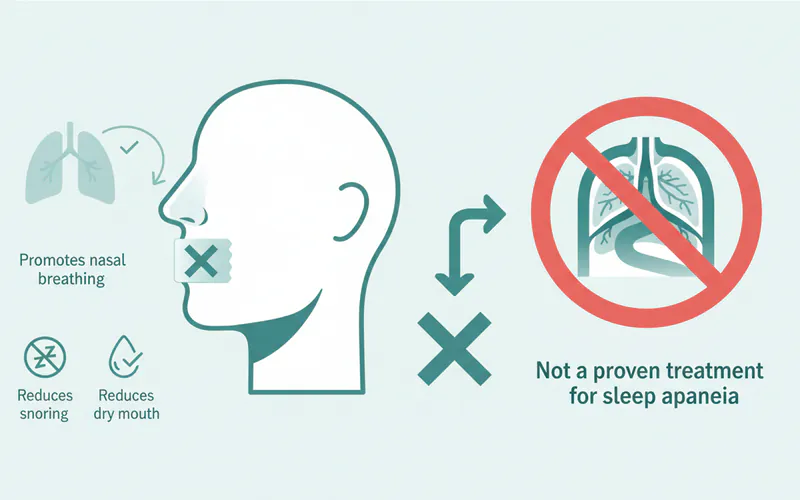
No, sleep apnea mouth tape is not a proven treatment for sleep apnea. While it may help promote nasal breathing and reduce mild snoring or dry mouth for some individuals, it does not address the underlying physiological mechanisms of obstructive sleep apnea (OSA), which involve repeated airway collapse. Relying on mouth tape for diagnosed or suspected sleep apnea can be dangerous, as it leaves a serious medical condition untreated.
H3: Can mouth tape replace a CPAP machine or oral appliance?
Absolutely not. Mouth tape operates on a completely different principle than CPAP or custom oral appliances. CPAP provides positive air pressure to keep the airway open, and oral appliances physically reposition the jaw to enlarge the airway. Mouth tape only seals the lips. It cannot prevent the soft tissues of the throat from collapsing, which is the hallmark of sleep apnea, making it an inadequate substitute for medically prescribed treatments.
H3: What are the main benefits of using mouth tape?
The primary reported benefits of mouth tape are anecdotal and include reducing dry mouth in the morning, potentially decreasing the volume of simple snoring (not related to sleep apnea), and encouraging nasal breathing. Improved nasal breathing can lead to better oxygenation and a reduced risk of upper respiratory infections by utilizing the nose's natural filtering and humidifying functions.
H3: Are there any risks or side effects associated with mouth taping?
Yes, there are risks. The most common are skin irritation, redness, or allergic reactions from the adhesive. More serious risks include anxiety or claustrophobia, and critically, difficulty breathing if nasal passages become blocked during the night due to congestion or underlying conditions. If nasal breathing is already difficult, taping the mouth shut can be dangerous.
H3: How much does mouth tape cost, and is it covered by insurance?
Mouth tape is a relatively inexpensive product, typically costing between $15 and $30 for a supply that lasts 1 to 3 months. It is considered an over-the-counter wellness item and is not covered by medical or dental insurance. This low cost contrasts sharply with medically recognized treatments for sleep apnea.
H3: Can I use regular medical tape or electrical tape for mouth taping?
No, it is strongly advised to only use mouth tape specifically designed for sleep. Regular medical tape may not be designed for prolonged application to sensitive facial skin and can cause severe irritation, rashes, or adhesive residue. Electrical tape is completely unsuitable and potentially dangerous due to its strong adhesive and non-breathable material.
H3: What is the difference between mouth tape and a mouth guard for snoring?
Mouth tape simply seals the lips to promote nasal breathing. A mouth guard for snoring (also known as an oral appliance) is a custom-fitted dental device prescribed by a dentist to reposition the lower jaw and/or tongue, thereby opening the airway to treat primary snoring and mild to moderate obstructive sleep apnea. Oral appliances are FDA-cleared medical devices, whereas mouth tape is not.
H3: Who should NOT use mouth tape?
Individuals with significant nasal obstruction (e.g., chronic congestion, deviated septum, large polyps), those with diagnosed or suspected moderate to severe sleep apnea, children, individuals prone to anxiety or claustrophobia, and anyone with skin sensitivities should avoid using mouth tape. It is also not recommended for anyone who cannot easily remove it themselves during sleep.
H3: How long should I try mouth tape before deciding if it works?
If you've consulted a healthcare professional and decided to try mouth tape for habitual mouth breathing or mild snoring, a trial period of 1-2 weeks might be sufficient to observe improvements in dry mouth or simple snoring. However, if you experience any discomfort, breathing issues, or if your symptoms persist, discontinue use and seek further professional advice.
H3: What if I have a cold or allergies and my nose is stuffy? Can I still use mouth tape?
No, you should absolutely not use mouth tape if you have a cold, allergies, or any condition that significantly obstructs your nasal passages. Taping your mouth shut when you cannot breathe effectively through your nose can lead to severe breathing difficulties, distress, and potential oxygen deprivation. Ensure your nasal passages are clear before considering mouth tape.
When to See a Dentist or Sleep Specialist
Understanding when to seek professional help is critical for your health, especially concerning sleep-related breathing disorders. Mouth tape is a minimal intervention, and relying on it when a more serious condition is present can have severe consequences.
You should schedule an appointment with a dentist specializing in sleep medicine or a sleep physician if you experience any of the following:
- Loud, Persistent Snoring: Especially if reported by a bed partner, and particularly if it's accompanied by gasping, choking, or observed pauses in breathing. These are classic signs of sleep apnea.
- Excessive Daytime Sleepiness: Feeling tired, sluggish, or falling asleep unintentionally during the day, even after what you believe was a full night's sleep. This is a primary symptom of sleep apnea.
- Morning Headaches: Frequent headaches upon waking, which can be a result of poor oxygenation during sleep.
- Chronic Dry Mouth and Sore Throat: While mouth breathing can cause this, it's also a common symptom for sleep apnea patients who mouth breathe to compensate for airway obstruction.
- Irritability, Mood Swings, or Cognitive Issues: Difficulty concentrating, memory problems, or noticeable changes in mood can stem from fragmented sleep caused by sleep apnea.
- High Blood Pressure or Other Cardiovascular Issues: If you have these conditions and also snore or experience daytime fatigue, a sleep evaluation is crucial as sleep apnea is a major risk factor.
- Concerns About Oral Health: If your dentist notices signs like severe bruxism (teeth grinding), tooth wear, or frequent cavities, which can be exacerbated by dry mouth or airway issues.
- If Mouth Taping Causes Discomfort or Anxiety: If you've tried mouth taping and found it uncomfortable, caused skin irritation, or made you feel claustrophobic or anxious.
- If You Cannot Breathe Clearly Through Your Nose: If you have chronic nasal congestion, a deviated septum, or other issues making nasal breathing difficult, mouth tape is not a safe option, and these underlying issues need professional evaluation.
Red Flags Needing Immediate Attention: If a bed partner observes significant, prolonged pauses in your breathing during sleep, followed by gasping or choking sounds, or if you wake up suddenly gasping for air, seek medical attention promptly. These could indicate severe sleep apnea, which requires urgent diagnosis and treatment to prevent serious health complications.
A dentist trained in dental sleep medicine can conduct an initial screening and, if necessary, refer you to a sleep physician for a definitive diagnosis (often through a sleep study). They can then collaborate to determine the most appropriate and effective treatment plan for your specific condition, whether it's an oral appliance, CPAP, or other interventions, ensuring your journey to better sleep is safe and medically sound.
Frequently Asked Questions
Medically Reviewed Content
This article was written by our dental health editorial team and reviewed for medical accuracy. Our content follows strict editorial guidelines for reliability and trustworthiness.
Medical Disclaimer
This article is for informational purposes only and does not constitute medical advice. Always consult with a qualified dental professional for diagnosis and treatment. Do not delay seeking professional advice because of something you read on this website.
Related Articles
Difference Between Snoring and Sleep Apnea: Complete Guide
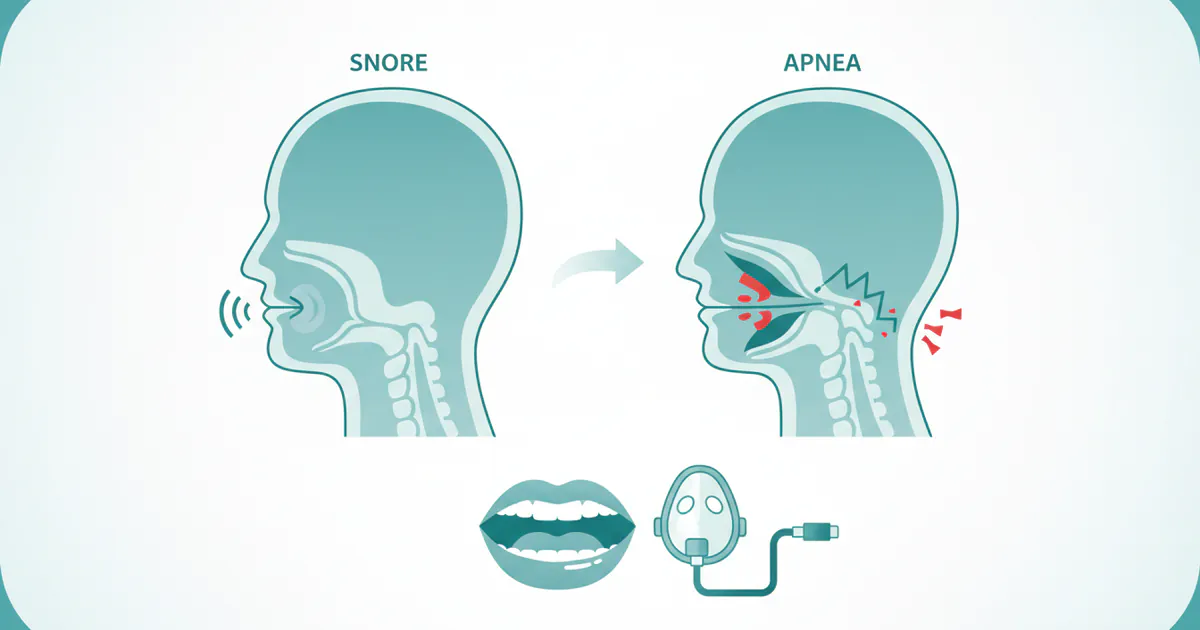
More than 80 million Americans regularly snore, and while often dismissed as a mere nuisance, loud and persistent snoring can be a critical indicator of a much more serious underlying health condition: sleep apnea. The difference between snoring and sleep apnea is profound, impacting not just yo
February 23, 2026
Mouth Taping for Snoring: Complete Guide
Snoring. It's the nocturnal soundtrack for millions of Americans, often a source of frustration for bed partners and a potential indicator of underlying health issues for the snorer themselves. Roughly 45% of adults snore occasionally, and 25% are habitual snorers, impacting sleep quality, relat
February 23, 2026
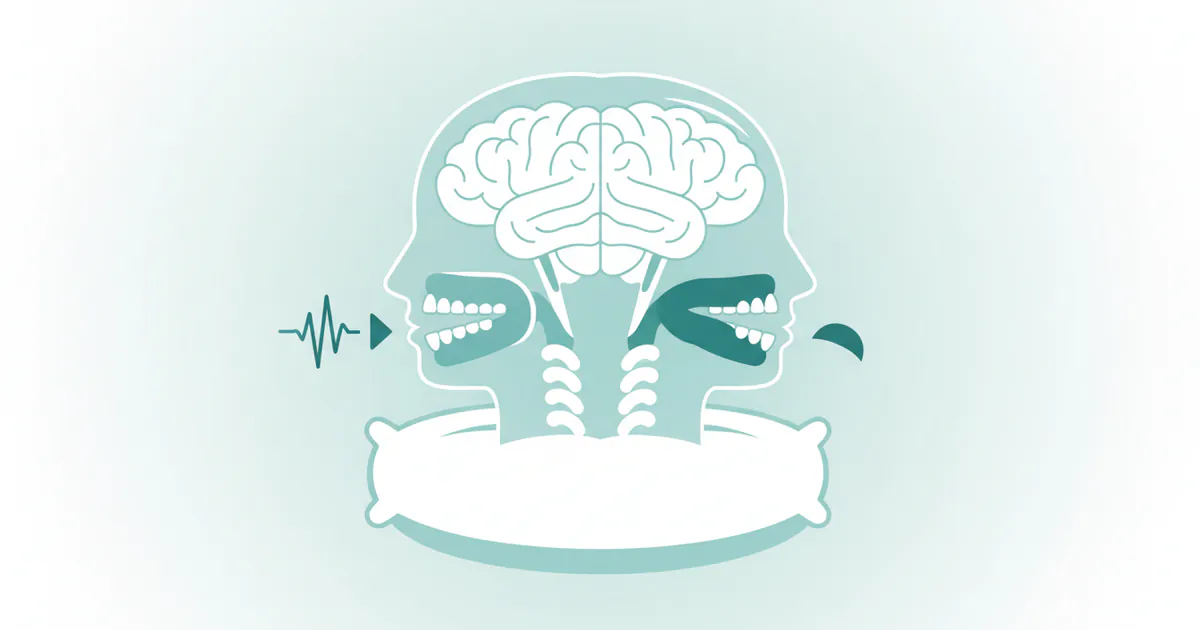
Is All Snoring Sleep Apnea
Many individuals, perhaps even you or a loved one, have been told they snore loudly. It's often dismissed as a harmless, albeit annoying, nocturnal habit. However, what if that nightly rumble is more than just noise? What if it's a critical indicator of an underlying health condition that significan
February 23, 2026
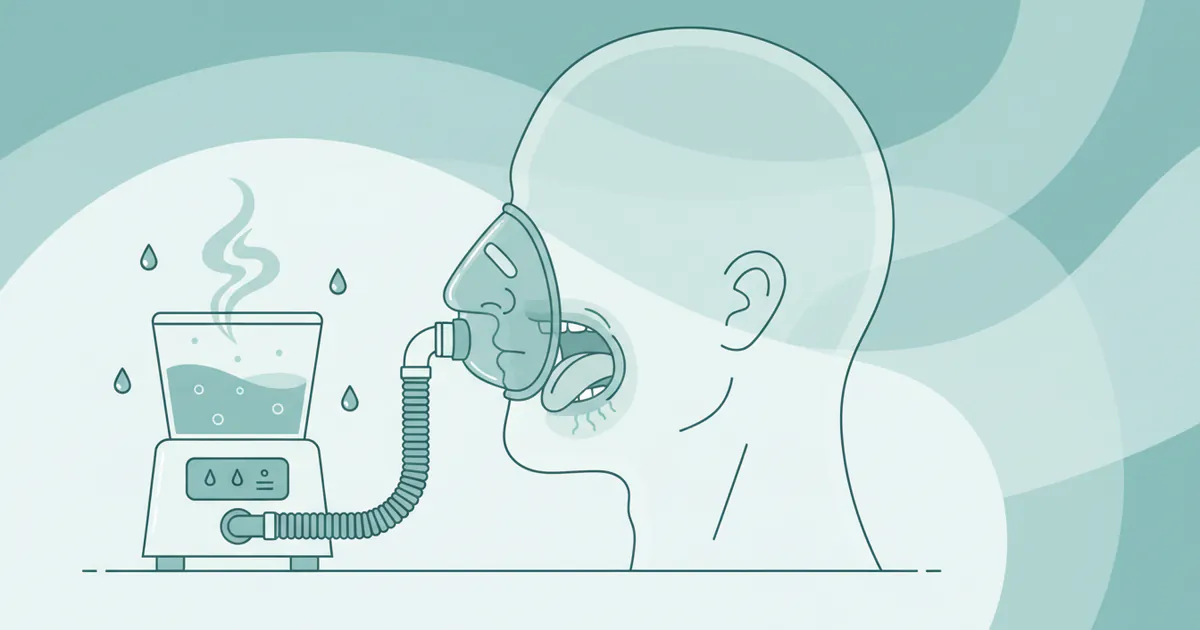
Cpap Dry Mouth Even With Humidifier: Complete Guide
Experiencing dry mouth while using a CPAP machine, even with a humidifier, is a common and incredibly frustrating issue for millions of Americans. It can disrupt sleep, diminish the effectiveness of your sleep apnea treatment, and significantly impact your oral health. Imagine waking up every mornin
February 23, 2026