Mouth Taping for Snoring: Complete Guide
Key Takeaways
- Snoring. It's the nocturnal soundtrack for millions of Americans, often a source of frustration for bed partners and a potential indicator of underlying health issues for the snorer themselves. Roughly 45% of adults snore occasionally, and 25% are habitual snorers, impacting sleep quality, relat
Snoring. It's the nocturnal soundtrack for millions of Americans, often a source of frustration for bed partners and a potential indicator of underlying health issues for the snorer themselves. Roughly 45% of adults snore occasionally, and 25% are habitual snorers, impacting sleep quality, relationships, and overall health. While traditional solutions like CPAP machines and oral appliances are well-established, a simpler, more accessible trend has gained significant attention: mouth taping for snoring. This practice involves gently taping the lips together before sleep to encourage nasal breathing. But is it a legitimate solution or just a fleeting trend? This comprehensive guide from SmilePedia.net will explore everything you need to know about mouth taping for snoring, delving into its mechanics, potential benefits, risks, and how it compares to other solutions for improving your nocturnal tranquility and health. We'll cover what it is, why it might help, how to do it safely, its limitations, and critically, when it's essential to consult with a dental professional or sleep specialist.
Key Takeaways:
- Mouth taping for snoring aims to promote nasal breathing by keeping the lips sealed during sleep.
- It's a low-cost intervention, with specialized tapes ranging from $5 to $30 per month.
- Effectiveness varies significantly; it may help mild, simple snorers but is not a cure for sleep apnea.
- Critical contraindications: Do NOT use if you have nasal congestion, difficulty breathing through your nose, or undiagnosed/untreated sleep apnea.
- Consult a professional: Always discuss with your dentist or doctor before starting, especially if you suspect sleep apnea or have underlying health conditions.
- Alternatives exist: Consider mouth appliances for snoring, lifestyle changes, or professional medical evaluation for persistent or severe snoring.
What It Is / Overview
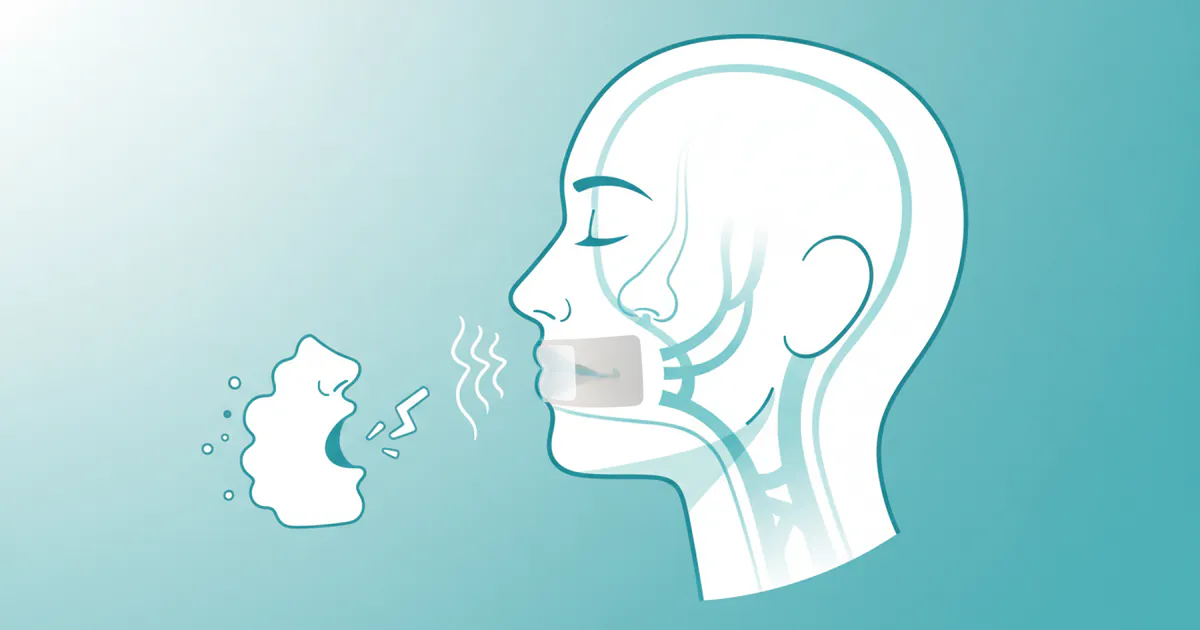
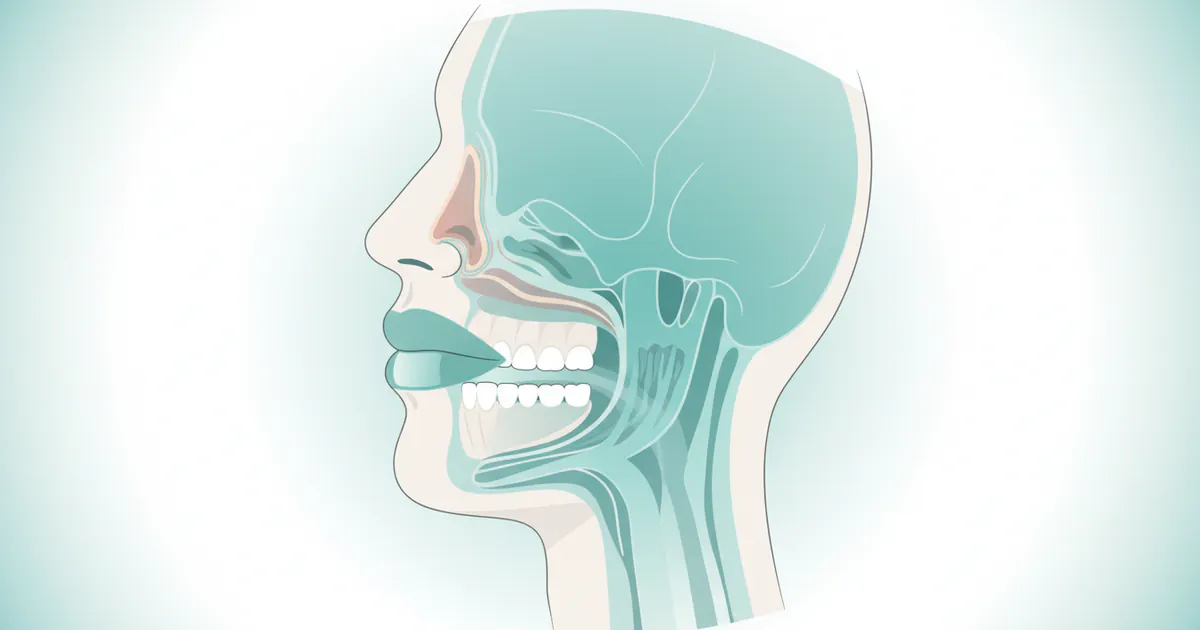
Mouth taping, at its core, is a straightforward technique designed to encourage nose breathing during sleep. It involves placing a small piece of medical-grade tape over the lips to keep them sealed, preventing the mouth from opening and falling into a mouth-breathing pattern while you slumber. The premise is simple: our bodies are designed for nasal breathing, which offers numerous physiological benefits over mouth breathing.
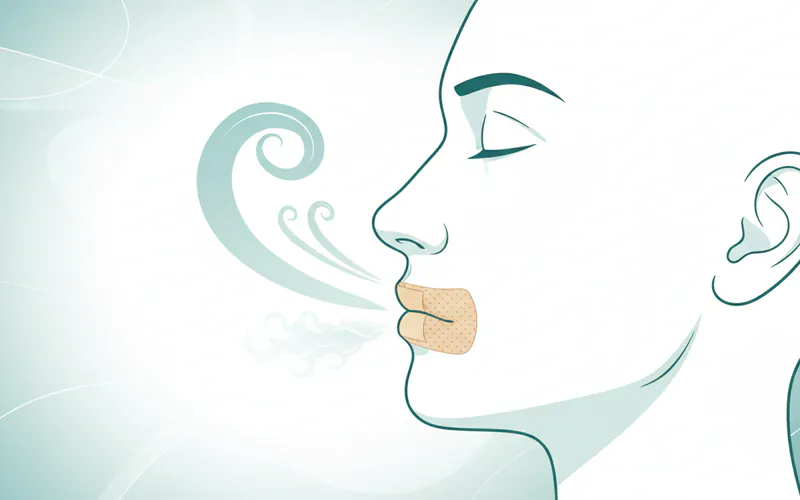
When we breathe through our nose, the air is filtered, humidified, and warmed before it reaches our lungs. Nasal breathing also stimulates the production of nitric oxide, a vasodilator that helps relax blood vessels, improving oxygen delivery throughout the body. Conversely, mouth breathing can lead to dry mouth, reduced oxygen absorption, and a more relaxed jaw and tongue position, which can narrow the airway and contribute significantly to snoring. By sealing the lips, mouth taping gently forces the body to rely on its primary breathing pathway – the nose – potentially mitigating the factors that lead to snoring and promoting deeper, more restorative sleep.
While the concept of mouth taping has roots in traditional health practices, its recent surge in popularity is driven by anecdotal evidence and advocates promoting its benefits for general health, sleep quality, and specifically, reducing snoring sleep apnea symptoms (though it's crucial to understand its limitations for actual apnea).
Why Mouth Breathing Contributes to Snoring
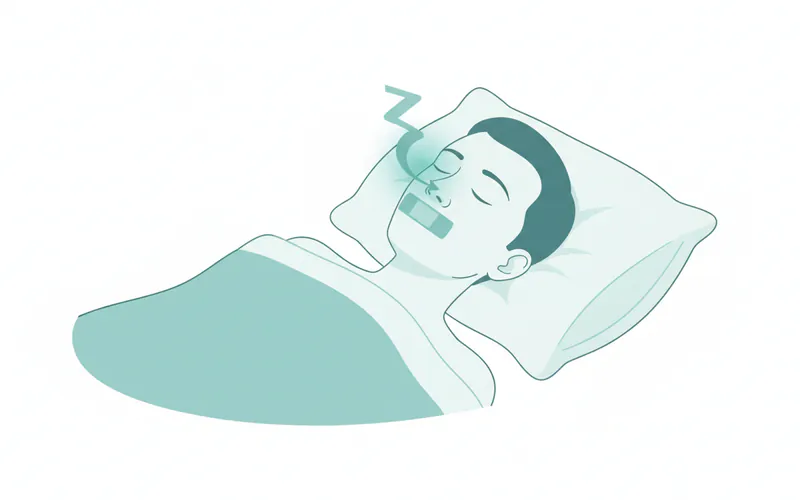
To understand why mouth taping might work, it's essential to grasp how mouth breathing exacerbates snoring. Snoring occurs when the airflow through the back of your mouth and nose is obstructed. When you breathe through your mouth, several factors can contribute to this obstruction:
Relaxed Jaw and Tongue Position
During sleep, the muscles in your jaw, tongue, and throat naturally relax. If your mouth is open, your jaw can drop further back, and your tongue is more likely to fall backward into your throat. This creates a narrower passageway for air, leading to increased turbulence and the characteristic vibratory sound of snoring.
Dry Mouth and Throat Tissues
Nasal breathing humidifies the air, preventing dryness in the mouth and throat. Mouth breathing, however, dries out these tissues. Dry tissues can become stickier and more prone to collapse, further narrowing the airway and increasing the likelihood of snoring. A dry throat can also lead to irritation and inflammation, worsening the problem.
Lack of Nitric Oxide Production
As mentioned, nasal breathing encourages the production of nitric oxide, which helps dilate blood vessels and airways. Mouth breathing bypasses this crucial mechanism, potentially leading to less efficient oxygen exchange and a less stable upper airway.
Airway Structure and Pressure
The way air flows through your nasal passages versus your mouth differs significantly. Nasal breathing creates a slight positive pressure that helps keep the upper airway open. Mouth breathing doesn't offer this same structural support, making the airway more susceptible to collapse and vibration. For individuals already prone to airway narrowing, such as those with enlarged tonsils, a small jaw, or excess throat tissue, mouth breathing can turn mild snoring into a disruptive nightly event. This can also exacerbate underlying conditions like snoring sleep apnea, where breathing repeatedly stops and starts.
Signs and Symptoms of Mouth Breathing (Related to Snoring)
Identifying mouth breathing can be key to addressing snoring. While some signs are obvious, others are more subtle and often overlooked. Look for these indicators:
- Loud Snoring or Gasping: The most direct symptom, often accompanied by snorting or choking sounds as the airway momentarily collapses.
- Dry Mouth and Sore Throat Upon Waking: A very common complaint, as air bypassing the nose's humidifying function dries out oral tissues overnight. This also contributes to bad breath (halitosis).
- Morning Headaches: Can be a sign of poor oxygenation or sleep disruption due to breathing issues.
- Daytime Fatigue and Drowsiness: Even if you think you're getting enough sleep, mouth breathing can lead to fragmented, lower-quality sleep, resulting in chronic tiredness.
- Concentration Problems and Irritability: The cognitive effects of poor sleep often manifest as difficulty focusing, memory issues, and increased mood swings.
- Dark Circles Under Eyes: Sometimes referred to as "allergic shiners," these can be a sign of nasal congestion or disturbed sleep.
- Dental Issues: Chronic dry mouth can increase the risk of cavities, gum disease (gingivitis), and other oral health problems because saliva, which normally washes away food particles and neutralizes acids, is reduced.
- Visible Open Mouth During Sleep: A bed partner might observe that you consistently sleep with your mouth open.
- Nasal Congestion or Difficulty Breathing Through the Nose: This is a crucial indicator, as persistent nasal blockage can force mouth breathing, making mouth taping inappropriate until the underlying nasal issue is resolved.
Recognizing these signs is the first step. If you experience several of these, especially if combined with loud, disruptive snoring, it’s a strong signal that an evaluation by a dental or medical professional is warranted to rule out more serious conditions like snoring sleep apnea.
Benefits of Nasal Breathing & Mouth Taping
While mouth taping targets snoring, its true power lies in promoting nasal breathing, which offers a cascade of benefits extending beyond just quieting your nights.
Reduced Snoring
This is the primary goal. By keeping the mouth closed, mouth taping helps stabilize the jaw and tongue, preventing them from falling backward and obstructing the airway. It encourages airflow through the nose, reducing the turbulent vibrations that cause snoring.
Improved Sleep Quality
When snoring decreases, both you and your bed partner are likely to experience fewer awakenings and disruptions. Nasal breathing itself is associated with a deeper, more restorative sleep architecture, leading to increased energy and mental clarity during the day.
Enhanced Oxygenation
Nasal breathing is more efficient at oxygenizing the blood. The nasal passages release nitric oxide, which expands blood vessels, allowing for better oxygen absorption in the lungs and distribution throughout the body. Better oxygenation contributes to overall physiological health, including better cardiovascular function and cellular repair.
Oral Health Benefits
Chronic mouth breathing leads to dry mouth, which is detrimental to oral health. Saliva acts as a natural cleanser, neutralizing acids and washing away food particles and bacteria. By promoting nasal breathing, mouth taping helps maintain salivary flow, reducing the risk of cavities, gum disease, and bad breath.
Systemic Health Improvements
Consistent nasal breathing can positively impact various bodily systems. It can improve immune function by filtering airborne pathogens, reduce stress by activating the parasympathetic nervous system, and even enhance athletic performance by optimizing breathing patterns. Some proponents suggest it can indirectly support proper facial development in children and help maintain facial structure in adults by encouraging optimal tongue posture.
Potential Alleviation for Mild Snoring and UARS
For individuals with simple snoring or mild Upper Airway Resistance Syndrome (UUARS)—a condition where the airway narrows but doesn't completely collapse as in sleep apnea—mouth taping might offer a non-invasive, low-cost solution to improve airflow and reduce respiratory effort during sleep. However, it is NOT a treatment for moderate to severe snoring sleep apnea.
Step-by-Step Guide to Mouth Taping
If, after consulting a healthcare professional, you decide to try mouth taping, follow these steps carefully. This guide assumes you have no underlying conditions that contraindicate its use.
1. Consult a Dentist or Doctor First
This is paramount. Before attempting mouth taping, especially if you snore loudly, experience daytime fatigue, or suspect snoring sleep apnea, schedule an appointment with your dentist or a sleep specialist. They can assess your nasal passages, oral anatomy, and breathing patterns, and rule out more serious sleep disorders like obstructive sleep apnea, for which mouth taping is NOT an appropriate primary treatment. They can also advise on potential risks given your individual health profile.
2. Choose the Right Tape
Do not use regular adhesive tape (like masking tape or duct tape). You need a hypoallergenic, medical-grade tape designed for skin contact. Options include:
- Specialized "Mouth Tapes": Several brands offer tapes specifically marketed for mouth taping. These are often made from breathable, sensitive-skin friendly materials.
- Micropore Tape or Surgical Tape: Available at pharmacies, these are typically paper-based, breathable, and less aggressive on the skin.
- Sensitive Skin Adhesives: Look for tapes designed for sensitive skin.
3. Prepare Your Skin
Clean and dry the skin around your lips before applying the tape. Remove any moisturizer, lip balm, or beard stubble in the area where the tape will adhere, as this can reduce adhesion and cause irritation.
4. Apply the Tape Gently
There are a few common application methods:
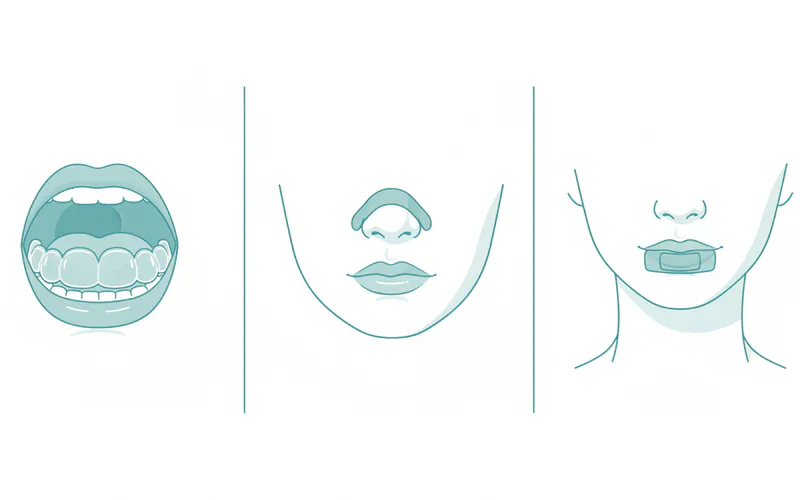
- Simple Horizontal Strip: The most common method. Take a 1- to 2-inch piece of tape and place it horizontally across the center of your lips, ensuring your lips are lightly closed but not strained. The goal is to keep your lips sealed, not to aggressively force them together.
- Small Piece Over the Philtrum: Some prefer a smaller vertical piece of tape placed over the philtrum (the vertical groove between the base of the nose and the upper lip). This can be less intrusive for some.
- "X" Shape: For those who find a single strip insufficient, two smaller strips forming an "X" over the lips can provide more secure closure, but be mindful of increased skin coverage.
5. Ensure Nasal Patency
Before applying the tape, ensure your nasal passages are clear. If you have a stuffy nose due to a cold, allergies, or a deviated septum, do NOT tape your mouth. You must be able to breathe comfortably and freely through your nose. Consider using a nasal dilator or saline rinse before bed if mild congestion is common.
6. Practice and Patience
The first few nights might feel strange or slightly claustrophobic. Start by wearing the tape for short periods during the day to get accustomed to the sensation. Don't force it if you feel panicky or have difficulty breathing. Your body needs to adjust.
7. Gentle Removal
In the morning, gently peel off the tape. Avoid ripping it off, especially if you have sensitive skin, as this can cause irritation or damage. You can moisten the tape slightly with water to make removal easier.
Pro Tip: If you're concerned about emergencies or feeling trapped, use a tape that is easy to remove manually, or apply a very small, easily breakable piece initially. The goal is to gently encourage lip closure, not to create an impenetrable seal.
When Mouth Taping is NOT Recommended (Risks & Complications)
While seemingly benign, mouth taping is not suitable for everyone and carries potential risks. It's crucial to understand these limitations.
Contraindications for Mouth Taping:
- Nasal Congestion or Blockage: If you cannot comfortably and consistently breathe through your nose due to a cold, allergies, a deviated septum, nasal polyps, or other obstructions, mouth taping is dangerous. It can lead to insufficient oxygen intake and distress.
- Undiagnosed or Untreated Sleep Apnea: Mouth taping is not a treatment for Obstructive Sleep Apnea (OSA). OSA involves repeated pauses in breathing caused by airway collapse. Taping your mouth shut when your nasal passages are already compromised and your airway is prone to collapse can be dangerous, potentially worsening breathing difficulties and oxygen deprivation. Always get a professional sleep study if you suspect sleep apnea.
- Claustrophobia or Anxiety: For some, having tape over their mouth can induce panic or significant anxiety, making sleep impossible or causing distress.
- Skin Sensitivities or Allergies: Some individuals may develop skin irritation, rashes, or allergic reactions to the adhesive tape. Patch testing a small piece of tape on your arm before full application is recommended.
- Oral Health Conditions: Severe gum disease, loose teeth, or significant oral lesions might be exacerbated by tape application or removal.
- Risk of Vomiting: Although rare during sleep, if you were to vomit while your mouth is taped, it could pose a choking hazard. This is a severe concern for individuals prone to reflux or nausea.
- Children: Mouth taping is absolutely not recommended for children without explicit, strict medical supervision due to potential airway compromise and developmental considerations.
Risks and Complications:
- Skin Irritation: Redness, itching, dryness, or breakouts around the mouth from the adhesive.
- Anxiety/Distress: Feeling suffocated or panicked, leading to sleep disruption rather than improvement.
- Worsening Breathing Issues: If underlying nasal obstruction or mild sleep apnea is present, mouth taping could paradoxically worsen breathing, leading to lower oxygen levels and more fragmented sleep.
- Dental Issues: While rare, prolonged pressure from tape could theoretically impact dental alignment or jaw comfort, though this is less documented for simple mouth taping.
- No Improvement: For many, mouth taping simply won't be effective, especially if snoring is caused by factors beyond simple mouth breathing (e.g., severe airway collapse, enlarged tonsils).
Always prioritize safety and consult with a healthcare professional before trying mouth taping, especially if you have any existing health conditions or experience any discomfort.
Comparison with Other Snoring Treatments
Mouth taping is just one of many approaches to managing snoring. It's important to understand how it stacks up against other, often more established, solutions, particularly when considering conditions like snoring sleep apnea.
a. Mouth Appliances for Snoring (Oral Appliance Therapy)
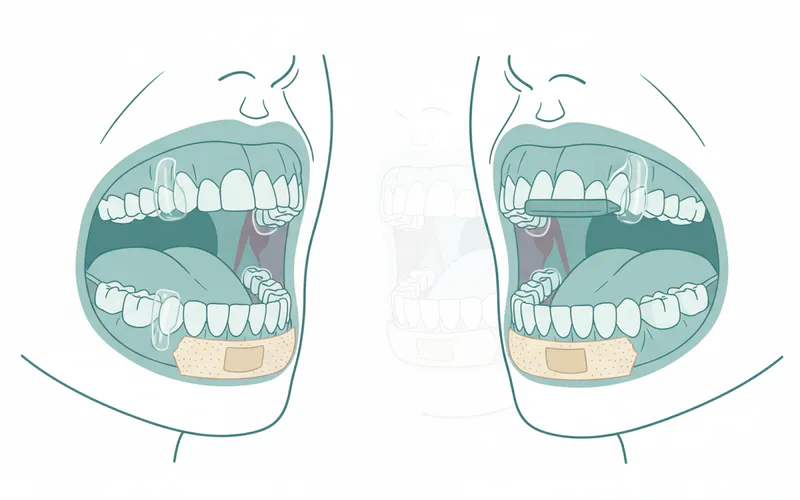
- What they are: Custom-made dental devices worn in the mouth during sleep. The two main types are Mandibular Advancement Devices (MADs) and Tongue Retaining Devices (TRDs).
- How they work: MADs gently push the lower jaw and tongue forward, opening the airway. TRDs hold the tongue in a forward position.
- Pros: Highly effective for mild to moderate obstructive sleep apnea and primary snoring. Non-invasive compared to surgery. Covered by many insurance plans when prescribed for OSA.
- Cons: Requires a dentist specializing in sleep medicine. Can be expensive (several hundred to a few thousand dollars). May cause jaw discomfort, teeth movement, or excessive salivation.
- Compared to Mouth Taping: Oral appliances provide a more robust and consistent physical mechanism to keep the airway open. They are medically recognized treatments for sleep apnea, unlike mouth taping.
b. Lifestyle Changes
- What they are: Modifications to daily habits.
- How they work:
- Weight Loss: Excess weight, particularly around the neck, can narrow the airway. Even a 10% weight loss can significantly reduce snoring for many.
- Positional Therapy: Sleeping on your side rather than your back prevents the tongue and soft palate from falling backward. Special pillows or anti-snoring backpacks can help.
- Avoid Alcohol and Sedatives: These relax throat muscles, making airway collapse more likely.
- Quit Smoking: Smoking irritates the throat and nasal passages, contributing to inflammation and obstruction.
- Pros: Cost-effective, offers broad health benefits. No side effects.
- Cons: Requires discipline and commitment. May not be sufficient for severe snoring or sleep apnea.
- Compared to Mouth Taping: Complementary therapies. Lifestyle changes address root causes, while mouth taping is a direct intervention for mouth breathing.
c. Nasal Dilators / Strips
- What they are: Adhesive strips placed over the bridge of the nose (external nasal dilators) or small devices inserted into the nostrils (internal nasal dilators).
- How they work: Mechanically open the nasal passages, improving airflow through the nose.
- Pros: Inexpensive, easy to use, non-invasive. Can be effective for snoring caused by nasal congestion or narrow nostrils.
- Cons: Only addresses nasal causes of snoring. May cause skin irritation. Not effective if the problem is in the throat.
- Compared to Mouth Taping: Both target nasal breathing but through different mechanisms. Nasal dilators open the nose, mouth tape closes the mouth. Often used together.
d. Continuous Positive Airway Pressure (CPAP) Therapy
- What it is: A machine that delivers a continuous stream of air through a mask worn over the nose and/or mouth during sleep.
- How it works: The air pressure keeps the airway open, preventing snoring and apneas.
- Pros: The most effective treatment for moderate to severe obstructive sleep apnea. Improves sleep quality and reduces health risks associated with OSA.
- Cons: Can be uncomfortable or claustrophobic for some. Requires consistent use. Machine noise, mask leaks, and cleaning can be issues. Significant upfront cost.
- Compared to Mouth Taping: CPAP is a medical device for a serious medical condition (sleep apnea); mouth taping is a simple behavioral strategy for mild snoring. Not comparable in efficacy or intent.
e. Surgery
- What it is: Various surgical procedures to remove or stiffen tissue in the throat or correct structural issues.
- How it works:
- Uvulopalatopharyngoplasty (UPPP): Removes excess tissue from the soft palate, uvula, tonsils, and pharynx.
- Pillar Procedure: Implants small polyester rods into the soft palate to stiffen it.
- Septoplasty/Turbinate Reduction: Corrects a deviated septum or reduces enlarged turbinates to improve nasal airflow.
- Pros: Can be highly effective for specific anatomical problems. Permanent solution.
- Cons: Invasive, involves recovery time, potential complications (pain, bleeding, voice changes). Not always successful.
- Compared to Mouth Taping: Surgical intervention is a last resort for severe cases or specific anatomical issues, vastly different from a non-invasive tape.
Comparison Table 1: Snoring Treatment Options Overview
| Treatment Option | Primary Mechanism | Effectiveness for Snoring | Effectiveness for Sleep Apnea (OSA) | Invasiveness | Typical Cost (US) | Key Pros | Key Cons |
|---|---|---|---|---|---|---|---|
| Mouth Taping | Encourages nasal breathing, seals lips | Variable (mild snoring) | None (can be dangerous) | Minimal | $5 - $30/month (tape) | Very low cost, simple, non-invasive | Not for OSA, skin irritation, requires nasal patency |
| Oral Appliance (MAD/TRD) | Repositions jaw/tongue to open airway | High | Moderate-High (mild-mod OSA) | Low | $500 - $3,000 | Effective, comfortable, portable, non-surgical | Can cause jaw soreness, requires custom fitting, dental side effects |
| Lifestyle Changes | Addresses root causes (weight, position, habits) | Variable | Variable (adjunct) | None | Low/Free | Broad health benefits, no side effects | Requires significant discipline, may not be sufficient |
| Nasal Dilators/Strips | Mechanically opens nasal passages | Moderate (nasal causes) | None | Minimal | $10 - $30/month | Inexpensive, easy, non-invasive | Only addresses nasal issues, skin irritation |
| CPAP Therapy | Positive air pressure keeps airway open | High | High (gold standard for OSA) | Low (external) | $800 - $3,000+ (machine) | Most effective for OSA, improves overall health | Can be uncomfortable, noisy, requires regular cleaning |
| Surgery | Removes/stiffens tissue, corrects structural issues | Variable (specific cases) | Variable (specific cases) | High | $2,000 - $10,000+ | Permanent solution for specific issues | Invasive, recovery, potential complications, not always successful |
Comparison Table 2: Estimated Costs of Snoring Treatments (US Dollars)
| Treatment Type | Typical Low Cost | Typical Mid Cost | Typical High Cost | Insurance Coverage Potential |
|---|---|---|---|---|
| Mouth Taping | $5/month | $15/month | $30/month | None |
| DIY Nasal Strips/Dilators | $10/month | $20/month | $30/month | None |
| Oral Appliance (MAD/TRD) | $500 - $1,200 (basic) | $1,500 - $2,500 (custom) | $2,800 - $3,500 (advanced) | Often covered for diagnosed OSA |
| CPAP Machine & Supplies | $800 - $1,500 (basic machine) | $1,500 - $2,500 (advanced machine) | $2,500 - $4,000+ (complex setup) | Often covered for diagnosed OSA |
| Sleep Study (Diagnostic) | $300 - $1,000 (home) | $1,000 - $2,000 (in-lab) | $2,500 - $5,000+ (complex in-lab) | Often covered when medically necessary |
| Snoring Surgery | $2,000 - $5,000 (minor) | $5,000 - $8,000 (moderate) | $8,000 - $15,000+ (complex) | Varies greatly, often requires medical necessity |
Note on Insurance: Insurance coverage for sleep-related treatments typically requires a formal diagnosis of sleep apnea from a board-certified sleep physician following an accredited sleep study. Simple snoring (without apnea) is rarely covered. Always verify coverage with your specific insurance provider.
Children / Pediatric Considerations
Mouth breathing in children is a far more serious concern than in adults, as it can have profound impacts on their growth, development, and overall health. Mouth taping is generally NOT recommended for children without explicit, strict medical supervision from an ENT or pediatric sleep specialist due to the potential for airway compromise.
For children, identifying and addressing the root cause of mouth breathing is critical. Chronic mouth breathing in children can lead to:
- Abnormal Facial Development (Adenoid Face): The constant open-mouth posture can lead to a long, narrow face, crowded teeth, a receding chin, and a flattened midface.
- Orthodontic Issues: A high, narrow palate often seen in mouth breathers can lead to malocclusion (bad bite), requiring extensive orthodontic treatment.
- Sleep-Disordered Breathing: Mouth breathing can contribute to snoring, gasping, and even pediatric sleep apnea, affecting sleep quality and leading to daytime fatigue.
- Behavioral and Learning Problems: Poor sleep can manifest as hyperactivity, difficulty concentrating, and misdiagnosis of conditions like ADHD.
- Recurrent Infections: Dry mouth reduces the protective benefits of saliva, increasing the risk of cavities and gum inflammation.
- Speech Issues: Tongue posture associated with mouth breathing can affect speech development.
If your child snores or consistently breathes through their mouth, it is imperative to consult a pediatrician, a pediatric dentist specializing in airway issues, or an Ear, Nose, and Throat (ENT) specialist. They can investigate causes such as:
- Enlarged Tonsils and Adenoids: Common culprits for airway obstruction in children, often requiring surgical removal.
- Allergies: Chronic nasal congestion can force mouth breathing.
- Deviated Septum: A structural issue that impedes nasal airflow.
- Poor Oral Habits: Thumb sucking or pacifier use can contribute to mouth breathing patterns.
Treatment often involves a multi-disciplinary approach, including:
- Myofunctional Therapy: Exercises to strengthen oral and facial muscles and promote proper tongue posture and nasal breathing.
- Orthodontic Interventions: Such as palatal expanders, to widen the upper jaw and create more space for the tongue and airway.
- Allergy Management: To clear nasal passages.
- Surgery: If tonsils or adenoids are significantly blocking the airway.
Pro Tip for Parents: Observe your child. Do they sleep with their mouth open? Do they snore? Do they seem tired or irritable during the day? Early intervention for mouth breathing in children can prevent significant health and developmental problems.
Recovery and Aftercare (for Mouth Taping)
The "recovery and aftercare" for mouth taping is less about healing from a medical procedure and more about consistent monitoring, habit formation, and ongoing vigilance for your health.
1. Monitor Effectiveness
- Self-Assessment: Pay attention to how you feel each morning. Are you waking up with less dry mouth? Do you feel more refreshed?
- Partner Feedback: If you have a bed partner, ask them if your snoring has reduced or stopped. Many snore monitoring apps can also provide objective data on snoring volume and frequency.
- Track Progress: Keep a simple journal for the first few weeks, noting if you managed to keep the tape on all night, how you slept, and how you felt upon waking.
2. Skin Care
- Gentle Removal: Always remove the tape slowly and gently, pulling in the direction of hair growth if applicable.
- Moisturize: If you experience any skin dryness or irritation, apply a gentle, hypoallergenic moisturizer to the area after removing the tape.
- Rotate Placement: If using a larger strip, slightly adjust the exact placement each night to give sensitive skin areas a break.
- Discontinue if Irritation Persists: If you consistently experience redness, itching, or skin breakdown, discontinue mouth taping and consider a different tape or alternative solution.
3. Maintain Nasal Patency
Mouth taping relies entirely on your ability to breathe through your nose.
- Daily Nasal Hygiene: Consider using a saline rinse (e.g., neti pot) regularly to keep nasal passages clear, especially if you have allergies.
- Address Congestion Promptly: If you develop a cold or allergies flare up, do not use mouth tape until your nasal passages are clear again.
4. Re-evaluate Periodically
Mouth taping is a habit, not a cure.
- Check in with your body: As your body adapts to nasal breathing, you might find you no longer need the tape as frequently. Some people transition to only using it on specific nights or stop altogether as nasal breathing becomes second nature.
- Revisit a Professional: If after a few weeks or months you're not seeing significant improvement, or if your snoring seems to be getting worse, it's time to re-consult your dentist or doctor. Your snoring might have a different underlying cause, or you could be developing snoring sleep apnea that requires more comprehensive treatment.
Pro Tip: Combine mouth taping with other healthy sleep habits. Maintain a consistent sleep schedule, create a comfortable sleep environment, avoid caffeine and heavy meals before bed, and manage stress. These holistic approaches enhance the potential benefits of nasal breathing.
Prevention of Snoring (General Tips)
While mouth taping can be a tool, a comprehensive approach to preventing snoring involves addressing lifestyle factors and underlying health issues.
- Maintain a Healthy Weight: Losing even a small amount of weight can reduce the amount of tissue in the throat, widening the airway and significantly decreasing snoring.
- Adopt Side Sleeping: Sleeping on your back allows gravity to pull your tongue and soft palate backward, obstructing the airway. Side sleeping can prevent this. Using special pillows or body positioners can help you stay on your side.
- Avoid Alcohol and Sedatives Before Bed: These substances relax the muscles in your throat, making them more prone to collapse during sleep. Try to avoid them for at least 3-4 hours before bedtime.
- Quit Smoking: Smoking irritates the lining of the throat and nasal passages, leading to inflammation and swelling that restricts airflow. Quitting can dramatically improve snoring and overall health.
- Clear Nasal Passages: If you have allergies or chronic nasal congestion, address them. Use saline nasal sprays, antihistamines, or decongestants (under medical guidance) to ensure clear nasal breathing.
- Stay Hydrated: Dehydration can cause mucus in the nose and throat to become thicker, leading to increased obstruction.
- Elevate Your Head: Raising the head of your bed by a few inches (using blocks under the bed frame, not just extra pillows) can help keep the airway open.
- Address Structural Issues: If you have a deviated septum, enlarged tonsils, or other anatomical issues, discuss corrective procedures with an ENT specialist.
- Consider a Humidifier: If your environment is very dry, a humidifier can keep your nasal and throat tissues moist, potentially reducing irritation and swelling.
- Practice Good Sleep Hygiene: Go to bed and wake up at the same time each day, ensure your bedroom is dark, quiet, and cool, and create a relaxing bedtime routine. Quality sleep reduces general body fatigue, which can contribute to muscle relaxation during sleep.
By incorporating these preventative measures, you can create a more conducive environment for quiet, healthy sleep, potentially reducing or eliminating the need for interventions like mouth taping.
Frequently Asked Questions
Is mouth taping safe?
Mouth taping can be safe for individuals who can consistently and comfortably breathe through their nose without obstruction. However, it is NOT safe for those with nasal congestion, allergies that block nasal passages, or undiagnosed/untreated sleep apnea. Always consult a dentist or doctor before starting.
Does mouth taping work for everyone who snores?
No, mouth taping does not work for everyone. Its effectiveness is primarily for individuals whose snoring is caused by mouth breathing and a lack of nasal breathing. If snoring is due to other factors like anatomical obstructions (e.g., enlarged tonsils), severe snoring sleep apnea, or obesity, mouth taping is unlikely to be effective and could even be dangerous.
Can I tape my mouth if I have a cold or allergies?
No, you should absolutely not tape your mouth if you have a cold, severe allergies, or any condition that significantly obstructs your nasal breathing. Doing so can restrict your airflow, leading to discomfort, anxiety, and potentially dangerous oxygen deprivation. Ensure your nasal passages are clear before attempting mouth taping.
What kind of tape should I use for mouth taping?
Use medical-grade, hypoallergenic tape designed for sensitive skin, such as micropore tape, surgical tape, or specialized "mouth tapes." Avoid common household tapes like masking tape or electrical tape, as they can cause severe skin irritation, damage, or allergic reactions.
Will mouth taping hurt when I remove it?
If you use appropriate medical-grade tape and remove it gently, it should not hurt. You can moisten the tape slightly with water before peeling it off to reduce discomfort and prevent skin irritation. If you experience persistent pain or redness, discontinue use.
How long does it take to see results from mouth taping?
Some individuals report immediate reduction in snoring and improved sleep quality from the first night. For others, it may take a few nights or weeks for their body to adapt to nasal breathing and for the benefits to become consistent. Consistency is key to forming the new habit.
What if I feel claustrophobic or can't breathe while taping?
If you feel anxious, claustrophobic, or experience any difficulty breathing while using mouth tape, remove it immediately. Your comfort and safety are paramount. Mouth taping is not suitable for everyone, and these sensations are a sign it may not be right for you.
Is mouth taping a cure for sleep apnea?
Absolutely not. Mouth taping is NOT a treatment or cure for obstructive sleep apnea (OSA). OSA is a serious medical condition characterized by repeated pauses in breathing during sleep. If you suspect you have snoring sleep apnea, you must seek a professional diagnosis and treatment from a sleep specialist, as mouth taping could potentially worsen your condition.
Can mouth taping improve my dental health?
By encouraging nasal breathing and preventing chronic dry mouth, mouth taping can indirectly contribute to better oral health. Saliva helps protect teeth from decay and neutralizes acids, so maintaining adequate salivary flow through nasal breathing can reduce the risk of cavities and gum disease.
Are there any long-term risks associated with mouth taping?
For individuals who can breathe freely through their nose, long-term risks are generally minimal, primarily limited to skin irritation. However, the long-term risk for those with undiagnosed underlying conditions (like sleep apnea) who attempt mouth taping is that it delays proper diagnosis and treatment, leading to continued health problems.
When to See a Dentist
While mouth taping can be a helpful self-management tool for simple snoring, it's crucial to know when to seek professional dental or medical advice. Snoring, especially loud and persistent snoring, can be a symptom of a more serious underlying health issue, such as snoring sleep apnea.
You should see a dentist or sleep specialist if you experience any of the following:
- Loud, Persistent Snoring: If your snoring is consistently loud, disruptive, and occurs most nights, it warrants a professional evaluation.
- Witnessed Breathing Pauses: If your bed partner observes pauses in your breathing, gasping, or choking sounds during sleep, this is a strong indicator of sleep apnea and requires immediate medical attention.
- Excessive Daytime Fatigue: Feeling tired, sleepy, or having difficulty concentrating during the day, even after a full night's sleep, is a major red flag for sleep-disordered breathing.
- Morning Headaches: Frequent morning headaches can be a sign of poor oxygenation during sleep.
- Dry Mouth and Sore Throat: While mouth taping aims to alleviate this, if it persists despite efforts to nasal breathe, or if it's accompanied by other symptoms, it needs investigation.
- High Blood Pressure or Other Health Concerns: Snoring and sleep apnea are strongly linked to cardiovascular problems, diabetes, and other systemic health issues. If you have these conditions and snore, consult your doctor.
- If Mouth Taping Doesn't Help (or Worsens Symptoms): If you've tried mouth taping and it hasn't reduced your snoring, or if you feel worse, more anxious, or have trouble breathing, stop immediately and seek professional advice.
- Before Starting Mouth Taping: Especially if you have any existing health conditions, nasal congestion, or suspect sleep apnea, a consultation with your dentist or doctor is essential to ensure it's safe for you. The American Dental Association (ADA) emphasizes the role of dentists in identifying and screening for sleep-disordered breathing, often working in conjunction with sleep physicians. Your dentist can assess your oral anatomy and help guide you to the appropriate specialist.
Ignoring severe snoring or potential sleep apnea can have serious long-term health consequences. Early diagnosis and appropriate treatment are key to improving your sleep, health, and overall quality of life.
Frequently Asked Questions
Medically Reviewed Content
This article was written by our dental health editorial team and reviewed for medical accuracy. Our content follows strict editorial guidelines for reliability and trustworthiness.
Medical Disclaimer
This article is for informational purposes only and does not constitute medical advice. Always consult with a qualified dental professional for diagnosis and treatment. Do not delay seeking professional advice because of something you read on this website.
Related Articles
Difference Between Snoring and Sleep Apnea: Complete Guide
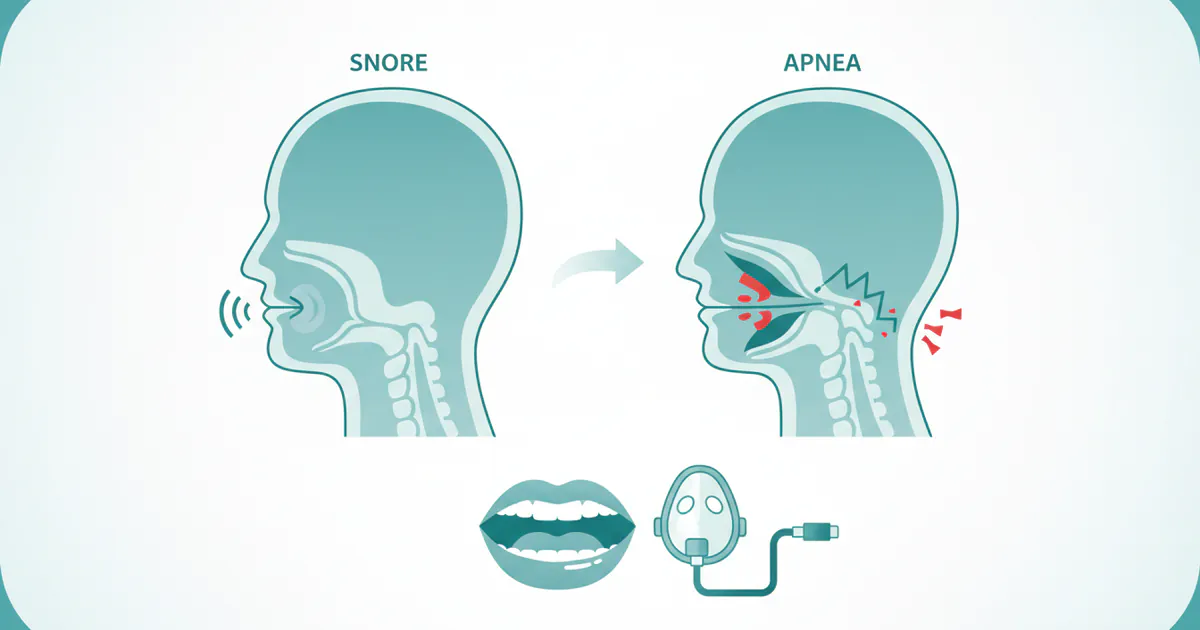
More than 80 million Americans regularly snore, and while often dismissed as a mere nuisance, loud and persistent snoring can be a critical indicator of a much more serious underlying health condition: sleep apnea. The difference between snoring and sleep apnea is profound, impacting not just yo
February 23, 2026
Is All Snoring Sleep Apnea
Many individuals, perhaps even you or a loved one, have been told they snore loudly. It's often dismissed as a harmless, albeit annoying, nocturnal habit. However, what if that nightly rumble is more than just noise? What if it's a critical indicator of an underlying health condition that significan
February 23, 2026
Cpap Dry Mouth Even With Humidifier: Complete Guide
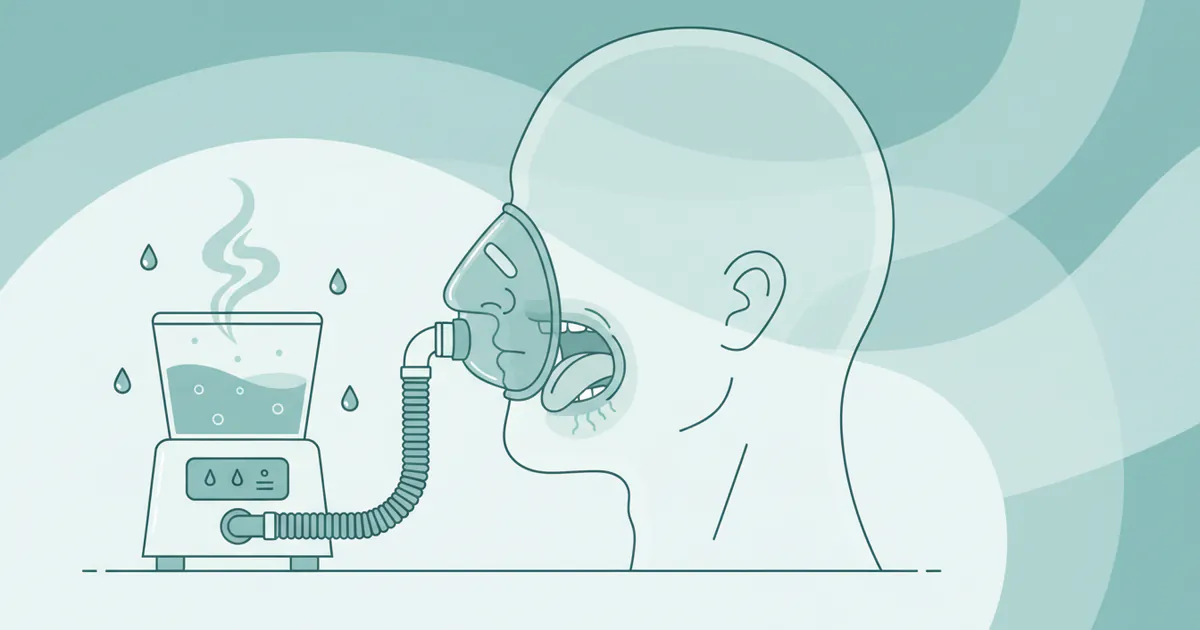
Experiencing dry mouth while using a CPAP machine, even with a humidifier, is a common and incredibly frustrating issue for millions of Americans. It can disrupt sleep, diminish the effectiveness of your sleep apnea treatment, and significantly impact your oral health. Imagine waking up every mornin
February 23, 2026
Sleep Apnea Mouth Tape: Complete Guide
You've likely heard the sound – the unmistakable rumble of snoring, echoing through the night. For many, snoring is more than just an annoyance; it's a potential warning sign of a serious underlying condition: sleep apnea. Affecting an estimated 30 million adults in the United States, sleep apne
February 23, 2026