Best Mouthguard for Teeth Grinding: Complete Guide
Key Takeaways
- More than 1 in 10 Americans suffer from chronic teeth grinding, a condition known as bruxism, often without even realizing it. This pervasive issue doesn't just disrupt your sleep; it can lead to severe dental damage, jaw pain, headaches, and even affect your overall quality of life. If you wake up
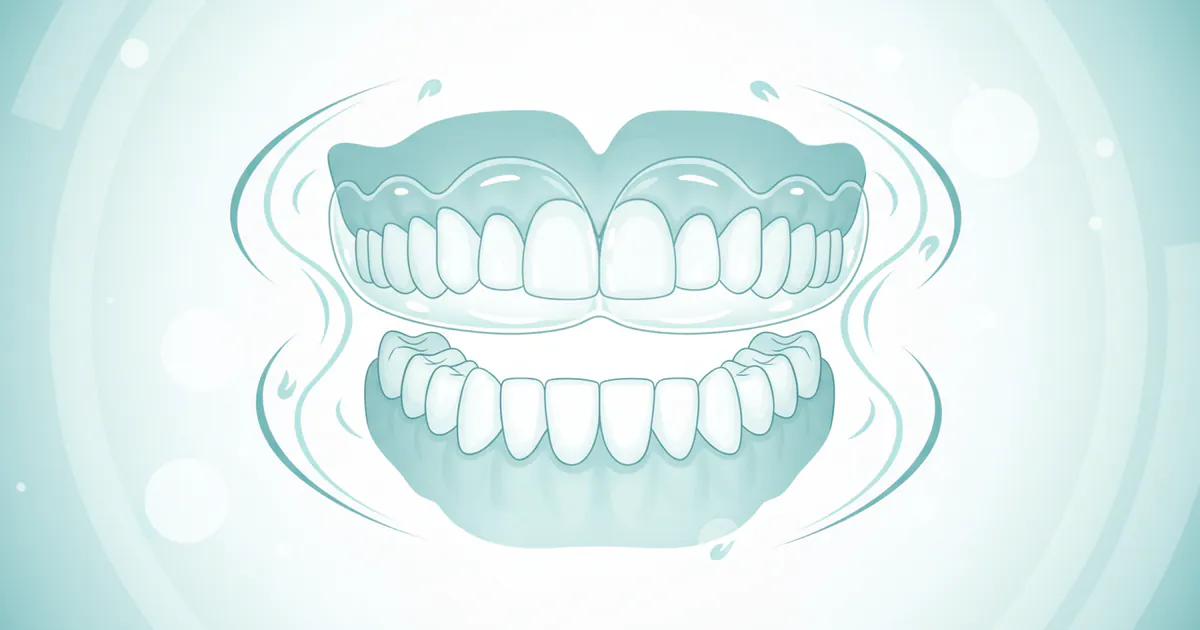
More than 1 in 10 Americans suffer from chronic teeth grinding, a condition known as bruxism, often without even realizing it. This pervasive issue doesn't just disrupt your sleep; it can lead to severe dental damage, jaw pain, headaches, and even affect your overall quality of life. If you wake up with a sore jaw, unexplained headaches, or notice your teeth are becoming sensitive or worn down, you might be one of the millions silently battling this problem. Finding the best mouthguard for teeth grinding is often the first and most effective step towards protecting your dental health and finding relief.
This comprehensive guide from SmilePedia.net is designed to be your definitive resource for understanding bruxism and navigating the world of mouthguards. We'll delve into what teeth grinding is, explore the different types of mouthguards available, discuss their costs, and provide essential advice on how to choose and care for the right appliance for you. By the end of this article, you'll have all the knowledge you need to make an informed decision and take control of your dental well-being.
Key Takeaways:
- Bruxism is common: Affects over 10% of US adults, often unknowingly, leading to significant dental and muscular issues.
- Mouthguards are primary treatment: They create a protective barrier, preventing tooth wear and reducing jaw strain.
- Types vary widely: Options range from affordable over-the-counter (OTC) guards ($15-$50) to custom-fitted dental appliances ($300-$800+), each with pros and cons.
- Custom guards are superior: Offer the best fit, comfort, and protection, lasting 5-10 years, though they are the most expensive.
- Insurance coverage: Dental insurance may cover 50-80% of custom mouthguards if bruxism is medically diagnosed.
- Maintenance is crucial: Proper cleaning extends mouthguard life and prevents bacterial growth.
- Early intervention: Addressing bruxism early prevents irreversible tooth damage, chronic pain, and costly future treatments.
What is Bruxism and Why is a Mouthguard Essential?
Bruxism is a condition characterized by involuntary clenching, grinding, or gnashing of the teeth. It can occur during the day (awake bruxism) or, more commonly, at night while sleeping (sleep bruxism). While occasional teeth grinding may not be harmful, chronic bruxism can lead to a range of dental and physical problems.

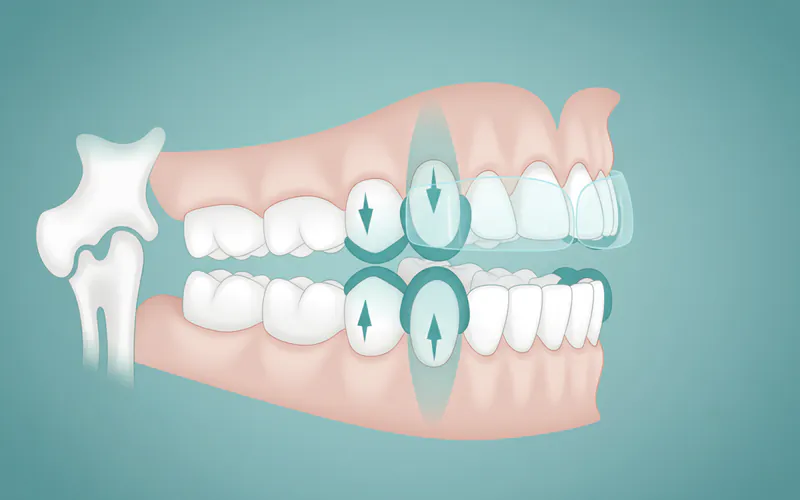
The primary role of a mouthguard, often referred to as a night guard or occlusal splint, is to provide a protective barrier between your upper and lower teeth. When you clench or grind, instead of your teeth directly rubbing against each other, they press against the mouthguard. This significantly reduces the forces transmitted to your teeth, jaw joints (temporomandibular joints or TMJ), and the muscles of your face and neck. It protects your tooth enamel from wear, prevents fractures, reduces sensitivity, and can alleviate the pain associated with bruxism, such as headaches, jaw stiffness, and facial muscle soreness. For many, a well-fitted mouthguard is the single most effective way to manage the destructive effects of bruxism.
Types of Mouthguards for Teeth Grinding
When considering a mouthguard for bruxism, you'll encounter several types, each with varying levels of customization, comfort, and cost. Understanding these differences is key to choosing the best mouthguard for teeth grinding that suits your needs.
1. Custom-Made Mouthguards (Professional Dental Guards)
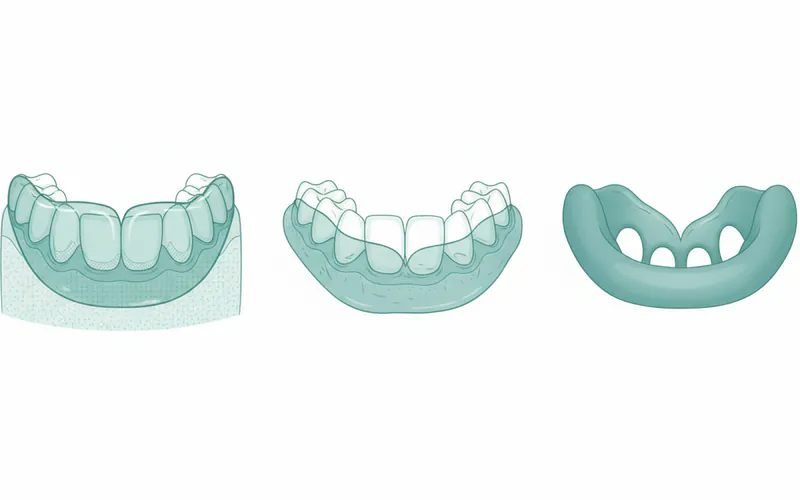
These are considered the gold standard for bruxism treatment. Custom mouthguards are precisely fabricated by a dental lab based on impressions of your teeth taken by your dentist.
- Materials: Typically made from durable, high-quality acrylic, resin, or a combination of soft interior and hard exterior layers (hybrid). They can be firm and rigid, offering robust protection, or slightly flexible for enhanced comfort.
- Fit: Extremely precise, conforming perfectly to the contours of your teeth and gums. This snug fit ensures maximum comfort, stability, and effectiveness, preventing the guard from shifting during sleep.
- Effectiveness: Highly effective at distributing biting forces evenly, reducing stress on individual teeth and the TMJ. They offer superior protection against tooth wear and fractures and are often more successful at alleviating bruxism-related pain.
- Durability: With proper care, custom mouthguards can last 5 to 10 years, making them a long-term investment.
- Cost: The most expensive option, ranging from $300 to $800 or more without insurance. Prices vary based on material, complexity, and geographic location.
2. Boil-and-Bite Mouthguards
These are a popular over-the-counter (OTC) option that you can customize at home.
- Process: Made from a thermoplastic material, you soften them in hot water and then bite into them to create a semi-custom impression of your teeth.
- Materials: Usually made from ethylene-vinyl acetate (EVA), a softer, rubbery plastic.
- Fit: Better than generic OTC guards, but not as precise as custom guards. The fit can be bulky and may not fully cover all teeth, potentially leading to discomfort or an uneven bite.
- Effectiveness: Provides a basic barrier to prevent direct tooth-on-tooth contact, offering some protection. However, they may not effectively distribute biting forces and can sometimes encourage more clenching due to their soft, chewy nature.
- Durability: Less durable than custom guards, typically lasting only a few months to a year before needing replacement.
- Cost: More affordable, usually ranging from $15 to $35.
3. Over-the-Counter (OTC) Stock Mouthguards
These are the most basic and least expensive type of mouthguard.
- Process: Pre-formed and ready to wear out of the box. They are not customized in any way.
- Materials: Often made from a soft, generic plastic or rubber.
- Fit: A "one-size-fits-all" approach, which means they rarely fit well. They can be bulky, uncomfortable, and tend to fall out during sleep. An ill-fitting guard can sometimes exacerbate jaw issues or even pose a choking hazard.
- Effectiveness: Offers minimal protection compared to other types. Due to poor fit, they are less likely to stay in place or provide consistent cushioning.
- Durability: Very limited, often needing replacement after a few weeks or months.
- Cost: The cheapest option, typically $10 to $25.
Material Variations
Mouthguards are also categorized by their material composition, which influences their feel, durability, and effectiveness:
- Soft Night Guards: Made from flexible, rubbery materials. They are comfortable for some but may not be durable enough for severe grinders, as teeth can chew through them. They can sometimes encourage clenching.
- Hard Night Guards: Made from rigid acrylic. These are highly durable and stable, ideal for severe bruxism. They offer excellent force distribution but can take some getting used to due to their firmness.
- Dual Laminate (Hybrid) Night Guards: Combine a soft inner layer for comfort with a hard outer layer for durability and protection. This offers a good balance for many users and is a popular choice for custom guards.
Pro Tip: While OTC options might seem appealing due to their low cost, they often lead to frustration due to poor fit and limited protection. Investing in a professional consultation to determine the ideal type, even if it's a higher-quality home impression kit, is usually worth it for long-term comfort and effectiveness.
Causes of Bruxism: Why Do We Grind Our Teeth?
Understanding the underlying causes of bruxism can sometimes help in its management, beyond just using a mouthguard. Bruxism is often multifactorial, meaning several elements can contribute to its development.
Psychological Factors
- Stress and Anxiety: This is arguably the most common culprit. Daily stressors, work pressure, financial worries, or significant life changes can manifest as physical tension, leading to clenching and grinding, especially during sleep.
- Personality Type: Individuals with aggressive, competitive, or hyperactive personality types may be more prone to bruxism.
Sleep-Related Factors
- Sleep Disorders: Bruxism is strongly associated with other sleep disorders, particularly obstructive sleep apnea (OSA). The body may grind or clench in an attempt to open the airway during apneic events.
- Sleep Position: Some research suggests certain sleep positions might contribute, though this is less definitive.
Lifestyle Factors
- Caffeine and Alcohol: Excessive consumption of caffeine (especially before bed) and alcohol can disrupt sleep patterns and potentially increase bruxism activity.
- Smoking: Nicotine is a stimulant and studies show a higher prevalence of bruxism among smokers.
- Recreational Drugs: Stimulants like ecstasy or cocaine are known to cause severe jaw clenching.
Medical and Physiological Factors
- Medications: Certain medications, especially selective serotonin reuptake inhibitors (SSRIs) used for depression and anxiety, can have bruxism as a side effect. Antipsychotics and amphetamines are also known culprits.
- Other Medical Conditions: Neurological conditions like Parkinson's disease, Huntington's disease, and even gastroesophageal reflux disease (GERD) have been linked to bruxism.
- Dental Misalignment: While once thought to be a primary cause, misaligned teeth (malocclusion) are now considered less significant than psychological or sleep factors. However, an unbalanced bite can sometimes contribute to jaw muscle strain.
- Genetics: There appears to be a genetic predisposition, with a higher incidence of bruxism in individuals whose family members also grind their teeth.
Identifying contributing factors often requires a thorough medical and dental history review, and sometimes collaboration between your dentist and physician, especially if sleep disorders or medication side effects are suspected.
Signs and Symptoms of Bruxism: What to Look For
Many people with sleep bruxism are unaware they grind their teeth because it happens during sleep. Often, a partner might notice the grinding sounds, or a dentist might spot the signs during a routine check-up. However, there are several key symptoms that can indicate you're grinding or clenching your teeth:
Dental Symptoms
- Worn-Down Teeth: Flattened, fractured, chipped, or loose teeth. This is one of the most prominent signs seen by dentists.
- Increased Tooth Sensitivity: Due to exposed dentin from worn enamel, or hairline fractures.
- Receding Gums: Grinding can put excessive force on teeth, leading to gum recession over time.
- Indentations on the Tongue or Cheek: Scalloped edges on the tongue or a white line along the inside of the cheek where the teeth meet.
- Fractured Fillings or Dental Restorations: Repeated stress can damage crowns, bridges, or fillings.
Jaw and Facial Symptoms
- Sore or Painful Jaw Muscles: Especially noticeable upon waking.
- Tight Jaw Muscles: Difficulty opening your mouth wide.
- Clicking, Popping, or Locking Jaw: Sounds or sensations in the temporomandibular joint (TMJ). This can progress to TMJ disorder (TMD).
- Facial Pain: Dull, chronic pain in the face, particularly around the temples.
Other Symptoms
- Headaches: Often described as dull, chronic tension headaches, especially in the temples or behind the eyes, typically present in the morning.
- Earache-like Pain: Though there's no problem with the ear itself, the pain can radiate from the jaw joint.
- Disrupted Sleep: Not only for the grinder's partner but also for the individual, as bruxism can impact sleep quality.
If you experience any combination of these symptoms, it's crucial to consult your dentist. They can diagnose bruxism, assess the extent of the damage, and recommend the most appropriate course of action, which often includes a mouthguard.
Treatment Options for Bruxism
While mouthguards are a primary and highly effective treatment, managing bruxism often involves a multifaceted approach, especially if underlying causes are identified.
1. Mouthguards (Occlusal Splints)
As discussed, these are the frontline defense against the physical damage of bruxism.
- Pros: Protects teeth from wear and fracture, reduces jaw pain and headaches, minimizes TMJ strain, and can improve sleep quality. Highly effective for preventing damage.
- Cons: Doesn't cure bruxism, requires consistent use, can be costly for custom versions, some people find them initially uncomfortable.
2. Stress Management Techniques
Since stress is a major contributor, addressing it can significantly reduce bruxism.
- Pros: Addresses the root cause, offers overall health benefits, non-invasive.
- Cons: Requires commitment and lifestyle changes, results may not be immediate.
- Methods:
- Mindfulness and Meditation: Practicing daily meditation or mindfulness exercises.
- Yoga and Tai Chi: Gentle physical activities that combine movement with breathing and relaxation.
- Therapy/Counseling: Cognitive Behavioral Therapy (CBT) can help individuals identify and cope with stress more effectively.
- Biofeedback: Learning to control muscle activity through electronic monitoring, helping to reduce jaw clenching.
3. Medications
Medications are generally a short-term solution and not a cure for bruxism.
- Pros: Can provide temporary relief for severe symptoms.
- Cons: Side effects, doesn't address the underlying cause, not a long-term solution.
- Types:
- Muscle Relaxants: Prescribed for a short period to relax jaw muscles, particularly before bedtime.
- Botulinum Toxin (Botox): Injected into the jaw muscles (masseter and temporalis) to temporarily weaken them, reducing the force of clenching. Effects last several months. This is often considered for severe cases where other treatments have failed.
- Anti-anxiety/Antidepressants: If bruxism is linked to severe anxiety or depression, addressing these with appropriate medication (carefully chosen to avoid those that cause bruxism) might help.
4. Dental Corrections
In cases where a significant bite issue (malocclusion) is contributing, dental interventions might be considered.
- Pros: Can provide a permanent solution to bite problems.
- Cons: Invasive, costly, and may not be necessary for most bruxism cases.
- Methods:
- Orthodontics: Braces or clear aligners to correct misaligned teeth.
- Coronoplasty (Occlusal Adjustment): Reshaping the chewing surfaces of teeth to create a more balanced bite. This is performed cautiously and only after careful assessment, as it is irreversible.
5. Lifestyle Adjustments
- Pros: Easy to implement, generally beneficial for overall health.
- Cons: Requires discipline.
- Methods:
- Avoid Stimulants: Limit caffeine, alcohol, and nicotine, especially in the hours before bed.
- Sleep Hygiene: Establish a regular sleep schedule, create a comfortable sleep environment, and avoid screen time before bed.
- Hydration: Staying well-hydrated can help with overall muscle function.
A dentist will typically recommend a mouthguard as the first line of defense due to its immediate protective benefits, while simultaneously exploring other potential contributing factors and referring to specialists if necessary (e.g., sleep physician, therapist).
Step-by-Step Process: Getting a Custom Mouthguard
Opting for a custom-made mouthguard is a straightforward process, primarily managed by your dentist. Here's what you can expect:
Step 1: Initial Consultation and Diagnosis
- Dental Exam: Your journey begins with a comprehensive dental examination. Your dentist will look for classic signs of bruxism, such as worn tooth surfaces, chipped enamel, jaw tenderness, and any indications of TMJ issues. They will also discuss your symptoms (headaches, jaw pain, sleep disturbances) and medical history.
- Discussion of Options: Based on the diagnosis, your dentist will explain why a mouthguard is recommended and discuss the various types available, emphasizing the benefits of a custom appliance. This is where you can ask questions about materials, cost, and expected outcomes.
Step 2: Taking Impressions
- Dental Impressions: If you choose a custom guard, the dentist or a dental assistant will take precise impressions of your upper and/or lower teeth using a soft, moldable material that sets quickly. These impressions are crucial for ensuring the mouthguard fits perfectly.
- Digital Scans (Optional): Some modern dental offices use intraoral digital scanners to create 3D models of your teeth, eliminating the need for traditional goopy impressions. This can be more comfortable for patients.
- Bite Registration: The dentist will also take a "bite registration" to capture how your upper and lower jaws come together. This ensures the mouthguard is designed to maintain an optimal jaw position and distribute biting forces correctly.

Step 3: Lab Fabrication
- Sending to Lab: The impressions or digital scans, along with your dentist's specific instructions regarding material (hard, soft, hybrid), thickness, and design, are sent to a specialized dental laboratory.
- Crafting the Guard: Skilled technicians at the lab use advanced techniques to fabricate a custom mouthguard that perfectly matches your dental anatomy. This process typically takes 1 to 3 weeks.
Step 4: Fitting and Adjustments
- Return Visit: Once the mouthguard is ready, you'll return for a fitting appointment. Your dentist will place the guard in your mouth to check its fit, comfort, and how it affects your bite.
- Adjustments: Minor adjustments are common and can be made chairside. The dentist will trim edges, smooth rough spots, and ensure that the guard doesn't cause any discomfort or interfere with your speech or breathing. They will guide you on how to properly insert and remove it.
- Instructions: You'll receive detailed instructions on how to clean and care for your new mouthguard to maximize its lifespan and maintain hygiene.
Step 5: Follow-Up and Ongoing Care
- Initial Adaptation: It may take a few nights to fully adjust to wearing your mouthguard. You might notice increased salivation initially, which usually subsides.
- Follow-up Appointments: Your dentist may schedule a follow-up appointment a few weeks after the initial fitting to ensure continued comfort and effectiveness.
- Regular Dental Check-ups: Continue with your routine dental check-ups. Your dentist will assess the mouthguard's condition and your bruxism symptoms.
This meticulous process ensures that your custom mouthguard is not just a piece of plastic but a precision-engineered appliance designed to provide the best possible protection and comfort for your individual needs.
Cost and Insurance: Understanding the Financial Aspect
The cost of a mouthguard for teeth grinding in the US can vary significantly based on its type, material, customization level, and your geographic location. Understanding these costs and potential insurance coverage is vital.
Average US Costs (Without Insurance)
- Custom-Made Dental Mouthguard:
- Range: $300 to $800+
- Factors: This wide range depends on the material (hard acrylic tends to be more expensive than soft), the complexity of the case (e.g., need for specific bite adjustments), the dental lab fees, and the overhead of the dental practice. Major metropolitan areas often have higher prices.
- Longevity: These are a long-term investment, typically lasting 5 to 10 years with proper care.
- Boil-and-Bite Mouthguard:
- Range: $15 to $35
- Factors: Brand, material quality, and where purchased (pharmacy, online).
- Longevity: Usually need replacement every 3-12 months.
- Over-the-Counter (OTC) Stock Mouthguard:
- Range: $10 to $25
- Factors: Brand and store.
- Longevity: Often need replacement every few weeks to 3 months.
- Professional Home Impression Kits (Mail-Order Custom Guards):
- Range: $100 to $200
- Factors: These companies send you an impression kit, you mail it back, and they send a custom-fitted guard. They are more affordable than dentist-made custom guards but lack direct dental supervision and fitting adjustments.
- Longevity: Can last 1-3 years, but vary greatly.
Insurance Coverage Details
- Dental Insurance:
- Many dental insurance plans cover a portion of the cost of custom-made mouthguards (often coded as an "occlusal guard" or "splint") if bruxism is diagnosed as a medical necessity.
- Coverage Levels: Typically, dental insurance may cover 50% to 80% of the cost after your deductible is met. Some plans might have a waiting period or specific limitations on coverage for these appliances.
- Diagnosis is Key: For coverage, your dentist must clearly document the diagnosis of bruxism and its medical necessity. This usually involves signs of wear, jaw pain, or TMJ issues.
- Pre-authorization: It's always advisable to request a pre-authorization from your insurance company before proceeding with a custom guard. Your dental office can help you with this.
- Medical Insurance:
- Generally, standard medical insurance does not cover basic mouthguards for bruxism, as it's considered a dental appliance.
- However, if your bruxism is secondary to a medical condition like severe sleep apnea or TMJ disorder that requires more extensive medical treatment, portions of the diagnostic process or specialized medical appliances might be covered. This is rare for a simple night guard.
- Flexible Spending Accounts (FSAs) and Health Savings Accounts (HSAs):
- Custom-made mouthguards for bruxism are typically considered eligible medical expenses. You can use funds from your FSA or HSA to pay for them, often without needing a prescription. Always confirm with your plan administrator.
Cost Comparison Table
| Mouthguard Type | Average Cost (US, without insurance) | Durability / Lifespan | Fit & Comfort | Effectiveness Against Bruxism | Pros | Cons |
|---|---|---|---|---|---|---|
| Custom-Made (Dentist) | $300 - $800+ | 5-10 years | Excellent, precise | Superior | Best protection, comfort, durability, force distribution, dentist oversight | Highest cost, requires multiple dental visits |
| Professional Home Impression | $100 - $200 | 1-3 years | Good (self-taken impression) | Good | More affordable than dentist-made, better fit than OTC | No direct dentist oversight, potential for impression errors, less precise than in-office |
| Boil-and-Bite (OTC) | $15 - $35 | 3-12 months | Fair, can be bulky | Moderate | Very affordable, readily available, some customization | Can be bulky, encourages chewing, less effective force distribution, less durable |
| Stock (OTC) | $10 - $25 | Weeks - 3 months | Poor, generic | Minimal | Cheapest, immediately available | Uncomfortable, poor fit, often falls out, minimal protection, can exacerbate issues |
Pro Tip: Always discuss pricing with your dental office upfront. Ask for a detailed cost estimate and inquire about payment plans if the cost is a concern. Many practices offer in-house financing or work with third-party medical financing companies.
Recovery and Aftercare: Maximizing Your Mouthguard's Life
Once you have your mouthguard, proper care is essential to ensure its longevity, maintain hygiene, and continue receiving its protective benefits.
Initial Adjustment Period
- Getting Used to It: It's normal to feel a bit awkward with a mouthguard initially. You might experience increased salivation, a feeling of fullness in your mouth, or a slight lisp. Most people adapt within a few nights to a week.
- Mild Soreness: Some mild soreness in your teeth or jaw might occur as your mouth adjusts. This should subside quickly. If pain persists or worsens, contact your dentist.
Daily Cleaning and Maintenance
- Rinse Immediately: As soon as you remove your mouthguard in the morning, rinse it thoroughly under cool (not hot) running water. This helps remove saliva and any debris before they dry and harden.
- Brush Gently: Use a soft-bristled toothbrush and a non-abrasive soap (like hand soap or dish soap) or a specific mouthguard cleaning solution to gently brush all surfaces of your guard. Avoid toothpaste, as it can be abrasive and scratch the surface, creating nooks for bacteria to grow.
- Rinse Again: Rinse thoroughly after brushing to remove all soap residue.
- Air Dry: Allow your mouthguard to air dry completely before storing it. Leaving it wet can foster bacterial growth.
- Store Properly: Always store your mouthguard in its provided protective case. This prevents damage, keeps it clean, and protects it from pets (who love to chew on them!). Keep the case clean by washing it periodically.
Weekly Deep Cleaning
- Soaking: Once a week, you can soak your mouthguard in a specialized mouthguard cleaning solution (available at pharmacies) or a denture cleaner tablet diluted in water. Follow the product instructions carefully regarding soaking time. This helps disinfect and remove any stubborn buildup.
- Vinegar Soak (Natural Option): A 50/50 solution of white vinegar and water can also be used for a short soak (e.g., 20-30 minutes) to help kill bacteria and remove mineral deposits. Rinse thoroughly afterward.
What to Avoid
- Hot Water: Never use hot water to clean or rinse your mouthguard, and do not leave it in direct sunlight or a hot car. High temperatures can warp the plastic, rendering it unusable.
- Abrasive Cleaners: Avoid harsh chemicals, abrasive toothpastes, or scouring pads, as these can scratch the surface of your guard.
- Sharing: Never share your mouthguard with anyone else.
- Leaving it Exposed: Don't leave your mouthguard on a nightstand or counter where it can collect dust, germs, or be reached by pets.
Regular Dental Check-ups
- Bring Your Guard: Always bring your mouthguard to your regular dental appointments. Your dentist will inspect it for wear, cracks, or any signs that it needs adjustment or replacement.
- Professional Cleaning: Sometimes, your dentist or hygienist can give your mouthguard a professional cleaning during your check-up.
By following these aftercare guidelines, your custom mouthguard can provide years of effective protection against bruxism.
Prevention: Strategies to Reduce Teeth Grinding
While a mouthguard is crucial for mitigating the damage caused by bruxism, addressing its root causes can potentially reduce or even prevent the grinding itself.
1. Stress Reduction
- Identify Stressors: Become aware of what triggers your stress and anxiety.
- Practice Relaxation Techniques:
- Deep Breathing Exercises: Focus on slow, deep breaths to calm your nervous system.
- Progressive Muscle Relaxation: Tense and then relax different muscle groups in your body to release tension.
- Mindfulness and Meditation: Regular practice can help manage stress responses.
- Yoga or Tai Chi: These practices combine physical activity with mental relaxation.
- Time Management: Organize your daily tasks to reduce feelings of overwhelm.
- Professional Help: If stress and anxiety are overwhelming, consider talking to a therapist or counselor. Cognitive Behavioral Therapy (CBT) has proven effective in managing stress and anxiety-related bruxism.
2. Improve Sleep Hygiene
- Consistent Sleep Schedule: Go to bed and wake up at the same time every day, even on weekends.
- Create a Relaxing Bedtime Routine: Take a warm bath, read a book, or listen to calming music before bed.
- Optimize Sleep Environment: Ensure your bedroom is dark, quiet, and cool.
- Limit Screen Time: Avoid electronic devices (phones, tablets, computers, TV) at least an hour before bed, as the blue light can interfere with melatonin production.
- Avoid Large Meals Before Bed: Finish eating at least 2-3 hours before sleep.
3. Dietary and Lifestyle Modifications
- Reduce Stimulants: Cut down on caffeine, alcohol, and nicotine, especially in the afternoon and evening. These substances can disrupt sleep patterns and increase muscle activity.
- Stay Hydrated: Drink plenty of water throughout the day.
- Regular Exercise: Physical activity can help reduce stress and improve sleep quality, but avoid intense exercise close to bedtime.
- Avoid Chewing Gum and Hard Foods: Excessive chewing can overwork jaw muscles, making them more prone to clenching.
4. Jaw Relaxation Exercises
- Awareness: During the day, periodically check if your jaw is clenched. If it is, consciously relax it. The tongue should be resting on the roof of your mouth, with teeth slightly apart or lightly touching.
- Gentle Jaw Stretches: Your dentist or a physical therapist might recommend specific exercises to stretch and relax jaw muscles.
- Warm Compresses: Applying a warm, moist washcloth to your jaw muscles before bed can help relax them.
5. Review Medications
- If you suspect your bruxism is a side effect of medication, discuss it with your prescribing doctor. They may be able to adjust your dosage or suggest an alternative medication. Never stop or change medication without medical advice.
While preventing bruxism entirely isn't always possible, especially for individuals with underlying medical conditions, these preventative strategies can significantly reduce the frequency and intensity of grinding, complementing the protective role of your mouthguard.
Risks and Complications: What Happens If Bruxism Goes Untreated?
Ignoring bruxism can lead to a cascade of painful and costly dental and medical complications. A mouthguard serves as a critical intervention to prevent these issues.
Dental Complications
- Severe Tooth Wear and Damage: The most common and direct consequence. Enamel can be worn down, exposing the softer dentin beneath, leading to increased sensitivity. Teeth can become flattened, chipped, fractured, or even loosened. In extreme cases, entire teeth may be lost.
- Dental Fractures: The intense forces of grinding can cause hairline cracks or complete fractures in teeth, often requiring costly root canals, crowns, or extractions.
- Damage to Dental Restorations: Crowns, bridges, fillings, and veneers are not immune to the forces of bruxism and can become damaged, fractured, or dislodged, necessitating expensive replacements.
- Gum Recession: Chronic clenching and grinding can put excessive stress on the supporting structures of the teeth, potentially leading to gum recession and bone loss around the roots.
- Increased Tooth Sensitivity: Exposure of dentin due to enamel wear, or microscopic fractures, can make teeth extremely sensitive to hot, cold, and sweet stimuli.
Jaw and Facial Complications
- Temporomandibular Joint Disorder (TMD/TMJ): Chronic bruxism is a major contributor to TMD. This can manifest as persistent jaw pain, clicking or popping sounds when opening or closing the mouth, limited jaw movement, and even a locked jaw.
- Muscle Hypertrophy: The jaw muscles (masseter and temporalis) can become enlarged and overdeveloped, leading to a wider facial appearance and chronic muscle soreness.
- Facial Pain: Persistent pain or tenderness in the jaw, face, neck, and shoulders.
- Tension Headaches and Migraines: The constant muscle tension in the jaw and head can trigger frequent tension headaches, often radiating from the temples. Some individuals experience bruxism-induced migraines.
Other Complications
- Sleep Disturbances: While bruxism can be a symptom of a sleep disorder, it can also independently disrupt sleep quality, leading to fatigue, irritability, and difficulty concentrating during the day.
- Earaches: Pain can radiate to the ears, mimicking an ear infection, even when the ear itself is healthy.
- Impact on Quality of Life: Chronic pain, dental issues, and sleep problems can significantly reduce overall quality of life, affecting mood, work productivity, and social interactions.
Pro Tip: Early intervention with a suitable mouthguard can prevent the progression of these severe complications, saving you from significant pain, discomfort, and potentially thousands of dollars in restorative dental work.
Children / Pediatric Considerations for Bruxism
Bruxism isn't just an adult problem; it's quite common in children, affecting an estimated 2-3 out of 10 children, most frequently occurring during sleep. Pediatric bruxism usually subsides as children grow older, but it still warrants attention.

Why Do Children Grind Their Teeth?
- Developing Jaw and Teeth: As primary (baby) teeth erupt and later, permanent teeth emerge, changes in bite alignment can trigger grinding.
- Stress and Anxiety: Similar to adults, stress from school, family issues, or even minor anxieties can manifest as bruxism.
- Pain Relief: Children might grind their teeth to soothe earaches, teething pain, or even headaches.
- Allergies: Some researchers suggest a link between allergies and bruxism in children.
- Sleep Disorders: Sleep apnea or other breathing issues during sleep can contribute to grinding.
- Hyperactivity: Children with ADHD or other hyperactive tendencies may be more prone to bruxism.
Signs and Symptoms in Children
- Grinding noises during sleep (often noted by parents).
- Complaint of jaw pain or soreness in the morning.
- Headaches, especially upon waking.
- Visible wear on primary teeth (flattened tips).
- Tooth sensitivity (though children may not always articulate this clearly).
When to Intervene with a Mouthguard for Children
Most cases of childhood bruxism are mild and self-limiting, resolving without intervention by the time permanent teeth fully emerge. However, a dentist may recommend a mouthguard (or night guard) if:
- Significant Tooth Wear: If grinding is causing noticeable wear on the primary or permanent teeth, threatening their structural integrity.
- Persistent Pain: If the child experiences chronic jaw pain, headaches, or TMJ symptoms.
- Severity: The intensity and frequency of grinding are high.
Types of Mouthguards for Children
- Custom-Made Pediatric Night Guards: These are the most effective. They are fabricated by a dentist to fit the child's specific dental arch, accommodating developing teeth. They are typically made of soft or semi-rigid plastic to be comfortable and less intrusive to growth.
- Orthodontic Appliances: In some cases, if malocclusion is a significant factor, orthodontic treatment (braces or aligners) might be considered to correct the bite, which could indirectly resolve bruxism.
Pro Tip: Early detection by a pediatric dentist is crucial. They can monitor tooth wear, assess any underlying causes, and determine if a mouthguard or other intervention is necessary. Addressing stress or sleep issues can also be part of a comprehensive approach.
Cost Breakdown: Detailed US Pricing and Payment Options
To further elaborate on the financial aspects, let's look at specific cost ranges and how payment can be managed.
Average Costs by Mouthguard Type (Recap)
- Custom-Made Dental Guard:
- Low End: $300 (simple, soft acrylic, smaller towns)
- Mid-Range: $450 - $650 (standard hard or hybrid, typical dentist)
- High End: $700 - $800+ (complex design, specialized materials, urban centers)
- Professional Home Impression Kit (Mail-Order):
- Low End: $100
- High End: $200
- Boil-and-Bite OTC:
- Low End: $15
- High End: $35
- Stock OTC:
- Low End: $10
- High End: $25
With vs. Without Insurance (Custom Guards)
Let's assume a custom guard costs $500:
- Without Insurance: You pay the full $500.
- With 50% Insurance Coverage (after deductible): If your deductible is $50, you pay $50. Then your insurance pays 50% of the remaining $450 ($225). Your total out-of-pocket cost is $50 + $225 = $275.
- With 80% Insurance Coverage (after deductible): If your deductible is $50, you pay $50. Then your insurance pays 80% of the remaining $450 ($360). Your total out-of-pocket cost is $50 + $90 = $140.
These examples highlight the significant savings possible with good dental insurance. Always contact your insurance provider directly for precise benefit information for "occlusal guard" or "splint."
Payment Plans and Financing Options
If the upfront cost of a custom mouthguard is a barrier, discuss these options with your dental office:
- In-House Payment Plans: Many dental practices offer interest-free payment plans, allowing you to pay for the mouthguard in monthly installments directly to the office.
- Third-Party Financing (e.g., CareCredit, LendingClub): These companies specialize in healthcare financing, offering various payment plans, including interest-free options for a promotional period, or low-interest loans for longer terms.
- Flexible Spending Accounts (FSAs) & Health Savings Accounts (HSAs): As mentioned, these tax-advantaged accounts are excellent for covering dental expenses like custom mouthguards.
- Credit Card: While not ideal due to potential interest, it offers immediate payment flexibility.
Cost-Saving Tips
- Check Insurance Benefits: This is the most significant way to save. Understand your coverage fully.
- Compare Dentists: Get quotes from a few different dental practices in your area. Prices can vary.
- Consider a Dental School: Dental schools often offer services at a reduced cost, as students gain experience under the supervision of experienced faculty.
- Ask for Discounts: Some dentists may offer a discount for upfront payment in cash or for patients without insurance.
- Don't Postpone: Delaying treatment can lead to more severe and expensive problems down the line (e.g., root canals, crowns). An initial investment in a mouthguard is usually far less than repairing damaged teeth.
Frequently Asked Questions
What's the main difference between a night guard and a sports mouthguard?
Night guards for bruxism are designed to prevent grinding and clenching during sleep, focusing on cushioning and protecting teeth from wear. Sports mouthguards, conversely, are designed to protect teeth and soft tissues from impact trauma during physical activities and sports. While both create a barrier, their purpose, design, and materials differ significantly.
Can a mouthguard cure bruxism?
No, a mouthguard does not cure bruxism. It is a protective appliance that manages the symptoms and prevents the damage caused by grinding and clenching. It creates a physical barrier to protect your teeth, jaw, and muscles from the destructive forces of bruxism, but it doesn't address the underlying causes.
How long does it take to get used to wearing a night guard?
Most people adapt to wearing a night guard within a few nights to a week. You might experience increased salivation or a feeling of fullness initially, but these sensations typically subside as your mouth adjusts. If discomfort persists beyond a week, or if you experience pain, contact your dentist for an adjustment.
Are there any alternatives to mouthguards for teeth grinding?
Yes, while mouthguards are primary, alternatives include stress management techniques (meditation, therapy), biofeedback, certain medications (muscle relaxants, Botox in severe cases), and addressing underlying sleep disorders like sleep apnea. Dental corrections (orthodontics, occlusal adjustments) are sometimes considered for bite issues.
How do I know if I'm grinding my teeth at night?
Common signs include waking up with a sore jaw, facial pain, or headaches, particularly around the temples. Your partner might notice grinding noises. Your dentist can also identify worn-down tooth enamel, chipped teeth, indentations on your tongue, or gum recession during a routine examination.
Can over-the-counter mouthguards cause more harm than good?
While inexpensive, ill-fitting OTC mouthguards can sometimes exacerbate bruxism or cause new issues. They might be too bulky, leading to discomfort, or so soft that they encourage more chewing and clenching. They lack the precise fit to properly distribute forces and can sometimes shift, offering inadequate protection or even posing a choking hazard.
How often should I replace my custom night guard?
A custom-made night guard typically lasts between 5 to 10 years with proper care. However, its lifespan depends on the severity of your grinding, the material it's made from, and how well you maintain it. Your dentist will assess its condition during your regular check-ups and advise you on when a replacement is needed.
Will my dental insurance cover the cost of a custom mouthguard?
Many dental insurance plans do cover a portion of the cost of a custom mouthguard (often 50-80%) if it's diagnosed as medically necessary for bruxism or TMJ disorder. It's crucial to contact your insurance provider directly or have your dental office submit a pre-authorization to understand your specific benefits and out-of-pocket expenses.
Can wearing a mouthguard affect my bite in the long term?
A properly fitted custom mouthguard is designed to protect your teeth and jaw without negatively altering your bite. In fact, by preventing destructive forces, it can help stabilize your bite. However, an ill-fitting or poorly designed guard, especially an OTC one, might temporarily alter your bite if used consistently, which is why professional fitting is essential.
Is it normal for my jaw to be sore when I start wearing a night guard?
It's common to experience some mild jaw soreness or tooth sensitivity when you first start wearing a night guard, especially for the first few nights. This is usually your muscles adjusting to a new resting position. If the soreness is significant, persistent, or worsens, you should contact your dentist for adjustments, as the guard might not be fitted correctly.
When to See a Dentist
Recognizing the signs and knowing when to seek professional help is critical for managing bruxism and preventing its progression.
Clear Warning Signs That Need Immediate Attention:
- Severe or Persistent Jaw Pain: If you experience chronic, throbbing pain in your jaw, face, or neck that doesn't subside, especially in the mornings.
- Difficulty Opening/Closing Your Mouth: If your jaw locks, clicks loudly, or you have significant trouble opening your mouth wide. This could indicate a serious TMJ issue.
- Chipped, Fractured, or Loosened Teeth: Any noticeable damage to your teeth requires prompt dental evaluation to prevent further issues or infection.
- Headaches/Earaches That Don't Go Away: If you suffer from persistent tension headaches or earache-like pain without an ear infection, especially upon waking.
- New or Worsening Tooth Sensitivity: Increased sensitivity to hot, cold, or sweets, which could signal enamel wear or cracks.
- Disruption to Daily Life: If bruxism-related pain or discomfort is impacting your ability to eat, speak, sleep, or concentrate at work.
Red Flags vs. Routine Care Guidance:
- Routine Care: If you suspect you're grinding, but don't have severe pain, bringing it up at your next routine dental check-up is appropriate. Your dentist can look for signs of wear and recommend preventive measures.
- Red Flag: Any of the "immediate attention" signs listed above warrant a call to your dentist for a dedicated appointment as soon as possible. Don't wait for your next routine cleaning.
Emergency vs. Scheduled Appointment Guidance:
- Emergency: A suddenly locked jaw, excruciating jaw pain that makes it impossible to eat, or a severely fractured tooth from grinding would typically constitute a dental emergency. Call your dentist's emergency line.
- Scheduled Appointment: While urgent, symptoms like persistent but manageable jaw pain, chronic headaches, or gradual tooth wear usually warrant a scheduled appointment within a few days to a week, rather than an emergency visit. Clearly describe your symptoms when you call to help the office triage your appointment appropriately.
Ignoring bruxism can lead to irreversible damage and chronic pain. If you experience any concerning symptoms, consulting your dentist is the most important step towards protecting your oral health and overall well-being.
Frequently Asked Questions
Medically Reviewed Content
This article was written by our dental health editorial team and reviewed for medical accuracy. Our content follows strict editorial guidelines for reliability and trustworthiness.
Medical Disclaimer
This article is for informational purposes only and does not constitute medical advice. Always consult with a qualified dental professional for diagnosis and treatment. Do not delay seeking professional advice because of something you read on this website.
Related Articles

What Causes Teeth Grinding in Sleep
More than one in ten adults—and even more children—clench or grind their teeth during sleep, a condition known medically as sleep bruxism. For many, it's an unconscious habit that goes unnoticed until significant damage or discomfort arises. Waking up with a dull, constant headache, jaw pain, or
February 23, 2026
How to Not Grind Teeth at Night
More than one in ten adults and a significant percentage of children experience teeth grinding, medically known as bruxism, a condition that often goes unnoticed, especially when it occurs during sleep. If you've woken up with a sore jaw, a dull headache, or noticed your teeth becoming unusually
February 23, 2026
What Is Jaw Clenching
Do you often wake up with a dull headache, a sore jaw, or unexplained tooth sensitivity? You're not alone. Approximately 1 in 10 adults and up to 3 in 10 children experience some form of bruxism, a condition characterized by grinding, gnashing, or clenching your teeth. At the heart of this wides
February 23, 2026
Severe Bruxism Molars: Complete Guide
When the quiet of the night is shattered by a grinding, grating sound, or when you wake up with an aching jaw and teeth that feel oddly sensitive, it’s often a sign of bruxism. But what happens when this condition intensifies, leading to significant damage, especially to your back teeth? This is the
February 23, 2026