How to Stop Teeth Grinding at Night
Key Takeaways
- Over 30 million Americans are estimated to grind their teeth at night, a condition known medically as sleep bruxism. This unconscious habit can lead to a host of problems, from persistent headaches and jaw pain to severe tooth damage, impacting your overall health and quality of life. If you're wond
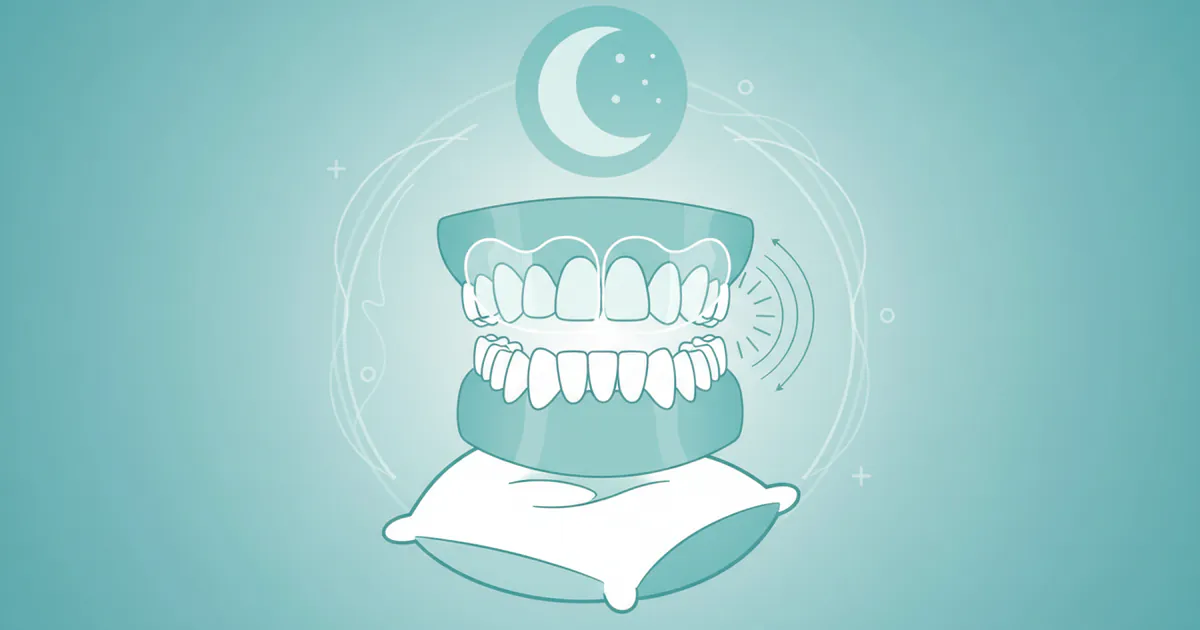
Over 30 million Americans are estimated to grind their teeth at night, a condition known medically as sleep bruxism. This unconscious habit can lead to a host of problems, from persistent headaches and jaw pain to severe tooth damage, impacting your overall health and quality of life. If you're wondering how to stop teeth grinding at night, you're not alone, and the good news is that effective solutions are available. Understanding the causes and exploring various treatment options is the first step toward protecting your dental health and achieving restful sleep.
This comprehensive guide from SmilePedia.net will delve deep into the world of nocturnal bruxism. We'll explore what causes this common condition, the tell-tale signs to look for, and a wide array of medically-backed strategies for teeth grinding treatment. From custom-fit dental devices to lifestyle modifications and advanced therapies, we'll equip you with the knowledge needed to address this issue head-on. By the end of this article, you'll have a clear understanding of how to mitigate the effects of teeth grinding at night and reclaim your oral health.
Key Takeaways:
- Custom Night Guards are a Primary Defense: Professionally fitted oral appliances cost $300-$800 (average, varies by region and material) and effectively protect teeth from grinding forces, often providing relief within 1-2 weeks of consistent use.
- Address Underlying Causes: Stress and anxiety are major contributors; behavioral therapies like CBT, relaxation techniques, and improved sleep hygiene can significantly reduce grinding severity over weeks to months.
- Medical Interventions Exist: For severe cases, Botox injections (costing $500-$1,500 per session, lasting 3-6 months) can relax jaw muscles, or certain medications might be prescribed for short-term relief.
- Early Detection is Crucial: Regular dental check-ups can identify signs of bruxism before extensive damage occurs, potentially saving thousands in restorative dental work.
- Lifestyle Adjustments Play a Key Role: Avoiding caffeine, alcohol, and nicotine before bed, coupled with a consistent sleep schedule, can reduce bruxism frequency within days to weeks.
- Insurance Coverage Varies: While some dental plans may cover a portion of custom night guards, medical insurance is less likely to cover bruxism treatments unless linked to a diagnosable medical condition like TMJ disorders. Expect to pay out-of-pocket for many solutions.
- Consistency is Key: No single "cure" exists; ongoing management through a combination of dental devices, lifestyle changes, and potentially therapy offers the best long-term results for stopping teeth grinding at night.
What Is Teeth Grinding at Night?
Teeth grinding at night, clinically known as sleep bruxism, is an involuntary movement disorder characterized by clenching, grinding, or gnashing of the teeth during sleep. Unlike awake bruxism, which can be a conscious or semi-conscious habit often linked to stress or concentration, sleep bruxism is entirely unconscious and can be quite forceful, exerting significant pressure on the teeth and jaw.
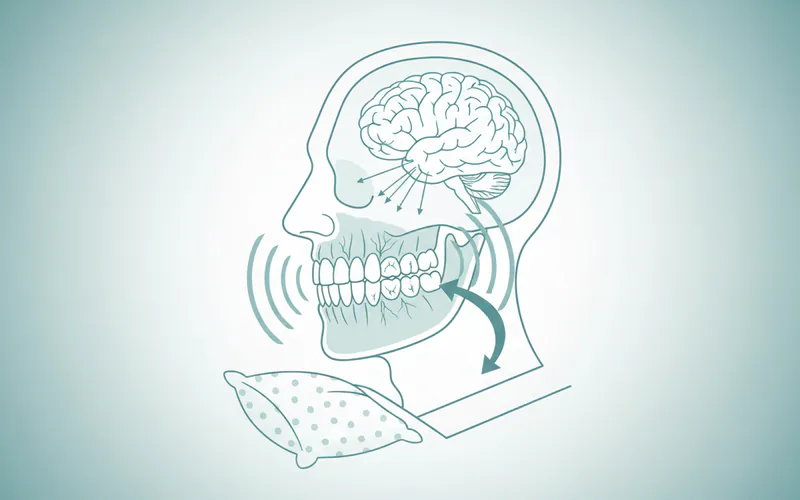
This condition is classified as a sleep-related movement disorder and falls under the umbrella of temporomandibular joint (TMJ) disorders. While occasional teeth grinding might not be harmful, chronic sleep bruxism can lead to a range of dental and general health problems, from worn tooth enamel and fractured teeth to headaches, jaw pain, and even changes in facial structure over time. The force exerted during sleep bruxism can be up to six times greater than the force used for chewing, making it a powerful and potentially destructive habit if left unaddressed.
Types of Bruxism
While the focus of this article is on sleep bruxism, it's important to understand the broader context of teeth grinding.
- Sleep Bruxism (Nocturnal Bruxism): This is the involuntary grinding or clenching of teeth during sleep. Individuals are often unaware they are doing it, and a partner or dentist might be the first to notice the signs. It's often associated with sleep architecture, stress, and certain medications.
- Awake Bruxism (Diurnal Bruxism): This refers to conscious or subconscious teeth clenching or grinding while awake. It's often a response to stress, anxiety, anger, or deep concentration. People might find themselves clenching their jaw while driving, working, or exercising. While less destructive to teeth than sleep bruxism due to typically lower forces and conscious awareness, it can still contribute to jaw pain and headaches.
This article specifically addresses how to stop teeth grinding at night due to its unconscious nature and potential for more severe damage.
Causes: Why Teeth Grinding Happens at Night
Understanding the root causes of sleep bruxism is essential for effective teeth grinding treatment. Often, it's not a single factor but a combination of influences that contribute to this nighttime habit.
Psychological Factors
- Stress and Anxiety: This is perhaps the most common and well-documented cause. High levels of daily stress, anxiety, anger, frustration, or tension can manifest physically during sleep. The jaw muscles may clench as a way for the body to cope with emotional distress.
- Personality Type: Individuals with aggressive, competitive, or hyperactive personality types may be more prone to bruxism.
Sleep Disorders
- Sleep Apnea: Research indicates a strong link between sleep bruxism and obstructive sleep apnea (OSA). When breathing pauses during sleep, the body may clench the jaw as a reflex to try and open the airway, leading to grinding.
- Snoring: Similar to sleep apnea, any disruption to normal breathing during sleep can trigger bruxism episodes.
- Other Sleep Disorders: Conditions like restless leg syndrome can also be associated with increased bruxism activity.
Lifestyle Factors
- Stimulants: Consumption of caffeine (coffee, tea, energy drinks), alcohol, and nicotine (smoking, vaping) before bedtime can stimulate the nervous system and disrupt sleep patterns, increasing the likelihood of grinding.
- Recreational Drugs: Certain recreational drugs like ecstasy (MDMA) or amphetamines are known to cause jaw clenching and grinding.
Medications
- Antidepressants: Specific types of antidepressants, particularly Selective Serotonin Reuptake Inhibitors (SSRIs) like fluoxetine (Prozac), sertraline (Zoloft), and paroxetine (Paxil), can sometimes induce or worsen bruxism as a side effect.
- Other Medications: Some antipsychotics and other medications can also have bruxism as a side side effect. If you suspect a medication is contributing, discuss it with your doctor.
Dental and Anatomical Factors
- Malocclusion (Misaligned Bite): Historically, an "improper bite" was considered a primary cause of bruxism. While it can be a contributing factor in some cases, modern research suggests it's less significant than psychological or sleep-related issues. An uneven bite might create "interferences" that the jaw tries to grind away during sleep.
- Missing or Crooked Teeth: Missing teeth or poorly aligned teeth can sometimes affect how the jaw rests and functions, potentially contributing to grinding.
- Temporomandibular Joint (TMJ) Disorders: While bruxism can cause TMJ disorders, existing TMJ issues can also sometimes contribute to the grinding habit.
Genetic Predisposition
- Family History: There appears to be a genetic component to bruxism, as it often runs in families. If a parent or sibling has bruxism, you may have a higher likelihood of developing it.
Other Medical Conditions
- Neurological Diseases: Conditions such as Parkinson's disease, Huntington's disease, and epilepsy have been linked to bruxism.
- Gastroesophageal Reflux Disease (GERD): Some studies suggest a correlation between GERD and sleep bruxism, though the exact mechanism is not fully understood.
Pro Tip: Keeping a "bruxism diary" can help identify potential triggers. Note down your stress levels, caffeine intake, alcohol consumption, and any medications, along with any symptoms you experience. This information can be invaluable for your dentist or doctor in diagnosing and planning your teeth grinding treatment.
Signs and Symptoms of Teeth Grinding at Night
Since sleep bruxism occurs unconsciously, many individuals are unaware they grind their teeth. However, the body often provides clear signals. Recognizing these signs early is crucial for timely intervention and preventing more severe complications.
- Flattened, Fractured, Chipped, or Loose Teeth: This is one of the most direct signs. The constant, forceful grinding can wear down enamel, chip edges, or even crack teeth. In severe cases, teeth can become significantly loosened.
- Worn Tooth Enamel, Exposing Deeper Layers of the Tooth: The protective outer layer of your teeth (enamel) can be ground away, exposing the softer dentin underneath. This can lead to increased tooth sensitivity.
- Increased Tooth Pain or Sensitivity: As enamel wears thin, teeth become more sensitive to hot, cold, and sweet foods or drinks.
- Tired or Tight Jaw Muscles: Waking up with a stiff or aching jaw is a classic symptom. The muscles used for chewing (masseter and temporalis muscles) are overworked throughout the night.
- Jaw Pain or Tenderness: Persistent pain in the jaw, especially around the temporomandibular joints (TMJs), can be a sign.
- Pain that Feels Like an Earache: While there's no problem with your ear itself, the pain from overworked jaw muscles can radiate to the ear area.
- Dull Headache Originating in the Temples: Many bruxers experience tension headaches, especially in the temples, upon waking. This is due to the sustained contraction of the temporalis muscles.
- Chronic Facial Pain: Generalized pain in the face, especially around the cheeks and temples, can be a consequence of chronic clenching.
- Damage from Chewing on the Inside of Your Cheek: Some individuals may unconsciously chew or clench the inside of their cheeks, leading to lesions or raised lines (linea alba) along the bite line.
- Indentations on the Tongue: Similar to cheek biting, the tongue can develop indentations from being pressed firmly against the teeth.
- Sleep Disruption: While you may not be aware of the grinding, the physical act can disrupt your sleep or that of your sleep partner, who might hear the grinding noises.
- Locking of the Jaw: In severe cases, the jaw might temporarily lock open or closed, or you might experience difficulty opening your mouth wide.
- Clicking or Popping Sounds in the Jaw (TMJ Sounds): These sounds can indicate dysfunction or damage to the temporomandibular joint, often exacerbated or caused by bruxism.
- Enlarged Masseter Muscles: Over time, the constant engagement of the masseter muscles (in the lower cheek area) can lead to their hypertrophy (enlargement), making the jawline appear wider or squarer.
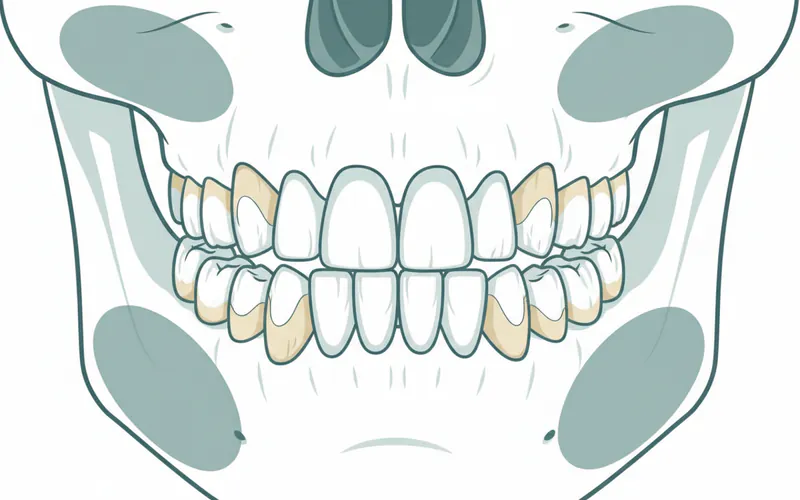
If you experience one or more of these symptoms, particularly upon waking, it's advisable to consult with a dentist. They are often the first healthcare professionals to identify signs of bruxism during routine examinations.
Treatment Options to Stop Teeth Grinding at Night
Effectively addressing how to stop teeth grinding at night often involves a multi-faceted approach, combining dental interventions, lifestyle modifications, and sometimes medical therapies. The best teeth grinding treatment plan is tailored to the individual, considering the severity of their condition and its underlying causes.
1. Dental Approaches
These treatments focus on protecting teeth from damage and modifying jaw function.
a. Oral Appliances (Night Guards/Splints)
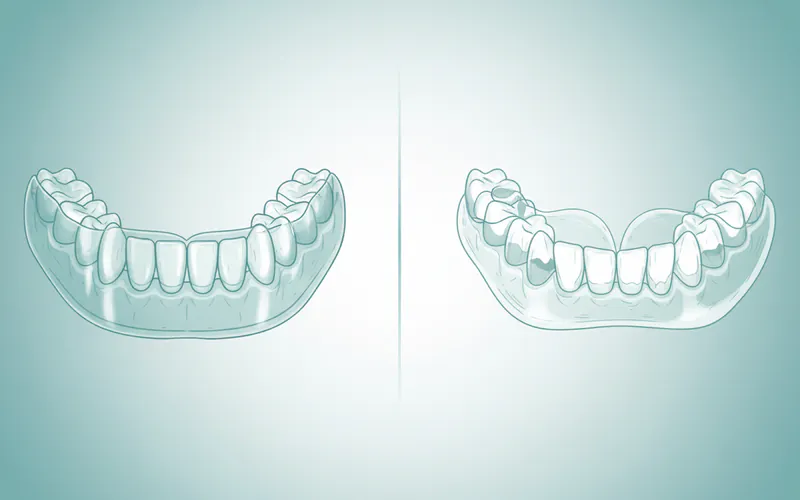
- Custom-Made Night Guards: These are the most common and often most effective first-line treatment. A dentist takes impressions of your teeth to create a perfectly fitting appliance, typically made of hard acrylic or a combination of soft and hard materials. It acts as a protective barrier between your upper and lower teeth, absorbing the grinding forces and preventing tooth wear.
- Pros: Highly effective at protecting teeth, can reduce jaw muscle activity, comfortable when properly fitted, durable.
- Cons: Can be expensive, requires consistent wear, may need periodic adjustments, doesn't address underlying causes.
- Cost: $300-$800 (average, varies by material and region). Some dental insurance plans may cover a portion.
- Timeline: Impressions taken in one visit, appliance delivered and fitted in a second visit (usually 1-2 weeks later). Relief often felt within days of consistent use.
- Over-the-Counter (OTC) Boil-and-Bite Mouthguards: Available at pharmacies, these are softened in hot water and molded to your teeth at home.
- Pros: Inexpensive, readily available.
- Cons: Less effective than custom guards, bulky, less comfortable, can shift in the mouth, may not provide adequate protection, can sometimes worsen jaw pain if not fitted correctly.
- Cost: $15-$50.
- Timeline: Instant use after fitting.
b. Dental Correction
- Addressing Misaligned Teeth (Malocclusion): If a significant bite issue is identified as a primary contributor to bruxism, orthodontic treatment (braces, aligners) or restorative dentistry (crowns, bridges) may be considered. However, this is less common as a primary bruxism treatment unless there are other compelling dental reasons.
- Pros: Can correct underlying structural issues, improve overall dental health.
- Cons: Expensive, lengthy treatment timelines, may not completely resolve bruxism if other factors are at play.
- Cost: Orthodontics $3,000-$8,000+; Crowns $800-$3,000 per tooth.
- Timeline: Months to years for orthodontics; weeks for crowns.
- Repairing Damaged Teeth: For teeth already worn, chipped, or fractured, restorative procedures like fillings, crowns, or veneers may be necessary to restore function and aesthetics.
- Pros: Restores tooth integrity, alleviates sensitivity.
- Cons: Can be costly, doesn't prevent future grinding.
- Cost: Fillings $100-$400; Crowns $800-$3,000 per tooth.
- Timeline: One to several appointments depending on the extent of damage.
2. Lifestyle Modifications and Behavioral Therapies
Addressing the underlying causes, especially stress and anxiety, is paramount for long-term relief.
a. Stress Management Techniques
- Relaxation Techniques: Practices such as meditation, deep breathing exercises, yoga, and progressive muscle relaxation can help reduce overall stress and tension, which in turn can lessen bruxism.
- Mindfulness: Being present and aware can help manage daily stressors.
- Counseling/Therapy: Cognitive Behavioral Therapy (CBT) can be highly effective in identifying and managing stressors and changing unconscious habits. Psychotherapy can help explore deeper emotional causes.
- Pros: Addresses root causes, improves overall well-being, non-invasive.
- Cons: Requires consistent effort, results can take time (weeks to months), therapy costs can add up ($75-$200+ per session).
- Timeline: Varies by individual and technique.
b. Improved Sleep Hygiene
- Consistent Sleep Schedule: Going to bed and waking up at the same time each day, even on weekends, can regulate your body's internal clock.
- Comfortable Sleep Environment: Ensure your bedroom is dark, quiet, and cool.
- Avoid Stimulants Before Bed: Limit caffeine, alcohol, and nicotine several hours before sleep. These can disrupt sleep patterns and exacerbate bruxism.
- Relaxing Bedtime Routine: Take a warm bath, read a book, or listen to calming music before bed to signal to your body that it's time to wind down.
- Pros: Improves overall sleep quality, no cost, generally good for health.
- Cons: Requires discipline and commitment.
- Timeline: Improvements can be seen within days to weeks.
c. Biofeedback
- Biofeedback Devices: These devices, sometimes worn on the jaw, monitor muscle activity. When clenching occurs, they provide a gentle alert (e.g., a subtle vibration or sound) to help the individual become aware of the habit and learn to relax the jaw muscles.
- Pros: Trains the individual to reduce bruxism consciously.
- Cons: Can be expensive, requires patient commitment, not always covered by insurance.
- Cost: $200-$1,000+ for devices; therapy sessions $75-$200 per session.
- Timeline: Weeks to months for behavioral changes.
3. Medical Interventions
For more severe cases or when other treatments aren't effective, medical options may be considered.
a. Medications
- Muscle Relaxants: Your doctor might prescribe a muscle relaxant for a short period to help relax jaw muscles and reduce grinding, typically taken before bed.
- Pros: Can provide temporary relief.
- Cons: Short-term solution, potential side effects (drowsiness), doesn't address underlying cause, not for long-term use.
- Cost: Varies by medication and insurance; generally low with insurance.
- Timeline: Immediate relief, but short-acting.
- Botox Injections (Botulinum Toxin): When injected into the masseter muscles (jaw muscles), Botox can temporarily paralyze or weaken them, reducing the force of grinding. This is typically reserved for severe cases of bruxism resistant to other treatments or when there's significant muscle hypertrophy causing pain.
- Pros: Highly effective at reducing clenching force, can relieve pain, typically lasts for several months.
- Cons: Temporary (needs repeat injections), expensive, potential side effects (temporary weakness, asymmetry, cosmetic changes), not FDA approved for bruxism but widely used off-label.
- Cost: $500-$1,500 per session, every 3-6 months. Rarely covered by insurance unless medically deemed necessary for severe TMJ pain.
- Timeline: Effects seen within 3-7 days, lasting 3-6 months.
- Antidepressants/Anxiety Medications: If bruxism is strongly linked to anxiety or depression, a doctor might consider prescribing medications to address these underlying conditions. However, some antidepressants can cause bruxism, so careful monitoring is essential.
- Pros: Addresses underlying psychological issues.
- Cons: Potential side effects, takes time to find the right medication and dosage.
- Cost: Varies by medication and insurance.
- Timeline: Weeks to months for full effect.
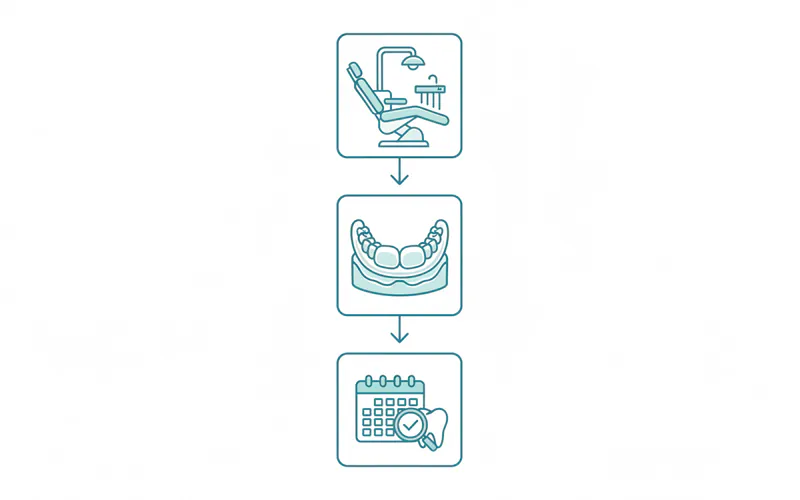
Step-by-Step Process for Seeking Teeth Grinding Treatment
If you suspect you're grinding your teeth at night, here's what to expect:
-
Initial Dental Consultation:
- Discussion of Symptoms: Your dentist will ask about your symptoms (jaw pain, headaches, sensitive teeth), lifestyle (stress, caffeine intake), and medical history.
- Oral Examination: They will thoroughly examine your teeth for signs of wear, chips, fractures, and check your jaw muscles and temporomandibular joints for tenderness, clicking, or limited movement. They may also check for signs of cheek biting or tongue indentations.
- Diagnosis: Based on the examination and your reported symptoms, the dentist will diagnose bruxism.
-
Assessment of Underlying Causes:
- Your dentist may ask about your sleep quality, stress levels, and medications.
- If sleep apnea is suspected, they might recommend a sleep study (polysomnography) for a definitive diagnosis.
- If psychological factors are prominent, referral to a therapist or counselor may be suggested.
-
Treatment Planning:
- First-Line Recommendation: Often, a custom-made night guard will be recommended as the primary protective measure.
- Impressions: If a night guard is chosen, your dentist will take precise impressions of your upper and/or lower teeth. These impressions are sent to a dental lab to fabricate your custom appliance.
- Adjunctive Therapies: Concurrently, your dentist will likely recommend lifestyle changes (stress management, sleep hygiene) and may suggest jaw exercises or referrals to other specialists (e.g., physical therapist for TMJ, sleep specialist, therapist).
-
Night Guard Delivery and Fitting (if applicable):
- Once the night guard is ready (typically 1-2 weeks after impressions), you'll return for a fitting appointment.
- The dentist will ensure the appliance fits comfortably and doesn't interfere with your bite. They'll make any necessary adjustments.
- You'll receive instructions on how to wear, clean, and care for your night guard.
-
Follow-Up and Monitoring:
- Regular Check-ups: Regular dental visits are crucial to monitor the effectiveness of the treatment, check for any further tooth wear, and ensure the night guard is still fitting correctly.
- Symptom Review: Your dentist will assess improvements in your symptoms (reduced pain, headaches) and adjust the treatment plan as needed.
- Evaluating Other Treatments: If bruxism persists or is severe, they might discuss other options like Botox injections or referrals to medical specialists.
 `
`
Recovery and Aftercare
Once you've started a teeth grinding treatment plan, recovery involves consistent adherence to your dentist's recommendations and ongoing self-care.
- Consistent Night Guard Use: If prescribed, wear your custom night guard every night. It takes time to get used to it, but consistent use is key to protecting your teeth and potentially reducing muscle activity over time.
- Cleaning: Clean your night guard daily with a toothbrush and mild soap or a denture cleaner, rinsing thoroughly. Store it in its case when not in use to keep it clean and prevent damage.
- Regular Check-ups: Bring your night guard to your dental appointments so your dentist can check its fit and condition. Night guards typically last 3-10 years depending on material and grinding severity, but may need replacement sooner.
- Continue Stress Management: Bruxim is often cyclical. Even with a night guard, ongoing stress management techniques are vital to reduce the underlying urge to grind.
- Practice relaxation daily, consider therapy, and prioritize self-care.
- Maintain Good Sleep Hygiene: Adhere to a consistent sleep schedule and avoid stimulants before bed. This can support overall sleep quality and reduce bruxism episodes.
- Jaw Exercises and Stretches: Your dentist or a physical therapist might recommend specific exercises to relax jaw muscles and improve mobility. Examples include gentle jaw stretches, massage of the masseter muscles, and practicing "lips together, teeth apart" to encourage a relaxed jaw position.
- Monitor Symptoms: Pay attention to your body. If headaches, jaw pain, or sensitivity persist or worsen, contact your dentist. This could indicate a need to adjust your treatment plan.
- Dietary Considerations: For immediate relief from jaw pain, stick to soft foods for a few days to give your jaw muscles a rest. Avoid excessive chewing of gum, tough meats, or very crunchy foods.
Prevention: How to Prevent Teeth Grinding at Night
While complete prevention can be challenging due to the unconscious nature of sleep bruxism, several strategies can significantly reduce its occurrence and severity.
- Proactive Stress Management: Since stress and anxiety are leading causes, adopting daily stress-reduction practices is paramount. This includes:
- Mindfulness and Meditation: Regular practice can train your mind to respond differently to stress.
- Physical Activity: Exercise is a great stress reliever, but avoid intense workouts close to bedtime.
- Hobbies and Relaxation: Dedicate time to activities you enjoy that help you unwind.
- Professional Counseling: If stress feels overwhelming, a therapist can provide coping strategies.
- Optimize Sleep Hygiene: A healthy sleep environment and routine can reduce sleep disturbances that contribute to bruxism.
- Consistent Sleep Schedule: Go to bed and wake up at the same time every day.
- Dark, Quiet, Cool Bedroom: Create an ideal sleep environment.
- Avoid Screen Time Before Bed: The blue light from electronic devices can interfere with melatonin production.
- Limit Stimulants:
- Caffeine: Reduce or eliminate caffeine intake, especially in the afternoon and evening.
- Alcohol: While alcohol might initially make you feel sleepy, it disrupts deep sleep and can increase bruxism activity. Avoid it close to bedtime.
- Nicotine: Nicotine is a stimulant; avoid smoking or vaping, particularly before sleep.
- Avoid Chewing Gum: Excessive gum chewing can overwork jaw muscles and train them to stay tense, potentially exacerbating clenching.
- Conscious Jaw Relaxation: During the day, practice keeping your lips together but your teeth apart, with your tongue resting lightly on the roof of your mouth. This is the natural resting position for your jaw. If you notice yourself clenching during the day, consciously relax your jaw.
- Address Underlying Medical Conditions: If you have sleep apnea, acid reflux, or other medical conditions, work with your doctor to manage them effectively, as they can contribute to bruxism.
- Regular Dental Check-ups: Your dentist can spot early signs of wear and provide guidance before significant damage occurs.
Risks and Complications of Untreated Teeth Grinding
Ignoring teeth grinding at night can lead to a cascade of painful and costly dental and medical problems.
- Severe Tooth Damage:
- Enamel Wear: Progressive wearing away of tooth enamel, exposing the sensitive dentin layer underneath.
- Chips, Cracks, and Fractures: Forceful grinding can chip away pieces of teeth, crack existing fillings, or even cause entire teeth to fracture.
- Tooth Loosening or Loss: Chronic grinding can damage the periodontal ligaments that hold teeth in place, leading to loosening and, in severe cases, tooth loss.
- Pulpitis (Nerve Damage): Sustained trauma can irritate the tooth pulp (nerve), leading to pain, sensitivity, and potentially requiring root canal treatment.
- Temporomandibular Joint (TMJ) Disorders: Bruxism is a major risk factor for developing or worsening TMJ disorders. This can manifest as:
- Jaw Pain and Tenderness: Chronic pain in the jaw joint and surrounding muscles.
- Clicking, Popping, or Grating Sounds: Indicative of joint dysfunction.
- Limited Jaw Movement: Difficulty opening or closing the mouth fully.
- Jaw Locking: The jaw getting "stuck" in an open or closed position.
- Chronic Headaches and Facial Pain: Frequent tension headaches (especially temporal headaches upon waking) and generalized facial pain are common, significantly impacting daily quality of life.
- Sleep Disruption: While the person grinding may not wake up, the act of grinding can disrupt their sleep cycles, leading to daytime fatigue, irritability, and reduced concentration. It can also disrupt a sleep partner's rest.
- Changes in Facial Appearance: Over time, chronic clenching can lead to hypertrophy (enlargement) of the masseter muscles, giving the jawline a wider or more square appearance.
- Gum Recession: The forces from grinding can contribute to gum recession and potentially lead to periodontal disease.
- Poor Quality of Life: Persistent pain, disrupted sleep, and concern over dental health can collectively reduce overall well-being.
Early intervention and adherence to teeth grinding treatment are vital to prevent these severe and often irreversible complications.
Children / Pediatric Considerations
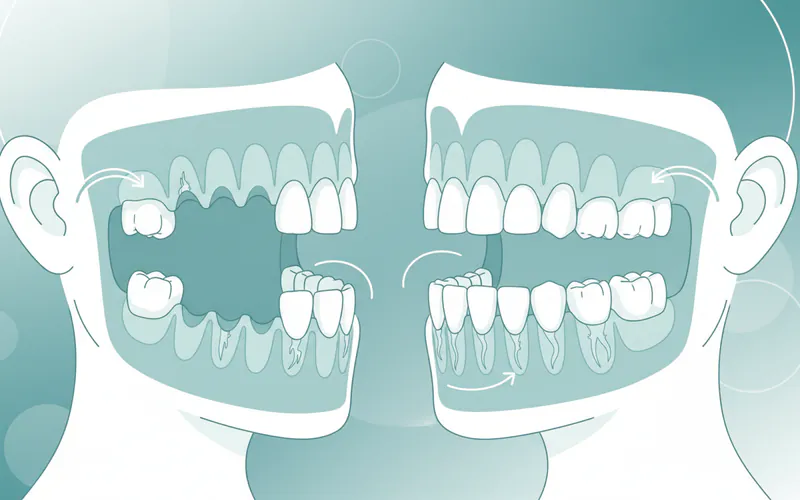
Teeth grinding at night is surprisingly common in children, affecting an estimated 2-3 out of 10 children at some point, particularly during periods of teeth development (e.g., when baby teeth erupt or permanent teeth come in). While often outgrown, it’s important for parents to be aware of the signs and when to seek professional advice.
Why It Happens in Children
- Developing Jaw and Teeth: As primary teeth emerge and fall out, and permanent teeth come in, the child's bite is constantly changing. This can sometimes lead to grinding as the jaw attempts to find a comfortable bite.
- Stress and Anxiety: Just like adults, children can experience stress from school, family changes, or other emotional factors, which can manifest as bruxism.
- Allergies: Nasal congestion or allergies can cause a child to breathe through their mouth, which some theories suggest may contribute to grinding.
- Sleep Disorders: Snoring or sleep apnea in children can also be linked to bruxism.
- Malocclusion (Misaligned Bite): While less common as a sole cause, significant bite issues can sometimes play a role.
- Medical Conditions: Certain medical conditions, such as cerebral palsy or some medications, can be associated with bruxism.
Signs to Look For
Parents might notice:
- Grinding Sounds: Often the first clue, especially if they sleep in the same room as the child.
- Jaw Pain or Fatigue: Child complains of a sore jaw upon waking.
- Headaches: Morning headaches.
- Tooth Sensitivity: Complaining that teeth hurt, especially when eating hot or cold foods.
- Worn or Chipped Teeth: Visible signs of wear on the chewing surfaces of teeth.
- Difficulty Chewing: Reluctance to chew certain foods due to pain.
When to See a Dentist
Most cases of childhood bruxism are mild and resolve on their own without intervention. However, you should consult a pediatric dentist if:
- Your child complains of persistent jaw pain or headaches.
- You notice significant tooth wear or chipping.
- The grinding sounds are very loud and frequent.
- The child's sleep is significantly disrupted, or they show signs of daytime fatigue.
- You suspect your child has sleep apnea (loud snoring, gasping for breath, frequent awakenings).
Treatment and Management for Children
- Monitoring: For most children, watchful waiting is sufficient. The dentist will monitor tooth wear at routine check-ups.
- Addressing Stress: Help your child manage stress through open communication, consistent routines, and relaxation techniques.
- Addressing Allergies/Sleep Issues: Work with a pediatrician to address any underlying allergies or sleep-disordered breathing.
- Night Guards (Rarely for Children): Custom night guards are generally not recommended for young children because their jaws and teeth are still developing. They may be considered for older children with severe bruxism and significant tooth damage, but only after careful evaluation by a pediatric dentist. The design would need to accommodate growth.
- No Medications: Medications are rarely, if ever, used to treat bruxism in children.
Pro Tip: Create a relaxing bedtime routine for your child. A warm bath, reading a book, and quiet time can help reduce stress before sleep. Ensure they have a comfortable sleep environment.
Cost Breakdown of Teeth Grinding Treatment
The cost of teeth grinding treatment in the US can vary significantly based on the severity of the condition, the chosen treatment approach, geographic location, and whether you have dental and/or medical insurance.
Average US Costs (Ranges)
| Treatment Type | Low Range | Mid Range | High Range | Notes |
|---|---|---|---|---|
| Over-the-Counter Mouthguard | $15 | $30 | $50 | Temporary solution, less effective, not recommended for chronic use. |
| Custom-Made Night Guard (Dental) | $300 | $500-$600 | $800 | Most common and effective dental solution. Costs vary by material (soft/hard acrylic). |
| Initial Dental Exam & Diagnosis | $50 | $150 | $300 | May be part of a routine check-up. Includes X-rays if needed. |
| Botox Injections (for Masseter) | $500 | $800-$1,200 | $1,500+ | Per session, typically needed every 3-6 months. Cosmetic clinics may charge more. |
| Physical Therapy (TMJ) | $75 | $150 | $300 | Per session, often 6-12 sessions needed. |
| Counseling/CBT Therapy | $75 | $120-$180 | $250+ | Per session, depending on therapist's experience and location. Several sessions may be needed. |
| Medications (Muscle Relaxants) | $10 | $50 | $150 | Monthly cost, varies by generic vs. brand and insurance. Short-term use only. |
| Restorative Dental Work (Example) | For teeth already damaged by grinding. | |||
| * Filling (composite) | $100 | $250 | $400 | Per tooth. |
| * Crown | $800 | $1,500-$2,500 | $3,000+ | Per tooth, varies by material (porcelain, zirconia, metal). |
| * Root Canal | $700 | $1,000-$1,800 | $2,000+ | Per tooth, varies by tooth location (front vs. molar). |
| Sleep Study (Polysomnography) | $800 | $2,000 | $5,000+ | If sleep apnea is suspected. Costs vary widely by in-lab vs. home study and facility. |
With vs. Without Insurance
- Dental Insurance:
- Many dental insurance plans cover a portion of the cost for a custom night guard (oral appliance), typically 50-80% after your deductible is met. However, some plans may classify it as an elective or non-essential item, leading to no coverage or limited benefits. Always check with your provider.
- Restorative work (fillings, crowns, root canals) for damaged teeth is usually covered, often 50-80% for major services, after deductibles and up to annual maximums.
- Preventive care (exams, cleanings) are usually covered at 100%.
- Medical Insurance:
- Medical insurance is less likely to cover routine bruxism treatments like night guards, as these are typically considered dental.
- However, if your bruxism is a symptom of a diagnosable medical condition (e.g., severe TMJ disorder, sleep apnea), elements of treatment might be covered. For instance, a sleep study might be covered by medical insurance if ordered by a physician. Botox for severe chronic migraines or TMJ may sometimes be covered, but it's rare for bruxism alone.
- Therapy for stress/anxiety related to bruxism may be covered by medical insurance if it's part of mental health benefits.
Payment Plans and Financing Options
- Dental Office Payment Plans: Many dental offices offer in-house payment plans or work with third-party financing companies (like CareCredit) that provide low or no-interest payment options for larger expenses.
- Flexible Spending Accounts (FSAs) & Health Savings Accounts (HSAs): If you have an FSA or HSA through your employer, you can use these pre-tax funds to pay for eligible dental and medical expenses, including night guards, dental work, and sometimes therapy costs.
- Shop Around: For significant procedures, get quotes from a few different dental offices.
Cost-Saving Tips
- Early Intervention: Addressing bruxism early with a night guard is far less expensive than waiting until you need multiple crowns or root canals.
- Understand Your Insurance: Call your dental and medical insurance providers to understand exactly what is covered before starting treatment.
- Ask for Discounts: Some dental offices offer discounts for upfront cash payments or for patients without insurance.
- Dental Schools: University dental schools often provide services at a reduced cost, as procedures are performed by students under the supervision of experienced faculty.
- Community Health Clinics: These clinics may offer lower-cost dental care.
Frequently Asked Questions
Is teeth grinding at night dangerous?
Yes, chronic teeth grinding at night can be dangerous. While occasional grinding may not cause harm, persistent bruxism can lead to severe tooth wear, fractures, and loss, painful TMJ disorders, chronic headaches, and facial pain. It can significantly impact your oral health and overall quality of life if left untreated.
Can teeth grinding go away naturally?
In some cases, especially in children, bruxism can resolve on its own. For adults, it's less likely to disappear entirely without intervention, especially if linked to chronic stress or underlying medical conditions. While stress reduction can lessen its severity, active management is usually required to prevent long-term damage.
Does insurance cover custom night guards?
Many dental insurance plans offer some coverage for custom night guards, typically covering 50-80% of the cost after your deductible is met. However, coverage varies widely, and some plans may consider it an elective treatment with limited or no benefits. It's crucial to check with your specific dental insurance provider.
How long does it take to stop grinding teeth?
Stopping teeth grinding entirely is often an ongoing management process rather than a quick cure. A custom night guard can provide immediate protection and relief from symptoms within days to weeks. Behavioral changes like stress reduction and improved sleep hygiene can show results in weeks to months, while Botox effects are seen within days and last 3-6 months.
What is the best treatment for teeth grinding?
The "best" treatment depends on the individual's specific causes and severity. For most, a custom-made night guard combined with stress management and good sleep hygiene is the recommended first-line approach. For severe cases or those with underlying medical conditions, additional treatments like Botox, physical therapy, or addressing sleep apnea may be necessary.
Can diet affect teeth grinding?
While diet isn't a direct cause of bruxism, certain dietary habits can exacerbate it. Stimulants like excessive caffeine, alcohol, and nicotine (often consumed via diet) can disrupt sleep and increase grinding. Avoiding these, particularly before bedtime, can contribute to reducing bruxism activity.
Is Botox effective for teeth grinding?
Botox injections can be highly effective for severe cases of bruxism, especially when other treatments haven't worked or when there's significant jaw muscle pain and hypertrophy. It works by temporarily weakening the jaw muscles, reducing the force of clenching and grinding. The effects typically last 3-6 months, requiring repeat injections.
Can stress really cause teeth grinding?
Yes, stress and anxiety are among the most significant and well-documented causes of teeth grinding at night. Psychological tension and emotional distress often manifest physically, leading to involuntary muscle clenching during sleep. Managing stress effectively is a cornerstone of comprehensive bruxism treatment.
Are over-the-counter mouthguards effective?
Over-the-counter (boil-and-bite) mouthguards offer some temporary protection against tooth wear due to their low cost and accessibility. However, they are generally less effective, less comfortable, and less durable than custom-made night guards. They don't provide the same level of precise fit or cushioning and may not be suitable for long-term use or severe bruxism.
Does teeth grinding cause headaches?
Yes, teeth grinding is a common cause of tension headaches, especially those that originate in the temples or radiate from the jaw. The sustained, forceful contraction of the jaw muscles during sleep creates muscle fatigue and tension, leading to headaches upon waking.
When to See a Dentist
Recognizing the signs of teeth grinding and knowing when to seek professional help is crucial for preventing long-term damage and discomfort.
You should make an appointment to see a dentist if you experience any of the following warning signs:
- Persistent Jaw Pain or Tenderness: If you wake up regularly with a sore or stiff jaw, or experience chronic pain in your jaw muscles or around your temporomandibular joints (TMJs).
- Chronic Headaches: Especially if you frequently wake up with dull headaches, particularly in your temples.
- Noticeable Tooth Damage: If you observe that your teeth are becoming flattened, chipped, fractured, or excessively worn down. This is a clear indicator that immediate intervention is needed to protect your dental health.
- Increased Tooth Sensitivity: If your teeth become unusually sensitive to hot, cold, or sweet foods and drinks, it could be a sign of enamel wear.
- Clicking or Locking Jaw: Any sounds or restricted movement in your jaw joint can indicate a developing TMJ disorder that needs evaluation.
- Your Sleep Partner Notifies You: If a spouse or partner tells you that you make grinding or clenching noises during sleep, take this seriously as you may be unaware of the habit.
- You Suspect an Underlying Cause: If you have high stress levels, take certain medications, or suspect a sleep disorder like sleep apnea that might be contributing to your bruxism.
Red Flags vs. Routine Care Guidance:
- Red Flags (Schedule an appointment soon): Severe pain, rapid tooth wear, difficulty opening your mouth, jaw locking, or significant disruption to your sleep. These warrant prompt dental attention.
- Routine Care Guidance: Even if you don't have severe symptoms, mention any suspected grinding or clenching to your dentist during your regular check-ups. They can often spot subtle signs of wear that you might miss and recommend preventive measures. The ADA (American Dental Association) emphasizes regular dental examinations as essential for early detection of bruxism and its associated complications.
Emergency vs. Scheduled Appointment Guidance:
- Emergency (Seek immediate care): A sudden, excruciating toothache, a completely fractured tooth, or a jaw that is dislocated or completely locked open or closed, preventing you from speaking or eating.
- Scheduled Appointment (Within a few days to a week): Persistent but manageable jaw pain, frequent headaches, noticeable tooth wear without acute pain, or a partner reporting grinding sounds. These can typically wait for a scheduled visit but should not be ignored.
Early diagnosis and intervention are key to successfully managing bruxism and preventing its often irreversible consequences. Don't wait until the damage is severe; a simple consultation with your dentist can put you on the path to effective teeth grinding treatment and a healthier smile.
Frequently Asked Questions
Medically Reviewed Content
This article was written by our dental health editorial team and reviewed for medical accuracy. Our content follows strict editorial guidelines for reliability and trustworthiness.
Medical Disclaimer
This article is for informational purposes only and does not constitute medical advice. Always consult with a qualified dental professional for diagnosis and treatment. Do not delay seeking professional advice because of something you read on this website.
Related Articles
What Causes Teeth Grinding in Sleep
More than one in ten adults—and even more children—clench or grind their teeth during sleep, a condition known medically as sleep bruxism. For many, it's an unconscious habit that goes unnoticed until significant damage or discomfort arises. Waking up with a dull, constant headache, jaw pain, or
February 23, 2026
How to Not Grind Teeth at Night
More than one in ten adults and a significant percentage of children experience teeth grinding, medically known as bruxism, a condition that often goes unnoticed, especially when it occurs during sleep. If you've woken up with a sore jaw, a dull headache, or noticed your teeth becoming unusually
February 23, 2026
What Is Jaw Clenching
Do you often wake up with a dull headache, a sore jaw, or unexplained tooth sensitivity? You're not alone. Approximately 1 in 10 adults and up to 3 in 10 children experience some form of bruxism, a condition characterized by grinding, gnashing, or clenching your teeth. At the heart of this wides
February 23, 2026
Severe Bruxism Molars: Complete Guide
When the quiet of the night is shattered by a grinding, grating sound, or when you wake up with an aching jaw and teeth that feel oddly sensitive, it’s often a sign of bruxism. But what happens when this condition intensifies, leading to significant damage, especially to your back teeth? This is the
February 23, 2026