Tmj Headache: Complete Guide
Key Takeaways
- When a dull ache settles behind your eyes, throbs in your temples, or radiates from your jaw, it's easy to dismiss it as just another tension headache. But what if the source of your discomfort isn't stress, but rather a problem rooted in your jaw joint? TMJ headache is a surprisingly common, ye
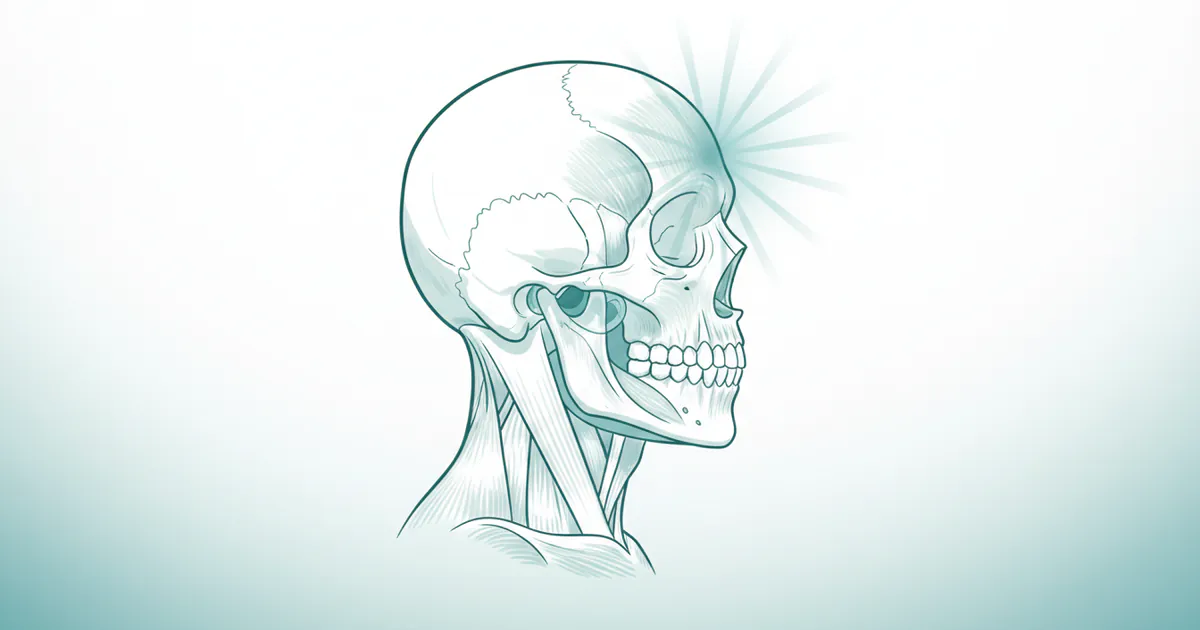
When a dull ache settles behind your eyes, throbs in your temples, or radiates from your jaw, it's easy to dismiss it as just another tension headache. But what if the source of your discomfort isn't stress, but rather a problem rooted in your jaw joint? TMJ headache is a surprisingly common, yet often misdiagnosed, condition that affects millions of Americans. Statistics show that up to 15% of the adult US population experiences some form of temporomandibular joint (TMJ) disorder at any given time, and headaches are among the most debilitating symptoms. This isn't merely a localized pain; it can significantly impact your quality of life, affecting your sleep, eating habits, and overall well-being. Understanding the intricate connection between your jaw joint and the persistent headaches it can trigger is the first step toward finding lasting relief.
This comprehensive guide from SmilePedia.net will delve deep into the world of TMJ headaches. We’ll explore what exactly the temporomandibular joint is, how it contributes to various types of headaches, and the common underlying causes. From distinguishing TMJ headaches from other headache types to outlining the full spectrum of treatment options – from conservative home remedies and physical therapy to advanced interventions like Botox for TMJ and surgical solutions – we aim to provide you with all the information you need. You'll also learn about recovery, prevention strategies, and how to navigate the costs and insurance landscape, ensuring you have the knowledge to regain control over your health and put an end to chronic pain.
Key Takeaways:
- TMJ headaches often manifest as tension-type headaches, migraines, or cluster headaches, typically radiating from the temples, behind the eyes, or into the neck and shoulders.
- Common causes include teeth grinding (bruxism), jaw clenching, stress, trauma, malocclusion, and arthritis affecting the temporomandibular joint dysfunction symptoms.
- Initial treatments focus on conservative methods: self-care (heat/cold packs, soft diet), physical therapy (stretching, strengthening), and oral appliances (splints, nightguards), which can cost $300-$2,500.
- Advanced treatments like Botox for TMJ can provide significant relief for chronic pain, with costs ranging from $500-$1,500 per session and effects lasting 3-6 months.
- Diagnosis typically involves a clinical examination, imaging (X-rays, MRI), and sometimes a referral to a specialist.
- Prevention strategies include stress management, avoiding hard/chewy foods, maintaining good posture, and using a custom-fitted nightguard if you clench or grind your teeth.
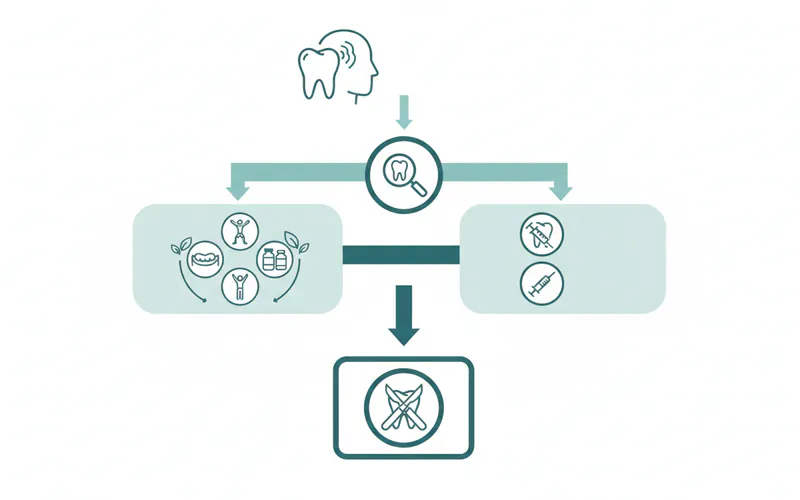
- Most TMJ disorders are successfully managed with non-surgical approaches; surgery is considered a last resort for severe, unresponsive cases.
What It Is / Overview
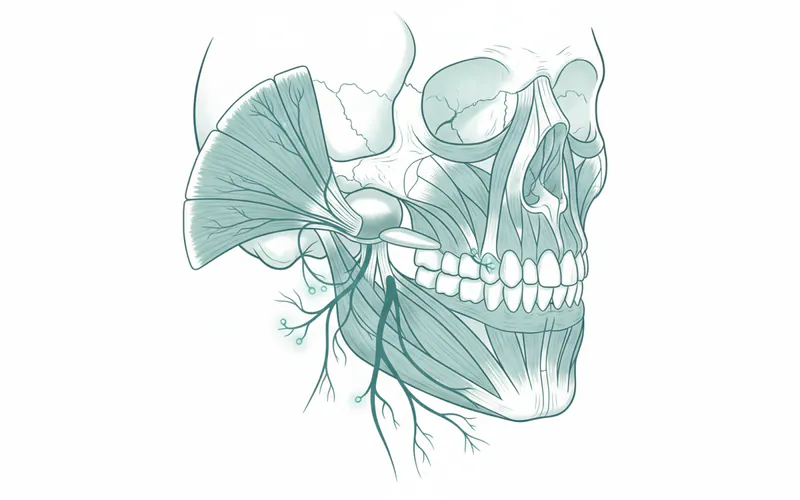
The temporomandibular joint, or TMJ, is one of the most complex joints in the human body. Located on either side of your head, just in front of your ears, it connects your lower jaw (mandible) to your skull (temporal bone). This joint acts like a sliding hinge, allowing you to move your jaw up and down, side to side, and forward and back, which is essential for speaking, chewing, and yawning. Between the bones of the joint is a small, soft, shock-absorbing disc (articular disc) that ensures smooth movement.

When this intricate system of bones, muscles, ligaments, and the disc isn't working correctly, it's referred to as a temporomandibular disorder (TMD) or temporomandibular joint dysfunction. TMJ headache is one of the most common and often debilitating symptoms of TMD. These headaches are not a primary headache disorder like a typical migraine or tension headache, but rather a secondary headache, meaning they are caused by an underlying condition—in this case, dysfunction in the TMJ and the surrounding musculature.
The pain from a TMJ headache can be highly variable. It often originates from the muscles of mastication (chewing muscles), such as the temporalis muscle (which covers the side of your head) or the masseter muscle (in your cheek). When these muscles are overworked, strained, or in spasm due to TMJ dysfunction, they can refer pain to other areas, creating the sensation of a headache. This referred pain is a hallmark of TMJ-related pain. The trigeminal nerve, a major cranial nerve that supplies sensation to the face and controls jaw movements, plays a significant role in transmitting this pain.
Understanding that the TMJ is a complex system involving not just bones but also muscles, nerves, and connective tissues is crucial. Dysfunction in any of these components can lead to a cascade of symptoms, with headaches being a prominent feature.
Types / Variations
While a TMJ headache is a secondary headache, its presentation can vary and often mimics other primary headache disorders, making diagnosis challenging. It's crucial to understand these variations to accurately identify and treat the underlying TMJ issue.
- Tension-Type Headaches: This is the most common manifestation of a TMJ headache. The pain is often described as a constant, dull ache or pressure sensation, typically felt on both sides of the head (bilateral), especially in the temples, forehead, or back of the head. It's directly linked to the excessive tension and spasm in the muscles of mastication (masseter, temporalis, pterygoids) and neck muscles, which are frequently overworked in TMD patients. The pain can feel like a band tightening around the head.
- Migraine-Like Headaches: In some individuals with TMD, TMJ headache can present with symptoms characteristic of migraines. This includes intense, throbbing pain, often on one side of the head (unilateral), accompanied by sensitivity to light (photophobia), sound (phonophobia), and sometimes nausea or aura. The hyperactivity of jaw muscles can trigger a cascade of neurological events that lead to a migraine attack in susceptible individuals.
- Cluster-Like Headaches: While less common, severe TMJ dysfunction can sometimes trigger pain that resembles cluster headaches. These are characterized by excruciating, unilateral pain, usually around the eye or temple, often accompanied by autonomic symptoms on the affected side, such as tearing, nasal congestion, eyelid drooping, or facial sweating. The intense muscular and neural irritation from the TMJ can be a contributing factor.
- Cervicogenic Headaches: This type of headache originates from disorders in the neck (cervical spine) but often co-occurs with TMJ dysfunction. Poor posture, neck muscle tension, and imbalances in the jaw can all contribute to cervicogenic headaches, where pain radiates from the neck up to the head, often presenting as a unilateral ache. The close anatomical and functional relationship between the jaw and neck muscles means problems in one area can significantly impact the other.
- Referred Pain from Other Structures: While not a headache type in itself, TMJ problems can cause referred pain that feels like a headache but originates from other areas. This can include earaches, toothaches (without dental pathology), sinus pain, or even eye pain, all stemming from the nerve pathways connected to the TMJ.
It's important to note that a single individual might experience one or a combination of these headache patterns, often fluctuating in intensity and location. The key differentiator for a TMJ headache is its association with jaw function – chewing, speaking, clenching, or jaw movements often exacerbate the pain, and other TMJ symptoms like jaw clicking, popping, or limited mouth opening are typically present.
Causes / Why It Happens
The causes of TMJ headaches are often multifactorial, meaning several factors can contribute to the dysfunction of the temporomandibular joint and the subsequent headaches. Understanding these root causes is essential for effective diagnosis and treatment.
Muscular Overactivity and Dysfunction
- Bruxism (Teeth Grinding/Clenching): This is arguably the most common culprit. Many people unknowingly clench their jaw or grind their teeth, especially during sleep (sleep bruxism) or when stressed (awake bruxism). This puts immense, sustained pressure on the TMJ and overworks the masticatory muscles, leading to muscle fatigue, inflammation, and spasms. The temporalis muscle, one of the primary chewing muscles, covers the sides of the head, and its overuse directly contributes to tension-type TMJ headaches. Roughly 8% of adults engage in sleep bruxism, and a significantly higher percentage experience awake bruxism due to stress.
- Stress and Anxiety: Psychological stress is a powerful trigger for muscle tension throughout the body, particularly in the jaw and neck. When under stress, individuals tend to clench their jaw or tense their muscles involuntarily, exacerbating bruxism and contributing to muscle fatigue and pain.
- Poor Posture: Chronic forward head posture, common with extensive computer use or phone scrolling, places significant strain on the neck and shoulder muscles. This posture can pull the jaw forward and down, altering the natural alignment of the TMJ and forcing the jaw muscles to work harder to maintain jaw position, leading to strain and referred pain.
- Muscle Imbalance: An imbalance in the strength or activity of the various jaw muscles can lead to uneven forces on the TMJ, causing irritation and pain.
Joint and Structural Issues
- Disc Displacement: The articular disc within the TMJ can become displaced, either partially or fully. If the disc slips forward (anterior displacement) and doesn't reduce (return to its normal position) upon mouth opening, it can obstruct normal jaw movement, cause clicking or popping sounds, and lead to pain as the bones rub against each other. Disc displacement is a significant contributor to temporomandibular joint dysfunction symptoms.
- Trauma: A direct blow to the jaw, head, or neck (e.g., from a fall, car accident, or sports injury) can damage the TMJ, surrounding muscles, or ligaments, leading to acute or chronic TMD. Whiplash injuries are a common cause of TMJ trauma.
- Arthritis: Degenerative joint diseases like osteoarthritis or inflammatory conditions like rheumatoid arthritis can affect the TMJ, just like any other joint in the body. This leads to inflammation, cartilage breakdown, pain, stiffness, and reduced jaw mobility, all of which can contribute to headaches.
- Malocclusion (Bad Bite): While often debated, some dental professionals believe that an improper bite, where the upper and lower teeth don't align correctly, can contribute to TMJ issues. If the bite forces the jaw into an unnatural position, it can strain the TMJ and surrounding muscles over time. However, the exact causal link is complex and not universally agreed upon as a primary cause in all cases.
- Genetics: There may be a genetic predisposition to developing TMD, suggesting that some individuals are naturally more susceptible due to their anatomical structure or pain processing pathways.
Other Contributing Factors
- Dental Procedures: Prolonged mouth opening during dental procedures can sometimes strain the TMJ and muscles, leading to temporary or, in some cases, chronic TMD symptoms.
- Systemic Conditions: Certain systemic conditions, such as fibromyalgia or chronic fatigue syndrome, can heighten pain sensitivity and contribute to chronic pain, including TMJ headaches.
Understanding the interplay of these factors is key. A proper diagnosis from a qualified dental or medical professional will involve evaluating your history, symptoms, and potential contributing factors to develop an individualized treatment plan.
Signs and Symptoms
Recognizing the signs and symptoms of a TMJ headache is crucial for seeking appropriate care. While headaches are the primary complaint, they rarely occur in isolation and are usually accompanied by other indicators of temporomandibular joint dysfunction symptoms.
Headache Characteristics:
- Location: The headache pain is often felt in the temples, forehead, behind the eyes, at the back of the head, or radiating into the neck and shoulders. It can be unilateral (one-sided) or bilateral (both sides).
- Quality: Typically described as a dull, constant ache, pressure, or a throbbing sensation, similar to a tension headache or even a migraine.
- Timing: Often worse in the morning (due to nighttime clenching/grinding) or exacerbated by activities involving jaw movement like chewing, talking, or yawning.
- Intensity: Can range from mild discomfort to severe, debilitating pain.
Other Common TMJ Symptoms:
- Jaw Pain and Tenderness:
- Pain or tenderness in the jaw muscles, especially around the ear, jaw joint itself, or in the temples.
- Pain that worsens when chewing, speaking, or opening your mouth wide.
- Soreness or fatigue in the jaw muscles, particularly after waking up.
- Jaw Sounds:
- Clicking, popping, or grinding sounds (crepitus) when opening or closing the mouth. These sounds are common and not always indicative of a problem unless accompanied by pain or restricted movement.
- Limited Jaw Movement:
- Difficulty opening your mouth wide.
- A sensation of the jaw locking, sticking, or getting "stuck" in an open or closed position.
- Deviation of the jaw to one side when opening.
- Ear Symptoms:
- Earaches (often mistaken for an ear infection) without any actual ear pathology.
- Ringing in the ears (tinnitus).
- Fullness or pressure sensation in the ears.
- Decreased hearing acuity in some severe cases.
- Facial Pain:
- Dull, chronic ache in the face, sometimes extending into the cheeks, chin, or around the eyes.
- Facial swelling on the affected side.
- Neck and Shoulder Pain:
- Referred pain from the jaw muscles can lead to stiffness, soreness, and pain in the neck and shoulders. Poor posture related to TMD can also contribute to this.
- Tooth Pain:
- Generalized toothaches or sensitivity that doesn't correspond to any specific dental problem.
- Worn or chipped teeth due to chronic grinding.
- Dizziness:
- Some individuals report sensations of dizziness or vertigo, though the exact link to TMJ is still being researched.
Pro Tip: If you experience any combination of these symptoms, especially if your headaches are consistently linked to jaw function or present with jaw pain, clicking, or limited movement, it's highly recommended to consult a dentist or a physician specializing in orofacial pain. Keeping a pain journal noting the timing, intensity, and accompanying symptoms can be incredibly helpful for diagnosis.
Treatment Options
Treating TMJ headache and underlying TMJ disorders often involves a multi-faceted approach, starting with conservative, reversible therapies and progressing to more invasive options if necessary. The goal is to reduce pain, restore normal jaw function, and improve quality of life. The American Dental Association (ADA) generally recommends conservative and reversible treatments first.
A. Conservative (Non-Invasive) Treatments
These are usually the first line of defense and are highly effective for many individuals.
-
Self-Care and Lifestyle Modifications:
- Soft Diet: Avoid hard, chewy, or sticky foods to reduce strain on the jaw muscles.
- Hot/Cold Packs: Apply moist heat to tense muscles or cold packs to numb pain and reduce inflammation.
- Gentle Stretching: Perform prescribed jaw exercises to improve mobility and reduce muscle tension.
- Stress Management: Techniques like meditation, yoga, deep breathing, and counseling can significantly reduce jaw clenching and grinding.
- Avoid Extreme Jaw Movements: Limit wide yawns, chewing gum, and excessive talking.
- Good Posture: Maintain proper head and neck posture, especially during prolonged sitting.
- Pros: Low cost, no side effects, empowering for patients.
- Cons: Requires consistent effort, may not be sufficient for severe cases.
-
Physical Therapy (PT):
- A physical therapist specializing in craniomandibular disorders can teach specific exercises to stretch and strengthen jaw muscles, improve posture, and increase joint mobility. Techniques may include massage, ultrasound, trigger point release, and mobilization.
- Pros: Targets underlying muscular imbalances, improves function.
- Cons: Requires commitment, multiple sessions needed, can be mildly uncomfortable initially.
- Cost: $75-$200 per session, often partially covered by insurance (typically 6-12 sessions).
-
Oral Appliances (Splints/Nightguards):
- Custom-fitted acrylic devices worn over the upper or lower teeth, primarily during sleep, but sometimes during the day.
- Stabilization Splints (Occlusal Splints): Designed to hold the jaw in a more relaxed position, reduce clenching/grinding forces, protect teeth from wear, and allow jaw muscles to relax. These are often flat-plane appliances.
- Repositioning Splints: Less commonly used, these are designed to temporarily reposition the jaw to improve disc alignment, but their long-term effectiveness is debated and often reserved for specific cases.
- Pros: Non-invasive, reversible, protects teeth, reduces muscle strain, often very effective for bruxism-related headaches.
- Cons: Can be expensive, requires custom fitting by a dentist, may need adjustments, some patients find them uncomfortable initially.
- Cost: $300-$2,500 for a custom-fitted device, depending on complexity and material. Over-the-counter options are cheaper but less effective and can sometimes worsen the condition.
-
Medications:
- Over-the-Counter (OTC) Pain Relievers: NSAIDs like ibuprofen or naproxen can help reduce pain and inflammation.
- Muscle Relaxants: Prescription medications (e.g., cyclobenzaprine) can reduce muscle spasms and are often used short-term, especially at night.
- Tricyclic Antidepressants: Low doses of these medications (e.g., amitriptyline) can help reduce pain, improve sleep, and manage bruxism, even in non-depressed individuals.
- Benzodiazepines: Used cautiously for short-term muscle relaxation due to dependence risk.
- Pros: Can provide quick symptomatic relief.
- Cons: Potential side effects, temporary relief, doesn't address the root cause.
- Cost: Varies by medication, generally covered by insurance.
B. Advanced (Minimally Invasive) Treatments
For individuals who do not respond adequately to conservative therapies.
-
Botox (Botulinum Toxin) Injections:
- Botox for TMJ involves injecting small amounts of botulinum toxin into specific jaw muscles (masseter, temporalis, lateral pterygoids). This temporarily paralyzes or weakens these muscles, reducing their ability to clench and grind forcefully. This significantly reduces muscle tension, pain, and headaches.
- Pros: Highly effective for muscle-related TMJ pain and headaches, relatively quick procedure, minimal downtime.
- Cons: Temporary effect (lasts 3-6 months), requires repeat injections, potential side effects like temporary facial weakness, uneven smile, or difficulty chewing some foods. Not FDA-approved specifically for TMJ, though widely used off-label.
- Cost: $500-$1,500 per session, depending on the number of units used and the provider. Insurance coverage is rare, usually out-of-pocket.
-
Trigger Point Injections:
- Involves injecting local anesthetic, sometimes with corticosteroids, directly into painful muscle trigger points (knots) to relieve pain and muscle spasm.
- Pros: Can provide immediate relief for localized muscle pain.
- Cons: Temporary, requires skilled practitioner, can be uncomfortable.
- Cost: $100-$300 per session, often covered by insurance for medically indicated pain.
-
Arthrocentesis:
- A minimally invasive procedure where small needles are inserted into the TMJ joint to wash out inflammatory byproducts and sometimes lubricate the joint with hyaluronic acid. This helps improve disc mobility and reduce pain.
- Pros: Minimally invasive, relatively quick recovery, can improve joint mobility.
- Cons: Requires local anesthesia, potential for infection or nerve damage, not effective for all types of TMJ problems.
- Cost: $1,500-$3,500, depending on facility and anesthesia, sometimes covered by medical insurance.
C. Surgical Treatments
Surgery is reserved for severe cases of TMD that have not responded to any other treatment and involve significant structural joint damage.
-
Arthroscopy:
- A small incision is made, and a tiny camera (arthroscope) is inserted into the joint. The surgeon can then visualize the joint structures and perform minor repairs, remove scar tissue, or reposition the disc.
- Pros: Minimally invasive compared to open-joint surgery, faster recovery.
- Cons: Limited scope for complex repairs, risks include nerve damage, infection.
- Cost: $5,000-$10,000, typically covered by medical insurance for severe cases.
-
Open-Joint Surgery (Arthroplasty):
- Involves a traditional surgical incision to directly access the joint. This allows for more extensive repairs, disc removal or repair, bone reshaping, or even total joint replacement (rare).
- Pros: Can address severe structural damage effectively.
- Cons: Invasive, longer recovery time, higher risks of complications (nerve damage, scarring, infection).
- Cost: $10,000-$25,000 or more for complex procedures like total joint replacement, usually covered by medical insurance for severe, medically necessary cases.
Comparison of Treatment Options
| Treatment Type | Description | Pros | Cons | Estimated Cost (US) | Recovery Time |
|---|---|---|---|---|---|
| Self-Care | Lifestyle changes, hot/cold, soft diet, stress reduction | No cost, empowers patient | Requires discipline, may not be enough for severe cases | $0 - $50 (for basic items) | Immediate |
| Physical Therapy | Targeted exercises, massage, posture correction | Improves function, addresses root causes | Requires commitment, multiple sessions | $75-$200/session | Weeks to months |
| Oral Appliance | Custom-fitted splint or nightguard | Non-invasive, protects teeth, reduces muscle strain | Can be expensive, requires adjustments, initial discomfort | $300-$2,500 | Immediate comfort, 2-4 weeks adjustment |
| Medication | NSAIDs, muscle relaxants, low-dose antidepressants | Quick symptomatic relief | Side effects, temporary, doesn't fix cause | Varies by medication (covered by insurance) | Immediate relief |
| Botox for TMJ | Injections into jaw muscles to relax them | Highly effective for muscle pain, minimal downtime | Temporary (3-6 months), not always covered by insurance | $500-$1,500/session | 1-2 days mild soreness |
| Trigger Point Inj. | Local anesthetic into muscle knots | Immediate relief for localized pain | Temporary, requires skilled practitioner | $100-$300/session | 1-2 days mild soreness |
| Arthrocentesis | Flushing joint with saline via small needles | Minimally invasive, can improve disc mobility | Requires local anesthesia, limited scope of repair | $1,500-$3,500 | Few days |
| Arthroscopy | Small camera and instruments for minor joint repair | Less invasive than open surgery, faster recovery | Limited to minor repairs, risks of nerve damage | $5,000-$10,000 | 1-2 weeks |
| Open-Joint Surgery | Traditional incision for extensive joint repair/replacement | Addresses severe structural damage | Invasive, longer recovery, higher risks | $10,000-$25,000+ | Weeks to months |
Step-by-Step Process (Typical Patient Journey)
Navigating the path to relief from a TMJ headache usually follows a structured process:
1. Initial Consultation and Diagnosis:
- Step 1: Dental/Medical Visit: Your journey typically begins with a visit to your dentist or a primary care physician. They will take a detailed medical history, asking about your symptoms, when they started, what makes them better or worse, and any associated conditions.
- Step 2: Clinical Examination: The practitioner will examine your jaw, listening for clicks or pops, checking for tenderness in your jaw muscles, and evaluating your range of motion. They'll also check your bite and look for signs of bruxism (worn teeth).
- Step 3: Imaging (if needed): Depending on the clinical findings, imaging may be ordered.
- X-rays: To view the bones of the joint.
- MRI (Magnetic Resonance Imaging): Best for visualizing the soft tissues, especially the articular disc, and for assessing inflammation or disc displacement.
- CT Scan: Can provide detailed images of the bone structure.
- Step 4: Referral to a Specialist: If the case is complex, or initial treatments are ineffective, you may be referred to an orofacial pain specialist, an oral surgeon, or a physical therapist.
2. Treatment Implementation (Conservative First):
- Step 1: Self-Care Guidance: Your dentist will provide instructions on home care, including dietary changes, applying heat/cold, and gentle jaw exercises.
- Step 2: Oral Appliance Fitting: If bruxism or clenching is suspected, impressions of your teeth will be taken to fabricate a custom-fitted nightguard or splint. This process usually takes 1-2 weeks. You'll then return for a fitting and adjustments.
- Step 3: Physical Therapy: If referred to a PT, you will attend regular sessions, typically 1-2 times per week for several weeks, to learn and practice specific exercises and receive manual therapy.
- Step 4: Medication Management: Prescription medications like muscle relaxants or NSAIDs may be prescribed for short-term symptom relief.

3. Advanced Treatment Consideration:
- Step 1: Evaluation of Conservative Treatment: After a trial period (usually several weeks to a few months) of conservative treatments, your progress will be re-evaluated.
- Step 2: Discussion of Advanced Options: If conservative methods don't provide sufficient relief, your doctor will discuss options like Botox for TMJ, trigger point injections, or arthrocentesis.
- Step 3: Procedure Scheduling: If you opt for an advanced treatment, the procedure will be scheduled. For Botox, it's an in-office visit, usually taking 15-30 minutes. Arthrocentesis might be done in an outpatient surgical center.
4. Surgical Intervention (Last Resort):
- Step 1: Surgical Consultation: If all other treatments have failed, and there is significant structural damage to the TMJ, a consultation with an oral and maxillofacial surgeon will occur.
- Step 2: Pre-surgical Workup: This includes detailed imaging and possibly further tests to plan the surgery.
- Step 3: Surgery: The procedure will be performed, either arthroscopy or open-joint surgery, depending on the complexity.
- Step 4: Post-operative Care: This involves specific instructions for pain management, diet, and jaw rehabilitation.
5. Follow-Up and Long-Term Management:
- Regardless of the treatment path, regular follow-up appointments are crucial to monitor progress, make adjustments to oral appliances, or schedule repeat injections.
- Long-term management often involves continued self-care, stress reduction, and possibly ongoing physical therapy or nightguard use to prevent recurrence.
Cost and Insurance
Understanding the financial aspects of TMJ headache treatment in the US is vital, as costs can vary significantly and insurance coverage can be complex.
Average US Price Ranges:
- Initial Consultation & Diagnosis:
- Dental Exam: $50-$200
- Medical Consultation (PCP/Specialist): $100-$400 (without insurance)
- X-rays: $25-$150
- MRI of TMJ: $500-$2,000 (highly variable by facility and region)
- CT Scan: $300-$1,000
- Conservative Treatments:
- Custom Oral Appliance (Nightguard/Splint): $300-$2,500. The average is typically around $500-$1,000.
- Note: Over-the-counter boil-and-bite guards are $15-$50, but rarely effective for serious TMD and can sometimes worsen the condition.
- Physical Therapy: $75-$200 per session. A typical course may involve 6-12 sessions, totaling $450-$2,400.
- Medications: Cost varies but is generally low with insurance; $10-$50 per prescription for generics.
- Custom Oral Appliance (Nightguard/Splint): $300-$2,500. The average is typically around $500-$1,000.
- Advanced Treatments:
- Botox for TMJ: $500-$1,500 per session. This depends on the number of units required, the practitioner's fee, and location. Most patients require 20-50 units per side, costing $10-$20 per unit. Repeat injections are typically needed every 3-6 months.
- Trigger Point Injections: $100-$300 per session.
- Arthrocentesis: $1,500-$3,500.
- Surgical Treatments:
- TMJ Arthroscopy: $5,000-$10,000.
- Open-Joint Surgery (Arthroplasty): $10,000-$25,000 or more, especially for complex procedures like total joint replacement.
Insurance Coverage Details:
Insurance coverage for TMJ disorders is notoriously complex because it often straddles the line between medical and dental insurance.
- Medical Insurance: Generally covers conditions deemed "medical," such as pain management, arthritis, injury, or severe joint dysfunction requiring surgery.
- What's usually covered: Diagnostic imaging (MRI, CT), physical therapy, medications, certain injections (like trigger point injections if medically coded), and surgical procedures (arthroscopy, open-joint surgery).
- What's often NOT covered: Botox for TMJ is typically considered elective or "off-label" for TMJ by many insurers and is rarely covered, though some plans may cover it if specific medical necessity criteria are met (e.g., failed other treatments, documented chronic migraine with TMJ component).
- Dental Insurance: Primarily covers treatments related to teeth.
- What's usually covered: Dental cleanings, fillings, crowns.
- What's sometimes covered: Custom oral appliances (nightguards/splints) may be partially covered under "major restorative" or "orthodontic" benefits, especially if there's evidence of bruxism or a medical necessity letter from your dentist. Coverage can range from 20-80% after deductibles.
- What's usually NOT covered: Anything deemed medical or surgical.
Pro Tip: Always call your medical and dental insurance providers directly to understand your specific benefits for TMJ treatment. Ask about diagnostic codes (ICD-10) and procedure codes (CPT for medical, CDT for dental) to clarify coverage for specific treatments. A letter of medical necessity from your treating doctor can sometimes help with coverage appeals.
Payment Plans and Financing Options:
Many dental and medical offices understand the financial burden of TMJ treatment and offer:
- In-house Payment Plans: Installment plans spread over several months.
- Third-Party Financing: Companies like CareCredit or LendingClub offer specialized healthcare credit cards with deferred interest options if paid within a certain timeframe.
- Flexible Spending Accounts (FSAs) / Health Savings Accounts (HSAs): These tax-advantaged accounts can be used to pay for qualified medical expenses, including many TMJ treatments.
Recovery and Aftercare
Recovery and aftercare instructions vary significantly depending on the type of TMJ headache treatment you receive. Adhering to these guidelines is crucial for optimal healing, symptom relief, and preventing recurrence.
After Conservative Treatments (Splints, PT, Medications, Self-Care):
- Oral Appliances:
- Initial Adjustment: Expect a period of adjustment (days to a few weeks) to wearing your nightguard or splint. You might experience increased salivation, minor speech changes, or initial discomfort.
- Cleaning: Clean your appliance daily with a toothbrush and mild soap or denture cleaner. Store it in its case when not in use.
- Regular Adjustments: Regular follow-up appointments with your dentist (every 2-4 weeks initially, then every 3-6 months) are essential to ensure the appliance fits correctly and to make necessary adjustments as your bite or jaw position changes.
- Physical Therapy:
- Home Exercises: Consistently perform the prescribed exercises and stretches at home as instructed by your therapist. This is critical for building strength, improving flexibility, and maintaining results.
- Postural Awareness: Continue to practice good posture throughout the day.
- Medications: Take medications exactly as prescribed. Do not stop muscle relaxants or antidepressants abruptly without consulting your doctor.
- Lifestyle: Continue with stress management techniques, soft diet, and avoiding parafunctional habits (gum chewing, nail biting).
After Advanced Treatments (Botox, Injections):
- Botox for TMJ:
- Immediate Aftercare: Avoid rubbing or massaging the injection sites for 24 hours to prevent the Botox from spreading to unintended muscles.
- Onset of Effects: You may start to feel relief within a few days, but full effects typically appear within 1-2 weeks.
- Duration: The effects usually last 3-6 months. Plan for repeat injections to maintain relief.
- Side Effects: Mild bruising, swelling, or tenderness at injection sites are common and usually resolve quickly. Rarely, temporary asymmetry of smile or difficulty chewing may occur.
- Trigger Point Injections:
- Immediate Aftercare: You might experience temporary soreness or bruising at the injection site. Apply cold packs if needed.
- Activity: Resume normal activities as tolerated.
- Duration: Relief can be immediate but often temporary. May be used in conjunction with PT.
- Arthrocentesis:
- Post-Procedure: Expect some swelling and discomfort for a few days. Apply ice packs intermittently.
- Diet: Stick to a soft diet for several days.
- Gentle Jaw Exercises: Your surgeon will likely prescribe gentle jaw exercises to start within 24-48 hours to maintain joint mobility and prevent stiffness.
- Follow-Up: A follow-up appointment will be scheduled to monitor healing and assess progress.
After Surgical Procedures (Arthroscopy, Open-Joint Surgery):
- Pain Management: You will be prescribed pain medication. Take it as directed to manage post-operative discomfort.
- Diet: Begin with a liquid or very soft diet and gradually progress to solid foods as tolerated, following your surgeon's specific instructions.
- Ice Application: Apply ice packs to the surgical area to reduce swelling and bruising.
- Jaw Rest: Depending on the surgery, you may need to restrict jaw movement for a period. Your surgeon will provide specific guidelines.
- Physical Therapy: Post-surgical physical therapy is almost always essential. It helps restore range of motion, strengthen muscles, and prevent scar tissue formation. This can be intensive for several weeks or months.
- Oral Hygiene: Maintain meticulous oral hygiene, especially around the surgical site, as instructed by your surgeon.
- Follow-Up Appointments: Attend all scheduled follow-up appointments to monitor healing, remove sutures (if applicable), and adjust your rehabilitation plan.
- Recovery Timeline:
- Arthroscopy: Generally, a few days to a week of significant discomfort, with full recovery taking several weeks.
- Open-Joint Surgery: Can involve several weeks of significant discomfort and restricted activity, with full recovery and rehabilitation potentially taking several months.
Pro Tip: Communication with your dental professional or surgeon is paramount during recovery. Report any excessive pain, swelling, fever, or signs of infection immediately. Patience and adherence to the recovery plan are key to successful long-term outcomes.
Prevention
Preventing TMJ headache and other symptoms of temporomandibular disorders often involves adopting habits that reduce stress on the jaw joint and surrounding muscles. While not all causes are preventable (e.g., severe trauma, certain types of arthritis), many common triggers can be managed.
- Manage Stress and Anxiety:
- Practice Relaxation Techniques: Incorporate mindfulness, meditation, deep breathing exercises, yoga, or progressive muscle relaxation into your daily routine. Stress is a primary trigger for jaw clenching and teeth grinding.
- Identify Stressors: Recognize situations or activities that cause you stress and find healthy coping mechanisms.
- Avoid Destructive Oral Habits:
- Stop Clenching and Grinding: Become aware of when you clench your jaw during the day (e.g., while concentrating, driving, or exercising) and consciously relax your jaw. If you grind at night, a custom-fitted nightguard is crucial.
- Refrain from Chewing Gum: Constant gum chewing overworks jaw muscles and can exacerbate TMJ symptoms.
- Avoid Hard/Chewy Foods: Limit consumption of tough meats, nuts, hard candies, and sticky foods that require excessive jaw effort. Cut food into smaller, manageable pieces.
- No Nail Biting or Pen Chewing: These habits put unnecessary strain on the jaw.
- Maintain Good Posture:
- Ergonomics: Ensure your workstation is ergonomically set up to support good posture. Keep your computer monitor at eye level, and your chair should support the natural curve of your spine.
- Avoid Forward Head Posture: This posture puts strain on neck and jaw muscles. Consciously pull your shoulders back and down, and slightly tuck your chin.
- Practice Jaw-Friendly Habits:
- Gentle Yawning: Support your chin with your hand when yawning to prevent opening your mouth too wide.
- Regular Breaks: If you have prolonged periods of talking or using your jaw, take short breaks to relax your jaw muscles.
- Sleep Position: Try sleeping on your back, which can reduce pressure on the jaw compared to sleeping on your stomach.
- Address Dental Issues Promptly:
- Regular Dental Check-ups: Ensure your dentist checks for signs of bruxism, malocclusion, or early TMJ issues during routine visits.
- Correct Malocclusion: If deemed necessary by a professional, orthodontic treatment or restorative dentistry can sometimes help create a more balanced bite, though this is a complex area in TMJ prevention.
- Protective Gear:
- If you participate in contact sports, wear a protective mouthguard to prevent trauma to the jaw and teeth.
Pro Tip: Early intervention is key. If you notice early signs of jaw discomfort, clicking, or mild headaches associated with jaw function, consult your dentist promptly. Addressing issues before they become chronic can prevent more severe temporomandibular joint dysfunction symptoms.
Risks and Complications
While TMJ treatments are generally safe and effective, like any medical intervention, they carry potential risks and complications. It's important to be aware of these to make informed decisions and to know when to seek further medical attention.
Risks of Untreated TMJ Headache/Dysfunction:
- Chronic Pain: Persistent headaches, jaw pain, and facial pain can significantly reduce quality of life, leading to sleep disturbances, depression, and anxiety.
- Joint Damage: Chronic inflammation and mechanical stress can lead to irreversible damage to the articular disc and joint cartilage, potentially resulting in osteoarthritis of the TMJ.
- Limited Jaw Function: Progressive loss of ability to open the mouth wide, chew comfortably, or even speak clearly.
- Dental Issues: Severe tooth wear, fractures, gum recession, and tooth sensitivity due to chronic grinding and clenching.
- Hearing Problems: Chronic ear pain, tinnitus, or feeling of fullness in the ear can persist and sometimes worsen.
- Psychological Impact: Living with chronic pain can lead to increased stress, anxiety, social isolation, and depression.
Risks and Complications of Conservative Treatments:
- Oral Appliances (Nightguards/Splints):
- Incorrect Fit: An improperly fitted appliance can worsen symptoms, shift your bite, or cause tooth pain. This highlights the importance of custom-fitted appliances by a qualified dentist.
- Discomfort: Some individuals find them uncomfortable to wear, leading to poor compliance.
- Allergic Reaction: Rare, but some individuals may react to the acrylic material.
- Medications:
- Side Effects: Drowsiness, dizziness, stomach upset (from NSAIDs), dry mouth, and potential for dependence (with muscle relaxants or benzodiazepines).
- Temporary Relief: Medications only manage symptoms and do not address the underlying mechanical issues.
- Physical Therapy/Self-Care: Minimal risks, mainly related to improper exercise execution potentially causing strain, but generally very safe.
Risks and Complications of Advanced Treatments:
- Botox for TMJ:
- Temporary Facial Weakness: Rare, but can affect adjacent muscles, leading to a temporary uneven smile, drooping eyelid, or difficulty with certain facial expressions.
- Bruising/Swelling: Common at injection sites.
- Allergic Reaction: Extremely rare.
- Spread of Toxin: If injected incorrectly, the toxin could spread to nearby muscles.
- Trigger Point Injections:
- Bruising/Soreness: Common at the injection site.
- Infection: Rare, as with any injection.
- Nerve Damage: Very rare if performed by a skilled practitioner.
- Arthrocentesis:
- Infection: Risk of infection within the joint.
- Nerve Damage: Rare, but can affect facial nerves.
- Bleeding/Swelling: At the injection site.
- Limited Effectiveness: May not resolve symptoms if the underlying problem is complex.

Risks and Complications of Surgical Treatments:
- General Surgical Risks: All surgeries carry risks of infection, excessive bleeding, adverse reaction to anesthesia, and scarring.
- TMJ Specific Risks:
- Nerve Damage: Particularly to the facial nerve, leading to temporary or permanent facial weakness or paralysis.
- Hearing Loss/Ear Damage: Proximity to the ear canal poses a small risk.
- Increased Pain/Stiffness: Sometimes surgery can worsen pain or lead to increased stiffness and limited mouth opening.
- Ankylosis: Fusion of the joint, making movement impossible (rare but serious).
- Need for Further Surgery: Revision surgery may be required if the initial procedure is unsuccessful or complications arise.
- Failure to Resolve Symptoms: Surgery is not a guaranteed cure, and some patients may still experience chronic pain or dysfunction.
ADA Guidelines: The American Dental Association strongly recommends exhausting all conservative and reversible treatments before considering irreversible surgical options, emphasizing that surgical intervention should only be pursued for clear structural pathology that is unresponsive to other therapies.
Children / Pediatric Considerations
While TMJ headache and disorders are more commonly associated with adults, they can also affect children and adolescents, though often with slightly different presentations and considerations. Approximately 6-7% of children and adolescents experience some form of TMD.
Unique Aspects in Children:
- Growth and Development: The pediatric TMJ is still developing, which can influence both the causes and treatment approaches. Growth spurts or orthodontic treatment can sometimes impact TMJ alignment.
- Symptoms: Children may have difficulty verbalizing their pain. Parents might notice:
- Frequent headaches or facial pain.
- Clicking or popping sounds in the jaw, especially during eating.
- Difficulty chewing hard foods or pain during chewing.
- Limited mouth opening.
- Jaw locking.
- Teeth grinding (bruxism), often noticeable at night.
- Earaches or complaints of ear discomfort not related to infection.
- Changes in eating habits due to pain.
- Causes:
- Trauma: Falls, sports injuries, or blows to the chin are common in children and can directly impact the TMJ.
- Bruxism: Nighttime teeth grinding is prevalent in children and can be linked to stress, sleep disorders, or airway issues.
- Orthodontic Treatment: While often beneficial, rapid palate expansion or certain tooth movements can temporarily strain the TMJ in some sensitive individuals, though well-planned orthodontics typically aims to improve overall occlusal health.
- Habits: Thumb-sucking beyond appropriate age, nail-biting, or resting the chin on the hand.
- Stress: Academic pressure, social issues, or family stress can manifest as jaw tension.
- Diagnosis: Diagnosis involves a thorough clinical examination by a pediatric dentist or an orofacial pain specialist. Imaging (X-rays, MRI) is used sparingly and only when medically necessary, due to radiation concerns and the developing nature of the joint.
- Treatment Philosophy:
- Conservative and Reversible First: This principle is even more critical in children due to their ongoing growth. Irreversible treatments are almost always avoided.
- Self-Care and Parental Guidance: Parents play a crucial role in implementing soft diets, monitoring for clenching/grinding, teaching stress-reduction techniques, and ensuring good posture.
- Physical Therapy: Gentle exercises and stretches can be very effective.
- Oral Appliances: Custom-fitted nightguards are often used for children who grind their teeth, to protect their teeth and reduce muscle strain. These need to be regularly monitored and adjusted due to growth.
- Addressing Underlying Issues: Treating allergies, sleep disorders, or behavioral health issues can indirectly alleviate TMJ symptoms.
- Medications: Over-the-counter pain relievers (e.g., ibuprofen) are used cautiously for short-term relief. Muscle relaxants are generally avoided in children unless absolutely necessary under specialist supervision.
- Orthodontic Collaboration: Close collaboration between the dentist and orthodontist is important if orthodontic treatment is ongoing or planned.
Pro Tip for Parents: If your child complains of persistent headaches, jaw pain, or you notice jaw clicking or teeth grinding, schedule an appointment with your pediatric dentist. Early detection and conservative management can prevent more serious long-term problems. Encourage healthy habits like stress management and proper posture from a young age.
Cost Breakdown (Detailed)
To provide a clearer financial picture, here's a detailed breakdown of average US costs for various TMJ headache treatments, considering scenarios with and without insurance, and tips for managing expenses.
| Treatment/Service | Average Cost (without insurance) | Potential Cost with Insurance (after deductible/copay) | Notes |
|---|---|---|---|
| Initial Diagnostic | |||
| Dental/Medical Consult | $50 - $400 | $20 - $100 | Depends on specialist, region. |
| X-rays (Panoramic) | $75 - $150 | $15 - $50 | Dental insurance may cover partially. |
| TMJ MRI | $500 - $2,000 | $100 - $500+ | Covered by medical insurance, but high deductible/copay possible. |
| Conservative Treatments | |||
| Custom Nightguard/Splint | $300 - $2,500 | $150 - $1,500 (0-80% coverage) | Dental insurance varies greatly; sometimes covered under "major". |
| Physical Therapy (per session) | $75 - $200 | $20 - $75 (copay) | Medical insurance typically covers 6-12 sessions. |
| Prescription Meds | $10 - $200/month | $10 - $50 (copay) | Varies by medication and generic availability. |
| Advanced Treatments | |||
| Botox for TMJ (per session) | $500 - $1,500 | Rarely covered; typically 100% out-of-pocket | Depends on units (e.g., 20-50 units per side at $10-20/unit). |
| Trigger Point Injections | $100 - $300/session | $20 - $100 (copay) | Often covered by medical insurance for pain management. |
| Arthrocentesis | $1,500 - $3,500 | $500 - $1,500+ | Covered by medical insurance if medically necessary. |
| Surgical Treatments | |||
| TMJ Arthroscopy | $5,000 - $10,000 | $1,000 - $5,000+ | Covered by medical insurance, subject to deductible and coinsurance. |
| Open-Joint Surgery | $10,000 - $25,000+ | $2,000 - $10,000+ | Covered by medical insurance, subject to deductible and coinsurance. |
Cost-Saving Tips:
- Verify Insurance Coverage: Before any treatment, contact both your medical and dental insurance providers. Get specific details on what's covered, what diagnostic/procedure codes are required, and what your out-of-pocket maximums and deductibles are.
- Get a Referral: Sometimes, a referral from your primary care physician to an orofacial pain specialist or oral surgeon can help ensure medical insurance coverage for TMJ-related diagnostic tests and treatments.
- Explore In-Network Providers: Using providers within your insurance network will generally result in lower costs.
- Generic Medications: Opt for generic versions of prescription medications whenever possible, as they are significantly cheaper.
- Utilize FSAs/HSAs: If you have a Flexible Spending Account (FSA) or Health Savings Account (HSA) through your employer, you can use these tax-advantaged funds to pay for qualified medical expenses, including many TMJ treatments and even custom nightguards.
- Ask for Payment Plans: Many dental and medical offices offer interest-free payment plans for larger expenses. Don't hesitate to ask their billing department.
- Third-Party Financing: Companies like CareCredit offer special financing options for healthcare expenses, often with deferred interest if paid in full within a promotional period.
- Compare Costs: For expensive procedures like MRIs or surgery, call different facilities in your area and compare their pricing. There can be significant variations.
- Prevention is Key: Adhering to preventative measures and seeking early, conservative treatment can prevent the need for more expensive and invasive interventions later on.
Frequently Asked Questions
What does a TMJ headache feel like?
A TMJ headache often presents as a dull, constant ache or pressure in the temples, forehead, behind the eyes, or at the back of the head and neck. It can be unilateral or bilateral and is frequently accompanied by jaw pain, tenderness, clicking sounds, or limited mouth opening. The pain typically worsens with jaw movements like chewing, talking, or yawning.
Can TMJ pain cause migraines?
Yes, TMJ pain can trigger or exacerbate migraine-like headaches in susceptible individuals. The constant tension and irritation in the jaw muscles can activate pain pathways that contribute to migraine symptoms, including throbbing pain, light and sound sensitivity, and nausea. Treating the TMJ dysfunction can significantly reduce the frequency and intensity of these migraine-like episodes.
How do you relieve a TMJ headache fast?
For quick relief, try applying a warm compress to your jaw muscles for 10-15 minutes, followed by a cold compress. Over-the-counter pain relievers like ibuprofen can help reduce pain and inflammation. Gentle jaw stretches and avoiding hard, chewy foods can also provide immediate, though temporary, comfort. For persistent relief, consult a dentist for proper diagnosis and a long-term plan.
Is Botox for TMJ permanent?
No, Botox for TMJ is not a permanent solution. Its effects typically last for 3 to 6 months. Botox works by temporarily relaxing the injected muscles, reducing their ability to clench and grind. To maintain the pain-relieving benefits, repeat injections are necessary, usually every few months, as the muscle activity gradually returns.
What is the most effective treatment for TMJ?
The "most effective" treatment varies per individual. For most people, conservative, non-invasive approaches are highly effective. These include custom oral appliances (nightguards/splints), physical therapy, stress management, and self-care. For severe muscle-related pain, Botox for TMJ is often very effective. Surgery is reserved as a last resort for complex structural issues unresponsive to other treatments.
How long does it take for TMJ treatment to work?
The timeline for relief varies. Some conservative measures like self-care or medications can offer relief within days. Oral appliances may take a few weeks to feel fully comfortable and reduce symptoms. Physical therapy often shows improvement over several weeks to months. Botox for TMJ usually takes 1-2 weeks for full effects to manifest. Surgical recovery can span several weeks to months.
Can my bite cause TMJ headaches?
While the relationship is complex and debated, an improper bite (malocclusion) can contribute to TMJ issues in some individuals. If your teeth don't align correctly, your jaw muscles may work harder to find a comfortable biting position, leading to strain, fatigue, and pain, which can manifest as TMJ headaches. A thorough dental evaluation is necessary to assess this possibility.
What specialists treat TMJ?
TMJ disorders are often managed by a multidisciplinary team. You might see a general dentist, an orofacial pain specialist (dentist with advanced training), an oral and maxillofacial surgeon (for surgical options), a physical therapist, a pain management physician, or even a neurologist if migraines are a significant component.
Is TMJ treatment covered by insurance?
Insurance coverage for TMJ treatment is complex. Medical insurance typically covers diagnostic imaging (MRI), physical therapy, and surgical procedures if deemed medically necessary. Dental insurance may partially cover custom oral appliances (nightguards). However, Botox for TMJ is rarely covered by either medical or dental insurance, as it's often considered off-label or elective. Always verify with your specific providers.
What are alternatives to surgery for TMJ?
Numerous alternatives exist before considering surgery. These include self-care practices (soft diet, hot/cold packs), physical therapy, custom oral appliances (nightguards/splints), over-the-counter pain relievers, prescription muscle relaxants, trigger point injections, and Botox for TMJ injections. Most TMJ disorders respond well to these less invasive treatments.
When to See a Dentist
Recognizing when to seek professional help for a TMJ headache and related symptoms is crucial for preventing the condition from worsening and for finding effective relief.
See a Dentist for a Scheduled Appointment if you experience:
- Persistent Headaches: If you experience frequent or chronic headaches that seem to originate from or are accompanied by jaw pain.
- Chronic Jaw Pain or Tenderness: If your jaw muscles feel consistently sore, tired, or painful, especially in the morning or after chewing.
- Jaw Clicking, Popping, or Grinding Sounds: While occasional sounds without pain can be normal, if these sounds are frequent, loud, or accompanied by discomfort.
- Limited Jaw Movement: If you find it difficult to open your mouth wide, or your jaw feels "stuck" or deviates to one side when opening or closing.
- Earaches Without Infection: If you have persistent ear pain or a feeling of fullness in your ear, but a medical doctor has ruled out an ear infection.
- Changes in Bite: If you notice your upper and lower teeth no longer fit together comfortably or your bite feels "off."
- Worn or Chipped Teeth: Signs of teeth grinding (bruxism) often warrant a dental evaluation.
- Failure of Self-Care: If home remedies and over-the-counter pain relievers are not providing adequate relief after a reasonable period (e.g., 1-2 weeks).
Seek Immediate Dental or Medical Attention (Emergency vs. Urgent Care) if you experience:
- Sudden, Severe Jaw Locking: If your jaw suddenly locks in an open or closed position and you cannot move it at all, causing significant distress or inability to eat/speak. This requires immediate attention.
- Severe, Acute Pain: If you experience excruciating, sudden onset jaw pain or headache that is debilitating and unresponsive to usual pain relief.
- Facial Swelling with Fever: If jaw pain is accompanied by significant facial swelling, warmth, redness, and fever, this could indicate an infection requiring urgent medical care.
- Trauma to the Jaw/Face: If you've sustained a direct blow to the jaw, head, or face, leading to immediate pain, difficulty moving the jaw, or suspected fracture.
Red Flags (indicating a potentially more serious issue beyond typical TMJ):
- Sudden Weakness or Numbness: In your face or body, as this could indicate a neurological event.
- Vision Changes: Sudden blurry vision or double vision with headache.
- Slurred Speech or Difficulty Swallowing: Combined with facial or jaw symptoms.
Most TMJ headache cases can be managed effectively with timely diagnosis and conservative treatments. Don't let chronic jaw pain or headaches diminish your quality of life. A visit to your dentist is the best first step towards understanding and alleviating your symptoms.
Frequently Asked Questions
Medically Reviewed Content
This article was written by our dental health editorial team and reviewed for medical accuracy. Our content follows strict editorial guidelines for reliability and trustworthiness.
Medical Disclaimer
This article is for informational purposes only and does not constitute medical advice. Always consult with a qualified dental professional for diagnosis and treatment. Do not delay seeking professional advice because of something you read on this website.
Related Articles
Tmj Massage Near Me: Complete Guide
Temporomandibular joint disorder, commonly known as TMJD, affects millions of Americans, causing debilitating pain, discomfort, and significantly impacting quality of life. If you're experiencing jaw pain, clicking, or difficulty chewing, you're not alone. Up to 15% of American adults experience
February 23, 2026
Tmd Treatment: Complete Guide
Experiencing persistent jaw pain, clicking sounds when you chew, or debilitating headaches that seem to originate from your face? You're not alone. Temporomandibular joint (TMJ) disorders, often referred to collectively as TMD, affect an estimated 10 million Americans, with women disproportionat
February 23, 2026
Tmj Nerve Damage Symptoms: Complete Guide
Experiencing persistent facial pain, numbness, or tingling can be distressing, especially when the source is unclear. While many people are familiar with general jaw pain associated with temporomandibular joint (TMJ) disorders, the less commonly understood aspect of tmj nerve damage symptoms can
February 23, 2026
Remi Night Guard: Complete Guide
Remi Night Guard: Complete Guide
February 23, 2026