Excessive Licking and Bad Breath in Dogs: Complete Guide
Key Takeaways
- Bad breath in dogs, medically known as halitosis, is more than just an unpleasant odor; it's often a significant indicator of underlying health issues that require attention. If you've noticed your canine companion exhibiting excessive licking and bad breath in dogs, you're not alone. According
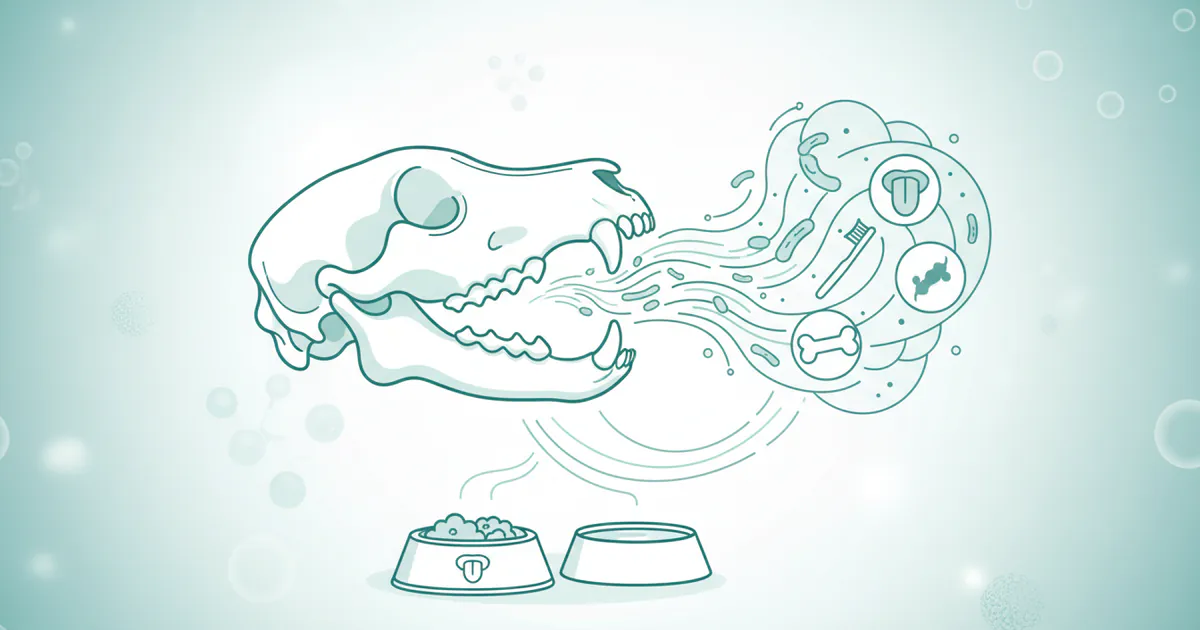
Bad breath in dogs, medically known as halitosis, is more than just an unpleasant odor; it's often a significant indicator of underlying health issues that require attention. If you've noticed your canine companion exhibiting excessive licking and bad breath in dogs, you're not alone. According to the American Veterinary Medical Association (AVMA), over 80% of dogs develop some form of periodontal disease by age three, making dental problems one of the most common health issues veterinarians diagnose. This pervasive problem not only impacts your dog's comfort and quality of life but can also signal systemic health risks. Understanding the connection between a dog's licking habits and their oral health is crucial for every pet owner, as these seemingly minor symptoms can point to everything from dental pain and infection to serious internal diseases. This comprehensive guide will delve into the causes, symptoms, diagnosis, treatment, and prevention strategies for excessive licking and halitosis in dogs, equipping you with the knowledge to safeguard your furry friend's health.
Key Takeaways:
- Primary Cause: Most bad breath in dogs stems from dental disease (plaque, tartar, gingivitis, periodontitis), affecting over 80% of dogs by age three.
- Excessive Licking Indicators: Licking can signal oral pain, discomfort, anxiety, allergies, or underlying systemic issues contributing to or coinciding with bad breath.
- Cavities and Bad Breath: Yes, do cavities cause bad breath in dogs, though they are less common than periodontal disease. They create bacterial havens and severe pain.
- Professional Dental Cleanings: Anesthesia-based professional dental cleanings are often necessary, costing typically $500 to $1,200 (excluding extractions) and requiring 1-2 days of recovery.
- At-Home Care is Crucial: Daily tooth brushing with pet-specific toothpaste, along with Veterinary Oral Health Council (VOHC)-accepted dental chews, can significantly prevent dental disease.
- When to See a Vet: Persistent bad breath, changes in licking behavior, difficulty eating, or visible oral issues warrant an immediate veterinary visit.
- Avoid Human Products: Never give human chewing gum or toothpaste to your dog; xylitol in human gum is toxic, and human toothpaste can cause stomach upset.
Understanding Excessive Licking and Canine Halitosis
When your dog constantly licks themselves, their paws, or even surfaces, especially when accompanied by a foul odor from their mouth, it's a clear signal that something is amiss. This section defines these behaviors and establishes the critical link between them.
What It Is: Linking Licking and Bad Breath in Dogs
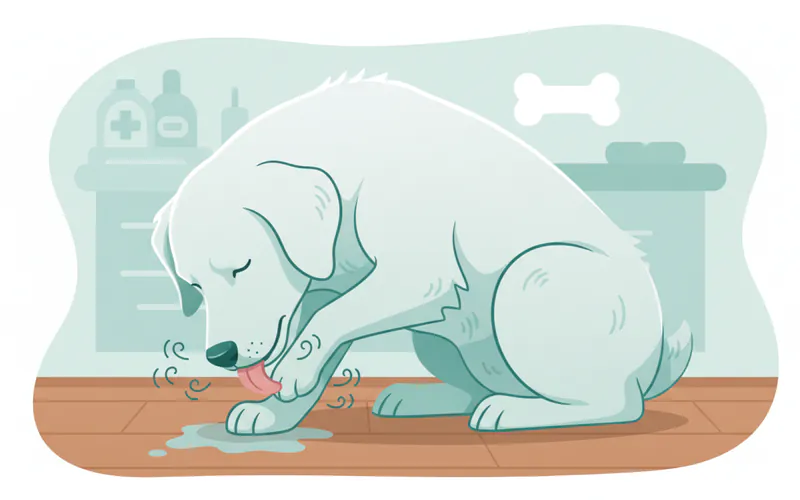
Excessive licking in dogs refers to repetitive, compulsive licking of a specific area of the body (e.g., paws, flanks, mouth) or even inanimate objects. While some licking is normal self-grooming behavior, "excessive" implies an unusually high frequency, duration, or intensity that often points to discomfort, pain, anxiety, or an underlying medical condition.
Bad breath, or halitosis, in dogs is the emission of an unpleasant odor from the mouth. While a dog's breath is rarely "fresh" like a human's, a noticeably foul smell, particularly one that persists or worsens, is a strong indicator of a health problem. The connection between excessive licking and halitosis often lies in common underlying causes. For instance, a dog with severe oral pain from dental disease might constantly lick their mouth, lips, or even their paws in an attempt to alleviate discomfort or dislodge food particles, while the disease itself produces the bad breath. Similarly, gastrointestinal issues causing reflux might lead to both mouth licking and malodorous breath.
Types of Excessive Licking in Dogs
Excessive licking can manifest in various ways, and understanding the type can offer clues to the underlying cause:
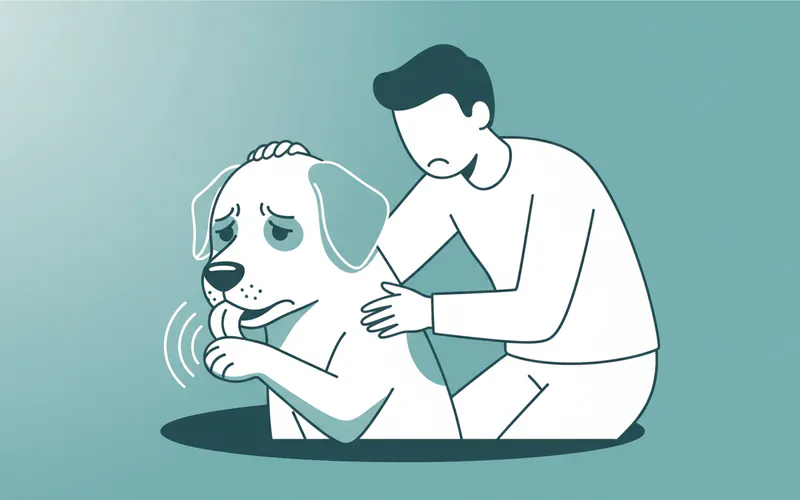
- Oral Licking: This includes licking the lips, inside the mouth, or pawing at the face. It is highly indicative of oral discomfort, pain, or nausea. Dogs might do this if they have a fractured tooth, a foreign object stuck in their mouth, or severe gum inflammation.
- Paw Licking: While often associated with allergies, pain (e.g., arthritis), or anxiety, persistent paw licking can also sometimes be linked to oral issues. A dog with a painful mouth might lick its paws as a displacement activity or to self-soothe. If the paw licking is accompanied by oral malodor, a vet needs to rule out systemic or oral disease.
- Body Licking: Licking of the flanks, groin, or other body parts is usually related to skin conditions (allergies, parasites, infections), pain in that area, or behavioral issues like anxiety. Less commonly, it might be a subtle sign of gastrointestinal upset that can also cause bad breath.
- Environmental Licking: Licking furniture, floors, or other inanimate objects can be a sign of nausea, gastrointestinal distress, anxiety, or even nutritional deficiencies. If this type of licking is seen with halitosis, a systemic issue is highly probable.
The Root Causes: Why Your Dog Licks and Smells
Identifying the precise cause of excessive licking and bad breath in dogs requires a thorough veterinary examination. The origins can range from localized dental issues to systemic diseases.
Dental and Oral Health Issues (Primary Cause of Bad Breath)
The vast majority of canine bad breath originates in the mouth. These issues often cause discomfort, leading to licking behaviors.
- Periodontal Disease: This is by far the most common cause of bad breath in dogs. It begins with the accumulation of plaque (a sticky bacterial film) on the teeth. If not removed, plaque hardens into tartar (calculus). Plaque and tartar irritate the gums, leading to gingivitis (gum inflammation). Untreated gingivitis progresses to periodontitis, where the inflammation spreads below the gumline, destroying the supporting structures of the tooth (bone, ligaments). This creates deep pockets where bacteria thrive, producing volatile sulfur compounds that cause the characteristic foul odor. Dogs with periodontal disease often experience pain, which can manifest as excessive licking of the mouth or reluctance to eat.
- Cavities (Dental Caries): While less common in dogs than in humans, do cavities cause bad breath? Absolutely. Cavities in dogs occur when bacteria produce acids that erode tooth enamel and dentin, creating a hole in the tooth. These lesions create perfect hiding places for bacteria and trapped food particles, leading to significant foul odors. Furthermore, cavities are incredibly painful, and a dog might lick its mouth excessively, paw at its face, or drool as a response to this pain.
- Abscesses and Oral Lesions: A tooth root abscess is a severe infection at the root of a tooth, often caused by untreated dental disease or a fractured tooth. These abscesses are intensely painful and release pus, contributing to severe halitosis. Other oral lesions, such as ulcers, growths, or foreign objects (e.g., splinters, bone fragments) lodged in the gums or between teeth, can also cause pain, infection, and subsequent bad breath and licking.
- Stomatitis: This is a severe, widespread inflammation of the entire oral cavity, including the gums, inner cheeks, and tongue. It's often immune-mediated and extremely painful, leading to drooling, reluctance to eat, and intense bad breath due to bacterial overgrowth and tissue necrosis.
- Retained Deciduous Teeth, Malocclusions: Sometimes, puppy teeth (deciduous teeth) don't fall out when the adult teeth emerge, leading to crowding and malocclusions (improper bite). These create areas where food and plaque easily accumulate, leading to dental disease and bad breath.
- Oral Tumors: Both benign and malignant growths in the mouth can become infected, ulcerated, or necrotic, producing a very foul odor. Tumors can also cause significant discomfort, leading to excessive licking or pawing at the mouth.
Gastrointestinal Problems
Issues within the digestive system can also contribute to halitosis and sometimes mouth-licking behavior.
- Acid Reflux/GERD: When stomach acid flows back into the esophagus and mouth, it can cause a sour or acidic smell on the breath and a burning sensation, prompting dogs to lick their lips or mouth excessively.
- Megaesophagus: A condition where the esophagus loses its muscle tone and dilates, leading to food accumulation and regurgitation. The stagnant food can ferment and produce very strong, foul breath.
- Dietary Indiscretion: If a dog eats something foul (e.g., garbage, feces, decaying matter), the odor can linger in their mouth and sometimes cause mild gastrointestinal upset that leads to licking.
- Small Intestinal Bacterial Overgrowth (SIBO): An imbalance of gut bacteria can lead to fermentation products that enter the bloodstream and are exhaled, contributing to bad breath.
Systemic Diseases
Certain systemic illnesses can manifest as bad breath, often with distinct odors. These can also cause a general feeling of malaise or nausea that might lead to excessive licking.
- Kidney Disease: As kidneys fail, toxins (like urea) that would normally be filtered out accumulate in the bloodstream. These toxins can cause a distinctive, ammonia-like or metallic odor on the breath, often described as "uremic breath." Dogs with kidney disease may also experience nausea, which can trigger lip licking.
- Diabetes: Uncontrolled diabetes can lead to a condition called diabetic ketoacidosis (DKA). When the body breaks down fat for energy instead of glucose, it produces ketones, which give the breath a sweet or fruity smell, similar to nail polish remover. Nausea is also common, contributing to licking.
- Liver Disease: Severe liver dysfunction can lead to a "musty" or "mousy" odor on the breath as the liver is unable to process toxins efficiently. Liver disease often causes nausea, vomiting, and a general feeling of unwellness, which can prompt licking behaviors.
Behavioral or Environmental Factors (Relating to Licking)
While these factors primarily cause excessive licking, they can sometimes indirectly contribute to bad breath or co-occur with its causes.
- Pain (Non-Oral): Dogs experiencing pain elsewhere in their body (e.g., arthritis, disc disease, foreign body in a paw) might excessively lick the painful area or exhibit displacement licking (licking themselves or objects) as a coping mechanism. While not directly causing bad breath, this can coincide with dental issues.
- Allergies: Environmental or food allergies often cause itchy skin, leading to chronic licking of paws, flanks, or other areas. If a dog excessively licks its paws, it can introduce bacteria or yeast into its mouth if it then grooms its face, potentially altering oral flora.
- Anxiety, Stress, Boredom: Compulsive licking can be a coping mechanism for stress, anxiety (e.g., separation anxiety), or boredom. This is a behavioral issue that needs to be addressed through enrichment, training, or medication. Again, while not a direct cause of halitosis, an anxious dog might neglect proper grooming or have a suppressed immune system, making them more susceptible to dental issues.
Recognizing the Signs: When to Be Concerned
Early detection is key to effective treatment. Owners should be vigilant for both changes in licking behavior and the presence of bad breath.
Observable Licking Behaviors
- Increased Frequency or Duration: Your dog is licking more often or for longer periods than usual.
- Targeted Licking: Focusing intently on one spot, particularly the mouth, paws, or a specific body part.
- Paw Licking or Pawing at Mouth: Repeatedly licking paws or rubbing them against the face can indicate oral discomfort.
- Lip Smacking or Drooling: These can be signs of nausea, oral pain, or a foreign object in the mouth.
- Self-Mutilation: Licking so intensely that it causes skin irritation, hair loss, or open sores.
Detecting Bad Breath (Halitosis)
- Persistent Foul Odor: The most obvious sign. Not just after eating something smelly, but consistently bad breath that doesn't improve.
- Changes in Odor Type:
- "Rotten egg" or "fecal" smell: Strongly suggests severe dental disease, abscesses, or oral infection.
- Sweet or fruity smell: Points towards uncontrolled diabetes.
- Ammonia-like or metallic smell: Suggests kidney disease.
- Musty or mousy smell: Can indicate liver disease.
- Severity: How strong is the smell? Can you smell it from a distance?
Other Accompanying Symptoms
Often, dental and systemic issues come with additional signs:
- Changes in Eating/Drinking Habits: Reluctance to eat hard food, dropping food, chewing on one side of the mouth, decreased appetite, increased thirst or urination.
- Weight Loss or Lethargy: General signs of systemic illness.
- Reddened, Swollen, or Bleeding Gums: Clear signs of gingivitis or periodontitis.
- Visible Tartar Buildup: Yellow or brown deposits on the teeth.
- Loose, Missing, or Fractured Teeth: Obvious signs of severe dental problems.
- Vocalization or Reluctance to Be Touched: Pain response when mouth or head area is touched.
- Facial Swelling or Discharge: Indicates an abscess or severe infection.
- Changes in Behavior: Irritability, withdrawal, or unusual aggression due to pain.
Diagnosing the Problem: Your Vet's Approach
Accurate diagnosis is crucial to effective treatment. Your veterinarian will employ a systematic approach to uncover the root cause.
Initial Consultation and Physical Exam
Your vet will start by gathering a detailed history from you, including when you first noticed the licking and bad breath, any other symptoms, your dog's diet, and existing medical conditions. A general physical examination will assess your dog's overall health, including body condition, vital signs, and palpation of the abdomen and lymph nodes.
Oral Examination (Sedated or Anesthetized)
A conscious oral exam might reveal visible tartar, reddened gums, or obvious lesions. However, a comprehensive oral exam almost always requires sedation or general anesthesia. This allows the vet to thoroughly inspect every tooth surface, probe gum pockets, check for mobility, and examine the back of the mouth, tongue, and throat without causing pain or stress to your dog.
Diagnostic Imaging (Dental X-rays)
Dental X-rays are indispensable for assessing the health of structures below the gumline. Over 60% of dental disease in dogs occurs below the gumline and is invisible to the naked eye. X-rays can reveal:
- Bone loss around tooth roots.
- Tooth root abscesses.
- Fractures below the gumline.
- Unerupted or impacted teeth.
- Resorptive lesions.
- Tumors in the jawbone.
Bloodwork and Urinalysis
If systemic disease is suspected (e.g., based on the type of bad breath or other symptoms like lethargy), or if anesthesia is planned, bloodwork (complete blood count and biochemistry panel) and urinalysis will be performed. These tests assess organ function (kidneys, liver), check for infections, diabetes, and ensure your dog is a safe candidate for anesthesia.
Treatment Options for Canine Halitosis and Associated Licking
Treatment focuses on addressing the underlying cause. For dental-related bad breath and pain, professional veterinary dental care is paramount.
Professional Veterinary Dental Cleaning (Prophy)
This is the cornerstone of treating dental disease and, consequently, halitosis. Performed under general anesthesia, a professional dental cleaning involves:
- Scaling: Using ultrasonic and hand scalers to remove plaque and tartar from above and below the gumline.
- Polishing: Smoothing the tooth surfaces to make them less prone to plaque accumulation.
- Fluoride Treatment: Strengthening enamel and reducing sensitivity.
- Oral Irrigation: Rinsing the mouth to remove debris and bacteria.
- Pros: Thorough removal of plaque/tartar, addresses disease below the gumline, improves breath significantly, reduces pain.
- Cons: Requires general anesthesia, cost.
Advanced Dental Procedures
Depending on the severity of the dental disease identified through examination and X-rays, more advanced procedures may be necessary.
- Extractions: For teeth with severe periodontal disease, extensive cavities, fractures extending below the gumline, or abscesses, extraction is often the best option. This relieves pain and eliminates a source of infection.
- Root Canal Therapy: In some cases, for fractured or infected teeth that are strategically important (e.g., canines, carnassials), root canal therapy can save the tooth, similar to humans.
- Periodontal Surgery: For deep periodontal pockets or bone defects, specialized surgery might be performed to reduce pocket depth or regenerate lost tissue.
- Pro Tip: Early intervention saves teeth and money. Addressing dental issues when they are mild can prevent the need for more complex, costly, and painful procedures like extractions or root canals.
Addressing Underlying Systemic Issues
If the bad breath is due to systemic diseases, treatment will focus on managing those conditions:
- Kidney Disease: Dietary changes (prescription kidney diets), fluid therapy, medications to manage symptoms and slow progression.
- Diabetes: Insulin therapy, dietary management, weight control.
- Liver Disease: Dietary modifications, medications to support liver function, antibiotics for secondary infections.
Managing Gastrointestinal Causes
- Dietary Changes: Prescription diets for sensitive stomachs, novel protein diets for food allergies, or specific diets for conditions like acid reflux.
- Medications: Acid reducers, anti-nausea drugs, probiotics.
Behavioral Interventions
If excessive licking is determined to be behavioral (e.g., anxiety, boredom) and not directly related to oral pain, interventions might include:
- Environmental Enrichment: More walks, puzzle toys, interactive play.
- Anxiety Medication: For severe cases, under veterinary guidance.
- Behavioral Modification Training: Working with a professional trainer.
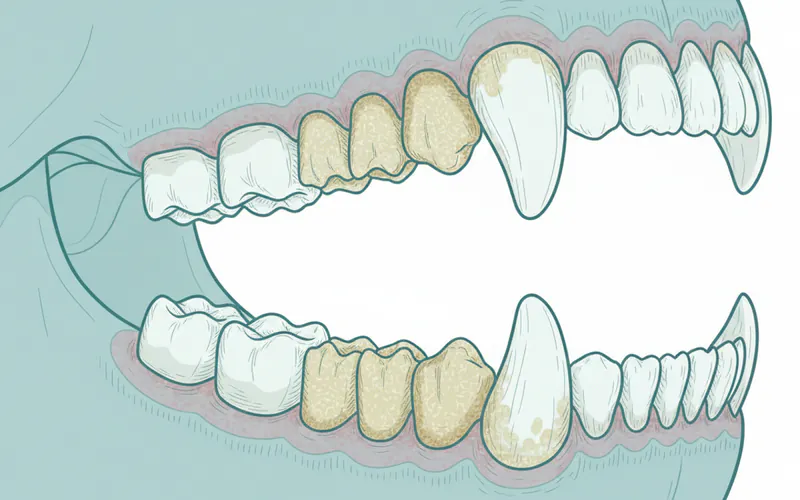
Table: Comparison of Canine Dental Treatment Options
| Option | Description | Average Cost (USD) | Recovery Time | Effectiveness |
|---|---|---|---|---|
| Professional Dental Cleaning (Prophy) | Anesthesia, ultrasonic scaling, polishing, fluoride. | $500 - $1,200 | 1-2 days | Highly effective for early to moderate periodontal disease, improves breath. |
| Simple Tooth Extraction | Removal of single-rooted, non-complicated tooth. | $100 - $300 per tooth | 1-2 weeks | High for relieving pain and eliminating infection. |
| Complex Surgical Extraction | Removal of multi-rooted, fractured, or impacted tooth; includes gingival flaps and bone removal. | $300 - $800+ per tooth | 2-4 weeks | High for severe disease, eliminates infection source and pain. |
| Root Canal Therapy | Removing infected pulp and filling the root canal to save the tooth. | $1,500 - $3,000 per tooth | 2-4 weeks | Effective for preserving strategically important teeth. |
| Antibiotic Therapy | Oral antibiotics for active infections (often alongside other procedures). | $30 - $100 | Varies (7-14 days) | Temporary relief; does not remove source of infection (plaque/tartar). |
Note: Costs are average estimates and can vary significantly based on geographic location, veterinary clinic, dog's size, severity of condition, and specific medications/tests required.
The Treatment Journey: What to Expect Step-by-Step
Understanding the process for a professional dental cleaning or advanced dental procedure can ease any concerns you may have.
1. Pre-Anesthetic Workup
Before any procedure requiring anesthesia, your vet will perform a thorough physical exam and recommend pre-anesthetic blood tests and potentially a urinalysis. This ensures your dog is healthy enough for anesthesia and helps the vet tailor the anesthetic protocol for your pet's specific needs, significantly reducing risks.
2. Anesthesia and Monitoring
Your dog will be placed under general anesthesia. Modern veterinary practices utilize advanced anesthetic agents and monitoring equipment similar to human hospitals. A dedicated veterinary technician will continuously monitor your dog's heart rate, breathing, blood pressure, oxygen saturation, and temperature throughout the procedure. An IV catheter will be placed for fluid administration and easy access for emergency medications.
3. Oral Examination and X-rays
Once anesthetized, a complete and detailed oral examination is performed, including probing gum pockets. Full-mouth dental X-rays are taken to assess the health of the teeth and bones below the gumline. This step is critical for identifying hidden problems like root abscesses or bone loss that would otherwise go undetected.
4. Scaling and Polishing
Using specialized ultrasonic and hand instruments, all visible plaque and tartar are meticulously removed from the tooth surfaces, both above and, critically, below the gumline. This deep cleaning removes the bacterial biofilms that cause periodontal disease. After scaling, the teeth are polished to create a smooth surface, which helps deter plaque from re-adhering quickly.
5. Extractions or Other Procedures
If dental X-rays or the oral exam reveal severely diseased or damaged teeth, extractions are performed. This involves carefully loosening and removing the affected tooth, often requiring surgical techniques (e.g., gingival flaps, bone removal) for multi-rooted teeth. The extraction site is then smoothed and sutured. For other issues, such as root canals, these would be performed at this stage.
6. Recovery from Anesthesia
After the procedure, your dog will be carefully monitored as they recover from anesthesia. Pain medication is administered, and a warm, quiet environment is provided. Most dogs are groggy but walking a few hours post-procedure and can often go home the same day.
7. Post-Procedure Instructions
Your vet will provide detailed instructions for at-home care, including medication schedules (pain relief, antibiotics if prescribed), dietary recommendations (soft food for a few days if extractions were performed), and activity restrictions. Follow-up appointments may be scheduled to check healing or remove sutures.
Cost and Veterinary Insurance for Dog Dental Care
Understanding the financial aspect of veterinary dental care is crucial for planning and ensuring your dog receives necessary treatment.
Average US Costs for Common Procedures
The cost of veterinary dental care can vary significantly based on several factors, including:
- Geographic Location: Urban areas and regions with higher costs of living typically have higher veterinary fees.
- Clinic Type: Specialty dental clinics may charge more than general practices.
- Dog's Size: Larger dogs often require more anesthetic drugs and supplies, increasing costs.
- Severity of Disease: More advanced disease requiring extractions or specialized procedures will be more expensive.
General estimates for dental procedures in the US:
- Routine Dental Cleaning (Prophy) without Extractions: $500 to $1,200. This typically includes pre-anesthetic bloodwork, IV fluids, anesthesia, monitoring, scaling, polishing, and a basic oral exam with some X-rays.
- Dental X-rays: Often included in the cleaning cost, but if done separately or as part of a more extensive workup, expect $150 to $400.
- Simple Tooth Extraction (per tooth): $100 to $300.
- Complex Surgical Extraction (per tooth): $300 to $800+.
- Root Canal Therapy (per tooth): $1,500 to $3,000.
- Antibiotics/Pain Medications: $30 to $100+, depending on the medication and duration.
For a dog with moderate to severe periodontal disease requiring multiple extractions, the total cost could easily range from $1,500 to $3,000, and for very complex cases or specialty procedures, it could even exceed $5,000.
Impact of Veterinary Insurance
Veterinary insurance can significantly offset these costs, but coverage varies:
- Accident-Only Plans: Generally do NOT cover dental disease or routine cleanings, as they are not considered accidents.
- Comprehensive/Wellness Plans: Many comprehensive plans offer coverage for dental illnesses (like periodontal disease, cavities) and may include an annual allowance for routine dental cleanings.
- Deductibles and Reimbursement Rates: Most plans have a deductible (e.g., $250-$1,000) and then reimburse a percentage of the vet bill (e.g., 70-90%).
- Exclusions: Pre-existing conditions are typically not covered, so it's best to enroll your dog when young and healthy. Cosmetic procedures are also excluded.
Pro Tip: Read the fine print of any pet insurance policy regarding dental coverage. Some require annual cleanings to cover dental illnesses.
Financing Options
If you don't have pet insurance or if your plan doesn't cover the full cost, several financing options are available:
- CareCredit or Scratchpay: These are third-party credit card-like services specifically for healthcare expenses. They often offer deferred interest or low-interest payment plans.
- Veterinary Payment Plans: Some veterinary clinics offer in-house payment plans, especially for established clients.
- Pet-Specific Financial Aid: Organizations like The Pet Fund or RedRover offer financial assistance for pet owners who cannot afford emergency veterinary care.
Recovery and Aftercare: Ensuring a Smooth Healing Process
Proper aftercare is vital for a successful recovery and to prevent recurrence of dental issues.
Post-Anesthetic Care
Your dog might be drowsy, confused, or have a slight cough for 12-24 hours after anesthesia. Provide a quiet, comfortable, and warm place for them to rest. Limit activity and monitor them closely for any unusual symptoms.
Pain Management
Your vet will likely prescribe pain medication (e.g., NSAIDs, gabapentin) for a few days after the procedure, especially if extractions were performed. Administer these as directed to keep your dog comfortable and encourage healing.
Dietary Adjustments
If extractions occurred, feed soft food for 7-14 days to avoid irritating the surgical sites. This could be canned dog food, soaked kibble, or a veterinary prescription diet designed for post-dental care. Gradually transition back to regular food as instructed by your vet.
Wound Care (if extractions)
Avoid disturbing any sutures in the mouth. Do not allow your dog to chew on hard toys, bones, or aggressive chew treats during the healing period, as this can dislodge blood clots or damage sutures. Your vet may recommend rinsing the mouth with an antiseptic solution if extractions were extensive.
Activity Restrictions
Limit strenuous activity, jumping, and rough play for 7-14 days post-procedure to allow for proper healing and minimize the risk of complications.
Follow-up Appointments
Attend all scheduled follow-up appointments. The vet will assess healing, remove any external sutures (though most oral sutures dissolve), and discuss long-term prevention strategies.
Prevention: Keeping Canine Halitosis and Licking at Bay
Prevention is the best approach to managing dental disease and reducing the likelihood of excessive licking due to oral discomfort.
Regular At-Home Dental Care
This is the most impactful step you can take:
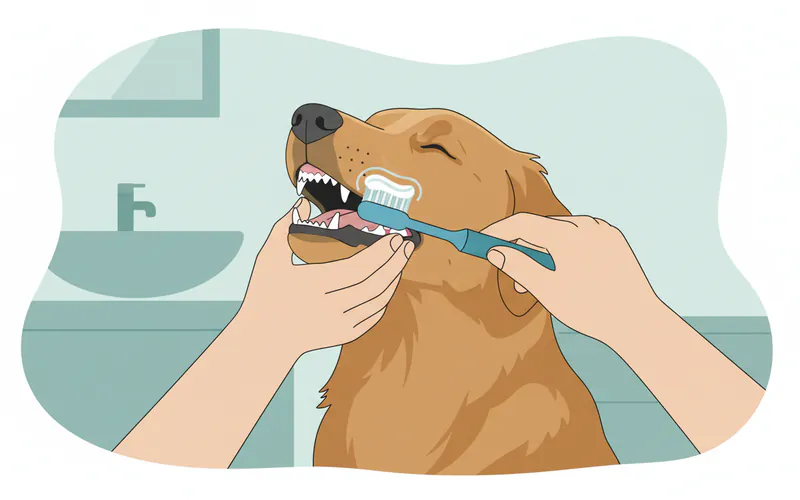
- Daily Tooth Brushing: This is the gold standard. Use a soft-bristled toothbrush designed for dogs and a pet-safe enzymatic toothpaste (human toothpaste contains fluoride and xylitol which are toxic to dogs). Start slowly, making it a positive experience with rewards. Aim for brushing at least once daily.
- VOHC-Accepted Dental Chews/Diets: Products endorsed by the Veterinary Oral Health Council (VOHC) have been scientifically proven to reduce plaque and/or tartar. Look for the VOHC seal on packaging. These can supplement brushing but rarely replace it entirely.
- Dental Water Additives: These can help reduce bacteria in the mouth and should be used as directed by your veterinarian. They are a helpful addition but not a standalone solution.
Routine Veterinary Check-ups and Professional Cleanings
- Annual or Bi-annual Exams: Regular vet visits allow your veterinarian to monitor your dog's overall health and assess their oral cavity for early signs of dental disease.
- Professional Cleanings (as needed): Depending on your dog's breed, genetics, diet, and at-home care, professional dental cleanings may be recommended annually, every two years, or as otherwise advised by your vet.
Balanced Diet and Hydration
A high-quality, balanced diet supports overall health, including oral health. Ensure your dog always has access to fresh, clean water, as adequate hydration helps flush food particles and bacteria from the mouth.
Addressing Underlying Health Issues Promptly
Regular veterinary care for systemic conditions like diabetes, kidney disease, or allergies is crucial. Managing these illnesses effectively will often resolve any associated halitosis or excessive licking.
Environmental Enrichment to Reduce Stress Licking
For licking behaviors stemming from anxiety or boredom, provide ample mental and physical stimulation. This includes daily walks, interactive toys, puzzle feeders, training sessions, and consistent routine.
Risks and Complications of Untreated Dental Disease and Excessive Licking
Ignoring signs of dental disease or excessive licking carries significant risks beyond just bad breath.
Systemic Health Impacts
The bacteria from severe periodontal disease can enter the bloodstream and travel to vital organs, contributing to:
- Heart Disease: Bacterial endocarditis, where bacteria colonize heart valves.
- Kidney Disease: Inflammation and damage to the kidneys.
- Liver Disease: Liver inflammation and impaired function.
- Diabetes Management Issues: Oral infections can make it harder to control blood sugar levels in diabetic dogs.
Oral Pain and Discomfort
Untreated dental disease is incredibly painful. Dogs often suffer in silence, leading to a reduced quality of life, reluctance to eat, and behavioral changes.
Bone Loss and Jaw Fractures
Severe periodontal disease can lead to extensive bone loss around the teeth. In small breeds with thin jawbones, this can weaken the jaw to the point of a spontaneous fracture, which is extremely painful and requires complex surgical repair.
Anesthetic Risks (Minimized with Pre-screening)
While any anesthetic procedure carries a small risk, modern veterinary anesthesia is very safe, especially with proper pre-anesthetic screening, IV fluids, and continuous monitoring. The risks of not treating severe dental disease often far outweigh the minimal anesthetic risks.
Recurrence if Prevention Not Followed
Without consistent at-home dental care and regular veterinary check-ups, dental disease will almost certainly recur, leading to repeat procedures and ongoing health issues.
Table: Annual Dental Care Costs and Prevention Strategy
| Strategy | Actions | Annual Cost Range (USD) | Benefit |
|---|---|---|---|
| Minimal Care | No brushing, occasional hard treats. | $50 - $200 | High risk of severe dental disease, pain, systemic issues. |
| Basic Home Care | Daily brushing, VOHC-accepted dental chews/water additives. | $150 - $400 | Moderate risk; good for maintaining post-prophy health. |
| Optimal Care | Basic Home Care + Annual Vet Exam + Professional Dental Cleaning (as needed, e.g., every 1-2 years). | $600 - $1,500+ | Low risk of severe disease; significantly improves health and lifespan. |
Note: "Annual Cost Range" for Optimal Care includes the cost of a professional cleaning amortized over its typical frequency, plus daily home care product costs. Prices are estimates.
Frequently Asked Questions
How do I know if my dog's bad breath is serious?
If your dog's bad breath is persistent, noticeably foul (beyond typical "dog breath"), or accompanied by other symptoms like changes in eating, pawing at the mouth, drooling, or lethargy, it is serious. These signs usually indicate an underlying dental disease or a systemic health problem that requires immediate veterinary attention.
Do cavities cause bad breath in dogs?
Yes, cavities (dental caries) absolutely cause bad breath in dogs. Cavities create deep pits and holes in the tooth where food particles, bacteria, and debris can accumulate and decompose, leading to a distinct foul odor. They are also extremely painful and can lead to tooth abscesses if left untreated.
Can I use human toothpaste or mouthwash on my dog?
No, never use human toothpaste or mouthwash on your dog. Human toothpaste often contains fluoride, which can be toxic if swallowed in large amounts, and xylitol, an artificial sweetener that is highly poisonous to dogs, causing a rapid drop in blood sugar and liver failure. Human mouthwash typically contains alcohol, which is also harmful. Always use pet-specific toothpaste and dental products.
What is the best gum for bad breath in dogs?
There is no "best gum for bad breath in dogs" because human chewing gum is highly toxic to dogs, especially those containing xylitol. Instead of gum, the best options for canine bad breath are VOHC-accepted dental chews, dental diets, and daily tooth brushing with dog-specific toothpaste. These products are designed to be safe and effective for dog oral health.
How often should my dog's teeth be professionally cleaned?
The frequency of professional dental cleanings depends on your dog's individual needs, including breed, age, genetics, diet, and the effectiveness of at-home care. Some dogs may need annual cleanings, while others might only need them every two or three years. Your veterinarian will assess your dog's oral health during routine check-ups and recommend a schedule.
Is anesthesia safe for my dog during a dental cleaning?
Modern veterinary anesthesia is very safe, especially when proper precautions are taken. These include pre-anesthetic bloodwork to assess organ function, tailored anesthetic protocols, intravenous fluids, and continuous monitoring of vital signs by trained veterinary staff throughout the procedure. The benefits of treating dental disease usually far outweigh the minimal risks of anesthesia.
How much does dog dental cleaning typically cost?
The cost of a routine professional dental cleaning in the US typically ranges from $500 to $1,200. This often includes pre-anesthetic bloodwork, IV fluids, anesthesia, monitoring, scaling, polishing, and basic dental X-rays. The price can increase significantly if extractions or other advanced procedures are required.
Can diet improve my dog's bad breath?
Yes, diet can play a role in improving your dog's bad breath. Feeding a high-quality, balanced diet helps support overall health. Additionally, some prescription dental diets are specifically formulated with unique fiber textures or dental ingredients to help reduce plaque and tartar buildup. Avoiding highly processed foods or those with excessive fillers might also help some dogs.
What if my dog won't let me brush their teeth?
If your dog resists tooth brushing, start slowly and make it a positive experience. Begin by simply letting them taste the pet-safe toothpaste, then gradually introduce touching their mouth, rubbing gums with your finger, and eventually using a brush for short periods. Use plenty of praise and treats. If brushing remains impossible, consult your vet for alternative home care solutions like VOHC-accepted dental chews, water additives, or specialized dental diets.
Is excessive licking always a sign of pain?
Excessive licking can be a sign of pain, but it's not the only cause. It can also indicate discomfort (e.g., allergies, nausea), anxiety, stress, boredom, or a compulsive behavioral disorder. If accompanied by bad breath, however, oral pain due to dental disease should be high on the list of possibilities and investigated by a veterinarian.
When to See a Veterinarian
Prompt veterinary attention is essential for protecting your dog's health and comfort. Do not hesitate to contact your vet if you observe any of the following:
- Sudden Onset of Severe Bad Breath: If your dog's breath suddenly becomes extremely foul, or if the smell changes dramatically (e.g., sweet, ammonia-like, musty), it could indicate a serious underlying condition.
- Visible Oral Injury or Swelling: Any bleeding from the mouth, broken teeth, visible growths, or swelling around the face or jaw requires immediate veterinary assessment.
- Persistent Pawing at the Mouth or Drooling: These are strong indicators of oral pain, discomfort, or a foreign object lodged in the mouth.
- Reluctance to Eat or Difficulty Chewing: If your dog avoids hard food, drops food, or shows pain while eating, it points to a significant oral problem.
- Noticeable Changes in Licking Patterns: A sudden increase in licking frequency, duration, or a new target area (especially the mouth or paws), particularly if it seems compulsive or causes skin irritation.
- Lethargy, Appetite Loss, or Other Systemic Signs: If bad breath or licking is accompanied by general unwellness, weight loss, increased thirst, or changes in urination, it suggests a systemic disease requiring urgent diagnosis and treatment.
While some bad breath can be managed with diligent home care, any persistent or concerning symptoms of excessive licking and bad breath in dogs warrant a professional veterinary evaluation to rule out serious dental or systemic health issues. Your proactive approach is the best way to ensure your beloved companion lives a long, healthy, and comfortable life.
Frequently Asked Questions
Medically Reviewed Content
This article was written by our dental health editorial team and reviewed for medical accuracy. Our content follows strict editorial guidelines for reliability and trustworthiness.
Medical Disclaimer
This article is for informational purposes only and does not constitute medical advice. Always consult with a qualified dental professional for diagnosis and treatment. Do not delay seeking professional advice because of something you read on this website.
Related Articles
What Cause Bad Breath
For many, a quick mint or a swig of mouthwash is the go-to solution for an unpleasant taste or odor in the mouth. But what if that bad breath, medically known as halitosis, is a persistent problem that no amount of peppermint can conquer? It’s a far more common issue than you might think, affecting
February 23, 2026
Dogs Bad Breath: Complete Guide
One whiff is all it takes: that distinctly unpleasant odor emanating from your beloved canine companion. If you've ever wondered, "Why does my dog's breath smell so bad?" you're not alone. It's a common concern among pet owners, with over 80% of dogs showing signs of oral disease by age three. W
February 23, 2026
Sudden Bad Breath in Toddlers: Complete Guide
When your toddler, who usually smells sweet and innocent, suddenly develops an unpleasant odor in their breath, it can be an alarming experience for any parent. Sudden bad breath in toddlers, also known as halitosis, is more common than you might think, affecting a significant number of young ch
February 23, 2026
Mouth Wash for Bad Breath: Complete Guide
Bad breath, medically known as halitosis, is an incredibly common and often embarrassing condition that affects a significant portion of the global population. In the United States alone, more than 80 million people suffer from chronic bad breath, impacting social interactions, professional conf
February 23, 2026