How to Eliminate Bad Breath From Stomach
Key Takeaways
- Bad breath, medically known as halitosis, is a common and often embarrassing condition that affects an estimated 25-50% of the global population at some point in their lives. While the vast majority of cases originate in the mouth due to poor oral hygiene or gum disease, a significant and often
How to Eliminate Bad Breath From Stomach
Bad breath, medically known as halitosis, is a common and often embarrassing condition that affects an estimated 25-50% of the global population at some point in their lives. While the vast majority of cases originate in the mouth due to poor oral hygiene or gum disease, a significant and often overlooked subset of chronic bad breath stems directly from issues within the digestive system. If you've diligently brushed, flossed, and still find yourself struggling with persistent foul odors, you might be wondering how to eliminate bad breath from stomach. This deep dive explores the gastric origins of halitosis, outlining the underlying causes, diagnostic approaches, and comprehensive treatment strategies available to provide lasting relief. Understanding the root cause is the first critical step towards achieving a definitive halitosis cure and restoring your confidence and comfort. This article will guide you through identifying stomach-related halitosis, understanding its triggers, and navigating the most effective bad breath treatment pathways, from dietary adjustments to medical interventions, ensuring you have the knowledge to tackle this challenge head-on.

Key Takeaways:
- Primary Causes: Most stomach-related bad breath stems from conditions like H. pylori infection, GERD (acid reflux), SIBO (Small Intestinal Bacterial Overgrowth), or digestive dysfunction, rather than just poor oral hygiene.
- Diagnosis: Requires a multi-pronged approach, often involving a dentist for oral assessment and a gastroenterologist for specific GI tests like breath tests (for H. pylori, SIBO), endoscopy, or pH monitoring.
- Treatment Effectiveness: Addressing the underlying gastrointestinal condition is the most effective way to achieve a halitosis cure from stomach issues. Oral hygiene alone will not suffice.
- Treatment Timelines: Improvement can be seen within weeks of starting targeted treatment for conditions like H. pylori (2-4 weeks for antibiotics) or GERD (several weeks for lifestyle changes and medication), but chronic SIBO or severe GERD may require longer-term management.
- Cost Considerations: Diagnostic tests can range from $150-$500 for breath tests to $1,500-$4,000+ for endoscopies (without insurance). Medications like PPIs can be $10-$50/month generic, or $50-$200+/month brand name. H. pylori antibiotic regimens typically cost $50-$200.
- Lifestyle is Key: Dietary modifications (avoiding trigger foods, increasing fiber), stress management, and maintaining good hydration are crucial complementary strategies for managing and preventing stomach-related bad breath.
- Professional Guidance: A combination of dental and medical professional guidance (Gastroenterologist) is often necessary for accurate diagnosis and effective bad breath treatment.
What It Is: Understanding Stomach-Related Halitosis
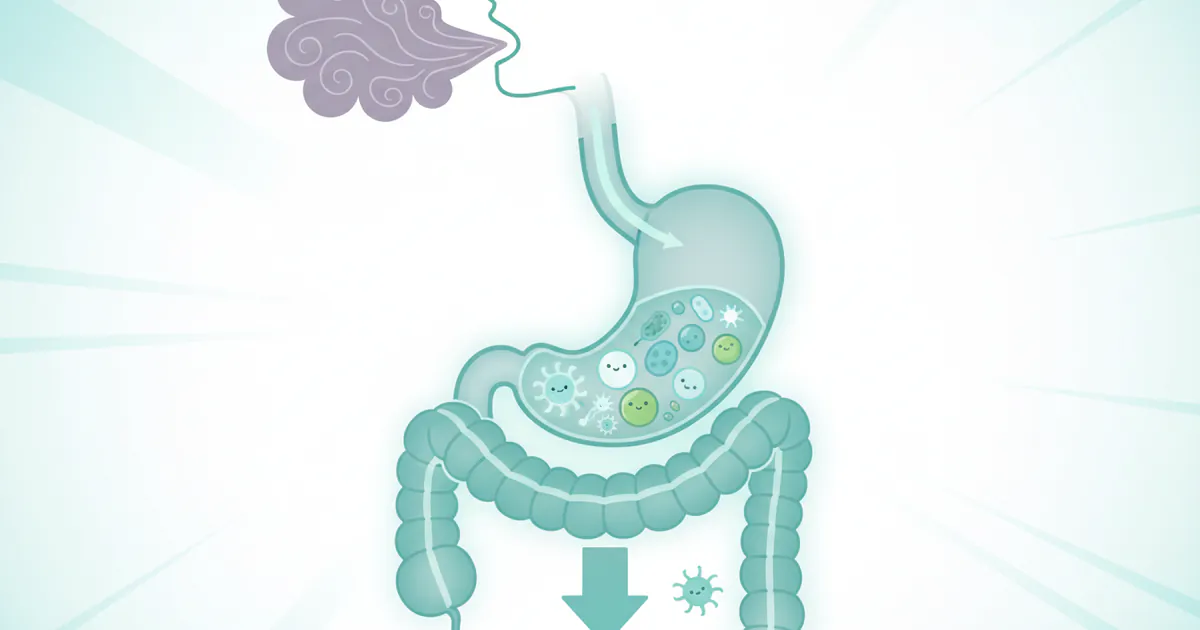
Halitosis derived from the stomach, often referred to as gastric halitosis or extra-oral halitosis of gastrointestinal origin, is a distinct form of bad breath that originates from processes within the digestive system below the esophagus. Unlike typical oral halitosis, which is caused by volatile sulfur compounds (VSCs) produced by bacteria in the mouth, stomach-related bad breath is linked to gases and compounds that can rise from the stomach or intestines, making their way up the esophagus and out through the mouth and nose.
These compounds are often the byproducts of bacterial activity, digestion of certain foods, or chemical reactions occurring due to specific gastrointestinal conditions. For instance, putrefactive gases formed during abnormal digestion or microbial imbalances can be absorbed into the bloodstream and then exhaled through the lungs, or they can directly reflux upwards. Identifying this type of halitosis is crucial because standard oral hygiene practices, while always important, will not resolve the underlying issue. Instead, a targeted bad breath treatment addressing the gastric cause is required.
Types of Halitosis: Oral vs. Extra-Oral
To effectively discuss how to eliminate bad breath from stomach, it's essential to differentiate between the various categories of halitosis:
- Oral Halitosis (Physiological/Pathological): Accounts for approximately 85-90% of all bad breath cases. It arises from within the mouth due to:
- Poor Oral Hygiene: Accumulation of food debris, plaque, and bacteria on the tongue, teeth, and gums.
- Periodontal Disease: Gum infections (gingivitis, periodontitis) create deep pockets where bacteria thrive.
- Dry Mouth (Xerostomia): Reduced saliva flow means fewer bacteria are washed away, leading to their proliferation.
- Oral Infections: Abscesses, decaying teeth, or fungal infections.
- Tonsil Stones (Tonsilloliths): Calcified debris in the tonsils that harbor bacteria.
- Extra-Oral Halitosis (Systemic/Gastrointestinal): Accounts for roughly 5-10% of cases. This type of bad breath originates outside the mouth, often due to systemic diseases or issues in the respiratory tract or digestive system. This is our primary focus.
- Blood-Borne Halitosis: Volatile compounds produced elsewhere in the body (e.g., from kidney failure, liver disease, or uncontrolled diabetes) are absorbed into the bloodstream, transported to the lungs, and exhaled.
- Respiratory Halitosis: Infections or issues in the nasal passages, sinuses, or lungs (e.g., sinusitis, bronchitis, lung abscess).
- Gastrointestinal Halitosis: Direct focus of this article, where gases or compounds from the stomach or intestines ascend to cause bad breath.
- Pseudo-Halitosis & Halitophobia: Not true bad breath, but rather a psychological perception. Pseudo-halitosis is when a person believes they have bad breath despite objective tests indicating otherwise. Halitophobia is a persistent, irrational fear of having bad breath.
Causes: Why Bad Breath Happens From the Stomach
Understanding the specific conditions that lead to bad breath originating from the digestive system is paramount for effective diagnosis and developing a targeted halitosis cure. While less common than oral causes, these gastrointestinal issues can produce chronic and often severe bad breath.
1. Helicobacter pylori (H. pylori) Infection
- What it is: H. pylori is a common type of bacteria that infects the stomach lining. It's estimated to affect up to two-thirds of the world's population, though many don't experience symptoms. It can cause gastritis (inflammation of the stomach lining), ulcers, and in severe cases, stomach cancer.
- How it causes bad breath: H. pylori itself can produce volatile sulfur compounds, particularly hydrogen sulfide and methyl mercaptan, which are known to cause foul odors. These gases can travel up the esophagus and be exhaled. Furthermore, the infection can disrupt normal digestive processes, leading to indigestion and increased bacterial fermentation in the stomach, contributing to the odor.
- Associated Symptoms: Abdominal pain (especially when the stomach is empty), bloating, nausea, vomiting, loss of appetite, unexplained weight loss, and frequent burping.
2. Gastroesophageal Reflux Disease (GERD)
- What it is: GERD is a chronic condition where stomach acid and sometimes bile flow back into the esophagus, irritating its lining. This backflow is known as acid reflux.
- How it causes bad breath: The reflux of stomach acid, undigested food particles, and digestive enzymes from the stomach into the esophagus can carry foul-smelling gases upwards. The acid itself can burn the esophageal lining, and the presence of these substances in the esophagus can create an environment where oral bacteria might thrive or where the stomach contents simply release offensive odors as they ascend.
- Associated Symptoms: Heartburn (burning sensation in the chest), regurgitation of sour liquid or food, difficulty swallowing, chronic cough, hoarseness, and erosion of tooth enamel.
3. Small Intestinal Bacterial Overgrowth (SIBO)
- What it is: SIBO occurs when there is an excessive amount of bacteria, especially types normally found in the colon, growing in the small intestine. This disrupts normal digestion and nutrient absorption.
- How it causes bad breath: The overgrown bacteria in the small intestine ferment carbohydrates and produce various gases, including hydrogen, methane, and hydrogen sulfide. These gases can be absorbed into the bloodstream and then exhaled through the lungs, resulting in a distinct, often fecal-like or "rotten egg" smell.
- Associated Symptoms: Chronic bloating, abdominal distension, excessive gas, diarrhea or constipation, abdominal pain, and malabsorption of nutrients leading to deficiencies.
4. Other Digestive Disorders
- Gastroparesis: A condition where the stomach muscles don't function properly, slowing or stopping the movement of food to the small intestine. Food lingering in the stomach for too long can ferment, producing odors that rise.
- Hiatal Hernia: A condition where part of the stomach pushes up through the diaphragm. This can exacerbate GERD and acid reflux, contributing to stomach odors.
- Malabsorption Syndromes: Conditions like celiac disease or lactose intolerance, if undiagnosed or poorly managed, can lead to improper digestion and fermentation of foods in the gut, producing odorous gases.
- Constipation: While not directly from the stomach, severe, chronic constipation can lead to an accumulation of waste products and toxins in the colon. These can be absorbed into the bloodstream and then exhaled. This is generally a less direct cause but can contribute.
- Bowel Obstruction: A rare but serious condition where there's a blockage in the small or large intestine. This can cause severe fecal-smelling breath due to the accumulation of waste and gases. This is a medical emergency.
5. Dietary Factors and Lifestyle
While not direct stomach disorders, these factors can significantly contribute to or exacerbate stomach-related bad breath:
- Certain Foods: Foods with strong odors like garlic, onions, spices, and alcohol contain compounds that, once absorbed into the bloodstream, are released through the lungs.
- High-Protein/Low-Carb Diets (Ketosis): When the body breaks down fat for energy (ketosis), it produces ketones, some of which are volatile organic compounds (acetone). These can be exhaled, leading to "keto breath," often described as fruity or metallic.
- Fasting: Prolonged fasting can lead to ketosis and also reduce saliva flow, worsening breath.
- Medications: Some medications can cause dry mouth, which indirectly worsens halitosis, or they can directly impact gut flora, potentially contributing to SIBO or other digestive issues.
- Smoking and Alcohol: These irritate the digestive tract and can worsen conditions like GERD, contributing to an unpleasant odor.
Signs and Symptoms: What to Look For
Identifying stomach-related bad breath often involves discerning it from more common oral causes. While a professional diagnosis is essential, here are key signs and symptoms that might point towards a gastrointestinal origin:
- Persistent Bad Breath Despite Excellent Oral Hygiene: This is the most telling sign. If you brush twice daily, floss, use mouthwash, and clean your tongue, but the bad breath persists, it's highly suggestive of an extra-oral source.
- Foul Odor Not Originating from the Mouth Itself: Sometimes, the person (or those around them) can perceive the smell as coming from deeper within, or the odor might be noticed even when the mouth is closed.
- Associated Digestive Symptoms: This is a critical indicator. Look for co-occurring symptoms such as:
- Heartburn or Acid Reflux: A burning sensation in the chest or throat, especially after meals or when lying down.
- Regurgitation: Sour or bitter taste in the mouth from stomach contents backing up.
- Bloating and Gas: Persistent abdominal distension, excessive burping, or flatulence.
- Abdominal Pain: Discomfort or pain in the stomach area, often related to meals.
- Nausea or Vomiting: Feelings of sickness or actual vomiting.
- Diarrhea or Constipation: Changes in bowel habits, especially chronic issues.
- Unexplained Weight Loss or Nutritional Deficiencies: Can occur with malabsorption conditions like SIBO.
- Difficulty Swallowing (Dysphagia): Could indicate esophageal irritation or strictures from GERD.
- Oral Manifestations of Acid Reflux: Dental erosion (especially on the inside surfaces of teeth) or sensitivity due to repeated exposure to stomach acid.
- "Metallic" or "Fruity" Breath: Can indicate systemic issues like uncontrolled diabetes (fruity, sweet) or kidney failure (ammonia-like, metallic), which are also extra-oral but not exclusively stomach-related. However, a "sour" or "rotten egg" smell is more typical for gastric issues.
- Temporary Relief from Antacids but Persistent Odor: If antacids provide some relief from discomfort but the bad breath returns, it points to an ongoing underlying issue.
Pro Tip: To help differentiate, try the "wrist test." Lick your wrist, let it dry for 10-15 seconds, then smell it. This can give you an indication of your oral breath. Then, cup your hands over your mouth and nose and exhale deeply from your stomach. If the smell is distinctly different or worse, it might point to a gastric origin. However, objective assessment by a professional is always recommended.
Treatment Options: A Comprehensive Approach to Halitosis Cure
To effectively eliminate bad breath from stomach, treatment must focus on addressing the underlying gastrointestinal condition. A multidisciplinary approach, often involving your dentist, primary care physician, and a gastroenterologist, is usually most successful.
1. Diagnosis by Medical Professionals
The first step is accurate diagnosis. Your journey will typically begin with a dental check-up to rule out oral causes. If oral causes are excluded, your dentist will likely refer you to a physician or gastroenterologist.
- Gastroenterologist Consultation: A specialist in digestive diseases will take a detailed medical history and assess your symptoms.
- H. pylori Tests:
- Urea Breath Test: You drink a special liquid, and your breath is tested for CO2, indicating H. pylori presence. Highly accurate.
- Stool Antigen Test: Detects H. pylori proteins in stool.
- Endoscopy with Biopsy: A camera-equipped tube is inserted down the throat to visualize the stomach and collect tissue samples for analysis. More invasive, but highly definitive.
- GERD Diagnostics:
- pH Monitoring: A device measures acid levels in the esophagus over 24-48 hours.
- Esophageal Manometry: Measures muscle contractions in the esophagus.
- Endoscopy: Can check for inflammation, ulcers, or Barrett's esophagus.
- SIBO Tests:
- Hydrogen/Methane Breath Test: After drinking a sugar solution, breath samples are taken at intervals to measure hydrogen and methane gases produced by bacteria.
- Stool Testing: Can provide insight into overall gut microbiome balance, though less specific for SIBO.
2. Targeted Medical Treatments
Once the underlying cause is identified, specific medical interventions can be initiated for a lasting bad breath treatment.
a. For H. pylori Infection
- Antibiotic Regimen: The primary treatment is a combination of two antibiotics (e.g., amoxicillin, clarithromycin, metronidazole, tetracycline) and a proton pump inhibitor (PPI) to reduce stomach acid. This "triple therapy" or "quadruple therapy" typically lasts for 7-14 days.
- Pros: Highly effective in eradicating the bacteria, leading to resolution of symptoms and bad breath.
- Cons: Can cause side effects like nausea, diarrhea, abdominal pain, and taste disturbances. Antibiotic resistance is a growing concern.
- Post-Treatment Testing: It's often recommended to retest 4-6 weeks after treatment to confirm eradication.
b. For GERD
- Proton Pump Inhibitors (PPIs): Medications like omeprazole (Prilosec), lansoprazole (Prevacid), esomeprazole (Nexium) reduce stomach acid production.
- Pros: Very effective in controlling acid reflux and allowing the esophagus to heal.
- Cons: Potential for long-term side effects including nutrient malabsorption (B12, calcium), increased risk of C. difficile infection, and kidney problems.
- H2 Blockers: (e.g., famotidine - Pepcid) Also reduce acid production, but generally less potent than PPIs.
- Antacids: (e.g., Tums, Maalox) Provide quick, temporary relief but don't address the underlying cause.
- Prokinetics: Medications that help strengthen the esophageal sphincter and promote faster stomach emptying.
- Surgery (Fundoplication): In severe cases, a surgical procedure to reinforce the lower esophageal sphincter might be considered.
c. For SIBO
- Antibiotics: Specific antibiotics like rifaximin (Xifaxan) or metronidazole are used to reduce bacterial overgrowth in the small intestine. Treatment usually lasts 1-2 weeks.
- Pros: Can significantly reduce bacterial load and alleviate symptoms.
- Cons: May require repeated courses, can cause side effects, and some patients don't respond.
- Prokinetics: To improve gut motility and prevent recurrence.
- Dietary Management: A low-FODMAP diet (Fermentable Oligo-, Di-, Mono-saccharides And Polyols) is often recommended to reduce the food source for overgrown bacteria.
d. For Other Conditions
- Gastroparesis: Medications to improve stomach emptying (e.g., metoclopramide) and dietary changes (small, frequent meals, low-fat, low-fiber).
- Malabsorption Syndromes: Dietary changes (e.g., gluten-free for celiac, lactose-free for intolerance), enzyme supplements, and nutrient replacement.
- Bowel Obstruction: Requires immediate medical attention, often surgical.
3. Lifestyle and Dietary Modifications (Complementary Strategies)
These are crucial adjuncts to medical bad breath treatment for gastric issues and vital for prevention.
- Dietary Changes:
- Identify Trigger Foods: Keep a food diary to note foods that worsen reflux, bloating, or bad breath (e.g., spicy foods, fatty foods, caffeine, chocolate, citrus, peppermint).
- Eat Smaller, More Frequent Meals: Reduces the burden on the digestive system.
- Avoid Eating Before Bed: Allow at least 2-3 hours between your last meal and lying down to prevent reflux.
- Increase Fiber (Gradually): Helps regulate bowel movements and gut health, but be cautious with SIBO as some fibers can worsen symptoms initially.
- Stay Hydrated: Drink plenty of water to aid digestion and prevent dry mouth.
- Limit Odorous Foods: Reduce intake of garlic, onions, and strong spices if they consistently cause issues.
- Oral Hygiene (Even for Stomach-Related Breath): While not the root cause, excellent oral hygiene is always critical to prevent additional oral contributions to bad breath.
- Brush teeth twice daily with fluoride toothpaste.
- Floss daily.
- Use a tongue scraper to remove bacterial buildup.
- Use an ADA-approved antimicrobial mouthwash.
- Quit Smoking and Limit Alcohol: Both substances irritate the digestive lining and can worsen GERD.
- Manage Stress: Stress can exacerbate digestive issues like GERD and SIBO. Techniques like meditation, yoga, and deep breathing can help.
- Maintain a Healthy Weight: Excess abdominal fat can put pressure on the stomach, increasing the risk of reflux.
- Elevate Head of Bed: For GERD, raising the head of your bed by 6-8 inches can help prevent acid reflux during sleep.
Step-by-Step Process: What to Expect During Treatment
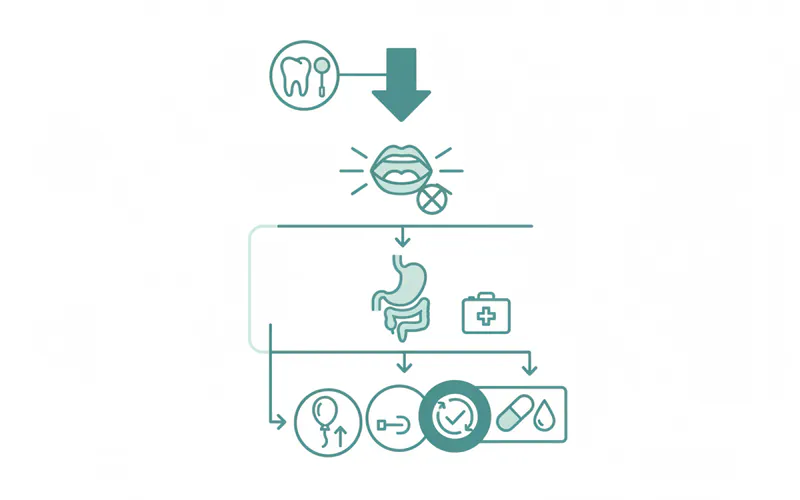
Embarking on the journey to eliminate bad breath from stomach typically follows a structured pathway. Here's a general step-by-step guide:
Step 1: Initial Dental Assessment
- Action: Your first stop should always be your dentist.
- Purpose: To thoroughly check for oral causes of bad breath, such as gum disease, cavities, oral infections, or tonsil stones. Your dentist will also assess your oral hygiene practices and provide guidance.
- Outcome: If no significant oral causes are found, or if oral treatment doesn't resolve the breath issue, your dentist will likely recommend seeing a medical doctor.
Step 2: Primary Care Physician (PCP) Visit
- Action: Consult your PCP, explaining your persistent bad breath and any associated digestive symptoms.
- Purpose: The PCP will review your medical history, conduct a physical exam, and may order initial blood tests or refer you directly to a gastroenterologist. They will help rule out other systemic causes like diabetes or kidney issues.
- Outcome: Referral to a gastroenterologist is common if gastric halitosis is suspected.
Step 3: Gastroenterologist Consultation and Diagnostic Testing
- Action: Meet with a gastroenterologist, who specializes in digestive health.
- Purpose: They will delve deeper into your symptoms, dietary habits, and lifestyle. They will then recommend specific diagnostic tests based on your presentation.
- H. pylori Test: Often a non-invasive breath or stool test first.
- GERD Assessment: Could involve a clinical diagnosis based on symptoms, or more advanced tests like endoscopy or pH monitoring if symptoms are severe or persistent.
- SIBO Breath Test: A common and non-invasive test for SIBO.
- Outcome: A definitive diagnosis of the underlying gastrointestinal condition (e.g., H. pylori, GERD, SIBO).
Step 4: Initiating Targeted Medical Treatment
- Action: Based on the diagnosis, your gastroenterologist will prescribe a specific treatment plan.
- Purpose: To directly address and resolve the identified gastric condition.
- H. pylori: A course of antibiotics and a PPI, typically for 7-14 days.
- GERD: PPIs or H2 blockers, lifestyle modifications, and dietary changes. This might be a long-term management strategy.
- SIBO: A course of specific antibiotics (e.g., rifaximin) for 1-2 weeks, followed by dietary adjustments.
- Outcome: Reduction in digestive symptoms and, critically, improvement in bad breath.
Step 5: Lifestyle and Dietary Adjustments
- Action: Implement recommended lifestyle and dietary changes diligently.
- Purpose: These are crucial for supporting medical treatment, preventing recurrence, and improving overall digestive health. This includes avoiding trigger foods, eating smaller meals, not eating close to bedtime, hydrating well, and stress management.
- Outcome: Enhanced treatment efficacy and long-term prevention of bad breath.

Step 6: Follow-Up and Monitoring
- Action: Attend scheduled follow-up appointments with your gastroenterologist.
- Purpose: To assess the effectiveness of treatment, monitor for side effects, and conduct post-treatment tests (e.g., re-testing for H. pylori eradication or SIBO recurrence). Adjustments to medication or lifestyle may be made.
- Outcome: Confirmation of successful treatment, ongoing management of chronic conditions, and sustained relief from bad breath.
Pro Tip: Be an active participant in your treatment. Keep a detailed symptom diary, noting foods consumed, symptoms experienced, and any changes in breath odor. This information is invaluable for your healthcare providers in tailoring your bad breath treatment.
Cost and Insurance: Navigating Expenses for Stomach-Related Bad Breath Treatment
Understanding the potential costs associated with diagnosing and treating stomach-related bad breath is important, as insurance coverage can vary significantly. All figures are average US dollar amounts and can fluctuate based on location, provider, and specific insurance plans.
Diagnostic Costs (Without Insurance)
| Test/Procedure | Average Cost Range (USD) | Description |
|---|---|---|
| Initial Dentist Visit | $75 - $200 | Oral exam, ruling out dental causes. |
| PCP Visit | $100 - $300 | General consultation, referral. |
| Gastroenterologist Consult | $200 - $500 | Specialist consultation. |
| H. pylori Breath Test | $150 - $300 | Non-invasive, highly accurate for H. pylori. |
| H. pylori Stool Test | $100 - $250 | Non-invasive, detects antigens. |
| SIBO Breath Test | $200 - $400 | Non-invasive, detects bacterial overgrowth gases. |
| Upper Endoscopy (EGD) | $1,500 - $4,000+ | Invasive, visualizes esophagus, stomach, and duodenum; can take biopsies. |
| Esophageal pH Monitoring | $1,000 - $3,000 | Measures acid reflux over 24-48 hours. |

Treatment Costs (Without Insurance)
| Treatment Type | Average Cost Range (USD) | Description |
|---|---|---|
| H. pylori Antibiotic Regimen | $50 - $200 | Full course of triple/quadruple therapy antibiotics and PPI. |
| PPIs (Proton Pump Inhibitors) | $10 - $50/month (generic) | Common for GERD, reduces stomach acid. Brand name can be $50-$200+/month. |
| H2 Blockers | $5 - $25/month (generic) | Alternative for GERD, less potent than PPIs. |
| SIBO Antibiotics (Rifaximin) | $1,000 - $2,000+ | Can be very expensive if not covered by insurance. Generic options are emerging but still costly. |
| Dietary Consultation | $100 - $250/session | Registered Dietitian for SIBO, GERD, general gut health. |
| Surgical Procedures (e.g., Fundoplication) | $10,000 - $25,000+ | For severe, refractory GERD cases. |
Insurance Coverage
- Most Major Medical Insurance Plans: Generally cover diagnostic tests and prescribed medical treatments for conditions like H. pylori, GERD, and SIBO, as they are recognized medical conditions.
- Dental Insurance: Will cover the initial dental exam and any necessary oral treatments (e.g., deep cleaning for gum disease), but typically not gastrointestinal treatments.
- Deductibles and Co-pays: Be prepared for your deductible, co-pays, and co-insurance. The out-of-pocket maximum is the most you'll pay in a policy year.
- Prior Authorization: Some procedures or medications (especially expensive ones like Rifaximin) may require prior authorization from your insurance company. Your doctor's office will usually handle this.
- Out-of-Network Costs: Seeing out-of-network providers can result in significantly higher costs.
Cost-Saving Tips
- Check Your Benefits: Before any appointments or tests, contact your insurance provider to understand your specific coverage for gastroenterologist visits, diagnostic tests, and prescription medications.
- Generic Medications: Always ask your doctor if a generic version of a prescribed medication is available. They are significantly cheaper than brand-name drugs.
- Patient Assistance Programs: For very expensive medications, pharmaceutical companies often have patient assistance programs that can help reduce costs for eligible individuals.
- Payment Plans: Many medical offices and hospitals offer payment plans if you need to pay a large sum out-of-pocket.
- Health Savings Accounts (HSAs) or Flexible Spending Accounts (FSAs): Utilize these tax-advantaged accounts for qualified medical expenses.
Recovery and Aftercare: Sustaining Fresh Breath and Gut Health
Recovery from stomach-related bad breath isn't just about completing a course of antibiotics or taking reflux medication; it's about long-term management and maintaining digestive health to prevent recurrence.
Post-Treatment Monitoring
- Confirm Eradication (H. pylori, SIBO): For H. pylori, a repeat breath or stool test is typically recommended 4-6 weeks after completing antibiotics to confirm the infection is gone. For SIBO, follow-up breath tests might be done to ensure bacterial levels have normalized. This is crucial for a complete halitosis cure.
- Symptom Tracking: Continue to monitor your digestive symptoms (heartburn, bloating, pain) and breath odor. Keep a diary to note any returning issues.
Ongoing Medical Management
- GERD Management: If you have chronic GERD, you may need long-term medication (PPIs or H2 blockers) at the lowest effective dose. Regular check-ups with your gastroenterologist are important to monitor the condition and any potential long-term side effects of medication.
- SIBO Prevention: After initial SIBO treatment, your doctor might recommend prokinetic agents to improve gut motility and prevent bacterial re-accumulation. Dietary adjustments, often a modified low-FODMAP diet, are key for long-term SIBO management.
- Addressing Underlying Conditions: If your bad breath was a symptom of a broader condition (e.g., celiac disease, chronic constipation), ongoing management of that condition is essential.
Lifestyle and Dietary Strategies for Long-Term Prevention
These are the cornerstones of preventing the recurrence of stomach-related bad breath:
- Consistent Dietary Habits: Adhere to the dietary recommendations tailored to your specific condition. This often includes:
- Avoiding known trigger foods for reflux or SIBO.
- Eating smaller, balanced meals regularly.
- Limiting high-fat, spicy, or acidic foods.
- Ensuring adequate fiber intake (unless it exacerbates SIBO).
- Probiotic and Prebiotic Supplementation (Consult Your Doctor):
- Probiotics: "Good" bacteria that can help restore gut flora balance. Different strains are effective for different conditions (e.g., some for H. pylori, some for SIBO post-antibiotics, some for general gut health). Always discuss with your doctor, as probiotics aren't suitable for everyone, especially during active SIBO.
- Prebiotics: Fibers that feed beneficial gut bacteria.
- Stress Reduction: Chronic stress negatively impacts digestion. Incorporate stress-management techniques such as mindfulness, meditation, yoga, regular exercise, or hobbies into your daily routine.
- Maintain Hydration: Drinking adequate water aids digestion, nutrient absorption, and helps prevent dry mouth, which can worsen any existing odors.
- Regular Exercise: Physical activity promotes healthy gut motility and reduces stress, both beneficial for digestive health.
- Excellent Oral Hygiene: Even if the source is gastric, maintaining impeccable oral hygiene prevents any potential oral contributions to bad breath and is critical for overall health.
- Brush for two minutes, twice a day.
- Floss daily.
- Use a tongue scraper.
- Regular dental check-ups (every 6 months) for professional cleaning and monitoring.
When to Seek Further Assistance
If, despite following treatment plans and lifestyle changes, your bad breath returns or digestive symptoms worsen, don't hesitate to contact your gastroenterologist. It might indicate a need to adjust treatment, explore alternative therapies, or investigate for other underlying issues. A persistent halitosis cure requires ongoing vigilance.
Prevention: Proactive Steps to Keep Stomach-Related Bad Breath at Bay
Preventing bad breath from stomach issues is largely about maintaining optimal digestive health and managing risk factors for conditions like GERD, H. pylori, and SIBO.
1. Optimize Digestive Health
- Balanced Diet: Focus on a diet rich in whole foods, lean proteins, fruits, vegetables, and healthy fats. Minimize processed foods, excessive sugar, and artificial ingredients.
- Adequate Fiber Intake: Dietary fiber is crucial for regular bowel movements and feeding beneficial gut bacteria. Aim for 25-30 grams per day from sources like whole grains, legumes, fruits, and vegetables (unless directed otherwise for specific conditions like SIBO).
- Probiotics and Fermented Foods: Incorporate fermented foods (yogurt, kefir, sauerkraut, kimchi) or discuss probiotic supplements with your doctor to support a healthy gut microbiome.
- Stay Hydrated: Water is essential for digestion, nutrient absorption, and preventing constipation.
- Mindful Eating: Eat slowly, chew food thoroughly, and avoid overeating. This aids digestion and reduces the burden on your stomach.
2. Manage Known Risk Factors
- GERD Prevention:
- Avoid Trigger Foods: Common triggers include spicy, fatty, acidic foods, caffeine, chocolate, and peppermint.
- Eat Smaller, Frequent Meals: Prevents overfilling the stomach.
- Don't Eat Before Bed: Give your stomach at least 2-3 hours to digest before lying down.
- Maintain a Healthy Weight: Reduces pressure on the lower esophageal sphincter.
- Elevate Your Bed: If you suffer from nighttime reflux, raise the head of your bed.
- H. pylori Prevention:
- Practice Good Hygiene: H. pylori can spread through contaminated food and water or direct contact. Wash hands thoroughly.
- Drink Clean Water: Ensure your water source is safe.
- SIBO Prevention:
- Address Root Causes: If you've had SIBO, work with your doctor to understand and address its underlying cause (e.g., poor gut motility, structural issues, low stomach acid).
- Avoid Unnecessary Antibiotics: Use antibiotics judiciously, as they can disrupt gut flora balance.
- Support Motility: For some, prokinetics or natural remedies that support gut movement (like ginger) may be beneficial under medical guidance.
3. Lifestyle Modifications
- Quit Smoking: Smoking significantly contributes to acid reflux and other digestive problems.
- Limit Alcohol: Alcohol irritates the digestive tract and can relax the lower esophageal sphincter.
- Stress Management: Chronic stress can exacerbate many digestive issues. Integrate stress-reducing activities like meditation, yoga, deep breathing exercises, or regular physical activity.
- Regular Exercise: Promotes overall health, including digestive function and stress reduction.
4. Excellent Oral Hygiene
Though the breath source is gastric, maintaining impeccable oral hygiene is a crucial preventative measure to ensure there are no additional oral factors contributing to the bad breath. Refer to American Dental Association (ADA) guidelines:
- Brush twice daily for two minutes with fluoride toothpaste.
- Floss daily.
- Use a tongue scraper to remove bacteria from the tongue surface.
- Visit your dentist for regular check-ups and professional cleanings every six months.
By adopting these proactive measures, you can significantly reduce the risk of developing conditions that lead to stomach-related bad breath and maintain a fresher, healthier overall digestive system.
Risks and Complications: What Can Go Wrong
While addressing bad breath from the stomach primarily focuses on improving quality of life, understanding the risks associated with untreated underlying conditions and potential treatment complications is vital.
Risks of Untreated Underlying Conditions
Leaving conditions like H. pylori, GERD, or SIBO untreated carries significant health risks beyond just bad breath:
- H. pylori:
- Peptic Ulcers: Can lead to bleeding, perforation, or obstruction.
- Chronic Gastritis: Persistent inflammation of the stomach lining.
- Stomach Cancer: H. pylori is a significant risk factor for certain types of stomach cancer (gastric adenocarcinoma and MALT lymphoma).
- GERD:
- Esophagitis: Inflammation and damage to the esophagus from acid.
- Esophageal Stricture: Narrowing of the esophagus due to scarring, leading to difficulty swallowing.
- Barrett's Esophagus: A precancerous change in the lining of the esophagus, increasing the risk of esophageal cancer.
- Respiratory Problems: Chronic cough, asthma exacerbation, or even aspiration pneumonia.
- SIBO:
- Malabsorption and Nutritional Deficiencies: Difficulty absorbing fats, fat-soluble vitamins (A, D, E, K), and Vitamin B12, leading to anemia, weight loss, and bone weakening.
- Chronic Diarrhea: Can lead to dehydration and electrolyte imbalances.
- Increased Intestinal Permeability ("Leaky Gut"): May contribute to systemic inflammation and other health issues.
- Gastroparesis: Severe nausea, vomiting, malnutrition, and unpredictable blood sugar levels in diabetics.
- Bowel Obstruction: A medical emergency that can lead to tissue death and sepsis.
Risks and Side Effects of Treatments
While effective, medical treatments for gastric issues also carry potential risks:

- Antibiotics (for H. pylori and SIBO):
- Side Effects: Nausea, diarrhea, abdominal pain, metallic taste, yeast infections.
- Antibiotic Resistance: Overuse or incomplete courses can lead to resistant bacteria, making future infections harder to treat.
- Dysbiosis: Disruption of beneficial gut bacteria, potentially leading to SIBO recurrence or other digestive issues.
- Proton Pump Inhibitors (PPIs) for GERD:
- Short-term Side Effects: Headache, nausea, diarrhea, abdominal pain.
- Long-term Risks: Increased risk of certain infections (e.g., C. difficile, pneumonia), nutrient deficiencies (B12, magnesium, calcium, iron), kidney disease, bone fractures, and possibly increased risk of dementia (though research is ongoing and not conclusive).
- Rebound Acid Secretion: Stopping PPIs abruptly can lead to a temporary increase in acid production.
- Surgery (e.g., Fundoplication for GERD):
- Standard Surgical Risks: Infection, bleeding, adverse reaction to anesthesia.
- Specific Risks: Difficulty swallowing, inability to burp or vomit, bloating, and potential for the wrap to loosen over time.
- Dietary Changes: While generally beneficial, improperly implemented restrictive diets (like low-FODMAP for SIBO) without professional guidance can lead to nutritional deficiencies or unnecessary food anxieties.
It's crucial to discuss all potential risks and benefits with your healthcare provider before starting any treatment. Regular follow-up and adherence to medical advice are essential to minimize complications and achieve a safe and effective bad breath treatment.
Children / Pediatric Considerations
Bad breath from the stomach in children, while less common than in adults, can also occur and warrants attention. The diagnostic and treatment approaches need to be tailored to pediatric patients.
Common Causes in Children
- GERD (Gastroesophageal Reflux Disease): Infants and young children often experience "spitting up" or reflux, which is usually physiological and resolves with age. However, chronic or severe GERD can occur, leading to bad breath, fussiness, poor feeding, or respiratory symptoms. In older children, GERD symptoms are similar to adults.
- H. pylori Infection: Children can acquire H. pylori infection, often from family members. Symptoms may include abdominal pain, nausea, and bad breath.
- Foreign Bodies: Young children are prone to ingesting small objects, which can get lodged in the esophagus or stomach, leading to infection or obstruction and resulting in foul breath. This is an urgent medical concern.
- Rare Digestive Disorders: While less common, serious digestive disorders can sometimes manifest with bad breath.
Signs and Symptoms in Children
Beyond bad breath, look for these associated symptoms:
- Infants: Frequent spitting up, arching back during or after feeds, refusing to eat, poor weight gain, chronic cough, wheezing, irritability.
- Older Children: Heartburn, abdominal pain (especially epigastric), nausea, vomiting, difficulty swallowing, recurrent sore throats, unexplained weight loss, and persistent bad breath.
Diagnosis in Children
Diagnosis follows a similar pathway but with specific pediatric considerations:
- Pediatric Dentist Visit: Always the first step to rule out oral causes like cavities, gum disease, or poor oral hygiene.
- Pediatrician Visit: The primary care doctor will assess symptoms and medical history.
- Pediatric Gastroenterologist Referral: If a gastric cause is suspected, a specialist referral is crucial.
- Diagnostic Tests:
- H. pylori: Urea breath tests or stool antigen tests are preferred due to their non-invasiveness. Endoscopy is usually reserved for specific indications or if non-invasive tests are inconclusive.
- GERD: Often managed empirically first. pH monitoring or endoscopy might be used in severe or atypical cases.
- SIBO: Hydrogen breath tests can be adapted for children.
Treatment in Children
- H. pylori: Similar antibiotic regimens to adults, adjusted for weight and age, are used.
- GERD:
- Lifestyle Changes: Smaller, more frequent meals, thickening formula for infants, avoiding trigger foods, elevating the head during sleep.
- Medications: Antacids, H2 blockers, or PPIs may be prescribed for older children, but often with more caution and for shorter durations than in adults.
- Foreign Body Removal: Immediate medical intervention is required.
Parental Guidance
- Emphasize Oral Hygiene: Teach and supervise good brushing and flossing habits from a young age.
- Monitor Diet: Pay attention to foods that might trigger symptoms or bad breath.
- Seek Professional Help: Do not self-diagnose or self-treat. If bad breath persists despite good oral hygiene, and especially if accompanied by digestive symptoms, consult a pediatrician or pediatric dentist.
- Communicate Clearly: Help your child describe their symptoms accurately to healthcare providers.
Addressing bad breath from the stomach in children requires careful evaluation by pediatric specialists to ensure appropriate diagnosis and safe, effective bad breath treatment.
Frequently Asked Questions
### Q1: Can stress cause bad breath from the stomach?
A1: While stress doesn't directly cause bad breath from the stomach, it can exacerbate existing digestive conditions like GERD or irritable bowel syndrome (IBS), which in turn can contribute to bad breath. Stress can also lead to dry mouth, which is a common cause of oral bad breath. Managing stress through relaxation techniques can indirectly help improve breath by improving gut function.
### Q2: How long does it take to eliminate bad breath from stomach once treatment starts?
A2: The timeline for improvement depends on the underlying cause and the effectiveness of the bad breath treatment. For H. pylori, breath can improve significantly within 2-4 weeks after completing antibiotics. For GERD, you might see improvements within several weeks of starting medication and lifestyle changes. SIBO treatment can also show results in 1-2 weeks after antibiotics, but managing recurrence may be ongoing.
### Q3: Are there natural remedies to eliminate bad breath from stomach?
A3: Natural remedies primarily focus on supporting digestive health and managing symptoms. This includes dietary changes (e.g., avoiding trigger foods, high-fiber diet), probiotics (under medical guidance), herbal teas (like ginger or peppermint for indigestion), and stress reduction. However, for conditions like H. pylori or severe GERD/SIBO, these are usually complementary and not a substitute for prescribed medical treatment.
### Q4: Will eliminating trigger foods be enough to cure stomach-related bad breath?
A4: Eliminating trigger foods can significantly reduce symptoms and improve breath for conditions like GERD or SIBO. However, for infections like H. pylori or severe cases of SIBO, dietary changes alone are rarely enough for a complete halitosis cure. They are crucial components of a comprehensive bad breath treatment plan but often need to be combined with specific medical interventions.
### Q5: What is the difference between oral bad breath and stomach bad breath?
A5: Oral bad breath (about 85-90% of cases) originates from bacteria in the mouth producing volatile sulfur compounds, often due to poor oral hygiene, gum disease, or dry mouth. Stomach bad breath (a smaller percentage) comes from gases or compounds produced in the digestive system due to conditions like H. pylori, GERD, or SIBO, which then travel up to be exhaled.
### Q6: Is bad breath from the stomach a sign of a serious medical condition?
A6: Persistent bad breath from the stomach can be a symptom of underlying conditions that range in severity. While some, like mild GERD, are manageable, others like H. pylori (which can lead to ulcers or stomach cancer) or severe SIBO (leading to malabsorption) can be serious if left untreated. It's crucial to seek medical evaluation for a proper diagnosis.
### Q7: Can probiotics help with stomach-related bad breath?
A7: Probiotics can be beneficial for stomach-related bad breath, especially if the cause is related to gut dysbiosis (imbalance of gut bacteria) or post-antibiotic treatment for H. pylori or SIBO. They can help restore a healthy gut microbiome. However, always consult your doctor before starting probiotics, especially for SIBO, as certain strains might worsen symptoms.
### Q8: How much does it cost to get diagnosed with the cause of stomach bad breath?
A8: The cost varies widely based on the tests needed and insurance coverage. Without insurance, an initial gastroenterologist consultation can range from $200-$500. Diagnostic tests like an H. pylori breath test cost $150-$300, and a SIBO breath test is $200-$400. More invasive procedures like an upper endoscopy can be $1,500-$4,000+. With insurance, you'll typically pay co-pays, deductibles, and co-insurance.
### Q9: Can medications for other conditions cause stomach-related bad breath?
A9: Yes, some medications can indirectly contribute. Certain drugs can cause dry mouth, leading to increased oral bacteria and odor. Others can alter gut flora, potentially contributing to digestive issues like SIBO. Always discuss any new symptoms, including changes in breath, with your prescribing doctor.
### Q10: What role does a dentist play if the bad breath is from the stomach?
A10: A dentist is your first point of contact. They will thoroughly examine your mouth to rule out common oral causes of bad breath. If your oral health is excellent but bad breath persists, your dentist will be the one to recognize that the source is likely extra-oral and refer you to a primary care physician or a gastroenterologist for further investigation.
When to See a Dentist
While this article focuses on how to eliminate bad breath from stomach, your dental professional remains your first and most crucial point of contact for any persistent bad breath concerns.
You should see a dentist immediately if:
- You experience any bad breath, regardless of suspected origin. Your dentist can rule out the most common causes (oral hygiene, gum disease, cavities, infections, dry mouth, tonsil stones) which account for 85-90% of cases.
- Your bad breath is accompanied by bleeding gums, swollen gums, or loose teeth. These are signs of periodontal disease, a major oral cause of halitosis that requires prompt treatment.
- You have tooth pain, sensitivity, or visible cavities. Decaying teeth can harbor bacteria and emit foul odors.
- You have a strange taste in your mouth that doesn't go away, or persistent dry mouth.
- You notice white or yellow spots on your tonsils (tonsil stones).
- Your existing bad breath worsens, even if you suspect a gastric origin. Your dentist can assess if new oral factors are contributing.
When your dentist is likely to refer you to a medical doctor (gastroenterologist):
- If your oral health is excellent (no signs of gum disease, cavities, or significant oral infections), your oral hygiene is meticulous, and yet your bad breath persists.
- If your bad breath is consistently accompanied by digestive symptoms such as chronic heartburn, acid reflux, bloating, abdominal pain, frequent burping, nausea, or changes in bowel habits.
- If your bad breath has a distinct "sour," "rotten egg," or "fecal" odor that seems to come from deeper within your throat or stomach.
Do not delay seeking professional advice for persistent bad breath. Your dentist is expertly trained to diagnose and address the majority of bad breath cases, and to guide you to the appropriate medical specialist if the issue stems from your stomach or another systemic condition. Early intervention is key to achieving a lasting halitosis cure and improving your overall health.
Frequently Asked Questions
Medically Reviewed Content
This article was written by our dental health editorial team and reviewed for medical accuracy. Our content follows strict editorial guidelines for reliability and trustworthiness.
Medical Disclaimer
This article is for informational purposes only and does not constitute medical advice. Always consult with a qualified dental professional for diagnosis and treatment. Do not delay seeking professional advice because of something you read on this website.
Related Articles
What Cause Bad Breath
For many, a quick mint or a swig of mouthwash is the go-to solution for an unpleasant taste or odor in the mouth. But what if that bad breath, medically known as halitosis, is a persistent problem that no amount of peppermint can conquer? It’s a far more common issue than you might think, affecting
February 23, 2026

Dogs Bad Breath: Complete Guide
One whiff is all it takes: that distinctly unpleasant odor emanating from your beloved canine companion. If you've ever wondered, "Why does my dog's breath smell so bad?" you're not alone. It's a common concern among pet owners, with over 80% of dogs showing signs of oral disease by age three. W
February 23, 2026

Sudden Bad Breath in Toddlers: Complete Guide
When your toddler, who usually smells sweet and innocent, suddenly develops an unpleasant odor in their breath, it can be an alarming experience for any parent. Sudden bad breath in toddlers, also known as halitosis, is more common than you might think, affecting a significant number of young ch
February 23, 2026

Mouth Wash for Bad Breath: Complete Guide
Bad breath, medically known as halitosis, is an incredibly common and often embarrassing condition that affects a significant portion of the global population. In the United States alone, more than 80 million people suffer from chronic bad breath, impacting social interactions, professional conf
February 23, 2026