Probiotics for Bad Breath: Complete Guide
Key Takeaways
- A persistent unpleasant odor from your mouth can be more than just an inconvenience; it can significantly impact self-confidence, social interactions, and even signal underlying health issues. In the United States, **approximately 50% of adults experience halitosis, or chronic bad breath, at some po
A persistent unpleasant odor from your mouth can be more than just an inconvenience; it can significantly impact self-confidence, social interactions, and even signal underlying health issues. In the United States, approximately 50% of adults experience halitosis, or chronic bad breath, at some point in their lives, making it a widespread concern. While traditional remedies like brushing, flossing, and mouthwash offer temporary relief, many are now exploring a more holistic and science-backed approach: probiotics for bad breath. This comprehensive guide from SmilePedia.net will delve into how these beneficial microorganisms can revolutionize your oral health, addressing not just the symptoms but often the root causes of bad breath, including those originating from the stomach. We’ll cover everything from the science behind halitosis and the specific probiotic strains that make a difference, to practical application, costs, and essential preventative strategies.
Key Takeaways:
- Halitosis affects 1 in 2 adults in the US, significantly impacting quality of life.
- Bad breath often stems from an imbalance in oral bacteria, producing volatile sulfur compounds (VSCs).
- Probiotics introduce beneficial bacteria that can outcompete odor-causing pathogens and neutralize VSCs.
- Key oral probiotic strains include Streptococcus salivarius K12 and M18, and Lactobacillus reuteri.
- Initial improvements may be noticed within 2-4 weeks of consistent probiotic use, with optimal results potentially taking 2-3 months.
- Cost for oral probiotic supplements typically ranges from $20 to $60 per month, depending on brand and formulation.
- Prevention is multifaceted, involving daily oral hygiene, dietary changes, and consistent probiotic support.
Understanding Bad Breath (Halitosis)
Bad breath, medically known as halitosis, is a common condition characterized by a noticeably unpleasant odor emanating from the mouth. It's often transient, influenced by diet or morning breath, but for many, it can be a persistent and embarrassing problem. Understanding its mechanisms is the first step towards effective management, including the potential role of probiotics.
What It Is: The Science Behind the Stench
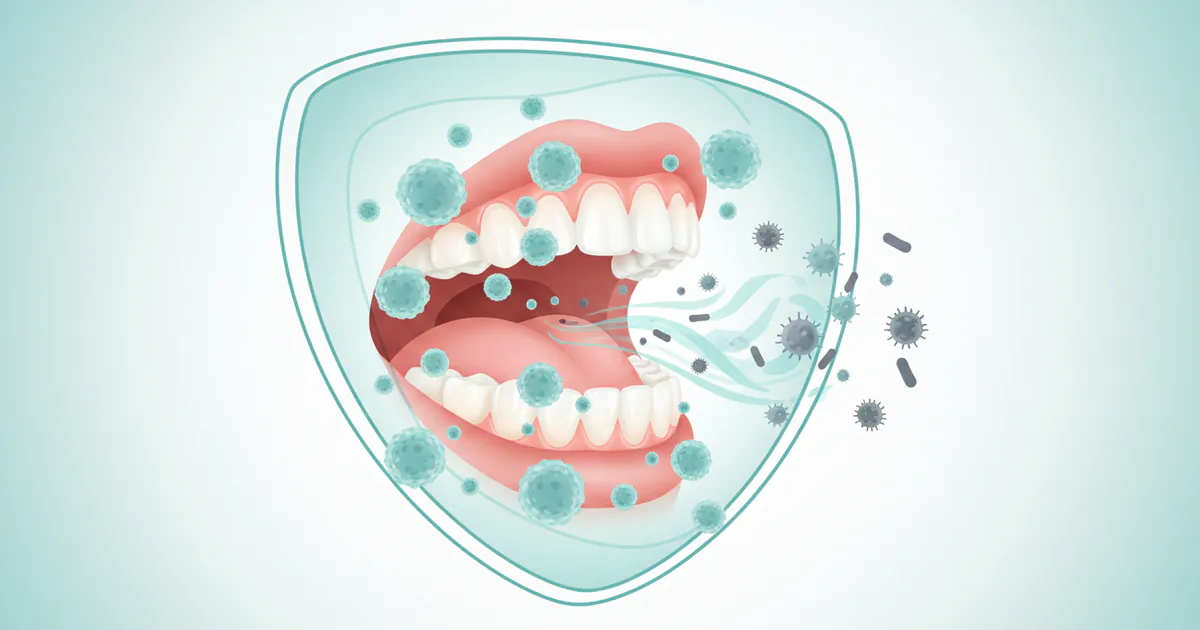
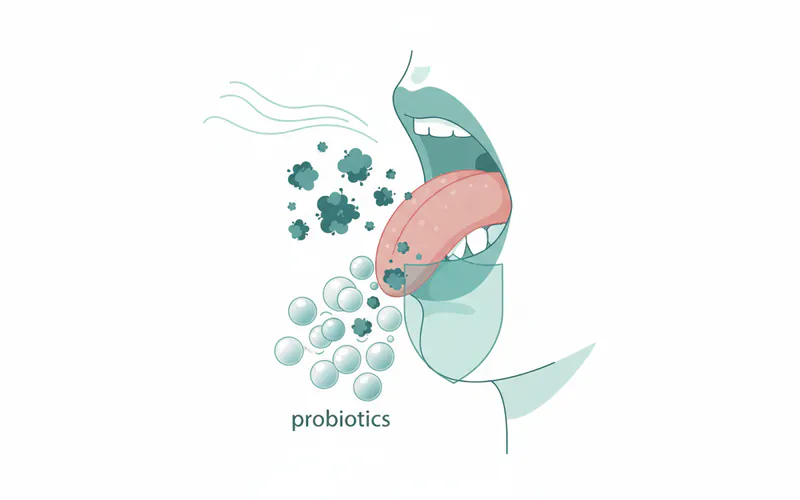
The vast majority (around 85-90%) of halitosis cases originate within the oral cavity itself. The primary culprits are volatile sulfur compounds (VSCs), such as hydrogen sulfide, methyl mercaptan, and dimethyl sulfide. These VSCs are produced by specific anaerobic bacteria, primarily residing on the back of the tongue, between teeth, and in periodontal pockets, as they break down proteins from food debris, dead cells, and blood. When this bacterial population gets out of balance, the production of VSCs escalates, leading to noticeable bad breath.
Probiotics, in simple terms, are live microorganisms that, when administered in adequate amounts, confer a health benefit on the host. For oral health, specifically halitosis, the goal is to introduce beneficial bacteria that can either:
- Outcompete the odor-producing anaerobic bacteria.
- Neutralize the VSCs directly.
- Produce substances that inhibit the growth of harmful bacteria.
- Support a balanced oral microbiome, which is the community of microorganisms living in your mouth.
Types of Bad Breath
Halitosis isn't a singular condition; it manifests in various forms, each with distinct causes:
- Transient Halitosis: This is temporary bad breath caused by specific foods (onions, garlic), tobacco, alcohol, or morning breath due to reduced salivary flow during sleep. It typically resolves with good oral hygiene or after the causative agent is eliminated.
- Physiological Halitosis: Also known as "morning breath," this is a normal occurrence resulting from decreased saliva production and increased bacterial activity during sleep. It usually disappears after brushing and eating.
- Pathological Halitosis: This is chronic, persistent bad breath that requires intervention. It's further categorized into:
- Oral Pathological Halitosis: Accounts for about 85-90% of chronic cases. Causes include:
- Poor oral hygiene (plaque, food debris).
- Gum disease (gingivitis, periodontitis).
- Tongue coating (where VSC-producing bacteria thrive).
- Dry mouth (xerostomia).
- Oral infections or dental abscesses.
- Ill-fitting dental appliances.
- Extra-Oral Pathological Halitosis: Accounts for 10-15% of cases and originates outside the mouth. Common sources include:
- Respiratory tract conditions: Sinus infections, post-nasal drip, tonsil stones (tonsilloliths).
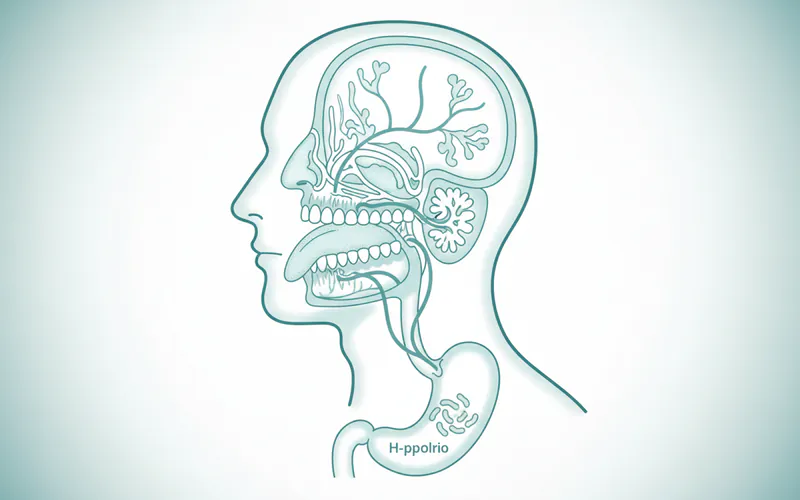
- Gastrointestinal tract conditions (bad breath from stomach): While direct stomach gas rarely causes mouth odor, conditions like GERD (Gastroesophageal Reflux Disease), hiatus hernia, or certain systemic diseases affecting digestion can contribute. Helicobacter pylori infection, while primarily gut-related, has been linked to halitosis.
- Systemic diseases: Diabetes (fruity breath), kidney failure (fishy breath), liver failure (musty breath), certain cancers.
- Metabolic disorders: Trimethylaminuria (fish odor syndrome).
- Certain medications: Can cause dry mouth, leading to halitosis.
- Oral Pathological Halitosis: Accounts for about 85-90% of chronic cases. Causes include:
This article focuses primarily on oral causes and how probiotics for bad breath can target them, while also addressing the "bad breath from stomach" angle through a microbiome lens.
Probiotic Strains for Oral Health
Not all probiotics are created equal. Specific strains have demonstrated efficacy in combating oral pathogens and VSCs. The most promising include:
- Streptococcus salivarius K12 (BLIS K12): This strain is naturally found in the mouths of healthy individuals. It works by producing antimicrobial substances (bacteriocins) that inhibit the growth of undesirable bacteria responsible for VSCs and strep throat.
- Streptococcus salivarius M18 (BLIS M18): Similar to K12, M18 also produces bacteriocins. Additionally, it helps to break down plaque and neutralize acids, contributing to overall oral health beyond just bad breath.
- Lactobacillus reuteri (Prodentis): This strain can inhibit the growth of several common oral pathogens and reduce inflammation, often found in gum disease, which is a major contributor to bad breath.
- Lactobacillus plantarum and Lactobacillus paracasei: These strains have shown promise in reducing bad breath by modulating the oral microbiome.
These probiotics are typically delivered as lozenges, chewable tablets, or specialty mouthwashes, designed to linger in the oral cavity and colonize the surfaces.
Causes of Bad Breath: A Deeper Dive
Understanding the various contributors to halitosis is crucial for effective prevention and treatment.
Oral Cavity Causes (Most Common)
- Poor Oral Hygiene: Inadequate brushing and flossing allow food particles to remain in the mouth, leading to plaque buildup and a breeding ground for bacteria that produce VSCs.
- Tongue Coating: The rough surface of the tongue, particularly the back, harbors a significant population of odor-producing bacteria. A thick white or yellow coating is often a strong indicator.
- Gum Disease (Periodontal Disease): Gingivitis (inflammation of the gums) and periodontitis (more severe gum infection) create deep pockets where anaerobic bacteria thrive, producing VSCs and causing inflammation. This is a very common source of chronic bad breath.
- Dry Mouth (Xerostomia): Saliva plays a vital role in rinsing away food particles and bacteria. Reduced saliva flow, whether due to medications, systemic diseases, or salivary gland issues, allows bacteria to accumulate and flourish.
- Oral Infections: Abscesses, decaying teeth, or fungal infections (like oral thrush) can produce foul odors.
- Dental Appliances: Dentures, retainers, or braces that are not properly cleaned can harbor bacteria and food debris.
- Tobacco Products: Smoking and chewing tobacco directly cause their own unpleasant odors and contribute to dry mouth and gum disease.
Extra-Oral Causes (Less Common, but Significant)
- Sinus and Respiratory Issues: Post-nasal drip from allergies, colds, or sinus infections can cause mucus to collect on the back of the tongue and throat, providing a protein source for bacteria. Tonsil stones (tonsilloliths) are calcified deposits in the tonsil crypts that often contain bacteria and emit a strong, foul odor.
- Gastrointestinal Tract Conditions (Bad Breath from Stomach):
- Gastroesophageal Reflux Disease (GERD): Acid reflux can bring stomach contents, including partially digested food and stomach acid, up into the esophagus and mouth, leading to a sour or foul odor.
- Hiatal Hernia: Similar to GERD, this can facilitate the reflux of stomach contents.
- Helicobacter pylori Infection: While H. pylori primarily affects the stomach lining, studies suggest a potential link between this bacterium and halitosis, possibly through the production of certain compounds or by altering the gut-oral microbiome axis. Treating H. pylori has sometimes shown to improve bad breath.
- Malabsorption Issues: In rare cases, severe malabsorption or conditions like small intestinal bacterial overgrowth (SIBO) could potentially release gases that contribute to oral odors, though this is less common than oral sources.
- Systemic Diseases:
- Diabetes: Uncontrolled diabetes can lead to diabetic ketoacidosis, producing a distinct fruity odor on the breath.
- Kidney Failure: Can cause a "fishy" or ammonia-like breath odor.
- Liver Failure: May result in a musty or "fecal" odor.
- Certain Cancers: Some cancers, particularly those of the head and neck or lungs, can produce specific breath odors.
- Medications: Over 400 common medications can cause dry mouth, including antihistamines, antidepressants, diuretics, and blood pressure medications. As mentioned, dry mouth significantly increases the risk of halitosis.
Signs and Symptoms of Bad Breath
While the most obvious sign is the unpleasant odor itself, it can be difficult to self-diagnose. Here's what to look for:
- Self-Perception: If you constantly worry about your breath, you might have halitosis.
- Others' Reactions: People backing away when you speak, offering mints, or making subtle gestures can be indicators.
- Taste Changes: A persistent sour, metallic, or foul taste in your mouth.
- Dry Mouth: A consistent feeling of dryness in your mouth.
- White Coating on Tongue: A visible layer of white, yellow, or brownish coating on the back of your tongue.
- Increased Mucus/Post-Nasal Drip: A constant feeling of mucus in your throat.
Pro Tip: A simple self-test: Lick the back of your hand, let it dry for a few seconds, then smell it. The odor is often a good indicator of your breath. Another method is to gently scrape the back of your tongue with a plastic spoon and smell the residue.
Treatment Options for Bad Breath
Effective treatment for halitosis involves addressing its underlying cause. This may range from simple oral hygiene adjustments to medical interventions and, increasingly, probiotic therapy.
Traditional Approaches
-
Improved Oral Hygiene:
- Brushing: Brush teeth at least twice a day for two minutes, using fluoride toothpaste. This removes plaque and food debris.
- Flossing: Daily flossing removes food particles and plaque from between teeth and under the gumline, areas brushing can't reach.
- Tongue Cleaning: Using a tongue scraper or your toothbrush to clean the tongue is crucial, especially the back, where most VSC-producing bacteria reside.
- ADA Recommendation: The American Dental Association (ADA) strongly recommends daily brushing and flossing for optimal oral health.
-
Mouthwashes:
- Cosmetic Mouthwashes: Temporarily mask odors but don't address the cause.
- Therapeutic Mouthwashes: Contain antimicrobial agents like chlorhexidine, cetylpyridinium chloride (CPC), or essential oils (e.g., Listerine) that kill bacteria. However, prolonged use of some (like chlorhexidine) can cause staining or alter taste perception. Alcohol-based mouthwashes can dry out the mouth, potentially worsening bad breath long-term.
- Zinc-based Mouthwashes: Zinc ions can chemically neutralize VSCs.
-
Regular Dental Check-ups:
- Professional cleanings remove stubborn plaque and tartar that contribute to bad breath and gum disease.
- Your dentist can identify and treat underlying issues like cavities, gum disease, or faulty restorations.
-
Addressing Dry Mouth:
- Drink plenty of water.
- Chew sugar-free gum or suck on sugar-free candies to stimulate saliva flow.
- Use artificial saliva products.
- Discuss medication side effects with your doctor.
-
Dietary Modifications:
- Limit odor-causing foods (garlic, onions, strong spices).
- Reduce sugar intake, which feeds oral bacteria.
- Increase consumption of fruits and vegetables.
Probiotic Approaches
Probiotics offer a novel and increasingly evidence-backed treatment strategy by restoring the balance of the oral microbiome.
How Probiotics Work for Bad Breath:
- Competitive Inhibition: Beneficial probiotic bacteria outcompete odor-producing pathogens for nutrients and adhesion sites on oral surfaces.
- Antimicrobial Production: Certain strains produce bacteriocins, natural antibiotics that selectively target harmful bacteria.
- VSC Neutralization: Some probiotics can directly metabolize or inhibit the production of VSCs.
- Immune Modulation: By fostering a healthy oral environment, probiotics can support local immune responses.
Types of Probiotic Delivery:
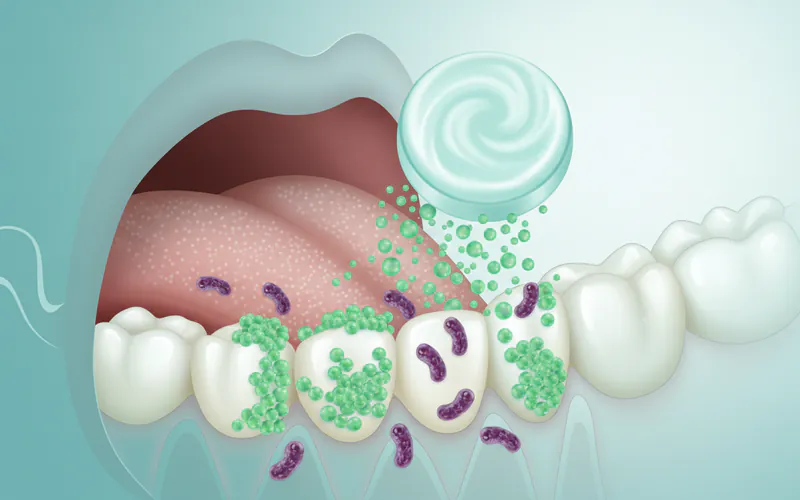
- Lozenges/Chewable Tablets: These are highly effective as they allow the probiotic strains to dissolve slowly in the mouth, directly colonizing oral surfaces (tongue, gums, teeth). This is the most common and recommended form for oral-specific probiotics.
- Mouthwashes: Some specialty mouthwashes now contain probiotic strains, designed for direct oral application.
- Supplements (Swallowed Capsules): While beneficial for gut health, swallowed probiotics may have less direct impact on the oral cavity unless they specifically survive stomach acid and colonize higher GI tract areas that might influence breath (e.g., in cases of H. pylori related bad breath). However, for purely oral halitosis, direct oral application is preferred.
Probiotics for Bad Breath From Stomach:
If your bad breath is genuinely linked to a gastrointestinal issue like GERD or H. pylori infection, a multi-strain probiotic supplement aimed at gut health may be beneficial. While specific oral probiotics might not directly treat a stomach issue, a healthy gut microbiome can indirectly support overall health and potentially reduce systemic factors contributing to breath issues. For H. pylori, certain Lactobacillus and Bifidobacterium strains have shown promise as adjuncts to conventional antibiotic therapy. However, for "bad breath from stomach," consulting a gastroenterologist is essential for accurate diagnosis and primary treatment.
Step-by-Step Process of Incorporating Probiotics
- Consult Your Dentist: Before starting any new regimen, especially if your bad breath is chronic, consult your dentist. They can identify the root cause, rule out serious conditions, and recommend appropriate probiotic strains or adjunct therapies.
- Choose the Right Probiotic: Look for products specifically formulated for oral health, containing strains like Streptococcus salivarius K12 or M18, or Lactobacillus reuteri. Ensure the product has a good reputation and clearly lists its active cultures and CFUs (Colony Forming Units). A typical dose might be 1-2 billion CFUs.
- Determine Delivery Method: Oral lozenges or chewable tablets are generally most effective for directly targeting oral bacteria.
- Establish a Routine:
- Optimal Timing: Use oral probiotics after you've completed your daily oral hygiene routine (brushing, flossing, tongue cleaning). This provides a clean slate for the beneficial bacteria to colonize. Many prefer using them just before bed.
- Consistency is Key: Take the probiotic daily as directed on the package. Effects are cumulative.
- Monitor Progress: Pay attention to changes in your breath odor, taste, and overall oral comfort. It may take several weeks (2-4 weeks for initial changes, 2-3 months for optimal colonization) to notice significant improvements.
- Maintain Good Oral Hygiene: Probiotics are a supplement to, not a replacement for, excellent daily oral hygiene. Continue brushing twice a day, flossing daily, and cleaning your tongue.
- Consider Dietary and Lifestyle Factors: Continue to hydrate, eat a balanced diet, and avoid tobacco and excessive alcohol.
Risks and Complications
While probiotics are generally considered safe for most healthy individuals, there are some considerations:
- Mild Digestive Upset: Some people may experience mild gas, bloating, or stomach upset, especially when first starting a new probiotic. This is more common with swallowed gut probiotics.
- Allergic Reactions: Though rare, allergic reactions to ingredients in probiotic supplements can occur.
- Immunocompromised Individuals: People with weakened immune systems, severe underlying health conditions, or those undergoing chemotherapy should consult their doctor before taking probiotics due to a small theoretical risk of infection.
- Ineffectiveness: The chosen probiotic might not be effective for your specific cause of bad breath, or the underlying issue might require a different treatment.
- Masking Serious Conditions: Relying solely on probiotics without addressing a serious underlying medical cause (like severe gum disease or a systemic illness) can delay proper diagnosis and treatment. Always seek professional dental and medical advice.
Cost and Insurance Considerations
The cost of addressing bad breath can vary widely depending on the cause and the chosen treatment approach.
Probiotic Supplements
- Oral Probiotic Lozenges/Chewables: These typically range from $20 to $60 per month for a high-quality product, depending on the brand, specific strains, and CFU count.
- Gut-Specific Probiotics (Capsules): If addressing "bad breath from stomach," these can range from $25 to $75 per month for a multi-strain formula.
- Availability: Probiotics are available over-the-counter at pharmacies, health food stores, and online retailers.
Dental Care Costs
- Routine Dental Check-up & Cleaning:
- Without Insurance: Approximately $75 - $200 for a basic exam and cleaning in most US regions.
- With Insurance: Many dental insurance plans cover 80-100% of preventive care after a deductible.
- Periodontal Treatment (for Gum Disease):
- Scaling and Root Planing (Deep Cleaning): Can range from $200 - $600 per quadrant (there are 4 quadrants in the mouth), or $800 - $2,400 for a full mouth without insurance.
- With Insurance: Coverage varies, often 50-80% after deductible, but annual maximums can be a factor.
- Cavity Fillings:
- Amalgam (Silver): $50 - $150 per filling.
- Composite (Tooth-Colored): $90 - $250 per filling.
- Tongue Scrapers: Typically $5 - $15.
- Therapeutic Mouthwashes: $8 - $20 per bottle.
Insurance Coverage
- Dental Insurance: Most dental insurance plans prioritize preventive care (cleanings, exams). Some plans may cover a portion of periodontal treatments if they are deemed medically necessary.
- Medical Insurance: If your bad breath is linked to a systemic medical condition (e.g., GERD, diabetes, sinus infection), diagnostic tests and treatments prescribed by a medical doctor (e.g., gastroenterologist, ENT) would typically fall under your medical insurance, subject to deductibles and co-pays. Probiotic supplements, however, are rarely covered by either dental or medical insurance unless prescribed for a very specific, diagnosed medical condition and deemed medically necessary by a physician.
Payment Plans and Financing
Many dental offices offer payment plans or work with third-party financing options like CareCredit to help patients manage costs for more extensive treatments.
Recovery and Aftercare
Addressing bad breath is often an ongoing process that requires consistent effort.
- Maintain Excellent Oral Hygiene: This is the cornerstone. Brush twice daily, floss daily, and clean your tongue.
- Continue Probiotic Use: Once you achieve desired results, consider a maintenance dose of your oral probiotic. Discontinuing too soon may lead to a return of odor-causing bacteria.
- Regular Dental Visits: Stick to your scheduled dental check-ups and cleanings, typically every six months, or more frequently if recommended by your dentist due to gum disease.
- Stay Hydrated: Drink plenty of water throughout the day to support saliva production.
- Dietary Awareness: Be mindful of foods that trigger bad breath and limit them.
- Address Underlying Conditions: If your bad breath is due to a systemic issue, continue to manage that condition with your medical doctor.
Prevention: How to Prevent Bad Breath
Preventing bad breath is largely about maintaining a healthy oral environment and addressing contributing factors. This is where the keyword "how to prevent bad breath" is key.
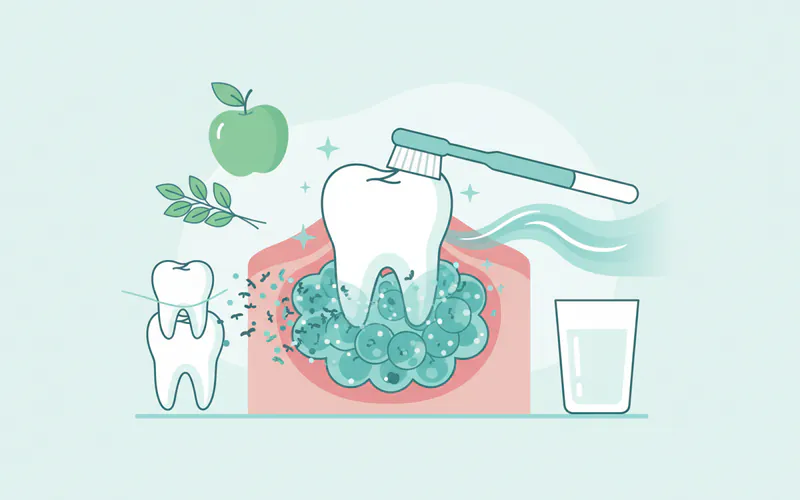
-
Brush and Floss Consistently:
- Brush teeth for two minutes, twice a day, with a fluoride toothpaste.
- Floss daily to remove interdental plaque and food.
- ADA Guideline: The ADA recommends brushing twice a day and flossing once a day.
-
Clean Your Tongue: Make tongue cleaning a part of your daily routine. A tongue scraper is more effective than a toothbrush for removing bacterial coating.
-
Stay Hydrated: Drink water regularly. It helps wash away food particles and bacteria and prevents dry mouth.
-
Use Oral Probiotics Proactively: Incorporating specific oral probiotic lozenges (like S. salivarius K12/M18) can help maintain a balanced oral microbiome and prevent the overgrowth of odor-causing bacteria. This is a crucial strategy for "how to prevent bad breath" in the long term.
-
Chew Sugar-Free Gum: This stimulates saliva flow, which naturally cleanses the mouth. Look for gums sweetened with Xylitol, which can also inhibit bacterial growth.
-
Eat a Balanced Diet:
- Limit sugary foods and drinks that feed bacteria.
- Reduce highly processed foods.
- Include plenty of fruits and vegetables, which can act as natural tooth scrubbers and promote saliva.
- Pro Tip: Crunchy fruits and vegetables like apples and carrots can help clean your teeth naturally and increase saliva flow.
-
Avoid Tobacco Products: Smoking and chewing tobacco are major contributors to bad breath, dry mouth, and gum disease. Quitting is one of the most impactful preventive measures.
-
Limit Alcohol and Coffee: Both can cause dry mouth, increasing the risk of halitosis.
-
Regular Dental Check-ups and Cleanings: These visits are essential for preventing and identifying oral issues early on. Your dentist can also provide personalized advice and professional cleanings that remove plaque and tartar.
-
Address Systemic Health Issues: Manage conditions like diabetes, GERD, or sinus infections with your doctor, as these can be sources of extra-oral bad breath.
Comparison Tables
Table 1: Probiotic Strains for Oral Health vs. Benefits
| Probiotic Strain | Primary Oral Health Benefits | Mechanism of Action | Common Forms of Delivery |
|---|---|---|---|
| Streptococcus salivarius K12 | Reduces VSCs, inhibits bad breath bacteria, supports immune health, may reduce strep throat incidence | Produces bacteriocins that suppress odor-causing bacteria. | Lozenges, chewable tablets |
| Streptococcus salivarius M18 | Reduces VSCs, inhibits bad breath bacteria, helps break down plaque, neutralizes acids | Produces bacteriocins; also produces dextranase and urease enzymes that break down plaque and neutralize acids. | Lozenges, chewable tablets |
| Lactobacillus reuteri | Reduces VSCs, inhibits gum disease pathogens, reduces inflammation | Inhibits growth of P. gingivalis and F. nucleatum (periodontal pathogens), modulates inflammatory responses. | Lozenges, chewable tablets |
| Lactobacillus plantarum | May reduce VSCs, supports overall oral microbiome balance | Competes with pathogens, may produce lactic acid to inhibit undesirable bacteria. | Lozenges, chewable tablets, mouthwashes |
| Lactobacillus paracasei | May reduce VSCs, supports overall oral microbiome balance, promotes salivary health | Competes with pathogens, may contribute to a healthy salivary environment. | Lozenges, chewable tablets, mouthwashes |
Table 2: Traditional vs. Probiotic Approaches for Bad Breath
| Feature | Traditional Oral Hygiene (Brushing, Flossing, Scrapers) | Therapeutic Mouthwashes | Oral Probiotics (Lozenges/Chewables) |
|---|---|---|---|
| Mechanism | Mechanical removal of bacteria & food debris | Chemical killing of bacteria, VSC neutralization (zinc) | Introduce beneficial bacteria, outcompete pathogens, VSC neutralization, immune modulation |
| Onset of Effect | Immediate (temporary relief) | Immediate (temporary to short-term) | Gradual (weeks to months) |
| Duration of Effect | Short-term, requires constant repetition | Short-term, requires repeated use | Longer-lasting, aims to restore microbial balance |
| Cost (Monthly) | Low ($10-$30 for supplies) | Moderate ($10-$20 for specialty brands) | Moderate to High ($20-$60) |
| Pros | Essential foundation, effective for mechanical removal | Quick odor mask, some antimicrobial action | Addresses root cause (microbial imbalance), sustained benefit, natural approach |
| Cons | Doesn't change underlying bacterial balance | Can dry mouth (alcohol), may kill beneficial bacteria too, staining (chlorhexidine) | Requires consistency, slower onset, not a standalone solution for severe pathology |
| Best For | All types of bad breath (foundational) | Temporary relief, adjunct to hygiene | Chronic bad breath from oral bacterial imbalance, preventative |
Children / Pediatric Considerations
Bad breath in children is common and usually benign. Most cases are linked to poor oral hygiene, food debris, or temporary causes.
-
Common Causes in Children:
- Poor Brushing/Flossing: Children often need supervision and assistance with effective oral hygiene.
- Tongue Coating: Accumulation of bacteria on the tongue.
- Dehydration: Children can get dehydrated easily.
- Mouth Breathing: Due to allergies, enlarged tonsils, or adenoids, leading to dry mouth.
- Sinus Infections/Allergies: Post-nasal drip can cause bad breath.
- Tonsil Stones: Less common in young children but can occur.
- Retained Food Particles: Especially in orthodontics.
-
When to Consider Probiotics for Children:
- Consult a pediatric dentist before giving probiotics to children for bad breath.
- Some oral probiotic strains, like S. salivarius K12, have been studied for their role in preventing strep throat and ear infections in children and may indirectly help with bad breath.
- Choose products specifically formulated and dosed for children. Many come in kid-friendly flavors and chewable forms.
- Probiotics should never replace thorough brushing, flossing, and regular dental check-ups for children.
- Pro Tip: Ensure children drink plenty of water and encourage them to brush their teeth and tongue thoroughly. If mouth breathing is a chronic issue, consult a pediatrician or ENT specialist.
Cost Breakdown for Bad Breath Treatment
A comprehensive cost breakdown typically involves a combination of products and professional services.
-
Low-End Costs (Primarily Home Care):
- Toothbrush/toothpaste: $5 - $15 per month (replacements)
- Dental floss: $3 - $10 per month
- Tongue scraper: $5 - $15 (one-time purchase)
- Total: Approximately $13 - $40 initially, then $8-$25/month
-
Mid-Range Costs (Home Care + Probiotics + Routine Dental):
- Above home care costs
- Oral Probiotic Lozenges: $20 - $60 per month
- Therapeutic Mouthwash: $8 - $20 per month
- Routine Dental Check-up & Cleaning (every 6 months): $75 - $200 (without insurance, so factor in about $15-$35 per month if averaged)
- Total: Approximately $53 - $115 per month (averaged for dental visits)
-
High-End Costs (Addressing Underlying Pathology):
- All mid-range costs
- Periodontal Treatment (deep cleaning): $800 - $2,400 (full mouth, one-time or phased)
- Cavity fillings: $50 - $250 per tooth
- Specialist consultation (e.g., ENT, Gastroenterologist): $150 - $400 per visit (without insurance)
- Medications for GERD, sinus infections, etc.: Variable, potentially $10 - $100+ per month
- Total: Can range from hundreds to thousands of dollars, depending on the severity of the underlying condition.
With vs. Without Insurance
- With Dental Insurance: Basic preventive care (exams, cleanings) is often 80-100% covered. Major procedures like periodontal treatment might be 50-80% covered, subject to deductibles and annual maximums (e.g., $1,000 - $2,000/year). Probiotics are typically not covered.
- Without Insurance: You will pay the full cash price for all dental services and products. Many dentists offer cash discounts or in-house payment plans.
Payment Plans and Financing Options
For significant dental work, many clinics partner with third-party medical financing companies like CareCredit, which offer interest-free payment plans for a certain period, or low-interest extended payment options. Discuss these options with your dental office staff.
Frequently Asked Questions
### Q1: How quickly do probiotics work for bad breath?
A1: You might notice subtle improvements in your breath within 2-4 weeks of consistent daily use of oral probiotics. However, significant and lasting changes, as the beneficial bacteria establish themselves and rebalance the oral microbiome, can take 2-3 months. Consistency is key.
### Q2: Can bad breath from the stomach be treated with oral probiotics?
A2: Oral probiotics are primarily designed to address bad breath originating from the mouth. If your bad breath genuinely stems from stomach issues like GERD or H. pylori infection, you'll need to treat the underlying stomach condition. While general gut probiotics might offer some indirect benefit for overall gut health, they are not a direct treatment for stomach-related halitosis, and consulting a gastroenterologist is crucial.
### Q3: Are there any side effects of taking probiotics for bad breath?
A3: Oral probiotics are generally safe for most healthy individuals. Rarely, some people might experience mild gastrointestinal upset, like gas or bloating, especially with swallowed gut probiotics. Allergic reactions are possible but uncommon. It's always best to consult your dentist or doctor, especially if you have a compromised immune system.
### Q4: What's the difference between probiotic mouthwash and probiotic lozenges?
A4: Probiotic lozenges or chewable tablets are generally preferred for oral health as they allow the beneficial bacteria to slowly dissolve and colonize the oral surfaces (tongue, teeth, gums) for an extended period. Probiotic mouthwashes, while also delivering bacteria, might have a shorter contact time and some formulations might contain other ingredients that aren't ideal for long-term probiotic survival.
### Q5: Can I just eat probiotic-rich foods instead of taking supplements?
A5: While fermented foods like yogurt, kimchi, and sauerkraut contain beneficial bacteria, they are not typically formulated with the specific strains and concentrations (CFUs) proven effective for targeting oral halitosis. Oral probiotic supplements are designed to deliver targeted strains directly to the oral cavity in effective doses.
### Q6: How do I know if my bad breath is from my mouth or my stomach?
A6: Most bad breath (85-90%) originates in the mouth. Common signs of oral bad breath include a white coating on your tongue, gum disease, or poor oral hygiene. If your breath has a distinctly "acidic," "sour," or "foul" odor that is noticeable even after thorough oral hygiene, or if you also experience symptoms like heartburn or reflux, a stomach cause might be suspected. A dental professional can help you pinpoint the source.
### Q7: Can probiotics replace brushing and flossing?
A7: Absolutely not. Probiotics are a supplementary treatment to help rebalance your oral microbiome. Brushing, flossing, and tongue cleaning remain the foundational elements of excellent oral hygiene and are essential for mechanically removing food debris, plaque, and most odor-causing bacteria.
### Q8: What is the average cost of oral probiotic supplements?
A8: Oral probiotic supplements typically cost between $20 and $60 per month for a good quality product containing clinically relevant strains. Prices can vary based on brand, CFU count, and specific probiotic strains included.
### Q9: Are oral probiotics covered by dental insurance?
A9: In most cases, oral probiotic supplements are not covered by dental or medical insurance as they are considered over-the-counter dietary supplements. However, if your bad breath is part of a diagnosed medical condition, your doctor might recommend a specific probiotic, which could rarely be covered.
### Q10: What are some alternatives if probiotics don't work for my bad breath?
A10: If probiotics don't resolve your bad breath, it's crucial to revisit your dentist or doctor. Alternatives and further steps include professional dental cleanings, treatment for gum disease or cavities, addressing dry mouth, managing underlying systemic conditions (like GERD, diabetes, sinus infections), quitting tobacco, and ensuring proper hydration and diet. A comprehensive dental and medical evaluation is the next step.
When to See a Dentist
While bad breath is common, persistent halitosis can be a red flag for underlying issues that require professional attention.
- Persistent Bad Breath Despite Good Oral Hygiene: If you're consistently brushing, flossing, and cleaning your tongue, yet your bad breath persists, it's time to see your dentist. This indicates an underlying cause that home care cannot resolve.
- Signs of Gum Disease: Bleeding gums, swollen or tender gums, receding gums, or loose teeth are all indicators of gum disease, a major source of bad breath, and require immediate dental intervention.
- Pain or Discomfort: If bad breath is accompanied by toothache, jaw pain, difficulty swallowing, or lumps in your mouth or neck, seek prompt dental or medical evaluation.
- Dry Mouth: Chronic dry mouth (xerostomia) warrants a dental visit to assess its cause and discuss management strategies.
- Unusual Breath Odors: If your breath has a distinct fruity, fishy, or ammonia-like odor not linked to recent food consumption, it could signal a systemic medical condition (like diabetes, kidney, or liver issues). Consult your medical doctor or dentist immediately.
- Tonsil Stones: If you suspect you have tonsil stones, your dentist can often confirm and advise on removal or management.
- Impact on Quality of Life: If your bad breath is causing significant self-consciousness, anxiety, or affecting your social interactions, don't hesitate to seek professional help.
Emergency vs. Scheduled Appointment:
- Emergency: Sudden onset of severe bad breath accompanied by fever, swelling, severe pain, or difficulty breathing/swallowing (could indicate an abscess or severe infection).
- Scheduled Appointment: Persistent bad breath without severe acute symptoms, or if you suspect gum disease, dry mouth, or need guidance on probiotic use.
Remember, your dental professional is your primary resource for diagnosing and treating halitosis. They can help identify the root cause, develop an effective treatment plan, and guide you on the best approach, including whether probiotics for bad breath are a suitable addition to your oral health routine.
Frequently Asked Questions
Medically Reviewed Content
This article was written by our dental health editorial team and reviewed for medical accuracy. Our content follows strict editorial guidelines for reliability and trustworthiness.
Medical Disclaimer
This article is for informational purposes only and does not constitute medical advice. Always consult with a qualified dental professional for diagnosis and treatment. Do not delay seeking professional advice because of something you read on this website.
Related Articles
What Cause Bad Breath
For many, a quick mint or a swig of mouthwash is the go-to solution for an unpleasant taste or odor in the mouth. But what if that bad breath, medically known as halitosis, is a persistent problem that no amount of peppermint can conquer? It’s a far more common issue than you might think, affecting
February 23, 2026
Dogs Bad Breath: Complete Guide
One whiff is all it takes: that distinctly unpleasant odor emanating from your beloved canine companion. If you've ever wondered, "Why does my dog's breath smell so bad?" you're not alone. It's a common concern among pet owners, with over 80% of dogs showing signs of oral disease by age three. W
February 23, 2026
Sudden Bad Breath in Toddlers: Complete Guide
When your toddler, who usually smells sweet and innocent, suddenly develops an unpleasant odor in their breath, it can be an alarming experience for any parent. Sudden bad breath in toddlers, also known as halitosis, is more common than you might think, affecting a significant number of young ch
February 23, 2026
Mouth Wash for Bad Breath: Complete Guide
Bad breath, medically known as halitosis, is an incredibly common and often embarrassing condition that affects a significant portion of the global population. In the United States alone, more than 80 million people suffer from chronic bad breath, impacting social interactions, professional conf
February 23, 2026