Zoom Whitening: Complete Guide
Key Takeaways
- A bright, dazzling smile is often considered a universal sign of health, confidence, and warmth. In fact, a recent survey revealed that nearly 90% of adults believe an attractive smile improves their quality of life, impacting everything from social interactions to career opportunities. If you'v
A bright, dazzling smile is often considered a universal sign of health, confidence, and warmth. In fact, a recent survey revealed that nearly 90% of adults believe an attractive smile improves their quality of life, impacting everything from social interactions to career opportunities. If you've ever felt self-conscious about stained or discolored teeth, you're not alone. Many individuals seek professional solutions to enhance their smile, and one of the most popular and effective choices available today is Zoom whitening. This advanced in-office dental procedure has revolutionized the way we approach cosmetic teeth brightening, offering dramatic results in a remarkably short amount of time.
This comprehensive guide from SmilePedia.net will delve deep into everything you need to know about Zoom whitening. We'll explore what makes it a leading choice for professional teeth whitening, how it works, what to expect during and after treatment, and importantly, whether it's the right solution for your unique smile goals. From understanding the causes of tooth discoloration to comparing various treatment options, discussing costs, and providing essential aftercare tips, this article aims to equip you with all the information necessary to make an informed decision about achieving a whiter, more radiant smile.
Key Takeaways:
- Zoom Whitening is a professional in-office bleaching treatment that can lighten teeth by several shades in about 45-60 minutes using a high-concentration hydrogen peroxide gel activated by a specialized LED light.
- Typical cost ranges from $400 to $800 in the US, varying by location and dental office, and is generally not covered by dental insurance as it's a cosmetic procedure.
- Results are often immediate and dramatic, with an average improvement of up to 8 shades lighter, and can last from 12 to 24 months with proper aftercare.
- Temporary tooth sensitivity is the most common side effect, typically managed with desensitizing products and subsiding within 24-48 hours.
- Preparation involves a dental exam and cleaning to ensure teeth and gums are healthy enough for the procedure.
- Maintaining results requires avoiding stain-causing foods/drinks for at least 48 hours post-treatment and diligent oral hygiene.
- At-home Zoom options are available for maintenance or less severe staining, typically costing $200-$400.
What Is Zoom Whitening? An Overview
Zoom whitening is a professional, in-office dental procedure designed to rapidly and effectively whiten teeth, often by several shades, in a single appointment. It utilizes a powerful, yet safe, hydrogen peroxide-based whitening gel that is applied to the tooth surfaces. The key differentiator of the Zoom system is the use of a proprietary LED light activator that works in conjunction with the gel to accelerate the bleaching process, breaking down stains more efficiently.
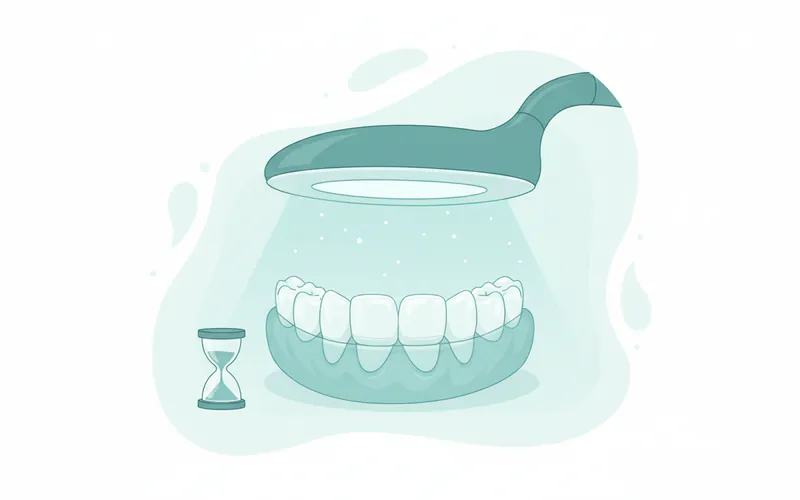
The active ingredient, hydrogen peroxide, penetrates the enamel and dentin layers of the teeth, breaking down the chemical bonds of intrinsic and extrinsic stains into smaller, colorless molecules. This oxidation process lightens the overall shade of the teeth. Unlike over-the-counter whitening products which use lower concentrations of active ingredients (typically 3-10% hydrogen peroxide or carbamide peroxide) and often require weeks of consistent use, Zoom employs a much higher concentration (typically 25-35% hydrogen peroxide), allowing for significant results in a much shorter timeframe under the direct supervision of a dental professional.
The procedure is widely regarded for its efficiency, often taking just one hour to complete, excluding preparation time. It's a popular choice for individuals looking for a quick and noticeable enhancement to their smile, whether for special occasions or general aesthetic improvement.
Types and Variations of Zoom Whitening
While the in-office Zoom procedure is the most well-known, Philips Zoom offers a range of professional whitening solutions designed to cater to different needs and preferences.
In-Office Philips Zoom WhiteSpeed
This is the flagship product, offering the fastest and most dramatic results. It involves the application of a professional-grade hydrogen peroxide gel (typically 25-35%) which is activated by the Philips Zoom WhiteSpeed LED lamp. The entire procedure usually consists of three to four 15-minute light-activated sessions, performed sequentially during a single visit. This option is ideal for those seeking immediate and significant whitening.
Philips Zoom NiteWhite and DayWhite (Take-Home Kits)
For individuals who prefer to whiten their teeth in the comfort of their home, or as a maintenance program after an in-office treatment, Philips Zoom offers take-home kits:
- Zoom NiteWhite: Designed for overnight use, this system typically uses a carbamide peroxide gel in varying concentrations (10%, 16%, 22%) applied via custom-fitted trays. Carbamide peroxide breaks down into hydrogen peroxide over a longer period, making it suitable for extended wear.
- Zoom DayWhite: Intended for shorter wear times during the day, DayWhite often uses hydrogen peroxide gel (6%, 9.5%, 14%) in custom trays. Its faster-acting formula allows for wear times of 30-90 minutes, once or twice daily.
Both NiteWhite and DayWhite kits are prescribed and supervised by your dentist, who will create custom-fitted trays for your teeth. This ensures even gel distribution and minimizes gum irritation. While results are achieved more gradually (typically over 1-2 weeks), these systems offer excellent control and flexibility, often providing similar final shade results to in-office treatments over time, albeit at a slower pace.
Pro Tip: Your dentist may recommend a combination approach: an initial in-office Zoom treatment for quick, dramatic results, followed by a take-home kit for touch-ups and maintenance to prolong the brightness of your smile.
Causes of Tooth Discoloration
Understanding why teeth become discolored is crucial for effective treatment and prevention. Tooth discoloration generally falls into two main categories: extrinsic and intrinsic stains.
Extrinsic Stains
These are stains that appear on the outer surface of the tooth enamel. They are primarily caused by pigmented foods and drinks, as well as tobacco use. Enamel, though hard, is porous, allowing these color-rich substances to seep into its microscopic cracks and crevices.
- Common culprits: Coffee, tea (especially black tea), red wine, dark sodas, berries (blueberries, blackberries), soy sauce, balsamic vinegar, and highly pigmented spices like turmeric.
- Tobacco use: Nicotine and tar in cigarettes and chewing tobacco are major contributors to stubborn yellow and brown extrinsic stains.
- Poor oral hygiene: Inadequate brushing and flossing allow plaque and food particles to accumulate, leading to stain buildup.
Intrinsic Stains
These stains are located within the inner structure of the tooth, the dentin, or are incorporated into the enamel during tooth development. Intrinsic stains are often more challenging to remove with conventional whitening methods and may require more intensive treatments or alternative cosmetic solutions like dental bonding or composite veneers near me.
- Aging: As we age, the enamel naturally thins, revealing more of the yellowish dentin underneath. The dentin itself can also darken over time.
- Trauma: An injury to a tooth can cause internal bleeding and discoloration, often appearing as a grayish or brownish hue.
- Medications: Certain medications, particularly tetracycline antibiotics when taken during tooth development (childhood), can cause severe, dark intrinsic staining (ranging from yellow-brown to blue-gray). Minocycline, a tetracycline derivative, can also cause discoloration in adults.
- Excessive fluoride exposure (Fluorosis): Overconsumption of fluoride during enamel formation can lead to white spots or brown streaks on teeth.
- Dental restorations: Amalgam (silver) fillings can sometimes stain the surrounding tooth structure gray over time.
- Genetics: Some individuals naturally have whiter or yellower tooth shades due to inherited enamel thickness and dentin color.
- Systemic diseases: Certain rare conditions can affect tooth development and color.
Zoom whitening is highly effective at addressing extrinsic stains and many forms of intrinsic staining. However, very deep, tetracycline-induced stains or those from severe fluorosis may only show partial improvement and might benefit more from other cosmetic dental procedures.
Signs and Symptoms of Tooth Discoloration
The primary "sign" of tooth discoloration is, quite simply, a change in the color of your teeth from their original white or off-white shade. This can manifest in several ways:
- Generalized yellowing: The most common form, often due to aging, diet, and tobacco.
- Brown spots or streaks: Frequently associated with coffee, tea, red wine, and tobacco.
- Grayish tint: Can indicate intrinsic staining from trauma, certain medications, or amalgam fillings.
- White spots or streaks: Often a sign of fluorosis or early enamel demineralization.
- Darkening of a single tooth: A strong indicator of a past trauma or internal issue with that specific tooth.
While tooth discoloration itself isn't a symptom of pain or discomfort, it can significantly impact self-esteem and confidence. It's important to differentiate between cosmetic staining and discoloration that might signal an underlying dental problem, such as tooth decay or nerve damage. A dental examination is always recommended to determine the cause of discoloration and ensure overall oral health.
``
Treatment Options for Tooth Discoloration
While our focus is on Zoom whitening, it's essential to understand the full spectrum of options available for tackling tooth discoloration. Each has its own benefits, limitations, and suitable applications.
1. Professional In-Office Whitening (e.g., Zoom Whitening)
- Description: High-concentration bleaching gel applied by a dentist, often activated by a light.
- Pros: Fastest, most dramatic results (up to 8 shades lighter in one hour), professionally supervised, safest due to gum protection.
- Cons: Higher cost than at-home options, potential for temporary sensitivity.
- Best for: Individuals seeking immediate, significant results for extrinsic and many intrinsic stains.
2. Professional Take-Home Whitening Kits (e.g., Zoom NiteWhite/DayWhite, custom trays)
- Description: Custom-fitted trays filled with a professional-grade whitening gel (typically carbamide or hydrogen peroxide) prescribed by your dentist. Worn for specified periods daily or overnight.
- Pros: Effective, more affordable than in-office, allows for gradual whitening and touch-ups, dentist-supervised.
- Cons: Slower results (1-2 weeks), requires consistent adherence to instructions, can still cause temporary sensitivity.
- Best for: Moderate staining, maintaining in-office results, those who prefer to whiten at home under professional guidance. This is often considered the best at home teeth whitening option due to professional oversight and custom trays.
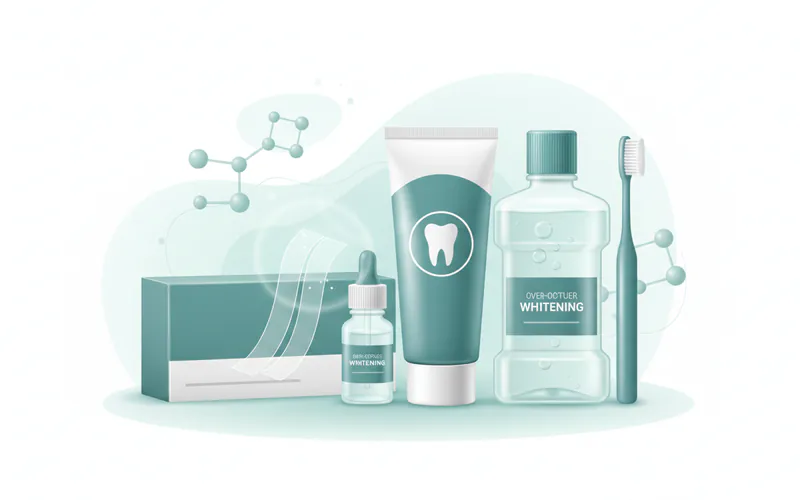
3. Over-the-Counter (OTC) Whitening Products
- Description: Whitening strips, gels, toothpastes, and rinses available without a prescription. Contain lower concentrations of bleaching agents.
- Pros: Most affordable, convenient, readily available.
- Cons: Less dramatic and slower results, can cause uneven whitening, trays are not custom-fit leading to potential gum irritation, less effective on deep stains.
- Best for: Very mild surface stains, maintaining professional whitening results, individuals with limited budget.
4. Dental Bonding
- Description: Application of a tooth-colored composite resin directly to the tooth surface to mask discoloration or correct minor imperfections.
- Pros: Can cover severe intrinsic stains (e.g., tetracycline stains) that don't respond to bleaching, relatively quick, preserves natural tooth structure.
- Cons: Not as durable as veneers, can stain over time, not suitable for widespread discoloration.
- Best for: Isolating and covering specific dark spots or minor intrinsic stains on individual teeth. If you're searching for "composite veneers near me," this might be an initial exploration.
5. Porcelain Veneers
- Description: Thin, custom-made shells of porcelain bonded to the front surface of teeth.
- Pros: Highly durable, extremely aesthetic, can permanently change tooth color, shape, and size, excellent at masking severe intrinsic stains.
- Cons: Irreversible (requires removal of some enamel), more expensive, takes multiple appointments.
- Best for: Severe intrinsic staining, major aesthetic changes, or cases where whitening is ineffective.
6. Dental Crowns
- Description: A cap that covers the entire tooth surface, used when a tooth is extensively damaged or discolored beyond what veneers or bonding can address.
- Pros: Provides full coverage and strength, can achieve desired shade.
- Cons: Most invasive, more expensive than other options.
- Best for: Severely discolored teeth that also require significant structural restoration.
Here's a comparison table of common teeth whitening and cosmetic options:
| Feature | Zoom Whitening (In-Office) | Professional Take-Home Kits | OTC Whitening Strips | Dental Bonding | Porcelain Veneers |
|---|---|---|---|---|---|
| Effectiveness | High (5-8 shades lighter) | Moderate-High (2-6 shades) | Low-Moderate (1-3 shades) | High (covers specific stains) | Very High (complete shade change) |
| Speed | Fastest (1 hour) | Gradual (1-2 weeks) | Slow (weeks to months) | Fast (1 appointment) | Moderate (2-3 appointments) |
| Cost (US) | $400 - $800 | $200 - $400 | $20 - $60 | $300 - $600 per tooth | $1,000 - $2,500 per tooth |
| Longevity | 12-24 months | 6-12 months (with touch-ups) | Few months | 5-10 years | 10-15+ years |
| Sensitivity | Common, temporary | Possible, temporary | Possible, mild | Minimal | Minimal |
| Stain Type | Extrinsic & most intrinsic | Extrinsic & moderate intrinsic | Extrinsic, mild | Severe intrinsic, specific areas | Severe intrinsic, aesthetic overhaul |
| Invasiveness | Non-invasive | Non-invasive | Non-invasive | Minimally invasive | Moderately invasive (enamel removal) |
| Dentist Super. | Yes, direct | Yes, prescribed & monitored | No | Yes | Yes |
Zoom Whitening: Step-by-Step Process
Undergoing a professional Zoom whitening treatment is a straightforward and comfortable process, typically completed in about 60-90 minutes. Here's a breakdown of what you can expect:
1. Initial Consultation and Assessment
Before any whitening begins, your dentist will conduct a thorough examination of your teeth and gums. This is crucial to ensure you are a suitable candidate for Zoom whitening.
- Oral Health Check: Your dentist will check for cavities, gum disease, exposed roots, or any other dental issues. Whitening on unhealthy teeth can exacerbate problems or cause severe sensitivity.
- Shade Assessment: A pre-treatment shade is recorded using a dental shade guide to measure the starting point and later compare the results. You might also take "before" photos.
- Discussion of Expectations: Your dentist will discuss realistic outcomes and address any concerns you may have.
2. Preparation
Once deemed a suitable candidate, the preparation phase begins.
- Teeth Cleaning: It's often recommended to have a professional dental cleaning prior to whitening to remove any plaque and calculus, ensuring maximum effectiveness of the whitening gel.
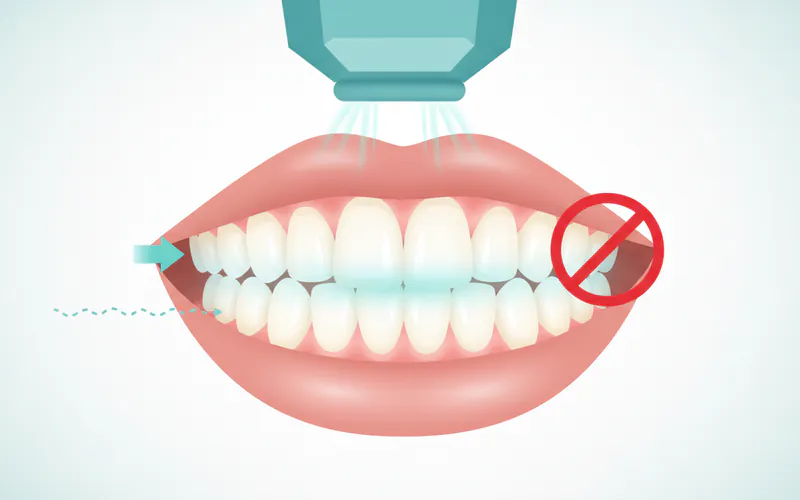
- Gum and Soft Tissue Protection: Your dental professional will carefully place a protective barrier (often a liquid dam or resin material) over your gums, lips, and other soft tissues in your mouth. This barrier cures into a rubbery shield, protecting these sensitive areas from the strong whitening gel. You'll also wear protective eyewear.
``
3. Gel Application and Light Activation
This is the core of the Zoom whitening process.
- Whitening Gel Application: The professional-strength Zoom hydrogen peroxide whitening gel is carefully applied to the front surfaces of your teeth.
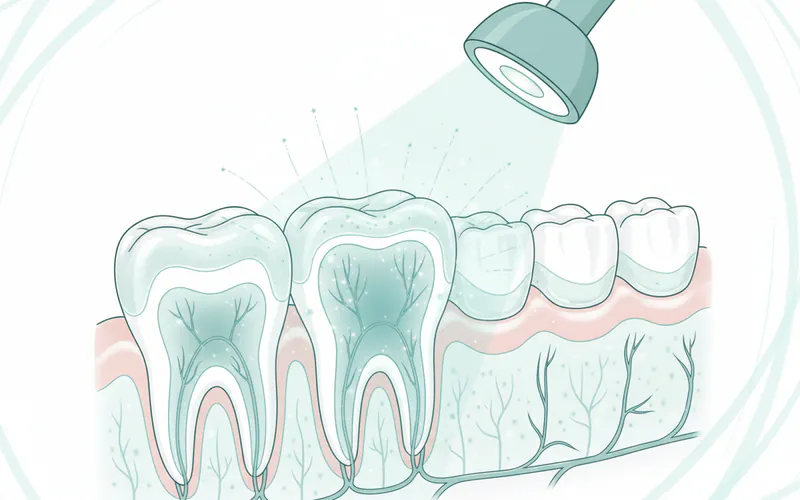
- LED Light Activation: The specialized Philips Zoom WhiteSpeed LED lamp is positioned over your mouth, emitting a gentle blue light that activates the whitening gel. This light helps the hydrogen peroxide penetrate the enamel and break down stains more effectively.
- Multiple Sessions: The process typically involves three to four 15-minute sessions of light activation, with the gel being reapplied or refreshed between each session. During these sessions, you can relax, listen to music, or watch TV.
4. Post-Treatment Care
After the final session, the protective barrier and gel are removed.
- Rinsing: Your mouth will be thoroughly rinsed.
- Fluoride Treatment: A post-whitening fluoride treatment or a desensitizing gel may be applied to help reduce potential sensitivity and strengthen enamel.
- Final Shade Assessment: Your dentist will show you your new, brighter smile and record the final shade, often taking "after" photos. You'll be amazed by the immediate transformation!
Pro Tip: It's common for teeth to appear even whiter immediately after the procedure due to dehydration. The color will stabilize within 24-48 hours.
Cost and Insurance
The cost of Zoom whitening can vary significantly based on several factors, including your geographic location, the specific dental practice, and whether the treatment is standalone or part of a package (e.g., including take-home trays for maintenance).
Average US Costs
- In-Office Zoom Whitening: Typically ranges from $400 to $800. Some high-end metropolitan areas or specialized cosmetic dental practices may charge up to $1,000 or more.
- Professional Take-Home Zoom Kits (NiteWhite/DayWhite): These usually cost between $200 and $400, which includes the custom-fitted trays and several syringes of whitening gel.
- Combination Packages: Some dentists offer a package deal that includes an in-office Zoom treatment followed by a take-home kit for maintenance. These can range from $600 to $1,000.
Factors Influencing Cost
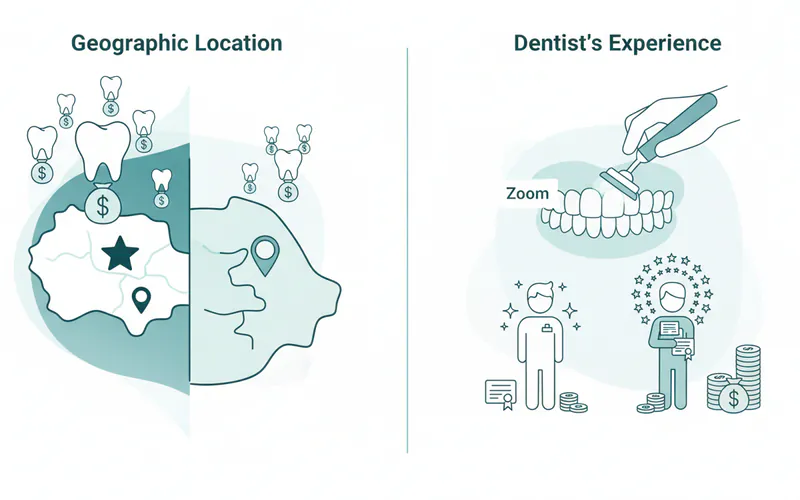
- Geographic Location: Costs are generally higher in major cities and coastal regions compared to rural areas.
- Dentist's Experience and Reputation: Highly experienced cosmetic dentists may charge more for their expertise.
- Additional Services: If a pre-whitening cleaning or desensitizing treatments are needed, these might be additional costs.
- Promotional Offers: Dental practices occasionally run specials or discounts on whitening treatments.
Insurance Coverage
It's important to understand that dental insurance typically does NOT cover Zoom whitening or any other form of cosmetic teeth whitening. This is because whitening is considered an elective cosmetic procedure rather than a medically necessary treatment for oral health.
- Check with Your Provider: While highly unlikely, it's always advisable to contact your dental insurance provider directly to confirm their policies regarding cosmetic procedures.
- FSA/HSA: In some cases, you may be able to use funds from a Flexible Spending Account (FSA) or Health Savings Account (HSA) for teeth whitening, but this can depend on your plan and specific circumstances. Consult your plan administrator.
Payment Plans and Financing Options
Many dental practices understand that cosmetic procedures represent a significant investment and offer various payment solutions:
- In-Office Payment Plans: Some practices allow patients to pay in installments over several months.
- Third-Party Financing: Companies like CareCredit or LendingClub offer specialized healthcare credit cards with deferred interest or low-interest payment plans.
- Dental Discount Plans: These are membership-based plans that offer discounts on various dental procedures, including cosmetic ones, for an annual fee.
Pro Tip: Don't hesitate to discuss payment options with your dental office's administrative staff. They are often experienced in helping patients navigate financing for cosmetic treatments.
Recovery and Aftercare
The aftercare following Zoom whitening is crucial for minimizing sensitivity and prolonging the brightness of your new smile.
Immediately After Treatment (First 24-48 Hours)
- Sensitivity: It is very common to experience temporary tooth sensitivity to hot, cold, or pressure after Zoom whitening. This usually subsides within 24-48 hours. Your dentist may provide you with a desensitizing toothpaste or gel to use during this period. Over-the-counter pain relievers like ibuprofen can also help manage discomfort.
- "White Diet": This is perhaps the most critical aftercare instruction. For at least 24-48 hours (and ideally longer), you must avoid any foods or drinks that could stain a white shirt. Your tooth enamel is temporarily more porous after whitening, making it highly susceptible to re-staining.
- Avoid: Coffee, tea, red wine, dark sodas, dark-colored juices, chocolate, soy sauce, balsamic vinegar, berries, tomato-based sauces, turmeric, curries, and tobacco products.
- Opt for: Water, milk, clear sodas, white chicken, turkey, fish, white rice, pasta with white sauce, peeled potatoes, bananas, cauliflower, and plain yogurt.
- Smoking/Vaping: Absolutely avoid all tobacco products for at least 48 hours, as they are major stain culprits.
Long-Term Aftercare for Sustained Whiteness
- Maintain Excellent Oral Hygiene: Brush twice a day with a fluoride toothpaste (consider a whitening toothpaste for maintenance, but use sparingly if sensitivity is an issue) and floss daily.
- Regular Dental Check-ups and Cleanings: Schedule professional cleanings every six months to remove surface stains and plaque buildup.
- Mind Your Diet: While not as strict as the "white diet," try to limit your consumption of highly pigmented foods and drinks. When you do consume them, consider using a straw for beverages to minimize contact with your front teeth. Rinse your mouth with water immediately after consuming staining items.
- Touch-Up Treatments: The effects of Zoom whitening are not permanent. Over time, natural staining will recur. Your dentist might recommend periodic touch-up treatments using a take-home Zoom kit (DayWhite or NiteWhite) every 6-12 months to maintain your desired shade.
Pro Tip: If you absolutely can't avoid a staining beverage (like your morning coffee), try drinking it quickly through a straw and then rinsing your mouth with water afterwards.
Prevention of Tooth Discoloration
While Zoom whitening effectively removes existing stains, preventing new stains from forming is key to maintaining your bright smile.
- Practice Excellent Oral Hygiene: This is the cornerstone of preventing stains.
- Brush twice daily: Use a soft-bristled toothbrush and fluoride toothpaste for at least two minutes each time. Focus on all tooth surfaces.
- Floss daily: Flossing removes plaque and food particles from between teeth and along the gum line, preventing stain accumulation.
- Use an antiseptic mouthwash: A good mouthwash can help reduce bacteria and plaque.
- Limit Staining Foods and Drinks: Reduce your intake of coffee, tea, red wine, dark sodas, and highly pigmented fruits like berries.
- Use a Straw: When consuming staining beverages, a straw can help bypass the front teeth.
- Rinse with Water: Swish water around your mouth immediately after consuming stain-causing foods or drinks.
- Quit Smoking/Vaping: Tobacco is one of the worst culprits for tooth discoloration and overall oral health. Quitting will significantly reduce stain formation and improve your general health.
- Regular Dental Check-ups and Cleanings: The American Dental Association (ADA) recommends professional cleanings every six months. Your hygienist can remove extrinsic stains and polish your teeth, keeping them brighter.
- Address Dental Issues Promptly: If you have cavities or gum disease, these can sometimes contribute to discoloration. Addressing them quickly with your dentist is important.
- Consider Whitening Toothpastes (with caution): While these can help remove surface stains, they are mildly abrasive and should not be relied upon as a primary whitening solution or used excessively if you experience sensitivity.
Risks and Complications
While Zoom whitening is generally safe and effective when performed by a qualified dental professional, it's important to be aware of potential risks and complications.
1. Tooth Sensitivity
- Description: The most common side effect, ranging from mild tingling to sharp, temporary pain, especially to cold stimuli. It occurs because the whitening gel can temporarily dehydrate the teeth and irritate the nerve endings.
- Duration: Usually subsides within 24-48 hours post-treatment.
- Management: Your dentist will likely apply a desensitizing gel after the procedure or prescribe a special toothpaste. Over-the-counter pain relievers can also help. Avoiding very hot or cold foods and drinks during this period is recommended.
2. Gum and Soft Tissue Irritation
- Description: If the whitening gel comes into contact with the gums, lips, or inner cheeks, it can cause temporary irritation, redness, or even chemical burns. This is why meticulous application of a protective barrier is crucial.
- Duration: Typically resolves within a few hours to a day.
- Management: Your dentist takes great care to prevent this. If it occurs, the discomfort is usually mild and temporary.
3. Uneven Whitening or Splotchiness
- Description: Sometimes, existing restorations (fillings, crowns, veneers) will not whiten at the same rate as natural tooth structure, leading to uneven results. Teeth with significant intrinsic stains or bands of discoloration may also whiten unevenly.
- Management: Your dentist will discuss this possibility during your initial consultation. You may need to replace old restorations after whitening to match your new shade.
4. Unrealistic Expectations
- Description: While Zoom whitening can achieve dramatic results, it won't turn your teeth "bleaching-ad white" in all cases. The final shade is influenced by your natural tooth color, the type and severity of stains, and the thickness of your enamel.
- Management: A thorough consultation with your dentist will help set realistic expectations for your individual results.
5. Enamel Damage (Rare)
- Description: When performed correctly by a professional, Zoom whitening does not damage tooth enamel. However, misuse of high-concentration gels (e.g., leaving them on too long or without proper gum protection) can lead to enamel erosion or weakening. This is why professional supervision is vital.
- ADA Guidelines: The American Dental Association (ADA) supports the safety and efficacy of professional teeth whitening procedures when conducted under the supervision of a dentist. They emphasize that while current research indicates that professional whitening products are safe when used as directed, potential for minor, temporary side effects exists.
Children / Pediatric Considerations
Professional teeth whitening treatments like Zoom are generally not recommended for children or adolescents. There are several reasons for this:
- Developing Teeth: Children's teeth have larger pulp chambers (the inner part of the tooth containing nerves and blood vessels) and thinner enamel compared to adult teeth. This makes them more susceptible to sensitivity and potential damage from whitening agents.
- Incomplete Tooth Eruption: Many adolescents may still have teeth that are partially erupted, making it difficult to achieve uniform results and properly protect gum tissues.
- Permanent Dentition: It's often advised to wait until all permanent teeth have fully erupted, and the pulp chambers have matured and receded. This typically occurs in the late teens or early twenties.
- Temporary Discoloration: Discoloration in children can sometimes be temporary, related to dietary habits or medication, and might resolve with improved oral hygiene.
- Underlying Issues: If a child has noticeable tooth discoloration, it's crucial for a pediatric dentist to identify the underlying cause. It could be due to fluorosis, trauma, certain medications, or even decay, all of which require specific dental attention rather than cosmetic whitening.
Guidance for Parents: If your child expresses concerns about tooth color, the first step is always a consultation with a pediatric dentist. They can diagnose the cause of discoloration and recommend the safest and most appropriate course of action, which typically involves good oral hygiene, dietary adjustments, and addressing any underlying dental health issues. Cosmetic whitening is usually deferred until adulthood.
Cost Breakdown for Zoom Whitening
Understanding the financial aspect of Zoom whitening is key for planning your treatment. As mentioned, costs vary, but here's a more detailed breakdown.
Average US Costs (Ranges)
- Low End: ~$400 (smaller towns, promotional offers, less extensive treatment)
- Mid-Range: ~$550 - $700 (most common price point in average metropolitan areas)
- High End: ~$800 - $1,000+ (major cities, highly specialized cosmetic practices, combination packages)
Factors Affecting Your Specific Cost:
- Geographic Location: Dentists in New York City or Los Angeles will typically charge more than those in Des Moines, Iowa.
- Dentist's Experience & Practice Prestige: Highly sought-after cosmetic dentists with extensive portfolios might command higher fees.
- Inclusion of Take-Home Kit: Some practices bundle the in-office treatment with a take-home kit for maintenance, which increases the upfront cost but can be more cost-effective long-term.
- Additional Preparatory Procedures: If you need a dental cleaning, cavity fillings, or gum treatments before whitening, these will be separate costs.
- Promotional Offers: Keep an eye out for seasonal discounts or new patient specials.
With vs. Without Insurance
As previously stated, Zoom whitening is considered a cosmetic procedure, so it is almost never covered by standard dental insurance plans. This means you will likely be responsible for the full cost out-of-pocket.
- Example Scenario: If a Zoom treatment costs $600, you would pay the entire $600. Your insurance likely wouldn't contribute anything.
Payment Plans and Financing Options
To make professional whitening more accessible, many dental offices offer:
- In-house payment plans: Often interest-free for a short period, allowing you to pay in monthly installments.
- Third-party medical financing: Services like CareCredit are widely accepted in dental offices. They offer various financing options, including interest-free periods if the balance is paid within a certain timeframe (e.g., 6, 12, or 18 months). Beyond these periods, interest rates can apply.
- Flexible Spending Accounts (FSAs) and Health Savings Accounts (HSAs): These accounts use pre-tax dollars for healthcare expenses. While typically for medical necessity, cosmetic procedures might qualify in some cases, often requiring a Letter of Medical Necessity from your doctor. Check with your plan administrator for specifics.
Cost-Saving Tips
- Ask About Bundles: Inquire if the dental office offers a package deal that includes an initial Zoom treatment and a take-home kit for future touch-ups. Sometimes these are more economical than purchasing separately.
- Look for Promotions: Many dental offices run specials around holidays or as new patient incentives.
- Dental Schools: If there's a reputable dental school nearby, they often offer services at a reduced cost, performed by supervised dental students.
- Compare Quotes: Don't hesitate to get quotes from a couple of different dentists in your area.
- Maintain Results: The best way to save money long-term is to diligently follow aftercare instructions and prevention tips to extend the life of your whitening results, reducing the frequency of needing full re-treatments.
| Cost Factor | Typical Range (USD) | Notes |
|---|---|---|
| In-Office Zoom | $400 - $1,000+ | Varies by location, dentist, and included services. |
| Take-Home Kit | $200 - $400 | Includes custom trays & gel, often for maintenance. |
| Full Cleaning | $75 - $200 | Often recommended before whitening, usually covered by insurance. |
| Dental Exam | $50 - $150 | Required before whitening, usually covered by insurance. |
| Total Out-of-Pocket (Zoom only) | $400 - $1,000+ | Insurance almost never covers cosmetic whitening. |
``
Frequently Asked Questions
How long does Zoom whitening last?
The results of Zoom whitening typically last between 12 to 24 months, though this can vary depending on your lifestyle and oral hygiene habits. Factors like consuming stain-causing foods and drinks, smoking, and infrequent brushing can shorten the longevity of your results. Regular touch-ups with a take-home kit can help maintain your bright smile for longer.
Is Zoom whitening painful?
While the procedure itself is not painful, it is very common to experience temporary tooth sensitivity during and immediately after Zoom whitening. This sensation, often described as a "zing" or mild ache, is due to the whitening gel temporarily dehydrating the teeth and affecting nerve endings. Most sensitivity subsides within 24-48 hours, and your dentist can provide desensitizing gels or recommend over-the-counter pain relief.
How many shades whiter can my teeth get with Zoom?
On average, patients can expect their teeth to become 5 to 8 shades lighter with a single Zoom whitening session. Individual results vary based on your initial tooth shade, the type and severity of stains, and the natural porousness of your enamel. Your dentist will assess your potential outcome during your initial consultation.
What's the difference between Zoom and other professional whitening brands?
Zoom whitening, a brand by Philips, is distinguished by its specific LED light technology combined with a high-concentration hydrogen peroxide gel. While other professional brands also use hydrogen peroxide or carbamide peroxide, the light activation and exact gel formulation can differ, leading to variations in procedure time, comfort, and immediate results. All professional treatments are performed under dental supervision for safety and efficacy.
Can Zoom whitening damage my teeth or gums?
When performed by a trained dental professional, Zoom whitening is safe and does not cause permanent damage to your teeth or gums. The protective barriers prevent gum irritation, and the controlled application of the gel minimizes risks. Temporary side effects like sensitivity and minor gum irritation are common but resolve quickly.
Will Zoom whiten crowns, veneers, or fillings?
No, Zoom whitening only works on natural tooth structure. Existing dental restorations such as crowns, veneers, bridges, and composite fillings will not change color during the whitening process. If you have visible restorations in your smile zone, your dentist might recommend replacing them after whitening to match your new, brighter tooth shade.
How much does Zoom whitening cost?
The cost of in-office Zoom whitening in the US typically ranges from $400 to $800, depending on your location and the dental practice. This cost is generally not covered by dental insurance as it is considered a cosmetic procedure. Many dental offices offer payment plans or financing options to make it more affordable.
Can I eat or drink anything after Zoom whitening?
Immediately after Zoom whitening (for the first 24-48 hours), you must adhere to a "white diet," strictly avoiding all highly pigmented foods and drinks that could stain your teeth. This includes coffee, tea, red wine, dark sodas, berries, and tobacco. Your teeth are temporarily more porous and susceptible to re-staining during this period.
Are there any reasons I shouldn't get Zoom whitening?
Yes, Zoom whitening is not suitable for everyone. Contraindications include pregnancy or breastfeeding, existing gum disease, untreated cavities, exposed tooth roots, severe tooth sensitivity, or allergies to hydrogen peroxide. Individuals with certain intrinsic stains (e.g., severe tetracycline stains) may also see limited results. A thorough dental examination is crucial to determine your suitability.
What are the alternatives to Zoom whitening?
Alternatives include professional take-home whitening kits (like Zoom NiteWhite/DayWhite with custom trays), over-the-counter whitening strips and gels, dental bonding for specific stain coverage, and porcelain veneers or crowns for more comprehensive and permanent aesthetic changes. Your dentist can help you choose the best at home teeth whitening option or other solutions depending on your needs.
When to See a Dentist
While tooth discoloration is often a cosmetic concern, there are instances when it warrants a visit to your dentist for a professional evaluation.
Routine Care and Consultation
- Considering Whitening: If you are interested in Zoom whitening or any other form of teeth whitening, a consultation with your dentist is the essential first step. They will assess your oral health, discuss your goals, determine the cause of discoloration, and confirm if you are a suitable candidate.
- Regular Check-ups: The American Dental Association (ADA) recommends routine dental check-ups and cleanings every six months. These appointments are crucial for maintaining oral health, removing surface stains, and detecting any issues early.
Red Flags and Warning Signs (Emergency vs. Scheduled Appointment)
While most discoloration is cosmetic, some changes in tooth color can indicate an underlying health issue that needs professional attention:
- Sudden or Rapid Discoloration of a Single Tooth: If one tooth suddenly turns dark (gray, brown, or black), it could indicate trauma, nerve damage, or an infection within the tooth. This warrants a prompt visit to your dentist, potentially for an emergency appointment if accompanied by pain or swelling.
- Pain or Sensitivity with Discoloration: If your discolored tooth is also causing pain, sensitivity to hot/cold, or tenderness when chewing, it might be a sign of a cavity, cracked tooth, or abscess. Schedule an appointment as soon as possible.
- Discoloration Accompanied by Swelling, Pus, or Fever: These are signs of a severe infection (abscess) and require immediate emergency dental care.
- White Spots or Streaks That Concern You: While some white spots are harmless (e.g., early fluorosis), others can indicate demineralization, a precursor to cavities. Your dentist can accurately diagnose and recommend preventive or restorative measures.
- You've Tried OTC Products Without Success: If over-the-counter whitening products haven't yielded the desired results, or if you're experiencing excessive sensitivity, it's time to consult with a dental professional for stronger, supervised options or to explore alternative treatments.
Remember, your dentist is the best resource for diagnosing the cause of tooth discoloration and recommending the safest and most effective treatment plan tailored to your individual oral health needs.
Frequently Asked Questions
Medically Reviewed Content
This article was written by our dental health editorial team and reviewed for medical accuracy. Our content follows strict editorial guidelines for reliability and trustworthiness.
Medical Disclaimer
This article is for informational purposes only and does not constitute medical advice. Always consult with a qualified dental professional for diagnosis and treatment. Do not delay seeking professional advice because of something you read on this website.
Related Articles
Before and After Dentures: Complete Guide
For many Americans, a vibrant smile isn't just about aesthetics; it's fundamental to speaking clearly, enjoying favorite foods, and maintaining self-confidence. Yet, over 36 million Americans are completely edentulous (have no natural teeth), and millions more suffer from significant tooth loss,
February 22, 2026
Teeth Whitening Cost: Complete Price Guide 2026
Brighter smiles are more than just a fleeting trend; they're a significant confidence booster and a common aesthetic goal for many Americans. In fact, a recent survey indicated that over 80% of adults aged 18-49 believe a beautiful smile is important for success, and teeth whitening remains one
February 22, 2026
Braces Before and After: Complete Guide
For many, the journey to a confident, healthy smile begins with orthodontics. The transformation seen in braces before and after photos isn't just cosmetic; it represents improved oral health, function, and self-esteem. Crooked teeth, misaligned bites, and gaps can lead to a host of problems, fr
February 22, 2026
Natural Teeth Whitening: Complete Guide
A radiant smile is often considered a sign of health and confidence, which is why teeth whitening has become one of the most popular cosmetic dental procedures in the United States. In fact, surveys suggest that a significant majority of Americans, around 80%, desire whiter teeth, and the teeth
February 22, 2026