Baby Tooth Eruption Chart: Complete Guide
Key Takeaways
- The journey of your child's first teeth is a remarkable and often challenging milestone. From the first tiny incisor peeking through tender gums to the full set of 20 primary teeth, understanding this developmental process is crucial for every parent. Did you know that **by the age of three, most ch
Baby Tooth Eruption Chart: Complete Guide
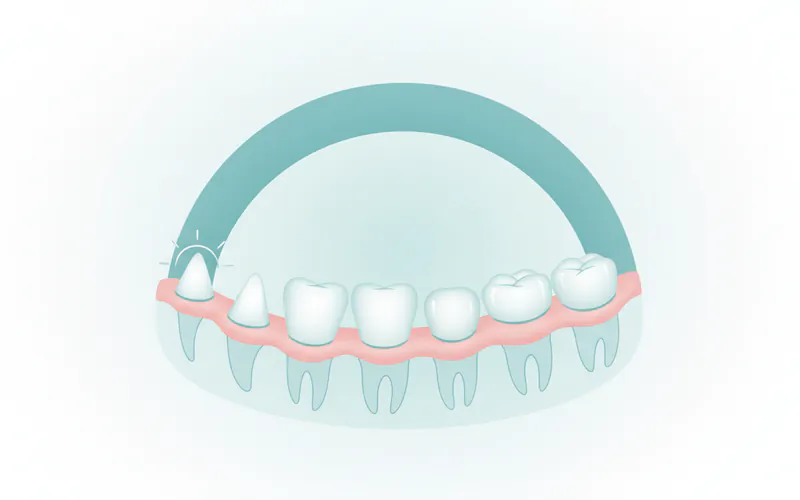
The journey of your child's first teeth is a remarkable and often challenging milestone. From the first tiny incisor peeking through tender gums to the full set of 20 primary teeth, understanding this developmental process is crucial for every parent. Did you know that by the age of three, most children will have all 20 of their primary (baby) teeth? This intricate process, guided by a predictable timeline, lays the foundation for permanent teeth, speech development, proper chewing, and overall oral health. A comprehensive baby tooth eruption chart serves as an invaluable roadmap, helping parents anticipate milestones, understand potential variations, and identify when professional dental guidance might be needed.
This in-depth guide from SmilePedia.net will demystify the baby tooth eruption timeline, explain the importance of primary teeth, detail various tooth numbering systems, outline the types and functions of each tooth, and provide practical advice for managing teething discomfort and ensuring optimal oral hygiene from infancy. By the end, you'll be equipped with the knowledge to navigate your child's dental development with confidence.
Key Takeaways:
- First Tooth Appearance: Most babies see their first tooth (typically a lower central incisor) between 6 and 10 months of age.
- Complete Primary Dentition: A full set of 20 primary teeth is usually present by 2.5 to 3 years old.
- Order of Eruption: Generally, lower central incisors erupt first, followed by upper central incisors, then lateral incisors, first molars, canines, and finally second molars.
- Teething Relief: Common soothing methods include chilled teethers, gentle gum massage, and appropriate doses of acetaminophen or ibuprofen. Avoid topical numbing gels containing benzocaine.
- First Dental Visit: The American Dental Association (ADA) recommends a child's first dental visit by their first birthday, or within six months of the first tooth's eruption.
- Cost of Early Dental Care: A typical initial pediatric dental exam and cleaning in the US can range from $100 to $300 without insurance, with preventative treatments like fluoride costing an additional $20-$60.
- Importance of Primary Teeth: Baby teeth are vital for proper chewing, speech development, maintaining space for permanent teeth, and guiding their eruption.
The Journey of Primary Teeth: An Overview
Primary teeth, also known as deciduous teeth, baby teeth, or milk teeth, are the first set of teeth that humans develop. While temporary, their role in a child's development is profound and long-lasting. There are 20 primary teeth in total, 10 in the upper jaw (maxilla) and 10 in the lower jaw (mandible). These teeth begin to form even before birth, with calcification starting around the third to fourth month of pregnancy.
The process of tooth eruption — the emergence of teeth through the gums — is a developmental milestone that varies slightly among children but generally follows a predictable pattern. Understanding this pattern, often visualized using a baby tooth eruption chart, helps parents anticipate changes, address discomfort, and maintain proper oral hygiene from the earliest stages.
Primary teeth are critical for several reasons:
- Chewing and Nutrition: They enable children to chew and process solid foods, ensuring proper nutrition and digestion.
- Speech Development: The presence and proper alignment of teeth are essential for forming sounds and clear speech.
- Space Maintenance: Baby teeth act as natural space maintainers, holding the necessary room in the jaws for the permanent teeth that will eventually replace them. Premature loss of a baby tooth can lead to crowding or misalignment of permanent teeth.
- Guiding Permanent Teeth: They guide the permanent teeth into their correct positions.
- Jaw Development: They contribute to the proper development of the jaw bones and facial muscles.
Neglecting the health of primary teeth can lead to pain, infection, problems with eating and speaking, and even affect the development and alignment of the permanent teeth.
Understanding the Tooth Numbering System for Primary Teeth
For dental professionals, clearly identifying each tooth is crucial for diagnosis, treatment planning, and record-keeping. While there are several tooth numbering systems used globally, the Universal/National System is predominantly used in the United States for both primary and permanent dentition. Knowing these systems can help parents better understand discussions with their dentist.
Universal/National Tooth Numbering System (for Primary Teeth)
In the Universal System, primary teeth are designated by capital letters A through T. Starting with the upper right second molar as 'A', the numbering continues clockwise around the upper arch to the upper left second molar ('J'). It then drops to the lower left second molar ('K') and continues clockwise around the lower arch to the lower right second molar ('T').
- A: Upper right second molar
- B: Upper right first molar
- C: Upper right canine
- D: Upper right lateral incisor
- E: Upper right central incisor
- F: Upper left central incisor
- G: Upper left lateral incisor
- H: Upper left canine
- I: Upper left first molar
- J: Upper left second molar
- K: Lower left second molar
- L: Lower left first molar
- M: Lower left canine
- N: Lower left lateral incisor
- O: Lower left central incisor
- P: Lower right central incisor
- Q: Lower right lateral incisor
- R: Lower right canine
- S: Lower right first molar
- T: Lower right second molar
FDI World Dental Federation System (for Primary Teeth)
The FDI system is widely used internationally. For primary teeth, it uses a two-digit number. The first digit indicates the quadrant:
- 5: Upper right quadrant
- 6: Upper left quadrant
- 7: Lower left quadrant
- 8: Lower right quadrant
The second digit indicates the tooth type within that quadrant, counting from the midline (1 for central incisor, 2 for lateral incisor, 3 for canine, 4 for first molar, 5 for second molar).
Example:
- 51 = Upper right central incisor
- 65 = Upper left second molar
- 74 = Lower left first molar
Palmer Notation Method (for Primary Teeth)
Palmer Notation uses symbols (brackets) to indicate the quadrant and a letter (A-E) to denote the tooth's position from the midline.
- A = Central Incisor
- B = Lateral Incisor
- C = Canine
- D = First Molar
- E = Second Molar
Example:
- A = Upper right central incisor
- E = Lower left second molar
Comparison of Tooth Numbering Systems (Primary Teeth)
| Tooth Name | Universal/National (US) | FDI World Dental Federation | Palmer Notation |
|---|---|---|---|
| Upper Right Second Molar | A | 55 | E |
| Upper Right Central Incisor | E | 51 | A |
| Upper Left Central Incisor | F | 61 | A |
| Upper Left Second Molar | J | 65 | E |
| Lower Left Second Molar | K | 75 | E |
| Lower Left Central Incisor | O | 71 | A |
| Lower Right Central Incisor | P | 81 | A |
| Lower Right Second Molar | T | 85 | E |
Pro Tip: While the Universal System is most common in the US, your pediatric dentist may occasionally refer to other systems. Don't hesitate to ask for clarification if you're unsure which tooth they are discussing.
Anatomy of a Primary Tooth: Types and Their Functions
Primary teeth come in four main types, each designed for specific functions in chewing and speech. Unlike permanent dentition which includes premolars, primary dentition consists only of incisors, canines, and molars. There are 20 primary teeth in total:
-
Incisors (8 total):
- Central Incisors (4 total: 2 upper, 2 lower): These are the front-most teeth, typically the first to erupt. They have a flat, sharp edge, perfectly suited for cutting and biting food into smaller, manageable pieces. They also play a crucial role in forming certain speech sounds.
- Lateral Incisors (4 total: 2 upper, 2 lower): Located on either side of the central incisors, they assist in biting and cutting and support the central incisors in their functions.
-
Canines (Cuspids) (4 total: 2 upper, 2 lower):
- Also known as "eye teeth" in the upper arch, these are pointed teeth situated next to the lateral incisors. Their sharp, pointed design is ideal for tearing and shredding tough foods. They also help guide the occlusion (how the upper and lower teeth meet) and maintain the arch's shape.
-
Molars (8 total: 4 upper, 4 lower):
- First Molars (4 total: 2 upper, 2 lower): These are located behind the canines. They have broad, flat chewing surfaces with cusps (raised points) designed for crushing and grinding food. They are essential for beginning the grinding process of solid foods.
- Second Molars (4 total: 2 upper, 2 lower): Situated at the very back of the mouth, these are the largest primary teeth with even broader and flatter surfaces than the first molars. They complete the grinding of food, preparing it for swallowing. They also serve as important space holders for the permanent first molars that will erupt behind them.
Table: Types of Primary Teeth and Their Functions
| Tooth Type | Number of Teeth | Primary Function(s) | Eruption Age (Approx.) | Shedding Age (Approx.) |
|---|---|---|---|---|
| Central Incisors | 4 | Biting, cutting food; speech | 6-10 months | 6-7 years |
| Lateral Incisors | 4 | Biting, cutting food; assisting central incisors | 8-13 months | 7-8 years |
| Canines | 4 | Tearing food; guiding occlusion | 16-23 months | 10-12 years |
| First Molars | 4 | Crushing, grinding food | 13-19 months | 9-11 years |
| Second Molars | 4 | Heavy grinding of food; space maintenance for permanent molars | 23-33 months | 10-12 years |
The Baby Tooth Eruption Chart: A Detailed Timeline
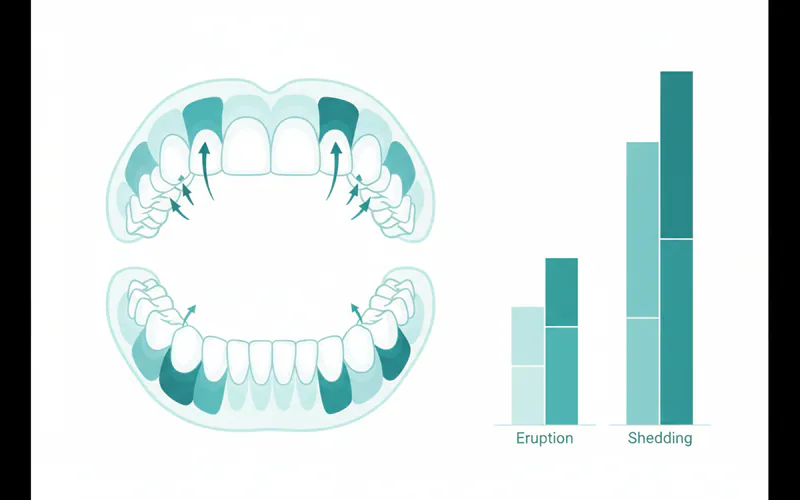
The following baby tooth eruption chart provides average timelines for when each primary tooth typically emerges. It's important to remember that these are averages, and individual children can vary. Some babies might get their first tooth as early as 3 months, while others may not show any teeth until 12 months or even later, and both can be perfectly normal. The sequence of eruption is often more important than the exact timing.
General Order of Eruption:
- Lower Central Incisors: Typically the first to appear.
- Upper Central Incisors: Follow shortly after.
- Upper Lateral Incisors: Next in line.
- Lower Lateral Incisors: Often erupt around the same time as upper laterals.
- First Molars: These often appear before canines, which can be surprising to some parents.
- Canines (Cuspids): Fill the gaps between lateral incisors and first molars.
- Second Molars: Usually the last primary teeth to emerge, completing the set.
Central Incisors (Lower & Upper)
- Lower Central Incisors (E, F): These are usually the first teeth to erupt, typically between 6 and 10 months of age. They are often shed around 6-7 years.
- Upper Central Incisors (O, P): Following the lower centrals, these usually appear between 8 and 12 months. They are commonly shed around 7-8 years.
Lateral Incisors (Upper & Lower)
- Upper Lateral Incisors (G, H): These emerge on either side of the upper central incisors, generally between 9 and 13 months. Shedding usually occurs between 7-8 years.
- Lower Lateral Incisors (N, Q): These typically follow the upper laterals, erupting between 10 and 16 months. They are usually shed between 7-8 years.
First Molars (Upper & Lower)
- Upper First Molars (B, I): These often precede the canines, appearing between 13 and 19 months. They are shed around 9-11 years.
- Lower First Molars (L, S): These usually erupt around the same time as the upper first molars, between 14 and 18 months. Shedding typically happens between 10-11 years.
Canines (Upper & Lower)
- Upper Canines (C, H): These pointed teeth fill the space between the lateral incisors and first molars, erupting between 16 and 22 months. They are generally shed between 10-12 years.
- Lower Canines (M, R): Following the upper canines, these usually appear between 17 and 23 months. Shedding occurs around 9-12 years.
Second Molars (Upper & Lower)
- Upper Second Molars (A, J): These are typically the last primary teeth to erupt, completing the upper arch between 25 and 33 months. They are usually shed between 10-12 years.
- Lower Second Molars (K, T): These complete the lower arch, emerging between 23 and 31 months. Shedding commonly happens between 10-12 years.
By approximately 2.5 to 3 years of age, most children will have a full set of 20 primary teeth. The shedding process for primary teeth typically begins around 6 years of age and continues until approximately 12 years of age, making way for the permanent dentition.
Factors Influencing Tooth Eruption Timelines
While the baby tooth eruption chart provides a general guideline, several factors can influence the exact timing of a child's tooth eruption. Understanding these can help parents manage expectations and discuss any concerns with their dentist.
- Genetics: This is one of the most significant factors. If parents experienced early or late tooth eruption, their children are more likely to follow a similar pattern.
- Gender: Girls sometimes tend to erupt teeth slightly earlier than boys, though this difference is often minimal.
- Nutrition: Adequate nutrition, especially sufficient calcium and Vitamin D, is crucial for healthy tooth development. Severe nutritional deficiencies can potentially delay eruption, though this is less common in developed countries.
- Premature Birth or Low Birth Weight: Infants born prematurely or with low birth weight may experience delays in tooth eruption compared to full-term, healthy weight babies.
- Systemic Conditions: Certain medical conditions, such as hypothyroidism, hypopituitarism, or Down syndrome, can be associated with delayed tooth eruption. Conversely, some conditions like hyperthyroidism can lead to early eruption.
- Environmental Factors: While less impactful than genetics or systemic health, some studies suggest that environmental factors and even geographic location can have minor influences.
- Eruption Cysts: Rarely, a benign eruption cyst can form over an erupting tooth, which might delay its emergence or cause discomfort. These often resolve on their own.
Signs and Symptoms of Teething
Teething, the process of teeth pushing through the gums, can be a challenging time for both babies and parents. While some babies sail through it with minimal fuss, many experience a range of uncomfortable symptoms. Understanding these signs can help parents provide appropriate comfort and care.
Common signs and symptoms of teething include:
- Irritability and Fussiness: Your baby may be more cranky, clingy, or cry more than usual due to discomfort. This can be intermittent or persistent.
- Excessive Drooling: Teething stimulates saliva production, leading to increased drooling. This can sometimes cause a mild rash around the mouth, chin, or neck.
- Swollen, Tender, or Red Gums: The area where a tooth is about to erupt may appear red, swollen, or slightly bruised. You might even feel a hard lump beneath the gum surface.
- Chewing and Biting: Babies will often try to chew on anything they can get their hands on – toys, fingers, clothes, or even crib rails – to relieve pressure on their gums.
- Changes in Eating Habits: Some babies may refuse solid foods or bottles due to gum soreness, while others may want to feed more often for comfort.
- Sleep Disturbances: Discomfort can make it harder for babies to fall asleep or stay asleep through the night.
- Ear Pulling/Cheek Rubbing: If a back tooth (molar) is coming in, the pain can sometimes radiate to the ear or cheek, leading the baby to pull on their ear or rub their cheek on that side.
- Low-grade Fever: A very slight elevation in temperature (below 101°F or 38.3°C) can sometimes accompany teething, but a high fever is NOT a typical symptom of teething and warrants a call to the pediatrician.
- Loose Stools (controversial): Some parents report looser stools, though this is not medically proven to be directly caused by teething. Increased drooling can sometimes lead to slightly looser stools.
Pro Tip: If your child develops a fever above 101°F (38.3°C), significant diarrhea, vomiting, or other concerning symptoms, do not assume it's just teething. Always consult your pediatrician, as these could be signs of an underlying illness. The ADA and AAP (American Academy of Pediatrics) caution against attributing significant illness to teething.
Soothing Teething Discomfort: Treatment Options
Managing teething discomfort is about providing relief and comfort to your baby. There are several safe and effective strategies you can employ.
Safe and Recommended Methods:
- Cold/Chilled Teethers or Objects: Chilled (not frozen solid) teething rings, wet washcloths, or pacifiers can provide soothing relief. The cold helps numb the gums and reduce swelling. Ensure objects are clean and too large to be a choking hazard.
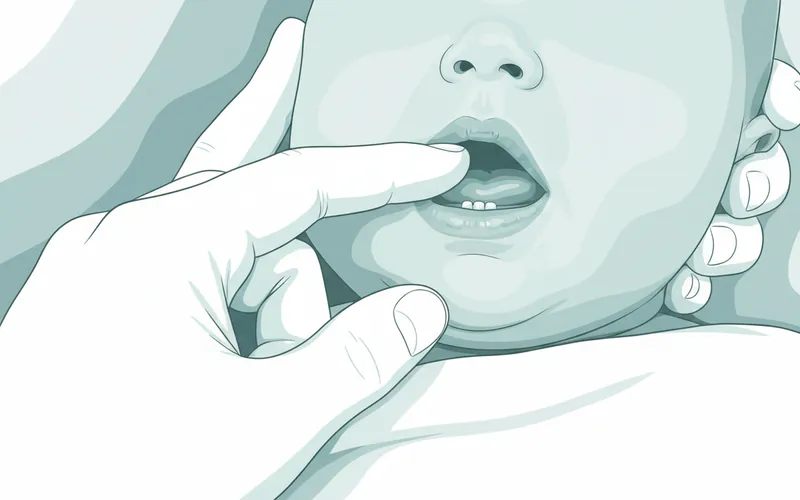
- Gentle Gum Massage: Gently rub your baby's gums with a clean finger or a soft, moist gauze pad. The pressure can counteract the pressure from the erupting tooth, providing temporary relief.
- Over-the-Counter Pain Relievers: For significant discomfort, children's acetaminophen (e.g., Tylenol) or ibuprofen (e.g., Advil, Motrin) can be used. Always follow the dosage instructions on the package based on your child's weight and age, or consult your pediatrician. Never give aspirin to children.
- Solid Teethers: Safe, firm rubber or silicone teethers designed for babies can provide a healthy chewing outlet. Ensure they are BPA-free and free of small parts.
Methods to Avoid or Use with Caution:
- Topical Numbing Gels (Benzocaine): The U.S. Food and Drug Administration (FDA) and the ADA strongly advise against using topical gels containing benzocaine (e.g., Orajel) for teething babies and children under 2 years old. Benzocaine can cause a rare but serious and potentially fatal condition called methemoglobinemia, which reduces the amount of oxygen carried in the blood.
- Homeopathic Teething Tablets/Gels: The FDA has issued warnings about homeopathic teething tablets and gels due to inconsistent amounts of belladonna (a toxic substance) and other potentially harmful ingredients. These products are not regulated for safety or efficacy.
- Teething Necklaces/Bracelets (Amber or Silicone): These pose choking and strangulation hazards for infants and young children and are not recommended by the FDA or ADA. There is no scientific evidence to support claims of pain relief.
- Hard Foods (without supervision): While some babies can gnaw on hard, chilled foods like carrots or bagels, there's a choking risk, especially if the baby has teeth to bite off pieces. Always supervise closely and consider mesh feeders for safety.
Pro Tip: Maintain good oral hygiene even during teething. Continue to gently wipe your baby's gums and emerging teeth with a soft cloth or infant toothbrush at least twice a day. This helps prevent plaque buildup and establishes a healthy routine.
The Shedding of Primary Teeth: A Natural Process
Just as primary teeth erupt, they eventually shed to make way for the permanent teeth. This process typically begins around age 6 and continues until approximately age 12.
Here's how it works:
- Root Resorption: Beneath each primary tooth, a permanent tooth is developing. As the permanent tooth pushes upward, it causes the roots of the primary tooth to gradually resorb (dissolve).
- Loosening: Without a root firmly anchoring it, the primary tooth becomes loose.
- Exfoliation: Eventually, the primary tooth falls out, making space for the permanent tooth to erupt in its place. This process is usually painless, though a child might feel some discomfort as the tooth wiggles.
The shedding order generally mirrors the eruption order, starting with the lower central incisors and progressing backward. It's common for permanent molars (the first of which erupt around age 6, behind the primary second molars) to appear even before any baby teeth have been shed.
If a primary tooth is lost prematurely due to decay or injury, your dentist might recommend a space maintainer. This custom-made device helps hold the space open, preventing adjacent teeth from shifting and preserving room for the permanent tooth to erupt correctly. Without a space maintainer, the permanent tooth may erupt in an incorrect position, potentially leading to orthodontic issues.
Potential Issues and Complications During Eruption
While tooth eruption is a natural process, there can be some variations or issues that parents should be aware of:
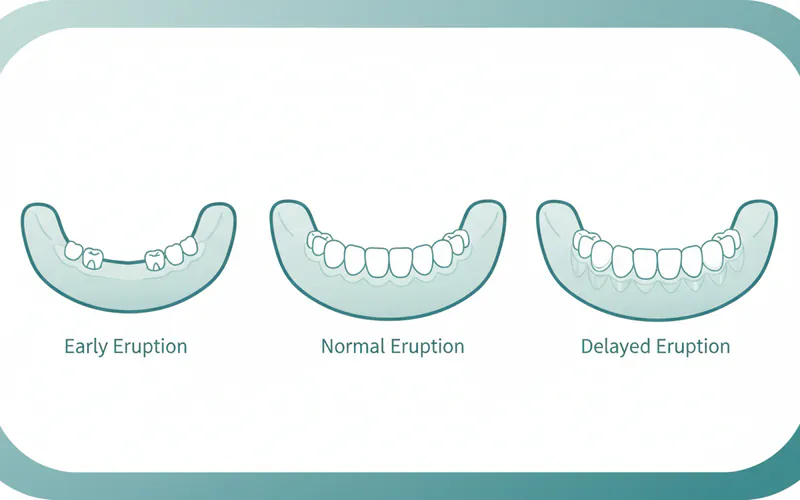
- Early or Delayed Eruption:
- Early Eruption: Teeth erupting significantly earlier than the average timeline (e.g., natal teeth present at birth or neonatal teeth erupting within the first month). While often harmless, they can sometimes interfere with feeding or have weakened roots. A dentist can assess if removal is necessary.
- Delayed Eruption: No teeth by 12-18 months. This is often genetic and usually not a cause for concern if the child is otherwise healthy. However, it's worth discussing with your dentist to rule out underlying conditions or the absence of teeth (anodontia, hypodontia), though these are rare.
- Ectopic Eruption: This occurs when a tooth erupts in an abnormal position or orientation. While more common in permanent teeth, it can sometimes affect primary teeth. A dentist will monitor and intervene if it affects other teeth or causes issues.
- Eruption Cysts/Hematomas: Sometimes a bluish, fluid-filled sac (cyst) or blood-filled cyst (hematoma) can form over an erupting tooth. These are usually benign and resolve on their own as the tooth pushes through.
- Teething Myths Debunked:
- High Fever: Teething does not cause a high fever (above 101°F / 38.3°C). A mild temperature increase is possible, but a high fever indicates an illness requiring a doctor's attention.
- Diarrhea: There's no scientific link between teething and diarrhea. If your baby has diarrhea, especially with other symptoms, consult a pediatrician.
- Dental Caries (Cavities) in Primary Teeth: Even newly erupted primary teeth are susceptible to decay, especially if exposed to sugary liquids for extended periods (e.g., "baby bottle tooth decay"). This highlights the importance of early oral hygiene.
- Ankylosis: In rare cases, a primary tooth might fuse to the bone and fail to shed, preventing the permanent tooth from erupting. This typically requires dental intervention.
Prevention: Protecting Your Child's Emerging Smile
Prevention is key to ensuring your child develops a healthy smile from the very beginning. Good habits established early can last a lifetime.
- Start Oral Hygiene Early:
- Before Teeth Erupt: Gently wipe your baby's gums with a clean, damp washcloth or a soft infant gum massager twice a day (after morning feeding and before bedtime). This removes bacteria and food particles and gets your baby accustomed to oral care.
- With First Tooth: As soon as the first tooth appears, start brushing with a soft-bristled, child-sized toothbrush and a tiny smear (the size of a grain of rice) of fluoridated toothpaste.
- After Age 3: Increase the amount of fluoridated toothpaste to a pea-sized amount.
- First Dental Visit by Age One: The ADA, AAP, and American Academy of Pediatric Dentistry (AAPD) all recommend that a child's first dental visit occurs by their first birthday, or within six months of the first tooth's eruption, whichever comes first. This visit allows the dentist to check for proper development, identify any early issues, and provide parents with guidance on oral hygiene, fluoride, and diet.
- Fluoride is Your Friend: Fluoride strengthens tooth enamel and helps prevent cavities.
- Fluoridated Water: If your community water supply is fluoridated, ensure your child drinks it.
- Fluoridated Toothpaste: Use age-appropriate amounts of fluoridated toothpaste.
- Professional Fluoride Treatments: Your pediatric dentist may recommend fluoride varnish treatments during check-ups, which are highly effective at preventing decay.
- Healthy Diet:
- Limit Sugary Drinks and Foods: Minimize exposure to sugary juices, sodas, and sticky sweets.
- Avoid Constant Snacking: Frequent snacking, especially on sugary or starchy foods, gives bacteria more opportunities to produce acid and cause decay.
- No Bedtime Bottles with Sugary Liquids: Never put your baby to bed with a bottle containing milk, formula, juice, or other sugary drinks. Only water is safe for bedtime bottles to prevent "baby bottle tooth decay."
- Regular Dental Check-ups: Consistent dental visits every six months (or as recommended by your dentist) are crucial for monitoring eruption patterns, detecting early signs of decay, and applying preventive treatments like sealants on molars once they erupt.
Children / Pediatric Considerations: Guiding Parents
Pediatric dentistry focuses specifically on the oral health of children from infancy through adolescence. Recognizing the unique needs of developing mouths and children's behavior, pediatric dentists are specially trained to provide comprehensive dental care for your child.
- Importance of Primary Teeth: Reiterate to parents that primary teeth are not "throwaway" teeth. They are foundational for:
- Speech Development: Proper tooth alignment is critical for clear articulation.
- Nutrition: Efficient chewing enables healthy eating habits.
- Space Management: Maintaining the integrity of the dental arch is vital for permanent tooth eruption.
- Self-Esteem: A healthy, confident smile contributes to a child's self-image.
- Establishing Good Habits Early: Children learn by example. Parents should model good oral hygiene habits. Make brushing and flossing a fun, consistent part of the daily routine.
- Role of the Pediatric Dentist:
- Early Intervention: Pediatric dentists can identify and address developmental issues, such as delayed eruption, abnormal eruption patterns, or early signs of decay, before they become more serious.
- Behavior Management: They are skilled at working with children, making dental visits positive and less anxiety-provoking.
- Preventive Care: They provide fluoride treatments, dental sealants, and personalized oral hygiene instructions.
- Guidance on Diet and Habits: Offer advice on nutrition, pacifier use, thumb-sucking, and other habits that can impact oral development.
- What to Expect at the First Dental Visit (by Age 1):
- A gentle exam of your baby's teeth, gums, jaw, and bite.
- A discussion about your child's oral health, including cleaning techniques, fluoride, pacifier use, and diet.
- An opportunity for you to ask any questions or voice concerns.
- The visit is often called a "lap exam" where the baby sits on the parent's lap, facing the parent, with the dentist examining the child's mouth.
Cost Considerations for Pediatric Dental Care
Understanding the costs associated with pediatric dental care in the US can help parents plan and budget effectively. Prices can vary significantly based on location, the dentist's fees, and whether you have dental insurance.
Average US Costs for Common Pediatric Dental Services (Without Insurance)
Here are estimated ranges for common pediatric dental services without insurance coverage:
- Initial Exam & Cleaning: $100 - $300
- (Includes visual examination, cleaning, and often fluoride application)
- Routine Check-up & Cleaning (every 6 months): $75 - $250
- Fluoride Varnish Treatment: $20 - $60 per application
- Dental X-rays (Bitewings): $30 - $70
- Dental Sealants (per tooth): $30 - $70
- Composite (White) Filling (primary tooth): $75 - $200 per tooth
- Stainless Steel Crown (primary molar): $200 - $450 per tooth
- Space Maintainer (fixed, single tooth): $150 - $400
- Emergency Visit (e.g., chipped tooth, severe pain): $150 - $500+ (does not include treatment)
- Extraction (simple): $75 - $250 per tooth
Table: Estimated US Costs for Common Pediatric Dental Services (Without Insurance)
| Service | Low End (USD) | Mid Range (USD) | High End (USD) |
|---|---|---|---|
| Initial Exam & Cleaning | $100 | $200 | $300 |
| Routine Check-up & Cleaning | $75 | $150 | $250 |
| Fluoride Varnish Treatment | $20 | $40 | $60 |
| Dental Sealant (per tooth) | $30 | $50 | $70 |
| Composite Filling (primary tooth) | $75 | $130 | $200 |
| Stainless Steel Crown | $200 | $325 | $450 |
| Space Maintainer | $150 | $275 | $400 |
With vs. Without Insurance
- With Insurance: Most dental insurance plans, especially those designed for families or children, cover a significant portion of preventive care (exams, cleanings, fluoride) – often 80-100% after a deductible. Restorative procedures like fillings and crowns are typically covered at 50-80%. Many pediatric dental plans are included under the Affordable Care Act (ACA) as an essential health benefit for children. Medicaid and the Children's Health Insurance Program (CHIP) provide comprehensive dental coverage for eligible children from low-income families.
- Without Insurance: Without insurance, you are responsible for the full cost of services. However, many dental offices offer discounts for cash payments or in-house membership plans.
Payment Plans and Financing Options
- In-Office Payment Plans: Many dental practices understand financial constraints and offer flexible payment plans, allowing you to pay for services over several months.
- Third-Party Financing: Companies like CareCredit or LendingClub provide healthcare credit cards specifically for medical and dental expenses, often with interest-free periods if paid in full within a certain timeframe.
- Dental Schools: University dental schools often provide services at a reduced cost, as treatments are performed by students under the supervision of experienced faculty.
- Community Dental Clinics: Federally Qualified Health Centers (FQHCs) and other community clinics offer dental care on a sliding scale fee based on income, making it more accessible.
Cost-Saving Tips
- Prioritize Preventative Care: Regular check-ups, cleanings, and fluoride treatments are far less expensive than treating cavities or other advanced dental problems.
- Brush and Floss Religiously: Consistent home care is the best defense against costly treatments.
- Healthy Diet: Reduce sugary snacks and drinks.
- Research Insurance Plans: Investigate family dental plans or check if your health insurance includes pediatric dental benefits.
- Ask About Discounts: Always inquire about cash payment discounts or in-house plans if you don't have insurance.
Frequently Asked Questions
Is it normal for baby teeth to erupt out of order?
While there's a typical eruption sequence, minor variations are quite common and usually not a cause for concern. For example, a lateral incisor might appear before a central incisor. If the deviation is significant or accompanied by other symptoms, consult your pediatric dentist.
What if my baby has no teeth by their first birthday?
It's common for babies to get their first tooth between 6-10 months, but some can be later. If your baby has no teeth by 12 months, or especially by 18 months, it's advisable to consult your pediatric dentist. They can assess development and rule out any underlying issues, although late eruption is often simply genetic.
Can teething cause fever and diarrhea?
No, teething does not cause high fever (above 101°F or 38.3°C) or diarrhea. While a slight temperature elevation or increased drooling (which might slightly loosen stools) can occur, significant fever, vomiting, or persistent diarrhea are signs of an illness and warrant a call to your pediatrician.
When should I start brushing my baby's teeth?
You should start cleaning your baby's gums even before teeth erupt, using a soft, damp cloth twice a day. As soon as the first tooth appears, begin brushing twice daily with a soft-bristled, child-sized toothbrush and a tiny smear (rice-grain size) of fluoridated toothpaste.
How do baby teeth fall out?
Baby teeth fall out because the permanent teeth developing beneath them push upwards, causing the roots of the baby teeth to gradually dissolve (resorb). As the roots disappear, the baby tooth becomes loose and eventually falls out, making way for the permanent tooth.
Do baby teeth get cavities?
Yes, absolutely. Baby teeth are susceptible to cavities, especially if exposed to sugary liquids (like juice or milk) for extended periods or if oral hygiene is poor. Untreated cavities in primary teeth can cause pain, infection, and impact the development of permanent teeth.
Is it okay to use numbing gels for teething?
No, the FDA and ADA advise against using topical numbing gels containing benzocaine (e.g., Orajel) for teething babies and children under 2 years old. Benzocaine can cause a serious and potentially fatal blood disorder called methemoglobinemia.
What is the Universal tooth numbering system?
The Universal/National Tooth Numbering System is the most common system used in the US. For primary teeth, it assigns capital letters A through T, starting from the upper right second molar (A) and moving clockwise through the upper and then lower arches to the lower right second molar (T).
How many primary teeth does a child have?
A child typically has a full set of 20 primary teeth: 10 in the upper jaw and 10 in the lower jaw. These include 8 incisors, 4 canines, and 8 molars.
What role do primary molars play?
Primary molars are crucial for chewing and grinding food, aiding in proper nutrition. They are also vital space maintainers, holding the necessary room in the jaws for the permanent premolars that will eventually replace them and guiding the eruption of the permanent first molars.
When to See a Dentist
Knowing when to seek professional dental advice is critical for your child's oral health.
Immediate Attention (Emergency vs. Urgent Care):
- Trauma/Injury: If your child falls and chips, breaks, or loses a tooth, or if there's significant bleeding or swelling in the mouth. This is an emergency—contact your dentist immediately.
- Severe Pain: Unexplained, severe toothache or gum pain that doesn't subside with typical pain relief, especially if accompanied by swelling of the face or gums. This could indicate an infection.
- High Fever: A high fever (above 101°F / 38.3°C) along with dental symptoms is not normal for teething and needs prompt medical attention.
Scheduled Appointment (Non-Emergent but Important):
- First Dental Visit: The American Dental Association (ADA) recommends a child's first dental visit by their first birthday, or within six months of the eruption of their first tooth. This is a foundational routine care appointment.
- No Teeth by 12-18 Months: If your child has no teeth by their first birthday, or definitely by 18 months, it's worth a dental check-up to ensure proper development.
- Unusual Eruption: If teeth are erupting significantly out of sequence, very far apart, or if you notice unusual gaps or crowding.
- Discolored or Misshapen Teeth: Any tooth that appears discolored (yellow, brown, black), pitted, or unusually shaped should be examined. This could indicate decay or developmental issues.
- Persistent Habits: If your child has a prolonged thumb-sucking or pacifier habit beyond 2-4 years of age, your dentist can advise on potential impact to tooth alignment.
- Teething Concerns: If teething discomfort is severe and persistent, or if you're unsure about appropriate soothing methods.
- Routine Check-ups: After the initial visit, continue with regular dental check-ups every six months, as recommended by your pediatric dentist. These visits are crucial for preventive care and early detection of issues.
Your pediatric dentist is your best partner in navigating your child's dental development. Don't hesitate to reach out with any questions or concerns, no matter how small they may seem.
Frequently Asked Questions
Medically Reviewed Content
This article was written by our dental health editorial team and reviewed for medical accuracy. Our content follows strict editorial guidelines for reliability and trustworthiness.
Medical Disclaimer
This article is for informational purposes only and does not constitute medical advice. Always consult with a qualified dental professional for diagnosis and treatment. Do not delay seeking professional advice because of something you read on this website.
Related Articles
Tooth Eruption Order: Complete Guide
The journey of human teeth, from their initial emergence in infancy to the arrival of wisdom teeth in young adulthood, is a fascinating and crucial aspect of our overall health. Understanding the tooth eruption order is not just a matter of curiosity; it's a vital piece of knowledge that empower
February 23, 2026
Primary Tooth Eruption Sequence: Complete Guide
Did you know that by their third birthday, most children will have a full set of 20 primary teeth? The journey of these first teeth, from their initial appearance to their eventual replacement by permanent teeth, is a remarkable and often challenging milestone for both infants and parents. Understan
February 23, 2026
Canine Tooth Eruption: Complete Guide
Have you ever wondered about the complex process that brings your teeth into alignment, especially the prominent, pointed teeth known as canines? While often overshadowed by discussions of wisdom teeth or incisors, the canine tooth eruption process is a critical stage in your oral development, d
February 23, 2026
Permanent Tooth Eruption Sequence: Complete Guide
Welcome to SmilePedia.net, your trusted resource for comprehensive dental health information. The journey of your permanent teeth emerging into your mouth, known as the permanent tooth eruption sequence, is a fundamental aspect of oral development. Did you know that while primary (baby) teeth ty
February 23, 2026