Primary Tooth Eruption Chart: Complete Guide
Key Takeaways
- As a parent, few things are as universally anticipated and, at times, perplexing as the arrival of your child's first teeth. Did you know that a child's dental development begins even before birth, with tooth buds forming during pregnancy? Understanding the primary tooth eruption chart is not ju
Primary Tooth Eruption Chart: Complete Guide
As a parent, few things are as universally anticipated and, at times, perplexing as the arrival of your child's first teeth. Did you know that a child's dental development begins even before birth, with tooth buds forming during pregnancy? Understanding the primary tooth eruption chart is not just about tracking milestones; it's a critical guide to your child's oral health foundation, influencing everything from speech development and nutrition to the alignment of their permanent teeth. This comprehensive guide from SmilePedia.net will demystify the process of primary (baby) tooth eruption, offering insights into normal development, common signs and symptoms, potential complications like the intriguing baby tooth eruption cyst, and practical advice for navigating this exciting stage. We'll cover everything from what to expect, how to manage discomfort, when to seek professional dental advice, and the associated costs of care, ensuring you have the knowledge to support your child's healthy smile from the very beginning.
Key Takeaways:
- Primary teeth typically begin erupting around 6 months of age, with the lower central incisors usually appearing first.
- The full set of 20 primary teeth is usually complete by age 2.5 to 3 years.
- Common teething symptoms include irritability, drooling, gum swelling, and a desire to chew, usually manageable with at-home remedies.
- A baby tooth eruption cyst, or eruptive hematoma, is a common, typically harmless bluish swelling over an erupting tooth, often resolving on its own.
- Regular dental check-ups starting by age one are crucial for monitoring eruption patterns and addressing any concerns early.
- Managing teething discomfort often involves over-the-counter solutions, with costs ranging from $5-$20 for topical gels/teethers to $10-$30 for pain relievers.
- Dental visits for eruption concerns (e.g., delayed eruption, suspected complications) can range from $75-$250 for an initial consultation without insurance, varying by region.
What It Is: Understanding Primary Tooth Eruption
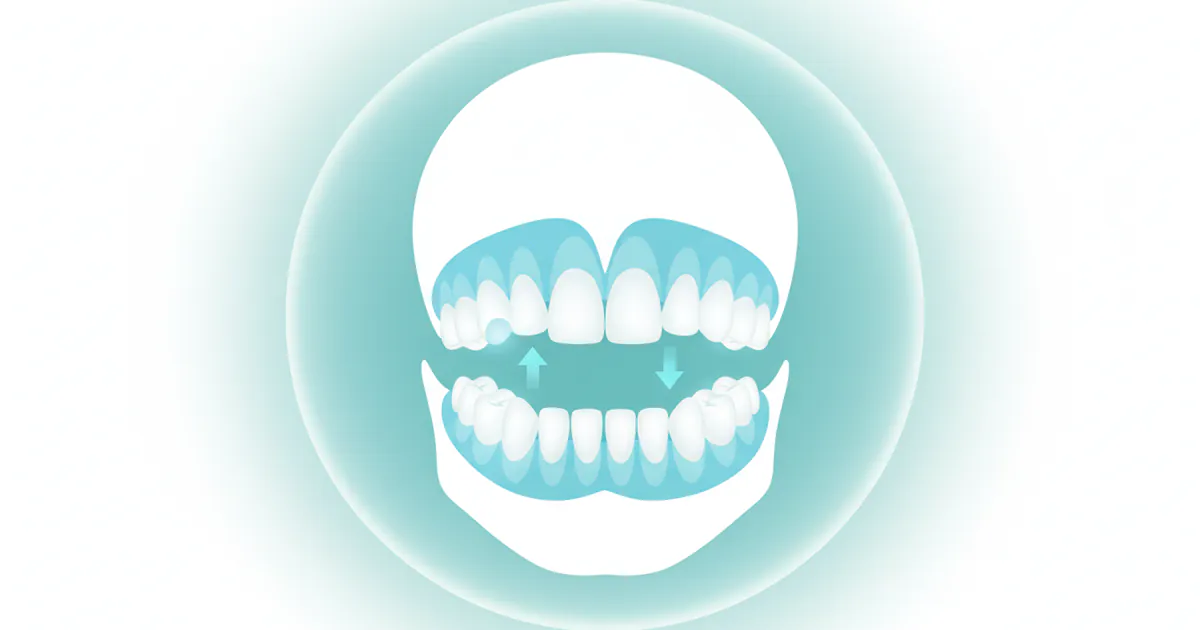
Primary tooth eruption, commonly known as "teething," is the natural physiological process where a baby tooth (also called a deciduous tooth or milk tooth) emerges through the gums and becomes visible in the mouth. While it might seem like a simple event, it's a complex, genetically programmed biological process that dictates the timing and sequence of tooth appearance. These primary teeth are crucial placeholders, guiding the permanent teeth into their correct positions later on, in addition to enabling chewing, aiding in speech development, and contributing to facial structure.
There are 20 primary teeth in total: 10 in the upper jaw and 10 in the lower jaw. These include:
- Central Incisors: The four front teeth, two upper and two lower.
- Lateral Incisors: The four teeth adjacent to the central incisors.
- Canines (Cuspids): The four pointed teeth, sometimes called "eyeteeth."
- First Molars: The four back teeth used for grinding.
- Second Molars: The four furthest back teeth, also for grinding.
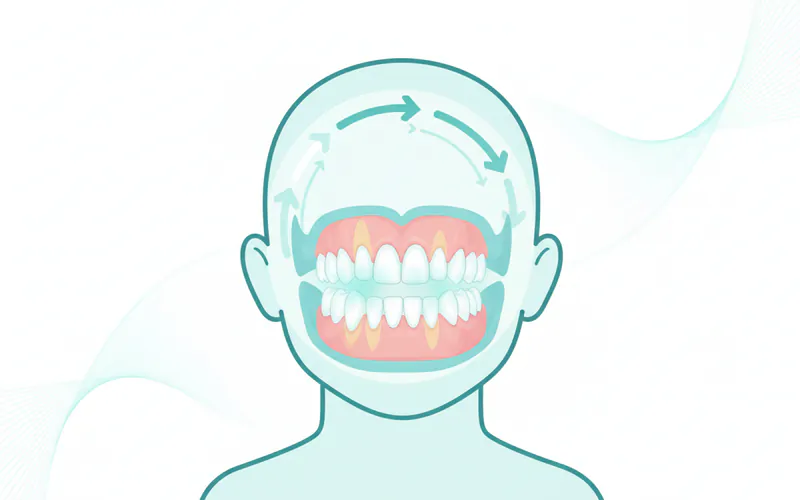
The sequence and timing of baby tooth eruption are generally predictable, following a pattern that starts in the front of the mouth and moves backward, with teeth typically erupting in pairs (e.g., both lower central incisors, then both upper central incisors). However, it's important to remember that the primary tooth eruption chart serves as a general guideline, and individual variations are common and usually normal.
The Primary Tooth Eruption Timeline: A General Guide
While every child is unique, there's a widely accepted general timeline for when primary teeth are expected to emerge. This table provides a common reference point for parents and caregivers.
| Tooth Type | Average Age of Eruption (Lower Jaw) | Average Age of Eruption (Upper Jaw) |
|---|---|---|
| Central Incisors | 6-10 months | 8-12 months |
| Lateral Incisors | 10-16 months | 9-13 months |
| First Molars | 14-18 months | 13-19 months |
| Canines (Cuspids) | 17-23 months | 16-22 months |
| Second Molars | 23-31 months | 25-33 months |
Important Note: It's common for girls to experience eruption slightly earlier than boys, and genetic factors often play a significant role. If your child's teeth are erupting a few months outside these ranges, it's usually not a cause for concern, but it's always worth discussing with your pediatric dentist.
Causes: Why Teeth Erupt
The exact mechanisms that trigger tooth eruption are incredibly complex and involve a symphony of cellular and molecular interactions. While not fully understood, current research suggests that tooth eruption is driven by a combination of factors:
- Genetic Predisposition: Genetics play a significant role in determining the timing and sequence of tooth eruption. If parents experienced early or late teething, their children might follow a similar pattern.
- Bone Remodeling: As a tooth develops within the jawbone, specialized cells called osteoclasts resorb the bone overlying the tooth, creating a path for eruption. Simultaneously, osteoblasts deposit bone around the root, helping to push the tooth towards the surface.
- Root Development: The continuous growth and lengthening of the tooth root are believed to generate forces that push the tooth towards the gum line.
- Follicular Forces: The dental follicle, a sac surrounding the developing tooth, is thought to exert pressure that aids in eruption.
- Hormonal Influences: Hormones, such as those related to growth and metabolism, may also play a role in regulating the timing of eruption.
- Nutritional Status: While less direct, severe nutritional deficiencies can potentially impact overall growth and, consequently, tooth development and eruption, though this is rare in developed countries like the US.
Essentially, a well-coordinated biological cascade ensures that teeth emerge at the appropriate time to support a child's developing abilities to eat and speak.
Signs and Symptoms of Baby Tooth Eruption
While the sight of a new tooth is exciting, the process of baby tooth eruption can be uncomfortable for infants and toddlers. Recognizing the signs and symptoms can help parents provide timely relief. The intensity of symptoms varies greatly from child to child and even from tooth to tooth.
Common signs and symptoms include:
- Increased Drooling: One of the most common and earliest signs, starting around 3-4 months, well before the first tooth appears.
- Irritability or Fussiness: Babies may be more restless, cry more often, or have trouble sleeping due to gum discomfort.
- Swollen, Tender, or Red Gums: The gums over the erupting tooth may appear inflamed, red, or swollen, and can be sensitive to the touch.
- Chewing on Objects: Babies instinctively try to relieve pressure by chewing on toys, fingers, or anything they can get their mouths on.
- Loss of Appetite: Discomfort in the mouth can make feeding less appealing, leading to a temporary decrease in appetite.
- Mild Temperature Elevation: Some children may experience a slight increase in body temperature (typically below 101°F or 38.3°C). However, teething does not cause high fever, diarrhea, or vomiting. If your child has these symptoms, always consult a pediatrician to rule out illness.
- Facial Rash: Excessive drooling can sometimes lead to a rash around the mouth, chin, and neck.
Pro Tip: Always remember that teething is a process, not a disease. While it can cause discomfort, significant illness symptoms like high fever or severe diarrhea are not directly caused by teething and warrant a visit to the pediatrician.
Risks and Complications During Primary Tooth Eruption
While most baby tooth eruption proceeds without major issues, parents should be aware of potential risks and complications, some of which require dental attention.
1. Delayed Eruption
If no teeth have appeared by 18 months of age, or if there's a significant delay (more than 6 months) compared to the typical eruption chart, it's considered delayed eruption. Causes can include:
- Genetic factors: Often, it's simply a family trait.
- Nutritional deficiencies: Severe cases of malnutrition, though rare in the US, can impact development.
- Systemic conditions: Certain medical conditions (e.g., hypothyroidism, Down syndrome) can affect tooth eruption.
- Local factors: Such as dense gum tissue or the presence of an odontoma (a benign tumor composed of dental tissues) blocking the eruption path.
2. Ectopic Eruption
This occurs when a tooth erupts in an abnormal position, often due to crowding or a lack of space. While more common with permanent teeth, it can occasionally affect primary teeth.
3. Hypodontia
This is a condition where one or more teeth fail to develop, meaning the tooth bud never formed. It's usually diagnosed via X-ray if eruption is significantly delayed in a specific area.
4. Supernumerary Teeth
Conversely, some children may develop extra teeth (supernumerary teeth) that can block the eruption of normal primary or permanent teeth.
5. Ankylosis
Rarely, a tooth can fuse to the surrounding bone, preventing it from erupting fully or causing it to sink below the level of adjacent teeth. This usually requires intervention.
6. Baby Tooth Eruption Cyst (Eruptive Hematoma)
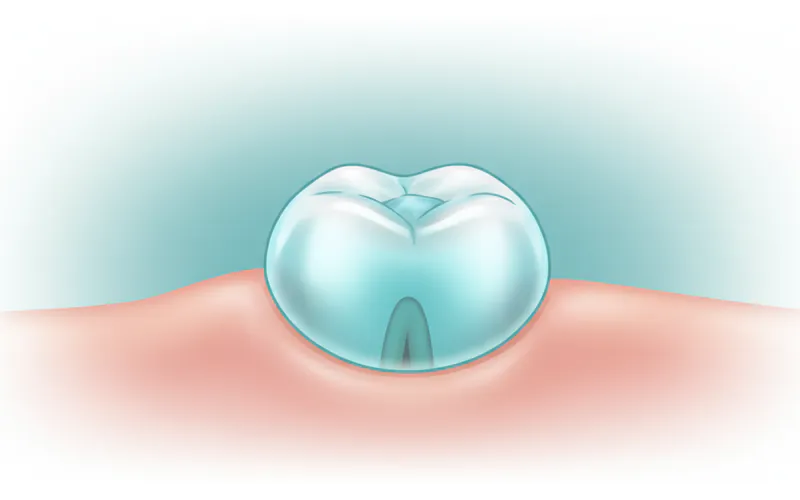
A baby tooth eruption cyst, also known as an eruptive hematoma, is a relatively common and usually benign complication associated with primary tooth eruption. It appears as a bluish, translucent, or reddish-purple swelling on the gum tissue directly over an erupting tooth.
What Causes It?
An eruption cyst forms when fluid or blood accumulates in the space between the crown of the erupting tooth and the overlying gum tissue. If blood is present, it's termed an eruptive hematoma, giving it the characteristic bluish or purplish hue. This usually happens due to minor trauma to the gum tissue during chewing or friction as the tooth pushes upwards.
Signs and Symptoms:
- A soft, dome-shaped swelling on the gums.
- Coloration ranging from clear to bluish, purplish, or reddish.
- Typically painless, though the child may experience general teething discomfort.
- No significant fever or other signs of infection.
Treatment for Eruption Cysts:
In the vast majority of cases, a baby tooth eruption cyst requires no treatment. The cyst will rupture spontaneously as the tooth continues to erupt, releasing the fluid/blood and allowing the tooth to emerge. Parents might notice a temporary increase in bleeding from the area once it ruptures.
- Observation: The primary approach is watchful waiting.
- Minor Surgical Incision (Rare): In very rare instances, if the cyst is large, causing significant discomfort, interfering with feeding, or showing no signs of rupturing after an extended period, a pediatric dentist might make a small incision (marsupialization) to help the tooth erupt. This is a quick procedure, often done under local anesthetic or sometimes without, and costs typically range from $150-$400 out-of-pocket, depending on complexity and location.
Pro Tip: If you notice a bluish swelling on your child's gums, especially if they are otherwise well and not showing signs of severe pain or infection, it's very likely an eruption cyst. While generally harmless, it's always best to have it checked by a pediatric dentist at their next appointment to confirm the diagnosis and rule out other issues.
Treatment Options for Teething Discomfort
While eruption cysts usually resolve on their own, the general discomfort associated with baby tooth eruption often prompts parents to seek relief for their little ones. Here are common and recommended treatment options:
1. Non-Pharmacological Remedies
These are typically the first line of defense due to their safety and ease of use.
- Gum Massage: Gently rubbing your child's gums with a clean finger or a damp gauze pad can provide soothing pressure.
- Cold Objects:
- Chilled Teething Rings: Ensure they are solid, not liquid-filled, to prevent leakage if punctured. Avoid freezing them solid as extreme cold can harm gums.
- Cold Washcloths: A clean, damp washcloth chilled in the refrigerator can be chewed on.
- Cold Foods: For older babies introduced to solids, offer cold foods like applesauce, yogurt, or pureed fruits.
- Teethers: Various silicone or rubber teethers are available. Ensure they are age-appropriate and free from harmful chemicals like BPA.
- Plenty of Cuddles and Distraction: Sometimes, simply being held and distracted with play is the best remedy.
2. Over-the-Counter (OTC) Pharmacological Remedies
These should be used sparingly and according to package directions, ideally after consulting with your pediatrician or pediatric dentist.
- Pain Relievers:
- Acetaminophen (Tylenol): For babies over 3 months, based on weight.
- Ibuprofen (Motrin/Advil): For babies over 6 months, based on weight.
- Pros: Effectively reduce pain and inflammation. Cons: Potential side effects if misused; not a long-term solution.
- Topical Gels (with caution):
- Some gels contain benzocaine, which the FDA advises against for children under 2 years due to the risk of methemoglobinemia, a serious blood disorder.
- Alternatives like natural gels (e.g., clove oil, chamomile) should still be used cautiously and with professional guidance, as their efficacy and safety in infants are not always well-established.
- Pros: Localized relief. Cons: Short-lived effect, potential risks with certain ingredients, easy to overuse.
3. Avoid These!
The American Dental Association (ADA) strongly advises against certain teething remedies due to safety concerns:
- Teething Necklaces/Bracelets: Amber, wooden, or silicone beads pose choking and strangulation hazards.
- Homeopathic Teething Tablets/Gels: The FDA has warned against these due to inconsistent ingredient levels and potential toxicity.
- Topical Gels with Benzocaine: As mentioned, avoid for children under 2 years.
- Alcohol on Gums: Absolutely not recommended.
Comparison of Teething Relief Options
| Treatment Option | Mechanism of Action | Pros | Cons | Average Cost (US) |
|---|---|---|---|---|
| Chilled Teethers/Washcloths | Counter-pressure, numbing cold | Safe, easily accessible, often effective | Effect is temporary, need to be kept clean | $5-$15 |
| Gum Massage (clean finger) | Direct pressure, soothing touch | Free, immediate, direct parent-child interaction | Requires parent involvement, effect is temporary | Free |
| Acetaminophen/Ibuprofen | Systemic pain relief | Effective for more severe discomfort, long-lasting | Administered orally, potential side effects if dosage is incorrect, consult pediatrician first | $5-$15 (bottle) |
| Topical Gels (Non-Benzocaine) | Local numbing/soothing | Localized, quick relief | Short-lived effect, safety concerns with certain ingredients, potential for allergic reactions | $10-$20 |
| Amber Teething Necklaces | Believed to release succinic acid | Perceived natural remedy | FDA warned: Choking/strangulation hazard, no proven efficacy. | $15-$40 |
Children / Pediatric Considerations for Primary Tooth Eruption
For parents, understanding the nuances of baby tooth eruption is key to supporting their child's early oral health. Pediatric dentists specialize in the unique dental needs of children, from infancy through adolescence.
The Importance of the First Dental Visit
The ADA and the American Academy of Pediatric Dentistry (AAPD) recommend that a child's first dental visit occur by their first birthday, or within six months of the eruption of their first tooth, whichever comes first. This "dental home" approach is critical for several reasons:
- Early Assessment: The pediatric dentist can monitor the eruption pattern, check for any developmental anomalies, and assess for conditions like an eruption cyst.
- Preventive Care: Parents receive guidance on proper oral hygiene, fluoride use, diet, and habits like pacifier use or thumb-sucking.
- Anticipatory Guidance: Parents learn what to expect in terms of future eruption, potential challenges, and how to maintain oral health.
- Risk Assessment: The dentist can identify factors that might predispose the child to early childhood caries (cavities) and provide strategies to prevent them.
Oral Hygiene for Erupting Teeth
Even before the first tooth erupts, it's vital to clean your baby's gums with a soft, damp cloth or gauze after feedings to remove milk residue. Once teeth appear:
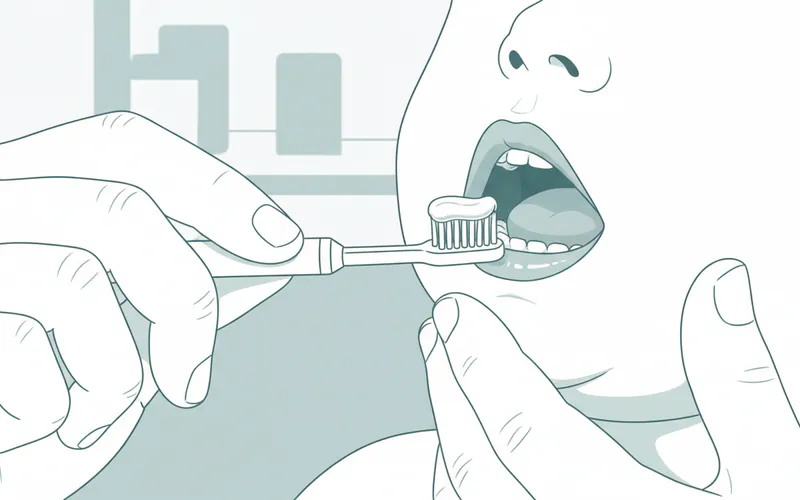
- Brush twice a day: Use a soft-bristled, infant-sized toothbrush and a tiny smear (the size of a grain of rice) of fluoridated toothpaste.
- Supervise brushing: As your child gets older (around age 3), increase toothpaste to a pea-sized amount, but always supervise to ensure they don't swallow too much toothpaste.
- Flossing: Once teeth begin to touch, usually around age 2-2.5, start flossing to remove food particles and plaque from between teeth.
Nutrition and Diet
A balanced diet is crucial for healthy tooth development. Limit sugary drinks and snacks, as newly erupted teeth are particularly vulnerable to decay. Encourage water intake throughout the day. Avoid putting babies to sleep with a bottle containing anything other than water, as this can lead to severe early childhood caries, often called "baby bottle tooth decay."
Cost and Insurance Considerations for Primary Tooth Eruption Issues
The eruption of primary teeth itself typically doesn't incur direct costs, as it's a natural process. However, managing teething discomfort, addressing complications like a baby tooth eruption cyst, or seeking professional advice for delayed or abnormal eruption does have financial implications.
Over-the-Counter Remedies
- Teethers/Chilled Rings: $5-$20
- Infant Acetaminophen/Ibuprofen: $5-$15 per bottle
- Topical Gels (non-benzocaine): $10-$20
Dental Visits for Eruption Concerns
The cost of dental care can vary significantly based on your geographic location in the US (e.g., urban vs. rural, high cost-of-living areas), the specific dental practice, and whether you have dental insurance.
Initial Pediatric Dental Consultation
- Without Insurance: An initial exam for a child (often called a "well-baby" or "infant oral health exam") typically ranges from $75 to $250. This usually includes an oral examination, discussion of eruption, and oral hygiene instructions. X-rays, if needed for complex issues like delayed eruption, would be an additional $30-$150.
- With Insurance: Most dental insurance plans, especially those under the Affordable Care Act (ACA), cover preventive pediatric dental care. An initial exam is often covered at 80-100%, with potentially a small co-pay (e.g., $10-$50).
Management of an Eruption Cyst
As mentioned, most eruption cysts resolve on their own. If a minor surgical incision (marsupialization) is required:
- Without Insurance: This procedure might cost anywhere from $150 to $400.
- With Insurance: Coverage varies. It might be covered under minor oral surgery or restorative procedures, with a typical coverage of 50-80% after any deductible is met. Out-of-pocket costs could range from $50-$200.
Addressing Delayed Eruption or Other Anomalies
If the pediatric dentist needs to perform diagnostic procedures (e.g., advanced X-rays, referral to an oral surgeon) or more extensive treatments (e.g., extraction of a supernumerary tooth, exposure of an impacted tooth):
- Diagnostic X-rays (e.g., panoramic): $75-$200 (without insurance).
- Simple Extraction (e.g., supernumerary tooth): $150-$400 (without insurance).
- Complex Procedures: Costs can quickly escalate into the thousands for surgical interventions, often requiring general anesthesia for young children.
Insurance Coverage Details
- Employer-Sponsored Plans: Many provide good pediatric dental benefits, often covering preventive care fully.
- Individual Plans (ACA Marketplace): Pediatric dental care is considered an essential health benefit under the ACA. Plans must offer it, though it can sometimes be purchased separately.
- Medicaid/CHIP: These government programs provide comprehensive dental benefits for eligible children, often covering all necessary care with little to no out-of-pocket cost.
Payment Plans and Financing Options
For more expensive procedures, many dental offices offer:
- In-house payment plans: Spreading costs over several months.
- Third-party financing: Companies like CareCredit offer special healthcare credit cards with deferred interest options.
- Dental schools: Can offer reduced costs for certain procedures, performed by students under supervision.
Pro Tip: Always clarify costs and insurance coverage with your dental office's administrative staff before proceeding with any significant treatment. Get an itemized estimate in writing.
Step-by-Step Process: What to Expect During Primary Tooth Eruption
Understanding the general progression of baby tooth eruption can help parents anticipate milestones and prepare for the associated changes.
Step 1: Birth to 6 Months (Pre-Eruption)
- Gums are smooth: The gum pads are typically firm and smooth, with no visible teeth.
- Initial tooth buds: All primary tooth buds are already formed within the jawbone, protected by the gums.
- Increased drooling: Around 3-4 months, many babies start to drool more, a natural developmental stage, sometimes mistaken as an immediate sign of teething.
Step 2: 6 to 12 Months (First Teeth Emerge)
- Lower Central Incisors: Typically the first teeth to emerge, often between 6 and 10 months. You might feel a hard ridge under the gum before they break through.
- Upper Central Incisors: Usually follow, appearing between 8 and 12 months.
- Symptoms: This is when initial teething symptoms like fussiness, chewing, and gum swelling are most noticeable.
- First Dental Visit: The ADA recommends the first dental visit by age one.
Step 3: 12 to 18 Months (Lateral Incisors and First Molars)
- Lateral Incisors: The teeth next to the central incisors, both upper and lower, typically erupt during this period.
- First Molars: The first set of back teeth, crucial for chewing, usually appear between 13 and 19 months (upper) and 14 and 18 months (lower). Molars can be more uncomfortable to erupt due to their larger surface area.
- Oral Hygiene: By now, you should be regularly brushing any erupted teeth with a fluoridated toothpaste smear.
Step 4: 18 to 24 Months (Canines/Cuspids)
- Canines: These pointed teeth often appear between 16 and 22 months (upper) and 17 and 23 months (lower). Their shape can sometimes cause more localized discomfort.
Step 5: 24 to 33 Months (Second Molars)
- Second Molars: The very back teeth are usually the last primary teeth to erupt, typically between 25 and 33 months (upper) and 23 and 31 months (lower).
- Full Set: By the time a child is around 2.5 to 3 years old, they should have all 20 primary teeth.
- Flossing: Once molars are fully erupted and touching, regular flossing becomes essential.
Step 6: Beyond 3 Years (Maintenance and Anticipation)
- Stable Primary Dentition: For the next few years, your child will have their full set of primary teeth, which are vital for proper chewing, speech, and maintaining space for permanent teeth.
- Dental Check-ups: Continue regular pediatric dental check-ups (every 6 months) to monitor oral health, prevent cavities, and observe for any early signs of permanent tooth eruption.
- Anticipating Permanent Teeth: Around age 6, the primary teeth will start to loosen and fall out, making way for the permanent teeth.
Prevention of Eruption-Related Issues
While you can't prevent the natural process of baby tooth eruption, you can take steps to prevent associated complications and maintain optimal oral health.
- Regular Pediatric Dental Visits: This is the cornerstone of prevention. Early and regular visits allow the dentist to monitor eruption, catch issues like delayed eruption or the rare problematic baby tooth eruption cyst early, and provide personalized advice.
- Excellent Oral Hygiene from Day One:
- Wipe gums clean even before teeth appear.
- Brush twice daily with a fluoride toothpaste (grain-of-rice size smear until age 3, then pea-size).
- Floss daily once teeth begin to touch.
- Healthy Diet: Limit sugary foods and drinks. Avoid putting children to bed with bottles containing milk or juice. Water is always the best choice.
- Avoid Teething "Remedies" with Risks: Steer clear of amber necklaces, homeopathic tablets, and benzocaine-containing gels.
- Monitor for Abnormalities: Be aware of significant delays in eruption, unusual gum swellings (beyond a typical eruption cyst that resolves quickly), or persistent pain that doesn't respond to typical remedies.
Frequently Asked Questions
### How long does baby tooth eruption last for one tooth?
The actual process of a single tooth breaking through the gum can take anywhere from a few days to a week. However, the discomfort (teething symptoms) can start weeks before the tooth is visible and may persist until it has fully emerged, varying significantly for each tooth and child.
### Is it normal for some teeth to erupt out of sequence?
Minor variations in the eruption sequence are quite common and usually not a cause for concern. The general pattern is more important than the exact order. If you have significant worries about a very abnormal sequence or prolonged delays, consult your pediatric dentist.
### Can teething cause a fever?
Teething can cause a mild elevation in body temperature (usually below 101°F or 38.3°C), but it does not cause high fevers (above 102°F or 38.9°C), diarrhea, vomiting, or other signs of illness. If your child has a high fever or other pronounced symptoms, it's essential to consult a pediatrician as it's likely an unrelated illness.
### What is a baby tooth eruption cyst, and is it dangerous?
A baby tooth eruption cyst (or eruptive hematoma) is a common, typically harmless bluish or purplish swelling on the gum over an erupting tooth. It's caused by fluid or blood trapped under the gum. It usually resolves on its own when the tooth erupts, and generally poses no danger, though a dentist should confirm the diagnosis.
### When should I start brushing my baby's teeth?
You should start cleaning your baby's gums even before teeth appear by wiping them with a soft, damp cloth. Once the first tooth erupts, begin brushing twice daily with an infant-sized toothbrush and a tiny smear of fluoride toothpaste.
### What if my child still has no teeth by their first birthday?
While the average is 6 months for the first tooth, some children don't get their first tooth until 12-18 months. If no teeth have erupted by 18 months, or if you have concerns, it's advisable to consult a pediatric dentist, as this could indicate delayed eruption.
### Are there specific costs associated with managing complicated eruption?
Yes, if eruption is significantly delayed, blocked, or if an infection occurs, additional costs for diagnostic X-rays ($30-$150), dental evaluations ($75-$250), or minor surgical interventions ($150-$400) may arise, especially without insurance. Major interventions can cost more.
### Can I use topical numbing gels for teething pain?
The FDA advises against using topical gels containing benzocaine for children under 2 years old due to the risk of methemoglobinemia. While some natural gels exist, their efficacy and safety for infants are not always well-established. It's best to consult your dentist or pediatrician for safe alternatives.
### How does primary tooth eruption affect permanent teeth?
Primary teeth act as vital "space holders" and guides for the permanent teeth. Proper eruption and retention of primary teeth until their natural exfoliation are crucial for the correct alignment and spacing of the incoming permanent dentition.
### What if my child has a gap between their front primary teeth?
It is very common and often normal for primary teeth, especially the front ones, to have spaces between them. These spaces are often beneficial as they provide room for the larger permanent teeth to erupt properly. Your pediatric dentist will monitor these spaces.
When to See a Dentist
While baby tooth eruption is a natural process, there are specific instances where professional dental advice is warranted:
- No Teeth by 18 Months: If your child has no primary teeth by 18 months of age, or if there's a significant deviation from the normal primary tooth eruption chart, schedule a visit with a pediatric dentist.
- Unusual Gum Swellings: While a baby tooth eruption cyst is usually harmless, any persistent, painful, or rapidly growing swelling on the gums, especially if accompanied by fever or pus, should be evaluated immediately to rule out infection or other issues.
- Severe or Persistent Pain: If your child's discomfort from teething is extreme, doesn't respond to usual home remedies or recommended OTC pain relievers, or if they are unable to eat or sleep, it's time to see the dentist.
- Signs of Infection: Redness, swelling, warmth, pus, or a fever above 101°F (38.3°C) around an erupting tooth could indicate an infection and requires prompt dental attention. Remember, teething itself does not cause high fever.
- Asymmetrical Eruption: If a tooth has erupted on one side, but its counterpart on the other side hasn't appeared several months later, it's worth a dental check-up.
- Any Concerns: If you have any worries or questions about your child's dental development, it's always best to err on the side of caution and consult with a pediatric dentist. Early intervention is key to preventing more serious problems down the line.
Remember, establishing a "dental home" for your child by their first birthday is the best way to ensure continuous monitoring and care for their developing smile.
Frequently Asked Questions
Medically Reviewed Content
This article was written by our dental health editorial team and reviewed for medical accuracy. Our content follows strict editorial guidelines for reliability and trustworthiness.
Medical Disclaimer
This article is for informational purposes only and does not constitute medical advice. Always consult with a qualified dental professional for diagnosis and treatment. Do not delay seeking professional advice because of something you read on this website.
Related Articles
Tooth Eruption Order: Complete Guide
The journey of human teeth, from their initial emergence in infancy to the arrival of wisdom teeth in young adulthood, is a fascinating and crucial aspect of our overall health. Understanding the tooth eruption order is not just a matter of curiosity; it's a vital piece of knowledge that empower
February 23, 2026
Primary Tooth Eruption Sequence: Complete Guide
Did you know that by their third birthday, most children will have a full set of 20 primary teeth? The journey of these first teeth, from their initial appearance to their eventual replacement by permanent teeth, is a remarkable and often challenging milestone for both infants and parents. Understan
February 23, 2026
Canine Tooth Eruption: Complete Guide
Have you ever wondered about the complex process that brings your teeth into alignment, especially the prominent, pointed teeth known as canines? While often overshadowed by discussions of wisdom teeth or incisors, the canine tooth eruption process is a critical stage in your oral development, d
February 23, 2026
Permanent Tooth Eruption Sequence: Complete Guide
Welcome to SmilePedia.net, your trusted resource for comprehensive dental health information. The journey of your permanent teeth emerging into your mouth, known as the permanent tooth eruption sequence, is a fundamental aspect of oral development. Did you know that while primary (baby) teeth ty
February 23, 2026