How Much Teeth Do Humans Have
Key Takeaways
- More than just a tool for chewing, your teeth are vital for clear speech, maintaining facial structure, and even impacting your overall health. But how much teeth do humans have throughout their lifetime, and what happens when they encounter problems? From the first baby tooth to the eruption of
More than just a tool for chewing, your teeth are vital for clear speech, maintaining facial structure, and even impacting your overall health. But how much teeth do humans have throughout their lifetime, and what happens when they encounter problems? From the first baby tooth to the eruption of wisdom teeth, and the common procedures like professional whitening or tooth extractions, understanding your dentition is the first step towards optimal oral health. This comprehensive guide from SmilePedia.net will delve into the fascinating journey of human teeth, explore common dental procedures, provide clear cost breakdowns, and arm you with the knowledge to maintain a healthy, confident smile. We'll cover everything from the number of teeth you develop, to what influences their care, and critical financial considerations like how much to whiten teeth or how much is it to pull a tooth, ensuring you're well-informed on your dental health journey.
Key Takeaways:
- Primary Dentition (Baby Teeth): Humans typically develop 20 primary teeth by age 3, which serve as placeholders for permanent teeth.
- Permanent Dentition (Adult Teeth): Most adults have 28 permanent teeth, with an additional 4 wisdom teeth bringing the total to 32 if they fully erupt.
- Professional Teeth Whitening Cost: In-office professional teeth whitening can range from $300 to $1,500, while custom take-home trays typically cost $200 to $600. Over-the-counter options are much cheaper but less effective.
- Tooth Extraction Cost: The cost to pull a tooth varies significantly. A simple extraction can range from $75 to $300 per tooth, while a more complex surgical extraction can be $150 to $650 per tooth. Impacted wisdom teeth extractions typically cost $200 to $750 per tooth, and sedation can add hundreds of dollars.
- Dental Insurance Coverage: Most dental insurance plans cover 80-100% of preventive care, 50-80% of basic procedures (like simple extractions), and 0-50% of major procedures or cosmetic treatments (like whitening, which is often not covered).
- Prevention is Key: Regular brushing, flossing, and dental check-ups are crucial for maintaining your natural teeth, reducing the need for costly extractions, and preserving your smile.
- Wisdom Teeth Considerations: Not everyone needs their wisdom teeth removed, but extraction is common if they cause pain, infection, crowding, or become impacted.
The Journey of Human Teeth: From Babyhood to Adulthood
The number of teeth a human has changes dramatically from infancy to adulthood. Understanding these stages is fundamental to appreciating dental health.
What It Is: Overview of Human Dentition
Human teeth are specialized structures designed for mastication (chewing), aiding in speech articulation, and contributing to facial aesthetics. There are two main sets of teeth that erupt over a person's lifetime: the primary (deciduous or "baby") dentition and the permanent (succedaneous or "adult") dentition.
Types / Variations: The Two Sets of Teeth
Primary Dentition (Baby Teeth)
Humans begin life without teeth, but the dental buds for primary teeth form even before birth.
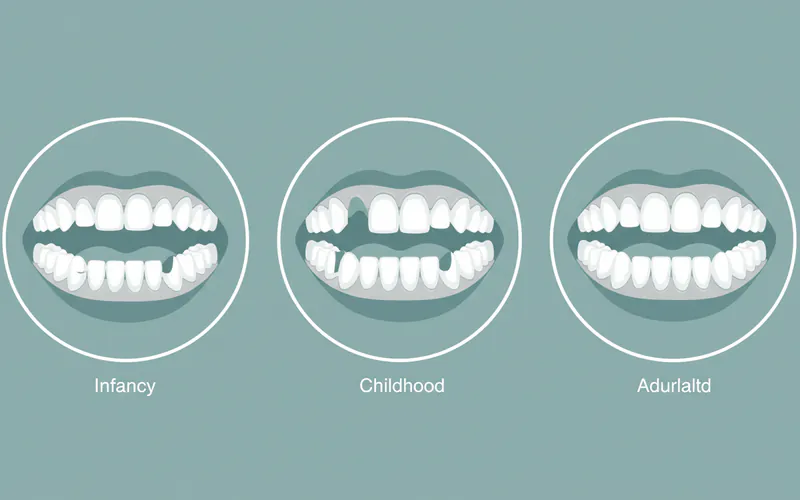
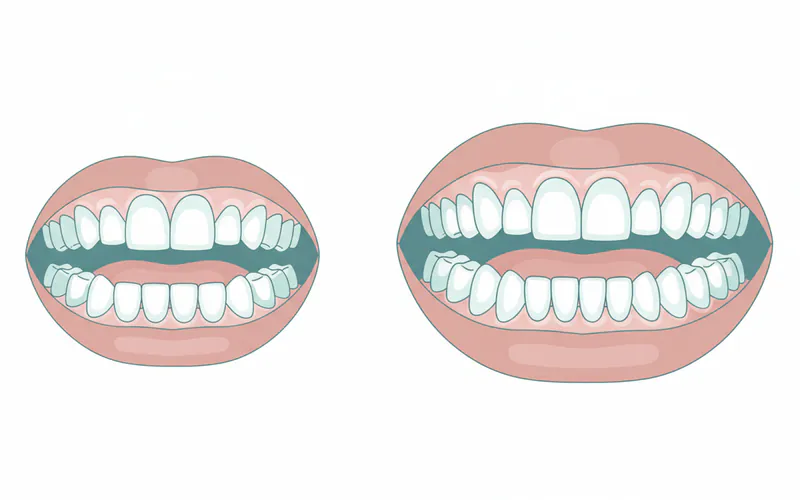
- Number: A full set of primary teeth consists of 20 teeth.
- Types: This set includes 8 incisors (for biting), 4 canines (for tearing), and 8 molars (for grinding). There are no premolars (bicuspids) in the primary dentition.
- Eruption: The first primary teeth typically emerge around 6 to 10 months of age, usually the lower central incisors. By approximately 3 years old, most children will have all 20 of their primary teeth.
- Purpose: These teeth are crucial for a child's ability to chew food, facilitate proper speech development, and maintain space in the jaws for the eventual eruption of permanent teeth. Losing baby teeth prematurely can lead to spacing issues for the adult teeth.
- Shedding: Primary teeth begin to loosen and fall out around age 6, a process that continues until about age 12. This is a natural part of growth as the permanent teeth push them out.
Permanent Dentition (Adult Teeth)
As primary teeth are shed, permanent teeth erupt to replace them, and additional molars emerge further back in the jaw.
- Number: A full set of permanent teeth usually consists of 32 teeth. However, many adults only have 28 permanent teeth if their wisdom teeth (third molars) are never developed or are removed.
- Types: A complete adult set includes:
- 8 Incisors: Four central and four lateral incisors for biting and cutting food.
- 4 Canines (Cuspids): Two upper and two lower, sharp, pointed teeth for tearing food.
- 8 Premolars (Bicuspids): Two sets of first and second premolars on each side of the mouth (upper and lower), used for crushing and grinding food. These replace the primary molars.
- 12 Molars: Three sets of molars on each side of the mouth (first, second, and third molars, upper and lower). These are broad, flat teeth primarily used for grinding food.
- Eruption: The first permanent molars typically erupt around age 6, even before any baby teeth are lost. The other permanent teeth gradually replace the primary teeth, with the process usually completed by age 12-14, excluding wisdom teeth.
- Wisdom Teeth (Third Molars): These are the last teeth to erupt, typically between ages 17 and 25. Many individuals do not have enough room in their jaws for wisdom teeth to erupt properly, leading to impaction or other problems, necessitating their removal.
- Anatomical Variations:
- Anodontia/Hypodontia: The congenital absence of some or all teeth. Hypodontia is more common, affecting permanent teeth, often wisdom teeth, second premolars, or lateral incisors.
- Supernumerary Teeth (Hyperdontia): The presence of extra teeth beyond the normal count. These can occur anywhere in the mouth and may require extraction if they cause crowding, impaction of other teeth, or other dental issues.
![Illustration depicting a child's open mouth with 20 primary teeth labeled, and an adult's open mouth with 32 permanent teeth labeled (including wisdom teeth), highlighting the different types of teeth(/dental-anatomy/complete-guide-to-anatomy-education-everything-you-need-to-know) (incisors, canines, premolars, molars) in each.]
Why The Number of Teeth Matters for Your Health
The precise number and proper alignment of your teeth are critical for several reasons:
- Chewing and Digestion: A full set of healthy teeth allows you to chew food thoroughly, aiding in digestion and nutrient absorption. Missing teeth can impair chewing efficiency.
- Speech: Teeth play a vital role in forming sounds and words. Missing teeth can lead to lisps or other speech impediments.
- Facial Structure: Teeth support the facial muscles and maintain the natural shape of your jawline and profile. Tooth loss can lead to changes in facial appearance, including a "sunken" look.
- Bone Density: The roots of your teeth stimulate the jawbone. When teeth are lost, the underlying bone can resorb (shrink) over time, weakening the jaw and potentially affecting adjacent teeth or future dental restorations.
- Overall Health: Poor oral health, often linked to unhealthy or missing teeth, can be connected to systemic health issues such as heart disease, diabetes, and respiratory infections.
Pro Tip: Regular dental check-ups, starting from infancy, are crucial to monitor tooth development, detect potential issues like crowding or missing teeth early, and ensure proper oral health habits are established.
Maintaining Your Smile: How Much to Whiten Teeth
Once you have your permanent teeth, maintaining their appearance and health becomes a priority for many. One of the most popular cosmetic dental procedures is teeth whitening.
What It Is: Teeth Whitening Overview
Teeth whitening (or bleaching) is a cosmetic procedure designed to lighten the natural color of your teeth, removing stains and discoloration. It uses bleaching agents, typically hydrogen peroxide or carbamide peroxide, to break down stains into smaller pieces, making the color less concentrated and the teeth brighter.
Types / Variations: Whitening Methods
There are several methods available, varying in effectiveness, speed, and cost:
-
Professional In-Office Whitening:
- Method: Performed by a dentist, this method uses a high-concentration bleaching gel applied directly to the teeth. A special light (LED, laser, or UV) is often used to accelerate the chemical reaction. Gums and soft tissues are protected.
- Pros: Fastest results (often in a single 1-hour session), most dramatic shade change, supervised by a dental professional, highly effective for intrinsic and extrinsic stains.
- Cons: Most expensive option, potential for temporary tooth sensitivity.
-
Professional Take-Home Whitening Kits:
- Method: Your dentist takes impressions of your teeth to create custom-fitted trays. You're given a professional-grade bleaching gel (lower concentration than in-office) to apply to the trays and wear for a specified period daily (e.g., 30 minutes to a few hours, or overnight) for 1-2 weeks.
- Pros: More affordable than in-office, results are still significant, trays can be reused for touch-ups, supervised by a dentist.
- Cons: Slower results than in-office, requires patient compliance.
-
Over-the-Counter (OTC) Whitening Products:
- Method: Widely available products like whitening strips, pens, toothpastes, and rinses. They contain lower concentrations of bleaching agents or mild abrasives.
- Pros: Most affordable, convenient to use at home.
- Cons: Less effective than professional options, results are less dramatic and may not be even, "one-size-fits-all" trays/strips may not fit well leading to uneven results or gum irritation, can only remove surface stains.
Causes / Why Teeth Discolor:
Teeth can become discolored due to a variety of factors:
- Extrinsic Stains: Surface stains caused by foods and drinks (coffee, tea, red wine, berries), tobacco use, and certain medications. These respond well to whitening.
- Intrinsic Stains: Stains that are incorporated into the tooth structure. These can be caused by aging (thinning enamel revealing yellow dentin), trauma, excessive fluoride intake (fluorosis), certain antibiotics (tetracycline) during tooth development, or genetic factors. Intrinsic stains are harder to whiten and may require dental veneers or crowns for aesthetic improvement.
Step-by-Step Process for Professional In-Office Whitening:
- Initial Consultation: Your dentist examines your teeth to determine if whitening is suitable, discusses expected results, and checks for existing dental work (fillings, crowns don't whiten).
- Preparation: Your lips and gums are protected with a barrier.
- Gel Application: A high-concentration whitening gel is applied to the front surfaces of your teeth.
- Activation: A specialized light may be used to enhance the whitening process. This step is typically repeated in 15-20 minute intervals.
- Rinse and Review: After the session, the gel is rinsed off, and the new shade of your teeth is assessed.
- Fluoride Treatment: A fluoride treatment may be applied to help reduce post-whitening sensitivity.
Cost and Insurance: How Much to Whiten Teeth
The cost of teeth whitening varies widely based on the method, geographic location, and the dentist's fees.
| Whitening Method | Average US Cost Range | What's Included / Notes | Insurance Coverage |
|---|---|---|---|
| Professional In-Office Whitening | $300 - $1,500 | 1-3 hour session, high-concentration gel, light activation, gum protection | Rarely (cosmetic) |
| Professional Take-Home Kit | $200 - $600 | Custom-fitted trays, professional-grade gel, dentist instructions | Rarely (cosmetic) |
| OTC Whitening Strips/Pens | $20 - $100 | Pre-treated strips, pens, lower concentration gels | Never |
| Whitening Toothpaste/Rinse | $5 - $20 | Mild abrasives or low-concentration chemicals | Never |
Dental Insurance: Teeth whitening is almost universally considered a cosmetic procedure and is therefore not covered by dental insurance. You will be responsible for the full cost out-of-pocket. Some dental savings plans or flexible spending accounts (FSAs)/health savings accounts (HSAs) may allow you to use pre-tax dollars for some whitening treatments, but check with your plan administrator.
Recovery and Aftercare for Whitening:
- Sensitivity: It's common to experience temporary tooth sensitivity to hot and cold for 24-48 hours after professional whitening. Your dentist may recommend a desensitizing toothpaste.
- "White Diet": For the first 24-48 hours, avoid highly pigmented foods and drinks (coffee, tea, red wine, berries, dark sauces) that can stain your newly porous teeth.
- Maintenance: Practice good oral hygiene, use a whitening toothpaste (sparingly, to avoid abrasion), and consider periodic touch-ups with professional take-home kits as advised by your dentist.
Risks and Complications of Whitening:
- Tooth Sensitivity: The most common side effect. Usually temporary, but can be uncomfortable.
- Gum Irritation: If the bleaching gel comes into contact with the gums, it can cause temporary irritation, redness, or burning.
- Uneven Whitening: Especially with OTC products, if the gel isn't evenly applied or if you have dental restorations (fillings, crowns, veneers), which won't change color.
- Over-Whitening: Can occur with excessive use, leading to an unnatural, translucent appearance.
- Damage to Enamel: Extremely rare with professional supervision, but overuse or misuse of high-concentration products can potentially damage enamel.
Pro Tip: Always consult your dentist before starting any whitening regimen, especially if you have sensitive teeth, gum disease, or existing dental restorations. They can ensure the procedure is safe and effective for you.
Addressing Dental Problems: How Much Is It to Pull a Tooth?
Despite our best efforts, sometimes a tooth cannot be saved and must be removed. This is known as a tooth extraction.
What It Is: Tooth Extraction Overview
A tooth extraction is the removal of a tooth from its socket in the bone. It's a common dental procedure performed for a variety of reasons when a tooth is beyond repair or poses a threat to overall oral health.
Causes / Why It Happens: Reasons for Tooth Extraction
Dentists always aim to save natural teeth, but extraction may be necessary in these situations:
- Severe Tooth Decay: When a cavity is so large and deep that it has compromised the tooth structure to the point where a filling, crown, or root canal cannot save it.
- Advanced Periodontal Disease (Gum Disease): When the infection has destroyed the bone and supporting tissues around the tooth, causing it to become loose and potentially infectious.
- Impacted Teeth: Most commonly wisdom teeth that do not have enough room to erupt properly and remain trapped beneath the gum line or bone, causing pain, infection, or damage to adjacent teeth.
- Crowding: To create space for orthodontic treatment (braces) when teeth are severely crowded and cannot be aligned otherwise.
- Infection: If an infection has spread to the pulp of the tooth and is too severe for root canal therapy, or if the tooth is severely abscessed.
- Trauma or Injury: A tooth that is severely fractured, cracked, or dislodged beyond repair due to an accident.
- Risk of Infection: For patients with compromised immune systems (e.g., undergoing chemotherapy or organ transplant), even a minor tooth infection can pose a serious risk and may warrant extraction.
Signs and Symptoms Indicating a Need for Extraction:
- Persistent, Severe Toothache: A throbbing or sharp pain that doesn't subside.
- Swelling around the tooth, gum, or jaw.
- Redness or tenderness in the gums.
- Pus drainage from around the tooth.
- Loose or mobile tooth.
- Difficulty opening mouth or chewing (especially with wisdom teeth).
- Fever (indicating widespread infection).
- A visible crack or fracture extending deep into the tooth.
Treatment Options: Types of Extractions
The type of extraction depends on the tooth's position, condition, and whether it has fully erupted.
-
Simple Extraction:
- Description: Performed on a tooth that is visible in the mouth, fully erupted, and has a relatively straightforward root structure.
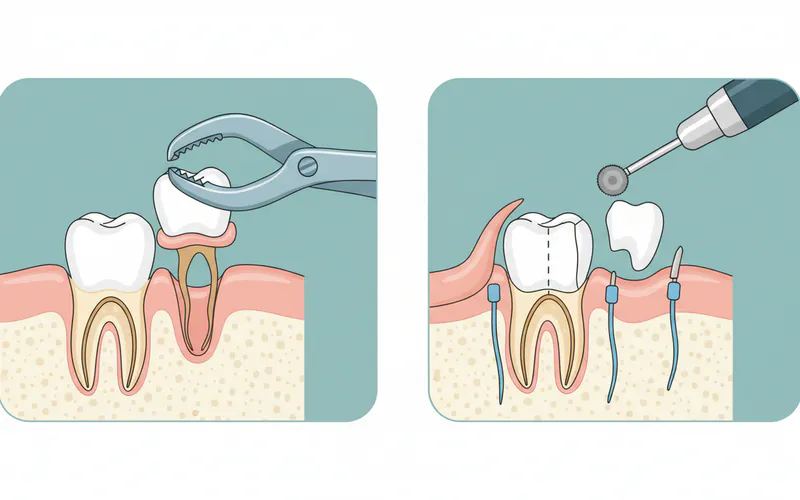
- Process: The dentist numbs the area with local anesthetic. They then use an instrument called an elevator to loosen the tooth and dental forceps to grasp and remove it.
- Recovery: Generally quick, with minimal discomfort.
-
Surgical Extraction:
- Description: Required for teeth that are not easily accessible, such as impacted wisdom teeth, teeth that have broken off at the gum line, or teeth with complex root structures.
- Process: The oral surgeon or dentist makes an incision in the gum tissue to gain access to the tooth and bone. Sometimes, a small amount of bone may need to be removed, or the tooth may need to be sectioned (cut into smaller pieces) to facilitate removal. After extraction, the gum is sutured closed.
- Recovery: More involved than a simple extraction, with a longer healing period.
-
Wisdom Tooth Extraction:
- Description: A specific type of surgical extraction, as wisdom teeth are often impacted (partially or fully beneath the gum/bone).
- Process: Similar to surgical extraction, often involving incision, bone removal, and tooth sectioning. Can be performed under local anesthetic, nitrous oxide, IV sedation, or general anesthesia.
- Recovery: Can range from a few days to a week or more, depending on the complexity and number of teeth removed.
Step-by-Step Process for a Typical Tooth Extraction:
- Diagnosis and Planning: Your dentist will take X-rays to assess the tooth's position, root structure, and proximity to nerves or sinuses. They will discuss the procedure, potential risks, and post-operative care.
- Anesthesia: The area around the tooth will be thoroughly numbed with a local anesthetic. For surgical extractions or patient anxiety, sedation options (nitrous oxide, oral sedation, IV sedation, or general anesthesia) may be used.
- Loosening the Tooth: For simple extractions, an elevator tool is used to gently loosen the tooth from its socket by expanding the bone.
- Removal: Dental forceps are then used to firmly grasp the tooth and extract it. For surgical extractions, an incision may be made, bone may be removed, and the tooth may be sectioned before removal.
- Socket Care: After the tooth is removed, the dentist will clean the socket, remove any debris or infected tissue, and may place gauze to help a blood clot form. For surgical extractions, sutures may be used to close the gum tissue.
- Post-Operative Instructions: You will receive detailed instructions on how to care for the extraction site to promote healing and prevent complications like dry socket.
Cost and Insurance: How Much Is It to Pull a Tooth?
The cost of a tooth extraction varies significantly based on its complexity, the type of tooth, the location in the mouth, the type of anesthesia used, and your geographic location.
| Extraction Type | Average US Cost Range (per tooth) | What Influences Cost | Insurance Coverage |
|---|---|---|---|
| Simple Extraction | $75 - $300 | Local anesthetic, visible tooth, non-complex roots | 50-80% (basic) |
| Surgical Extraction | $150 - $650 | Incision, bone removal, tooth sectioning, sutures, local anesthetic | 0-50% (major) |
| Impacted Wisdom Tooth (Soft Tissue) | $200 - $600 | Tooth partially covered by gum, local anesthetic | 0-50% (major) |
| Impacted Wisdom Tooth (Bone) | $250 - $750 | Tooth fully encased in bone, complex removal, local anesthetic | 0-50% (major) |
| Additional Anesthesia/Sedation | $50 - $200 (nitrous oxide) $250 - $1,000+ (IV sedation/general anesthesia per hour) |
Type of sedation, duration | Variable (check plan) |
Dental Insurance: Most dental insurance plans classify simple extractions as a basic procedure, often covering 50-80% of the cost after your deductible. Surgical extractions, including most wisdom tooth extractions, are typically considered major procedures, and coverage might be lower, often 0-50%, depending on your plan. Always verify your specific benefits with your insurance provider before treatment.
- Deductible: The amount you must pay out-of-pocket before your insurance starts covering costs.
- Co-insurance: Your share of the cost after your deductible, expressed as a percentage (e.g., 20% co-insurance means you pay 20%, insurance pays 80%).
- Annual Maximum: The maximum amount your insurance plan will pay for dental care in a plan year.
Recovery and Aftercare for Extraction:
Proper aftercare is crucial for preventing complications like dry socket and promoting healing.
- Bleeding Control: Bite firmly on the gauze pad provided for 30-45 minutes. Change if saturated. Slight oozing for 24 hours is normal.
- Pain Management: Take prescribed pain medication or over-the-counter pain relievers (e.g., ibuprofen, acetaminophen) as directed.
- Swelling Reduction: Apply an ice pack to the outside of your cheek for 15-20 minutes on, 15-20 minutes off, for the first 24-48 hours.
- Diet: Stick to soft foods (yogurt, soup, mashed potatoes, smoothies) for the first few days. Avoid hot liquids and crunchy/chewy foods that could dislodge the blood clot.
- Oral Hygiene: Do not rinse vigorously for the first 24 hours. After 24 hours, gently rinse with warm salt water (1/2 teaspoon salt in 8 oz warm water) several times a day, especially after meals. Brush other teeth carefully.
- Activity: Avoid strenuous activity for 24-48 hours.
- Smoking/Straws: ABSOLUTELY AVOID SMOKING AND USING STRAWS for at least 72 hours, as the sucking motion can dislodge the blood clot and lead to a painful dry socket.
- Follow-Up: Attend any scheduled follow-up appointments to ensure proper healing.
Prevention of Tooth Extraction:
Many extractions are preventable with good oral hygiene and regular dental care.
- Brush and Floss Daily: Brush at least twice a day with fluoride toothpaste and floss once daily to remove plaque and food debris.
- Regular Dental Check-ups: Visit your dentist every six months for professional cleanings and examinations.
- Healthy Diet: Limit sugary foods and drinks that contribute to tooth decay.
- Mouthguards: Wear a mouthguard during sports to protect against traumatic injuries.
- Address Issues Early: Don't ignore tooth pain or sensitivity. Early intervention can often save a tooth from needing extraction.
Risks and Complications of Extraction:
While generally safe, tooth extractions carry some potential risks:
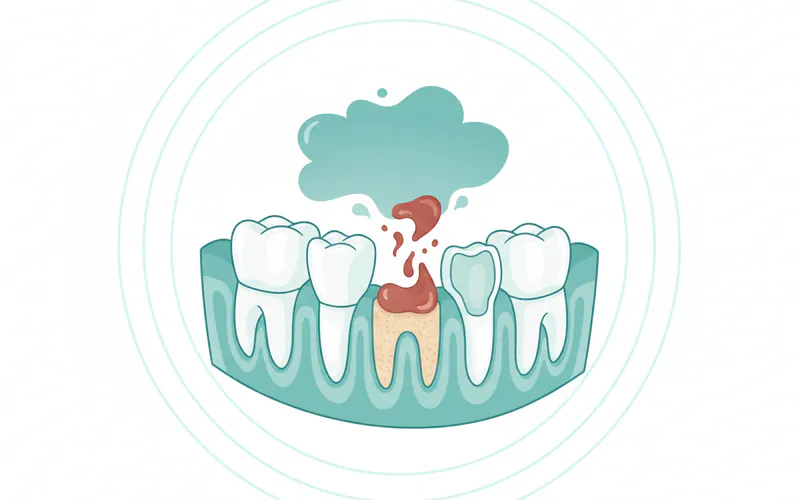
- Dry Socket (Alveolar Osteitis): The most common complication, occurring when the blood clot in the socket dislodges or dissolves prematurely, exposing the bone. It's very painful and typically occurs 3-5 days after extraction.
- Infection: Although rare, bacteria can enter the extraction site. Symptoms include increased pain, swelling, fever, or pus.
- Nerve Damage: More common with lower wisdom tooth extractions, where the roots are close to the inferior alveolar nerve, which provides sensation to the lower lip and chin. Can cause temporary or, in very rare cases, permanent numbness.
- Sinus Perforation: If an upper tooth's roots extend into the maxillary sinus, an opening can be created. Usually heals on its own but may require further treatment.
- Damage to Adjacent Teeth or Restorations.
- Excessive Bleeding: Especially for patients on blood thinners.
Pro Tip: Always disclose your full medical history, including all medications and supplements, to your dentist before any extraction to minimize risks and ensure safe treatment.
Children / Pediatric Considerations
Children's dental health is a specialized field, especially concerning the number of teeth they have and the management of dental issues.
The Importance of Primary Teeth
Though temporary, baby teeth are critical. They help children:
- Chew food properly: Essential for nutrition and digestion.
- Speak clearly: Aid in the development of proper speech patterns.
- Hold space for permanent teeth: Premature loss of baby teeth can cause permanent teeth to erupt incorrectly, leading to crowding or misalignment.
- Develop good oral hygiene habits: Early dental care sets the stage for a lifetime of healthy smiles.
Common Pediatric Dental Issues and Costs:
- Cavities: Even baby teeth can get cavities. Fillings for children can range from $90 - $250 per tooth, depending on material (amalgam vs. composite).
- Early Extractions: If a baby tooth is severely decayed or damaged beyond repair, it may need to be pulled. A simple extraction for a primary tooth typically costs $75 - $200. In some cases, a space maintainer ($150 - $400) may be needed to prevent other teeth from shifting and preserve space for the permanent tooth.
- Fluoride Treatments: To strengthen enamel and prevent cavities. Usually $25 - $75 per visit.
- Dental Sealants: Thin, protective coatings applied to the chewing surfaces of molars to prevent cavities. Typically $30 - $70 per tooth.
- First Dental Visit: The American Dental Association (ADA) recommends a child's first dental visit by their first birthday or within six months of the first tooth erupting. These initial visits focus on education, examination, and establishing a dental home.
Pro Tip for Parents: Make dental visits a positive experience. Children often mimic their parents' attitudes. Start early, make it fun, and emphasize the importance of brushing and flossing daily.
Cost Breakdown: Navigating Dental Expenses
Understanding the costs associated with dental care, particularly for procedures like whitening and extractions, is essential for financial planning.
Average US Costs (Low, Mid, High)
As discussed, costs are highly variable. Here’s a summary:
- Preventive Care (e.g., Check-up, Cleaning, X-rays): $150 - $400 (often 100% covered by insurance)
- Professional Teeth Whitening (In-Office): $300 - $1,500 (not covered by insurance)
- Simple Tooth Extraction: $75 - $300 (50-80% covered by insurance)
- Surgical Tooth Extraction (Non-Wisdom): $150 - $650 (0-50% covered by insurance)
- Impacted Wisdom Tooth Extraction: $200 - $750+ per tooth (0-50% covered by insurance)
- Fillings (Composite): $150 - $450 per tooth (50-80% covered by insurance)
- Crown (Porcelain): $800 - $2,500 per tooth (0-50% covered by insurance)
With vs. Without Insurance
The presence of dental insurance significantly impacts out-of-pocket costs.
- With Insurance: For covered procedures, you pay your deductible first, then your co-insurance percentage. Your annual maximum can also limit coverage. Cosmetic procedures are typically excluded.
- Without Insurance: You are responsible for 100% of the cost. Many dental offices offer discounts for cash payments or payment plans for uninsured patients.
Payment Plans and Financing Options
If you don't have insurance or face high out-of-pocket costs, consider:
- In-Office Payment Plans: Many dental practices offer interest-free payment plans for larger treatments, allowing you to pay in installments.
- Third-Party Financing (e.g., CareCredit): These are healthcare credit cards that offer special financing options, including interest-free periods if paid in full within a certain timeframe.
- Dental Savings Plans: Not insurance, but a membership program where you pay an annual fee and receive discounts (typically 10-60%) on dental procedures from participating dentists.
- Flexible Spending Accounts (FSAs) / Health Savings Accounts (HSAs): If offered by your employer, these accounts allow you to set aside pre-tax money for qualified medical and dental expenses.
Cost-Saving Tips
- Preventive Care: The best way to save money is to prevent major problems. Regular cleanings and check-ups are far less expensive than fillings, root canals, or extractions.
- Get Multiple Quotes: For larger, elective procedures, don't hesitate to get quotes from a few different dental offices.
- Ask About Discounts: Inquire about discounts for cash payments, new patient specials, or senior discounts.
- Utilize Dental Schools: Dental schools often offer services at reduced rates, performed by supervised students.
Frequently Asked Questions
Do adults always have 32 teeth?
No, not always. While 32 is the full count including wisdom teeth, many adults only have 28 permanent teeth because their wisdom teeth never develop or are surgically removed due to impaction or other issues. The functional dentition for most adults is often 28 teeth.
Is it painful to get a tooth pulled?
During the actual extraction, you should not feel pain thanks to local anesthetic. You will feel pressure. Afterward, some discomfort is normal, managed with prescribed or over-the-counter pain medication. Pain levels vary depending on the complexity of the extraction and individual pain tolerance.
How long does tooth whitening last?
The effects of professional teeth whitening typically last from six months to two years, depending on your lifestyle habits. Factors like consuming staining foods/drinks (coffee, tea, red wine), smoking, and poor oral hygiene can cause stains to return more quickly.
Can I whiten crowns or veneers?
No, dental restorations like crowns, veneers, and fillings do not respond to teeth whitening agents. They are made of materials (porcelain, composite resin) that are not porous like natural tooth enamel. If you plan on getting a crown or veneer, it's often recommended to whiten your natural teeth first to match the restoration to your new, brighter shade.
What factors increase the cost of a tooth extraction?
Several factors can increase extraction costs: the tooth's location (molars often cost more than front teeth), impaction (especially wisdom teeth), the need for surgical removal (bone removal, tooth sectioning), the type of anesthesia or sedation used (IV sedation is much more expensive than local anesthetic), and the dentist's or oral surgeon's fees based on their experience and geographic location.
Is tooth extraction covered by insurance?
Yes, tooth extractions are typically covered by most dental insurance plans, though the extent of coverage varies. Simple extractions are often covered at 50-80% as a basic procedure, while surgical and impacted wisdom tooth extractions may be covered at 0-50% as a major procedure. You'll need to check your specific plan's details.
What are alternatives to tooth extraction?
Alternatives to extraction depend on the underlying problem. For decay, options include fillings, crowns, or root canal therapy. For gum disease, deep cleanings (scaling and root planing) or periodontal surgery might be performed. For crowding, orthodontics can often create space without extraction. When a tooth is severely damaged, sometimes the only alternative to extraction is to leave the tooth and manage symptoms, but this is rarely recommended long-term due to infection risks.
How can I tell if my wisdom teeth need to be pulled?
Common signs that your wisdom teeth may need to be pulled include pain or tenderness in the back of your mouth, swelling of the gums or jaw, difficulty opening your mouth, persistent bad breath or an unpleasant taste, or recurring infections. Your dentist will take X-rays to assess their position and determine if extraction is necessary.
How do I prevent dry socket after an extraction?
To prevent dry socket, avoid smoking, using straws, and spitting vigorously for at least 72 hours post-extraction. Do not rinse your mouth for the first 24 hours, then gently rinse with warm salt water. Avoid crunchy, chewy, or very hot foods, and follow all post-operative instructions carefully.
When to See a Dentist
Regular dental check-ups are essential for maintaining good oral health, but certain signs and symptoms warrant immediate attention.
Red Flags That Need Immediate Attention:
- Severe, persistent tooth pain: Especially if accompanied by swelling, fever, or pus. This could indicate a severe infection or abscess.
- Swelling in your face or jaw: This can signify a spreading infection that requires urgent medical or dental intervention.
- Difficulty breathing or swallowing: If dental infection has spread, it can affect airways. This is a medical emergency.
- Trauma to your teeth or mouth: A knocked-out tooth, a severely fractured tooth, or deep cuts to the soft tissues require immediate dental assessment to preserve the tooth or prevent complications.
- Bleeding that doesn't stop: After an extraction, if bleeding continues heavily after biting on gauze for an hour, contact your dentist or oral surgeon.
Routine Care vs. Emergency Guidance:
- Routine Care: Schedule regular check-ups and cleanings every six months, or as recommended by your dentist. These visits are crucial for early detection of issues and preventive maintenance.
- Scheduled Appointments: If you notice sensitivity, minor pain that comes and goes, or aesthetic concerns like tooth discoloration, schedule an appointment with your dentist at your earliest convenience. These are important but typically not emergencies.
- Dental Emergency: For severe pain, significant trauma, uncontrollable bleeding, or signs of spreading infection, contact your dentist immediately. If they are unavailable, seek care at an emergency dental clinic or hospital emergency room.
By understanding the number of teeth you have, the various dental procedures available, their associated costs, and when to seek professional help, you empower yourself to make informed decisions about your oral health. A healthy smile is an investment in your overall well-being.
Frequently Asked Questions
Medically Reviewed Content
This article was written by our dental health editorial team and reviewed for medical accuracy. Our content follows strict editorial guidelines for reliability and trustworthiness.
Medical Disclaimer
This article is for informational purposes only and does not constitute medical advice. Always consult with a qualified dental professional for diagnosis and treatment. Do not delay seeking professional advice because of something you read on this website.
Related Articles
How Much Does Tooth Bonding Cost
Imagine looking in the mirror and seeing a smile that doesn't quite reflect your inner confidence – maybe a small chip from an unexpected accident, an annoying gap between your front teeth, or a stain that just won't budge. For many Americans, these minor imperfections can significantly impact self-
February 22, 2026
How Much Are Gold Grillz for Teeth
When considering a unique blend of personal style and dental aesthetics, many individuals find themselves drawn to the allure of gold grillz. But beyond the flashy appearance and cultural significance, a practical question often arises: how much are gold grillz for teeth? This isn't just a simpl
February 22, 2026

How Much Are Tooth Gems
In an age where personal expression extends to every facet of our lives, it's no surprise that cosmetic dentistry has evolved beyond mere functionality to embrace aesthetic adornment. From subtle enhancements to bold statements, teeth have become a new canvas for individuality. One increasingly popu
February 22, 2026

How Much Does a Dog Xray Cost
As a premier dental health portal, SmilePedia.net is dedicated to illuminating all facets of oral health and related medical costs for our valued readers across the US. While our primary focus remains squarely on human dentistry – from routine cleanings to complex restorative procedures – we underst
February 22, 2026