How to Stop Acid Erosion on Teeth
Key Takeaways
- Acid erosion, a stealthy and progressive form of tooth wear, affects millions of Americans, silently compromising the strength and aesthetics of their smiles. Did you know that studies suggest over 30% of adults in the US show signs of tooth erosion? This pervasive issue, often misunderstood, is
Acid erosion, a stealthy and progressive form of tooth wear, affects millions of Americans, silently compromising the strength and aesthetics of their smiles. Did you know that studies suggest over 30% of adults in the US show signs of tooth erosion? This pervasive issue, often misunderstood, is a significant threat to your dental health, weakening your teeth and leaving them vulnerable to sensitivity, decay, and even structural damage. Understanding how to stop acid erosion on teeth isn't just about preserving your smile; it's about protecting the very foundation of your oral well-being and preventing painful, costly dental interventions down the line.
This comprehensive guide from SmilePedia.net will demystify acid erosion, from its causes and symptoms to the most effective treatments and crucial preventive strategies. We'll delve into the science behind enamel loss, explore the role of calcium in teeth, and provide actionable steps you can take today to safeguard your dental health. By the end of this article, you'll be equipped with the knowledge to identify, treat, and most importantly, prevent acid erosion, ensuring a stronger, healthier smile for years to come.
Key Takeaways:
- Early Detection is Key: Look for increased tooth sensitivity, discoloration (yellowing), shiny spots on teeth, and small indentations ("cupping").
- Dietary Modifications: Reduce consumption of acidic foods/drinks (citrus, sodas, sports drinks, vinegars). Rinse mouth with water after acidic intake or chew sugar-free gum.
- Oral Hygiene Adjustments: Avoid brushing immediately after acidic exposure (wait 30-60 minutes). Use a soft-bristled brush and fluoride toothpaste.
- Professional Interventions: Dentists may recommend fluoride varnishes (cost: $30-$70 per application), dental bonding ($100-$400 per tooth), veneers ($800-$2,500 per tooth), or crowns ($800-$3,000 per tooth) for moderate to severe erosion.
- Address Underlying Conditions: Medical issues like GERD or bulimia require professional treatment, as they are major contributors to acid erosion.
- Calcium's Role: Ensure adequate dietary calcium intake and consider calcium-fortified products to support remineralization, the natural repair process for enamel.
- Prevention is Lifelong: Consistent vigilance with diet, hygiene, and regular dental check-ups (typically $75-$200 for a check-up without insurance) can halt progression and protect your enamel.
What is Acid Erosion on Teeth?
Acid erosion, also known as dental erosion or erosive tooth wear, is the irreversible loss of tooth structure (primarily enamel) due to chemical dissolution by acids, without the involvement of bacteria. Unlike tooth decay (cavities), which is caused by acids produced by bacteria feeding on sugars, acid erosion is a direct assault on the tooth's mineral content by acids from various sources.

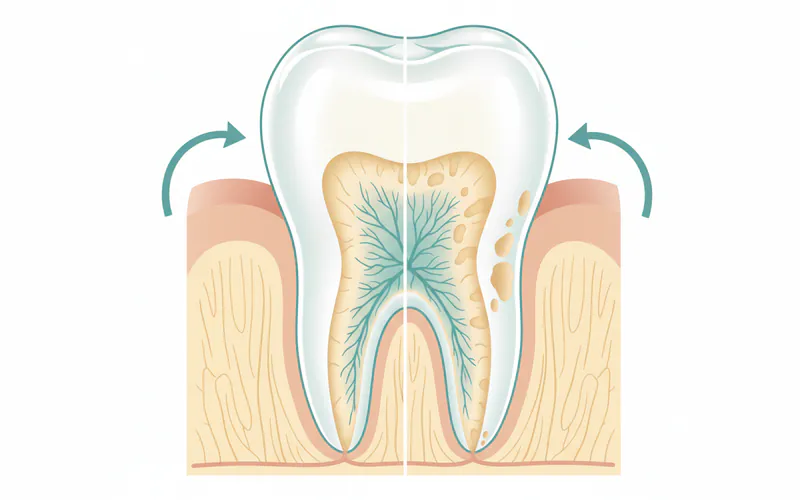
Your teeth are covered by enamel, the hardest substance in the human body. Enamel is primarily composed of minerals, especially hydroxyapatite, which contains a significant amount of calcium. This robust outer layer protects the softer dentin underneath. When acidic substances come into contact with enamel, they can demineralize it, meaning they dissolve these essential minerals. Over time, repeated or prolonged acid attacks can lead to a significant thinning or complete loss of enamel, exposing the dentin. This exposure can lead to a cascade of problems, including sensitivity, discoloration, and increased susceptibility to decay and fracture.
The Mechanism of Erosion
The process of acid erosion begins when the pH level in your mouth drops below a critical threshold, typically around 5.5. At this pH, the minerals in your enamel start to dissolve. Saliva plays a crucial role in buffering these acids and helping to remineralize the enamel by delivering calcium and phosphate ions back to the tooth surface. However, if acid exposure is frequent or prolonged, saliva's protective capacity can be overwhelmed, leading to net mineral loss and progressive erosion. Understanding this delicate balance is fundamental to comprehending how to stop acid erosion on teeth.
The Different Types of Acid Erosion
Acid erosion is generally categorized based on the source of the acid: extrinsic (from outside the body) or intrinsic (from inside the body). Each type presents unique challenges and requires specific approaches for prevention and treatment.
Extrinsic Acid Erosion
This type of erosion is caused by acids introduced to the mouth from external sources, primarily through diet.
- Dietary Acids: The most common cause of extrinsic erosion. This includes:
- Soft Drinks: Sodas, particularly diet sodas, are highly acidic. Phosphoric acid, citric acid, and carbonic acid are common culprits.
- Fruit Juices: Citrus juices (orange, lemon, grapefruit) are naturally acidic. Apple juice and grape juice can also contribute.
- Sports Drinks: Many sports drinks are surprisingly acidic, designed to rehydrate quickly but often at the expense of enamel.
- Acidic Foods: Citrus fruits, berries, pickles, vinegar, salad dressings, and certain candies can contribute to erosion.
- Alcoholic Beverages: Wine, especially white wine, can be quite acidic.
- Environmental Acids: Less common but can affect specific professions.
- Industrial Exposure: Workers in battery manufacturing plants or certain chemical industries may be exposed to airborne acids.
- Chlorinated Pool Water: Professional swimmers who spend extensive time in improperly chlorinated pools may experience erosion due to the acidity of the water.
Intrinsic Acid Erosion
This type of erosion is caused by acids originating from within the body, primarily gastric acids that make their way into the mouth.
- Gastroesophageal Reflux Disease (GERD): Often referred to as acid reflux, GERD causes stomach acid to flow back up into the esophagus and sometimes into the mouth. Chronic GERD is a major cause of severe intrinsic erosion, often affecting the lingual (tongue side) surfaces of upper front teeth and the chewing surfaces of back teeth.
- Bulimia Nervosa: This eating disorder involves frequent self-induced vomiting, which exposes teeth to highly acidic stomach contents. The erosion pattern in bulimia is typically severe and widespread, often affecting the palatal (roof of the mouth side) surfaces of the upper front teeth first.
- Other Conditions Causing Vomiting: Conditions like morning sickness, cyclical vomiting syndrome, or certain medications causing nausea and vomiting can lead to intrinsic erosion if prolonged and frequent.
- Reduced Salivary Flow (Xerostomia): While not a direct source of acid, reduced saliva production (due to medications, radiation therapy, or certain diseases like Sjögren's syndrome) diminishes the mouth's ability to buffer acids and remineralize enamel, exacerbating both intrinsic and extrinsic erosion.
Understanding these distinctions helps your dentist pinpoint the root cause and tailor the most effective strategy for how to stop acid erosion on teeth.
Why Acid Erosion Happens: Common Causes
Acid erosion is a multifactorial condition, meaning several factors can contribute to its development and progression. Identifying these causes is the first step in formulating an effective strategy for prevention and treatment.
Dietary Factors
As discussed, diet is a primary driver of extrinsic acid erosion. The frequency and duration of exposure to acidic foods and drinks are more critical than the sheer quantity. Sipping on a soda or fruit juice throughout the day, for example, maintains a low pH in the mouth for extended periods, maximizing the erosive potential.
- Frequency of Acidic Intake: Frequent snacking or sipping acidic beverages prevents saliva from adequately neutralizing acids and remineralizing enamel.
- Method of Consumption: Swishing acidic drinks around your mouth or holding them against your teeth increases exposure.
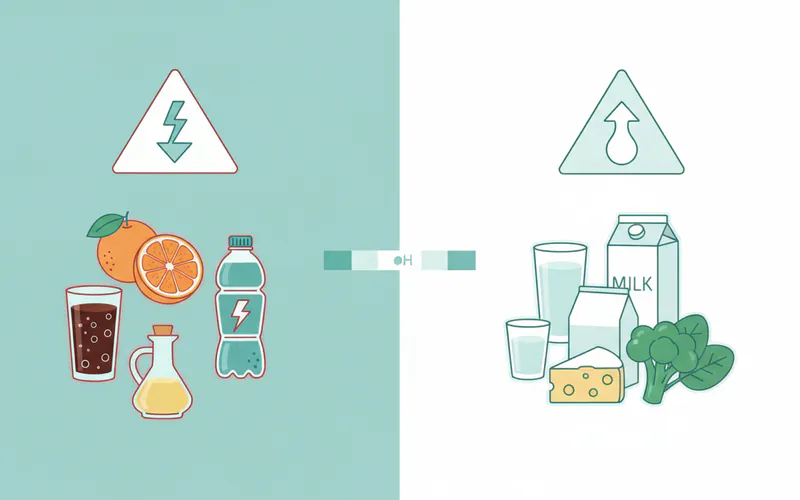
- Acidity Level (pH): Beverages with a pH below 5.5 are particularly harmful. For context, stomach acid has a pH of 1.5-3.5, cola is around 2.5-3.5, and orange juice is around 3.5-4.5.
- Temperature: Cold drinks may be less damaging than warm acidic drinks, as temperature can influence the rate of chemical reactions.
- Sugars: While sugar itself isn't directly erosive, it contributes to bacterial acid production, which can compound the problem by leading to both erosion and decay.
Medical Conditions
Several health conditions can significantly contribute to intrinsic acid erosion.
- Gastroesophageal Reflux Disease (GERD): Chronic reflux of stomach acid into the esophagus and mouth is a leading medical cause. Symptoms include heartburn, regurgitation, and a sour taste, but some individuals have "silent reflux" without noticeable symptoms beyond dental issues.
- Eating Disorders: Bulimia nervosa, characterized by recurrent episodes of binge eating followed by compensatory behaviors like self-induced vomiting, is highly destructive to tooth enamel due to repeated exposure to strong gastric acids.
- Hiatal Hernia: This condition, where part of the stomach pushes up through the diaphragm, can contribute to GERD and thus acid erosion.
- Pregnancy: Morning sickness, especially hyperemesis gravidarum (severe, persistent nausea and vomiting), can cause temporary but significant acid exposure.
- Medications: Certain medications can cause dry mouth (xerostomia), reducing the protective effect of saliva. Others may induce nausea and vomiting. Examples include antihistamines, decongestants, antidepressants, and some blood pressure medications.
Lifestyle Habits
Beyond diet and medical conditions, certain habits can exacerbate acid erosion.
- Bruxism (Teeth Grinding/Clenching): While not a direct cause of erosion, bruxism can accelerate the wear of already acid-weakened enamel. Eroded enamel is softer and more susceptible to mechanical forces.
- Improper Brushing: Brushing too hard or immediately after consuming acidic foods/drinks can literally brush away softened enamel, making the erosion worse. Enamel is temporarily softened by acid and needs time to remineralize before brushing.
- Frequent Snacking: Snacking, especially on acidic or sugary foods, keeps the mouth's pH low for longer periods.
- Mouth Breathing: Can lead to dry mouth, reducing saliva's protective capabilities.
Pro Tip: If you consume an acidic beverage, use a straw to minimize contact with your teeth. After consuming acidic foods or drinks, rinse your mouth thoroughly with water or a fluoride mouthwash, but wait at least 30-60 minutes before brushing. This gives your saliva time to neutralize acids and initiate remineralization.
Spotting the Signs: Symptoms of Tooth Acid Erosion
Recognizing the early signs of acid erosion is crucial for prompt intervention and to determine how to stop acid erosion on teeth before it becomes severe. Unfortunately, early erosion often goes unnoticed because it's painless. However, as it progresses, several distinct symptoms emerge.
Early Signs
- Increased Tooth Sensitivity: This is often the first noticeable symptom. You might experience a sharp, fleeting pain when consuming hot, cold, sweet, or acidic foods and drinks. As enamel wears down, the underlying dentin, which contains microscopic tubules leading to the tooth's nerve, becomes exposed.
- Discoloration: Enamel is naturally white or slightly translucent. As it erodes, the yellowish dentin underneath becomes more visible, making your teeth appear darker or more yellow.
- Rounded or Worn Edges: The sharp edges of your front teeth (incisors) may start to appear rounded. The chewing surfaces of your back teeth might also show signs of wear.
- Shiny, Smooth Spots: Eroded areas of enamel often lose their natural texture and appear unusually smooth and shiny, particularly on the facial (cheek-facing) surfaces of teeth.
Advanced Stages
As acid erosion progresses, the damage becomes more pronounced and can lead to significant dental problems.
- Cupping: This is a classic sign of advanced erosion, particularly on the chewing surfaces of molars. The enamel surface develops concave indentations, resembling small cups or craters. These "cups" often have a darker dentin center.
- Transparency: The biting edges of your front teeth might start to look translucent or glass-like, especially when held up to light. This indicates significant enamel thinning.
- Cracks and Fractures: Severely eroded enamel is weaker and more brittle, making teeth more susceptible to chips, cracks, and even fractures, especially under chewing pressure.
- Fillings That Appear to "Rise": If you have old fillings, especially amalgam (silver) fillings, they might start to appear as if they are sticking out from the tooth surface. This isn't because the filling has moved, but because the surrounding tooth structure (enamel and dentin) has eroded away.
- Tooth Loss (in extreme cases): If left untreated, severe erosion can compromise the structural integrity of the tooth to the point where it may require extraction or extensive restorative work.
If you notice any of these signs, it's essential to consult your dentist. They can accurately diagnose acid erosion and recommend the best course of action.
Comprehensive Treatment Options for Acid-Eroded Teeth
The approach to treating acid erosion depends on its severity, extent, and underlying causes. The primary goals are to halt further erosion, alleviate symptoms like sensitivity, and restore lost tooth structure.
Non-Invasive Approaches
These treatments are typically recommended for mild to moderate erosion or as part of a preventive strategy.
- Fluoride Treatments:
- Description: Professional fluoride varnishes, gels, or foams applied by a dentist. These high-concentration fluoride applications help strengthen enamel and promote remineralization, making teeth more resistant to acid attacks.
- Pros: Non-invasive, quick, effective for strengthening enamel and reducing sensitivity. Relatively inexpensive.
- Cons: Not a restorative solution for lost tooth structure. Requires regular application.
- Cost: $30-$70 per application (often covered by insurance for children, sometimes for adults with high risk).
- Desensitizing Toothpastes/Gels:
- Description: Over-the-counter toothpastes containing ingredients like potassium nitrate or stannous fluoride that block nerve signals or occlude dentinal tubules, reducing sensitivity.
- Pros: Easy to use, affordable, provides symptomatic relief.
- Cons: Does not address the underlying erosion or restore lost enamel. Relief is temporary if use is discontinued.
- Cost: $5-$15 per tube.
- Dental Sealants:
- Description: A thin, plastic coating applied to the chewing surfaces of back teeth to protect them from acid and decay.
- Pros: Non-invasive, highly effective at protecting vulnerable surfaces.
- Cons: Primarily for pits and fissures; may not be suitable for widespread erosion.
- Cost: $30-$60 per tooth (often covered by insurance for children).
Restorative Solutions
For moderate to severe erosion where significant tooth structure has been lost, restorative treatments are necessary to rebuild and protect the teeth.
- Dental Bonding (Composite Resin):
- Description: A tooth-colored resin material is applied to the tooth, molded into shape, and then hardened with a special light. It can repair chips, fill in eroded areas, and improve the tooth's appearance.
- Pros: Minimally invasive, relatively quick (often one visit), aesthetic, more affordable than crowns or veneers.
- Cons: Less durable and more prone to staining than porcelain restorations. May need to be repaired or replaced every 5-10 years.
- Cost: $100-$400 per tooth, depending on complexity and location.
- Dental Veneers:
- Description: Thin, custom-made shells, usually porcelain, that are bonded to the front surface of teeth. They are excellent for restoring aesthetics and protecting the front teeth from further erosion.
- Pros: Highly aesthetic, durable, stain-resistant, protects the tooth.
- Cons: More expensive, irreversible (requires removal of a small amount of enamel), typically requires two visits.
- Cost: $800-$2,500 per tooth for porcelain; composite veneers are less expensive but less durable.
- Dental Crowns:
- Description: A cap that covers the entire visible surface of a damaged tooth. Crowns are used for teeth with extensive erosion, severe wear, or fractures, providing significant structural support and protection.
- Pros: Highly durable, provides full coverage and strength, can last 10-15 years or more.
- Cons: Most invasive (requires significant tooth reduction), most expensive, typically two visits.
- Cost: $800-$3,000 per tooth, depending on material (porcelain, metal-ceramic, zirconia) and location.
- Fillings (Composite or Amalgam):
- Description: For specific areas of erosion that have progressed to actual cavities or significant cupping, a traditional filling can restore the lost structure. Composite (tooth-colored) fillings are generally preferred for aesthetic reasons.
- Pros: Effective for localized damage, restores function.
- Cons: May not address widespread erosion. Amalgam fillings are less aesthetic.
- Cost: $100-$300 per tooth for composite; $50-$200 for amalgam.
Addressing Underlying Medical Causes
For intrinsic erosion, treating the underlying medical condition is paramount for long-term success.
- GERD Treatment: May involve lifestyle changes (diet, elevating head during sleep), over-the-counter antacids, or prescription medications (proton pump inhibitors, H2 blockers). In severe cases, surgery might be considered.
- Eating Disorder Support: Requires a multidisciplinary approach involving medical doctors, nutritionists, and mental health professionals. Dental care will complement the overall treatment plan.
- Saliva Stimulation: For dry mouth, dentists might recommend artificial saliva products, medications that stimulate saliva flow, or frequent water intake.
Understanding these options is key to determining the best strategy for how to stop acid erosion on teeth and restore oral health.
What to Expect: The Treatment Process for Acid Erosion
The treatment process for acid erosion can vary significantly depending on the severity of the erosion and the chosen restorative solution. Here's a general overview of what to expect for common treatments.
Initial Consultation and Diagnosis
Regardless of the chosen treatment, the process always begins with a thorough dental examination.
- Medical and Dental History: Your dentist will inquire about your diet, medical conditions (especially GERD or eating disorders), medications, and oral hygiene habits.
- Visual Examination: The dentist will carefully inspect your teeth for signs of erosion, sensitivity, discoloration, and structural damage.
- X-rays: Radiographs may be taken to assess the extent of internal damage, check for cavities, and evaluate bone health.
- Diagnosis and Treatment Plan: Based on the findings, your dentist will diagnose the severity of the erosion and discuss suitable treatment options, outlining the pros, cons, costs, and expected outcomes. This is also where preventive strategies will be emphasized.
Fluoride Application Process
This is a straightforward, non-invasive in-office procedure.
- Preparation: Your teeth are cleaned and dried.
- Application: A highly concentrated fluoride varnish, gel, or foam is applied directly to the tooth surfaces.
- Setting Time: The fluoride material is left on for a few minutes (varnish) or you may be asked to avoid eating/drinking for a short period (gel/foam).
- Instructions: Your dentist or hygienist will provide aftercare instructions, such as avoiding brushing for a few hours.
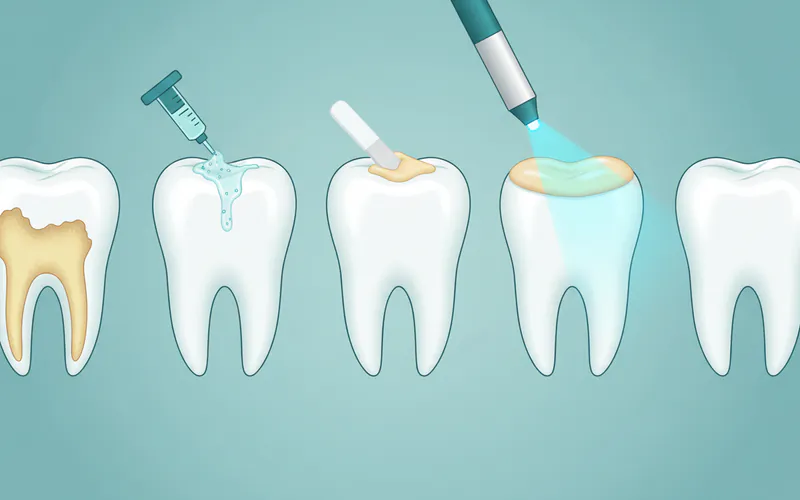
Dental Bonding Procedure
Often completed in a single visit for one or a few teeth.
- Shade Selection: Your dentist will select a composite resin shade that matches your natural teeth.
- Tooth Preparation: The tooth surface is gently etched with a mild acid solution to create a microscopic rough surface, allowing for stronger bonding.
- Bonding Agent Application: A liquid bonding agent is applied to the etched tooth.
- Resin Application and Sculpting: The tooth-colored resin is applied, molded, and shaped by the dentist to cover eroded areas or rebuild tooth structure.
- Curing: A special curing light hardens the resin almost instantly.
- Finishing: The bonded tooth is trimmed, polished, and smoothed to blend seamlessly with your natural teeth.
Crown or Veneer Placement
These procedures typically require two appointments.
Appointment 1: Preparation
- Anesthesia: Local anesthetic is administered to numb the tooth and surrounding tissues.
- Tooth Preparation (Veneers): A small amount of enamel (typically 0.3-0.5 mm) is carefully removed from the front surface of the tooth to make space for the veneer.
- Tooth Preparation (Crowns): The tooth is reshaped, removing enamel and sometimes dentin, to accommodate the crown. A significant amount of tooth reduction is often needed to ensure the crown fits properly and has sufficient strength.
- Impressions: Digital or traditional impressions are taken of your prepared tooth and surrounding teeth. These impressions are sent to a dental lab where your custom veneer or crown will be fabricated.
- Temporary Restoration: A temporary veneer or crown (made of acrylic) is placed to protect the prepared tooth while the permanent restoration is being made.
Appointment 2: Placement
- Removal of Temporary: The temporary restoration is carefully removed.
- Trial Fit: Your dentist will place the permanent veneer or crown on your tooth to check its fit, shape, and color. Adjustments may be made.
- Bonding/Cementation: Once you and your dentist are satisfied, the tooth is cleaned and etched (for veneers) or prepared (for crowns), and the restoration is permanently bonded or cemented into place using a strong dental adhesive.
- Final Adjustments: The dentist will check your bite and make any necessary final adjustments.
Cost and Insurance: Understanding the Financial Aspect
The cost of treating acid erosion can vary widely depending on the type and extent of erosion, the chosen treatment, the materials used, your geographic location, and whether you have dental insurance. Here's a general overview of US price ranges and insurance considerations.
Average Costs for Common Treatments
Costs are typically higher in major metropolitan areas compared to rural areas. These are average out-of-pocket costs without insurance.
- Fluoride Varnish/Treatment: $30 - $70 per application.
- Desensitizing Toothpaste: $5 - $15 per tube.
- Dental Sealants: $30 - $60 per tooth.
- Dental Bonding (Composite Resin): $100 - $400 per tooth.
- Composite Fillings: $100 - $300 per tooth (for 1-2 surfaces).
- Porcelain Veneers: $800 - $2,500 per tooth.
- Dental Crowns: $800 - $3,000 per tooth (material affects cost: PFM - porcelain fused to metal, Emax, Zirconia).
Insurance Coverage
Most dental insurance plans in the US categorize treatments into preventive, basic, and major.
- Preventive Care: This typically includes routine check-ups, cleanings, and X-rays. Fluoride treatments for children are often fully covered (100%), and sometimes for adults deemed at high risk. Dental sealants are also often covered for children up to a certain age.
- Basic Restorative Care: This category usually includes fillings and simple extractions. Composite fillings are typically covered at 50-80% of the cost.
- Major Restorative Care: This includes more extensive procedures like crowns, bridges, and sometimes veneers. Coverage for major procedures is usually lower, often 50%, and may be subject to a deductible and annual maximums (e.g., $1,000-$2,000 per year).
- Veneers and Cosmetic Bonding: While they restore structure, veneers and extensive bonding are often considered cosmetic if the primary goal is aesthetics. Cosmetic procedures may have little to no insurance coverage. However, if the bonding or veneer is deemed medically necessary to restore tooth function or protect against further erosion, some portion may be covered. It is crucial to verify coverage with your insurance provider prior to treatment.
Pro Tip: Always ask your dental office for a pre-treatment estimate ("pre-authorization") from your insurance company. This will give you a clear understanding of what your plan will cover and your out-of-pocket expenses. Many offices also offer payment plans or financing options through third-party providers like CareCredit.
Recovery and Aftercare: Maintaining Your Oral Health
After undergoing treatment for acid erosion, proper recovery and diligent aftercare are essential to protect your newly restored teeth and prevent further erosion.

Immediate Post-Treatment Care
- Sensitivity: It's normal to experience some temporary sensitivity to hot and cold after restorative procedures like bonding, veneers, or crowns. This usually subsides within a few days to weeks. Your dentist may recommend a desensitizing toothpaste.
- Bite Adjustment: After fillings, bonding, crowns, or veneers, your bite might feel slightly off. It's important to tell your dentist if your bite doesn't feel natural, as adjustments can be made to prevent discomfort or damage.
- Avoiding Hard/Sticky Foods: For a few hours after bonding, or for a day or two after temporary crowns/veneers, avoid very hard, crunchy, or sticky foods that could dislodge the restoration. With permanent restorations, chew carefully until you're accustomed to the new feel.
- Oral Hygiene: Continue with regular brushing and flossing as instructed by your dentist. For bonded teeth, use a soft-bristled brush.
Long-Term Maintenance
Long-term success in stopping acid erosion revolves around adopting and maintaining preventive habits, regardless of whether you've had restorative work or just preventive treatments.
- Dietary Modifications:
- Reduce Acidic Intake: Limit consumption of sodas, fruit juices, sports drinks, and highly acidic foods. If consumed, do so quickly, preferably with meals, and avoid sipping or swishing.
- Rinse with Water: After consuming acidic items, rinse your mouth thoroughly with plain water to neutralize acids.
- Chew Sugar-Free Gum: Chewing gum stimulates saliva flow, which helps neutralize acids and remineralize enamel. Look for gums containing xylitol.
- Increase Calcium Intake: Foods rich in calcium in teeth (dairy products, leafy greens, fortified foods) can support enamel remineralization.
- Improved Oral Hygiene Practices:
- Wait to Brush: If you've consumed acidic food or drink, wait at least 30-60 minutes before brushing your teeth. Brushing immediately after acid exposure can further abrade softened enamel.
- Soft-Bristled Toothbrush: Always use a soft-bristled toothbrush to prevent mechanical abrasion.
- Fluoride Toothpaste: Use a fluoride toothpaste to strengthen enamel and aid remineralization. The ADA recommends fluoride toothpaste for everyone.
- Fluoride Mouthwash: Consider using a daily fluoride mouthwash as recommended by your dentist, especially if you're at high risk for erosion or decay.
- Manage Underlying Medical Conditions:
- GERD Control: Work with your doctor to effectively manage GERD through medication, diet, and lifestyle changes.
- Eating Disorder Support: Seek and maintain professional help for eating disorders to address the root cause of intrinsic erosion.
- Dry Mouth: If you suffer from xerostomia, discuss strategies with your dentist, such as saliva substitutes, medications, or frequent sips of water.
- Regular Dental Check-ups:
- Professional Cleanings and Exams: Visit your dentist for regular check-ups and cleanings, typically every six months. Your dentist can monitor the condition of your teeth, apply professional fluoride treatments, and identify any new signs of erosion or issues with existing restorations.
Adhering to these guidelines is crucial for the longevity of your dental work and for preventing future acid erosion.
Preventing Acid Erosion: A Proactive Approach
Prevention is undeniably the most effective strategy for how to stop acid erosion on teeth. By understanding the causes and implementing proactive measures, you can significantly reduce your risk of enamel damage.
Dietary Modifications
- Reduce Frequency of Acidic Foods and Drinks: This is paramount. Limit sodas, sports drinks, fruit juices (especially citrus), diet drinks, fruit teas, and overly acidic fruits (lemons, limes, grapefruits) between meals.
- Consume Acidic Items Quickly: If you do consume acidic items, try to do so during meals and finish them relatively quickly. Avoid sipping on acidic beverages for extended periods.
- Use a Straw: When drinking acidic beverages, use a straw to minimize direct contact with your teeth.
- Rinse with Water: After consuming acidic foods or drinks, rinse your mouth with plain water to help neutralize acids and wash away acid residues.
- Chew Sugar-Free Gum: Chewing sugar-free gum (especially those with xylitol) for about 20 minutes after meals or acidic intake stimulates saliva flow, which helps remineralize enamel and buffer acids.
- Balance Your Diet: Include plenty of calcium-rich foods like dairy, leafy greens, and fortified cereals to support healthy enamel and remineralization. Calcium in teeth is vital for maintaining their strength and resisting acid attacks.
Oral Hygiene Practices
- Don't Brush Immediately After Acid Exposure: Wait at least 30-60 minutes after consuming acidic foods or drinks before brushing. This allows your saliva to naturally remineralize the temporarily softened enamel.
- Use a Soft-Bristled Toothbrush: Hard brushing can further abrade already weakened enamel. Always use a soft-bristled brush and gentle technique.
- Fluoride Toothpaste: Use a toothpaste containing fluoride (e.g., stannous fluoride or sodium fluoride) as it strengthens enamel and makes it more resistant to acid. The American Dental Association (ADA) recommends fluoride toothpaste for optimal protection.
- Fluoride Mouthwash: If you're at high risk for erosion, your dentist may recommend a daily fluoride mouthwash.
- Regular Brushing and Flossing: Maintain excellent overall oral hygiene to prevent cavities, which can compound the damage from erosion.
Managing Medical Conditions
- Treat GERD: If you suffer from GERD, work with your medical doctor to manage it effectively. This may involve lifestyle changes, medications (antacids, H2 blockers, proton pump inhibitors), or even surgery.
- Seek Support for Eating Disorders: If you or someone you know struggles with an eating disorder involving vomiting, professional medical and psychological help is essential.
- Address Dry Mouth: Consult your dentist about strategies for managing dry mouth, such as using saliva substitutes, medications that stimulate saliva flow, or frequently sipping water.
Lifestyle Changes
- Avoid Bruxism: If you grind or clench your teeth, especially at night, discuss a nightguard with your dentist. This protects your enamel from abrasive wear, particularly when it's already compromised by acid.
- Regular Dental Check-ups: Schedule routine dental exams and cleanings (every six months) to allow your dentist to monitor your enamel, identify early signs of erosion, and apply professional fluoride treatments if needed.
By integrating these preventive strategies into your daily routine, you can significantly reduce your risk of developing or worsening acid erosion and maintain the long-term health of your smile.
Risks and Complications of Untreated Acid Erosion
Ignoring acid erosion can lead to a cascade of painful and costly dental problems. The enamel, once lost, cannot regenerate, making the progression of erosion a serious concern.
- Severe Tooth Sensitivity: As more enamel is lost and dentin becomes increasingly exposed, sensitivity can become chronic and debilitating, affecting your ability to enjoy various foods and drinks.
- Increased Risk of Cavities (Tooth Decay): While erosion is not caused by bacteria, eroded teeth are significantly more susceptible to cavities. Exposed dentin is softer than enamel and more porous, making it easier for bacteria to penetrate and cause decay. Without the protective enamel, even small acid attacks from bacteria can quickly lead to large cavities.
- Tooth Discoloration: The yellow dentin exposed by erosion becomes more prominent, making teeth appear darker and less aesthetically pleasing. This can impact self-confidence.
- Changes in Tooth Shape and Size: Teeth can become shorter, thinner, or develop distinct "cupping" or indentations, altering your bite and facial aesthetics.
- Chipping and Fracturing: Thinned and weakened enamel makes teeth more fragile and prone to chipping or fracturing, especially when chewing hard foods or due to bruxism.
- Pulp Exposure and Infection: In severe, untreated cases, so much enamel and dentin can erode that the tooth's pulp (containing nerves and blood vessels) becomes exposed. This is extremely painful and can lead to serious infection, requiring root canal treatment or even extraction.
- Compromised Restorations: Existing fillings or crowns can become more prominent as the surrounding tooth structure erodes, potentially compromising their integrity and leading to gaps where bacteria can accumulate.
- Difficulty with Dental Procedures: Severely eroded teeth can be challenging to restore, sometimes requiring complex and expensive full-mouth rehabilitation.
- Impact on Overall Health: Chronic pain and infection from severe dental issues can affect your general well-being, sleep, and nutrition.
The importance of addressing acid erosion early cannot be overstated. Proactive prevention and timely treatment are essential to avoid these serious complications and ensure long-term oral health.
Comparison of Acid Erosion Treatments
Choosing the right treatment for acid erosion involves considering factors like cost, invasiveness, durability, and effectiveness for different levels of damage.
| Treatment Type | Severity of Erosion Best Suited For | Average Cost (US, per tooth/application) | Invasiveness | Durability / Lifespan | Primary Benefits | Considerations |
|---|---|---|---|---|---|---|
| Fluoride Treatments | Mild (Prevention/Early) | $30 - $70 | Non-invasive | Short-term (monthly/quarterly application) | Strengthens enamel, reduces sensitivity, promotes remineralization | Not restorative; requires ongoing application |
| Desensitizing TP | Mild (Symptom Management) | $5 - $15 | Non-invasive | Ongoing use needed | Reduces sensitivity | Does not restore lost enamel; symptomatic relief only |
| Dental Bonding | Mild to Moderate | $100 - $400 | Minimally invasive | 5-10 years | Aesthetic, quick, affordable, conservative tooth removal | Less durable than porcelain, prone to staining, may chip |
| Composite Fillings | Localized Cupping/Cavities | $100 - $300 | Minimally invasive | 5-10 years | Restores specific areas of loss, aesthetic | Less suitable for widespread erosion |
| Porcelain Veneers | Moderate to Severe (Aesthetic focus) | $800 - $2,500 | Moderately invasive | 10-15+ years | Highly aesthetic, durable, stain-resistant, protects front teeth, restores shape | Higher cost, irreversible (enamel removal), typically 2 visits |
| Dental Crowns | Severe (Structural damage) | $800 - $3,000 | Invasive | 10-15+ years | Restores full tooth structure, strength, and function, covers entire tooth, highly durable | Highest cost, significant tooth reduction, typically 2 visits |
Children / Pediatric Considerations
Acid erosion is a growing concern in children and adolescents, largely due to increased consumption of acidic beverages and fruit juices. Addressing this early is crucial because primary (baby) teeth have thinner enamel than permanent teeth, making them even more susceptible to erosion.
- Dietary Habits: Parents should be mindful of children's intake of sodas, sports drinks, and even "healthy" fruit juices. Diluting juices with water or limiting them to meal times can help. Encourage water and milk as primary beverages.
- Oral Hygiene: Teach children to brush gently with a soft-bristled toothbrush and fluoride toothpaste. Emphasize waiting 30-60 minutes after acidic foods or drinks before brushing.
- Fluoride: Pediatric dentists often recommend professional fluoride treatments and prescribe fluoride supplements if the child's water supply is not fluoridated, to strengthen developing enamel.
- Dental Sealants: Sealants are highly effective in protecting the chewing surfaces of young permanent molars from erosion and decay.
- Medical Conditions: Parents should be aware of conditions like childhood GERD (silent reflux) or eating disorders that can cause intrinsic erosion and seek prompt medical and dental attention.
- Regular Check-ups: Regular visits to a pediatric dentist are vital for early detection and intervention. The dentist can provide age-appropriate advice on how to stop acid erosion on teeth and monitor enamel health.
- Thumb Sucking/Pacifier Use: While not directly causing erosion, prolonged habits can alter tooth alignment, making some surfaces more exposed to acid.
Pro Tip for Parents: Offer cheese or milk after an acidic meal or snack. Dairy products are rich in calcium in teeth and phosphate, which can help neutralize acids and promote remineralization, acting as a natural buffer.
Cost Breakdown
As outlined in the "Cost and Insurance" section, dental costs for acid erosion treatment vary significantly. Here's a concise breakdown:
- Low-End Costs (Preventive/Mild):
- Fluoride treatments: $30 - $70 per application.
- Desensitizing toothpaste: $5 - $15.
- Dental sealants: $30 - $60 per tooth.
- Mid-Range Costs (Moderate Restorations):
- Dental bonding: $100 - $400 per tooth.
- Composite fillings: $100 - $300 per tooth.
- High-End Costs (Severe Restorations):
- Porcelain veneers: $800 - $2,500 per tooth.
- Dental crowns: $800 - $3,000 per tooth.
With vs. Without Insurance:
- With Insurance: Preventive services (check-ups, cleanings, fluoride, sealants for children) are often covered at 80-100%. Basic restorative (fillings, minor bonding) may be covered at 50-80%. Major restorative (crowns, veneers) usually has 50% coverage, subject to deductibles and annual maximums (typically $1,000-$2,000).
- Without Insurance: You are responsible for 100% of the costs. This is where dental savings plans or university dental schools can offer more affordable options.
Payment Plans and Financing Options:
- In-Office Payment Plans: Many dental offices offer flexible payment plans, allowing you to pay for treatment over several months.
- Third-Party Financing: Companies like CareCredit or LendingClub offer specialized healthcare credit cards with deferred interest or low-interest plans for larger dental expenses.
- Dental Schools: Dental schools often provide services at a reduced cost, performed by students under the supervision of experienced faculty. This can be a significant cost-saving option for more extensive treatments.
- Dental Savings Plans: These are not insurance but membership plans where you pay an annual fee and get discounts (typically 10-60%) on dental procedures from participating providers.
Cost-Saving Tips:
- Prioritize Prevention: The most cost-effective approach is preventing erosion in the first place through good habits.
- Early Intervention: Addressing erosion when it's mild is always cheaper than waiting until severe damage requires extensive restorations.
- Shop Around: Get quotes from a few different dentists.
- Discuss Options: Your dentist can often present various treatment options with different cost implications.
Frequently Asked Questions
What does tooth erosion feel like?
Tooth erosion often starts subtly without pain. As it progresses, you might notice increased sensitivity to hot, cold, sweet, or acidic foods and drinks. You may also feel a rough texture on your teeth or observe changes in their appearance, such as yellowing or dullness.
Can acid erosion be reversed?
No, once tooth enamel is lost due to acid erosion, it cannot naturally regenerate or be fully reversed. However, professional dental treatments like fluoride application can help remineralize (harden) the remaining enamel, making it more resistant to further acid attacks and reducing sensitivity. Lost tooth structure can be restored with materials like bonding, veneers, or crowns.
How does calcium help with acid erosion?
Calcium in teeth is the primary mineral component of enamel. When your teeth are exposed to acid, calcium and other minerals are drawn out of the enamel in a process called demineralization. Saliva, rich in calcium and phosphate, can naturally help repair this damage through remineralization. Adequate dietary calcium intake supports this natural repair process, making enamel stronger and more resilient.
Is it okay to brush my teeth immediately after drinking orange juice?
No, it's not. Acidic beverages like orange juice temporarily soften tooth enamel. Brushing immediately afterward can physically abrade this softened enamel, accelerating its loss. It's recommended to wait at least 30-60 minutes after consuming acidic foods or drinks before brushing, allowing your saliva time to neutralize acids and begin remineralizing the enamel.
What are common acidic foods/drinks I should avoid or limit?
Common culprits include sodas (including diet), sports drinks, fruit juices (especially citrus like orange, lemon, grapefruit), acidic fruits (limes, lemons, berries), vinegar-based dressings, pickles, and some alcoholic beverages like wine. Frequency of consumption is more damaging than quantity.
How much do treatments for acid erosion typically cost?
Costs vary based on severity and treatment. Preventive measures like fluoride treatments range from $30-$70. Restorative options like dental bonding can be $100-$400 per tooth, while porcelain veneers and crowns, used for more severe cases, can range from $800-$3,000 per tooth. Insurance coverage depends on the procedure and your plan.
Can acid erosion lead to tooth loss?
Yes, if left untreated, severe acid erosion can significantly weaken teeth, making them highly susceptible to fractures, large cavities, and infections of the tooth pulp. In extreme cases, the tooth may become so compromised that extraction is the only viable option, ultimately leading to tooth loss.
Is acid erosion painful?
Initially, acid erosion may not be painful. However, as enamel wears away and the underlying dentin becomes exposed, many individuals experience increased sensitivity to temperature changes and sweet/acidic foods. If the erosion progresses to expose the tooth's nerve (pulp), it can become acutely painful and may indicate a severe infection.
What's the role of saliva in protecting against acid erosion?
Saliva is your body's natural defense against acid erosion. It helps neutralize acids, washing away food particles and acid residues. Crucially, saliva contains calcium in teeth and phosphate ions that facilitate remineralization, the process by which minerals are redeposited into the enamel, repairing microscopic damage caused by acid attacks.
Can mouthwash help prevent acid erosion?
Yes, certain mouthwashes can help. Fluoride mouthwashes can strengthen enamel and make it more resistant to acid attacks. Some mouthwashes are also designed to help neutralize acids or promote remineralization. Your dentist can recommend an appropriate mouthwash based on your specific needs.
When to See a Dentist
Given the irreversible nature of enamel loss, knowing when to seek professional dental care for acid erosion is critical. Don't wait until you're in severe pain.
- Increased Tooth Sensitivity: If you notice new or increased sensitivity to hot, cold, sweet, or acidic foods and drinks, it's a strong indicator of enamel loss.
- Changes in Tooth Appearance: If your teeth appear more yellow, translucent at the edges, or have developed smooth, shiny spots or concave indentations ("cupping"), schedule an appointment. These are visual signs of erosion.
- Frequent Heartburn or Acid Reflux: If you experience chronic acid reflux (GERD) or frequent vomiting, even if you don't notice immediate dental symptoms, you should inform your dentist. These medical conditions are major causes of intrinsic erosion and require professional management.
- Suspected Eating Disorder: If you or a loved one is struggling with an eating disorder that involves purging, seek immediate medical and dental help. The dental team can mitigate the damage while medical professionals address the underlying condition.
- Routine Check-ups: The best approach is proactive. Regular dental check-ups, typically every six months, allow your dentist to monitor your oral health, detect early signs of erosion, and recommend preventive strategies before significant damage occurs. Your dentist can also identify subtle signs that you might miss.
Waiting to address acid erosion can lead to more extensive damage, increased pain, and more costly and invasive treatments down the line. If you have any concerns about your dental health or suspect you might be experiencing acid erosion, contact your dentist at SmilePedia.net today.
Frequently Asked Questions
Medically Reviewed Content
This article was written by our dental health editorial team and reviewed for medical accuracy. Our content follows strict editorial guidelines for reliability and trustworthiness.
Medical Disclaimer
This article is for informational purposes only and does not constitute medical advice. Always consult with a qualified dental professional for diagnosis and treatment. Do not delay seeking professional advice because of something you read on this website.
Related Articles
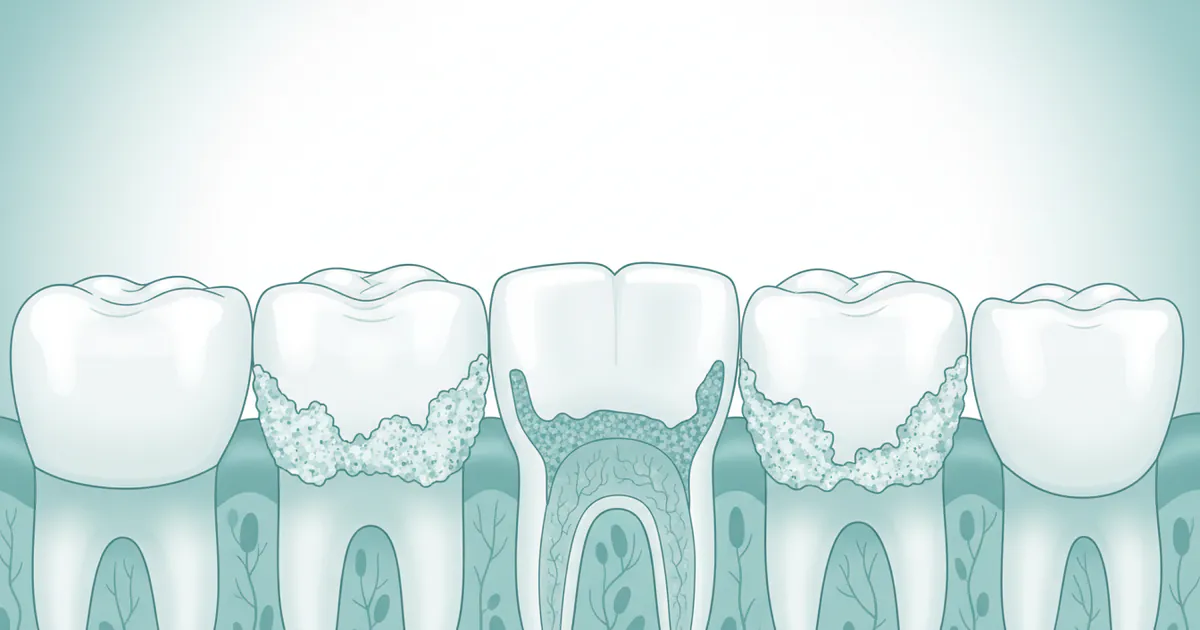
What Are Calcium Deposits on Teeth
Are you one of the millions of Americans who notices a stubborn, yellowish buildup on your teeth despite regular brushing? You're likely experiencing what many refer to as "calcium deposits on teeth." This common dental concern, medically known as dental calculus or tartar, affects a vast ma
February 23, 2026
Calcium Good for Teeth: Complete Guide
More than 99% of your body's calcium resides in your bones and teeth, making it an undeniable cornerstone of skeletal and oral health. But did you know that an estimated 42% of American adults don't get enough calcium from their diet? This staggering statistic underscores a critical question
February 23, 2026
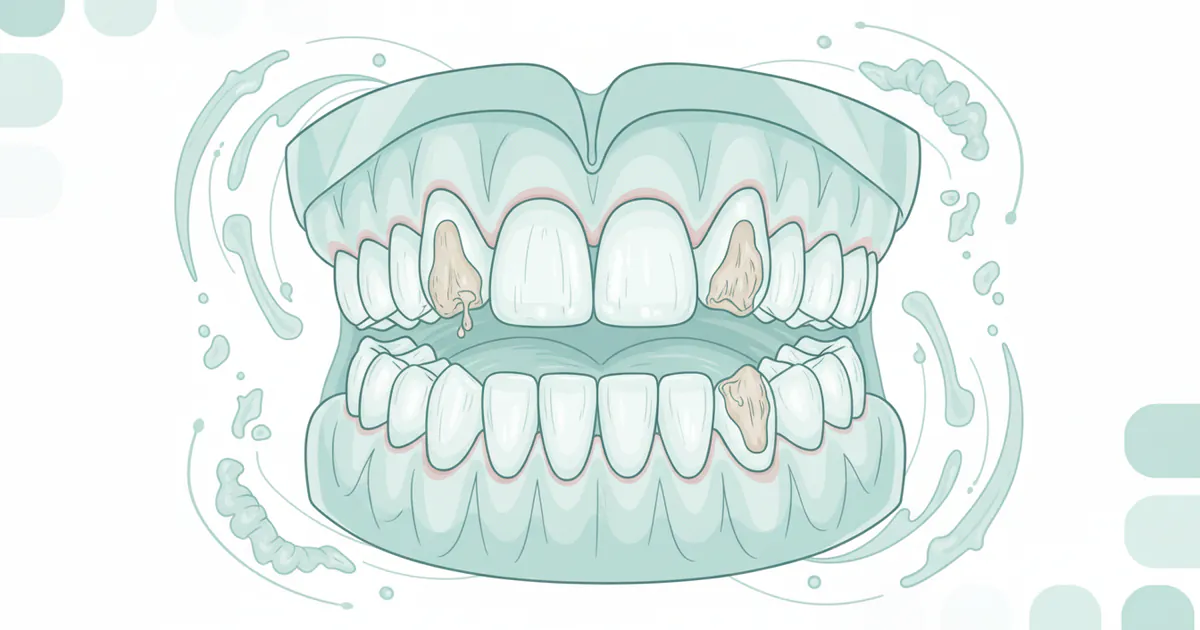
What Do Bulimia Teeth Look Like
"Bulimia teeth" refers to the specific and often severe damage that the self-induced vomiting characteristic of bulimia nervosa inflicts on a person's oral health. It's a critical issue, affecting approximately 1.5% of women and 0.5% of men in the US at some point in their lives, with many more
February 23, 2026
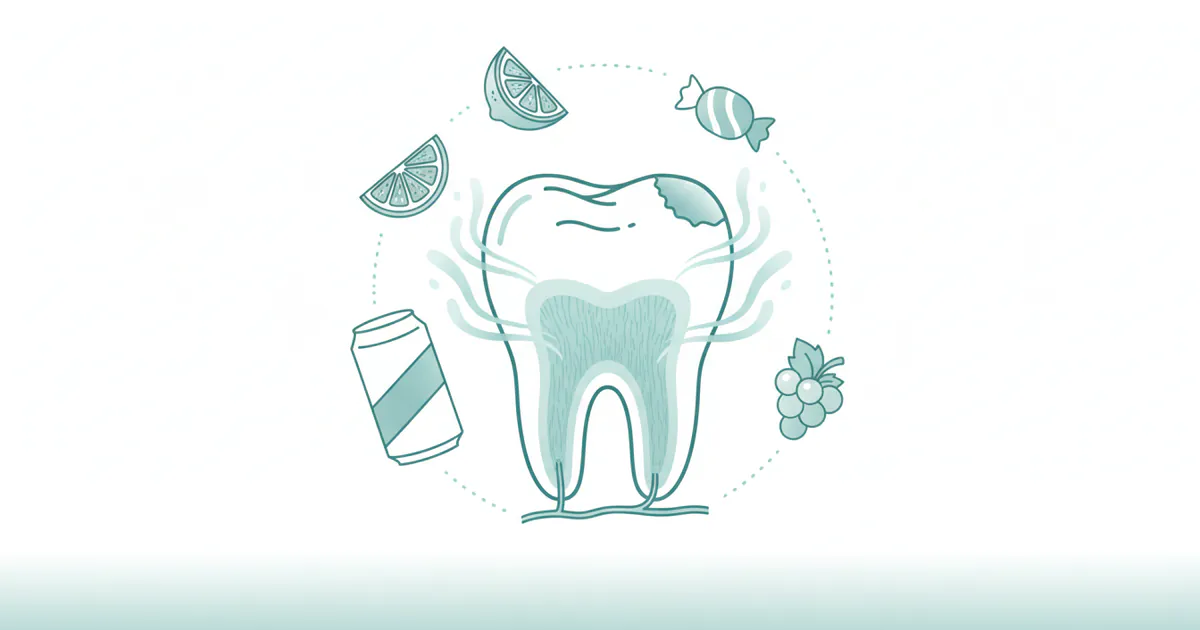
Erosion in Teeth: Complete Guide
Erosion in Teeth: Complete Guide
February 23, 2026