Bite
4,309 words · 14 min read
Quick Definition
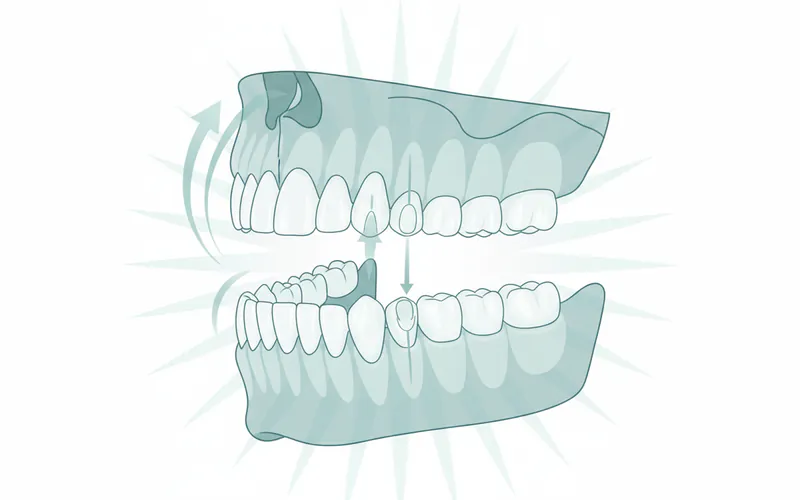
The way the upper and lower teeth come together when the mouth is closed, also known as occlusion. A proper bite ensures even distribution of chewing forces.
Understanding Your Bite: A Definitive Guide to Occlusion
The term "bite" might sound simple, but in dentistry, it refers to a complex and crucial aspect of your oral health: how your upper and lower teeth come together. Officially known as occlusion, your bite is far more than just how your teeth meet when you close your mouth. It dictates the distribution of chewing forces, influences speech, impacts jaw joint health, and even contributes to your overall facial aesthetics. A proper bite ensures that your teeth, gums, and jaw joints function harmoniously, promoting efficient chewing, clear speech, and a healthy smile that lasts a lifetime. Conversely, an improper bite, or malocclusion, can lead to a cascade of dental and health issues, affecting millions of Americans. Statistics suggest that up to 75% of the population experiences some degree of malocclusion, ranging from mild misalignments to severe jaw discrepancies, making understanding your bite a fundamental step toward optimal dental wellness.
Key Takeaways:
- Your bite (occlusion) is how your upper and lower teeth meet. It's crucial for chewing, speaking, and overall oral health.
- Malocclusion is an improper bite, affecting a significant portion of the US population. It can range from minor tooth misalignment to severe jaw discrepancies.
- Types of malocclusion include overbites, underbites, crossbites, and open bites. Each has unique characteristics and potential health impacts.
- Causes are varied, including genetics, childhood habits, and trauma. Early detection is key, especially for children.
- Treatment options range from orthodontics (braces, clear aligners) to jaw surgery. The best approach depends on the severity and specific type of malocclusion.
- Early intervention, particularly in childhood, can prevent more complex and costly problems later on. Regular dental check-ups are essential for monitoring bite development.
Detailed Explanation
Understanding the nuances of your bite is fundamental to maintaining not just a beautiful smile but also robust overall oral health. From the way you chew your food to the clarity of your speech, your occlusion plays an integral role in daily function and long-term well-being.
Types and Classifications of Bite
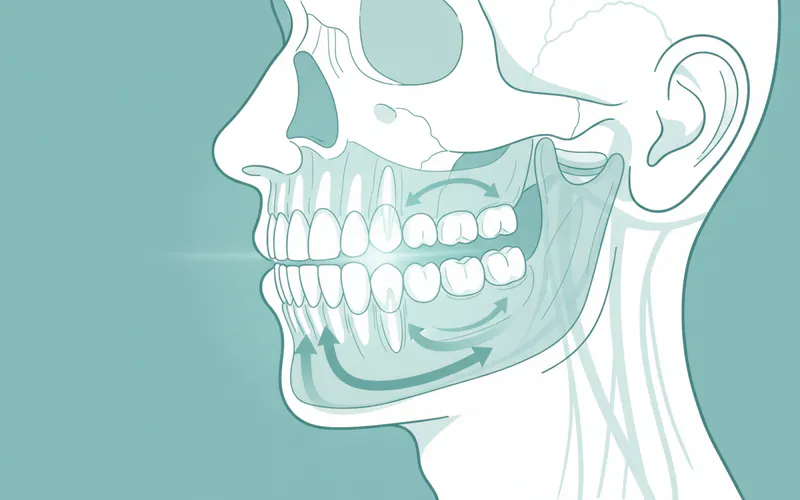
Dentists and orthodontists classify bites primarily based on the relationship between the upper and lower molars and incisors. The most common classification system, developed by Dr. Edward Angle, categorizes bites into three main classes:
-
Class I Malocclusion (Neutroclusion): This is considered the ideal or "normal" bite, though it's still technically a malocclusion if there are other issues like crowding or spacing. In Class I, the mesiobuccal cusp of the upper first molar occludes with the buccal groove of the lower first molar. The upper front teeth slightly overlap the lower front teeth. While this is the most common classification, a Class I bite can still present problems such as:
- Crowding: Not enough space for all teeth to erupt correctly, leading to overlapping or rotated teeth.
- Spacing: Gaps between teeth, often due to missing teeth or a disproportionately large jaw.
- Deep Bite (Excessive Overbite): The upper front teeth overlap the lower front teeth too much, sometimes completely hiding the lower teeth. This can lead to wear on the lower teeth and gum irritation behind the upper teeth.
- Open Bite: There is a vertical gap between the upper and lower teeth when the mouth is closed. This can be anterior (front teeth don't meet) or posterior (back teeth don't meet). Often caused by habits like thumb-sucking or tongue thrusting.
- Crossbite: One or more upper teeth bite on the inside of the lower teeth. This can affect a single tooth, a group of teeth, or even involve the entire jaw (posterior or anterior crossbite). It can lead to uneven tooth wear and jaw asymmetry.
-
Class II Malocclusion (Distoclusion or Overbite): In this type, the upper jaw and/or teeth protrude significantly forward relative to the lower jaw and/or teeth. The mesiobuccal cusp of the upper first molar is mesial (further forward) to the buccal groove of the lower first molar. Often referred to as an "overbite" (though many people incorrectly use this term to describe a deep bite). This can be further divided:
- Class II, Division 1: The upper front teeth protrude forward, often with a large overjet (horizontal overlap). This is frequently associated with a receding chin.
- Class II, Division 2: The upper front teeth are retroclined (tilted inward), with the lateral incisors often overlapping the central incisors. This typically involves a deep bite.
-
Class III Malocclusion (Mesioclusion or Underbite): Here, the lower jaw and/or teeth protrude forward relative to the upper jaw and/or teeth. The mesiobuccal cusp of the upper first molar is distal (further back) to the buccal groove of the lower first molar. Commonly known as an "underbite," this can give the appearance of a prominent chin or a "bulldog" jaw. It can cause significant chewing difficulties and accelerate tooth wear.
Causes and Risk Factors of Improper Bite
The development of an improper bite is often multifactorial, stemming from a combination of genetic and environmental influences.
- Genetics: Heredity plays a significant role. If parents have a certain type of jaw structure or tooth size discrepancy, their children are more likely to inherit similar traits. This includes the size and shape of the jaws, the size of the teeth, and the spacing available for eruption.
- Childhood Habits: Certain habits during formative years can significantly influence jaw and tooth development:
- Thumb-sucking or prolonged pacifier use (beyond age 2-4): Can lead to open bites or flaring of the upper front teeth.
- Tongue Thrusting: Pushing the tongue against the front teeth during swallowing can create an open bite.
- Mouth Breathing: Chronic mouth breathing, often due to allergies or enlarged tonsils/adenoids, can alter facial growth and contribute to narrow upper jaws and crowded teeth.
- Premature Loss of Primary Teeth: If baby teeth are lost too early due to decay or injury, the permanent teeth may drift into the empty spaces, preventing other permanent teeth from erupting correctly.
- Extra or Missing Teeth: Supernumerary (extra) teeth can cause crowding, while congenitally missing teeth (hypodontia) can lead to spacing issues and drifting of adjacent teeth.
- Trauma: Injuries to the jaw or face, especially during childhood, can interfere with jaw growth and tooth alignment.
- Medical Conditions: Certain medical conditions, such as cleft lip and palate, can directly impact jaw and facial structure, leading to complex malocclusions.
- Poor Dental Care: Untreated decay can lead to tooth loss and subsequent shifting of remaining teeth, disrupting the bite.
Signs and Symptoms to Watch For
An improper bite might manifest in various ways, some obvious and others subtle. Recognizing these signs can prompt timely dental intervention.
- Difficulty Chewing or Biting: Food doesn't get properly broken down, leading to digestive issues.
- Speech Problems: Lisping or difficulty pronouncing certain sounds.
- Jaw Pain-jaw-disorders-everything-you-need-to-know "Complete Guide to TMJ & Jaw Disorders: Everything You Need to Know") or Discomfort: Often associated with Temporomandibular Joint (TMJ) disorders, characterized by clicking, popping, pain in the jaw, earaches, or headaches. An improper bite can strain the TMJ.
- Headaches or Migraines: Chronic headaches, especially around the temples or behind the eyes, can sometimes be linked to bite problems and muscle tension.
- Excessive or Uneven Tooth Wear: Teeth grinding (bruxism) or clenching, often exacerbated by a bad bite, can lead to worn-down, chipped, or fractured teeth.
- Gum Disease and Tooth Decay: Misaligned teeth are harder to clean effectively, increasing the risk of plaque accumulation, gingivitis, and cavities.
- Aesthetic Concerns: An improper bite can significantly impact facial appearance, affecting self-esteem.
- Mouth Breathing: If severe, mouth breathing can impact facial development, especially in children.
- Sleep Apnea: In some cases, severe malocclusion, particularly Class II and Class III, can contribute to airway obstruction during sleep.
Diagnosis Process — What Your Dentist Does
Diagnosing an improper bite is a comprehensive process that goes beyond a quick glance. Your dentist or orthodontist will use a variety of tools and techniques:
- Clinical Examination: The dentist will visually inspect your teeth, gums, and jaw alignment. They will observe how your upper and lower teeth meet, check for any shifts or deviations when you close your mouth, and assess your jaw joint function.
- Patient History: Questions about your general health, family dental history, past injuries, and any habits (like thumb-sucking) or symptoms you've experienced.
- Dental X-rays:
- Panoramic X-ray: Provides a wide view of your entire mouth, showing all teeth (erupted and unerupted), jawbones, and sinuses.
- Cephalometric X-ray: A side-profile X-ray that allows the orthodontist to measure the relationship between your teeth, jaws, and soft tissues. This is crucial for treatment planning, especially for jaw surgery.
- Periapical/Bitewing X-rays: Detailed images of specific teeth to check for decay or bone loss.
- Dental Impressions or 3D Scans:
- Traditional Impressions: A mold of your teeth using a soft, putty-like material to create physical models.
- Digital Scans: Modern intraoral scanners create precise 3D digital models of your teeth and bite. These models are invaluable for designing treatment plans, especially for clear aligners.
- Photographs: Intraoral (inside the mouth) and extraoral (facial profile and full-face) photographs are taken to document the initial condition and track progress.
Treatment Options for Bite Correction
The approach to correcting an improper bite is highly individualized, depending on the type and severity of malocclusion, the patient's age, and their overall health goals.
- Orthodontics: This is the most common method for correcting bite problems. Orthodontists use various appliances to gradually move teeth and sometimes reshape the jaw.
- Traditional Metal Braces:
- Pros: Highly effective for complex cases, durable, relatively cost-effective.
- Cons: Visible, can cause temporary discomfort, dietary restrictions, requires good oral hygiene.
- Cost: $3,000 - $7,500 (average range in the US without insurance).
- Ceramic Braces: Similar to metal braces but use clear or tooth-colored brackets, making them less noticeable.
- Pros: Less visible than metal braces, effective.
- Cons: Can stain, more fragile, slightly more expensive.
- Cost: $3,500 - $8,000.
- Lingual Braces: Custom-made braces placed on the inside surface of the teeth, making them virtually invisible.
- Pros: Completely hidden.
- Cons: Most expensive, can be harder to clean, may affect speech initially, potentially more uncomfortable.
- Cost: $8,000 - $12,000+.
- Clear Aligners (e.g., Invisalign): A series of custom-made, clear, removable plastic trays that gradually shift teeth.
- Pros: Nearly invisible, removable (allows for normal eating and brushing), generally more comfortable than braces.
- Cons: Requires high patient compliance (must wear 20-22 hours/day), not suitable for all complex cases, can be misplaced, often slightly more expensive than traditional braces.
- Cost: $3,500 - $8,500.
- Traditional Metal Braces:
- Tooth Extraction: In cases of severe crowding, one or more teeth (often premolars) may be removed to create space for proper alignment.
- Pros: Creates necessary space, can prevent relapse.
- Cons: Irreversible, can sometimes impact facial profile if not carefully planned.
- Cost: $150 - $400 per tooth (routine extraction, complex cases more).
- Dental Restorations: For minor bite adjustments or wear due to malocclusion, dentists might use:
- Crowns: Caps placed over damaged teeth to restore shape, size, and strength, and improve bite.
- Veneers: Thin, custom-made shells bonded to the front surface of teeth to improve appearance and correct minor bite issues.
- Bonding: Resin material applied to teeth to reshape them and correct minor imperfections.
- Cost: Varies widely: Bonding ($100-$400/tooth), Veneers ($800-$2,500/tooth), Crowns ($800-$3,000/tooth).
- Orthognathic Surgery (Jaw Surgery): For severe skeletal malocclusions where the jaws themselves are misaligned, orthodontics alone may not be enough. This surgery repositions the upper jaw, lower jaw, or both.
- Pros: Corrects severe functional and aesthetic issues, provides dramatic and stable results.
- Cons: Major surgical procedure, significant recovery time, higher cost, risks associated with surgery.
- Cost: $20,000 - $50,000+ (can be significantly higher depending on complexity and if insurance covers).
- Interceptive Orthodontics: For children, early treatment can guide jaw growth and tooth eruption to prevent more severe problems.
Treatment Options Comparison
| Feature | Traditional Braces (Metal/Ceramic) | Clear Aligners (Invisalign) | Orthognathic Surgery (Jaw Surgery) |
|---|---|---|---|
| Visibility | Visible (less so with ceramic) | Nearly invisible | No direct visibility (results visible) |
| Removable | No | Yes (for eating, brushing) | N/A |
| Treatment Length | 18-36 months | 12-24 months (can vary) | 6-12 months post-surgery (after pre-op orthodontics) |
| Complexity Handled | High (severe malocclusion) | Moderate to High (less severe skeletal) | Very High (skeletal discrepancies) |
| Maintenance | Difficult cleaning, dietary restrictions | Easy cleaning, high compliance needed | Standard oral hygiene, post-op care |
| Discomfort | Initial soreness, adjustments | Initial pressure/soreness | Significant post-op pain/swelling |
| Average Cost (US) | $3,000 - $8,000 | $3,500 - $8,500 | $20,000 - $50,000+ |
| Insurance Coverage | Often partial, depends on plan | Often partial, depends on plan | Often covers functional aspects (medical insurance) |
Step-by-Step: What to Expect During Treatment
While each treatment plan is unique, here's a general overview of what to expect:
- Initial Consultation & Records: Your first visit involves a thorough examination, X-rays, photos, and possibly digital scans or impressions. This helps the orthodontist diagnose your bite issue and develop a personalized treatment plan.
- Treatment Planning: The orthodontist will review all your diagnostic records and discuss the recommended treatment options, estimated timeline, and costs. This is your chance to ask questions.
- Appliance Placement (e.g., Braces or First Aligners):
- Braces: Brackets are bonded to your teeth, and archwires are threaded through them. This appointment usually takes 1-2 hours.
- Clear Aligners: You'll receive your first set of aligners and instructions on how to wear and care for them.
- Regular Adjustments/Aligner Changes:
- Braces: You'll visit the orthodontist every 4-8 weeks for adjustments, where wires are tightened or changed, and elastic bands may be added.
- Clear Aligners: You'll switch to a new set of aligners every 1-2 weeks as instructed. You may have fewer in-person visits, but regular check-ins are still necessary.
- Treatment Completion: Once your teeth are in their desired positions and your bite is corrected, the braces are removed, or you stop wearing aligners.
- Retention Phase: This is a critical stage. To prevent your teeth from shifting back, you will be fitted with a retainer. This can be removable (worn nightly) or fixed (a thin wire bonded to the back of your front teeth). Retainer wear is often lifelong.
Recovery Timeline and Aftercare
- Initial Discomfort: Expect some soreness and tenderness for a few days after braces are placed or aligners are first worn, and after each adjustment. Over-the-counter pain relievers can help.
- Dietary Adjustments: With braces, you'll need to avoid hard, sticky, or chewy foods. Clear aligners allow you to eat normally, but you must remove them first.
- Oral Hygiene: Meticulous brushing and flossing are essential to prevent decay and gum disease, especially with braces. Interdental brushes or water flossers can be very helpful.
- Speech Adjustments: Some patients experience temporary changes in speech (lisping) with new appliances, particularly lingual braces or clear aligners, which usually resolve within a few days or weeks.
- Retainer Compliance: This is paramount. Failing to wear your retainer as instructed can undo years of treatment, leading to relapse and the need for further intervention.
Prevention Strategies
While genetics play a role, many bite problems can be prevented or mitigated, especially when addressed early.
- Early Dental Visits: Regular check-ups starting by age 1 (or when the first tooth erupts) allow dentists to monitor tooth eruption and jaw development.
- Interceptive Orthodontics: Around age 7, an orthodontic evaluation can identify developing problems like crossbites, severe crowding, or jaw discrepancies. Early intervention can guide jaw growth and prevent more complex issues later.
- Breaking Bad Habits: Help children stop thumb-sucking, pacifier use, or tongue thrusting before permanent teeth erupt. Dentists can offer aids or strategies.
- Maintain Good Oral Hygiene: Prevent premature loss of primary teeth due to decay, which can lead to space loss and crowding.
- Mouthguards for Sports: Protect teeth and jaws from traumatic injury during athletic activities.
Cost Ranges in the US (with/without insurance)
The cost of bite correction varies significantly based on the type of treatment, its complexity, the duration, the geographical location, and the orthodontist's fees.
- Orthodontic Treatment (Braces/Clear Aligners):
- Without Insurance: Typically ranges from $3,000 to $8,500. More complex cases or specialized appliances (e.g., lingual braces) can push costs to $12,000+.
- With Insurance: Many dental insurance plans offer partial coverage for orthodontics, especially for children. Plans often cover 10% to 50% of the cost, usually with a lifetime maximum ranging from $1,000 to $3,000. It's crucial to check your specific policy. Adult orthodontic coverage is less common or more limited.
- Tooth Extractions: $150 - $400 per tooth for routine extractions. Surgical extractions (e.g., impacted wisdom teeth) can be $250 - $600 per tooth. Dental insurance usually covers a percentage.
- Dental Restorations: Highly variable. Bonding ($100-$400/tooth), Veneers ($800-$2,500/tooth), Crowns ($800-$3,000/tooth). Dental insurance may cover a portion (e.g., 50-80% for crowns/fillings), but often less for cosmetic procedures like veneers.
- Orthognathic Surgery: This is a major medical procedure.
- Without Insurance: Can range from $20,000 to $50,000+, encompassing surgeon fees, hospital costs, anesthesia, and pre/post-operative orthodontic care.
- With Insurance: If the surgery is deemed medically necessary (e.g., for severe functional impairment, breathing issues, or TMJ problems), medical insurance may cover a significant portion. If purely cosmetic, coverage is unlikely. It's vital to get pre-authorization from your medical insurance provider.
Many orthodontic offices offer payment plans to help manage costs.
For Parents / Pediatric Considerations
Early evaluation of a child's bite is incredibly important. The American Association of Orthodontists recommends a first orthodontic check-up by age 7. At this age, a child has a mix of primary (baby) and permanent teeth, and the orthodontist can identify subtle problems with jaw growth and emerging teeth that might not be obvious to parents.
- Interceptive Orthodontics (Phase I Treatment): This refers to early treatment for children, typically between ages 7 and 10, while their jaws are still developing. It focuses on correcting significant problems like crossbites, severe crowding, or jaw imbalances before they become more complex.
- Benefits: Can guide jaw growth, create space for permanent teeth, reduce the need for permanent tooth extractions, and shorten the duration of later (Phase II) comprehensive treatment.
- Appliances: Often involves expanders to widen the upper jaw, partial braces, or habit appliances.
- Habit-Breaking Appliances: For habits like thumb-sucking or tongue thrusting that contribute to malocclusion, special appliances can be used to help break these patterns and allow for more normal jaw and tooth development.
- Monitoring Growth and Development: For some children, watchful waiting may be recommended. The orthodontist will monitor their growth to determine the ideal time for comprehensive treatment.
Addressing bite problems in childhood can lead to more stable and successful outcomes, often at a lower overall cost and with less invasive procedures than correcting similar issues in adulthood.
Frequently Asked Questions
How much does bite correction cost?
The cost of bite correction varies widely depending on the type and severity of malocclusion, the chosen treatment method, the duration of treatment, and your geographical location. In the US, orthodontic treatment (braces or clear aligners) typically ranges from $3,000 to $8,500. More extensive treatments like jaw surgery can cost $20,000 to $50,000+. Dental insurance often provides partial coverage, especially for children, usually with a lifetime maximum of $1,000 to $3,000. Medical insurance might cover medically necessary jaw surgery. Always consult with your orthodontist for a personalized quote and discuss payment options.
Is bite correction painful?
Most bite correction treatments involve some level of discomfort, particularly when appliances are first placed or adjusted. With braces, patients typically experience soreness and pressure for a few days after adjustments. With clear aligners, you might feel pressure each time you switch to a new set. This discomfort is usually manageable with over-the-counter pain relievers and tends to subside quickly. Jaw surgery involves a more significant recovery period with considerable pain, swelling, and dietary restrictions, but pain medication will be prescribed. Overall, modern orthodontics aims to minimize discomfort, making the process much more tolerable than in the past.
How long does bite correction take?
The duration of bite correction depends on the complexity of the case, the patient's age, and the chosen treatment method.
- Traditional braces and clear aligners typically take 12 to 36 months. Simpler cases might be completed in 6-12 months, while very complex ones can extend to 3 years or more.
- Interceptive (Phase I) treatment for children often lasts 6 to 12 months.
- Orthognathic surgery involves pre-surgical orthodontics (often 12-18 months), the surgery itself, and then post-surgical orthodontics (another 6-12 months). Your orthodontist will provide an estimated timeline during your initial consultation. Consistency with wearing appliances and following instructions is crucial for staying on track.
Are there alternatives to braces for bite correction?
Yes, several alternatives exist, depending on the specific bite issue and its severity:
- Clear Aligners (e.g., Invisalign): A popular alternative for many cases, offering discretion and removability.
- Lingual Braces: Placed on the inside of the teeth, making them invisible from the front.
- Dental Restorations: For very minor bite issues or tooth wear, options like dental bonding, veneers, or crowns can sometimes correct discrepancies or restore proper tooth function.
- Tooth Extraction: In some crowding cases, removing specific teeth can be an alternative to extensive orthodontic expansion.
- Orthognathic Surgery: For severe skeletal discrepancies where the jaws themselves are misaligned, surgery is often the most effective or only solution. Your orthodontist will discuss the best options for your unique situation.
Does dental insurance cover bite correction?
Many dental insurance plans offer some level of coverage for orthodontic treatment, particularly for children. However, the extent of coverage varies significantly.
- Children's Orthodontics: Often covered up to a certain lifetime maximum (e.g., $1,000 - $3,000), typically covering 10% to 50% of the cost.
- Adult Orthodontics: Less frequently covered, or with more limited benefits.
- Orthognathic Surgery: If the surgery is deemed medically necessary (e.g., to correct a functional impairment, address sleep apnea, or relieve severe TMJ pain), your medical insurance may cover a significant portion of the surgical costs, but usually not the orthodontic part. It's essential to contact your insurance provider directly and get a pre-determination of benefits before starting any treatment.
Can an improper bite affect my overall health?
Absolutely. An improper bite can have far-reaching effects beyond just your teeth.
- TMJ Disorders: Misaligned bites can strain the temporomandibular joints, leading to jaw pain, headaches, clicking/popping sounds, and difficulty opening/closing your mouth.
- Tooth Damage: Uneven chewing forces can cause excessive tooth wear, chipping, fractures, and even tooth loss.
- Gum Disease and Cavities: Crowded or misaligned teeth are harder to clean, increasing the risk of plaque buildup, gingivitis, and periodontal disease, as well as tooth decay.
- Speech Impediments: Bite issues can interfere with proper tongue and lip placement, affecting speech clarity.
- Digestive Problems: Inefficient chewing can lead to larger food particles entering the digestive system, potentially causing digestive discomfort.
- Sleep Apnea: In some cases, severe jaw discrepancies can contribute to airway obstruction during sleep.
What is the difference between an overbite and an underbite?
An overbite refers to a Class II malocclusion where the upper jaw and/or teeth protrude significantly forward relative to the lower jaw and/or teeth. The upper front teeth extend beyond the lower front teeth. This is sometimes incorrectly used interchangeably with a "deep bite," which is when the upper front teeth excessively overlap (cover) the lower front teeth vertically. An underbite is a Class III malocclusion where the lower jaw and/or teeth protrude forward beyond the upper jaw and/or teeth. This results in the lower front teeth biting in front of the upper front teeth. Both are significant bite problems that often require orthodontic intervention.
Can an adult get their bite corrected?
Yes! Adult orthodontics is increasingly common and highly successful. There's no age limit for correcting an improper bite, as long as your teeth and gums are healthy. Many adults seek treatment for aesthetic reasons, but also to address long-standing functional issues like jaw pain, tooth wear, or difficulty chewing. Treatment options like clear aligners have made adult orthodontics more appealing due to their discretion. While adult treatment might take slightly longer than in children because jaw growth is complete, the principles of tooth movement remain the same.
When to See a Dentist
Regular dental check-ups are crucial for monitoring your bite and overall oral health. However, certain signs warrant immediate attention:
- New or worsening jaw pain, clicking, or popping.
- Frequent headaches, especially radiating from the jaw.
- Difficulty chewing, biting, or swallowing.
- New or increased tooth sensitivity.
- Excessive tooth wear, chipping, or fracturing.
- Changes in your speech pattern.
- Any noticeable shift in your teeth or jaw alignment.
- Feeling that your teeth don't fit together correctly.
- Increased difficulty cleaning your teeth due to misalignment.
Even without acute symptoms, if you have concerns about your bite's appearance or function, or if you've been told in the past that you have an improper bite, scheduling a consultation with your general dentist or an orthodontist is always a good idea. They can accurately assess your situation and recommend the most appropriate course of action to ensure a healthy, functional, and aesthetically pleasing smile.
Medical Disclaimer
This article is for informational purposes only and does not constitute medical advice. Always consult with a qualified dental professional for diagnosis and treatment. Do not delay seeking professional advice because of something you read on this website.