Laminate
3,409 words · 11 min read
Quick Definition
A thin shell of porcelain or composite material bonded to the front surface of a tooth to improve its appearance. Also known as a dental veneer or porcelain laminate.
Laminate: Your Comprehensive Guide to Dental Veneers and Smile Enhancement
Short Definition: A thin shell of porcelain or composite material bonded to the front surface of a tooth to improve its appearance. Also known as a dental veneer or porcelain laminate.
Introduction
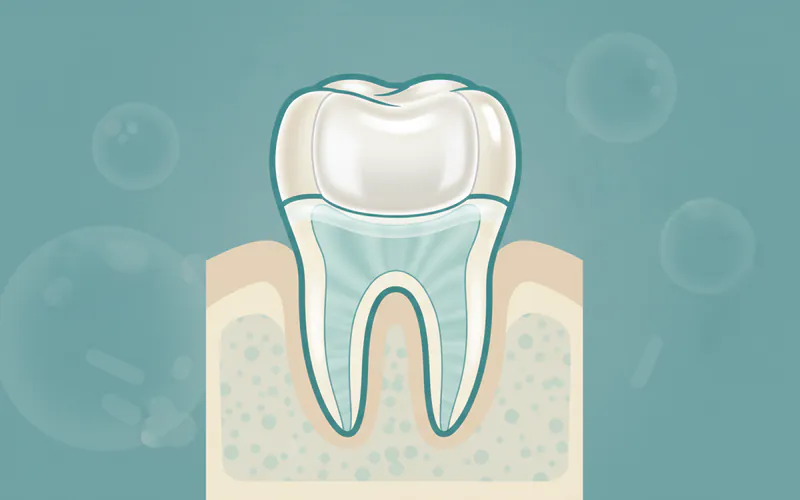
In the pursuit of a radiant and confident smile, modern dentistry offers a multitude of solutions. Among the most popular and transformative options is the dental laminate, often interchangeably referred to as a dental veneer. But what is laminate in the context of dentistry? Simply put, a dental laminate is a custom-made, wafer-thin shell designed to cover the front surface of a tooth, effectively masking imperfections and enhancing its overall aesthetics.
Laminates are a cornerstone of cosmetic dentistry, addressing a wide array of concerns from discoloration and chips to gaps and minor misalignments. For anyone searching "laminate dental," understanding this restorative and aesthetic marvel is crucial. The demand for cosmetic dental procedures, including laminates, continues to rise, with reports indicating that over 60% of Americans feel self-conscious about their teeth, driving many to seek smile-enhancing treatments. Laminates offer a durable, natural-looking, and effective way to achieve the smile of your dreams, significantly impacting self-esteem and quality of life.
Key Takeaways:
- A dental laminate is a thin, custom-made shell bonded to the front of a tooth.
- It's synonymous with a dental veneer or porcelain laminate.
- Laminates primarily address cosmetic concerns like discoloration, chips, gaps, and minor misalignments.
- They are made from either porcelain or composite resin.
- Porcelain laminates are known for their durability and stain resistance, while composite laminates are often more affordable and less invasive.
- The procedure is generally safe and offers long-lasting results for suitable candidates.
Detailed Explanation
Laminate dental procedures have revolutionized smile makeovers, offering a predictable path to a flawless aesthetic. This detailed guide will delve into every aspect of dental laminates, from their types and application to recovery and maintenance.
Types and Classifications
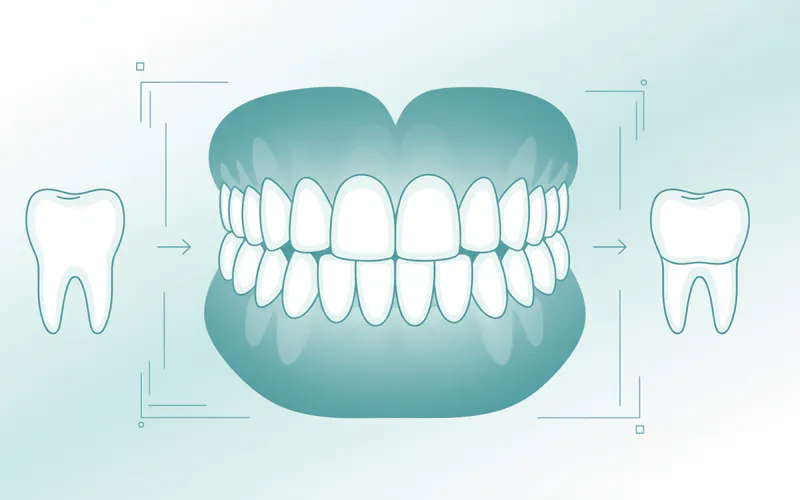
When considering what is laminate, it's important to understand the primary materials used: porcelain and composite resin.
-
Porcelain Laminates (Porcelain Veneers):
- Description: These are ultra-thin shells crafted from high-quality dental porcelain in a dental laboratory. They are custom-designed to match the shape, size, and color of your natural teeth, ensuring a seamless blend with your existing smile. Porcelain is renowned for its strength, durability, and ability to mimic the light-reflecting properties of natural tooth enamel, offering a remarkably lifelike appearance.
- Traditional Porcelain Veneers: Typically require a small amount of enamel reduction (approximately 0.3 to 0.5 mm) from the tooth surface to ensure a proper fit and prevent the veneer from looking bulky. This makes the procedure irreversible.
- "No-Prep" or Minimal-Prep Veneers (e.g., Lumineers): These are even thinner than traditional veneers and, in some cases, may not require any enamel removal. They are an option for specific cases where teeth are already small or widely spaced. While less invasive, they may not be suitable for all patients and can sometimes appear slightly bulkier.
- Related Term: Veneer. This term is often used interchangeably with "porcelain laminate."
-
Composite Laminates (Composite Veneers or Dental Bonding):
- Description: Unlike porcelain laminates, composite laminates are made from a tooth-colored resin material that is applied directly to the tooth surface by the dentist. The material is sculpted and polished in-office during a single appointment.
- Related Term: Bonding. This procedure is often referred to as dental bonding, as the composite resin is bonded directly to the tooth.
- Key Differences: Composite laminates are generally more affordable and less invasive, as they usually require minimal to no enamel removal. However, they are less durable and more prone to staining and chipping compared to porcelain.
Reasons People Choose Laminates
Laminates are primarily a cosmetic solution, addressing a range of aesthetic concerns rather than being "caused" by a disease. People choose laminates to correct or improve:
- Discoloration: Severe intrinsic stains that cannot be whitened through conventional bleaching methods (e.g., tetracycline stains, excessive fluoride exposure).
- Worn-down teeth: Teeth that have become shortened due to grinding or erosion.
- Chips or Fractures: Minor damage to the tooth enamel.
- Gaps (Diastemas): Spaces between teeth.
- Misalignment or Irregular Shape: Slightly crooked, uneven, or oddly shaped teeth (though severe misalignment may require orthodontics).
- Enamel Defects: Pits or depressions in the enamel.
- Related Term: Composite. For minor chips and gaps, composite bonding can be an excellent alternative or precursor to full laminates.
Signs and Symptoms to Watch For (Regarding Existing Laminates)
While laminates are a solution, it's important to be aware of signs that an existing laminate might need attention or replacement:
- Chipping or Cracking: Physical damage to the laminate itself.
- Debonding: The laminate detaching from the tooth. This can lead to sensitivity or food trapping.
- Discoloration: While porcelain is highly stain-resistant, the bonding material at the margins can sometimes stain, or composite laminates can discolor over time.
- Sensitivity: New or increased sensitivity to hot, cold, or pressure could indicate issues with the laminate or the underlying tooth.
- Rough Edges: If you feel rough spots around the laminate, it might indicate wear or a failing bond.
- Gum Inflammation: Poorly fitted laminates can sometimes irritate the gums.
Diagnosis Process — What Your Dentist Does
The journey to your new smile begins with a thorough diagnostic process:
- Initial Consultation and Smile Assessment: Your dentist will discuss your aesthetic goals, examine your oral health, and assess if laminates are the right solution for you. They'll consider factors like your bite, gum health, and overall dental structure. This is a critical step for anyone asking "what is laminate" and if it's right for them.
- Comprehensive Oral Exam and X-rays: To rule out any underlying issues like cavities, gum disease, or severe bite problems that need to be addressed before laminate placement.
- Smile Design and Mock-up:
- Digital Smile Design: Using specialized software, your dentist can create a digital preview of your potential new smile.
- Diagnostic Wax-up: Impressions of your teeth are taken, and a dental lab creates a wax model showing how your teeth would look with laminates. This allows you to visualize the outcome.
- Trial Smile (Bonded Mock-up): In some cases, your dentist might apply temporary composite resin directly to your teeth without etching, allowing you to "try on" your new smile for a few days to get a feel for the shape and size.
- Material Discussion: Your dentist will discuss the pros and cons of porcelain versus composite laminates based on your goals, budget, and oral health.
Treatment Options with Pros, Cons, and Costs
| Treatment Option | Pros | Cons | Typical Cost (per tooth, US) |
|---|---|---|---|
| Porcelain Laminates | Highly aesthetic, durable, stain-resistant, long-lasting (10-15+ years) | Irreversible (requires enamel removal), higher cost, multi-visit | $1,000 - $2,500 |
| Composite Laminates | Reversible (minimal/no enamel removal), lower cost, single-visit | Less durable, more prone to staining/chipping, shorter lifespan | $250 - $1,500 |
| Related Term: Crown | More robust, covers entire tooth, ideal for severely damaged teeth | More aggressive tooth reduction, higher cost, less conservative | $800 - $3,000+ |
Cost Notes: These ranges are estimates and can vary significantly based on location, dentist's experience, complexity of the case, and specific materials used. Insurance typically does not cover cosmetic procedures like laminates.
Step-by-Step: What to Expect During Treatment
The process for getting laminate dental restorations typically involves two to three visits for porcelain, and often a single visit for composite.
For Porcelain Laminates (2-3 Visits):
-
Preparation Appointment (Visit 1):
- Anesthesia: Local anesthetic is administered to ensure comfort.
- Enamel Reduction: A small amount of enamel (0.3-0.5 mm) is gently removed from the front surface of the teeth. This creates space for the laminate and ensures a natural, non-bulky appearance. For "no-prep" options, this step is minimized or skipped.
- Impressions: Highly accurate impressions (molds) of your prepared teeth are taken. These impressions are sent to a specialized dental laboratory where your custom porcelain laminates will be fabricated.
- Temporary Veneers: While your permanent laminates are being crafted (which can take 1-2 weeks), your dentist may place temporary veneers to protect the prepared teeth and maintain aesthetics.
-
Bonding Appointment (Visit 2):
- Try-in: Once the custom laminates arrive from the lab, your dentist will first place them on your teeth without bonding to check the fit, color, and shape. You'll have the opportunity to provide feedback.
- Preparation for Bonding: Your teeth are thoroughly cleaned and polished. The bonding surface of the laminates is etched, and your tooth enamel is also lightly etched. This creates a microscopic rough surface that helps the strong dental adhesive bond securely.
- Bonding: A special dental cement is applied to the laminate, which is then carefully placed onto the tooth. A curing light is used to rapidly harden the cement, creating a strong, durable bond.
- Final Adjustments: Any excess cement is removed, and your bite is checked. Final adjustments are made to ensure comfort and proper occlusion.
For Composite Laminates (Typically 1 Visit):
- Preparation: The tooth surface is gently etched, but typically no or minimal enamel removal is required.
- Application: The tooth-colored composite resin is applied directly to the tooth, often in layers.
- Sculpting: The dentist skillfully sculpts and shapes the resin to achieve the desired aesthetic result.
- Curing: A special light is used to harden each layer of the composite resin.
- Polishing: The composite laminate is then polished to a smooth, natural-looking finish.
Recovery Timeline and Aftercare
Immediately after receiving laminates:
- Initial Sensitivity: You might experience some mild sensitivity to hot and cold for a few days, especially with porcelain laminates if enamel was removed. This typically subsides quickly.
- Gum Adjustment: Your gums may feel slightly tender initially, but they should adapt within a few days.
Long-term Aftercare for all Laminates:
- Oral Hygiene: Maintain excellent oral hygiene. Brush your teeth at least twice a day with a non-abrasive toothpaste and a soft-bristled toothbrush. Floss daily, ensuring you clean thoroughly around the margins of the laminates.
- Regular Dental Check-ups: Continue with routine dental check-ups and professional cleanings (every 6 months). Your dentist can monitor the health of your laminates and address any potential issues early.
- Avoid Hard/Sticky Foods: While porcelain laminates are strong, avoid biting directly into extremely hard foods (e.g., ice, hard candy, unpopped popcorn kernels) or using your teeth as tools to open packages. Sticky foods should also be consumed with caution.
- Protect Against Grinding (Bruxism): If you grind or clench your teeth (bruxism), your dentist may recommend a nightguard to protect your laminates from excessive force. This is crucial for extending their lifespan.
- Stain Management: Porcelain is highly stain-resistant, but the bonding agent or surrounding natural teeth can stain. Composite laminates are more susceptible to staining from coffee, tea, red wine, and tobacco. Practicing good oral hygiene and limiting consumption of highly pigmented foods can help.
- Lifespan: With proper care, porcelain laminates can last 10-15 years or even longer, while composite laminates typically last 5-7 years before needing repair or replacement.
Prevention Strategies
Prevention, in the context of laminates, focuses on maintaining their integrity and extending their lifespan:
- Consistent and Proper Oral Hygiene: The foundation of all dental health.
- Routine Professional Cleanings: To remove plaque and tartar that can accumulate around laminate margins.
- Wear a Mouthguard for Bruxism: Protects against chipping or cracking due to grinding.
- Avoid Habits that Damage Teeth: Don't chew on pens, nails, or ice.
- Limit Staining Foods/Drinks: Especially important for composite laminates.
- Promptly Address Issues: If you notice any chips, cracks, or sensitivity, contact your dentist immediately.
Cost Ranges in the US (with/without insurance)
The cost of dental laminates varies significantly based on several factors: the material chosen, the dentist's experience and location, the complexity of the case, and the number of teeth being treated.
- Porcelain Laminates:
- Per tooth: Typically $1,000 to $2,500.
- A full set of 6-8 porcelain laminates for a smile makeover can range from $6,000 to $20,000+.
- Composite Laminates (Bonding):
- Per tooth: Generally $250 to $1,500.
Insurance Coverage: Dental laminates are primarily considered cosmetic procedures. As such, dental insurance typically does NOT cover the cost of laminates. However, there are exceptions:
- If a laminate is placed to restore a tooth damaged by trauma (e.g., a sports injury resulting in a fracture), a portion of the cost might be covered if deemed medically necessary to restore function. In such cases, the coverage would usually be similar to that for a dental crown or bonding, depending on the extent of damage and the specific policy.
- It's always crucial to check with your insurance provider and discuss payment options with your dental office, as many offer payment plans or financing through third-party providers.
Comparison Table: Porcelain vs. Composite Laminates
| Feature | Porcelain Laminates | Composite Laminates (Bonding) |
|---|---|---|
| Material | High-grade dental porcelain | Tooth-colored composite resin |
| Fabrication | Custom-made in a dental lab | Applied directly, sculpted, and cured in-office |
| Appearance | Highly aesthetic, mimics natural tooth translucency | Good aesthetic, but less lifelike than porcelain |
| Durability | Excellent, highly resistant to wear and fracture | Moderate, more prone to chipping and wear |
| Stain Resistance | Excellent, highly stain-resistant | Moderate, can stain over time |
| Lifespan | 10-15+ years (with proper care) | 5-7 years (with proper care) |
| Preparation | Usually requires irreversible enamel reduction | Minimal to no enamel reduction, often reversible |
| Number of Visits | Typically 2-3 visits | Usually 1 visit |
| Cost (per tooth) | Higher ($1,000 - $2,500) | Lower ($250 - $1,500) |
| Repairability | Not easily repairable; usually requires replacement | Often repairable; can be "added to" |
| Best For | Comprehensive smile makeovers, lasting aesthetic goals | Minor cosmetic fixes, budget-conscious patients |
For Parents / Pediatric Considerations
Dental laminates are generally not recommended for children or young teenagers whose teeth and jaws are still developing. The primary reasons include:
- Developing Teeth: Children's teeth have larger pulp chambers (nerve and blood supply), making extensive preparation more risky. Also, the natural growth and shifting of teeth and jaws can compromise the longevity and fit of laminates.
- Enamel Preservation: For traditional porcelain laminates, the irreversible removal of enamel is a significant consideration for young, healthy teeth.
- Patient Compliance: Children may not be able to maintain the rigorous aftercare required to protect laminates.
However, there are rare exceptions, often involving trauma to permanent front teeth in older adolescents. For instance, if a teenager sustains a severe fracture to a permanent incisor that cannot be restored with simple bonding or a partial crown, a laminate might be considered after careful evaluation and discussion with parents. In such cases, the least invasive option is always preferred, and temporary solutions may be used until the individual reaches adulthood.
Frequently Asked Questions
How much do dental laminates cost?
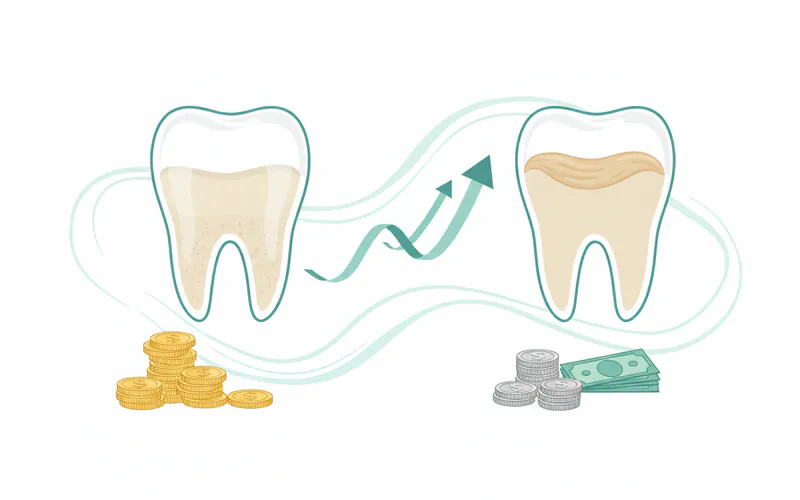
The cost of dental laminates varies significantly. Porcelain laminates typically range from $1,000 to $2,500 per tooth, while composite laminates (dental bonding) generally cost between $250 and $1,500 per tooth. These prices depend on factors such as location, the dentist's experience, and the complexity of your case. A full smile makeover involving multiple laminates can range from $6,000 to over $20,000.
Is getting laminates painful?
The procedure for getting dental laminates is generally not painful. Your dentist will typically use a local anesthetic to numb your teeth and gums during any preparation of the tooth surface. You may experience some mild pressure or vibration during the procedure. After the anesthetic wears off, some patients report temporary sensitivity to hot or cold for a few days, especially if enamel was removed. Over-the-counter pain relievers can usually manage this discomfort.
How long do dental laminates last?
The lifespan of dental laminates depends on the material and your oral hygiene habits. Porcelain laminates are very durable and can last an average of 10 to 15 years, and often much longer (20+ years) with proper care. Composite laminates (bonding) are less durable and typically need to be repaired or replaced every 5 to 7 years. Regular dental check-ups and diligent home care are crucial for extending their longevity.
What are the alternatives to laminates?
Several alternatives exist depending on your specific needs:
- Dental Bonding (Composite Laminates): A less expensive and reversible option for minor chips, gaps, or discoloration.
- Teeth Whitening: If your primary concern is discoloration, professional teeth whitening may be sufficient.
- Orthodontics (Braces or Clear Aligners): For misaligned teeth or significant gaps, orthodontics can provide a long-term solution by physically moving your teeth into their correct positions.
- Dental Crowns: For teeth with more extensive damage, a crown (which covers the entire tooth) might be a more appropriate and stronger restoration.
- Enameloplasty (Tooth Reshaping): For minor shape irregularities, a small amount of enamel can be carefully removed to improve tooth contours.
Does dental insurance cover laminates?
In most cases, dental insurance does not cover cosmetic procedures like laminates. This is because they are primarily sought for aesthetic improvement rather than to restore essential tooth function or health. However, if a laminate is placed to repair a tooth damaged by an accident or trauma and is deemed medically necessary by your dentist and insurance provider, there may be partial coverage. It's essential to contact your specific insurance company for clarification before beginning treatment.
Can laminates be removed?
The answer depends on the type of laminate. Porcelain laminates typically require the removal of a small amount of tooth enamel to ensure a proper fit. Because this process is irreversible, porcelain laminates cannot simply be "removed" without needing another restoration (like new laminates or crowns) in their place. Composite laminates (bonding), on the other hand, often require minimal to no enamel removal and can sometimes be removed or modified more easily by your dentist, making them a more reversible option.
Do laminates stain?
Porcelain laminates are highly resistant to staining because their smooth, non-porous surface does not readily absorb pigments. However, the bonding agent used to attach them to your teeth can sometimes discolor over time, especially at the margins. Composite laminates are more porous and, like natural tooth enamel, can stain over time, particularly with regular consumption of coffee, tea, red wine, and tobacco. Maintaining good oral hygiene and regular dental cleanings helps prevent or minimize staining for both types.
How many teeth can get laminates?
The number of teeth that can receive laminates varies by individual. For a full "smile makeover," it's common to place laminates on the most visible teeth when you smile, typically the top 6 to 8 front teeth. Sometimes, laminates are placed on the bottom front teeth as well. Your dentist will assess your smile and recommend the optimal number of laminates needed to achieve your desired aesthetic outcome.
When to See a Dentist
- Considering Laminates: If you are unhappy with the appearance of your teeth due to discoloration, chips, gaps, or minor misalignment, schedule a consultation with a cosmetic dentist. They can discuss what is laminate and if it's the right solution for you.
- Routine Dental Check-ups: Maintain your regular dental check-ups and cleanings (every six months) to ensure the overall health of your teeth, gums, and any existing laminates.
- Concerns About Existing Laminates: Contact your dentist promptly if you notice any issues with your existing laminates, such as:
- Chipping, cracking, or breaking.
- The laminate feeling loose or detaching.
- New or increased tooth sensitivity.
- Rough edges or discomfort when running your tongue over the laminate.
- Significant staining that wasn't there before.
- Gum irritation around a laminate.
Addressing these concerns early can often prevent more significant problems and extend the life of your dental laminates.
Medical Disclaimer
This article is for informational purposes only and does not constitute medical advice. Always consult with a qualified dental professional for diagnosis and treatment. Do not delay seeking professional advice because of something you read on this website.