Oil Pulling Results: Complete Guide
Key Takeaways
- More than 80% of American adults suffer from some form of gum disease, and many are actively seeking natural, holistic approaches to complement their conventional dental care. Among these traditional remedies, oil pulling has garnered significant attention, promising a myriad of oral health benefits
More than 80% of American adults suffer from some form of gum disease, and many are actively seeking natural, holistic approaches to complement their conventional dental care. Among these traditional remedies, oil pulling has garnered significant attention, promising a myriad of oral health benefits from fresher breath to whiter teeth. But what exactly are the oil pulling results you can realistically expect? This comprehensive guide from SmilePedia.net delves deep into the ancient practice, examining its mechanisms, scientifically backed outcomes, potential benefits of coconut oil pulling, and whether is oil pulling good for teeth in the long run. We'll explore the step-by-step process, cost implications, risks, and how it fits into a modern dental hygiene routine, providing you with all the information you need to make an informed decision.
Key Takeaways:
- What it is: Oil pulling is an ancient Ayurvedic practice involving swishing oil (typically coconut, sesame, or sunflower) in the mouth for 15-20 minutes.
- Primary Benefits: Research suggests it may reduce oral bacteria (like Streptococcus mutans), improve gum health by reducing gingivitis, alleviate bad breath (halitosis), and potentially contribute to a cleaner mouth feel. Whitening effects are anecdotal and less scientifically supported.
- Cost & Accessibility: Highly affordable, with a month's supply of organic coconut oil costing approximately $10-$25. No insurance coverage is available or needed.
- Time Commitment: Requires a daily commitment of 15-20 minutes. Consistent daily practice over 1-2 weeks can start showing noticeable subjective results like fresher breath, with objective results (e.g., reduced plaque index) typically observed after 3-6 months of consistent use.
- Safety Profile: Generally safe when performed correctly. Key risks include accidental swallowing (can cause upset stomach), allergic reactions, or rarely, lipoid pneumonia if inhaled into the lungs. Not recommended for children under 5 due to choking risk.
- Integration: Oil pulling is an adjunctive therapy, meaning it complements, but does not replace, regular brushing, flossing, and professional dental check-ups. The American Dental Association (ADA) does not endorse oil pulling as a primary oral hygiene method due to insufficient scientific evidence supporting its use over conventional practices.
- Actionable Advice: Choose virgin, organic coconut oil for its antimicrobial properties. Swish gently, never forcefully. Dispose of oil in the trash, not the sink, to prevent plumbing issues.
What It Is / Overview
Oil pulling, also known as "kavala" or "gandusha," is a traditional folk remedy originating from ancient India and deeply rooted in Ayurvedic medicine, a holistic healing system. The practice involves swishing a tablespoon of edible oil—most commonly coconut, sesame, or sunflower oil—around the mouth for a period of 15 to 20 minutes on an empty stomach, typically in the morning. After swishing, the oil is expelled and the mouth is rinsed with warm water.
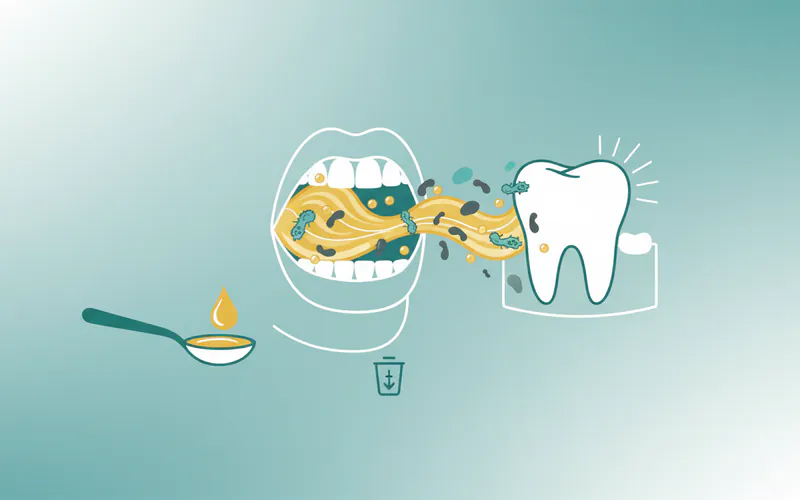
The fundamental theory behind oil pulling suggests that the oil "pulls" out bacteria, toxins, and other debris from the mouth. Proponents believe that as the oil is swished, it binds to the lipid layers of bacterial cell walls and cellular debris, effectively drawing them out. The mechanical action of swishing also helps to dislodge plaque and food particles. Additionally, some oils, particularly virgin coconut oil, contain compounds with known antimicrobial properties, such as lauric acid, which breaks down into monolaurin, a substance effective against various bacteria, fungi, and viruses. This saponification-like process is thought to contribute to the purported cleaning and detoxifying effects.
Historically, oil pulling was prescribed in ancient Ayurvedic texts for a wide array of ailments beyond just oral health, including headaches, asthma, diabetes, and even systemic diseases, though modern scientific evidence predominantly focuses on its oral health implications. In contemporary times, it has gained traction as a natural, alternative method for improving oral hygiene and achieving a brighter, healthier smile, often seen as a gentle detoxifying ritual for the mouth.
Types / Variations
While the basic principle of oil pulling remains consistent—swishing oil in the mouth—the primary variations revolve around the type of oil used. Each oil brings its own unique properties, although virgin coconut oil has become the most popular choice due to its specific composition.
Coconut Oil Pulling
Coconut oil is undoubtedly the most widely used and recommended oil for pulling, and it's particularly relevant to understanding the benefits of coconut oil pulling. Its popularity stems from its pleasant taste, widespread availability, and, critically, its high concentration of lauric acid (around 50%). Lauric acid is a medium-chain fatty acid known for its potent antimicrobial, antifungal, and antiviral properties. When ingested, lauric acid is converted into monolaurin, which is highly effective at disrupting bacterial cell membranes, particularly those of Streptococcus mutans, a primary culprit in tooth decay.
- Pros: Strong antimicrobial properties, pleasant taste, readily available, widely researched in the context of oil pulling.
- Cons: Can solidify in cooler temperatures, requiring gentle warming.
- Cost: Organic, virgin coconut oil typically costs $10-$20 for a 14-ounce jar, lasting approximately one month with daily use.
Sesame Oil Pulling
Sesame oil, particularly unrefined or cold-pressed sesame oil, is another traditional choice in Ayurveda. It's rich in omega-6 fatty acids, antioxidants like sesamol, and various vitamins and minerals. Some studies suggest sesame oil may help reduce plaque and gingivitis due to its anti-inflammatory properties, although its antimicrobial action is generally considered less potent than that of coconut oil.
- Pros: Traditional Ayurvedic choice, anti-inflammatory properties, rich in antioxidants.
- Cons: Stronger, more distinctive taste that some may find less palatable, less direct antimicrobial action compared to coconut oil.
- Cost: Unrefined sesame oil costs around $8-$15 for a 16-ounce bottle.
Sunflower Oil Pulling
Sunflower oil is a less common but still viable option. It is high in linoleic acid (an omega-6 fatty acid) and vitamin E, an antioxidant. Research on sunflower oil for pulling is less extensive than for coconut or sesame oil, but some studies have indicated its potential to reduce plaque and gingivitis, similar to sesame oil.
- Pros: Readily available, generally mild taste.
- Cons: Less scientific backing specifically for oral health benefits, not as potent in antimicrobial compounds as coconut oil.
- Cost: Organic sunflower oil is usually $8-$15 for a 16-ounce bottle.
Other Oils
Less frequently, people might experiment with other edible oils like olive oil or even specialized blends containing essential oils (like peppermint or tea tree oil, diluted). However, the evidence for these is even scarcer, and essential oils should be used with extreme caution due to their potency and potential for irritation if not properly diluted. For beginners, sticking to virgin coconut oil is highly recommended.
Pro Tip: Always choose organic, cold-pressed, unrefined oils for oil pulling to ensure you're getting the purest form without chemical additives or excessive processing that might strip away beneficial compounds.
Causes / Why People Consider Oil Pulling
Understanding "causes" in the context of oil pulling isn't about what causes oil pulling itself, but rather why people turn to it. Individuals seek out oil pulling primarily as a complementary or alternative approach to address various oral health concerns and improve overall well-being. The motivation often stems from:
- Desire for Natural Remedies: Many people are increasingly wary of synthetic chemicals found in conventional mouthwashes and seek "natural" or "holistic" solutions for their health. Oil pulling, being an ancient practice, aligns with this preference.
- Chronic Bad Breath (Halitosis): One of the most common reasons people try oil pulling is to combat persistent bad breath. Halitosis is often caused by volatile sulfur compounds (VSCs) produced by bacteria in the mouth, particularly on the tongue and around the gums. The antimicrobial properties of oils like coconut oil are believed to reduce these bacteria.
- Gum Inflammation (Gingivitis): Mild gingivitis, characterized by red, swollen, or bleeding gums, is a widespread issue. The anti-inflammatory and antimicrobial actions attributed to certain oils are thought to help reduce gum inflammation and bacterial load in the gum pockets.
- Plaque Buildup and Cavity Prevention: Bacteria in plaque convert sugars into acids that erode tooth enamel, leading to cavities. By reducing the overall bacterial population, especially Streptococcus mutans, oil pulling is theorized to contribute to a cleaner mouth and potentially lower the risk of decay, though it doesn't replace fluoride or professional cleanings.
- Tooth Whitening: While less scientifically supported, many anecdotal reports suggest oil pulling can lead to brighter teeth. This effect is likely due to the oil lifting surface stains and reducing bacterial film, making teeth appear cleaner and thus somewhat whiter, rather than an actual bleaching action.
- Dry Mouth (Xerostomia): Some individuals report that oil pulling helps lubricate the mouth and alleviate symptoms of dry mouth, providing a more comfortable oral environment.
- General Oral Detoxification: The concept of "pulling toxins" resonates with individuals interested in detoxification and holistic health. They view oil pulling as a way to cleanse the mouth of impurities that might otherwise contribute to systemic issues.
- Dissatisfaction with Conventional Products: Some users find traditional mouthwashes too harsh, containing alcohol or strong chemicals that can cause dryness or irritation. Oil pulling offers a gentler alternative.
It's crucial to note that while these are common motivations, the scientific evidence for many of these benefits, particularly systemic ones, is still emerging and not universally accepted by mainstream dental associations like the ADA.
Signs and Symptoms It Aims to Address
Oil pulling primarily targets common signs and symptoms of minor oral health imbalances rather than severe diseases. It's often used as an adjunct for:
- Halitosis (Bad Breath): The most frequently reported symptom addressed. If you regularly experience unpleasant breath even after brushing, oil pulling aims to reduce the bacterial populations, especially on the tongue and between teeth, that produce odor-causing compounds.
- Gingivitis (Mild Gum Inflammation): Symptoms like red, swollen, or tender gums that might bleed easily during brushing or flossing. Oil pulling is thought to reduce the bacterial load contributing to this inflammation. It is important to distinguish mild gingivitis from more severe periodontitis, which requires professional intervention.
- Plaque and Tartar Buildup (Early Stages): While it cannot remove existing hardened tartar (calculus), consistent oil pulling may help reduce the formation of new plaque biofilm, which is the precursor to tartar. You might notice a cleaner, smoother feel on your teeth.
- Yellowish or Dull Teeth: If your teeth appear slightly discolored due to surface stains from coffee, tea, or food, oil pulling might help lift these stains, leading to a perceived whitening effect. This isn't a bleaching action but a cleaning effect.
- Dry Mouth Sensation: People experiencing mild xerostomia might find that oil pulling helps to lubricate the oral tissues, reducing discomfort.
- General "Unclean" Mouth Feel: A feeling of fuzziness on teeth or a general sense of not having a thoroughly clean mouth, even after regular hygiene, can be a motivator for trying oil pulling.
Pro Tip: If you experience severe gum pain, significant bleeding, loose teeth, or persistent foul taste, these are signs of more serious dental issues that require immediate professional dental examination, not self-treatment with oil pulling alone.
Treatment Options (Oil Pulling as an Adjunct)
Considering oil pulling as a "treatment option" means evaluating its role within a broader oral hygiene regimen. It is universally understood, even by its proponents, that oil pulling is an adjunctive therapy—it complements, but does not replace, established oral care practices.
Oil Pulling vs. Conventional Mouthwash
| Feature | Oil Pulling (e.g., Coconut Oil) | Traditional Antiseptic Mouthwash (e.g., Listerine) |
|---|---|---|
| Primary Mechanism | Saponification, mechanical removal, antimicrobial fats | Chemical antiseptics (alcohol, chlorhexidine, cetylpyridinium chloride) |
| Key Benefits | Reduces bacteria, may improve gum health, reduces bad breath, natural | Reduces bacteria, freshens breath, may strengthen enamel (fluoride rinses) |
| Duration of Use | 15-20 minutes daily | 30-60 seconds 1-2 times daily |
| Ingredients | Edible vegetable oil (e.g., coconut, sesame) | Water, alcohol, antiseptic agents, flavorings, fluoride |
| Taste/Feel | Mild, oily, some find it pleasant; can be an acquired taste | Strong, minty, sometimes burning sensation |
| ADA Endorsement | No (insufficient scientific evidence as primary care) | Yes (for specific products with therapeutic claims) |
| Cost (Monthly) | $10-$25 (for oil) | $5-$15 |
| Potential Side Effects | Accidental swallowing (upset stomach), TMJ strain, allergic reaction (rare) | Dry mouth (alcohol-based), altered taste, staining (chlorhexidine), burning |
| Role in Routine | Adjunctive/complementary | Adjunctive/complementary (after brushing/flossing) |
Pros of Oil Pulling:
- Natural Ingredients: Appeals to those avoiding synthetic chemicals.
- Potentially Reduces Bacteria Naturally: Lauric acid in coconut oil offers a natural antimicrobial effect.
- Gentle: Typically non-irritating compared to some alcohol-based mouthwashes.
- Cost-Effective: Very low recurring cost.
Cons of Oil Pulling:
- Time-Consuming: The 15-20 minute daily commitment can be a barrier for many.
- Lack of Strong ADA Endorsement: Mainstream dentistry generally requires more robust, large-scale clinical trials.
- No Fluoride: Does not provide enamel strengthening or remineralization benefits like some therapeutic mouthwashes.
- Cannot Replace Brushing/Flossing: Does not mechanically remove plaque and food debris as effectively from all surfaces.
Integrating Oil Pulling with Conventional Care
The most medically accurate and responsible approach is to view oil pulling as a supplement to your existing, dentist-recommended oral hygiene practices, not a substitute.
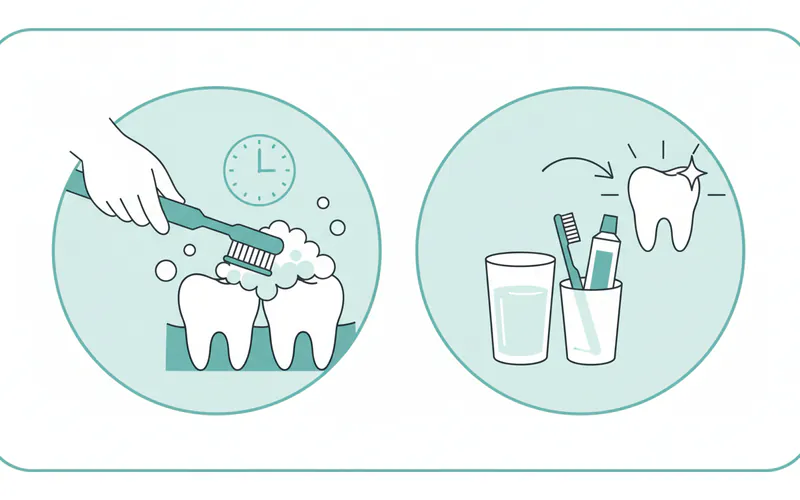
- Brushing: Brush your teeth thoroughly for two minutes, twice a day, with a fluoride toothpaste. This is non-negotiable for removing plaque and food debris.
- Flossing: Floss daily to clean between teeth and below the gum line where a toothbrush can't reach.
- Professional Cleanings: Regular dental check-ups and professional cleanings (typically every six months) are vital for removing hardened tartar, detecting issues early, and maintaining overall oral health.
Pro Tip: If you choose to incorporate oil pulling, do it before brushing your teeth in the morning. This allows the oil to potentially reduce bacteria before you physically clean your teeth, and you avoid introducing oil residue after your fluoride toothpaste has done its job. Always rinse thoroughly with warm water after pulling.
Step-by-Step Process
Performing oil pulling correctly is key to maximizing its potential benefits and minimizing risks. Follow these steps for an effective and safe routine:
-
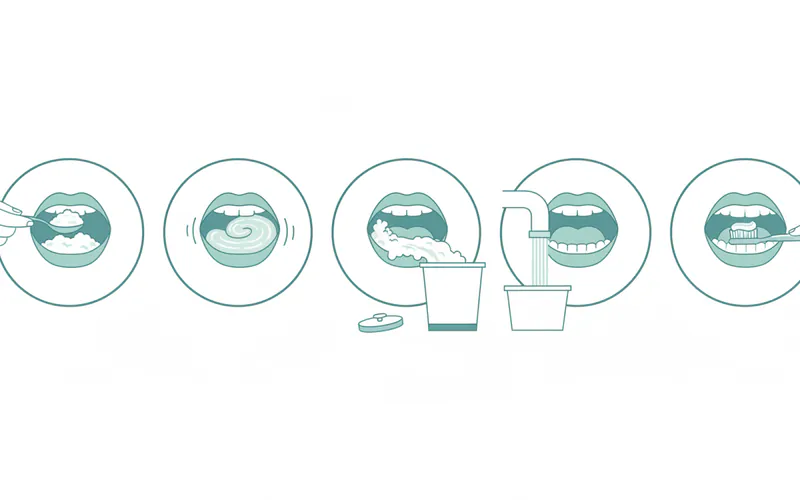
Choose Your Oil: Start with 1 tablespoon of organic, virgin coconut oil. If it's solidified, you can gently warm it in a spoon or your mouth until it liquefies. Other options include sesame or sunflower oil.
-
Timing is Key: The best time for oil pulling is in the morning, immediately after waking up, and crucially, before eating or drinking anything, and before brushing your teeth. This ensures your mouth is relatively clean and the oil can work on an empty stomach.
-
Take a Swish: Put the tablespoon of oil into your mouth. Do not gargle or swallow it.
-
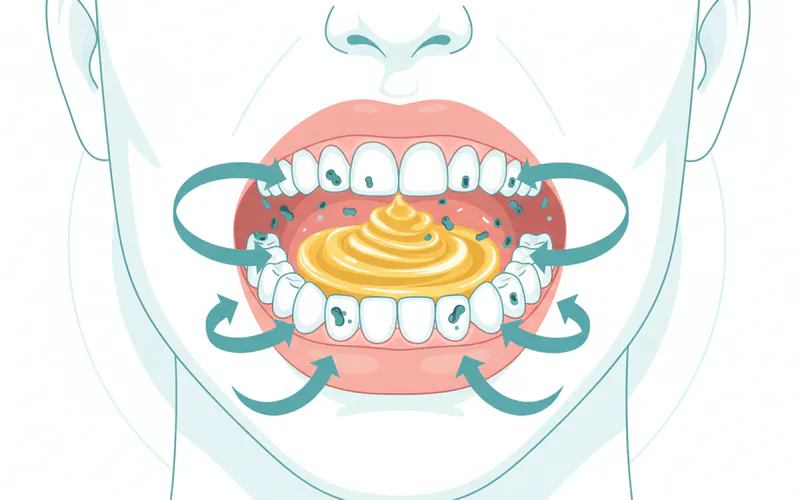
Gentle Swishing: Begin to gently swish the oil around your mouth. Push it, pull it, and draw it through your teeth. The motion should be gentle, not aggressive or tiring. You're not trying to aggressively scrub your teeth, but rather allow the oil to mix with your saliva and coat all oral surfaces.
-
Duration: Continue swishing for 15 to 20 minutes. For beginners, starting with 5 minutes and gradually increasing the duration over a few days or weeks can help you adapt to the sensation. The longer duration allows the oil to emulsify and bind with bacteria and toxins.
- What to expect during the swish:
- Initially, the oil will feel thick, but as it mixes with saliva, it will thin out.
- Towards the end of the 15-20 minutes, the oil should turn milky white, which proponents believe indicates it has absorbed toxins. If it's still yellow and clear, you might not have swished long enough.
- What to expect during the swish:
-
Do NOT Swallow: It's paramount not to swallow the oil, especially after swishing, as it contains bacteria and toxins that have been "pulled" from your mouth. Swallowing it could upset your stomach or reintroduce these substances into your system.
-
Expel the Oil: After 15-20 minutes, spit the oil into a trash can. Do NOT spit it into the sink or toilet. Over time, oil can solidify and clog pipes, leading to costly plumbing issues.
-
Rinse Thoroughly: Immediately after expelling the oil, rinse your mouth thoroughly with warm water, several times. You can add a pinch of salt to the water for an enhanced rinsing effect, or use warm tap water. This helps to remove any residual oil and bacteria.
-
Brush and Floss: Proceed with your normal oral hygiene routine: brush your teeth with fluoride toothpaste and floss. This ensures you remove any remaining oil or bacteria and apply fluoride for enamel protection.
Pro Tip: To make the 15-20 minutes pass more quickly, integrate oil pulling into your morning routine. Swish while showering, preparing breakfast, getting dressed, or performing other morning tasks.
Cost and Insurance
The cost associated with oil pulling is remarkably low, making it an accessible option for many individuals.

Cost of Oils
The primary cost is the oil itself. Prices can vary based on the type of oil, brand, whether it's organic, and where it's purchased (grocery store, health food store, online).
- Organic Virgin Coconut Oil: This is the most popular choice. A 14-ounce jar (approximately 414 ml) typically costs between $10 and $20. Since one tablespoon is used per day (about 15 ml), a jar can last approximately one month.
- Organic Sesame Oil (unrefined): A 16-ounce bottle (approx. 473 ml) costs about $8-$15. This would also last around one month.
- Organic Sunflower Oil (cold-pressed): A 16-ounce bottle usually costs $8-$15, lasting about one month.
Monthly Cost Estimate for Oil Pulling: $10 - $25
Insurance Coverage
Dental insurance does not cover oil pulling. Oil pulling is considered a complementary health practice and involves the purchase of a consumer product (edible oil) rather than a dental procedure or prescribed medication. Therefore, no reimbursement can be expected from private dental insurance plans, Medicaid, or Medicare.
Cost-Effectiveness and Potential Savings
While oil pulling itself is not covered by insurance, some proponents argue that consistent practice might indirectly contribute to cost savings by potentially reducing the incidence of minor oral issues like mild gingivitis or excessive plaque buildup. If oil pulling helps keep these issues in check, it could theoretically reduce the need for certain minor dental interventions or make professional cleanings more straightforward.
However, this is purely speculative and should not be relied upon as a primary cost-saving strategy. It is essential to emphasize that oil pulling cannot prevent or treat severe dental problems like deep cavities, advanced gum disease (periodontitis), or dental infections, which require professional dental care and can incur significant costs (e.g., fillings $100-$400, root canals $700-$2,000, gum surgery $500-$3,000 per quadrant). Regular dental check-ups and cleanings, which are often partially covered by insurance, remain the most effective and financially sound preventative measures.
Pro Tip: Look for sales on organic oils at your local grocery store or warehouse clubs to keep costs down. Buying larger containers can sometimes offer better per-ounce value, but ensure you can use it before it expires or goes rancid.
Recovery and Aftercare
In the context of oil pulling, "recovery" isn't about healing from a procedure, but rather about establishing a consistent routine and maintaining the oral environment for optimal oil pulling results.
Immediate Aftercare
- Rinse Thoroughly: As mentioned in the step-by-step guide, rinsing your mouth with warm water immediately after spitting out the oil is crucial. This removes any oily residue and dislodged bacteria. Some people prefer a saltwater rinse for its additional antiseptic properties.
- Brush and Floss: Follow up with your regular brushing and flossing routine. Use a fluoride toothpaste to ensure enamel protection and thorough cleaning. This step is non-negotiable and completes the hygiene cycle.
Long-Term Aftercare & Consistency
The perceived benefits of oil pulling, such as fresher breath, reduced plaque, and healthier gums, are generally observed with consistent, daily practice.
- Consistency is Key: Just like brushing and flossing, oil pulling needs to be a daily habit to maintain any potential effects. Sporadic use is unlikely to yield significant or lasting results. Many individuals report noticing subjective improvements (e.g., fresher breath, cleaner mouth feel) within 1-2 weeks of consistent daily use. Objective measures like reduced plaque index might take 3-6 months to show significant changes in studies.
- Listen to Your Body: If you experience any discomfort (jaw pain from swishing too forcefully, allergic reactions, upset stomach from accidental swallowing), discontinue the practice or adjust your technique.
- Integrate, Don't Replace: Continue to emphasize that oil pulling is an adjunct. Do not skip your regular dental appointments, brushing, or flossing. These are the cornerstones of effective oral hygiene.
- Monitor for Results: Pay attention to changes in your oral health. Do your gums bleed less? Does your breath feel fresher for longer periods? Are your teeth feeling smoother? While individual experiences vary, positive changes can reinforce your commitment to the practice.
- Periodic Breaks: Some practitioners suggest taking short breaks (e.g., a few days off every few months) from oil pulling, though there is no scientific basis for this recommendation. It might simply serve as a mental reset or to assess if the benefits are sustained or dependent on continuous practice.
Pro Tip: To maintain motivation, consider keeping a small journal to track your daily oil pulling and any observations about your oral health. This can help you objectively assess the oil pulling results you are experiencing.
Prevention (How Oil Pulling Contributes)
Oil pulling is often employed as a preventative measure within a holistic oral hygiene regimen. While it's not a standalone preventative strategy, it may contribute to the prevention of certain common oral health issues when integrated properly.
-
Preventing Excessive Bacterial Buildup: The primary preventative role of oil pulling lies in its ability to reduce the overall bacterial load in the mouth. By mechanically dislodging bacteria and plaque, and through the antimicrobial action of specific oils (especially coconut oil's lauric acid against Streptococcus mutans), it can help prevent these populations from growing unchecked. This, in turn, helps to mitigate the risk of:
- Cavity Formation: By reducing acid-producing bacteria, oil pulling may lessen the acidic attacks on tooth enamel that lead to decay.
- Gingivitis: Lowering the bacterial presence on teeth and gums reduces the inflammatory response that characterizes early-stage gum disease.
-
Preventing Bad Breath (Halitosis): Consistent oil pulling can help prevent the accumulation of odor-causing bacteria and food debris, which are the main culprits behind chronic bad breath. By keeping these populations down, it offers a daily preventative measure against halitosis.
-
Preventing Surface Stains: While not a true whitening agent, regular oil pulling can help prevent the buildup of extrinsic stains from coffee, tea, and tobacco by keeping the tooth surfaces cleaner. This contributes to a brighter, more aesthetic smile.
-
Supporting Gum Health: Beyond just reducing inflammation, a healthier bacterial balance fostered by oil pulling can contribute to stronger, pinker gums that are less prone to bleeding or recession caused by chronic irritation.
Importance of Comprehensive Prevention
It is absolutely crucial to understand that oil pulling acts as a supplement to, not a replacement for, the gold standard of preventative dental care:
- Daily Brushing: At least twice a day with fluoride toothpaste. Fluoride is a key ingredient for strengthening enamel and preventing cavities, a benefit oil pulling does not provide.
- Daily Flossing: Essential for removing plaque and food particles from between teeth and below the gum line where oil and toothbrushes cannot reach.
- Regular Dental Check-ups and Professional Cleanings: These are vital for detecting and addressing issues early, removing hardened tartar (calculus) that oil pulling cannot, and for overall oral health monitoring. The ADA strongly recommends these practices.
Pro Tip: Think of oil pulling as an extra layer of defense in your oral hygiene arsenal, similar to using a tongue scraper or a water flosser. It can enhance your preventative efforts but cannot carry the full load.
Risks and Complications
While oil pulling is generally considered safe when performed correctly, it's not without potential risks and considerations. Awareness of these can help you avoid complications.
- Accidental Swallowing: This is one of the most common issues. If you accidentally swallow the oil after swishing, especially if it contains bacteria and toxins, it can lead to an upset stomach, nausea, or diarrhea. This risk is higher if the oil is swished for a long time and becomes laden with oral microorganisms. For this reason, it's crucial to spit out all the oil.
- Lipoid Pneumonia (Extremely Rare): This severe complication can occur if oil is accidentally inhaled into the lungs. This is more of a theoretical risk for healthy adults but is a significant concern for individuals with impaired gag reflexes, swallowing difficulties, or for young children. This is why oil pulling is generally not recommended for very young children.
- Allergic Reactions: While rare with common edible oils like coconut or sesame, individuals with allergies to specific nuts or seeds could experience an allergic reaction. Symptoms might include itching, swelling, or redness in the mouth. Always do a patch test or start with a very small amount if you have known sensitivities.
- TMJ Strain or Jaw Discomfort: Swishing for 15-20 minutes can be a significant workout for your jaw muscles. If you clench your jaw, swish too forcefully, or have pre-existing temporomandibular joint (TMJ) issues, you might experience jaw pain, fatigue, or discomfort. It's important to swish gently and not strain your jaw.
- Delaying Necessary Professional Dental Treatment: This is perhaps the most significant risk from a dental health perspective. If individuals rely solely on oil pulling to address symptoms that indicate a more serious underlying condition (e.g., severe gum disease, deep cavities, dental abscesses), they might delay seeking professional dental care. This delay can lead to the worsening of conditions, making them more difficult and costly to treat, and potentially causing irreversible damage.
- No Fluoride Protection: Oil pulling does not provide fluoride, which is essential for strengthening tooth enamel and preventing cavities. Relying solely on oil pulling and skipping fluoride toothpaste or treatments can leave your teeth vulnerable to decay.
- Clogging Drains: While not a health risk, repeatedly spitting oil down a sink or toilet drain can lead to significant plumbing problems as the oil solidifies and accumulates, creating blockages that can be expensive to clear. Always spit used oil into a trash can.
Pro Tip: If you experience any persistent discomfort or unusual symptoms after starting oil pulling, consult with your dentist or healthcare provider. Do not attempt to self-diagnose or self-treat serious dental conditions with oil pulling alone.
Children / Pediatric Considerations
Oil pulling, while a gentle practice for adults, requires significant caution and is generally not recommended for very young children.
Age-Specific Guidance
- Children Under 5 Years Old: Oil pulling is strongly discouraged for this age group. The primary concern is the risk of accidental swallowing or aspiration (inhaling the oil into the lungs). Young children often lack the muscle control and understanding to effectively swish without swallowing. Accidental aspiration can lead to serious respiratory issues like lipoid pneumonia, as mentioned in the risks section.
- Children Aged 5-12 Years Old: For older children who can understand and reliably follow instructions not to swallow, and who have developed sufficient oral motor control, oil pulling might be considered with strict parental supervision and dentist consultation. However, the long duration (15-20 minutes) can still be challenging for their attention spans. Starting with very short durations (e.g., 2-3 minutes) and gradually increasing, if tolerated, could be an approach. Coconut oil, with its milder taste, is usually preferred.
- Teenagers (13+): Teenagers who are mature enough to understand the process, risks, and benefits, and who are committed to a consistent routine, can typically perform oil pulling safely. It can be integrated into their existing oral hygiene practices, especially if they are seeking natural remedies for bad breath or mild gum issues. Again, dentist consultation is advisable before starting.
Key Considerations for Parents
- Prioritize Established Oral Hygiene: For children of all ages, the foundational elements of oral health are non-negotiable:
- Brushing twice daily with fluoride toothpaste (age-appropriate amount)
- Flossing daily once teeth touch
- Regular dental check-ups and cleanings
- A balanced diet low in sugar Oil pulling is never a substitute for these practices.
- Risk of Swallowing: Emphasize to children the importance of not swallowing the oil. If they find it difficult, it's best to stop the practice.
- Allergies: Ensure the child has no known allergies to the oil being used (e.g., coconut allergy).
- No Medical Claims: Parents should be wary of any claims that oil pulling can cure pediatric dental issues like cavities or severe gum disease. These require professional dental intervention.
- Consult a Pediatric Dentist: Before introducing oil pulling to any child, especially under the age of 13, it is highly recommended to discuss it with their pediatric dentist. They can assess the child's oral health, motor skills, and whether the practice is appropriate and safe.
Pro Tip for Parents: If a child is interested and old enough, frame oil pulling as an "extra" healthy habit, not a core requirement. Make it a positive experience, perhaps by letting them pick their favorite organic oil or swishing together.
Frequently Asked Questions
Is oil pulling really good for your teeth, or is it just a fad?
While oil pulling has roots in ancient tradition, scientific research on its effectiveness is still emerging. Studies suggest it can be good for your teeth and gums by reducing harmful bacteria, leading to benefits like fresher breath and reduced gingivitis. However, it's considered an adjunctive therapy, meaning it complements, but doesn't replace, conventional brushing, flossing, and professional dental care. It is not a fad, but a legitimate complementary practice backed by some scientific evidence.
What kind of oil should I use for oil pulling, and why?
The most commonly recommended and scientifically studied oil for pulling is organic, virgin coconut oil. This is primarily due to its high concentration of lauric acid, which has proven antimicrobial properties, particularly against Streptococcus mutans, a key bacterium in tooth decay. Other options include sesame oil (traditional) and sunflower oil, which also offer benefits but may have less potent antimicrobial effects.
How long does it take to see results from oil pulling?
Subjective results, such as fresher breath and a cleaner mouth feel, can often be noticed within 1-2 weeks of consistent, daily oil pulling. More objective improvements, such as a reduction in plaque index or gingivitis, might take 3-6 months of dedicated daily practice to become measurable in scientific studies. Consistency is key for any noticeable oil pulling results.
Can oil pulling whiten teeth?
Many anecdotal reports claim that oil pulling helps whiten teeth. This effect is likely due to the oil lifting superficial stains from the tooth surface and reducing bacterial film, which can make teeth appear cleaner and brighter. However, oil pulling does not contain bleaching agents and therefore cannot change the intrinsic color of your teeth or achieve the dramatic whitening results of professional treatments.
How much does oil pulling cost per month?
The cost of oil pulling is very low. A month's supply of organic, virgin coconut oil, using one tablespoon daily, typically costs between $10 and $25. This makes it a highly affordable addition to your oral hygiene routine. Dental insurance does not cover the cost of the oil.
Are there any risks or side effects to oil pulling?
Oil pulling is generally safe, but potential risks include accidental swallowing of the oil (which can cause an upset stomach), allergic reactions (rare), or jaw pain if you swish too forcefully. Extremely rarely, oil can be inhaled into the lungs, leading to lipoid pneumonia, especially in individuals with impaired gag reflexes or young children. It's crucial not to swallow the oil and always spit it into a trash can, not a sink, to avoid plumbing issues.
Can I oil pull if I have fillings, crowns, or other dental work?
Yes, oil pulling is generally safe for individuals with fillings, crowns, veneers, or other dental work. The oil does not typically interact negatively with these materials. However, if you experience any unusual sensitivity or discomfort around your dental work after oil pulling, discontinue the practice and consult your dentist.
Does the American Dental Association (ADA) recommend oil pulling?
The American Dental Association (ADA) states that while some studies suggest potential benefits, there is currently insufficient scientific evidence to recommend oil pulling as a primary oral hygiene practice or a substitute for conventional brushing, flossing, and regular dental check-ups. They encourage patients to continue with ADA-recommended oral care practices.
Should I brush my teeth before or after oil pulling?
It is generally recommended to perform oil pulling before brushing your teeth in the morning, on an empty stomach. This allows the oil to interact with the oral bacteria and debris that have accumulated overnight. After spitting out the oil and rinsing thoroughly with warm water, you should then proceed with your regular brushing and flossing routine.
What are the alternatives to oil pulling for a natural mouth cleanse?
If oil pulling isn't for you, there are other natural ways to support oral health. These include using saltwater rinses (which are effective antiseptics), herbal mouth rinses (e.g., with diluted essential oils like peppermint or tea tree oil, used cautiously), or simply maintaining meticulous traditional oral hygiene with a good diet and plenty of water to promote saliva production. However, none of these fully replicate the proposed mechanisms of oil pulling.
When to See a Dentist
While oil pulling can be a beneficial adjunct to your oral hygiene routine, it is never a substitute for professional dental care. Knowing when to seek professional help is critical for maintaining your oral health and preventing serious complications.
You should always see a dentist if you experience any of the following:
- Persistent or Severe Tooth Pain: Any sharp, throbbing, or continuous toothache could indicate a cavity, infection, fracture, or other serious issue requiring immediate dental attention. Oil pulling cannot cure a cavity or an abscess.
- Significant Gum Bleeding, Swelling, or Tenderness: While oil pulling may help with mild gingivitis, excessive or persistent bleeding, swollen gums, deep gum pockets, or pus around the teeth are signs of more advanced gum disease (periodontitis) that requires professional scaling, root planing, or potentially surgery.
- Loose Teeth: This is a red flag for advanced gum disease or trauma and needs immediate evaluation by a dentist.
- Chronic Bad Breath That Doesn't Improve: If oil pulling and regular hygiene don't resolve your halitosis, it could be a sign of underlying dental problems, tonsil stones, or even systemic health issues. A dentist can help diagnose the root cause.
- Signs of Infection: Fever, facial swelling, difficulty swallowing, or a painful lump in your mouth or jaw could indicate a serious dental abscess or infection that requires antibiotics and professional treatment. This is an emergency.
- Difficulty Chewing or Biting: Pain or difficulty when eating could point to a cracked tooth, an abscess, TMJ disorder, or other issues.
- Receding Gums or Exposed Tooth Roots: These are signs of gum disease or aggressive brushing and can lead to sensitivity and further problems.
- Any Oral Lesions or Sores That Don't Heal: Sores, white patches, or red patches in your mouth that persist for more than two weeks should be examined by a dentist to rule out oral cancer or other serious conditions.
- Cracked, Chipped, or Broken Teeth: These need to be repaired professionally to prevent further damage, pain, or infection.
- Unusual Sensitivity to Hot or Cold: While mild sensitivity can be common, sudden or severe sensitivity could indicate exposed dentin, cavities, or gum recession.
Red Flags vs. Routine Care Guidance:
- Routine Care: Regular check-ups and cleanings (typically every six months) are preventative and allow your dentist to catch minor issues before they become major problems. Oil pulling can complement this routine.
- Emergency Care: Severe pain, uncontrolled bleeding, facial swelling, or trauma to the teeth or jaw require immediate emergency dental care. Do not wait.
- Scheduled Appointment: Persistent symptoms like chronic bad breath, mild gum inflammation that doesn't improve with regular care, or new sensitivities warrant a call to schedule an appointment with your dentist.
Oil pulling can be a valuable addition to your oral health regimen, but it's crucial to understand its limitations. A healthy smile begins with consistent, evidence-based practices and regular professional dental care.
Frequently Asked Questions
Medically Reviewed Content
This article was written by our dental health editorial team and reviewed for medical accuracy. Our content follows strict editorial guidelines for reliability and trustworthiness.
Medical Disclaimer
This article is for informational purposes only and does not constitute medical advice. Always consult with a qualified dental professional for diagnosis and treatment. Do not delay seeking professional advice because of something you read on this website.
Related Articles
What Coconut Oil to Use for Oil Pulling
For centuries, across various cultures, people have sought natural remedies to maintain oral health and enhance their smiles. One practice that has gained significant traction in the modern wellness landscape is oil pulling. While many are curious about its potential benefits, a common question aris
February 23, 2026

What Are the Benefits of Oil Pulling
More than 80% of American adults experience some form of periodontal (gum) disease, and a significant number struggle with issues like chronic bad breath or sensitivity. In the pursuit of optimal oral health, many people explore various practices beyond routine brushing and flossing. One such an
February 23, 2026

How Long to Do Oil Pulling
More than half of all American adults suffer from some form of periodontal disease, a condition that can lead to tooth loss and impact overall health. For those seeking complementary approaches to traditional oral care, ancient practices like oil pulling have garnered significant attention. But
February 23, 2026

Does Oil Pulling Actually Work
Imagine a simple, ancient practice capable of transforming your oral health – reducing bad breath, whitening teeth, and even preventing cavities, all with a spoonful of oil. This is the promise of oil pulling, an age-old tradition that has seen a significant resurgence in popularity across the Unite
February 23, 2026