Oil Pulling With Olive Oil: Complete Guide

Key Takeaways
- Have you ever considered a natural, ancient remedy to boost your oral health that costs pennies a day? While modern dentistry offers incredible advancements, many individuals are exploring complementary practices rooted in tradition. One such practice, gaining renewed interest, is oil pulling. Speci
Oil Pulling With Olive Oil: Complete Guide
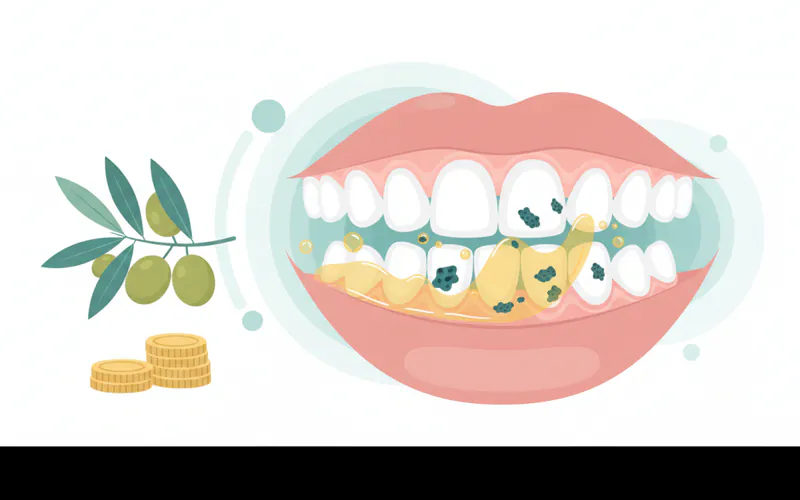
Have you ever considered a natural, ancient remedy to boost your oral health that costs pennies a day? While modern dentistry offers incredible advancements, many individuals are exploring complementary practices rooted in tradition. One such practice, gaining renewed interest, is oil pulling. Specifically, oil pulling with olive oil is emerging as a popular choice due to its accessibility, cost-effectiveness, and potential health benefits. This comprehensive guide from SmilePedia.net will delve deep into the world of oil pulling, exploring its historical roots, the science (and skepticism) behind it, a step-by-step process using olive oil, and what you can realistically expect. We'll examine how it compares to conventional oral hygiene, its potential impact on issues like bad breath and gum health, and crucially, when it’s essential to consult a dental professional.
Key Takeaways:
- Ancient Practice: Oil pulling is an Ayurvedic tradition, typically involving swishing oil in the mouth for 15-20 minutes daily.
- Mechanism: Believed to "pull" toxins and bacteria from the mouth, leading to cleaner teeth and improved gum health.
- Olive Oil's Appeal: Rich in antioxidants and readily available, olive oil is a popular choice for oil pulling, though less studied than coconut oil for oral health.
- Cost-Effective: A 16-ounce bottle of extra virgin olive oil costs $8-$20 and can last for several months, making it an extremely affordable oral health adjunct.
- Time Commitment: Requires 15-20 minutes of daily swishing; results, if any, are typically observed over weeks to months of consistent practice.
- Not a Replacement: The American Dental Association (ADA) states that oil pulling is not a substitute for brushing, flossing, or regular dental check-ups, which are proven methods for preventing cavities and gum disease.
- Potential Benefits: Anecdotal reports suggest benefits for bad breath, gingivitis, and dry mouth, but scientific evidence is limited and often from small-scale studies.
What It Is: Understanding Oil Pulling
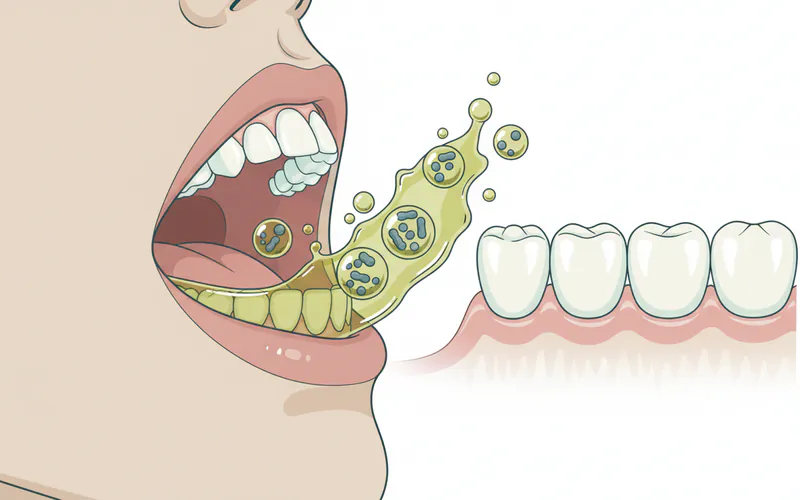
Oil pulling, known in Ayurvedic medicine as "Kavala Graha" or "Gandusha," is an ancient Indian folk remedy dating back over 3,000 years. The practice involves swishing a tablespoon of edible oil in the mouth for a sustained period, usually 15 to 20 minutes, then spitting it out. The proponents of this technique claim it "pulls" out bacteria, toxins, and other oral debris from the mouth, much like a natural detoxifier.
While traditionally performed with sesame oil, modern variations often use coconut oil due to its lauric acid content (a fatty acid with known antimicrobial properties). However, oil pulling with olive oil has gained traction as a convenient and accessible alternative. Olive oil, particularly extra virgin olive oil, is rich in monounsaturated fatty acids and antioxidants, which are beneficial for overall health, though their direct impact on oral bacteria in a swishing context is still under investigation.
The fundamental idea behind oil pulling is based on the principle that many oral bacteria are single-celled organisms that are encased in a fatty membrane. When you swish oil in your mouth, these bacteria are thought to be attracted to and dissolve into the oil, effectively being "pulled" away from the teeth and gums. This mechanical action, combined with the potential properties of the oil itself, is believed to contribute to a cleaner mouth, fresher breath, and potentially reduced inflammation.
It's crucial to understand that oil pulling is considered a complementary health practice. It is not, and should not be, seen as a replacement for conventional oral hygiene routines, which include brushing twice daily with fluoride toothpaste, daily flossing, and regular check-ups with your dentist. These established practices are backed by decades of rigorous scientific research and are proven effective in preventing common oral diseases like cavities and periodontitis.
The Historical Context of Oil Pulling
Originating from Ayurveda, a holistic healing system developed in India, oil pulling was prescribed for a wide array of ailments, not just oral health. Ancient texts described its use for conditions ranging from headaches and asthma to diabetes and skin issues, based on the belief that oral health is intricately linked to overall systemic health. The oils used were typically sesame, sunflower, or olive oil, chosen for their perceived therapeutic qualities. While many of the broad claims lack modern scientific support, the focus on oral hygiene as a gateway to general wellness remains a compelling aspect of its appeal.
Types and Variations of Oil Pulling
While the basic technique of oil pulling remains consistent, the primary variation lies in the type of oil used. Each oil brings its own set of characteristics and proponents:
1. Oil Pulling with Olive Oil (Focus of this Guide)
Pros:
- Accessibility: Olive oil is a staple in most kitchens, making it incredibly easy to start this practice.
- Antioxidants: Extra virgin olive oil is rich in polyphenols and vitamin E, powerful antioxidants that combat oxidative stress. While these benefits are well-established when consumed, their specific efficacy when swished in the mouth for bacterial reduction needs more research.
- Mild Flavor: Compared to some other oils, olive oil has a relatively mild taste, which some users find more palatable for longer swishing times.
- Cost-Effective: A standard bottle is affordable and lasts a long time.
Cons:
- Limited Oral-Specific Research: While widely studied for its dietary health benefits, specific research on olive oil's direct impact on oral bacteria and gum health in the context of oil pulling is less extensive than for coconut oil.
- Texture: Some individuals might find its texture slightly heavy or greasy compared to lighter oils.
2. Coconut Oil Pulling
Pros:
- Lauric Acid: Coconut oil is rich in lauric acid, a medium-chain fatty acid known for its strong antimicrobial, antifungal, and antiviral properties. This is a primary reason why it's often preferred for oil pulling.
- Taste: Many find the mild, slightly sweet taste of coconut oil pleasant.
- Popularity & Research: It's currently the most researched oil for oil pulling, with several studies suggesting benefits for reducing Streptococcus mutans (a primary cavity-causing bacteria) and improving gingivitis.
- Texture: It can feel lighter in the mouth once melted.
Cons:
- Solid at Room Temp: Requires a moment to melt in the mouth, which some find less convenient.
- Cost: Can be slightly more expensive than generic olive oil, but still very affordable.
3. Sesame Oil Pulling
Pros:
- Traditional Choice: This is the most traditional oil used in Ayurvedic practices.
- Antioxidants: Contains sesamol, sesamin, and sesamolin, which are antioxidants.
- Flavor: Some appreciate its distinctive, nutty flavor.
Cons:
- Stronger Flavor: Its strong taste might be off-putting for some, especially during extended swishing.
- Limited Modern Research: While traditional, there's less modern scientific research on its oral health benefits compared to coconut oil.
4. Sunflower Oil Pulling
Pros:
- Accessibility: Widely available and affordable.
- Vitamin E: Rich in Vitamin E, an antioxidant.
Cons:
- Flavor: Can have a neutral to slightly strong flavor.
- Limited Specific Research: Similar to olive oil, its direct oral health benefits through oil pulling are not extensively studied.
Pro Tip: When choosing an oil, always opt for high-quality, cold-pressed, unrefined, and organic varieties to ensure you're getting the purest product free from additives or contaminants. For olive oil, look for "Extra Virgin Olive Oil" (EVOO) as it's the least processed.
Why People Consider Oil Pulling
While oil pulling does not "treat" specific dental conditions in the way a filling treats a cavity or scaling treats periodontitis, people explore it for a variety of perceived benefits related to common oral health issues. These considerations often stem from discomfort or dissatisfaction with conventional methods, or a desire for holistic support.
1. Bad Breath (Halitosis)
Cause: Primarily caused by volatile sulfur compounds (VSCs) produced by bacteria, especially anaerobic bacteria, dwelling on the back of the tongue and between teeth. Why Oil Pulling Might Help: Proponents suggest that oil pulling physically removes these odor-causing bacteria and their byproducts, leading to fresher breath. Some studies have shown a reduction in VSCs after oil pulling, similar to or sometimes even better than certain mouthwashes.
2. Gingivitis (Early Gum Disease)
Cause: Inflammation of the gums, typically due to plaque buildup along the gumline. If left untreated, it can progress to periodontitis. Why Oil Pulling Might Help: The mechanical action of swishing and the potential antimicrobial properties of the oil are thought to reduce plaque and bacterial load, thereby decreasing gum inflammation and bleeding. Some small-scale studies have indicated improvements in gingival scores.
3. Dry Mouth (Xerostomia)
Cause: Reduced saliva flow, often a side effect of medications, certain medical conditions, or aging. Saliva is crucial for washing away food particles and neutralizing acids. Why Oil Pulling Might Help: While not directly increasing saliva production, the act of swishing oil can provide a temporary lubricating effect, helping to alleviate discomfort. It might also help keep the oral environment moist.
4. Plaque Accumulation
Cause: A sticky film of bacteria, food particles, and saliva that constantly forms on teeth. If not removed, it hardens into tartar (calculus). Why Oil Pulling Might Help: The physical action of swishing is believed to help dislodge and trap plaque-forming bacteria before they can adhere firmly to the tooth surface.
5. Whitening Teeth
Cause: Extrinsic stains on tooth enamel from food, drinks, and tobacco. Why Oil Pulling Might Help: Anecdotal evidence suggests some people observe a subtle whitening effect. This is likely due to the removal of surface stains and bacterial film, rather than any chemical bleaching action. It will not change the intrinsic color of the teeth.
6. Complementary Oral Hygiene
Cause: A desire to enhance existing oral care routines or explore natural alternatives. Why Oil Pulling Might Help: For those seeking holistic approaches, oil pulling is seen as a way to support overall oral hygiene, working in conjunction with brushing and flossing.
It is critical to reiterate that while these are the reasons people explore oil pulling, scientific evidence supporting its efficacy for many of these claims is still developing and often preliminary. The ADA emphasizes that there is not enough reliable scientific evidence to show that oil pulling provides any oral health benefits beyond a placebo effect.
Step-by-Step Process: Oil Pulling With Olive Oil
Performing oil pulling correctly is key to ensuring a comfortable and potentially beneficial experience. Here’s a detailed guide focusing on olive oil:
Preparation:
- Choose Your Oil: Select a high-quality, cold-pressed, extra virgin olive oil. This ensures you're using oil that retains its natural beneficial compounds and is free from harsh processing chemicals.
- Timing is Key: The best time for oil pulling is in the morning, on an empty stomach, before you've eaten or even had water. This is when your mouth is thought to have the highest concentration of bacteria accumulated overnight.
- Gather Supplies: You'll only need your olive oil and a clean sink.
The Oil Pulling Steps:
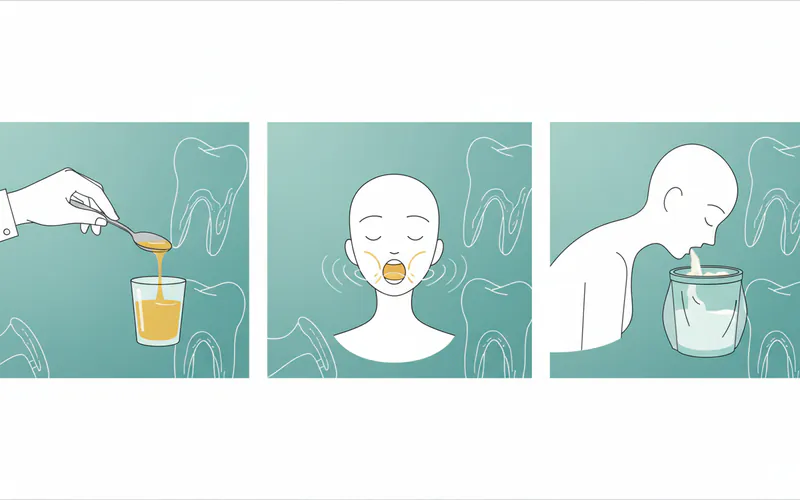
- Measure the Oil: Take 1 tablespoon (approximately 15 ml) of extra virgin olive oil. For beginners or those with a sensitive gag reflex, start with a smaller amount, such as 1 teaspoon, and gradually increase as you get comfortable.
- Pro Tip: If the idea of a full tablespoon is overwhelming, start small. Consistency with a smaller amount is better than quitting due to discomfort.
- Swish Gently: Put the olive oil into your mouth. Do NOT gargle or swallow the oil. Begin to gently swish it around your mouth, pushing it through your teeth and over your gums. The motion should be relaxed, not vigorous. Imagine the oil washing over every surface of your teeth and gums.
- Duration: Continue swishing for 15 to 20 minutes.
- Why 15-20 minutes? This duration is often cited as sufficient for the oil to "pull" or absorb bacteria and toxins effectively. If you're new to oil pulling, start with 5 minutes and gradually work your way up. It’s okay to spit it out earlier if you feel uncomfortable or your jaw muscles get tired.
- During this time, you can continue with other morning routines like showering or getting dressed. Avoid talking if possible, as it increases the risk of swallowing.
- Observe the Change: As you swish, the oil will typically change consistency. It may become thinner and turn a milky white color. This color change is often attributed to the oil emulsifying with saliva and potentially trapping bacteria and debris.
- Spit It Out: Once the 15-20 minutes are up, or if you feel you can't continue, spit the oil directly into a trash can. DO NOT spit the oil into a sink or toilet. The oil, especially solidified coconut oil, can solidify in pipes and cause clogs over time.
- Pro Tip: Spitting into a paper towel and disposing of it in the trash is the cleanest and safest method for your plumbing.
- Rinse Thoroughly: Immediately after spitting, rinse your mouth thoroughly with warm water, several times. You can use plain warm water or warm salt water (a solution of 1/2 teaspoon salt in 8 ounces of warm water). This helps to wash away any residual oil and trapped toxins.
- Brush Your Teeth: Follow up with your regular oral hygiene routine: brush your teeth thoroughly with a fluoride toothpaste and floss. This step is essential to remove any remaining bacteria or oil residue and to ensure a complete clean.
Important Considerations:
- Don't Swallow: Swallowing the oil after swishing is not recommended because it is believed to contain the "pulled" bacteria and toxins.
- Consistency is Key: Like any oral hygiene practice, consistency is crucial. For potential benefits, practice oil pulling daily.
- Listen to Your Body: If you experience any discomfort, jaw pain, or adverse reactions, discontinue the practice.
Risks and Complications of Oil Pulling
While oil pulling is generally considered safe for most healthy adults when performed correctly, it's not without potential risks and contraindications. Awareness of these is crucial for a safe practice.
1. Digestive Upset and Nausea
- Cause: This is the most common immediate side effect, especially for beginners or those with a sensitive gag reflex. It can also occur if the oil is swished too vigorously or accidentally swallowed.
- Prevention: Start with a smaller amount of oil (1 teaspoon) and gradually increase. Swish gently. Avoid eating or drinking immediately before the practice.
2. Allergic Reactions
- Cause: Though rare, individuals can have an allergic reaction to olive oil or other oils used. Symptoms might include rash, itching, swelling of the lips or tongue, or difficulty breathing.
- Prevention: If you have known allergies to certain oils, avoid them. If you experience any signs of an allergic reaction, stop immediately and seek medical attention.
3. Jaw Strain or Pain
- Cause: Prolonged or vigorous swishing can put strain on the temporomandibular joint (TMJ) or jaw muscles, leading to pain or discomfort.
- Prevention: Maintain a gentle, relaxed swishing motion. If you have a pre-existing TMJ disorder, consult your dentist before starting oil pulling. Reduce the swishing time if you feel any discomfort.
4. Lipoid Pneumonia (Extremely Rare)
- Cause: This is a very rare but serious complication that can occur if oil is accidentally inhaled into the lungs over a prolonged period. This is more of a theoretical risk but warrants caution.
- Prevention: Never gargle with the oil. Maintain a gentle swishing motion and ensure you do not inhale or swallow the oil during the process.
5. Displacement of Conventional Care
- Cause: The most significant risk from a dental health perspective is if individuals use oil pulling as a substitute for established oral hygiene practices (brushing, flossing, regular dental visits).
- Complication: Relying solely on oil pulling can lead to untreated cavities, advanced gum disease, and other serious oral health issues that require professional intervention.
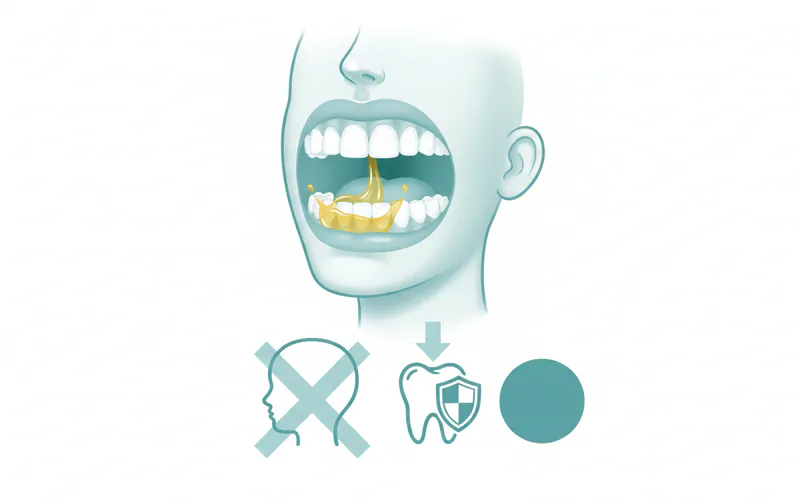
- Prevention: Always remember that oil pulling is a complementary practice. It does not contain fluoride, cannot physically remove hardened plaque (tartar), or repair existing cavities. Continue with your regular dental care as recommended by the American Dental Association (ADA).
6. Clogged Plumbing
- Cause: Spitting the oil down the sink or toilet can lead to accumulation and solidification of the oil in pipes, causing significant plumbing issues over time.
- Prevention: Always spit used oil into a trash can.
Important Note on Medical Claims: Many claims regarding oil pulling's ability to "detoxify" the body or cure systemic diseases are not supported by robust scientific evidence and should be viewed with skepticism. Focus on the potential localized oral benefits, and always prioritize evidence-based medical advice for general health conditions.
Children / Pediatric Considerations
The safety and appropriateness of oil pulling for children are different from adults, and caution is strongly advised.
General Recommendations:
- Age: The American Dental Association (ADA) and most pediatric dental professionals do not recommend oil pulling for children. The primary concern is the risk of accidental swallowing. Young children may not have the motor control or understanding to avoid swallowing the oil, especially during a 15-20 minute swishing period. Swallowing large amounts of oil, especially repeatedly, can lead to digestive upset, nausea, or potentially aspiration in very young children.
- Developmental Readiness: Even older children might struggle with the duration and the instruction not to swallow. Generally, oil pulling is not recommended for anyone who cannot reliably follow instructions not to swallow. This typically means waiting until at least late adolescence or early adulthood.
- Fluoride is Key: For children, the most critical aspects of oral health are consistent brushing with fluoride toothpaste, daily flossing, a healthy diet low in sugar, and regular dental check-ups (typically every six months). Fluoride is scientifically proven to strengthen tooth enamel and prevent cavities, which is paramount for developing teeth. Oil pulling does not provide fluoride.
Concerns for Parents:
- Choking Hazard: For very young children, any liquid swished for an extended period could pose a choking risk if not managed properly.
- Taste Aversion: The taste and texture of oil, even mild olive oil, might be unpleasant for children and make them resistant to other essential oral hygiene practices.
- Lack of Evidence: There is virtually no scientific research on the efficacy or safety of oil pulling in children.
What Parents Should Do for Children's Oral Health:
Instead of considering oil pulling, parents should focus on:
- Supervised Brushing: Ensure children brush twice a day for two minutes with an age-appropriate amount of fluoride toothpaste (a smear for under 3, pea-sized for 3-6 years).
- Daily Flossing: Once teeth touch, flossing is essential.
- Healthy Diet: Limit sugary snacks and drinks.
- Regular Dental Visits: Schedule check-ups and cleanings every six months, starting with their first tooth or by their first birthday.
- Dental Sealants: Discuss with your pediatric dentist whether sealants are appropriate for your child's molars to prevent cavities.
In summary, oil pulling is NOT recommended for children due to safety concerns and lack of evidence. Stick to proven, evidence-based practices for pediatric oral health.
Cost and Insurance Considerations
The direct cost associated with oil pulling is minimal, making it an attractive "treatment" option in terms of pure expenditure. However, it’s important to understand the broader financial context, especially in comparison to actual dental treatments.
Cost of Olive Oil:
- Basic Extra Virgin Olive Oil: A good quality, 16-ounce (approx. 473 ml) bottle of extra virgin olive oil suitable for oil pulling typically costs between $8 and $20 in the US.
- Usage Rate: Using 1 tablespoon (15 ml) per day, a 16-ounce bottle will last approximately 30-31 days.
- Monthly Cost: This translates to a monthly cost of roughly $8-$20.
- Annual Cost: Over a year, if consistently performed daily, the cost would be $96-$240.
Cost Comparison: Oil Pulling vs. Conventional Dental Treatments
The true "cost" consideration for oil pulling often comes into play when individuals perceive it as a way to avoid or reduce the need for expensive dental procedures. It is critical to stress that this is a misconception; oil pulling cannot replace professional dental care.
Here’s a comparison of the typical US out-of-pocket costs for common dental treatments:
| Dental Procedure | Average US Cost (Without Insurance) | Rationale for Cost |
|---|---|---|
| Dental Cleaning (Routine) | $75 - $200 | Hygienist's time, equipment, facility overhead. Recommended 2x/year. |
| Dental Exam (Comprehensive) | $50 - $150 | Dentist's time, diagnostics. Recommended 1-2x/year. |
| X-rays (Bitewings, Full Mouth) | $30 - $250 | Technology, interpretation. Recommended periodically. |
| Composite Filling (1 surface) | $150 - $400 | Material cost, dentist's time, local anesthetic, equipment. |
| Crown (Porcelain-fused-to-metal) | $800 - $1,500 | Lab fabrication, multiple appointments, dentist's skill, material. |
| Root Canal (Molar) | $900 - $2,000+ | Specialist involvement (endodontist), complex procedure, follow-up crown needed. |
| Tooth Extraction (Simple) | $100 - $400 | Dentist's time, anesthetic, sterile environment. |
| Gum Graft (Per tooth/area) | $600 - $1,200+ | Periodontist's specialized skill, tissue harvesting, follow-up care. |
Note: These are average ranges; costs can vary significantly based on geographic location (e.g., urban vs. rural), dentist's experience, complexity of the case, and specific materials used.
Insurance Coverage:
- Oil Pulling: Dental insurance does not cover the cost of olive oil or any other oil used for oil pulling. It is considered a personal health choice, not a medically necessary dental treatment.
- Conventional Dental Care: Dental insurance typically covers a portion of preventive care (cleanings, exams, X-rays), often at 80-100%. Restorative procedures like fillings and crowns are usually covered at 50-80%, with higher deductibles and annual maximums.
Cost-Saving Tips (for dental care, not oil pulling):
- Prioritize Prevention: The most significant cost-saving measure in dentistry is consistent preventive care. Regular brushing, flossing, and professional cleanings can prevent costly problems like cavities and gum disease from developing or progressing.
- Utilize Insurance: Understand your dental insurance policy and maximize your benefits, especially for preventive services.
- Payment Plans: Many dental offices offer in-house payment plans or work with third-party financing companies (e.g., CareCredit) for larger procedures.
- Dental Schools: Consider seeking care at dental schools, which often offer reduced fees as students gain experience under supervision.
- Community Health Clinics: These clinics may offer services at a lower cost or on a sliding scale based on income.
The takeaway is clear: While the cost of olive oil for pulling is negligible, its potential to save you from significant dental expenses by preventing major issues is unproven and should not be relied upon. The proven cost-saving strategy for oral health remains diligent conventional oral hygiene combined with professional dental care.
Prevention: A Balanced Approach to Oral Health
When discussing prevention in the context of oil pulling, it’s vital to maintain a balanced and evidence-based perspective. Oil pulling is often touted as a preventive measure, but it must be understood as a complementary practice, not a standalone solution.
Conventional Prevention Strategies (ADA Recommended):
The cornerstone of oral disease prevention, universally endorsed by dental professionals, includes:
- Brush Twice Daily with Fluoride Toothpaste:
- Mechanism: Fluoride strengthens enamel and remineralizes early lesions, effectively preventing cavities. The mechanical action removes plaque and food debris.
- Pro Tip: Use a soft-bristled toothbrush and brush for at least two minutes.
- Floss Daily:
- Mechanism: Removes plaque and food particles from between teeth and under the gumline, areas a toothbrush cannot reach. This is critical for preventing cavities between teeth and gum disease.
- Regular Dental Check-ups and Cleanings:
- Frequency: Typically every six months, or more frequently if recommended by your dentist due to specific conditions.
- Mechanism: Professional cleanings remove hardened plaque (tartar) that cannot be removed by brushing or flossing. Dentists and hygienists can identify and address issues early, preventing them from escalating.
- Healthy Diet:
- Mechanism: Limit sugary and acidic foods and drinks, which fuel cavity-causing bacteria and erode enamel. Choose water over sweetened beverages.
- Avoid Tobacco Products:
- Mechanism: Tobacco significantly increases the risk of gum disease, oral cancer, and other oral health problems.
How Oil Pulling Might Complement Prevention:
If oil pulling is practiced correctly and consistently, some anecdotal reports and limited studies suggest it may contribute to prevention in the following ways, though more rigorous research is needed:
- Reduction of Oral Bacteria: By potentially physically removing bacteria, it might reduce the overall bacterial load in the mouth, which could theoretically contribute to less plaque formation and reduced risk of gingivitis.
- Freshening Breath: By reducing odor-causing bacteria, it can help manage halitosis, which is a common concern and a sign of bacterial imbalance.
- Aiding Gum Health: Some studies indicate a reduction in gingival inflammation with consistent oil pulling, suggesting a supportive role in gum health.
However, oil pulling cannot:
- Remove Tartar: Hardened plaque (tartar or calculus) can only be removed by a professional dental cleaning.
- Repair Cavities: Once a cavity forms, it requires a dental filling or other restorative treatment. Oil pulling cannot reverse tooth decay.
- Replace Fluoride: Olive oil does not contain fluoride, which is the gold standard for cavity prevention.
Conclusion on Prevention: The most effective approach to preventing oral health issues is a combination of diligent conventional oral hygiene and regular professional dental care. If you choose to incorporate oil pulling with olive oil, view it as an adjunct to these proven methods, not a substitute. Discussing your interest in oil pulling with your dentist can also ensure it fits safely and appropriately into your overall oral health plan.
Recovery and Aftercare (Post-Oil Pulling)
After completing your oil pulling routine, proper aftercare is important to ensure optimal results and maintain good oral hygiene.
Immediate Aftercare:
- Spit into Trash: As reiterated, always spit the used olive oil into a trash can, not a sink or toilet. The oil can solidify and cause plumbing clogs.
- Rinse Thoroughly: Immediately rinse your mouth generously with warm water. Swish vigorously to dislodge any residual oil and bacteria that may still be clinging to oral tissues. Some people prefer to use warm salt water (1/2 teaspoon salt in 8 ounces of warm water) for its additional antimicrobial properties and soothing effect on gums. Rinse several times until your mouth feels clean and free of oily residue.
- Brush and Floss: Follow your rinse with your standard oral hygiene routine. Brush your teeth thoroughly with a fluoride toothpaste for two minutes, ensuring you reach all surfaces. Then, floss diligently to clean between teeth and under the gumline. This step is crucial to remove any bacteria that weren't "pulled" by the oil and to provide the proven benefits of fluoride.
Long-Term Aftercare (Consistency and Observation):
- Consistency: For any potential benefits, oil pulling, like other oral hygiene practices, requires consistent daily application. Integrate it into your morning routine.
- Monitor for Changes: Pay attention to how your mouth feels. Do you notice fresher breath? Do your gums feel less inflamed or bleed less? Is there any change in tooth sensitivity? Keep in mind that individual results can vary, and any changes might be subtle and take time to become apparent.
- Address Any Concerns: If you experience any persistent discomfort, jaw pain, increase in sensitivity, or other concerning symptoms, stop oil pulling and consult your dentist.
- Regular Dental Check-ups: Continue with your routine dental examinations and cleanings. Your dentist and hygienist are the best resources for assessing your overall oral health and determining if oil pulling is truly contributing positively, or if other issues require professional attention. Do not use oil pulling as a reason to skip these appointments.
Pro Tip: Consider keeping a small log for the first few weeks, noting how you feel before and after oil pulling each day. This can help you objectively assess any perceived benefits or discomforts.
Frequently Asked Questions
### 1. Can oil pulling with olive oil cure cavities?
Answer: No, oil pulling with olive oil cannot cure existing cavities. Once a cavity has formed, it's a structural defect in the tooth enamel that requires professional dental intervention, such as a filling, crown, or in severe cases, a root canal. While oil pulling might theoretically help reduce bacteria that contribute to decay, it cannot reverse or repair a cavity.
### 2. How long does it take to see results from oil pulling?
Answer: Any perceived results from oil pulling, such as fresher breath or reduced gum inflammation, are typically gradual and may take several weeks to months of consistent daily practice to become noticeable. Some individuals report immediate feelings of a cleaner mouth, but objective changes usually require prolonged dedication. Scientific evidence for these results is still limited.
### 3. Is oil pulling with olive oil safe every day?
Answer: For most healthy adults, oil pulling with olive oil is generally considered safe for daily use, provided it's done correctly (i.e., not swallowed, not swished too vigorously). However, if you experience any jaw pain, digestive upset, or other discomforts, it's best to reduce frequency or discontinue the practice. It's not recommended for children due to the risk of swallowing.
### 4. Can I oil pull if I have sensitive teeth or gum disease?
Answer: If you have sensitive teeth or active gum disease (gingivitis or periodontitis), it's crucial to consult your dentist before starting oil pulling. While some claim it can help with gum inflammation, the mechanical action might aggravate sensitive areas, and it should never delay or replace professional treatment for gum disease, which can lead to tooth loss if untreated.
### 5. What if I accidentally swallow some olive oil during oil pulling?
Answer: Accidentally swallowing a small amount of olive oil during oil pulling is generally not harmful, though it's discouraged because the oil is believed to contain expelled bacteria and toxins. Swallowing larger amounts might lead to mild digestive upset, such as nausea or diarrhea. If you consistently swallow oil, consider reducing the amount you use or your swishing duration.
### 6. Can I use other types of olive oil besides extra virgin?
Answer: While any edible olive oil can technically be used, extra virgin olive oil (EVOO) is generally recommended for oil pulling. EVOO is the least processed type, meaning it retains more of its natural antioxidants and beneficial compounds. Refined or light olive oils have undergone more processing, potentially diminishing some of these beneficial properties.
### 7. Does oil pulling replace brushing and flossing?
Answer: Absolutely not. The American Dental Association (ADA) is clear that oil pulling is not a substitute for regular brushing with fluoride toothpaste, daily flossing, and professional dental check-ups. These are proven, evidence-based methods for preventing cavities and gum disease. Oil pulling, if chosen, should be seen only as a complementary practice.
### 8. Does olive oil pulling whiten teeth?
Answer: Some anecdotal reports suggest a subtle whitening effect from oil pulling with olive oil. This is likely due to the removal of extrinsic surface stains and bacterial film on the teeth, rather than any chemical bleaching action. It will not change the intrinsic color of your teeth. For significant whitening, professional treatments or dentist-recommended over-the-counter products are more effective.
### 9. Can oil pulling help with bad breath?
Answer: Yes, oil pulling may help reduce bad breath (halitosis). Bad breath is often caused by volatile sulfur compounds (VSCs) produced by bacteria in the mouth. By physically removing these bacteria and their byproducts, oil pulling can contribute to fresher breath. Studies have shown it can be comparable in effectiveness to some mouthwashes for reducing VSCs.
### 10. How does olive oil compare to coconut oil for pulling?
Answer: Both olive oil and coconut oil are popular choices for oil pulling. Olive oil is rich in antioxidants and widely available, often preferred for its mild taste. Coconut oil, however, is frequently highlighted for its lauric acid content, a fatty acid with proven antimicrobial properties that may be more effective against certain oral bacteria. While both have proponents, coconut oil currently has more specific research supporting its use in oil pulling for oral health benefits.
When to See a Dentist
While oil pulling can be a complementary practice for some, it is never a substitute for professional dental care. Knowing when to see a dentist is paramount for maintaining good oral health and preventing serious complications.
Red Flags Requiring Immediate Dental Attention (Emergency):
- Severe or Persistent Toothache: Especially if accompanied by swelling, fever, or difficulty opening your mouth, this could indicate an abscess or severe infection requiring urgent treatment.
- Facial Swelling: Swelling around the jaw, face, or neck can be a sign of a spreading infection that needs immediate medical or dental attention.
- Trauma to Teeth or Gums: Any sudden injury, such as a knocked-out, chipped, or fractured tooth, or deep cuts to the gums, should be assessed by a dentist immediately.
- Uncontrolled Bleeding: If you experience significant or continuous bleeding from your gums or mouth that doesn't stop with gentle pressure, seek immediate care.
- Difficulty Swallowing or Breathing: These symptoms, especially if accompanied by oral pain or swelling, can indicate a life-threatening infection.
Warning Signs Requiring a Prompt, Scheduled Appointment:
- Persistent Bad Breath: If oil pulling or regular brushing/flossing doesn't resolve chronic bad breath, it could be a sign of underlying gum disease, cavities, or other oral health issues.
- Bleeding Gums: Gums that bleed consistently when brushing or flossing are a primary symptom of gingivitis or periodontitis, which needs professional evaluation and treatment.
- Increased Tooth Sensitivity: Lingering sensitivity to hot, cold, or sweet foods/drinks could indicate a cavity, gum recession, or enamel erosion.
- Loose or Shifting Teeth: This is a serious sign of advanced gum disease and requires immediate dental intervention to prevent tooth loss.
- Sores or Lumps in the Mouth: Any unhealing sores, white or red patches, or unusual lumps in your mouth, on your tongue, or lips that persist for more than two weeks should be examined by a dentist to rule out oral cancer.
- Receding Gums: Gums pulling away from the teeth can expose roots, leading to sensitivity and increasing the risk of root decay.
- Clicking or Painful Jaw (TMJ issues): If you experience persistent jaw pain, clicking sounds, or difficulty chewing, your dentist can assess for temporomandibular joint disorder.
Routine Care Guidance:
- Regular Check-ups and Cleanings: Schedule routine dental examinations and professional cleanings every six months, or as often as your dentist recommends based on your oral health needs. These visits are crucial for preventive care, early detection of problems, and removal of hardened plaque (tartar) that cannot be removed at home.
- Annual X-rays: Follow your dentist's recommendation for dental X-rays, which help detect issues not visible during a clinical exam, such as interproximal cavities or bone loss.
Remember: Oil pulling with olive oil is a complementary practice. It cannot diagnose, treat, or cure any dental disease. Your dentist is your primary partner in maintaining optimal oral health.
Frequently Asked Questions
Medically Reviewed Content
This article was written by our dental health editorial team and reviewed for medical accuracy. Our content follows strict editorial guidelines for reliability and trustworthiness.
Medical Disclaimer
This article is for informational purposes only and does not constitute medical advice. Always consult with a qualified dental professional for diagnosis and treatment. Do not delay seeking professional advice because of something you read on this website.
Related Articles
What Coconut Oil to Use for Oil Pulling
For centuries, across various cultures, people have sought natural remedies to maintain oral health and enhance their smiles. One practice that has gained significant traction in the modern wellness landscape is oil pulling. While many are curious about its potential benefits, a common question aris
February 23, 2026

What Are the Benefits of Oil Pulling
More than 80% of American adults experience some form of periodontal (gum) disease, and a significant number struggle with issues like chronic bad breath or sensitivity. In the pursuit of optimal oral health, many people explore various practices beyond routine brushing and flossing. One such an
February 23, 2026
How Long to Do Oil Pulling
More than half of all American adults suffer from some form of periodontal disease, a condition that can lead to tooth loss and impact overall health. For those seeking complementary approaches to traditional oral care, ancient practices like oil pulling have garnered significant attention. But
February 23, 2026

Does Oil Pulling Actually Work
Imagine a simple, ancient practice capable of transforming your oral health – reducing bad breath, whitening teeth, and even preventing cavities, all with a spoonful of oil. This is the promise of oil pulling, an age-old tradition that has seen a significant resurgence in popularity across the Unite
February 23, 2026