Which Oil Is Best for Oil Pulling
Key Takeaways
- Maintaining optimal oral health is more than just brushing and flossing; it's a holistic endeavor that increasingly leads people to explore ancient practices. Among these, oil pulling stands out as a time-honored Ayurvedic tradition gaining significant traction in modern wellness circles. But with a
Maintaining optimal oral health is more than just brushing and flossing; it's a holistic endeavor that increasingly leads people to explore ancient practices. Among these, oil pulling stands out as a time-honored Ayurvedic tradition gaining significant traction in modern wellness circles. But with a variety of oils available, a common question arises: which oil is best for oil pulling to truly reap its purported benefits, from a brighter smile to improved gum health? This comprehensive guide dives deep into the science and tradition behind oil pulling, helping you understand its mechanisms, choose the right oil, and integrate it safely and effectively into your daily routine. We'll explore the pros and cons of popular choices like coconut, sesame, and sunflower oils, discuss its potential to oil pulling whiten teeth and even touch on the surprising claims regarding oil pulling skin benefits, all while providing practical advice and crucial dental health insights from SmilePedia.net.
Key Takeaways:
- Best Oil Choice: Virgin coconut oil is generally recommended due to its lauric acid content and pleasant taste, followed closely by sesame and sunflower oils.
- Duration & Frequency: Swish 15-20 minutes daily on an empty stomach for optimal results.
- Cost-Effectiveness: Oil pulling is highly affordable, typically costing $5-$20 for a month's supply of high-quality oil. No insurance coverage is applicable.
- Primary Benefits (Anecdotal): Users often report reduced bad breath, improved gum health, and potentially whiter teeth over 2-4 weeks of consistent use.
- Scientific Evidence: While many benefits are anecdotal, some studies suggest antimicrobial effects, but it is not a substitute for regular brushing, flossing, or professional dental care.
- Safety First: Always spit the oil into a trash can (not down the drain) and rinse thoroughly. Avoid swallowing the oil.
- Consult Your Dentist: Before starting any new oral health regimen, especially if you have existing dental conditions, discuss it with your dentist.
What Is Oil Pulling? An Overview
Oil pulling, also known as "Kavala Graha" or "Gandusha" in Ayurvedic medicine, is an ancient Indian folk remedy that involves swishing a tablespoon of oil in your mouth for a sustained period, typically 15 to 20 minutes, on an empty stomach. The practice dates back thousands of years and is mentioned in classic Ayurvedic texts as a method for maintaining oral hygiene and overall health.

The fundamental premise behind oil pulling is that the oil acts as a cleanser, "pulling" bacteria, toxins, and other debris from the mouth. Proponents suggest that the lipids in the oil can attract and dissolve fat-soluble toxins and microbes, which are then expelled when the oil is spit out. This mechanism is often compared to how soap works to dissolve grease and dirt. While specific scientific backing for all its traditional claims is still emerging, the practice has garnered significant attention for its potential to support oral hygiene. It's considered a gentle, natural way to potentially reduce the bacterial load in the mouth, which contributes to common issues like bad breath and gingivitis.
How Does Oil Pulling Purportedly Work?
The mouth is home to hundreds of species of bacteria, fungi, and viruses, forming a complex ecosystem known as the oral microbiome. Some of these microorganisms are beneficial, while others, particularly anaerobic bacteria, can contribute to plaque formation, gum disease, and halitosis (bad breath).
The theoretical mechanism of oil pulling involves:
- Saponification: Some oils, particularly coconut oil due to its fatty acid profile, contain compounds that can react with alkaline saliva to form a soap-like substance. This substance may aid in disrupting bacterial cell walls and lifting plaque.
- Lipid Attraction: Bacteria and other microbes have lipid (fatty) outer membranes. The oil, being a lipid itself, is thought to attract and bind to these fatty membranes, effectively "pulling" them out of the oral cavity when the oil is expelled.
- Mechanical Cleansing: The act of swishing itself provides a mechanical scrubbing action, similar to a mouthwash, helping to dislodge food particles and loose bacteria.
- Antimicrobial Properties: Certain oils possess inherent antimicrobial qualities. For example, coconut oil is rich in lauric acid, which is known to have antibacterial, antiviral, and antifungal properties, especially against Streptococcus mutans, a primary culprit in tooth decay.
It's important to note that while these mechanisms offer plausible explanations, the extent of their efficacy in human mouths compared to conventional dental hygiene methods is still a subject of ongoing scientific research. The American Dental Association (ADA) currently states that there is no scientific evidence to show that oil pulling provides any oral health benefits and does not recommend it as a replacement for standard oral hygiene. However, it also doesn't explicitly discourage it as a complementary practice for individuals who wish to try it, provided they maintain their regular dental care routine.
Types of Oil for Oil Pulling: Which Oil Is Best for Oil Pulling?
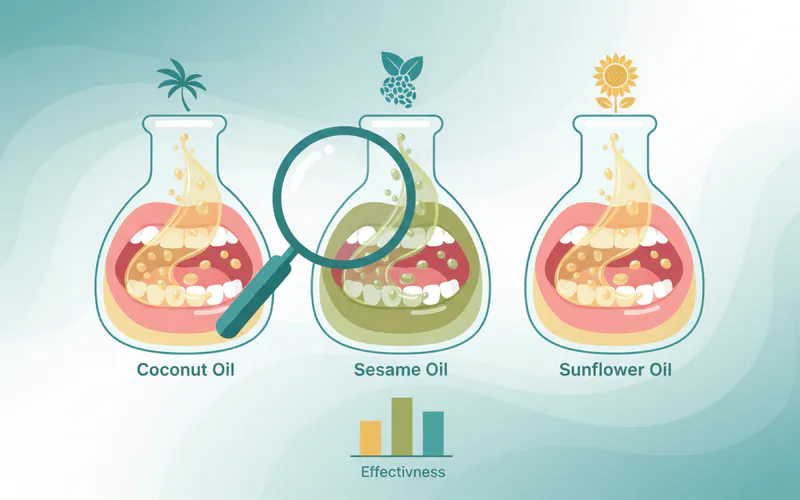
The choice of oil is central to the oil pulling experience and its potential efficacy. While various oils have been traditionally used, three stand out in popularity: coconut oil, sesame oil, and sunflower oil. Each brings its unique profile to the practice.
1. Coconut Oil
Why it's popular: Virgin coconut oil is by far the most popular choice for oil pulling, and often the first recommendation when considering which oil is best for oil pulling. Its mild, pleasant taste and texture make it easier to tolerate for the recommended 15-20 minutes. Key Properties:
- Lauric Acid: Coconut oil contains about 50% lauric acid, a medium-chain fatty acid. Lauric acid is known for its potent antimicrobial, antifungal, and antiviral properties. When ingested, lauric acid is converted into monolaurin, which can destroy harmful bacteria, including Streptococcus mutans, a primary bacterium responsible for tooth decay and gum disease.
- Anti-inflammatory: It possesses anti-inflammatory properties, which may help soothe irritated gums and reduce inflammation associated with gingivitis.
- Palatability: Its relatively neutral and slightly sweet flavor is a major advantage for prolonged swishing. Pros:
- Strong antimicrobial action, especially against S. mutans.
- Pleasant taste and aroma, making it easy to use consistently.
- Relatively inexpensive and widely available.
- Solidifies at room temperature, making it easy to scoop a measured amount. Cons:
- Can solidify in cold temperatures, potentially requiring warming.
- Some individuals may find the texture or aftertaste unpleasant initially. Best For: Individuals looking for strong antimicrobial benefits, a pleasant taste, and potential benefits for gum health and breath freshness. It's often cited for claims that oil pulling whiten teeth due to its cleansing action reducing surface stains.
2. Sesame Oil
Why it's traditional: Sesame oil is one of the original oils used in Ayurvedic practices for oil pulling. It has a richer, nuttier flavor compared to coconut oil. Key Properties:
- Antioxidants: Rich in antioxidants like sesamol and sesamin, which can help combat oxidative stress in the mouth.
- Anti-inflammatory: Contains compounds that exhibit anti-inflammatory effects.
- Oral Health Support: Traditional Ayurvedic texts praise sesame oil for strengthening teeth, gums, and jaw, and for its ability to remove plaque. Some studies have suggested it can reduce gingivitis and plaque accumulation. Pros:
- Strong historical and traditional backing.
- Contains potent antioxidants beneficial for overall oral tissue health.
- May help strengthen oral tissues. Cons:
- Stronger, more distinctive flavor that some might find less appealing for prolonged swishing.
- Can be slightly more expensive than coconut oil. Best For: Those who prefer a traditional Ayurvedic approach, or who are looking for antioxidant and tissue-strengthening benefits.
3. Sunflower Oil
Why it's an alternative: Sunflower oil is another common alternative, particularly popular in some Eastern European holistic health traditions. Key Properties:
- Fatty Acid Profile: High in linoleic acid, an omega-6 fatty acid, which is involved in maintaining healthy cell membranes.
- Vitamin E: A good source of Vitamin E, an antioxidant that supports cellular health. Pros:
- Relatively mild flavor, though less neutral than coconut oil.
- Widely available and inexpensive.
- Contains Vitamin E, offering antioxidant benefits. Cons:
- Less research specifically on its antimicrobial effects in oil pulling compared to coconut or sesame oil.
- High omega-6 content might be a concern for some, though the amount absorbed during oil pulling is minimal. Best For: Individuals looking for an affordable, readily available option with a milder taste than sesame oil, and who appreciate the benefits of Vitamin E.
Other Oils (Less Common for Pulling)
- Olive Oil: While a healthy oil for consumption, its thicker consistency and strong flavor make it less ideal for the extended swishing required for oil pulling. It lacks the unique antimicrobial fatty acids found in coconut oil.
- Mustard Oil: Used in some traditional Indian remedies for gum massage, but its pungent taste makes it unsuitable for prolonged pulling.
Pro Tip: For beginners, start with virgin coconut oil due to its palatability and research-backed antimicrobial properties. Experiment with different oils to find what works best for your taste and tolerance. Always opt for organic, unrefined, cold-pressed oils to ensure maximum purity and nutrient retention.

The Step-by-Step Process: How to Oil Pull Correctly
Mastering the technique of oil pulling is crucial for both efficacy and safety. Here’s a detailed guide:
- Choose Your Oil: Select a high-quality, organic, unrefined, cold-pressed oil, preferably coconut, sesame, or sunflower oil.
- Timing is Key: The best time to oil pull is first thing in the morning, on an empty stomach, before eating, drinking, or even brushing your teeth. This is when your mouth is thought to have the highest concentration of bacteria after hours of sleep.
- Measure the Right Amount: Place 1 tablespoon (about 15 ml) of oil into your mouth. If using coconut oil and it's solid, a tablespoon will melt quickly in your mouth. For children or those with a sensitive gag reflex, start with a smaller amount (1 teaspoon) and gradually increase.
- Swish, Don't Gargle: Gently swish the oil around your mouth, pushing it through your teeth and gums. The motion should be gentle, not aggressive. You are "pulling" the oil through every crevice of your mouth. Do not gargle or swallow the oil, as it will be full of bacteria and toxins.
- Duration: Continue swishing for 15-20 minutes. For beginners, it's okay to start with 5 minutes and gradually increase the duration as you get comfortable. If your jaw gets tired, you're likely swishing too vigorously; ease up.
- Recognize the Change: As you swish, the oil will become thinner and milky as it mixes with saliva and absorbs bacteria.
- Spit It Out Responsibly: After 15-20 minutes, spit the oil into a trash can. Do NOT spit it down the sink or toilet. The oil can solidify and clog pipes over time, especially coconut oil.
- Rinse Thoroughly: Rinse your mouth several times with warm water, preferably saltwater, to help further cleanse and soothe your gums. This helps wash away any residual oil and bacteria.
- Brush Your Teeth: Follow up by brushing your teeth as usual. This ensures any remaining oil and trapped bacteria are completely removed.
Pro Tip: If you find the full 20 minutes challenging, try doing it while showering or preparing breakfast to make the time pass more quickly. Consistency is more important than achieving the full 20 minutes every single day, so start slow and build up.
Benefits and Mechanisms: What to Expect
While the ADA requires more scientific evidence to fully endorse oil pulling, anecdotal reports and a growing body of preliminary research suggest several potential benefits when practiced consistently as a complementary oral hygiene step.
Oral Health Benefits
- Reduced Harmful Bacteria: This is perhaps the most well-supported claim. Studies have shown that oil pulling, particularly with coconut oil, can significantly reduce levels of Streptococcus mutans in the saliva, similar to the effects of a chlorhexidine mouthwash. Fewer harmful bacteria mean a healthier oral environment.
- Fresher Breath (Halitosis Reduction): Bad breath is often caused by volatile sulfur compounds produced by bacteria in the mouth. By reducing these bacteria, oil pulling can lead to a noticeable improvement in breath freshness.
- Improved Gum Health (Gingivitis Reduction): The antimicrobial and anti-inflammatory properties of certain oils, combined with the mechanical cleansing action, may help reduce plaque accumulation and inflammation associated with gingivitis (early-stage gum disease). Some studies have shown a reduction in gingival index scores.
- Potential for Whiter Teeth (Oil Pulling Whiten Teeth): Many users report that oil pulling whiten teeth over time. This isn't due to a bleaching effect like peroxide-based whiteners. Instead, it's believed to be the result of the oil effectively removing extrinsic stains (surface stains) caused by coffee, tea, and certain foods by dislodging plaque and debris that accumulate on the tooth surface. By reducing plaque buildup, teeth appear naturally brighter. This is a gradual effect, not an overnight transformation.
- Moisturizes Mouth and Gums: For individuals prone to dry mouth, oil pulling can help lubricate the oral tissues, providing a soothing and moisturizing effect.
Systemic/Holistic Claims (Less Scientific Evidence)
Beyond oral health, traditional Ayurvedic texts and some modern proponents suggest broader systemic benefits:
- Detoxification: It's claimed that oil pulling helps "draw out" toxins from the entire body through the oral mucous membranes. However, there is no scientific evidence to support this claim, and the mouth's role in whole-body detoxification in this manner is not medically understood.
- Skin Health (Oil Pulling Skin): Some individuals report improvements in skin conditions like acne or eczema after regularly oil pulling. The theory here is that by reducing the bacterial and toxic load in the mouth, the body's overall inflammatory burden is lessened, which might manifest as clearer skin. This is largely anecdotal and lacks scientific validation. It's crucial to understand that oil pulling is not a primary treatment for skin conditions and these claims should be viewed with skepticism.
- Headache and Migraine Relief: Some users report reduced frequency or intensity of headaches. This is also largely anecdotal.
- Improved Energy Levels: Another unsubstantiated claim linked to general detoxification theories.
Pro Tip: Approach oil pulling with realistic expectations. Focus on the observable oral health benefits (fresher breath, potentially cleaner teeth, healthier gums) and consider any systemic improvements as potential secondary effects rather than primary goals. Always prioritize evidence-based dental care.
Risks and Complications
While generally considered safe when performed correctly, oil pulling is not without potential risks or considerations:
- Lipoid Pneumonia: This rare but serious condition can occur if oil is accidentally inhaled into the lungs. This is a particular risk for children, the elderly, or those with compromised swallowing reflexes. This is why it's crucial not to gargle and to be careful not to inhale during the process.
- Digestive Upset: Swallowing the oil, especially after it has absorbed bacteria and toxins, can lead to nausea, vomiting, or diarrhea. This reinforces the strict instruction to always spit the oil out.
- Allergic Reactions: While rare, some individuals may have an allergic reaction to specific oils (e.g., sesame allergy). Always test a small amount first.
- Temporomandibular Joint (TMJ) Strain: Aggressive or prolonged swishing can put strain on the jaw joint, potentially exacerbating or causing TMJ pain in susceptible individuals. Gentle swishing is key.
- Replacing Essential Dental Care: The most significant risk is that individuals might view oil pulling as a substitute for regular brushing, flossing, and professional dental check-ups. This is a dangerous misconception. The ADA explicitly states that oil pulling cannot replace these established, scientifically proven methods of oral hygiene. It should only be considered a complementary practice. Neglecting professional dental care can lead to untreated cavities, gum disease progression, and other serious oral health issues.
- Erosion of Dental Restorations: While very rare and not scientifically proven, some dental professionals express theoretical concerns that the continuous mechanical action might, over a very long time, impact certain dental restorations. However, for most modern restorations, this risk is considered minimal if the swishing is gentle.

Children / Pediatric Considerations
Oil pulling is generally not recommended for young children due to several significant risks:
- Risk of Swallowing: Children, especially those under 8-10 years old, may not have the motor control or understanding to avoid swallowing the oil, which can lead to digestive upset or, more dangerously, aspiration (inhaling oil into the lungs), potentially causing lipoid pneumonia.
- Choking Hazard: The volume of oil and the need for sustained swishing can be a choking hazard for young children.
- Lack of Necessity: Children's oral hygiene needs are well met by proper brushing with fluoride toothpaste and flossing under parental supervision. There is no evidence to suggest oil pulling offers additional benefits for children that outweigh its risks.
Guidance for Parents:
- Avoid for Young Children: It is strongly advised to avoid oil pulling for children under the age of 10-12, or until they can reliably understand and execute the "spit, don't swallow" instruction and perform sustained gentle swishing without supervision.
- Supervision is Key: If an older child (e.g., teenager) expresses interest, ensure strict supervision and start with very small amounts of oil (e.g., 1 teaspoon) for shorter durations (e.g., 5 minutes), gradually increasing as they demonstrate proficiency.
- Prioritize Fundamentals: Emphasize that oil pulling is never a substitute for brushing twice daily with fluoride toothpaste, daily flossing, and regular dental check-ups with a pediatric dentist.
Pro Tip: Focus on establishing excellent foundational oral hygiene habits for children. Encourage healthy eating, regular brushing, flossing, and routine dental visits as the cornerstones of their dental health.
Comparison Tables
To help you make an informed decision, here are comparison tables for the most popular oils and for oil pulling versus traditional oral hygiene.
Comparison of Popular Oils for Pulling
| Feature | Virgin Coconut Oil | Sesame Oil (Unrefined) | Sunflower Oil (Unrefined) |
|---|---|---|---|
| Palatability | Very Good (mild, slightly sweet) | Moderate (nutty, stronger flavor) | Good (mild, relatively neutral) |
| Antimicrobial | Excellent (high lauric acid, anti-S. mutans) | Good (traditional use, some studies) | Moderate (less specific research) |
| Anti-inflammatory | Good (lauric acid) | Good (antioxidants) | Moderate (Vitamin E) |
| Texture | Melts quickly from solid to liquid, smooth | Smooth, oily | Smooth, oily |
| Cost (Monthly) | $5 - $15 (for a large jar) | $8 - $20 (for a bottle) | $4 - $12 (for a large bottle) |
| Availability | Very High (supermarkets, health stores) | High (supermarkets, Asian markets) | Very High (supermarkets) |
| Traditional Use | Newer adoption in some traditions, significant modern popularity | Ancient Ayurvedic practice, strong tradition | Used in some Eastern European folk remedies |
| Overall Rating | 5/5 (Most recommended for beginners) | 4/5 (Excellent traditional option) | 3/5 (Good alternative, less specific research for pulling) |
Oil Pulling vs. Traditional Oral Hygiene
| Feature | Oil Pulling | Brushing with Fluoride Toothpaste | Flossing | Professional Dental Cleaning |
|---|---|---|---|---|
| Primary Goal | Reduce bacteria, freshen breath, potential stain removal | Remove plaque, food debris, strengthen enamel (fluoride) | Remove plaque/food from between teeth/below gumline | Deep cleaning, tartar removal, comprehensive exam |
| Mechanism | Lipid attraction, saponification, mechanical rinse | Mechanical scrubbing, chemical action (fluoride) | Mechanical removal | Scaling, polishing, examination for issues |
| Evidence Base | Emerging, anecdotal; some positive preliminary studies | Extensive, robust scientific evidence | Extensive, robust scientific evidence | Extensive, robust scientific evidence |
| ADA Endorsement | No endorsement as primary care, no replacement for traditional methods | Strongly recommended twice daily | Strongly recommended daily | Strongly recommended 1-2 times per year |
| Cost | Low (cost of oil: $5-$20/month) | Low (cost of toothpaste/brush: $5-$15/month) | Low (cost of floss: $3-$8/month) | Moderate to High ($75-$250/visit without insurance) |
| Time Commitment | 15-20 minutes daily | 2 minutes twice daily | 1-2 minutes daily | 30-60 minutes 1-2 times per year |
| Effectiveness | Complementary, not a standalone solution | Highly effective for daily plaque/cavity prevention | Highly effective for interdental plaque/gum disease prevention | Essential for preventing serious issues, early detection |
| Key Takeaway | CANNOT REPLACE | ESSENTIAL FOUNDATION | ESSENTIAL FOUNDATION | ESSENTIAL FOUNDATION |
Cost Breakdown
The cost of oil pulling is remarkably low, making it an accessible practice for nearly everyone.
- Cost of Oil:
- Low End: A large bottle (32 oz / 946 ml) of unrefined sunflower or sesame oil can cost anywhere from $8 to $15, lasting several months depending on daily use.
- Mid-Range: A large jar (16 oz / 473 ml) of organic virgin coconut oil typically costs $10 to $20. Since a tablespoon is used daily, this will last approximately 30-35 days.
- High End: Premium, ethically sourced, or specialty organic oils might range from $25 to $40 for a similar quantity, but are not necessarily more effective for oil pulling.
- Monthly Average: On average, you can expect to spend about $5 to $15 per month on oil if you're consistent.
- With vs. Without Insurance: Dental insurance does not cover the cost of oils for oil pulling, as it is not a recognized medical or dental treatment by insurance providers. All costs are out-of-pocket.
- Payment Plans and Financing: Not applicable for oil purchases.
- Cost-Saving Tips:
- Buy in bulk from warehouse clubs or online retailers to get a better per-ounce price.
- Look for sales or use coupons for your preferred brand of oil.
- Consider store-brand organic options, which are often just as good as name brands for oil pulling purposes.
It's important to reiterate that while oil pulling is inexpensive, it should never be seen as a replacement for costly dental procedures. The true cost of neglecting traditional dental care, such as brushing, flossing, and regular dental check-ups, can be thousands of dollars in fillings, root canals, crowns, or extractions.
Frequently Asked Questions
### How long does it take to see results from oil pulling?
While individual experiences vary, many people report noticeable improvements in breath freshness within a few days to a week. For more significant changes, such as reduced gum inflammation or a brighter smile, consistent daily practice for 2-4 weeks is often cited as the typical timeframe for initial results.
### Can oil pulling replace brushing and flossing?
Absolutely not. The American Dental Association (ADA) and virtually all dental professionals emphasize that oil pulling is not a substitute for conventional oral hygiene practices like brushing twice daily with fluoride toothpaste and flossing once a day. It should only be considered a complementary practice, if at all.
### Is it normal for my jaw to hurt after oil pulling?
If your jaw hurts, you are likely swishing too aggressively or for too long, putting strain on your temporomandibular joint (TMJ). The motion should be gentle and relaxed. Try reducing the duration or intensity of your swishing, or take a break if discomfort persists.
### Can oil pulling truly whiten teeth, or is it a myth?
Many users report a gradual whitening effect, and this is generally attributed to the oil's ability to loosen and remove extrinsic (surface) stains from the teeth, as well as reduce plaque buildup. It does not bleach teeth like chemical whitening treatments, so the effect is more about restoring natural brightness than changing intrinsic tooth color.
### What if I accidentally swallow some oil?
A small amount of swallowed oil is usually harmless, though it's not recommended. If you swallow a significant amount of oil, especially after 15-20 minutes of swishing when it's laden with bacteria, you might experience mild digestive upset like nausea or diarrhea. If you feel unwell, consult a doctor.
### How much oil should I use for oil pulling?
The standard recommendation is 1 tablespoon (about 15 ml) of oil. For beginners or those with a sensitive gag reflex, starting with 1 teaspoon (5 ml) is perfectly fine, and you can gradually increase the amount as you become more comfortable.
### Should I rinse my mouth with water after oil pulling?
Yes, it's crucial to rinse your mouth thoroughly with warm water (or saltwater) immediately after spitting out the oil. This helps remove any residual oil and the bacteria that have been "pulled" from your mouth, ensuring they are not reabsorbed.
### Can oil pulling cure cavities or gum disease?
No, oil pulling cannot cure existing cavities or advanced gum disease (periodontitis). While it may help reduce bacteria associated with early gum inflammation (gingivitis) and potentially prevent new cavities by reducing S. mutans, it cannot reverse tooth decay or repair damaged gum tissue. These conditions require professional dental treatment.
### What are the alternatives to oil pulling for fresh breath?
Effective alternatives for fresh breath include meticulous daily brushing and flossing, regular tongue scraping, using an antimicrobial mouthwash (alcohol-free is often preferred), drinking plenty of water, and maintaining a healthy diet. Regular dental check-ups are also essential to rule out underlying causes like gum disease or dry mouth.
### Does oil pulling help with dry mouth (xerostomia)?
Some individuals with dry mouth report that oil pulling helps to moisturize their oral tissues and provide temporary relief. The oil can act as a lubricant, and consistent practice might stimulate saliva production. However, it's not a cure for chronic dry mouth, which often requires a diagnosis and treatment plan from a dentist or physician.
When to See a Dentist
While oil pulling can be a complementary practice for some, it is never a substitute for professional dental care. Here are clear warning signs that you need to see a dentist, regardless of whether you practice oil pulling:
- Persistent Tooth Pain: Any sharp, throbbing, or continuous pain in a tooth or jaw is a strong indicator of an underlying issue such as a cavity, crack, infection, or gum disease that requires immediate professional evaluation. Oil pulling will not resolve this.
- Bleeding Gums During Brushing or Flossing: While occasional light bleeding might happen, consistent bleeding, especially accompanied by tenderness, swelling, or redness, points to gingivitis or a more advanced gum disease that needs professional diagnosis and treatment.
- Swelling in the Gums, Face, or Jaw: This can indicate a serious infection (abscess), which needs immediate dental attention. Untreated dental infections can spread and become life-threatening.
- Difficulty Chewing or Swallowing: This could be a symptom of a dental infection, TMJ disorder, or other serious oral health issues.
- Increased Sensitivity to Hot or Cold: While minor sensitivity can sometimes be managed, increased or sudden sensitivity could signal tooth decay, exposed tooth roots, or a cracked tooth.
- Loose or Shifting Teeth: This is a hallmark symptom of moderate to severe gum disease (periodontitis) and requires urgent dental intervention to prevent tooth loss.
- Persistent Bad Breath (Halitosis) Despite Good Hygiene: If your breath remains foul even with diligent brushing, flossing, and oil pulling, it could indicate gum disease, a hidden infection, or a non-dental medical condition that needs a professional diagnosis.
- Visible Holes or Pits in Your Teeth (Cavities): Once a cavity forms, only a dentist can fill it. Oil pulling cannot repair tooth decay.
- Any Concerns About Your Oral Health: If you have any worries or questions about your teeth, gums, or overall oral health, a professional dental consultation is always the best course of action. Your dentist can provide an accurate diagnosis and recommend appropriate, evidence-based treatments.
Remember, routine dental check-ups (typically every six months) are vital for early detection and prevention of oral health problems. Do not rely solely on holistic practices for your dental health; integrate them thoughtfully under the guidance of your dental care provider.
Frequently Asked Questions
Medically Reviewed Content
This article was written by our dental health editorial team and reviewed for medical accuracy. Our content follows strict editorial guidelines for reliability and trustworthiness.
Medical Disclaimer
This article is for informational purposes only and does not constitute medical advice. Always consult with a qualified dental professional for diagnosis and treatment. Do not delay seeking professional advice because of something you read on this website.
Related Articles

What Coconut Oil to Use for Oil Pulling
For centuries, across various cultures, people have sought natural remedies to maintain oral health and enhance their smiles. One practice that has gained significant traction in the modern wellness landscape is oil pulling. While many are curious about its potential benefits, a common question aris
February 23, 2026

What Are the Benefits of Oil Pulling
More than 80% of American adults experience some form of periodontal (gum) disease, and a significant number struggle with issues like chronic bad breath or sensitivity. In the pursuit of optimal oral health, many people explore various practices beyond routine brushing and flossing. One such an
February 23, 2026

How Long to Do Oil Pulling
More than half of all American adults suffer from some form of periodontal disease, a condition that can lead to tooth loss and impact overall health. For those seeking complementary approaches to traditional oral care, ancient practices like oil pulling have garnered significant attention. But
February 23, 2026

Does Oil Pulling Actually Work
Imagine a simple, ancient practice capable of transforming your oral health – reducing bad breath, whitening teeth, and even preventing cavities, all with a spoonful of oil. This is the promise of oil pulling, an age-old tradition that has seen a significant resurgence in popularity across the Unite
February 23, 2026