Canker Sore on Tongue: Complete Guide
Key Takeaways
- Few experiences are as universally irritating and disruptive as the sudden appearance of a mouth sore. If you’ve ever woken up with a burning, tender spot on your tongue, you’re not alone. Canker sores, also known as aphthous ulcers, are incredibly common, affecting up to **20-25% of the general pop
Canker Sore on Tongue: Complete Guide
Few experiences are as universally irritating and disruptive as the sudden appearance of a mouth sore. If you’ve ever woken up with a burning, tender spot on your tongue, you’re not alone. Canker sores, also known as aphthous ulcers, are incredibly common, affecting up to 20-25% of the general population at some point in their lives, with a higher prevalence among adolescents and young adults. When a canker sore on tongue emerges, it can transform simple acts like speaking, eating, or even swallowing into a painful ordeal. This isn't just a minor discomfort; it impacts your quality of life, potentially leading to nutritional deficiencies if eating becomes too difficult, and can cause significant distress. Understanding what causes these vexing lesions, how to treat them effectively, and most importantly, how to prevent their recurrence, is crucial for maintaining your oral health and overall well-being. This comprehensive guide will delve into the intricacies of canker sores on the tongue, covering everything from their types and underlying causes to cutting-edge treatments, cost considerations, and essential preventative strategies to help you navigate this common oral challenge.

Key Takeaways:
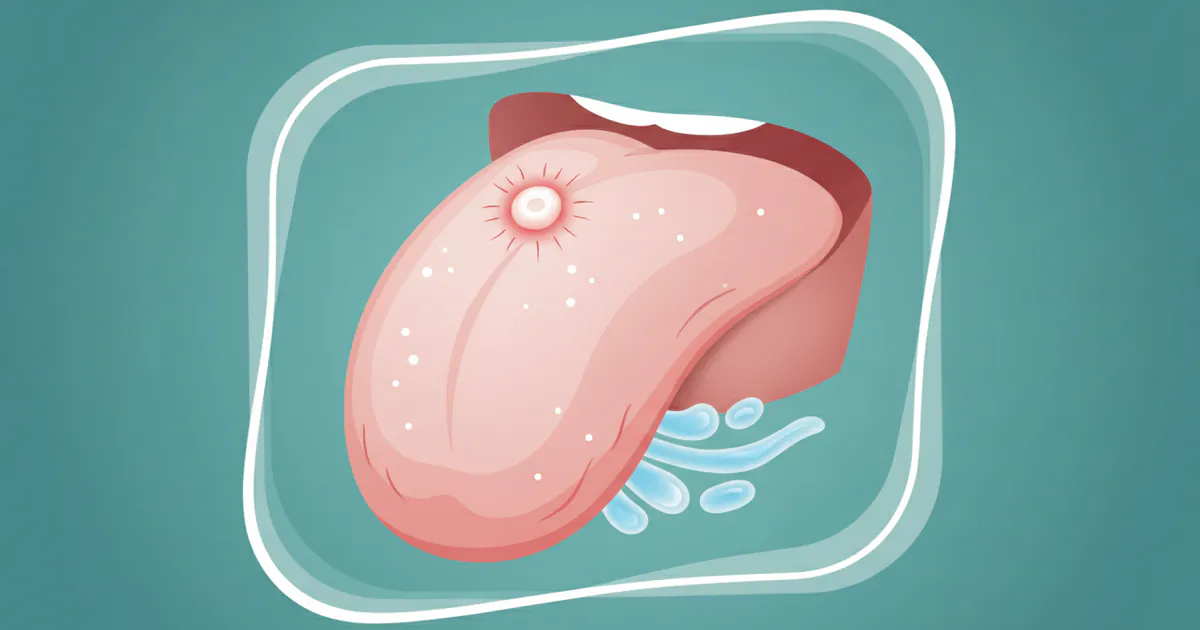
- Canker sores (aphthous ulcers) are common, non-contagious oral lesions, often appearing as painful, round or oval white/yellow sores surrounded by a red halo.
- They are not the same as cold sores, which are caused by the herpes virus and are contagious.
- Most canker sores heal naturally within 7-14 days without intervention, though major aphthous ulcers can take weeks or months.
- Treatment costs for canker sores range from $5-$30 for over-the-counter remedies to $50-$250 for prescription medications or $100-$500+ per session for laser treatment. Insurance coverage varies widely.
- Common triggers include minor oral injury, stress, acidic foods, nutritional deficiencies (B12, iron, folate, zinc), and certain systemic conditions.
- When to see a dentist: If a sore is unusually large, extremely painful, persistent beyond two weeks, recurs frequently, or is accompanied by fever or difficulty swallowing.
What It Is / Overview
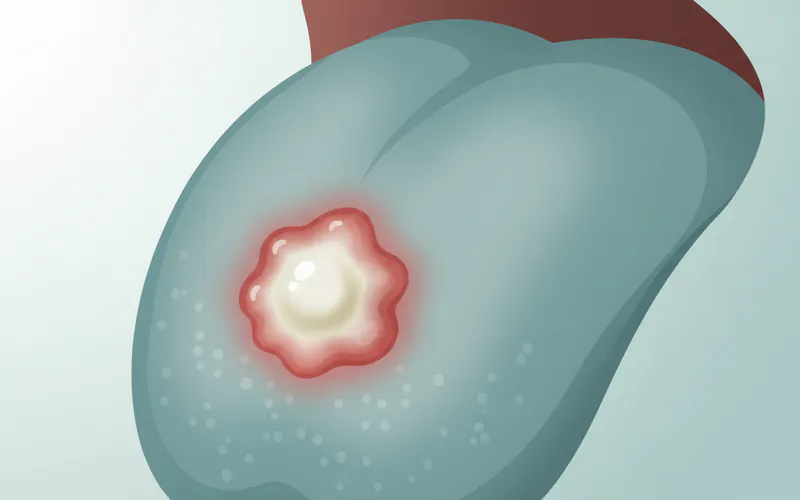
A canker sore on tongue, medically known as an aphthous ulcer, is a small, shallow lesion that develops on the soft tissues inside your mouth, including the tongue, inner cheeks, lips, soft palate, and the base of the gums. Unlike cold sores (fever blisters), which appear on the outside of the lips and are caused by the highly contagious herpes simplex virus, canker sores are not contagious and cannot be spread through kissing or sharing utensils.
These ulcers typically present as round or oval-shaped lesions with a characteristic white or yellowish center and a distinct red, inflamed border. They can be incredibly painful, making eating, drinking, speaking, and even swallowing a challenge. While most canker sores are benign and heal on their own, their presence signals an underlying trigger or vulnerability. Understanding the nature of these sores is the first step toward effective management and prevention. They are essentially a break in the mucous membrane lining the mouth, leading to exposure of nerve endings and subsequent pain and inflammation.
Types / Variations
Canker sores are categorized into three main types, primarily based on their size, duration, and frequency of recurrence:
Minor Aphthous Ulcers (MiAU)
- Characteristics: These are the most common type, accounting for about 80% of all canker sores. They are typically small, ranging from 3-10 millimeters (mm) in diameter. They are usually round or oval with a distinct red halo around a yellow-white center.
- Location: Often found on the inner lips, cheeks, floor of the mouth, soft palate, and the edges or tip of the tongue.
- Healing Time: They generally heal within 7 to 14 days without scarring.
- Recurrence: While often a one-off event, some individuals experience recurrent minor aphthous ulcers, with periods of remission between outbreaks.
Major Aphthous Ulcers (MaAU)
- Characteristics: These are larger and deeper than minor canker sores, typically exceeding 10 mm in diameter, sometimes reaching up to 30 mm. They have irregular borders and can be extremely painful.
- Location: Can appear anywhere in the mouth, including the tongue, but often on less mobile areas.
- Healing Time: Due to their size and depth, major aphthous ulcers can take much longer to heal, often several weeks to months, and may leave noticeable scars.
- Recurrence: Less common than minor canker sores, but when they do occur, they are often debilitating and indicative of a more significant underlying issue or immune response.
Herpetiform Aphthous Ulcers (HAU)
- Characteristics: Despite their name, these are not related to the herpes virus. They are characterized by numerous (10-100) tiny, pinpoint ulcers, each typically 1-3 mm in diameter, that often cluster together to form larger, irregular-shaped lesions.
- Location: Can occur anywhere in the mouth, including the tongue, but are often found on the soft palate and pharynx.
- Healing Time: They heal within 7 to 30 days, often without scarring, but their widespread nature makes them very painful.
- Recurrence: Frequently recur, making them particularly bothersome for affected individuals. They are more common in older adults.
Understanding which type of canker sore you have can help your dental professional determine the most appropriate course of action and provide a more accurate prognosis for healing and potential recurrence.
Causes / Why It Happens
The exact cause of canker sores is not fully understood, but it is believed to be multifactorial, involving a combination of genetic, environmental, and immunological factors. Many triggers can lead to the breakdown of the oral mucosa, resulting in a canker sore.
Common Triggers and Contributing Factors:
- Minor Oral Injury or Trauma: This is one of the most common identifiable triggers.
- Accidental biting: Biting your tongue or inner cheek while eating or talking.
- Dental work: Injuries from dental instruments during a procedure.
- Brushing trauma: Aggressive brushing or using a toothbrush with hard bristles.
- Sharp food edges: Eating sharp-edged foods like chips or pretzels.
- Orthodontic appliances: Irritation from braces or retainers.
- Emotional Stress and Fatigue: Stress is a well-documented trigger for many oral and systemic conditions, including canker sores. High stress levels can compromise the immune system, making the body more susceptible.
- Dietary Factors:
- Acidic and spicy foods: Citrus fruits (oranges, lemons, pineapples), tomatoes, strawberries, coffee, chocolate, and spicy dishes can irritate the oral mucosa and trigger or exacerbate canker sores, especially for sensitive individuals.
- Food sensitivities: Less commonly, sensitivities to certain foods like gluten, dairy, or nuts can be a trigger.
- Nutritional Deficiencies: Deficiencies in essential vitamins and minerals are strongly linked to recurrent aphthous ulcers.
- Vitamin B12 (Cobalamin): Crucial for nerve function and red blood cell formation.
- Iron: Essential for oxygen transport and overall cellular health.
- Folate (Folic Acid): Plays a role in DNA synthesis and cell growth.
- Zinc: Important for immune function and wound healing.
- Sodium Lauryl Sulfate (SLS): This foaming agent found in many toothpastes and mouthwashes has been implicated in canker sore development for some individuals. SLS can dry out and irritate the oral tissues, making them more vulnerable to injury and ulceration.
- Hormonal Changes: Some women report experiencing canker sores during specific phases of their menstrual cycle, during pregnancy, or due to hormonal contraceptives, suggesting a hormonal link.
- Genetic Predisposition: If your parents or siblings frequently get canker sores, you are more likely to experience them too, indicating a hereditary component. Approximately 30-40% of people with recurrent aphthous stomatitis have a family history of the condition.
- Weakened Immune System: Conditions or medications that suppress the immune system can increase susceptibility.
- Systemic Diseases: While less common, recurrent or unusually severe canker sores can sometimes be a symptom of an underlying systemic condition, including:
- Celiac disease: An autoimmune disorder triggered by gluten.
- Inflammatory Bowel Diseases (IBD): Such as Crohn's disease or ulcerative colitis.
- Behçet's disease: A rare chronic inflammatory disorder that causes inflammation in blood vessels throughout the body, with recurrent oral ulcers being a hallmark symptom.
- HIV/AIDS: Compromised immune function.
- Lupus: An autoimmune disease.
Differential Diagnoses: When It Might Not Be a Canker Sore
It's important to differentiate a canker sore from other oral lesions, especially when a definitive diagnosis is needed or symptoms are atypical.
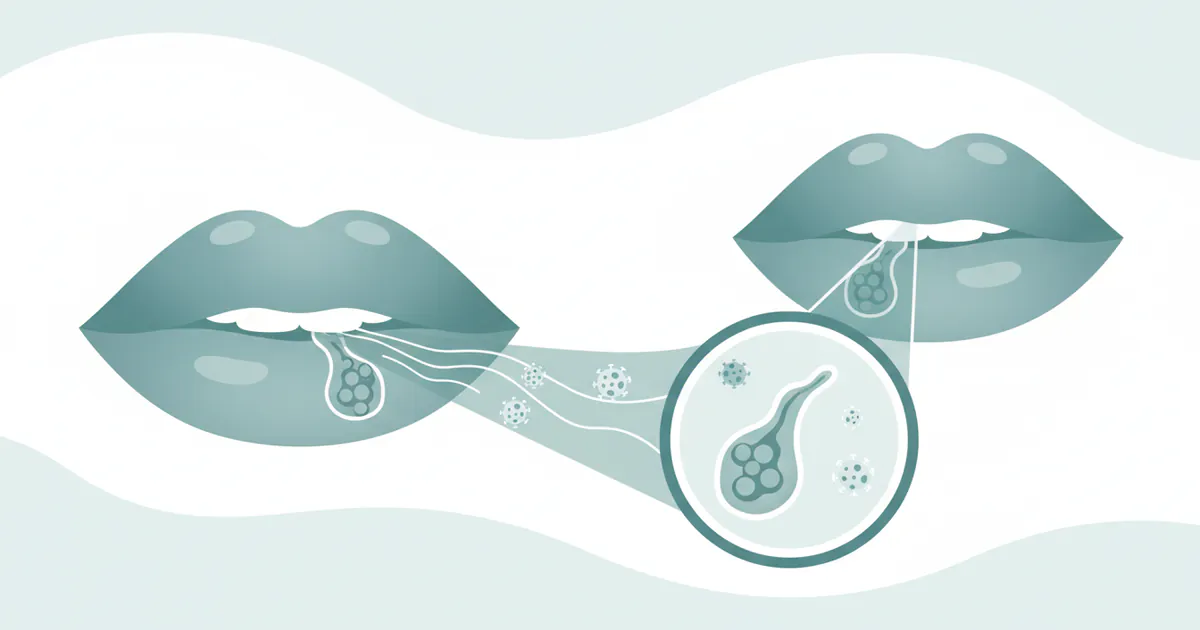
- Oral Mucocele: An oral mucocele is a painless, fluid-filled cyst that forms on the lip, cheek, or tongue due to a blocked or damaged salivary gland duct. It typically appears as a soft, bluish, or clear bump and usually resolves on its own or may require minor surgical removal if persistent. Unlike a canker sore, it's not an open ulcer and is generally not painful unless repeatedly traumatized.
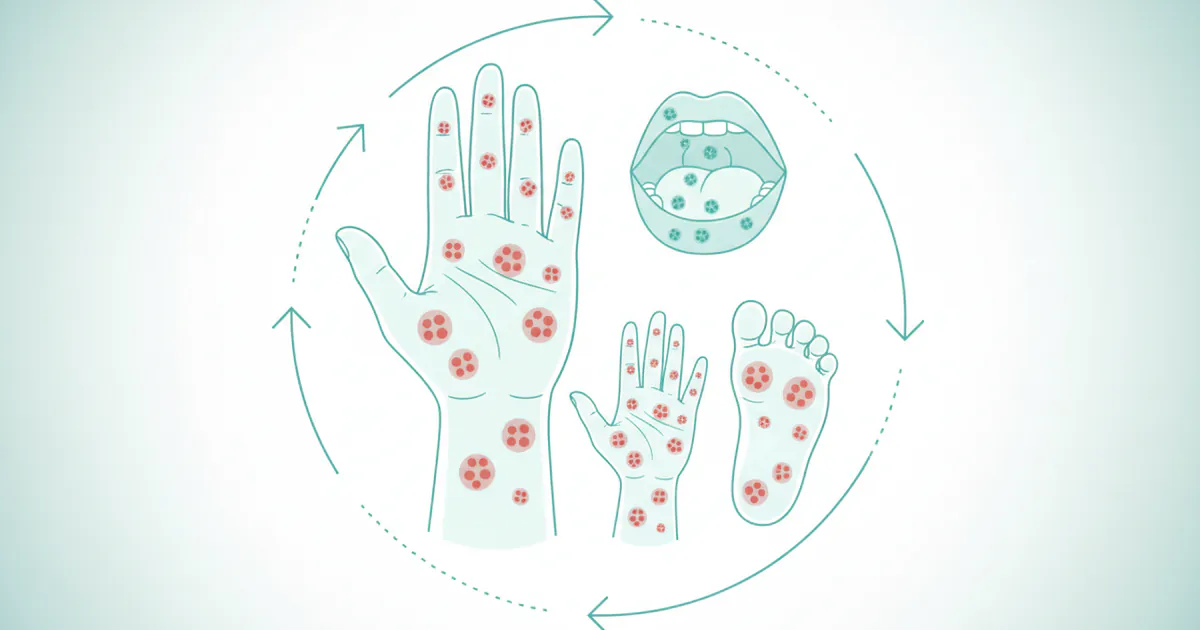
- Hand, Foot, and Mouth Disease (HFMD): Hand foot and mouth disease symptoms include painful mouth sores, often on the tongue, gums, and inner cheeks, along with a rash of red spots and sometimes blisters on the palms of the hands and soles of the feet. This viral infection (most commonly caused by Coxsackievirus) is highly contagious, predominantly affects children under 5, and often presents with fever, sore throat, and malaise. The mouth sores in HFMD are typically smaller and more numerous than a single canker sore.
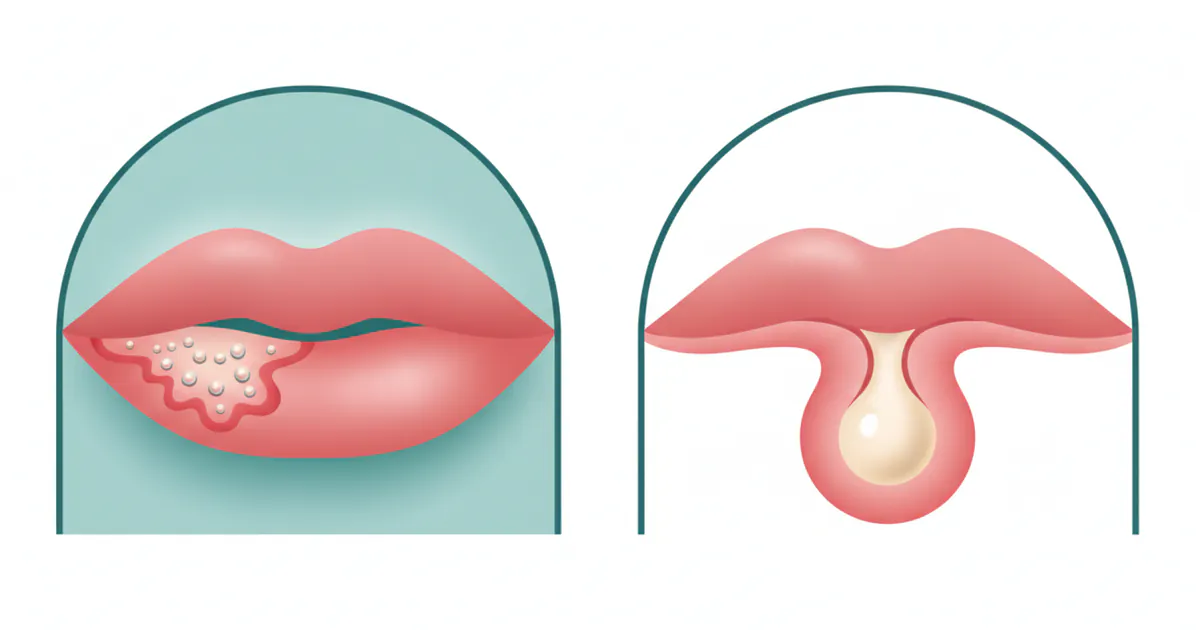
- Oral Herpes (Cold Sores): Caused by the herpes simplex virus (HSV-1), cold sores appear as fluid-filled blisters that eventually crust over, usually on the outside of the lips or around the mouth. They are highly contagious. Canker sores occur inside the mouth and are not contagious.
- Lichen Planus: A chronic inflammatory condition that can affect the skin and mucous membranes, including the mouth. Oral lichen planus can manifest as white, lace-like patches (reticular), red and swollen tissues (erythematous), or open sores (erosive), which can mimic canker sores but are typically persistent and have a different appearance.
- Oral Cancer: While rare, any persistent, non-healing sore in the mouth that lasts longer than two weeks, especially if accompanied by difficulty swallowing, voice changes, or a lump, should be evaluated by a dental professional to rule out oral cancer.
Signs and Symptoms
The presence of a canker sore on tongue or other oral tissues is usually unmistakable due to its characteristic appearance and the discomfort it causes.
Primary Signs:
- Visibility: A round or oval lesion with a white, gray, or yellow center.
- Red Halo: The sore is typically surrounded by a bright red, inflamed border.
- Location: Most commonly found on the soft, movable tissues of the mouth, such as the tongue (sides, tip, or underside), inside of the cheeks, inner lips, soft palate, and floor of the mouth. They do not appear on the hard palate or gums directly next to teeth in the same way cold sores do.
- Size: Varies depending on the type (minor, major, herpetiform).
- Number: Usually one or two, but can appear in clusters or multiple separate sores, especially with herpetiform aphthous ulcers.
Key Symptoms:
- Pain and Tenderness: This is the most prominent symptom. The sore is exquisitely tender to touch and can cause significant pain, especially when eating, drinking, speaking, or brushing teeth. The pain can range from a dull ache to a sharp, burning sensation.
- Burning or Tingling Sensation: Often, a burning or tingling sensation may precede the visible appearance of the canker sore by a day or two, serving as an early warning sign.
- Difficulty Eating and Speaking: Due to the pain, individuals may avoid certain foods, leading to temporary dietary changes. Speaking can also become challenging, causing slurred speech or discomfort.
- Irritation: The sore can be easily irritated by spicy, acidic, or salty foods and beverages.
- Swelling: The tissue immediately surrounding the sore may appear slightly swollen.
Less Common or Accompanying Symptoms (especially with severe or systemic cases):
- Fever: Rarely accompanies minor canker sores, but may occur with severe or recurrent cases, or if an underlying systemic illness is present (e.g., Hand, Foot, and Mouth Disease).
- Swollen Lymph Nodes: Lymph nodes in the neck may become tender and swollen as the body's immune system responds to the inflammation.
- Malaise/Feeling Unwell: General feeling of discomfort or illness.
It is essential to monitor these symptoms. While most canker sores resolve on their own, persistent or severe symptoms warrant a dental consultation.
Treatment Options
The primary goals of canker sore treatment are to relieve pain, promote healing, and prevent recurrence. While most minor canker sores heal without intervention, various over-the-counter (OTC) and prescription options are available to manage symptoms and accelerate recovery.
Over-the-Counter (OTC) Remedies:
- Topical Anesthetics:
- Benzocaine (e.g., Orajel, Anbesol): Provides temporary numbing to reduce pain. Applied directly to the sore.
- Lidocaine (e.g., Zilactin-B): Similar numbing effect, often available in gel or liquid form.
- Pros: Readily available, provides quick pain relief.
- Cons: Temporary effect, may cause a stinging sensation upon application, some people are sensitive to benzocaine.
- Oral Rinses:
- Antiseptic rinses (e.g., diluted hydrogen peroxide, chlorhexidine gluconate - prescription strength): Helps to clean the sore, reduce bacteria, and prevent secondary infection.
- Saltwater rinses: A simple, effective home remedy to soothe inflammation and keep the area clean. Mix 1 teaspoon of salt in 8 ounces of warm water.
- Baking soda rinses: Alkaline solution that can neutralize acids and soothe irritation. Mix 1 teaspoon of baking soda in 4 ounces of warm water.
- Pros: Soothes, cleanses, reduces bacterial load.
- Cons: Chlorhexidine can stain teeth with prolonged use; some rinses may sting.
- Barrier Pastes/Gels:
- Canker Covers, Orabase: These products form a protective barrier over the sore, shielding it from irritants like food and saliva, thus reducing pain and promoting healing.
- Pros: Long-lasting protection, promotes undisturbed healing.
- Cons: Can be difficult to apply and may not adhere well to all surfaces of the tongue.
- OTC Analgesics:
- Ibuprofen (Advil, Motrin) or Acetaminophen (Tylenol): Oral pain relievers can help manage generalized pain if the canker sore is particularly bothersome.
- Pros: Reduces overall discomfort.
- Cons: Does not directly treat the sore.
Prescription Medications (When OTC is insufficient):
- Topical Corticosteroids:
- Fluocinonide gel (e.g., Lidex), Dexamethasone elixir, Clobetasol gel: These powerful anti-inflammatory agents reduce pain and accelerate healing by suppressing the local immune response. Available as gels, pastes, or rinses.
- Pros: Very effective for reducing inflammation and pain, speeds healing.
- Cons: Requires a prescription, potential for local side effects (e.g., fungal infection if used too long) if not used as directed.
- Oral Medications (for severe, recurrent, or major aphthous ulcers):
- Corticosteroids (e.g., Prednisone): Systemic corticosteroids may be prescribed for severe cases or major aphthous ulcers that don't respond to topical treatments.
- Immunosuppressants (e.g., Colchicine, Azathioprine, Thalidomide): For extreme, debilitating recurrent aphthous stomatitis, especially when associated with systemic conditions like Behçet's disease. These are powerful drugs with significant potential side effects and require careful monitoring.
- Pros: Can provide dramatic relief for severe cases.
- Cons: Significant systemic side effects, requires careful medical supervision.
- Nutritional Supplements:
- If deficiencies in Vitamin B12, iron, folate, or zinc are identified through blood tests, your doctor or dentist may recommend supplements.
- Pros: Addresses underlying causes, potentially preventing recurrence.
- Cons: Only effective if a deficiency is present; requires diagnosis.

Dental Procedures / In-Office Treatments:
- Laser Treatment:
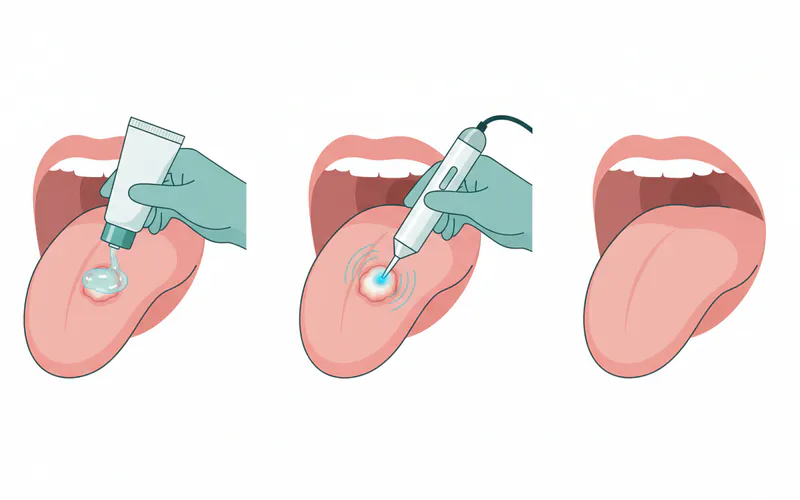
- Low-level laser therapy (LLLT) or CO2 laser ablation: A dental laser can be used to quickly reduce pain, inflammation, and speed up the healing process of canker sores. The laser essentially cauterizes the nerve endings and seals the area.
- Pros: Instant pain relief, significantly accelerates healing (often 1-3 days vs. 7-14), non-invasive, no anesthesia typically needed for LLLT.
- Cons: Costly, requires a dental visit, not universally available.
- Chemical Cautery:
- Silver nitrate or debacterol: A chemical solution applied directly to the sore to burn away the top layer of tissue and seal nerve endings.
- Pros: Can provide immediate pain relief and promote healing.
- Cons: Can be very painful upon application, requires precision, not suitable for all areas or types of sores, risk of tissue damage if not applied correctly.
Home Remedies and Lifestyle Modifications:
- Ice: Sucking on ice chips can numb the area and reduce swelling.
- Honey: Has natural antibacterial and anti-inflammatory properties; applying a small amount can soothe the sore.
- Chamomile tea bag: Place a damp chamomile tea bag on the sore for a few minutes; chamomile has anti-inflammatory properties.
- Avoid Triggers: Identify and avoid foods that trigger your canker sores (acidic, spicy, sharp foods). Switch to an SLS-free toothpaste.
- Stress Reduction: Practice stress-reducing techniques like meditation, yoga, or deep breathing.
- Good Oral Hygiene: Gently brush and floss to prevent secondary infections.
Pro Tip: For chronic or recurrent canker sores, keep a log of potential triggers (foods, stress levels, menstrual cycle) to help identify patterns and inform preventative strategies.
Step-by-Step Process (What to Expect During Treatment)
When you seek professional help for a persistent or severe canker sore on tongue, here's a general overview of what you can expect:
-
Initial Consultation and Diagnosis:
- Your dentist will take a detailed medical history, including questions about your diet, stress levels, and history of canker sores.
- They will perform a thorough oral examination to visually inspect the sore, assess its size, location, and characteristics, and rule out other conditions (like oral mucocele, cold sores, or more serious lesions).
- In some cases, especially if recurrent or unusual, blood tests may be ordered to check for nutritional deficiencies (B12, iron, folate, zinc) or underlying systemic diseases.
- Rarely, a biopsy might be taken if oral cancer or another serious condition is suspected (e.g., a sore that hasn't healed in over 2 weeks).
-
Discussion of Treatment Options:
- Based on the diagnosis and severity, your dentist will discuss appropriate treatment options, ranging from OTC recommendations to prescription medications or in-office procedures.
- They will explain the pros, cons, and expected outcomes of each option.
-
Application of Topical Medications (If Prescribed):
- If a prescription topical corticosteroid or anesthetic is recommended, your dentist will provide instructions on how to apply it. You'll typically apply a small amount directly to the sore using a clean fingertip or cotton swab, usually several times a day after meals and before bed.
- For rinses, you'll be instructed on dilution and frequency.
-
In-Office Laser Treatment (If Chosen):
- If you opt for laser treatment, the procedure is typically quick, often taking only a few minutes.
- You'll wear protective eyewear.
- The dentist will direct the laser beam directly at the canker sore. You might feel a slight warming sensation, but it's generally painless, and topical anesthesia is usually not required for low-level laser therapy.
- For ablative lasers (e.g., CO2), local anesthesia might be used to numb the area first.
- The immediate effect is often significant pain reduction, sometimes complete, due to the sealing of nerve endings. Healing is also significantly accelerated.
-
Follow-Up (If Necessary):
- For most minor canker sores, a follow-up visit isn't necessary unless symptoms persist or worsen.
- For major or recurrent canker sores, or if systemic medications are prescribed, your dentist may schedule a follow-up to monitor healing, assess side effects, and adjust treatment as needed.
- For nutritional deficiencies, follow-up blood tests may be needed to confirm correction of the deficiency.
Cost and Insurance
The cost of treating a canker sore on tongue can vary significantly depending on the severity of the sore, the chosen treatment method, and whether you have dental insurance.
Average US Costs (Out-of-Pocket):
| Treatment Type | Average Cost Range (USD) | Notes |
|---|---|---|
| Over-the-Counter Remedies | $5 - $30 | Topical gels, rinses, barrier pastes. |
| Prescription Topical Medications | $50 - $250 | Corticosteroid gels, medicated rinses. (Cost varies by drug & pharmacy) |
| Dental Laser Treatment | $100 - $500+ per session | Low-level laser therapy (LLLT) or ablative laser. |
| Chemical Cautery (Silver Nitrate) | $75 - $200 per session | Applied by a dentist. |
| Initial Dental Consultation/Exam | $75 - $150 | If you need a diagnosis or recommendation. |
| Blood Tests (for deficiencies) | $50 - $300 | May be covered by medical insurance for diagnosis. |
| Prescription Oral Medications | $100 - $1000+ per month | Systemic corticosteroids, immunosuppressants (for severe cases). |
Regional Price Variations: Costs can fluctuate based on your geographic location. Major metropolitan areas tend to have higher prices than rural areas. For instance, a laser treatment in New York City might be at the higher end of the range, while the same treatment in a smaller Midwestern town could be closer to the lower end.
Insurance Coverage Details:
- Dental Insurance:
- Most routine dental insurance plans (e.g., PPO, HMO) generally do not cover over-the-counter products or preventative supplements for canker sores.
- However, they may offer partial coverage (e.g., 50-80%) for certain prescription medications prescribed by a dentist, especially if they are deemed medically necessary.
- In-office procedures like laser treatment or chemical cautery are typically considered "minor restorative" or "adjunctive" procedures and might be covered partially (e.g., 50-70%) by some plans, but it's crucial to check with your specific provider beforehand. Many plans may classify these as elective or cosmetic if not explicitly linked to a systemic disease.
- The initial consultation and exam are often covered at a higher percentage (e.g., 80-100%) as preventative care.
- Medical Insurance:
- If your canker sores are determined to be a symptom of an underlying systemic medical condition (e.g., Crohn's disease, Behçet's disease, severe nutritional deficiency), your medical insurance might cover diagnostic blood tests, consultations with specialists (e.g., gastroenterologist, rheumatologist), and systemic medications prescribed for that condition.
- Always verify coverage with both your dental and medical insurance providers. They may require a referral from your primary care physician or dentist.
Pro Tip: Before undergoing any costly treatment, always contact your insurance provider (both dental and medical) to understand your specific benefits, deductibles, co-pays, and any pre-authorization requirements.
Recovery and Aftercare
Once treatment has begun, or even if you're letting a minor canker sore heal on its own, proper aftercare is crucial for promoting quick healing, minimizing pain, and preventing secondary infections.
General Healing Timeline:
- Minor Aphthous Ulcers: Typically heal within 7-14 days. Pain usually subsides within 3-5 days.
- Major Aphthous Ulcers: Can take weeks to several months to heal and may leave scars. Pain relief may take longer.
- Herpetiform Ulcers: Heal within 7-30 days.
Post-Treatment Care Instructions:
- Maintain Excellent Oral Hygiene:
- Gentle Brushing: Use a soft-bristled toothbrush and brush gently around the sore. Continue to brush twice daily.
- Flossing: Floss daily to remove food particles and plaque, but be cautious around the sore.
- Antiseptic Rinses: Continue using prescribed or recommended antiseptic mouth rinses (e.g., diluted chlorhexidine, saltwater, or baking soda rinses) as directed by your dentist to keep the area clean and reduce bacterial load.
- Dietary Modifications:
- Avoid Irritating Foods: For several days after treatment and until the sore is completely healed, avoid acidic foods (citrus, tomatoes), spicy foods, very salty snacks, and hard, crunchy foods (chips, nuts) that can further irritate the sore or cause new trauma.
- Stick to Soft Foods: Opt for soft, bland foods that are easy to chew and swallow, such as yogurt, mashed potatoes, soups, smoothies, scrambled eggs, and well-cooked pasta.
- Avoid Hot Beverages/Foods: Let hot drinks and food cool down to a warm temperature before consuming to prevent further irritation.
- Continue Topical Applications: If prescribed, continue using topical gels or rinses as directed by your dentist, even if you start feeling better, to ensure full healing and prevent recurrence.
- Pain Management:
- Use over-the-counter pain relievers (ibuprofen, acetaminophen) if needed to manage residual discomfort.
- Topical anesthetics can still be used for temporary relief, especially before meals.
- Stay Hydrated: Drink plenty of water to keep your mouth moist and aid in healing.
- Avoid Tobacco and Alcohol: Both tobacco products (smoking, chewing) and alcohol can irritate oral tissues and impede healing. Avoid them during recovery.
- Monitor for Complications: Keep an eye on the sore. If pain worsens, the sore enlarges, develops pus, or you develop a fever, contact your dentist immediately. This could indicate a secondary infection or a more serious issue.
Prevention
Preventing canker sores, especially if you experience them frequently, often involves identifying and avoiding your specific triggers, coupled with maintaining optimal oral and general health.
Key Preventative Strategies:
- Identify and Avoid Triggers:
- Dietary Triggers: Keep a food diary to identify if specific acidic, spicy, or abrasive foods (citrus fruits, tomatoes, chocolate, coffee, nuts, chips) consistently precede an outbreak. Once identified, limit or avoid these foods.
- SLS-Free Toothpaste: Switch to a toothpaste that does not contain Sodium Lauryl Sulfate (SLS). Many brands offer SLS-free options (e.g., Sensodyne Pronamel Gentle Whitening, Burt's Bees, Hello). This can significantly reduce recurrence for sensitive individuals.
- Minimize Oral Trauma:
- Gentle Brushing: Use a soft-bristled toothbrush and brush gently. Replace your toothbrush every 3-4 months, or sooner if the bristles are frayed.
- Chew Carefully: Be mindful when eating to avoid biting your tongue or inner cheek.
- Dental Appliances: If braces, dentures, or retainers are causing irritation, consult your orthodontist or dentist. They may be able to adjust them or recommend wax to cover sharp edges.
- Manage Stress:
- Since stress is a major trigger, incorporate stress-reduction techniques into your daily routine, such as meditation, yoga, deep breathing exercises, regular physical activity, and adequate sleep.
- Maintain Optimal Nutrition:
- Balanced Diet: Eat a well-balanced diet rich in fruits, vegetables, and whole grains to ensure you receive essential vitamins and minerals.
- Supplementation: If diagnosed with deficiencies in Vitamin B12, iron, folate, or zinc, take prescribed supplements. Consult your doctor or dentist before starting any new supplements.
- Good Oral Hygiene:
- Brush twice daily and floss once daily to keep your mouth clean and reduce the bacterial load. While not a direct cause, poor hygiene can contribute to inflammation and potential secondary infections.
- Stay Hydrated: Drink plenty of water throughout the day to keep your oral tissues moist and healthy.
- Regular Dental Check-ups: Visit your dentist regularly for professional cleanings and check-ups. They can identify potential issues early and offer personalized advice.
Comparison of Preventative Measures
| Preventative Measure | Effectiveness Rating (1-5, 5 being highest) | Actionable Steps | Potential Challenges |
|---|---|---|---|
| Avoid SLS Toothpaste | 4 | Switch to a non-SLS toothpaste; check ingredient labels. | Finding suitable products, personal preference for taste/texture. |
| Dietary Trigger Avoidance | 4 | Keep a food diary, eliminate suspected irritants (acidic, spicy, abrasive foods). | Identifying exact triggers, dietary restrictions. |
| Stress Management | 3-4 | Exercise, meditation, adequate sleep, hobbies. | Requires consistent effort, life stressors can be unavoidable. |
| Nutritional Supplementation | 5 (if deficiency exists) | Consult doctor for blood tests, take prescribed B12, iron, folate, zinc supplements. | Requires medical diagnosis, only effective if deficient. |
| Minimize Oral Trauma | 3 | Soft toothbrush, careful chewing, dental adjustments (braces). | Accidental biting can still occur, discomfort from dental appliances. |
Risks and Complications
While most canker sores are benign and resolve without incident, certain risks and complications can arise, particularly with severe or persistent cases.
- Secondary Infection: An open sore in the mouth is vulnerable to bacterial or fungal infections. This can lead to increased pain, pus formation, prolonged healing, and potentially spread.
- Scarring: Major aphthous ulcers, due to their size and depth, can leave permanent scars on the tongue or other oral tissues.
- Nutritional Deficiencies: Persistent, painful canker sores, especially on the tongue, can make eating extremely difficult. This can lead to reduced food intake, weight loss, and further exacerbate existing nutritional deficiencies, creating a vicious cycle.
- Dehydration: Difficulty and pain when drinking can lead to reduced fluid intake and dehydration.
- Impact on Quality of Life: Chronic or frequently recurring canker sores can significantly impact a person's quality of life, causing constant pain, difficulty speaking, social embarrassment, and psychological distress.
- Misdiagnosis or Delay in Diagnosis of Underlying Conditions: If severe or recurrent canker sores are not properly investigated, an underlying systemic disease (e.g., Celiac disease, Crohn's disease, Behçet's disease, or even early oral cancer in very rare instances) might go undiagnosed, delaying appropriate treatment for the primary condition.
- Oral Cancer Risk (Rare): While canker sores themselves are not cancerous and do not turn into cancer, any non-healing sore in the mouth that persists for more than two weeks, changes in appearance, or is accompanied by other suspicious symptoms (like a lump, difficulty swallowing, or persistent numbness) should be urgently evaluated by a dentist or oral surgeon to rule out oral cancer. This is a critical distinction, as a persistent "sore" might not be a typical canker sore at all.
Children / Pediatric Considerations
Canker sores are common in children, often causing significant distress due to pain and difficulty eating. Parents need to understand the unique aspects of canker sores in pediatric populations.
- Higher Incidence: Children, especially school-aged ones, are prone to canker sores, often due to minor oral trauma from playing, biting their cheeks/tongue, or sometimes due to stress related to school or social changes.
- Misdiagnosis Risk (HFMD): One crucial distinction for parents is differentiating a canker sore from Hand, Foot, and Mouth Disease (HFMD). Hand foot and mouth disease symptoms frequently include painful sores inside the mouth, often on the tongue, cheeks, and throat, accompanied by a rash of red spots/blisters on the hands and feet, and fever. HFMD is viral and highly contagious, especially in daycare settings, and requires different management than a typical canker sore. If your child has a fever, widespread mouth sores, and a rash on their hands or feet, seek medical attention promptly.
- Pain Management for Kids:
- Gentle Topical Anesthetics: Use children-specific oral gels with benzocaine or lidocaine sparingly and as directed by a pediatrician or dentist. Overuse can be risky in small children.
- Soft, Bland Diet: Offer soft, non-acidic, non-spicy foods like yogurt, applesauce, pureed fruits/vegetables, mashed potatoes, and lukewarm soups. Avoid citrus juices, tomato-based products, and salty snacks.
- Hydration: Encourage plenty of fluids, especially water or diluted juice, to prevent dehydration, which can be a concern if eating and drinking are painful. Popsicles or ice chips can be soothing.
- OTC Pain Relievers: Children's acetaminophen (Tylenol) or ibuprofen (Advil/Motrin) can help manage pain and fever if present. Always follow dosing instructions based on age and weight.
- Saltwater Rinses: For older children who can rinse and spit effectively, a lukewarm saltwater rinse can be soothing.
- SLS-Free Toothpaste: Consider using an SLS-free toothpaste for children who frequently develop canker sores.
- When to See a Dentist/Pediatrician:
- If the sore is unusually large or deep.
- If the sore doesn't begin to heal within 7-10 days.
- If your child has a high fever, is lethargic, or shows signs of dehydration.
- If canker sores are very frequent or debilitating.
- If you suspect Hand, Foot, and Mouth Disease symptoms or any other systemic illness.
Cost Breakdown
While covered in part previously, a dedicated cost breakdown provides a clearer financial picture for US consumers.

Average US Costs (Low, Mid, High Estimates):
| Service/Item | Low Estimate (USD) | Mid Estimate (USD) | High Estimate (USD) | Notes |
|---|---|---|---|---|
| Initial Dental Exam/Consultation | $75 | $120 | $150 | Essential for diagnosis, especially for recurrent or atypical sores. |
| Over-the-Counter Topical Treatments | $5 | $15 | $30 | Gels, pastes, rinses (e.g., Orajel, Canker Cover, Peroxyl). |
| Prescription Topical Medications | $50 | $100 | $250 | Corticosteroid gels (e.g., fluocinonide, triamcinolone acetonide), specialized rinses. |
| Dental Laser Treatment (per session) | $100 | $300 | $500 | Varies by clinic, type of laser, and geographic location. |
| Chemical Cautery (e.g., Debacterol) | $75 | $125 | $200 | In-office application by a dentist. |
| Blood Test for Nutritional Deficiencies | $50 | $150 | $300 | Lab fees, often covered by medical insurance if medically indicated. |
| Nutritional Supplements (monthly) | $10 | $30 | $70 | E.g., Vitamin B12, Iron, Folate, Zinc. Varies by brand and dosage. |
| Prescription Oral Medications (monthly) | $100 | $500 | $1000+ | For severe, systemic cases (e.g., oral corticosteroids, immunosuppressants). |
With vs. Without Insurance:
- Without Insurance (Out-of-Pocket): You will be responsible for 100% of all costs. This is where cost-saving tips and upfront price inquiries become critical.
- With Dental Insurance:
- Exams: Often covered at 80-100%.
- Prescription Medications (Topical): May be covered at 50-80% after deductible, depending on your plan's formulary.
- In-Office Procedures (Laser, Cautery): Typically covered at 50-70% if deemed medically necessary and not considered cosmetic. You may need to meet your deductible first.
- With Medical Insurance:
- If an underlying systemic condition is diagnosed, medical insurance may cover consultations with specialists, diagnostic blood tests, and systemic medications at their standard coverage rates (e.g., co-pays, deductibles apply).
Payment Plans and Financing Options:
- Dental Office Payment Plans: Many dental practices offer in-house payment plans, allowing you to pay for treatments over several months, often interest-free.
- Third-Party Financing (e.g., CareCredit): Specialized healthcare credit cards are available that offer deferred interest or low-interest financing options for medical and dental expenses.
- Health Savings Accounts (HSAs) or Flexible Spending Accounts (FSAs): These tax-advantaged accounts can be used to pay for qualified medical and dental expenses, including canker sore treatments, with pre-tax dollars.
- Negotiation: For uninsured patients, it may be possible to negotiate a cash discount with your dental office if paying upfront.
Cost-Saving Tips:
- Compare Prices: If possible, call different dental offices or pharmacies to compare prices for procedures or prescription medications.
- Generic Prescriptions: Ask your dentist if a generic version of a prescription medication is available, as generics are significantly cheaper.
- Preventative Care: Investing in good oral hygiene and avoiding known triggers can reduce the frequency and severity of canker sores, ultimately saving on treatment costs.
- Early Intervention: Addressing canker sores early with OTC remedies might prevent them from worsening and requiring more expensive professional treatment.
- Utilize Insurance: Understand your policy benefits and always get pre-authorization for expensive treatments to avoid unexpected bills.
Frequently Asked Questions
Is a canker sore on the tongue contagious?
No, a canker sore (aphthous ulcer) is not contagious. It cannot be spread through kissing, sharing food or drinks, or any other direct contact. This distinguishes it from cold sores, which are caused by the herpes virus and are highly contagious.
How long does a canker sore on the tongue typically last?
Most minor canker sores on the tongue heal naturally within 7 to 14 days without intervention. Major aphthous ulcers, however, can be deeper and larger, sometimes taking several weeks to months to fully resolve, and may occasionally leave scars.
What are the best home remedies for canker sore pain?
Effective home remedies for canker sore pain include rinsing your mouth several times a day with warm saltwater (1 teaspoon salt in 8 ounces water) or a baking soda solution (1 teaspoon baking soda in 4 ounces water). Applying a small amount of honey or sucking on ice chips can also provide soothing relief.
Can canker sores be a sign of something more serious?
While most canker sores are benign, recurrent or unusually severe sores can sometimes indicate an underlying systemic condition such as celiac disease, inflammatory bowel disease (Crohn's or ulcerative colitis), or Behçet's disease. Any sore that doesn't heal within two weeks, is accompanied by fever, difficulty swallowing, or a rash, should be evaluated by a dental professional to rule out more serious issues.
Why do I keep getting canker sores on my tongue?
Frequent canker sores can be due to a variety of factors, including recurrent minor trauma (e.g., biting your tongue, aggressive brushing), nutritional deficiencies (especially B12, iron, folate, or zinc), emotional stress, certain foods, or the use of toothpastes containing Sodium Lauryl Sulfate (SLS). Genetic predisposition also plays a significant role.
Is laser treatment effective for canker sores, and how much does it cost?
Yes, laser treatment (low-level laser therapy or CO2 laser ablation) is highly effective for canker sores, often providing immediate pain relief and significantly accelerating healing, sometimes within 1-3 days. The cost for laser treatment can range from $100 to $500 or more per session, and insurance coverage varies.
What foods should I avoid if I have a canker sore?
If you have a canker sore, it's best to avoid acidic foods (like citrus fruits, tomatoes), spicy foods, very salty snacks (like chips or pretzels), and hard, crunchy items that can further irritate the sore or cause additional trauma. Opt for soft, bland foods during the healing period.
Can switching toothpaste help prevent canker sores?
For many individuals, yes. Some toothpastes contain Sodium Lauryl Sulfate (SLS), a foaming agent that can irritate sensitive oral tissues and potentially trigger canker sores. Switching to an SLS-free toothpaste can significantly reduce the frequency of canker sore outbreaks for those sensitive to the ingredient.
What is the difference between a canker sore and an oral mucocele?
A canker sore is a painful open ulcer with a white/yellow center and red border, typically caused by trauma, stress, or other internal factors. An oral mucocele is a painless, fluid-filled cyst that forms due to a blocked or damaged salivary gland duct, appearing as a soft, bluish bump, and is not an open ulcer.
Can Hand, Foot, and Mouth Disease cause sores on the tongue?
Yes, Hand foot and mouth disease symptoms commonly include painful sores on the tongue, gums, and inner cheeks, along with a characteristic rash on the hands and feet, and often fever. It's a contagious viral infection, most common in young children, and should be differentiated from a typical canker sore by a medical professional.
When to See a Dentist
While most canker sores are harmless and resolve on their own, there are specific situations where a visit to your dentist or oral healthcare professional is highly recommended. Early evaluation can prevent complications and rule out more serious underlying conditions.
You should seek dental attention if you experience any of the following:
- Sores that are unusually large or deep: Major aphthous ulcers require professional management due to their severe pain, prolonged healing time, and potential for scarring.
- Sores that persist for more than two weeks: Any non-healing oral lesion that lasts beyond two weeks warrants immediate investigation by a dentist or oral surgeon to rule out conditions like oral lichen planus or, in very rare cases, oral cancer.
- Intolerable pain: If the pain is severe and not managed by over-the-counter remedies, making it difficult to eat, drink, or speak.
- Frequent or recurrent outbreaks: If you constantly get new canker sores, or they appear in clusters (herpetiform type), your dentist can help identify triggers, address potential nutritional deficiencies, or recommend stronger prescription treatments.
- Sores accompanied by other symptoms: Such as fever, swollen lymph nodes, general malaise, difficulty swallowing, or a rash on other parts of your body. These symptoms could indicate an underlying systemic illness like Hand, Foot, and Mouth Disease, an inflammatory bowel disease, or Behçet's disease.
- Difficulty managing the sore at home: If you've tried home remedies and OTC treatments without significant relief.
- Suspicion of secondary infection: Signs include increasing redness, swelling, pus, or a spreading lesion.
Your dentist can accurately diagnose the type of canker sore, rule out other oral conditions (like oral mucocele or cold sores), and provide appropriate treatment or refer you to a specialist if an underlying medical condition is suspected. Do not delay seeking professional advice for concerning oral lesions.
Frequently Asked Questions
Medically Reviewed Content
This article was written by our dental health editorial team and reviewed for medical accuracy. Our content follows strict editorial guidelines for reliability and trustworthiness.
Medical Disclaimer
This article is for informational purposes only and does not constitute medical advice. Always consult with a qualified dental professional for diagnosis and treatment. Do not delay seeking professional advice because of something you read on this website.
Related Articles
Oral Candidiasis Symptoms: Complete Guide
Oral candidiasis, commonly known as oral thrush, is a fungal infection of the mouth caused by an overgrowth of Candida yeast, most often Candida albicans. While Candida is a normal inhabitant of the human mouth in small amounts, an imbalance can lead to uncomfortable and sometimes painful symptoms
February 23, 2026
Are Cold Sores Contagious
In the United States, an estimated 67% of the population under age 50 carries the herpes simplex virus type 1 (HSV-1), the primary cause of cold sores. This means millions of Americans are susceptible to these often painful and highly visible oral lesions. Beyond the discomfort and cosmetic conc
February 23, 2026
How Long Does Hand Foot and Mouth Last
Hand, Foot, and Mouth Disease (HFMD) is a common, often uncomfortable, viral illness that can affect anyone but is particularly prevalent among young children. If you or a loved one has ever experienced the tell-tale rash or painful mouth sores, you've likely wondered: **how long does Hand Foot and
February 23, 2026
Cold Sore vs Pimple on Lip: Complete Comparison Guide
When you notice an unexpected bump or lesion on your lip, your mind might immediately jump to questions of what it is, how long it will last, and most importantly, if it's contagious. The confusion between a cold sore vs pimple on lip is incredibly common, yet the distinction is crucial for prop
February 23, 2026