Kidney Disease and Bad Breath: Complete Guide
Key Takeaways
- Imagine diligently brushing and flossing twice a day, yet still struggling with persistent, unpleasant breath. For many Americans, this isn't just a minor annoyance; it can be a distressing sign of an underlying health condition. Did you know that over **37 million adults in the United States, rough
Kidney Disease and Bad Breath: Complete Guide
Imagine diligently brushing and flossing twice a day, yet still struggling with persistent, unpleasant breath. For many Americans, this isn't just a minor annoyance; it can be a distressing sign of an underlying health condition. Did you know that over 37 million adults in the United States, roughly 1 in 7, are estimated to have kidney disease, and many are unaware of it? One of the less commonly discussed, yet significant, symptoms linked to this silent disease is persistent bad breath, also known as halitosis.
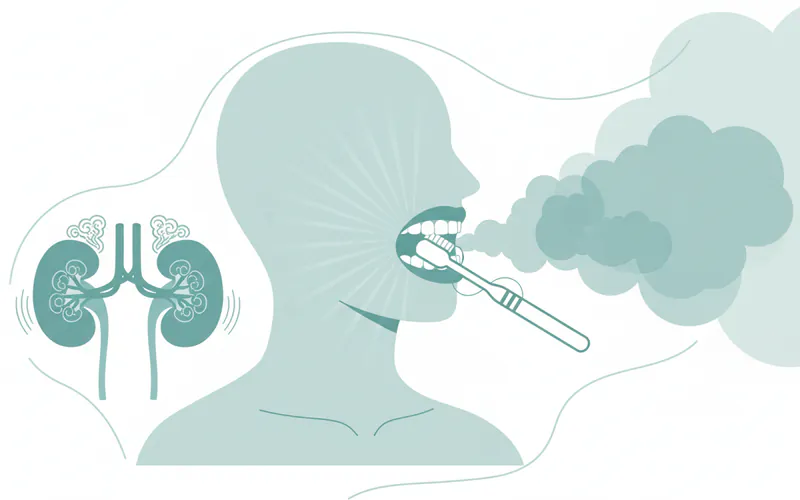
The connection between kidney disease and bad breath is far more profound than simply poor oral hygiene. Your kidneys play a vital role in filtering waste products from your blood. When they don't function correctly, these waste products, particularly urea, can build up in your body and be expelled through your breath, creating a distinct, often metallic or ammonia-like odor. This article from SmilePedia.net aims to be your definitive guide, exploring the intricate relationship between kidney health and oral health, and providing comprehensive insights into why this occurs, what symptoms to look for, and how to effectively manage and prevent it. We'll delve into everything from the scientific mechanisms behind "uremic fetor" to practical strategies for improving oral hygiene, including how to get rid of inflammation in gums, and navigating the costs and treatment options associated with these interconnected health challenges.
Key Takeaways:
- Systemic Link: Kidney disease impairs the body's ability to filter toxins, leading to a buildup of waste products like urea, which transforms into ammonia and causes a distinct, often metallic or ammoniacal bad breath known as "uremic fetor."
- Oral Manifestations: Beyond bad breath, kidney disease can cause dry mouth (xerostomia), increased susceptibility to gum inflammation (gingivitis and periodontitis), altered taste perception, and a higher risk of oral infections.
- Comprehensive Treatment: Managing bad breath primarily involves addressing the underlying kidney disease through medical interventions (medications, dialysis, transplantation). Oral care includes rigorous hygiene, specialized mouthwashes, and professional dental cleanings.
- Gum Health Focus: Kidney patients are more prone to gum inflammation due to compromised immune function. Effective strategies for how to get rid of inflammation in gums include professional scaling and root planing, consistent home care, and antimicrobial rinses.
- Cost Considerations: A dental exam and cleaning typically range from $75-$250. Deep cleaning (scaling and root planing) can cost $200-$500 per quadrant. Kidney disease management costs vary significantly, with monthly medication copays from $50-$500+ and dialysis treatments potentially exceeding $75,000-$100,000 annually without comprehensive insurance.
- Timeline for Improvement: While kidney disease management is ongoing, noticeable improvement in bad breath and gum inflammation can occur within 2-4 weeks with consistent, tailored oral hygiene and professional dental interventions, assuming the underlying kidney condition is being medically managed.
- Prevention is Key: Proactive management of kidney disease, meticulous daily oral hygiene, and regular dental check-ups (at least every six months, or more frequently if recommended) are crucial for prevention and early intervention.
What Is It: The Interconnection of Kidney Disease and Halitosis
To truly understand the link between kidney disease and bad breath, we first need to define each component.
Kidney Disease: Your Body's Filtration System Under Strain
Your kidneys are two bean-shaped organs, each about the size of a fist, located just below the rib cage on either side of your spine. Their primary functions are crucial for maintaining overall health:
- Filtering Waste: They remove waste products and excess fluids from your blood, converting them into urine.
- Balancing Electrolytes: They maintain a healthy balance of water, salts, and minerals (like sodium, potassium, calcium, and phosphate) in your body.
- Hormone Production: They produce hormones that help control blood pressure, make red blood cells, and keep bones strong.
Chronic Kidney Disease (CKD) is a progressive loss of kidney function over time. It's often silent in its early stages, meaning many people don't know they have it until it's advanced. As kidney function declines, waste products build up in the body, leading to serious health complications. End-Stage Renal Disease (ESRD) is the final stage of CKD, where the kidneys have failed, requiring dialysis or a kidney transplant to sustain life.
Halitosis (Bad Breath): More Than Just Morning Breath
Halitosis, or bad breath, is a common condition characterized by an unpleasant odor emanating from the mouth. While most cases originate in the mouth due to bacterial activity (often from food particles, plaque, and gum disease), a significant percentage, particularly persistent and unusual odors, can be a symptom of underlying systemic health issues. This is where conditions like kidney disease and bad breath intersect.
The Link: Uremic Fetor – A Signature Scent of Kidney Failure
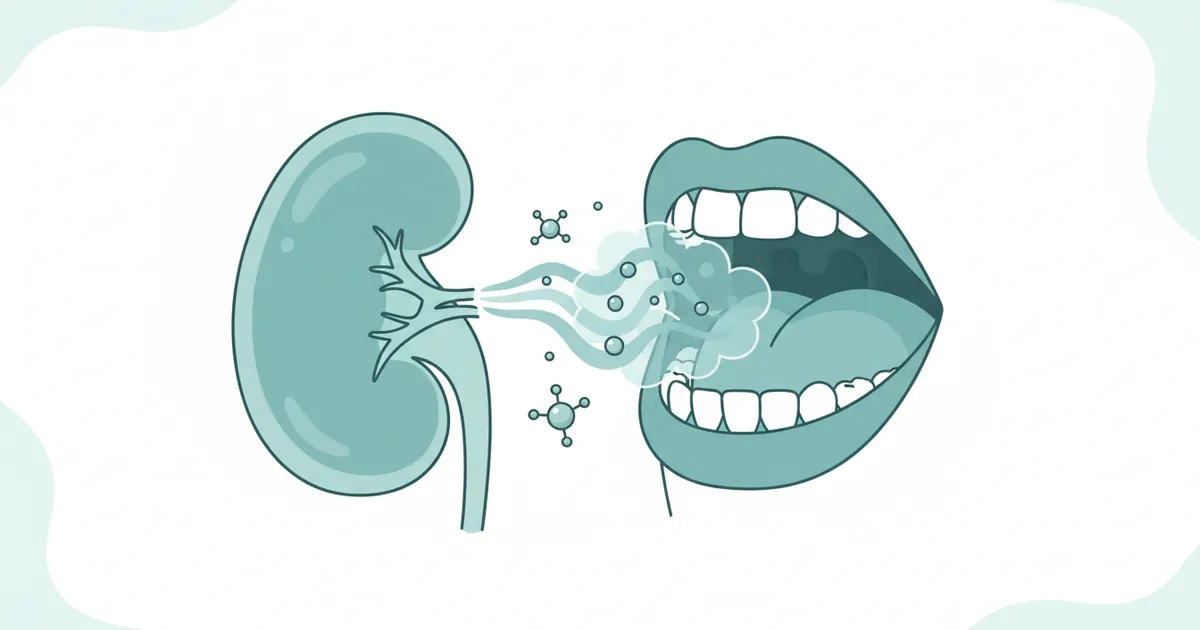
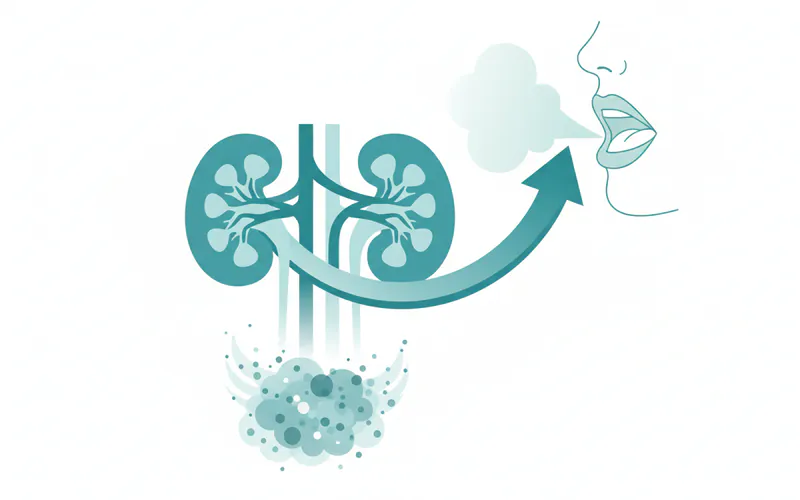
When the kidneys fail to adequately filter waste products, a substance called urea accumulates in the bloodstream. Urea is a byproduct of protein metabolism. In kidney disease, high levels of urea are not properly excreted. Instead, some of it enters the saliva, where bacteria in the mouth convert it into ammonia. This ammonia, along with other volatile compounds, is then exhaled, creating a distinctive odor often described as:
- Ammoniacal: Similar to urine.
- Metallic: A specific "steel-like" taste and smell.
- Fishy: A more pungent, fish-like odor in severe cases.
This specific type of bad breath caused by kidney failure is medically termed "uremic fetor." It's a critical diagnostic clue that can signal severe renal impairment.
Causes: Why Kidney Disease Leads to Bad Breath and Oral Issues
The mechanisms behind bad breath and other oral complications in kidney disease patients are multifaceted, involving metabolic changes, medication side effects, and immune system compromise.
1. Uremic Fetor: The Metabolic Signature
As detailed above, the accumulation of urea and its breakdown into ammonia in the mouth is the primary driver of uremic fetor. This process is directly linked to the kidneys' inability to filter waste. The higher the levels of these toxins in the blood (a condition called uremia), the more pronounced the bad breath.
2. Dry Mouth (Xerostomia)
Dry mouth, or xerostomia, is a very common complaint among individuals with kidney disease, affecting up to 80% of dialysis patients. Several factors contribute to this:
- Fluid Restrictions: Kidney patients, especially those on dialysis, often have strict fluid intake limits to prevent fluid overload.
- Medications: Many medications prescribed for kidney disease or associated conditions (e.g., diuretics, blood pressure medications, antidepressants, antihistamines) can cause dry mouth as a side effect.
- Salivary Gland Dysfunction: The disease itself can impact the function of salivary glands.
- Altered Electrolyte Balance: Changes in the body's fluid and electrolyte balance can also reduce saliva production.
Why dry mouth worsens bad breath: Saliva is crucial for rinsing away food particles, neutralizing acids, and providing antibacterial properties. Without adequate saliva, bacteria thrive, food debris accumulates, and the mouth's self-cleaning mechanism is compromised, intensifying bad breath.
3. Gum Inflammation and Oral Infections
Individuals with kidney disease often have compromised immune systems, making them more susceptible to infections, including oral infections.
- Gingivitis and Periodontitis: Chronic kidney disease is a recognized risk factor for developing and exacerbating gum inflammation. The systemic inflammation associated with kidney disease can affect the gums, making them more prone to swelling, bleeding, and infection. Poor oral hygiene, combined with a weakened immune response, can quickly lead to gingivitis (early gum inflammation) and progress to periodontitis (severe gum disease).
- Increased Bacterial Load: The altered oral environment (dry mouth, uremia) can promote the growth of specific bacteria that contribute to gum disease and bad breath. This highlights the importance of understanding bad breath and gut health and its complex interplay, as systemic inflammation can impact both.
4. Medications and Dietary Factors
- Metallic Taste: Beyond dry mouth, some medications can cause a persistent metallic taste in the mouth.
- Dietary Restrictions: Kidney patients often adhere to restrictive diets (e.g., low protein, low sodium, low potassium). While necessary, these diets can sometimes affect breath if not carefully managed or if they lead to nutritional deficiencies.
5. Co-existing Conditions
Many kidney disease patients also have other chronic conditions like diabetes or hypertension. Diabetes, in particular, is a major cause of kidney disease and can independently contribute to dry mouth, gum disease, and its own form of bad breath (fruity breath in diabetic ketoacidosis, though distinct from uremic fetor).
Signs and Symptoms: Recognizing the Clues
Identifying bad breath and related oral issues can be a crucial step in recognizing potential kidney problems or managing existing ones.
Distinctive Bad Breath Characteristics
- Persistent Odor: The breath often smells like ammonia, urine, or has a metallic quality. This odor is typically constant and not relieved by brushing or using conventional mouthwashes.
- Altered Taste (Dysgeusia): Many patients report a persistent metallic, sour, or ammoniacal taste in their mouths. Food may taste different or unpleasant.
Oral Symptoms Related to Kidney Disease
- Dry Mouth (Xerostomia): A constant feeling of dryness, difficulty speaking or swallowing, cracked lips, and a rough tongue.
- Gum Inflammation (Gingivitis/Periodontitis):
- Red, swollen, or tender gums.
- Gums that bleed easily during brushing or flossing.
- Persistent bad breath that worsens even after good oral hygiene.
- Receding gums or loose teeth (in advanced periodontitis).
- Oral Lesions: While less common, some patients may develop oral ulcers, fungal infections (like candidiasis due to a compromised immune system), or other mucosal changes.
- Increased Plaque and Calculus Buildup: Reduced saliva flow and altered oral chemistry can accelerate the formation of plaque and hardened calculus (tartar).
Systemic Symptoms of Kidney Disease
While bad breath and oral changes are significant, they are often accompanied by other systemic symptoms of kidney dysfunction:
- Fatigue and Weakness: Due to anemia and toxin buildup.
- Swelling (Edema): In legs, ankles, feet, or face, from fluid retention.
- Changes in Urination: More or less frequent, foamy urine, blood in urine.
- Nausea, Vomiting, Loss of Appetite: Common as toxins accumulate.
- Muscle Cramps and Weakness: Due to electrolyte imbalances.
- Itchy Skin: Due to waste buildup.
- Difficulty Concentrating: Cognitive issues from uremia.
- High Blood Pressure: Kidneys play a role in blood pressure regulation.
Treatment Options: A Dual Approach
Effective management of bad breath and associated oral issues in kidney disease requires a coordinated approach involving both medical treatment for the kidneys and targeted dental care.
1. Addressing the Underlying Kidney Disease (Medical Treatment)
This is paramount. As uremic fetor is a symptom of impaired kidney function, treating the kidney disease directly will have the most significant impact on breath quality.
- Medications: To manage blood pressure, blood sugar, anemia, bone disease, and other complications of kidney disease.
- Dialysis: For patients with ESRD, dialysis (hemodialysis or peritoneal dialysis) filters waste products and excess fluid from the blood, essentially performing the work of the kidneys. This significantly reduces uremic toxins, often leading to a marked improvement in bad breath.
- Kidney Transplantation: For eligible patients, a kidney transplant offers the best long-term solution for kidney failure, restoring normal kidney function and resolving uremic fetor completely.
2. Oral Health Management (Dental Treatment)
Concurrent with medical management, robust oral care is critical.
a. Enhanced Oral Hygiene Practices
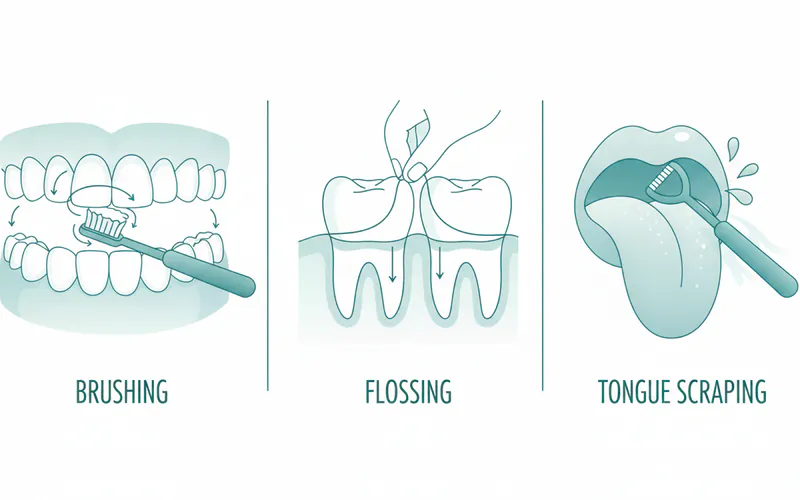
- Regular Brushing: Brush teeth twice daily for at least two minutes using a soft-bristled brush and fluoride toothpaste. Electric toothbrushes can be particularly effective.
- Daily Flossing: Floss once a day to remove plaque and food particles from between teeth and under the gum line, areas brushing can't reach.
- Tongue Scraping: Use a tongue scraper or the back of your toothbrush to clean the tongue daily. This significantly reduces bacteria and volatile sulfur compounds (VSCs) that contribute to bad breath.
b. Specific Mouthwashes and Oral Rinses
For patients with kidney disease, alcohol-free mouthwashes are recommended to avoid further drying the mouth.
- Antimicrobial Mouthwashes: Prescription rinses containing chlorhexidine gluconate (CHX) can be used short-term to reduce bacterial load and gum inflammation. Over-the-counter options with cetylpyridinium chloride (CPC) are also effective.
- Zinc-Containing Mouthwashes: Zinc ions can chemically neutralize VSCs, providing temporary relief from bad breath.
- Saliva Substitutes and Stimulants: For persistent dry mouth, your dentist or physician may recommend artificial saliva products (sprays, gels, lozenges) or prescription medications (e.g., pilocarpine, cevimeline) that stimulate natural saliva flow, if not contraindicated by kidney function or other medications.
c. Professional Dental Cleanings and Examinations
- Regular Check-ups: Kidney patients should see their dentist at least every six months, or more frequently (every 3-4 months) if they have significant oral health issues or are undergoing dialysis.
- Scaling and Root Planing (Deep Cleaning): This procedure is essential for how to get rid of inflammation in gums and treat periodontitis. It involves meticulously removing plaque and calculus from above and below the gum line, and smoothing the tooth roots to reduce bacterial adhesion.
- Pros: Highly effective in reducing gum inflammation, bleeding, and periodontal pockets. Can significantly improve bad breath.
- Cons: Can be uncomfortable, may require local anesthetic. Multiple appointments are often needed (usually 1-2 quadrants per visit).
- Treating Oral Lesions: Fungal infections or other lesions require specific antifungal or antiviral medications.
d. Dietary Modifications
While the primary diet is managed by a nephrologist, discussing oral health with a dietitian can help identify foods that might exacerbate bad breath. Avoiding strong-smelling foods and ensuring adequate (doctor-approved) hydration can also help.
Step-by-Step Process: Managing Oral Health with Kidney Disease
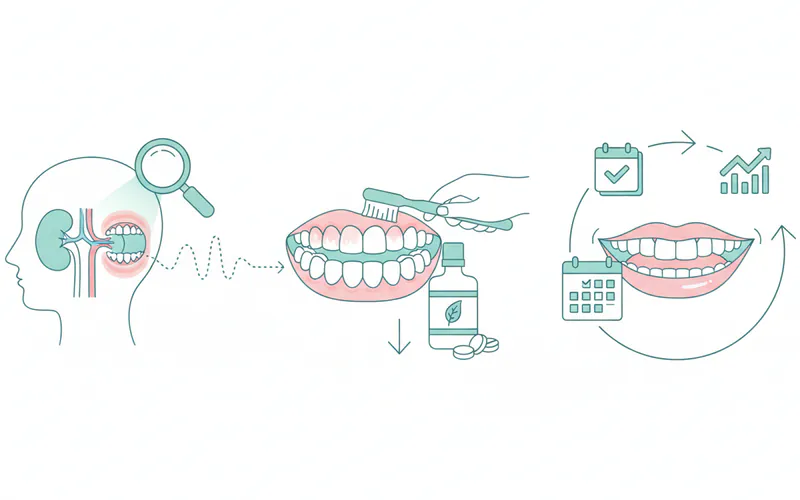
Here's what a comprehensive approach to managing bad breath and gum inflammation linked to kidney disease typically involves:
-
Diagnosis and Ongoing Management of Kidney Disease: The initial step is always to have a confirmed diagnosis and to be under the care of a nephrologist (kidney specialist). This medical team will manage your kidney function, medications, and any necessary treatments like dialysis or transplantation. You cannot effectively manage uremic fetor without addressing the underlying kidney condition.
-
Comprehensive Dental Evaluation: Once kidney disease is diagnosed, or if you suspect your bad breath is related to systemic issues, schedule a comprehensive dental exam. Inform your dentist about your kidney condition and any medications you are taking. The dentist will:
- Assess your overall oral hygiene.
- Examine your gums for signs of inflammation, bleeding, or periodontal disease.
- Check for dry mouth symptoms and salivary gland function.
- Evaluate for any oral lesions or infections.
- Ask about the characteristics of your bad breath.
-
Initial Professional Cleaning and Treatment Planning: A routine dental cleaning will be performed to remove plaque and calculus above the gum line. If signs of gingivitis or periodontitis are present, your dentist will recommend scaling and root planing. This may be done over 2-4 appointments, with each quadrant of the mouth treated separately.
-
Personalized Oral Hygiene Instruction: Your dental hygienist will provide detailed, individualized instructions on:
- Proper brushing technique: Including angle, pressure, and duration.
- Effective flossing: Demonstrating correct technique to avoid gum trauma.
- Tongue scraping: To remove bacteria from the tongue's surface.
- Use of interdental brushes or water flossers: If appropriate for your specific oral needs.
-
Prescription or Recommendation of Adjunctive Oral Products:
- Alcohol-free mouthwashes: Antimicrobial (e.g., chlorhexidine, if prescribed) or zinc-containing rinses.
- Saliva substitutes/stimulants: For severe dry mouth, under medical guidance.
- High-fluoride toothpaste: To strengthen enamel, especially with dry mouth.
-
Treatment of Specific Oral Issues:
- Gum disease: Follow through with scaling and root planing appointments. Your dentist may also recommend local antibiotic placement into deep gum pockets in some cases.
- Oral infections: Antifungal medications for candidiasis, if diagnosed.
- Extraction of severely compromised teeth: If necessary, in coordination with your nephrologist to ensure safe timing around dialysis or immunosuppression.
-
Ongoing Monitoring and Collaboration:
- Regular Dental Recalls: Adhere to your dentist's recommended recall schedule, which might be more frequent (e.g., every 3-4 months) than the standard six months for kidney patients.
- Communication with Nephrologist: Ensure your dentist and nephrologist communicate about your oral and systemic health status, especially before any invasive dental procedures. Pre-medication with antibiotics may be required for certain procedures in immune-compromised patients.
Cost and Insurance: Understanding the Financial Aspect
Managing kidney disease and its oral manifestations can involve significant costs. Understanding typical ranges and insurance coverage is crucial for US patients.
Dental Care Costs (Out-of-Pocket Estimates without Insurance)
- Initial Comprehensive Dental Exam: $75 - $250
- Routine Dental Cleaning (Prophylaxis): $100 - $250
- Full Mouth X-rays: $100 - $250
- Scaling and Root Planing (Deep Cleaning): This is typically charged per quadrant.
- Per Quadrant: $200 - $500
- Full Mouth (4 quadrants): $800 - $2000+
- Prescription Mouthwash/Saliva Substitute: $15 - $50 per bottle/tube (monthly supply).
- Periodontal Maintenance (after deep cleaning): $150 - $350 per visit (often every 3-4 months).
- Tooth Extractions: $75 - $300 (simple), $200 - $600 (surgical, impacted).
- Restorations (Fillings): $100 - $450 per tooth, depending on material and size.
Kidney Disease Management Costs (Vary Widely)
- Medications: Monthly copays for various medications (blood pressure, phosphorus binders, erythropoietin, vitamin D) can range from $50 to $500+, even with insurance. Without insurance, these costs can be thousands of dollars monthly.
- Dialysis (Hemodialysis or Peritoneal Dialysis):
- Without Insurance: Can cost $75,000 - $100,000+ per year.
- With Insurance: Medicare typically covers 80% of approved charges after deductibles. Private insurance plans vary, but significant copays and deductibles may still apply.
- Kidney Transplant:
- Without Insurance: The total cost, including pre-transplant evaluations, surgery, and lifelong immunosuppressant medications, can exceed $250,000 - $500,000+.
- With Insurance: Medicare and most private insurance cover a significant portion, but patients face substantial deductibles, copays, and out-of-pocket maximums. Immunosuppressant medications are a lifelong cost that can be hundreds to thousands of dollars monthly without adequate coverage.
Insurance Coverage
- Medical Insurance (Medicare, Medicaid, Private Plans): Will cover the primary kidney disease treatment (medications, dialysis, transplant). Many plans also cover medically necessary dental procedures if they directly impact a systemic condition, but this varies. Medicare Part B may cover some oral examinations if performed in connection with a covered organ transplant.
- Dental Insurance: Typically covers a portion of routine exams (often 80-100%), cleanings (50-80%), and major procedures like deep cleanings (30-50%). Most plans have annual maximums (e.g., $1,000 - $2,000), which can quickly be exhausted with extensive periodontal treatment.
Pro Tip: Always verify your specific medical and dental insurance benefits before treatment. For complex cases involving kidney disease, coordinate billing between medical and dental providers, as some procedures may be covered under your medical plan if deemed medically necessary.
Recovery and Aftercare: Sustaining Oral Health
Consistent effort in aftercare and maintenance is paramount for individuals with kidney disease to keep oral issues at bay and maintain their quality of life.
-
Strict Adherence to Oral Hygiene Protocol: This cannot be overstressed. Continue brushing twice daily, flossing daily, and using a tongue scraper. Use any prescribed mouthwashes or saliva substitutes as directed. This consistent routine is your first line of defense against recurring bad breath and gum inflammation.
-
Regular Dental Follow-ups: Do not miss your scheduled dental recall appointments. For kidney patients, these are often more frequent than for the general population (e.g., every 3-4 months) to monitor gum health, check for dry mouth complications, and perform maintenance cleanings.
-
Hydration (as medically permitted): If not on strict fluid restriction, maintaining good hydration helps with saliva flow and overall oral moisture. Discuss appropriate fluid intake with your nephrologist.
-
Monitoring and Communication with Your Healthcare Team:
- Report any changes in your breath, taste, or oral symptoms to your dentist and nephrologist.
- Inform your dentist about any changes in your kidney condition or medications.
- If you're on dialysis, coordinate dental appointments with your dialysis schedule to minimize risk.
-
Dietary Considerations: Continue to follow your nephrologist's dietary recommendations. For oral health, minimize sugary foods and drinks that can contribute to tooth decay, especially with dry mouth.
Prevention: Proactive Steps for Kidney and Oral Health
Preventing bad breath and oral complications in kidney disease largely involves preventing or effectively managing the underlying kidney disease and maintaining impeccable oral hygiene.
-
Manage Underlying Health Conditions:
- Control Blood Pressure: High blood pressure is a leading cause of kidney disease.
- Manage Diabetes: Diabetes is the most common cause of kidney failure. Strict blood sugar control is vital.
- Healthy Lifestyle: Maintain a healthy weight, eat a balanced diet, and avoid smoking and excessive alcohol consumption.
-
Excellent Daily Oral Hygiene:
- Brush: Twice a day for two minutes with fluoride toothpaste.
- Floss: Once a day.
- Tongue Scrape: Daily to remove bacteria and reduce VSCs.
- Use an alcohol-free mouthwash: Daily, especially if prone to dry mouth.
-
Regular Dental Check-ups: Visit your dentist at least every six months (or more often as recommended). Early detection of gum inflammation, dry mouth, or other oral issues can prevent them from escalating. Tell your dentist about your kidney health status.
-
Stay Hydrated: Drink plenty of water throughout the day, unless your nephrologist has advised fluid restriction.
-
Avoid Tobacco Products: Smoking significantly increases the risk of gum disease and cancer, and exacerbates bad breath.
Risks and Complications: What Can Go Wrong
Ignoring the signs of bad breath or oral health issues in the context of kidney disease can lead to several complications:
-
Worsening Kidney Disease: While oral infections aren't a direct cause of kidney disease, severe, chronic inflammation (like periodontitis) in the mouth can contribute to systemic inflammation, which may negatively impact overall health and potentially influence kidney function, though this area is still under active research.
-
Advanced Periodontal Disease: Untreated gum inflammation progresses to periodontitis, leading to bone loss around the teeth, gum recession, and eventually tooth loss. This can severely impact chewing ability, nutrition, and quality of life.
-
Increased Risk of Oral Infections: Dry mouth and a compromised immune system in kidney patients make them more susceptible to fungal infections (e.g., oral thrush) and bacterial infections in the mouth, which can cause pain and further complicate systemic health.
-
Nutritional Deficiencies: Pain from gum disease, dry mouth, and altered taste can make eating difficult and unpleasant, potentially leading to malnutrition, which is a significant concern for kidney patients.
-
Social and Psychological Impact: Persistent bad breath, despite diligent efforts, can be embarrassing and lead to social isolation, anxiety, and reduced self-esteem, significantly affecting a person's quality of life.
Comparison Tables
Here are two tables to help clarify common causes of bad breath and various treatment options.
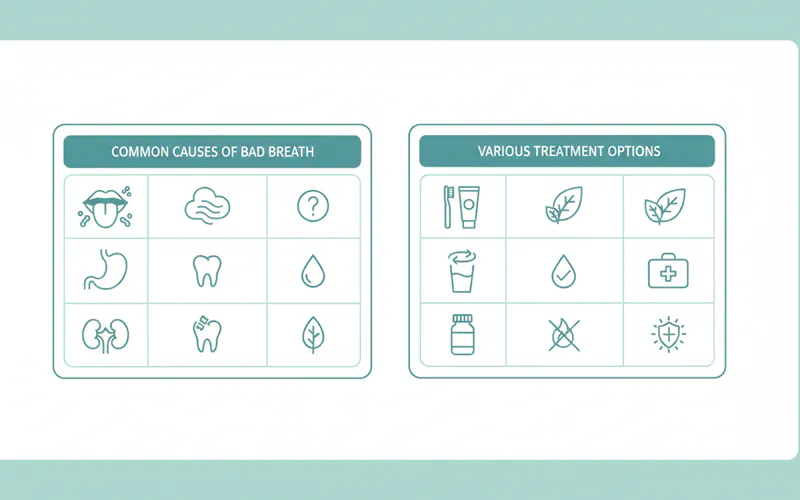
Table 1: Common Causes of Bad Breath – Oral vs. Systemic (Kidney Disease)
| Feature | Oral Causes of Bad Breath | Systemic Causes (Kidney Disease & Others) |
|---|---|---|
| Primary Mechanism | Bacterial breakdown of food debris, plaque on teeth/tongue | Exhalation of metabolic waste products, systemic conditions |
| Common Odors | Sulfur-like (rotten eggs), stale | Ammoniacal, metallic, fishy, sometimes fruity (diabetes) |
| Associated Symptoms | Plaque, tartar, gum inflammation, cavities, coated tongue | Dry mouth, altered taste, systemic kidney symptoms, fatigue |
| Relief from Brushing/Flossing | Often temporary relief | Minimal or no relief |
| Trigger Foods | Garlic, onions, coffee | Not directly food-triggered, but diet can influence |
| Key Indicator | Poor oral hygiene, gum disease, dental infections | Presence of chronic disease (kidney, liver, diabetes) |
| Link to Gum Health | Direct cause of gum inflammation (gingivitis/periodontitis) | Compromised immunity/inflammation can worsen gum disease |
Table 2: Treatment Options for Gum Inflammation and Dry Mouth
| Treatment Option | Description | Typical US Cost (without insurance) | Estimated Timeline for Improvement | Pros | Cons |
|---|---|---|---|---|---|
| Routine Dental Cleaning | Removal of plaque and calculus above the gum line. | $100 - $250 | Immediate improvement in freshness | Non-invasive, preventative, quick | Only for mild issues, doesn't treat deep pockets |
| Scaling & Root Planing | Deep cleaning to remove plaque/calculus below gum line, smooth root surfaces. | $200 - $500 per quadrant (total $800-$2000+) | 2-4 weeks for initial gum healing | Highly effective for gum disease, reduces inflammation | Can be uncomfortable, multiple visits, anesthetic needed |
| Antimicrobial Mouthwash | Alcohol-free rinses (e.g., chlorhexidine, CPC). | $15 - $50 (prescription/OTC) | Days to weeks | Reduces bacteria, aids healing | Can stain teeth (CHX), altered taste, temporary relief |
| Saliva Substitutes/Stimulants | Sprays, gels, lozenges, or prescription meds to relieve dry mouth. | $10 - $60 (OTC), $50-$200+ (prescription) | Immediate relief (OTC), weeks (meds) | Directly addresses dry mouth, improves comfort | Temporary, requires consistent use, potential side effects |
| Tongue Scraping | Mechanical removal of bacteria from tongue surface. | $5 - $15 | Immediate reduction in odor | Inexpensive, quick, reduces VSCs | Only addresses tongue-based bad breath, not systemic |
| Kidney Disease Management | Dialysis, medication, transplant (medical treatment). | $75,000 - $100,000+ annually (dialysis) | Weeks to months after stable treatment | Addresses root cause of uremic fetor | Expensive, complex, ongoing medical care required |
Children / Pediatric Considerations
Kidney disease can affect children, though it is far less common than in adults. When it does occur, oral manifestations, including bad breath, dry mouth, and gum inflammation, can be present.
- Early Detection: It's crucial for parents to be aware of the signs of kidney disease in children, such as poor growth, swelling, changes in urination patterns, or persistent unusual breath.
- Oral Symptoms: Children with kidney disease may exhibit similar oral symptoms to adults, including an ammoniacal or metallic smell on their breath, dry mouth, and increased susceptibility to gingivitis.
- Dental Care: Pediatric dentists play a vital role in the care of children with kidney disease. They provide preventative care, manage oral complications, and educate parents on proper oral hygiene techniques tailored for children. Regular dental check-ups, fluoride treatments, and meticulous home care are essential.
- Collaboration: Close collaboration between the pediatric nephrologist and the pediatric dentist is critical to ensure coordinated care, particularly before any dental procedures that might require antibiotic prophylaxis or careful timing around dialysis schedules. Maintaining good oral health from a young age is paramount to prevent long-term complications.
Cost Breakdown
The financial burden of managing kidney disease and its associated oral health issues can be substantial. Here’s a more detailed breakdown:
Average US Costs (Without Insurance)
-
Low Range (Preventative/Routine):
- Dental Exam, X-rays, Routine Cleaning: $250 - $600 (annually)
- Prescription Mouthwash (monthly): $15 - $50
- Kidney Disease Medication Co-pays: $50 - $200+ per month
-
Mid Range (Moderate Treatment):
- Deep Cleaning (Scaling & Root Planing, 2-4 quadrants): $800 - $2000
- Periodontal Maintenance (3-4 times/year): $450 - $1400
- Kidney Disease Medication Co-pays: $200 - $500+ per month
-
High Range (Severe/Advanced Treatment):
- Extensive Periodontal Treatment (possibly with surgical components): $2000 - $5000+
- Dialysis (Hemodialysis or Peritoneal): $75,000 - $100,000+ per year
- Kidney Transplant (initial procedure and first year of immunosuppressants): $250,000 - $500,000+
With Insurance
- Dental Insurance: Most dental plans cover 80-100% of preventative care (exams, cleanings) and 50-80% of basic procedures (fillings). Major procedures like deep cleanings are often covered at 30-50%. Annual maximums typically range from $1,000 - $2,000, which can be quickly reached with advanced gum disease treatment.
- Medical Insurance (Medicare, Medicaid, Private): These plans are crucial for covering kidney disease treatments.
- Medicare: For ESRD patients, Medicare coverage usually starts immediately upon diagnosis. It covers 80% of approved charges for dialysis, medications, and transplant services after deductibles.
- Medicaid: Varies by state but provides comprehensive coverage for low-income individuals, often including some dental benefits for adults.
- Private Insurance: Coverage depends on your specific plan. High deductibles and out-of-pocket maximums are common.
Payment Plans and Financing Options
- CareCredit: A popular healthcare credit card offering promotional financing options (e.g., 0% APR for a specific period) for medical and dental expenses.
- In-Office Payment Plans: Many dental offices offer their own payment plans, allowing you to pay for treatment in installments.
- Personal Loans: Banks and credit unions offer personal loans for larger medical expenses.
Cost-Saving Tips
- Preventative Care: Regular dental check-ups and cleanings are far less expensive than treating advanced gum disease or other complications.
- Shop Around: Prices for dental procedures can vary by practice. Call different offices for quotes.
- Dental Schools: University dental schools often provide high-quality care at reduced costs, performed by students under supervision.
- Community Dental Clinics: Many communities have clinics that offer services on a sliding scale based on income.
- Maximize Insurance Benefits: Understand your plan's maximums and timelines. Schedule treatments strategically to utilize benefits across two plan years if possible.
- Generic Medications: Ask your physician if generic versions of prescribed medications are available.
- Patient Assistance Programs: Pharmaceutical companies and non-profit organizations offer programs to help cover the cost of expensive kidney disease medications.
Frequently Asked Questions
How common is bad breath with kidney disease?
Bad breath, specifically uremic fetor, is quite common in individuals with advanced kidney disease or End-Stage Renal Disease (ESRD). Studies suggest it can affect a significant percentage of patients, particularly those on dialysis, due to the accumulation of urea and other waste products in the body.
Can bad breath be the first sign of kidney disease?
While persistent, unusual bad breath (metallic, ammoniacal) can be a red flag, it's typically a symptom that appears in more advanced stages of kidney disease, alongside other symptoms like fatigue, swelling, or changes in urination. It's rarely the very first noticeable symptom but can certainly prompt investigation if accompanied by other general malaise.
What kind of mouthwash is best for uremic breath?
For uremic breath related to kidney disease, alcohol-free mouthwashes are recommended to avoid drying the mouth further. Antimicrobial rinses containing agents like cetylpyridinium chloride (CPC) or, if prescribed by your dentist, chlorhexidine gluconate (CHX), can help reduce bacterial load. Zinc-containing mouthwashes can also be effective in neutralizing volatile sulfur compounds that contribute to bad breath.
Does dialysis get rid of uremic breath?
Yes, dialysis is highly effective in reducing uremic fetor. By filtering waste products and toxins like urea from the bloodstream, dialysis directly addresses the root cause of this type of bad breath. Patients typically experience a significant improvement in breath quality once they begin regular dialysis treatments.
Is bad breath from kidney disease painful?
The bad breath itself from kidney disease is not painful. However, the associated oral conditions, such as severe dry mouth, oral lesions, or advanced gum inflammation (periodontitis), can cause significant discomfort, pain, and difficulty with eating or speaking.
How long does it take for breath to improve after kidney treatment?
The timeline for breath improvement varies. Once effective kidney disease management (like dialysis or transplantation) is initiated, the reduction in uremic toxins can lead to noticeable improvement in breath within a few weeks to months. Oral health interventions, such as professional cleanings and diligent home care, can also show improvements in breath and gum inflammation within 2-4 weeks.
Can supplements help with bad breath from kidney disease?
There is no strong scientific evidence to support the use of specific supplements solely for treating bad breath caused by kidney disease. The primary treatment remains managing the underlying kidney condition. Always consult your nephrologist and dentist before taking any supplements, as some can be harmful to kidney patients or interact with medications.
What is the link between bad breath and gut health in kidney patients?
The link between bad breath and gut health in kidney patients is complex. Kidney disease can alter the gut microbiome, leading to an overgrowth of certain bacteria and the production of more toxins that further burden the kidneys. These gut-derived toxins can also contribute to systemic inflammation and indirectly impact oral health and breath, creating a vicious cycle between kidney dysfunction, gut dysbiosis, and oral manifestations.
Are there specific foods to avoid for kidney disease related bad breath?
While foods like garlic and onions can temporarily worsen any type of bad breath, for kidney disease-related bad breath (uremic fetor), the primary issue is systemic waste buildup, not directly what you eat. However, adhering to your nephrologist's prescribed kidney-friendly diet (e.g., limiting protein to reduce urea production) is crucial and can indirectly help. Avoiding highly processed foods and maintaining good hydration (as allowed) are generally beneficial for overall and oral health.
How can I improve my inflammation in gums with kidney disease?
Improving inflammation in gums with kidney disease requires a multi-pronged approach:
- Professional Deep Cleanings: Scaling and root planing by a dental professional is essential to remove plaque and calculus below the gum line.
- Meticulous Home Care: Daily brushing (twice), flossing (once), and tongue scraping are crucial.
- Antimicrobial Mouthwashes: Use alcohol-free rinses as recommended by your dentist.
- Regular Dental Check-ups: Frequent monitoring (e.g., every 3-4 months) to catch and treat issues early.
- Manage Kidney Disease: Effectively treating your kidney condition helps improve overall immune function and reduce systemic inflammation that contributes to gum issues.
When to See a Dentist
It's crucial to be proactive about your oral health, especially if you have kidney disease or suspect you might. Don't wait until problems become severe.
You should see a dentist promptly if you experience any of the following:
- Persistent Bad Breath: If your bad breath (especially if it's metallic, ammoniacal, or fishy) doesn't improve with regular brushing and flossing, and particularly if it's a new or worsening symptom.
- Chronic Dry Mouth: If you have persistent dry mouth that interferes with eating, speaking, or comfort.
- Signs of Gum Disease: Red, swollen, tender, or bleeding gums; gums that pull away from the teeth; or pus between teeth and gums. These are clear indicators of inflammation that needs immediate attention.
- Persistent Altered Taste: A lingering metallic or unpleasant taste in your mouth.
- Any Oral Lesions or Sores: Any unhealing sores, ulcers, or white/red patches in your mouth.
- Tooth Sensitivity or Pain: New or worsening sensitivity to hot/cold, or any toothache.
For individuals with diagnosed kidney disease:
- Maintain your routine dental check-ups every six months, or more frequently (every 3-4 months) if your dentist or nephrologist recommends it.
- Always inform your dentist about your kidney condition, the stage of your disease, and all medications you are taking, including dialysis schedules or transplant history. This allows for safe and effective treatment planning, potentially including pre-medication with antibiotics if advised by your medical team.
Your oral health is a window to your overall health, and persistent bad breath, especially with a distinct odor, can be a vital clue to underlying conditions like kidney disease. Addressing these issues comprehensively through collaborative care between your dental and medical teams is the most effective path to better health and a fresher smile.
Frequently Asked Questions
Medically Reviewed Content
This article was written by our dental health editorial team and reviewed for medical accuracy. Our content follows strict editorial guidelines for reliability and trustworthiness.
Medical Disclaimer
This article is for informational purposes only and does not constitute medical advice. Always consult with a qualified dental professional for diagnosis and treatment. Do not delay seeking professional advice because of something you read on this website.
Related Articles
Does Oil Pulling Help Gut Health
The intricate connection between our oral health and overall well-being is a topic of growing fascination and scientific inquiry. Often, when we think of health, we focus on specific organs or systems, overlooking the crucial role of the mouth as a gateway to the rest of the body. One ancient practi
February 23, 2026
Does Oil Pulling Help With Inflammation
It's a question many health-conscious individuals ask as they explore natural remedies: does oil pulling help with inflammation? In an era where holistic approaches to wellness are gaining traction, the ancient practice of oil pulling has resurfaced, promising benefits that extend beyond oral hy
February 23, 2026
Oil Pulling for Kidney Disease: Complete Guide
Chronic kidney disease (CKD) affects an estimated 37 million adults in the United States, often progressing silently until advanced stages. What many may not realize is the profound connection between the health of their mouth and the health of their kidneys. As a bridge between traditional wisd
February 23, 2026
Oil Pulling Oral Microbiome: Complete Guide
Have you ever considered the bustling universe thriving within your mouth? This intricate community, known as the oral microbiome, consists of billions of microorganisms – some beneficial, some harmful – all playing a critical role in your oral and overall systemic health. Maintaining a balanced
February 23, 2026