Oil Pulling and Gut Health: Complete Guide
Key Takeaways
- The intricate connection between your oral health and the rest of your body is a topic gaining significant attention in modern health discussions. Did you know that issues starting in your mouth, like gum disease, can have far-reaching effects, potentially impacting systems as distant as your cardio
Oil Pulling and Gut Health: Complete Guide
The intricate connection between your oral health and the rest of your body is a topic gaining significant attention in modern health discussions. Did you know that issues starting in your mouth, like gum disease, can have far-reaching effects, potentially impacting systems as distant as your cardiovascular and digestive health? One ancient practice, oil pulling, has emerged from traditional medicine as a complementary approach some individuals explore for its purported benefits, including supporting both oral hygiene and the delicate balance of your gut microbiome. This guide will delve into what oil pulling is, explore the scientific understanding (and limitations) of its impact on oral and systemic health, and specifically address the intriguing link between oil pulling and gut health. We'll also examine whether does oil pulling reduce inflammation, and touch upon specific considerations such as pregnancy and teeth hurting, providing a comprehensive resource for those seeking a holistic view of dental wellness.

Key Takeaways:
- What is Oil Pulling: An ancient Ayurvedic practice involving swishing a tablespoon of oil (typically coconut or sesame) in the mouth for 10-20 minutes to "pull" toxins and bacteria.
- Proposed Benefits for Oral Health: May help reduce harmful oral bacteria, potentially combating bad breath, plaque, and gingivitis. It is NOT a substitute for brushing, flossing, or professional dental care.
- Link to Gut Health: The oral microbiome is directly connected to the gut microbiome. By potentially reducing oral pathogens, oil pulling might indirectly support gut health, though direct scientific evidence is limited and largely anecdotal.
- Inflammation Reduction: Some studies suggest oil pulling can reduce oral inflammation markers, which could contribute to overall systemic inflammation reduction, but more robust research is needed.
- Safety and Cost: Generally considered safe when done correctly (not swallowing the oil). Costs are minimal, typically just the price of a high-quality organic oil, ranging from $8-$25 for a bottle lasting weeks or months.
- Frequency and Duration: Most practitioners recommend daily oil pulling for 10-20 minutes, ideally on an empty stomach.
- Pregnancy Considerations: While generally safe, pregnant individuals experiencing pregnancy and teeth hurting or other dental issues should always consult their dentist before trying new practices, as oral health changes during pregnancy can be significant.
What It Is / Overview
Oil pulling, known as "Kavala" or "Gandusha" in Ayurvedic medicine, is a traditional Indian folk remedy dating back thousands of years. The core practice involves placing a tablespoon of edible oil — typically coconut, sesame, or sunflower oil — into the mouth and swishing it around for a period ranging from 10 to 20 minutes, then spitting it out. The theory behind oil pulling is that the oil "pulls" bacteria, toxins, and other debris from the oral cavity, effectively cleansing the mouth.
Proponents suggest that this process helps to dislodge bacteria from the teeth and gums. Many harmful oral bacteria are fat-soluble, meaning they are more likely to dissolve in oil than in water. As the oil is swished, it saponifies (turns into a soapy substance) and is thought to attract and trap these bacteria, along with other waste products. Once the oil is spit out, it theoretically takes these undesirable elements with it.
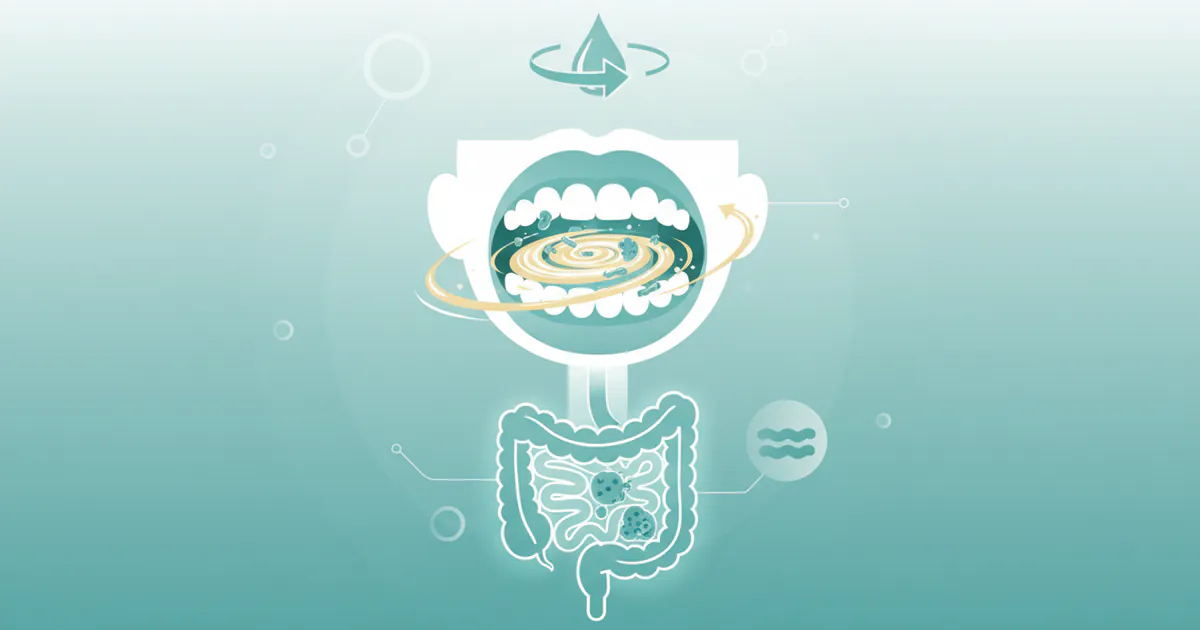
While primarily recognized for its potential benefits to oral hygiene, such as reducing bad breath (halitosis), decreasing plaque formation, and potentially alleviating symptoms of gingivitis, the broader health community has begun to explore its possible impact on systemic health, particularly its connection to the gut microbiome. The mouth is the gateway to the digestive system, and the health of the oral microbiome significantly influences the health of the gut. Understanding this connection is crucial to appreciating the potential holistic benefits of practices like oil pulling.
How Oral Health Impacts Gut Health and Proposed Mechanisms of Oil Pulling
The human body is an interconnected ecosystem, and nowhere is this more evident than in the relationship between the oral cavity and the gastrointestinal tract. Your mouth hosts a complex community of microorganisms, known as the oral microbiome, comprising hundreds of different species of bacteria, fungi, and viruses. Similarly, your gut contains the gut microbiome, an even more vast and diverse ecosystem that plays a critical role in digestion, nutrient absorption, immune function, and even mood regulation.
The Oral-Gut Axis: A Two-Way Street
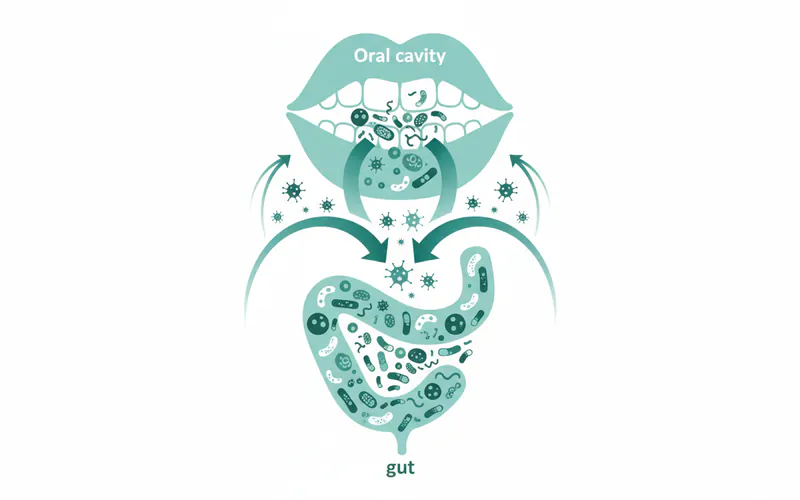
The concept of the "oral-gut axis" describes the direct and indirect pathways through which the oral microbiome can influence the gut microbiome and vice versa.
- Direct Ingestion: Every time you swallow, you ingest a small amount of saliva, food particles, and, inevitably, oral microbes. While stomach acid eliminates many, some resilient species can survive and travel to the intestines, potentially colonizing the gut and altering its microbial balance. Pathogenic bacteria originating in the mouth, such as Porphyromonas gingivalis (a primary culprit in gum disease), have been found in the gut of individuals with inflammatory bowel diseases and other systemic conditions.
- Inflammation and Systemic Spread: Chronic oral infections, such as periodontal disease (severe gum disease), release inflammatory molecules and bacterial byproducts into the bloodstream. These substances can travel throughout the body, contributing to systemic inflammation. Systemic inflammation, in turn, can compromise the integrity of the gut lining (often referred to as "leaky gut"), making it more permeable and allowing toxins and undigested food particles to enter the bloodstream, further fueling inflammation and contributing to gut dysbiosis (an imbalance in gut flora).
- Immune System Modulation: The oral cavity is a major entry point for external substances, and the immune system in the mouth is constantly interacting with the oral microbiome. An imbalanced oral microbiome can overstimulate or dysregulate immune responses, which can then have consequences for the immune system throughout the body, including in the gut.
Proposed Mechanisms of Oil Pulling on Oral and Gut Health
Given the intricate oral-gut connection, practices that enhance oral health are theoretically beneficial for gut health. Oil pulling is proposed to work through several mechanisms:
- Reduction of Harmful Oral Bacteria: The primary hypothesis is that oil pulling reduces the population of harmful bacteria in the mouth. Studies have shown that specific oils, particularly coconut oil, contain lauric acid, which has antimicrobial properties. By reducing the load of pathogenic bacteria, oil pulling may decrease the number of undesirable microbes that are swallowed and potentially reach the gut. This could help prevent gut dysbiosis caused by orally-derived pathogens.
- Biofilm Disruption: Oral bacteria form sticky biofilms (plaque) on tooth surfaces. Oil pulling, through mechanical action and potentially the oil's properties, may help dislodge and disrupt these biofilms, making it harder for bacteria to adhere and proliferate. A healthier oral biofilm, less prone to disease, would mean fewer inflammatory triggers entering the systemic circulation and gut.
- Stimulation of Saliva Production: Swishing oil can stimulate salivary glands, increasing saliva production. Saliva is a crucial defense mechanism, containing enzymes, antibodies, and minerals that protect against decay and help maintain oral pH balance. Increased saliva flow can also aid in washing away food debris and neutralizing acids, creating a less hospitable environment for harmful bacteria.
- Anti-inflammatory Effects: Some oils, like coconut oil, possess anti-inflammatory properties. By potentially reducing oral bacterial load and associated inflammation (gingivitis), oil pulling could contribute to a reduction in local oral inflammation. If systemic inflammation truly stems in part from chronic oral inflammation, then mitigating the oral source could theoretically have positive ripple effects on the body's overall inflammatory burden, including the gut. This directly addresses the question: does oil pulling reduce inflammation? While direct evidence linking oil pulling to systemic inflammation reduction specifically targeting gut health is still emerging, the reduction of oral inflammation is a plausible first step.
While these proposed mechanisms offer a compelling theoretical framework, it's important to note that much of the evidence supporting the direct impact of oil pulling and gut health is still largely observational or anecdotal. Rigorous, large-scale clinical trials are needed to fully elucidate these connections.
Pregnancy and Teeth Hurting: A Special Consideration
Pregnancy brings about significant hormonal changes that can profoundly impact a woman's oral health. Increased levels of progesterone and estrogen can make gums more sensitive, prone to bleeding, and more susceptible to inflammation. This condition is commonly known as "pregnancy gingivitis," affecting 60-75% of pregnant women. Symptoms can range from mild gum redness and swelling to pregnancy and teeth hurting (due to gum inflammation affecting surrounding structures), increased plaque buildup, and even loose teeth in severe cases.
The link between oral health in pregnancy and systemic health is particularly critical. Periodontal disease during pregnancy has been associated with adverse pregnancy outcomes, including preterm birth, low birth weight, and preeclampsia. Therefore, meticulous oral hygiene is paramount for expectant mothers.
Can oil pulling help during pregnancy? While generally considered a safe, natural practice, pregnant women should exercise caution and always consult their dentist and obstetrician before incorporating new practices like oil pulling.
Pros (Potential):
- Reduced Gingivitis: If oil pulling helps reduce oral bacteria and inflammation, it might theoretically alleviate some symptoms of pregnancy gingivitis.
- Natural Approach: For those wary of chemical mouthwashes, oil pulling offers a natural alternative for oral cleansing.
Cons/Considerations:
- Nausea/Vomiting: The act of swishing oil for an extended period might trigger nausea or aggravate morning sickness, which is common during pregnancy.
- Lack of Specific Research: There isn't extensive research specifically on oil pulling's safety and efficacy during pregnancy.
- Not a Substitute for Professional Care: Oil pulling should never replace regular dental check-ups, cleanings, and necessary dental treatments, especially during pregnancy when oral health complications can have serious implications.
If pregnancy and teeth hurting is an issue, it's crucial to seek professional dental advice immediately. A dentist can diagnose the cause, which might be more severe than simple gingivitis, requiring specific intervention.
Types / Variations
The core method of oil pulling remains consistent, but variations typically involve the type of oil used and the duration/frequency of the practice.
Common Oils Used:
-
Coconut Oil:
- Pros: Most popular choice, widely available. Contains lauric acid, which has strong antimicrobial and anti-inflammatory properties, particularly effective against Streptococcus mutans, a primary bacterium responsible for tooth decay. Pleasant taste for many.
- Cons: Can solidify at cooler temperatures, making it slightly harder to swish initially for some.
- Cost: $8-$20 for a good quality organic, virgin bottle.
-
Sesame Oil:
- Pros: Traditional Ayurvedic choice. Rich in antioxidants (sesamol, sesamin) and has anti-inflammatory properties. Often preferred for its warming nature in Ayurvedic principles.
- Cons: Stronger, distinct flavor that some may find less appealing than coconut oil.
- Cost: $7-$18 for a good quality organic, cold-pressed bottle.
-
Sunflower Oil:
- Pros: Readily available, generally affordable. Some studies suggest it can reduce gingivitis and plaque.
- Cons: Less frequently cited for specific antimicrobial properties compared to coconut or sesame oil.
- Cost: $5-$15 for an organic bottle.
-
Olive Oil:
- Pros: Contains oleic acid, which has anti-inflammatory benefits.
- Cons: Thicker consistency, which some find less comfortable for swishing.
- Cost: $10-$25 for extra virgin olive oil.
Pro Tip: Always choose unrefined, organic, cold-pressed oils. These retain more beneficial nutrients and are free from harmful chemicals often found in refined oils.
Duration and Frequency:
- Duration: Most recommendations suggest swishing for 10-20 minutes. Starting with 5 minutes and gradually increasing the duration is a good approach, especially for beginners. The longer duration allows for more saponification and bacterial "pulling."
- Frequency: Typically done once a day, usually in the morning on an empty stomach before brushing teeth or eating. Some advanced practitioners may do it twice a day. Consistency is key for any potential benefits.
Signs and Symptoms That Oil Pulling Might Address (or Complement Treatment For)
While oil pulling is not a standalone treatment for serious conditions, it's often explored as a complementary practice for individuals experiencing certain oral health symptoms that could also impact gut health.
- Bad Breath (Halitosis): Often caused by volatile sulfur compounds produced by bacteria in the mouth, especially on the tongue and between teeth. By reducing oral bacterial load, oil pulling may help neutralize bad breath.
- Gingivitis (Early Gum Disease): Characterized by red, swollen, tender, or bleeding gums. This inflammation is primarily due to bacterial plaque accumulation. Does oil pulling reduce inflammation? Some studies suggest it can significantly reduce plaque and gingival indices, indicating a reduction in inflammation.
- Plaque Buildup: The sticky film of bacteria that constantly forms on teeth. If not removed, it hardens into tartar, which can only be removed professionally. Oil pulling may help reduce plaque adhesion.
- Dry Mouth (Xerostomia): While not a direct treatment, stimulating saliva flow through swishing can offer temporary relief and help maintain a healthier oral environment.
- Early Signs of Gut Imbalance (Indirectly): While oil pulling won't directly cure gut issues, if you experience mild, recurring digestive discomfort (e.g., bloating, indigestion) and also have poor oral hygiene, improving oral health through practices like oil pulling might contribute to a healthier gut environment by reducing the influx of oral pathogens. However, for significant gut issues, professional medical advice is essential.
Important Note: If you experience severe pain, persistent bleeding, significant swelling, loose teeth, or deep pockets between teeth and gums, these are signs of advanced periodontal disease or other serious conditions that require immediate professional dental intervention. Oil pulling is not a substitute for professional diagnosis and treatment.
Step-by-Step Process: How to Oil Pull Effectively
Performing oil pulling correctly is essential to maximize its potential benefits and avoid any risks. Follow these steps:
- Choose Your Oil: Select a high-quality, organic, unrefined, cold-pressed oil like coconut, sesame, or sunflower oil. Coconut oil is often recommended for beginners due to its milder taste and antimicrobial properties.
- Morning Ritual: The best time to oil pull is first thing in the morning, on an empty stomach, before you've eaten, drunk anything (except water), or brushed your teeth. This ensures the oil can interact with the maximum amount of bacteria and toxins accumulated overnight.
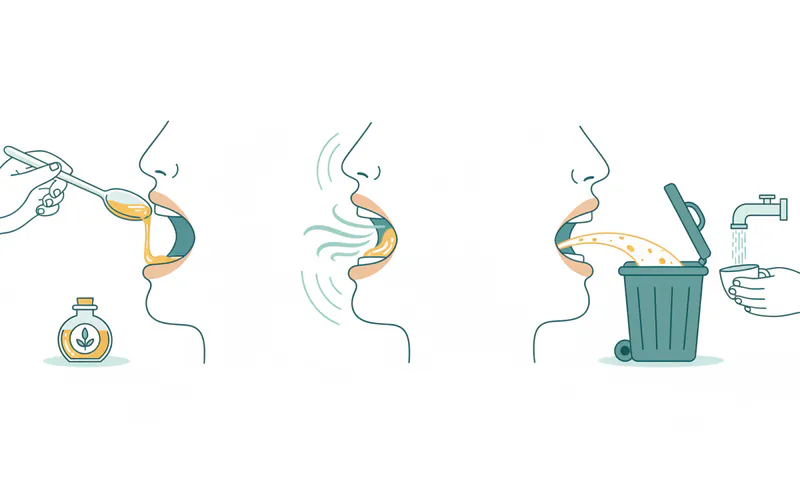
- Measure the Oil: Take about one tablespoon (approximately 15 ml) of oil. If using coconut oil and it's solidified, you can gently warm it slightly until it becomes liquid, but don't heat it too much.
- Swish, Don't Gargle: Place the oil in your mouth. Begin gently swishing and sucking the oil through your teeth. The motion should be relaxed, not vigorous. Ensure the oil reaches all areas of your mouth, including around your gums and between your teeth. Do NOT gargle or swallow the oil. Swallowing could reintroduce the "pulled" toxins and bacteria into your system and may cause stomach upset.
- Duration is Key: Continue swishing for 10 to 20 minutes. For beginners, start with 5 minutes and gradually increase the time as you become comfortable. The oil will likely become thinner, milky, and foamy as it mixes with saliva and "collects" substances from your mouth.
- Spit It Out: When you're done, or if your jaw starts to ache, spit the oil out into a trash can. Do NOT spit into a sink or toilet. The oil can solidify and clog plumbing over time, especially coconut oil.
- Rinse Thoroughly: Immediately after spitting, rinse your mouth thoroughly with warm water (or salt water for added benefits). This helps to wash away any residual oil and bacteria. Rinse several times until your mouth feels clean.
- Brush Your Teeth: After rinsing, brush your teeth as you normally would. This removes any remaining oil or bacteria.
Pro Tip: If 20 minutes seems too long, try doing it while you're in the shower, preparing breakfast, or getting dressed. This helps integrate it into your routine without feeling like a dedicated block of time.
Risks and Complications
While generally considered safe, oil pulling is not without potential risks or considerations, especially if not done correctly.
- Ingestion of Toxins: The most significant risk is swallowing the oil after swishing. The theory behind oil pulling is that the oil traps bacteria and toxins. Swallowing this "toxic" oil could potentially reintroduce these unwanted substances into your digestive system, leading to stomach upset, nausea, or diarrhea.
- Aspiration: For individuals with difficulty swallowing or impaired gag reflexes, there's a slight risk of accidentally aspirating (inhaling) the oil into the lungs, which could lead to lipoid pneumonia, a rare but serious condition. This is why it's generally not recommended for young children or individuals with specific medical conditions that affect swallowing.
- Allergic Reactions: Though rare, some individuals may be allergic to certain oils (e.g., sesame allergy). Always check for known allergies before trying a new oil. Symptoms could include itching, swelling, or rash.
- Jaw Pain/Muscle Strain: Swishing vigorously for extended periods can sometimes lead to temporary jaw pain or muscle fatigue. Gentle swishing is key.
- Not a Substitute for Dental Care: This is a crucial point. Oil pulling is a complementary practice. It does not remove plaque that has hardened into tartar, fill cavities, or treat advanced gum disease. Relying solely on oil pulling and neglecting regular brushing, flossing, and professional dental check-ups and cleanings can lead to worsening dental problems, including severe decay and periodontal disease, which can significantly impact systemic health. The American Dental Association (ADA) does not currently recognize oil pulling as an effective oral hygiene practice and states there is no evidence-based research to show that oil pulling provides any oral health benefit. They emphasize that brushing twice a day, flossing daily, and regular dental visits are essential for good oral health.
- Clogged Plumbing: Spitting oil into the sink or toilet repeatedly can lead to clogged drains as the oil solidifies, especially in colder temperatures. Always spit into a trash can.
Prevention
Oil pulling, when used as a complementary practice, can be part of a broader prevention strategy for maintaining good oral and, by extension, gut health. However, it's vital to integrate it with foundational preventive measures.
Comprehensive Oral Health Prevention:
- Brush Twice Daily: Use a soft-bristled toothbrush and fluoride toothpaste. Brush for two minutes each time, covering all tooth surfaces and gently brushing your tongue to remove bacteria causing bad breath.
- Floss Daily: Flossing (or using interdental brushes) removes plaque and food particles from between teeth and under the gum line, areas your toothbrush can't reach. This is crucial for preventing gum disease and cavities.
- Regular Dental Check-ups and Cleanings: Visit your dentist at least once a year, and ideally twice a year, for professional cleanings and examinations. Your dentist can identify and address issues like cavities or early gum disease before they become serious. They can also remove tartar, which oil pulling cannot.
- Balanced Diet: Limit sugary and acidic foods and drinks, which contribute to tooth decay and erosion. Emphasize a diet rich in fruits, vegetables, lean proteins, and dairy (for calcium), which supports both oral and systemic health.
- Stay Hydrated: Drink plenty of water throughout the day. Water helps wash away food particles and bacteria, stimulates saliva production, and maintains oral pH.
- Avoid Tobacco Products: Smoking and chewing tobacco significantly increase the risk of gum disease, oral cancer, and other oral health problems.
- Manage Underlying Health Conditions: Conditions like diabetes can impact oral health. Effective management of these conditions is an important preventive step.
How Oil Pulling Fits into Prevention:
If you choose to incorporate oil pulling, it can serve as an additional step in your oral hygiene routine. Its potential to reduce oral bacteria and inflammation might complement brushing and flossing, contributing to a healthier oral microbiome. A healthier oral microbiome, in turn, reduces the systemic load of pathogens and inflammatory markers, potentially safeguarding the gut.
Pro Tip: Think of oil pulling as an "extra credit" for your oral hygiene, not a core requirement. Always prioritize brushing, flossing, and professional dental care first.
Comparison Table: Oral Hygiene Practices
| Feature | Brushing (2x daily, 2 mins) | Flossing (1x daily) | Professional Dental Cleaning (2x yearly) | Oil Pulling (1x daily, 10-20 mins) |
|---|---|---|---|---|
| Primary Action | Removes plaque, food debris, surface stains | Removes plaque and food from between teeth and below gumline | Removes plaque, tartar, stains, deep cleaning | Reduces oral bacteria, potentially detoxifies oral cavity |
| Effectiveness | Essential for overall oral hygiene | Crucial for preventing gum disease & interdental cavities | Essential for preventing and managing gum disease, cavities | Complementary; anecdotal/limited scientific evidence for benefits |
| Target Areas | Tooth surfaces, gumline | Interdental spaces, subgingival area | All tooth surfaces, gumline, root surfaces | Entire oral cavity (teeth, gums, tongue) |
| Removes Tartar? | No | No | Yes | No |
| Reduces Bad Breath? | Yes | Yes | Yes | Potentially, by reducing bacteria |
| Reduces Inflammation? | Yes, by removing plaque causing gingivitis | Yes, by removing interdental plaque | Yes, crucial for reducing gingivitis & periodontitis | Potentially, some studies show reduction in gingivitis |
| Cost | $5-$15 (toothpaste & brush, 3 months) | $3-$10 (floss, 3 months) | $75-$200 (without insurance) | $8-$25 (oil, 1-3 months) |
| Insurance Coverage | N/A (personal care) | N/A (personal care) | Usually covered 80-100% by dental insurance | N/A |
| ADA Stance | Recommended | Recommended | Recommended | No evidence-based support; not a recommended practice |
| Primary Role | Foundation of daily oral hygiene | Critical for preventing interdental issues | Cornerstone of preventive dental care | Adjunct practice for some; not a core hygiene component |
Children / Pediatric Considerations
Oil pulling is generally not recommended for young children. Here's why:
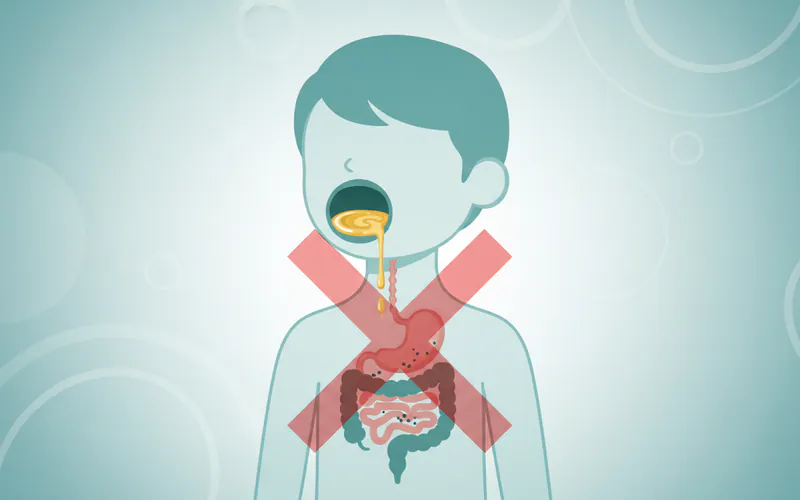
- Risk of Swallowing: Children, especially those under the age of 10-12, may have difficulty understanding the instruction not to swallow the oil. Accidental ingestion could lead to stomach upset or, in rare cases, aspiration, as mentioned earlier.
- Aspiration Risk: Their gag reflex and ability to control liquids in their mouth might not be fully developed, increasing the risk of inhaling the oil.
- No Established Need: Children's oral health is best maintained through consistent brushing with fluoride toothpaste (age-appropriate amounts), flossing, a balanced diet, and regular pediatric dental check-ups. There's no scientific evidence suggesting oil pulling offers unique benefits for children that cannot be achieved through standard practices.
- Taste/Texture Aversion: Many children might find the taste or texture of oil pulling unpleasant, making it a difficult habit to maintain.
For Parents: Focus on establishing excellent foundational oral hygiene habits for your children. Teach them to brush properly twice a day, help them floss once a day, and ensure they have regular dental visits starting from the eruption of their first tooth. If you have concerns about your child's oral health, consult a pediatric dentist.
Cost Breakdown (for Oral Health in General, as Oil Pulling itself has minimal cost)
Since oil pulling itself is a low-cost practice (only the price of oil), this section will focus on the broader costs associated with maintaining good oral health, which oil pulling is intended to complement. Investing in preventive care is far more cost-effective than treating dental diseases.
Annual Average US Costs for Oral Health Maintenance:
-
Oil Pulling Oil:
- Low: $8-$15 (for a large bottle of organic coconut or sesame oil, lasting 1-3 months)
- Mid: $15-$25 (for premium organic, cold-pressed oils)
- High: N/A (the cost doesn't vary significantly beyond this range for quality oils)
- Total Annual Cost (if used daily): $32 - $100 (depending on oil choice and usage rate)
-
Routine Dental Check-ups & Cleanings (without insurance):
- Low (single cleaning/exam): $75 - $150
- Mid (two cleanings/exams per year): $150 - $300
- High (more extensive exam, X-rays, possibly minor scaling): $300 - $500+
- Note: These prices can vary widely by geographic region (e.g., urban vs. rural, high cost of living areas).
-
Basic Oral Hygiene Supplies (annual):
- Toothbrushes (replace every 3-4 months): $10 - $40 (manual) / $40 - $150 (electric brush head replacements)
- Toothpaste: $10 - $30
- Dental Floss/Interdental Cleaners: $5 - $20
- Mouthwash (optional): $15 - $40
- Total Annual Cost: $40 - $280
With vs. Without Insurance:
- Dental Insurance: Most standard dental insurance plans (PPO, HMO) cover preventive care (cleanings, exams, X-rays) at 80% to 100%, often with no deductible for these services. This means your out-of-pocket cost for two cleanings and exams per year could be as low as $0 - $60.
- Without Insurance: You will pay the full cash price for all services. This emphasizes the importance of budgeting for dental care or exploring dental discount plans if insurance is not an option.
Payment Plans and Financing Options:
- In-Office Payment Plans: Many dental offices offer interest-free payment plans for larger treatments (e.g., fillings, crowns) spread over a few months.
- Third-Party Financing (e.g., CareCredit): These are healthcare credit cards that offer promotional financing options, often with deferred interest if the balance is paid within a specified period (e.g., 6, 12, 18 months).
- Dental Discount Plans: These are not insurance but membership programs where you pay an annual fee and receive discounted rates (typically 10-60% off) on dental services from participating dentists. Annual fees range from $80-$200 for individuals.
- Health Savings Accounts (HSAs) / Flexible Spending Accounts (FSAs): If you have an HSA or FSA through your employer, you can use these pre-tax dollars to pay for eligible dental expenses, including out-of-pocket costs, deductibles, and even some over-the-counter dental products.
Cost-Saving Tips:
- Prioritize Prevention: Regular brushing, flossing, and dental check-ups are the most effective ways to avoid expensive treatments down the line.
- Utilize Insurance: Understand your dental insurance benefits and use them regularly for preventive care.
- Shop Around: If you don't have insurance, call different dental offices in your area to inquire about their cash prices and any new patient specials.
- Dental Schools: University dental schools often provide services at a reduced cost, as treatments are performed by students under the supervision of experienced faculty.
- Community Clinics: Look for community dental clinics or public health programs that offer low-cost dental care.
Frequently Asked Questions
### What is the primary benefit of oil pulling for oral health?
The primary proposed benefit of oil pulling for oral health is its potential to reduce harmful bacteria in the mouth, which can contribute to issues like bad breath, plaque formation, and gingivitis. Some studies suggest it can significantly reduce Streptococcus mutans, a key bacterium in tooth decay, and improve gum health by lowering plaque and gingival indices.
### How does oil pulling relate to gut health?
Oil pulling relates to gut health through the oral-gut axis. By potentially reducing the load of pathogenic bacteria in the mouth, it might decrease the number of undesirable microbes that are swallowed and could alter the gut microbiome. While direct evidence is largely anecdotal, a healthier oral microbiome is generally considered beneficial for overall systemic health, including the gut.
### Does oil pulling reduce inflammation?
Yes, some studies suggest that oil pulling can reduce markers of oral inflammation, particularly in cases of gingivitis. The antimicrobial and anti-inflammatory properties of certain oils, like coconut oil's lauric acid, are thought to contribute to this. A reduction in oral inflammation could theoretically have a positive ripple effect on systemic inflammation, though more research is needed on this broader impact.
### Can oil pulling replace brushing and flossing?
Absolutely not. Oil pulling is a complementary practice and should never replace essential oral hygiene routines like brushing twice daily with fluoride toothpaste, flossing daily, and regular professional dental check-ups and cleanings. The American Dental Association (ADA) does not endorse oil pulling as an effective oral hygiene practice.
### What kind of oil should I use for oil pulling?
The most commonly recommended oils are organic, unrefined, cold-pressed coconut oil, sesame oil, or sunflower oil. Coconut oil is popular due to its pleasant taste and antimicrobial properties from lauric acid. Choose a high-quality oil to avoid harmful additives.
### How long and how often should I oil pull?
Most recommendations suggest swishing the oil for 10 to 20 minutes once a day, ideally in the morning on an empty stomach. Beginners can start with 5 minutes and gradually increase the duration. Consistency is more important than immediate long durations.
### What are the risks of oil pulling?
The main risks include accidentally swallowing the oil (which is believed to contain pulled toxins and bacteria), potential allergic reactions to specific oils, and rarely, jaw pain from excessive swishing. It's crucial not to spit the oil into sinks or toilets as it can clog plumbing.
### Is oil pulling safe during pregnancy, especially if my teeth hurt?
While often considered a natural remedy, pregnant individuals should always consult their dentist and obstetrician before starting oil pulling. Hormonal changes during pregnancy can make gums sensitive, and any tooth pain warrants immediate professional dental evaluation. There's limited specific research on oil pulling's safety during pregnancy, and potential nausea could be a deterrent.
### What if I accidentally swallow some oil?
If you accidentally swallow a small amount of oil, don't panic. It's unlikely to cause serious harm, though you might experience mild stomach upset. The primary concern is if you regularly swallow large amounts of the oil that has been swished and mixed with bacteria.
### When should I expect to see results from oil pulling?
Individual experiences vary widely. Some people report noticing improvements in bad breath or gum health within a few days to a week. Others might take longer or not notice significant changes. Consistent daily practice is generally recommended to assess any potential benefits over several weeks or months.
When to See a Dentist
While oil pulling can be explored as a complementary health practice, it is paramount to understand its limitations and when professional dental intervention is absolutely necessary. Never delay seeing a dentist for concerning symptoms.
You should see a dentist immediately if you experience any of the following warning signs:
- Severe or Persistent Toothache: This could indicate a cavity, abscess, cracked tooth, or gum infection. Oil pulling will not treat these conditions.
- Swelling in Your Gums, Jaw, or Face: This is a strong indicator of infection (like an abscess) that requires urgent professional attention.
- Persistent Bleeding Gums: While some mild bleeding might occur with gingivitis, consistent or heavy bleeding is a sign of more advanced gum disease that needs diagnosis and treatment.
- Loose Teeth: This is a serious sign of advanced periodontal disease, where the bone supporting your teeth is being destroyed. Immediate intervention is required to try and save the teeth.
- Extreme Sensitivity to Hot or Cold: While mild sensitivity is common, extreme or lingering pain could signal decay, a cracked tooth, or exposed roots requiring treatment.
- Difficulty Swallowing or Opening Your Mouth Fully: This could be a symptom of a severe infection spreading from your mouth.
- Red or White Patches, Sores, or Lumps in Your Mouth: Especially if they don't heal within two weeks, these could be signs of oral cancer or other serious conditions.
Red Flags vs. Routine Care Guidance:
- Routine Care: For maintaining general oral health and as part of a preventive strategy, regular brushing, flossing, and bi-annual dental check-ups are the standard. Oil pulling can be added to this routine if you wish, but it doesn't replace it.
- Red Flags: Any symptom that causes significant pain, discomfort, or appears to worsen rapidly is a red flag. These require professional evaluation, not self-treatment with oil pulling. Ignoring these signs can lead to more severe, costly, and potentially life-threatening complications.
Emergency vs. Scheduled Appointment Guidance:
- Emergency: Severe pain, swelling, uncontrolled bleeding, trauma to teeth or jaw, or an abscess (pus formation) constitute a dental emergency. Contact your dentist immediately or go to an urgent care facility if your dentist is unavailable.
- Scheduled Appointment: Mild tooth sensitivity, minor gum redness without significant pain or bleeding, or concerns about general oral hygiene are reasons for a scheduled appointment. Discuss your interest in oil pulling and any other complementary practices with your dentist during these visits. They can offer personalized advice based on your specific oral health needs.
Frequently Asked Questions
Medically Reviewed Content
This article was written by our dental health editorial team and reviewed for medical accuracy. Our content follows strict editorial guidelines for reliability and trustworthiness.
Medical Disclaimer
This article is for informational purposes only and does not constitute medical advice. Always consult with a qualified dental professional for diagnosis and treatment. Do not delay seeking professional advice because of something you read on this website.
Related Articles
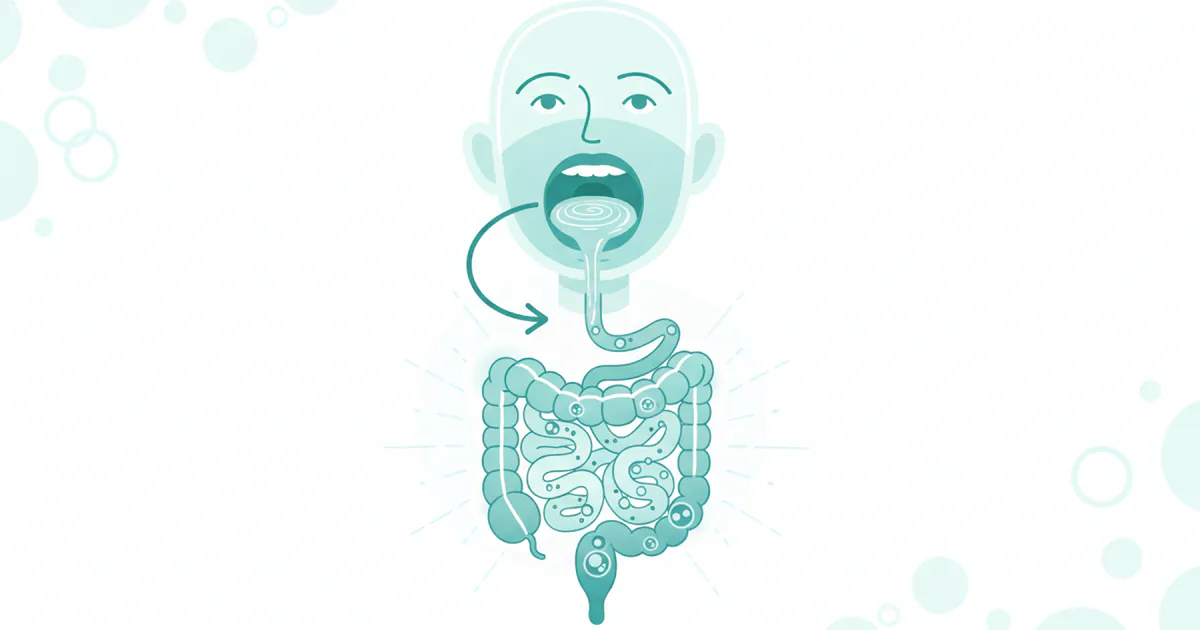
Does Oil Pulling Help Gut Health
The intricate connection between our oral health and overall well-being is a topic of growing fascination and scientific inquiry. Often, when we think of health, we focus on specific organs or systems, overlooking the crucial role of the mouth as a gateway to the rest of the body. One ancient practi
February 23, 2026
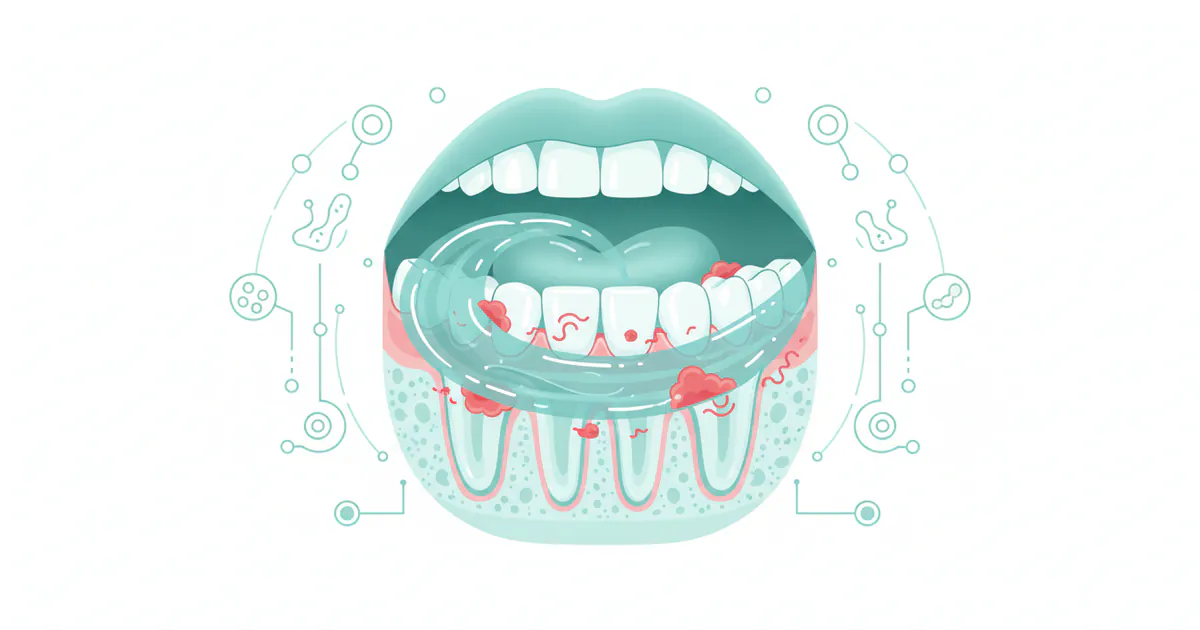
Does Oil Pulling Help With Inflammation
It's a question many health-conscious individuals ask as they explore natural remedies: does oil pulling help with inflammation? In an era where holistic approaches to wellness are gaining traction, the ancient practice of oil pulling has resurfaced, promising benefits that extend beyond oral hy
February 23, 2026
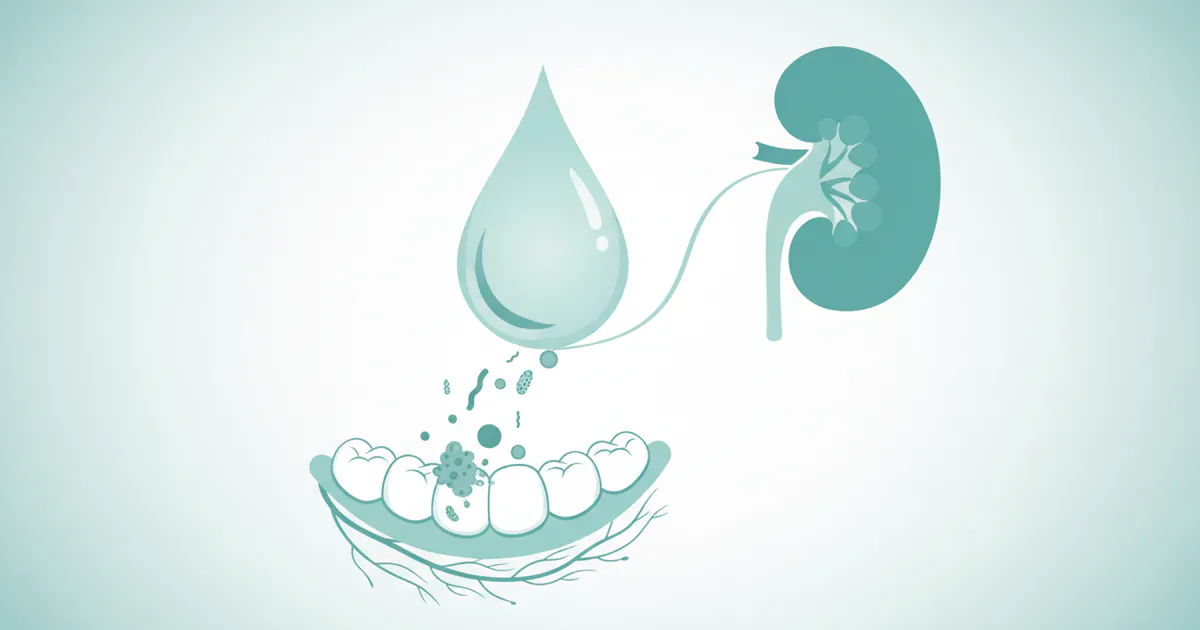
Oil Pulling for Kidney Disease: Complete Guide
Chronic kidney disease (CKD) affects an estimated 37 million adults in the United States, often progressing silently until advanced stages. What many may not realize is the profound connection between the health of their mouth and the health of their kidneys. As a bridge between traditional wisd
February 23, 2026
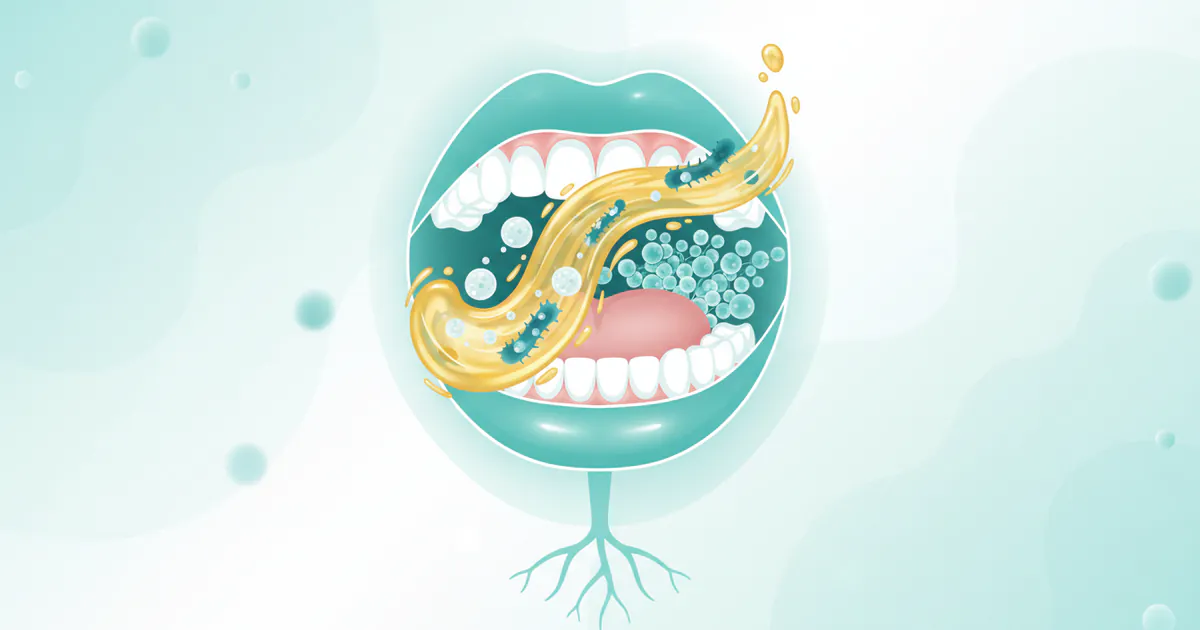
Oil Pulling Oral Microbiome: Complete Guide
Have you ever considered the bustling universe thriving within your mouth? This intricate community, known as the oral microbiome, consists of billions of microorganisms – some beneficial, some harmful – all playing a critical role in your oral and overall systemic health. Maintaining a balanced
February 23, 2026