Best Invisalign: Complete Guide
Key Takeaways
- When it comes to straightening your teeth, few names resonate as strongly as Invisalign. For millions across the United States, the dream of a perfectly aligned smile has become a reality thanks to these innovative clear aligners. But with various options and considerations, how do you determine the
When it comes to straightening your teeth, few names resonate as strongly as Invisalign. For millions across the United States, the dream of a perfectly aligned smile has become a reality thanks to these innovative clear aligners. But with various options and considerations, how do you determine the best Invisalign path for your unique needs? This comprehensive guide from SmilePedia.net aims to demystify the world of clear aligner therapy, providing you with all the medically accurate information you need to make an informed decision about your orthodontic journey.
Crooked teeth, gaps, and bite issues are more than just aesthetic concerns; they can impact your overall oral health, leading to difficulties with chewing, speech impediments, increased risk of gum disease, and uneven wear on your teeth. Orthodontic treatment, particularly with advanced solutions like Invisalign, offers a discreet and effective way to address these challenges. In this article, we'll delve into what Invisalign is, its different types, the treatment process, a detailed breakdown of the cost of Invisalign, comparison with alternatives like traditional braces, and essential aftercare. By the end, you'll be well-equipped to discuss your options confidently with your dental professional.
Key Takeaways:
- Invisalign uses a series of clear, removable aligners to gradually shift teeth, offering a discreet alternative to traditional braces.
- Treatment duration typically ranges from 6 to 24 months, with an average of 12-18 months, depending on the complexity of your case.
- The cost of Invisalign in the US generally falls between $3,000 and $8,000, with Invisalign Comprehensive often being on the higher end and Invisalign Express or Lite being more affordable.
- Most dental insurance plans with orthodontic benefits cover a portion of Invisalign treatment, often similar to what they would cover for traditional braces, typically $1,000 to $3,000.
- You must wear your aligners for 20-22 hours per day for optimal results, removing them only to eat, drink, brush, and floss.
- Proper retention with Vivera retainers or similar solutions post-treatment is crucial to prevent relapse and maintain your new smile.
- Invisalign is effective for a wide range of orthodontic issues, from mild cosmetic adjustments to more complex bite corrections, including options for teens and younger children (Invisalign First).
What Is Invisalign? An Overview of Clear Aligner Technology
Invisalign is a brand of clear aligner therapy that has revolutionized orthodontics since its introduction in 1997. Unlike traditional metal braces, which use brackets and wires, Invisalign utilizes a series of custom-made, clear plastic aligners to gradually move your teeth into their desired positions. These aligners are fabricated from a patented thermoplastic material called SmartTrack®, engineered for comfort, predictability, and efficiency.
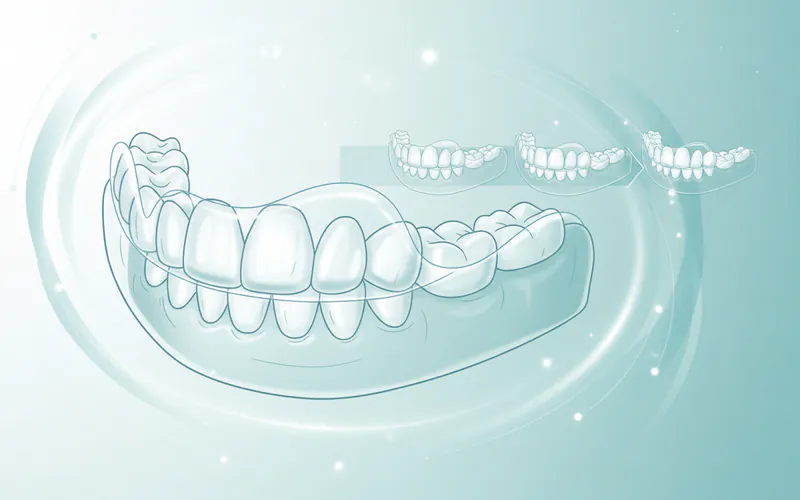
The system works by exerting controlled, gentle pressure on specific teeth at different stages of the treatment. Each aligner tray is designed to move your teeth incrementally, typically by about 0.25 to 0.33 millimeters per aligner. You wear each set of aligners for approximately one to two weeks before progressing to the next set in the series. The beauty of Invisalign lies in its near-invisibility and removability, offering significant lifestyle advantages over conventional orthodontic methods. It allows you to eat whatever you like, maintain excellent oral hygiene, and smile confidently throughout your treatment.
``
Types of Invisalign: Finding the Best Fit for Your Smile
Invisalign isn't a one-size-fits-all solution. Align Technology, the creators of Invisalign, offers several specialized treatment options designed to cater to various orthodontic needs and age groups. Understanding these variations is crucial when considering the best Invisalign treatment for you.
Invisalign Comprehensive (Full)
This is the most common and versatile Invisalign treatment. It's designed to address a wide range of moderate to complex orthodontic issues, including significant crowding, spacing, overbites, underbites, and crossbites. Invisalign Comprehensive provides an unlimited number of aligners for a specified treatment period, allowing for extensive tooth movement and refinement.
- Ideal for: Adults and teens with moderate to severe malocclusions.
- Typical duration: 12-24 months, potentially longer for very complex cases.
Invisalign Lite
Invisalign Lite is an intermediate option, ideal for individuals with minor to moderate orthodontic issues that require less extensive treatment. It's limited to a maximum of 14 aligners per arch. This makes it a quicker and often more affordable option for cosmetic improvements or addressing minor relapse after previous orthodontic treatment.
- Ideal for: Minor crowding, spacing, or relapse.
- Typical duration: 6-12 months.
Invisalign Express
For very minor aesthetic corrections or extremely mild orthodontic issues, Invisalign Express offers the shortest treatment duration. It's available in two tiers: 5 aligners or 7 aligners per arch. This option is primarily used for minor adjustments to the front teeth or for patients who previously had braces and experienced minimal relapse.
- Ideal for: Very minor crowding, spacing, or cosmetic touch-ups.
- Typical duration: 3-6 months.
Invisalign Teen
Specifically designed with teenagers in mind, Invisalign Teen incorporates several features to make treatment more effective and compliant for younger patients. These include:
- Compliance Indicators: Small blue dots on the outside of the aligners fade over time with wear, allowing parents and orthodontists to monitor compliance.
- Eruption Tabs: Spaces built into the aligners to accommodate erupting permanent teeth, particularly molars.
- Six Free Replacement Aligners: Acknowledging that teens can be forgetful, this allowance helps cover lost or broken aligners without extra cost.
- Ideal for: Teenagers with developing dentition, suitable for a similar range of issues as Invisalign Comprehensive.
- Typical duration: 12-24 months.
Invisalign First
This specialized phase I orthodontic treatment is for children aged 6 to 10 years old who still have a mix of primary (baby) and permanent teeth. Invisalign First aims to address developing orthodontic issues early on, such as arch development, creating space for erupting permanent teeth, correcting crossbites, and improving overall jaw growth. Early intervention can often simplify or even eliminate the need for more extensive phase II treatment later.
- Ideal for: Young children with developing orthodontic problems.
- Typical duration: 6-18 months.
Invisalign Go
Invisalign Go is a solution tailored specifically for general dentists (not orthodontists) to treat mild to moderate cases, primarily focusing on the anterior (front) teeth. It's a streamlined process that allows general practitioners to offer clear aligner therapy for simpler cosmetic enhancements.
- Ideal for: Adults with mild anterior crowding or spacing.
- Typical duration: 6-12 months.
Causes of Malocclusion: Why Teeth Need Straightening
The need for orthodontic treatment, whether with Invisalign or traditional braces, stems from various forms of malocclusion – the misalignment of teeth and/or jaws. Understanding the root causes can help explain why treatment is necessary for both aesthetic and functional reasons.
- Genetics: This is the most significant factor. If your parents or close relatives had crooked teeth, gaps, or bite problems, you're more likely to inherit similar conditions. Jaw size, tooth size, and overall dental arch development are heavily influenced by genetics.
- Early Loss of Primary Teeth: Losing baby teeth prematurely due to decay or injury can cause adjacent teeth to drift into the empty space, preventing permanent teeth from erupting correctly.
- Habits: Certain prolonged childhood habits can contribute to malocclusion:
- Thumb-sucking/Pacifier Use: Beyond the age of 3 or 4, these habits can lead to open bites (front teeth don't meet), flaring of the upper front teeth, or a crossbite.
- Tongue Thrusting: When the tongue pushes forward against the front teeth during swallowing, it can cause an open bite or protruded front teeth.
- Mouth Breathing: Chronic mouth breathing can alter jaw development, leading to a narrow upper jaw and a crossbite.
- Trauma/Injury: An accident that impacts the mouth or jaw can displace teeth or affect jaw growth, leading to misalignment.
- Extra or Missing Teeth: Supernumerary (extra) teeth can cause crowding, while congenitally missing teeth can lead to gaps and shifting of adjacent teeth.
- Poor Dental Hygiene: Untreated cavities or gum disease can lead to tooth loss or shifting, disrupting the natural alignment of the dental arch.
- Impacted Teeth: Teeth that are unable to erupt through the gums can push surrounding teeth out of alignment.
Addressing these underlying causes through appropriate orthodontic treatment not only improves the appearance of your smile but also enhances chewing efficiency, speech clarity, and overall oral health.
Signs and Symptoms That May Indicate a Need for Invisalign
How do you know if you or your child could benefit from Invisalign or other orthodontic treatment? While a professional orthodontic evaluation is the definitive answer, several signs and symptoms can indicate the presence of malocclusion:
- Visibly Crooked or Crowded Teeth: This is the most obvious sign, where teeth overlap, twist, or are packed too tightly together.
- Gaps or Spaces Between Teeth: Often due to missing teeth or a jaw that is too large for the size of the teeth.
- Overbite: When the upper front teeth significantly overlap the lower front teeth, extending too far down.
- Underbite: When the lower front teeth protrude past the upper front teeth.
- Crossbite: When some upper teeth sit inside the lower teeth when you bite down, either on the front or sides of the mouth.
- Open Bite: When the front teeth (or sometimes back teeth) do not meet when the mouth is closed.
- Difficulty Chewing or Biting: Misaligned teeth can make it hard to bite into food properly or chew efficiently, leading to digestive issues.
- Speech Difficulties: Certain bite problems or gaps can affect pronunciation, causing lisps or other speech impediments.
- Jaw Pain or Discomfort: Malocclusion can strain the jaw joints (TMJ), leading to pain, headaches, or clicking sounds when opening and closing your mouth.
- Uneven Wear on Tooth Enamel: When teeth don't meet correctly, some teeth may endure excessive grinding or clenching, leading to premature wear and potential sensitivity.
- Receding Gums: In some cases, severely crowded or misaligned teeth can put undue pressure on the gums and bone, potentially leading to gum recession.
- Clicking or Popping Sounds in the Jaw: Another indicator of potential TMJ issues often linked to bite problems.
If you observe any of these signs, scheduling a consultation with an orthodontist is highly recommended. Early detection and intervention can lead to more straightforward and effective treatment outcomes.
Treatment Options: Invisalign vs. Braces and Other Alternatives
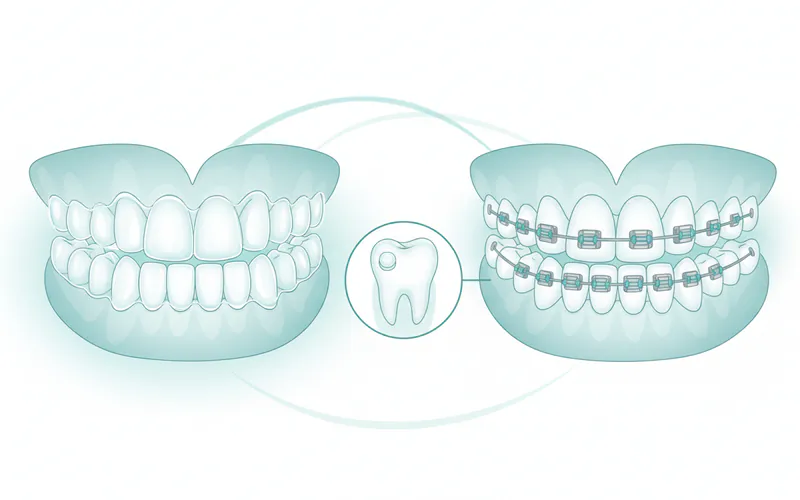
When considering orthodontic treatment, the two primary options are typically clear aligners (like Invisalign) and traditional braces. However, other alternatives also exist, each with its own set of advantages and disadvantages. Choosing the best Invisalign or alternative involves weighing these factors against your specific needs, lifestyle, and budget.
Invisalign (Clear Aligners)
Pros:
- Nearly Invisible: Made from clear plastic, aligners are very discreet, making them popular among adults and teens concerned about aesthetics.
- Removable: You can take aligners out to eat, drink, brush, and floss, allowing for unrestricted diet and superior oral hygiene.
- Comfortable: No metal brackets or wires to cause abrasions in the mouth. Smooth plastic minimizes irritation.
- Predictable Results: Advanced 3D imaging allows for precise treatment planning and visualization of results before starting.
- Fewer Emergency Visits: No broken wires or detached brackets to worry about.
- Predictable Treatment Time: With good compliance, treatment duration is often predictable.
Cons:
- Compliance Dependent: Requires strict self-discipline to wear aligners for 20-22 hours daily. Non-compliance can extend treatment time or compromise results.
- Cost: Generally comparable to or slightly more expensive than traditional braces for comprehensive cases.
- May Not Be Suitable for All Complex Cases: While highly versatile, extremely severe malocclusions might still require traditional braces.
- Attachments and IPR: Small, tooth-colored "attachments" (bumps) are often bonded to teeth to help aligners grip, and Interproximal Reduction (IPR) may be needed to create space, which some patients dislike.
- Speech Changes: A slight lisp may occur initially as the tongue adjusts to the aligners.
Traditional Metal Braces
Pros:
- Highly Effective for Complex Cases: Often the gold standard for severe bite issues, rotations, and discrepancies.
- Non-Removable: Eliminates compliance issues as they are fixed to the teeth.
- Cost-Effective: Often the most affordable orthodontic option, especially for complex cases.
- Variety of Colors: Can be customized with colored elastics (popular with kids and teens).
Cons:
- Highly Visible: Metal brackets and wires are noticeable.
- Dietary Restrictions: Sticky, chewy, and hard foods must be avoided to prevent damage to brackets/wires.
- Oral Hygiene Challenges: Brushing and flossing around brackets and wires can be difficult, increasing the risk of plaque buildup, cavities, and gum inflammation.
- Discomfort: Wires can poke, and brackets can irritate cheeks and lips, especially after adjustments.
- Emergency Visits: More prone to broken brackets or poking wires, requiring urgent dental visits.
Ceramic Braces
Similar to traditional braces but use clear or tooth-colored ceramic brackets, making them less noticeable. Pros: Less visible than metal braces. Cons: Can be more expensive than metal braces, brackets can stain, more brittle and prone to breaking, typically bulkier, and treatment can be slightly longer due to increased friction with wires.
Lingual Braces
Brackets and wires are placed on the inside (lingual) surface of the teeth, making them completely invisible from the outside. Pros: Completely hidden. Cons: Most expensive option, can significantly affect speech, more difficult to clean, often more uncomfortable due to tongue irritation, and fewer orthodontists are trained to place them.
Other Clear Aligner Brands (e.g., Candid, Byte, SmileDirectClub - Note: SmileDirectClub ceased operations in Dec 2023)
These are often direct-to-consumer (DTC) clear aligner services. Pros: Potentially lower cost, convenience of at-home treatment. Cons: Lack of direct in-person supervision by an orthodontist (which can lead to misdiagnosis or complications if not properly managed), limited to very mild cases, less sophisticated technology compared to Invisalign, and higher risk of suboptimal results or even harm if underlying issues are not addressed by a dental professional. The ADA strongly recommends in-person consultations for orthodontic treatment.
Pro Tip: While direct-to-consumer aligner brands may seem appealing due to lower costs, always prioritize an in-person consultation with a licensed orthodontist. Only a professional can accurately diagnose your specific needs, monitor your progress safely, and intervene if complications arise. The American Dental Association (ADA) emphasizes the importance of direct oversight by a qualified dentist or orthodontist for any orthodontic treatment.
Comparison Table: Invisalign vs. Traditional Braces
| Feature | Invisalign (Clear Aligners) | Traditional Metal Braces |
|---|---|---|
| Visibility | Nearly invisible | Highly visible (metal) |
| Removability | Removable for eating, brushing, flossing | Fixed to teeth |
| Comfort | Smooth plastic, less irritation | Metal brackets/wires can cause irritation, abrasions |
| Oral Hygiene | Easy to maintain, brush and floss normally | More challenging to clean around brackets/wires |
| Dietary Limits | None (remove aligners to eat) | Significant restrictions (no sticky, hard, chewy foods) |
| Treatment Time | Typically 6-24 months (compliance-dependent) | Typically 18-36 months (can vary) |
| Cost Range (US) | $3,000 - $8,000 | $3,000 - $7,000 |
| Complexity | Effective for mild to complex cases | Highly effective for all complexities, including severe cases |
| Emergency Visits | Rare (no broken wires/brackets) | More common (broken wires, loose brackets) |
| Maintenance | Clean aligners daily | Regular bracket/wire adjustments |
The Invisalign Step-by-Step Process: What to Expect
Embarking on your Invisalign journey involves several key stages, each designed to ensure a smooth, effective, and predictable treatment experience.
Step 1: Initial Consultation and Evaluation
Your journey begins with a comprehensive consultation with an experienced orthodontist. During this appointment, the orthodontist will:
- Perform a thorough oral examination of your teeth, gums, and bite.
- Take X-rays (panoramic, cephalometric, and/or periapical) to assess tooth roots, bone structure, and jaw alignment.
- Take detailed photos of your face and teeth.
- Discuss your aesthetic goals, lifestyle, and any concerns you may have.
- Determine if Invisalign is the best Invisalign option for your specific case or if another treatment alternative would be more suitable. If Invisalign is appropriate, they will recommend the specific type (e.g., Comprehensive, Lite, Teen).
Step 2: Digital Scan and Treatment Planning (ClinCheck®)
If Invisalign is chosen, the next step involves creating a precise 3D digital map of your teeth. This is typically done using an iTero Element® scanner, a comfortable, radiation-free intraoral scanner that takes thousands of images per second to create an accurate 3D model of your mouth.
- This digital model is then used to create your personalized treatment plan, called ClinCheck® software. Your orthodontist will precisely plan each tooth movement, sequence, and duration of the treatment.
- You'll be able to visualize a digital representation of your teeth's movement throughout the treatment and even see your predicted final smile before you start wearing aligners. This allows for adjustments and fine-tuning by your orthodontist to achieve the best possible outcome.
- Based on the ClinCheck plan, your custom series of aligners will be fabricated by Align Technology.
``
Step 3: Getting Your First Aligners and Attachments
Once your custom aligners arrive (typically 2-4 weeks after the scan), you'll have your "bonding" appointment.
- Your orthodontist will explain how to wear and care for your aligners.
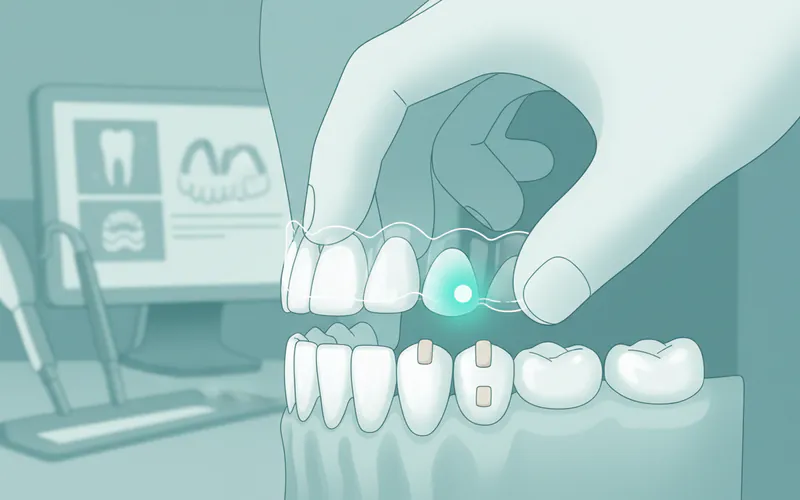
- Attachments (SmartForce® attachments): Small, tooth-colored composite resin "bumps" are often bonded to specific teeth. These act as anchors, helping the aligners grip and apply the necessary force for complex movements like rotations or extrusions. They are discreet but visible up close.
- Interproximal Reduction (IPR): In some cases, tiny amounts of enamel may be gently filed away from between teeth to create space, especially for crowded arches. This is a common and safe procedure, typically less than 0.5 millimeters per tooth surface, and helps facilitate tooth movement without extractions.
- You'll receive your first few sets of aligners and instructions on when to switch to the next set (usually every 1-2 weeks).
Step 4: Wearing Your Aligners and Progress Checks
The success of your Invisalign treatment hinges on your commitment to wearing your aligners.
- Wear Time: You must wear your aligners for 20-22 hours per day, removing them only for eating, drinking anything other than plain water, brushing, and flossing.
- Changing Aligners: You will switch to a new set of aligners at home according to your orthodontist's schedule.
- Check-up Appointments: You'll typically visit your orthodontist every 6-8 weeks for progress checks. These appointments are usually quick, as there are no wires to adjust. Your orthodontist will ensure your treatment is on track, provide you with the next series of aligners, and address any concerns.
Step 5: Refinements
Midway or towards the end of your initial set of aligners, your orthodontist might recommend refinements. This involves taking new scans and creating additional aligners to achieve final adjustments, perfect the bite, or address any teeth that haven't moved exactly as planned. Refinements are common and part of the comprehensive Invisalign treatment to ensure the best possible outcome.
Step 6: Retention (The Most Important Step!)
Once you've completed all your aligners and achieved your desired smile, the active treatment phase ends. However, the work isn't over. Retention is crucial to prevent your teeth from shifting back to their original positions (relapse).
- Retainers: Your orthodontist will prescribe custom-made retainers. The most common types are:
- Vivera® Retainers: Clear, durable retainers made by Align Technology, similar to your aligners.
- Hawley Retainers: Traditional wire and acrylic retainers.
- Fixed/Bonded Retainers: A thin wire permanently bonded to the back of your front teeth.
- Wear Schedule: Initially, retainers are worn full-time (except for eating and brushing) for a period, then typically transition to nightly wear indefinitely. Lifelong retainer wear is generally recommended to maintain your smile.
Cost and Insurance: Understanding the Financial Aspect of Invisalign
The cost of Invisalign is a significant consideration for many patients. It varies widely based on several factors, including the complexity of your case, the specific type of Invisalign treatment, your geographical location, and the orthodontist's fees.
Average US Cost Ranges for Invisalign
In general, the price of Invisalign in the United States typically ranges from $3,000 to $8,000.
- Invisalign Express/Lite: For minor cases, the cost can be lower, ranging from $3,000 to $5,000.
- Invisalign Comprehensive/Teen: For moderate to complex cases, the cost is usually higher, ranging from $5,000 to $8,000.
- Invisalign First: Pediatric treatment can range from $3,000 to $6,000, depending on the extent of intervention needed.
Factors Influencing the Cost of Invisalign:
- Case Complexity: The severity of your malocclusion directly impacts the number of aligners required, the duration of treatment, and therefore the total cost. More complex cases requiring extensive tooth movement will be more expensive.
- Treatment Duration: Longer treatment plans generally incur higher costs.
- Orthodontist's Experience and Location: Highly experienced orthodontists or practices in urban areas and regions with a higher cost of living (e.g., New York, California) may charge more. For instance, an orthodontist in a major metropolitan area might charge $7,500 for Invisalign Comprehensive, while one in a rural area could charge $5,500 for a similar case.
- Number of Aligners/Refinements: While Comprehensive plans often include unlimited aligners, Lite and Express plans have limits. If more aligners are needed beyond the initial plan for these types, additional costs may apply.
- Ancillary Treatments: The overall cost might include or exclude items like initial X-rays, iTero scans, attachments, IPR, retainers (post-treatment), and follow-up visits. Always clarify what is included in the quoted price.
Dental Insurance Coverage for Invisalign
Many dental insurance plans that include orthodontic benefits will cover a portion of Invisalign treatment, often treating it similarly to traditional braces.
- Typical Coverage: Insurance plans with orthodontic benefits usually cover between $1,000 to $3,000 of the total cost.
- Lifetime Max: Most plans have a "lifetime maximum" benefit for orthodontics, meaning they will pay up to a certain amount per insured individual, regardless of the treatment type.
- Waiting Periods: Some plans have waiting periods (e.g., 6-12 months) before orthodontic benefits become active.
- Age Limits: Certain plans may have age restrictions for orthodontic coverage (e.g., only for dependents under 19).
- Orthodontist Network: Check if your orthodontist is in your insurance provider's network, as this can affect your out-of-pocket costs.
Pro Tip: Always contact your dental insurance provider directly or have your orthodontist's office verify your specific orthodontic benefits before starting treatment. Ask about your lifetime maximum, any waiting periods, and if Invisalign is covered specifically.
Payment Plans and Financing Options
Most orthodontists understand the financial commitment of Invisalign and offer various payment options to make treatment more accessible:
- In-Office Payment Plans: Many practices offer interest-free payment plans, allowing you to pay a down payment and then monthly installments over the course of your treatment.
- Third-Party Financing: Companies like CareCredit or LendingClub offer healthcare financing with various interest rates and payment terms, often including interest-free periods for qualified applicants.
- Flexible Spending Accounts (FSAs) and Health Savings Accounts (HSAs): You can use pre-tax dollars from an FSA or HSA to pay for eligible medical expenses, including orthodontic treatment, potentially saving you money on taxes.
- Discount Plans: Some dental discount plans offer reduced rates on orthodontic services, though these are not insurance.
Cost Comparison Table for Orthodontic Treatments (US Averages)
| Treatment Type | Average Cost Range (US) | Insurance Coverage (Typical) |
|---|---|---|
| Invisalign Express/Lite | $3,000 - $5,000 | $1,000 - $2,000 (if covered) |
| Invisalign Comprehensive/Teen | $5,000 - $8,000 | $1,500 - $3,000 (if covered) |
| Traditional Metal Braces | $3,000 - $7,000 | $1,000 - $3,000 (if covered) |
| Ceramic Braces | $4,000 - $8,000 | $1,000 - $3,000 (if covered) |
| Lingual Braces | $8,000 - $12,000+ | Limited, often less |
| At-Home Aligners | $1,500 - $2,500 | Rarely covered |
Recovery and Aftercare: Maintaining Your Smile for Life
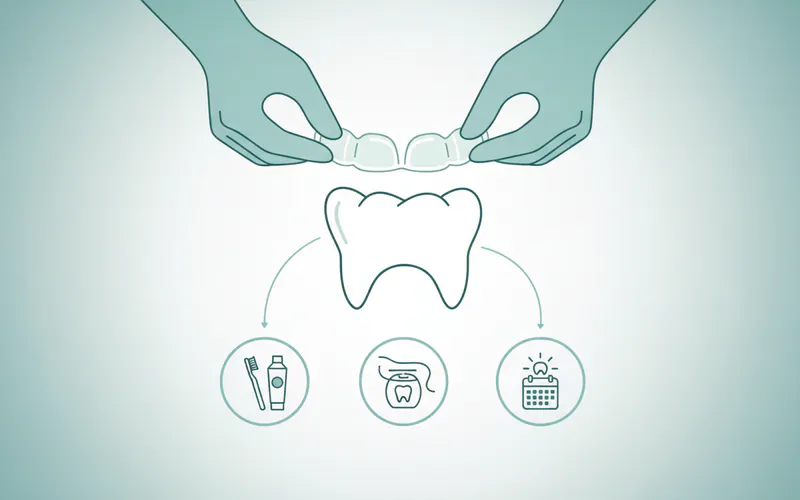
Completing your Invisalign treatment is a huge milestone, but it's crucial to understand that your orthodontic journey doesn't end when your last aligner comes off. The recovery and aftercare phase, primarily focusing on retention, is paramount to ensuring your beautifully straightened smile lasts a lifetime.
The Critical Role of Retainers
Without retainers, your teeth will inevitably shift back towards their original positions—a phenomenon known as relapse. This is because the ligaments and bones supporting your teeth need time to stabilize around their new positions.
- Immediate Post-Treatment: Your orthodontist will likely recommend full-time retainer wear (20-22 hours a day, similar to aligners) for the first 3-6 months following active treatment.
- Long-Term Wear: After the initial full-time period, you will typically transition to nightly wear. For most individuals, lifelong nightly retainer wear is recommended to prevent any noticeable relapse.
- Types of Retainers:
- Vivera® Retainers: These are custom-made, clear retainers from Align Technology, similar to your aligners but thicker and more durable. Many orthodontists consider them the best Invisalign retainers due to their precision and strength.
- Hawley Retainers: Traditional retainers made of acrylic and metal wire. They are durable but more visible.
- Fixed/Bonded Retainers: A thin, discreet wire bonded to the back surface of your front teeth. These are permanent and require diligent oral hygiene but eliminate compliance issues.
- Cost of Retainers: Retainers are typically not included in the initial Invisalign treatment cost and can range from $200 to $800 per arch depending on the type and whether you need replacements. Vivera retainers are often sold in sets of four.
Oral Hygiene Practices with Retainers
Maintaining excellent oral hygiene is essential for both your dental health and the longevity of your retainers.
- Removable Retainers (Vivera, Hawley):
- Clean them daily by brushing gently with a toothbrush and cool water.
- Avoid hot water, which can distort the plastic.
- Use specialized retainer cleaning tablets occasionally to keep them fresh and free of bacteria and odors.
- Store them in their protective case when not in your mouth to prevent loss or damage.
- Fixed Retainers:
- These require extra attention during brushing and flossing.
- Use a floss threader or specialized interdental brushes to clean thoroughly under and around the wire.
- Regular professional cleanings are even more important to remove tartar buildup.
Continued Dental Check-ups
Even after your orthodontic treatment concludes, it's vital to continue with your regular dental check-ups and professional cleanings every six months. Your general dentist will monitor your overall oral health, detect any issues early, and ensure your retainers are functioning correctly.
Prevention: Avoiding Future Orthodontic Issues
While some malocclusions are genetic and unavoidable, certain preventative measures can help minimize the severity of future orthodontic problems or prevent relapse.
- Early Orthodontic Evaluation: The American Association of Orthodontists (AAO) recommends a first orthodontic visit by age 7. At this age, a child's teeth and jaws are still developing, allowing an orthodontist to identify potential problems and intervene early (Phase I treatment like Invisalign First) to guide jaw growth and tooth eruption.
- Eliminate Harmful Oral Habits: Discourage prolonged thumb-sucking, pacifier use, and tongue thrusting in young children. Early intervention for these habits can prevent significant bite problems.
- Maintain Excellent Oral Hygiene: Regular brushing and flossing prevent cavities and gum disease, which can lead to premature tooth loss and shifting.
- Protect Against Dental Trauma: Wear a mouthguard during sports and other high-impact activities to protect teeth from injury, which can lead to displacement.
- Address Dental Problems Promptly: Seek treatment for cavities or gum disease without delay to preserve the integrity of your dental arches.
- Lifelong Retainer Wear: For those who have undergone orthodontic treatment, consistent retainer wear as prescribed by your orthodontist is the single most effective "prevention" against relapse.
Risks and Complications Associated with Invisalign
While Invisalign is generally safe and highly effective, like any medical treatment, it carries potential risks and complications. Being aware of these can help you better manage your expectations and ensure open communication with your orthodontist.
- Minor Discomfort or Soreness: It's normal to experience mild discomfort or pressure for a day or two after switching to a new set of aligners as your teeth begin to move. This is usually manageable with over-the-counter pain relievers.
- Speech Changes (Temporary Lisp): Some patients develop a temporary lisp initially as their tongue adjusts to the presence of the aligners. This typically resolves within a few days or weeks.
- Attachments and IPR: While necessary for effective treatment, attachments can sometimes be noticeable, and IPR, though minimal, involves permanent removal of enamel.
- Allergic Reactions: Though rare, some individuals may experience an allergic reaction to the aligner material. Inform your orthodontist immediately if you notice unusual irritation or symptoms.
- Gum Irritation: Poorly fitting aligners or aligners that extend too far onto the gum tissue can cause irritation. Your orthodontist can trim the aligners if needed.
- Tooth Sensitivity: As teeth move, some temporary sensitivity to hot or cold temperatures can occur.
- Root Resorption: In rare cases, the roots of the teeth may shorten during orthodontic treatment. This is more common with traditional braces but can occur with any tooth movement. Your orthodontist will monitor this with X-rays.
- Black Triangles: If teeth were severely crowded, the gums between them may not fully fill the space once the teeth are straightened, creating small "black triangles" at the gum line. This can sometimes be improved with IPR or cosmetic bonding.
- Non-Compliance: The biggest risk with Invisalign is failure to wear the aligners for the recommended 20-22 hours per day. This will inevitably extend treatment time, compromise results, or even lead to treatment failure.
- Relapse: If retainers are not worn as prescribed after treatment, teeth will shift back towards their original positions.
- Temporomandibular Joint (TMJ) Issues: While orthodontic treatment can sometimes alleviate TMJ pain, in rare instances, it could potentially exacerbate existing conditions or cause new ones. This is why a thorough initial evaluation is crucial.
- Cavities or Gum Disease: If oral hygiene is neglected while wearing aligners, food particles and bacteria can become trapped, increasing the risk of cavities and gum inflammation. Always brush and floss thoroughly after eating and before reinserting aligners.
Open communication with your orthodontist is key. Report any unusual or persistent symptoms immediately so they can be addressed promptly.
Children / Pediatric Considerations: Invisalign First
For younger patients, particularly those aged 6 to 10, Invisalign offers a specialized treatment known as Invisalign First. This is a form of Phase I or early interceptive orthodontic treatment designed to address developing orthodontic issues while a child still has a mix of baby and permanent teeth.
Why Early Intervention with Invisalign First?
Early treatment can provide significant advantages, as a child's jaw is still growing and more amenable to guidance.
- Guiding Jaw Growth: Invisalign First can help correct jaw discrepancies, such as underbites or crossbites, and guide proper jaw development.
- Creating Space: It can create necessary space for permanent teeth to erupt correctly, reducing severe crowding later on.
- Addressing Harmful Habits: Early intervention can help correct issues arising from habits like thumb-sucking or tongue thrusting.
- Improving Airway Issues: In some cases, expanding the dental arches can improve breathing, especially for children who are chronic mouth-breathers.
- Reducing Future Treatment Complexity: Addressing problems early often simplifies or shortens the duration of Phase II treatment (full braces or aligners) that may be needed in the teenage years, or in some cases, can eliminate the need for it entirely.
How Invisalign First Works
Invisalign First aligners are custom-made for children, taking into account their unique growth patterns and erupting teeth. They often feature "eruption tabs" to accommodate incoming permanent teeth. The treatment is similar to adult Invisalign but focuses on foundational development. Children wear their aligners for the prescribed 20-22 hours a day, switching to new sets every 1-2 weeks.
Pro Tip: If your child exhibits early signs of malocclusion, such as crowded teeth, an underbite, or persistent thumb-sucking, schedule an orthodontic evaluation by age 7, as recommended by the American Association of Orthodontists. Early detection can make a world of difference in their long-term oral health and the ease of future treatment.
Frequently Asked Questions
What makes Invisalign the "best" option for some people?
Invisalign is often considered the "best Invisalign" option for individuals who prioritize discretion, comfort, and the ability to maintain excellent oral hygiene and dietary freedom throughout their orthodontic treatment. Its clear, removable aligners are nearly invisible, allowing patients to straighten their teeth without the aesthetic impact of traditional braces. It's also highly effective for a wide range of mild to complex cases.
How painful is Invisalign treatment?
Most patients report that Invisalign causes significantly less pain than traditional braces. You may experience mild pressure or discomfort for the first day or two after switching to a new set of aligners, which indicates that the teeth are moving. This sensation is generally manageable with over-the-counter pain relievers and subsides quickly.
How long does Invisalign treatment typically take?
The typical duration for Invisalign treatment ranges from 6 to 24 months, with an average of 12-18 months. However, this can vary greatly depending on the complexity of your case and your adherence to wearing the aligners for 20-22 hours per day. Minor cosmetic adjustments might be completed in as little as 3-6 months with Invisalign Express.
Can Invisalign fix severe orthodontic problems?
Yes, Invisalign can effectively treat a broad spectrum of orthodontic issues, from mild crowding and spacing to more complex cases like overbites, underbites, crossbites, and open bites. Advances in SmartTrack material and SmartForce features (attachments, elastics) have significantly expanded Invisalign's capabilities, though extremely severe cases might still be better suited for traditional braces. Your orthodontist will determine if it's the right choice for you.
What happens if I don't wear my Invisalign aligners for 20-22 hours a day?
Failing to wear your aligners for the recommended 20-22 hours per day is the most common reason for treatment delays or suboptimal results. Your teeth will not move as planned, and you may find that the next set of aligners doesn't fit properly, requiring back-tracking or additional refinement aligners, thereby extending your overall treatment time and potentially incurring extra costs.
Are Invisalign retainers included in the overall cost?
Typically, the cost of post-treatment retainers (such as Vivera® retainers) is not included in the initial Invisalign treatment fee and is an additional expense. It's crucial to budget for retainers, as they are essential for maintaining your straightened smile and preventing relapse. Always clarify this with your orthodontist during your consultation.
Can I drink coffee or tea with my Invisalign aligners in?
It is strongly recommended to remove your Invisalign aligners when drinking anything other than plain water. Dark-colored beverages like coffee, tea, red wine, or sodas can stain your aligners, making them visible and unappealing. Sugary drinks can also get trapped under the aligners, increasing the risk of cavities.
How often do I need to see my orthodontist during Invisalign treatment?
You'll typically have check-up appointments with your orthodontist every 6 to 8 weeks during your Invisalign treatment. These visits are usually brief, allowing your orthodontist to monitor your progress, ensure your teeth are moving as planned, and provide you with your next series of aligners.
What are some alternatives to Invisalign for teeth straightening?
The primary alternative to Invisalign is traditional orthodontic braces, which come in metal, ceramic, or lingual (behind the teeth) varieties. Other clear aligner brands exist, including some direct-to-consumer options, but these often lack the comprehensive oversight of an orthodontist and may only be suitable for very minor cosmetic corrections.
Will Invisalign affect my speech?
A slight, temporary lisp or change in speech pattern is common when first starting Invisalign treatment as your tongue adjusts to the presence of the aligners in your mouth. This usually resolves within a few days to a couple of weeks as you become accustomed to wearing them. Practicing speaking with your aligners in can help speed up this adjustment.
When to See a Dentist
While a regular orthodontic evaluation by age 7 is recommended for children, adults should also consult an orthodontist or general dentist if they notice any concerns regarding their teeth alignment or bite.
Schedule a routine consultation with an orthodontist if you observe:
- Visibly crooked, crowded, or gapped teeth.
- Difficulty flossing or brushing due to misaligned teeth.
- A feeling that your bite doesn't quite fit together properly.
- Wear or chipping on certain teeth.
- Concerns about the aesthetics of your smile.
- Recurring jaw pain, headaches, or clicking sounds in your jaw.
Seek prompt attention from your dentist or orthodontist if you experience:
- Acute pain or swelling in your teeth or gums, especially if it's localized or intense.
- Loose teeth that weren't loose before, as this could indicate underlying issues.
- Aligners that no longer fit or track correctly, indicating a potential deviation from your treatment plan.
- Significant discomfort or sharp pain from an aligner, which could mean it's defective or needs adjustment.
- Any signs of infection such as pus, fever, or persistent bad taste in your mouth.
While Invisalign is an elective procedure for many, addressing malocclusion is an important step towards lifelong oral health. Don't hesitate to reach out to a qualified dental professional to discuss your options and determine the best Invisalign or orthodontic solution for you.
Frequently Asked Questions
Medically Reviewed Content
This article was written by our dental health editorial team and reviewed for medical accuracy. Our content follows strict editorial guidelines for reliability and trustworthiness.
Medical Disclaimer
This article is for informational purposes only and does not constitute medical advice. Always consult with a qualified dental professional for diagnosis and treatment. Do not delay seeking professional advice because of something you read on this website.
Related Articles
Retainer Fee: Complete Guide
The journey to a perfectly aligned smile doesn't end when your braces come off or your last clear aligner tray is discarded. In fact, a crucial phase, often overlooked but absolutely essential for maintaining your results, begins: retention. For many, the idea of a retainer fee can be an unexpec
February 22, 2026
Braces for Adults: Complete Guide
Braces for Adults: Complete Guide Category: Orthodontics
February 22, 2026
Invisalign Braces: Complete Guide
A radiant, perfectly aligned smile is more than just aesthetically pleasing; it's a gateway to improved oral health, enhanced confidence, and even better overall well-being. For millions of Americans seeking to correct misaligned teeth, the thought of traditional metal braces can be daunting, often
February 22, 2026
Adult Braces: Complete Guide
Adult Braces: Complete Guide
February 22, 2026