How Many Baby Teeth
Key Takeaways
- More than 50% of children experience tooth decay by age five, yet many parents are unsure about the basic facts of their child's developing smile. Understanding how many baby teeth your child will have, when they typically arrive, and how to care for them is fundamental to establishing lifelong
More than 50% of children experience tooth decay by age five, yet many parents are unsure about the basic facts of their child's developing smile. Understanding how many baby teeth your child will have, when they typically arrive, and how to care for them is fundamental to establishing lifelong oral health. These first teeth, also known as primary or deciduous teeth, play a crucial role far beyond simply helping your child chew their food; they are vital for proper speech development, maintaining space for permanent teeth, and contributing to overall nutrition and well-being. This comprehensive guide from SmilePedia.net will walk you through everything you need to know about your child's baby teeth, from their initial eruption to the common challenges like teething and thumb-sucking, ensuring you're equipped to nurture a healthy, happy smile.
Key Takeaways:
- Children typically develop 20 baby teeth, with 10 in the upper jaw and 10 in the lower jaw, which serve as placeholders for permanent teeth.
- The first baby teeth usually emerge between 6 and 10 months of age, with the full set generally completed by age 3.
- Teething symptoms can include irritability, drooling, swollen gums, and mild fever, but severe symptoms warrant a dental or medical check-up.
- The first dental visit is recommended by age one or within six months of the first tooth's eruption, as per American Dental Association (ADA) guidelines, costing approximately $100-$300 without insurance.
- Thumb sucking beyond age 4 or 5 can lead to orthodontic issues like an open bite or protruded front teeth, potentially requiring interventions.
- Preventative care for baby teeth, such as fluoride treatments and sealants, is crucial and typically costs $20-$50 per fluoride application and $30-$70 per sealant without insurance.
- Early childhood cavities are preventable through proper oral hygiene, dietary choices, and regular dental check-ups.
What It Is: The Role of Baby Teeth
Baby teeth, medically referred to as primary or deciduous teeth, are the first set of teeth that humans develop. While temporary, they are incredibly important for a child's early development. Every child is born with all 20 baby teeth already formed within their jawbones, ready to erupt over their first few years of life.
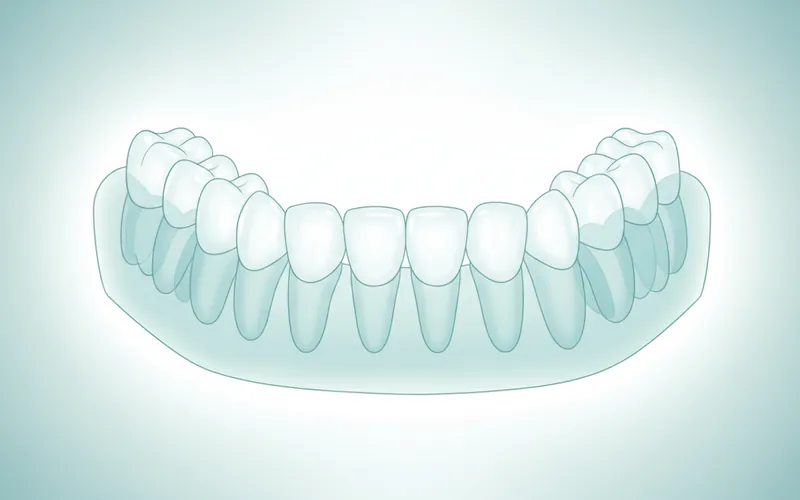
The primary function of these teeth extends beyond just aesthetics or eating. They play a critical role in:
- Chewing and Digestion: Allowing children to chew a variety of foods, contributing to proper nutrition.
- Speech Development: Guiding tongue placement for clear pronunciation and speech patterns.
- Space Maintenance: Holding the necessary space in the jaw for the permanent teeth that will eventually replace them. If a baby tooth is lost too early due to decay or injury, the adjacent teeth may drift into the empty space, causing alignment issues for the permanent tooth trying to erupt later.
- Jaw Development: Stimulating the growth and development of the jawbones.
- Self-Esteem: A healthy set of baby teeth contributes to a child's confidence and social interactions.
Understanding that these teeth are not "disposable" but rather foundational to lifelong oral health is the first step in prioritizing their care.
How Many Baby Teeth Do Children Have? The Eruption Timeline
The definitive answer to "how many baby teeth" a child will have is 20. This set consists of 10 teeth in the upper jaw (maxilla) and 10 teeth in the lower jaw (mandible). These 20 primary teeth are eventually replaced by 32 permanent teeth, including wisdom teeth.
The eruption of baby teeth typically follows a general timeline, though variations are common and usually normal. Most children will start teething around 6 months of age, and all 20 baby teeth are usually present by the time they are 3 years old.
Typical Eruption Sequence and Age Ranges
The order in which baby teeth emerge is quite predictable:
- Lower Central Incisors: (Front bottom two teeth) Typically erupt between 6 and 10 months. These are often the very first teeth you'll see.
- Upper Central Incisors: (Front top two teeth) Usually appear between 8 and 12 months.
- Upper Lateral Incisors: (Next to the upper central incisors) Erupt between 9 and 13 months.
- Lower Lateral Incisors: (Next to the lower central incisors) Erupt between 10 and 16 months.
- First Molars: (Top and bottom, back teeth) These are typically the first large chewing teeth, appearing between 13 and 19 months (upper) and 14 and 18 months (lower).
- Canines (Cuspids): (Pointy teeth next to the lateral incisors) Erupt between 16 and 22 months (upper) and 17 and 23 months (lower).
- Second Molars: (The very back teeth, top and bottom) These are the last baby teeth to emerge, typically between 23 and 33 months (upper) and 25 and 33 months (lower).
It's important to remember that these are averages. Some children may get their first tooth earlier (around 3-4 months), while others may not show any teeth until after their first birthday. This variation is usually not a cause for concern unless there are no teeth by 18 months of age, in which case a pediatric dental visit is recommended to assess the situation.
``
Shedding of Baby Teeth
Just as there's a sequence for eruption, there's also a general timeline for when baby teeth are lost, making way for permanent teeth. This process typically begins around age 6 and continues until about age 12 or 13. The baby teeth are usually lost in the same order they erupted, starting with the central incisors. The roots of the baby teeth are absorbed by the growing permanent teeth beneath them, causing the baby teeth to loosen and eventually fall out naturally.
| Baby Tooth Type | Typical Eruption Age (Months) | Typical Shedding Age (Years) |
|---|---|---|
| Lower Central Incisors | 6-10 | 6-7 |
| Upper Central Incisors | 8-12 | 6-7 |
| Upper Lateral Incisors | 9-13 | 7-8 |
| Lower Lateral Incisors | 10-16 | 7-8 |
| First Molars | 13-19 | 9-11 |
| Canines | 16-23 | 10-12 |
| Second Molars | 23-33 | 10-12 |
Causes / Why It Happens: The Teething Process
Teething is the natural physiological process where a baby tooth pushes through the gum line. It's a significant developmental milestone and a rite of passage for both infants and their parents. The exact "cause" is simply the natural progression of a child's development, driven by genetic and biological factors.
How Teething Occurs
Inside the jawbone, each tooth develops within a sac, surrounded by bone. As the tooth matures, it begins to move upwards, gradually dissolving the bone and tissue above it. Eventually, the crown (the visible part of the tooth) breaks through the gum tissue. This process can be uncomfortable, leading to the various signs and symptoms associated with teething.
Factors Influencing Eruption
While the general timeline is fairly consistent, several factors can influence when and how quickly a child's teeth erupt:
- Genetics: If parents teethed early or late, their child might follow a similar pattern.
- Nutrition: Adequate nutrition, especially calcium and vitamin D, is essential for healthy tooth development, though severe deficiencies are rare in developed countries.
- Hormonal Factors: Rarely, endocrine disorders can affect tooth eruption.
- Medical Conditions: Certain syndromes or medical treatments can impact dental development.
Pro Tip: Don't compare your child's teething timeline too closely with others. A wide range of "normal" exists. If you have concerns, consult your pediatric dentist.
Signs and Symptoms of Teething
Identifying teething symptoms is key to providing comfort. While every child experiences teething differently, some common signs indicate that teeth are on their way. It's crucial to differentiate these from signs of illness.
Normal Baby Gums vs Teething Gums
Understanding the difference between normal baby gums vs teething gums is important for parents.
- Normal Baby Gums: Appear smooth, firm, and consistently pink or coral in color. They are not typically swollen or tender to the touch.
- Teething Gums: Often look red, swollen, and tender in the area where a tooth is about to erupt. You might even see a small, bluish-red blister (an eruption hematoma) over the incoming tooth, which usually resolves on its own. The gum line may feel hard when touched gently, indicating the presence of the tooth just beneath the surface.
Common Teething Symptoms
- Increased Drooling: One of the most common signs, starting around 3-4 months of age, well before the first tooth appears.
- Gum Irritation: Swollen, tender, or red gums in the area of eruption.
- Fussiness and Irritability: Due to discomfort, babies may be more irritable or cry more often.
- Chewing/Biting: Babies will often try to chew or bite on anything they can get their hands on to relieve pressure on their gums.
- Refusal to Eat: Sore gums can make feeding uncomfortable.
- Slight Increase in Temperature: A very mild increase in body temperature (usually below 101°F or 38.3°C) may occur, but a high fever is NOT a teething symptom and indicates illness.
- Ear Pulling/Cheek Rubbing: Discomfort in the jaw can radiate to the ears or cheeks.
- Changes in Sleep Patterns: Discomfort can disrupt sleep.
When Symptoms are NOT Just Teething
It's vital for parents to recognize that while teething can cause mild discomfort, it does not cause severe illness. If your child exhibits any of the following, it's likely something more than just teething and requires attention from a pediatrician or dentist:
- High Fever: A temperature of 101°F (38.3°C) or higher.
- Diarrhea or Vomiting:
- Rashes (other than a mild rash around the mouth from drooling):
- Severe Lack of Appetite or Dehydration:
- Excessive Lethargy or Sickness:
If you are unsure whether your child's symptoms are due to teething or illness, always consult with your pediatrician.
Treatment Options for Teething Discomfort
While teething is a natural process that doesn't require "treatment" in the medical sense, there are several safe and effective ways to soothe your child's discomfort.
Home Remedies and Comfort Measures
- Gum Massage: Gently rub your child's gums with a clean finger, a soft, damp cloth, or a soft-bristled infant toothbrush. The pressure can provide relief.
- Teething Toys: Offer firm rubber teething rings (BPA-free) or toys that are cool (not frozen, as extreme cold can harm gums) for your child to chew on. Ensure they are age-appropriate and cannot be choked on.
- Cool Foods/Drinks: For older babies who have started solids, cool soft foods like yogurt, applesauce, or pureed fruits can be soothing. A sippy cup with cool water can also help.
- Clean Up Drool: Keep a clean cloth handy to wipe away excess drool to prevent skin irritation and rashes around the mouth.
- Cuddles and Distraction: Sometimes, the best remedy is simply extra comfort, cuddles, and distracting your child with play.
Over-the-Counter (OTC) Pain Relief
For more significant discomfort, parents can use OTC pain relievers approved for infants, but always consult your pediatrician for proper dosage based on your child's weight and age.
- Infant Acetaminophen (Tylenol): Can be given every 4-6 hours as needed.
- Infant Ibuprofen (Motrin/Advil): Can be given every 6-8 hours as needed for babies 6 months and older.
Important Note: The American Dental Association (ADA) and the Food and Drug Administration (FDA) strongly advise against using topical teething gels or creams containing benzocaine (e.g., Orajel) for children under two years old due to the risk of methemoglobinemia, a serious and potentially fatal blood disorder. Also, avoid homeopathic teething tablets, which have been found to contain inconsistent and potentially toxic levels of belladonna. Teething necklaces or bracelets are also unsafe due to choking and strangulation hazards.
Prevention: Protecting Baby Teeth
Preventing issues with baby teeth, such as decay and misalignment, is paramount. These strategies are essential from the moment the first tooth appears.
Early Oral Hygiene
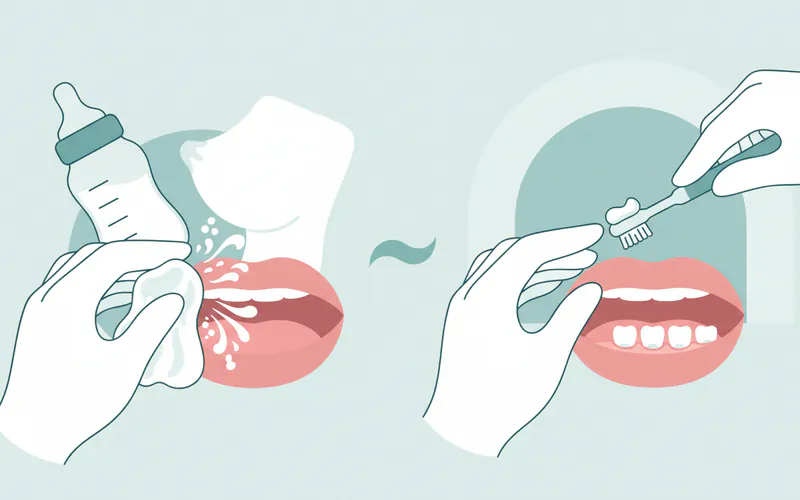
- Before Teeth Erupt: Wipe your baby's gums with a clean, damp cloth or gauze after feedings to remove milk residue and bacteria.
- First Tooth Erupts: Begin brushing twice a day with a soft-bristled infant toothbrush and a tiny smear of fluoride toothpaste (rice grain size). The ADA recommends fluoride toothpaste from the first tooth.
- Age 3-6: Increase the amount of fluoride toothpaste to a pea-sized dab. Continue to assist your child with brushing until they can do it effectively on their own (usually around age 7-8).
- Flossing: Once two teeth touch, begin flossing daily.
Dietary Habits
- Limit Sugary Drinks and Foods: Avoid offering sugary drinks like juice (especially in bottles), sodas, and sports drinks. Limit sweets and starchy snacks.
- No "Bottle Propping" or Bedtime Bottles: Do not put your baby to bed with a bottle containing anything other than water. Prolonged exposure to milk or juice while sleeping is a leading cause of Early Childhood Caries (ECC), also known as "baby bottle tooth decay."
- Healthy Diet: Encourage a balanced diet rich in fruits, vegetables, lean proteins, and dairy for overall health and strong teeth.
- Water is Best: Promote water consumption throughout the day.
Regular Dental Check-ups
- First Dental Visit: The ADA recommends scheduling your child's first dental visit by their first birthday or within six months of the first tooth's eruption. This initial visit is crucial for establishing a "dental home," assessing oral development, and providing preventive guidance.
- Routine Visits: After the initial visit, follow your pediatric dentist's recommendations, usually every six months for check-ups and cleanings.
Fluoride and Sealants
- Fluoride: Fluoride strengthens tooth enamel and helps prevent cavities. It's often present in tap water. Your dentist may also recommend professional fluoride varnish applications during routine visits, which are highly effective in protecting baby teeth.
- Dental Sealants: For molars (both baby and permanent), dental sealants are a protective plastic coating applied to the chewing surfaces to prevent food and bacteria from getting into the grooves and causing cavities. While more commonly applied to permanent molars, they can be beneficial for baby molars in high-risk children.
Risks and Complications Affecting Baby Teeth
While baby teeth are designed to last until their permanent successors are ready, certain issues can compromise their health and the development of the permanent dentition.
Early Childhood Caries (ECC)
Also known as baby bottle tooth decay, ECC is a severe form of tooth decay that can affect infants and toddlers. It's primarily caused by prolonged and frequent exposure of teeth to sugary liquids, often from bottles at bedtime or prolonged pacifier use dipped in sweeteners.
- Signs: White spots near the gum line, then yellow, brown, or black stains, eventually leading to cavities and tooth loss.
- Risks: Pain, infection, difficulty eating, speech problems, and early loss of baby teeth, which can impact the alignment of permanent teeth.
Delayed Eruption or Impaction
In some cases, baby teeth may take an unusually long time to erupt (delayed eruption) or may not erupt at all (impaction).
- Causes: Genetic factors, nutritional deficiencies, systemic diseases, or physical obstructions (like extra teeth or dense gum tissue).
- Intervention: A pediatric dentist can take X-rays to assess the underlying teeth and recommend appropriate action, if any.
Traumatic Dental Injuries
Children are active and prone to falls. Injuries to baby teeth are common.
- Consequences: Chipped, fractured, loosened, or knocked-out baby teeth. These injuries can also affect the developing permanent tooth underneath.
- Action: Any dental trauma should be evaluated by a dentist promptly to assess the damage and prevent potential complications.
Thumb Sucking Teeth and Pacifier Habits
Persistent habits like thumb sucking or pacifier use beyond a certain age can have a significant impact on the alignment of your child's teeth and jaws. When we talk about thumb sucking teeth, we are referring to the orthodontic changes that can occur.
- Impact on Dental Alignment:
- Protruded Front Teeth (Overjet): The upper front teeth may be pushed forward, creating an "overbite" appearance.
- Open Bite: A space may develop between the upper and lower front teeth when the child bites down, meaning they don't meet.
- Crossbite: The upper jaw may narrow, leading to a crossbite where the upper teeth fit inside the lower teeth.
- Speech Issues: Altered tooth and jaw positioning can affect speech development.
- When to Be Concerned: Most pediatric dentists agree that thumb sucking and pacifier use are generally harmless before age 2-4. However, if the habit continues vigorously beyond age 4 or 5, or if you notice changes in tooth alignment, intervention may be necessary.
- Intervention Strategies:
- Positive Reinforcement: Praise and reward children for not sucking.
- Identify Triggers: Understand when and why the child sucks their thumb (e.g., boredom, anxiety, tiredness).
- Dental Appliances: For persistent habits, a pediatric dentist may recommend a custom-made appliance (e.g., a palatal expander with a "crib") that makes thumb sucking uncomfortable, breaking the habit.
- Open Communication: Discuss the habit and its potential consequences with your child in an age-appropriate manner.
Pro Tip: Choose an orthodontic pacifier if your child uses one. It's often easier to break a pacifier habit than a thumb-sucking habit, as you can control the pacifier.
Children / Pediatric Considerations
Pediatric dentistry is a specialized field focused on the oral health of infants, children, and adolescents. Understanding age-specific guidance is critical for parents.
The First Dental Visit: By Age 1
The ADA and the American Academy of Pediatric Dentistry (AAPD) recommend that a child's first dental visit occur no later than their first birthday or within six months of the eruption of the first tooth.
- Purpose: This "well-baby" visit isn't typically for extensive treatment but rather for:
- Oral health risk assessment.
- Education for parents on proper oral hygiene, diet, fluoride use, and injury prevention.
- Examination for early signs of decay or developmental issues.
- Establishing a positive relationship with the dentist.
Daily Oral Hygiene for Young Children
- Infants (0-12 months): Wipe gums after feeding. Brush first tooth with a rice-grain smear of fluoride toothpaste twice daily.
- Toddlers (1-3 years): Continue brushing twice daily with a rice-grain smear of fluoride toothpaste. Introduce flossing once teeth touch. Supervise brushing closely.
- Preschoolers (3-6 years): Use a pea-sized dab of fluoride toothpaste. Continue to supervise and assist with brushing, ensuring all tooth surfaces are cleaned.
Nutrition and Oral Health
- Breastfeeding: Supports healthy jaw development.
- Weaning: Transition from bottle to cup by age 1.
- Snacking: Limit between-meal snacks, especially sugary ones. Offer water instead of juice.
Management of "Thumb Sucking Teeth" and Pacifier Use
As discussed, managing persistent thumb sucking or pacifier use is a key pediatric consideration. Early intervention is often easier and more effective in preventing long-term orthodontic problems. A pediatric dentist can offer personalized advice and strategies.
| Habit | Potential Dental Impact | Recommended Age for Intervention |
|---|---|---|
| Thumb Sucking | Anterior open bite, proclined incisors, narrow upper jaw | By age 4-5 |
| Pacifier Use | Similar to thumb sucking, but often easier to discontinue | By age 2-4 |
| Bottle Use (past 1 year) | Early Childhood Caries (ECC), particularly "baby bottle decay" | Wean by 12-18 months |
| Mouth Breathing | Dry mouth (increased caries risk), altered facial development | Evaluate early (e.g., by age 3-4) |
Cost Breakdown: Pediatric Dental Care
The cost of pediatric dental care can vary significantly based on location, the specific services needed, and whether you have dental insurance. Here's a general breakdown of average US costs.
Average US Costs Without Insurance
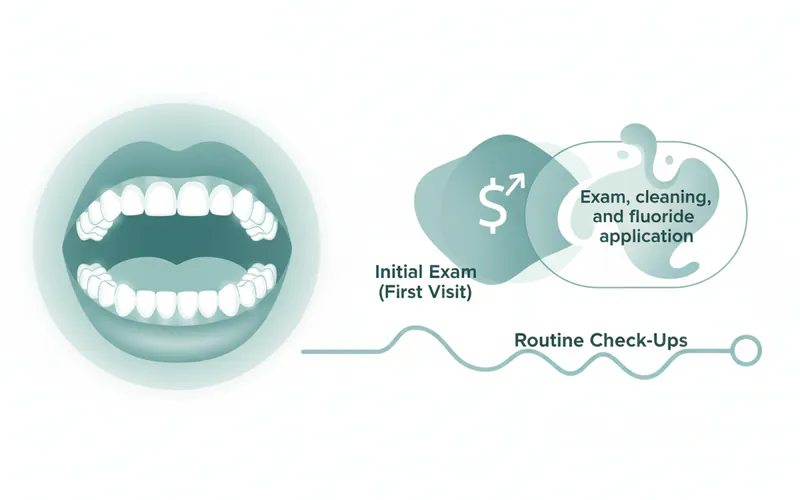
- Initial Exam (First Visit): Expect to pay between $100-$300. This often includes an exam, cleaning, and fluoride application.
- Routine Check-up and Cleaning: Usually ranges from $80-$200.
- Fluoride Varnish Application: $20-$50 per application.
- Dental Sealants: $30-$70 per tooth.
- Fillings for Baby Teeth:
- Amalgam (silver) filling: $100-$250 per tooth.
- Composite (white, tooth-colored) filling: $150-$400 per tooth (often preferred for aesthetics).
- Stainless Steel Crowns (for severely decayed baby molars): $250-$500 per tooth.
- Space Maintainer (if a baby tooth is lost prematurely): $250-$600.
- Pulpotomy (nerve treatment for baby teeth): $200-$400.
- Extraction of Baby Tooth: $75-$250 (simple extraction).
With Insurance (Dental PPO/HMO)
Most dental insurance plans cover a significant portion of pediatric preventive care.
- Preventive Care (Exams, Cleanings, Fluoride, X-rays): Often covered at 100%, or with a small co-pay, especially for children. Many plans do not count these services towards your deductible.
- Basic Restorative Care (Fillings): Typically covered at 80%, meaning you pay 20% after meeting your deductible.
- Major Restorative Care (Crowns, Space Maintainers): Usually covered at 50%, meaning you pay 50% after meeting your deductible.
It's crucial to check your specific insurance policy for details on coverage, deductibles, annual maximums, and in-network providers.
Payment Plans and Financing Options
For families without insurance or those facing significant out-of-pocket costs, several options can help:
- Dental Schools: Many university dental schools offer reduced-cost services, as procedures are performed by students under the supervision of experienced faculty.
- Community Health Clinics: Often provide affordable dental care to underserved populations.
- Payment Plans: Many dental offices offer in-house payment plans, allowing you to pay for treatment over several months.
- Third-Party Financing: Services like CareCredit or LendingClub provide healthcare-specific credit options with various interest rates and payment terms.
- Health Savings Accounts (HSAs) or Flexible Spending Accounts (FSAs): These tax-advantaged accounts can be used to pay for qualified medical and dental expenses.
Pro Tip: Always ask your pediatric dentist's office about their fee schedule, insurance acceptance, and any available payment plans before beginning treatment. Early detection and prevention are almost always less expensive than treating advanced problems.
Frequently Asked Questions
### How many baby teeth does a child have in total?
Children have a total of 20 baby teeth, also known as primary or deciduous teeth. There are 10 in the upper jaw and 10 in the lower jaw, which serve as placeholders for the permanent teeth and are crucial for chewing, speech, and jaw development.
### When do baby teeth usually start to come in?
The first baby teeth typically begin to erupt between 6 and 10 months of age, though this can vary. The lower central incisors are usually the first to appear, followed by the upper central incisors.
### Is it normal for my baby to have a fever while teething?
Teething can cause a slight increase in body temperature, usually below 101°F (38.3°C). However, a high fever or severe symptoms like diarrhea, vomiting, or rashes are not normal for teething and indicate an underlying illness that requires medical attention.
### What is the importance of caring for baby teeth if they are just going to fall out?
Caring for baby teeth is extremely important because they hold space for permanent teeth, aid in proper chewing and nutrition, contribute to clear speech, and guide jaw development. Neglecting baby teeth can lead to pain, infection, early tooth loss, and alignment problems for the permanent teeth.
### What can I do to soothe my baby's teething pain?
You can soothe teething pain by gently massaging your baby's gums with a clean finger, offering firm, cool (not frozen) teething rings, providing cool soft foods for older babies, and giving extra cuddles. Over-the-counter infant pain relievers like acetaminophen or ibuprofen (for babies over 6 months) can be used, but avoid benzocaine-containing gels.
### When should my child have their first dental visit?
The American Dental Association (ADA) recommends that your child has their first dental visit by their first birthday or within six months of the eruption of their first tooth, whichever comes first. This visit focuses on prevention and parent education.
### How long does thumb sucking affect teeth?
Thumb sucking can affect the alignment of teeth and the development of the jaws if it continues vigorously beyond age 4 or 5. It can lead to issues like an open bite (gap between front teeth), protruded front teeth, or a narrow upper jaw.
### Are dental sealants recommended for baby teeth?
Yes, dental sealants can be recommended for baby molars, especially in children at high risk for cavities. Sealants are thin, protective coatings applied to the chewing surfaces of teeth to prevent food and bacteria from getting into the grooves and causing decay.
### How much does a typical pediatric dental check-up cost without insurance?
A typical pediatric dental check-up and cleaning without insurance can range from $80 to $200. The initial comprehensive visit for a very young child might be slightly higher, between $100 and $300, as it often includes extensive parent education.
### What is "baby bottle tooth decay" and how can it be prevented?
"Baby bottle tooth decay," or Early Childhood Caries (ECC), is severe tooth decay in infants and toddlers caused by prolonged exposure to sugary liquids (milk, juice) in bottles, especially at bedtime. It's prevented by not putting babies to bed with bottles containing anything other than water and ensuring good oral hygiene.
When to See a Dentist
While much of pediatric dental care revolves around routine prevention and monitoring, there are specific instances where a visit to the dentist, particularly a pediatric dentist, is urgently needed.
Red Flags for Immediate Attention:
- Severe Toothache: If your child complains of persistent or intense tooth pain, especially if it wakes them up at night, it could indicate a deep cavity or infection.
- Swelling in the Mouth or Face: Swelling around a tooth, on the gums, or on the face often points to a dental abscess or infection that requires immediate treatment.
- Dental Trauma: Any injury to the teeth, gums, or mouth (e.g., chipped, fractured, loosened, or knocked-out teeth from a fall or accident) warrants an immediate dental evaluation. Even if the injury seems minor, it could affect the underlying permanent tooth.
- Signs of Infection: Fever accompanied by dental pain, pus around a tooth, or difficulty eating due to pain should prompt an emergency visit.
- Difficulty Breathing or Swallowing: If an oral infection has spread and is affecting your child's ability to breathe or swallow, this is a medical emergency requiring immediate attention at an emergency room if a dental office is unavailable.
- Prolonged Teething Symptoms with High Fever: While mild fever is associated with teething, a high fever (over 101°F or 38.3°C) or other severe symptoms like diarrhea or vomiting are NOT typical teething signs and warrant a medical or dental evaluation.
Routine Care vs. Emergency Guidance:
- Routine Care: Schedule regular check-ups as recommended by your pediatric dentist, typically every six months. Your child's first dental visit should be by their first birthday or when the first tooth appears. These appointments are crucial for prevention, early detection of problems, and establishing a "dental home."
- Emergency Care: If any of the "red flag" symptoms occur, contact your pediatric dentist immediately. Many dental offices have emergency contact numbers or specific protocols for after-hours emergencies. Do not delay, as prompt treatment can prevent more severe complications.
Your child's baby teeth are more important than you might realize, laying the foundation for their permanent smile and overall health. By understanding "how many baby teeth" they'll have, their eruption patterns, and how to properly care for them, you empower yourself to protect their oral health journey. Regular dental visits, good home hygiene, and addressing habits like thumb sucking proactively are investments in a lifetime of healthy smiles.
Frequently Asked Questions
Medically Reviewed Content
This article was written by our dental health editorial team and reviewed for medical accuracy. Our content follows strict editorial guidelines for reliability and trustworthiness.
Medical Disclaimer
This article is for informational purposes only and does not constitute medical advice. Always consult with a qualified dental professional for diagnosis and treatment. Do not delay seeking professional advice because of something you read on this website.
Related Articles
Kitten Teething Toys: Complete Guide
Few milestones in early life bring as much joy – and sometimes, as much discomfort – as teething. Just as a playful kitten explores its new world by mouthing and chewing on everything it can, human babies also embark on a similar developmental journey. In fact, over 80% of infants experience som
February 22, 2026
How Many Teeth Do Children Have
Did you know that a child's smile goes through more dramatic transformations in their first 12 years than an adult's does in a lifetime? Understanding the journey of your child's dental development is fundamental to ensuring their lifelong oral health. For many parents, a common question arises: **h
February 22, 2026
Teething Syndrome: Complete Guide
As a parent, few things are as universally anticipated and often dreaded as the arrival of your baby's first tooth. While a milestone to celebrate, the process of primary tooth eruption, commonly known as teething syndrome, can bring with it a host of challenging symptoms. In fact, studies sugge
February 22, 2026
When Do Kittens Lose Their Baby Teeth
When Do Kittens Lose Their Baby Teeth
February 22, 2026