How Many Baby Teeth Do You Lose
Key Takeaways
- More than 17 million children in the United States lose a baby tooth each year, marking a significant milestone in their development. But for many parents, the process of losing primary (baby) teeth and the eruption of permanent teeth can raise numerous questions and concerns. Understanding **how ma
More than 17 million children in the United States lose a baby tooth each year, marking a significant milestone in their development. But for many parents, the process of losing primary (baby) teeth and the eruption of permanent teeth can raise numerous questions and concerns. Understanding how many baby teeth do you lose and what to expect during this transition is crucial for ensuring optimal oral health and addressing common childhood ailments that might coincide with dental changes. This comprehensive guide from SmilePedia.net will walk you through the fascinating journey of your child's dental development, from the first wiggle to the emergence of their adult smile, covering everything from normal shedding patterns to potential complications and related childhood health issues.
Key Takeaways:
- Children typically lose 20 baby teeth between the ages of 6 and 12 years old.
- The first baby teeth to fall out are usually the lower central incisors, around 6-7 years of age.
- Permanent teeth erupt to replace baby teeth, with molars emerging behind them, eventually totaling 32 adult teeth.
- Routine pediatric dental check-ups, typically costing $100-$300 per visit without insurance, are essential to monitor tooth loss and eruption.
- While sometimes coincidental, teething does not directly cause diarrhea; seek medical advice if your child experiences severe or persistent digestive issues.
- Complications like premature tooth loss may require a space maintainer, costing $200-$600, to prevent future orthodontic problems.
- Maintain excellent oral hygiene from an early age to prevent cavities in baby teeth, which can impact the health and alignment of developing permanent teeth.
What It Is: The Natural Process of Losing Baby Teeth
The process of losing baby teeth, also known as primary or deciduous teeth, is a natural and essential stage of a child's development. Every child is born with two sets of teeth waiting to emerge: the primary teeth and the permanent teeth. The baby teeth serve several vital functions, including helping children chew food, speak clearly, and most importantly, holding space in the jaw for the permanent teeth that will follow.
Children typically have 20 baby teeth – 10 in the upper jaw and 10 in the lower jaw. These teeth usually begin to erupt around 6 months of age, with the full set present by age 2.5 to 3 years. The shedding of these primary teeth generally starts around age 6 and continues until about age 12. This remarkable biological process is orchestrated by the body as the permanent teeth, developing directly underneath the baby teeth, begin to push upwards. As the permanent tooth prepares to erupt, its crown presses against the root of the baby tooth, causing the root to gradually dissolve, a process called resorption. Without a root to hold it in place, the baby tooth becomes loose and eventually falls out, making way for the permanent tooth.
This entire transition period is often referred to as the "mixed dentition" stage, where a child has a combination of both baby and permanent teeth in their mouth. It's a dynamic time of growth and change, vital for shaping the child's future oral health and bite.
Types and Patterns of Tooth Loss
While the exact timing can vary slightly from child to child, there is a general sequence in which baby teeth are lost and permanent teeth erupt. Understanding this pattern can help parents anticipate what to expect.
The 20 Baby Teeth and Their Order of Loss
The 20 baby teeth consist of:
- Central Incisors (4): The two front teeth on top and two on the bottom.
- Lateral Incisors (4): The teeth on either side of the central incisors.
- Canines (4): Also known as cuspids, these are the pointy teeth next to the lateral incisors.
- First Molars (4): Located behind the canines.
- Second Molars (4): The very back teeth in a child's mouth.
The typical order of tooth loss is largely symmetrical, meaning teeth on the left side usually fall out around the same time as their counterparts on the right side. Similarly, lower teeth often precede upper teeth.
Typical Baby Tooth Loss Timeline:
| Tooth Type | Typical Age of Loss (Years) |
|---|---|
| Lower Central Incisors | 6-7 |
| Upper Central Incisors | 7-8 |
| Lower Lateral Incisors | 7-8 |
| Upper Lateral Incisors | 8-9 |
| Lower First Molars | 9-11 |
| Upper First Molars | 9-11 |
| Lower Canines | 9-12 |
| Upper Canines | 10-12 |
| Lower Second Molars | 10-12 |
| Upper Second Molars | 10-12 |
It's important to remember that these are averages. Some children may start losing teeth as early as 5 years old, while others may not begin until 7. Minor deviations from this timeline are usually no cause for concern, but significant delays or early losses warrant a dental visit.
Permanent Teeth Eruption
As baby teeth are lost, permanent teeth begin to erupt. There are 32 permanent teeth in total, including wisdom teeth (third molars) that typically emerge in late adolescence or early adulthood. The first permanent teeth to erupt are often the first molars, which emerge at the very back of the mouth around age 6, behind all the baby teeth, and do not replace any primary teeth. Following these, the central incisors begin to replace their baby tooth predecessors.
Causes: Why Baby Teeth Fall Out
The shedding of baby teeth is not a random event but a precisely orchestrated biological process driven by several interconnected factors:
1. Root Resorption
This is the primary mechanism. As the permanent tooth develops beneath the baby tooth, it secretes specialized cells called odontoclasts. These cells gradually dissolve or "resorb" the root of the baby tooth. Without its root, the baby tooth loses its anchor in the jawbone, becoming loose and eventually falling out. This process ensures that the permanent tooth has a clear path to erupt into its correct position.
2. Genetic Programming
The timing and sequence of tooth loss are largely genetically predetermined. Just like other developmental milestones, children inherit a general timetable for their dental development. This explains why children within the same family often follow similar patterns of tooth loss.
3. Jaw Growth and Development
As a child grows, their jaws also expand to accommodate the larger, more numerous permanent teeth. This growth helps create the necessary space for the permanent dentition and facilitates the eruption process. The outward growth of the jaw helps position the permanent teeth correctly as they push up.
4. Pressure from Erupting Permanent Teeth
The developing permanent tooth exerts pressure on the overlying baby tooth as it moves towards the surface. This pressure stimulates the resorption process and contributes to the loosening of the baby tooth.
5. Chewing and Everyday Use
While not the primary cause, the normal forces of chewing and biting can also play a minor role in the final stage of a tooth's looseness, sometimes helping to dislodge a baby tooth that has already undergone significant root resorption.
Signs and Symptoms of Losing a Baby Tooth
For most children, losing a baby tooth is a relatively straightforward experience, but there are common signs parents can look for:
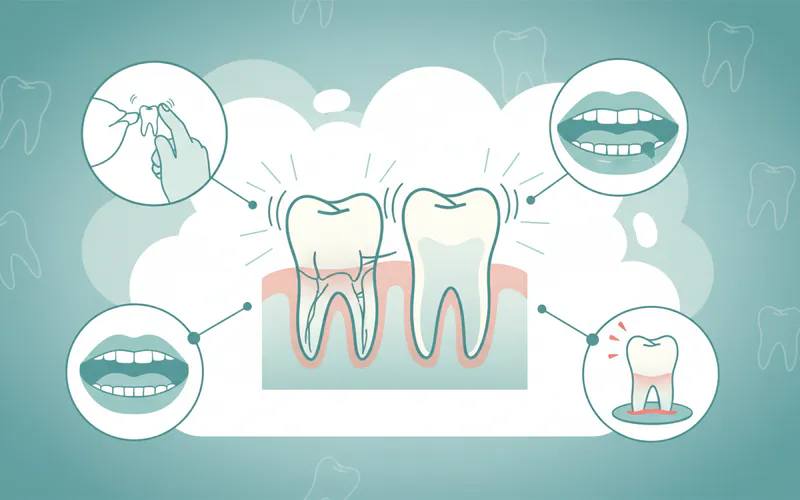
- Wiggling Tooth: The most obvious sign is a loose tooth. Your child might notice it with their tongue or finger. Encourage them to gently wiggle it, but not forcefully pull it, as this can damage the gums.
- Gaps: After a tooth falls out, a small gap will be visible in the gum. The new permanent tooth will usually start to appear within a few weeks to months.
- Minor Discomfort: While usually not painful, some children might experience slight soreness or sensitivity in the gum around the loose tooth.
- Slight Bleeding: When a tooth finally comes out, there might be a small amount of blood, which usually stops quickly. Applying gentle pressure with a clean gauze pad can help.
- Difficulty Chewing: A very loose tooth can make it uncomfortable to bite into hard foods. Children might favor the other side of their mouth or opt for softer foods.
- Swollen or Red Gums (Mild): The gum around an erupting permanent tooth might appear slightly swollen or red. This is normal and a sign that the new tooth is on its way.
Pro Tip: Encourage your child to wiggle a loose tooth gently with their tongue or clean fingers. Allowing the tooth to fall out naturally minimizes pain and trauma to the gum tissue, ensuring a healthier emergence for the permanent tooth.
Treatment Options for Managing Tooth Loss (and Complications)
While losing baby teeth is a natural process that doesn't typically require "treatment," there are scenarios where dental intervention becomes necessary. These usually involve managing discomfort or addressing complications.
1. Natural Progression (No Intervention)
- Pros: Minimal stress for the child, healthy development.
- Cons: Child might experience minor discomfort, may need encouragement to wiggle.
- What to expect: The tooth will loosen over several days or weeks and eventually fall out on its own, usually during eating or sleep.
2. Gentle Home Removal (If Tooth is Very Loose)
- Pros: Can prevent a child from swallowing a loose tooth, offers a sense of control for the child.
- Cons: Should only be done if the tooth is extremely loose and barely attached; forceful removal can cause pain, bleeding, and gum trauma.
- What to expect: If the tooth is hanging by a thread, you can gently twist it with a clean tissue. If there's any resistance, stop immediately.
- Pro Tip: Never use string or force to pull a baby tooth unless it is already on the verge of falling out naturally. This can be traumatic for the child and potentially damage the developing permanent tooth or gum tissue.
3. Dental Extraction (For Complications)
In certain situations, a pediatric dentist may need to extract a baby tooth.
- "Shark Teeth" (Retained Primary Tooth): This occurs when a permanent tooth starts to erupt behind or in front of a baby tooth that hasn't fallen out yet. If the baby tooth shows no signs of loosening, the dentist might extract it to allow the permanent tooth to move into its correct position.
- Pros: Prevents potential crowding or misalignment of permanent teeth.
- Cons: Requires a dental visit and procedure, potentially some anxiety for the child.
- Cost: A simple extraction of a primary tooth can range from $75 to $200 per tooth in the US, depending on complexity and location.
- Over-retained Primary Tooth: Sometimes a baby tooth's root doesn't resorb properly, causing it to remain in the jaw even after the permanent tooth is ready to erupt or has already erupted.
- Pros: Clears the path for proper permanent tooth alignment.
- Cons: Same as "Shark Teeth" extractions.
- Premature Loss Due to Decay or Injury: If a baby tooth is lost too early due to severe decay, infection, or trauma, a dentist might recommend a space maintainer.
- Pros: Preserves the space for the permanent tooth, preventing other teeth from drifting and causing future crowding.
- Cons: Requires additional appliance, regular check-ups.
- Cost: A space maintainer typically costs between $200 and $600, depending on the type and whether it's for one side or both.
4. Space Maintainers
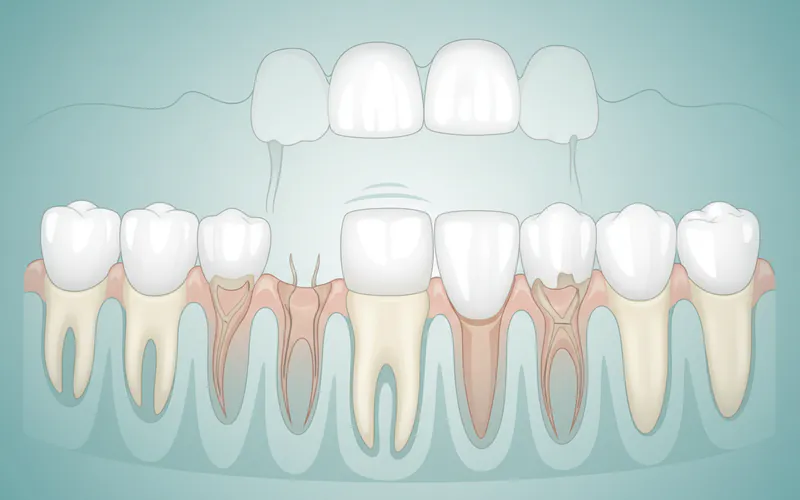
These custom-made orthodontic appliances are crucial when a baby tooth is lost prematurely (before its natural shedding time). A space maintainer holds open the gap left by the missing tooth, preventing adjacent teeth from drifting into the space and blocking the eruption path of the permanent tooth.
- Types:
- Band-and-loop: Most common for single missing teeth. A stainless-steel band is cemented around a tooth next to the gap, with a wire loop extending to the other side of the gap.
- Distal shoe: Used when a second baby molar is lost before the first permanent molar has erupted. It has a metal piece that extends into the gum to guide the permanent molar.
- Lingual arch: For multiple missing lower teeth; a wire connects molars on both sides along the inside of the lower front teeth.
- Nance arch: Similar to lingual arch for the upper jaw, but with an acrylic button on the roof of the mouth.
- Pros: Prevents serious crowding and orthodontic issues in the future, potentially saving thousands in later orthodontic treatment.
- Cons: Requires good oral hygiene around the appliance, occasional adjustments, potential for breakage.
Step-by-Step Process: What to Expect When a Tooth is Loose
The journey of a loose tooth generally follows a predictable path:
- Discovery: Your child discovers a loose tooth, often by wiggling it with their tongue or finger. This is usually the lower front teeth first.
- Increased Wiggling: Over days or weeks, the tooth becomes progressively looser as its root continues to resorb. Encourage gentle wiggling with the tongue, but discourage aggressive pulling.
- Discomfort (Mild): The gum around the tooth may feel a little tender, and the child might chew more cautiously.
- Final Loosening: The tooth will eventually be held by only a small piece of gum tissue.
- The Fall: The tooth usually comes out naturally during eating, while brushing, or sometimes even in their sleep.
- Minor Bleeding: There may be a small amount of blood, which can be controlled by having your child bite down on a clean piece of gauze or a wet paper towel for a few minutes.
- Appearance of Permanent Tooth: Within a few weeks to several months, the permanent tooth will begin to emerge in the space. Sometimes, the permanent tooth might start erupting before the baby tooth falls out ("shark teeth"), which usually resolves itself but sometimes requires dental intervention.
- Oral Hygiene: Emphasize careful brushing around the new gap and the emerging permanent tooth.
Cost and Insurance Considerations for Dental Care During Tooth Transition
While losing a baby tooth naturally doesn't incur a direct cost, associated dental care, especially for complications, does. Understanding these costs and how insurance plays a role is vital for parents.
Average US Costs for Common Pediatric Dental Procedures (Without Insurance):
| Procedure | Average Cost Range (US$) | Notes |
|---|---|---|
| Pediatric Dental Check-up (includes exam, cleaning, fluoride) | $100 - $300 | Varies by region and clinic; first visit may be more. |
| X-rays (Bitewing/Panoramic) | $25 - $150 | Often included in initial visit or as needed. Panoramic X-rays show developing permanent teeth. |
| Simple Baby Tooth Extraction | $75 - $200 | Per tooth; depends on complexity. |
| Space Maintainer (Band-and-loop) | $200 - $600 | Per appliance; often includes placement and follow-up adjustments. |
| Dental Filling (Baby Tooth, Amalgam/Composite) | $75 - $250 | Varies significantly by material, size, and number of surfaces. |
| Pulp Therapy (Pulpotomy for baby tooth) | $200 - $400 | For baby teeth with deep decay affecting the nerve. |
| Stainless Steel Crown (Baby Tooth) | $250 - $450 | For extensively decayed baby teeth after pulpotomy. |
Insurance Coverage Details
Most dental insurance plans in the US offer significant coverage for pediatric dental care.
- Preventive Care: Routine check-ups, cleanings, and fluoride treatments are often covered at 80-100%, as they are crucial for preventing more serious issues. The American Dental Association (ADA) strongly recommends regular preventive care from an early age.
- Basic Procedures: Fillings, simple extractions, and space maintainers are typically covered at 50-80% after a deductible is met.
- Major Procedures: More complex procedures, like pulpotomies and stainless steel crowns, might have lower coverage (e.g., 50%) or higher deductibles.
- Orthodontic Coverage: Some dental insurance plans, especially those designed for families, may include a lifetime maximum benefit for orthodontic treatment, which could apply to early interceptive orthodontics (Phase I) if needed due to tooth loss issues.
- Medicaid/CHIP: For eligible low-income families, Medicaid and the Children's Health Insurance Program (CHIP) provide comprehensive dental benefits for children, often covering the full cost of necessary dental care, including preventive, basic, and some major services.
Payment Plans and Financing Options
For families without insurance or facing high out-of-pocket costs, many dental offices offer:
- In-house payment plans: Spreading the cost over several months.
- Dental discount plans: A membership program where you pay an annual fee for discounted rates on services.
- Third-party financing: Companies like CareCredit offer special healthcare credit cards with deferred interest options.
- Community dental clinics: Often provide services at reduced rates or on a sliding scale based on income.

Recovery and Aftercare After Tooth Loss
The period immediately following a baby tooth falling out is generally short and uncomplicated.
- Bleeding Control: If there's any bleeding, have your child bite down on a clean gauze pad or a wet tea bag (the tannic acid helps with clotting) for 5-10 minutes.
- Pain Management: Minor discomfort is normal. Over-the-counter pain relievers like ibuprofen (Advil, Motrin) or acetaminophen (Tylenol) can be used as directed by your pediatrician or dentist.
- Food Choices: For the first day or two, encourage soft foods and avoid anything too crunchy or hard that could irritate the empty socket. Avoid straws, as the sucking motion can dislodge any forming clot.
- Oral Hygiene: Gently brush and floss around the area, being careful not to irritate the healing gum. Continue regular brushing and flossing for the rest of the mouth.
- Monitoring for New Teeth: Keep an eye out for the permanent tooth to start erupting. It typically emerges within a few weeks to months.
Prevention: Maintaining Oral Health During Tooth Transition
While losing baby teeth is natural, preventing complications and ensuring the healthy eruption of permanent teeth is key.
- Regular Dental Check-ups: Schedule biannual visits to a pediatric dentist starting by age one or with the eruption of the first tooth. These visits allow the dentist to monitor the progress of tooth loss, check for developing permanent teeth, and address any potential issues early.
- Excellent Oral Hygiene:
- Brush twice daily with fluoride toothpaste (a tiny smear for children under 3, a pea-sized amount for ages 3-6).
- Floss daily once teeth touch.
- Ensure proper brushing technique to clean all surfaces, including around loose teeth and emerging permanent teeth.
- Healthy Diet: Limit sugary snacks and drinks. A balanced diet provides the nutrients necessary for strong teeth and gums.
- Preventing Premature Loss: Protect baby teeth from decay and injury. Fill cavities promptly. Use mouthguards during sports. Losing a baby tooth too early due to decay or trauma can lead to space issues for permanent teeth.
- Monitor "Shark Teeth": If a permanent tooth starts to emerge but the baby tooth isn't loose, give it a few weeks. If the baby tooth remains firm, consult your dentist. Often, gentle wiggling will encourage the baby tooth to fall out.
- Educate Your Child: Talk to your child about the process, make it exciting, and teach them proper care for their changing mouth.
Risks and Complications During Tooth Loss
While usually smooth, there are potential issues that can arise during the tooth transition period:
- Retained Primary Teeth (Shark Teeth): As mentioned, when a permanent tooth erupts before the baby tooth falls out. This can cause crowding and misalignment if not addressed.
- Delayed Shedding: If a baby tooth is significantly past its typical shedding age (e.g., a 9-year-old still has a lower central incisor), it might indicate that the permanent tooth is missing, impacted, or has an abnormal eruption path. X-rays can confirm this.
- Premature Loss: Losing a baby tooth much earlier than expected (e.g., due to severe decay, injury, or infection) can cause the adjacent teeth to drift into the empty space, leaving insufficient room for the permanent tooth. This often requires a space maintainer.
- Ankylosis: In rare cases, a baby tooth's root can fuse to the jawbone, preventing it from falling out naturally and blocking the permanent tooth's eruption.
- Impacted Permanent Teeth: Sometimes, permanent teeth get "stuck" in the jawbone and cannot erupt properly, often due to lack of space or an abnormal position. This is often detected via X-rays during routine dental visits.
- Ectopic Eruption: A permanent tooth erupts in an incorrect position, which might require orthodontic intervention.
- Dental Abscess/Infection: If a severely decayed baby tooth is not treated, it can lead to an abscess that can affect the developing permanent tooth underneath.
- Damage to Permanent Tooth: In very rare cases, trauma to a baby tooth can affect the underlying permanent tooth bud, leading to discoloration, enamel defects, or malformation of the permanent tooth.
Children / Pediatric Considerations: More Than Just Loose Teeth
This period of active dental change coincides with other significant developmental milestones and common childhood health issues. Parents often conflate various symptoms, making accurate information crucial.
Typical Dental Development Timeline
Understanding the full scope of a child's dental development is helpful:
| Age Range | Dental Milestones |
|---|---|
| 0-6 Months | Gums prepare for eruption; no teeth visible yet. |
| 6-12 Months | First primary teeth erupt (lower central incisors typically first). |
| 1-2.5 Years | All 20 primary teeth usually erupt. Regular dental check-ups should have started. |
| 2.5-5 Years | Full set of baby teeth. Maintain good hygiene. |
| 6-8 Years | First permanent molars erupt; lower central incisors and upper central incisors lost. |
| 8-10 Years | Lateral incisors lost; more permanent teeth erupt. |
| 10-12 Years | Canines and molars lost; most permanent teeth (excluding wisdom teeth) erupt. |
| 12+ Years | All primary teeth are typically replaced by permanent teeth. Monitor for wisdom teeth. |
Addressing Related Childhood Health Concerns
During the years of losing baby teeth, children are also susceptible to other common ailments. It's crucial for parents to distinguish between dental issues and other health concerns.
Can Teething Cause Diarrhea?
This is a very common question among parents. Medically, there is no direct scientific evidence linking teething to diarrhea, fever, or respiratory symptoms. The American Academy of Pediatrics (AAP) and the American Dental Association (ADA) state that while teething can cause mild discomfort, increased drooling, and fussiness, it does not directly cause significant systemic symptoms like diarrhea or high fever.
- Why the Misconception? Several factors contribute to this belief:
- Coincidence: Teething occurs during a period when infants and toddlers are naturally prone to illnesses as their immune systems develop and they explore the world by putting objects in their mouths.
- Increased Saliva: Excessive drooling can lead to looser stools because the child swallows more saliva, which can pass through the digestive system. However, this is usually not true diarrhea (watery, frequent stools).
- Oral Exploration: During teething, children often chew on toys, fingers, and other objects to relieve gum discomfort. This increased mouthing behavior can expose them to more germs, potentially leading to mild gastrointestinal upset or other infections that manifest with symptoms like diarrhea.
- What to Do: If your child experiences true diarrhea, vomiting, or a fever (especially over 100.4°F or 38°C), it's important to consult a pediatrician. These symptoms are likely due to an illness (viral or bacterial) and not just teething. Proper hydration is critical in these situations.
Hand, Foot, and Mouth Disease in Children
Hand, Foot, and Mouth Disease (HFMD) is a common viral infection in young children, especially those under five, but it can affect older children too. It's often mistaken for or confused with teething issues because it frequently involves oral symptoms.
- Causes: HFMD is caused by enteroviruses, most commonly Coxsackievirus. It spreads easily through contact with saliva, nasal mucus, blister fluid, or stool.
- Symptoms:
- Fever: Often the first symptom.
- Sore Throat: Can make swallowing painful.
- Mouth Sores (Herpangina): Small, painful red spots that blister and often appear on the tongue, gums, and inside of the cheeks. These can make eating and drinking very uncomfortable, leading to fussiness and refusal to eat.
- Skin Rash: Non-itchy rash, sometimes with blistering, on the palms of the hands and soles of the feet. It can also appear on the buttocks.
- Distinguishing from Teething/Tooth Loss: While mouth discomfort is present in both, HFMD presents with distinct sores and a rash on hands and feet, along with fever and sore throat. Teething discomfort is localized to the gums around erupting or loose teeth.
- Impact on Oral Health: The painful mouth sores from HFMD can make oral hygiene challenging. Children may refuse to brush, increasing the risk of plaque buildup. It's important to continue gentle oral care, potentially using a very soft brush or a warm saltwater rinse if your child is old enough to spit. Ensure adequate hydration, even if it's just sips of water or electrolyte solutions.
- Treatment: There is no specific treatment for HFMD; it's a viral illness that resolves on its own within 7-10 days. Symptomatic relief includes pain relievers (acetaminophen or ibuprofen), plenty of fluids, and avoiding acidic foods that can irritate mouth sores.
Pro Tip: If your child is experiencing significant pain, fever, diarrhea, or unusual rashes during the tooth loss period, always err on the side of caution and consult your pediatrician. While dental changes are normal, they shouldn't cause severe systemic illness.
Frequently Asked Questions
H3: How many baby teeth do kids have in total?
Children typically have 20 baby teeth in total. This includes 10 teeth in the upper jaw and 10 in the lower jaw, which consist of incisors, canines, and molars. These 20 primary teeth serve as placeholders and guides for the 32 permanent teeth that will eventually replace them.
H3: What is the normal age for a child to start losing baby teeth?
Most children start losing their baby teeth around the age of 6 years old, though it can vary from 5 to 7 years. The lower central incisors (the two front bottom teeth) are usually the first to go, followed by the upper central incisors.
H3: Is it painful for a child to lose a baby tooth?
Generally, losing a baby tooth is not very painful. The process of root resorption means the tooth detaches gradually, and discomfort is usually mild soreness or sensitivity. Forceful pulling, however, can cause pain and bleeding, so it's best to let the tooth fall out naturally when it's ready.
H3: What should I do if my child swallows a baby tooth?
Swallowing a baby tooth is usually harmless. Because the tooth is small and smooth, it will typically pass through the digestive system without any issues. There is no need to panic or seek medical attention unless your child experiences choking or severe discomfort immediately after swallowing.
H3: When should I be concerned about a baby tooth not falling out?
You should consult a pediatric dentist if a baby tooth remains firmly in place significantly past its expected shedding age, or if a permanent tooth has already erupted behind or in front of the baby tooth ("shark teeth"). These situations may require dental intervention to prevent alignment issues.
H3: How long does it take for a permanent tooth to come in after a baby tooth falls out?
The permanent tooth usually begins to erupt within a few weeks to a few months after the baby tooth falls out. The exact timeline can vary depending on the tooth, the individual child's development, and if there's sufficient space in the jaw. Regular dental check-ups can monitor this process.
H3: My child's permanent tooth looks bigger and yellower than their baby teeth. Is this normal?
Yes, it is entirely normal for permanent teeth to appear larger, less white, and sometimes slightly more yellow than baby teeth. Permanent teeth have a thicker layer of dentin, which has a yellowish hue, and a different enamel structure, making this color difference very common and not a sign of poor oral hygiene.
H3: Does dental insurance cover extractions of baby teeth?
Most dental insurance plans in the US typically cover a significant portion (often 50-80%) of the cost for medically necessary baby tooth extractions. This is usually considered a basic restorative procedure. It's always best to check with your specific insurance provider for exact coverage details and any applicable deductibles or co-pays.
H3: What if my child loses a baby tooth too early due to an injury or cavity?
If a baby tooth is lost prematurely, especially molars, your dentist might recommend a space maintainer. This custom-made appliance holds the space open, preventing adjacent teeth from drifting and ensuring the permanent tooth has enough room to erupt properly, avoiding potential crowding or orthodontic issues later.
H3: Can baby teeth cause overcrowding of permanent teeth?
Baby teeth themselves don't directly cause overcrowding of permanent teeth, but issues related to their loss can. If baby teeth are lost too early, or if they are retained too long, they can affect the proper eruption and alignment of permanent teeth, potentially leading to overcrowding that might require orthodontic treatment.
When to See a Dentist
While losing baby teeth is generally a smooth process, there are specific instances when professional dental advice is essential.
Red Flags That Warrant a Dental Visit:
- Significant Delay in Tooth Loss: If your child is significantly older than the average age for losing a particular tooth (e.g., an 8-year-old still has their lower central incisors firmly in place).
- "Shark Teeth" Concern: If a permanent tooth has fully erupted and the corresponding baby tooth is still firm or shows no signs of loosening after a few weeks.
- Early Loss Due to Trauma or Decay: If a baby tooth is lost much earlier than expected due to an injury or extensive decay. This often requires assessment for a space maintainer.
- Pain or Swelling: Persistent or severe pain, swelling, redness, or pus around a loose tooth or an empty socket could indicate an infection.
- Unusual Gaps or Crowding: If you notice permanent teeth emerging in very odd positions, or if there appears to be extreme crowding even before all baby teeth are lost.
- Missing Permanent Tooth: If X-rays (often taken during routine visits around age 6-8) show that a permanent tooth is missing or impacted (stuck in the bone).
- Difficulty Chewing or Speaking: If the child experiences significant and prolonged difficulty with eating or speaking due to tooth loss or eruption issues.
- Gum Bleeding That Doesn't Stop: While minor bleeding is normal, prolonged or excessive bleeding from the gum after a tooth falls out should be checked.
Emergency vs. Scheduled Appointment Guidance:
- Emergency (Call Dentist Immediately): Severe pain, uncontrolled bleeding, signs of infection (fever, significant swelling, pus), or facial trauma affecting teeth or jaws.
- Scheduled Appointment (Within a few days/weeks): Concerns about delayed tooth loss, shark teeth, early loss (if no immediate pain/trauma), suspected impacted teeth, or questions about space maintainers or orthodontic needs.
- Routine Care: Regular biannual check-ups and cleanings remain the cornerstone of good oral health during this entire developmental phase, allowing the dentist to monitor progress and catch potential issues early.
By understanding the normal process of how many baby teeth you lose and recognizing when professional intervention is needed, parents can ensure their children navigate this exciting developmental stage with healthy smiles. Regular communication with your pediatric dentist at SmilePedia.net is the best way to address any concerns and maintain optimal oral health for your child.
Frequently Asked Questions
Medically Reviewed Content
This article was written by our dental health editorial team and reviewed for medical accuracy. Our content follows strict editorial guidelines for reliability and trustworthiness.
Medical Disclaimer
This article is for informational purposes only and does not constitute medical advice. Always consult with a qualified dental professional for diagnosis and treatment. Do not delay seeking professional advice because of something you read on this website.
Related Articles
Kitten Teething Toys: Complete Guide
Few milestones in early life bring as much joy – and sometimes, as much discomfort – as teething. Just as a playful kitten explores its new world by mouthing and chewing on everything it can, human babies also embark on a similar developmental journey. In fact, over 80% of infants experience som
February 22, 2026
How Many Teeth Do Children Have
Did you know that a child's smile goes through more dramatic transformations in their first 12 years than an adult's does in a lifetime? Understanding the journey of your child's dental development is fundamental to ensuring their lifelong oral health. For many parents, a common question arises: **h
February 22, 2026
Teething Syndrome: Complete Guide
As a parent, few things are as universally anticipated and often dreaded as the arrival of your baby's first tooth. While a milestone to celebrate, the process of primary tooth eruption, commonly known as teething syndrome, can bring with it a host of challenging symptoms. In fact, studies sugge
February 22, 2026
When Do Kittens Lose Their Baby Teeth
When Do Kittens Lose Their Baby Teeth
February 22, 2026