How to Take Care of Baby Teeth
Key Takeaways
- Dental health is a cornerstone of overall well-being, yet for many parents, understanding how to take care of baby teeth can feel like navigating uncharted territory. Did you know that early childhood caries, commonly known as tooth decay in young children, affects over **23% of children aged 2-
Dental health is a cornerstone of overall well-being, yet for many parents, understanding how to take care of baby teeth can feel like navigating uncharted territory. Did you know that early childhood caries, commonly known as tooth decay in young children, affects over 23% of children aged 2-5 years in the United States, according to the Centers for Disease Control and Prevention (CDC)? This statistic underscores the critical importance of establishing good oral hygiene habits from the very beginning. Baby teeth, also called primary or deciduous teeth, are far more than just temporary placeholders; they play a vital role in a child's ability to eat, speak clearly, and even influence the proper alignment and health of their permanent teeth. Neglecting these first teeth can lead to pain, infection, and long-term dental problems that impact a child's health and development. This comprehensive guide will equip you with the knowledge and practical strategies needed to protect your child's developing smile, covering everything from daily brushing routines and dietary considerations to recognizing common issues, understanding treatment options, and navigating the world of pediatric dental care.
Key Takeaways:
- First Dental Visit: Schedule your child's first dental appointment by their first birthday or within six months of their first tooth erupting, as recommended by the American Dental Association (ADA).
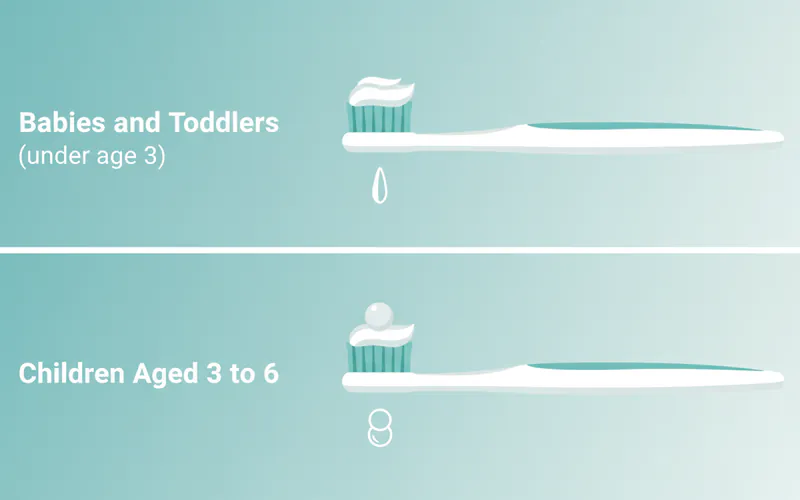
- Daily Brushing: Begin cleaning your baby's gums before teeth erupt. Once the first tooth appears, brush twice daily with a soft-bristled toothbrush and a tiny smear (rice-grain size) of fluoride toothpaste.
- Fluoride is Key: Fluoride strengthens tooth enamel and prevents cavities. Ensure your child uses fluoride toothpaste in appropriate amounts and discuss community water fluoridation and fluoride varnish with your dentist.
- Dietary Habits: Limit sugary drinks and snacks. Avoid putting your baby to bed with a bottle containing anything other than water to prevent "baby bottle tooth decay."
- Teething Relief: Common baby teething symptoms include irritability, drooling, and gum swelling. Soothe with chilled (not frozen) teething rings or a gentle gum massage. Avoid amber necklaces and numbing gels with benzocaine.
- Average Cost: A routine pediatric dental check-up (exam, cleaning, fluoride) typically costs between $75 and $200 without insurance, while a simple filling might range from $150 to $400.
- Preventative Care: Regular check-ups, fluoride treatments, and dental sealants (when appropriate) are crucial for preventing costly and painful dental problems down the line.
What Are Baby Teeth and Why Do They Matter?
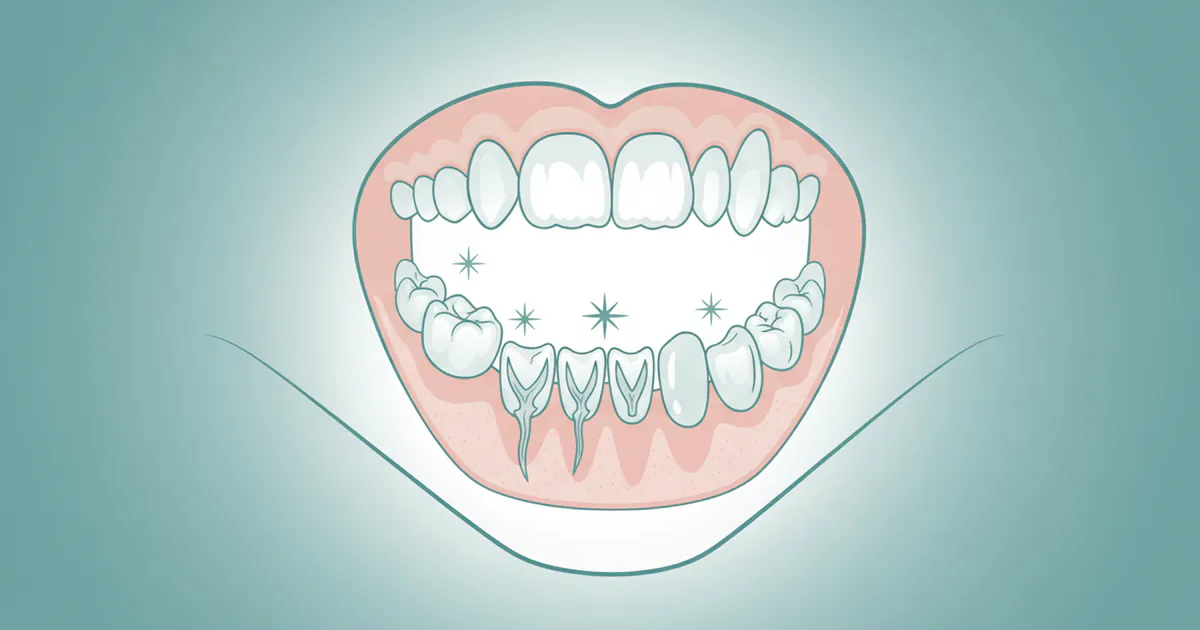
Baby teeth, medically known as primary or deciduous teeth, are the first set of teeth that humans develop. There are typically 20 primary teeth – 10 in the upper jaw and 10 in the lower jaw – which generally erupt between 6 months and 3 years of age. These teeth are distinct from the 32 permanent teeth that will eventually replace them.
Their temporary nature often leads to a misconception that they are less important than permanent teeth. However, nothing could be further from the truth. Baby teeth serve several vital functions:
- Proper Nutrition: They enable children to chew food effectively, facilitating proper digestion and nutrient absorption essential for growth and development.
- Speech Development: The presence and proper alignment of baby teeth are crucial for forming sounds and developing clear speech. Missing or decayed front teeth can significantly impede this process.
- Space Maintenance: Perhaps their most critical role, baby teeth act as natural space holders for the permanent teeth developing beneath the gums. Each primary tooth holds the space for its permanent successor. If a baby tooth is lost prematurely due to decay or injury, the adjacent teeth can drift into the empty space, leading to crowding and misalignment when the permanent tooth attempts to erupt.
- Jaw and Facial Development: The stimulation of chewing with baby teeth contributes to the healthy development of the jawbones and facial muscles.
- Self-Esteem: A healthy, pain-free smile contributes significantly to a child's confidence and social interactions.
``
Understanding the Eruption Timeline
The eruption of baby teeth is a gradual process, often beginning around 6 months of age and concluding by the time a child is about 2.5 to 3 years old. While there's a typical sequence, individual variations are common.
The most common eruption order is:
- Lower central incisors: 6-10 months
- Upper central incisors: 8-12 months
- Upper lateral incisors: 9-13 months
- Lower lateral incisors: 10-16 months
- First molars (upper and lower): 13-19 months
- Canines (upper and lower): 16-23 months
- Second molars (upper and lower): 23-33 months
By approximately 3 years of age, most children will have all 20 of their primary teeth.
The Journey of Teething: Signs, Symptoms, and Soothing
Teething is the process by which a baby's first teeth erupt through the gums. It can be an uncomfortable, though temporary, phase for infants. Understanding common baby teething symptoms can help parents provide comfort.
Common Baby Teething Symptoms:
- Increased drooling: This is often one of the earliest signs.
- Irritability or fussiness: Your baby may seem more upset than usual, especially at night.
- Swollen, tender, or red gums: The gum tissue around the erupting tooth may appear inflamed.
- Chewing on objects: Babies instinctively bite down on toys, fingers, or anything they can get their hands on to relieve pressure.
- Refusal to eat: Due to gum soreness, some babies may temporarily lose their appetite.
- Slight increase in temperature: While teething can cause a mild elevation in body temperature (generally below 100.4°F or 38°C), it does not cause high fevers. If your child has a fever above this, or diarrhea, vomiting, or rash, consult your pediatrician, as these are not typical teething symptoms and could indicate illness.
- Rubbing ears or cheeks: This can be referred pain from the gums.
Pro Tip: Remember that baby teething symptoms should not include high fever, significant gastrointestinal upset, or widespread rashes. If your child experiences these, consult a pediatrician.
Safe and Effective Teething Relief Options:
- Teething Toys: Offer firm rubber teething rings or toys that have been chilled in the refrigerator (not frozen, as extreme cold can harm gums).
- Gentle Gum Massage: Gently rub your baby's gums with a clean finger or a moistened gauze pad.
- Cool Cloth: A clean, damp washcloth that has been chilled in the refrigerator can provide soothing relief when chewed upon.
- Over-the-Counter Pain Relievers: For significant discomfort, infant acetaminophen (Tylenol) or ibuprofen (Advil, Motrin) can be used, but always consult your pediatrician for proper dosage based on your child's weight and age.
- Avoid Harmful Products:
- Numbing Gels: The FDA warns against using topical pain relievers containing benzocaine (e.g., Orajel, Anbesol) for children under 2 years old due to the risk of methemoglobinemia, a serious blood disorder.
- Homeopathic Teething Tablets: These often contain belladonna, which can be toxic. The FDA has warned against their use.
- Amber Teething Necklaces: These pose strangulation and choking hazards and are not recommended by the ADA or AAP (American Academy of Pediatrics).
How to Take Care of Baby Teeth: Daily Oral Hygiene Essentials
Establishing a consistent oral hygiene routine from birth is the most effective way to protect your child's baby teeth.
Brushing: A Step-by-Step Guide
-
Before Teeth Erupt (Birth to 6 months):
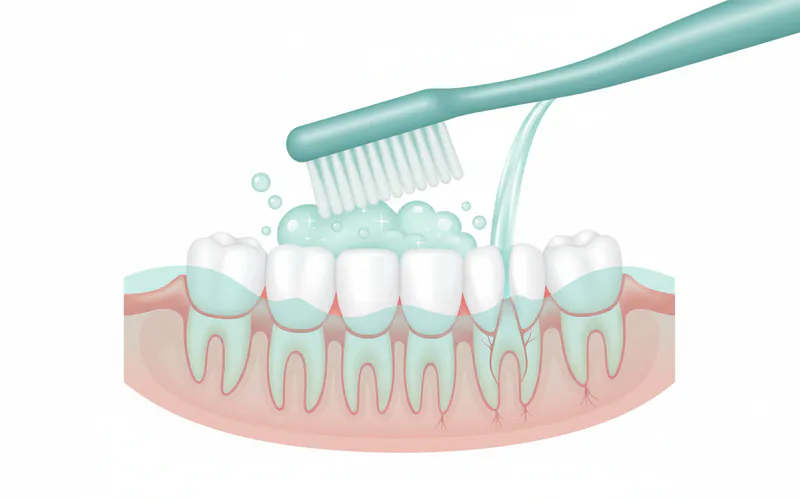
- What to do: Even before the first tooth appears, it's crucial to clean your baby's gums. After feedings, gently wipe your baby's gums with a clean, damp gauze pad or a soft, wet washcloth wrapped around your finger. This removes food particles and introduces your baby to oral cleaning.
-
First Tooth to Age 3:
- Toothbrush: Use an infant-sized, soft-bristled toothbrush.
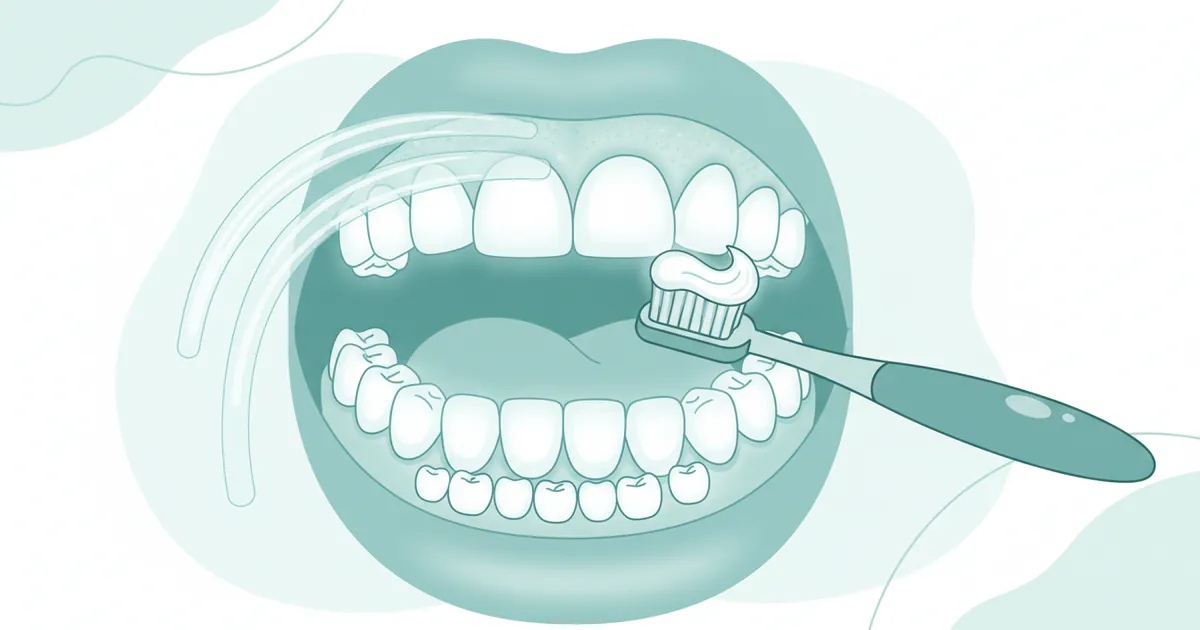
- Toothpaste: The American Dental Association (ADA) recommends using a tiny smear of fluoride toothpaste – no larger than a grain of rice – twice a day. Fluoride is essential for strengthening enamel and preventing decay.
- Technique: Gently brush all surfaces of the tooth and along the gum line.
- Parental Role: Parents should do the brushing entirely at this stage.
-
Ages 3 to 6 Years:
- Toothbrush: Continue with a child-sized, soft-bristled toothbrush.
- Toothpaste: Increase the amount of fluoride toothpaste to a pea-sized dollop.
- Technique: Encourage your child to participate, but parents should continue to assist and supervise closely to ensure thorough cleaning. A good technique is the Fones method, where teeth are brushed in small circles with the toothbrush bristles angled towards the gum line.
- Spitting: Teach your child to spit out the toothpaste after brushing, rather than swallowing it.
``
Pro Tip: Make brushing a fun and positive experience! Sing songs, use a colorful toothbrush, or let your child watch you brush your teeth to encourage participation. Consistency is key.
Flossing: When and How
Flossing becomes necessary once two teeth touch each other, making it impossible for a toothbrush to reach between them. For most children, this occurs around ages 2 to 6 years, typically when the molars erupt and come into contact.
- Tools: Use child-friendly dental flossers or regular dental floss.
- Technique: Gently slide the floss between teeth, curving it against one tooth, moving it up and down, then curving it against the adjacent tooth and repeating. Be gentle to avoid injuring the gums.
- Parental Role: Parents should floss their child's teeth until they develop the manual dexterity, usually around age 8-10, to do it effectively themselves.
The Role of Fluoride
Fluoride is a naturally occurring mineral that plays a critical role in preventing tooth decay. It works in two main ways:
- Strengthens Enamel: When ingested during tooth development, fluoride integrates into the enamel, making it stronger and more resistant to acid attacks from bacteria.
- Repairs Early Decay: Topically applied fluoride (from toothpaste, rinses, or dental treatments) helps to remineralize areas of tooth enamel that have started to demineralize (the very first stage of a cavity).
- Fluoridated Water: If your community water supply is fluoridated, it's a safe and effective way to provide systemic fluoride.
- Fluoride Toothpaste: As discussed, use fluoride toothpaste in age-appropriate amounts.
- Fluoride Varnishes: Your pediatric dentist may apply a fluoride varnish during routine check-ups, especially if your child is at higher risk for cavities. This is a highly concentrated fluoride treatment painted onto the teeth.
Caution: While fluoride is beneficial, too much can lead to fluorosis, which causes white or brown spots on permanent teeth. This is why using the correct amount of toothpaste for your child's age is important, and why children should be encouraged to spit out toothpaste.
Diet and Nutrition for Healthy Baby Teeth
What your child eats and drinks significantly impacts their oral health.
- Limit Sugary Drinks and Snacks: Sugary beverages (juice, soda, sweetened milk) and sticky, sugary snacks (candy, fruit snacks, certain crackers) are major culprits in tooth decay. Bacteria in the mouth feed on these sugars, producing acids that erode tooth enamel.
- Water is Best: Encourage water consumption throughout the day, especially between meals.
- Avoid Nighttime Bottles with Sugary Liquids: Putting a baby to bed with a bottle of milk, formula, juice, or any sweetened liquid can lead to "baby bottle tooth decay" (also known as early childhood caries or ECC). The sugars bathe the teeth for prolonged periods, leading to rapid decay, often affecting the upper front teeth first. If a bottle is needed at bedtime, fill it only with water.
- Balanced Diet: Promote a diet rich in fruits, vegetables, whole grains, and lean proteins. Dairy products (milk, cheese, yogurt) are excellent sources of calcium and phosphates, which help strengthen teeth.
The First Dental Visit: A Milestone for Oral Health
The American Academy of Pediatric Dentistry (AAPD) and the ADA recommend that a child's first dental visit occur by their first birthday or within six months of the eruption of their first tooth, whichever comes first. This might seem early, but these initial visits are crucial for several reasons:
- Early Detection: The dentist can identify and address potential problems early, such as signs of decay, developmental issues, or habits like thumb-sucking.
- Preventive Care: The dentist can apply fluoride varnish and provide personalized guidance on brushing, flossing, diet, and fluoride use.
- Acclimation: Early visits help children become comfortable with the dental office environment, reducing anxiety for future appointments.
- Parental Education: Parents receive tailored advice on home care, common teething symptoms, and what to expect as their child grows.
What to Expect During the First Visit:
- "Knee-to-Knee" Exam: The dentist might sit knee-to-knee with the parent, with the child lying across both laps, allowing for a good view of the child's mouth.
- Gentle Examination: The dentist will check all erupted teeth, gums, and oral tissues for any issues.
- Cleaning: A gentle cleaning may be performed.
- Fluoride Varnish: A fluoride varnish may be applied to strengthen enamel.
- Discussion: The dentist will discuss feeding practices, oral hygiene techniques, pacifier use, thumb-sucking, and answer any questions parents may have.
Common Baby Teeth Problems and Their Causes
Despite best efforts, children can develop dental issues. Early detection and treatment are key.
1. Early Childhood Caries (ECC) / Baby Bottle Tooth Decay
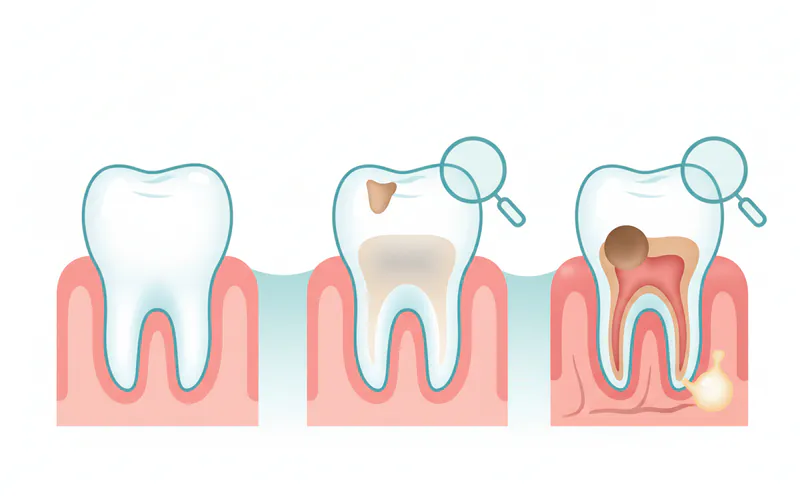
- What it is: The most common chronic childhood disease, often appearing as decay in the upper front teeth and then spreading.
- Causes: Frequent and prolonged exposure of teeth to sugary liquids (milk, formula, juice, sweetened drinks), especially at bedtime or during naps, combined with the presence of decay-causing bacteria. Poor oral hygiene also contributes.
- Signs: Initially, white spot lesions near the gum line, which can progress to light brown, then dark brown or black cavities. In severe cases, teeth may be destroyed down to the gum line.
2. Dental Trauma / Injuries
- What it is: Fractures, chips, or displacement of teeth due to falls, accidents, or sports injuries. Front teeth are most commonly affected.
- Causes: Active play, learning to walk, sports, and general childhood mishaps.
- Signs: Chipped or broken tooth, bleeding from the mouth, tooth discoloration (graying often indicates nerve damage), swelling, or a tooth that appears knocked out or pushed into the gum.
3. Malocclusion (Misaligned Teeth)
- What it is: Misalignment of teeth or jaws, such as an overbite, underbite, crossbite, or crowding.
- Causes: Can be genetic, but prolonged habits like thumb-ssucking, pacifier use (beyond age 2-4), or tongue thrusting can also contribute to malocclusion in baby teeth and impact the developing permanent teeth. Premature loss of baby teeth without space maintainers can also lead to permanent tooth misalignment.
4. Bruxism (Teeth Grinding)
- What it is: Involuntary grinding or clenching of teeth, often during sleep.
- Causes: While often a normal developmental stage that children grow out of, it can sometimes be linked to stress, malocclusion, allergies, or an immature chewing system.
- Signs: Grinding sounds, worn-down tooth enamel, jaw pain, or headaches.
5. Dental Abscesses
- What it is: A pocket of pus caused by a bacterial infection, often at the root of a tooth.
- Causes: Typically results from untreated severe tooth decay that has reached the pulp (nerve and blood vessels) of the tooth, or from trauma.
- Signs: Persistent pain, swelling in the gum or face, fever, sensitivity to hot/cold, bad taste in the mouth, or a small pimple-like bump on the gum (a fistula).
Treatment Options for Baby Teeth Issues
When problems arise, pediatric dentists have several effective treatment options.
- Fluoride Varnish/Topical Fluoride: For very early signs of decay (white spots), fluoride varnish can help remineralize the enamel and potentially reverse the decay process.
- Dental Fillings: For small to moderate cavities, fillings restore the tooth's structure.
- Composite (White) Fillings: Made of tooth-colored resin, aesthetically pleasing.
- Amalgam (Silver) Fillings: Made of a mixture of metals, very durable. The ADA considers amalgam safe.
- Pulp Therapy (Pulpotomy/Pulpectomy): If decay reaches the pulp (nerve) chamber, a pulpotomy (removal of infected pulp in the crown, leaving healthy pulp in the roots) or pulpectomy (removal of all pulp tissue) may be performed to save the tooth.
- Stainless Steel Crowns (SSCs): For teeth with extensive decay, after pulp therapy, or for children at high risk of developing more cavities, an SSC can cover and protect the entire tooth. They are durable, cost-effective, and provide full coverage.
- Extractions: If a baby tooth is too decayed or damaged to be saved, or if it's interfering with the eruption of a permanent tooth, it may need to be extracted.
- Space Maintainers: After premature loss of a baby tooth (due to extraction or injury), a space maintainer may be placed to prevent adjacent teeth from drifting into the empty space, thus preserving the path for the permanent tooth.
``
Step-by-Step Guide to a Dental Filling for a Child
Understanding the process can help alleviate a child's anxiety.
- Preparation: The pediatric dental assistant or dentist will talk to your child, explain what will happen in simple terms, and may apply a topical numbing gel to the gum.
- Anesthesia: A local anesthetic is gently administered to numb the tooth and surrounding area, ensuring the child feels no pain during the procedure.
- Isolation: A rubber dam, a small sheet of latex or non-latex material, is often placed around the tooth to keep it dry and protected from saliva and debris, and to prevent the child from swallowing anything.
- Decay Removal: The dentist uses a small dental drill to carefully remove the decayed portion of the tooth.
- Preparation of the Tooth: The tooth is cleaned and prepared for the filling material. For composite fillings, a bonding agent is applied.
- Filling Placement: The filling material (composite resin or amalgam) is placed into the prepared cavity.
- Composite: Applied in layers and hardened with a special light.
- Amalgam: Placed and shaped.
- Shaping and Polishing: The dentist shapes the filling to match the natural contours of the tooth and ensures proper bite. The filling is then polished.
- Post-Procedure: The numbness will wear off in a few hours. The child should avoid chewing on the treated side until the numbness subsides to prevent accidental biting of the cheek or tongue.
Prevention: The Best Strategy for Healthy Baby Teeth
Preventive measures are the most effective and least invasive ways to ensure your child's optimal oral health.
- Consistent Home Care: Adhere strictly to the twice-daily brushing with fluoride toothpaste and flossing routine.
- Regular Dental Check-ups: Maintain the ADA's recommendation for first visit by age one, followed by regular check-ups every six months. These visits allow for professional cleanings, fluoride treatments, and early detection of problems.
- Fluoride Treatments: In-office fluoride varnishes provide an extra layer of protection, especially for children prone to cavities.
- Dental Sealants: For back molars (both primary and permanent, typically starting around age 6 for permanent ones), sealants are thin, protective coatings applied to the chewing surfaces. They fill in the pits and grooves where food particles and bacteria often hide, preventing decay. The procedure is quick, painless, and highly effective.
- Healthy Diet: Reinforce good eating habits, limiting sugar, and promoting water and tooth-friendly foods.
- Injury Prevention: Encourage children to wear mouthguards during sports. Child-proof your home to prevent falls and dental trauma.
- Break Bad Habits: Address prolonged thumb-sucking or pacifier use, ideally by age 2-4, to prevent malocclusion.
Risks and Complications of Neglecting Baby Teeth
Ignoring the health of baby teeth can lead to a cascade of negative consequences for a child's immediate and long-term health.
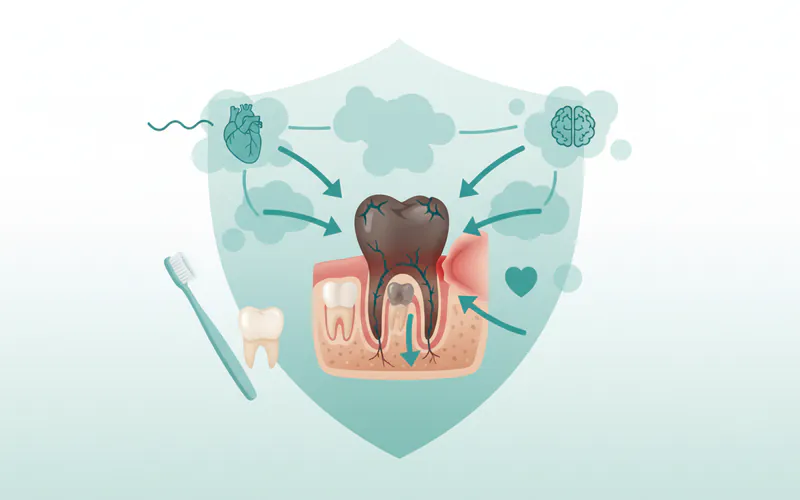
- Pain and Infection: Untreated cavities can lead to severe toothaches, infections, and dental abscesses. These can be incredibly painful, disrupt sleep, and interfere with eating and schooling.
- Spread of Infection: Dental infections can spread to other parts of the face, head, and even the bloodstream, leading to serious systemic health issues, though rare.
- Eating Difficulties: Painful or missing teeth make it hard to chew, impacting nutrition and potentially leading to unhealthy food choices.
- Speech Problems: Missing or severely decayed front teeth can affect a child's ability to articulate certain sounds, leading to speech impediments.
- Impact on Permanent Teeth:
- Crowding and Misalignment: Premature loss of baby teeth can cause permanent teeth to erupt incorrectly, leading to orthodontic problems requiring extensive and costly treatment later.
- Damage to Permanent Tooth Buds: A severe infection in a baby tooth can sometimes spread to the developing permanent tooth bud underneath, causing defects in its enamel or eruption.
- Low Self-Esteem: Visible decay or missing teeth can make a child self-conscious, impacting their confidence and social interactions.
- Missed School Days: Dental pain and appointments for complex treatments are a leading cause of missed school days for children.
``
Children / Pediatric Considerations
Children's dental needs are unique and require specialized care. Pediatric dentists undergo additional training focused on the specific oral health challenges of infants, children, and adolescents, including those with special healthcare needs.
Age-Specific Guidance for Parents:
- Infants (0-12 months):
- Wipe gums daily.
- Brush first tooth with a rice-grain smear of fluoride toothpaste.
- Avoid putting baby to bed with a bottle of anything but water.
- Schedule first dental visit by age one.
- Toddlers (1-3 years):
- Continue brushing twice daily with a rice-grain smear of fluoride toothpaste.
- Introduce flossing if teeth are touching.
- Limit sugary snacks and drinks; encourage water.
- Begin weaning from pacifier/thumb-sucking by age two if possible, aiming to cease by age three.
- Regular dental check-ups every six months.
- Preschoolers (3-5 years):
- Increase fluoride toothpaste to a pea-sized amount, teach spitting.
- Supervise brushing and flossing closely.
- Reinforce healthy eating habits.
- Discuss dental sealants with your dentist when first permanent molars appear (around age 6).
- School-Aged Children (6-12 years):
- Continue to supervise brushing and flossing, but encourage independence.
- Ensure proper nutrition.
- Consider custom mouthguards for sports.
- Regular dental check-ups, potentially including sealants on permanent molars, and monitoring for orthodontic needs.
Pro Tip: Choose a pediatric dental office that creates a child-friendly atmosphere. A positive first impression can shape your child's attitude towards dental care for life.
Cost and Insurance for Pediatric Dental Care
The cost of pediatric dental care in the US can vary widely based on your location, the specific procedure, and whether you have dental insurance. Understanding these costs is essential for planning your child's oral health journey.
Average US Costs for Common Pediatric Dental Procedures (Without Insurance)
| Procedure | Average Low Range (USD) | Average Mid Range (USD) | Average High Range (USD) |
|---|---|---|---|
| New Patient Exam & Cleaning | $75 | $150 | $250 |
| Routine Check-up & Cleaning | $60 | $120 | $200 |
| Fluoride Varnish (Topical) | $25 | $50 | $80 |
| Dental Filling (Composite) | $150 | $250 | $400 |
| Dental Filling (Amalgam) | $100 | $180 | $300 |
| Pulpotomy (Baby Tooth) | $250 | $400 | $600 |
| Stainless Steel Crown (SSC) | $300 | $500 | $800 |
| Tooth Extraction (Simple) | $100 | $200 | $350 |
| Space Maintainer | $200 | $400 | $600 |
| Dental Sealant (per tooth) | $30 | $60 | $90 |
Note: These are average ranges. Costs can be higher in major metropolitan areas (e.g., New York, Los Angeles) and lower in rural regions.
Insurance Coverage Details
- Private Dental Insurance: Most private dental insurance plans cover a significant portion of pediatric preventive care (exams, cleanings, fluoride) at 80-100%. Basic restorative procedures (fillings) are often covered at 50-80%, while major procedures (crowns, pulpotomies, extractions) might be covered at 30-50%. Always check your plan's specific benefits, deductibles, annual maximums, and in-network vs. out-of-network costs.
- Medicaid and CHIP (Children's Health Insurance Program): These government-funded programs provide comprehensive dental coverage for eligible children from low-income families. Dental services covered often include:
- Regular check-ups, cleanings, and fluoride treatments.
- Fillings and crowns.
- Pulpotomies and extractions.
- Space maintainers.
- Emergency dental care. Medicaid/CHIP coverage varies by state, but generally aims to ensure access to necessary dental care.
Payment Plans and Financing Options
Many pediatric dental offices understand the financial burden of dental care and offer solutions:
- In-house Payment Plans: Some offices allow patients to pay for services in installments over several months, often without interest.
- Third-Party Financing: Services like CareCredit offer special financing options, including interest-free plans for a set period, to help cover larger treatment costs.
- Dental Savings Plans: These are not insurance but membership programs where you pay an annual fee and receive discounted rates on dental services from participating providers.
Cost-Saving Tips:
- Prioritize Prevention: The best way to save money is to prevent dental problems from occurring. Regular check-ups, good home care, and a healthy diet minimize the need for expensive restorative treatments.
- Utilize Insurance Benefits: Understand your child's dental insurance plan and maximize its benefits, especially for preventive services.
- Community Health Clinics: Many communities have dental clinics that offer services at reduced costs or on a sliding scale based on income.
- Dental Schools: Dental schools often provide high-quality care at lower costs, as procedures are performed by students under the close supervision of experienced faculty.
Frequently Asked Questions
Are baby teeth really that important since they just fall out?
Absolutely! Baby teeth are crucial for a child's overall health and development. They help with proper chewing and nutrition, speech development, and, most importantly, they hold space for the permanent teeth to come in correctly. Neglecting them can lead to pain, infection, and long-term problems for permanent teeth.
When should my child first see a dentist?
The American Dental Association (ADA) recommends that your child have their first dental visit by their first birthday or within six months of their first tooth erupting, whichever comes first. Early visits help establish a "dental home" and allow for preventive care and education.
How much toothpaste should I use for my baby or toddler?
For babies and toddlers (under age 3), use a tiny smear of fluoride toothpaste, no larger than a grain of rice. For children aged 3 to 6, use a pea-sized amount. Always supervise brushing to ensure they spit out the toothpaste and don't swallow too much.
What are common baby teething symptoms and how can I soothe them?
Common baby teething symptoms include increased drooling, fussiness, swollen or tender gums, and a desire to chew on objects. To soothe, offer chilled (not frozen) teething rings, gently massage gums with a clean finger, or use a cool, damp washcloth. Consult your pediatrician for appropriate pain relievers like infant acetaminophen if needed.
Can I use adult toothpaste on baby teeth?
It's generally not recommended to use adult toothpaste for young children because it contains a higher concentration of fluoride, and children often swallow a significant amount. This could lead to dental fluorosis (discoloration of permanent teeth). Use a fluoride toothpaste specifically formulated for children in the appropriate amount.
What is "baby bottle tooth decay"?
Baby bottle tooth decay, or early childhood caries (ECC), is a severe form of tooth decay that occurs when a baby's teeth are frequently exposed to sugary liquids for long periods, especially at bedtime. The sugars feed bacteria, leading to rapid decay, often affecting the upper front teeth first.
How much does a baby's routine dental visit typically cost?
A routine pediatric dental check-up, including an exam, cleaning, and fluoride treatment, typically costs between $75 and $200 without insurance in the US. With dental insurance, a significant portion or even the full cost of preventive visits is often covered.
What happens if a baby tooth gets pulled too early?
If a baby tooth is extracted prematurely, the adjacent teeth can drift into the empty space. This can block the permanent tooth underneath from erupting properly, leading to crowding, misalignment, or the need for orthodontic treatment later on. A space maintainer may be recommended to hold the space open.
Are pacifiers bad for baby teeth?
Pacifier use is generally considered fine for babies up to age two. However, prolonged pacifier use (beyond ages 2-4) or thumb-sucking can lead to issues with jaw development, misaligned teeth (malocclusion), or speech problems. Pediatric dentists can offer guidance on breaking these habits.
When do dogs lose their baby teeth?
While our focus is on human baby teeth, it's interesting to note that dogs also have a set of primary teeth, typically losing them between 3 to 6 months of age. This is much faster than humans, whose primary teeth begin falling out around age 6.
When to See a Dentist
Knowing when to seek professional dental attention is crucial for your child's oral health.
Routine Care vs. Red Flags
- Routine Care: Schedule regular check-ups every six months, starting by your child's first birthday. These visits are for prevention, professional cleaning, fluoride treatments, and monitoring development.
- Red Flags (Urgent, but not always emergency):
- White or Brown Spots on Teeth: These are often the first signs of decay (early childhood caries).
- Sensitivity: Your child complains of pain or sensitivity to hot, cold, or sweets.
- Bleeding Gums: Gums that bleed during brushing or spontaneously can indicate gum disease or other issues.
- Persistent Thumb-Sucking or Pacifier Use: If these habits continue past age 3-4 and are causing noticeable changes in tooth or jaw alignment.
- Unusual Oral Growths or Sores: Any unexplained bumps, lesions, or sores in the mouth that don't heal within a week.
Emergency Situations (See a Dentist Immediately)
- Severe Toothache: Unrelenting pain, especially if accompanied by swelling in the face or gums, or fever. This could indicate a serious infection or abscess.
- Dental Trauma:
- Knocked-out tooth (avulsed tooth): If a permanent tooth is knocked out, try to reinsert it or preserve it in milk and get to the dentist immediately. For baby teeth, reinsertion is usually not recommended, but a dental visit is still needed to assess damage and potential impact on permanent teeth.
- Chipped, Fractured, or Broken Tooth: Even if not painful, a broken tooth can expose the nerve or cause sharp edges that irritate the tongue and cheek.
- Displaced Tooth: A tooth that has been pushed into the gum or knocked out of its normal position.
- Swelling: Sudden, unexplained swelling around a tooth, gum, or face.
- Broken Wires or Appliances: If your child has braces or a space maintainer and a wire breaks or an appliance comes loose, causing pain or irritation.
For any dental emergency, contact your pediatric dentist immediately. Many dental offices have an after-hours emergency line. If you cannot reach your dentist, an urgent care center or hospital emergency room can provide temporary relief and guidance. Remember, timely intervention is key to preventing minor issues from becoming major problems and ensuring your child's healthy smile.
Frequently Asked Questions
Medically Reviewed Content
This article was written by our dental health editorial team and reviewed for medical accuracy. Our content follows strict editorial guidelines for reliability and trustworthiness.
Medical Disclaimer
This article is for informational purposes only and does not constitute medical advice. Always consult with a qualified dental professional for diagnosis and treatment. Do not delay seeking professional advice because of something you read on this website.
Related Articles
Kitten Teething Toys: Complete Guide
Few milestones in early life bring as much joy – and sometimes, as much discomfort – as teething. Just as a playful kitten explores its new world by mouthing and chewing on everything it can, human babies also embark on a similar developmental journey. In fact, over 80% of infants experience som
February 22, 2026
How Many Teeth Do Children Have
Did you know that a child's smile goes through more dramatic transformations in their first 12 years than an adult's does in a lifetime? Understanding the journey of your child's dental development is fundamental to ensuring their lifelong oral health. For many parents, a common question arises: **h
February 22, 2026
Teething Syndrome: Complete Guide
As a parent, few things are as universally anticipated and often dreaded as the arrival of your baby's first tooth. While a milestone to celebrate, the process of primary tooth eruption, commonly known as teething syndrome, can bring with it a host of challenging symptoms. In fact, studies sugge
February 22, 2026
When Do Kittens Lose Their Baby Teeth
When Do Kittens Lose Their Baby Teeth
February 22, 2026