Crown Teeth: Complete Guide
Key Takeaways
- Imagine waking up with a persistent ache in your tooth, or perhaps you've chipped a tooth while enjoying a meal. These scenarios are all too common, and for many Americans, a dental crown becomes the crucial solution. In fact, dental crowns are one of the most widely performed restorative dental
Crown Teeth: Complete Guide
Imagine waking up with a persistent ache in your tooth, or perhaps you've chipped a tooth while enjoying a meal. These scenarios are all too common, and for many Americans, a dental crown becomes the crucial solution. In fact, dental crowns are one of the most widely performed restorative dental procedures, helping millions each year to restore the strength, function, and aesthetics of damaged teeth. If you're experiencing tooth pain, have a weakened tooth, or are simply curious about how modern dentistry can preserve your smile, understanding dental crowns is essential.

This comprehensive guide from SmilePedia.net will delve deep into everything you need to know about crown teeth, from what they are and why they're needed, to the different types available, the treatment process, costs, and essential aftercare. We’ll empower you with the knowledge to make informed decisions about your oral health, ensuring your smile remains vibrant and strong for years to come.
Key Takeaways:
- A dental crown is a cap placed over a damaged tooth to restore its shape, size, strength, and improve its appearance.
- Crowns are recommended for extensive decay, fractures, post-root canal treatment, and covering dental implants.
- Common materials include porcelain, ceramic, zirconia, and metal, each with varying aesthetics, durability, and cost.
- The average cost for a single dental crown in the US ranges from $800 to $3,000 without insurance, depending on material and location.
- Most dental insurance plans cover 50% of the cost for major restorative procedures like crowns.
- The typical lifespan of a dental crown is 5 to 15 years, but with proper care, many last longer.
- The process usually involves two appointments: one for preparation and temporary placement, and a second for permanent crown bonding (unless a same-day crown is used).
``
What It Is / Overview
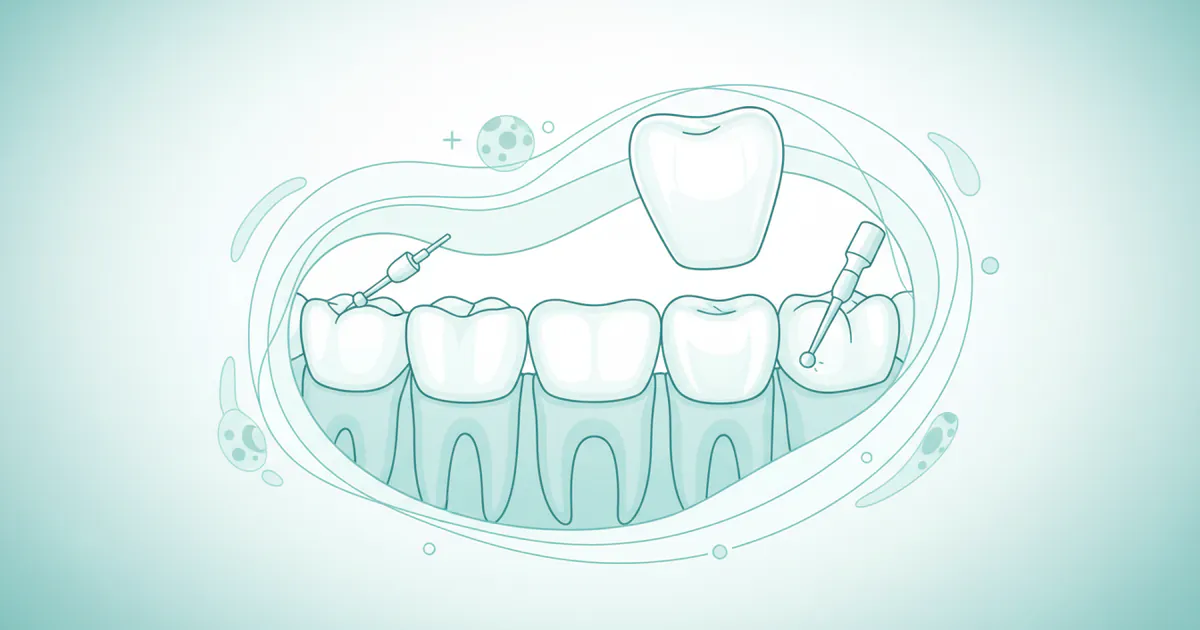
A dental crown, often referred to as a "tooth cap," is a custom-made covering that fits over the entire visible portion of a tooth above the gum line. Its primary purpose is to restore a damaged or weakened tooth to its original shape, size, and strength, while also improving its appearance. Think of it as a protective helmet for your tooth.
Crowns are not just for aesthetics; they play a vital role in preserving your natural dentition. When a tooth is severely compromised by decay, fracture, or has undergone significant procedures like a root canal, a standard dental filling may not be sufficient to restore its integrity. In these cases, a crown provides the necessary support and protection, preventing further damage and extending the life of the tooth. According to the American Dental Association (ADA), crowns are a cornerstone of restorative dentistry, widely used to address a variety of dental issues.
When are Dental Crowns Needed?
Your dentist might recommend a dental crown for several reasons:
- Protecting a weak tooth: If a tooth has extensive cracks or is severely worn down, a crown can hold it together and prevent it from breaking further.
- Restoring a broken or severely worn tooth: For teeth that have fractured or worn significantly due to grinding (bruxism) or other factors, a crown can restore the natural shape and function.
- Covering a tooth with a large filling: When a cavity is too large for a traditional filling, a crown provides superior strength and protection against fracture. This is especially relevant if you're wondering how long does a filling take to become insufficient; large fillings weaken the tooth structure over time.
- After root canal treatment: Teeth that have undergone a root canal often become brittle and are prone to fracture. A crown encapsulates and protects these teeth.
- Covering a dental implant: When a missing tooth is replaced with a dental implant, a crown is the visible, functional part that attaches to the implant post.
- Holding a dental bridge in place: Crowns are used as anchors on adjacent healthy teeth to support a dental bridge, which replaces one or more missing teeth.
- Cosmetic modification: To cover severely discolored or misshapen teeth, improving the overall aesthetics of your smile.
Types / Variations
The world of dental crowns offers a variety of materials and methods, each with distinct advantages and disadvantages. Your dentist will help you choose the best option based on the tooth's location, your aesthetic preferences, budget, and biting forces.
Full Coverage Crowns by Material
These are the most common type, covering the entire tooth. The material significantly impacts the crown's appearance, durability, and cost.
All-Porcelain or All-Ceramic Crowns
- Description: Made entirely of porcelain or ceramic material. These are highly aesthetic, mimicking the natural translucency and color of teeth.
- Pros: Excellent aesthetics, ideal for front teeth, metal-free (good for those with metal allergies).
- Cons: Can be more brittle than metal or zirconia, potentially prone to chipping or cracking under heavy biting forces. May cause wear on opposing natural teeth if not properly polished.
- Lifespan: 5-15 years.
- Cost Range: $1,000 - $2,500.
Zirconia Crowns
- Description: Zirconia, a type of ceramic, is incredibly strong and durable. It can be made to look very natural, especially newer translucent varieties.
- Pros: Exceptional strength and durability, highly biocompatible, good aesthetics (better than metal, approaching porcelain), suitable for back teeth and those with heavy biting forces.
- Cons: Can be more opaque than traditional porcelain, sometimes making it less ideal for the most aesthetic front tooth restorations if transparency is paramount. Can be hard on opposing teeth if not properly polished.
- Lifespan: 10-20+ years.
- Cost Range: $1,200 - $3,000.
Porcelain-Fused-to-Metal (PFM) Crowns
- Description: These crowns have a metal base (often a gold alloy or other precious/semi-precious metals) that is fused with a layer of porcelain on top.
- Pros: Good balance of strength (from metal) and aesthetics (from porcelain), durable.
- Cons: The metal margin can sometimes show through as a dark line at the gum line, especially as gums recede. Porcelain can chip off the metal base. Less translucent than all-ceramic.
- Lifespan: 10-15 years.
- Cost Range: $800 - $2,000.
All-Metal Crowns (Gold or Other Alloys)
- Description: Made entirely of metal alloys, often gold, palladium, nickel, or chromium.
- Pros: Extremely strong and durable, excellent longevity, very gentle on opposing teeth, minimal tooth preparation required. Best option for posterior teeth where aesthetics are less of a concern.
- Cons: Highly visible metal color, not aesthetically pleasing for front teeth.
- Lifespan: 15-20+ years.
- Cost Range: $800 - $2,500 (can vary significantly with gold price).
E-max Crowns (Lithium Disilicate)
- Description: A specific type of all-ceramic crown known for its outstanding strength and highly aesthetic, translucent properties.
- Pros: Superior aesthetics, stronger than traditional porcelain, good for both front and back teeth, excellent light transmission.
- Cons: Can be more expensive than other ceramic options.
- Lifespan: 10-15 years.
- Cost Range: $1,200 - $2,800.
Partial Crowns (Inlays and Onlays)
Sometimes, a full crown isn't necessary. For cavities that are too large for a traditional filling but not extensive enough to require a full crown, an inlay or onlay can be a suitable option. These are often called "partial crowns" or "three-quarter crowns."
- Inlays: These restorations fit within the cusps (the chewing surfaces) of the tooth.
- Onlays: These cover one or more cusps of the tooth, restoring a larger portion than an inlay but leaving more of the natural tooth structure intact than a full crown.
- Pros: Preserve more natural tooth structure, less invasive than full crowns.
- Cons: Not suitable for severely damaged or fractured teeth.
- Materials: Typically made from porcelain, ceramic, or gold.
CAD/CAM Same-Day Crowns (CEREC)
Advances in dental technology allow some dentists to design, create, and place a crown in a single visit using CAD/CAM (Computer-Aided Design/Computer-Aided Manufacturing) technology, often referred to as CEREC (Chairside Economical Restorations of Esthetic Ceramic) crowns.
- Process: After tooth preparation, a 3D digital scan is taken of the tooth. The dentist uses specialized software to design the crown, which is then milled from a block of ceramic right in the office. The crown is then polished, glazed, and bonded to the tooth.
- Pros: Convenience of a single visit (no temporary crown, no second appointment), eliminates gooey impressions.
- Cons: Not all dentists offer this technology, primarily limited to ceramic materials, might not be suitable for all complex cases, and can be slightly more expensive due to technology investment.
- Cost Range: Often similar to traditional ceramic crowns, but can sometimes be slightly higher.
Temporary Crowns
- Description: Made from acrylic or composite resin, these are placed after the tooth is prepared and impressions are taken, while the permanent crown is being fabricated in a dental lab.
- Purpose: To protect the prepared tooth, prevent sensitivity, and maintain the space and aesthetics until the permanent crown is ready.
- Duration: Typically worn for 1-3 weeks.
- Care: Avoid sticky or very hard foods, chew on the opposite side of your mouth, and floss carefully around the temporary crown.
Implant Crowns
- Description: This type of crown is specifically designed to be attached to a dental implant, which is a titanium post surgically placed into the jawbone to replace a missing tooth root.
- Process: Once the implant has integrated with the bone, an abutment (a connector) is attached, and then a custom-made crown is cemented or screwed onto the abutment.
- Materials: Often porcelain, zirconia, or PFM, chosen for durability and aesthetics.
- Pros: A complete and long-lasting solution for missing teeth, restores full chewing function and aesthetics.
- Cons: Requires a surgical procedure, longer overall treatment time compared to traditional crowns.
Maryland Bridge (Target Keyword Integration)
While not a crown in the traditional sense, a Maryland bridge is a non-traditional type of dental bridge that uses "wings" or metal/porcelain bands bonded to the backs of adjacent teeth to hold an artificial tooth (pontic) in place. It's often considered an alternative for replacing a single missing front tooth and avoids the aggressive tooth preparation required for conventional crown-supported bridges.
- Purpose: To replace one or more missing front teeth without grinding down adjacent teeth for full crowns.
- Pros: Minimally invasive, preserves more natural tooth structure on adjacent teeth, generally less expensive than traditional bridges or implants.
- Cons: Less strong than traditional bridges or implants, can sometimes debond or loosen, not ideal for back teeth or heavy biting forces.
- Cost Range: $1,500 - $3,000 per bridge.
- Comparison to Crowns: A Maryland bridge replaces a missing tooth, whereas a crown protects and restores an existing damaged tooth. While both are restorative, their applications are distinct.
Causes / Why It Happens
Understanding why a tooth might need a crown can help you recognize potential issues early and seek timely treatment.
- Extensive Tooth Decay: This is one of the most common reasons. When a cavity becomes too large, a standard dental filling can no longer adequately restore the tooth's structure and strength. The remaining tooth wall might be too thin and susceptible to fracture.
- Fractured or Broken Teeth: Accidents, biting on hard objects, or even old, large fillings can lead to chips, cracks, or fractures in a tooth. A crown can hold these pieces together, prevent further breakage, and restore the tooth's integrity.
- Weakened Teeth (Post-Root Canal Treatment): A root canal procedure removes the infected pulp from inside the tooth. While it saves the tooth from extraction, the tooth can become brittle and dehydrated over time. A crown is almost always recommended after a root canal to protect the devitalized tooth from fracture.
- Excessive Wear (Bruxism): Chronic teeth grinding or clenching (bruxism) can wear down the enamel and dentin, leading to flattened, sensitive, and shortened teeth. Crowns can restore the original tooth height and protect against further wear.
- Cosmetic Concerns: Severely discolored teeth that don't respond to whitening, misshapen teeth, or teeth with significant surface imperfections can be covered with crowns to improve their appearance and create a uniform smile.
- Anchoring a Dental Bridge: When a traditional dental bridge is used to replace missing teeth, the adjacent teeth on either side of the gap must be prepared and crowned. These crowns serve as anchors for the bridge.
- Covering a Dental Implant: As mentioned, once a dental implant is surgically placed and healed, a custom-made crown is attached to it to function as the visible, chewing surface of the new tooth.
Signs and Symptoms
How do you know if you might need a dental crown? Pay attention to these signs and symptoms:
- Persistent Tooth Sensitivity: You might experience sharp pain or prolonged discomfort when eating hot, cold, or sugary foods, or even when breathing cold air. This can indicate exposed dentin due to wear, decay, or cracks.
- Pain When Chewing or Biting: If you feel pain specifically when putting pressure on a tooth, it could signify a crack, fracture, or severe decay reaching the pulp.
- Visible Cracks or Fractures: Carefully examining your teeth (perhaps with a mirror) might reveal visible lines or chips, particularly on the chewing surfaces.
- Large Existing Fillings with Signs of Failure: If an old, large filling appears to be breaking down, has gaps around it, or the surrounding tooth structure is crumbling, it's a sign that the tooth needs more substantial restoration.
- Visible Decay or Dark Spots: Extensive decay can appear as a dark hole or a large discolored area on your tooth that cannot be treated with a simple filling.
- Loose or Displaced Existing Crown: If you have an existing crown that feels wobbly, has come off, or you notice a gap between the crown and your gum line, it needs immediate dental attention.
- Darkening of a Tooth After a Root Canal: While less of a symptom and more of an observation, a tooth that has had a root canal can sometimes darken over time, indicating a need for a cosmetic crown.
Treatment Options
While a crown is often the ideal solution, it's helpful to understand the range of treatment options available for damaged teeth, along with their pros and cons.

1. Dental Crowns
- Pros: Highly durable, restores full function and aesthetics, protects severely damaged or post-root canal teeth, ideal for anchoring bridges or covering implants.
- Cons: Requires significant tooth reduction, higher cost than fillings/inlays, irreversible procedure.
- Ideal Use: Extensive decay, fractured teeth, post-root canal, cosmetic enhancement, covering implants/anchoring bridges.
2. Dental Fillings
- Pros: Least invasive, most affordable, quick procedure.
- Cons: Only suitable for small to moderate cavities, does not strengthen weakened teeth, may not last as long as crowns for larger restorations.
- Ideal Use: Small to moderate cavities.
- Pro Tip: If you're wondering how long does a filling take to be placed, a simple filling typically takes about 20-60 minutes, much faster than a crown. However, their longevity and protective capabilities are limited compared to crowns, especially for large areas of decay.
3. Inlays and Onlays (Partial Crowns)
- Pros: More conservative than full crowns (preserves more natural tooth structure), stronger and more durable than fillings for moderate damage.
- Cons: More expensive than fillings, not suitable for very extensive damage or structural weakness.
- Ideal Use: Moderate decay or damage that doesn't warrant a full crown.
4. Dental Veneers
- Pros: Highly aesthetic for front teeth, minimally invasive on the front surface of the tooth, can correct cosmetic issues like discoloration, minor chips, and gaps.
- Cons: Primarily cosmetic (do not offer structural protection to the entire tooth), irreversible, not suitable for severely damaged or decayed teeth.
- Ideal Use: Cosmetic improvements for front teeth.
5. Tooth Extraction
- Pros: Eliminates pain from a severely damaged or infected tooth.
- Cons: Leads to a missing tooth, which can cause adjacent teeth to shift, bone loss in the jaw, and impact chewing/speech. Requires subsequent replacement (implant, bridge, or denture).
- Ideal Use: As a last resort when a tooth is unsalvageable due to severe decay, fracture, or infection.
6. No Treatment
- Pros: No immediate cost or procedure.
- Cons: The damaged tooth will continue to deteriorate, leading to increased pain, infection, potential spread of decay to adjacent teeth, eventual tooth loss, and higher costs down the line.
- Ideal Use: Not recommended for any diagnosed dental problem.
Comparison Table: Crowns vs. Alternatives
| Feature | Dental Crown | Dental Filling | Inlay/Onlay (Partial Crown) | Dental Veneer |
|---|---|---|---|---|
| Purpose | Restore & protect severely damaged tooth | Fill small to moderate cavities | Restore moderate damage (larger than filling) | Cosmetic enhancement (front teeth) |
| Tooth Prep | Significant reduction of entire tooth | Minimal, removal of decay only | Moderate, specific areas removed | Minimal on front surface |
| Strength | High | Low to moderate (depends on size) | Moderate to high | Low (primarily cosmetic) |
| Durability | Very durable (5-15+ years) | 5-7 years (composite), 10-15 years (amalgam) | 10-15 years | 10-15 years |
| Cost (US Avg) | $800 - $3,000 | $100 - $400 | $600 - $1,500 | $900 - $2,500 per tooth |
| Procedure | Typically 2 visits (or 1 for same-day) | 1 visit (20-60 minutes) | 1-2 visits | 1-2 visits |
| Materials | Porcelain, Zirconia, PFM, Metal | Composite, Amalgam | Porcelain, Ceramic, Gold | Porcelain, Composite Resin |
| Ideal For | Large decay, fractures, post-root canal | Small to moderate cavities | Larger cavities, mild fractures | Discoloration, minor chips, gaps (front teeth) |
Step-by-Step Process
Receiving a dental crown usually involves two visits to your dentist, though same-day crowns can complete the process in a single appointment.
Visit 1: Preparation and Temporary Crown Placement
- Initial Examination & Diagnosis: Your dentist will examine the tooth, take X-rays, and discuss your treatment options. If a crown is deemed necessary, local anesthetic will be administered to numb the tooth and surrounding gum tissue.
- Tooth Preparation (Reshaping): The dentist will carefully reshape the tooth, removing any decay or damaged portions. This involves reducing the tooth's size to create enough space for the crown to fit over it without appearing bulky. The amount of tooth structure removed depends on the type of crown material chosen.
- Pro Tip: Don't be alarmed by the tooth reduction. This is a critical step to ensure the crown fits properly and integrates seamlessly with your bite.
- Impression Taking: Once the tooth is prepared, an impression (mold) is taken. This can be done using a traditional gooey putty material or, increasingly, with a digital scanner. The impression captures the exact shape of your prepared tooth and the surrounding teeth, which will be sent to a dental laboratory for custom crown fabrication.
- Shade Selection: If you're getting a tooth-colored crown, your dentist will work with you to select a shade that closely matches your natural teeth.
- Temporary Crown Placement: To protect the prepared tooth, prevent sensitivity, and maintain space while your permanent crown is being made, a temporary crown (usually made of acrylic or resin) is cemented onto your tooth.
``
Visit 2: Permanent Crown Placement
- Removal of Temporary Crown: The temporary crown is carefully removed, and the underlying tooth is cleaned.
- Trial Fitting: Your dentist will meticulously check the fit, bite, and aesthetics of your new permanent crown. They'll ensure it blends seamlessly with your other teeth and doesn't interfere with your bite. Minor adjustments to the crown's shape or surface may be made during this stage.
- Final Bonding: Once you and your dentist are satisfied with the fit and appearance, the permanent crown is bonded onto your tooth using a strong dental cement.
- Final Check: The dentist will ensure the cement has fully cured and that your bite is comfortable.
Same-Day Crown Process (CEREC)
For same-day crowns, the process is compressed into one visit:
- Preparation: The tooth is prepared as described above.
- Digital Scan: Instead of a physical impression, a special camera takes a 3D digital image of your prepared tooth.
- Design & Milling: Using CAD/CAM software, your dentist designs the crown. This design is sent to an in-office milling machine that carves the crown from a block of ceramic in about 15-30 minutes.
- Finishing & Bonding: The milled crown is polished, sometimes stained and glazed for a natural appearance, and then permanently bonded to your tooth.
Cost and Insurance
The cost of dental crowns in the US can vary significantly based on several factors, including the type of material, the complexity of the case, the dentist's fees, and your geographic location (major metropolitan areas often have higher costs).

Average US Price Ranges for Crowns (Without Insurance):
- Porcelain-Fused-to-Metal (PFM): $800 - $2,000
- All-Ceramic / E-max: $1,000 - $2,800
- Zirconia: $1,200 - $3,000
- All-Metal (Gold Alloy): $800 - $2,500+ (highly dependent on gold market prices)
- Same-Day CEREC Crowns: $1,000 - $2,500 (often on par with traditional lab-fabricated ceramic crowns)
These prices typically include the cost of tooth preparation, impressions, the temporary crown, and the final placement. Additional costs might arise if a root canal or significant buildup (core foundation) is needed before the crown.
Dental Insurance Coverage
Most dental insurance plans classify crowns as a "major restorative" procedure.
- Coverage Level: Typically, dental insurance will cover 50% of the cost of a dental crown, once your deductible has been met.
- Annual Maximums: Be aware of your plan's annual maximum, which is the total amount your insurance will pay for dental care in a given year (often $1,000 to $2,000). If you have multiple procedures, you might exceed this maximum.
- Waiting Periods: Some plans have waiting periods (e.g., 6-12 months) for major restorative procedures before coverage kicks in.
- In-Network vs. Out-of-Network: Choosing an in-network dentist usually results in lower out-of-pocket costs due to pre-negotiated fees.
Example Scenario:
- Cost of Zirconia Crown: $1,800
- Insurance Coverage: 50%
- Insurance Pays: $900
- Your Out-of-Pocket Cost: $900 (assuming deductible met)
Payment Plans and Financing Options
If you don't have insurance or need help covering your out-of-pocket costs, several options are available:
- Dental Payment Plans: Many dental offices offer in-house payment plans, allowing you to pay for your crown in installments over several months, often interest-free.
- Third-Party Financing (e.g., CareCredit): These healthcare credit cards offer special financing options, including interest-free periods if the balance is paid within a certain timeframe.
- Health Savings Accounts (HSAs) and Flexible Spending Accounts (FSAs): If you have an HSA or FSA through your employer, you can use pre-tax dollars to pay for dental crowns, significantly reducing your net cost.
- Dental Schools: University dental schools often provide services at a reduced cost, as treatments are performed by supervised students. This can be a more affordable option, though it may require more time per appointment.
Recovery and Aftercare
Proper care after your crown is placed is crucial for its longevity and your comfort.
Immediately After Permanent Crown Placement:
- Numbness: The local anesthetic will wear off within a few hours. Avoid chewing hard foods until the numbness subsides to prevent accidental biting of your tongue or cheek.
- Mild Sensitivity: It's normal to experience some mild sensitivity to hot and cold or slight discomfort, especially if tooth preparation was extensive. This usually subsides within a few days to a few weeks.
- Bite Adjustment: Your bite might feel slightly "off" initially. If it persists or feels uncomfortable after a few days, contact your dentist for an adjustment. Even a minor high spot can cause pain or compromise the crown.
- Gum Soreness: Your gums around the crowned tooth may be slightly tender for a few days.
Long-Term Care for Your Dental Crown:
- Maintain Excellent Oral Hygiene: Brush your crowned tooth at least twice a day and floss daily, just like your natural teeth. Pay special attention to the gum line around the crown to prevent plaque buildup and gum disease. The ADA recommends thorough brushing and flossing for all teeth, including those with crowns.
- Pro Tip: Be gentle when flossing around a new crown, especially if you have a temporary one. Pull the floss out from the side rather than snapping it up, to avoid dislodging the crown.
- Avoid Hard and Sticky Foods: While crowns are durable, biting directly on very hard candies, ice, or sticky foods (like taffy) can potentially chip or dislodge your crown.
- Address Bruxism (Teeth Grinding): If you grind or clench your teeth, especially at night, discuss a nightguard with your dentist. This custom-fitted appliance protects your crown and other teeth from excessive wear.
- Regular Dental Check-ups: Continue with your routine dental check-ups and cleanings every six months (or as recommended by your dentist). Your dentist will check the integrity of your crown, its margins, and the surrounding gum tissue.
- What if a Crown Feels Loose or Falls Off?
- Collect the Crown: If your crown falls off, retrieve it if possible and keep it in a safe place.
- Contact Your Dentist Immediately: Call your dentist as soon as possible. They can often re-cement a dislodged crown.
- Temporary Measures: If you can't see your dentist right away, you can try to temporarily re-seat the crown using dental adhesive or even petroleum jelly, but this is a short-term fix. Never use superglue. The exposed tooth may be sensitive, so avoid hot/cold foods.
Lifespan of Dental Crowns
The average lifespan of a dental crown is 5 to 15 years, but with meticulous oral hygiene and regular dental visits, many can last 20 years or even longer. Factors affecting lifespan include:
- Material: Gold and zirconia crowns tend to be the most durable.
- Oral Hygiene: Poor hygiene can lead to decay around the crown margin, requiring replacement.
- Biting Habits: Bruxism or habitually chewing on hard objects can shorten a crown's life.
- Location: Crowns on back teeth (molars) that endure heavy chewing forces may wear faster.
Prevention
While crowns are an excellent solution for damaged teeth, preventing the need for one in the first place is always ideal.
- Excellent Oral Hygiene: Brush thoroughly twice a day with fluoride toothpaste and floss daily. This removes plaque and food particles, preventing cavities and gum disease that can compromise tooth structure.
- Regular Dental Check-ups and Cleanings: Visiting your dentist every six months allows for early detection and treatment of small cavities before they become large enough to require a crown. Professional cleanings remove tartar buildup.
- Protective Mouthguards:
- Sports Mouthguards: Wear a custom-fitted mouthguard during any contact sports or activities with a risk of facial injury to protect your teeth from fractures.
- Nightguards for Bruxism: If you clench or grind your teeth (bruxism), a custom nightguard protects your teeth from excessive wear and fracture, which are common precursors to needing crowns.
- Avoid Hard and Sticky Foods: Minimize consuming extremely hard candies, ice, popcorn kernels, or sticky foods that can chip a tooth or dislodge existing fillings, potentially leading to the need for a crown.
- Prompt Treatment of Decay: Don't delay treating small cavities. A small filling can prevent decay from progressing to the point where a crown or even a root canal becomes necessary.
Risks and Complications
While dental crowns are generally safe and highly successful, like any medical procedure, there are potential risks and complications:
- Sensitivity or Discomfort: It's common to experience some sensitivity to hot or cold after a crown, especially immediately after the procedure. If sensitivity persists or increases, it could indicate an underlying issue.
- Chipped Crown: Porcelain or ceramic crowns, especially, can chip. Small chips can sometimes be repaired, but larger ones may require crown replacement.
- Loose Crown: The cement holding the crown can wash out, causing the crown to become loose. This can allow bacteria to leak in and cause decay to the underlying tooth. If a crown feels loose, see your dentist promptly.
- Crown Falling Off: This can happen if the cement fails, if there isn't enough tooth structure remaining to support the crown, or if you bite into something hard. Your dentist may be able to re-cement it.
- Allergic Reaction: While rare, some patients may have an allergic reaction to the metals or materials used in certain crowns. This is more common with PFM crowns containing non-precious metals.
- Gum Disease Around the Crown Margin: If the crown margin (where the crown meets the tooth) is not perfectly sealed or if oral hygiene is poor, bacteria can accumulate, leading to gum inflammation or decay underneath the crown.
- Nerve Damage (Pulpitis): Sometimes, the tooth preparation process or the trauma to the tooth can cause inflammation of the nerve (pulpitis). If the inflammation is severe or doesn't resolve, it may require a root canal therapy to save the tooth.
- Anesthetic Complications: While rare, potential complications from local anesthetic can include allergic reactions or temporary nerve damage.
Children / Pediatric Considerations
Dental crowns are not just for adults; they are frequently used in pediatric dentistry, especially for primary (baby) teeth.
Stainless Steel Crowns (SSCs)
The most common type of crown used for children is the stainless steel crown (SSC).

-
When are SSCs Needed?
- Extensive Decay: When a baby tooth has such severe decay that a filling won't be sufficient to restore it, especially if the decay is close to the pulp.
- After Pulp Therapy (Pulpotomy/Pulpectomy): If a baby tooth requires a partial or full root canal (pulp therapy), an SSC is almost always placed afterward to protect the weakened tooth.
- Children at High Risk for Decay: For children prone to widespread decay, an SSC can provide long-term protection.
- Fractured Teeth: To restore and protect primary teeth that have fractured.
- Children with Special Needs: For children who have difficulty with oral hygiene or prolonged dental visits, SSCs offer durable protection.
-
Advantages of SSCs:
- Durability: They are very strong and can withstand chewing forces until the permanent tooth erupts.
- Cost-Effective: Generally less expensive than other crown options.
- Quick Placement: Often placed in a single visit, which is ideal for young children.
- Protective: They fully cover and protect the entire tooth from further decay.
-
Disadvantages of SSCs:
- Aesthetics: Their silver color is not natural-looking, making them less suitable for front teeth, though tooth-colored options are available for front primary teeth.
- Material: Some parents have concerns about metal, though stainless steel is generally considered safe and biocompatible.
The Procedure for Children
The process for placing an SSC is similar to that for adults but often modified for a child's temperament and shorter attention span:
- Numbing: Local anesthetic is applied.
- Tooth Preparation: Decay is removed, and the tooth is minimally reshaped to fit the crown. Less tooth structure is removed compared to adult permanent crowns.
- Crown Selection and Fitting: The dentist selects a pre-formed stainless steel crown of the correct size and shape and crimps it to fit snugly over the tooth.
- Bonding: The crown is cemented onto the tooth.
SSCs are designed to stay on until the primary tooth naturally falls out to make way for the permanent tooth. They do not prevent the natural exfoliation process. For aesthetic concerns on front baby teeth, tooth-colored resin or zirconia crowns may sometimes be used, though they are often more fragile and expensive.
Cost Breakdown
While covered generally earlier, here's a detailed breakdown of crown costs in the US.
Average US Costs (Ranges, Without Insurance)
- Low End ($800 - $1,200): Typically represents basic PFM crowns or all-metal crowns in less expensive regions, or from general dentists with lower fee schedules.
- Mid-Range ($1,200 - $2,000): Most common range for high-quality PFM, zirconia, or E-max crowns in many regions.
- High End ($2,000 - $3,000+): Often applies to highly aesthetic all-ceramic/zirconia crowns in major metropolitan areas, from specialists, or for cases requiring advanced preparation (e.g., significant core buildup). Gold crowns can also fall into this range depending on the market price of gold.
With vs. Without Insurance
- Without Insurance: You are responsible for the full cost. As outlined above, this can range from $800 to over $3,000 per crown.
- With Insurance: As discussed, most dental insurance plans cover around 50% of the cost of a major restorative procedure like a crown, after your deductible is met.
- Example: For a $1,800 crown, with 50% coverage, your out-of-pocket might be $900 (plus any remaining deductible).
- It's crucial to understand your plan's annual maximums and waiting periods, as these can impact your actual coverage.
Payment Plans and Financing Options
If the upfront cost is a barrier, consider these:
- In-Office Payment Plans: Many dental practices offer internal payment plans, allowing you to pay in installments. Always ask your dentist's office about this possibility.
- Medical Credit Cards (e.g., CareCredit, LendingClub): These specialized credit lines offer financing for healthcare expenses, often with interest-free periods if the balance is paid within 6, 12, or 18 months.
- Health Savings Accounts (HSAs) and Flexible Spending Accounts (FSAs): These tax-advantaged accounts allow you to save and pay for qualified medical and dental expenses with pre-tax dollars, effectively reducing the overall cost.
- Dental Discount Plans: These are not insurance but membership plans that offer a percentage discount on dental services from participating dentists. They typically have an annual fee but no deductibles or annual maximums.
- Community Dental Clinics / Dental Schools: As mentioned earlier, these institutions often provide high-quality care at a significantly reduced cost due to their training or public service mission.
Cost-Saving Tips
- Get Multiple Quotes: If possible, get quotes from a few different dentists.
- Ask About Material Options: Discuss less expensive material options with your dentist if budget is a primary concern.
- Understand Your Insurance Benefits: Know your deductible, co-insurance, annual maximum, and any waiting periods.
- Preventive Care: The best cost-saving tip is prevention. Regular check-ups and cleanings can catch issues when they are small and less expensive to fix, potentially avoiding the need for a crown.
Comparison Table: Dental Crown Material Costs & Lifespan
| Crown Material | Avg. US Cost (without insurance) | Avg. Lifespan | Pros | Cons |
|---|---|---|---|---|
| All-Metal (Gold Alloy) | $800 - $2,500+ | 15-20+ years | Extremely durable, gentle on opposing teeth | Visible metal, poor aesthetics for front teeth |
| PFM (Porcelain Fused) | $800 - $2,000 | 10-15 years | Good strength & aesthetics balance | Metal margin can show, porcelain can chip |
| All-Ceramic (Porcelain) | $1,000 - $2,500 | 5-15 years | Excellent aesthetics, natural translucency | More brittle than metal/zirconia, potential for chipping |
| E-max (Lithium Disilicate) | $1,200 - $2,800 | 10-15 years | Superior aesthetics, strong for ceramic | Can be more expensive |
| Zirconia | $1,200 - $3,000 | 10-20+ years | Very strong, good aesthetics, biocompatible | Can be opaque for highly aesthetic needs, can be hard on opposing teeth |
Frequently Asked Questions
Is getting a dental crown painful?
No, the procedure for getting a dental crown is typically not painful. Your dentist will use local anesthetic to numb the tooth and surrounding area completely before starting any work. You might feel some pressure or vibration during the preparation, but you shouldn't experience sharp pain. Afterward, some mild sensitivity or soreness is common, which can usually be managed with over-the-counter pain relievers.
How long does a dental crown last?
The average lifespan of a dental crown is generally between 5 and 15 years. However, with excellent oral hygiene, regular dental check-ups, and avoiding habits like chewing on ice or grinding your teeth, many crowns can last 20 years or even longer. The material of the crown, its location in your mouth, and the quality of the initial placement also play a significant role.
Can a crowned tooth get a cavity?
Yes, a crowned tooth can still get a cavity. While the crown itself is impervious to decay, the underlying tooth structure, especially at the margin where the crown meets the tooth, is still vulnerable to bacterial plaque and cavities. This is why meticulous oral hygiene, including regular brushing and flossing around the crown, is essential.
What are the alternatives to a dental crown?
Alternatives to a dental crown depend on the specific issue. For minor decay, a dental filling might suffice. For moderate damage, an inlay or onlay (partial crown) can be considered. For purely cosmetic issues on front teeth, a veneer might be an option. If a tooth is beyond repair, extraction followed by a dental implant or bridge would be the alternative.

How much does a dental crown cost with insurance?
With dental insurance, you can typically expect to pay about 50% of the cost of a dental crown, once your annual deductible has been met. For example, if a crown costs $1,800, your insurance might cover $900, leaving you responsible for the remaining $900 out-of-pocket. It's important to check your specific plan's coverage details, annual maximums, and any waiting periods.
How long does it take to get a crown?
A traditional dental crown usually requires two appointments. The first appointment (tooth preparation and temporary crown placement) takes about 60-90 minutes. The second appointment (permanent crown bonding) typically occurs 1-3 weeks later and takes about 30-60 minutes. If you opt for a same-day (CEREC) crown, the entire process, from preparation to bonding, can be completed in a single extended visit of 2-3 hours.
What's the difference between a crown and a veneer?
A dental crown covers the entire visible portion of a damaged tooth, restoring its full shape, strength, and function. A dental veneer, on the other hand, is a thin, custom-made shell bonded only to the front surface of a tooth, primarily for cosmetic improvements like correcting discoloration, minor chips, or gaps. Veneers are generally used for aesthetic enhancement of front teeth, while crowns are for structural protection and restoration of both front and back teeth.
Can I eat normally with a temporary crown?
While wearing a temporary crown, it's advised to be cautious. Avoid sticky foods (like caramel or gum) that could pull the crown off, and very hard foods (like nuts or hard candy) that could break it. Try to chew on the opposite side of your mouth. Temporary crowns are designed to be easily removable, so they are not as strong or securely bonded as permanent crowns.
What is a Maryland bridge?
A Maryland bridge is a type of dental bridge used to replace a single missing tooth, most commonly in the front of the mouth. Instead of using full crowns on adjacent teeth, it consists of an artificial tooth (pontic) with metal or porcelain "wings" that are bonded to the back surfaces of the neighboring teeth. It's considered a more conservative option as it requires less tooth preparation than a traditional bridge.
When is a filling not enough, and a crown is needed?
A filling is typically suitable for small to moderate cavities where enough healthy tooth structure remains to support the filling. A crown becomes necessary when a cavity is too large, a tooth has extensive cracks or fractures, or a significant portion of the tooth structure is missing or weakened (e.g., after a root canal). In these cases, a crown provides the comprehensive protection and structural integrity that a filling cannot.
When to See a Dentist
Knowing when to seek dental care can prevent minor issues from becoming major problems.
See Your Dentist Immediately (Emergency):
- Severe, throbbing toothache: Especially if accompanied by swelling, fever, or difficulty swallowing, which could indicate a serious infection.
- Your permanent crown falls off: To prevent further damage to the exposed tooth and to potentially re-cement the crown.
- A significant piece of your tooth or crown breaks off: If the fracture is causing sharp pain, has exposed the tooth's inner layers, or is creating a sharp edge that cuts your tongue or cheek.
- Intense pain when biting down: This could signify a severe crack or an issue with your crown.
Schedule an Appointment Soon (Non-Emergency but Urgent):
- Persistent sensitivity to hot or cold: If sensitivity lasts more than a few days or worsens.
- Your temporary crown feels loose or falls off: While not an emergency, the underlying tooth is vulnerable and needs protection.
- Mild, dull ache in a tooth: Could indicate a cavity forming or a tooth becoming compromised.
- You notice a crack or chip in your tooth: Even if not painful, it's best to have it assessed before it worsens.
- Your existing crown feels slightly uncomfortable or your bite feels "off" after a few days: Minor adjustments may be needed.
Routine Care (Scheduled Appointment):
- Regular check-ups and cleanings: Every six months (or as recommended) to maintain oral health and detect potential issues early, preventing the need for extensive treatments like crowns.
- Discussion of cosmetic concerns: If you're unhappy with the appearance of a tooth and want to explore options like crowns.
Taking proactive steps and addressing dental concerns promptly is the best way to preserve your natural teeth and ensure your crowned teeth remain healthy and functional for a lifetime.
Frequently Asked Questions
Medically Reviewed Content
This article was written by our dental health editorial team and reviewed for medical accuracy. Our content follows strict editorial guidelines for reliability and trustworthiness.
Medical Disclaimer
This article is for informational purposes only and does not constitute medical advice. Always consult with a qualified dental professional for diagnosis and treatment. Do not delay seeking professional advice because of something you read on this website.
Related Articles
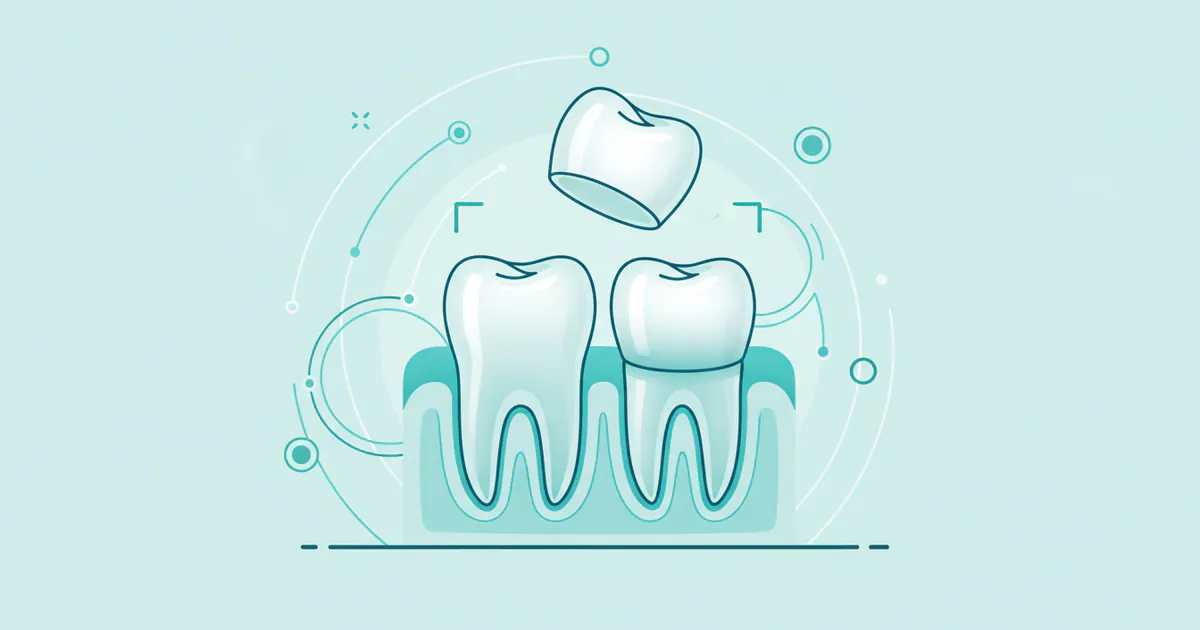
Teeth Crown: Complete Guide
Imagine the confidence of a strong, healthy smile. Yet, for many Americans, dental issues like decay, cracks, or large fillings can compromise not just aesthetics, but also the vital function of their teeth. In fact, over 15 million Americans have undergone crown and bridge procedures, highlight
February 22, 2026
How Long Do Fillings Take
When you discover a cavity or experience tooth pain, one of the first questions that might come to mind is, how long do fillings take? Understanding the duration of a dental filling procedure is crucial for managing your schedule and expectations, but it's just one piece of the puzzle. Dental fi
February 22, 2026
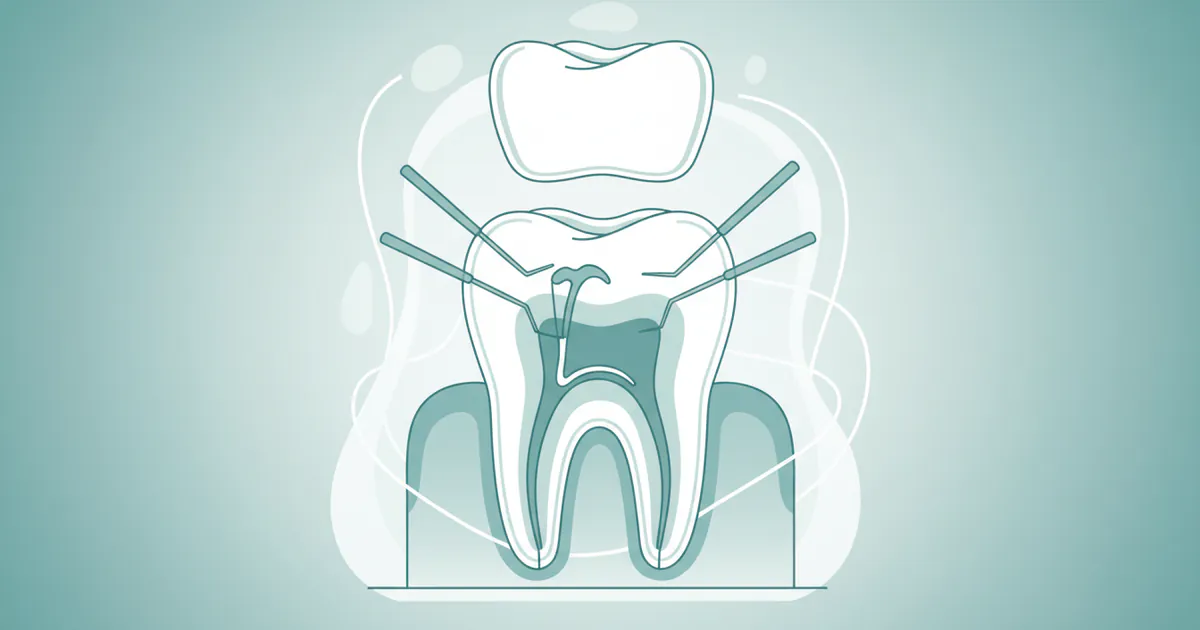
Root Canal and Crown: Complete Guide
When a tooth suffers from significant damage or infection, a combination of two powerful restorative dental procedures often becomes necessary to save it: a root canal and crown. This comprehensive approach not only eradicates infection and alleviates pain but also restores the tooth's structura
February 22, 2026
Bridge Teeth Cost: Complete Price Guide 2026
Losing a tooth can be more than just an aesthetic concern; it can impact your ability to chew, speak clearly, and even lead to shifting teeth, affecting your overall oral health. If you're considering solutions for missing teeth, a dental bridge is a common and effective restorative option. But what
February 22, 2026