How Long Does Root Canal Take
Key Takeaways
- A throbbing toothache can be one of the most debilitating forms of pain, often signaling a severe issue deep within the tooth's structure. If you've ever experienced it, you know the urgent need for relief and answers. One of the most common and effective treatments for such pain is a root canal, a
A throbbing toothache can be one of the most debilitating forms of pain, often signaling a severe issue deep within the tooth's structure. If you've ever experienced it, you know the urgent need for relief and answers. One of the most common and effective treatments for such pain is a root canal, a procedure designed to save a severely infected or damaged tooth. But once your dentist or root canal specialist recommends it, a common question arises: how long does root canal take? The duration of a root canal can vary significantly based on several factors, from the complexity of the tooth to the specific type of procedure required. Understanding these factors is crucial for preparing for your appointment and managing your expectations regarding this vital dental intervention. This comprehensive guide from SmilePedia.net will delve into every aspect of root canal therapy, helping you understand the process, its timeline, costs, recovery, and much more, so you can feel informed and confident in your dental health decisions.
Key Takeaways:
- Single-Visit vs. Multi-Visit: Most root canals are completed in one visit (60-90 minutes for anterior, 90-120 minutes for molars), but complex cases, reinfections, or very inflamed teeth may require two or more appointments.
- Tooth Complexity: Front teeth (incisors/canines) are quickest, while back teeth (molars) with multiple canals take the longest.
- Specialist Expertise: An endodontist (root canal specialist) may complete complex cases faster than a general dentist due to specialized tools and expertise.
- Cost Range: A root canal typically costs between $700 and $2,000 for anterior teeth and $1,000 to $2,500+ for molars, varying by region and provider.
- Post-Treatment Care: A permanent crown is essential after a root canal to protect the treated tooth, adding to the overall timeline and cost.
- Recovery: Most patients experience mild soreness for a few days, managed with over-the-counter pain relievers.
- Prevention: Good oral hygiene, regular dental check-ups, and mouthguards for sports are key to preventing the need for a root canal.
What is a Root Canal? An Overview
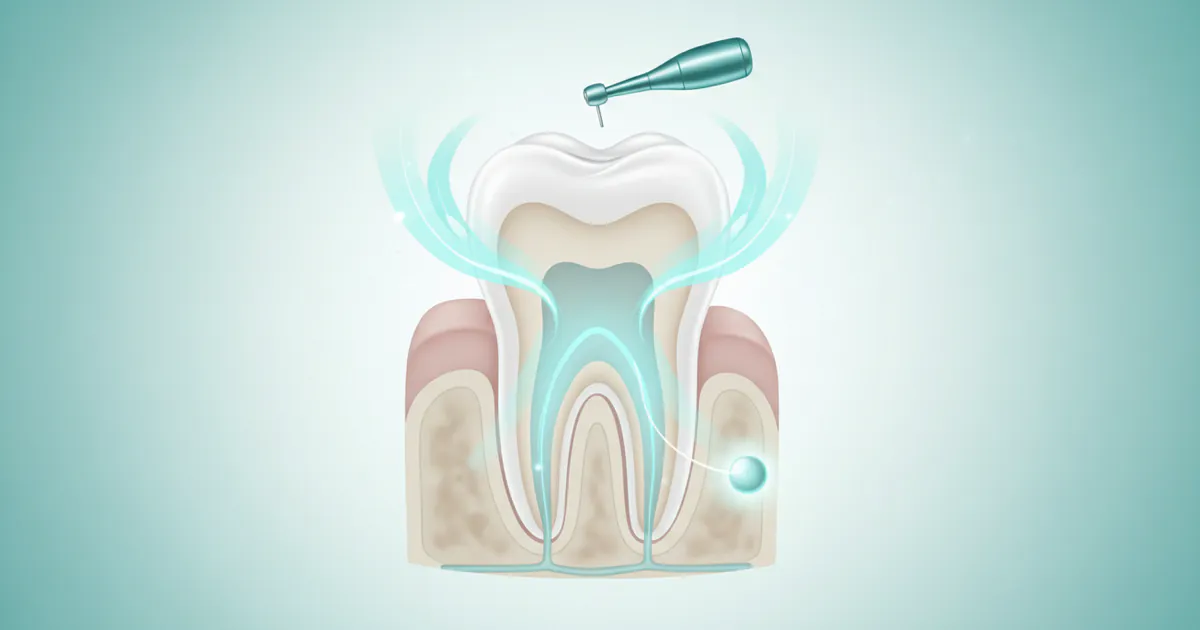
Root canal therapy, also known as endodontic treatment, is a dental procedure that removes infected or damaged pulp from inside a tooth. The pulp is the soft tissue within the tooth's innermost chamber and canals, containing nerves, blood vessels, and connective tissue. When this pulp becomes inflamed or infected due to deep decay, trauma, cracks, or repeated dental procedures, it can cause severe pain and lead to an abscess (pus pocket). A root canal aims to save the natural tooth, prevent the spread of infection, and alleviate pain by cleaning, disinfecting, and filling the internal pulp space.
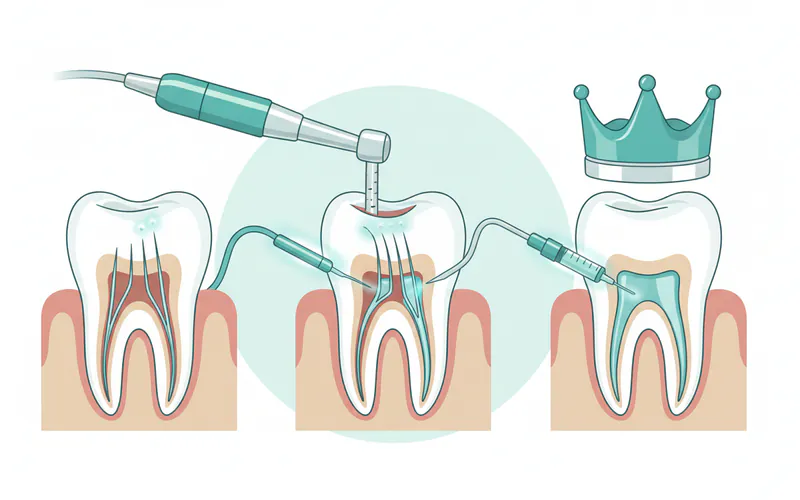
The alternative to a root canal is usually tooth extraction, but saving a natural tooth is almost always the preferred option. Preserving your natural tooth helps maintain your bite, prevents adjacent teeth from shifting, and avoids the need for bridges, dental implants, or partial dentures, which can be more costly and complex in the long run.
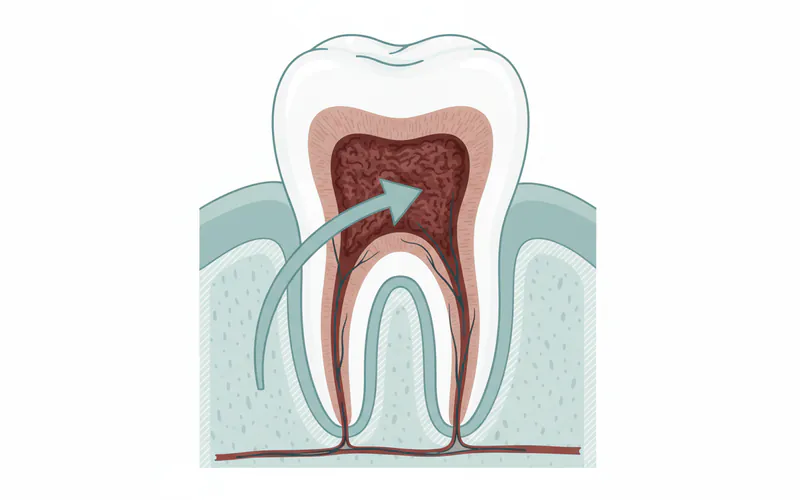
Anatomy of a Tooth and Pulp Infection
To understand a root canal, it's helpful to know the basic anatomy of a tooth:
- Enamel: The hard outer layer.
- Dentin: The layer beneath the enamel, less hard but still protective.
- Pulp: The soft tissue at the center of the tooth, extending into the root canals. This is where the nerves and blood vessels are located.
- Root Canals: Narrow passages that extend from the pulp chamber down to the tip of the tooth's roots.
- Periapical Tissue: The bone and ligament surrounding the tip of the tooth's root.
When bacteria infiltrate the pulp, typically through a deep cavity or a crack, they multiply and cause infection. This infection can spread down the root canals to the periapical tissue, leading to inflammation, pain, and potentially an abscess. A root canal removes this infected pulp, preventing further damage and allowing the surrounding tissues to heal.
Types and Variations of Root Canal Procedures
While the core principle of cleaning and filling the root canals remains the same, several factors can lead to variations in the procedure and, consequently, influence how long does root canal take.
Standard Root Canal Treatment (RCT)
This is the most common procedure, addressing infections in the pulp chamber and root canals of a specific tooth. The duration varies significantly by tooth type:
- Anterior (Front) Teeth: Incisors and canines usually have a single root and a single canal. These are the quickest to treat.
- Premolars (Bicuspids): Located between anterior teeth and molars, premolars often have one or two roots and one or two canals. They are moderately complex.
- Molars (Back Teeth): The largest teeth, molars typically have two or three roots and three or four (sometimes more) canals. These are the most complex and time-consuming.
Root Canal Retreatment
Sometimes, a tooth that has already undergone a root canal may become reinfected or fail to heal properly. This can happen if new decay develops, a crown becomes loose, or if the initial treatment didn't fully address all canals or bacteria. In retreatment, the existing filling material (gutta-percha) is removed, the canals are recleaned, reshaped, and refilled. This procedure is generally more complex and takes longer than an initial root canal because the dentist must navigate previous work and potentially calcified or difficult anatomy.
Apicoectomy
This is a minor surgical procedure performed by an endodontist when a conventional root canal or retreatment isn't sufficient to heal the infection at the tip of the root. During an apicoectomy, the endodontist makes an incision in the gum tissue, removes the infected tissue and the very tip of the root, and places a small filling to seal the end of the root canal. This procedure usually takes 30-90 minutes and is typically done after a root canal has been performed, not as a standalone treatment.
Pulp Therapy for Children
For primary (baby) teeth, dentists may perform procedures like pulpotomy or pulpectomy, which are often simpler versions of a root canal.
- Pulpotomy: Removes only the infected pulp from the crown of the tooth, leaving the healthy pulp in the roots intact.
- Pulpectomy: Removes all pulp from both the crown and roots, similar to a full root canal, but adapted for primary teeth. These procedures help preserve baby teeth until their natural exfoliation.
Causes: Why Does a Tooth Need a Root Canal?
Understanding the underlying reasons for pulp infection is key to prevention. The primary causes include:
- Deep Dental Decay: This is the most common cause. When a cavity is left untreated, bacteria can penetrate through the enamel and dentin layers, eventually reaching and infecting the pulp.
- Trauma: A direct blow to a tooth, such as from an accident or sports injury, can damage the pulp, even if there's no visible crack or chip. The trauma can disrupt blood supply, causing the pulp to die and become susceptible to infection.
- Cracked or Chipped Tooth: A crack or chip in the tooth can create an opening for bacteria to enter the pulp. Even hairline fractures that aren't immediately noticeable can lead to infection over time.
- Repeated Dental Procedures: Multiple fillings or other restorative treatments on the same tooth can sometimes cause trauma to the pulp, leading to inflammation and eventual infection.
- Large Fillings: Over time, a very large filling might weaken the tooth structure or allow microscopic leakage, leading to bacterial penetration.
- Gum Disease (Periodontitis): While less common, severe gum disease can sometimes progress to a point where bacteria infect the pulp through the root surface.
Signs and Symptoms That You Might Need a Root Canal
Recognizing the symptoms early can help you seek timely treatment and prevent more severe complications. Here's what to look for:
- Persistent Tooth Pain: This is the most common symptom. The pain can range from mild sensitivity to severe, throbbing pain. It might be constant or intermittent, and can sometimes radiate to your jaw, ear, or head.
- Sensitivity to Hot and Cold: Lingering sensitivity to hot or cold temperatures, especially after the stimulus is removed, can indicate pulp damage.
- Tenderness to Touch and Chewing: The tooth might feel sore or tender when you touch it, chew food, or bite down.
- Swelling in the Gums: Localized swelling around the affected tooth, which may be painful. You might also notice a small pimple-like bump (fistula or sinus tract) on the gum, which indicates pus draining from an abscess.
- Pus Drainage: A foul taste in your mouth from pus draining from an infected area.
- Discoloration of the Tooth: The tooth may darken or appear grayish, indicating that the pulp tissue inside has died.
- Bad Breath: Persistent bad breath that doesn't improve with brushing and flossing can sometimes be a sign of underlying infection.
Pro Tip: Don't wait for the pain to become unbearable. If you notice any of these symptoms, especially persistent pain or swelling, schedule an appointment with your dentist immediately. Early intervention can save your tooth and prevent more extensive treatment.
Treatment Options: Root Canal vs. Alternatives
When faced with an infected or severely damaged tooth, your primary treatment options are a root canal or tooth extraction.
Root Canal Therapy (RCT)
Pros:
- Saves Natural Tooth: Preserves your original tooth, maintaining your natural bite and smile.
- Prevents Shifting: Keeps adjacent teeth from drifting into the gap, which can cause bite problems.
- Cost-Effective Long-Term: Often less expensive over time than extraction followed by a bridge or implant.
- Maintains Bone Structure: The tooth root continues to stimulate the jawbone, preventing bone loss.
- High Success Rate: Modern root canal treatments have a success rate of over 95%.
Cons:
- Time Commitment: Can take one or more appointments, followed by a crown.
- Post-Procedure Sensitivity: Some mild discomfort for a few days after the procedure.
- Potential for Retreatment: Though rare, a treated tooth can sometimes become reinfected.
Tooth Extraction (Removal)
Pros:
- Immediate Pain Relief: Removes the source of infection and pain immediately.
- Simpler Procedure: Generally quicker than a root canal.
Cons:
- Loss of Natural Tooth: Requires replacement to maintain function and aesthetics.
- Bone Loss: Without the tooth root, the jawbone can resorb over time.
- Shifting Teeth: Adjacent teeth can drift, leading to bite issues and making future restoration more complex.
- Higher Long-Term Cost: Replacing an extracted tooth with an implant or bridge is typically more expensive than a root canal and crown over the lifespan of the tooth.
- Impact on Chewing: A missing tooth can affect your ability to chew properly.
For most patients, saving the natural tooth through a root canal is the recommended approach due to its numerous long-term benefits for oral health and function.
Step-by-Step Process: What to Expect During a Root Canal
Understanding the stages of a root canal can help alleviate anxiety about the procedure itself and shed light on how long does root canal take. While variations exist, the general steps are consistent.
Step 1: Diagnosis and Treatment Planning
- Examination: Your dentist or endodontist will examine your tooth, looking for signs of swelling, tenderness, and discoloration.
- X-rays: Detailed X-rays (often digital and 3D imaging like CBCT) are taken to visualize the root canals, identify the extent of infection, and assess the surrounding bone. This is crucial for planning.
- Pulp Testing: Tests like cold sensitivity, percussion (tapping), and electric pulp tests help confirm the vitality of the pulp.
- Anesthesia: Before starting, local anesthetic is administered to numb the tooth and surrounding area, ensuring you feel no pain during the procedure. You might feel a slight pinch during the injection, but then the area will become completely numb.
Step 2: Isolation of the Tooth
- A rubber dam (a thin sheet of latex or non-latex material) is placed around the affected tooth. This isolates the tooth, keeping it clean and dry from saliva and preventing any bacteria from entering the sterile field. It also protects your mouth from small instruments and irrigating solutions.
Step 3: Access Opening
- The dentist creates a small opening in the crown of the tooth, usually on the biting surface for molars/premolars, or on the back surface for front teeth. This provides direct access to the pulp chamber and root canals.
Step 4: Removal of Infected Pulp and Cleaning
- Using tiny, flexible instruments called files (either manual or rotary nickel-titanium instruments), the infected or necrotic (dead) pulp tissue is carefully removed from the pulp chamber and root canals.
- The canals are then meticulously cleaned, shaped, and disinfected using antibacterial solutions (like sodium hypochlorite) to remove bacteria and debris. This is often the most time-consuming part of the procedure, especially for molars with complex canal systems.
- This step is repeated for each canal within the tooth.
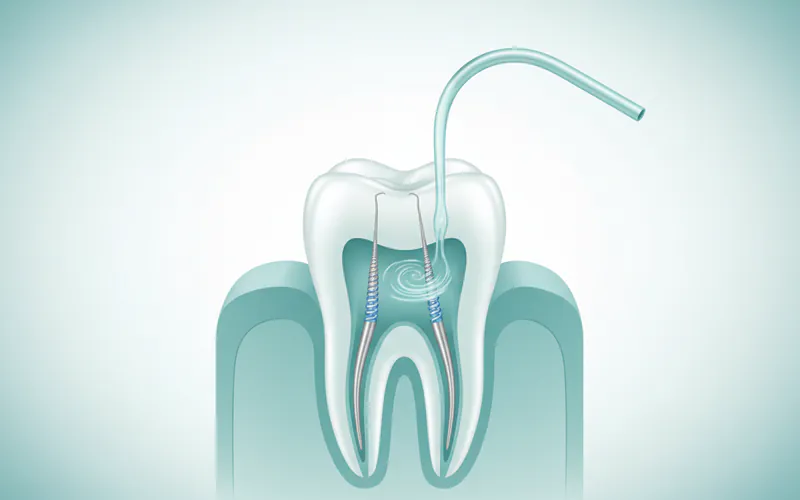
Step 5: Filling the Canals (Obturation)
- Once the canals are thoroughly cleaned and shaped, they are dried.
- The canals are then filled with a biocompatible, rubber-like material called gutta-percha, usually combined with an adhesive sealer. The gutta-percha is carefully compacted into the canals to ensure they are completely sealed, preventing future bacterial re-entry.
Step 6: Temporary Filling
- After the canals are sealed, the access opening in the crown of the tooth is closed with a temporary filling material. This protects the tooth until a permanent restoration can be placed.
Step 7: Permanent Restoration (Crown or Filling)
- This is a critical follow-up step, typically performed at a separate appointment within a few weeks of the root canal.
- Because a root-canaled tooth can become more brittle over time, a permanent crown is usually recommended, especially for back teeth (molars and premolars) that endure significant chewing forces. Front teeth may only require a permanent filling.
- The crown protects the tooth from fracture, restores its strength, and seals it from future contamination. Failing to get a permanent restoration significantly increases the risk of tooth fracture or reinfection, compromising the root canal's success.
Table 1: Estimated Root Canal Procedure Length by Tooth Type (Single Visit)
| Tooth Type | Number of Canals (Typical) | Estimated Time (General Dentist) | Estimated Time (Endodontist) | Notes |
|---|---|---|---|---|
| Anterior (Front) | 1 | 60-90 minutes | 45-75 minutes | Simplest, usually one root and one canal. |
| Premolar | 1-2 | 90-120 minutes | 75-100 minutes | Moderate complexity. |
| Molar (Back) | 3-4+ | 120-180 minutes (2-3 hours) | 90-120 minutes (1.5-2 hours) | Most complex, multiple roots and canals. |
| Retreatment | Varies | 120-240 minutes (2-4 hours) | 90-180 minutes (1.5-3 hours) | Requires removal of old material, potentially more challenging. |
| Apicoectomy | N/A | N/A | 30-90 minutes | Surgical procedure, usually after failed RCT. |
Pro Tip: While a general dentist can perform most root canals, if your tooth is a molar, has complex anatomy, or requires retreatment, your dentist might refer you to an endodontist. An endodontist is a dental specialist who has undergone additional training focusing specifically on root canal procedures, using advanced equipment and techniques to ensure efficiency and success. Asking for a referral to the best endodontist near me can be a wise decision for complex cases.
Cost and Insurance: Understanding the Financial Aspect
The cost of a root canal in the US can vary widely based on several factors, including the type of tooth, the complexity of the case, the geographic location, and whether a general dentist or an endodontist performs the procedure.
Average US Price Ranges (Without Insurance)
- Anterior Tooth (Incisors, Canines): Approximately $700 - $1,500
- Premolar Tooth (Bicuspids): Approximately $800 - $1,800
- Molar Tooth: Approximately $1,000 - $2,500+
- Root Canal Retreatment: Typically 20-50% more than an initial root canal, ranging from $1,000 - $3,000+
- Apicoectomy: Can range from $900 - $2,000+ per tooth.
Important Note: These costs usually cover only the root canal procedure itself. A permanent restoration (filling or crown) is a separate cost, typically ranging from $800 to $2,000 for a crown, depending on the material and lab fees. You should factor this into the total expense.
Factors Influencing Cost
- Location: Costs tend to be higher in major metropolitan areas and on the coasts compared to rural areas.
- Provider: Endodontists, due to their specialized training and equipment, generally charge more than general dentists. However, their expertise can lead to higher success rates and often a quicker, more comfortable procedure.
- Complexity: Teeth with more canals, curved canals, or calcified canals will cost more due to the increased time and effort required.
- Diagnostic Tools: The use of advanced imaging (like CBCT scans) can add to the initial diagnostic cost but can improve treatment outcomes.
Insurance Coverage
Most dental insurance plans provide some coverage for root canal therapy, as it is considered a major restorative procedure.
- PPO (Preferred Provider Organization) Plans: Typically cover 50-80% of the cost of a root canal after your deductible is met, up to your annual maximum. You can usually choose any dentist, but staying in-network will result in lower out-of-pocket costs.
- HMO (Health Maintenance Organization) Plans: Usually require you to choose a dentist from a specific network and may have fixed co-payments for procedures, but often less flexibility in choice.
- Waiting Periods: Many insurance plans have waiting periods (e.g., 6-12 months) for major procedures like root canals. Be sure to check your policy.
- Annual Maximums: Most plans have an annual limit on what they will pay, typically ranging from $1,000 to $2,000. If your root canal and crown exceed this, you'll pay the difference.
Pro Tip: Before undergoing any procedure, always contact your insurance provider to understand your specific benefits, deductibles, co-pays, and annual maximums. Your dental office can often help you with this verification process.
Recovery and Aftercare: What to Expect Post-Procedure
After your root canal, proper recovery and aftercare are essential for the long-term success of the treatment.
Immediate Post-Procedure Care
- Numbness: The local anesthetic will wear off within a few hours. Avoid chewing on the treated side until the numbness is completely gone to prevent accidental biting of your tongue or cheek.
- Pain and Discomfort: It's normal to experience some mild soreness, sensitivity, or tenderness for a few days after the procedure, especially when biting. This is due to inflammation in the surrounding tissues from the cleaning process.
- Pain Management: Over-the-counter pain relievers like ibuprofen (Advil, Motrin) or acetaminophen (Tylenol) are usually sufficient to manage discomfort. Your dentist might prescribe stronger medication if needed.
- Swelling: Minor swelling is possible but uncommon. Apply a cold compress to the outside of your cheek if you experience swelling.
Oral Hygiene and Diet
- Brushing and Flossing: Continue your regular oral hygiene routine, brushing and flossing gently around the treated tooth.
- Chewing: Avoid chewing hard or sticky foods on the treated tooth until your permanent crown or filling is placed. The tooth, especially a molar, is susceptible to fracture during this temporary period.
- Temporary Filling: Be gentle with the temporary filling. If it falls out or feels loose, contact your dentist immediately.
Permanent Restoration
- Schedule Promptly: It is crucial to return to your dentist within a few weeks (typically 1-4 weeks) to have the permanent crown or filling placed. This step is non-negotiable for the long-term protection and success of your root-canaled tooth. Without it, the tooth remains vulnerable to fracture and reinfection.
Follow-Up Care
- Your dentist or endodontist may recommend a follow-up appointment a few months after the permanent restoration to check on the healing of the surrounding bone and tissue, usually with an X-ray.
Pro Tip: If you experience severe pain, significant swelling, an allergic reaction to medication, or if your temporary filling comes out completely and you cannot get to the dentist immediately, contact your dentist or an emergency dental service.
Prevention: Avoiding the Need for a Root Canal
The best treatment is always prevention. While some causes like trauma are hard to avoid, many root canals can be prevented with good oral hygiene and proactive dental care.
- Maintain Excellent Oral Hygiene:
- Brush: Brush your teeth at least twice a day for two minutes each time, using fluoride toothpaste.
- Floss: Floss daily to remove plaque and food particles from between teeth and under the gumline, areas your toothbrush can't reach.
- Regular Dental Check-ups and Cleanings:
- Visit your dentist for routine check-ups and professional cleanings every six months (or as recommended). Early detection of cavities allows for simpler, less invasive treatment before the decay reaches the pulp.
- Address Cavities Promptly:
- Don't delay treatment for cavities. The longer a cavity goes untreated, the deeper it gets, increasing the risk of pulp involvement.
- Protect Your Teeth from Trauma:
- Wear a mouthguard during contact sports or activities with a risk of facial injury.
- Avoid chewing on hard objects like ice, popcorn kernels, or non-food items, which can chip or crack teeth.
- Treat Teeth Grinding (Bruxism):
- If you grind or clench your teeth, especially at night, your dentist may recommend a nightguard to protect your teeth from excessive wear and potential cracks.
- Limit Sugary and Acidic Foods/Drinks:
- Reduce consumption of sugary snacks, sodas, and acidic foods that contribute to tooth decay.
Risks and Complications of Root Canal Therapy
While root canal therapy has a high success rate, as with any medical procedure, there are potential risks and complications, though they are generally rare.
- Persistent Infection: Despite thorough cleaning, some bacteria might remain, leading to persistent infection. This could necessitate retreatment or an apicoectomy.
- Missed Canals: Some teeth, especially molars, have very small or unusually shaped canals that can be difficult to locate and clean, potentially leading to residual infection. This is less common with endodontists who use specialized microscopes and 3D imaging.
- Fractured Instrument: In rare cases, a small dental file can break inside the root canal. If it cannot be removed, it may be sealed into the canal. Often, this doesn't cause problems, but occasionally it can hinder proper cleaning and necessitate further treatment.
- Perforation: An accidental hole created in the side of the tooth or root during the cleaning process. Depending on its size and location, it can be repaired, but sometimes it may compromise the tooth's long-term prognosis.
- Reinfection: A treated tooth can become reinfected if:
- The permanent restoration (crown) is not placed in a timely manner or becomes compromised.
- New decay develops around the crown or filling, allowing bacteria to leak into the tooth.
- A crack in the tooth goes undetected.
- Tooth Fracture: Even after a successful root canal, the tooth can become more brittle. This is why a permanent crown is crucial, especially for back teeth, to prevent fracture.
- Allergic Reaction: Though rare, an allergic reaction to medications (like anesthesia or antibiotics) or materials used (like gutta-percha or sealer) can occur.
Your dentist or endodontist will discuss these potential risks with you before treatment and take all necessary precautions to minimize them.
Children / Pediatric Considerations for Pulp Treatment
While primary teeth are eventually replaced by permanent teeth, they play a crucial role in a child's development, including chewing, speech, and maintaining space for the permanent teeth. Therefore, saving them from infection is often important.
When a child's primary tooth pulp becomes infected, a pediatric dentist may perform:
Pulpotomy (Partial Pulp Removal)
- Purpose: Performed when decay has reached the pulp chamber but the infection is confined to the crown portion of the pulp, and the root pulp is healthy.
- Procedure: The infected pulp in the crown is removed, the remaining pulp is treated with a medicated material (like formocresol or MTA) to promote healing, and the chamber is sealed.
- Duration: Typically 30-45 minutes.
- Outcome: The tooth usually requires a stainless steel crown afterward to protect it until it naturally falls out.
Pulpectomy (Full Pulp Removal)
- Purpose: When the infection extends into the root canals of a primary tooth.
- Procedure: Similar to an adult root canal, all the infected pulp from the crown and roots is removed, the canals are cleaned, and then filled with a resorbable material that allows the permanent tooth to erupt normally.
- Duration: 45-75 minutes, depending on the tooth.
- Outcome: Also usually requires a stainless steel crown.
Apexification and Apexogenesis for Immature Permanent Teeth
For young children or adolescents who suffer trauma or deep decay to a newly erupted permanent tooth where the root has not fully formed (apex is open), specialized endodontic procedures are needed to encourage root development:
- Apexogenesis: If the pulp is vital, this procedure aims to preserve the remaining healthy pulp to allow the root to continue forming naturally.
- Apexification: If the pulp is necrotic, this procedure encourages the formation of a hard tissue barrier at the root tip, allowing for a standard root canal filling to be placed.
These specialized procedures require an endodontist and are more complex, influencing how long does root canal take in these unique pediatric cases.
Cost Breakdown: Making Root Canal Treatment Affordable
Beyond the average costs, understanding the specific components and financing options can help manage the financial aspect of a root canal.
Average US Costs (Low, Mid, High)
As discussed, costs vary, but to reiterate:
- Low End: ~$700 (e.g., anterior tooth in a rural area by a general dentist, possibly with some insurance coverage).
- Mid-Range: ~$1,200 - $1,800 (e.g., premolar by a general dentist or molar by an endodontist in a mid-sized city).
- High End: ~$2,500 - $3,000+ (e.g., complex molar retreatment by a highly experienced endodontist in a major metropolitan area).
Remember these figures are for the root canal procedure only. Add another $800-$2,000 for the essential permanent crown.
Table 2: Root Canal Cost Comparison (General Dentist vs. Endodontist)
| Tooth Type | General Dentist (Approx. Range) | Endodontist (Approx. Range) | Notes |
|---|---|---|---|
| Anterior | $700 - $1,200 | $900 - $1,500 | Endodontist may be faster and more precise. |
| Premolar | $800 - $1,500 | $1,000 - $1,800 | Endodontist often recommended for two-canal premolars. |
| Molar | $1,000 - $2,000 | $1,200 - $2,500+ | Endodontist highly recommended due to complexity of molars. |
| Retreatment | $1,200 - $2,500 | $1,500 - $3,000+ | Often requires specialized tools and expertise of an endodontist. |
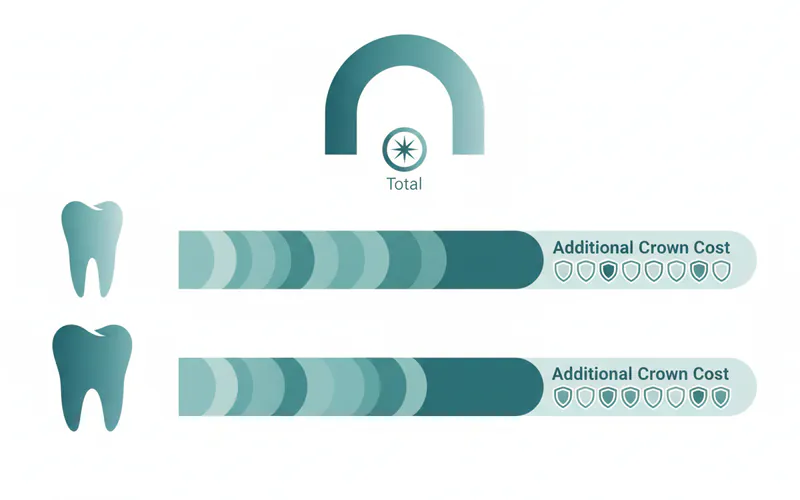
With vs. Without Insurance
- Without Insurance: You are responsible for 100% of the listed costs. This can be a significant financial burden.
- With Insurance (e.g., 50% coverage after deductible):
- If your deductible is $100 and a molar root canal is $1,500, you pay $100 deductible + 50% of the remaining $1,400 ($700) = $800 out-of-pocket, up to your annual maximum.
- Always factor in the crown, which will also be subject to your insurance's coverage for major restorative work.
Payment Plans and Financing Options
Many dental offices understand the financial challenges and offer solutions:
- In-Office Payment Plans: Some practices allow you to pay in installments directly to the office.
- Third-Party Financing (e.g., CareCredit): These are credit cards specifically for healthcare expenses, offering low or no-interest payment plans for a set period.
- Dental Savings Plans: These are not insurance but membership plans where you pay an annual fee and receive discounts on dental services from participating dentists (typically 10-60% off).
- Flexible Spending Accounts (FSAs) and Health Savings Accounts (HSAs): If you have these through your employer, you can use pre-tax dollars for dental expenses, including root canals and crowns.
Cost-Saving Tips
- Early Intervention: Addressing a cavity when it's small prevents it from progressing to a root canal or extraction. Regular check-ups are key.
- In-Network Providers: If you have PPO insurance, choose a dentist or endodontist who is in your network to benefit from negotiated rates.
- Shop Around (Carefully): Get quotes from a few different highly-rated providers in your area. While cost is a factor, prioritize quality and experience, especially when dealing with your oral health. A cheap root canal that fails can cost you more in the long run.
- Dental Schools: University dental schools often provide treatment at a reduced cost, as students perform the procedures under the close supervision of experienced faculty.
Frequently Asked Questions
### Is a root canal painful?
With modern anesthesia and techniques, a root canal is typically no more uncomfortable than getting a filling. The procedure is performed with local anesthetic, so you won't feel pain during the treatment. Afterward, it's normal to experience some mild soreness for a few days, which can be managed with over-the-counter pain relievers.
### How many appointments does a root canal take?
Most root canal procedures are completed in a single appointment, which can range from 60 to 180 minutes depending on the tooth's complexity. However, some cases, such as those with severe infection, difficult anatomy, or retreatments, may require two or more visits to fully clean and disinfect the canals.
### What is the recovery time after a root canal?
Most people can return to their normal activities the day after the procedure. You might experience mild soreness or sensitivity for a few days, which usually subsides within a week. It's crucial to avoid chewing on the treated tooth until a permanent crown or filling is placed to prevent fracture.
### Can I get a root canal if I'm pregnant?
Yes, root canals can generally be performed safely during pregnancy, especially in the second trimester. Your dentist will take precautions like using local anesthetics safe for pregnancy and minimizing X-ray exposure with lead aprons. It's often safer to treat an infection than to leave it untreated during pregnancy.
### What are the alternatives to a root canal?
The primary alternative to a root canal is tooth extraction. While extraction provides immediate relief, it requires subsequent treatment (like a bridge or dental implant) to replace the missing tooth and prevent future dental problems. Saving your natural tooth with a root canal is almost always the preferred option.
### How long does a root canal last?
With proper care and a timely permanent restoration (crown), a root-canaled tooth can last a lifetime. Its longevity depends on factors like the quality of the initial treatment, the permanent restoration, and your ongoing oral hygiene practices. Regular dental check-ups are essential for monitoring its health.
### When should I see a root canal specialist (endodontist)?
Your general dentist may refer you to an endodontist for complex cases, such as molars with multiple or curved canals, root canal retreatments, calcified canals, or if you have specific medical conditions. Endodontists have specialized training, equipment, and experience to handle challenging procedures efficiently.
### Does dental insurance cover root canals?
Most dental insurance plans consider root canal therapy a major restorative procedure and cover a portion of the cost, typically 50-80% after your deductible is met, up to your annual maximum. It's important to verify your specific benefits with your insurance provider before treatment.
### Will I need a crown after a root canal?
For most teeth, especially molars and premolars that withstand significant chewing forces, a permanent crown is highly recommended after a root canal. The crown protects the treated tooth from fracture and seals it from reinfection. Front teeth might sometimes only require a permanent filling.
### What happens if I don't get a root canal for an infected tooth?
If left untreated, the infection will spread, potentially leading to a severe abscess, bone loss in the jaw, and even systemic health issues. The pain may temporarily subside if the pulp dies, but the infection remains and can cause serious complications, eventually leading to the need for extraction.
When to See a Dentist
Recognizing the signs that warrant a trip to the dentist is crucial for maintaining your oral health and preventing small problems from becoming large, painful, and expensive ones.
Clear Warning Signs That Need Immediate Attention:
- Persistent or Severe Tooth Pain: If you have a toothache that doesn't go away, keeps you up at night, or is excruciating, especially when chewing or applying pressure.
- Extreme Sensitivity: If your tooth is hypersensitive to hot or cold temperatures, and this sensitivity lingers for more than a few seconds after the stimulus is removed.
- Gum Swelling or a "Pimple" on the Gums: Any localized swelling around a tooth or a small bump on your gums (a fistula or abscess) that may release pus. This indicates an active infection.
- Tooth Discoloration: If one of your teeth suddenly darkens or turns gray, it could mean the pulp inside has died.
- Facial Swelling: Swelling in your jaw, face, or neck accompanied by tooth pain is a sign of a spreading infection and requires immediate dental or medical attention.
- Loose Tooth: If a tooth feels noticeably loose without any obvious trauma.
Red Flags vs. Routine Care Guidance:
- Routine Care: Regular dental check-ups and cleanings every six months are essential preventative measures. These visits allow your dentist to catch cavities early and address minor issues before they escalate.
- Scheduled Appointment Guidance: If you notice new sensitivity, a small chip, or minor pain that comes and goes, schedule a non-emergency appointment soon.
- Emergency Appointment Guidance: Any of the "Clear Warning Signs" listed above constitute a dental emergency. Do not wait for a routine appointment. Contact your dentist immediately. If it's after hours and you can't reach your dentist, seek emergency dental care or go to an urgent care center/hospital emergency room, especially if you have significant facial swelling, difficulty breathing, or fever.
Don't ignore dental pain or symptoms. Your oral health is intricately linked to your overall health. Early diagnosis and treatment are key to saving your natural teeth and maintaining a healthy, comfortable smile. If you're wondering how long does root canal take because you suspect you need one, the most important step is to see a qualified dental professional right away to get a definitive diagnosis and treatment plan.
Frequently Asked Questions
Medically Reviewed Content
This article was written by our dental health editorial team and reviewed for medical accuracy. Our content follows strict editorial guidelines for reliability and trustworthiness.
Medical Disclaimer
This article is for informational purposes only and does not constitute medical advice. Always consult with a qualified dental professional for diagnosis and treatment. Do not delay seeking professional advice because of something you read on this website.
Related Articles
How to Stop Throbbing Pain After Root Canal
Undergoing a root canal procedure is often a necessary step to save a tooth severely damaged by decay or infection, preventing further complications and excruciating pain. While the procedure itself is performed under local anesthesia to ensure comfort, it's common for patients to experience some le
February 22, 2026
Root Canal After Care: Complete Guide
A root canal procedure can be a tooth-saving treatment, offering relief from pain and preventing further infection. However, the success and longevity of this crucial dental intervention heavily rely on diligent root canal after care. Neglecting post-treatment instructions can lead to complicati
February 22, 2026
Can You Drive After a Root Canal
Undergoing a root canal procedure can understandably bring up a host of questions and concerns, from understanding the process itself to managing recovery. One of the most common and practical inquiries people have is: can you drive after a root canal? The answer isn't always a simple yes or no,
February 22, 2026
Is a Root Canal Painful
When facing the prospect of a root canal, one of the most common and immediate questions that comes to mind is: is a root canal painful? It's a valid concern, stemming from outdated perceptions and anecdotal stories. However, modern root canal therapy is a highly effective and generally comforta
February 22, 2026