How Much Does a Root Canal Cost Without Insurance
Key Takeaways
- More than 15 million root canal treatments are performed annually in the United States, yet for many Americans, the immediate question after receiving this news is often, "How much does a root canal cost without insurance?" The reality is that an unexpected dental emergency, especially one requi
More than 15 million root canal treatments are performed annually in the United States, yet for many Americans, the immediate question after receiving this news is often, "How much does a root canal cost without insurance?" The reality is that an unexpected dental emergency, especially one requiring endodontic therapy, can be a significant financial burden, particularly when you lack dental coverage. Ignoring the problem, however, can lead to far more severe and costly health consequences, including systemic infections and the eventual loss of the tooth. At SmilePedia.net, we understand your concerns and are here to provide a definitive guide to understanding the expenses involved. This comprehensive article will break down the various factors influencing the price of a root canal, explore financial options for uninsured patients, detail the procedure itself, and offer actionable advice to help you navigate this essential treatment. We'll delve into everything from the initial consultation to aftercare, ensuring you're fully equipped with the knowledge to make informed decisions about your dental health, even if you don't have insurance.
Key Takeaways:
- Average Cost Range: A root canal without insurance typically ranges from $700 to $2,000 for a front tooth, $800 to $2,200 for a premolar, and $1,000 to $2,500+ for a molar.
- Factors Influencing Price: Location, tooth type (front, premolar, molar), complexity, the dental professional's fees (general dentist vs. endodontist), and additional services (X-rays, crown, build-up) all impact the final cost.
- Endodontist vs. General Dentist: While general dentists perform many root canals, complex cases may require an endodontist, a specialist whose fees can be 20-30% higher.
- Essential Follow-Up Care: A dental crown is almost always necessary after a root canal to protect the treated tooth, adding an additional $800 to $3,000 to the overall expense without insurance.
- Financial Assistance Options: Look into dental schools, community dental clinics, payment plans (CareCredit), dental discount plans, and negotiating with your provider to manage costs.
- Preventive Measures: Regular dental check-ups, good oral hygiene, and prompt treatment of cavities are crucial for preventing the need for costly root canal therapy.
- Don't Delay Treatment: Postponing a root canal can lead to more severe infection, abscess formation, tooth extraction, and even systemic health issues, ultimately increasing pain and overall treatment costs.
What is a Root Canal? An Overview of Endodontic Treatment
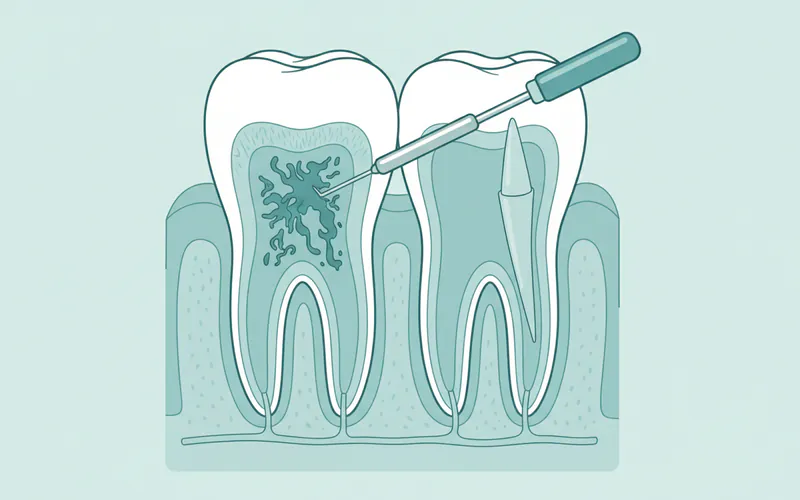
A root canal, scientifically known as endodontic treatment, is a common dental procedure designed to save a tooth that has been severely damaged due to deep decay, infection, or trauma. At its core, the procedure involves removing the inflamed or infected pulp – the soft tissue inside the tooth's root canal that contains nerves, blood vessels, and connective tissue. Once the pulp is removed, the interior of the tooth is carefully cleaned, disinfected, shaped, and then filled with a biocompatible material called gutta-percha. Finally, the tooth is sealed, often with a permanent filling and usually crowned, to protect it from future damage and restore its full function.

The goal of a root canal is not to remove the "root" of the tooth itself, but rather the infected tissue within the root's canal system. After the procedure, the tooth continues to function normally, sustained by the surrounding tissues, even though its internal "nerve" is no longer active. This makes root canal therapy a highly effective way to preserve your natural tooth, preventing the need for extraction and the subsequent complications and costs associated with tooth replacement options like dental implants or bridges. The American Dental Association (ADA) strongly supports root canal therapy as a safe and effective treatment to maintain oral health and prevent tooth loss.
Types and Variations of Root Canal Treatment
While the fundamental principles of a root canal remain consistent, the specific approach can vary depending on the tooth involved and the complexity of the case. Understanding these variations can help you anticipate the scope and potential cost of your treatment.
Standard Root Canal Treatment (RCT)
This is the most common form of root canal therapy, typically performed on teeth with irreversible pulpitis (inflammation of the pulp) or necrotic pulp (dead pulp tissue) due to deep cavities, cracks, or trauma. The procedure involves accessing the pulp chamber, cleaning out the infected canals, shaping them, and then filling and sealing.
Apicoectomy (Root-End Resection)
An apicoectomy is a minor surgical procedure sometimes needed when an infection persists or reappears after a conventional root canal, or when anatomical challenges prevent a complete traditional root canal. During an apicoectomy, the endodontist accesses the tip of the root through the gum tissue, removes the infected root tip, and seals the end of the root with a small filling material to prevent reinfection. This procedure is more complex and thus typically more expensive than a standard root canal.
Retreatment
If a tooth that has previously undergone root canal therapy becomes re-infected or fails to heal properly, a root canal retreatment may be necessary. This involves reopening the tooth, removing the previous filling material, re-cleaning and reshaping the canals, and then refilling and sealing them. Retreatment is often more complex and time-consuming than the initial root canal, as the canals may be calcified, or there may be posts or broken instruments to remove. Consequently, retreatment costs are often higher.
Pulpotomy and Pulpectomy (Pediatric Root Canal Variants)
While not full root canals in adults, these procedures are sometimes referred to as "baby root canals" for primary (baby) teeth.
- Pulpotomy: Involves removing only the coronal (crown) portion of the infected pulp, leaving the healthy pulp in the root canals intact. It's often performed on primary teeth to preserve them until they naturally fall out.
- Pulpectomy: Involves removing all the pulp from both the crown and root canals of a primary tooth. The canals are then filled with a resorbable material that allows the permanent tooth to erupt normally.
These pediatric procedures are typically less expensive than a full adult root canal due to their simpler nature and the temporary status of the primary teeth.
Causes and Why Root Canal Issues Happen
Understanding the root causes of pulp infection or damage can empower you to take preventative measures and recognize when treatment might be necessary.
Deep Decay (Cavities)
This is by far the most common cause. When a cavity is left untreated, bacteria erode the enamel and dentin layers of the tooth. If the decay progresses deep enough, it reaches the pulp chamber, allowing bacteria to infect the delicate pulp tissue. This infection can cause inflammation, pain, and eventually lead to the death of the pulp.
Repeated Dental Procedures
Multiple dental procedures on the same tooth, such as numerous fillings or extensive restorative work, can sometimes cause trauma or irritation to the pulp. Over time, this cumulative stress can lead to pulp inflammation or necrosis, necessitating a root canal.
Cracks or Chips in the Tooth
Dental trauma, grinding (bruxism), or biting down on something hard can cause cracks or chips in a tooth. Even hairline fractures that aren't immediately visible can allow bacteria to penetrate the tooth's inner structure and infect the pulp. If the crack extends to the root, the prognosis for the tooth may be severely compromised.
Trauma to the Tooth
A direct blow to the mouth or face can damage a tooth, even if there are no visible chips or cracks. The impact can sever the blood supply to the pulp, causing it to die over time. Trauma can also dislodge or fracture the tooth, creating an entry point for bacteria. This is particularly common in front teeth, which are more susceptible to impact.
Gum Disease (Periodontal Disease)
While less common, advanced periodontal disease can sometimes affect the pulp. If the infection from the gums spreads deep into the supporting bone and reaches the apex of the tooth root, it can compromise the vitality of the pulp.
Pro Tip: Regular dental check-ups and prompt treatment of small cavities are your best defense against needing a root canal. Don't wait for pain to visit the dentist!
Signs and Symptoms Indicating a Root Canal is Needed
Recognizing the signs and symptoms that indicate a potential need for root canal therapy is crucial for timely intervention and preserving your tooth. While some people experience no symptoms, others have clear indicators that something is wrong.
Persistent Tooth Pain
This is the most common symptom. The pain can vary from mild to severe and may be constant or intermittent. It often worsens when chewing or applying pressure to the tooth. The pain might also radiate to your jaw, ear, or temple.
Sensitivity to Hot and Cold
Lingering sensitivity to hot or cold temperatures, especially after the stimulus has been removed, is a strong indicator of pulp damage. If a sip of hot coffee or cold water causes sharp pain that doesn't quickly subside, your pulp may be inflamed or infected.
Swelling and Tenderness in the Gums
Infection in the pulp can spread to the surrounding tissues and bone, leading to swelling, tenderness, or even a visible bump (abscess or "pimple") on the gums near the affected tooth. This swelling may also extend to your face or neck.
Discoloration of the Tooth
An infected or dying pulp can cause the tooth to darken or take on a grayish-black hue. This discoloration is due to the breakdown of blood vessels and tissue within the tooth. This is often a sign of a necrotic (dead) pulp.
A Pimple-Like Bump on the Gums (Fistula)
This small, localized bump, often called a fistula or "gum boil," indicates that pus from an infection within the tooth is draining into your mouth. While it might temporarily relieve pressure and pain, it signifies a severe underlying infection that requires immediate attention.
Pain When Chewing or Touching the Tooth
If the tooth hurts when you bite down or even just touch it, it suggests inflammation or infection in the ligaments surrounding the tooth root, a condition known as periapical periodontitis.
Important Note: It's possible to need a root canal even if you don't experience pain. A "dead" tooth may have no sensation, but the infection can still spread and cause an abscess. Therefore, regular dental exams are vital for early detection.
Treatment Options: Root Canal vs. Extraction
When you're faced with an infected or severely damaged tooth, your primary treatment options are generally limited to two paths: a root canal to save the tooth, or extraction (removing the tooth). Each option has significant implications for your oral health, long-term costs, and overall well-being.
Root Canal Therapy (Endodontic Treatment)
Pros:
- Preserves Natural Tooth: The most significant advantage is keeping your natural tooth, which maintains your bite, prevents adjacent teeth from shifting, and avoids bone loss in the jaw.
- Cost-Effective Long-Term: While the initial cost can be high, preserving your tooth is generally less expensive over your lifetime than extracting it and replacing it with a bridge or dental implant, especially when you factor in the long-term maintenance and potential future complications of tooth replacement.
- Maintains Aesthetics: Your natural tooth integrates seamlessly with your smile.
- Functionality: A properly treated and restored tooth can function normally for many years, often a lifetime.
Cons:
- Initial Cost: The upfront cost of a root canal, especially without insurance, can be substantial (typically $700 - $2,500+, not including the crown).
- Multiple Appointments: The procedure usually requires one or two appointments, and a follow-up for a crown.
- Potential for Retreatment: Although successful in over 95% of cases, there's a small chance of needing retreatment or an apicoectomy if the infection recurs.
Tooth Extraction
Pros:
- Immediate Relief: Removing the source of infection can provide immediate relief from pain and swelling.
- Lower Upfront Cost: The initial cost of an extraction is generally much lower than a root canal, typically ranging from $150 to $400 for a simple extraction and $250 to $800+ for a surgical extraction.
Cons:
- Permanent Tooth Loss: The tooth is gone forever, creating a gap in your smile.
- Long-Term Complications: A missing tooth can lead to:
- Bone Loss: The jawbone under the missing tooth will begin to resorb (shrink) over time due to lack of stimulation.
- Shifting Teeth: Adjacent teeth can drift into the gap, affecting your bite and causing alignment issues.
- Super-eruption: The opposing tooth can "super-erupt" into the empty space.
- Difficulty Chewing: Reduced chewing efficiency and altered diet.
- Impact on Speech: Can affect clarity of speech.
- Aesthetics: A visible gap can impact self-confidence.
- Higher Long-Term Costs: Replacing a missing tooth with a dental implant (typically $3,000 - $6,000+ per tooth) or a dental bridge (typically $2,000 - $5,000+ for a 3-unit bridge) is significantly more expensive than a root canal over the long run.
Comparison Table: Root Canal vs. Extraction (Without Insurance)
| Feature | Root Canal Therapy (RCT) | Tooth Extraction |
|---|---|---|
| Primary Goal | Save natural tooth | Remove infected tooth |
| Typical Cost Range (Procedure Only) | $700 - $2,500+ (depending on tooth/complexity) | $150 - $800+ (simple vs. surgical) |
| Additional Costs | Dental crown ($800 - $3,000) | Tooth replacement (Implant: $3,000-$6,000+, Bridge: $2,000-$5,000+) |
| Long-Term Cost | Generally lower (one-time procedure + crown) | Significantly higher (extraction + replacement) |
| Appointments | 1-2 for RCT, 1 for crown | 1 for extraction, multiple for replacement |
| Oral Health Impact | Preserves bone, prevents shifting, maintains bite | Leads to bone loss, teeth shifting, bite changes |
| Success Rate | >95% (with proper restoration) | 100% (tooth removed) |
| Recovery | Mild soreness for a few days | Swelling, soreness, potential dry socket |
Conclusion: For most cases, dental professionals, including the ADA, strongly recommend root canal therapy over extraction when possible, due to its ability to preserve natural teeth and the long-term health benefits. The initial cost difference can be misleading; the true cost of extraction often includes expensive tooth replacement procedures down the line.
Step-by-Step Process of a Root Canal
Understanding what to expect during a root canal can alleviate anxiety and help you feel more prepared. The procedure typically involves several distinct steps, usually completed in one or two appointments.
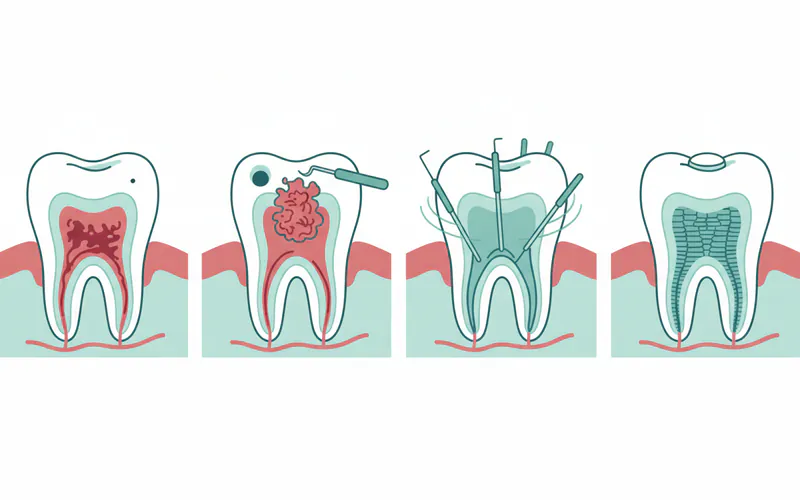
Step 1: Diagnosis and Anesthesia
The process begins with a thorough examination, including X-rays, to confirm the diagnosis and assess the extent of the infection or damage. Once confirmed, the area around the affected tooth is numbed using a local anesthetic. This ensures you feel no pain during the procedure, only pressure. Your dentist or endodontist will ensure you are completely comfortable before proceeding.

Step 2: Isolation and Access Hole
A rubber dam – a small sheet of latex or non-latex material – is placed around the tooth to isolate it from the rest of your mouth. This keeps the tooth clean and dry, preventing saliva and bacteria from entering the prepared canal, and protects you from ingesting dental materials. Then, a small access hole is drilled through the biting surface of molar or premolar teeth, or from the back of front teeth, to reach the pulp chamber and root canals.
Step 3: Cleaning and Shaping the Canals
Tiny dental instruments, called files, are used to remove the infected and damaged pulp tissue from inside the root canals. The canals are meticulously cleaned, disinfected, and then shaped to ensure all diseased tissue is removed and to prepare them for filling. This step is often aided by antibacterial solutions, like sodium hypochlorite, which irrigate the canals and kill bacteria. This is the most critical and time-consuming part of the procedure.
Step 4: Filling and Sealing the Canals
Once the canals are thoroughly cleaned, disinfected, and shaped, they are filled with a biocompatible, rubber-like material called gutta-percha. This material is typically heated and then carefully placed into each canal, often along with an adhesive sealer, to completely fill and seal the root canal system. This prevents bacteria from re-entering the tooth.
Step 5: Temporary Filling (if two appointments are needed)
If the root canal requires two appointments, a temporary filling will be placed in the access hole after the canals are filled. This temporary filling protects the tooth until your next visit. In some cases, if the infection is severe, the dentist may place an antibiotic medication inside the tooth before placing a temporary filling, allowing the infection to subside before the final filling.
Step 6: Permanent Restoration (Crown or Filling)
This is the final and crucial step, typically performed a few weeks after the root canal by your general dentist, even if an endodontist performed the root canal itself. Because a tooth that has had a root canal can become brittle and prone to fracture, it almost always requires a dental crown for protection. The crown encases the entire tooth, restoring its strength, function, and aesthetic appearance. In some cases, a core build-up (a restorative material placed inside the access hole) or a post (a small rod inserted into the root to support the core build-up) may be needed before placing the crown, especially for teeth with significant structural loss.
Cost and Insurance: Breaking Down the Expenses Without Coverage
The question of "how much does a root canal cost without insurance" is paramount for many. It's vital to understand that the total cost is not just the root canal procedure itself but also includes diagnostic fees, potential additional treatments, and the critical final restoration (usually a crown).
Factors Influencing Root Canal Cost
Several variables contribute to the final price tag of a root canal:
-
Tooth Location and Type:
- Front Teeth (Incisors, Canines): These teeth typically have only one root canal. They are the easiest to treat and thus the least expensive. Expect to pay roughly $700 - $1,500.
- Premolars (Bicuspids): Located between front teeth and molars, premolars usually have one or two canals. The complexity increases slightly, and costs range from $800 - $1,800.
- Molars: These are the large back teeth, often having three or four canals, and sometimes curved or calcified canals. Molars are the most complex and time-consuming to treat, making them the most expensive. Costs can range from $1,000 - $2,500+.
- "Root canal front tooth" specifically tends to be on the lower end of the cost spectrum.
-
Complexity of the Case:
- Severity of Infection: A more extensive infection, especially one with an abscess, might require additional appointments or specialized techniques.
- Calcified Canals: Older teeth or those with previous trauma can have narrow or calcified canals that are difficult to locate and clean, increasing procedure time and cost.
- Anatomical Variations: Unusual root canal anatomy can increase complexity.
- Retreatment: As mentioned, retreating a previously failed root canal is more complex and thus more expensive, often ranging from $1,000 - $3,000+.
- Apicoectomy: Surgical intervention like an apicoectomy is an additional, higher-cost procedure.
-
Dental Professional's Fees:
- General Dentist: Many general dentists perform root canals. Their fees are typically lower.
- Endodontist (Specialist): An endodontist is a dental specialist who has completed an additional 2-3 years of advanced training specifically in diagnosing and treating problems with the tooth pulp and roots. They use specialized equipment (like operating microscopes) and have extensive experience with complex cases. Their fees are generally 20-30% higher than a general dentist, but their expertise can be invaluable for challenging situations.
-
Geographic Location:
- Dental costs vary significantly by region and even within different areas of the same city. Major metropolitan areas (e.g., New York, Los Angeles) generally have higher costs than rural areas or cities with a lower cost of living. For example, a molar root canal in a high-cost urban area could easily exceed $2,500, while in a lower-cost area, it might be closer to $1,500.
-
Additional Services and Materials:
- X-rays: Essential for diagnosis and throughout the procedure, these are usually included but can sometimes be itemized.
- Consultation/Exam Fee: An initial diagnostic exam can range from $50 - $150.
- Core Build-up/Post: If significant tooth structure is lost, a core build-up ($200 - $500) or a post ($250 - $600) might be needed before the crown.
- Sedation: If you opt for conscious sedation (e.g., nitrous oxide, oral sedative) due to anxiety, this will be an extra cost ($50 - $500+).
- Temporary Filling: Usually included in the overall procedure cost if needed.
- Dental Crown: This is almost always required and is a separate, significant cost. Without insurance, a crown can range from $800 to $3,000, depending on the material (porcelain-fused-to-metal, all-ceramic, gold) and the lab fees. It is critical to budget for this in addition to the root canal itself. Ignoring the crown means the treated tooth is highly susceptible to fracture and future problems, making the initial root canal investment pointless.
Cost Range Summary for Root Canals Without Insurance (US Averages)
| Tooth Type | General Dentist (Procedure Only) | Endodontist (Procedure Only) | Total Estimated Cost (with Crown) |
|---|---|---|---|
| Front Tooth | $700 - $1,500 | $900 - $1,800 | $1,500 - $4,800 |
| Premolar | $800 - $1,800 | $1,000 - $2,200 | $1,800 - $5,200 |
| Molar | $1,000 - $2,200 | $1,200 - $2,500+ | $2,000 - $5,500+ |
| Retreatment | (often referred to endodontist) | $1,000 - $3,000+ | $1,800 - $6,000+ |
| Apicoectomy | (often referred to endodontist) | $900 - $2,000+ | (In addition to initial RCT and crown) |
Note: These are average ranges. Actual costs can be higher or lower based on specific factors.
Pro Tip: Always request a detailed, itemized treatment plan and cost estimate from your dentist before starting any procedure. This should include all anticipated costs, from initial X-rays to the final crown.
Recovery and Aftercare After a Root Canal
Proper recovery and diligent aftercare are essential for the long-term success of your root canal treatment and to ensure your treated tooth remains healthy and functional.
Immediate Post-Procedure Care
- Numbness: The local anesthetic will wear off within a few hours. Until then, be careful not to bite your cheek or tongue. Avoid eating until the numbness completely subsides.
- Mild Soreness: It's normal to experience some mild soreness, sensitivity, or discomfort for a few days following the procedure, especially when chewing. This is due to the inflammation of the surrounding tissues during the cleaning process.
- Pain Management: Over-the-counter pain relievers like ibuprofen (Advil, Motrin) or acetaminophen (Tylenol) are usually sufficient to manage discomfort. Your dentist may prescribe stronger pain medication if needed, especially for more complex cases or significant pre-existing infection.
- Oral Hygiene: Continue your regular brushing and flossing routine, being gentle around the treated tooth initially.
During the Temporary Filling Phase
If you have a temporary filling, it's crucial to protect it.
- Avoid Chewing Hard Foods: Until the permanent crown is placed, avoid chewing or biting hard, sticky, or crunchy foods directly on the treated tooth. The temporary filling is not as strong as a permanent one, and the tooth itself is more susceptible to fracture without the full protection of a crown.
- Gentle Brushing/Flossing: Continue to brush and floss gently around the temporary filling.
- If the Temporary Falls Out: Contact your dentist immediately if the temporary filling comes out or chips. Leaving the tooth exposed can lead to reinfection.
After Permanent Restoration (Crown)
Once your permanent crown is placed, the tooth is fully protected, and you can generally return to normal function.
- Adjusting to the Crown: It may take a few days to get used to the feel of the new crown. If your bite feels "off" or uncomfortable, contact your dentist for an adjustment.
- Ongoing Oral Hygiene: Maintain excellent oral hygiene with regular brushing (at least twice a day) and flossing daily. This prevents new decay from forming around the crown margin and keeps your gums healthy.
- Regular Dental Check-ups: Continue with your routine dental check-ups and cleanings as recommended by your dentist. These visits allow your dentist to monitor the health of your treated tooth and ensure the crown is intact.
- Avoid Extreme Forces: While crowns are strong, avoid habits like chewing ice, biting fingernails, or using your teeth to open packages, as these can damage the crown or the underlying tooth.
- Nightguard: If you grind or clench your teeth (bruxism), your dentist might recommend a nightguard to protect your crown and other teeth from excessive forces.
Pro Tip: A successful root canal is only half the battle. The long-term success hinges on receiving a proper final restoration, usually a crown, in a timely manner. Neglecting this step puts your treated tooth at high risk of fracture.
Prevention: How to Avoid Needing a Root Canal
Prevention is always better, and far less expensive, than treatment. By adopting good oral hygiene habits and making smart lifestyle choices, you can significantly reduce your risk of needing a root canal.
Excellent Oral Hygiene
- Brush Twice Daily: Brush your teeth thoroughly for two minutes, at least twice a day, using a fluoride toothpaste. This removes plaque and food particles that lead to cavities.
- Floss Daily: Flossing once a day is crucial to remove plaque and food debris from between teeth and under the gumline, areas your toothbrush can't reach effectively. This prevents interproximal cavities and gum disease.
- Use Mouthwash: An antimicrobial or fluoride mouthwash can provide an extra layer of protection against bacteria and strengthen enamel.
Regular Dental Check-ups and Cleanings
- Routine Visits: Visit your dentist for check-ups and professional cleanings every six months, or as recommended. These appointments allow your dentist to:
- Detect Cavities Early: Catch small cavities before they become deep enough to reach the pulp.
- Identify Cracks or Chips: Spot hairline fractures that could expose the pulp to bacteria.
- Address Gum Disease: Treat periodontal issues before they can affect the tooth's root.
- Monitor Existing Restorations: Check older fillings or crowns for signs of wear or leakage.
Prompt Treatment of Cavities
- Don't Procrastinate: If your dentist identifies a cavity, get it filled promptly. Small cavities are relatively inexpensive and quick to treat. Waiting allows the decay to progress deeper into the tooth, increasing the risk of needing a root canal, which is far more costly and invasive.
Protect Your Teeth from Trauma
- Wear a Mouthguard for Sports: If you play contact sports or engage in activities with a risk of facial impact, always wear a custom-fitted mouthguard.
- Address Bruxism (Teeth Grinding): If you grind or clench your teeth, especially at night, your dentist can provide a nightguard to protect your teeth from excessive forces that can lead to cracks and fractures.
- Avoid Chewing Hard Objects: Don't chew on ice, popcorn kernels, hard candy, or use your teeth to open packages.
Healthy Diet
- Limit Sugary and Acidic Foods/Drinks: Sugars feed bacteria that produce acids, leading to tooth decay. Acidic foods and drinks can erode enamel.
- Stay Hydrated: Drink plenty of water throughout the day, especially fluoridated water, to help wash away food particles and strengthen enamel.
By consistently adhering to these preventive measures, you significantly decrease your chances of experiencing the pain and expense associated with a root canal.
Risks and Complications of Root Canal Treatment
While root canal therapy has a very high success rate (over 95%), like any medical procedure, there are potential risks and complications, although they are rare.
Persistent Infection or Re-infection
- Undetected Canals: In rare cases, a tooth may have a very small or unusually shaped canal that was not found or thoroughly cleaned during the initial procedure.
- Incomplete Cleaning: If all bacteria were not removed, or if the disinfectant couldn't reach all areas, the infection could persist.
- Leakage: A cracked tooth, a faulty crown, or a loose temporary filling can allow bacteria to re-enter the treated tooth.
- New Decay: New cavities forming around the margin of the crown can allow bacteria to bypass the filling and reach the root.
- Solution: In these cases, retreatment or an apicoectomy may be necessary.
Tooth Fracture
- Brittleness: After a root canal, the tooth no longer has its vital pulp, and the removal of tooth structure during the procedure can make it more brittle and susceptible to fracture. This is why a dental crown is almost always recommended to protect the tooth.
- Vertical Root Fracture: This is a serious complication where a crack extends down the root of the tooth. It is often difficult to detect and usually leads to tooth extraction.
Procedural Errors
- Instrument Separation: Although rare with modern techniques, a small dental file can sometimes break off inside the root canal. If it cannot be removed, it may prevent complete cleaning and filling of the canal. Often, if the canal is already mostly clean, the tooth can still be saved.
- Perforation: Inadvertently creating a hole in the side of the tooth or root during the cleaning and shaping process. Small perforations can often be repaired, but larger ones may compromise the tooth's prognosis.
- Overfilling or Underfilling: If the gutta-percha extends too far beyond the root tip or doesn't completely fill the canal, it can lead to complications.
Discoloration
- While less common with modern techniques, sometimes a treated tooth can darken. This is more likely if the pulp was necrotic for a long time before treatment. Internal bleaching can sometimes address this for front teeth.
Allergic Reaction
- Rarely, a patient might have an allergic reaction to the materials used during the procedure, such as latex (in the rubber dam) or the anesthetic.

Nerve Damage (Very Rare)
- In extremely rare instances, especially with lower molar root canals, the procedure could potentially impact the inferior alveolar nerve, which runs through the jawbone, leading to temporary or permanent numbness in the lip or chin. This is exceptionally uncommon.
Important: It's crucial to follow your dentist's aftercare instructions and attend all follow-up appointments, especially for crown placement, to minimize risks and ensure the best possible outcome for your root canal. If you experience persistent pain, swelling, or any unusual symptoms after your root canal, contact your dentist immediately.
Children / Pediatric Considerations for Root Canal Treatment
While the term "root canal" might sound daunting for a child, similar procedures are performed on primary (baby) teeth and sometimes on young permanent teeth to save them from premature loss. These pediatric variants are critical for a child's oral development.
Why Would a Child Need a Root Canal?
Children can need a "root canal" for similar reasons as adults, though often due to different circumstances:
- Deep Cavities: Untreated cavities in primary teeth can quickly progress to the pulp, causing infection and pain.
- Trauma: Children are prone to accidents that can injure their teeth, especially front teeth, leading to pulp damage or necrosis.
- Infection: Bacterial infection of the pulp can occur, just as in adults.
Types of Pediatric Pulp Therapy
Pediatric dentists or general dentists perform specialized procedures to address pulp issues in children:
- Pulpotomy (Partial Pulp Removal): Often called a "baby root canal," this procedure is typically performed on primary teeth where the infection is limited to the crown portion of the pulp. The dentist removes the infected pulp from the crown, disinfects the area, and places a medicated dressing over the healthy root pulp. The tooth is then typically restored with a stainless steel crown to protect it until it naturally exfoliates. This procedure is less invasive and less costly than a full root canal.
- Pulpectomy (Complete Pulp Removal): If the infection has spread deeper into the root canals of a primary tooth, a pulpectomy may be performed. All the pulp from both the crown and root canals is removed, and the canals are filled with a resorbable material (unlike the permanent gutta-percha used in adults). This allows the underlying permanent tooth to erupt without obstruction. The tooth is then usually covered with a stainless steel crown.
- Apexification/Apexogenesis (for Young Permanent Teeth): When a young permanent tooth with an immature root (open apex) becomes infected or traumatized, specialized procedures are used to encourage the root to continue developing or to create an artificial barrier at the root tip. These are complex endodontic treatments that aim to save the permanent tooth.
Importance of Saving Primary Teeth
It might seem counterintuitive to save "baby" teeth that will eventually fall out. However, primary teeth play crucial roles:
- Maintaining Space: They hold space for the permanent teeth to erupt correctly. Losing a primary tooth too early can lead to shifting of adjacent teeth, crowding, and orthodontic problems for permanent teeth.
- Chewing and Speech: They are essential for proper chewing, nutrition, and speech development.
- Self-Esteem: A complete set of teeth contributes to a child's confidence.
Cost Considerations for Pediatric Root Canals (Without Insurance)
- Pulpotomy: Typically ranges from $200 - $500, not including the crown.
- Pulpectomy: Generally $300 - $700, not including the crown.
- Stainless Steel Crown: Usually adds $150 - $350.
- Apexification/Apexogenesis: These are more complex and can range from $600 - $1,500+, plus the cost of the final restoration.
Parents should discuss all options, costs, and the long-term prognosis with their pediatric dentist or general dentist if their child requires any form of pulp therapy.
Cost Breakdown: Navigating Root Canal Expenses Without Insurance
Facing a root canal without dental insurance can feel overwhelming. This section provides a more detailed breakdown of costs, explores financing options, and offers strategies to make treatment more affordable.
Average US Costs for Root Canals (Without Insurance)
As discussed earlier, costs vary based on tooth type, location, and practitioner. Here's a general breakdown:
| Cost Aspect | Low End (USD) | Mid Range (USD) | High End (USD) |
|---|---|---|---|
| Consultation/Exam | $50 | $100 | $150 |
| X-rays (Digital) | $25 | $50 | $100 |
| Root Canal - Front Tooth | $700 | $1,100 | $1,500 |
| Root Canal - Premolar | $800 | $1,300 | $1,800 |
| Root Canal - Molar | $1,000 | $1,700 | $2,500+ |
| Core Build-up | $200 | $350 | $500 |
| Post (if needed) | $250 | $400 | $600 |
| Dental Crown (Porcelain) | $800 | $1,500 | $2,000+ |
| Total Front Tooth (RC + Crown) | $1,775 | $2,950 | $4,350+ |
| Total Molar (RC + Crown) | $2,100 | $3,650 | $5,700+ |
These figures are estimates and can vary significantly.
Payment Plans and Financing Options
Even without traditional insurance, several avenues can help manage the cost of a root canal:
- CareCredit and Other Medical Credit Cards:
- CareCredit is a popular healthcare credit card that offers promotional financing options, often with 0% interest for a specified period (e.g., 6, 12, 18, or 24 months) if the balance is paid in full within that time. Longer-term plans with interest are also available. This can be an excellent option for breaking down a large expense into manageable monthly payments. Many dental offices accept CareCredit.
- In-House Payment Plans:
- Many dental practices understand the financial strain and may offer their own interest-free payment plans. This typically involves paying a percentage upfront and then making monthly installments directly to the office. It's always worth asking your dental office if this is an option.
- Dental Schools:
- Dental schools often operate clinics where treatment is performed by supervised students or residents. The quality of care is high, but the costs are significantly reduced, sometimes by 30-50% compared to private practices. The trade-off might be longer appointment times and less flexibility in scheduling. This is a viable option if you have a dental school nearby.
- Community Dental Clinics / Public Health Centers:
- These clinics often provide services on a sliding scale based on your income or at significantly reduced fixed rates. They are funded by government programs or non-profit organizations to provide affordable care to underserved populations. Services can sometimes be limited, and wait times might be longer.
- Negotiating with Your Dentist:
- It may feel uncomfortable, but some dentists are willing to negotiate a cash discount, especially if you can pay for a significant portion of the treatment upfront. They save on insurance claim processing fees, which can translate to a small discount for you. Don't be afraid to ask, respectfully, about possible payment arrangements or discounts for self-pay patients.
- Dental Discount Plans (Membership Plans):
- These are not insurance but rather annual memberships that provide a discount on dental services at participating dentists. You pay an annual fee (e.g., $100-$200 for an individual), and in return, you receive 10-60% off various procedures, including root canals and crowns. Ensure the dentist you plan to see accepts the specific plan you are considering.
- Personal Loans/Credit Cards:
- While not ideal due to potential high interest rates, a low-interest personal loan from a bank or credit union, or even using a credit card with a 0% introductory APR, can be an option for immediate payment if other avenues aren't available. Always compare interest rates carefully.
Cost-Saving Tips for Root Canals Without Insurance
- Shop Around (Carefully): While you don't want to compromise on quality, obtaining quotes from a few different dental offices (general dentists vs. endodontists, if applicable) can reveal price differences. Ask for an itemized breakdown.
- Consider a General Dentist for Simpler Cases: If your general dentist is confident in performing your root canal and it's not a complex molar or retreatment, their fees will likely be lower than an endodontist. However, for complex cases, the specialist's expertise can be worth the extra cost.
- Prioritize the Crown: As emphasized, the crown is not optional. Budget for it from the beginning to protect your investment in the root canal.
- Preventive Care is Key: The best way to save money on a root canal is to prevent needing one. Regular check-ups, cleanings, and prompt filling of small cavities are the most cost-effective strategies for long-term oral health.
- Utilize HSAs/FSAs: If you have a Health Savings Account (HSA) or Flexible Spending Account (FSA) through your employer, you can use these tax-advantaged funds to pay for dental expenses like root canals.
Frequently Asked Questions About Root Canals Without Insurance
Here are answers to some of the most common questions patients have when facing a root canal, especially concerning costs and the procedure itself.
How painful is a root canal procedure?
Modern root canal procedures are typically no more uncomfortable than getting a filling. With effective local anesthesia, you should feel no pain during the procedure itself, only pressure. Any post-procedure soreness is usually manageable with over-the-counter pain relievers and subsides within a few days. The goal of the root canal is to relieve the severe pain caused by infection, not to cause it.
How long does a root canal take?
A root canal procedure typically takes between 60 to 90 minutes for a front tooth or premolar and 90 to 120 minutes or more for a molar, especially if it's complex. Some complex cases, or those requiring extra steps, might be completed over two separate appointments. The time includes preparation, actual treatment, and temporary filling placement.
What are the alternatives to a root canal?
The primary alternative to a root canal is tooth extraction. While extraction has a lower upfront cost, it leads to permanent tooth loss and can result in higher long-term expenses if you choose to replace the tooth with an implant or bridge. Ignoring the infection is not an alternative, as it can lead to severe pain, abscess, widespread infection, and systemic health problems.
Is a root canal always followed by a crown?
For most teeth, especially molars and premolars that bear significant chewing forces, a dental crown is highly recommended and often essential after a root canal. A treated tooth can become brittle and prone to fracture without the pulp and due to the structural changes from the procedure. A crown protects the tooth from breakage, ensuring its long-term success. Front teeth may sometimes only require a strong filling, but this is less common.
Can I get a root canal if I'm pregnant?
Yes, a root canal can typically be performed safely during pregnancy, especially during the second trimester. Your dentist will take extra precautions, such as minimizing X-ray exposure (using lead aprons and digital X-rays) and choosing appropriate anesthetics. Treating an infection is crucial during pregnancy to prevent potential risks to both mother and baby. Always inform your dentist about your pregnancy.
Will my tooth be dead after a root canal?
The tooth itself is not "dead" after a root canal. The procedure removes the infected pulp, which contains the nerves and blood vessels inside the tooth. However, the tooth structure remains vital, nourished by the surrounding ligaments and tissues. It will no longer feel hot or cold stimuli, but it will still be a living, functional part of your mouth, capable of supporting chewing forces.
How much does a root canal retreatment cost without insurance?
Root canal retreatment, which involves reopening a previously treated tooth to address persistent or new infection, is generally more complex and costly than an initial root canal. Without insurance, retreatment can range from $1,000 to $3,000 or more, not including the cost of a new crown, which will almost certainly be needed.
Can I postpone a root canal to save money?
Delaying a needed root canal is highly discouraged. While it may seem like a way to save money in the short term, postponing treatment allows the infection to spread, potentially leading to more severe pain, a larger abscess, significant bone loss, or even systemic health problems. This can ultimately make the treatment more complex, more invasive (e.g., requiring an apicoectomy or extraction), and significantly more expensive in the long run.
What happens if I choose not to get a root canal?
If you opt not to get a root canal when it's indicated, the infection in your tooth will likely worsen. This can lead to:
- Intense pain
- Formation of a dental abscess (a pus-filled pocket)
- Spread of infection to other teeth, gums, jawbone, or even throughout your body
- Eventual loss of the tooth
- Systemic health issues, particularly for individuals with compromised immune systems. Ultimately, the tooth will need to be extracted, which then requires further costly procedures like an implant or bridge to prevent other dental problems.
When to See a Dentist: Urgent Signs and Scheduling Care
Recognizing when to seek dental attention, especially for potential root canal issues, is critical for preserving your tooth and overall health. Don't wait for the pain to become unbearable.
Emergency Dental Care (See a Dentist Immediately)
Certain symptoms warrant immediate attention, as they can indicate a rapidly spreading infection or severe damage:
- Severe, persistent tooth pain: Especially if it's throbbing, keeps you awake at night, or doesn't respond to over-the-counter pain relievers.
- Swelling in your face, jaw, or gums: This is a strong indicator of a spreading infection or abscess.
- A "pimple" or boil on your gums: This is a fistula, a sign of pus draining from an active infection.
- Extreme sensitivity to hot or cold that lingers for more than a few seconds.
- Pain when chewing or biting down, especially if it's sudden and sharp.
- Visible trauma to a tooth: Such as a severe crack, chip, or a tooth that has been knocked loose or out.
If you experience any of these emergency signs, contact your dentist or an emergency dental clinic immediately. Delaying treatment can lead to more complex problems, increased pain, and potentially life-threatening systemic infections.
Scheduled Dental Care (Make an Appointment Soon)
Some signs indicate a problem that needs attention but may not require immediate emergency care. However, you should still schedule an appointment with your dentist as soon as possible:
- Mild, intermittent tooth sensitivity: If your teeth are sensitive to hot, cold, or sweets, it could be a sign of a cavity that needs filling before it reaches the pulp.
- Dull ache in your jaw or around a specific tooth.
- Subtle tooth discoloration: While sometimes harmless, a darkening tooth can signify a dying pulp.
- Noticeable chip or crack without severe pain: Even if it doesn't hurt immediately, it can expose the tooth's inner layers to bacteria.
- Loose filling or crown: This needs to be addressed to prevent further decay or damage to the underlying tooth.
- Routine check-up or cleaning: These are crucial for preventing major issues like root canals in the first place. If it's been more than six months since your last visit, it's time to schedule one.
Pro Tip: When contacting your dental office, clearly describe your symptoms. This helps the staff prioritize your appointment and allocate appropriate time for your visit. Remember, while the cost of a root canal without insurance can be a concern, your health and preserving your natural teeth should be the priority. Early intervention almost always results in less pain, simpler procedures, and lower overall costs.
Frequently Asked Questions
Medically Reviewed Content
This article was written by our dental health editorial team and reviewed for medical accuracy. Our content follows strict editorial guidelines for reliability and trustworthiness.
Medical Disclaimer
This article is for informational purposes only and does not constitute medical advice. Always consult with a qualified dental professional for diagnosis and treatment. Do not delay seeking professional advice because of something you read on this website.
Related Articles
How to Stop Throbbing Pain After Root Canal
Undergoing a root canal procedure is often a necessary step to save a tooth severely damaged by decay or infection, preventing further complications and excruciating pain. While the procedure itself is performed under local anesthesia to ensure comfort, it's common for patients to experience some le
February 22, 2026
Root Canal After Care: Complete Guide
A root canal procedure can be a tooth-saving treatment, offering relief from pain and preventing further infection. However, the success and longevity of this crucial dental intervention heavily rely on diligent root canal after care. Neglecting post-treatment instructions can lead to complicati
February 22, 2026
Can You Drive After a Root Canal
Undergoing a root canal procedure can understandably bring up a host of questions and concerns, from understanding the process itself to managing recovery. One of the most common and practical inquiries people have is: can you drive after a root canal? The answer isn't always a simple yes or no,
February 22, 2026
Is a Root Canal Painful
When facing the prospect of a root canal, one of the most common and immediate questions that comes to mind is: is a root canal painful? It's a valid concern, stemming from outdated perceptions and anecdotal stories. However, modern root canal therapy is a highly effective and generally comforta
February 22, 2026