Mouth Tape Snoring: Complete Guide
Key Takeaways
- Snoring affects millions of Americans, disrupting sleep for both the snorer and their partners. While often dismissed as a mere nuisance, persistent snoring can indicate underlying health issues, prompting many to seek solutions. One emerging trend gaining attention for its simplicity and purported
Snoring affects millions of Americans, disrupting sleep for both the snorer and their partners. While often dismissed as a mere nuisance, persistent snoring can indicate underlying health issues, prompting many to seek solutions. One emerging trend gaining attention for its simplicity and purported effectiveness is mouth tape snoring. But what exactly is mouth taping, how does it work, and is it a safe or effective strategy for everyone?
This comprehensive guide from SmilePedia.net will delve deep into the world of mouth taping for snoring. We’ll explore its mechanisms, differentiate between simple snoring and more serious conditions like obstructive sleep apnea (OSA), and provide a detailed overview of various treatment options available. Our aim is to equip you with medically accurate information, allowing you to make informed decisions about your sleep health and understand when professional dental or medical intervention is crucial.
Key Takeaways:
- Mouth taping primarily aims to encourage nasal breathing during sleep, which can reduce simple snoring caused by mouth breathing.
- It is generally not recommended as a treatment for Obstructive Sleep Apnea (OSA); individuals with suspected OSA require professional medical diagnosis and treatment.
- Typical costs for mouth tape range from $10 to $30 per pack (30-90 strips), making it an inexpensive initial approach.
- Effectiveness varies widely; while some users report significant improvement for simple snoring, scientific evidence is still limited.
- Potential risks include skin irritation, anxiety, and, most critically, delaying diagnosis and treatment of serious conditions like OSA.
- Mandibular advancement devices (MADs), custom-fitted by dentists, are a more established and effective dental solution for both snoring and mild-to-moderate OSA, costing typically $1,800 - $3,500.
- Always consult with a dentist or sleep specialist before trying mouth taping, especially if you experience symptoms beyond simple snoring.
What It Is / Overview: Understanding Mouth Tape for Snoring
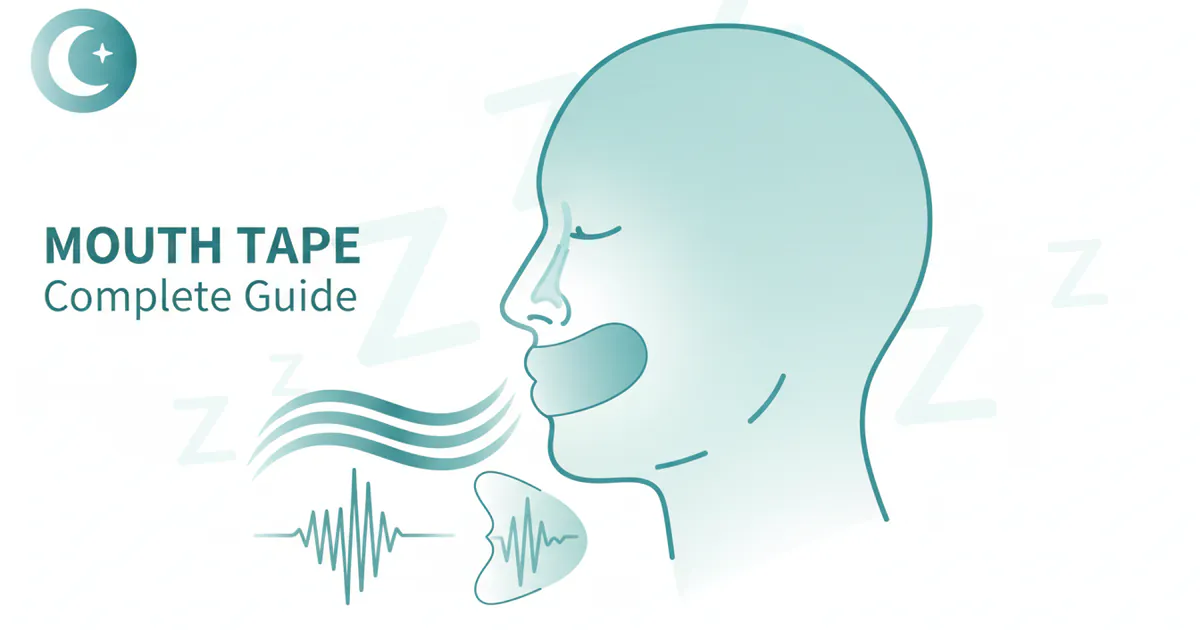
Mouth taping for snoring involves placing a small piece of adhesive tape over your lips before sleep to keep your mouth closed. The primary goal of this practice is to encourage exclusive nasal breathing throughout the night. Proponents believe that by preventing mouth breathing, mouth tape can reduce or eliminate snoring, improve sleep quality, and offer various health benefits associated with proper nasal airflow.

Snoring itself is the sound produced when air flows past relaxed tissues in your throat, causing them to vibrate as you breathe. When you breathe through your mouth, especially during sleep, the lower jaw often drops, and the tongue can fall back, narrowing the airway. This creates increased turbulence, leading to the characteristic snoring sound. Nasal breathing, on the other hand, keeps the mouth closed, the jaw in a more stable position, and the tongue less likely to obstruct the airway, thereby reducing vibrations.
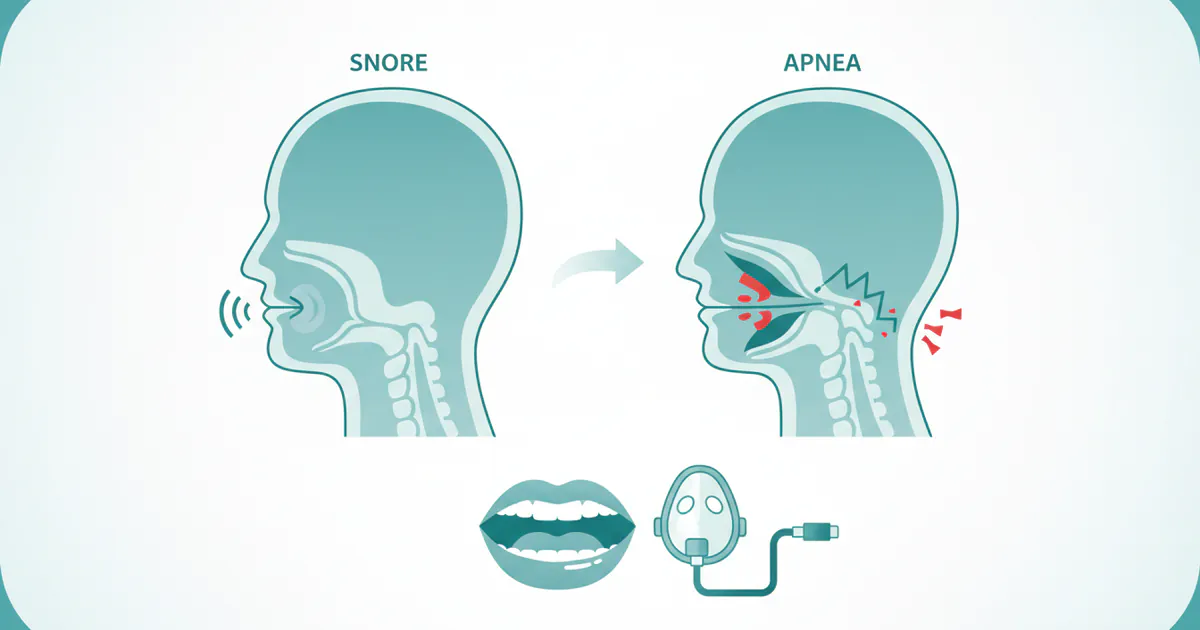
It's crucial to distinguish between simple snoring and Obstructive Sleep Apnea (OSA). Simple snoring is typically benign, though it can still disrupt sleep quality for the snorer and their bed partner. OSA, however, is a serious medical condition where the airway repeatedly collapses during sleep, leading to pauses in breathing (apneas) or significantly reduced breathing (hypopneas). These events can last for 10 seconds or more and occur many times an hour, leading to decreased oxygen levels in the blood and fragmented sleep. While both involve snoring, OSA carries significant health risks, including high blood pressure, heart disease, stroke, diabetes, and excessive daytime sleepiness.
The concept of mouth taping directly addresses mouth breathing as a contributing factor to snoring. By promoting nasal breathing, it aims to stabilize the airway and reduce the vibrations that cause snoring. However, it's a superficial solution that doesn't address the underlying anatomical or physiological issues contributing to more complex snoring or, critically, OSA.
Types of Mouth Tape
The market for mouth tape has expanded as its popularity grows, offering various options designed specifically for sleep:
- Specialized Sleep Tapes: These are often made from hypoallergenic, skin-friendly adhesives that are gentler than standard medical tapes. They come in various shapes and sizes, sometimes with a small vent or perforation to prevent complete sealing, offering a perceived safety net. Brands often market them as "breathable" or "comfortable."
- Porous Medical Tapes: Some individuals use readily available medical tapes like micropore tape. These are generally less expensive but may not be as gentle on facial skin over long periods.
- DIY Alternatives: While not recommended without careful consideration, some people experiment with gentle paper tapes or even specific bandages. However, the adhesive quality and skin safety are highly variable.
Pro Tip: If you choose to try mouth taping, always opt for tapes specifically designed for facial use or for sleep. Test a small piece on your skin first to check for any allergic reaction or irritation. Ensure it's easy to remove quickly in case of discomfort or emergency.
Causes / Why Snoring Happens
Snoring is a multifaceted issue, stemming from various factors that obstruct or narrow the airway during sleep. Understanding these causes is key to identifying appropriate solutions:
-
Anatomical Factors:
- Narrow Airway: Some individuals naturally have narrower throats, either due to genetics or structural anomalies.
- Enlarged Tonsils and Adenoids: Especially common in children, overgrown lymphatic tissues can significantly block the airway.
- Deviated Nasal Septum: A displacement of the wall separating the nostrils can obstruct nasal breathing, forcing mouth breathing.
- Long Soft Palate or Uvula: An elongated soft palate (the back part of the roof of your mouth) or a particularly long uvula (the dangling tissue at the back of your throat) can vibrate more readily and block the airway.
- Macroglossia: An unusually large tongue can fall back and obstruct the throat.
- Small Jaw or Recessed Chin (Retrognathia): A jaw that sets back too far can contribute to a constricted airway.
-
Lifestyle Factors:
- Obesity: Excess weight, particularly around the neck, can narrow the internal diameter of the throat. Fatty tissues can also compress the airway from the outside.
- Alcohol and Sedatives: Both relax the muscles in the throat and tongue, increasing the likelihood of airway collapse and vibration.
- Smoking: Irritates the lining of the throat and nasal passages, leading to inflammation and swelling that can impede airflow.
-
Sleep Position:
- Back Sleeping: When lying on your back, gravity can cause the tongue and soft palate to fall back into the throat, obstructing the airway more severely than side sleeping.
-
Aging: As we age, the muscles in the throat naturally lose some tone and become more relaxed, making them more prone to collapse during sleep.
-
Nasal Congestion and Allergies: Blocked nasal passages due to colds, allergies, or chronic sinusitis force individuals to breathe through their mouths, leading to snoring.
-
Obstructive Sleep Apnea (OSA): As mentioned, OSA is a severe form of snoring characterized by repeated episodes of complete or partial airway blockage during sleep. The snoring associated with OSA is often loud and punctuated by gasps, snorts, or silences as breathing temporarily stops.
Understanding these causes is the first step toward finding an effective solution. While mouth taping addresses mouth breathing, it doesn't resolve structural issues, muscle relaxation from alcohol, or the complex collapses seen in OSA.
Signs and Symptoms
Recognizing the signs and symptoms of snoring, and differentiating between simple snoring and OSA, is vital for your health.
Signs of Simple Snoring:
- Loud, often consistent breathing sounds during sleep, typically reported by a bed partner.
- No observed pauses in breathing or gasping/choking sounds.
- The snorer often feels relatively rested upon waking.
- May experience dry mouth or sore throat in the morning, especially if mouth breathing.
Signs and Symptoms Indicating Potential Obstructive Sleep Apnea (OSA):
If you or your partner notice any of these symptoms in addition to snoring, it's crucial to consult a healthcare professional:
- Loud and chronic snoring that is persistent and disruptive.
- Observed pauses in breathing during sleep (reported by a bed partner). This is a hallmark sign.
- Choking or gasping for air during sleep.
- Excessive daytime sleepiness (EDS): Feeling very tired even after a full night's sleep. This is one of the most common and impactful symptoms.
- Morning headaches.
- Irritability or mood changes.
- Difficulty concentrating or memory problems.
- High blood pressure (hypertension).
- Waking up frequently to urinate (nocturia).
- Dry mouth or sore throat upon waking.
- Decreased libido.
Pro Tip: If your snoring is accompanied by daytime sleepiness, observed breathing pauses, or gasping sounds, do not attempt to self-treat with mouth tape. These are red flags for OSA, which requires a professional diagnosis and a medically supervised treatment plan.
Treatment Options
Addressing snoring can involve a range of approaches, from simple lifestyle changes to medical devices and surgery. The best treatment depends on the underlying cause and severity of the snoring, and whether it's associated with OSA.
Mouth Taping
- How it Works: Encourages nasal breathing by keeping the mouth closed.
- Pros: Inexpensive (approx. $10-$30/pack), non-invasive, promotes healthier nasal breathing.
- Cons: Not effective for all types of snoring (especially those caused by anatomical issues or OSA), potential for skin irritation, can cause anxiety, no scientific consensus on long-term effectiveness, and most critically, can mask symptoms of OSA.
- Best For: Simple snoring caused by habitual mouth breathing, after consulting a doctor to rule out OSA.
Lifestyle Modifications
These are often the first line of defense for simple snoring and can complement other treatments.
- Weight Loss: Losing even a small amount of weight can reduce fatty tissue around the throat, widening the airway.
- Avoid Alcohol and Sedatives: Especially in the hours before bed, as they relax throat muscles.
- Change Sleep Position: Sleeping on your side prevents the tongue and soft palate from falling back. Positional therapy devices (e.g., special pillows, tennis ball technique) can help.
- Address Nasal Congestion: Use nasal sprays, antihistamines, or nasal dilators/strips to improve nasal airflow. Nasal strips (e.g., Breathe Right) cost around $15-$25 for a box and mechanically open nasal passages.
- Quit Smoking: Reduces inflammation and irritation in the airways.
Dental Appliances
Custom-made oral appliances are a common and effective treatment, particularly for snoring and mild-to-moderate OSA.
-
Mandibular Advancement Devices (MADs):
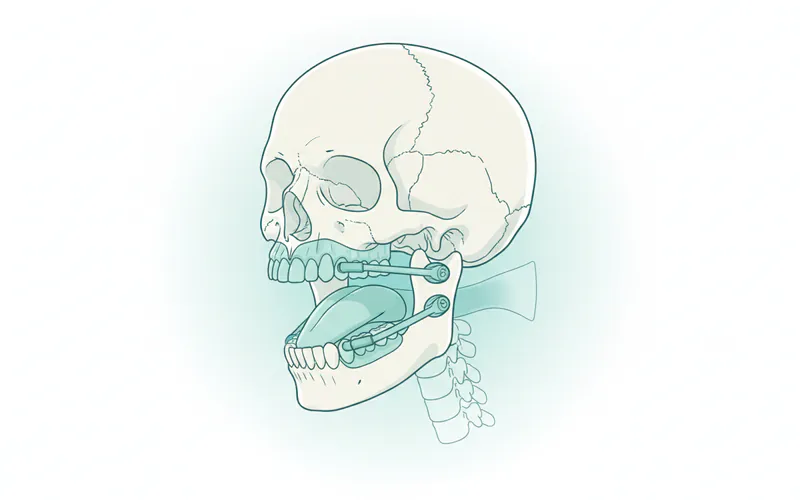
- How they work: These custom-fit devices, resembling a sports mouthguard, gently push the lower jaw (mandible) and tongue forward. This action opens the airway at the back of the throat, preventing obstruction. MADs are fabricated by a qualified dentist specializing in dental sleep medicine.
- Pros: Highly effective for snoring and mild-to-moderate OSA, comfortable for many, non-invasive compared to surgery. The American Dental Association (ADA) recognizes oral appliance therapy as an effective treatment option for OSA.
- Cons: Can cause temporary jaw soreness, tooth movement (rare with proper fit and follow-up), excessive salivation, or dry mouth. Requires careful fitting and follow-up by a dentist.
- Cost: Custom MADs typically range from $1,800 to $3,500 in the US, depending on the complexity and geographic location. Often covered by medical insurance if prescribed for OSA, but not usually by dental insurance.
- OTC MADs: Over-the-counter boil-and-bite devices are available for $30-$100. While cheaper, they are less effective, can cause significant dental problems, and are not recommended by dental professionals due to poor fit and lack of custom adjustments.
-
Tongue Retaining Devices (TRDs):
- How they work: These devices use suction to hold the tongue forward, preventing it from falling back into the throat.
- Pros: Can be effective for some, especially those with larger tongues.
- Cons: Less common, can be uncomfortable for some, may cause excessive salivation.
Continuous Positive Airway Pressure (CPAP) Therapy
- How it works: Considered the gold standard for moderate to severe OSA. A machine delivers a continuous stream of air through a mask worn over the nose or mouth, creating positive pressure that keeps the airway open.
- Pros: Highly effective for OSA and associated snoring, reduces health risks of OSA.
- Cons: Can be uncomfortable or claustrophobic for some, requires consistent use, maintenance, and regular replacement of supplies.
- Cost: CPAP machines range from $500 to $3,000, masks from $100 to $300, and supplies (tubing, filters) cost $50-$100 per month. Often covered by medical insurance for diagnosed OSA.
- Best For: Moderate to severe OSA.
Surgical Options
Surgery is usually considered when other treatments have failed or for specific anatomical obstructions.
- Uvulopalatopharyngoplasty (UPPP): Removes excess tissue from the back of the throat, including part of the soft palate and uvula.
- Cost: $5,000 - $10,000+.
- Laser-Assisted Uvulopalatoplasty (LAUP): Uses a laser to remove portions of the soft palate and uvula. Less invasive than UPPP but less effective for OSA.
- Radiofrequency Ablation: Uses radiofrequency energy to shrink and stiffen tissue in the soft palate or tongue base.
- Septoplasty: Corrects a deviated nasal septum to improve nasal breathing.
- Cost: $2,000 - $6,000+.
- Tonsillectomy/Adenoidectomy: Removal of enlarged tonsils and adenoids, often effective in children.
- Maxillomandibular Advancement (MMA): A more extensive surgery that moves the upper and lower jaws forward, significantly enlarging the airway. Reserved for severe OSA cases.
- Cost: $20,000 - $50,000+.
- Pros: Can be curative for some, especially specific anatomical issues.
- Cons: Invasive, recovery time, pain, risks of anesthesia, bleeding, infection, and potential voice changes. Effectiveness can vary, and snoring may recur.
Step-by-Step Process: Using Mouth Tape for Snoring
If you've consulted with a healthcare professional and they've deemed mouth taping appropriate for your simple snoring (meaning OSA has been ruled out), here’s a general guide:
1. Choose the Right Tape
- Material: Opt for hypoallergenic, medical-grade tape designed for sensitive skin or specifically for sleep. Brands like SomniFix, Hostage Tape, or Myotape are popular, or a gentle paper tape like 3M Micropore.
- Size/Shape: Some tapes come in pre-cut shapes that fit over the lips. Others are rolls you can cut. Avoid tapes that cover the entire mouth aggressively.
2. Prepare Your Skin
- Clean and Dry: Before bed, wash your face and ensure the skin around your mouth is clean and completely dry. Any oils, moisturizers, or saliva can reduce the tape's adhesion.
- Shave (Optional): If you have facial hair around your mouth, shaving can improve adhesion and make removal less painful.
3. Apply the Tape
There are generally two common application methods:
-
Horizontal Strip:
- Tear or cut a strip of tape about 2-3 inches long.
- Gently bring your lips together without straining.
- Place the tape horizontally across the center of your lips, ensuring it covers your lips but doesn't extend too far onto the cheeks or completely seal your philtrum (the vertical groove between the base of the nose and the border of the upper lip).
- Press firmly but gently to ensure good adhesion.
-
"X" Shape (Less Common for Beginners):
- Cut two shorter strips of tape.
- Place one strip diagonally across your lips from one corner to the opposite side.
- Place the second strip diagonally in the opposite direction, forming an "X." This can offer a more secure hold for some.
Important Considerations During Application:
- Breathing: Ensure you can still comfortably breathe through your nose. If you have any nasal congestion, mouth taping is not advised.
- Comfort: The tape should feel secure but not uncomfortably tight or restrictive.
- Panic Button: If you feel claustrophobic or anxious, remove the tape immediately. It should be easy to remove quickly if needed.
4. Sleep
- Go to sleep as usual, aiming to maintain nasal breathing.
5. Removal in the Morning
- Gently peel off the tape. If it's difficult to remove, you can apply a warm, damp cloth to soften the adhesive.
- Check for any skin irritation. If redness, itching, or discomfort occurs, discontinue use or try a different type of tape.
When NOT to Use Mouth Tape:
- Nasal Congestion: If you have a cold, allergies, or any condition blocking your nasal passages.
- Obstructive Sleep Apnea (OSA): If you have been diagnosed with OSA or suspect you might have it.
- Breathing Difficulties: If you have asthma, emphysema, or other respiratory conditions.
- Anxiety/Claustrophobia: If the idea of taping your mouth shut causes distress.
- Excessive Facial Hair: May prevent proper adhesion and cause irritation.
- Vomiting Risk: If you frequently experience nausea or acid reflux.
Pro Tip: Start gradually. You might try it for short naps first, or just for a few hours at the beginning of the night, to get used to the sensation. Always prioritize safety and comfort over consistency.
Cost and Insurance
The cost of snoring treatments varies dramatically, from inexpensive home remedies to thousands of dollars for medical devices or surgery. Insurance coverage is a critical factor, often depending on whether the condition is classified as "medical" (like OSA) versus a cosmetic or lifestyle choice (like simple snoring).

Mouth Tape & Nasal Strips
- Mouth Tape: Generally costs $10 - $30 per pack, containing 30 to 90 strips. This is an out-of-pocket expense and is not covered by insurance.
- Nasal Strips (e.g., Breathe Right): A box of 30 strips typically costs $15 - $25. Also an out-of-pocket expense.
Over-the-Counter (OTC) Oral Appliances
- Boil-and-Bite MADs: Range from $30 - $100. These are readily available but generally not recommended by dental professionals due to poor fit, potential for jaw problems, and lack of customization. Not covered by insurance.
Custom Mandibular Advancement Devices (MADs)
- Cost: A custom-fitted MAD from a qualified dental sleep medicine practitioner typically costs between $1,800 and $3,500 in the United States. This includes consultation, impressions, device fabrication, fitting, and follow-up adjustments.
- Insurance: This is where it gets complex. For diagnosed Obstructive Sleep Apnea (OSA), custom MADs are often considered a medical device and may be covered by your medical insurance (not dental insurance). Coverage varies by plan, requiring a pre-authorization and often a sleep study confirming OSA. Patients typically pay a deductible, co-insurance (e.g., 20% of the cost), or co-payments.
- For simple snoring without OSA, MADs are usually considered elective and are not covered by insurance, making it an out-of-pocket expense.
Sleep Study (Polysomnography)
- Cost: An in-lab sleep study can cost anywhere from $500 to $5,000, depending on the facility and location. Home sleep tests (HSTs) are often less expensive, ranging from $200 to $500.
- Insurance: Diagnostic sleep studies are almost always covered by medical insurance if ordered by a physician to diagnose a sleep disorder like OSA.
CPAP Therapy
- CPAP Machine: Initial cost ranges from $500 to $3,000, depending on features (e.g., auto-adjusting pressure, humidifier).
- Mask: $100 to $300.
- Supplies (tubing, filters, cushions): $50 to $100 per month.
- Insurance: For diagnosed OSA, CPAP machines and supplies are typically covered by medical insurance, often with a rental-to-own agreement or upfront purchase with cost-sharing.
Surgical Interventions
- Costs: Surgical procedures for snoring and OSA can range widely:
- Septoplasty: $2,000 - $6,000+
- UPPP: $5,000 - $10,000+
- Tonsillectomy/Adenoidectomy: $3,000 - $8,000+
- Maxillomandibular Advancement (MMA): $20,000 - $50,000+
- Insurance: Surgical procedures for diagnosed OSA are generally covered by medical insurance, but vary based on the specific procedure, medical necessity, and your plan's deductible, co-insurance, and out-of-pocket maximums. Cosmetic or elective snoring surgeries without a medical necessity (like severe OSA) may not be covered.
Pro Tip: Always contact your medical insurance provider directly to understand your specific benefits, coverage limitations, pre-authorization requirements, and out-of-pocket costs for any diagnostic tests or treatments for snoring or sleep apnea. Be prepared to provide CPT codes if your doctor has given them to you.
Recovery and Aftercare
Recovery and aftercare instructions vary significantly depending on the treatment chosen for snoring.
For Mouth Taping & Nasal Strips:
- Recovery: None beyond possible skin irritation.
- Aftercare: Monitor your skin for redness, itching, or allergic reactions. Discontinue use if irritation persists. Ensure you continue to breathe comfortably through your nose.
For Custom Mandibular Advancement Devices (MADs):
- Initial Adjustment: Most patients experience some initial discomfort, typically for the first few days to a few weeks.
- Jaw Soreness: Your jaw muscles and teeth may feel sore or tender. This usually subsides as your mouth adjusts.
- Increased Salivation or Dry Mouth: Some experience more saliva, others dry mouth. This often resolves over time.
- Tooth Sensitivity: Mild sensitivity is possible.
- Bite Changes: In rare cases, long-term use without proper follow-up can lead to slight changes in bite.
- Aftercare:
- Follow-Up Appointments: Regular check-ups with your dental sleep medicine specialist are crucial for adjustments and to monitor the device's effectiveness and your oral health (usually within weeks of initial fitting, then every 6-12 months).
- Cleaning: Clean your MAD daily with a toothbrush and mild soap or a denture cleaner. Avoid abrasive toothpastes.
- Maintenance: Store the device in its case when not in use to prevent damage.
- Morning Exercises: Your dentist may recommend specific jaw exercises to help realign your bite in the morning.
For CPAP Therapy:
- Initial Adjustment: Many people require a period of adjustment to get used to wearing the mask and the sensation of pressurized air.
- Aftercare:
- Daily Cleaning: Clean your mask and tubing daily to prevent bacterial growth.
- Regular Replacement: Replace masks (every 3-6 months), tubing (every 6-12 months), and filters (monthly) according to manufacturer guidelines to maintain effectiveness and hygiene.
- Humidifier Maintenance: If using a humidifier, clean and refill the water chamber daily with distilled water.
- Follow-Up: Regular check-ins with your sleep doctor or CPAP provider to ensure optimal pressure settings and resolve any issues.
For Surgical Interventions:
Recovery from snoring surgery is more intensive and varies greatly by procedure.
- Pain Management: Pain medication will be prescribed, especially for procedures like UPPP or tonsillectomy.
- Diet Restrictions: Soft foods or liquids may be necessary for several days or weeks, depending on the surgery.
- Swelling: Expect swelling in the throat and mouth, which can initially worsen snoring or breathing.
- Activity Restrictions: Strenuous activity is usually restricted for a period.
- Follow-Up: Multiple post-operative appointments are required to monitor healing and assess effectiveness.
- Potential Complications: Risk of bleeding, infection, changes in voice, or persistent snoring.
- Long-term: Some surgeries may require ongoing lifestyle adjustments.
Pro Tip: Adherence to aftercare instructions is vital for the long-term success of any snoring or sleep apnea treatment. Do not skip follow-up appointments, as adjustments and monitoring are often key to effectiveness and preventing complications.
Prevention
Preventing snoring often involves addressing its root causes through lifestyle changes and proactive health management.
- Maintain a Healthy Weight: Even modest weight loss can significantly reduce snoring by decreasing the amount of tissue around the throat that can obstruct airflow.
- Limit Alcohol and Sedatives Before Bed: Avoid alcoholic beverages and sedatives (like certain sleeping pills) at least 3-4 hours before sleep. These substances relax throat muscles, increasing the likelihood of snoring.
- Adopt a Side Sleeping Position: Sleeping on your back allows gravity to pull the tongue and soft palate backward, narrowing the airway. Train yourself to sleep on your side using strategies like sewing a tennis ball into the back of your pajama top or using specialized positional pillows.
- Clear Nasal Passages: If you suffer from chronic nasal congestion or allergies, seek treatment. Use nasal saline rinses, decongestant sprays (for short-term use only), or antihistamines to keep your nasal passages clear, promoting nasal breathing.
- Stay Hydrated: Drinking plenty of fluids can help keep secretions in your throat thinner, potentially reducing stickiness and vibration.
- Quit Smoking: Smoking irritates the airways and can lead to inflammation and swelling, exacerbating snoring. Quitting smoking can significantly improve airway health.
- Address Underlying Medical Conditions: Treat conditions like hypothyroidism, which can contribute to weight gain and muscle weakness, potentially worsening snoring.
- Oral and Maxillofacial Development: For children, ensuring proper jaw and airway development can prevent future snoring issues. Early orthodontic intervention may sometimes be considered.
Risks and Complications
While mouth tape might seem innocuous, and other treatments effective, each carries its own set of risks and potential complications.
Risks of Mouth Taping:
- Skin Irritation/Allergic Reaction: The adhesive can cause redness, itching, rashes, or allergic reactions, especially with prolonged use or sensitive skin.
- Anxiety/Claustrophobia: Some individuals may experience panic or anxiety due to the feeling of their mouth being taped shut, particularly if they have underlying nasal congestion or anxiety disorders.
- Obstructed Breathing: If you have nasal congestion (e.g., from a cold, allergies, or deviated septum), taping your mouth shut can significantly impede breathing, leading to discomfort or even dangerous situations.
- Delayed Diagnosis of OSA: The most significant risk. Mouth taping might reduce snoring sound but does not treat OSA. Masking snoring could delay a critical diagnosis of OSA, allowing its serious health consequences to progress untreated.
- Discomfort: Dry or cracked lips, difficulty swallowing saliva, or an uncomfortable sensation during sleep.
Risks of Dental Appliances (MADs):
- Jaw Discomfort/Pain: Common initially, can sometimes persist, leading to temporomandibular joint (TMJ) dysfunction.
- Tooth Movement: While rare with properly fitted custom devices and regular follow-ups, long-term use can sometimes cause minor changes in tooth alignment or bite.
- Gum and Tooth Sensitivity: Can occur due to pressure.
- Excessive Salivation or Dry Mouth: Can be an uncomfortable side effect.
- Device Breakage: MADs can wear down or break over time, requiring replacement or repair.
Risks of CPAP Therapy:
- Mask Discomfort/Skin Irritation: Poorly fitting masks can cause skin irritation, pressure sores, or claustrophobia.
- Dry Mouth/Nose: The airflow can dry out nasal passages and the mouth, though humidifiers can help.
- Nasal Congestion/Runny Nose: Can be a side effect.
- Air Swallowing (Aerophagia): Can lead to bloating or gas.
- Noise: Some machines can be noisy, disrupting sleep.
- Compliance Issues: Many patients struggle with consistent CPAP use, which renders the treatment ineffective.
Risks of Surgical Interventions:
- Anesthesia Risks: Standard risks associated with general anesthesia (e.g., allergic reactions, breathing problems).
- Pain, Swelling, Bleeding, Infection: Common post-operative complications.
- Voice Changes: Some procedures, particularly those involving the soft palate, can temporarily or permanently alter voice quality.
- Difficulty Swallowing: Can occur, especially initially, and may persist for some.
- Taste Alteration: Rare, but possible.
- Recurrence of Snoring/OSA: Surgery is not always a permanent cure; snoring or OSA can return over time, especially with weight gain or aging.
- Scarring: Internal scarring can sometimes further narrow the airway.
Risks of Untreated Snoring (especially OSA):
- Cardiovascular Disease: High blood pressure, heart attack, stroke, irregular heart rhythms (arrhythmias).
- Metabolic Disorders: Increased risk of type 2 diabetes.
- Daytime Impairment: Excessive daytime sleepiness, reduced concentration, memory problems, increased risk of accidents (e.g., car crashes).
- Mental Health Issues: Increased risk of depression and anxiety.
- Relationship Strain: Due to disruptive snoring.
- Reduced Quality of Life: Overall impact on health, energy, and well-being.
Comparison Tables
Table 1: Snoring vs. Obstructive Sleep Apnea (OSA)
| Feature | Simple Snoring | Obstructive Sleep Apnea (OSA) |
|---|---|---|
| Sound | Consistent, often loud, regular sound. | Loud, chronic snoring often punctuated by silences, gasps, or snorts. |
| Breathing Pauses | Generally absent. | Frequent pauses in breathing (apneas) or shallow breathing (hypopneas). |
| Daytime Symptoms | May have mild fatigue; generally feels rested. | Excessive daytime sleepiness, morning headaches, difficulty concentrating, irritability. |
| Health Risks | Generally considered benign; can disrupt sleep and relationships. | High risk of high blood pressure, heart attack, stroke, diabetes, and other serious conditions. |
| Diagnosis | Often self-reported or noted by bed partner. | Requires a medical diagnosis, typically with a sleep study (polysomnography or home sleep test). |
| Treatment | Lifestyle changes, mouth tape, nasal strips, positional therapy. | CPAP therapy, custom Mandibular Advancement Devices, surgery, lifestyle changes. |
| Urgency | May not require immediate medical intervention unless very disruptive. | Requires prompt medical evaluation and treatment to prevent serious health consequences. |

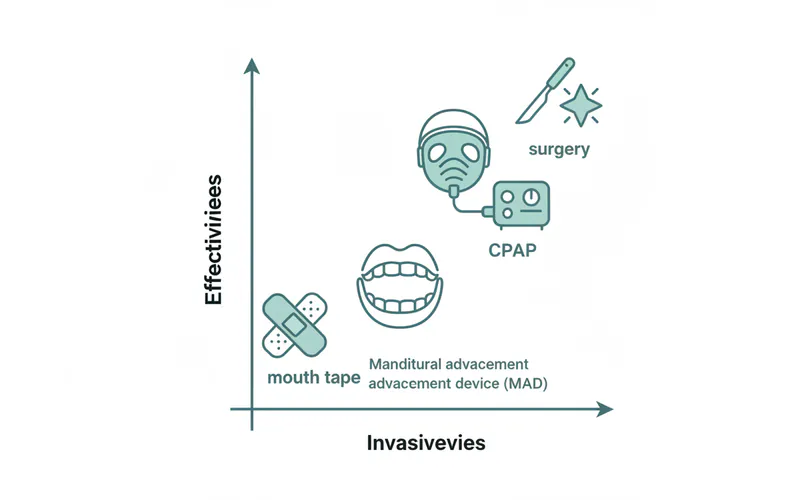
Table 2: Common Snoring Treatment Options Comparison
| Treatment Option | Primary Mechanism | Effectiveness for Simple Snoring | Effectiveness for OSA | Typical US Cost Range (Approx.) | Invasiveness | Main Pros | Main Cons |
|---|---|---|---|---|---|---|---|
| Mouth Tape | Encourages nasal breathing. | Variable (for mouth breathers) | Not recommended | $10-$30/pack | Minimal | Inexpensive, non-invasive, promotes nasal breathing. | Limited evidence, not for OSA, skin irritation, anxiety. |
| Nasal Strips/Dilators | Physically opens nasal passages. | Moderate | Minimal | $15-$25/box | Minimal | Inexpensive, non-invasive, improves nasal airflow. | Only addresses nasal congestion, not throat issues. |
| Lifestyle Changes | Weight loss, no alcohol, side sleeping. | Moderate to High | Moderate | Free - Variable (e.g., gym) | Minimal | Low cost, overall health benefits. | Requires discipline, may not be sufficient alone. |
| Custom Mandibular Advancement Device (MAD) | Positions jaw forward to open airway. | High | High (mild-moderate OSA) | $1,800-$3,500 | Non-invasive | Highly effective, comfortable for many, non-surgical. | Cost, jaw discomfort, needs regular dental follow-up. |
| CPAP Therapy | Continuous positive air pressure keeps airway open. | High (reduces associated snoring) | Very High (Gold Standard) | Machine: $500-$3,000; Supplies: $50-$100/month | Non-invasive | Most effective for OSA, reduces health risks. | Compliance issues, mask discomfort, noise, maintenance. |
| Surgical Interventions | Removes or modifies obstructing tissues. | Variable | Variable (case-dependent) | $2,000-$50,000+ | High | Can be curative for specific anatomical issues. | Invasive, recovery time, risks, variable success, recurrence. |
Children / Pediatric Considerations
Snoring in children is a different beast than in adults and should never be dismissed as benign. While some children may snore occasionally due to a cold, persistent snoring (three or more nights a week) is a significant red flag and warrants immediate medical attention from a pediatrician, often followed by a referral to an ENT (Ear, Nose, and Throat) specialist or a pediatric sleep specialist.
Key Differences and Concerns in Children:
- Higher Prevalence of OSA: Snoring in children is much more likely to be associated with Obstructive Sleep Apnea than in adults.
- Primary Cause: The most common cause of snoring and OSA in children is enlarged tonsils and adenoids. These lymphoid tissues are part of the immune system but can become so large they obstruct the airway during sleep.
- Consequences of Untreated OSA: Unlike adults, children with OSA may not exhibit classic daytime sleepiness. Instead, they can show:
- Behavioral problems: Hyperactivity, aggression, difficulty concentrating (often misdiagnosed as ADHD).
- Poor school performance.
- Developmental delays.
- Growth delays: Due to disrupted sleep and hormonal imbalances.
- Cardiovascular issues: High blood pressure, heart strain.
- Dental/Orofacial Issues: Mouth breathing can contribute to abnormal facial growth, narrow dental arches, and malocclusion, potentially requiring orthodontic intervention like palatal expanders.
Mouth Taping in Children:
- Absolutely NOT Recommended: Mouth taping is contraindicated and unsafe for children. Children may not be able to communicate discomfort or remove the tape if they experience breathing difficulties or panic. The risk of suffocation or extreme distress is too high.
Diagnosis and Treatment in Children:
- Consult a Pediatrician: The first step is always to discuss concerns with your child's doctor.
- ENT Evaluation: A referral to an ENT specialist is common to evaluate tonsil and adenoid size.
- Sleep Study: A formal polysomnography (sleep study) may be recommended to confirm OSA and assess its severity.
- Treatment Options:
- Tonsillectomy and Adenoidectomy: This is the most common and often highly effective treatment for pediatric OSA caused by enlarged tonsils and adenoids.
- Orthodontic Intervention: For children with developing craniofacial abnormalities, an orthodontist specializing in pediatric sleep disorders may recommend interventions like rapid palatal expansion (RPE) to widen the upper jaw and create more space for the tongue and airway.
- CPAP: Less common but may be used in severe cases or when surgery is not an option.
- Lifestyle Changes: Weight management is important for older children and adolescents who are overweight.
Pro Tip for Parents: If your child snores regularly, gasps for air during sleep, sweats excessively at night, or exhibits daytime behavioral issues, seek professional medical advice immediately. Early diagnosis and treatment are critical for healthy development.
Cost Breakdown
To reiterate and summarize the cost aspects, here’s a consolidated overview of what you might expect to pay for snoring and sleep apnea treatments in the US, along with insurance and payment options.
Low-Cost / Out-of-Pocket Options (Typically Not Insurance-Covered)
- Mouth Tape: $10 - $30 per pack (30-90 strips).
- Nasal Strips: $15 - $25 per box (e.g., 30 strips).
- OTC Boil-and-Bite MADs: $30 - $100. Caution: generally not recommended by professionals due to poor fit and potential for harm.
- Specialty Snoring Pillows: $50 - $150.
- Positional Sleep Devices: $50 - $200.
Mid-Range Costs (Potentially Insurance-Covered for OSA)
- Home Sleep Test (HST): $200 - $500. Often covered by medical insurance if prescribed by a physician for OSA suspicion.
- In-Lab Polysomnography (Sleep Study): $500 - $5,000. Typically covered by medical insurance for OSA diagnosis.
- Custom Mandibular Advancement Device (MAD): $1,800 - $3,500. Often covered by medical insurance for diagnosed mild-to-moderate OSA, but not usually dental insurance.
High-End Costs (Almost Always Require Medical Insurance Coverage for OSA)
- CPAP Machine (Starter Kit): $500 - $3,000 for the machine, initial mask, and tubing. Ongoing supplies are $50 - $100 per month. Covered by medical insurance for OSA.
- Surgical Procedures:
- Septoplasty: $2,000 - $6,000+.
- Tonsillectomy/Adenoidectomy: $3,000 - $8,000+.
- Uvulopalatopharyngoplasty (UPPP): $5,000 - $10,000+.
- Maxillomandibular Advancement (MMA): $20,000 - $50,000+.
- These are generally covered by medical insurance for medically necessary treatment of OSA, subject to deductibles, co-insurance, and out-of-pocket maximums.
Payment Plans and Financing Options
- Medical Insurance: As noted, many diagnostic and treatment options for OSA are covered by medical insurance. Always check your specific policy.
- CareCredit and Similar Financing: These are healthcare credit cards that offer promotional financing options (e.g., 0% interest for a certain period) for medical and dental expenses. Many dental offices accept them.
- Payment Plans with Providers: Many dentists and sleep clinics offer in-house payment plans, allowing you to pay for treatments like custom MADs over several months.
- Flexible Spending Accounts (FSAs) / Health Savings Accounts (HSAs): You can use pre-tax dollars from these accounts to pay for eligible medical and dental expenses, including deductibles, co-pays, and out-of-pocket costs for snoring and sleep apnea treatments.
Pro Tip: Do not let cost deter you from seeking diagnosis or treatment for snoring, especially if OSA is suspected. The long-term health consequences of untreated sleep apnea far outweigh the financial investment in diagnosis and care. Discuss payment options openly with your healthcare provider.
Frequently Asked Questions
Is mouth taping safe for everyone?
No, mouth taping is not safe for everyone. It is strongly discouraged for individuals with nasal congestion, breathing difficulties (like asthma), diagnosed Obstructive Sleep Apnea, or those prone to anxiety or claustrophobia. Always consult a healthcare professional before trying it, especially to rule out underlying serious conditions like OSA.
Does mouth taping cure sleep apnea?
Absolutely not. Mouth taping may help reduce simple snoring caused by mouth breathing, but it does not address the underlying causes of Obstructive Sleep Apnea (OSA), which involves repeated airway collapse. Relying on mouth tape for OSA can be dangerous as it delays proper diagnosis and treatment of a serious medical condition.
How long does it take for mouth taping to work?
If mouth taping is effective for your simple snoring, some individuals may notice an immediate reduction in snoring sound and improved sleep quality within a few nights. However, effectiveness varies greatly, and there's no guaranteed timeline for success, nor scientific consensus on its long-term efficacy.
What are the alternatives to mouth taping for snoring?
Many alternatives exist, ranging from lifestyle changes (weight loss, avoiding alcohol, side sleeping) and nasal strips to custom-fitted dental appliances (Mandibular Advancement Devices or MADs) and, for severe cases, CPAP therapy or surgery. The best alternative depends on the cause and severity of your snoring.
Can mouth taping help with dry mouth?
Yes, by encouraging nasal breathing, mouth taping can help prevent "mouth breathing dry mouth" and a sore throat upon waking. Nasal breathing moisturizes and filters air more effectively, which can alleviate these symptoms for some individuals.
How much does a custom dental appliance for snoring cost?
A custom-fitted Mandibular Advancement Device (MAD) from a qualified dental sleep medicine specialist typically costs between $1,800 and $3,500 in the US. This usually includes consultations, impressions, the device itself, and follow-up adjustments. For diagnosed OSA, it may be covered by medical insurance.
Will insurance cover snoring treatments?
Insurance coverage largely depends on whether your snoring is diagnosed as a symptom of Obstructive Sleep Apnea (OSA). Medical insurance often covers diagnostic sleep studies, custom MADs (for OSA), and CPAP therapy or surgery for OSA. Simple snoring without an OSA diagnosis is rarely covered and is considered an out-of-pocket expense.
What's the difference between simple snoring and sleep apnea?
Simple snoring is just the sound of vibrating tissues, generally without breathing pauses or significant health risks. Sleep apnea (OSA) involves repeated episodes of stopped or shallow breathing during sleep, leading to reduced oxygen and fragmented sleep, with serious health consequences like heart disease and stroke. OSA requires medical diagnosis and treatment.
Can children use mouth tape for snoring?
No, mouth taping is not recommended for children under any circumstances. Persistent snoring in children is a serious concern that often indicates Obstructive Sleep Apnea (OSA) or enlarged tonsils/adenoids, requiring immediate medical evaluation by a pediatrician or ENT specialist.
What if mouth taping makes my snoring worse?
If mouth taping seems to worsen your snoring, causes significant discomfort, anxiety, or makes breathing difficult, you should discontinue use immediately. This could indicate an underlying issue like severe nasal obstruction or that mouth taping is simply not an appropriate solution for your specific type of snoring. Consult a dentist or sleep specialist.
When to See a Dentist
It's important to recognize when snoring moves beyond a minor annoyance and signals a need for professional evaluation. A dentist, particularly one specializing in dental sleep medicine, plays a crucial role in diagnosing and treating snoring and sleep apnea.
You should see a dentist or sleep specialist if you experience any of the following:
- Persistent Loud Snoring: If your snoring is loud, disruptive, and occurs regularly (most nights), even if you don't notice other symptoms.
- Observed Breathing Pauses: If a bed partner reports that you stop breathing, gasp, or choke during sleep. This is a critical warning sign of Obstructive Sleep Apnea.
- Excessive Daytime Sleepiness: Feeling tired, groggy, or unable to concentrate during the day, even after what you perceive as a full night's sleep. This is a key symptom of OSA.
- Morning Headaches: Waking up frequently with headaches.
- Difficulty Concentrating or Memory Problems: Persistent cognitive issues that impact your daily life.
- High Blood Pressure: Snoring, especially OSA, is strongly linked to hypertension. If you have high blood pressure, discuss your snoring with your doctor and dentist.
- Irritability or Mood Changes: Unexplained mood swings, increased anxiety, or depression.
- Dry Mouth or Sore Throat upon Waking: Especially if it's chronic and not resolved by simple hydration.
- Ineffective Home Remedies: If lifestyle changes, mouth tape, or nasal strips have not alleviated your snoring.
- Concerns about Jaw Pain or TMJ Issues: If you're experiencing jaw discomfort, teeth grinding (bruxism), or clicking/popping in your jaw joint, a dentist can evaluate this alongside your snoring.
- If You're Considering a Dental Appliance: A custom-fitted Mandibular Advancement Device (MAD) requires professional assessment and fitting by a qualified dental sleep medicine practitioner.
A dentist can assess your oral and craniofacial anatomy, evaluate factors contributing to your snoring, and determine if an oral appliance is a suitable treatment. If Obstructive Sleep Apnea is suspected, they will likely refer you for a sleep study to obtain a definitive diagnosis before proceeding with treatment.
Pro Tip: Don't delay seeking professional help. Untreated snoring, particularly if it's a symptom of OSA, can have severe long-term health consequences that impact your cardiovascular health, metabolic function, and overall quality of life. Your well-being is worth the investigation.
Frequently Asked Questions
Medically Reviewed Content
This article was written by our dental health editorial team and reviewed for medical accuracy. Our content follows strict editorial guidelines for reliability and trustworthiness.
Medical Disclaimer
This article is for informational purposes only and does not constitute medical advice. Always consult with a qualified dental professional for diagnosis and treatment. Do not delay seeking professional advice because of something you read on this website.
Related Articles
Difference Between Snoring and Sleep Apnea: Complete Guide
More than 80 million Americans regularly snore, and while often dismissed as a mere nuisance, loud and persistent snoring can be a critical indicator of a much more serious underlying health condition: sleep apnea. The difference between snoring and sleep apnea is profound, impacting not just yo
February 23, 2026
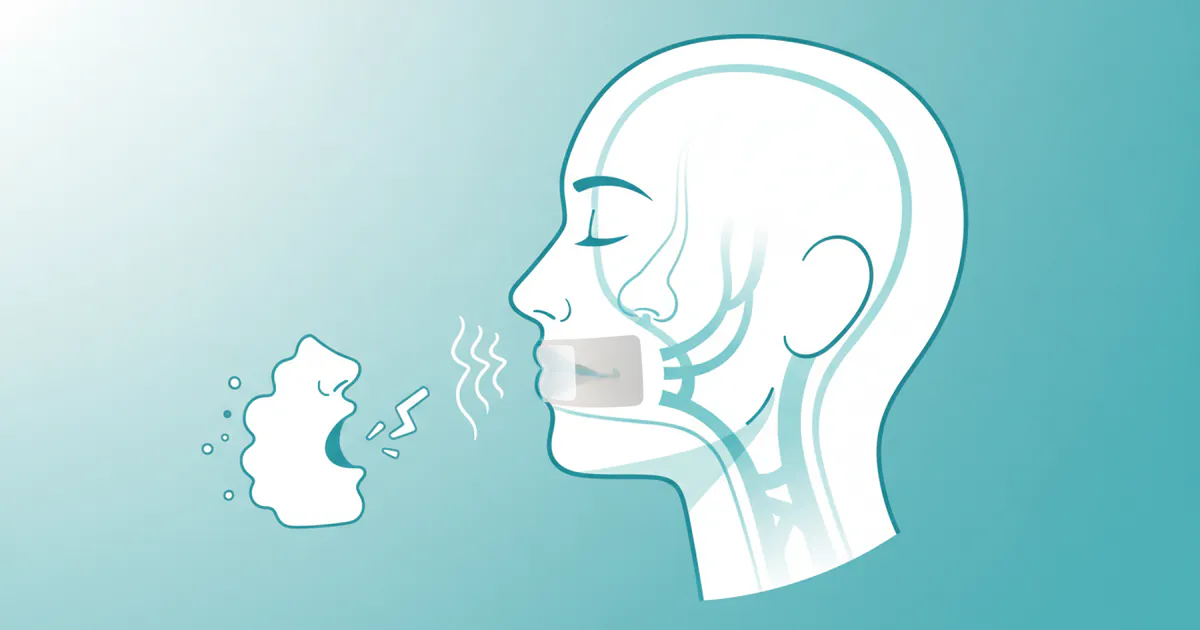
Mouth Taping for Snoring: Complete Guide
Snoring. It's the nocturnal soundtrack for millions of Americans, often a source of frustration for bed partners and a potential indicator of underlying health issues for the snorer themselves. Roughly 45% of adults snore occasionally, and 25% are habitual snorers, impacting sleep quality, relat
February 23, 2026
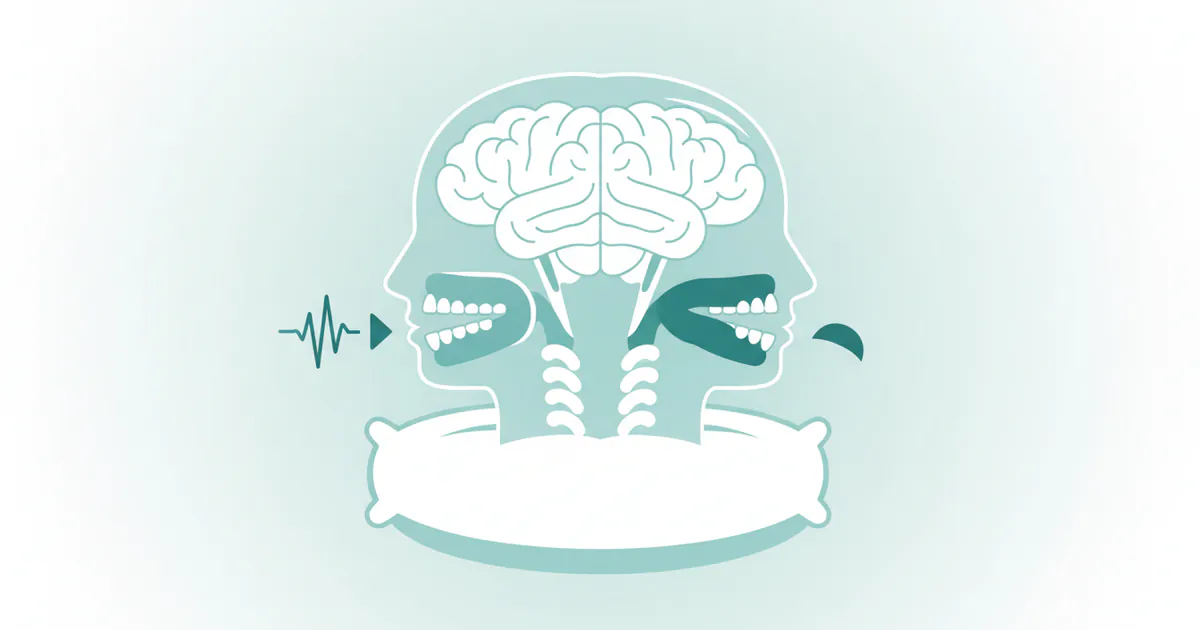
Is All Snoring Sleep Apnea
Many individuals, perhaps even you or a loved one, have been told they snore loudly. It's often dismissed as a harmless, albeit annoying, nocturnal habit. However, what if that nightly rumble is more than just noise? What if it's a critical indicator of an underlying health condition that significan
February 23, 2026
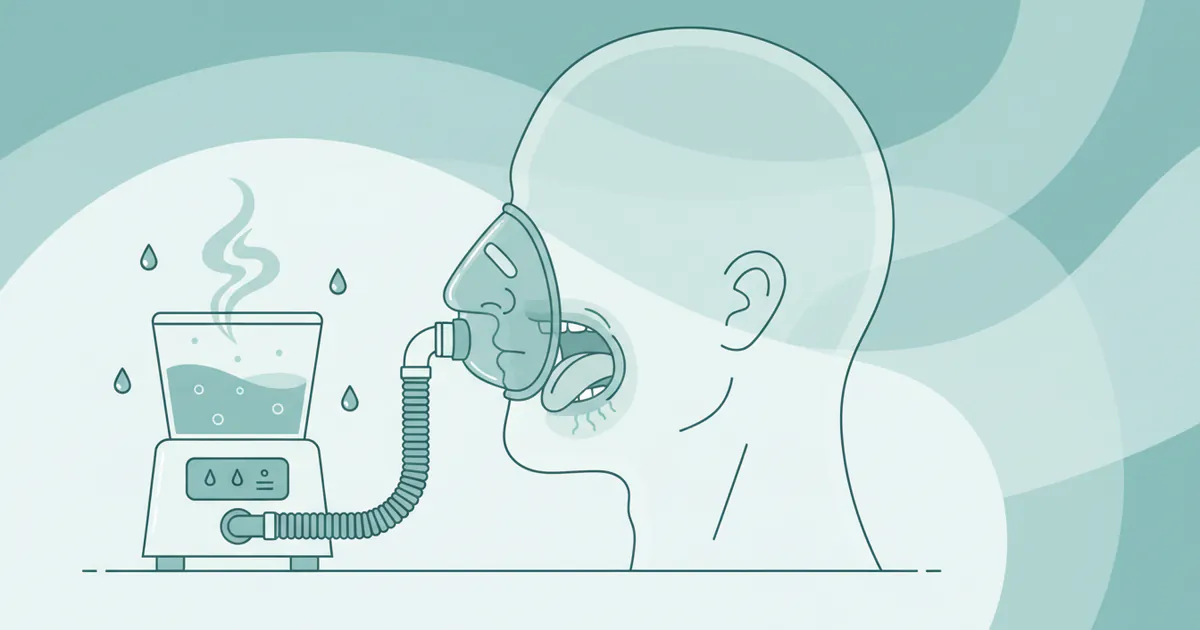
Cpap Dry Mouth Even With Humidifier: Complete Guide
Experiencing dry mouth while using a CPAP machine, even with a humidifier, is a common and incredibly frustrating issue for millions of Americans. It can disrupt sleep, diminish the effectiveness of your sleep apnea treatment, and significantly impact your oral health. Imagine waking up every mornin
February 23, 2026