Best Over the Counter Mouth Guards for Teeth Grinding: Complete Guide
Key Takeaways
- More than 1 in 10 adults in the United States routinely grind or clench their teeth, a condition known as bruxism. This unconscious habit, often occurring during sleep, can lead to a host of painful and costly dental issues, from chipped teeth and jaw pain to severe headaches and even fractured
More than 1 in 10 adults in the United States routinely grind or clench their teeth, a condition known as bruxism. This unconscious habit, often occurring during sleep, can lead to a host of painful and costly dental issues, from chipped teeth and jaw pain to severe headaches and even fractured dental restorations. If you frequently wake up with a sore jaw, a dull headache, or notice your teeth appear shorter or flattened, you might be experiencing bruxism. While severe cases require professional dental intervention, many individuals seek immediate relief and protection with the best over the counter mouth guards for teeth grinding. These accessible solutions offer a first line of defense, providing a cushioned barrier between your upper and lower teeth to absorb the forces of clenching and grinding.
This comprehensive guide from SmilePedia.net will delve deep into the world of OTC mouthguards, exploring their types, benefits, limitations, and how to choose the right one for your specific needs. We’ll discuss the causes and symptoms of bruxism, walk you through the fitting process, detail care and maintenance, and compare OTC options with custom professional guards. Our goal is to equip you with all the information necessary to make an informed decision, protect your dental health, and alleviate the discomfort associated with bruxism jaw.
Key Takeaways:
- Bruxism is common: Affecting over 10% of US adults, leading to jaw pain, headaches, and tooth damage.
- OTC mouthguards offer immediate relief: They create a protective barrier, absorbing grinding forces and preventing tooth wear.
- Three main types: Stock (least expensive, poor fit), Boil-and-Bite (most popular, decent fit), and Pre-molded Customizable (better fit, mid-range cost).
- Cost-effective solution: OTC guards typically range from $20 to $100, significantly less than professional custom guards ($300 to $800+).
- Durability varies: OTC guards generally last 3-6 months, while custom guards can last 1-5 years.
- Not a permanent fix: OTC guards protect teeth but don't address the underlying causes of bruxism, which may require professional diagnosis and treatment.
- Proper fitting is crucial: An ill-fitting guard can exacerbate jaw issues or even shift your bite. Follow instructions carefully.
- When to see a dentist: If symptoms worsen, the guard is uncomfortable, or you suspect severe bruxism or underlying sleep disorders.
What is Bruxism? Understanding Teeth Grinding and Clenching
Bruxism is a medical condition characterized by involuntary clenching or grinding of the teeth, typically outside of normal chewing or swallowing. It can occur during the day (awake bruxism) or, more commonly, during sleep (sleep bruxism). While it might seem like a minor annoyance, the sustained force exerted during bruxism can be immense, often far exceeding the forces generated during eating.

Awake bruxism often manifests as habitual clenching, sometimes subconsciously, during periods of concentration, stress, or anxiety. Individuals might not even realize they're doing it until they experience symptoms like jaw tension or headaches.
Sleep bruxism, on the other hand, is a sleep-related movement disorder. It involves rhythmic, sustained muscle activity of the jaw, often accompanied by grinding sounds that can be disruptive to a sleeping partner. Individuals with sleep bruxism are often unaware of their habit until symptoms become pronounced or a dentist notices signs of wear on their teeth.
The prevalence of bruxism is significant. According to the American Dental Association (ADA), approximately 6-8% of adults and up to 3 out of 10 children experience sleep bruxism. Awake bruxism may be even more common, affecting a larger percentage of the population at various times. Left untreated, chronic bruxism can lead to severe dental damage, temporomandibular joint (TMJ) disorders, and a significant reduction in quality of life due to persistent pain.
Understanding Over-the-Counter Mouthguards: Types and Variations
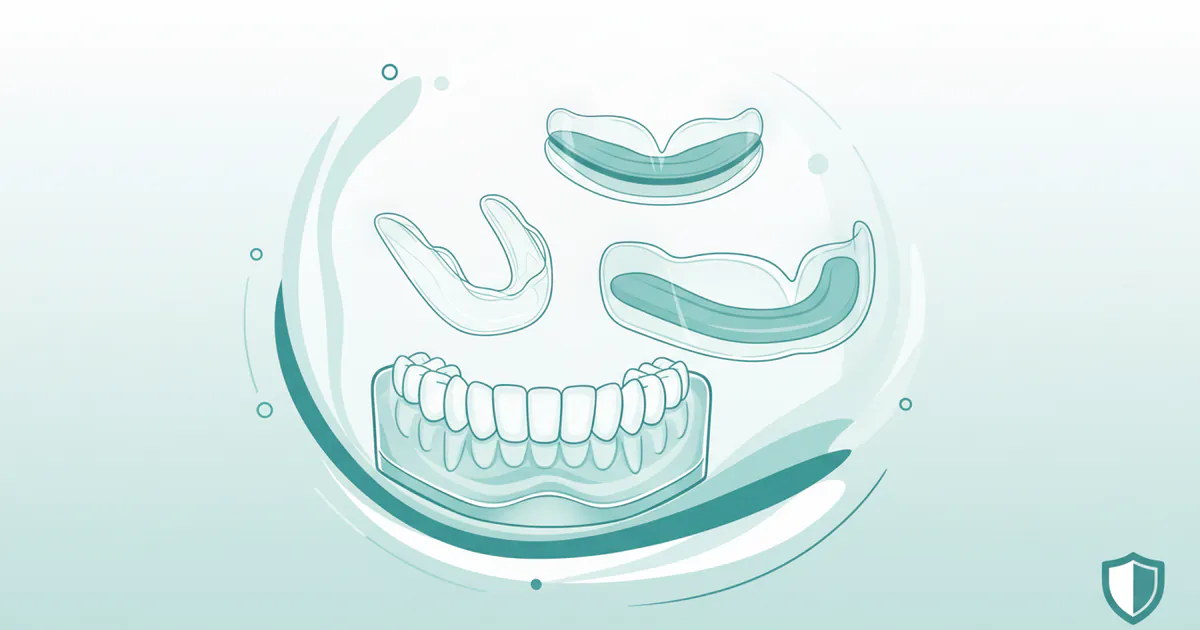
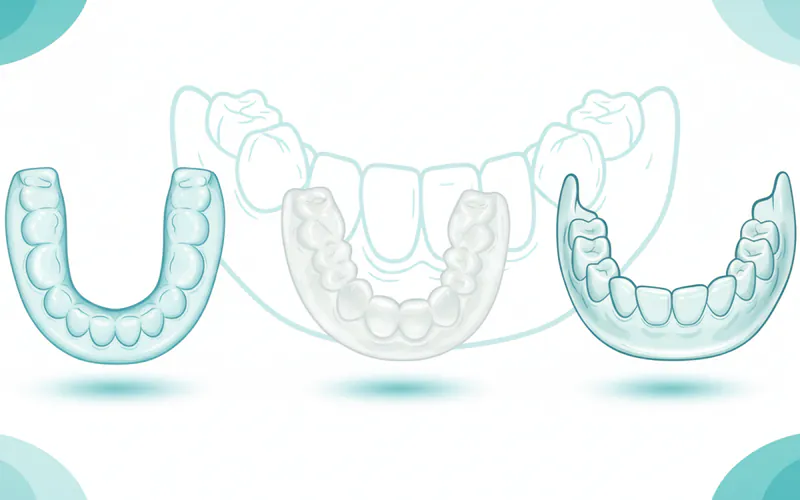
Over the counter (OTC) mouthguards are non-prescription devices designed to be purchased and fitted by the user at home. They serve as a protective barrier between the upper and lower teeth, cushioning the impact of clenching and grinding and preventing direct tooth-on-tooth contact. While they don't stop the act of bruxism itself, they effectively mitigate the damage it causes. When looking for the best over the counter mouth guards for teeth grinding, you'll typically encounter three main types: stock, boil-and-bite, and pre-molded customizable options.
Stock Mouthguards (Pre-formed)
- Description: These are the most basic and least expensive type of OTC mouthguard. They come pre-formed and are ready to wear right out of the package. They are generally one-size-fits-all, or come in a few generic sizes (e.g., small, medium, large).
- Pros:
- Lowest Cost: Often available for $10-$25.
- Instant Use: No preparation required.
- Cons:
- Poor Fit: Due to their generic nature, they rarely fit well. This can make them uncomfortable, bulky, and prone to falling out during sleep.
- Less Protection: A poor fit means less effective cushioning and protection against grinding forces.
- Can Exacerbate Jaw Issues: An ill-fitting guard can subtly alter your bite, potentially straining the jaw muscles and worsening TMJ symptoms over time.
- Limited Durability: Often made from thinner, less resilient materials.
- Best For: Very temporary, emergency use, or as a very short-term trial to see if a mouthguard helps at all before investing more. Not recommended for long-term use.
Boil-and-Bite Mouthguards
- Description: This is the most popular and widely available type of OTC mouthguard. They are made from a thermoplastic material that becomes pliable when heated in hot water. Once softened, you place it in your mouth and bite down, molding it to the unique contours of your teeth and gums.
- Pros:
- Improved Fit: Offers a significantly better fit than stock guards, conforming somewhat to your dental anatomy.
- Better Comfort & Retention: A more personalized fit means greater comfort and less chance of the guard dislodging during sleep.
- Affordable: Typically priced between $20-$50.
- Effective Protection: Provides a good protective barrier for many individuals.
- Cons:
- Requires Careful Fitting: Improper heating or biting can result in a distorted or uncomfortable fit, reducing its effectiveness.
- Still Not Custom: While better than stock, they don't achieve the precision fit of a professional custom-made guard. They can still be bulky or uneven.
- Can Be Chewed Through: Some individuals with very strong grinding habits might wear through them relatively quickly.
- Limited Lifespan: Generally last 3-6 months with regular use.
- Best For: Most people seeking an affordable and reasonably effective OTC solution for mild to moderate bruxism.
Pre-Molded Customizable Mouthguards (Non-Dental Lab)
- Description: These guards represent a step up from boil-and-bite in terms of customization, without requiring a dental visit. They often come with impression trays and putty that you use to create a mold of your teeth at home. You then send this impression to the manufacturer, who creates a slightly more customized guard based on your mold. Some companies also offer guards that are pre-molded to general arch shapes but allow for minor thermoforming or trimming for a better fit.
- Pros:
- Better Fit & Comfort: Offers a superior fit compared to boil-and-bite, often thinner and less bulky.
- More Durable Materials: Often made from higher-quality, more resilient materials that can withstand more grinding force.
- Reduced Jaw Strain: A better fit minimizes potential shifts in your bite, reducing the risk of exacerbating jaw issues.
- Still Cost-Effective: Price ranges from $50-$100.
- Cons:
- More Complex Process: Requires taking accurate impressions at home, which can be tricky for some.
- Waiting Period: There's a waiting period while the custom guard is fabricated and shipped.
- Not a True Dental Custom Guard: While customized, they still lack the precise fitting and material options available from a dental lab.
- Best For: Individuals looking for a more refined OTC solution with better comfort and fit than boil-and-bite, without the cost or time commitment of a professional dental appliance.
How OTC Guards Differ from Custom Dental Splints (Night Guards)
It's crucial to understand that OTC mouthguards, even the customizable ones, are fundamentally different from professional custom night guards (also called occlusal splints or dental splints) made by a dentist.
| Feature | Over-the-Counter Mouthguard | Professional Custom Night Guard |
|---|---|---|
| Fit & Comfort | Generic, boil-and-bite, or home-mold; often bulky | Precise, custom-made to your exact dental anatomy; thin & snug |
| Material | Softer, thermoplastic, silicone; less durable | Hard acrylic, soft vinyl, or dual laminate; highly durable |
| Lifespan | 3-6 months | 1-5+ years (depending on material & grinding severity) |
| Cost | $10-$100 | $300-$800 (can exceed $1500 for complex cases) |
| Effectiveness | Protects teeth from wear, provides cushioning | Protects teeth, can help stabilize bite, reduce jaw pain |
| Prescription | No | Yes, requires dental impression & lab fabrication |
| Jaw Health Impact | Can sometimes shift bite or strain jaw if ill-fitting | Designed to maintain proper jaw alignment and bite |
| Insurance | Rarely covered | Often partially covered by dental insurance |
Pro Tip: While OTC guards are an excellent starting point for protecting your teeth, they are generally not designed to correct bite issues or address underlying causes of bruxism. If you experience persistent jaw pain, significant tooth damage, or suspect conditions like sleep apnea, a dental professional should be consulted.
Why Do We Grind Our Teeth? Causes of Bruxism
Understanding the root causes of bruxism is essential, as simply using a mouthguard only addresses the symptoms, not the underlying issues. Bruxism is often multifactorial, meaning several factors can contribute to its development.
Psychological Factors
- Stress and Anxiety: This is arguably the most common cause, especially for awake bruxism. Daily stressors, work pressure, financial worries, or major life changes can lead to subconscious clenching and grinding as a coping mechanism. The bruxism jaw often tenses up in response to mental strain.
- Anger and Frustration: Suppressed emotions can manifest physically, including jaw clenching.
- Personality Type: Individuals with aggressive, competitive, or hyperactive personalities may be more prone to bruxism.
Sleep-Related Disorders
- Sleep Apnea: This is a significant link. Individuals with obstructive sleep apnea (OSA), a condition where breathing repeatedly stops and starts during sleep, often clench and grind their teeth as their body tries to open the airway. Treating sleep apnea can often reduce bruxism.
- Other Sleep Disorders: Insomnia, restless leg syndrome, and sleep talking can also be associated with an increased risk of bruxism.
Medications and Substances
- Antidepressants: Certain antidepressants, particularly Selective Serotonin Reuptake Inhibitors (SSRIs) like fluoxetine (Prozac), sertraline (Zoloft), and paroxetine (Paxil), can have bruxism as a side effect for some individuals.
- Stimulants: Amphetamines and other stimulants (including those for ADHD) can increase nervous system activity, leading to teeth clenching.
- Lifestyle Substances:
- Caffeine: High intake of caffeinated beverages (coffee, tea, energy drinks) can stimulate the nervous system.
- Alcohol: While it might seem relaxing, alcohol disrupts sleep cycles and can increase bruxism activity.
- Nicotine: Smoking and other nicotine products are known to exacerbate bruxism.
- Recreational Drugs: Cocaine and ecstasy are highly associated with severe teeth grinding.
Dental and Anatomical Factors
- Malocclusion (Misaligned Bite): Historically, a "bad bite" was thought to be a primary cause of bruxism. While its role is now considered less central, significant bite discrepancies or missing teeth can sometimes contribute to the jaw trying to find a comfortable position, leading to grinding.
- Improper Dental Restorations: High fillings, crowns, or bridges can interfere with the natural bite and trigger grinding.
- Tooth Sensitivity: Some theories suggest a link between increased tooth sensitivity and bruxism.
Other Factors
- Genetics: A family history of bruxism can increase an individual's risk, suggesting a genetic predisposition.
- Age: Bruxism is common in young children and often resolves by adolescence, but it can persist or develop in adulthood.
- Neurological Conditions: Rare cases of bruxism can be linked to conditions like Parkinson's disease or Huntington's disease.
- Acid Reflux: Some research suggests a correlation between gastroesophageal reflux disease (GERD) and sleep bruxism.
Understanding these potential causes allows for a more holistic approach to managing bruxism, beyond just physical protection with a mouthguard.
Recognizing the Signs: Symptoms of Bruxism
Many people are unaware they grind their teeth, especially during sleep. Often, a sleeping partner will notice the grinding sounds, or a dentist will detect the tell-tale signs during a routine check-up. However, there are several symptoms that you can look for yourself that indicate the presence of bruxism.
Common Signs and Symptoms
- Jaw Pain and Tenderness: A dull, constant ache in the jaw, especially in the morning. The temporomandibular joints (TMJ) and surrounding muscles can become inflamed and sore from overuse. This is a primary indicator of bruxism jaw.
- Facial Pain and Fatigue: Muscles around the jaw and face, particularly the masseter (cheek) muscles, can become enlarged and tender to the touch from constant clenching. You might feel your face is tired.
- Headaches and Migraines: Tension headaches, often starting in the temples, are common upon waking. For some, bruxism can trigger or worsen migraines.
- Tooth Sensitivity and Pain: Grinding wears away enamel, exposing the sensitive dentin underneath, leading to increased sensitivity to hot, cold, or sweet foods and drinks. Teeth may also ache without obvious cause.
- Worn, Chipped, or Fractured Teeth: This is one of the most visible signs. The forces of grinding can flatten the biting surfaces of teeth, create small chips or cracks, or even fracture teeth or existing dental restorations (fillings, crowns).
- Gum Recession: Severe clenching can put excessive pressure on teeth, leading to gum tissue pulling away from the tooth roots, making teeth appear longer and increasing sensitivity.
- Clicking, Popping, or Locking Jaw Joint (TMJ Issues): Chronic stress on the TMJ from bruxism can lead to sounds like clicking or popping when opening or closing your mouth. In more severe cases, the jaw might temporarily lock open or closed.
- Indentations on the Tongue or Cheek: The pressure of teeth pressing against the tongue or inner cheek can leave scalloped edges on the tongue or white lines (linea alba) on the inside of the cheeks.
- Sleep Disruption: While the grinder often sleeps through it, a sleeping partner might complain about grinding noises. The physical act of grinding can also briefly disrupt the bruxer's sleep quality, leading to daytime fatigue even if they don't recall waking up.
- Stiffness in Shoulders or Neck: The muscles involved in jaw movement extend into the neck and shoulders. Chronic tension from bruxism can radiate to these areas.
If you recognize several of these symptoms, it's a strong indication that you might be dealing with bruxism and should consider speaking with your dentist, even if you start by using the best over the counter mouth guards for teeth grinding for temporary relief.
Choosing the Best Over the Counter Mouth Guard for Teeth Grinding
Selecting the right OTC mouthguard involves considering several factors, including type, material, fit, and your specific needs. While no OTC option can perfectly replicate a custom dental guard, a well-chosen and properly fitted one can offer substantial protection and relief.
Key Factors to Consider When Buying
-
Type of Guard:
- Boil-and-Bite: Most common and recommended for most users due to decent customizability and affordability. Look for brands known for pliable materials and clear instructions.
- Pre-Molded Customizable: If you're willing to invest a bit more time and money for a better fit, these are a good step up. Ensure the impression process seems manageable for you.
- Stock Guards: Generally avoid these unless for very short-term, absolute emergency use due to poor fit.
-
Material:
- Soft vs. Hard: Most OTC guards are made from softer, thermoplastic materials (e.g., EVA, silicone). These are comfortable and provide good cushioning. Some slightly firmer options exist. Softer materials are generally fine for moderate grinding, but severe grinders might wear through them faster. Harder materials are reserved for custom professional guards.
- BPA-Free: Always look for guards explicitly labeled as BPA-free to avoid potential health concerns.
- Latex-Free: Important for those with latex allergies.
-
Thickness:
- Protection vs. Comfort: Thicker guards offer more cushioning but can feel bulky and interfere with speech or comfort. Thinner guards are more comfortable but may wear out faster if you're a heavy grinder. Aim for a balance, typically around 2-3mm.
- Upper vs. Lower Arch: Most OTC guards are designed for the upper arch, but some are for the lower. Upper arch guards are generally easier to get a stable fit and tend to be more comfortable as they don't interfere with tongue space as much.
-
Brand Reputation and Reviews:
- Research well-known brands that specialize in dental products. Read customer reviews for insights into fit, comfort, durability, and ease of molding. Look for recurring complaints or praises.
-
ADA Acceptance (Limited for OTC):
- While custom night guards can receive ADA acceptance, it's rare for true OTC boil-and-bite or stock guards to have this. However, some companies producing at-home impression kits for mail-order custom guards might be FDA cleared and follow good manufacturing practices. Focus on FDA-cleared devices.
What to Look For in a Quality OTC Guard
- Easy-to-Follow Instructions: Especially for boil-and-bite. Clear steps for heating and molding are crucial for a good fit.
- Good Retention: Once molded, the guard should stay firmly on your teeth without feeling loose or requiring you to clench to keep it in place.
- Comfort: It shouldn't dig into your gums, feel excessively bulky, or cause gagging. It will feel foreign at first, but shouldn't be painful.
- Durability: While OTC guards aren't meant to last for years, a good one should withstand 3-6 months of nightly use without significant signs of wear.
- Lower Profile (if possible): Some advanced boil-and-bite guards are designed with a slightly lower profile for enhanced comfort.
Pro Tip: If you're new to using a mouthguard, start with a well-reviewed boil-and-bite option. It’s an affordable way to determine if a mouthguard offers relief and if you can tolerate wearing one consistently. Many find this to be the best over the counter mouth guard for teeth grinding when balancing cost and effectiveness.
Fitting Your OTC Mouth Guard: A Step-by-Step Process
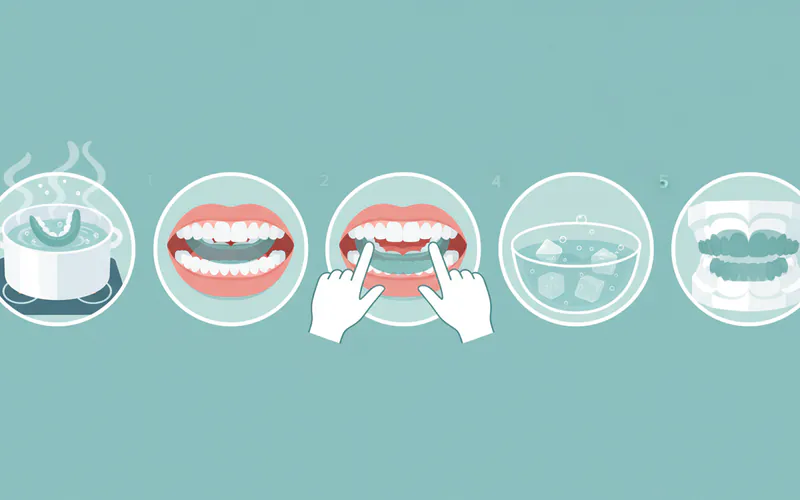
Proper fitting is paramount for the effectiveness and comfort of any OTC mouthguard, especially the popular boil-and-bite type. An ill-fitting guard can be uncomfortable, ineffective, and potentially exacerbate jaw issues. Always follow the specific instructions provided by the manufacturer, but here's a general guide for a boil-and-bite guard:
What You'll Need
- Your chosen boil-and-bite mouthguard
- A pot of water
- Tongs or a slotted spoon
- A bowl of cold water (or ice water)
- A mirror
- A timer
Step-by-Step Fitting Guide
-
Read the Instructions Thoroughly: Before you begin, read the manufacturer's specific instructions completely. Heating times and molding techniques can vary slightly between brands.
-
Boil the Water: Fill a pot with enough water to fully submerge the mouthguard. Bring the water to a rolling boil.
-
Heat the Mouthguard: Using tongs or a slotted spoon, carefully submerge the mouthguard in the boiling water. Set a timer for the exact duration specified by the manufacturer (usually 30-60 seconds). Do not over-heat, as this can deform the guard irreversibly.
-
Remove and Cool Briefly: After the specified time, remove the mouthguard from the hot water. Shake off excess water or dip it in cool water for 1-2 seconds (as per instructions) to make it safe to handle, but still pliable. It should be soft and flexible, not sticky or molten.
-
Position in Your Mouth: Stand in front of a mirror. Carefully place the softened mouthguard over your upper teeth. Ensure it's centered and covers all your teeth, extending to the gumline but not impinging on it too much.
-
Mold to Your Teeth:
- Bite Down Firmly: Close your mouth gently but firmly, creating an impression of your lower teeth into the softened material. Do not clench aggressively.
- Press with Fingers and Tongue: Using your fingers, press the guard firmly against your teeth and gums from the outside, ensuring it conforms tightly to the front and sides of your teeth. Use your tongue to press against the inside surface of the guard against your palate.
- Suck Out Air (Optional but Recommended): Some instructions suggest gently sucking to create a vacuum, helping the guard adhere closely to your teeth and gums.
- Hold for the Recommended Time: Maintain this pressure for the time specified by the manufacturer (usually 30-60 seconds).
-
Cool and Set: Remove the mouthguard from your mouth and immediately plunge it into the bowl of cold or ice water for at least 1-2 minutes to set its shape permanently.
-
Test the Fit: Once fully cooled and hardened, place the guard back in your mouth.
- It should feel snug and secure, not loose.
- You should be able to speak with minimal difficulty (though it will feel odd initially).
- It should not cause significant discomfort or gagging.
- Your bite should feel natural, without significant open spaces between teeth when the guard is in place.
Troubleshooting Common Issues
- Poor Fit/Loose: If the fit isn't right, you might be able to re-boil and re-mold the guard (check manufacturer instructions if this is possible, as some are only one-time moldable). If not, you'll need a new one.
- Too Bulky/Gagging: This often happens with stock or improperly molded boil-and-bite guards. If re-molding doesn't help, consider a different brand known for thinner profiles, or explore the pre-molded customizable options.
- Impinging on Gums: If the edges are too high and dig into your gums, you might be able to carefully trim excess material with small, sharp scissors after molding. Again, check manufacturer guidelines before doing so.

Cost of Over-the-Counter Mouth Guards vs. Professional Solutions
Understanding the financial aspect is crucial when considering the best over the counter mouth guards for teeth grinding versus a custom-made solution from your dentist. The cost difference is significant, as is the level of customization, durability, and effectiveness.
Over-the-Counter Mouthguards
- Stock Guards: These are the cheapest, typically ranging from $10 to $25. Their low cost reflects their poor fit and limited effectiveness.
- Boil-and-Bite Guards: The most popular choice, these usually cost between $20 and $50. They offer a good balance of cost and a reasonably customized fit for many users.
- Pre-Molded Customizable (Home Impression Kits): These range from $50 to $100. They provide a better, thinner fit than boil-and-bite, making them a premium OTC option.
Average OTC Cost: Most people spend $20-$60 on a good quality boil-and-bite or entry-level customizable guard.
Insurance Coverage for OTC: Dental insurance rarely, if ever, covers over-the-counter mouthguards because they are not prescription devices and are purchased directly by the consumer. They are considered personal care items.
Professional Custom Night Guards
Custom night guards are fabricated by a dental lab based on impressions taken by your dentist. They are precise, made from durable materials, and designed to address your specific bite and grinding patterns.
- Average Cost (without insurance): In the United States, a professional custom night guard typically costs between $300 and $800. For more complex cases, or if specialized materials are used, the cost can sometimes exceed $1,000 to $1,500.
- Factors Influencing Cost:
- Geographic Location: Costs can vary significantly by state and even by metropolitan area.
- Dentist's Fees: Specialist dentists or practices with higher overhead may charge more.
- Material: Hard acrylic guards are often more expensive than soft vinyl ones but are also more durable for heavy grinders.
- Complexity: If your bite requires specific adjustments or a more intricate design, the cost may increase.
- Office Visit Fees: The cost usually includes the initial consultation, impressions, and fitting appointments.
Insurance Coverage for Professional Guards: Dental insurance often provides partial coverage for custom night guards if they are deemed medically necessary for bruxism or TMJ disorder.
- Coverage Percentage: Typically, plans cover 50-80% of the cost after your deductible is met.
- Deductibles and Co-pays: You will be responsible for your deductible (if not already met) and any co-payment or remaining balance.
- Prior Authorization: Some insurance companies may require prior authorization or a specific diagnosis code from your dentist to approve coverage. It’s crucial to check with your insurance provider beforehand.
Cost Comparison Table: OTC vs. Professional
| Feature | Over-the-Counter Mouthguard | Professional Custom Night Guard |
|---|---|---|
| Price Range (USD) | $10 - $100 | $300 - $800 (up to $1500+) |
| Average Lifespan | 3-6 months | 1-5+ years |
| Initial Investment | Low | High |
| Long-Term Cost | Can be high due to frequent replacement (e.g., $50/guard x 4/year = $200/year) | Lower annually if it lasts many years (e.g., $500/3 years = ~$167/year) |
| Insurance Coverage | Rarely, if ever | Often 50-80% coverage (with medical necessity) |
| Fit & Comfort | Generic to reasonably custom; can be bulky | Highly precise, slim, and comfortable |
| Bite Impact | Risk of bite shifting or jaw strain if ill-fitting | Designed to maintain or correct bite, reduce strain |
Pro Tip: If finances are a concern for a professional guard, discuss payment plans with your dental office. Many offer in-house financing or accept third-party dental financing options like CareCredit, which allow you to pay over time with low or no interest.
Living with an OTC Mouth Guard: Care and Maintenance
Proper care and maintenance are essential for maximizing the lifespan of your OTC mouthguard, ensuring its effectiveness, and maintaining good oral hygiene. Neglecting care can lead to bacterial buildup, odors, and a prematurely degraded guard.
Daily Cleaning Routine
- Rinse Immediately After Use: As soon as you remove your mouthguard in the morning, rinse it thoroughly under cool (not hot) running water. This helps remove saliva, plaque, and any food particles that may have accumulated.
- Brush Gently: Use a soft-bristled toothbrush and a non-abrasive soap or denture cleaner (specifically designed for oral appliances, avoid harsh toothpastes which can scratch the material) to gently scrub all surfaces of the guard. Pay attention to grooves and crevices.
- Rinse Again: Rinse thoroughly to remove all soap or cleaner residue.
- Dry and Store: Pat the guard dry with a clean cloth or allow it to air dry completely before storing it. Storing a wet guard can encourage bacterial growth.
Weekly/Bi-Weekly Deep Cleaning
- Denture/Retainer Cleanser Tablets: Once or twice a week, you can soak your mouthguard in a solution of denture or retainer cleaning tablets (e.g., Efferdent, Polident). Follow the product instructions for soaking time (usually 10-30 minutes). These help kill bacteria, remove stains, and keep the guard fresh.
- Avoid Harsh Chemicals: Never use bleach, abrasive cleaners, or strong household disinfectants on your mouthguard, as these can damage the material and be harmful if ingested.
Storage Best Practices
- Ventilated Case: Always store your mouthguard in a clean, rigid, ventilated case when not in use. This protects it from physical damage, keeps it clean, and allows it to breathe, preventing moisture buildup.
- Keep Away from Heat: Never leave your mouthguard in direct sunlight, near a heat source (like a heater or car dashboard), or in hot water. The thermoplastic material can warp and lose its custom shape.
- Keep Away from Pets: Dogs and other pets are often attracted to mouthguards and can easily chew through them. Store it securely out of their reach.
When to Replace Your OTC Mouthguard
Even the best over the counter mouth guards for teeth grinding have a limited lifespan. You'll need to replace yours when you notice any of these signs:
- Significant Wear or Holes: If you see visible indentations, holes, or thinning spots where your teeth meet the guard, it means it's no longer providing adequate protection. Heavy grinders might wear through guards in a few months.
- Loss of Fit: If the guard starts to feel loose, uncomfortable, or no longer stays securely on your teeth, its shape may have distorted, or your teeth may have shifted.
- Cracks or Tears: Any cracks or tears compromise the integrity and hygiene of the guard.
- Odor or Discoloration: Persistent odors or noticeable discoloration that doesn't go away with cleaning can indicate bacterial buildup or material degradation.
- Recommended Lifespan: Most OTC manufacturers recommend replacing their guards every 3-6 months, regardless of visible wear. Adhering to this helps maintain optimal hygiene and protection.
Regular care not only extends the life of your mouthguard but also protects your oral health from bacteria and ensures the device continues to provide effective relief from jaw teeth grinding.
Beyond Mouthguards: Preventing Bruxism and Protecting Your Teeth
While mouthguards are excellent for protecting your teeth from the physical damage of bruxism, they don't address the underlying causes. A holistic approach focusing on prevention and managing contributing factors can offer long-term relief.
Stress Management Techniques
Since stress and anxiety are major drivers of bruxism, managing them effectively is crucial.
- Mindfulness and Meditation: Regular practice can reduce overall stress levels.
- Yoga and Deep Breathing Exercises: Promote relaxation and body awareness.
- Regular Exercise: A great stress reliever; just avoid intense workouts close to bedtime.
- Therapy/Counseling: If stress or anxiety is overwhelming, professional help can provide coping strategies.
- Hobbies and Downtime: Schedule time for activities you enjoy to de-stress.
Improve Sleep Hygiene
Good sleep habits are vital, especially since much of bruxism occurs during sleep.
- Consistent Sleep Schedule: Go to bed and wake up at the same time every day, even on weekends.
- Create a Relaxing Bedtime Routine: Warm bath, reading, gentle stretching.
- Optimize Your Sleep Environment: Dark, quiet, cool room.
- Avoid Screens Before Bed: Blue light from phones, tablets, and computers can disrupt melatonin production.
- Address Sleep Disorders: If you suspect sleep apnea (snoring, gasping, daytime fatigue), consult a doctor for diagnosis and treatment.
Dietary and Lifestyle Adjustments
Certain substances can stimulate the nervous system and worsen bruxism.
- Reduce Caffeine Intake: Especially in the afternoon and evening.
- Limit Alcohol: Avoid alcohol close to bedtime, as it can disrupt sleep and increase bruxism.
- Quit Smoking: Nicotine is a stimulant and a known bruxism trigger.
- Stay Hydrated: Dehydration can sometimes contribute to muscle tension.
Oral Habits Awareness
For awake bruxism, becoming aware of the habit is the first step to stopping it.
- Self-Monitoring: Throughout the day, periodically check if your teeth are clenching. If they are, consciously relax your jaw.
- Jaw Rest Position: Practice keeping your teeth slightly apart, with your lips gently closed and your tongue resting on the roof of your mouth.
- Reminders: Use sticky notes, phone alarms, or an app to remind yourself to relax your jaw.
Regular Dental Check-ups
Your dentist is your first line of defense in identifying and managing bruxism.
- Early Detection: Dentists can spot early signs of wear and tear, even before you notice symptoms.
- Bite Adjustment: If a misaligned bite or a high restoration is contributing, your dentist can make adjustments.
- Referrals: Your dentist can refer you to specialists for stress management, sleep studies, or TMJ therapy if needed.
By addressing these contributing factors, you can work towards reducing the frequency and intensity of your bruxism, thereby further protecting your teeth and overall health, even when using the best over the counter mouth guards for teeth grinding.
Risks and Potential Complications of Using OTC Mouth Guards
While over-the-counter mouthguards offer an accessible and often effective solution for managing bruxism, it's important to be aware of their potential risks and limitations. They are a palliative measure, not a cure, and improper use or selection can lead to complications.
Improper Fit and Bite Issues
- Jaw Strain and Pain: An ill-fitting OTC guard, especially a bulky stock or poorly molded boil-and-bite, can subtly alter your natural bite. This can put undue stress on your temporomandibular joints (TMJ) and jaw muscles, leading to increased jaw pain, tenderness, or even new TMJ symptoms. The goal is to protect your teeth, not strain your bruxism jaw further.
- Bite Changes: Prolonged use of a poorly fitting or soft, thick guard can potentially cause temporary or even permanent shifts in your bite alignment over time. This is more common with constant, long-term use without professional oversight.
- Gagging or Discomfort: Guards that are too bulky, extend too far back, or don't conform well can trigger a gag reflex or simply be too uncomfortable to wear consistently, rendering them useless.
Material Safety and Durability Concerns
- Material Quality: Not all OTC guards are made with the same quality standards. Some cheaper options might use less durable or potentially questionable materials. Always look for BPA-free and FDA-cleared products.
- Degradation: Softer materials in OTC guards can degrade and become brittle over time or with heavy grinding, leading to pieces breaking off. While unlikely to be a choking hazard for adults, it's a concern.
- Bacterial Growth: Without proper cleaning and storage, any mouthguard can become a breeding ground for bacteria, leading to oral infections, bad breath, or even systemic health issues.
Delaying Professional Diagnosis and Treatment
- Masking Symptoms: An OTC guard might alleviate some pain and protect your teeth, but it can mask the underlying causes and more severe symptoms of bruxism. This can delay a necessary diagnosis, especially if your bruxism is linked to sleep apnea or other serious medical conditions.
- Inadequate Protection for Severe Cases: For individuals with severe bruxism, an OTC guard may not provide sufficient protection and could wear through quickly, leaving teeth vulnerable. A professional custom guard, often made from harder acrylic, is typically required in such cases.
- Untreated Underlying Conditions: If your bruxism is a symptom of conditions like severe stress, anxiety, or sleep apnea, simply wearing an OTC guard won't resolve those primary issues. These conditions require specific medical or psychological interventions.
Choking Hazard (Rare)
- While rare for adults, an extremely loose or damaged mouthguard could potentially dislodge and become a choking hazard, particularly if worn during sleep. This underscores the importance of a snug fit and regular inspection.

Pro Tip: If you choose to use an OTC mouthguard, treat it as a temporary solution or a first step. Monitor your symptoms closely, regularly inspect the guard for wear, and always schedule a dental check-up if your symptoms persist, worsen, or if you suspect your bruxism is severe or linked to other health problems. Your dentist can assess whether your chosen best over the counter mouth guards for teeth grinding are suitable for your specific needs.
Children / Pediatric Considerations
Bruxism is surprisingly common in children, affecting an estimated 15% to 33% of kids at some point. It most often occurs during sleep (sleep bruxism) and typically resolves on its own by adolescence without intervention. However, it's still a concern for parents.
Why Children Grind Their Teeth
The causes of bruxism in children can differ slightly from adults:
- Growth and Development: Grinding can be a natural response as new teeth emerge (both primary and permanent) or when baby teeth are shed. The child's jaw and bite are constantly changing.
- Stress and Anxiety: Similar to adults, stress from school, family issues, or even minor changes in routine can trigger grinding.
- Medical Conditions: Allergies, colds, ear infections, or other conditions that cause nasal congestion can lead to grinding as the child tries to open their airway.
- Misaligned Teeth: In some cases, an uneven bite can contribute.
- Sleep Disorders: Though less common than in adults, sleep apnea or other sleep disturbances can be a factor.
- Pain: Grinding might be a response to pain, such as an earache or teething discomfort.
Signs and Symptoms in Children
Parents should look for:
- Grinding sounds during sleep.
- Complaints of jaw pain, especially in the morning.
- Headaches.
- Worn down or chipped teeth (less common in baby teeth due to their structure, but possible).
- Facial pain or tenderness.
When to Intervene and OTC Guards for Kids
For most children, grinding is mild and temporary, requiring no treatment. However, you should consult your pediatric dentist if:
- The child complains of persistent jaw pain or headaches.
- Tooth wear is significant.
- The grinding is loud and frequent.
- You suspect sleep issues like snoring or pauses in breathing.
OTC mouthguards are generally NOT recommended as a long-term solution for children.
- Rapid Growth: A child's jaw and teeth are constantly growing and changing. An OTC guard can quickly become ill-fitting, potentially interfering with normal dental development or creating bite issues.
- Fit and Comfort: OTC guards are rarely designed for the smaller, rapidly changing mouths of children, making them uncomfortable or ineffective.
- Choking Hazard: A poorly fitting guard could pose a greater choking risk for a child.
- Addressing the Root Cause: For children, it's especially important to identify and address the underlying cause of bruxism rather than just masking symptoms.
If a child's bruxism is severe enough to warrant intervention, a pediatric dentist will usually recommend a custom-made night guard that is specifically designed for the child's mouth and can be adjusted as they grow. They might also suggest other treatments, such as behavioral therapy for stress, allergy treatment, or an evaluation for sleep apnea.
Pro Tip for Parents: Focus on creating a relaxing bedtime routine, ensuring your child gets enough sleep, and observing for signs of stress. Regular dental check-ups are key to monitoring for any signs of bruxism-related damage.
Cost Breakdown: Payment Plans and Financing Options
Even for OTC mouthguards, if you're frequently replacing them, the costs can add up. When considering the leap to a professional custom guard, understanding payment and financing becomes even more critical.
Average US Costs (Recap)
- Over-the-Counter:
- Stock: $10-$25
- Boil-and-Bite: $20-$50
- Pre-Molded Customizable: $50-$100
- Professional Custom Night Guard: $300-$800 (potentially higher for complex cases).
With vs. Without Insurance
- OTC: Generally 0% covered by insurance. You pay the full retail price out-of-pocket.
- Professional Custom Guard:
- Without Insurance: You pay the full $300-$800+ out-of-pocket.
- With Insurance: If deemed medically necessary (e.g., for bruxism, TMJ disorder), insurance may cover 50-80% of the cost after your deductible.
- Example: If a guard costs $500 and your insurance covers 60% after a $100 deductible, and your deductible is not met, you would pay $100 (deductible) + $160 (40% of remaining $400) = $260 out-of-pocket. If your deductible is already met, you pay only $200 (40% of $500).
Payment Plans and Financing Options
For higher-cost professional guards, several options can make treatment more affordable:
- In-House Payment Plans: Many dental offices offer flexible payment schedules, allowing you to pay the balance in monthly installments over a few months, often without interest. Always inquire directly with your dental practice.
- Third-Party Medical/Dental Financing:
- CareCredit: This is one of the most popular options. It functions like a credit card specifically for health and wellness expenses. Many plans offer 0% APR for a promotional period (e.g., 6, 12, 18, or 24 months) if paid in full within that time. If not, deferred interest applies.
- LendingClub Patient Solutions: Another option similar to CareCredit, providing loans for healthcare procedures with fixed monthly payments.
- Flexible Spending Accounts (FSAs) and Health Savings Accounts (HSAs):
- These are tax-advantaged savings accounts that can be used for qualified medical and dental expenses. If you have an FSA or HSA through your employer, you can use these funds to cover the cost of both OTC and professional night guards, reducing your taxable income.
Cost-Saving Tips
- Shop Around (for Professional Guards): Prices can vary between dental offices. Get quotes from a few dentists if possible.
- Inquire About Discounts: Some offices offer discounts for upfront cash payments or if you're a new patient.
- Review Your Insurance Plan: Understand your coverage limits, deductibles, and co-pays for dental appliances. Call your insurance provider before treatment.
- Consider Dental Schools: Dental schools often offer treatments at a reduced cost, as procedures are performed by students under the close supervision of experienced faculty.
- Maintain Your Guard: Proper cleaning and care of both OTC and professional guards will extend their lifespan, reducing the frequency and cost of replacement.
Frequently Asked Questions
What's the real difference between a custom dental guard and the best over the counter mouth guards for teeth grinding?
The key difference lies in fit, material, and effectiveness. A custom dental guard is precisely molded to your teeth by a dental lab, ensuring a perfect, comfortable fit and even bite distribution. It's made of more durable materials (often hard acrylic) that last longer and provide superior protection. OTC guards are self-fitted, generally softer, bulkier, and less durable, offering good symptomatic relief but not the comprehensive protection and bite stabilization of a professional guard.
Can an OTC mouthguard make my bruxism worse?
Potentially, yes. An ill-fitting or excessively bulky OTC mouthguard can sometimes exacerbate jaw pain, contribute to TMJ discomfort, or even subtly shift your bite over time by keeping your teeth apart in an unnatural position. This highlights the importance of choosing a good quality, properly fitted guard and discontinuing use if you experience new or worsening symptoms.
How long does an over-the-counter mouthguard typically last?
Most over-the-counter mouthguards, especially boil-and-bite types, are designed to last between 3 to 6 months with regular nightly use. The actual lifespan can vary depending on the severity of your grinding, the material quality, and how well you care for it. Heavy grinders may wear through them faster.
Is it painful to wear a mouthguard for bruxism?
Initially, it might feel strange or slightly uncomfortable, similar to wearing a new retainer. You might experience some mild tooth soreness or jaw stiffness for the first few nights as your mouth adjusts. However, it should not be painful. If you experience persistent pain, increased jaw soreness, or headaches, the guard might not fit correctly, and you should consult your dentist.
Can I chew gum with a mouthguard in?
No, you should not chew gum while wearing any type of mouthguard. Chewing gum can stick to the guard, damage its material, and compromise its fit and hygiene. Remove your mouthguard for eating, drinking anything other than water, and chewing gum.
What are some alternatives to mouthguards for bruxism?
Alternatives and complementary treatments include stress management techniques (meditation, therapy), improving sleep hygiene, avoiding stimulants like caffeine and alcohol, physical therapy for jaw muscles, Botox injections for severe jaw clenching (relaxing jaw muscles), and addressing underlying medical conditions like sleep apnea. A multi-faceted approach often yields the best results.
Does dental insurance cover OTC mouthguards?
No, dental insurance almost never covers over-the-counter mouthguards because they are considered non-prescription, self-purchased items. They are generally paid for out-of-pocket. However, if you have an FSA or HSA, you can use those funds.
My mouthguard smells bad even after cleaning. What should I do?
A persistent bad odor often indicates bacterial buildup that regular cleaning isn't fully addressing, or material degradation. Try soaking your guard in a denture or retainer cleaning solution for the recommended time. If the smell persists or the guard shows signs of wear, it's likely time to replace it.
Can an OTC mouthguard fix my TMJ pain?
While an OTC mouthguard can provide cushioning and relieve some muscle tension, it's generally not a corrective solution for TMJ disorders. It can help alleviate pain by reducing the direct impact of grinding, but it doesn't address the structural issues or underlying causes of TMJ dysfunction. For persistent TMJ pain, a professional diagnosis and custom treatment plan from a dentist or TMJ specialist is crucial.
Should I wear a mouthguard on my top or bottom teeth?
Most over-the-counter mouthguards are designed to be worn on the upper teeth, as they tend to be easier to fit securely and are less likely to interfere with the tongue or cause gagging. Some brands offer lower arch guards, but if you have a choice, the upper arch is often preferred for OTC options.
When to See a Dentist
While the best over the counter mouth guards for teeth grinding can provide valuable relief and protection, they are not a substitute for professional dental care. It's crucial to know when your symptoms warrant a visit to your dentist for a comprehensive evaluation.
Schedule a routine dental appointment if you experience:
- Persistent Jaw Pain or Headaches: If the pain from your bruxism jaw or morning headaches continue even after consistently using an OTC mouthguard.
- New or Worsening TMJ Symptoms: Such as clicking, popping, limited jaw movement, or locking of your jaw joint.
- Significant Tooth Wear or Damage: If you notice new chips, cracks, increased sensitivity, or if your teeth appear to be significantly wearing down despite using an OTC guard.
- Ill-Fitting or Uncomfortable Guard: If your OTC mouthguard doesn't fit securely, causes discomfort, or you suspect it's contributing to your jaw issues.
- Difficulty Sleeping: If your partner observes loud grinding noises, or if you consistently wake up tired, indicating potential sleep bruxism that may be linked to sleep apnea.
- Concern About Underlying Causes: If you suspect stress, anxiety, or certain medications are contributing to your bruxism, your dentist can discuss options and refer you to appropriate specialists.
- Frequent OTC Mouthguard Replacement: If you find yourself replacing your OTC guard every 1-2 months due to wear, it indicates severe grinding that likely requires a more durable, professional solution.
Seek immediate dental attention if you experience:
- Acute, Severe Jaw Pain: Sudden, intense pain that limits your ability to open or close your mouth.
- Jaw Locks Open or Closed: If your jaw gets stuck in an open or closed position and you cannot move it back.
- Sudden Tooth Fracture or Intense Pain: Indicating significant damage that requires immediate assessment.
- Fever or Swelling Accompanying Jaw Pain: Could indicate infection.
Your dentist can accurately diagnose the extent of your bruxism, identify contributing factors, and recommend the most appropriate long-term treatment plan, which may include a custom night guard, bite adjustments, or referrals to other healthcare professionals.
Frequently Asked Questions
Medically Reviewed Content
This article was written by our dental health editorial team and reviewed for medical accuracy. Our content follows strict editorial guidelines for reliability and trustworthiness.
Medical Disclaimer
This article is for informational purposes only and does not constitute medical advice. Always consult with a qualified dental professional for diagnosis and treatment. Do not delay seeking professional advice because of something you read on this website.
Related Articles

What Causes Teeth Grinding in Sleep
More than one in ten adults—and even more children—clench or grind their teeth during sleep, a condition known medically as sleep bruxism. For many, it's an unconscious habit that goes unnoticed until significant damage or discomfort arises. Waking up with a dull, constant headache, jaw pain, or
February 23, 2026
How to Not Grind Teeth at Night
More than one in ten adults and a significant percentage of children experience teeth grinding, medically known as bruxism, a condition that often goes unnoticed, especially when it occurs during sleep. If you've woken up with a sore jaw, a dull headache, or noticed your teeth becoming unusually
February 23, 2026
What Is Jaw Clenching
Do you often wake up with a dull headache, a sore jaw, or unexplained tooth sensitivity? You're not alone. Approximately 1 in 10 adults and up to 3 in 10 children experience some form of bruxism, a condition characterized by grinding, gnashing, or clenching your teeth. At the heart of this wides
February 23, 2026
Severe Bruxism Molars: Complete Guide
When the quiet of the night is shattered by a grinding, grating sound, or when you wake up with an aching jaw and teeth that feel oddly sensitive, it’s often a sign of bruxism. But what happens when this condition intensifies, leading to significant damage, especially to your back teeth? This is the
February 23, 2026