Teeth Clenching at Night: Complete Guide
Key Takeaways
- More than one in ten adults in the United States, and even more children, experience a common yet often undiagnosed condition: teeth clenching at night. This involuntary habit, medically known as sleep bruxism, involves forcefully clamping your upper and lower teeth together or grinding them sid
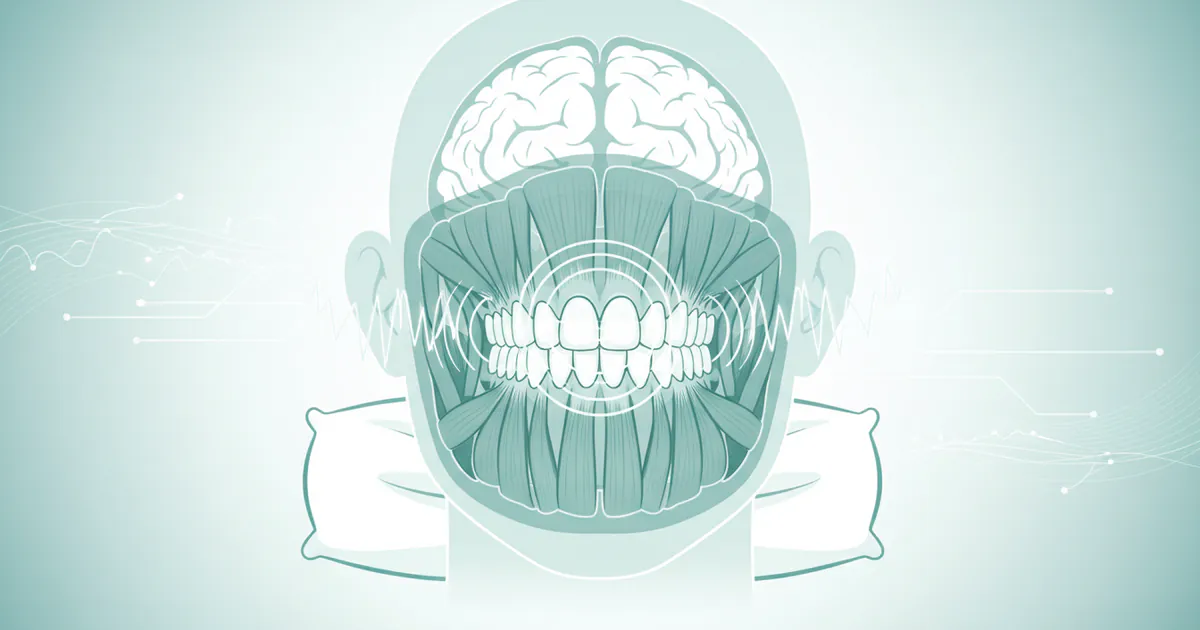
More than one in ten adults in the United States, and even more children, experience a common yet often undiagnosed condition: teeth clenching at night. This involuntary habit, medically known as sleep bruxism, involves forcefully clamping your upper and lower teeth together or grinding them side-to-side during sleep. While it might seem harmless, chronic jaw clenching at night can lead to a cascade of dental problems, including damaged teeth, jaw pain, headaches, and even temporomandibular joint (TMJ) disorders. Many people are unaware they grind teeth in sleep until a loved one points it out or a dentist identifies the tell-tale signs of wear.
Understanding the causes, symptoms, and available treatments for nocturnal teeth clenching is crucial for maintaining optimal oral health and overall well-being. This comprehensive guide will delve deep into everything you need to know about teeth clenching at night, from its underlying factors and diagnostic methods to the most effective treatment options, cost considerations, and crucial preventive strategies. By the end of this article, you'll be equipped with the knowledge to recognize the signs, seek appropriate care, and protect your smile and comfort for years to come.
Key Takeaways:
- Prevalence: Approximately 10-15% of adults and up to 30% of children experience teeth clenching or grinding at night.
- Primary Symptoms: Worn tooth enamel, sensitive teeth, persistent jaw pain (TMJ pain), headaches (especially in the morning), and facial muscle soreness.
- Diagnosis: Often requires a dental examination to identify signs of wear and might involve sleep studies for severe cases.
- Main Treatment: Custom-fitted night guards or splints are the most common and effective initial treatment, typically costing $300-$800 (without insurance) and taking 1-2 weeks to fabricate.
- Advanced Treatments: May include stress management, Botox injections (costing $300-$600 per session, every 3-6 months), or restorative dentistry for severely damaged teeth (ranging from $200-$2,500+ per tooth).
- Prevention: Lifestyle modifications like stress reduction, avoiding caffeine/alcohol before bed, and regular dental check-ups are key.
- Insurance Coverage: Many dental insurance plans offer partial coverage for night guards (up to 50-80%), but cosmetic or advanced restorative procedures for damage might have limited or no coverage.
What It Is / Overview
Teeth clenching at night, formally known as sleep bruxism, is a parafunctional oral habit characterized by involuntary clenching or grinding of the teeth during sleep. "Parafunctional" means it's an abnormal function of the oral system, distinct from essential functions like chewing, speaking, or swallowing. While some people primarily clench their teeth—pressing them together with significant force—others predominantly grind, rubbing their upper and lower teeth together in a side-to-side or back-and-forth motion. Both activities place immense pressure on the teeth, jaw muscles, and temporomandibular joints (TMJs).

This condition is largely subconscious, meaning most individuals are unaware they're doing it until symptoms emerge or a partner reports the grinding sounds. The forces exerted during sleep bruxism can be far greater than those used for chewing, sometimes reaching up to 250 pounds per square inch. These forces, sustained over hours each night, are what contribute to the significant damage and discomfort associated with the condition. Sleep bruxism is classified as a sleep-related movement disorder and can occur in both children and adults, affecting overall sleep quality and long-term dental health.
Types / Variations
Bruxism isn't a monolithic condition; it presents in different forms, each with unique implications for diagnosis and treatment.
Sleep Bruxism (Nocturnal Bruxism)
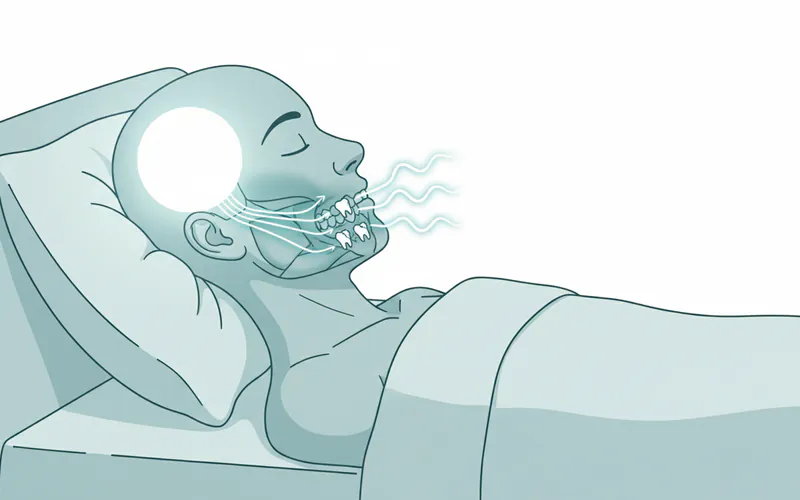
This is the focus of our article, referring to the involuntary clenching or grinding teeth in sleep. It's considered a sleep-related movement disorder, often occurring during various stages of sleep, but particularly during lighter sleep stages or micro-arousals. Individuals with sleep bruxism are typically unaware of their habit until symptoms manifest, or a sleep partner observes it. The repetitive muscle contractions can cause significant wear and tear on teeth, strain on jaw muscles, and can be notoriously difficult to control without intervention due to its unconscious nature.
Awake Bruxism (Diurnal Bruxism)
In contrast to sleep bruxism, awake bruxism occurs during waking hours. This might involve teeth clenching, grinding, or bracing the jaw, often as a subconscious response to stress, concentration, or anxiety. People are more likely to be aware of awake bruxism, making it potentially easier to manage through behavioral therapy, mindfulness techniques, and conscious efforts to relax the jaw. However, sustained awake bruxism can still lead to similar issues as sleep bruxism, including jaw pain, headaches, and tooth wear.
Clenching vs. Grinding
While often used interchangeably, "clenching" and "grinding" are distinct actions:
- Clenching: Involves tightly pressing the upper and lower teeth together without movement. This static force can lead to significant pressure on the roots of the teeth, jaw joints, and muscles, often causing headaches, jaw pain, and cracked teeth.
- Grinding: Involves rubbing the teeth back and forth or side to side. This abrasive action is particularly damaging to tooth enamel, causing excessive wear, flattening of the biting surfaces, and increased tooth sensitivity. It's also the type of bruxism that typically produces audible sounds that can disturb a sleep partner.
Many individuals experience a combination of both clenching and grinding, sometimes at different times or in varying degrees of intensity.
Causes / Why It Happens
The exact cause of jaw clenching at night is often multifactorial, meaning several factors can contribute to its development. It's rarely attributable to a single issue but rather a complex interplay of physical, psychological, and lifestyle elements.
1. Psychological Factors
- Stress and Anxiety: This is perhaps the most common and widely recognized contributing factor. High levels of daily stress, anxiety, frustration, anger, or tension can manifest physically during sleep. The jaw muscles become a release valve for pent-up emotional energy.
- Personality Type: Some research suggests that individuals with aggressive, competitive, or hyperactive personality types might be more prone to bruxism.
- Emotional Trauma: Past or current emotional trauma can contribute to increased stress levels, leading to bruxism.
2. Sleep Disorders
- Sleep Apnea: One of the most significant links is between sleep bruxism and obstructive sleep apnea (OSA). Individuals with OSA repeatedly stop breathing during sleep. The body's reflex response to an obstructed airway can be to clench or grind the jaw, which may help to momentarily open the airway. Treating sleep apnea often reduces or resolves bruxism.
- Snoring: While not a disorder itself, heavy snoring can be an indicator of disrupted sleep and potential underlying breathing issues that might trigger bruxism.
- Other Sleep Disturbances: Any condition that disrupts the normal sleep cycle, such as restless leg syndrome, insomnia, or frequent awakenings, can increase the likelihood of bruxism.
3. Medications and Substances
- Antidepressants: Certain classes of antidepressants, particularly Selective Serotonin Reuptake Inhibitors (SSRIs) like fluoxetine (Prozac), paroxetine (Paxil), and sertraline (Zoloft), are known to cause or worsen bruxism in some individuals.
- Stimulants: Medications for ADHD (e.g., Adderall, Ritalin) and illicit stimulant drugs like ecstasy and methamphetamine can heighten central nervous system activity, leading to increased jaw clenching.
- Caffeine and Alcohol: High intake of caffeine, especially close to bedtime, and excessive alcohol consumption can disrupt sleep architecture and stimulate jaw muscles, increasing the likelihood of grinding.
- Tobacco Use: Nicotine is a stimulant and can contribute to sleep disturbances and muscle tension.
4. Dental Factors
- Malocclusion (Misaligned Bite): While once considered a primary cause, the role of a misaligned bite is now less emphasized. However, some dental professionals still believe that an improper bite, where teeth don't fit together correctly, can trigger grinding as the jaw attempts to find a comfortable position.
- Missing or Crooked Teeth: Gaps in the bite or severely crooked teeth might lead the jaw to compensate, potentially increasing bruxism.
- Poorly Fitted Dental Restorations: Crowns, fillings, or bridges that are too high or incorrectly shaped can interfere with the bite and contribute to clenching or grinding.
5. Other Medical Conditions
- Gastroesophageal Reflux Disease (GERD): Acid reflux during sleep can cause discomfort and awakenings, which might trigger clenching.
- Neurological Disorders: Conditions like Parkinson's disease, Huntington's disease, and epilepsy have been associated with bruxism in some cases.
It's important to remember that for many individuals, no single cause can be definitively identified. A thorough dental and medical evaluation is often necessary to uncover potential contributing factors and guide appropriate treatment.
Signs and Symptoms
Recognizing the signs and symptoms of teeth clenching at night is the first step toward seeking treatment. Since it occurs during sleep, many people are unaware until they experience discomfort or their dentist notices the physical evidence.
Common Signs You Might Notice:
- Morning Headaches: A dull, persistent headache, especially in the temples, upon waking is a classic sign. The constant muscle tension in the jaw and head can radiate pain.
- Jaw Pain or Soreness: You might wake up with a stiff, tired, or sore jaw. The masseter muscles (in the cheeks) and temporalis muscles (on the sides of the head) can be tender to the touch.
- Earache: While not an actual ear infection, the pain from jaw muscles and joints can radiate to the ears, causing discomfort often mistaken for an earache.
- Facial Pain: General aching or tenderness in the face, particularly around the jawline.
- Clicking, Popping, or Locking Jaw: Sounds or sensations emanating from the temporomandibular joint (TMJ) when opening or closing your mouth, or difficulty fully opening your mouth.
- Disrupted Sleep (for Partner): A sleep partner might report hearing grinding or clenching sounds from you during the night.
Dental and Oral Signs a Dentist Looks For:
- Worn-Down Teeth: Flattened, chipped, fractured, or excessively worn tooth surfaces are tell-tale signs. This is particularly noticeable on the biting surfaces (occlusal) and edges (incisal) of teeth.
- Increased Tooth Sensitivity: As enamel wears away, the underlying dentin becomes exposed, leading to sensitivity to hot, cold, sweet, or acidic foods and drinks.
- Cracked or Fractured Teeth: The immense pressure from clenching can cause hairline cracks or more significant fractures in tooth enamel, sometimes extending into the tooth pulp.
- Receding Gums and Loose Teeth: Chronic clenching can place excessive force on the periodontal ligaments that hold teeth in place, potentially contributing to gum recession and, in severe cases, tooth mobility.
- Indentations on the Tongue or Cheeks: Scalloped edges on the tongue or white lines/lesions (linea alba) on the inside of the cheeks are often a result of pressing the tongue or cheek against the teeth during clenching.
- Enlarged Jaw Muscles (Masseter Hypertrophy): Overuse of the jaw muscles can lead to them becoming visibly larger and more prominent, giving the face a squarer appearance.
- Broken Dental Restorations: Frequent fracturing of fillings, crowns, or bridges can indicate underlying bruxism.
Pro Tip: If you experience any combination of these symptoms, especially chronic headaches or jaw pain, schedule an appointment with your dentist. They are often the first healthcare professional to identify the physical signs of bruxism.
Treatment Options
Effective management of teeth clenching at night often requires a multi-faceted approach, addressing both the symptoms and underlying causes. A dentist will typically guide you through the primary treatment options, often starting with the least invasive.
1. Dental Splints and Night Guards
These are the most common and often the first line of treatment for sleep bruxism. They are custom-made acrylic appliances that fit over your upper or lower teeth, creating a barrier between them.
- Custom-Fitted Night Guards:
- Pros: Made from impressions of your teeth, they offer the best fit, comfort, and protection. They distribute chewing forces evenly, reduce muscle activity, and prevent tooth wear. Durable, lasting 5-10 years.
- Cons: Most expensive option. Requires multiple dental visits for impressions and fitting.
- Cost: Typically ranges from $300 to $800 without insurance, varying by region and material.
- Boil-and-Bite Night Guards:
- Pros: More affordable than custom guards. Can be molded at home after softening in hot water. Offers some protection.
- Cons: Less precise fit than custom guards, can be bulky, less comfortable, and may not stay in place well. Less durable, usually lasting 6-18 months.
- Cost: Generally $20-$50.
- Over-the-Counter (OTC) Night Guards:
- Pros: Cheapest and most accessible option.
- Cons: One-size-fits-all, poor fit, uncomfortable, can exacerbate jaw problems if not fitted correctly. Not recommended for long-term use.
- Cost: Typically $15-$30.
Pro Tip: Always consult your dentist before using any OTC or boil-and-bite guard. An ill-fitting guard can sometimes worsen jaw issues or create new bite problems. The American Dental Association (ADA) generally recommends custom-fitted appliances for optimal results.
2. Stress Management and Behavioral Therapies
Since stress is a major contributor, addressing psychological factors is crucial.
- Cognitive Behavioral Therapy (CBT): Helps identify and change negative thought patterns and behaviors contributing to stress.
- Relaxation Techniques: Meditation, deep breathing exercises, yoga, and progressive muscle relaxation can reduce overall stress and muscle tension.
- Biofeedback: Using electronic sensors, biofeedback therapy teaches you to recognize when your jaw muscles are clenching and how to relax them. This is more effective for awake bruxism but can be adapted for nocturnal use.
- Counseling/Therapy: Talking to a therapist about underlying stressors or anxiety can be highly beneficial.
3. Medications
Medications are typically used for short-term relief or in conjunction with other treatments, especially when other methods have not been successful.
- Muscle Relaxants: Prescription muscle relaxants (e.g., cyclobenzaprine) can be taken before bedtime to reduce jaw muscle activity.
- Pros: Can provide temporary relief from muscle soreness and clenching intensity.
- Cons: Can cause drowsiness, are not a long-term solution, and have potential side effects.
- Cost: Varies by medication and insurance, but generally $10-$50 for a short course.
- Botox Injections: Botulinum toxin (Botox) can be injected into the masseter muscles (jaw muscles) to temporarily weaken them, reducing their ability to clench forcefully.
- Pros: Highly effective for severe clenching, can significantly reduce pain and wear. Effects last 3-6 months.
- Cons: Temporary, requires repeat injections, can be costly, and has potential side effects like temporary asymmetry or difficulty chewing.
- Cost: Typically $300-$600 per session for bruxism treatment, depending on the number of units used and regional pricing. Not usually covered by dental or medical insurance unless explicitly approved for TMJ disorder.
- Addressing Underlying Conditions: If bruxism is linked to sleep apnea, treating the sleep apnea (e.g., with a CPAP machine or oral appliance) can resolve the bruxism. If a medication is causing bruxism, your doctor might adjust the dosage or switch to an alternative.
4. Occlusal Adjustment and Restorative Dentistry
In some cases, especially if a misaligned bite is a significant contributing factor or if extensive tooth damage has occurred.
- Occlusal Adjustment: Minor reshaping of the biting surfaces of specific teeth to improve how they come together.
- Pros: Can optimize bite function.
- Cons: Irreversible, should be approached cautiously. Not universally effective for bruxism.
- Cost: Varies, but can range from $50-$200 per tooth for minor adjustments.
- Restorative Dentistry: For teeth severely damaged by grinding (e.g., chipped, fractured, or excessively worn).
- Bonding/Veneers: To restore chipped or worn edges, costing $150-$500 per tooth for bonding, or $800-$2,000 per tooth for veneers.
- Crowns: To protect severely damaged teeth or restore height, costing $800-$2,500+ per crown.
5. Physical Therapy
For significant jaw muscle pain and limited range of motion.
- Jaw Exercises: Specific exercises to stretch and strengthen jaw muscles.
- Heat/Cold Therapy: Applying heat or cold packs to the jaw area to relieve pain and reduce inflammation.
- Massage: Massage of the jaw and neck muscles to release tension.
- Referral to an Orofacial Pain Specialist: For complex cases of chronic jaw pain and TMJ disorders.
Step-by-Step Process: What to Expect During Treatment
Understanding the typical journey from diagnosis to managing jaw clenching at night can help you feel more prepared and proactive in your care.
Step 1: Initial Dental Consultation and Diagnosis
- Symptoms Discussion: Your dentist will start by asking about your symptoms: headaches, jaw pain, tooth sensitivity, any sounds reported by a partner, and your general stress levels.
- Oral Examination: They will thoroughly examine your teeth for signs of wear, fractures, cracks, and sensitive spots. They'll also check your gum health and look for indentations on your tongue or cheeks.
- Jaw and Muscle Palpation: Your dentist will feel your jaw muscles and temporomandibular joints for tenderness, clicking, or limited movement. They might ask you to open and close your mouth, or move your jaw side to side, to assess your bite and jaw function.
- Imaging (if necessary): X-rays might be taken to rule out other issues and assess tooth structure or bone health. In complex TMJ cases, a CBCT scan or MRI might be recommended.
- Discussion of Potential Causes: Your dentist will discuss possible contributing factors, including stress, sleep habits, medications, and lifestyle.
- Referral (if necessary): If sleep apnea is suspected, you might be referred to a sleep specialist for a sleep study. If severe stress or anxiety is identified, a referral to a therapist might be suggested.
Step 2: Night Guard Fabrication and Fitting (if chosen)
If a custom night guard is recommended, here's what to expect:
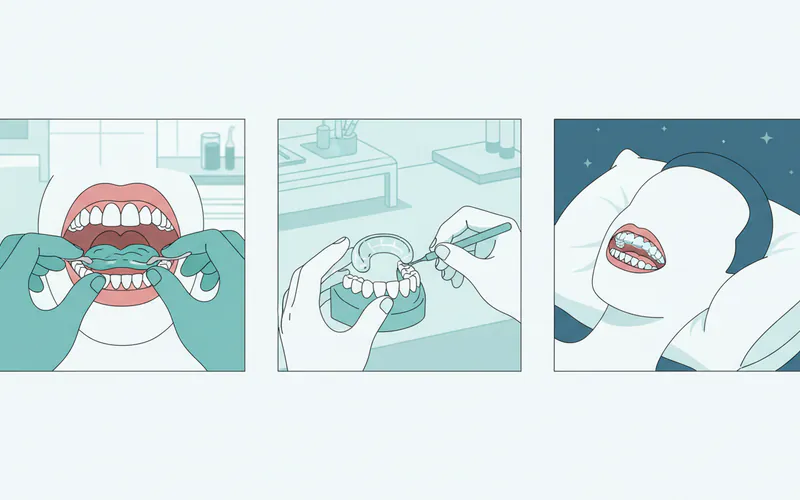
- Impressions: Your dentist or a dental assistant will take molds (impressions) of your upper and lower teeth. This typically involves placing a tray filled with a soft, putty-like material into your mouth for a few minutes.
- Bite Registration: They will also record your bite, often using a wax wafer, to show how your upper and lower jaws meet.
- Lab Fabrication: The impressions and bite registration are sent to a dental lab, where a skilled technician crafts a custom-fitted night guard (usually acrylic) tailored specifically to your unique dental anatomy. This process usually takes 1-2 weeks.
- Fitting Appointment: Once the night guard is ready, you'll return for a fitting appointment. Your dentist will ensure the guard fits comfortably and securely, and that your bite is even when wearing it. Minor adjustments may be made on the spot.
- Instructions: You'll receive detailed instructions on how to wear, clean, and care for your night guard to ensure its longevity and effectiveness.
- Pro Tip: Wear your night guard every night, even if you don't feel symptoms. Consistency is key for protection and habit reduction.
Step 3: Follow-Up and Ongoing Management
- Initial Follow-Up: A few weeks after receiving your night guard, your dentist might schedule a follow-up to check its fit, assess any changes in your symptoms, and make further adjustments if needed.
- Regular Dental Check-ups: Ongoing monitoring during your routine dental exams is crucial. Your dentist will continue to check your teeth for wear, assess your jaw health, and inspect the condition of your night guard.
- Lifestyle Adjustments: You'll be encouraged to implement stress-reduction techniques, improve sleep hygiene, and avoid contributing factors like excessive caffeine or alcohol, as discussed with your dentist.
- Re-evaluation of Other Treatments: Depending on your progress, other treatments like Botox, physical therapy, or addressing underlying sleep disorders might be reconsidered or continued.

Cost and Insurance
Understanding the financial aspect of treating teeth clenching at night is vital for patients in the US. Costs can vary significantly based on the type of treatment, geographic location, and your insurance plan.
Average US Price Ranges
- Custom-Fitted Night Guard (Dental Splint):
- Low: $300 (often basic acrylic, smaller practices)
- Mid: $500 - $700 (standard custom acrylic, most general dentists)
- High: $800+ (advanced materials, specialized practices, particularly in major metropolitan areas like NYC or LA)
- Boil-and-Bite Night Guards: $20 - $50
- Over-the-Counter Night Guards: $15 - $30
- Botox Injections for Bruxism:
- Per Session: $300 - $600 (typically lasts 3-6 months, so annual cost can be $600 - $2,400)
- Occlusal Adjustment (Minor): $50 - $200 per tooth
- Restorative Procedures (for damage caused by bruxism):
- Dental Bonding: $150 - $500 per tooth
- Veneers: $800 - $2,000 per tooth
- Crowns: $800 - $2,500+ per tooth
- Sleep Study (Polysomnography):
- Without insurance: $800 - $5,000 (home studies are on the lower end, in-clinic studies on the higher end)
- With insurance: Deductible and co-insurance apply.
- Physical Therapy/Orofacial Pain Specialist:
- Per Session: $75 - $200 (without insurance)
Insurance Coverage Details
Dental insurance coverage for bruxism treatment can be complex and varies widely by plan.
- Custom Night Guards: Many dental insurance plans offer partial coverage for a custom night guard (often classified under "Major Restorative" or "Prosthodontics"). You might expect coverage of 50% to 80% after meeting your deductible, up to your annual maximum. However, some plans may consider it an elective or experimental treatment and not cover it. It's crucial to check with your specific provider using the CDT code for occlusal guard (D9940).
- Boil-and-Bite/OTC Guards: These are generally not covered by insurance.
- Botox Injections: Typically considered cosmetic or experimental for bruxism and are usually not covered by dental or medical insurance. If you have severe TMJ disorder diagnosed by a medical doctor, some medical insurance plans might offer limited coverage, but this is rare and requires prior authorization and medical necessity documentation.
- Restorative Procedures: Coverage for crowns, veneers, or bonding to repair bruxism damage depends on whether the treatment is considered medically necessary (e.g., repairing a fractured tooth) vs. purely cosmetic (e.g., improving appearance of worn teeth). Major restorative procedures usually have 50-80% coverage after deductible.
- Sleep Study: If recommended by a medical doctor and deemed medically necessary to diagnose a sleep disorder like sleep apnea, sleep studies are usually covered by medical insurance.
- Physical Therapy: Often covered by medical insurance if referred by a doctor for TMJ pain or muscle dysfunction.
Payment Plans and Financing Options
Many dental practices offer solutions to help manage costs:
- In-Office Payment Plans: Some practices allow patients to pay for more expensive treatments in installments directly to the office.
- Third-Party Financing: Companies like CareCredit or LendingClub provide specialized healthcare credit cards with deferred interest or low-interest payment plans for medical and dental expenses.
- Health Savings Accounts (HSAs) and Flexible Spending Accounts (FSAs): These tax-advantaged accounts can be used to pay for qualified medical and dental expenses, including bruxism treatment, using pre-tax dollars.
Recovery and Aftercare
The "recovery" for bruxism isn't about healing from a procedure, but rather about managing a chronic condition and protecting your oral health. After starting treatment, especially with a night guard, ongoing care and commitment are essential.
After Starting Night Guard Use:
- Initial Adjustment Period: It's normal to feel a bit awkward or notice increased salivation during the first few nights of wearing a new night guard. Your mouth needs time to adjust to the foreign object. This typically subsides within a few days to a week.
- Check for Pressure Points: If the guard causes significant discomfort, pressure sores, or uneven bite, contact your dentist for adjustments. A custom guard should feel snug but not painful.
- Cleaning Your Night Guard:
- Daily: Rinse your night guard with cool water immediately after removing it each morning. Brush it gently with a soft-bristled toothbrush and non-abrasive soap (hand soap or dish soap is fine; avoid toothpaste, which can be abrasive and scratch the acrylic, creating breeding grounds for bacteria).
- Weekly/Bi-weekly: Soak your night guard in a dental appliance cleaning solution (e.g., Retainer Brite, Polident for retainers) as directed by the product instructions or your dentist.
- Storage: Store your clean, dry night guard in its protective case when not in use. Avoid leaving it exposed to air or extreme temperatures, as it can dry out, warp, or collect bacteria.
- Regular Dental Check-ups: Bring your night guard to every dental appointment. Your dentist will inspect it for wear and tear, and ensure it still fits correctly and is providing adequate protection. Night guards typically last 5-10 years but may need replacement sooner if you are a severe clencher/grinder.
After Botox Injections:
- Avoid Rubbing/Massaging: For the first 24 hours, avoid rubbing or massaging the injection sites to prevent the Botox from spreading to unintended muscles.
- Normal Activities: You can typically resume normal activities immediately, though strenuous exercise might be best avoided for a few hours.
- Onset of Effect: The full effects of Botox aren't immediate; they usually begin to appear within 3-7 days and reach their peak effectiveness around 2 weeks post-injection.
- Duration: The effects typically last 3-6 months. You'll need repeat injections to maintain the benefits.
General Aftercare for Bruxism Management:
- Consistency is Key: Whether it's wearing your night guard, practicing relaxation techniques, or avoiding trigger foods/drinks, consistency is vital for long-term management.
- Monitor Symptoms: Pay attention to any return or worsening of symptoms like jaw pain, headaches, or tooth sensitivity. This might indicate your treatment needs adjustment or a re-evaluation of contributing factors.
- Continue Stress Management: Bruising is often stress-related. Maintain a routine of stress-reducing activities like exercise, meditation, or sufficient sleep.
- Address Underlying Conditions: If you have sleep apnea, continue with your prescribed treatment (e.g., CPAP). If you suspect certain medications are contributing, discuss alternatives with your prescribing doctor.
Pro Tip: Your night guard is an investment in your oral health. Taking good care of it will ensure it lasts longer and provides the protection you need against the damaging effects of clenching and grinding.
Prevention
While not all cases of jaw clenching at night can be completely prevented, especially those linked to neurological conditions, many instances can be mitigated or prevented through lifestyle adjustments and proactive dental care.
1. Stress Reduction and Management
- Mindfulness and Meditation: Practicing mindfulness or meditation daily can help reduce overall stress and tension.
- Regular Exercise: Physical activity is an excellent stress reliever. Aim for at least 30 minutes of moderate exercise most days of the week.
- Sufficient Sleep: Establish a consistent sleep schedule and ensure you get 7-9 hours of quality sleep per night. Poor sleep can exacerbate stress and bruxism.
- Relaxation Techniques: Incorporate deep breathing exercises, progressive muscle relaxation, or yoga into your daily routine.
- Professional Help: If stress or anxiety feels overwhelming, consider counseling or therapy to develop coping strategies.
2. Dietary and Lifestyle Modifications
- Limit Caffeine and Alcohol: Reduce or eliminate caffeine and alcohol, especially in the hours leading up to bedtime. Both can disrupt sleep and stimulate muscle activity.
- Avoid Stimulants: If possible, minimize the use of stimulants, including nicotine.
- Stay Hydrated: Dehydration can sometimes contribute to muscle cramps and tension.
- Avoid Chewing Gum and Hard Foods: Excessive gum chewing or frequently eating very hard foods can overwork the jaw muscles, making them more prone to clenching.
3. Improve Sleep Hygiene
- Consistent Sleep Schedule: Go to bed and wake up at the same time each day, even on weekends.
- Create a Relaxing Bedtime Routine: Wind down with a warm bath, reading, or quiet music.
- Optimize Your Sleep Environment: Ensure your bedroom is dark, quiet, and cool.
- Avoid Screens Before Bed: The blue light from phones, tablets, and computers can interfere with melatonin production.
4. Self-Monitoring and Awareness
- During the Day: If you have awake bruxism, practice conscious awareness. Place sticky notes around your workspace or set phone reminders to check if your jaw is relaxed. Your teeth should only touch when you're chewing or swallowing.
- Jaw Relaxation Exercises: Learn and practice simple jaw relaxation exercises throughout the day.
- Example: Place your tongue behind your upper front teeth (don't let it touch), then gently drop your jaw so your teeth aren't touching.
5. Regular Dental Check-ups
- Early Detection: Regular visits to your dentist allow them to detect early signs of bruxism (like tooth wear) before significant damage occurs.
- Preventative Night Guard: If you have risk factors or early signs, your dentist might recommend a night guard as a preventive measure, even if symptoms aren't severe.
- Bite Assessment: Your dentist can monitor your bite for any changes that might contribute to clenching or grinding.
By actively integrating these preventive measures into your daily life, you can significantly reduce the incidence and severity of teeth clenching at night, protecting your smile and alleviating discomfort.
Risks and Complications
Left untreated, chronic teeth clenching at night can lead to a range of painful and costly complications, affecting not just your teeth and jaw, but also your overall quality of life.
1. Tooth Damage
- Excessive Tooth Wear: The most common complication. Enamel, the hardest substance in the human body, can be worn down, flattening the biting surfaces of teeth, shortening their length, and exposing the softer, more sensitive dentin underneath.
- Increased Tooth Sensitivity: Exposure of dentin leads to hypersensitivity to hot, cold, sweet, and acidic foods and drinks.
- Chipped, Fractured, or Cracked Teeth: The intense pressure can cause teeth to chip, especially at the edges, or develop hairline cracks (craze lines) that can progress into significant fractures, potentially extending to the tooth's root.
- Loose Teeth (Mobility): Chronic forceful clenching can stress the periodontal ligaments that hold teeth in place, leading to increased tooth mobility and, in severe cases, even tooth loss.
- Damaged Dental Restorations: Fillings, crowns, bridges, and veneers are not immune. They can chip, crack, or even break due to the forces of bruxism, requiring expensive replacement.
2. Temporomandibular Joint (TMJ) Disorders
- Jaw Pain and Stiffness: The constant strain on the muscles surrounding the TMJ can lead to chronic pain, tenderness, and stiffness in the jaw, especially upon waking.
- Clicking, Popping, or Grinding Sounds: The disc within the TMJ can be displaced or damaged, leading to audible sounds when opening or closing the mouth.
- Limited Jaw Movement (Lockjaw): In severe cases, the jaw may temporarily lock open or closed, making it difficult to eat or speak.
- Headaches and Facial Pain: TMJ dysfunction often radiates pain to the head, neck, and face, resulting in tension headaches, migraines, and generalized facial soreness.
3. Gum and Bone Issues
- Gum Recession: The excessive forces can contribute to the gums pulling away from the teeth, exposing root surfaces and increasing sensitivity and vulnerability to cavities.
- Bone Loss: In extreme cases, the chronic pressure can lead to bone loss around the roots of the teeth.
4. Headaches and Other Referred Pain
- Tension Headaches: Common, often felt in the temples, forehead, or back of the head.
- Migraines: Bruxism can be a trigger or exacerbating factor for migraine sufferers.
- Earaches: Pain originating from the TMJ and jaw muscles can be referred to the ears, mimicking ear infections.
- Neck and Shoulder Pain: The interconnectedness of facial and neck muscles means chronic jaw tension can lead to discomfort extending into the neck and shoulders.
5. Sleep Disruption
- For Sleep Partner: The grinding sounds can be loud enough to disturb a sleep partner's rest.
- For the Individual: While bruxism is a sleep disorder itself, the associated pain and discomfort can further reduce overall sleep quality, leading to daytime fatigue, irritability, and reduced concentration.
Given these potential complications, it's evident that early diagnosis and consistent management of sleep bruxism are paramount to preserving oral health and preventing long-term pain and dysfunction.
Children / Pediatric Considerations
Teeth clenching and grinding teeth in sleep are surprisingly common in children, affecting up to 30% of preschoolers and school-aged children. It's often referred to as pediatric bruxism. While usually harmless and often outgrown, parents should be aware of the signs and when to seek professional advice.
Why It Happens in Children
- Developmental Stages: Many children grind their teeth as their jaws and teeth develop, especially when baby teeth erupt, permanent teeth emerge, or the bite changes. This is often a normal response to discomfort or the sensation of new teeth.
- Stress and Anxiety: Similar to adults, stress from school, new siblings, family changes, or even excitement can manifest as bruxism in children.
- Allergies or Congestion: Earaches, colds, or allergies can cause a child to unconsciously shift their jaw to clear their Eustachian tubes, leading to clenching or grinding.
- Sleep Disorders: Though less common, sleep apnea or other sleep disturbances can be a factor.
- Medical Conditions: Certain neurological conditions or medications can contribute to bruxism in children.
Signs to Look For in Children
- Audible Grinding: A partner (or parent checking on them) hears grinding sounds at night.
- Jaw Pain or Fatigue: Child complains of a sore jaw upon waking.
- Headaches: Child reports headaches, especially in the morning.
- Tooth Wear: Flattened, chipped, or worn-down primary (baby) teeth. This is often noticed by the dentist.
- Facial Pain: Child points to pain around the ears or face.

When to See a Pediatric Dentist
While most childhood bruxism resolves on its own without intervention, it's important to consult a pediatric dentist if:
- Significant Tooth Wear: If the grinding is causing noticeable wear on the baby teeth, especially if it's exposing the inner dentin.
- Pain or Discomfort: The child complains of persistent jaw pain, headaches, or difficulty opening their mouth wide.
- Impact on Sleep: The grinding is so loud it disturbs the child's or other family members' sleep.
- Behavioral Changes: Increased irritability, fatigue, or other signs of disrupted sleep.
- Underlying Concerns: If you suspect stress, allergies, or a sleep disorder is contributing.
Treatment for Children
- Observation: In most cases, the dentist will recommend a "wait and see" approach, especially if the child is not experiencing pain or significant tooth damage. Baby teeth will eventually be replaced.
- Stress Management: Helping children manage stress through calming routines, open communication, and addressing any anxieties can be very effective.
- Night Guards (Rarely for Young Children): Custom-fitted night guards are generally not recommended for very young children due to their rapidly changing dentition. However, for older children or adolescents with permanent teeth and severe bruxism, a custom night guard might be considered if significant damage is occurring.
- Addressing Underlying Issues: Treating allergies, sleep apnea, or other medical conditions will be the primary focus if they are contributing factors.
Pro Tip for Parents: Many children outgrow bruxism. Focus on creating a relaxed bedtime routine and observing for signs of discomfort or damage. Regular pediatric dental check-ups are key for monitoring.
Cost Breakdown
A detailed look at the financial implications of managing teeth clenching at night in the US, considering various treatment pathways.
Average US Costs (Low, Mid, High Estimates)
| Treatment Type | Low End (USD) | Mid Range (USD) | High End (USD) | Notes |
|---|---|---|---|---|
| Custom Night Guard | $300 | $500 - $700 | $800+ | Most common and effective. Price varies by material, lab fees, and geographic location. Expect 2-3 appointments. |
| Boil-and-Bite Night Guard | $20 | $35 | $50 | Temporary solution, available OTC. Less durable and less effective than custom. |
| Botox Injections (per session) | $300 | $450 | $600 | For severe cases, muscle relaxation. Effects last 3-6 months. Not generally covered by insurance. |
| Occlusal Adjustment (Minor) | $50 | $100 | $200 | Per tooth. Minor reshaping of biting surfaces. |
| Dental Bonding (per tooth) | $150 | $300 | $500 | To repair chipped/worn edges. Can wear down with continued bruxism if primary treatment (night guard) isn't used. |
| Dental Crown (per tooth) | $800 | $1,500 | $2,500+ | For severely damaged, fractured, or worn teeth requiring full coverage. Price varies greatly by material (porcelain, zirconia, gold) and location. |
| Sleep Study (in-clinic) | $800 | $2,500 | $5,000 | If bruxism is suspected to be linked to sleep apnea. Often covered by medical insurance if deemed medically necessary. Home sleep tests are usually $200-$500 cash price. |
| Physical Therapy (per session) | $75 | $125 | $200 | For severe jaw pain/TMJ. Usually requires multiple sessions. Often covered by medical insurance if referred by a doctor. |
| Consultation with Oral/Facial Pain Specialist | $150 | $250 | $400 | For complex or chronic TMJ/bruxism cases requiring specialized expertise. |
With vs. Without Insurance
- Without Insurance (Cash Pay): You will be responsible for 100% of the costs. Many dentists offer a discount for cash payments made in full at the time of service. Always ask about this.
- With Insurance (Dental):
- Deductible: You'll typically pay an annual deductible (e.g., $50-$100) out-of-pocket before your insurance starts covering services.
- Coinsurance: After your deductible, insurance plans usually cover a percentage of the cost. For custom night guards, it might be 50-80% coverage. For major restorative work like crowns, it's often 50%.
- Annual Maximum: Most dental plans have an annual maximum benefit (e.g., $1,000-$2,000). Once you hit this, you pay 100% of remaining costs for that year.
- Waiting Periods: Some plans have waiting periods (e.g., 6-12 months) for major procedures like night guards or crowns.
Payment Plans and Financing Options
- In-Office Payment Plans: Many dental offices offer flexible payment options directly, especially for higher-cost treatments. Discuss these with the front office staff.
- Third-Party Medical/Dental Credit Cards: Companies like CareCredit or LendingClub offer specialized credit cards with promotional financing options (e.g., 0% APR for a specific period) if paid in full.
- Health Savings Accounts (HSAs) and Flexible Spending Accounts (FSAs): These accounts allow you to set aside pre-tax money for qualified medical and dental expenses. Check with your plan administrator about what services are covered.
Cost-Saving Tips
- Preventative Care: Regular dental check-ups can catch bruxism early, preventing more costly damage down the line.
- Inquire About Discounts: Ask your dentist about cash payment discounts, senior discounts, or payment plan options.
- Dental Savings Plans: These are not insurance but offer discounted rates (e.g., 10-60%) at participating dentists for an annual membership fee. They can be a good alternative if you don't have traditional insurance.
- Check Your Insurance Benefits: Before starting any treatment, contact your dental insurance provider to understand your specific benefits, deductibles, coinsurance rates, and annual maximums for CDT codes relevant to bruxism (e.g., D9940 for occlusal guard).
- Explore Dental Schools: University dental schools often provide services at a reduced cost, performed by supervised students.
Frequently Asked Questions
Is teeth clenching at night dangerous?
While mild teeth clenching might not cause immediate harm, chronic and severe clenching can be dangerous. It can lead to significant tooth wear, cracks, fractures, increased sensitivity, gum recession, severe jaw pain (TMJ disorders), headaches, and even contribute to tooth loss. It's crucial to address it to prevent long-term damage and discomfort.
How do I stop clenching my jaw in my sleep naturally?
Stopping entirely naturally can be challenging due to its involuntary nature during sleep. However, stress reduction techniques like meditation, yoga, and deep breathing exercises can help lower overall tension. Avoiding caffeine and alcohol before bed, establishing a consistent sleep schedule, and consciously relaxing your jaw during the day can also contribute to reducing nocturnal clenching.
What's the difference between a night guard and a sports mouthguard?
A night guard (or occlusal splint) is designed to create a barrier between your upper and lower teeth, protecting them from the forces of clenching and grinding during sleep. It's typically hard acrylic. A sports mouthguard is designed to cushion impact and protect against trauma during physical activity. It's usually softer, thicker, and designed for acute shock absorption.
Can teeth clenching lead to TMJ disorder?
Yes, chronic teeth clenching and grinding are major contributing factors to temporomandibular joint (TMJ) disorders. The excessive and sustained pressure on the jaw joint and surrounding muscles can cause inflammation, pain, stiffness, clicking or popping sounds, and limit jaw movement.
How much does a custom night guard cost without insurance?
A custom-fitted night guard typically costs between $300 and $800 without insurance in the United States. This price can vary based on the dental practice, materials used, and your geographic location. While more expensive than over-the-counter options, custom guards offer superior fit, comfort, and protection.
How long does it take for a night guard to work?
You might notice some reduction in jaw pain and headaches within a few days to a week of consistently wearing a night guard. However, it can take several weeks for your jaw muscles to fully relax and for the long-term protective benefits against tooth wear to become evident. Continuous use is key.
Can Botox injections cure bruxism permanently?
No, Botox injections do not permanently cure bruxism. They temporarily weaken the jaw muscles, reducing their ability to clench forcefully. The effects typically last for 3 to 6 months, after which repeat injections are necessary to maintain the benefits. It's a management strategy, not a permanent cure.
Is jaw clenching at night linked to sleep apnea?
Yes, there's a strong link between jaw clenching at night (sleep bruxism) and obstructive sleep apnea (OSA). Some studies suggest that clenching or grinding may be an unconscious reflex to open the airway during apneic events. If you have bruxism, especially with snoring or daytime fatigue, your dentist might recommend a sleep study to rule out OSA.
Can stress relief techniques really help with teeth clenching?
Absolutely. Since stress and anxiety are major contributors to bruxism, incorporating effective stress relief techniques can significantly help. Practices like meditation, deep breathing, yoga, regular exercise, and ensuring adequate sleep can reduce overall muscle tension, including in the jaw, leading to a decrease in clenching intensity.
Will my teeth eventually stop clenching if I don't treat it?
While some cases of bruxism, particularly in children, may resolve on their own, adult bruxism is often chronic and tends to persist or worsen if untreated. Without intervention, the damaging effects on teeth and jaw joints will likely continue and could lead to more severe and costly complications over time.
When to See a Dentist
Recognizing the right time to seek professional help for teeth clenching at night is critical for preventing irreversible damage and managing discomfort. While occasional clenching might be harmless, certain signs warrant immediate dental attention.
Clear Warning Signs for a Dental Visit:
- Persistent Jaw Pain or Soreness: If you wake up regularly with a sore, stiff, or painful jaw, or experience chronic discomfort throughout the day.
- Morning Headaches: If you frequently suffer from dull headaches, especially around your temples or forehead, upon waking.
- Audible Grinding: If a sleep partner reports hearing you grind your teeth loudly at night.
- Noticeable Tooth Damage: If you observe any new chips, cracks, flattening, or increased sensitivity in your teeth.
- Receding Gums or Loose Teeth: These can be signs of chronic excessive force on your teeth.
- Clicking, Popping, or Locking Jaw: Any unusual sounds or restricted movement in your temporomandibular joint (TMJ).
- Difficulty Chewing or Biting: If chewing becomes painful or difficult.
- Damaged Dental Restorations: If you frequently break or chip fillings, crowns, or bridges.
Red Flags vs. Routine Care Guidance:
- Emergency vs. Scheduled Appointment:
- Emergency: If you experience acute, severe pain, a sudden inability to open or close your mouth, or a tooth fracture that causes sharp pain, seek immediate dental care.
- Scheduled Appointment: For chronic but manageable symptoms like mild headaches, general jaw soreness, or suspected but unconfirmed grinding, a routine appointment with your dentist is appropriate. Don't delay, as early intervention is always best.
What Your Dentist Will Do:
Your dentist is uniquely positioned to diagnose and manage bruxism. During your visit, they will:
- Examine your teeth for signs of wear and damage.
- Palpate your jaw muscles and TMJs for tenderness and function.
- Discuss your symptoms, sleep habits, and stress levels.
- Recommend a custom night guard or other appropriate treatments.
- Refer you to specialists (e.g., sleep specialist, orofacial pain specialist) if underlying conditions like sleep apnea or severe TMJ disorder are suspected.
Do not wait for severe pain or extensive damage to occur. If you suspect you or a loved one is clenching or grinding teeth in sleep, proactive consultation with your dentist at SmilePedia.net is the most effective step towards preserving your oral health and overall well-being.
Frequently Asked Questions
Medically Reviewed Content
This article was written by our dental health editorial team and reviewed for medical accuracy. Our content follows strict editorial guidelines for reliability and trustworthiness.
Medical Disclaimer
This article is for informational purposes only and does not constitute medical advice. Always consult with a qualified dental professional for diagnosis and treatment. Do not delay seeking professional advice because of something you read on this website.
Related Articles
What Causes Teeth Grinding in Sleep
More than one in ten adults—and even more children—clench or grind their teeth during sleep, a condition known medically as sleep bruxism. For many, it's an unconscious habit that goes unnoticed until significant damage or discomfort arises. Waking up with a dull, constant headache, jaw pain, or
February 23, 2026
How to Not Grind Teeth at Night
More than one in ten adults and a significant percentage of children experience teeth grinding, medically known as bruxism, a condition that often goes unnoticed, especially when it occurs during sleep. If you've woken up with a sore jaw, a dull headache, or noticed your teeth becoming unusually
February 23, 2026
What Is Jaw Clenching
Do you often wake up with a dull headache, a sore jaw, or unexplained tooth sensitivity? You're not alone. Approximately 1 in 10 adults and up to 3 in 10 children experience some form of bruxism, a condition characterized by grinding, gnashing, or clenching your teeth. At the heart of this wides
February 23, 2026
Severe Bruxism Molars: Complete Guide
When the quiet of the night is shattered by a grinding, grating sound, or when you wake up with an aching jaw and teeth that feel oddly sensitive, it’s often a sign of bruxism. But what happens when this condition intensifies, leading to significant damage, especially to your back teeth? This is the
February 23, 2026