Jaw Clicking: Complete Guide
Key Takeaways
- Have you ever noticed a distinct click, pop, or even a grinding sensation when you open your mouth wide, chew, or yawn? You're not alone. Approximately 25-30% of adults experience some form of jaw clicking at some point, and for many, it's a minor annoyance. However, for a significant portion, t
Jaw Clicking: Complete Guide
Have you ever noticed a distinct click, pop, or even a grinding sensation when you open your mouth wide, chew, or yawn? You're not alone. Approximately 25-30% of adults experience some form of jaw clicking at some point, and for many, it's a minor annoyance. However, for a significant portion, this seemingly innocuous sound can be a telltale sign of an underlying issue with your temporomandibular joint (TMJ) – the complex hinge connecting your jawbone to your skull. Ignoring persistent jaw clicking can lead to discomfort, pain, and potentially more serious conditions that impact your ability to speak, eat, and enjoy life. This comprehensive guide will delve into what causes these sounds, when to be concerned, and the wide array of effective temporomandibular joint dysfunction therapies available, guiding you toward a healthier, more comfortable jaw.

In this article, we'll explore the anatomy of the TMJ, the various reasons your jaw might click, and the associated symptoms. We'll then provide an in-depth look at diagnosis, a full spectrum of conservative and advanced treatment options, cost considerations, recovery insights, and crucial preventive measures. Understanding the nuances of jaw clicking is the first step toward finding relief and maintaining optimal oral health.
Key Takeaways:
- Jaw clicking is often caused by displacement of the articular disc within the temporomandibular joint (TMJ).
- While sometimes benign, persistent clicking, especially with pain or limited movement, warrants evaluation by a TMJ specialist.
- Initial temporomandibular joint dysfunction therapies are typically conservative, including lifestyle changes, physical therapy, and oral appliances, with costs ranging from $300 to $2,500 depending on complexity and duration.
- More advanced treatments, such as injectables or surgery, are reserved for severe cases and can range from $500 to over $10,000.
- Most insurance plans offer some coverage for TMJ diagnostics and treatment, but specifics vary greatly, often requiring pre-authorization.
- Recovery times vary from weeks for conservative care to several months post-surgery.
- Prevention focuses on stress management, ergonomic habits, and avoiding excessive jaw movements.
What It Is: Understanding Jaw Clicking and the TMJ
Jaw clicking, medically known as crepitus or popping within the temporomandibular joint, refers to the audible sound produced when the jaw moves. To understand why this happens, it's essential to first grasp the anatomy and function of the TMJ.
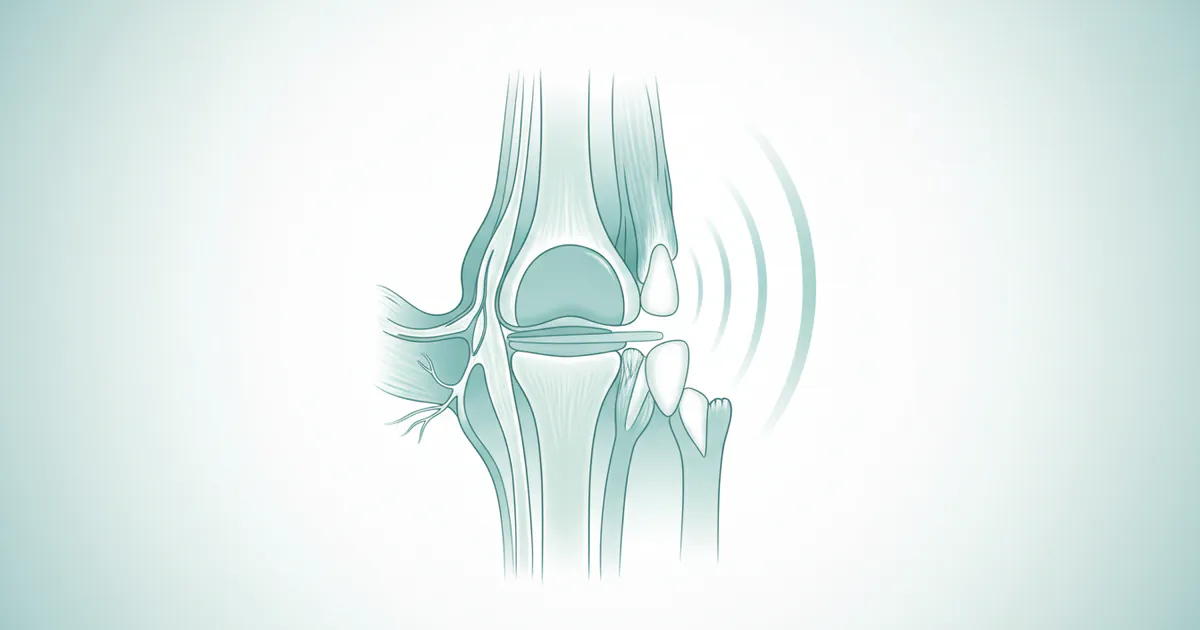
The temporomandibular joint is one of the most complex joints in the body, acting like a sliding hinge that connects your mandible (lower jawbone) to your temporal bones of the skull, located just in front of each ear. You have two TMJs, one on each side. These joints allow for the intricate movements required for speaking, chewing, yawning, and facial expressions.
Crucially, within each TMJ lies a small, oval-shaped, cartilaginous disc (also called the articular disc or meniscus). This disc acts as a shock absorber and allows for smooth movement between the bones. It's normally positioned between the condyle (the rounded end of the jawbone) and the temporal bone. When the disc is properly aligned, jaw movements are silent and fluid.
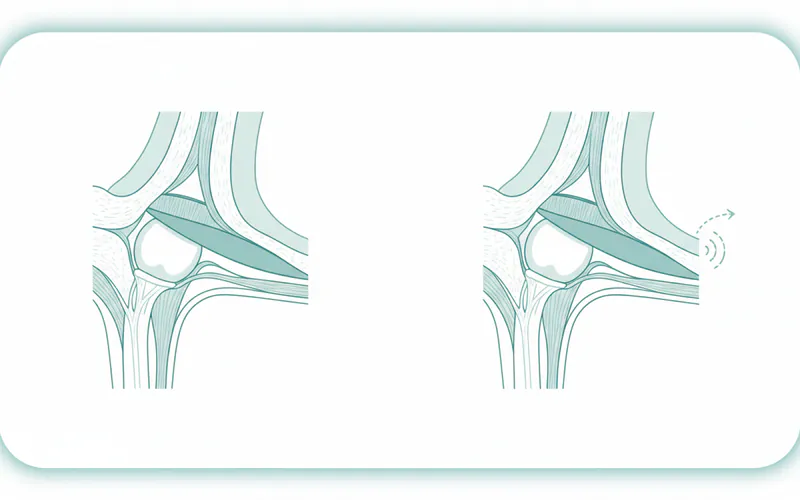
Jaw clicking primarily occurs when this articular disc becomes displaced or misaligned. As you open or close your mouth, the condyle may "catch" on the displaced disc, causing it to suddenly slip back into its proper position (producing a click) or slip out of position (also producing a click). This phenomenon is often referred to as disc displacement with reduction. The "reduction" part means the disc returns to its normal position after the click. If the disc remains displaced and does not return to its normal position, it can lead to a "locked jaw" sensation, which is called disc displacement without reduction.
The sound itself can range from a subtle click to a loud pop or even a grinding noise. It might be felt only as a vibration or be clearly audible to others. While some people experience jaw clicking without any pain or functional limitation, for others, it can be a harbinger of more significant temporomandibular joint dysfunction (TMD), a collective term for a range of conditions affecting the TMJ and surrounding muscles.
Types and Variations of Jaw Sounds
Not all jaw sounds are created equal. Understanding the different types can help you describe your symptoms more accurately to a TMJ specialist.
- Clicking/Popping: This is the most common type of jaw sound and typically indicates disc displacement with reduction.
- Early Click: Occurs early in the opening movement, often due to the disc being slightly anteriorly displaced and reducing early.
- Late Click: Happens near the end of the opening range, often as the jaw approaches maximal opening.
- Reciprocal Clicking: A click on opening and another click on closing. This is a classic sign of disc displacement with reduction, where the disc moves out of place on opening and then back into place on closing.
- Crepitus/Grinding: This sound is often described as a grating, crunching, or crackling noise. It usually suggests a more advanced stage of joint degeneration, such as osteoarthritis within the TMJ. The sounds arise from bone-on-bone contact or friction due to a severely thinned, damaged, or completely absent articular disc.
- Clicking with Locking: This is a more concerning variation where the jaw clicks but then momentarily or permanently "locks" open or closed, making it difficult to move the jaw.
- Transient Locking: Jaw may lock for a few seconds before returning to normal.
- Closed Lock (Disc Displacement Without Reduction): The disc remains anteriorly displaced and prevents the condyle from fully rotating forward. This restricts opening and can cause significant pain and inability to open the mouth wide. This is a serious symptom requiring prompt evaluation by a tmj specialist.
- Open Lock (Luxation): Less common, this occurs when the condyle moves too far forward and gets stuck anterior to the eminentia (a bony prominence), preventing the mouth from closing. This often requires manual manipulation by a healthcare professional to reduce the dislocation.
The specific sound, its timing, and whether it's accompanied by pain or limited movement are crucial diagnostic clues for your dentist or tmj specialist.
Causes: Why Your Jaw Clicks
Jaw clicking isn't always indicative of a serious problem, but it's important to understand the various factors that can contribute to it. Many causes relate to the health and function of your temporomandibular joint and its surrounding structures.
- Disc Displacement: As mentioned, the most common reason for clicking is the displacement of the articular disc. This disc can shift forward, backward, or sideways, leading to the "catching" sensation and sound as it moves in and out of alignment. This often occurs due to:
- Ligament Laxity: The ligaments that hold the disc in place can become stretched or damaged, allowing the disc to move too freely.
- Trauma: A direct blow to the jaw, whiplash injury, or even chronic microtrauma from habits can dislodge the disc.
- Bruxism (Teeth Grinding or Clenching): Chronic clenching or grinding, especially during sleep, puts immense pressure on the TMJs. This can lead to wear and tear of the disc, inflammation, muscle fatigue, and changes in the joint's mechanics, contributing to disc displacement and clicking.
- Stress and Anxiety: Psychological stress often manifests as physical tension, particularly in the jaw, neck, and shoulders. This can exacerbate bruxism and lead to muscle hyperactivity around the TMJ, causing imbalances and clicking.
- Osteoarthritis/Degenerative Joint Disease: Just like other joints in the body, the TMJ can be affected by arthritis. This condition causes the cartilage covering the joint surfaces to wear down, leading to bone-on-bone friction (crepitus/grinding) and inflammation.
- Inflammation (Synovitis/Capsulitis): Inflammation of the joint capsule or the synovial lining (which produces lubricating fluid) can alter joint mechanics and contribute to pain and clicking.
- Rheumatoid Arthritis and Other Autoimmune Diseases: Systemic inflammatory conditions can affect the TMJ, leading to joint destruction, pain, and clicking.
- Dental Malocclusion (Bad Bite): While not a direct cause, an uneven bite can put asymmetrical stress on the TMJs, forcing one side to work harder or function in an unnatural position. Over time, this imbalance can contribute to disc displacement and muscle strain. However, the role of malocclusion is often debated among experts, and correcting bite issues is not always the primary solution for TMJ disorders.
- Trauma or Injury: Direct impact to the jaw, face, or head (e.g., from sports injuries, falls, or car accidents) can damage the joint structures, including the disc, ligaments, and bone, leading to clicking and pain.
- Hypermobility: Some individuals naturally have more flexible joints. In the TMJ, this can mean the jaw moves beyond its normal range, potentially leading to the condyle "popping" over the articular eminence.
- Poor Posture: Forward head posture, common in people who spend a lot of time looking at screens, can strain the neck and jaw muscles, contributing to TMJ issues.
- Excessive Jaw Movements: Frequent gum chewing, biting nails, wide yawning, or habitually opening the mouth very wide can strain the TMJ and contribute to disc displacement.
Signs and Symptoms Associated with Jaw Clicking
While jaw clicking itself is a symptom, it's often accompanied by a constellation of other signs that indicate a broader temporomandibular joint dysfunction. Recognizing these can help you describe your condition accurately to a healthcare professional.
Primary Symptoms Related to the Jaw:
- Pain: This is the most common accompanying symptom. Pain can be felt in the jaw joint itself, around the ear, in the temples, or radiating into the face, neck, and shoulders. The pain may be dull and aching or sharp and intense, especially when chewing or moving the jaw.
- Limited Jaw Movement: Difficulty opening the mouth wide, inability to fully close the mouth, or a sensation of the jaw "getting stuck" or "locking" (either open or closed).
- Tenderness: The muscles around the jaw (masseter, temporalis, pterygoids) may feel tender to the touch. The TMJ itself might also be tender when pressed.
- Fatigue in Jaw Muscles: After chewing or speaking, your jaw muscles might feel tired or strained.
- Difficulty Chewing: Chewing tough foods or even soft foods can be painful or difficult. You might find yourself shifting food to one side of your mouth.
- Uneven Bite: A sudden change in how your upper and lower teeth fit together can be a sign of disc displacement or inflammation within the joint.
Related Symptoms (often referred to as "secondary" or "referred" symptoms):
- Headaches: Frequent tension-type headaches or migraines, often originating in the temples or behind the eyes.
- Ear Symptoms: Earaches, ringing in the ears (tinnitus), dizziness (vertigo), or a feeling of fullness in the ears (without infection).
- Neck and Shoulder Pain: Tightness, stiffness, or pain in the neck and shoulders due to muscle tension that can be linked to jaw clenching or poor posture.
- Facial Pain: Generalized facial pain that can mimic sinus issues or nerve pain.
- Changes in Speech: Difficulty articulating certain sounds due to limited jaw movement.
Pro Tip: Keeping a symptom diary can be incredibly helpful for your tmj specialist. Note when the clicking occurs, if there's pain, its intensity, any triggers, and other accompanying symptoms.
Treatment Options for Jaw Clicking and TMD
The approach to treating jaw clicking and temporomandibular joint dysfunction therapies is highly individualized, ranging from conservative, non-invasive methods to more advanced interventions. The goal is to reduce pain, restore normal jaw function, and alleviate associated symptoms.
1. Conservative Treatments (First Line of Defense)
Most cases of jaw clicking and TMD respond well to conservative management. These methods are typically low-risk and reversible.
- Self-Care and Lifestyle Modifications:
- Soft Diet: Eating softer foods reduces stress on the jaw joints and muscles. Avoid hard, chewy, or sticky foods.
- Heat/Cold Therapy: Applying moist heat or cold packs to the jaw can help reduce pain and inflammation.
- Jaw Rest: Avoid extreme jaw movements like wide yawning, excessive gum chewing, or biting nails.
- Stress Management: Techniques like meditation, yoga, deep breathing, and counseling can help reduce muscle tension and bruxism.
- Good Posture: Maintaining good head and neck posture, especially when working at a computer, can alleviate strain on the jaw.
- Pain Relievers: Over-the-counter non-steroidal anti-inflammatory drugs (NSAIDs) like ibuprofen or naproxen can help manage pain and inflammation.
- Oral Appliances (Splints/Nightguards):
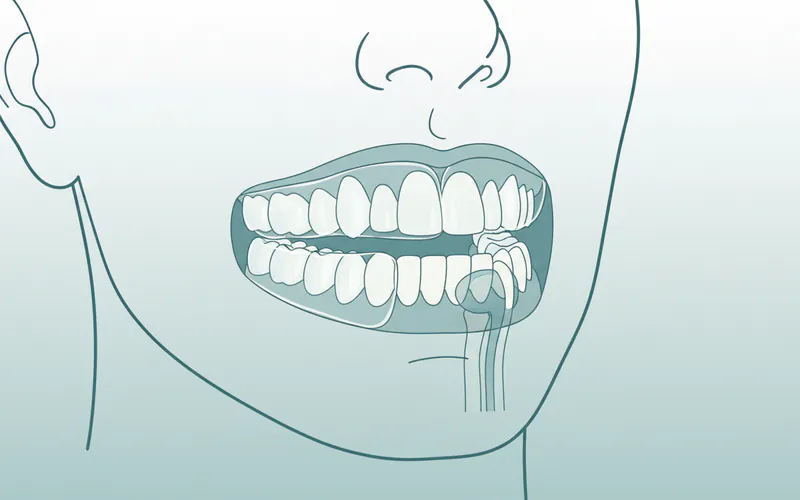
- Purpose: These custom-made acrylic devices, typically worn over the upper or lower teeth, prevent teeth grinding/clenching and help reposition the jaw or protect the teeth.
- Types:
- Stabilization Splints (Flat Plane Splints): Most common. They cover all teeth on one arch and aim to reduce muscle activity and protect teeth from grinding forces. They do not permanently change the bite.
- Repositioning Splints (Anterior Repositioning Appliances): Designed to gently guide the jaw into a specific position, often to help the disc return to a more favorable position. These are used cautiously and often for a limited time, as prolonged use can lead to permanent bite changes.
- Pros: Non-invasive, reversible, often effective for pain reduction and protecting teeth.
- Cons: Requires consistent wear, can be costly (ranging from $300 to $1,500), and some people find them uncomfortable initially.
- Physical Therapy/Physiotherapy:
- Techniques: Includes exercises to stretch and strengthen jaw muscles, improve posture, massage, ultrasound, and trigger point release.
- Pros: Can significantly improve jaw mobility, reduce pain, and restore muscle function. Taught by a specialized physical therapist.
- Cons: Requires commitment and adherence to exercises. Costs can range from $50 to $200 per session, often requiring multiple sessions.
- Medications:
- Muscle Relaxants: Prescribed for short-term relief of severe muscle spasms associated with TMD.
- Antidepressants: Low doses of tricyclic antidepressants (e.g., amitriptyline) can help with pain management, especially neuropathic pain, and improve sleep, even in non-depressed individuals.
- Botox Injections: While not universally approved by the FDA for TMJ, Botox (botulinum toxin) injections into the jaw muscles (masseter, temporalis) can relax overactive muscles, reduce clenching, and alleviate pain. Effects last 3-6 months. Costs range from $500 to $1,500 per treatment.
2. Advanced and Invasive Treatments (Reserved for Severe Cases)
When conservative therapies fail or when severe structural damage exists, a tmj specialist may consider more invasive options.
- Arthrocentesis:
- Procedure: A minimally invasive procedure where needles are inserted into the joint to lavage (wash out) the joint space with sterile fluid, removing inflammatory byproducts and potentially freeing a stuck disc. Sometimes a corticosteroid or lubricant is injected.
- Pros: Minimally invasive, relatively quick recovery, can provide significant pain relief and improve jaw opening.
- Cons: Requires local anesthesia, small risk of infection or nerve damage. Cost: $1,000 to $3,000.
- Arthroscopy:
- Procedure: A small incision is made, and a thin, flexible tube with a camera (arthroscope) is inserted into the joint. The surgeon can then visualize the joint, remove inflammatory tissue, smooth rough surfaces, or reposition the disc.
- Pros: Minimally invasive compared to open surgery, faster recovery than open surgery.
- Cons: General anesthesia required, limited visibility compared to open surgery, not suitable for all structural problems. Cost: $3,000 to $8,000.
- Open Joint Surgery (Arthroplasty):
- Procedure: Involves a larger incision in front of the ear to directly access the joint. Various procedures can be performed:
- Disc Repositioning/Repair: Surgically repositioning the displaced disc and securing it.
- Discectomy: Removal of the articular disc if it is severely damaged.
- Condylotomy: Reshaping of the condyle (jawbone head).
- Joint Replacement (Total Joint Arthroplasty): In very severe cases, the entire TMJ may be replaced with an artificial implant.
- Pros: Can address severe structural damage not amenable to less invasive approaches.
- Cons: Highly invasive, significant recovery time, risks include infection, nerve damage, scarring, and potential for long-term complications. Cost: $10,000 to over $50,000 for joint replacement.
- Procedure: Involves a larger incision in front of the ear to directly access the joint. Various procedures can be performed:
- Injections:
- Corticosteroid Injections: Directly into the joint to reduce inflammation and pain.
- Hyaluronic Acid Injections: "Lubricating" injections to improve joint movement.
- Platelet-Rich Plasma (PRP) Injections: Using your own blood components to promote healing.
- Pros: Targeted pain relief, less invasive than surgery.
- Cons: Temporary relief, not a cure, risks of infection or localized pain. Costs range from $200 to $800 per injection.
Pro Tip: According to the American Dental Association (ADA), conservative and reversible treatments should always be the first line of therapy for TMD. Irreversible treatments, such as extensive dental work to change the bite or most forms of surgery, should be approached with extreme caution and only after comprehensive evaluation and failure of conservative methods.
Step-by-Step Process: What to Expect During Treatment
The journey through temporomandibular joint dysfunction therapies generally follows a predictable path, starting with diagnosis and moving through progressive treatment stages.
1. Initial Consultation and Diagnosis:
- Visit a TMJ Specialist: This could be an oral and maxillofacial surgeon, a prosthodontist, or a general dentist with advanced training in TMD.
- Detailed History: You'll discuss your symptoms (pain, clicking, locking, headaches, etc.), their duration, severity, and any aggravating or relieving factors.
- Physical Examination: The specialist will palpate your jaw muscles, listen to your jaw joints for sounds (clicking, popping, crepitus) while you open and close, and assess your jaw's range of motion. They'll also check your bite and examine your neck and head for referred pain.
- Imaging: X-rays (panoramic), CT scans, or MRI scans may be ordered to visualize the bones, disc, and soft tissues of the TMJ. MRI is particularly useful for assessing disc position and soft tissue health.
2. Conservative Treatment Phase (Initial 2-6 Months):
- Education and Self-Care: You'll receive instructions on soft diets, heat/cold therapy, relaxation techniques, and ergonomic adjustments.
- Oral Appliance Fitting: If indicated, impressions of your teeth will be taken to fabricate a custom-made oral appliance (e.g., stabilization splint). This typically takes 1-2 weeks.
- Physical Therapy Referrals: You might be referred to a physical therapist specializing in craniomandibular disorders. Sessions are usually 1-2 times per week for several weeks.
- Medication Management: Your doctor may prescribe short-term pain relief, muscle relaxants, or anti-inflammatory drugs.
- Regular Follow-ups: You'll have periodic appointments (every 2-4 weeks) to assess progress, adjust your oral appliance, and modify your treatment plan.
3. Intermediate Treatment Phase (If Conservative Fails, 6+ Months):
- If conservative treatments don't provide sufficient relief after several months, the TMJ specialist may consider:
- Botox Injections: Administered in the office, a quick procedure.
- Joint Injections: Corticosteroids or hyaluronic acid, also an in-office procedure.
- Further diagnostic tests: To rule out other conditions or get more detailed imaging.
4. Advanced Treatment Phase (Reserved for Severe, Persistent Cases):
- Surgical Consultation: If non-surgical options are exhausted, you'll be referred to an oral and maxillofacial surgeon for a discussion about surgical options.
- Pre-Surgical Planning: This involves detailed imaging, discussion of risks and benefits, and psychological evaluation if stress is a major component.
- Surgical Procedure: Performed under local or general anesthesia, depending on the complexity (arthrocentesis, arthroscopy, or open joint surgery).
- Post-Operative Care: This includes pain management, dietary restrictions, and often intensive physical therapy to restore jaw function. Recovery can take weeks to many months.
Throughout the process, communication with your tmj specialist is key. Be honest about your symptoms and how treatments are affecting you.
Cost and Insurance for TMJ and Jaw Clicking Therapies
Understanding the financial aspect of temporomandibular joint dysfunction therapies is crucial for patients in the US. Costs can vary significantly based on the diagnosis, the chosen treatment, the region, and whether you have insurance.
Average US Cost Ranges:
| Treatment Type | Average US Cost Range (Self-Pay) | Notes |
|---|---|---|
| Initial Consultation & Exam | $150 - $450 | May include X-rays, basic imaging. |
| Diagnostic Imaging | ||
| Panoramic X-ray | $50 - $150 | Often covered with initial exam. |
| CT Scan | $300 - $800 | More detailed bone imaging. |
| MRI Scan | $700 - $3,000 | Best for soft tissues, disc position. |
| Oral Appliance (Splint/Nightguard) | $300 - $1,500 | Custom-made; varies by material and complexity. |
| Physical Therapy | $50 - $200 per session | Typically 6-12 sessions initially. |
| Medication (Prescription) | $20 - $200 per month | Muscle relaxants, pain relievers, antidepressants; varies by drug. |
| Botox Injections | $500 - $1,500 per treatment | Effects last 3-6 months; multiple treatments may be needed. |
| Joint Injections (Steroid/HA) | $200 - $800 per injection | Temporary relief; multiple injections possible. |
| Arthrocentesis | $1,000 - $3,000 | Minimally invasive, in-office or outpatient. |
| Arthroscopy | $3,000 - $8,000 | Outpatient surgical procedure. |
| Open Joint Surgery | $10,000 - $25,000+ | Highly invasive, significant hospital/anesthesia costs. |
| Total Joint Replacement | $30,000 - $50,000+ per joint | Most complex and costly. |
Cost Variation by Region: Major metropolitan areas like New York City, Los Angeles, and Boston typically have higher costs for dental and medical procedures compared to rural areas or states with lower costs of living. For instance, an oral appliance in a large city might be closer to $1,200-$1,500, while in a smaller town, it could be $600-$800.
Insurance Coverage Details:
Navigating insurance for TMD can be complex because it often blurs the lines between medical and dental coverage.
- Dental Insurance:
- Typically covers diagnostic X-rays and basic dental procedures.
- May cover a portion of oral appliances if deemed medically necessary for a condition like bruxism (e.g., 50-80% coverage after deductible).
- Generally does NOT cover medical consultations, physical therapy, or surgical procedures for the TMJ.
- Medical Insurance:
- More likely to cover diagnoses and treatments related to the TMJ itself, especially if it's considered a "medical necessity" and not purely dental.
- Often covers physician consultations, diagnostic imaging (CT, MRI), physical therapy, prescription medications, injections (Botox, steroids), and surgical procedures (arthrocentesis, arthroscopy, open surgery).
- Pre-authorization is crucial: Many medical insurance plans require pre-authorization for TMJ treatments, particularly for expensive procedures or referrals to specialists. Without it, claims may be denied.
- In-network vs. Out-of-network: Costs will be significantly higher with out-of-network providers.
- Deductibles and Co-pays: You will still be responsible for your plan's deductible and co-pays, which can add up, especially for chronic conditions requiring ongoing care.
Pro Tip: Always contact both your dental and medical insurance providers before beginning any significant temporomandibular joint dysfunction therapies. Ask specific questions about coverage for TMD diagnosis (code D80.00-D89.90 for dental, M26.6 for medical), oral appliances (D7880 for dental), physical therapy (CPT codes 97110, 97140), injections (CPT codes), and surgery. Ensure the provider you choose accepts your insurance.
Recovery and Aftercare for TMJ Therapies
Recovery from temporomandibular joint dysfunction therapies varies widely depending on the type and invasiveness of the treatment.

Conservative Treatments (Oral Appliances, Physical Therapy, Lifestyle):
- Timeline: Recovery is gradual, often spanning weeks to months.
- Initial Adjustment: When starting an oral appliance, you might experience temporary changes in your bite, increased saliva, or slight discomfort for a few days to a few weeks.
- Consistent Use: Adherence to wearing your oral appliance as prescribed (often nightly) is key. Skipping nights can negate progress.
- Home Exercises: Regularly performing physical therapy exercises at home is vital for strengthening muscles and improving range of motion.
- Diet: Continue with a soft diet, especially during periods of pain flare-ups.
- Follow-ups: Regular check-ups with your TMJ specialist are essential for adjustments and monitoring progress.
Minimally Invasive Procedures (Arthrocentesis, Injections):
- Timeline: Short, typically a few days to a week of mild soreness.
- Post-Procedure: You might experience localized swelling, bruising, or discomfort. Over-the-counter pain relievers usually suffice.
- Activity: Generally, you can resume normal light activities within 24-48 hours, but avoid strenuous jaw movements.
- Physical Therapy: Often recommended post-procedure to maximize the benefits and restore mobility.
Surgical Procedures (Arthroscopy, Open Joint Surgery):
- Timeline:
- Arthroscopy: Recovery can range from 1-2 weeks for initial healing to 4-6 weeks for significant improvement.
- Open Joint Surgery/Replacement: This is a much longer process, with initial healing taking several weeks and full recovery extending to several months (3-6 months or more).
- Immediate Post-Op:
- Pain Management: Prescription pain medication will be provided.
- Diet: Strict soft or liquid diet for days to weeks.
- Swelling/Bruising: Expected; apply cold packs.
- Limited Movement: Jaw movement will be restricted initially.
- Rehabilitation: Intensive physical therapy is crucial post-surgery to prevent stiffness, regain range of motion, and strengthen muscles. This often starts within days of surgery.
- Follow-up: Frequent post-operative appointments are necessary to monitor healing and adjust rehabilitation plans.
- Long-term: Avoid habits that stress the jaw, continue with maintenance exercises, and use oral appliances if prescribed.
Pro Tip: After any TMJ procedure, avoid opening your mouth as wide as you can for several weeks to months, depending on your surgeon's instructions. Gradual stretching is key, not forceful movements.
Prevention of Jaw Clicking and TMJ Disorders
While not all cases of jaw clicking are preventable (e.g., those due to autoimmune diseases or severe trauma), many can be mitigated or avoided through proactive measures and mindful habits.
- Manage Stress: Since stress is a major trigger for clenching and grinding, incorporating stress-reduction techniques into your daily routine is paramount.
- Practice mindfulness, meditation, or yoga.
- Engage in regular physical exercise.
- Ensure adequate sleep.
- Consider counseling or therapy for chronic stress.
- Break Bad Habits:
- Avoid clenching or grinding teeth: Become aware of these habits, especially during the day. If you catch yourself, gently separate your teeth by placing your tongue between them.
- Limit excessive gum chewing: This overworks the jaw muscles.
- Stop nail biting, pen chewing, or ice chewing.
- Avoid habitually resting your chin on your hand.
- Do not sleep on your stomach as it can put unnatural pressure on your jaw.
- Maintain Good Posture:
- Keep your head balanced directly over your spine.
- When sitting at a computer, ensure your screen is at eye level, and your back is supported. Avoid "forward head posture."
- Practice Jaw Relaxation:
- Keep your lips together, but your teeth apart, with your tongue gently resting on the roof of your mouth.
- Do gentle jaw stretches as advised by a professional.
- Eat a Jaw-Friendly Diet:
- Avoid excessively hard, chewy, or sticky foods that force your jaw to work hard or open wide. Cut food into smaller pieces.
- Use an Oral Appliance (Nightguard): If you are diagnosed with bruxism, a custom-fitted nightguard can protect your teeth from wear and reduce muscle strain, even if you don't have pain yet.
- Regular Dental Check-ups: Your dentist can spot early signs of wear, malocclusion, or bruxism that could contribute to TMJ issues.
Risks and Complications of Untreated Jaw Clicking
Ignoring persistent or painful jaw clicking can lead to a range of complications, some of which can be debilitating.
- Chronic Pain: What starts as occasional discomfort can escalate into chronic, debilitating pain in the jaw, face, head, and neck.
- Progressive Joint Damage: Untreated disc displacement can lead to the disc degenerating, perforating, or becoming permanently displaced without reduction (a "closed lock"). This can cause irreversible damage to the joint surfaces, leading to conditions like osteoarthritis of the TMJ.
- Limited Jaw Function: Progressive damage can severely restrict your ability to open your mouth, chew effectively, or speak clearly. This impacts quality of life and nutrition.
- Permanent Bite Changes: Chronic disc displacement or joint degeneration can alter the way your teeth fit together, leading to an unstable bite.
- Increased Risk of Headaches and Ear Symptoms: The referred pain from untreated TMD can worsen headaches, tinnitus, and ear discomfort.
- Psychological Impact: Chronic pain and functional limitations can lead to stress, anxiety, depression, and social isolation.
- Need for More Invasive Treatment: Delaying treatment often means that more conservative therapies become less effective, increasing the likelihood that you'll eventually require injections or surgery, which carry higher risks and costs.
- Nutritional Deficiencies: Severe pain or difficulty chewing can limit your food choices, potentially leading to an inadequate diet.
Early intervention by a TMJ specialist can often prevent these complications and lead to better long-term outcomes.
Comparison Tables
Table 1: Conservative vs. Invasive TMJ Treatments
| Feature | Conservative Treatments (e.g., Splints, PT, Meds) | Invasive Treatments (e.g., Surgery, Arthrocentesis) |
|---|---|---|
| Approach | Non-surgical, reversible, symptom management | Surgical, irreversible, structural correction |
| Primary Goal | Reduce pain, manage symptoms, restore muscle fxn | Correct joint mechanics, remove damaged tissue |
| Effectiveness | Effective for most (80-90% of cases) | Reserved for severe cases, higher success for specific conditions |
| Risk Profile | Low (minor discomfort, no permanent changes) | Higher (infection, nerve damage, scarring, anesthesia risks) |
| Recovery Time | Weeks to months (gradual improvement) | Days to many months (depending on procedure) |
| Typical Cost Range | $300 - $2,500 | $1,000 - $50,000+ |
| Insurance | Often partial dental/medical coverage | Usually medical coverage (requires pre-auth) |
Table 2: Common TMJ Diagnostic Imaging Options
| Imaging Type | What It Shows | Pros | Cons | Average US Cost Range |
|---|---|---|---|---|
| Panoramic X-ray | Overall jaw structure, gross bone pathology | Quick, low radiation, inexpensive, good overview | Limited soft tissue detail, 2D view | $50 - $150 |
| CT Scan (CBCT) | Detailed 3D bone structure, fractures, arthritis | Excellent bone detail, precise measurements | Higher radiation than X-ray, poor soft tissue contrast | $300 - $800 |
| MRI Scan | Soft tissues (disc position/integrity, ligaments, inflammation, effusion) | Best for disc assessment, no radiation exposure | More expensive, longer scan time, can be claustrophobic | $700 - $3,000 |
Children / Pediatric Considerations for Jaw Clicking
Jaw clicking can also affect children and adolescents, though it is less common than in adults. When it occurs, it warrants careful evaluation by a pediatric dentist or TMJ specialist experienced with children.
Common Causes in Children:
- Trauma: Falls, sports injuries, or direct blows to the jaw are common in active children.
- Parafunctional Habits: Thumb-sucking, prolonged pacifier use, nail-biting, and bruxism (teeth grinding) can strain the developing TMJ.
- Developing Malocclusion: While not a direct cause, some bite irregularities, especially crossbites or severe overbites, can lead to uneven jaw function.
- Hypermobility: Some children are naturally more flexible, making them prone to disc displacement.
- Juvenile Idiopathic Arthritis (JIA): Systemic arthritis can affect the TMJs in children, leading to pain, clicking, and growth disturbances.
Signs and Symptoms in Children:
- Audible clicking or popping when eating or yawning.
- Difficulty opening the mouth, especially in the morning.
- Facial or jaw pain (sometimes mistaken for earaches).
- Headaches.
- Changes in eating habits (e.g., avoiding harder foods).
- Visible swelling around the jaw joint.
Treatment Approaches for Children:
- Conservative and Non-Invasive: Treatment for children is almost exclusively conservative due to their developing facial structures.
- Observation: If the clicking is painless and doesn't limit function, a "wait and see" approach with regular monitoring might be recommended.
- Behavioral Modification: Addressing habits like thumb-sucking or bruxism.
- Soft Diet: Temporary dietary modifications.
- Physical Therapy: Gentle exercises and stretches.
- Oral Appliances: Custom-made nightguards can be used to manage bruxism and protect the joint, but careful monitoring is needed in growing children to avoid interfering with jaw development.
- Pain Management: Over-the-counter pain relievers and warm compresses.
- Orthodontic Evaluation: If a significant malocclusion is contributing to the problem, an orthodontist might be involved, but orthodontic treatment alone is rarely a primary TMJ therapy for children.
- Avoidance of Surgery: Surgical intervention is extremely rare and considered only in very severe cases of structural damage or growth disturbance from conditions like JIA, and only after exhaustive conservative efforts.
Pro Tip for Parents: If your child complains of jaw pain, difficulty chewing, or you notice persistent jaw clicking, schedule an evaluation with a pediatric dentist or an oral and maxillofacial surgeon who specializes in pediatric TMJ disorders. Early intervention can prevent more significant problems as they grow.
Cost Breakdown
For a more holistic view of costs, let's summarize potential expenses.
Average US Costs (Low, Mid, High Estimates):
- Low Estimate (Conservative, self-pay): If your jaw clicking is managed with self-care, over-the-counter pain relievers, and perhaps a basic oral appliance (nightguard), your total out-of-pocket could be $300 - $1,500. This often includes the initial consult and possibly a follow-up.
- Mid Estimate (Moderate, self-pay): This might involve a custom oral appliance, several physical therapy sessions, and potentially a few prescription medications. Total cost could range from $1,500 - $4,000.
- High Estimate (Advanced, self-pay): For patients requiring Botox injections, a series of joint injections, or even minimally invasive surgery like arthrocentesis/arthroscopy, the costs can quickly escalate to $5,000 - $10,000+. Open joint surgery or total joint replacement would be significantly higher, often in the $20,000 - $50,000+ range per joint.
With vs. Without Insurance:
- Without Insurance (Self-Pay): You are responsible for 100% of the costs. This is where the wide ranges above come into play. Negotiate cash discounts with providers.
- With Insurance (Dental & Medical):
- You'll pay your deductible first (e.g., $500 - $5,000 for medical, $50 - $200 for dental).
- After the deductible, your insurance pays a percentage (e.g., 80% for in-network medical, 50-80% for dental), and you pay the remaining co-insurance.
- Co-pays for office visits (e.g., $20 - $50) will apply.
- Your out-of-pocket maximum will cap what you pay in a given year.
- Example: For a $2,000 oral appliance, if dental insurance covers 50% after a $100 deductible, you'd pay $100 + ($1,900 * 0.50) = $1,050. If your medical insurance covers 80% of a $5,000 arthroscopy after a $1,000 deductible, you'd pay $1,000 + ($4,000 * 0.20) = $1,800.
Payment Plans and Financing Options:
- Provider Payment Plans: Many dental and medical offices offer in-house payment plans, allowing you to pay for treatment over several months, often interest-free.
- Medical Credit Cards: Companies like CareCredit or Alphaeon Credit offer specialized financing for healthcare expenses. These often have interest-free periods if the balance is paid within a certain timeframe.
- Personal Loans: Banks and credit unions offer personal loans that can be used for medical expenses, but they typically carry interest.
- Health Savings Accounts (HSAs) / Flexible Spending Accounts (FSAs): These tax-advantaged accounts allow you to save and pay for qualified medical expenses, including most TMD treatments, using pre-tax dollars.
Cost-Saving Tips:
- Get Multiple Opinions: This can help you compare treatment plans and associated costs.
- Check In-Network Providers: Always choose providers who are in your insurance network to minimize out-of-pocket costs.
- Discuss Self-Pay Discounts: If you are uninsured or your insurance coverage is minimal, ask if the provider offers a discount for paying in cash or upfront.
- Utilize HSAs/FSAs: Maximize contributions to these accounts if available through your employer.
- Ask for Itemized Bills: Review your bills carefully to ensure accuracy and understand all charges.
Frequently Asked Questions
Is jaw clicking always a sign of a serious problem?
Not necessarily. Many people experience occasional, painless jaw clicking without any significant underlying pathology. However, if the clicking is persistent, accompanied by pain, tenderness, limited jaw movement, or locking, it is a sign that you should seek evaluation from a TMJ specialist to rule out or treat a more serious temporomandibular joint dysfunction.
What kind of doctor should I see for jaw clicking?
You can start with your general dentist, who can assess your condition and refer you. For more complex cases, you should see a TMJ specialist, which could be an oral and maxillofacial surgeon, a prosthodontist, or an orofacial pain specialist with specific training in temporomandibular disorders.

Can jaw clicking go away on its own?
Sometimes, mild, infrequent jaw clicking, especially if it's not painful, can resolve with simple self-care measures like reducing stress, avoiding hard foods, and practicing jaw relaxation techniques. However, if it's persistent or associated with pain, it's less likely to resolve completely without intervention.
How long does TMJ treatment take?
The duration of temporomandibular joint dysfunction therapies varies greatly. Conservative treatments like oral appliances and physical therapy often require consistent use and effort for several weeks to months to see significant improvement. Surgical recoveries can range from a few weeks for minor procedures to several months for complex interventions. It's often an ongoing management process rather than a quick fix.
What is the average cost of TMJ treatment?
The cost can vary significantly. Simple conservative treatments, like a custom oral appliance, might range from $300 to $1,500. More comprehensive non-surgical care, including physical therapy and injections, could be $1,500 to $5,000. Surgical options can range from $3,000 to over $50,000 depending on the complexity. Insurance coverage also plays a large role in your out-of-pocket expenses.
Will fixing my bite fix my jaw clicking?
While dental malocclusion (a "bad bite") can contribute to TMJ stress for some individuals, correcting the bite through orthodontics or extensive dental work is generally not the primary solution for jaw clicking. The American Dental Association (ADA) emphasizes conservative, reversible treatments first. Irreversible bite changes should only be considered after a thorough diagnosis and failure of other therapies, and rarely as a standalone treatment for clicking.
Is surgery necessary for jaw clicking?
No, surgery is rarely necessary for jaw clicking. The vast majority of TMJ disorders, including those with clicking, respond well to conservative and non-invasive temporomandibular joint dysfunction therapies such as oral appliances, physical therapy, and lifestyle modifications. Surgery is reserved for severe cases where significant structural damage exists and all other treatments have failed.
Can stress cause jaw clicking?
Yes, stress and anxiety are significant contributing factors to jaw clicking and other TMJ symptoms. Stress often leads to unconscious clenching and grinding of teeth (bruxism), which puts excessive strain on the jaw joints and muscles, leading to inflammation, disc displacement, and pain. Managing stress can be a crucial part of your treatment plan.
What happens if you ignore jaw clicking?
Ignoring persistent or painful jaw clicking can lead to worsening symptoms and potentially more severe conditions. This can include chronic pain, progressive damage to the articular disc and joint surfaces, restricted jaw movement (such as a "locked jaw"), permanent changes in your bite, and an increased risk of developing osteoarthritis in the TMJ. Early intervention is key to preventing these complications.
How do I know if my nightguard is working for my jaw clicking?
You should notice a reduction in the frequency and intensity of your jaw clicking, decreased jaw pain and tenderness, fewer headaches, and less muscle fatigue upon waking. Your tmj specialist will also assess changes in your jaw's range of motion and joint sounds during follow-up appointments. Consistent use and proper fit are essential for the nightguard's effectiveness.
When to See a Dentist
While occasional, painless jaw clicking might be benign, there are clear warning signs that indicate it's time to consult a dental professional, specifically a TMJ specialist.
You should schedule a routine appointment with your dentist or TMJ specialist if you experience:
- Persistent jaw clicking or popping: Even if it's not painful, if the sound is consistent or noticeable most times you move your jaw.
- Mild, intermittent jaw pain: Pain that comes and goes, especially with chewing or yawning.
- Difficulty opening your mouth wide: A feeling of stiffness or reduced range of motion.
- Tenderness: If your jaw muscles feel sore or tender to the touch.
- Headaches or earaches: If you suspect these might be related to your jaw.
- A "tired" feeling in your jaw muscles.
You should seek prompt attention from a TMJ specialist (or your dentist for an urgent referral) if you experience any of these red flags:
- Severe or worsening pain: If the pain becomes constant, intense, or significantly interferes with eating, speaking, or sleeping.
- Jaw locking: If your jaw gets stuck in an open or closed position, preventing you from moving it normally. This is a critical symptom, especially if it's a "closed lock" (inability to open your mouth wide).
- Sudden changes in your bite: If your upper and lower teeth suddenly don't fit together properly.
- Swelling around the jaw joint: This could indicate inflammation or infection.
- Inability to open your mouth wide enough to eat normally.
Emergency vs. Scheduled Appointment Guidance:
- Emergency Care: True dental or medical emergencies for TMJ are rare but may include a jaw that is completely locked open (dislocated) and cannot be closed, or sudden, severe, incapacitating pain accompanied by inability to move the jaw at all. In such cases, contact your dentist or an oral and maxillofacial surgeon immediately.
- Scheduled Appointment: For most other symptoms, even if they are bothersome, a scheduled appointment with a TMJ specialist is appropriate. Do not delay seeking care, as early diagnosis and temporomandibular joint dysfunction therapies can prevent the condition from worsening and lead to more effective, conservative treatment outcomes.
Frequently Asked Questions
Medically Reviewed Content
This article was written by our dental health editorial team and reviewed for medical accuracy. Our content follows strict editorial guidelines for reliability and trustworthiness.
Medical Disclaimer
This article is for informational purposes only and does not constitute medical advice. Always consult with a qualified dental professional for diagnosis and treatment. Do not delay seeking professional advice because of something you read on this website.
Related Articles
Tmj Massage Near Me: Complete Guide
Temporomandibular joint disorder, commonly known as TMJD, affects millions of Americans, causing debilitating pain, discomfort, and significantly impacting quality of life. If you're experiencing jaw pain, clicking, or difficulty chewing, you're not alone. Up to 15% of American adults experience
February 23, 2026
Tmd Treatment: Complete Guide
Experiencing persistent jaw pain, clicking sounds when you chew, or debilitating headaches that seem to originate from your face? You're not alone. Temporomandibular joint (TMJ) disorders, often referred to collectively as TMD, affect an estimated 10 million Americans, with women disproportionat
February 23, 2026
Tmj Nerve Damage Symptoms: Complete Guide
Experiencing persistent facial pain, numbness, or tingling can be distressing, especially when the source is unclear. While many people are familiar with general jaw pain associated with temporomandibular joint (TMJ) disorders, the less commonly understood aspect of tmj nerve damage symptoms can
February 23, 2026
Remi Night Guard: Complete Guide
Remi Night Guard: Complete Guide
February 23, 2026