Night Guard for Grinding Teeth: Complete Guide
Key Takeaways
- Bruxism, the medical term for teeth grinding and clenching, is a surprisingly common condition affecting millions of Americans. It's estimated that up to 10% of adults and as many as 15% of children experience bruxism, often unconsciously during sleep. While occasional grinding might seem ha
Bruxism, the medical term for teeth grinding and clenching, is a surprisingly common condition affecting millions of Americans. It's estimated that up to 10% of adults and as many as 15% of children experience bruxism, often unconsciously during sleep. While occasional grinding might seem harmless, chronic bruxism can lead to a host of serious dental and health problems, from worn-down teeth and jaw pain to headaches and even changes in facial structure. Fortunately, one of the most effective and widely recommended solutions for managing this condition is a night guard for grinding teeth.
This comprehensive guide will delve deep into everything you need to know about night guards. We'll explore what they are, the different types available, the underlying causes of teeth grinding, and the myriad of symptoms it can cause. More importantly, we'll provide detailed insights into how night guards work, the process of obtaining one, their typical costs and insurance coverage, and crucial aftercare instructions. Our goal is to equip you with the knowledge to protect your smile, alleviate discomfort, and understand how a night guard can be a cornerstone of effective tmj relief and a pathway to a healthier tmj smile.
Key Takeaways:
- What it is: A night guard (occlusal splint) is a custom-fitted dental appliance worn over the teeth, primarily at night, to prevent damage from grinding (bruxism) and clenching.
- Types: Custom-fit night guards from a dentist offer superior protection and comfort compared to over-the-counter options. Custom types include soft, dual-laminate, and hard acrylic.
- Cost: Custom night guards typically range from $300 to $800, but can go up to $1,500 depending on materials and complexity. Over-the-counter options are much cheaper (e.g., $20-$100) but less effective and potentially harmful if misused.
- Insurance: Dental insurance often covers a portion of custom night guard costs, usually 50-80%, classifying it under restorative or preventive care.
- Benefits: Reduces tooth wear, alleviates jaw pain (TMJ symptoms), prevents headaches, improves sleep quality, and protects existing dental work.
- Maintenance: Clean your night guard daily with a soft toothbrush and non-abrasive soap/cleaner. Store it in its case when not in use.
- Lifespan: Custom night guards typically last 3-10 years with proper care, though heavily grinding individuals may need replacement sooner.
What is a Night Guard for Grinding Teeth?
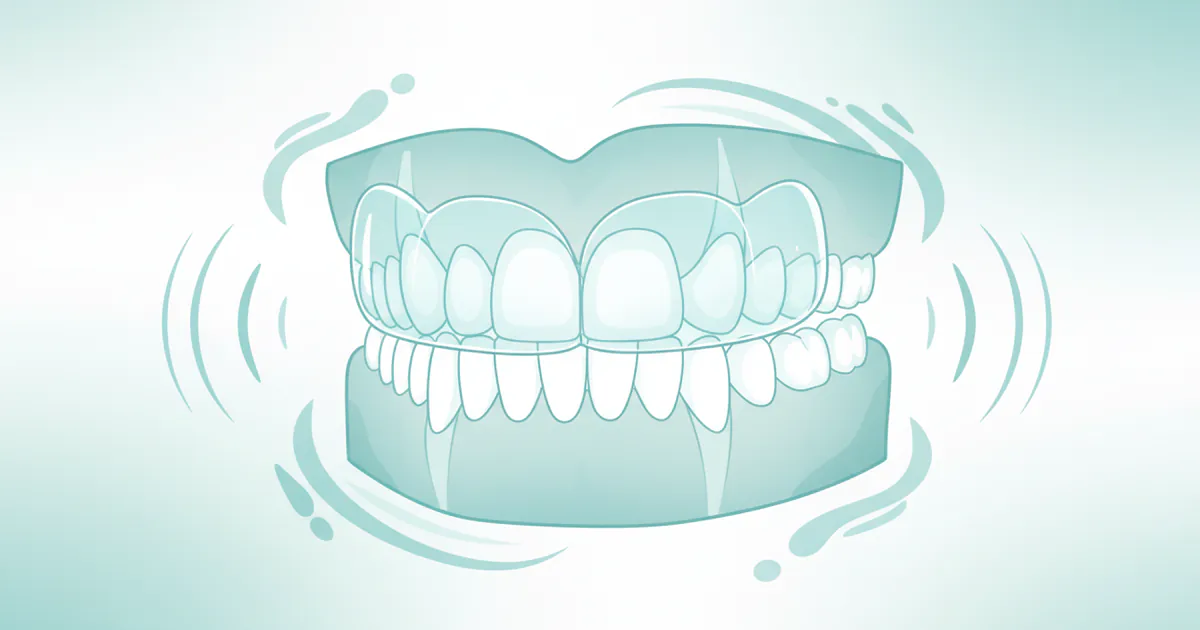
A night guard, also known as an occlusal splint, occlusal guard, or bite splint, is a custom-made oral appliance worn over the teeth, primarily during sleep. Its fundamental purpose is to create a physical barrier between the upper and lower teeth, protecting them from the damaging forces of bruxism. When you clench or grind your teeth, instead of your teeth wearing against each other, they wear against the resilient material of the night guard.

Beyond protection, a night guard can also help realign your jaw into a more relaxed position, reducing muscle tension in the temporomandibular joint (TMJ) and surrounding muscles. This repositioning can be crucial for individuals experiencing tmj relief from pain, headaches, and jaw stiffness often associated with bruxism. By providing a stable, even biting surface, a night guard discourages harmful biting patterns and promotes muscle relaxation, making it an indispensable tool in managing bruxism and its related symptoms.
How Does a Night Guard Work?
At its core, a night guard works by:
- Creating a Protective Barrier: It absorbs the forces of grinding and clenching, preventing direct tooth-on-tooth contact. This preserves tooth enamel, protects existing dental work (like crowns or veneers), and prevents further wear.
- Evenly Distributing Pressure: The custom fit ensures that biting forces are distributed across all teeth, rather than concentrated on a few, which can cause cracking, chipping, or loosening of individual teeth.
- Repositioning the Jaw: Many night guards are designed to hold the jaw in a slightly forward or more open position, preventing the powerful jaw muscles from fully engaging in clenching motions. This can relax the TMJ and reduce muscle fatigue and pain.
- Increasing Awareness (for some): While primarily unconscious, some individuals report that wearing a night guard makes them more aware of their grinding habit, which can contribute to breaking the cycle.
Types of Night Guards and Their Variations
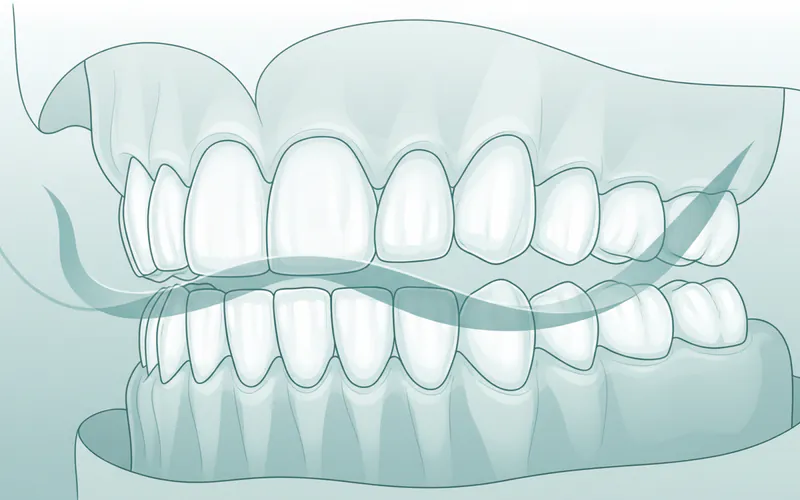
When considering a night guard for grinding teeth, it's essential to understand the different types available, as they vary significantly in effectiveness, comfort, and cost. They generally fall into two main categories: over-the-counter (OTC) and custom-fit.
1. Over-the-Counter (Boil-and-Bite) Night Guards
These are readily available at pharmacies and online retailers. They are designed to be molded at home by boiling them in water and then biting into the softened material to create a semi-custom fit.
- Pros:
- Affordable: Typically range from $20 to $100.
- Immediate Availability: Can be purchased and used quickly.
- Temporary Relief: Can offer some initial protection against grinding.
- Cons:
- Poor Fit: Rarely provide a precise fit, which can be uncomfortable, bulky, and may shift during sleep. A poor fit can sometimes exacerbate TMJ issues or even shift teeth over time.
- Less Durable: Made from softer, less durable materials that wear down quickly, requiring frequent replacement.
- Limited Protection: May not adequately protect against severe grinding forces.
- Potential for Misalignment: Can sometimes lead to bite changes or jaw discomfort if not properly fitted or used for prolonged periods.
- Best For: Very mild, infrequent grinding, or as a temporary solution while awaiting a custom night guard. Not recommended for long-term use or moderate to severe bruxism.
2. Custom-Fit Night Guards (Prescription)
These are fabricated by a dental lab based on precise impressions of your teeth taken by your dentist. They are made from high-quality, durable materials and offer the best protection and comfort.
- Pros:
- Superior Fit: Perfectly molded to your unique dental anatomy, ensuring maximum comfort, stability, and retention.
- Optimal Protection: Made from stronger materials that withstand significant grinding forces, offering superior protection against tooth wear and fractures.
- Long-Lasting: With proper care, they can last for many years, often 3 to 10 years.
- Addresses Specific Needs: Dentists can design them to address specific bite issues or TMJ problems, leading to more effective tmj relief.
- Comfort: Because of their precise fit, they are often less bulky and more comfortable to wear, encouraging consistent use.
- Cons:
- Higher Cost: Significantly more expensive than OTC options, ranging from $300 to $1,500.
- Time Investment: Requires multiple dental visits for impressions, fitting, and adjustments.
- Best For: Individuals with any level of bruxism, especially moderate to severe grinders, those with existing dental work, or those experiencing TMJ pain and seeking effective tmj smile improvements.
Sub-Types of Custom Night Guards:
- Soft Night Guards (Comfort Guards):
- Material: Softer, flexible, rubbery acrylic.
- Ideal For: Mild clenching or light grinding. Often preferred by those new to night guards due to initial comfort.
- Durability: Less durable than hard guards, may wear through faster with heavy grinding. Can also sometimes encourage clenching due to their "chewy" texture.
- Dual-Laminate Night Guards (Hybrid Guards):
- Material: A combination of a soft inner layer for comfort against the teeth and a hard outer layer for durability and grinding protection.
- Ideal For: Moderate to severe grinders who still desire some comfort. Offers a good balance of durability and patient acceptance.
- Durability: More durable than soft guards, but not as rigid as hard acrylic.
- Hard Acrylic Night Guards (Stabilization Splints):
- Material: Rigid, durable acrylic.
- Ideal For: Moderate to severe bruxism, significant TMJ dysfunction, or complex bite issues. These provide the most stable bite surface.
- Durability: The most durable type, designed to withstand the heaviest grinding forces and last the longest. They can also prevent teeth from shifting and help stabilize the bite.
- Function: Can be designed to guide the jaw into an optimal, relaxed position, which is very effective for tmj relief.
Pro Tip: While OTC night guards are tempting due to their low cost, they are not a substitute for a professional evaluation. Always consult with your dentist before committing to any night guard, especially if you have significant pain, tooth damage, or suspect TMJ issues.
Causes of Grinding Teeth (Bruxism)
Understanding why you might be grinding your teeth is crucial for effective management. Bruxism can be broadly categorized into sleep bruxism (occurring during sleep) and awake bruxism (occurring during waking hours). While the exact cause isn't always clear, a combination of physical, psychological, and lifestyle factors often contribute.
Psychological Factors:
- Stress and Anxiety: This is arguably the most common culprit. Daily stressors, work pressure, financial worries, or major life changes can manifest as unconscious grinding, especially during sleep.
- Anger and Frustration: Suppressed emotions can contribute to clenching and grinding.
- Personality Type: Individuals with aggressive, competitive, or hyperactive personalities may be more prone to bruxism.
Physical Factors:
- Malocclusion (Improper Bite): When upper and lower teeth don't align correctly, the jaw muscles may try to "find" a comfortable biting position, leading to grinding. This can be a significant factor in tmj relief strategies.
- Missing or Crooked Teeth: Gaps or dental irregularities can disrupt the natural bite, prompting grinding.
- TMJ Disorders: Problems with the temporomandibular joint itself can both cause and be exacerbated by bruxism.
- Other Sleep Disorders: Sleep apnea, snoring, and restless leg syndrome are frequently co-occurring conditions with sleep bruxism. The body may clench or grind in response to interrupted breathing.
- Neurological Conditions: Certain conditions like Parkinson's disease, Huntington's disease, and other movement disorders can be associated with bruxism.
- Acid Reflux (GERD): Some research suggests a link between gastroesophageal reflux disease and sleep bruxism.
- Genetics: There may be a hereditary component, with a higher likelihood if close family members also grind their teeth.
Lifestyle Factors:
- Caffeine Consumption: High intake of caffeinated beverages (coffee, energy drinks) can increase muscle activity and contribute to bruxism.
- Alcohol Consumption: Alcohol acts as a muscle relaxant but can paradoxically increase bruxism activity during sleep.
- Smoking: Nicotine is a stimulant and may increase the likelihood of bruxism.
- Recreational Drugs: Stimulants like amphetamines and cocaine are strongly associated with bruxism.
- Medications: Certain medications, particularly some antidepressants (e.g., SSRIs), can have bruxism as a side effect. If you suspect a medication is causing bruxism, consult your doctor.
Pro Tip: Identifying the root cause of your bruxism, if possible, can significantly enhance your treatment plan. A night guard treats the symptoms, but addressing the underlying cause (e.g., stress management, sleep apnea treatment) can offer more comprehensive and lasting relief.
Signs and Symptoms of Grinding Teeth
Recognizing the signs and symptoms of bruxism is the first step toward seeking appropriate treatment. Because grinding often happens unconsciously, especially during sleep, many people are unaware they do it until a partner notices or a dentist points out the damage.
Common Signs You Might Be Grinding Your Teeth:
- Worn-down, Flattened, Chipped, or Fractured Teeth: This is one of the most visible signs. The enamel can be eroded, exposing the underlying dentin, making teeth appear shorter or unusually flat.
- Increased Tooth Sensitivity: Worn enamel exposes the sensitive dentin, leading to pain when consuming hot, cold, or sweet foods and drinks.
- Loose Teeth: Persistent grinding can loosen teeth in their sockets over time.
- Receding Gums: The constant pressure can contribute to gum recession and bone loss around the teeth.
- Facial Pain or Jaw Soreness/Stiffness: Waking up with a dull, constant headache or jaw muscles that feel tired, tight, or sore. This is a classic indicator needing tmj relief.
- Temporomandibular Joint (TMJ) Pain: Pain, tenderness, or clicking/popping sounds in the jaw joint when you open or close your mouth. Difficulty fully opening or closing your mouth is also a red flag for TMJ dysfunction.
- Headaches: Often tension-type headaches, starting in the temples and sometimes radiating to the neck, especially in the morning.
- Earaches (without infection): Referred pain from jaw muscles can sometimes be mistaken for an earache.
- Indentation on the Tongue or Cheek: You might notice imprints of your teeth along the sides of your tongue or a white line (linea alba) inside your cheek from pressing against your teeth.
- Fatigue: Disrupted sleep due to grinding can lead to daytime tiredness.
- Enlarged Jaw Muscles: Over time, the constant strain can cause the masseter muscles (jaw muscles) to become enlarged, sometimes altering the facial appearance.
- Partner's Observation: Your sleep partner might hear you grinding your teeth at night.
Pro Tip: If you experience any combination of these symptoms, particularly chronic headaches, jaw pain, or noticeable tooth wear, schedule an appointment with your dentist. Early diagnosis and intervention can prevent further damage and provide much-needed tmj relief.
Treatment Options for Grinding Teeth (Beyond Night Guards)
While night guards are the primary and most effective treatment for protecting teeth from bruxism, a comprehensive approach often involves addressing the underlying causes and managing associated symptoms.
1. Night Guards (Occlusal Splints)
As discussed, these are the cornerstone of treatment for nocturnal bruxism.
- Pros: Highly effective in preventing tooth wear, reducing jaw pain, and protecting dental restorations. Non-invasive.
- Cons: Does not cure the underlying cause. Requires consistent use. Can be costly for custom versions.
- Best For: All forms of bruxism, especially sleep bruxism, to protect teeth and alleviate TMJ symptoms.
2. Stress Management Techniques
Since stress is a major trigger for bruxism, addressing it can significantly help.
- Methods: Meditation, yoga, deep breathing exercises, mindfulness, psychotherapy, counseling.
- Pros: Holistic approach, improves overall well-being. Can reduce the frequency and intensity of grinding.
- Cons: Requires commitment and discipline. Results may not be immediate.
- Best For: Individuals whose bruxism is primarily stress-induced.
3. Lifestyle Modifications
Simple changes can make a big difference.
- Methods: Reducing caffeine and alcohol intake, quitting smoking, avoiding recreational drugs. Practicing good sleep hygiene (consistent sleep schedule, dark/quiet room).
- Pros: Improves general health, reduces bruxism triggers.
- Cons: Requires self-discipline and habit changes.
- Best For: Anyone with bruxism, particularly those whose habits exacerbate the condition.
4. Biofeedback
This technique uses electronic monitoring to help you become aware of muscle activity (like jaw clenching) and learn to control it.
- Methods: Devices can provide auditory or visual feedback when clenching occurs, training you to relax.
- Pros: Can help individuals gain conscious control over clenching.
- Cons: Can be expensive, requires specialized equipment and training. More effective for awake bruxism.
- Best For: Individuals motivated to learn self-regulation of jaw muscle activity.
5. Physical Therapy and Jaw Exercises
A physical therapist or dentist can recommend specific exercises to stretch and strengthen jaw muscles and improve TMJ function.
- Methods: Gentle stretches, massage, heat/cold therapy for the jaw, posture correction.
- Pros: Reduces muscle tension, improves range of motion, provides tmj relief.
- Cons: Requires consistent effort.
- Best For: Individuals with significant jaw pain, stiffness, or TMJ dysfunction.
6. Medications
In some cases, medications may be prescribed, typically for short-term relief or when other treatments are insufficient.
- Methods:
- Muscle Relaxants: To relax jaw muscles, often taken before bed. (e.g., cyclobenzaprine)
- Botox Injections: Injected into the masseter (jaw) muscles to weaken them, reducing their ability to clench powerfully. This can be effective for severe bruxism and related TMJ pain, often offering several months of tmj relief.
- Anti-anxiety/Antidepressants: If bruxism is linked to severe anxiety or depression, a physician might prescribe these, but some can also cause bruxism. Careful consideration is needed.
- Pros: Can provide significant relief from pain and muscle tension.
- Cons: Potential side effects, temporary relief (Botox), does not address the underlying cause. Muscle relaxants can cause drowsiness.
- Best For: Severe cases, short-term management of pain, or when other methods have failed.
7. Corrective Dental Work
If malocclusion (improper bite) or misaligned teeth are a primary cause, dental interventions may be necessary.
- Methods: Orthodontic treatment (braces, clear aligners) to correct bite issues, dental crowns, or fillings to reshape chewing surfaces.
- Pros: Addresses the structural cause of bruxism, potentially offering a long-term solution.
- Cons: Can be extensive, time-consuming, and costly.
- Best For: Individuals whose bruxism is directly linked to specific dental misalignments or bite problems.
Comparison Table: Treatment Options for Bruxism
| Treatment Option | Primary Action | Effectiveness for Tooth Protection | Effectiveness for TMJ Relief | Cost Range (US) | Duration/Frequency |
|---|---|---|---|---|---|
| Custom Night Guard | Physical barrier, jaw repositioning | High | High | $300 - $1,500 | Daily use, lasts 3-10 years |
| OTC Boil-and-Bite Night Guard | Physical barrier | Low to Moderate | Low to Moderate | $20 - $100 | Daily use, lasts 2-6 months |
| Stress Management | Addresses root cause | Indirect (reduces grinding) | Moderate to High | Varies (therapy, self-help) | Ongoing |
| Lifestyle Modifications | Addresses triggers | Indirect | Moderate | Low to None | Ongoing |
| Physical Therapy/Jaw Exercises | Muscle relaxation, TMJ function | Indirect | High | $50 - $200 per session | Multiple sessions, ongoing home |
| Muscle Relaxants (Rx) | Reduces muscle tension | Indirect | High (short-term) | $10 - $50 per month | Short-term, as needed |
| Botox Injections | Weakens jaw muscles | Indirect | High | $500 - $1,500 per treatment | Every 3-6 months |
| Orthodontic Treatment | Corrects bite | High (long-term) | Moderate to High | $3,000 - $8,000+ | 1-3 years |
Step-by-Step Process for Getting a Custom Night Guard
Obtaining a custom-fit night guard is a straightforward process that typically involves a few visits to your dentist.
Step 1: Initial Dental Examination and Diagnosis
Your journey begins with a comprehensive dental check-up.
- Discussion: You'll discuss your symptoms (jaw pain, headaches, sensitivity, etc.) and your dentist will ask about your lifestyle, stress levels, and any medications you're taking.
- Oral Examination: Your dentist will look for tell-tale signs of bruxism:
- Tooth Wear: Inspecting for flattened, chipped, or fractured teeth.
- Gum Recession: Checking for areas where gums have pulled away from teeth.
- Jaw Tenderness: Palpating your jaw muscles and TMJ to check for soreness, clicking, or limited movement.
- Diagnosis: Based on the examination, your dentist will diagnose bruxism and determine if a night guard is the appropriate course of action. They may also suggest additional investigations, such as a sleep study if sleep apnea is suspected.
Step 2: Impressions and Bite Registration
Once a custom night guard is recommended, the next step is to create a precise model of your teeth.
- Dental Impressions: Your dentist or dental assistant will take impressions of your upper and lower teeth. This can be done using traditional putty-like material in a tray or with a modern digital scanner, which creates 3D models of your mouth.
- Bite Registration: The dentist will also take a "bite registration" – a record of how your upper and lower teeth come together. This is crucial for designing a night guard that positions your jaw in a comfortable, relaxed, and therapeutic relationship, essential for tmj relief.
- Material Selection: Your dentist will discuss the different types of custom night guards (soft, dual-laminate, hard acrylic) and recommend the best material based on the severity of your grinding and your specific needs.
- Lab Fabrication: The impressions and bite registration are then sent to a specialized dental laboratory, where skilled technicians will custom-fabricate your night guard, typically taking 1-2 weeks.

Step 3: Fitting and Adjustment
When your custom night guard is ready, you'll return for your fitting appointment.
- Initial Fit: Your dentist will place the night guard in your mouth to ensure it fits snugly and comfortably over your teeth, without causing pressure points or wobbling.
- Bite Check: They will have you bite down to check the occlusion (how your teeth meet on the guard). The goal is an even and balanced bite across the entire surface of the guard.
- Adjustments: It's common for minor adjustments to be needed to ensure a perfect fit and comfortable bite. Your dentist will use special tools to carefully trim or polish the guard until it's just right.
- Instructions: You'll receive detailed instructions on how to insert and remove the night guard, how to clean and care for it, and what to expect during the initial adjustment period.
Step 4: Follow-up and Ongoing Care
- Follow-up Appointment: Your dentist may schedule a follow-up appointment within a few weeks to ensure the night guard is comfortable, effective, and that you're experiencing tmj relief. Further minor adjustments can be made if needed.
- Regular Dental Check-ups: Continue with your routine dental check-ups. Bring your night guard with you to these appointments so your dentist can inspect its condition and ensure it's still fitting correctly.
Pro Tip: Be patient during the initial adjustment period. It might feel a bit strange or bulky at first, and you might experience increased salivation. This is normal and usually resolves within a few nights as your mouth adapts to the appliance. Consistent use is key to success.
Cost and Insurance Coverage for Night Guards in the US
The cost of a night guard for grinding teeth can vary significantly depending on the type of guard, the materials used, your location, and whether you have dental insurance.
Average US Costs:
- Over-the-Counter (Boil-and-Bite) Night Guards:
- Range: $20 - $100
- Factors: Brand, material quality, where purchased (pharmacy, online).
- Note: While inexpensive, these are rarely recommended by dentists for long-term use due to poor fit, discomfort, and limited protection.
- Custom-Fit Night Guards (Dentist-Prescribed):
- Range: $300 - $800 on average.
- Higher End: Can go up to $1,500 for complex designs, specialized materials (e.g., specific hard acrylics), or in metropolitan areas with higher overheads.
- Factors:
- Type of Material: Soft, dual-laminate, or hard acrylic. Hard acrylics, while most durable, can sometimes be slightly more expensive.
- Dental Lab Fees: The cost charged by the lab to fabricate the appliance.
- Dentist's Fees: Including examination, impressions, bite registration, fitting, and adjustments.
- Geographic Location: Costs tend to be higher in major cities and certain regions.
Cost Breakdown Example (Custom Night Guard):
- Initial Exam & Diagnosis: $50 - $150 (may be covered by insurance if separate)
- Impressions & Bite Registration: $100 - $300
- Lab Fabrication Fee: $150 - $500
- Fitting & Adjustments: $50 - $150
- Total Average: $350 - $1100 (often bundled by dentists into one fee between $300-$800, but can be higher for complex cases)
Insurance Coverage:
Many dental insurance plans provide some coverage for custom night guards, recognizing their importance in preventing further dental damage and providing tmj relief.
- Classification: Night guards are typically classified under "preventive," "major restorative," or "prosthodontic" services.
- Coverage Percentage: Most plans cover 50% to 80% of the cost after your deductible is met.
- Deductibles and Annual Maximums: Be aware of your plan's deductible (the amount you pay before insurance starts covering) and annual maximum (the total amount your insurance will pay in a year).
- Limitations: Some plans may have limitations, such as covering only one night guard every few years (e.g., once every 3-5 years).
- HSA/FSA Eligibility: Custom night guards are generally eligible expenses for Health Savings Accounts (HSAs) and Flexible Spending Accounts (FSAs), allowing you to pay with pre-tax dollars.
Pro Tip: Always contact your dental insurance provider directly or have your dental office submit a pre-treatment estimate ("pre-auth") to determine your exact coverage before proceeding. This will give you a clear understanding of your out-of-pocket expenses.
Recovery and Aftercare for Your Night Guard
Once you have your custom night guard, proper care and consistent use are essential to maximize its effectiveness and longevity, and to ensure ongoing tmj relief.
Initial Adjustment Period:
- Expectations: It's normal to feel some initial discomfort, increased salivation, or a slight change in speech when you first start wearing your night guard. Your mouth is adjusting to a foreign object.
- Duration: Most people adapt within a few nights to a week. Consistent use, even if it feels a bit strange, helps your mouth acclimate faster.
- What to Do: If you experience significant pain, pressure points, or if the guard feels like it's shifting your bite uncomfortably, contact your dentist for an adjustment.
Daily Cleaning and Maintenance:
- After Each Use (Morning):
- Rinse Thoroughly: As soon as you remove it, rinse your night guard under cool or lukewarm water to remove saliva and any debris. Avoid hot water, which can warp the material.
- Brush Gently: Use a soft-bristled toothbrush (a separate one dedicated to your night guard is ideal) and a non-abrasive soap (like mild hand soap) or a specialized night guard cleaner. Gently brush all surfaces of the guard. Do NOT use toothpaste, as most toothpastes are abrasive and can scratch the acrylic, creating porous surfaces where bacteria can thrive.
- Rinse Again: Rinse thoroughly to remove all soap residue.
- Weekly Deep Clean:
- Soak your night guard in a denture or retainer cleaning solution (e.g., Efferdent, Polident for retainers) as directed by the product instructions. This helps remove plaque, tartar, and bacteria.
- Rinse thoroughly after soaking.
- Storage:
- Always store your night guard in its protective case when not in use. This keeps it clean, prevents it from drying out, and protects it from damage (e.g., being stepped on, chewed by pets).
- Ensure the case has small air holes to prevent moisture buildup and bacterial growth.
- Keep the case and guard away from high heat (e.g., direct sunlight, hot car, boiling water), as heat can warp the acrylic.
What to Avoid:
- Boiling Water: Never boil your night guard to clean it or "sterilize" it. It will distort the acrylic.
- Abrasive Cleaners: Avoid harsh chemicals, bleach, or abrasive toothpastes, which can damage the guard's surface.
- Leaving it Exposed: Don't leave your night guard exposed on a countertop or unprotected; it can collect germs, get lost, or be damaged.
- Eating/Drinking with it: Unless specifically instructed by your dentist, avoid eating or drinking (especially hot beverages) while wearing your night guard.
Longevity of Your Night Guard:
- With proper care, a custom hard acrylic night guard can last anywhere from 3 to 10 years.
- Softer guards may need replacement every 1-3 years, especially for heavy grinders.
- Regular dental check-ups are essential to monitor the condition of your night guard and your teeth. Your dentist can spot signs of wear on the guard and recommend replacement when necessary.
Pro Tip: Your night guard can become a breeding ground for bacteria if not cleaned properly. Just as you brush your teeth twice a day, your night guard needs daily attention to maintain oral hygiene and prevent infections.
Prevention of Teeth Grinding (Bruxism)
While a night guard protects your teeth and offers tmj relief, preventing or reducing the instances of grinding and clenching can provide more holistic and long-term benefits. A multi-faceted approach is often most effective.
-
Stress Reduction: This is paramount.
- Mindfulness and Meditation: Practicing daily meditation or mindfulness exercises can significantly reduce overall stress levels. Apps like Calm or Headspace can guide you.
- Yoga and Deep Breathing: Incorporate relaxation techniques into your routine.
- Therapy: Cognitive Behavioral Therapy (CBT) can help identify and manage stress triggers.
- Hobbies: Engage in activities that you enjoy and find relaxing.
- Journaling: Writing down your thoughts and feelings can help process stress.
-
Improve Sleep Hygiene: Good sleep habits promote restful sleep and may reduce sleep bruxism.
- Consistent Sleep Schedule: Go to bed and wake up at the same time every day, even on weekends.
- Create a Relaxing Bedtime Routine: Take a warm bath, read a book, listen to calming music.
- Optimize Your Sleep Environment: Ensure your bedroom is dark, quiet, and cool.
- Avoid Screens Before Bed: The blue light from phones and computers can disrupt melatonin production.
- Consider a Sleep Study: If you suspect sleep apnea (snoring, gasping for air, daytime fatigue), discuss a sleep study with your doctor. Treating sleep apnea can often reduce or eliminate bruxism.
-
Dietary and Lifestyle Adjustments:
- Reduce Stimulants: Cut back on caffeine (coffee, tea, energy drinks, soda) and alcohol, especially in the hours leading up to bedtime.
- Avoid Nicotine: Smoking is a known risk factor for bruxism.
- Hydration: Drink plenty of water throughout the day.
- Balanced Diet: Ensure you're getting adequate nutrients.
-
Conscious Awareness (for Awake Bruxism):
- Self-Monitoring: Throughout the day, periodically check your jaw position. Is your jaw clenched? Are your teeth touching?
- Relaxation Techniques: If you catch yourself clenching, consciously relax your jaw, letting your lips touch but your teeth remain apart. Place your tongue lightly on the roof of your mouth, behind your upper front teeth.
- Reminders: Use sticky notes or phone alarms to remind yourself to relax your jaw.
-
Address Dental Issues:
- Regular Dental Check-ups: Ensure your bite is healthy and free from major misalignments or missing teeth that could contribute to grinding.
- Orthodontic Treatment: If severe malocclusion is identified as a primary cause, orthodontic solutions like braces or clear aligners may be considered to establish a proper bite.
Pro Tip: For children, sometimes simply having them avoid chewing gum or hard candies can help reduce clenching habits. Encouraging gentle jaw stretches can also be beneficial.
Risks and Complications Associated with Grinding Teeth (Untreated)
While a night guard significantly mitigates these risks, it's crucial to understand the potential consequences of untreated bruxism. These complications underscore why early intervention and consistent use of a night guard for grinding teeth are so important.
1. Severe Tooth Damage:
- Enamel Erosion and Dentin Exposure: Constant friction wears down the protective enamel, exposing the softer dentin, which leads to increased sensitivity and vulnerability to decay.
- Fractures and Chips: Teeth can crack, chip, or even fracture, sometimes extending to the root, requiring extensive and costly treatments like crowns, root canals, or even extraction.
- Loosening of Teeth: Chronic grinding can put excessive stress on the periodontal ligaments that hold teeth in place, leading to loosening and potential tooth loss.
- Damage to Dental Restorations: Crowns, fillings, veneers, and bridges can crack, break, or become dislodged, necessitating expensive repairs or replacements.
2. Temporomandibular Joint (TMJ) Disorders:
- Pain and Inflammation: The constant strain on the TMJ can lead to inflammation, chronic pain, and limited jaw movement, significantly impacting quality of life and making effective tmj relief difficult.
- Joint Deterioration: Over time, the disc within the TMJ can become displaced or damaged, leading to clicking, popping, locking of the jaw, and degenerative changes in the joint itself.
- Muscle Hypertrophy: The jaw muscles can become enlarged and painful due to overuse, sometimes giving the face a squarer appearance.
3. Chronic Headaches and Facial Pain:
- Tension Headaches: Many bruxism sufferers experience frequent tension headaches, often originating in the temples and radiating around the head.
- Migraines: Bruxism can sometimes trigger or exacerbate migraine headaches.
- Earaches: Referred pain from overworked jaw muscles can be mistaken for ear problems.
4. Sleep Disturbances:
- Disrupted Sleep for Others: The noise of grinding can disturb a sleep partner.
- Poor Sleep Quality: While grinders often don't wake up from the act itself, the physiological stress of grinding can lead to less restorative sleep, resulting in daytime fatigue and poor concentration.
- Exacerbation of Sleep Apnea: Bruxism can sometimes be a symptom or consequence of undiagnosed sleep apnea, a serious condition that leads to repeated breathing interruptions during sleep.
5. Other Potential Complications:
- Receding Gums and Bone Loss: The excessive forces can contribute to gum recession and the loss of supporting bone structure around the teeth.
- Hypersensitivity: General tooth sensitivity to hot, cold, or pressure due to exposed dentin.
- Psychological Impact: Chronic pain and sleep disruption can lead to increased stress, anxiety, and even depression, creating a vicious cycle with bruxism.
Pro Tip: If you notice any of these signs, especially persistent pain or visible tooth damage, consult your dentist immediately. Waiting can lead to more severe and costly problems down the line. A night guard is a preventive measure that is far less expensive than repairing damaged teeth or treating advanced TMJ disorders.
Children / Pediatric Considerations for Grinding Teeth
Bruxism is common in children, affecting 15-30% of children at some point, often peaking around the ages of 3-10. While concerning for parents, it's frequently a normal developmental stage.
Why Do Children Grind Their Teeth?
- Developing Jaw and Teeth: As primary teeth emerge and permanent teeth start to erupt, children's jaws are constantly changing. Grinding can be a way for them to "test" their bite or relieve discomfort during teething.
- Stress and Anxiety: Similar to adults, stress from school, new siblings, or even excitement can lead to grinding.
- Allergies and Ear Infections: Congestion from allergies or pain from ear infections can cause children to adjust their jaw position, leading to grinding.
- Sleep Disorders: Sleep apnea or other breathing issues can contribute to bruxism in children.
- Malocclusion: Sometimes, an improper bite can be a factor, though it's less common than in adults.
When to Be Concerned and See a Pediatric Dentist:
Most childhood bruxism resolves on its own by the time permanent teeth are fully in. However, it's wise to consult a pediatric dentist if:
- Your child complains of jaw pain, stiffness, or difficulty chewing.
- You notice significant wear on their teeth, especially if it's exposing the inner dentin.
- The grinding is loud enough to disrupt their or your sleep regularly.
- Your child experiences frequent headaches or earaches.
- You suspect other underlying issues like sleep apnea (e.g., loud snoring, pauses in breathing).
Treatment for Children:
- Observation: In most cases, the primary "treatment" is observation. The dentist will monitor tooth wear and jaw development during regular check-ups.
- Stress Management: If stress is a factor, help your child identify and manage stressors through calming bedtime routines, open discussions, or professional counseling if needed.
- Addressing Underlying Conditions: Treat allergies, ear infections, or other health issues.
- Night Guards (Rarely for Children): Night guards are rarely prescribed for children with primary (baby) teeth because their jaws are constantly growing and changing. A night guard could interfere with this natural development.
- They may be considered for older children or adolescents with permanent teeth if grinding is severe, causing significant tooth damage, or leading to persistent TMJ pain. Even then, they must be monitored closely and frequently adjusted due to ongoing growth.
- Pro Tip: The American Academy of Pediatric Dentistry (AAPD) emphasizes that most cases of childhood bruxism are self-limiting and do not require intervention unless symptoms are severe.

Key Difference: Unlike adults, where night guards are a primary solution, for children, identifying and addressing underlying causes is usually the first line of defense, with night guards considered only in very specific, severe cases and under strict dental supervision.
Cost Breakdown for Custom Night Guards
Let's expand on the cost aspects, offering a clearer picture for US patients considering a custom night guard.
Average US Costs (Without Insurance):
- Low End: $300 - $500
- Typically for basic soft or dual-laminate guards.
- May be found in less expensive regions or general dental practices.
- Mid-Range: $500 - $800
- Most common range for a high-quality, custom hard acrylic night guard.
- Covers the majority of cases and materials.
- High End: $800 - $1,500+
- For more complex cases, specialized TMJ splints that require extensive bite adjustments, premium materials, or services from highly specialized dentists (e.g., prosthodontists).
- More common in metropolitan areas or specific dental clinics.
With vs. Without Insurance:
- Without Insurance: You will pay the full amount out-of-pocket, typically ranging from $300 to $1,500.
- With Insurance:
- Assuming 50% coverage (common for major restorative): A $600 night guard could cost you $300 after insurance, assuming your deductible has been met.
- Assuming 80% coverage (less common for night guards but possible): A $600 night guard could cost you $120 after insurance, assuming your deductible has been met.
- Deductibles: Remember to factor in your annual deductible. If you have a $100-$200 deductible that hasn't been met, you'll pay that first, and then the co-insurance percentage applies to the remaining cost.
- Annual Maximums: Ensure the cost doesn't exceed your plan's annual maximums for dental care.
Example Scenario:
- Cost of Night Guard: $700
- Insurance Plan: 50% coverage for night guards, $100 deductible, $1,500 annual maximum.
- Your Cost:
- Pay your $100 deductible.
- Insurance covers 50% of the remaining $600 ($700 - $100). That's $300.
- Your out-of-pocket cost is $100 (deductible) + $300 (your 50% co-pay) = $400.
Payment Plans and Financing Options:
Many dental practices understand the cost can be a barrier and offer various payment solutions:
- In-Office Payment Plans: Some offices offer interest-free payment plans, allowing you to pay in monthly installments directly to the practice.
- Third-Party Financing (e.g., CareCredit): These medical credit cards offer special financing options, often with deferred interest for a set period (e.g., 6, 12, or 18 months). If paid in full by the end of the promotional period, you pay no interest.
- Credit Cards: Standard credit card payments are always an option, though interest rates can be high.
- Health Savings Accounts (HSAs) & Flexible Spending Accounts (FSAs): As mentioned, using these pre-tax accounts can save you money on eligible medical and dental expenses, including night guards.
Cost-Saving Tips:
- Shop Around (with caution): While quality is paramount, some dentists may offer competitive pricing. Always ensure you're comparing custom-fit, dentist-prescribed options, not just OTC.
- Ask for Bundled Pricing: Sometimes the initial exam, impressions, and fitting are bundled into one comprehensive fee for the night guard.
- Utilize Insurance Benefits: Understand your plan thoroughly and ensure your deductible is met or plan treatment around it.
- Use HSA/FSA Funds: Maximize these tax-advantaged accounts.
- Preventative Care: Investing in a night guard is often far cheaper than repairing damaged teeth (crowns, root canals, extractions) caused by untreated bruxism.
Comparison Table: Night Guard Cost & Coverage
| Type of Night Guard | Average Cost Range (US) | Insurance Coverage | Durability/Lifespan | Pros | Cons |
|---|---|---|---|---|---|
| Custom-Fit | $300 - $1,500 | 50-80% often | 3-10+ years | Best fit, protection, TMJ relief, durable | Higher upfront cost, requires dental visits |
| Boil-and-Bite | $20 - $100 | Rarely | 2-6 months | Affordable, immediate | Poor fit, less protection, less durable, can shift bite |
| Soft Custom | $300 - $600 | 50-80% often | 1-3 years | More comfortable initially | Less durable, can encourage clenching |
| Hard Custom | $500 - $1,500 | 50-80% often | 5-10+ years | Most durable, best TMJ stabilization | Can feel bulkier initially, higher cost |
Frequently Asked Questions
What's the difference between a night guard and an athletic mouthguard?
Night guards are primarily designed to prevent tooth-on-tooth contact and stabilize the jaw during sleep, addressing grinding and clenching. Athletic mouthguards are typically thicker and softer, designed to absorb impact and protect against trauma to the teeth and jaw during sports. They serve different protective purposes and are not interchangeable.
How long does it take to get used to wearing a night guard?
Most people adjust to a custom night guard within a few nights to a week. It's common to experience initial discomfort, increased salivation, or a slight change in speech. Consistent use will help your mouth and jaw muscles adapt quickly. If discomfort persists beyond a week, contact your dentist for an adjustment.
Can a night guard change my bite?
A properly fabricated custom night guard from a dentist is designed to protect your teeth and stabilize your bite, not change it. In some cases, a well-designed night guard can even help relax overused jaw muscles, leading to improved tmj smile alignment. However, poorly fitting over-the-counter guards, if used long-term, could potentially cause minor bite changes or discomfort.
How often do I need to replace my night guard?
The lifespan of a custom night guard varies, typically lasting 3 to 10 years for hard acrylic guards. Softer guards may need replacement every 1-3 years. The frequency depends on the severity of your grinding, the material of the guard, and how well you care for it. Your dentist will assess its wear during your regular check-ups.
Are there any side effects of wearing a night guard?
Minor side effects during the adjustment period can include increased salivation, temporary gum irritation, or a feeling of bulkiness. These usually resolve quickly. If a night guard is ill-fitting (especially an OTC one), it could potentially cause jaw pain or discomfort. It's crucial to have a professionally fitted custom night guard to minimize adverse effects.
Can I wear a night guard if I have crowns, veneers, or braces?
Yes, you can and often should wear a night guard with existing dental work. In fact, it's even more crucial to protect expensive restorations like crowns and veneers from grinding damage. If you have braces, a specialized night guard can be made to fit over them; however, an orthodontic retainer or clear aligner may already provide some protection. Discuss this with your orthodontist or dentist.
Does dental insurance cover night guards?
Many dental insurance plans cover a significant portion (often 50-80%) of the cost of a custom night guard, classifying it as a preventive or major restorative service. However, coverage varies widely. It's best to check with your specific insurance provider or have your dental office submit a pre-treatment estimate to confirm your benefits and out-of-pocket costs.
What happens if I stop wearing my night guard?
If you stop wearing your night guard, your teeth will once again be exposed to the damaging forces of grinding and clenching. This can lead to a return of symptoms like tooth wear, jaw pain, headaches, and increased sensitivity, negating the protective benefits you gained. Consistent use is key to long-term tmj relief and tooth protection.
Can a night guard cure my grinding?
A night guard does not "cure" bruxism but rather manages its damaging effects. It acts as a protective barrier and helps reposition your jaw to reduce muscle strain. To address the underlying causes of grinding, you might need to combine night guard use with stress management, lifestyle changes, or treatment for conditions like sleep apnea.
Are there alternatives to night guards for grinding teeth?
Yes, there are several adjunctive treatments and alternatives. These include stress management techniques, biofeedback, physical therapy, muscle relaxant medications, Botox injections into jaw muscles, and corrective dental work for bite issues. While these can help with symptoms and underlying causes, a night guard remains the most direct and effective method for protecting teeth from physical damage caused by grinding.
When to See a Dentist
It's important to know when your teeth grinding symptoms warrant a professional evaluation. Early intervention can prevent minor issues from escalating into major dental and health problems.
Schedule a Routine Appointment If You Notice:
- Persistent jaw pain or soreness: Especially if you wake up with it regularly.
- Frequent headaches: Particularly tension headaches in your temples or face upon waking.
- Increased tooth sensitivity: To hot, cold, or sweets, without an obvious cavity.
- Clicking or popping in your jaw: When opening or closing your mouth.
- Visible tooth wear: Such as flattened chewing surfaces, chips, or small fractures.
- Your sleep partner mentions you grind your teeth: This is often the first clue.
- Difficulty sleeping: Or unexplained daytime fatigue that might be linked to disrupted sleep from grinding.
Seek Prompt Attention (Within a Few Days) If You Experience:
- Severe, persistent jaw pain: That interferes with eating or speaking.
- Locking of your jaw: Where you can't open or close your mouth fully.
- Sharp, sudden tooth pain: Especially if accompanied by a visible crack or fracture.
- Facial swelling: Around the jaw joint or muscles.
- Signs of infection: Redness, warmth, pus, or fever in conjunction with jaw pain.
Emergency Dental Care (Immediate Attention) If:
- Your jaw is dislocated: And you cannot close your mouth.
- You have a severe tooth fracture: That causes intense pain or exposes the tooth's nerve (pulp).
- You have uncontrollable bleeding from your mouth after a dental injury potentially related to bruxism.
Pro Tip: Do not ignore the symptoms of grinding teeth. Even if they seem minor, chronic bruxism can cause irreversible damage over time. Your dentist can accurately diagnose the issue, recommend the most appropriate night guard for grinding teeth, and develop a comprehensive plan for tmj relief and long-term oral health.
Frequently Asked Questions
Medically Reviewed Content
This article was written by our dental health editorial team and reviewed for medical accuracy. Our content follows strict editorial guidelines for reliability and trustworthiness.
Medical Disclaimer
This article is for informational purposes only and does not constitute medical advice. Always consult with a qualified dental professional for diagnosis and treatment. Do not delay seeking professional advice because of something you read on this website.
Related Articles
Tmj Massage Near Me: Complete Guide
Temporomandibular joint disorder, commonly known as TMJD, affects millions of Americans, causing debilitating pain, discomfort, and significantly impacting quality of life. If you're experiencing jaw pain, clicking, or difficulty chewing, you're not alone. Up to 15% of American adults experience
February 23, 2026
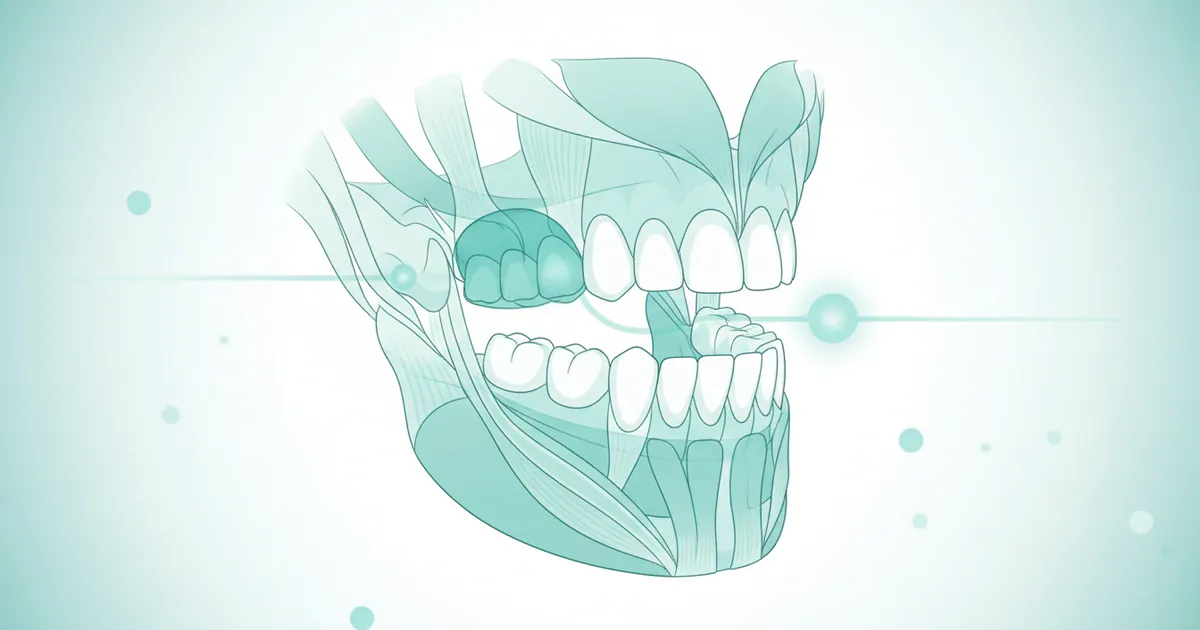
Tmd Treatment: Complete Guide
Experiencing persistent jaw pain, clicking sounds when you chew, or debilitating headaches that seem to originate from your face? You're not alone. Temporomandibular joint (TMJ) disorders, often referred to collectively as TMD, affect an estimated 10 million Americans, with women disproportionat
February 23, 2026
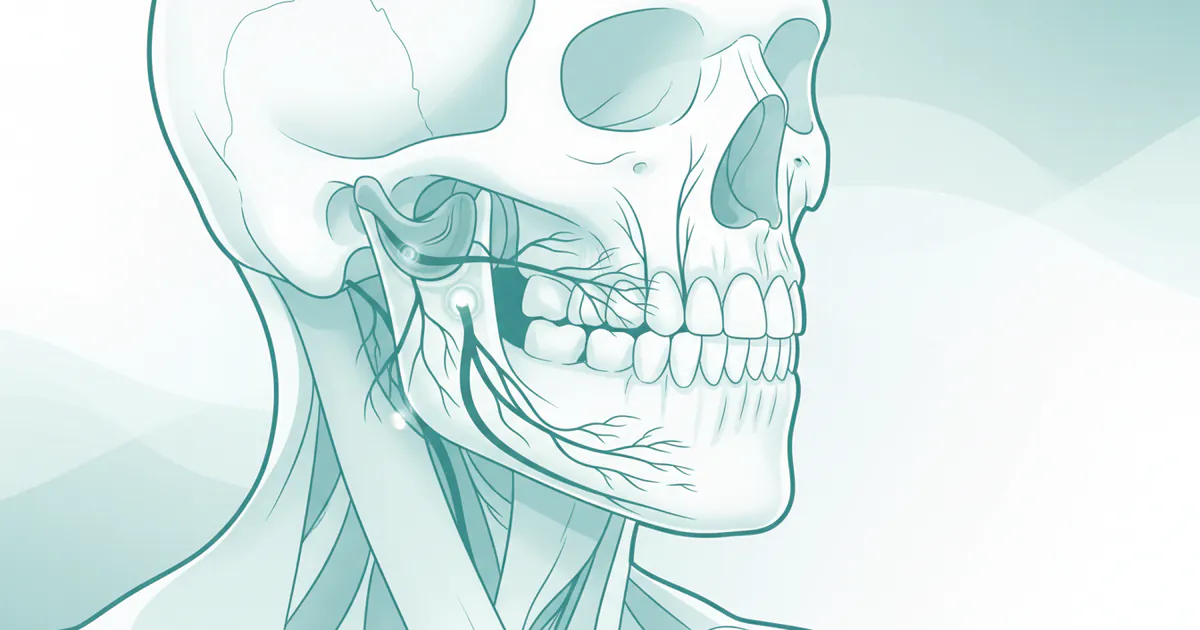
Tmj Nerve Damage Symptoms: Complete Guide
Experiencing persistent facial pain, numbness, or tingling can be distressing, especially when the source is unclear. While many people are familiar with general jaw pain associated with temporomandibular joint (TMJ) disorders, the less commonly understood aspect of tmj nerve damage symptoms can
February 23, 2026
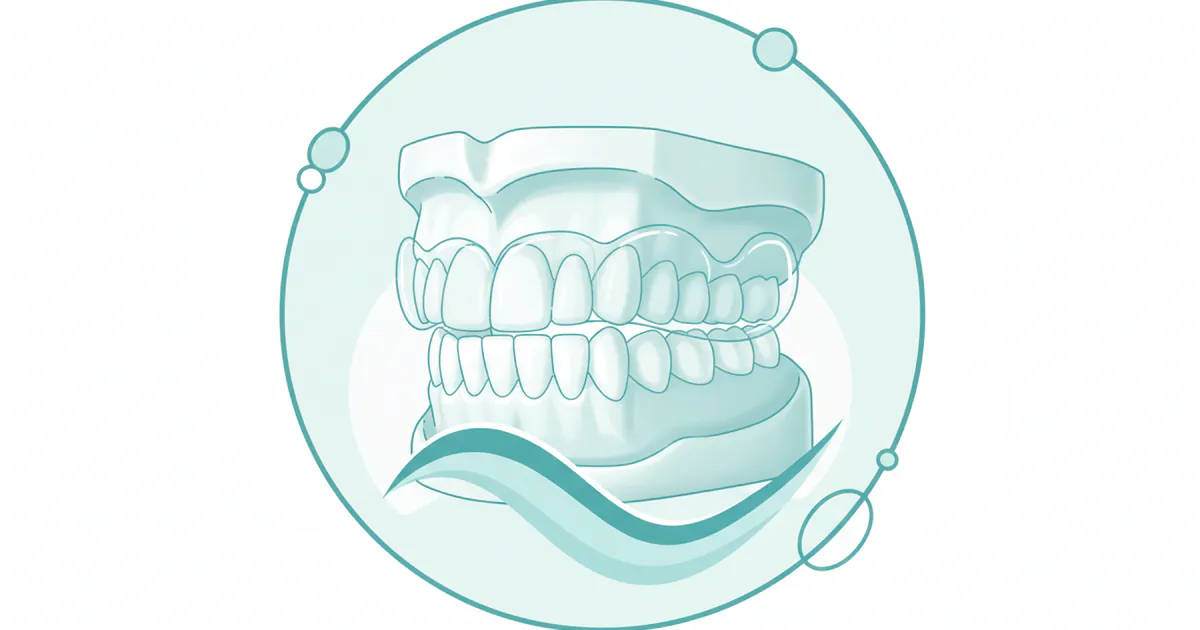
Remi Night Guard: Complete Guide
Remi Night Guard: Complete Guide
February 23, 2026