Cost of Veneers: Complete Price Guide 2026
Key Takeaways
- An investment in your smile is an investment in your confidence and overall well-being. For many Americans, a brighter, more uniform smile is a powerful asset, influencing everything from social interactions to professional opportunities. Dental veneers are a popular and highly effective cosmetic so
An investment in your smile is an investment in your confidence and overall well-being. For many Americans, a brighter, more uniform smile is a powerful asset, influencing everything from social interactions to professional opportunities. Dental veneers are a popular and highly effective cosmetic solution that can dramatically transform your smile, but understanding the cost of veneers is crucial for informed decision-making. As we look towards 2026, it's essential to have a complete and transparent price guide that factors in various types, procedures, and financing options. This comprehensive guide from SmilePedia.net aims to provide you with all the necessary details, from the initial consultation to long-term maintenance, ensuring you have a clear picture of what to expect when considering this transformative dental procedure.
Key Takeaways:
- Average Cost Range: Traditional porcelain veneers typically cost between $900 to $2,500 per tooth, while composite veneers range from $250 to $1,500 per tooth. No-prep veneers fall into a similar range as traditional porcelain.
- Factors Influencing Cost: The price varies significantly based on material, number of teeth, dentist's experience, geographic location, and additional procedures needed (e.g., gum contouring).
- Insurance Coverage: Most dental insurance plans do not cover cosmetic veneers, as they are considered elective. Some may cover a portion if there's an underlying restorative need, but this is rare.
- Payment Options: Dental offices often offer in-house payment plans, third-party financing (like CareCredit), or accept health savings accounts (HSAs) and flexible spending accounts (FSAs).
- "Pop-On Veneers": These are a significantly cheaper, temporary, and non-professional alternative (typically $300-$1,000 for a full arch) that sit over your natural teeth. They are not a substitute for professionally bonded veneers and come with their own set of limitations and considerations.
- Lifespan & Maintenance: Porcelain veneers can last 10-15 years or more with proper care, while composite veneers typically last 5-7 years. Regular dental check-ups and good oral hygiene are paramount for longevity.
- Initial Consultation: Expect an initial consultation fee (often $50-$200) to discuss your goals and assess suitability, which may include X-rays and impressions.
What Are Dental Veneers?
Dental veneers are custom-made, wafer-thin shells of tooth-colored material designed to cover the front surface of teeth. They are bonded to the teeth, changing their color, shape, size, or length, and are used to correct a wide range of cosmetic dental issues. Essentially, veneers provide a new, aesthetically pleasing surface for your existing teeth, creating a uniformly attractive smile.
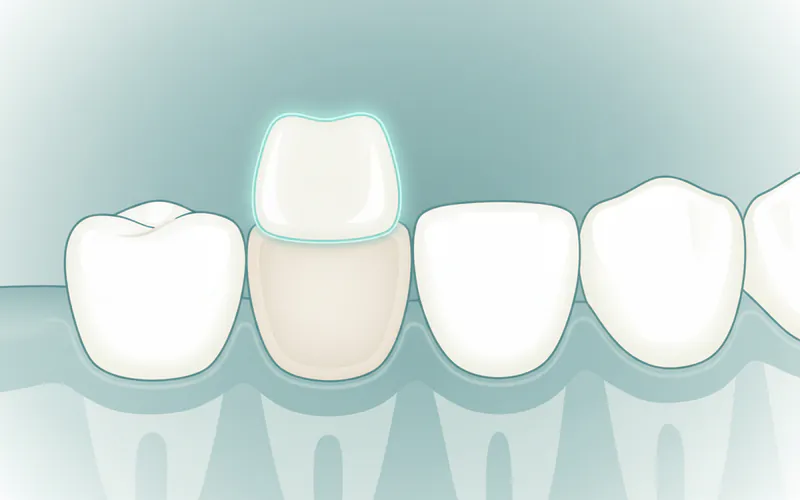
This procedure is a cornerstone of cosmetic dentistry, offering a durable and natural-looking solution for various dental imperfections. Unlike dental crowns, which cover the entire tooth, veneers only cover the front surface, making them a less invasive option for purely aesthetic concerns.
Reasons People Choose Veneers
People choose dental veneers for a variety of cosmetic reasons, seeking to improve the appearance of their smile. While veneers don't treat underlying dental diseases, they effectively mask the visible effects of many common issues.
Cosmetic Concerns Veneers Can Address:
- Discolored Teeth: Severely stained teeth that cannot be whitened by professional bleaching treatments. This can be due to tetracycline stains, excessive fluoride, large resin fillings, or other causes.
- Worn Down Teeth: Teeth that have become shortened or uneven due due to age or grinding habits.
- Chipped or Broken Teeth: Minor chips or fractures that affect the aesthetics of the tooth.
- Misaligned or Uneven Teeth: Slightly crooked teeth or teeth with irregular shapes that don't require orthodontic treatment. Veneers can create the appearance of perfectly aligned teeth.
- Gaps Between Teeth (Diastemas): Spaces between teeth can be closed by applying veneers that are slightly wider than the natural teeth.
- Irregularly Shaped Teeth: Teeth with craters or bulges that make the smile look uneven.
Veneers offer a way to achieve a "Hollywood smile" with a relatively quick and long-lasting solution, making them a popular choice for those looking for a significant aesthetic upgrade.
Types of Veneers
When considering veneers, you'll encounter several types, each with its own materials, application methods, and, consequently, different cost implications. Understanding these variations is key to making an informed decision.
1. Traditional Porcelain Veneers (Ceramic Veneers)
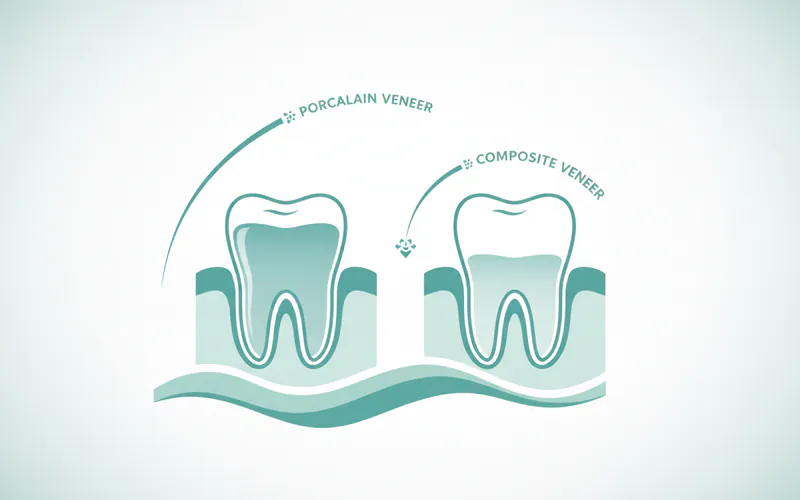
What they are: These are the most common and often considered the "gold standard" of veneers. They are custom-made in a dental laboratory from high-quality dental porcelain. Porcelain is highly stain-resistant, incredibly durable, and mimics the light-reflecting properties of natural tooth enamel almost perfectly.
How they work: The process usually involves a slight reduction of the tooth enamel (typically about 0.3 to 0.5 millimeters) to create space for the veneer, ensuring a natural fit and appearance without making the tooth look bulky. Impressions are taken, and temporary veneers may be placed while the custom porcelain veneers are fabricated in a lab. Once ready, they are permanently bonded to the teeth.
Pros:
- Exceptional Aesthetics: Closely resembles natural teeth, with excellent translucency and color stability.
- Durability: Highly resistant to staining and wear.
- Longevity: Can last 10 to 15 years or even longer with proper care.
- Strength: Very strong once bonded.
Cons:
- Irreversible: Requires removal of a small amount of tooth enamel, making the process irreversible.
- Cost: Generally the most expensive option.
- Time-Consuming: Requires multiple dental visits and a lab fabrication period.
2. Composite Veneers (Resin Veneers or Chairside Veneers)
What they are: Composite veneers are made from a tooth-colored resin material, similar to what is used for dental fillings. They are often applied directly to the teeth by the dentist in a single visit.
How they work: The dentist applies the composite resin material directly to the tooth surface, sculpting it into the desired shape and contour. A special light is then used to harden the resin, and it's polished for a natural finish. In some cases, a minimal amount of tooth preparation may be required, but often none is needed.
Pros:
- Lower Cost: Significantly less expensive than porcelain veneers.
- Faster Process: Often completed in a single dental visit.
- Reversible/Repairable: Because little to no tooth structure is removed, the process is generally reversible. Chips can often be easily repaired.
- Minimal Preparation: Less tooth enamel removal is typically required, or none at all.
Cons:
- Less Durable: Not as strong or long-lasting as porcelain; more prone to chipping and staining.
- Shorter Lifespan: Typically last 5 to 7 years.
- Aesthetics: While good, they may not achieve the same natural translucency and stain resistance as porcelain.
3. No-Prep Veneers (Lumineers, Vivaneers, DURAthin)
What they are: No-prep veneers are a specific type of porcelain veneer that is ultra-thin (as thin as a contact lens), designed to be bonded to the front surface of teeth without the need for significant, or any, tooth reduction. Lumineers are a well-known brand within this category.
How they work: After an initial consultation and impressions, the ultra-thin veneers are custom-made in a dental lab. They are then directly bonded to the unprepared tooth surface during a subsequent visit.
Pros:
- No Tooth Reduction: Preserves natural tooth structure, making the procedure reversible.
- No Anesthesia Needed: Often can be placed without injections or pain.
- Quick Process: Fewer visits compared to traditional porcelain veneers.
Cons:
- Limited Applicability: Not suitable for all cases, especially those with severely discolored or misaligned teeth, as they may add bulk.
- Cost: Can be comparable to traditional porcelain veneers, despite the "no-prep" aspect.
- Potential for Bulkiness: If teeth are already large, adding even a thin veneer can make them appear too big.
4. Pop-On Veneers (Snap-On Veneers or Removable Veneers)
What they are: Pop-on veneers are a completely different category. Unlike professional veneers that are permanently bonded by a dentist, pop-on veneers are removable devices, usually made from a thermoplastic or resin material. They are custom-fitted (after taking impressions at home or a limited dental visit) to snap over your existing teeth, covering imperfections temporarily. They are primarily a cosmetic overlay, not a dental treatment.
How they work: You take impressions of your teeth at home using a kit, or a dentist takes them. These impressions are sent to a lab where the removable appliance is fabricated. Once complete, you receive the tray, which you can "pop on" over your natural teeth for a temporary cosmetic enhancement.
Pros:
- Significantly Lower Cost: The most affordable option for a full smile transformation.
- Non-Invasive: No alteration to natural teeth.
- Removable: Can be taken out at any time.
- Quick Results: A new smile in a matter of weeks without extensive dental work.
Cons:
- Not a Permanent Solution: They are temporary and not designed for long-term wear or function.
- Durability Issues: Can break or stain more easily than professional veneers.
- Fit and Comfort: May not fit perfectly, potentially causing speech impediments, discomfort, or food traps.
- Oral Health Risks: Can trap food and bacteria, potentially leading to gum inflammation, cavities, or bad breath if not meticulously cleaned and if underlying oral health issues are not addressed.
- Appearance: While they offer an aesthetic improvement, they generally do not look as natural or refined as professionally bonded veneers.
- Limited Functionality: Often not recommended for eating hard or sticky foods.
``
Comparison Table: Veneer Types
| Feature | Traditional Porcelain Veneers | Composite Veneers | No-Prep Veneers | Pop-On Veneers (Removable) |
|---|---|---|---|---|
| Material | Dental Porcelain | Composite Resin | Ultra-thin Porcelain | Thermoplastic/Resin |
| Cost Per Tooth | $900 - $2,500 | $250 - $1,500 | $800 - $2,000 | $300 - $1,000 per arch |
| Lifespan | 10-15+ years | 5-7 years | 7-10+ years | 1-5 years (temporary) |
| Tooth Prep | Moderate enamel reduction (0.3-0.5 mm) | Minimal to none | Little to none | None |
| Aesthetics | Excellent, natural translucency | Good, but can stain over time | Good, but can appear bulky in some cases | Variable, can look bulky or less natural |
| Durability | High, stain-resistant | Moderate, prone to chipping/staining | High, stain-resistant | Low, prone to breaking/staining |
| Reversibility | Irreversible | Generally reversible | Generally reversible | Completely reversible |
| Timeframe | 2-3 visits over several weeks | 1 visit | 2 visits over several weeks | 2-4 weeks for fabrication |
| Functionality | Full chewing, speaking | Full chewing, speaking | Full chewing, speaking | Limited chewing, can affect speech |
Pro Tip: Always consult with a qualified dentist before considering any type of veneer. They can assess your oral health, discuss your goals, and recommend the best option tailored to your specific needs and budget. Be wary of solutions that promise professional results without a dental professional's involvement.
The Step-by-Step Process for Traditional Veneers
Understanding the journey to your new smile can alleviate anxiety and help you prepare. The process for traditional porcelain veneers typically involves multiple visits.
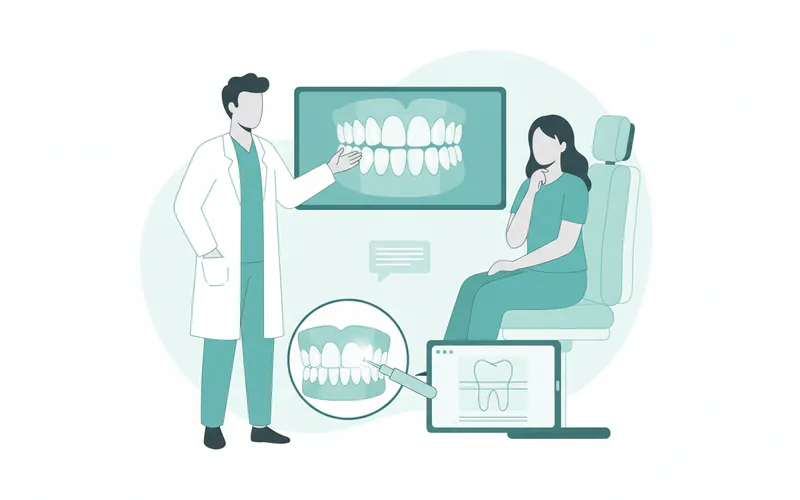
1. Initial Consultation and Treatment Planning (Visit 1)
- Discussion: You'll meet with your dentist to discuss your aesthetic goals, current concerns, and desired smile outcome.
- Examination: The dentist will conduct a thorough oral examination, including taking X-rays and potentially photographs, to assess the health of your teeth and gums. They'll determine if veneers are the right option for you or if other treatments (like orthodontics for severe misalignment) are more appropriate.
- Smile Design: Using digital imaging or wax models, your dentist may show you a preview of what your new smile could look like.
- Cost Estimate: A detailed breakdown of the cost of veneers will be provided, including material choices and the number of teeth involved.
2. Tooth Preparation and Impressions (Visit 2)
- Anesthesia: Local anesthesia may be administered to ensure your comfort, although the preparation is usually minimal.
- Enamel Removal: A small amount of enamel (typically 0.3 to 0.5 millimeters) is carefully removed from the front surface of each tooth receiving a veneer. This creates space for the veneer so it doesn't appear bulky and ensures a strong bond.
- Impressions: Accurate impressions (molds) of your prepared teeth are taken. These impressions are then sent to a specialized dental laboratory where your custom porcelain veneers will be fabricated.
- Temporary Veneers: In many cases, temporary veneers made of a composite resin are placed on your prepared teeth. These protect your teeth, maintain aesthetics, and allow you to try out the new shape and size while your permanent veneers are being made. This phase typically lasts 1-3 weeks.
3. Veneer Placement and Bonding (Visit 3)
- Trial Fit: Once your custom veneers arrive from the lab, you'll return for the bonding appointment. The dentist will first place the veneers on your teeth without adhesive to check the fit, shape, and color. They may trim the veneers or adjust the color of the cement at this stage to achieve the perfect match.
- Cleaning and Etching: Your teeth will be thoroughly cleaned, polished, and then etched. Etching creates a slightly roughened surface, allowing for a stronger bond between the veneer and the tooth.
- Bonding: A special dental cement (resin adhesive) is applied to the veneer, which is then carefully placed onto the tooth.
- Curing: A specialized light beam is used to cure or harden the dental cement, permanently bonding the veneer to your tooth.
- Final Adjustments: Any excess cement is removed, and final adjustments to your bite are made. The dentist will ensure your bite is comfortable and that the veneers feel natural.
``
Cost of Veneers: Detailed Price Guide 2026
The cost of veneers can vary significantly based on several factors, making it challenging to provide a single price. However, we can break down the typical ranges you can expect in the US market for 2026.
Average US Costs by Veneer Type (Per Tooth)
-
Traditional Porcelain Veneers:
- Low End: $900 - $1,500 (e.g., in areas with lower cost of living, less experienced dentists, or for fewer teeth)
- Mid-Range: $1,500 - $2,000 (most common range)
- High End: $2,000 - $2,500+ (e.g., highly experienced cosmetic dentists, specialized labs, complex cases, major metropolitan areas)
- Average Total for a Smile Makeover (6-8 teeth): $9,000 - $20,000+
-
Composite Veneers (Direct Bonding):
- Low End: $250 - $600 (less complex cases, general dentist)
- Mid-Range: $600 - $1,000
- High End: $1,000 - $1,500 (highly skilled cosmetic dentists for intricate sculpting)
- Average Total for a Smile Makeover (6-8 teeth): $1,500 - $12,000+
-
No-Prep Veneers (e.g., Lumineers):
- Similar to traditional porcelain, often $800 - $2,000 per tooth. The "no-prep" aspect does not necessarily make them cheaper, as the material and lab work are still premium.
-
Pop-On Veneers (Removable):
- Typically sold as a full arch or full set for upper and lower.
- Per Arch: $300 - $600
- Full Set (Upper & Lower): $500 - $1,000
Factors Influencing the Cost of Veneers
- Type of Veneer Material: As detailed above, porcelain is generally more expensive than composite resin due to its superior durability, aesthetics, and the specialized lab work involved.
- Number of Teeth: The more teeth you treat, the higher the overall cost. Many patients opt for 6-8 veneers on their upper front teeth for a noticeable smile transformation.
- Dentist's Experience and Location: Highly experienced cosmetic dentists, particularly those in major metropolitan areas (e.g., New York, Los Angeles, Miami), often charge more for their expertise and premium services. Prices can vary widely by state and even within cities.
- Dental Lab Quality: For porcelain veneers, the quality of the dental lab and the ceramist making your veneers significantly impacts the final aesthetic and fit. Top-tier labs command higher prices.
- Additional Procedures:
- Initial Consultation Fee: Often $50 - $200, sometimes waived if you proceed with treatment.
- Diagnostic Wax-ups/Digital Smile Design: These pre-treatment planning tools can add $200 - $500.
- Gum Contouring (Gingivectomy): If your gum line is uneven, this procedure may be needed to ensure symmetrical veneers, adding $50 - $300 per tooth or $500 - $1,500 for a full arch.
- Dental Fillings/Treatments: Any underlying cavities or gum disease must be treated before veneers can be placed, adding to the overall cost.
- Retainers/Nightguards: If you grind your teeth (bruxism), a nightguard ($300 - $800) will be essential to protect your investment.
Regional Cost Variations (Illustrative, 2026 Estimates)
| Region | Average Porcelain Veneer Cost (per tooth) | Average Composite Veneer Cost (per tooth) |
|---|---|---|
| Northeast (e.g., NYC, Boston) | $1,800 - $2,500+ | $800 - $1,500 |
| West Coast (e.g., LA, SF) | $1,600 - $2,400+ | $700 - $1,400 |
| Midwest (e.g., Chicago, Dallas) | $1,200 - $2,000 | $500 - $1,000 |
| Southeast (e.g., Miami, Atlanta) | $1,400 - $2,200 | $600 - $1,200 |
| Rural Areas | $900 - $1,600 | $250 - $800 |
Insurance Coverage for Veneers
The vast majority of dental insurance plans consider veneers a cosmetic procedure and therefore do not cover their cost.
- Cosmetic vs. Restorative: Insurance typically distinguishes between procedures that are medically necessary (e.g., crowns for damaged teeth, fillings for cavities) and those that are elective (e.g., teeth whitening, veneers for aesthetic purposes).
- Partial Coverage (Rare): In very specific circumstances, if a veneer is placed to restore a structurally compromised tooth (e.g., a severely chipped tooth where a crown might otherwise be indicated, and your dentist can make a strong case for the veneer being restorative), your insurance might cover a small portion. However, this is exceptionally rare for typical veneer cases.
- Check with Provider: Always contact your dental insurance provider directly to understand your specific policy's coverage for veneers before committing to treatment. Your dental office can also help you with pre-authorization forms.
Payment Plans and Financing Options
Since insurance rarely covers veneers, most patients explore alternative financing.
- In-House Payment Plans: Many dental offices offer their own payment plans, allowing you to pay in installments over several months without interest.
- Third-Party Financing: Companies like CareCredit, LendingClub, or Alphaeon Credit specialize in healthcare financing. They offer various plans, including interest-free periods for qualified applicants (typically 6-24 months) or longer-term plans with fixed interest rates.
- Health Savings Accounts (HSAs) and Flexible Spending Accounts (FSAs): If your veneers are deemed medically necessary (again, rare for purely cosmetic cases but worth exploring with your dentist), you may be able to use pre-tax dollars from your HSA or FSA to pay for them.
- Personal Loan: Some individuals opt for a personal loan from a bank or credit union, though these usually come with interest.
Pro Tip: When discussing the cost, ask for an "all-inclusive" price that covers the consultation, preparation, temporaries, final veneers, and follow-up appointments. Hidden fees can add up quickly.
Recovery and Aftercare for Veneers
After your permanent veneers are bonded, the recovery process is generally minimal, but proper aftercare is crucial for their longevity.
Immediate Post-Procedure
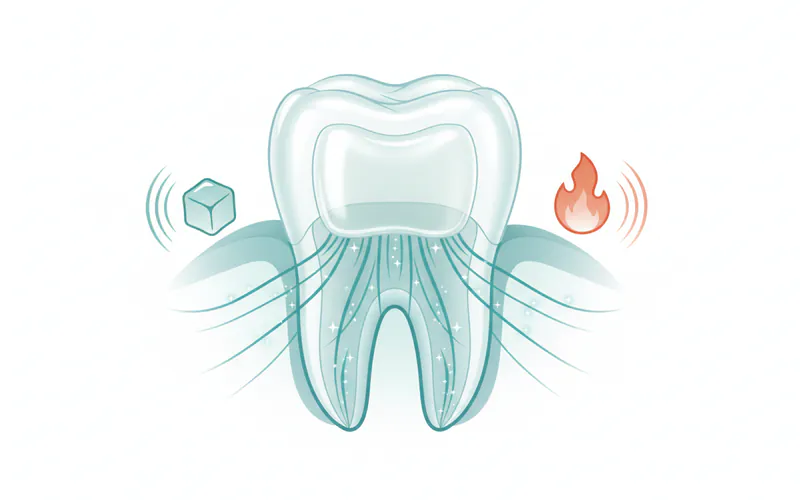
- Sensitivity: You may experience some sensitivity to hot and cold temperatures, especially if tooth enamel was removed. This typically subsides within a few days to a couple of weeks.
- Gum Soreness: Your gums might be slightly sore or tender from the procedure, which usually resolves quickly.
- Bite Adjustment: Your bite might feel slightly different initially. Your dentist will make any necessary adjustments at a follow-up appointment.
Long-Term Aftercare and Maintenance
- Maintain Excellent Oral Hygiene: Brush your veneered teeth at least twice a day with a non-abrasive fluoride toothpaste and a soft-bristled toothbrush. Floss daily to remove plaque and food particles from between your teeth and around the gum line.
- Regular Dental Check-ups: Continue with your routine dental check-ups and cleanings (every six months, or as recommended by your dentist). Your dentist will monitor your veneers, check their integrity, and address any potential issues early.
- Avoid Staining Foods/Drinks (for Composite): While porcelain veneers are highly stain-resistant, composite veneers can stain over time. Limit consumption of coffee, tea, red wine, and tobacco, or rinse your mouth thoroughly after consuming them.
- Avoid Excessive Force:
- Don't Chew Hard Objects: Avoid biting on ice, hard candy, popcorn kernels, or non-food items like pen caps or fingernails. This can chip or dislodge veneers.
- Be Careful with Certain Foods: Hard or sticky foods (like taffy or crusty bread) can put undue stress on veneers.
- Protect Against Grinding (Bruxism): If you grind or clench your teeth (especially at night), your dentist may recommend a custom nightguard. This is vital to protect your veneers from excessive force and premature wear.
- Address Issues Promptly: If a veneer chips, cracks, or feels loose, contact your dentist immediately. Do not attempt to fix it yourself.
Pro Tip: Consider using a non-abrasive mouthwash, especially one that contains fluoride, to further support your oral health and veneer longevity. Avoid alcohol-based mouthwashes, as they can sometimes affect bonding agents over time.
Maintaining Your Veneers for Longevity
The lifespan of your veneers largely depends on the material chosen and how well you care for them.
- Porcelain Veneers: With diligent care, these can last 10 to 15 years, or even 20 years in some cases.
- Composite Veneers: Generally have a shorter lifespan, typically lasting 5 to 7 years, before they may need repair or replacement.
To maximize the life of your veneers:
- Regular Dental Visits: Adhere to the American Dental Association (ADA) guidelines for preventative care, which typically recommend professional cleanings and examinations every six months. Your dentist and hygienist can spot potential issues before they become major problems.
- Good Oral Hygiene: Consistent brushing and flossing are non-negotiable. Pay attention to the gum line around your veneers to prevent gum disease, which can affect the underlying tooth structure.
- Protective Gear: If you participate in contact sports, always wear a custom-fitted mouthguard to protect your veneers (and natural teeth) from impact.
- Avoid Damaging Habits: Refrain from using your teeth as tools (e.g., opening packages, biting threads) and manage any teeth-grinding habits.
Risks and Complications of Veneers
While veneers are generally safe and effective, like any dental procedure, they come with potential risks and complications.
- Tooth Sensitivity: Post-procedure sensitivity to hot or cold is common, especially with traditional veneers where enamel is removed. This usually subsides but can persist for some individuals.
- Damage to Veneer: Veneers can chip, crack, or detach, particularly porcelain ones if subjected to excessive force (e.g., biting hard objects, trauma). Composite veneers are more prone to chipping.
- Irreversible Procedure: For traditional and no-prep porcelain veneers, the enamel removal is permanent. If a veneer needs to be removed or replaced, another veneer or crown will always be necessary to cover the prepared tooth.
- Poor Fit or Bonding Failure: If the veneer isn't precisely fitted or properly bonded, it can lead to gaps where bacteria can accumulate, increasing the risk of decay underneath the veneer. A poorly bonded veneer can also fall off.
- Gum Problems: Improperly placed veneers can sometimes irritate the gums, leading to inflammation or gingivitis.
- Discoloration: While porcelain veneers are highly stain-resistant, the natural tooth structure underneath them can still darken. If the underlying tooth discolors, it might show through the veneer, especially if it's a thin no-prep type. Composite veneers are more susceptible to surface staining over time.
- Need for Replacement: Veneers are not permanent and will eventually need to be replaced due to wear, damage, or changes in your natural teeth or gums.
- Pulp/Nerve Damage (Rare): In very rare cases, extensive tooth preparation can irritate the tooth's pulp, potentially leading to the need for root canal treatment.
Pro Tip: Choosing an experienced cosmetic dentist who uses high-quality materials and labs significantly reduces the risk of complications. Always discuss potential risks with your dentist beforehand.
Children / Pediatric Considerations for Veneers
Dental veneers are generally not recommended for children or adolescents. Here's why:
- Developing Dentition: Children's teeth and jaws are still growing and developing. Placing permanent veneers on teeth that are not fully mature can interfere with natural development and lead to complications as the child grows.
- Pulp Size: The pulp (nerve) of a child's tooth is proportionally larger than an adult's. Enamel reduction for veneers could risk exposing the pulp or causing irreversible damage.
- Risk of Damage: Children are often more prone to accidents, trauma, and less consistent oral hygiene, increasing the risk of damaging expensive veneers.
- Alternatives: For cosmetic issues in children (e.g., chipped front teeth), dentists typically recommend more conservative and reversible treatments like composite bonding or partial crowns, which can be modified or replaced as the child matures.
- Adult Teeth Only: Veneers are typically reserved for permanent adult teeth once facial and dental growth is complete, usually in the late teens or early twenties.
If a child has a significant aesthetic concern, consult with a pediatric dentist or an orthodontist to explore appropriate, age-specific solutions.
Cost Breakdown: Understanding Your Investment
Beyond the per-tooth cost, it's helpful to understand the full financial picture of investing in veneers.
Average US Costs (Low, Mid, High for a Full Smile Makeover - 6-8 Veneers)
| Veneer Type | Low End (6 teeth) | Mid-Range (8 teeth) | High End (8 teeth) |
|---|---|---|---|
| Porcelain Veneers | $5,400 - $9,000 | $12,000 - $16,000 | $16,000 - $20,000+ |
| Composite Veneers | $1,500 - $3,600 | $4,800 - $8,000 | $8,000 - $12,000+ |
| No-Prep Veneers | $4,800 - $8,000 | $9,600 - $14,000 | $14,000 - $16,000+ |
| Pop-On Veneers (Full Mouth) | $500 - $700 | N/A (usually one price for full set) | $800 - $1,000 |
With vs. Without Insurance
As established, most dental insurance plans do not cover the cost of veneers unless there's a specific, documented restorative need. Therefore, you should budget for the full out-of-pocket cost.
- Without Insurance: Expect to pay the full price range detailed above.
- With Insurance (Rare Exception): If your insurance does cover a small portion (e.g., 20-50% for a restorative component, which is uncommon), it could save you a few hundred to a couple of thousand dollars on a full set, but the majority will still be out-of-pocket. Always get a pre-treatment estimate from your dentist and submit it to your insurance for verification.
Payment Plans and Financing Options
To make veneers more accessible, consider these financial strategies:
- Dental Office Payment Plans: Many practices partner with patients to create manageable monthly payment schedules. Inquire about interest-free options.
- Third-Party Medical Financing (CareCredit, LendingClub, etc.): These offer specialized credit cards for healthcare expenses. They often have promotional periods with no interest if the balance is paid within a certain timeframe (e.g., 6, 12, or 18 months). Beyond that, standard interest rates apply.
- Health Savings Accounts (HSAs) and Flexible Spending Accounts (FSAs): If your dentist can demonstrate a medical necessity (e.g., to restore damaged teeth, not purely cosmetic), you may be able to use these pre-tax dollars. Always confirm with your plan administrator.
- Personal Bank Loans: For larger investments, a personal loan from your bank or credit union might offer a lower interest rate than credit cards, spreading the cost over several years.
- Credit Cards: While convenient, using standard credit cards for a large dental expense can lead to high-interest debt if not paid off quickly.
- Dental Schools: Some university dental schools offer procedures like veneers at a reduced cost. While the procedures are performed by students, they are under the direct supervision of experienced faculty. This can be a significant cost-saving measure, but it often involves longer appointment times and a more involved scheduling process.
Cost-Saving Tips Without Compromising Quality
- Get Multiple Consultations: Visit 2-3 reputable cosmetic dentists. Compare their proposed treatment plans, material recommendations, and price quotes. This helps you understand the range of options and costs.
- Consider Composite Veneers: If budget is a major concern, composite veneers offer a more affordable entry point into smile enhancement. While they don't last as long as porcelain, they can be a great temporary or initial solution.
- Treat Fewer Teeth: You don't always need a full set of 8-10 veneers. Sometimes just 4-6 front teeth (the "social six") can dramatically improve your smile, reducing the overall cost.
- Prioritize Quality Over Price: While seeking cost savings, avoid choosing a dentist solely based on the lowest price. A bad veneer job can lead to costly repairs or replacements and oral health issues down the line. Look for a dentist with strong credentials, positive patient reviews, and a portfolio of successful cosmetic cases.
- Utilize Payment Plans: Take advantage of interest-free payment plans offered by dental offices or third-party financiers to break down the cost into manageable monthly payments.
Frequently Asked Questions
How long do veneers last?
Porcelain veneers typically last 10 to 15 years or more with proper care. Composite veneers usually last 5 to 7 years. The longevity largely depends on oral hygiene, biting habits, and regular dental check-ups.
Are veneers painful to get?
The procedure for traditional veneers often involves some enamel removal, which can cause mild discomfort. Local anesthesia is typically used to ensure you don't feel pain during the preparation and bonding. Post-procedure, some sensitivity to hot and cold is common but usually subsides within a few days to two weeks. No-prep veneers usually require no anesthesia.
Can veneers stain like natural teeth?
Porcelain veneers are highly resistant to stains from coffee, tea, and tobacco due to their non-porous surface. Composite veneers, however, are more porous and can stain over time, similar to natural tooth enamel. Good oral hygiene and limiting staining foods/drinks will help maintain their appearance.
What are "pop on veneers reviews" saying?
Pop on veneers reviews are generally mixed. Many users appreciate the affordability and non-invasiveness for a temporary cosmetic fix. However, common complaints include an unnatural or bulky appearance, difficulty with speech and eating, discomfort, poor fit, and concerns about hygiene, leading to potential bad breath or gum issues if not properly cleaned. Dental professionals typically view them as a temporary aesthetic overlay, not a substitute for professional, permanent veneers due to their functional limitations and potential oral health risks.
What is the difference between veneers and crowns?
Veneers cover only the front surface of a tooth, primarily for aesthetic enhancement, with minimal tooth preparation. Crowns, on the other hand, cover the entire visible portion of a tooth and are used when a tooth is significantly damaged, decayed, or needs substantial structural support. Crowns require more aggressive tooth reduction.
Can veneers fix severely crooked teeth?
Veneers can correct mild to moderate misalignment or gaps, creating the illusion of straight teeth. However, for severely crooked or bite-related issues, orthodontic treatment (like braces or clear aligners) is often the more appropriate and comprehensive solution, as it addresses the underlying structural problem. Your dentist can advise if veneers are suitable for your specific case.
How do veneers work to change my smile?
Veneers work by providing a new, custom-designed surface for your teeth. They are bonded to the front of your natural teeth, effectively concealing imperfections such as discoloration, chips, gaps, and minor misalignments. The veneer material (porcelain or composite) is chosen to match your desired tooth shade and shape, creating a uniform and aesthetically pleasing smile that reflects light similarly to natural enamel.
What happens if a veneer chips or breaks?
If a porcelain veneer chips or breaks, it usually needs to be replaced entirely, as porcelain cannot be easily repaired. Composite veneers, however, can often be repaired directly by your dentist using additional composite resin. It's crucial to contact your dentist immediately if any damage occurs to prevent further issues or discomfort.
Are there any alternatives to veneers?
Yes, there are several alternatives depending on your specific concerns:
- Teeth Whitening: For discolored teeth without structural issues.
- Dental Bonding (Composite Bonding): A more conservative and less expensive option than veneers for minor chips, gaps, or stains, using the same composite resin as composite veneers.
- Orthodontics (Braces, Clear Aligners): For misaligned teeth or bite issues.
- Dental Crowns: For severely damaged, decayed, or broken teeth that require full coverage and protection.
- Gum Contouring: For an uneven gum line.
Do I need a special diet with veneers?
While porcelain veneers are very strong, it's wise to avoid excessively hard or sticky foods that could chip or dislodge them. Be cautious with biting directly into very hard foods like apples, crusty bread, or nuts. With composite veneers, you should also be mindful of staining foods and beverages.
When to See a Dentist
Deciding to get veneers is a significant step toward transforming your smile, and it always begins with a professional dental consultation.
Schedule a Consultation if You:
- Are unhappy with the color, shape, or alignment of your teeth.
- Have chipped, worn, or gapped teeth that affect your confidence.
- Are considering cosmetic dental improvements and want to explore all your options.
- Want a complete understanding of the cost of veneers and financing possibilities.
See Your Dentist Immediately if You Have Existing Veneers and Experience:
- Pain or Sensitivity: Persistent or increasing sensitivity to hot or cold, or any dull ache around the veneered tooth.
- Chipping or Cracking: Any visible damage to the veneer. Even a small chip can compromise the veneer's integrity and potentially expose the underlying tooth.
- Loose or Dislodged Veneer: If a veneer feels loose or comes off entirely, save the veneer and contact your dentist immediately for an emergency appointment.
- Changes in Bite: If your bite feels suddenly uneven or uncomfortable.
- Gum Swelling or Bleeding: Around the veneered teeth, which could indicate gum irritation or disease.
Red Flags vs. Routine Care:
- Red Flag: Sudden, sharp pain, a visibly damaged or lost veneer, or severe sensitivity that doesn't subside. These warrant an immediate call to your dentist.
- Routine Care: Minor, temporary sensitivity after placement (which should resolve), or a desire for a routine check-up to ensure your veneers are in good condition.
Remember, early detection and intervention are key to maintaining the health of your natural teeth and the longevity of your veneers. Your dentist is your best resource for personalized advice and care.
Frequently Asked Questions
Medically Reviewed Content
This article was written by our dental health editorial team and reviewed for medical accuracy. Our content follows strict editorial guidelines for reliability and trustworthiness.
Medical Disclaimer
This article is for informational purposes only and does not constitute medical advice. Always consult with a qualified dental professional for diagnosis and treatment. Do not delay seeking professional advice because of something you read on this website.
Related Articles
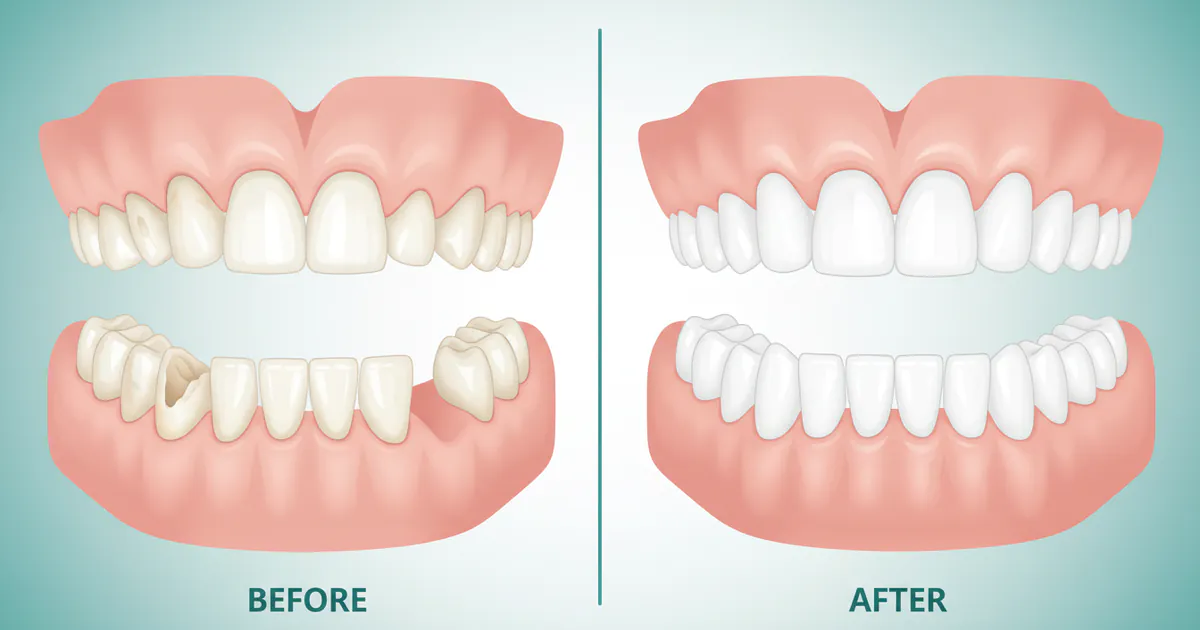
Before and After Dentures: Complete Guide
For many Americans, a vibrant smile isn't just about aesthetics; it's fundamental to speaking clearly, enjoying favorite foods, and maintaining self-confidence. Yet, over 36 million Americans are completely edentulous (have no natural teeth), and millions more suffer from significant tooth loss,
February 22, 2026
Teeth Whitening Cost: Complete Price Guide 2026
Brighter smiles are more than just a fleeting trend; they're a significant confidence booster and a common aesthetic goal for many Americans. In fact, a recent survey indicated that over 80% of adults aged 18-49 believe a beautiful smile is important for success, and teeth whitening remains one
February 22, 2026
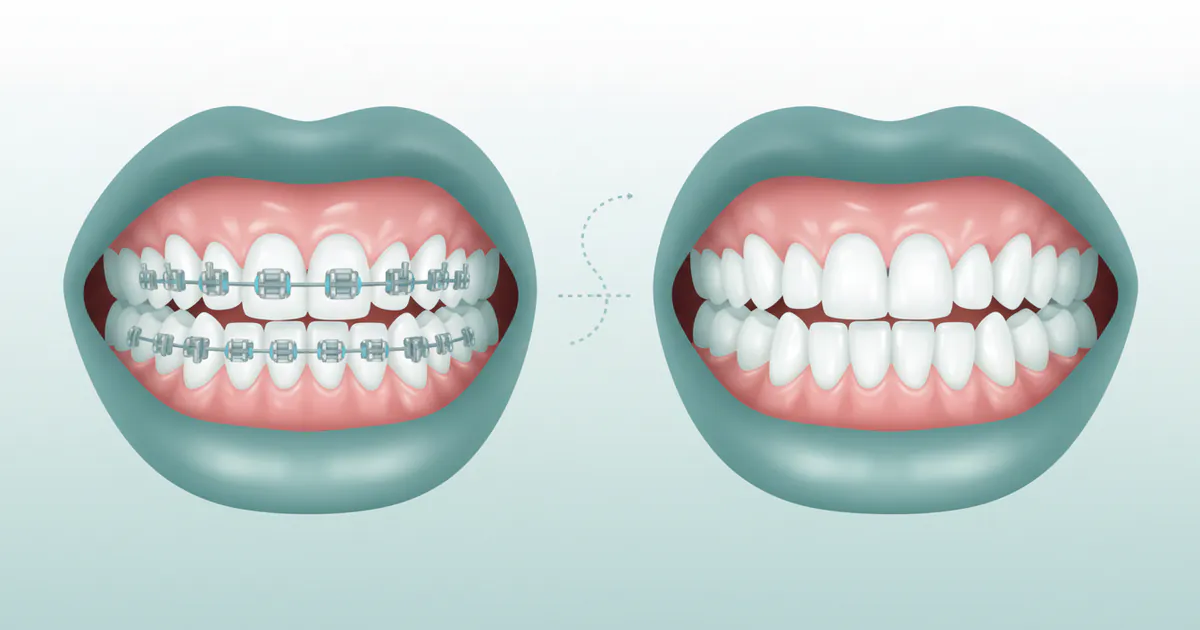
Braces Before and After: Complete Guide
For many, the journey to a confident, healthy smile begins with orthodontics. The transformation seen in braces before and after photos isn't just cosmetic; it represents improved oral health, function, and self-esteem. Crooked teeth, misaligned bites, and gaps can lead to a host of problems, fr
February 22, 2026
Natural Teeth Whitening: Complete Guide
A radiant smile is often considered a sign of health and confidence, which is why teeth whitening has become one of the most popular cosmetic dental procedures in the United States. In fact, surveys suggest that a significant majority of Americans, around 80%, desire whiter teeth, and the teeth
February 22, 2026