How Much Do Veneers Cost
Key Takeaways
- Are you dreaming of a perfect, dazzling smile, free from chips, gaps, or discoloration? You're not alone. A recent study indicated that over one-third of Americans are unhappy with their smile, with many considering cosmetic dental enhancements. Among the most popular and transformative options
How Much Do Veneers Cost: Your Definitive Guide to a Brighter Smile
Are you dreaming of a perfect, dazzling smile, free from chips, gaps, or discoloration? You're not alone. A recent study indicated that over one-third of Americans are unhappy with their smile, with many considering cosmetic dental enhancements. Among the most popular and transformative options are dental veneers, ultra-thin shells custom-made to cover the front surface of your teeth. But a common question on the minds of anyone considering this smile makeover is: how much do veneers cost?
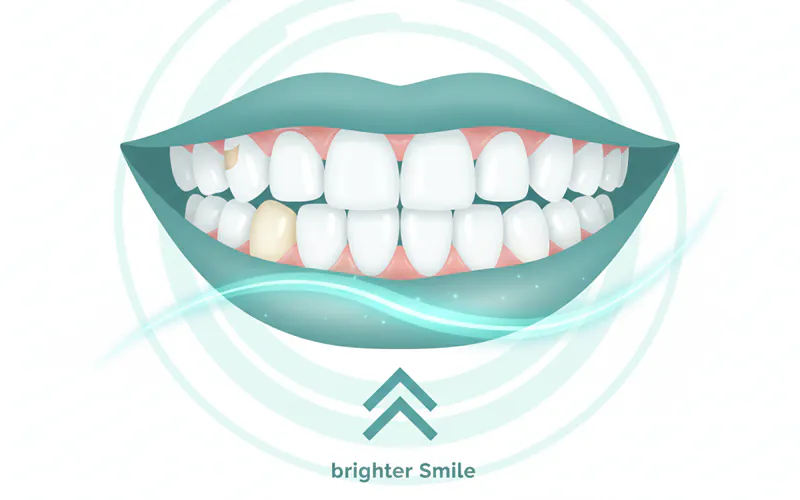
Understanding the financial investment required for veneers is crucial for planning your smile journey. This comprehensive guide from SmilePedia.net will demystify the pricing of veneers, exploring the factors that influence the final cost, detailing different types of veneers, discussing insurance coverage, and outlining various payment options. We'll provide you with the insights you need to make an informed decision, ensuring your path to a confident, radiant smile is clear and predictable.
Key Takeaways:
- Traditional Porcelain Veneers: Generally cost $925 to $2,500 per tooth in the US, averaging around $1,500.
- Composite Veneers: A more budget-friendly option, typically ranging from $250 to $1,500 per tooth.
- No-Prep Veneers (e.g., Lumineers): Usually fall within the $800 to $2,000 per tooth range.
- Insurance Coverage: Most dental insurance plans do not cover cosmetic veneers; however, some plans might contribute if there's an underlying medical necessity.
- Total Cost: Expect a full mouth of 6-8 upper veneers to range from $5,550 to $20,000+, depending on material and location.
- Lifespan: Porcelain veneers can last 10-15 years or more with proper care, while composite veneers typically last 5-7 years.
- Financing Options: Dental offices often offer payment plans, third-party financing (like CareCredit), and discounts for multiple veneers.
``
What Are Dental Veneers? An Overview
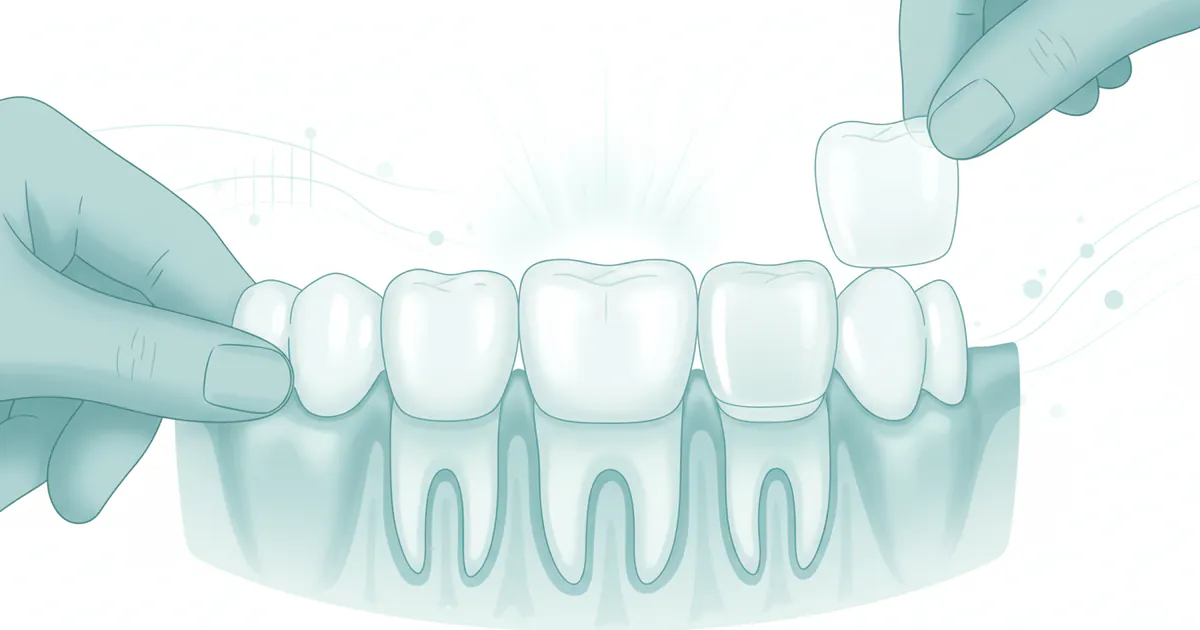
Dental veneers are custom-made, wafer-thin shells of tooth-colored material designed to cover the front surface of teeth. They are bonded to the teeth, changing their color, shape, size, or length. Essentially, veneers are a cosmetic solution that can dramatically improve the appearance of your smile, addressing a wide range of aesthetic concerns.
The primary goal of veneers is to create a natural-looking, symmetrical, and aesthetically pleasing smile. Unlike dental crowns, which cover the entire tooth, veneers only cover the front surface, making them a less invasive option for cosmetic enhancements. They are considered a permanent cosmetic treatment because a small amount of tooth enamel is typically removed to ensure a proper fit and natural appearance.
Why People Get Veneers: Indications for Smile Enhancement
People choose veneers for various cosmetic reasons to achieve a more uniform and attractive smile. Veneers can effectively address:
- Severe Discoloration: Teeth that are discolored or stained and do not respond well to traditional whitening treatments (such as those offered by products like Snow Teeth Whitening systems). This can include stains from medication, excessive fluoride, or old fillings.
- Worn-Down Teeth: Teeth that have become shortened due to grinding or age.
- Chipped or Broken Teeth: Repairing minor chips or fractures.
- Misaligned or Uneven Teeth: Correcting slight irregularities in tooth shape or minor misalignments without orthodontics.
- Gaps Between Teeth (Diastema): Closing small spaces between teeth, offering a quicker solution than braces.
- Irregularly Shaped Teeth: Enhancing teeth that are pointed, malformed, or disproportionately small.
Veneers are primarily a cosmetic procedure, intended for individuals who have healthy teeth and gums but are seeking to improve the aesthetics of their smile.
Types of Dental Veneers and Their Cost Implications
When considering veneers, it's essential to understand that there isn't a one-size-fits-all solution. Different types of veneers come with varying materials, application processes, durability, and, consequently, different price points. The choice of material is a significant factor in how much do veneers cost.
1. Porcelain Veneers (Traditional)
Porcelain veneers are the gold standard in cosmetic dentistry. They are crafted from high-quality dental porcelain, a ceramic material known for its strength, durability, and remarkable resemblance to natural tooth enamel.
- Process: The dentist typically shaves a small amount of enamel from the front surface of the tooth to make space for the veneer. An impression of the teeth is then taken and sent to a dental laboratory, where skilled technicians custom-fabricate the porcelain shells. This process usually involves at least two appointments: preparation and bonding.
- Pros:
- Exceptional Aesthetics: Porcelain mimics the translucency and light-reflecting properties of natural teeth, providing a highly realistic appearance. They are highly stain-resistant.
- Durability: With proper care, porcelain veneers can last 10 to 15 years, and even up to 20 years or more.
- Strength: Porcelain is a very strong material, resistant to chipping and fracture once bonded.
- Cons:
- Irreversible: The enamel removal process is permanent.
- Higher Cost: Generally the most expensive option.
- Multiple Appointments: Requires at least two office visits over a few weeks.
- Cost Range: In the United States, porcelain veneers typically range from $925 to $2,500 per tooth. The national average often hovers around $1,500 to $1,800 per tooth.
2. Composite Veneers (Bonding)
Composite veneers, also known as direct bonding or composite resin veneers, are made from a tooth-colored composite resin material similar to that used in dental fillings. This material is applied directly to the tooth's surface and sculpted by the dentist.
- Process: Unlike porcelain veneers, composite veneers can often be applied in a single visit. The dentist prepares the tooth (sometimes requiring minimal or no enamel removal), applies the resin, shapes it, and then hardens it with a special light. Layers may be added and polished to achieve the desired look.
- Pros:
- More Affordable: Significantly less expensive than porcelain veneers.
- Single-Visit Procedure: Often completed in one appointment.
- Minimally Invasive: Requires less (or no) enamel removal.
- Repairable: If chipped, composite veneers can often be repaired relatively easily.
- Cons:
- Less Durable: Typically last 5 to 7 years, requiring more frequent replacement or repair than porcelain.
- Prone to Staining: Composite resin is more porous than porcelain and can stain over time, especially with consumption of coffee, tea, or red wine.
- Aesthetics: While good, they may not achieve the same level of natural translucency and stain resistance as porcelain.
- Cost Range: Composite veneers generally cost between $250 and $1,500 per tooth, with an average of $600 to $800 per tooth.
3. No-Prep Veneers (e.g., Lumineers, Vivaneers)
No-prep veneers are a specific type of porcelain veneer that requires minimal to no removal of tooth enamel. Brands like Lumineers are well-known examples. They are ultra-thin (about as thick as a contact lens) and designed to be bonded directly over existing teeth.
- Process: After an impression is taken, the custom-made, ultra-thin veneers are fabricated in a lab. In a subsequent appointment, they are bonded to the tooth surface without significant alteration to the natural tooth.
- Pros:
- Reversible (in some cases): Because little to no enamel is removed, the procedure can potentially be reversed, though this is rare.
- No Anesthesia Often Needed: Less invasive preparation means less discomfort.
- Quick Turnaround: Can often be placed in just two appointments.
- Cons:
- Bulkier Appearance: If not designed perfectly, they can sometimes appear slightly bulky as they add material to the existing tooth structure.
- Limited Applicability: Not suitable for all cases, especially those requiring significant shape correction or closing large gaps.
- Cost: While less than traditional porcelain, they are still a significant investment.
- Cost Range: No-prep veneers typically range from $800 to $2,000 per tooth.
4. Temporary/Removable Veneers (Pop-On Veneers)
When discussing "how much do veneers cost," it's important to distinguish between permanent dental veneers and temporary, removable solutions often referred to as pop on veneers or snap-on smiles. These are not true dental veneers in the medical sense but rather cosmetic appliances designed for short-term aesthetic enhancement.
- Process: These are typically custom-made from a dental impression taken at home or by a dentist, then fabricated from a flexible resin material. They fit over your existing teeth like a mouthguard.
- Pros:
- Highly Affordable: A fraction of the cost of permanent veneers.
- Non-Invasive and Reversible: No tooth alteration required.
- Quick Solution: Can provide an instant smile transformation for special occasions.
- Cons:
- Not a Permanent Solution: Designed for temporary wear; not suitable for eating or long-term use.
- Less Durable: Prone to breaking or becoming ill-fitting.
- Bulky Feel: Can affect speech and feel less natural.
- Limited Functionality: Not recommended for chewing hard foods.
- Hygiene Issues: Can trap food particles and affect oral hygiene if not cleaned meticulously.
- Cost Range: Pop on veneers can range from $300 to $1,000 per arch (upper or lower), making them significantly cheaper than permanent options. However, they are not a substitute for clinical dental treatment.
Pro Tip: Be wary of extremely low-cost "veneers" advertised online that promise a permanent solution for hundreds of dollars. These are almost always pop-on veneers or direct-to-consumer kits that may not be safe or effective long-term and could even damage your natural teeth. Always consult a qualified dentist for any permanent cosmetic dental work.
``
Comparison Table: Veneer Types
| Veneer Type | Material | Cost Per Tooth (US Avg) | Durability (Years) | Enamel Removal | Pros | Cons |
|---|---|---|---|---|---|---|
| Porcelain | Dental Ceramic | $925 - $2,500 | 10-15+ | Moderate | Excellent aesthetics, stain-resistant, durable | Irreversible, higher cost, multiple visits |
| Composite | Composite Resin | $250 - $1,500 | 5-7 | Minimal/None | Affordable, single-visit, repairable, reversible | Prone to staining, less durable, aesthetics not as high |
| No-Prep (Lumineers) | Ultra-thin Porcelain | $800 - $2,000 | 7-10 | Minimal/None | Reversible, no anesthesia, less invasive | Can appear bulky, limited for severe issues, still costly |
| Pop-On | Flexible Resin | $300 - $1,000 (per arch) | 1-2 (temporary) | None | Very affordable, non-invasive, instant change | Not for permanent use, bulky, affects speech, hygiene issues |
The Step-by-Step Process of Getting Traditional Veneers
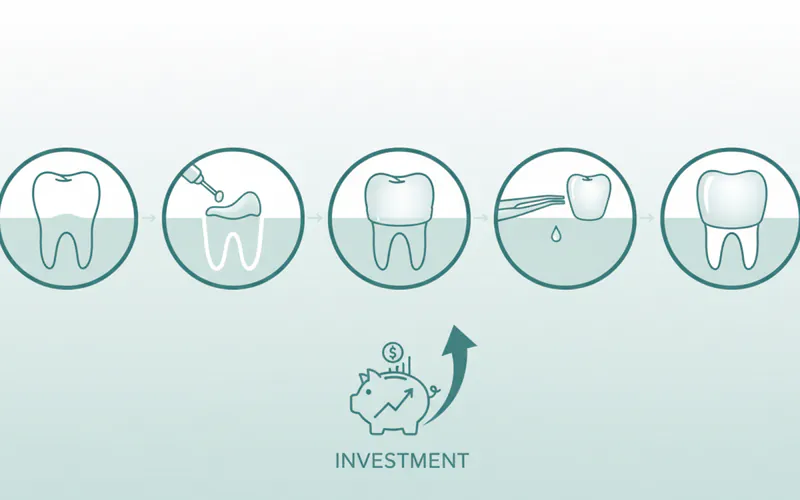
Understanding the process can help you manage expectations and appreciate the investment involved in how much do veneers cost. The journey to a new smile with traditional porcelain veneers typically involves several visits.
1. Initial Consultation and Treatment Planning
Your journey begins with a comprehensive consultation with a cosmetic dentist. During this visit, the dentist will:
- Evaluate your oral health: Ensure your teeth and gums are healthy enough for veneers. Any underlying issues like decay or gum disease must be treated first.
- Discuss your aesthetic goals: Understand what you want to achieve with your smile, including desired color, shape, and size.
- Review treatment options: Explain if veneers are the best solution for you or if alternatives like bonding, orthodontics, or teeth whitening (e.g., with Snow Teeth Whitening products) might be more suitable.
- Take X-rays and impressions: To create a precise model of your teeth.
- Discuss the cost: Provide an estimate of how much do veneers cost for your specific case.
2. Tooth Preparation (First Appointment)
If you decide to proceed with traditional veneers:
- Anesthesia: Local anesthesia is often administered to ensure comfort, though some patients may not require it.
- Enamel Reshaping: A small amount of enamel (approximately 0.3 to 0.5 millimeters) is gently removed from the front surface of your teeth. This is crucial for creating space for the veneer so it doesn't look bulky and bonds securely.
- Impressions: A detailed impression (mold) of your prepared teeth is taken. This impression is sent to a dental laboratory, where your custom veneers will be meticulously fabricated.
- Temporary Veneers (Optional): In some cases, temporary veneers may be placed to protect your prepared teeth while your permanent ones are being made.
3. Veneer Bonding (Second Appointment)
This appointment typically occurs one to three weeks after the preparation, depending on the dental lab's turnaround time.
- Trial Placement: The dentist will first place the veneers on your teeth to check the fit, shape, and color. They may trim or adjust them as needed to ensure a perfect match with your existing teeth and facial aesthetics.
- Cleaning and Etching: Your teeth will be thoroughly cleaned, polished, and etched. Etching creates a slightly rough surface on the enamel, which allows for a stronger bond with the veneer.
- Bonding: A special dental cement is applied to the veneer, which is then carefully placed onto the tooth.
- Curing: A specialized light beam is used to quickly harden the cement, firmly bonding the veneer to your tooth.
- Final Adjustments: Any excess cement is removed, and final adjustments to your bite are made. The dentist will also polish the veneers for a smooth, natural finish.
Pro Tip: Don't hesitate to ask your dentist for "wax-ups" or digital smile designs during the planning phase. These can give you a preview of your potential new smile before any irreversible steps are taken, helping you feel more confident in your investment.
Cost Breakdown: Factors Influencing Veneer Pricing
The question of how much do veneers cost has a multi-faceted answer because several variables contribute to the final price. Understanding these factors will help you gauge the potential investment.
Primary Cost Factors:
- Type of Veneer Material: As discussed, porcelain is generally more expensive than composite. No-prep veneers fall in between.
- Number of Veneers: Most people opt for 6-8 veneers on their upper front teeth for a noticeable smile transformation. The total cost is a direct multiplication of the per-tooth cost by the number of veneers. A full mouth of veneers (16-20 teeth) will be significantly more expensive.
- Dentist's Experience and Location:
- Experience: Highly experienced cosmetic dentists or those with specialized training in aesthetic dentistry often charge more due to their expertise, advanced techniques, and superior results.
- Geographic Location: Dental costs vary significantly by region. Major metropolitan areas (e.g., New York City, Los Angeles) and affluent communities generally have higher prices than rural areas or smaller cities. For example, veneers in California might be at the higher end of the range compared to the Midwest.
- Dental Lab Fees: For porcelain veneers, the quality and reputation of the dental laboratory that fabricates the veneers play a significant role. High-end labs employ master ceramists who produce exceptionally realistic and durable veneers, which adds to the overall cost.
- Complexity of the Case: If your teeth require extensive preparatory work (e.g., gum contouring, addressing decay, or minor orthodontics beforehand), these additional procedures will add to the total cost.
- Additional Procedures:
- Initial Consultation and X-rays: Usually included in the treatment plan but can be separate.
- Temporary Veneers: If needed, these add to the cost.
- Gum Reshaping (Gingivectomy): Sometimes necessary to achieve optimal aesthetics with veneers.
- Nightguard: Recommended for patients who grind their teeth (bruxism) to protect the veneers, an additional cost of $300-$700.
Average US Costs (Low, Mid, High Estimates per Tooth):
| Veneer Type | Low End (per tooth) | Mid Range (per tooth) | High End (per tooth) |
|---|---|---|---|
| Porcelain Veneers | $925 | $1,500 | $2,500 |
| Composite Veneers | $250 | $600 | $1,500 |
| No-Prep Veneers | $800 | $1,400 | $2,000 |
For a typical case involving 6-8 porcelain veneers for the upper front teeth, you could expect to pay anywhere from $5,550 to $20,000.
Insurance Coverage and Payment Options
With vs. Without Insurance
The vast majority of dental insurance plans consider veneers a cosmetic procedure and do not provide coverage. This means you will likely be responsible for the full cost out-of-pocket.
However, there are rare exceptions:
- Medical Necessity: If a veneer is deemed medically necessary to restore a tooth's function due to trauma, severe fracture, or congenital defect, some insurance plans might cover a portion of the cost (similar to a crown). This is uncommon and requires specific documentation from your dentist, often involving a pre-authorization.
- Policy Details: Always review your specific dental insurance policy or contact your provider directly to understand any potential coverage for restorative aspects, even if the primary goal is cosmetic.
Payment Plans and Financing Options
Since veneers represent a significant investment, many dental practices offer flexible payment solutions:
- In-Office Payment Plans: Some dentists allow you to pay for your veneers in installments over several months, often without interest.
- Third-Party Medical Financing: Companies like CareCredit and LendingClub provide specialized healthcare credit cards that offer promotional financing options, often with 0% interest for a specified period (e.g., 6, 12, or 18 months).
- Personal Loans: Banks or credit unions offer personal loans that can be used to cover dental expenses.
- Health Savings Accounts (HSAs) or Flexible Spending Accounts (FSAs): If you have an HSA or FSA, you can use pre-tax dollars to pay for dental care, including some cosmetic procedures. Check with your plan administrator about eligible expenses.
- Discounts: Some dentists offer discounts for paying in full upfront or for multiple veneers (e.g., a discount if you get 6 or more veneers).
Cost-Saving Tips
- Consider Composite Veneers: If budget is a primary concern and your needs are less extensive, composite veneers offer a more affordable entry point to cosmetic enhancement.
- Phased Treatment: Discuss with your dentist if it's possible to apply veneers in phases, perhaps starting with the most visible front teeth and adding more later.
- Shop Around (Carefully): While expertise is paramount, getting quotes from a few different reputable cosmetic dentists in your area can help you understand the price range and find a practice that fits your budget. Be cautious of significantly lower prices, as they might indicate less experienced dentists or lower-quality materials.
- Dental Schools: University dental schools often provide services at a reduced cost, as procedures are performed by students under the supervision of experienced faculty. The trade-off is often longer appointment times.
- Travel for Treatment: While not always recommended due to follow-up care complexities, some individuals seek treatment in countries with lower dental costs. This requires extensive research and careful consideration of quality and continuity of care.
Recovery and Aftercare for Veneers
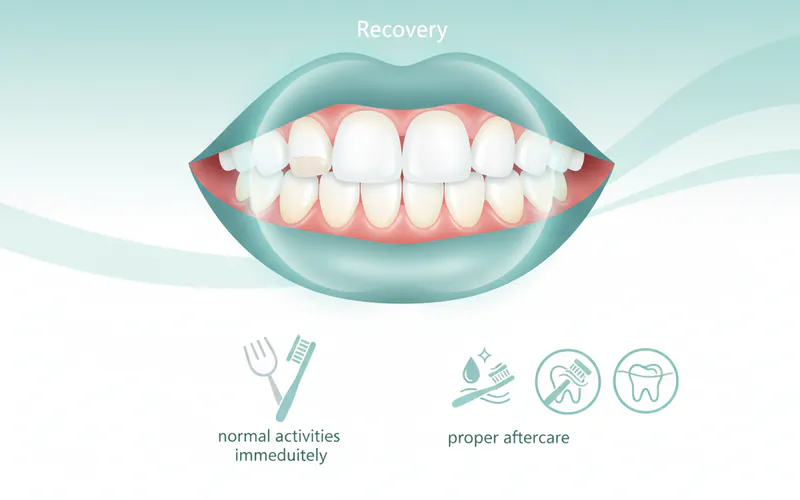
Once your veneers are bonded, the initial recovery is typically minimal. You can generally resume normal activities immediately. However, proper aftercare is crucial for the longevity and appearance of your veneers.
Immediate Post-Procedure Care:
- Sensitivity: You might experience some temporary sensitivity to hot or cold foods and drinks, especially if enamel was removed. This usually subsides within a few days.
- Gum Soreness: Your gums might be slightly sore or tender for a day or two following the procedure.
- Adjusting to New Bite: It might take a day or two to get used to the feel of your new veneers, especially if they altered your bite slightly.
Long-Term Aftercare and Maintenance:
- Oral Hygiene: Treat your veneers just like your natural teeth. Brush twice daily with a non-abrasive toothpaste and a soft-bristled toothbrush. Floss daily. Proper oral hygiene prevents gum disease and decay around the veneers. The American Dental Association (ADA) emphasizes maintaining good oral hygiene regardless of dental restorations.
- Avoid Staining Foods/Drinks (for Composite): While porcelain veneers are highly stain-resistant, composite veneers can stain. Minimize consumption of coffee, tea, red wine, and berries, or rinse your mouth thoroughly after consuming them.
- Avoid Hard or Sticky Foods: Do not bite directly into very hard foods (e.g., ice, hard candy, raw carrots, apples) or sticky, chewy foods with your veneered teeth, as this can chip or dislodge them.
- Prevent Teeth Grinding (Bruxism): If you grind or clench your teeth, especially at night, your dentist may recommend a custom-fitted nightguard. This protects your veneers from excessive force and significantly prolongs their lifespan. This is an added cost to consider in how much do veneers cost over time.
- Regular Dental Check-ups: Continue with your routine dental check-ups and professional cleanings every six months. Your dentist will monitor the condition of your veneers and overall oral health.
- Avoid Nail Biting and Using Teeth as Tools: These habits can damage both natural teeth and veneers.
Pro Tip: Your veneers are strong, but they are not indestructible. Treat them with the same care you would your natural teeth – perhaps even more so, given the investment!
Maintaining Your Veneers: Longevity and Potential Replacements
The lifespan of your veneers is directly related to the material chosen and how well you care for them.
- Porcelain Veneers: With diligent care, porcelain veneers can last 10 to 15 years, often extending to 20 years or more. Factors like maintaining excellent oral hygiene, avoiding excessive force, and regular dental visits contribute significantly to their longevity.
- Composite Veneers: These are less durable and typically last 5 to 7 years before they may need repair, refinishing, or replacement due to staining, chipping, or wear.
Eventually, veneers may need to be replaced. Signs that indicate a need for replacement include:
- Chipping, cracking, or breaking of the veneer.
- Extensive staining (especially with composite).
- Gaps forming between the veneer and the tooth due to gum recession.
- The veneer detaching from the tooth.
- Discoloration of the underlying tooth that shows through the veneer.
The cost of replacing veneers will be similar to the initial cost, factoring in the type of veneer chosen.
Risks and Complications Associated with Veneers
While veneers are a safe and effective cosmetic treatment, it's important to be aware of potential risks and complications:
- Irreversible Procedure (for Traditional Porcelain): Once enamel is removed, it cannot be replaced. This means you will always need a veneer or a crown on that tooth.
- Increased Sensitivity: Some patients experience temporary sensitivity to hot and cold after veneer placement, which usually resolves within a few days or weeks. Persistent sensitivity could indicate an issue.
- Veneer Damage: Veneers can chip, crack, or break, especially with excessive force, biting on hard objects, or teeth grinding. While minor chips can sometimes be repaired (especially with composite), significant damage often requires replacement.
- Veneer Detachment: Although rare, a veneer can become debonded from the tooth. If this happens, keep the veneer and contact your dentist immediately, as it may be possible to re-bond it.
- Gum Recession: Over time, gums can recede, exposing a small margin of the natural tooth root underneath the veneer. This can affect aesthetics and lead to sensitivity.
- Tooth Decay Under Veneer: While veneers protect the front surface of the tooth, the underlying tooth is still susceptible to decay, especially at the margins where the veneer meets the natural tooth. Poor oral hygiene can accelerate this.
- Poor Fit or Color Match: If veneers are not perfectly crafted or bonded, they can lead to an unnatural appearance, discomfort, or an increased risk of decay. This highlights the importance of choosing an experienced cosmetic dentist.
- Pulp (Nerve) Issues: In very rare cases, the preparation process can irritate the tooth's nerve, potentially leading to the need for a root canal, though this is highly uncommon with modern techniques.
Choosing a highly skilled and experienced cosmetic dentist significantly reduces the likelihood of these complications and ensures the best possible outcome.
Comparison Table: Veneers vs. Alternative Cosmetic Treatments
When considering how much do veneers cost, it's helpful to compare them to other cosmetic dentistry options that address similar concerns.
| Feature / Treatment | Veneers (Porcelain) | Dental Bonding (Composite) | Teeth Whitening (e.g., Snow Teeth Whitening) | Dental Crowns | Orthodontics (Braces/Aligners) |
|---|---|---|---|---|---|
| Primary Goal | Extensive cosmetic improvement (shape, color, size) | Minor cosmetic corrections (chips, gaps, minor stains) | Brighten natural tooth color | Restore severely damaged or decayed teeth, aesthetic cover | Correct misaligned teeth, bite issues |
| Cost Per Tooth | $925 - $2,500 | $250 - $1,500 | $150 - $650 (in-office); $50-$200 (at-home kits) | $800 - $3,000 | $3,000 - $8,000 (total treatment) |
| Longevity | 10-15+ years | 5-7 years | 6 months to 2 years (maintenance needed) | 10-15+ years | Permanent (with retainers) |
| Invasiveness | Moderate (enamel removal) | Minimal to none | None | Moderate to high (significant tooth reduction) | None (external appliances) |
| Number of Visits | 2-3 | 1 | 1 (in-office) or multiple (at-home) | 2-3 | Multiple over 1-3 years |
| Best For | Significant aesthetic changes, stain resistance | Small chips, cracks, minor gaps, temporary color improvement | General tooth discoloration, healthy teeth | Severely damaged/weakened teeth, large fillings, post-root canal | Crooked teeth, bite problems, spacing, crowding |
| Reversibility | No | Yes (minor changes) | Yes | No | No (teeth stay in new position) |
Frequently Asked Questions
H3: How much do veneers cost for a full mouth?
The cost of veneers for a full mouth (typically 16-20 teeth) can range significantly. For porcelain veneers, this could be anywhere from $14,800 to $50,000 or more, depending on the dentist's fees, the complexity of your case, and your geographic location. Composite veneers would be considerably less, perhaps $4,000 to $30,000. Most people opt for 6-8 veneers on the upper front teeth rather than a full mouth.
H3: Are veneers painful to get?
The procedure for getting veneers is generally not considered painful. Local anesthesia is typically used during tooth preparation to numb the area, so you should feel no discomfort. Some patients may experience mild sensitivity or soreness in their teeth and gums for a few days after the procedure, but this usually subsides quickly.
H3: How long do veneers last?
The lifespan of veneers varies by material. Porcelain veneers are very durable and can last 10 to 15 years, with many lasting 20 years or more with proper care. Composite veneers are less durable, typically lasting 5 to 7 years before they may need repair or replacement. Regular dental check-ups and good oral hygiene are crucial for maximizing their longevity.
H3: Can veneers be whitened if they stain?
Porcelain veneers are highly resistant to staining and generally do not change color over time. Standard teeth whitening products (like those for Snow Teeth Whitening) will not lighten porcelain veneers. If you're considering whitening, it should be done before getting veneers, so the veneers can be matched to your whitened natural teeth. Composite veneers, however, can stain over time and might be lightly polished by a dentist, but major color changes would require replacement.
H3: What are "pop on veneers" and are they a good alternative?
Pop on veneers (also known as clip-on or snap-on veneers) are temporary, removable cosmetic appliances that fit over your existing teeth. They are significantly more affordable than traditional veneers, ranging from $300-$1,000 per arch. While they offer an instant cosmetic fix, they are generally not recommended as a long-term alternative to permanent dental veneers due to their bulkiness, impact on speech and eating, and potential for hygiene issues. They are best for very temporary aesthetic use.
H3: Will my insurance cover veneers?
In most cases, dental insurance plans do not cover veneers because they are considered a cosmetic procedure. However, if a veneer is deemed medically necessary to restore a tooth's function (e.g., after severe trauma), some insurance policies might cover a portion of the cost. It's always best to check with your specific insurance provider for details on your plan's coverage.
H3: What happens if a veneer chips or breaks?
If a veneer chips or breaks, contact your dentist immediately. Minor chips on composite veneers can sometimes be repaired directly in the office. For porcelain veneers, a chip might be polished down if very small, but more significant damage usually requires the fabrication and placement of a new veneer.
H3: Can I get veneers if I have gum disease?
No, you cannot get veneers if you have active gum disease or untreated tooth decay. Your gums and teeth must be healthy before proceeding with any cosmetic dental work, including veneers. Any underlying oral health issues must be addressed and resolved by your dentist first.
H3: How do I choose the right dentist for veneers?
Choosing the right dentist is critical for a successful veneer outcome. Look for a cosmetic dentist with extensive experience in veneer placement, before-and-after photos of their work, positive patient testimonials, and who emphasizes thorough consultation and digital smile design. Board certification and membership in aesthetic dentistry academies can also be good indicators of expertise.
H3: What if I don't like my veneers after they're placed?
During the "try-in" phase before permanent bonding, you have the opportunity to review the fit and appearance of your porcelain veneers. Your dentist can make adjustments to the shape and size, and confirm the color. Once they are permanently bonded, it's very difficult to make significant changes without removing and replacing them. This underscores the importance of clear communication with your dentist during the planning and try-in stages.
When to See a Dentist
If you are considering dental veneers or any other cosmetic dental procedure, a consultation with a qualified dentist is the essential first step.
You should see a dentist if:
- You are unhappy with your smile: If you have cosmetic concerns like discoloration, chips, gaps, or misshapen teeth that affect your confidence.
- You are researching cosmetic options: To understand if veneers, dental bonding, teeth whitening, or orthodontics are the right solution for your specific needs and budget.
- You have healthy teeth and gums but desire aesthetic improvement: Veneers are best suited for individuals with good overall oral health.
- You're curious about the cost: To get a personalized estimate of how much do veneers cost for your individual case.
Seek immediate dental attention if:
- You have an existing veneer that has chipped, cracked, or fallen off: Prompt action can sometimes save the veneer or prevent further damage to the underlying tooth.
- You experience severe or persistent pain/sensitivity after recent veneer placement that doesn't subside.
- You notice any signs of infection around your veneers or gums (swelling, redness, pus).
Remember, a thorough examination by a dental professional is necessary to determine your candidacy for veneers and to develop a personalized treatment plan that aligns with your aesthetic goals and oral health needs. Do not attempt DIY cosmetic dental solutions, as they can cause irreversible damage. Your dentist is your best resource for achieving a safe, healthy, and beautiful smile.
Frequently Asked Questions
Medically Reviewed Content
This article was written by our dental health editorial team and reviewed for medical accuracy. Our content follows strict editorial guidelines for reliability and trustworthiness.
Medical Disclaimer
This article is for informational purposes only and does not constitute medical advice. Always consult with a qualified dental professional for diagnosis and treatment. Do not delay seeking professional advice because of something you read on this website.
Related Articles
Before and After Dentures: Complete Guide
For many Americans, a vibrant smile isn't just about aesthetics; it's fundamental to speaking clearly, enjoying favorite foods, and maintaining self-confidence. Yet, over 36 million Americans are completely edentulous (have no natural teeth), and millions more suffer from significant tooth loss,
February 22, 2026
Teeth Whitening Cost: Complete Price Guide 2026
Brighter smiles are more than just a fleeting trend; they're a significant confidence booster and a common aesthetic goal for many Americans. In fact, a recent survey indicated that over 80% of adults aged 18-49 believe a beautiful smile is important for success, and teeth whitening remains one
February 22, 2026
Braces Before and After: Complete Guide
For many, the journey to a confident, healthy smile begins with orthodontics. The transformation seen in braces before and after photos isn't just cosmetic; it represents improved oral health, function, and self-esteem. Crooked teeth, misaligned bites, and gaps can lead to a host of problems, fr
February 22, 2026

Natural Teeth Whitening: Complete Guide
A radiant smile is often considered a sign of health and confidence, which is why teeth whitening has become one of the most popular cosmetic dental procedures in the United States. In fact, surveys suggest that a significant majority of Americans, around 80%, desire whiter teeth, and the teeth
February 22, 2026