How Much Is It to Get a Tooth Pulled
Key Takeaways
- Facing the prospect of a tooth extraction can be daunting, not just because of the procedure itself, but also due to concerns about the potential financial burden. Many Americans experience dental issues that necessitate the removal of a tooth, whether due to severe decay, infection, trauma, or orth
Introduction
Facing the prospect of a tooth extraction can be daunting, not just because of the procedure itself, but also due to concerns about the potential financial burden. Many Americans experience dental issues that necessitate the removal of a tooth, whether due to severe decay, infection, trauma, or orthodontic reasons. In fact, studies show that nearly 70% of adults aged 35 to 44 have lost at least one permanent tooth, and a significant portion of these extractions are due to preventable issues. This commonality underscores the importance of understanding all aspects of the procedure, especially the cost. When you ask, "how much is it to get a tooth pulled?", the answer isn't always straightforward. It depends on several factors, including the type of extraction, the tooth's location and condition, the type of anesthesia used, and your dental insurance coverage.

This comprehensive guide from SmilePedia.net aims to demystify the cost of tooth extractions, providing you with clear, medically accurate information to help you make informed decisions about your oral health. We’ll delve into the different types of extractions, the factors that influence pricing, detailed insurance insights, and what to expect during recovery. Our goal is to equip you with the knowledge to navigate this common dental procedure confidently, ensuring you understand not only the financial implications but also the importance of addressing dental issues promptly to maintain overall health.
Key Takeaways:
- Cost Variability: The average cost for a simple tooth extraction ranges from $75 to $450, while a surgical extraction can range from $150 to $650. Impacted wisdom tooth removal is typically $250 to $800 per tooth, potentially reaching $1,000 to $3,000+ for all four complex extractions.
- Factors Influencing Cost: Complexity of the extraction (simple vs. surgical), location of the tooth (front vs. back, visible vs. impacted), type of anesthesia (local vs. sedation/general), geographic location, and the dental professional's fees (general dentist vs. oral surgeon).
- Insurance Coverage: Most dental insurance plans cover a portion of tooth extractions, often between 50% and 80% after deductibles are met, particularly for medically necessary extractions.
- Anesthesia Costs: Local anesthesia is usually included, but sedation or general anesthesia can add $100 to $500+ per hour to the overall cost.
- Recovery Timeline: Initial healing takes 24-48 hours, with full soft tissue recovery in 7-10 days. Bone healing can take several weeks or months.
- Prevention is Key: Regular dental check-ups, good oral hygiene, and a balanced diet are crucial in preventing conditions that lead to extractions.
- Financing Options: For uninsured or high-cost cases, options include payment plans, dental credit cards (e.g., CareCredit), dental schools, and community dental clinics.
What It Is: Understanding Tooth Extraction
A tooth extraction is the removal of a tooth from its socket in the bone. While dentists strive to save natural teeth whenever possible, extraction becomes necessary when a tooth is beyond repair or poses a risk to overall oral health. It's a common dental procedure, often performed by a general dentist, though more complex cases may require an oral surgeon. The primary goal of an extraction is to alleviate pain, prevent the spread of infection, or address other oral health issues that cannot be resolved through less invasive treatments.
When is an Extraction Necessary?
Extractions are considered when:
- A tooth is severely damaged by decay and cannot be restored with a filling, crown, or root canal.
- An infection (abscess) has destroyed a significant portion of the tooth or surrounding bone.
- There's severe gum disease (periodontitis) that has loosened the tooth to the point of no return.
- Trauma has fractured the tooth beyond repair.
- There's overcrowding in the mouth, often for orthodontic treatment to create space for alignment.
- Wisdom teeth are impacted, causing pain, infection, or damage to adjacent teeth.
Types of Tooth Extractions
The complexity of a tooth extraction is the biggest determinant of its cost and the method used. There are generally two main types: simple extractions and surgical extractions.
Simple Extraction
A simple extraction is performed on a tooth that is visible in the mouth and has a relatively intact crown. This procedure is typically done by a general dentist under local anesthesia.
- Process: The dentist uses an instrument called an elevator to loosen the tooth from its socket, then forceps to grasp and gently rock the tooth back and forth until it can be removed.
- Recovery: Generally straightforward, with minimal discomfort and a quicker healing time.
- Cost: This is typically the less expensive option when considering how much is it to get a tooth pulled.
Surgical Extraction
A surgical extraction is required for teeth that are not easily accessible, such as those that are impacted (trapped beneath the gum line or bone), broken off at the gum line, or have complex root structures. This procedure often requires an oral surgeon and may involve various levels of sedation or general anesthesia.
- Process: The oral surgeon may need to make an incision in the gum tissue, remove some surrounding bone, or section the tooth into smaller pieces to facilitate removal. Stitches may be necessary to close the incision.
- Recovery: Can involve more swelling and discomfort, with a longer healing period compared to simple extractions.
- Cost: Significantly higher than simple extractions due to increased complexity, specialized instruments, and potentially the need for an oral surgeon and advanced anesthesia.
Wisdom Teeth Extraction
Wisdom teeth (third molars) are a common reason for surgical extractions. They often become impacted, meaning they don't have enough room to erupt properly and can cause pain, infection, or damage to neighboring teeth. The cost of wisdom tooth removal can vary greatly depending on the degree of impaction and the number of teeth extracted.
- Erupted Wisdom Tooth: Similar to a simple extraction, but often in a challenging location.
- Soft Tissue Impaction: The tooth has erupted through bone but is covered by gum tissue.
- Partial Bony Impaction: The tooth is partially trapped in the jawbone.
- Full Bony Impaction: The tooth is entirely enclosed within the jawbone, requiring significant surgical intervention.
Causes and Contributing Factors Leading to Extraction
Understanding why an extraction might be necessary can help in prevention. Here are the primary reasons:
1. Severe Tooth Decay (Caries)
Uncontrolled cavities can destroy tooth structure, leading to deep infections that penetrate the pulp (nerve) and even the surrounding bone. If the tooth can't be saved by a filling or root canal, extraction is the only option to remove the source of infection.
2. Advanced Periodontal Disease (Gum Disease)
Periodontitis is a severe gum infection that damages the soft tissue and destroys the bone that supports your teeth. Over time, it can cause teeth to loosen and eventually fall out or require extraction due to lack of support. According to the CDC, nearly half of adults over 30 have some form of periodontal disease.
3. Dental Trauma
Accidents, sports injuries, or falls can cause severe fractures to a tooth, particularly if the fracture extends below the gum line or compromises the root. If the tooth cannot be repaired with a crown or other restorative procedures, extraction becomes unavoidable.
4. Impaction and Overcrowding
- Impacted Wisdom Teeth: As discussed, wisdom teeth often don't have enough room to erupt properly, becoming impacted and causing pain, infection, or damage to adjacent teeth.
- Orthodontic Treatment: Sometimes, teeth are extracted to create necessary space in the jaw for orthodontic treatment (braces) to properly align the remaining teeth.
- Supernumerary Teeth: Extra teeth that disrupt normal dental alignment or eruption patterns may also need to be removed.
5. Infection
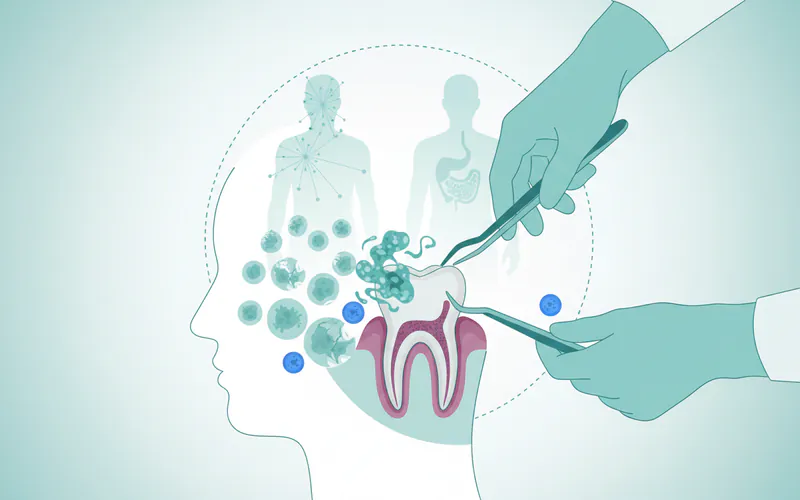
If a tooth infection (abscess) is so severe that it has spread beyond the tooth itself, compromising the jawbone or adjacent tissues, and a root canal isn't feasible, extraction is often necessary to prevent systemic health issues.
6. Risk of Infection (Immunocompromised Patients)
Patients with compromised immune systems (e.g., those undergoing chemotherapy, organ transplant recipients) may require extraction of teeth with a high risk of infection, even if they could otherwise be saved, to prevent serious complications.
Signs and Symptoms Indicating a Potential Need for Extraction
Recognizing the signs that might lead to a tooth extraction can prompt timely dental care and potentially prevent more severe issues.
- Persistent Toothache: A severe, throbbing, or continuous pain that doesn't subside with over-the-counter pain relievers can indicate deep decay or infection.
- Swelling: Swelling around the tooth, gum, or jaw can be a sign of an abscess or infection.
- Redness and Tenderness: Inflamed, red, and tender gums around a specific tooth often point to infection or gum disease.
- Pus Drainage: Visible pus around the gum line or originating from the tooth itself is a clear sign of infection.
- Loose Tooth: A tooth that feels significantly loose, especially in an adult, can indicate advanced gum disease or severe bone loss.
- Sensitivity to Hot/Cold: While common for minor issues, extreme or prolonged sensitivity, particularly to cold, can signal deep decay reaching the tooth's pulp.
- Bad Taste or Breath: Persistent bad taste in the mouth or foul breath (halitosis) can be a symptom of a chronic infection around a decaying tooth or gum disease.
- Difficulty Chewing or Biting: Pain or discomfort when applying pressure to a tooth can indicate an underlying issue requiring attention.
- Jaw Pain or Stiffness (especially for wisdom teeth): Pain in the jaw, difficulty opening your mouth, or a sensation of pressure in the back of your mouth can indicate an impacted wisdom tooth.
Treatment Options: Extraction vs. Alternatives
While this article focuses on how much is it to get a tooth pulled, it's crucial to understand that extraction is often a last resort. Dentists prioritize saving natural teeth. Here are the common alternatives and their considerations:
1. Fillings
- Purpose: To repair a tooth damaged by mild to moderate decay.
- Pros: Preserves natural tooth structure, relatively inexpensive, quick procedure.
- Cons: Not suitable for large cavities or deep infections.
- Cost: Typically $50-$250 per filling, depending on material and size.
2. Crowns
- Purpose: To cover and protect a tooth that has been severely damaged by decay, fracture, or after a root canal.
- Pros: Restores tooth strength and appearance, preserves the tooth.
- Cons: More expensive than fillings, requires multiple appointments, removal of some tooth structure.
- Cost: Typically $800-$1,500 per crown, varying by material.
3. Root Canal Therapy
- Purpose: To save a tooth when the pulp (nerve) is infected or inflamed due to deep decay or trauma. The infected pulp is removed, and the inside of the tooth is cleaned and sealed.
- Pros: Saves the natural tooth, prevents extraction, can last a lifetime with proper care.
- Cons: Can be expensive, requires a subsequent crown, may involve multiple appointments, can be intimidating for some patients.
- Cost: Typically $700-$1,500 for a front tooth and $1,000-$2,000+ for a molar, plus the cost of a crown.
4. Periodontal Treatment
- Purpose: To treat gum disease, ranging from deep cleanings (scaling and root planing) to surgical procedures to save teeth with bone loss.
- Pros: Can halt disease progression, save teeth, improve overall oral health.
- Cons: Can be extensive and costly for advanced cases, requires ongoing maintenance.
- Cost: Varies widely, from $200-$500 for deep cleaning to $500-$3,000+ for surgical procedures.
Choosing between extraction and an alternative depends on the severity of the problem, the tooth's restorability, your overall health, and your budget. Your dentist will discuss these options with you, explaining the pros, cons, and costs of each.
Pro Tip: Always explore alternatives to extraction with your dentist. Saving your natural tooth, if possible, is almost always the best option for long-term oral health, even if the initial cost seems higher.
Step-by-Step Process of a Tooth Extraction
Understanding what to expect during a tooth extraction can help ease any anxiety. The process varies slightly between simple and surgical extractions.
Before the Procedure (Consultation and Preparation)
- Dental Examination and X-rays: Your dentist will perform a thorough examination and take X-rays to assess the tooth's condition, root structure, and surrounding bone. This helps determine if it will be a simple or surgical extraction.
- Medical History Review: You'll discuss your medical history, including any medications you're taking (especially blood thinners), allergies, and existing health conditions (e.g., heart conditions, diabetes, artificial joints), as these can influence the procedure and recovery. Antibiotics may be prescribed beforehand for certain conditions.
- Anesthesia Discussion: Your dentist or oral surgeon will discuss anesthesia options (local, nitrous oxide, oral sedation, IV sedation, general anesthesia) and their associated costs and risks.
- Consent Form: You'll review and sign a consent form, acknowledging your understanding of the procedure, potential risks, and alternatives.
During the Procedure
For a Simple Extraction:
- Local Anesthesia: The area around the tooth will be numbed with a local anesthetic (like lidocaine). You'll feel pressure but no pain.
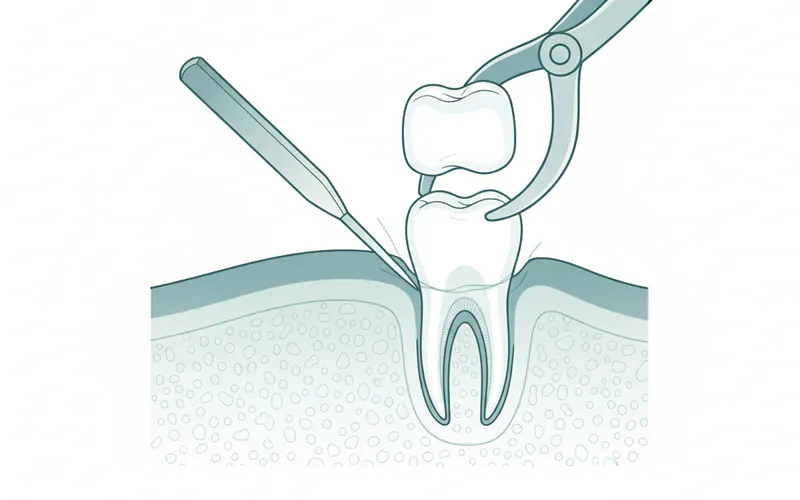
- Loosening the Tooth: Your dentist will use an instrument called an elevator to gently loosen the tooth from its socket, breaking the periodontal ligament that holds it in place.
- Removal: Once sufficiently loose, dental forceps are used to grasp the tooth and rock it back and forth until it can be carefully removed.
- Cleaning and Gauze: The socket is cleaned, and a sterile gauze pad is placed over the extraction site to control bleeding and encourage clot formation.
For a Surgical Extraction (often by an oral surgeon):
- Anesthesia Administration: Depending on your agreement, local anesthesia will be administered, potentially along with sedation (oral, IV, or general anesthesia) to ensure comfort and minimize awareness.
- Incision: The oral surgeon may make a small incision in the gum tissue to expose the tooth and surrounding bone.
- Bone Removal (if necessary): If the tooth is impacted or encased in bone, a small amount of bone may be carefully removed using a dental drill.
- Tooth Sectioning (if necessary): The tooth may be cut into smaller pieces to facilitate easier and less traumatic removal, especially for impacted wisdom teeth or severely fractured teeth.
- Removal and Cleaning: The tooth fragments are removed, and the socket is thoroughly cleaned to ensure no debris or infection remains.
- Sutures (Stitches): The gum flap is typically repositioned, and sutures (stitches) may be placed to close the incision and aid healing. These may be dissolvable or require removal at a follow-up appointment.
- Gauze: Sterile gauze is placed over the extraction site to encourage blood clot formation.
Cost and Insurance: How Much Is It to Get a Tooth Pulled?
The question "how much is it to get a tooth pulled?" is complex, as costs vary significantly. Understanding the factors at play and your insurance coverage is key.
Factors Influencing the Cost of Tooth Extraction
-
Type of Extraction:
- Simple Extraction: Typically $75 - $450 per tooth. This is for an erupted, visible tooth.
- Surgical Extraction: Typically $150 - $650 per tooth. This applies to teeth that are broken, below the gum line, or require bone removal.
- Impacted Wisdom Tooth Extraction:
- Soft Tissue Impaction: $250 - $500 per tooth.
- Partial Bony Impaction: $350 - $650 per tooth.
- Full Bony Impaction: $450 - $800+ per tooth.
- Total for all four impacted wisdom teeth can range from $1,000 to $3,000+, especially if sedation or general anesthesia is used.
-
Location of the Tooth: Front teeth (incisors) are generally easier and less costly to extract than molars, which often have multiple roots. Wisdom teeth, located at the very back, present their own challenges.
-
Type of Anesthesia/Sedation:
- Local Anesthesia: Usually included in the extraction fee.
- Nitrous Oxide (Laughing Gas): Adds $50 - $150.
- Oral Sedation: Adds $100 - $300.
- IV Sedation: Adds $250 - $750+ per hour. Often used for surgical extractions, especially wisdom teeth.
- General Anesthesia: Can add $500 - $1,500+ for the procedure, requiring an anesthesiologist.
-
Dental Professional:
- General Dentist: Typically charges less for simple extractions.
- Oral Surgeon (Oral and Maxillofacial Surgeon): Specialists for complex surgical extractions and impacted wisdom teeth. Their fees are generally higher due to their advanced training and expertise.
-
Geographic Location: Dental costs vary significantly by region, city, and even neighborhood. Major metropolitan areas tend to have higher costs than rural areas. For example, a simple extraction in New York City might be at the higher end of the range compared to a similar procedure in a smaller town in the Midwest.
-
Pre- and Post-Procedure Costs:
- Initial Consultation and X-rays: May be a separate fee (e.g., $50-$200), though often included if proceeding with the extraction.
- Post-operative Medications: Prescriptions for pain relief or antibiotics.
- Follow-up Appointments: Usually included if required to check healing or remove stitches.
Dental Insurance Coverage for Extractions
Most dental insurance plans do cover a portion of tooth extractions, as they are often considered medically necessary procedures to maintain oral health. However, the extent of coverage varies significantly:
- PPO (Preferred Provider Organization) Plans: Offer more flexibility in choosing dentists. They typically cover a percentage of the extraction cost after you meet your deductible. Common coverage is 50% to 80% for extractions, often categorized under "basic" or "major" services.
- HMO (Health Maintenance Organization) Plans: Require you to choose a dentist within their network and often require a referral for specialists like oral surgeons. They may have lower out-of-pocket costs but less choice.
- Medicaid and CHIP (Children's Health Insurance Program): Coverage for dental services, including extractions, varies by state. Most states cover extractions for children and some for adults, especially if medically necessary. It's crucial to check your state's specific guidelines.
- Deductibles: The amount you must pay out-of-pocket before your insurance begins to cover costs.
- Co-pays: A fixed amount you pay for a dental service, even after your deductible is met.
- Annual Maximums: The maximum amount your insurance plan will pay for your dental care in a plan year (typically $1,000-$2,000). If your extraction is very complex or requires extensive sedation, you might hit this limit.
Pro Tip: Always contact your insurance provider beforehand to understand your specific benefits, deductibles, co-pays, and annual maximums for extractions. Get a pre-treatment estimate from your dental office.
Example Cost Scenario (Surgical Extraction of Impacted Molar)
| Item | Without Insurance (Avg. Cost) | With Insurance (e.g., 70% coverage, $50 deductible) | Your Out-of-Pocket |
|---|---|---|---|
| Consultation & X-rays | $150 | $150 (applied to deductible) | $150 |
| Surgical Extraction | $550 | $550 | |
| IV Sedation (1 hr) | $400 | $400 | |
| Subtotal | $1100 | $1100 | |
| Deductible | N/A | -$50 (already paid) | |
| Insurance Coverage (70%) | N/A | -$600 (70% of $1100 - $50 deductible = $1050 * 0.70) | |
| Total Patient Cost | $1100 | $450 |
Note: This is a simplified example. Actual costs and coverage can vary widely.
Recovery and Aftercare After a Tooth Extraction
Proper aftercare is crucial for preventing complications like dry socket and infection, and for ensuring a smooth healing process.
Immediately After the Extraction (First 24 Hours)
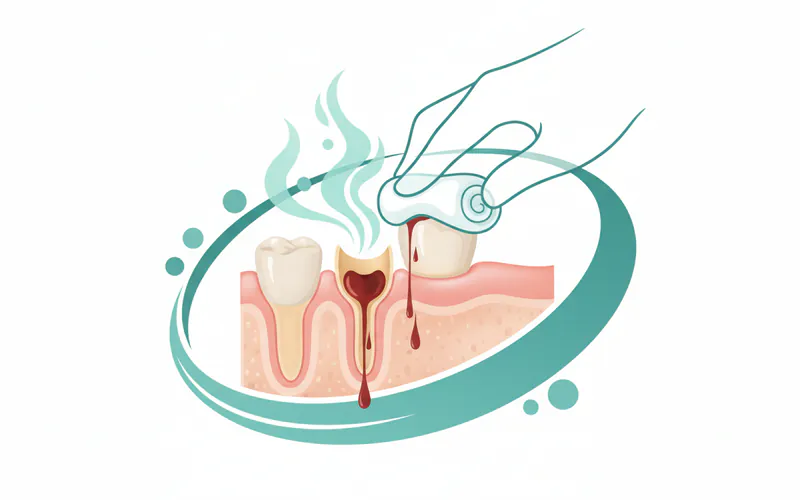
- Bleeding Control: Bite firmly on the sterile gauze pad provided for 30-45 minutes. Change the gauze as needed (every 20-30 minutes) until bleeding stops or significantly slows. Some oozing is normal for up to 24 hours.
- Pain Management: Take prescribed pain medication as directed, or use over-the-counter pain relievers like ibuprofen (Advil, Motrin) or acetaminophen (Tylenol). Start taking medication before the local anesthetic wears off.
- Swelling Reduction: Apply an ice pack to the outside of your cheek, near the extraction site, for 15-20 minutes on, 15-20 minutes off, during the first 24 hours. This helps minimize swelling and bruising.
- Rest: Limit physical activity for at least 24 hours. Prop your head up with pillows when lying down to help reduce bleeding.
- Diet: Stick to soft foods and liquids only. Avoid hot liquids, alcohol, and carbonated beverages.
- Avoid Disturbing the Clot:
- DO NOT rinse your mouth vigorously.
- DO NOT spit forcefully.
- DO NOT use a straw (the suction can dislodge the blood clot).
- DO NOT smoke (this significantly increases the risk of dry socket and infection).
- DO NOT touch the extraction site with your fingers or tongue.
Days 2-7 (Healing Phase)
- Oral Hygiene:
- Brush your teeth gently, avoiding the extraction site.
- Rinse gently with warm salt water (1/2 teaspoon salt in 8 ounces warm water) 2-3 times a day, especially after meals, starting 24 hours after the extraction. This helps keep the area clean and promotes healing.
- Diet: Gradually reintroduce semi-soft foods, then solid foods, as comfort allows. Continue to avoid hard, crunchy, or sticky foods that could irritate the site or get stuck in the socket.
- Pain and Swelling: Swelling should start to subside after 48 hours. Continue pain medication as needed.
- Smoking/Alcohol: Continue to avoid smoking and alcohol for as long as possible, ideally for at least a week, to promote optimal healing.
- Activity: Gradually return to normal activities, but avoid strenuous exercise for several days.
- Stitches: If you have dissolvable stitches, they will disappear on their own within a week or two. If non-dissolvable, you'll have an appointment to have them removed.
Long-Term Recovery (Weeks to Months)
- The soft tissue healing is usually complete within 7-10 days.
- Bone remodeling and filling of the socket can take several weeks to months.
- Discuss options for replacing the extracted tooth (e.g., dental implant, bridge, partial denture) with your dentist to prevent shifting of adjacent teeth and maintain chewing function.
Prevention: Avoiding Future Extractions
Preventing the need for extractions is always the best approach for both your oral health and your wallet.
- Maintain Excellent Oral Hygiene:
- Brush twice daily for at least two minutes with fluoride toothpaste.
- Floss daily to remove plaque and food particles from between teeth and under the gum line.
- Regular Dental Check-ups and Cleanings:
- Visit your dentist for professional cleanings and examinations at least twice a year (every six months). These visits allow early detection and treatment of issues like decay and gum disease before they become severe enough to require extraction.
- Balanced Diet:
- Limit sugary foods and drinks, which contribute to tooth decay.
- Eat a diet rich in fruits, vegetables, and calcium to support strong teeth and bones.
- Use Fluoride:
- Fluoride strengthens tooth enamel and makes it more resistant to decay. Ensure your toothpaste contains fluoride, and your water supply is fluoridated, or discuss fluoride treatments with your dentist.
- Protective Gear:
- If you play contact sports, wear a custom-fitted mouthguard to protect your teeth from trauma and fractures.
- Address Bruxism (Teeth Grinding):
- If you grind or clench your teeth (bruxism), especially at night, your dentist may recommend a nightguard to protect your teeth from excessive wear and fracture.
- Don't Ignore Symptoms:
- If you experience persistent pain, swelling, sensitivity, or any other unusual symptoms, see your dentist promptly. Early intervention can often save a tooth.
Risks and Complications of Tooth Extraction
While generally safe, tooth extractions, like any surgical procedure, carry potential risks and complications.
- Dry Socket (Alveolar Osteitis): This is the most common complication, occurring when the blood clot in the extraction socket dislodges or dissolves prematurely, exposing the underlying bone and nerves. It causes intense pain, usually 2-5 days after the extraction, radiating to the ear. Risk factors include smoking, aggressive rinsing, using straws, and oral contraceptives. Treatment involves cleaning the socket and placing a medicated dressing.
- Infection: Although antibiotics may be given beforehand or afterward, an infection can still occur. Signs include increased pain, swelling, pus, fever, or a foul taste.
- Nerve Damage: Rare, but possible, especially with wisdom teeth extractions in the lower jaw. The inferior alveolar nerve, which provides sensation to the lower lip and chin, can be bruised or damaged, leading to temporary or (very rarely) permanent numbness.
- Damage to Adjacent Teeth or Restorations: During the extraction process, there's a small risk of inadvertently damaging neighboring teeth, fillings, or crowns.
- Sinus Perforation: If an upper molar, particularly a wisdom tooth, is extracted, the roots can be very close to the maxillary sinus. There's a small risk of creating an opening between the mouth and the sinus cavity. This usually heals on its own but may require further treatment if persistent.
- Fractured Jaw: Extremely rare, but possible during difficult extractions, especially in older patients with fragile bones.
- Excessive Bleeding: While some oozing is normal, prolonged heavy bleeding should be reported to your dentist immediately.
- Reactions to Anesthesia: While uncommon, allergic reactions or adverse responses to anesthesia can occur.
Children / Pediatric Considerations for Tooth Extractions
Tooth extractions in children (pediatric extractions) are also common but differ significantly from adult extractions due to the presence of primary (baby) teeth and developing permanent teeth.
Reasons for Pediatric Extractions:
- Severe Tooth Decay: Baby teeth are more prone to rapid decay due to thinner enamel. If decay is extensive and cannot be treated with a filling or pulp therapy, extraction may be necessary to prevent infection from spreading to the permanent tooth bud beneath.
- Trauma: Injuries can cause fractures or displacement of primary teeth beyond repair.
- Orthodontic Reasons: Sometimes, a primary tooth doesn't fall out on its own (over-retained) and blocks the eruption of the permanent tooth. Extractions may also be part of a broader orthodontic treatment plan to create space for proper alignment of permanent teeth.
- Infection: An abscess on a primary tooth can affect the developing permanent tooth underneath if not addressed.
- Supernumerary Teeth: Extra teeth that interfere with normal dental development.
Key Differences in Pediatric Extractions:
- Primary Teeth: Baby teeth have shorter roots and are designed to fall out. Extractions are generally simpler than for permanent teeth.
- Developing Permanent Teeth: Dentists take great care to avoid damaging the permanent tooth bud located beneath the primary tooth during extraction.
- Anxiety Management: Children often experience more anxiety. Pediatric dentists are trained in techniques like "tell-show-do," nitrous oxide, or light sedation to ensure a calm experience.
- Space Maintainers: If a primary molar is extracted prematurely (before the permanent tooth is ready to erupt), a space maintainer may be placed to prevent adjacent teeth from shifting into the gap, preserving space for the permanent tooth.
Cost for Pediatric Extractions:
- Generally, the cost for extracting a primary tooth is lower than for an adult permanent tooth extraction, typically ranging from $75 - $300 for a simple extraction.
- Factors like sedation and surgical complexity (e.g., impacted or fused primary teeth) can increase the cost.
- Many dental insurance plans, especially those for children (like CHIP), offer good coverage for pediatric extractions when medically necessary.
Cost Breakdown: Understanding the Numbers
To provide a clearer picture of how much it is to get a tooth pulled, let's break down average US costs and explore payment options.
Average US Costs (Low, Mid, High) for a Single Tooth Extraction
| Type of Extraction | Low-End Cost | Mid-Range Cost | High-End Cost | Typical Professional |
|---|---|---|---|---|
| Simple Extraction | $75 | $200 | $450 | General Dentist |
| Surgical Extraction | $150 | $400 | $650 | General Dentist / Oral Surgeon |
| Impacted Wisdom Tooth (Soft Tissue) | $250 | $375 | $500 | Oral Surgeon |
| Impacted Wisdom Tooth (Partial Bony) | $350 | $500 | $650 | Oral Surgeon |
| Impacted Wisdom Tooth (Full Bony) | $450 | $625 | $800+ | Oral Surgeon |
| Add-on: Nitrous Oxide | $50 | $100 | $150 | General Dentist / Oral Surgeon |
| Add-on: Oral Sedation | $100 | $200 | $300 | General Dentist / Oral Surgeon |
| Add-on: IV Sedation (per hour) | $250 | $500 | $750+ | Oral Surgeon |
With vs. Without Insurance
- Without Insurance (Self-Pay): You are responsible for 100% of the cost. Dentists may offer a discount for cash payments upfront. For example, a surgical extraction for an impacted molar without insurance could cost anywhere from $400 to $1,500+ depending on complexity and anesthesia, not including initial consultation or X-rays.
- With Insurance: As discussed, dental insurance typically covers 50% to 80% of extraction costs after your deductible is met. This can significantly reduce your out-of-pocket expenses. For instance, a $500 surgical extraction might only cost you $100-$250 if your deductible is met and coverage is 70-80%.
- Pro Tip: Be aware of your annual maximums. If you need multiple extractions or complex procedures, you might exceed your yearly limit, and any costs beyond that maximum will be your responsibility.
Payment Plans and Financing Options
If you're uninsured or facing high out-of-pocket costs, several options can help manage the expense:

- In-House Payment Plans: Many dental offices offer flexible payment plans, allowing you to pay for the procedure in installments over several months. Inquire about interest-free options.
- Dental Credit Cards (e.g., CareCredit): These specialized credit cards offer promotional financing options, often with deferred interest if the balance is paid within a specified period (e.g., 6, 12, or 18 months).
- Personal Loans: Banks and credit unions offer personal loans that can cover dental expenses. Be mindful of interest rates.
- Dental Schools: Dental schools often provide services at a reduced cost compared to private practices, as procedures are performed by students under the close supervision of experienced faculty.
- Community Dental Clinics: Many communities have non-profit clinics or public health programs that offer discounted or sliding-scale fees for dental services to low-income individuals.
- Health Savings Accounts (HSAs) or Flexible Spending Accounts (FSAs): If you have an HSA or FSA through your employer, you can use pre-tax dollars to pay for qualified dental expenses, including extractions, making your money go further.
Cost-Saving Tips
- Get Multiple Quotes: Especially for complex extractions, get estimates from a few different dentists or oral surgeons.
- Ask About Cash Discounts: Many practices offer a discount (e.g., 5-10%) for patients who pay in full at the time of service, especially if uninsured.
- Consider Dental Discount Plans: These are not insurance but membership programs that offer a percentage discount on dental services from participating providers for an annual fee.
- Preventive Care: The best cost-saving tip is to avoid needing an extraction in the first place through diligent oral hygiene and regular check-ups. Addressing problems early is always less expensive.
Frequently Asked Questions
How much does it cost to get a tooth pulled without insurance?
Without insurance, a simple tooth extraction can range from $75 to $450, while a surgical extraction (e.g., an impacted tooth) can cost anywhere from $150 to $800+ per tooth, excluding anesthesia. Complex cases, especially with IV sedation, can push the total into the $1,000-$3,000+ range per tooth or for multiple wisdom teeth.
Is getting a tooth pulled painful?
During the procedure, you should not feel pain thanks to local anesthesia and potentially sedation. You will likely feel pressure and movement. After the anesthesia wears off, some pain and discomfort are normal, but this can be managed with prescribed or over-the-counter pain medication.
How long does a tooth extraction take?
A simple extraction typically takes 10-30 minutes. Surgical extractions, especially for impacted wisdom teeth, can take longer, usually 20-60 minutes per tooth, sometimes longer depending on complexity and the number of teeth being removed.
What can I eat after a tooth extraction?
For the first 24-48 hours, stick to soft, cool foods like yogurt, applesauce, mashed potatoes, smoothies (without a straw), and lukewarm soup. Gradually reintroduce semi-soft foods, avoiding anything hard, crunchy, sticky, or very hot, until the site has healed.
What is a dry socket, and how can I prevent it?
A dry socket occurs when the blood clot that forms in the extraction site dislodges or dissolves too early, exposing the bone. It causes intense pain 2-5 days post-extraction. To prevent it, avoid smoking, using straws, vigorous rinsing, and spitting forcefully for at least 48 hours. Follow all aftercare instructions diligently.
Are there alternatives to getting a tooth pulled?
Yes, depending on the issue. For decay, alternatives include fillings, crowns, or root canal therapy. For gum disease, periodontal treatments might be an option. Your dentist will evaluate your specific situation and discuss all viable alternatives before recommending an extraction.
When can I brush my teeth after an extraction?
You can gently brush your other teeth immediately after the extraction, but avoid the extraction site for at least 24 hours. After 24 hours, you can gently rinse with warm salt water and carefully brush near the site, being careful not to disturb the clot.
How much does it cost to get a wisdom tooth pulled?
The cost of wisdom tooth extraction varies significantly based on impaction. An erupted wisdom tooth may cost $75-$450. Soft tissue impacted wisdom teeth typically cost $250-$500. Partial bony impaction ranges from $350-$650, and full bony impaction is $450-$800+ per tooth. These costs often exclude sedation.
How long does it take to recover from a tooth extraction?
Initial healing, where bleeding subsides and swelling peaks, usually takes 24-48 hours. Soft tissue healing typically completes in 7-10 days. Full bone remodeling can take several weeks to months. Most patients feel significantly better within a few days to a week.
Will my insurance cover an emergency tooth extraction?
Most dental insurance plans do cover emergency tooth extractions, as they are considered medically necessary. However, coverage limits, deductibles, and co-pays will still apply. It's always best to contact your insurance provider to confirm your benefits for emergency procedures.
When to See a Dentist
Knowing when to seek dental care is crucial, especially when it concerns a tooth that might need extraction. Ignoring symptoms can lead to more serious complications and higher costs.
Red Flags That Need Immediate Attention (Emergency)
Contact your dentist or seek emergency dental care if you experience any of the following:
- Severe, Unbearable Pain: Persistent, throbbing pain that doesn't respond to over-the-counter pain relievers, especially if it's keeping you awake at night.
- Significant Swelling: Rapidly progressing swelling in your face, jaw, or neck, particularly if it affects your ability to swallow or breathe. This could indicate a severe infection spreading.
- Signs of Infection: Fever, chills, pus draining from around a tooth, or a foul taste in your mouth, especially if accompanied by pain and swelling.
- Trauma with Tooth Damage: If a tooth is knocked out, severely fractured, or displaced due to an accident or injury.
- Post-Extraction Complications: If you experience severe, increasing pain (especially around 2-5 days after extraction, indicating a dry socket), persistent heavy bleeding that doesn't stop with gauze pressure, or signs of infection at the extraction site (e.g., pus, fever).
Routine Care vs. Emergency Guidance
- Routine Care: For less urgent concerns, such as a dull ache, minor sensitivity, or a chipped tooth without severe pain, schedule a regular appointment with your general dentist. These issues can often be addressed before they escalate into an extraction-requiring problem.
- Scheduled Extraction: If your dentist has recommended an extraction, it will be a scheduled procedure, allowing time for preparation, understanding costs, and arranging for post-operative care.
Remember, early intervention is key. If you are questioning, "how much is it to get a tooth pulled," it's likely you're already experiencing symptoms. Don't delay seeing a dental professional to assess your condition and discuss the best course of action. Your oral health is intricately linked to your overall well-being.
Frequently Asked Questions
Medically Reviewed Content
This article was written by our dental health editorial team and reviewed for medical accuracy. Our content follows strict editorial guidelines for reliability and trustworthiness.
Medical Disclaimer
This article is for informational purposes only and does not constitute medical advice. Always consult with a qualified dental professional for diagnosis and treatment. Do not delay seeking professional advice because of something you read on this website.
Related Articles
How Much Does Tooth Bonding Cost
Imagine looking in the mirror and seeing a smile that doesn't quite reflect your inner confidence – maybe a small chip from an unexpected accident, an annoying gap between your front teeth, or a stain that just won't budge. For many Americans, these minor imperfections can significantly impact self-
February 22, 2026
How Much Are Gold Grillz for Teeth
When considering a unique blend of personal style and dental aesthetics, many individuals find themselves drawn to the allure of gold grillz. But beyond the flashy appearance and cultural significance, a practical question often arises: how much are gold grillz for teeth? This isn't just a simpl
February 22, 2026

How Much Are Tooth Gems
In an age where personal expression extends to every facet of our lives, it's no surprise that cosmetic dentistry has evolved beyond mere functionality to embrace aesthetic adornment. From subtle enhancements to bold statements, teeth have become a new canvas for individuality. One increasingly popu
February 22, 2026

How Much Does a Dog Xray Cost
As a premier dental health portal, SmilePedia.net is dedicated to illuminating all facets of oral health and related medical costs for our valued readers across the US. While our primary focus remains squarely on human dentistry – from routine cleanings to complex restorative procedures – we underst
February 22, 2026